

The DOI matches its Crossref record; 61 of the 61 references it cites were found in a registry or an index.
Brain Microbial Populations in HIV/AIDS: α-Proteobacteria Predominate Independent of Host Immune Status
Open accessAbstract
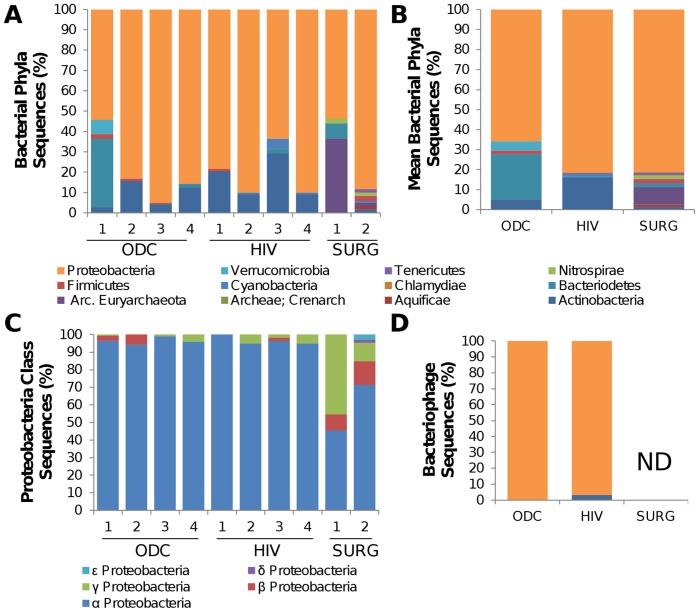
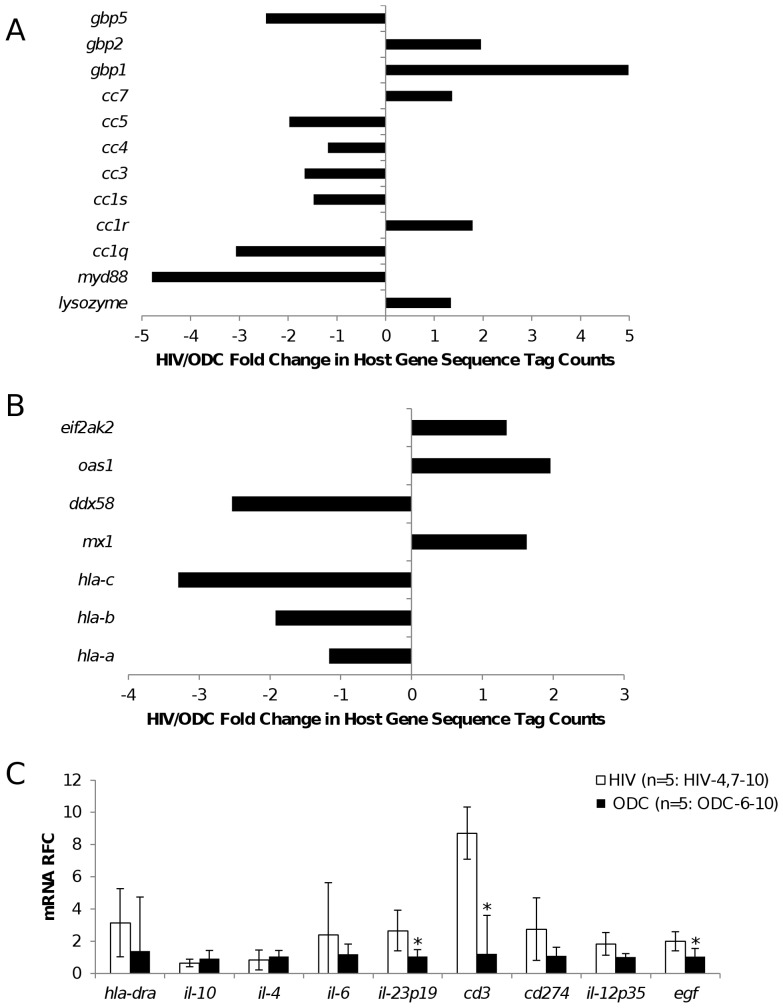
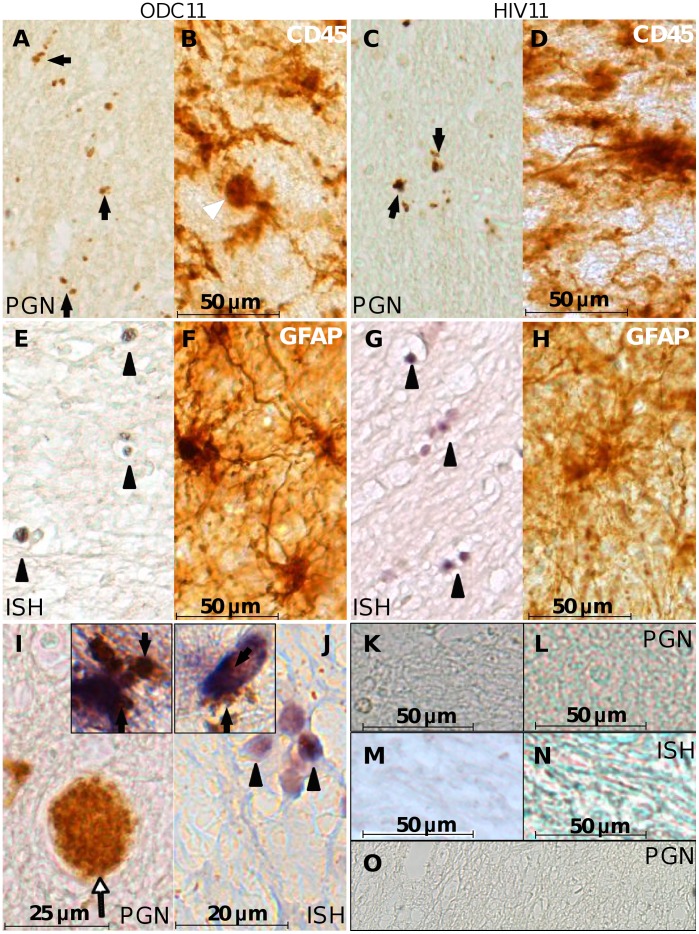
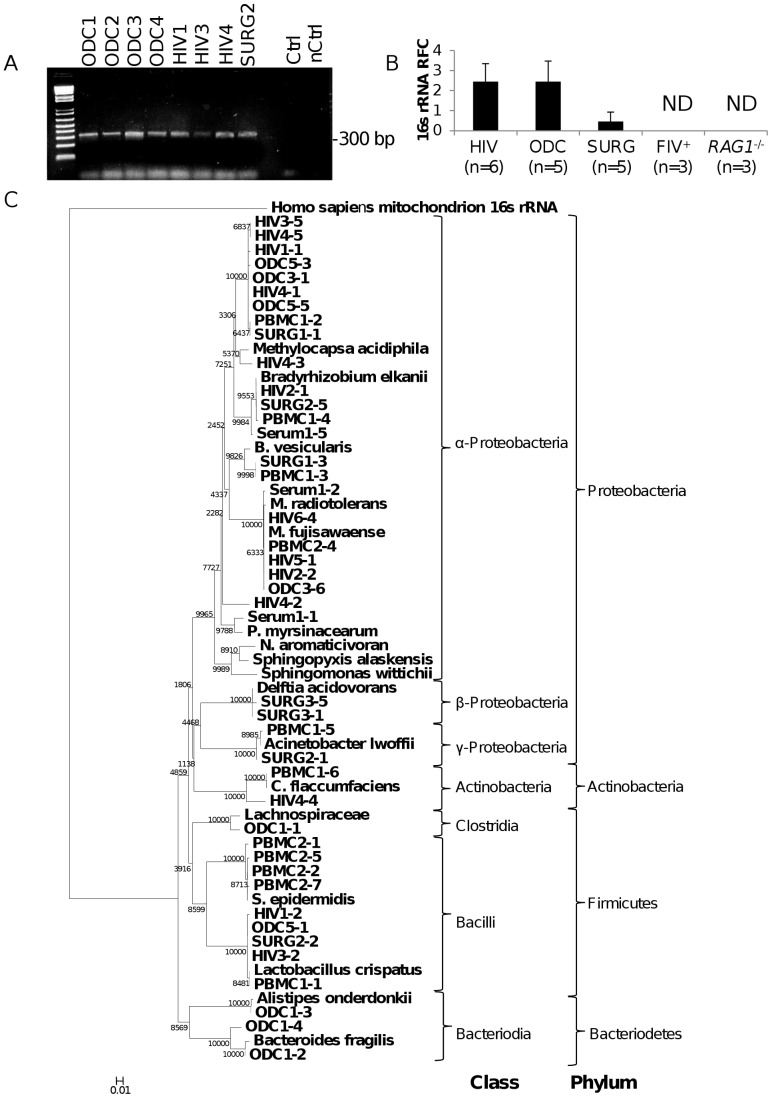
The brain is assumed to be a sterile organ in the absence of disease although the impact of immune disruption is uncertain in terms of brain microbial diversity or quantity. To investigate microbial diversity and quantity in the brain, the profile of infectious agents was examined in pathologically normal and abnormal brains from persons with HIV/AIDS [HIV] (n = 12), other disease controls [ODC] (n = 14) and in cerebral surgical resections for epilepsy [SURG] (n = 6). Deep sequencing of cerebral white matter-derived RNA from the HIV (n = 4) and ODC (n = 4) patients and SURG (n = 2) groups revealed bacterially-encoded 16 s RNA sequences in all brain specimens with α-proteobacteria representing over 70% of bacterial sequences while the other 30% of bacterial classes varied widely. Bacterial rRNA was detected in white matter glial cells by in situ hybridization and peptidoglycan immunoreactivity was also localized principally in glia in human brains. Analyses of amplified bacterial 16 s rRNA sequences disclosed that Proteobacteria was the principal bacterial phylum in all human brain samples with similar bacterial rRNA quantities in HIV and ODC groups despite increased host neuroimmune responses in the HIV group. Exogenous viruses including bacteriophage and human herpes viruses-4, -5 and -6 were detected variably in autopsied brains from both clinical groups. Brains from SIV- and SHIV-infected macaques displayed a profile of bacterial phyla also dominated by Proteobacteria but bacterial sequences were not detected in experimentally FIV-infected cat or RAG1⁻/⁻ mouse brains. Intracerebral implantation of human brain homogenates into RAG1⁻/⁻ mice revealed a preponderance of α-proteobacteria 16 s RNA sequences in the brains of recipient mice at 7 weeks post-implantation, which was abrogated by prior heat-treatment of the brain homogenate. Thus, α-proteobacteria represented the major bacterial component of the primate brain's microbiome regardless of underlying immune status, which could be transferred into naïve hosts leading to microbial persistence in the brain.
Overview
The claims and statistics of this paper haven’t been checked yet.
Run the check — free, no account needed. It reads the open-access text and checks the sources it cites.
Integrity signals
Registry
Cites
Statistics
Figures
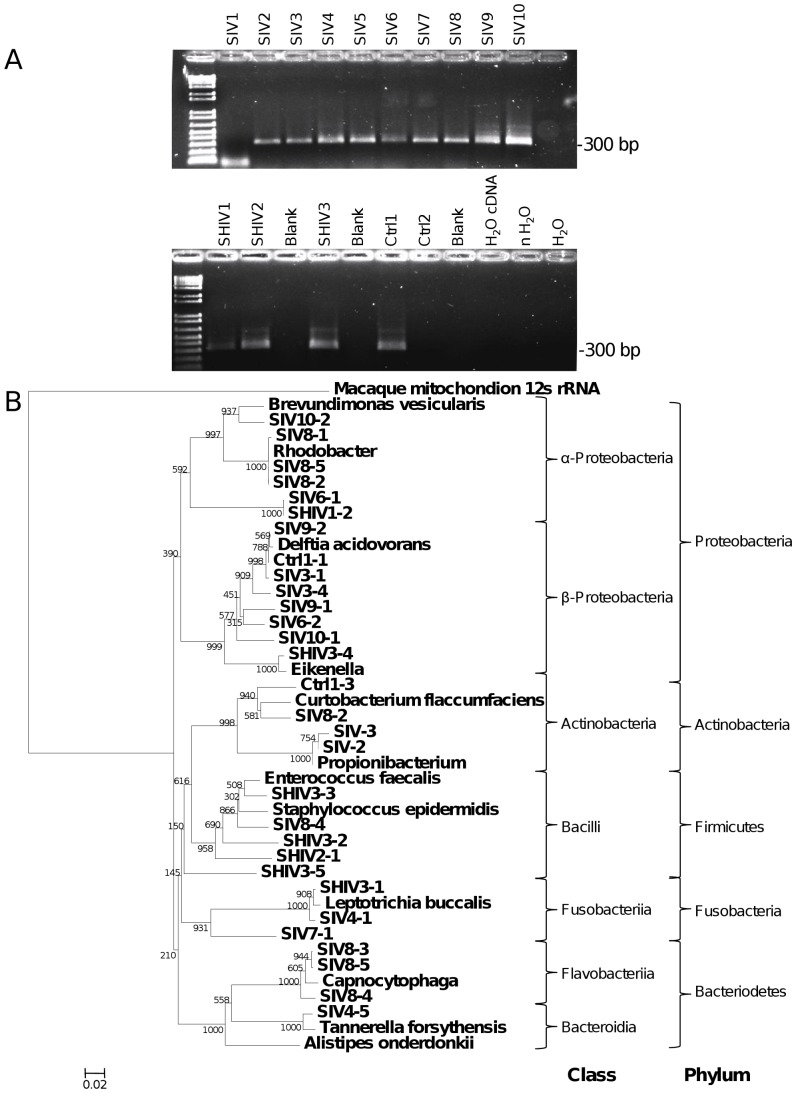
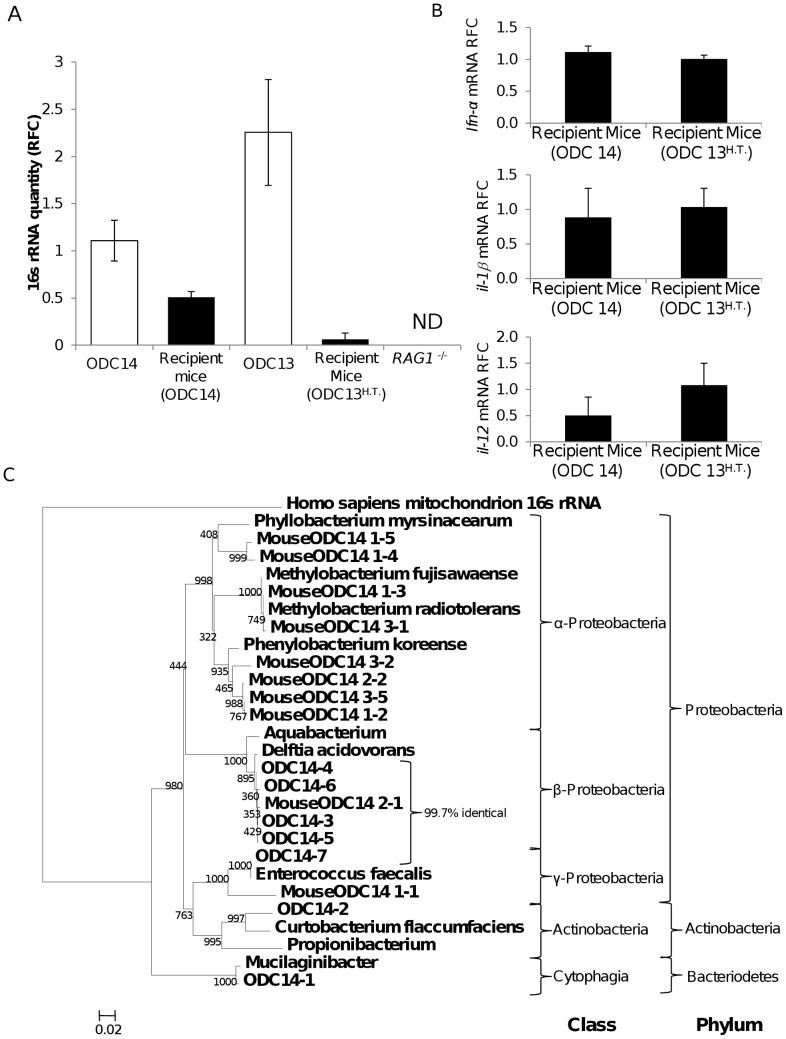
Verification
Claims the paper makes
The claims and statistics of this paper haven’t been checked yet.
Run the check — free, no account needed. It reads the open-access text and checks the sources it cites.
Claims other papers make about this one
Each is checked against this paper’s own text: does it say what the citing paper says it does?
The source backs part of the claim, not all of it — or backs it for a different population, condition or comparison.
In the citing paper
“The same bacterial sequences were detected in the brains of immunocompromised mice, weeks after human brain tissue transplantation but not in mice given heat-treated tissue, suggesting the bacterial sequences in the human brain samples were viable [133].”
From What would it take to prove that a chronic infection is a causal agent in Alzheimer’s disease? (2025) · cites this paper as [133]
Experimental — accuracy not yet measuredThe source backs part of the claim, not all of it — or backs it for a different population, condition or comparison.
In the citing paper
“A pioneering study investigating microbial infiltration into the brains of people living with HIV, found bacterial sequences present in both “healthy” and HIV brains at a similar distribution [133].”
From What would it take to prove that a chronic infection is a causal agent in Alzheimer’s disease? (2025) · cites this paper as [133]
Experimental — accuracy not yet measured
Self-check
Percentages, sums and reported differences re-computed from the paper’s own numbers.
The self-check needs the paper’s full text.
Citations
Cites
Enterotypes of the human gut microbiome
MetaHIT Consortium (additional members), Arumugam, M., Raes, J., Pelletier, E., Le Paslier, D., Yamada, T., Mende, D. R., Fernandes, G. R., Tap, J., Bruls, T., et al. (2011) · Nature · doi:10.1038/nature09944 · Cited by 7,548 · cited 1×
“The composition of the human microbiome at several body sites including skin, oral cavity, gastrointestinal tract, nasopharyngeal passage and urogenital tract are subjects of intensive study [2, 5, 6, 7] , revealing both local effects at these sites but also systemic effects, including influencing inflammatory or meta…”
BackgroundGrice, E. A., & Segre, J. A. (2011) · Nature Reviews Microbiology · doi:10.1038/nrmicro2537 · Cited by 3,143
Human oral, gut, and plaque microbiota in patients with atherosclerosis
Koren, O., Spor, A., Felin, J., Fåk, F., Stombaugh, J., Tremaroli, V., Behre, C. J., Knight, R., Fagerberg, B., Ley, R. E., et al. (2011) · Proceedings of the National Academy of Sciences · doi:10.1073/pnas.1011383107 · Cited by 1,196 · cited 1×
“In contrast, diseases such as biliary cirrhosis [13,14], atherosclerosis [15] and aortic”
BackgroundMicrobial community profiling for human microbiome projects: Tools, techniques, and challengesPreprint
Hamady, M., & Knight, R. D. (2009) · Genome Research · doi:10.1101/gr.085464.108 · Cited by 1,031 · cited 1×
“intensive study [2,5,6,7], revealing both local effects at these sites”
BackgroundGreisen, K. S., Loeffelholz, M. J., Purohit, A. P., & Leong, D. (1994) · Journal of Clinical Microbiology · doi:10.1128/jcm.32.2.335-351.1994 · Cited by 626 · cited 1×
“An amplicon from the V8 region of the 16 s gene was generated from brain-derived cDNA using the universal bacterial primers RW01 or RDR080 with DG74 [54].”
MethodNeuroinvasion by Human Respiratory Coronaviruses
Arbour, N., Day, R. W., Newcombe, J., & Talbot, P. J. (2000) · Journal of Virology · doi:10.1128/jvi.74.19.8913-8921.2000 · Cited by 526 · cited 1×
“Saffold [58] and Corona [59] viruses were detected in brain-derived cDNA by nested RT-PCR using the primers listed in Table S4.”
MethodAncuta, P., Kamat, A., Kunstman, K. J., Kim, E.-Y., Autissier, P., Wurcel, A., Zaman, T., Stone, D., Mefford, M., Morgello, S., et al. (2008) · PLoS ONE · doi:10.1371/journal.pone.0002516 · Cited by 499 · cited 1×
“These events occur because of reduced immune surveillance and damaged barrier function at epithelial and endothelial sites, including damage to the blood-brain barrier [19].”
BackgroundPower, C., Kong, P., Crawford, T. O., Wesselingh, S. L., Glass, J. D., McArthur, J. C., & Trapp, B. D. (1993) · Annals of Neurology · doi:10.1002/ana.410340307 · Cited by 332 · cited 1×
“Multiple studies have shown the blood-brain barrier to be more permeable in HIV/ AIDS, implying this circumstance might contribute to HIVassociated neurological disease [20,21].”
BackgroundSelf-citationWatzinger, F., Suda, M., Preuner, S., Baumgartinger, R., Ebner, K., Bašková, L., Niesters, H. G. M., Lawitschka, Á., & Lion, T. (2004) · Journal of Clinical Microbiology · doi:10.1128/jcm.42.11.5189-5198.2004 · Cited by 326
Comparative analyses of the bacterial microbiota of the human nostril and oropharynx
Lemon, K. P., Klepac-Ceraj, V., Schiffer, H. K., Brodie, E. L., Lynch, S. V., & Kolter, R. (2010) · mBio · doi:10.1128/mbio.00129-10 · Cited by 322 · cited 1×
“intensive study [2,5,6,7], revealing both local effects at these sites”
Background
Cited by
Sorted by citations
Reagent and laboratory contamination can critically impact sequence-based microbiome analyses
Salter, S. J., Cox, M. J., Turek, E. M., Calus, S. T., Cookson, W. O., Moffatt, M. F., Turner, P., Parkhill, J., Loman, N. J., & Walker, A. W. (2014) · BMC Biology · doi:10.1186/s12915-014-0087-z · Cited by 3,463
“Many recent publications [19-37] describe important or core microbiota members, often members that are biologically unexpected, which overlap with previouslydescribed contaminant genera.”
BackgroundContamination in Low Microbial Biomass Microbiome Studies: Issues and Recommendations
Eisenhofer, R., Minich, J. J., Marotz, C., Cooper, A., Knight, R., & Weyrich, L. S. (2019) · Trends in Microbiology · doi:10.1016/j.tim.2018.11.003 · Cited by 1,146
The role of microbiome in central nervous system disorders
Wang, Y., & Kasper, L. H. (2014) · Brain Behavior and Immunity · doi:10.1016/j.bbi.2013.12.015 · Cited by 803
“Interestingly, microbiota have been identified within immune-privileged sites such as the CNS. a-proteobacteria class is reported to be the major commensals persistent http:// in the human brain regardless of immune status (Branton et al., 2013).”
The microbiome of the urinary tract—a role beyond infection
Whiteside, S. A., RAZVI, H. A., Davé, S., Reid, G., & Burton, J. P. (2015) · Nature Reviews Urology · doi:10.1038/nrurol.2014.361 · Cited by 657
“(2013)27 Healthy men (6) Healthy women (10) Jonquetella, Parvimonas, Proteiniphilum, Saccharofermentans”
BackgroundGram-negative bacterial molecules associate with Alzheimer disease pathology
Zhan, X., Stamova, B., Jin, L.-W., DeCarli, C., Phinney, B., & Sharp, F. R. (2016) · Neurology · doi:10.1212/wnl.0000000000003391 · Cited by 521
“Our findings complement a recent RNAseq study that showed bacterially encoded 16s RNA sequences in all human brains with Gram-negativea-Proteobacteria representing over 70% of bacterial sequences.(16) The other 30% of bacterial classes varied widely, with g-Proteobacteria, including E coli, being present at ,5% of tot…”
BackgroundResultInfluentialZhan, X., Stamova, B. S., & Sharp, F. R. (2018) · Frontiers in Aging Neuroscience · doi:10.3389/fnagi.2018.00042 · Cited by 361
Septic-Associated Encephalopathy: a Comprehensive Review
Mazeraud, A., Righy, C., Bouchereau, E., Benghanem, S., Bozza, F. A., & Sharshar, T. (2020) · Neurotherapeutics · doi:10.1007/s13311-020-00862-1 · Cited by 352
“Thus, targeting microbiota in the ICU could be a relevant therapy in the future [47, 48].”
BackgroundTryptophan Metabolism by Gut Microbiome and Gut-Brain-Axis: An in silico Analysis
Kaur, H., Bose, C., & Mande, S. S. (2019) · Frontiers in Neuroscience · doi:10.3389/fnins.2019.01365 · Cited by 331
16S rRNA Next Generation Sequencing Analysis Shows Bacteria in Alzheimer’s Post-Mortem Brain
Emery, D. C., Shoemark, D. K., Batstone, T. E., Waterfall, C. M., Coghill, J. A., Cerajewska, T. L., Davies, M., West, N. X., & Allen, S. J. (2017) · Frontiers in Aging Neuroscience · doi:10.3389/fnagi.2017.00195 · Cited by 317
“…studies: massively parallel sequencing of cDNA generated from total RNA from surgically removed brain samples and post-mortem material, yielding total human cDNA sequences as well as microbial sequences (Branton et al., 2013) and specifically 16S rRNA-directed-NGS on blood (Paisse et al., 2016).”
BackgroundResultInfluentialThe Urinary Tract Microbiome in Health and Disease
Aragón, I. M., Herrera‐Imbroda, B., Queipo‐Ortuño, M. I., Castillo, E., Moral, J. S.-G. D., Gómez‐Millán, J., Yucel, G., & Lara, M. F. (2016) · European Urology Focus · doi:10.1016/j.euf.2016.11.001 · Cited by 325
Chronic Meningitis Investigated via Metagenomic Next-Generation Sequencing
Wilson, M. R., O’Donovan, B. D., Gelfand, J. M., Sample, H. A., Chow, F. C., Betjemann, J. P., Shah, M. P., Richie, M. B., Gorman, M., Hajj‐Ali, R. A., et al. (2018) · JAMA Neurology · doi:10.1001/jamaneurol.2018.0463 · Cited by 305
The gut microbiome in Alzheimer’s disease: what we know and what remains to be explored
Chandra, S., Sisodia, S. S., & Vassar, R. J. (2023) · Molecular Neurodegeneration · doi:10.1186/s13024-023-00595-7 · Cited by 278
Shoemark, D. K., & Allen, S. J. (2014) · Journal of Alzheimer s Disease · doi:10.3233/jad-141170 · Cited by 251
Lluch, J., Servant, F., Païssé, S., Valle, C., Valière, S., Kuchly, C., Vilchez, G., Donnadieu, C., Courtney, M., Burcelin, R., et al. (2015) · PLoS ONE · doi:10.1371/journal.pone.0142334 · Cited by 195
“However, this observation, which was not possible before the development of next generation sequencing, is in accordance with previous studies that analyzed brain tissue from immunodepressive humans and rodents [60].”
ResultTohidpour, A., Morgun, A. V., Boitsova, E. B., Malinovskaya, N. A., Martynova, G. P., Хилажева, Е. Д., Kopylevich, N. V., Gertsog, G. E., & Salmina, A. B. (2017) · Frontiers in Cellular and Infection Microbiology · doi:10.3389/fcimb.2017.00276 · Cited by 185
Antibiotic use during pregnancy: how bad is it?
Kuperman, A. A., & Koren, O. (2016) · BMC Medicine · doi:10.1186/s12916-016-0636-0 · Cited by 173
Fantastic voyage: the journey of intestinal microbiota-derived microvesicles through the body
Stentz, R., Carvalho, A. L., Jones, E. J., & Carding, S. R. (2018) · Biochemical Society Transactions · doi:10.1042/bst20180114 · Cited by 153
A Budding Relationship: Bacterial Extracellular Vesicles in the Microbiota-Gut-Brain Axis
Haas‐Neill, S., & Forsythe, P. (2020) · International Journal of Molecular Sciences · doi:10.3390/ijms21238899 · Cited by 139
“It must be noted that another possible explanation for these findings is the direct colonization of the brain by these bacteria for which there is some evidence [137,138].”
BackgroundThe primate vaginal microbiome: Comparative context and implications for human health and disease
Stumpf, R. M., Wilson, B. A., Rivera, A. J., Yıldırım, S., Yeoman, C. J., Polk, J. D., White, B. A., & Leigh, S. R. (2013) · American Journal of Physical Anthropology · doi:10.1002/ajpa.22395 · Cited by 134
Role of Microbiota-Derived Extracellular Vesicles in Gut-Brain Communication
Cuesta, C. M., Guerri, C., Ureña, J., & Pascual, M. (2021) · International Journal of Molecular Sciences · doi:10.3390/ijms22084235 · Cited by 142
Microbiome or Infections: Amyloid-Containing Biofilms as a Trigger for Complex Human Diseases
Miller, A. L., Bessho, S., Grando, K. C. M., & Tükel, Ç. (2021) · Frontiers in Immunology · doi:10.3389/fimmu.2021.638867 · Cited by 136
Polymicrobial Infections In Brain Tissue From Alzheimer’s Disease Patients
Pisa, D., Alonso, R., Fernández-Fernández, A. M., Rábano, A., & Carrasco, L. (2017) · Scientific Reports · doi:10.1038/s41598-017-05903-y · Cited by 114
Bacterial Dissemination to the Brain in Sepsis
Singer, B. H., Dickson, R. P., Denstaedt, S. J., Newstead, M. W., Kim, K., Falkowski, N. R., Erb‐Downward, J. R., Schmidt, T. M., Huffnagle, G. B., & Standiford, T. J. (2017) · American Journal of Respiratory and Critical Care Medicine · doi:10.1164/rccm.201708-1559oc · Cited by 112
“Although a previous study examined human brain microbiota using culture-independent techniques, it included patients with a heterogeneous group of infections and acute brain pathologies (64).”
ResultInvited Review: From nose to gut – the role of the microbiome in neurological disease
Bell, J. S., Spencer, J. I., Yates, R. L., Yee, S. A., Jacobs, B. M., & DeLuca, G. C. (2018) · Neuropathology and Applied Neurobiology · doi:10.1111/nan.12520 · Cited by 111
The gut–brain axis in irritable bowel syndrome and inflammatory bowel disease
Ancona, A., Petito, C., Iavarone, I., Petito, V., Galasso, L., Leonetti, A., Turchini, L., Belella, D., Ferrarese, D., Addolorato, G., et al. (2020) · Digestive and Liver Disease · doi:10.1016/j.dld.2020.11.026 · Cited by 115
Liver transplant modulates gut microbial dysbiosis and cognitive function in cirrhosis
Bajaj, J. S., Fagan, A., Sikaroodi, M., White, M. B., Sterling, R. K., Gilles, H., Heuman, D. M., Stravitz, R. T., Matherly, S. C., Siddiqui, M. S., et al. (2017) · Liver Transplantation · doi:10.1002/lt.24754 · Cited by 103
Brain microbiota disruption within inflammatory demyelinating lesions in multiple sclerosis
Branton, W. G., Lu, J., Surette, M. G., Holt, R. A., Lind, J. C., Laman, J. D., & Power, C. (2016) · Scientific Reports · doi:10.1038/srep37344 · Cited by 104
Self-citationAlonso, R., Pisa, D., Aguado, B., & Carrasco, L. (2017) · Journal of Alzheimer s Disease · doi:10.3233/jad-170058 · Cited by 99
“It has been observed that brain tissue from control subjects also contains bacterial DNA [25].”
Early Life Experience and Gut Microbiome
Cong, X. S., Henderson, W. A., Graf, J., & McGrath, J. M. (2015) · Advances in Neonatal Care · doi:10.1097/anc.0000000000000191 · Cited by 106
Yang, L., Poles, M. A., Fisch, G. S., Ma, Y., Nossa, C. W., Phelan, J. A., & Pei, Z. (2015) · AIDS · doi:10.1097/qad.0000000000000935 · Cited by 93
“Besides the distal gut microbiome, high-throughput sequencing has been used to examine the effects of HIV infection on the microbiomes in the vagina [29–31], lung [32], mouth [33,34], semen [35], and anus [36] as well as in normally sterile body sites such as the brain [37] and blood [38,39], but not in the proximal g…”
MethodGut Microbiota, an Additional Hallmark of Human Aging and Neurodegeneration
Molinero, N., Antón‐Fernández, A., Hernández, F., Ávila, J., Bartolomé, B., & Moreno-Arribas, M. V. (2023) · Neuroscience · doi:10.1016/j.neuroscience.2023.02.014 · Cited by 101
“Branton et al., have described a-proteobacteria as the predominant phylum of bacteria present in the human brain (Branton et al., 2013).”
BackgroundOur (Mother’s) Mitochondria and Our Mind
Krämer, P., & Bressan, P. (2017) · Perspectives on Psychological Science · doi:10.1177/1745691617718356 · Cited by 94
“, 2015), populate each of us in places as supremely personal as our mouth, armpits, gut, genitals—and brain (Branton et al., 2013).”
BackgroundBacterial Peptidoglycan as a Driver of Chronic Brain Inflammation
Laman, J. D., Hart, B. A. ‘., Power, C., & Dziarski, R. (2020) · Trends in Molecular Medicine · doi:10.1016/j.molmed.2019.11.006 · Cited by 91
Self-citationTowards precision quantification of contamination in metagenomic sequencing experiments
Zinter, M. S., Mayday, M. Y., Ryckman, K. K., Jelliffe‐Pawlowski, L. L., & DeRisi, J. L. (2019) · Microbiome · doi:10.1186/s40168-019-0678-6 · Cited by 86
Tumor microbiome – an integral part of the tumor microenvironment
Čierniková, S., Ševčíková, A., Števurková, V., & Mego, M. (2022) · Frontiers in Oncology · doi:10.3389/fonc.2022.1063100 · Cited by 86
Mamik, M. K., Asahchop, E. L., Chan, W. F., Zhu, Y., Branton, W. G., McKenzie, B., Cohen, É. A., & Power, C. (2016) · Journal of Neuroscience · doi:10.1523/jneurosci.1287-16.2016 · Cited by 81
“Slides were imaged using a Zeiss Axioskope 2 upright microscope (Branton et al., 2013).”
MethodSelf-citationHow do probiotics and prebiotics function at distant sites?
Reid, G., Abrahamsson, T., Bailey, M. T., Bindels, L. B., Bubnov, R. V., Ganguli, K. A., Martoni, C., O’Neill, C. A., Savignac, H. M., Stanton, C., et al. (2017) · Beneficial Microbes · doi:10.3920/bm2016.0222 · Cited by 84
Self-citationBile acids and neurological disease
Hurley, M. J., Bates, R., Macnaughtan, J., & Schapira, A. H. V. (2022) · Pharmacology & Therapeutics · doi:10.1016/j.pharmthera.2022.108311 · Cited by 86
“Although extremely controversial, some groups have proposed that the brain may have its own microbiome mostly consisting ofα-proteobacteria (Branton et al., 2013) or of novel brainmicrobes (Link, 2021).”
BackgroundProal, A. D., & Marshall, T. G. (2018) · Frontiers in Pediatrics · doi:10.3389/fped.2018.00373 · Cited by 81
“(91) identified hundreds of bacteria and bacteriophage-derived samples in brain tissue removed from patients with epilepsy, and in brain samples obtained fromHIV/AIDS patients after autopsy.”
BackgroundSTROBE-metagenomics: a STROBE extension statement to guide the reporting of metagenomics studies
Bharucha, T., Oeser, C., Balloux, F., Brown, J. R., Carbo, E. C., Charlett, A., Chiu, C. Y., Claas, E. C. J., de Goffau, M. C., de Vries, J. J. C., et al. (2020) · The Lancet Infectious Diseases · doi:10.1016/s1473-3099(20)30199-7 · Cited by 78
Logan, A. C., Katzman, M. A., & Balanzá‐Martínez, V. (2015) · Journal of PHYSIOLOGICAL ANTHROPOLOGY · doi:10.1186/s40101-015-0041-y · Cited by 73
Asahchop, E. L., Méziane, O., Mamik, M. K., Chan, W. F., Branton, W. G., Resch, L., Gill, M. J., Haddad, É., Guimond, J. V., Wainberg, M. A., et al. (2017) · Retrovirology · doi:10.1186/s12977-017-0370-5 · Cited by 68
“RNA and DNA preparation Total RNA and DNA were extracted from brain of BLT mice and HIV-infected and non-infected patients using the RNeasy and DNeasy kits (Qiagen Germantown MD, USA), respectively, according to manufacturer’s instructions and as previously described [18, 63].”
MethodSelf-citationLink, C. D. (2021) · Neuroscience Insights · doi:10.1177/26331055211018709 · Cited by 65
Xie, L., Wu, Q., Li, K., Khan, M. A. S., Zhang, A., Sinha, B., Li, S., Chang, S. L., Brody, D. L., Grinstaff, M. W., et al. (2024) · Aging and Disease · doi:10.14336/ad.2024.0134 · Cited by 64
“In addition, in the brain specimens of AD patients, results from 16s rRNA sequencing reveal that over 70% of bacteria are LPS+ α-proteobacteria [146].”
ResultNasal Microbiota, Olfactory Health, Neurological Disorders and Aging—A Review
Thangaleela, S., Sivamaruthi, B. S., Kesika, P., Bharathi, M., & Chaiyasut, C. (2022) · Microorganisms · doi:10.3390/microorganisms10071405 · Cited by 64
“Proteobacteria and Actinobacteria are the most predominant in the brain; any disruption may cause CNS disorders [154].”
BackgroundPeriodontitis: a potential risk factor for Alzheimer's disease
Cerajewska, T. L., Davies, M., & West, N. X. (2015) · BDJ · doi:10.1038/sj.bdj.2014.1137 · Cited by 63
Disruption of gut homeostasis by opioids accelerates HIV disease progression
Meng, J., Sindberg, G. M., & Roy, S. (2015) · Frontiers in Microbiology · doi:10.3389/fmicb.2015.00643 · Cited by 50
Implications of the Human Gut–Brain and Gut–Cancer Axes for Future Nanomedicine
Javed, I., Cui, X., Wang, X., Mortimer, M., Andrikopoulos, N. K., Li, Y., Davis, T. P., Zhao, Y., Ke, P. C., & Chen, C. (2020) · ACS Nano · doi:10.1021/acsnano.0c07258 · Cited by 47
The role of the microbiota in glaucoma
Huang, L., Hong, Y., Fu, X., Tan, H., Chen, Y., Wang, Y., & Chen, D. (2023) · Molecular Aspects of Medicine · doi:10.1016/j.mam.2023.101221 · Cited by 49
Logan, A. C., Katzman, M. A., & Balanzá‐Martínez, V. (2015) · Journal of PHYSIOLOGICAL ANTHROPOLOGY · doi:10.1186/s40101-014-0040-4 · Cited by 42
“Had he lived long enough to see the dismantling of common myths, such as those which presumed bodily compartments such as the female womb during pregnancy is sterile [98], that the vascular endothelium and subepidermal regions are sterile in healthy adults, or that soil/ water-derived microbes cannot be found in the b…”
BackgroundZhai, X., Qiu, Z., Wang, L., Luo, Y., He, W., & Yang, J. (2022) · Toxins · doi:10.3390/toxins14100682 · Cited by 41
“Many recent evidences have suggested that Proteobacteria might be involved in intestinal microbial translocation and damage in HIV-infected patients, and the high abundance of which was found to cause hypoimmunity in the body [37].”
BackgroundDietary fiber ameliorates sleep disturbance connected to the gut–brain axis
Tang, M., Song, X., Zhong, W., Xie, Y., Liu, Y., & Zhang, X. (2022) · Food & Function · doi:10.1039/d2fo01178f · Cited by 43
Human and Microbial Proteins From Corpora Amylacea of Alzheimer’s Disease
Pisa, D., Alonso, R., Marina, A., Rábano, A., & Carrasco, L. (2018) · Scientific Reports · doi:10.1038/s41598-018-28231-1 · Cited by 40
Metagenomics: A New Way to Illustrate the Crosstalk between Infectious Diseases and Host Microbiome
Zhang, Y., Lun, C.-Y., & Tsui, S. K. (2015) · International Journal of Molecular Sciences · doi:10.3390/ijms161125957 · Cited by 38
“Moreover, the profiles of the microbiome in HIV infected subjects and other controls have also been portrayed in the brain, which is another organ considered to be sterile, previously [71].”
BackgroundUterine microbiome—low biomass and high expectations†
Garcia-Grau, I., Simón, C., & Moreno, I. (2018) · Biology of Reproduction · doi:10.1093/biolre/ioy257 · Cited by 42
Mohammadzadeh, N., Roda, W. C., Branton, W. G., Clain, J. A., Rabezanahary, H., Zghidi‐Abouzid, O., Gelman, B. B., Angel, J. B., Cohen, É. A., Gill, M. J., et al. (2021) · mBio · doi:10.1128/mbio.02784-21 · Cited by 36
Self-citationLathe, R., Schultek, N. M., Balin, B. J., Ehrlich, G. D., Alberi, L. A., Perry, G. L., Breitschwerdt, E. B., Corry, D. B., Doty, R. L., Rissman, R. A., et al. (2023) · Alzheimer s & Dementia · doi:10.1002/alz.13076 · Cited by 39
Proal, A. D., & VanElzakker, M. B. (2020) · Immunometabolism · doi:10.20900/immunometab20210003 · Cited by 36
“Neurotrophic pathogens have also been tied to the development of Parkinson’s disease, myalgic encephalomyelitis (ME/CFS) [152,153], multiple sclerosis [154], schizophrenia, and even epilepsy [155].”
BackgroundProgrammed ageing: decline of stem cell renewal, immunosenescence, and Alzheimer's disease
Lathe, R., & Clair, D. S. (2023) · Biological reviews/Biological reviews of the Cambridge Philosophical Society · doi:10.1111/brv.12959 · Cited by 37
Therapeutic Potential of the Microbiome in the Treatment of Neuropsychiatric Disorders
Evrensel, A., Ünsalver, B. Ö., & Ceylan, M. E. (2019) · Medical Sciences · doi:10.3390/medsci7020021 · Cited by 33
“It has been suggested that the brain is not sterile and that a “brain microbiota” may also exist [16,17].”
BackgroundDeciphering psychobiotics’ mechanism of action: bacterial extracellular vesicles in the spotlight
Bleibel, L., Dziomba, S., Waleron, K., Kowalczyk, E., & Karbownik, M. S. (2023) · Frontiers in Microbiology · doi:10.3389/fmicb.2023.1211447 · Cited by 36
“This mechanism of action is also common for viruses’ (size 20–200 nm) ability to reach and infect the brain (Wurdinger et al., 2012; Branton et al., 2013).”
BackgroundIshaq, H. M., Yasin, R., Mohammad, I. S., Yang, F., Li, H., Shahzad, M., & Xu, J. (2024) · Heliyon · doi:10.1016/j.heliyon.2024.e30494 · Cited by 34
“As the brain is a sterile organ, numerous studies have been reported on non-etiological and pathological human brain specimens which unveil the high abundance of phylum Proteobacteria [53].”
BackgroundBalcom, E., Roda, W. C., Cohen, É. A., Li, M., & Power, C. (2019) · Current Opinion in Virology · doi:10.1016/j.coviro.2019.06.004 · Cited by 32
“Of particular interest, the discovery of peptidoglycan in the brains of HIV/AIDS patients with and without neurocognitive deficits [53] has ignited interest in the role of microbial translocation into the brain in neurological disease [54,55], including HAND.”
BackgroundSelf-citationBrain-inhabiting bacteria and neurodegenerative diseases: the “brain microbiome” theory
Arabi, T. Z., Alabdulqader, A. A., Sabbah, B. N., & Ouban, A. (2023) · Frontiers in Aging Neuroscience · doi:10.3389/fnagi.2023.1240945 · Cited by 30
Kim, M. S., & Jung, S. I. (2021) · International Neurourology Journal · doi:10.5213/inj.2040174.087 · Cited by 30
“Advances in molecular biology techniques and cultivation methods have enabled the detection of certain microbial communities associated with some body parts previously thought to be sterile, including the urinary tract [12-16].”
BackgroundRich, S. N., Klann, E. M., Bryant, V. E., Richards, V. L., Wijayabahu, A. T., BRYANT, K. J., Mai, V., & Cook, R. L. (2020) · Brain Behavior & Immunity - Health · doi:10.1016/j.bbih.2020.100168 · Cited by 27
The Potential Role of Urinary Microbiome in Benign Prostate Hyperplasia/Lower Urinary Tract Symptoms
Yu, S. H., & Jung, S. I. (2022) · Diagnostics · doi:10.3390/diagnostics12081862 · Cited by 24
Pallen, M. J. (2016) · Microbial Biotechnology · doi:10.1111/1751-7915.12389 · Cited by 25
“…they do not fully understand and then naively interpreting results without engaging the healthy scepticism of the seasoned expert (Bhatt et al. , 2013; Branton et al. , 2013; Laurence et al. , 2014; Salter et al. , 2014; Strong et al. , 2014; Ackelsberg et al. , 2015; Afshinnekoo et al. , 2015).”
BackgroundFecal Microbiota Transplantation and the Brain Microbiota in Neurological Diseases
Ruggiero, M. (2016) · Clinical Endoscopy · doi:10.5946/ce.2016.098 · Cited by 23
“This latter observation further highlights the role of the immune system in connecting the gut microbiota with the brain microbiota.(4) We recently demonstrated that alterations of brain lymphatic drainage may be responsible for the lesions in the brains of autistic children,(5,6) and it can be hypothesized that such…”
BackgroundMeeker, R. B., & Hudson, L. C. (2017) · Veterinary Sciences · doi:10.3390/vetsci4010014 · Cited by 22
“Recent studies have addressed important issues such as mechanisms of FIV transmission, replication and evolution [22–27], FIV vaccine efficacy [28,29], the role of neutralizing antibodies in disease progression [28,30,31], virus assembly and release [32,33], viral latency and eradication strategies [34–36], developmen…”
BackgroundEmery, D. C., Davies, M., Cerajewska, T. L., Taylor, J., Hazell, M., Paterson, A. R., Allen, S. J., & West, N. X. (2022) · Frontiers in Aging Neuroscience · doi:10.3389/fnagi.2022.1026260 · Cited by 24
“coli) has been detected in post-mortem brain, and was found to be the dominant species in normal control samples (Branton et al., 2013), and increased in AD brain, where it was identified as the pathogenic strain K99 (Zhan et al.”
BackgroundVaccines and Dementia: Part II. Efficacy of BCG and Other Vaccines Against Dementia
Greenblatt, C. L., & Lathe, R. (2024) · Journal of Alzheimer s Disease · doi:10.3233/jad-231323 · Cited by 21
“In addition, bacteria in AD brain have been further characterized by direct culture in vitro [46, 47], and bacterial infection could be transmitted by intracerebral inoculation of mice with human brain material [25].”
BackgroundThe remarkable complexity of the brain microbiome in health and diseasePreprint
Hu, X., McKenzie, C.-A., Smith, C., Haas, J., & Lathe, R. (2023) · bioRxiv (Cold Spring Harbor Laboratory) · doi:10.1101/2023.02.06.527297 · Cited by 20
Kriesel, J. D., Bhetariya, P. J., Wang, Z., Renner, D. R., Palmer, C. A., & Fischer, K. F. (2019) · Scientific Reports · doi:10.1038/s41598-018-38198-8 · Cited by 21
Umlauf, A., Soontornniyomkij, B., Sundermann, E. E., Gouaux, B. D., Ellis, R. J., Levine, A. J., Moore, D. J., & Soontornniyomkij, V. (2019) · AIDS · doi:10.1097/qad.0000000000002336 · Cited by 18
“In HIV disease, HIV1-derived proteins or other microbes [44] may enhance neuronal production of Ab.”
BackgroundSaito, L. B., Fernandes, J. P., Smith, M. J., Doan, M. A. L., Branton, W. G., Schmitt, L. M., Wuest, M., Monaco, M. C., Major, E. O., Wuest, F., et al. (2021) · Glia · doi:10.1002/glia.23896 · Cited by 18
“The cDNA libraries were subjected to massive parallel sequencing, as previously described (Branton et al., 2013; Moore et al., 2011).”
MethodSelf-citationRosales, S., & Thurber, R. L. V. (2015) · PLoS ONE · doi:10.1371/journal.pone.0143944 · Cited by 17
“Our findings are in line with previous brain metagenomes that reported Proteobacteria to be the most abundant phylum in human and nonhuman primate brains regardless of health state [41] .”
ResultNa, S., Duan, X., Wang, R., Fan, Y., Xue, K., Tian, S., Yang, Z., Li, K., & Yue, J. (2021) · Journal of Molecular Neuroscience · doi:10.1007/s12031-020-01758-7 · Cited by 17
From conifers to cognition: Microbes, brain and behavior
Lathe, R., & Clair, D. S. (2020) · Genes Brain & Behavior · doi:10.1111/gbb.12680 · Cited by 16
Beyond the Gut, Emerging Microbiome Areas of Research: A Focus on Early-Life Microbial Colonization
Vemuri, R., & Herath, M. P. (2023) · Microorganisms · doi:10.3390/microorganisms11020239 · Cited by 16
“provided some evidence of microbes in the brain (neurobiome) of HIV/AIDS patients [75].”
BackgroundChrobak, A. A., Nowakowski, J., & Dudek, D. (2016) · Archives of Psychiatry and Psychotherapy · doi:10.12740/app/62962 · Cited by 15
“even the immune-privileged CNS appears to be persistently inhabited by innocuous alpha-proteobacteria [24] Commensal microbiota modulates the autoreactivity of immune cells against”
BackgroundAyan, E. B., DeMirci, H., Serdar, M. A., Palermo, F., & Baykal, A. T. (2023) · International Journal of Molecular Sciences · doi:10.3390/ijms241612819 · Cited by 15
Natural Plasmids in a Swiss Fermented Milk and Colostrum Product assessed by Microbiome Array
Pacini, S., & Ruggiero, M. (2019) · Madridge Journal of Immunology · doi:10.18689/mjim-1000123 · Cited by 13
“Today’s research on the role of the microbiota confirms the intuition of our ancestors who exploited the health benefits of fermented foods and beverages; we are learning that microbes are essential constituents of our bodies and, possibly, our minds since the brain itself has its own unique microbiota [3].”
BackgroundDasram, M. H., Naidoo, P., Walker, R. B., & Khamanga, S. (2024) · International Journal of Molecular Sciences · doi:10.3390/ijms25031371 · Cited by 11
“…and non-pathological human brain samples were observed and revealed that Proteobacteria was the most abundant phylum present in all brain samples while members of the Firmicutes , Proteobacteria , and Bacteroidetes were identified in human and mouse brains under non-infectious conditions [78,79].”
BackgroundHu, X., Haas, J., & Lathe, R. (2022) · BMC Microbiology · doi:10.1186/s12866-022-02671-2 · Cited by 13
Pathogenesis Mediated by Bacterial Membrane Vesicles
Gilmore, W. J., Bitto, N. J., & Kaparakis‐Liaskos, M. (2021) · Sub-cellular biochemistry/Subcellular biochemistry · doi:10.1007/978-3-030-67171-6_6 · Cited by 12
Branton, W. G., Fernandes, J. P., Mohammadzadeh, N., Doan, M. A. L., Laman, J. D., Gelman, B. B., Fagrouch, Z. C., Kondova, I. I., Mooij, P., Koopman, G., et al. (2022) · Brain Behavior and Immunity · doi:10.1016/j.bbi.2022.09.019 · Cited by 12
“, endotoxin) in the human brain including patients with HIV-1 (Branton et al., 2013), multiple sclerosis (Branton et al.”
BackgroundResultInfluentialSelf-citationNorins, L. C. (2019) · Medical Hypotheses · doi:10.1016/j.mehy.2019.04.019 · Cited by 11
Simon, R. A., Ranasinghe, P. D., Barazanji, N., Jungeström, M. B., Xu, J., Bednarska, O., Serrander, L., Engström, M., Bazylinski, D. A., Keita, Å. V., et al. (2021) · Journal of Oceanology and Limnology · doi:10.1007/s00343-021-0495-1 · Cited by 11
Periodontitis: a potential risk factor for Alzheimer's disease
Cerajewska, T. L., Davies, M., & West, N. X. (2016) · BDJ Team · doi:10.1038/bdjteam.2016.62 · Cited by 12
Microbiome-Induced Autoimmunity and Novel Therapeutic Intervention
Evrensel, A. (2023) · Advances in experimental medicine and biology · doi:10.1007/978-981-19-7376-5_4 · Cited by 11
A brain microbiome in salmonids at homeostasis
Mani, A., Henn, C., Couch, C. E., Patel, S., Lieke, T., Chan, J. T. H., Korytář, T., & Salinas, I. (2024) · Science Advances · doi:10.1126/sciadv.ado0277 · Cited by 9
John, D. V. (2022) · Tropical biomedicine · doi:10.47665/tb.39.4.002 · Cited by 9
“…and Bacteroidetes, suggesting that the brain is tolerant to the presence of certain microbes and they have a beneficial organ-specific adaptation (Branton et al., 2013) It is believed that these commensal flora in the brain might be outcompeted by hostile/non-beneficial microbes introduced from…”
BackgroundMohammadzadeh, N., Zhang, N., Branton, W. G., Zghidi‐Abouzid, O., Cohen, É. A., Gelman, B. B., Estaquier, J., Kong, L., & Power, C. (2023) · Viruses · doi:10.3390/v15020316 · Cited by 8
Self-citationSetting higher standards for reports of microbial species in human cancers
Salzberg, S. L., Chia, M., Tay, C. Y., de Miranda, N. F. C. C., Smit, V. T. H. B. M., Wesseling, J., Irizarry, R. A., Marshall, B. J., Willerslev, E., Neefjes, J., et al. (2026) · Nature Cancer · doi:10.1038/s43018-026-01121-6 · Cited by 8
Exploring the patient-microbiome interaction patterns for pan-cancer
Zhao, L., Cho, W. C. S., & Luo, J. (2022) · Computational and Structural Biotechnology Journal · doi:10.1016/j.csbj.2022.06.012 · Cited by 7
“Alphaproteobacteria has been identi-fied to be the dominant phyla in the primate brain microbiome [72].”
BackgroundDoes menaquinone participate in brain astrocyte electron transport?
Lovern, D., & Marbois, B. N. (2013) · Medical Hypotheses · doi:10.1016/j.mehy.2013.07.008 · Cited by 7
Microbes in food to treat and prevent disease
Reid, G. (2018) · Expert Review of Precision Medicine and Drug Development · doi:10.1080/23808993.2018.1429217 · Cited by 7
“What if breast cancer and glioblastoma were propagated by bacteria or viruses in the tissue, and antimicrobial agents could not eradicate them? What if we discovered that the greatest enemy of the pathogens was other microbes, and that implanting them into the tissues caused a demise of the perpetrators? Currently, su…”
BackgroundPhage-Microbiota Crosstalk: Implications for Central Nervous System Disorders
Salari, V., Parrella, E., Mengoni, F., Cintra, L., Bertini, G., & Fabene, P. F. (2025) · International Journal of Molecular Sciences · doi:10.3390/ijms26136183 · Cited by 6
“Furthermore, most bacteriophage sequences identified matched Proteobacteria-tropic phage sequences; however, bacteriophage sequences were not detected in the SURG samples [229].”
Hypothesis of a potential BrainBiota and its relation to CNS autoimmune inflammation
Elkjaer, M. L., Simon, L. M., Frisch, T., Bente, L.-M., Kacprowski, T., Thomassen, M., Reynolds, R., Baumbach, J., Röttger, R., & Illés, Z. (2022) · Frontiers in Immunology · doi:10.3389/fimmu.2022.1043579 · Cited by 6
Metadata
- Authors
- Branton, W. G., Ellestad, K. K., Maingat, F., Wheatley, B. M., Rud, E., Warren, R. L., Holt, R. A., Surette, M. G., & Power, C.
- Affiliations
- University of Alberta (CA)
- Health Canada (CA)
- BC Cancer Agency (CA)
- McMaster University (CA)
- Corresponding author
- Power, Christopher
- ORCID
- Venue
- PLoS ONE
- Publisher
- Public Library of Science (PLoS)
- Published
- 2013-01-23
- Volume
- 8
- Issue
- 1
- Pages
- e54673
- ISSN
- 1932-6203 (ISSN-L)
- PMC
- PMC3552853
- OpenAlex
- W2057381259
- Cited by
- 149
- References
- 60
- Citations by year
- 2026: 5 · 2025: 6 · 2024: 14 · 2023: 17 · 2022: 15 · 2021: 10 · 2020: 12 · 2019: 12 · 2018: 16 · 2017: 11 · 2016: 12 · 2015: 13 · 2014: 2 · 2013: 4
- FWCI
- 4.75
- Type
- journal article
- Language
- en
- Open access
- gold
- doi.org
- Locations
- PLoS ONE (publishedVersion, cc-by)
- PubMed Central (publishedVersion, cc-by)
- PubMed (publishedVersion)
- DOAJ (DOAJ: Directory of Open Access Journals) (submittedVersion, cc-by-sa)
- Figshare (submittedVersion, cc-by)
- Funders
- Alberta Innovates
- Health Canada
- Canadian Institutes of Health Research (G118160525)
- Topics
- Life Sciences › Immunology and Microbiology › Virology › HIV Research and Treatment
- Life Sciences › Biochemistry, Genetics and Molecular Biology › Molecular Biology › Gut microbiota and health
- Health Sciences › Medicine › Infectious Diseases › Infectious Diseases and Tuberculosis
- Keywords
- HIV/AIDS, Alphaproteobacteria, Proteobacteria, bacterial 16S rRNA, peptidoglycan, herpesvirus, bacteriophages, simian immunodeficiency virus, SHIV, FIV, Rag1-deficient mice, microbial persistence, neuroimmune response, epilepsy surgery
- MeSH terms
- Acquired Immunodeficiency Syndrome, Animals, Autopsy, Cats, Female, Humans, Male, Neuroglia, RNA, Bacterial, RNA, Ribosomal, Feline Acquired Immunodeficiency Syndrome, Mice, Knockout, Alphaproteobacteria, Central Nervous System Bacterial Infections, Mice, Cerebrum
About these checks
Registry, retraction, Cites and statistics results are computed, not judged, with one exception: a printed reference that no index lists is read once by a model before it counts as a citation error. Claims are extracted by a model and kept only when their quote appears verbatim in the text; each cited source is then checked, with a model’s help, for whether it says what the claim relies on. Those verdicts can be wrong — read the claim’s quote and the cited source before relying on one.
Statistics and arithmetic are recomputed, not judged.
Confidence bands are shown only for fields calibrated on our annotated test set. None is calibrated yet, so no band is shown.
What counts as a claim ›How we measure confidence ›How we check this ›
Are you an author, or do you see a problem with this page? Request a review
