

The Role of Mitochondria-Derived Reactive Oxygen Species in Hyperthermia-Induced Platelet Apoptosis
Open accessThe DOI matches its Crossref record; 54 of the 54 references it cites were found in a registry or an index.
Abstract
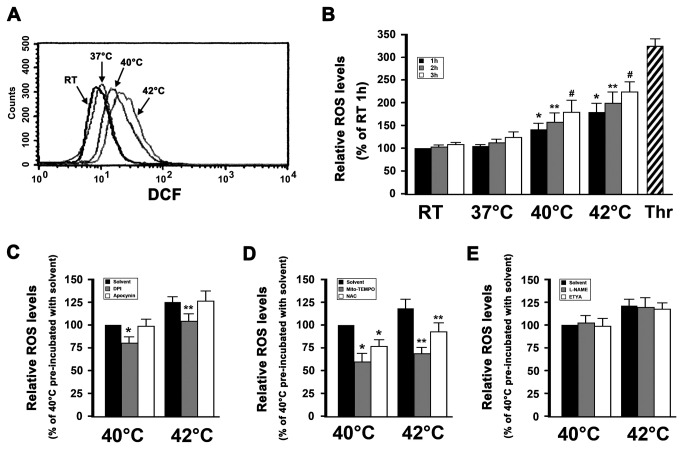
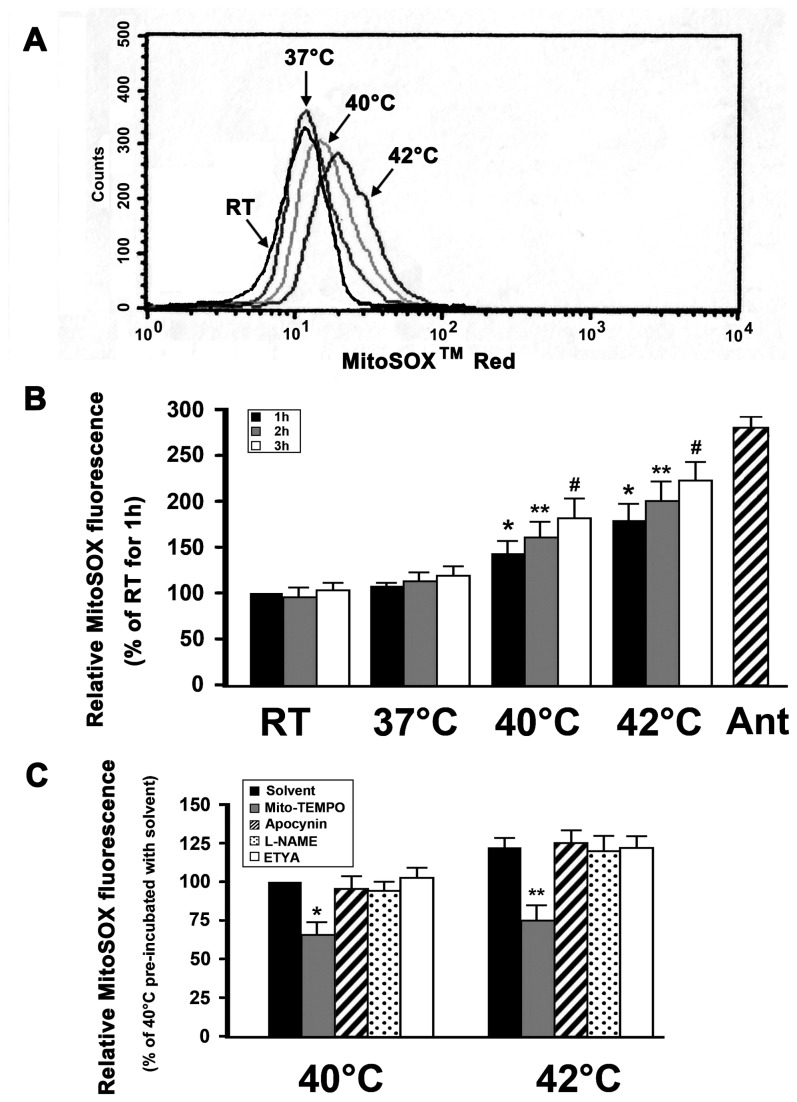
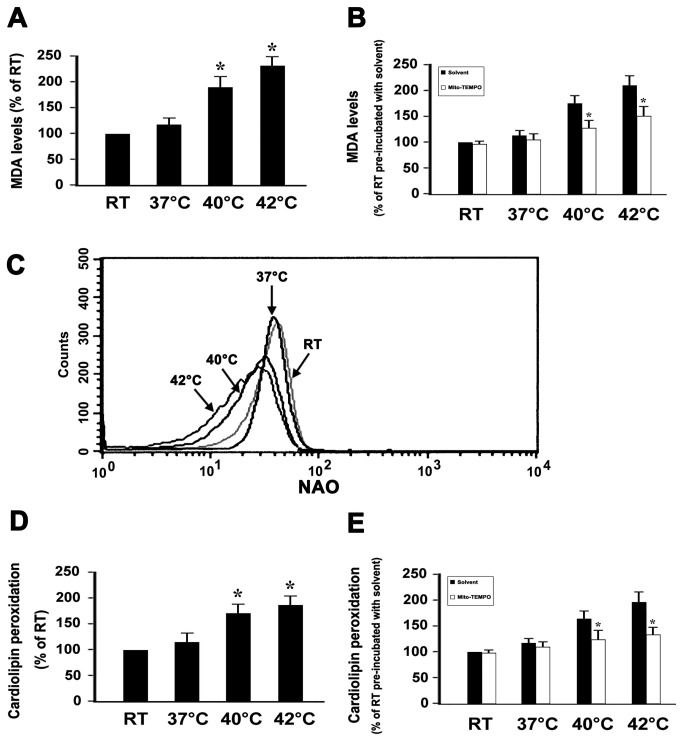
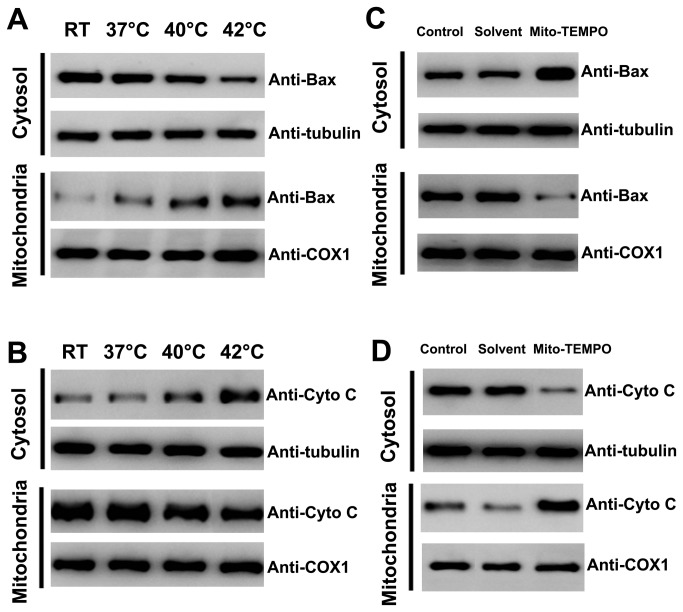
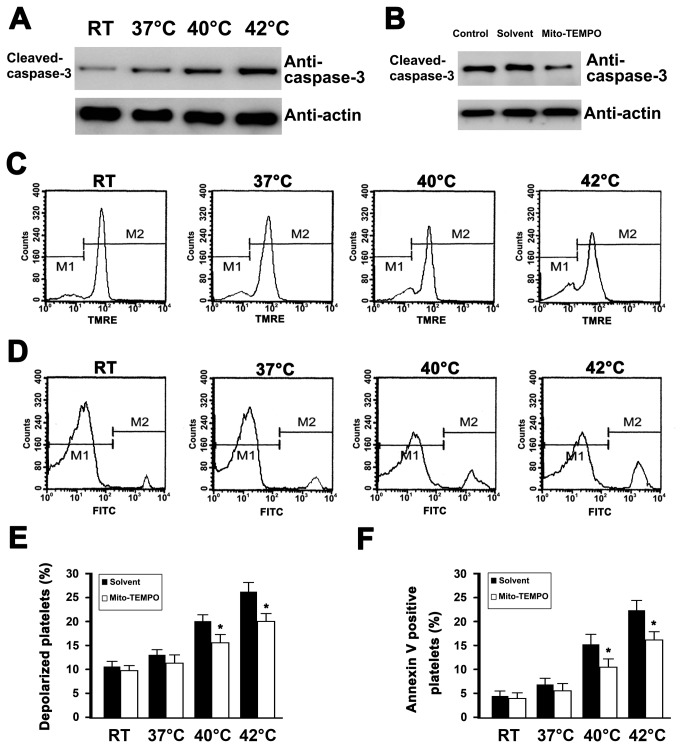
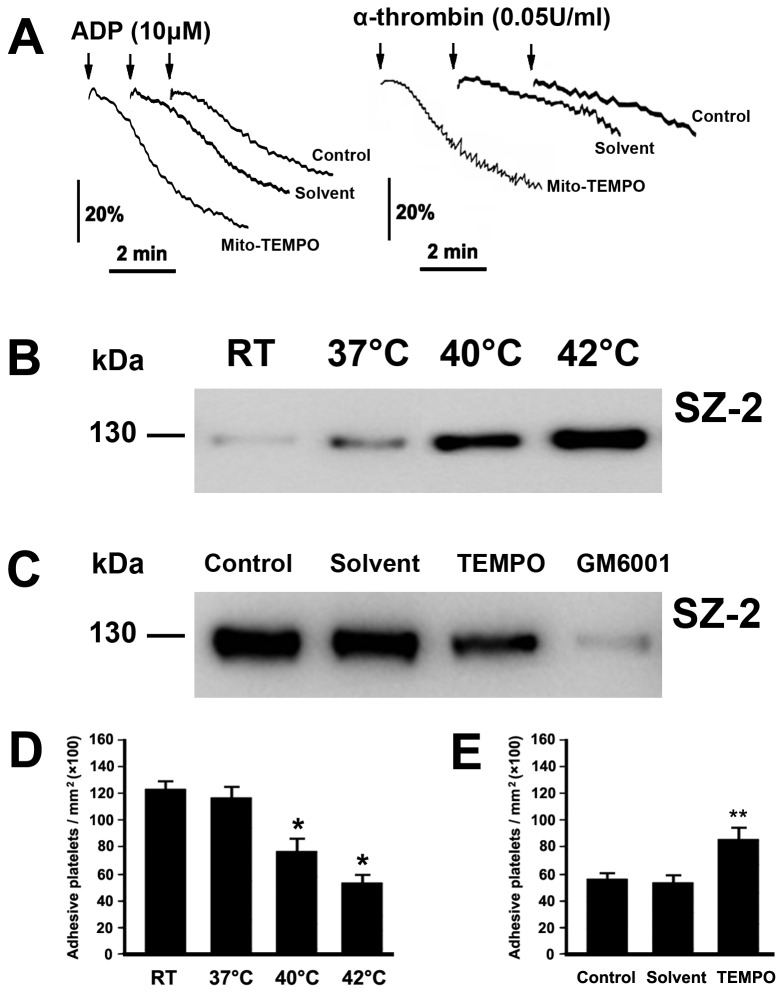
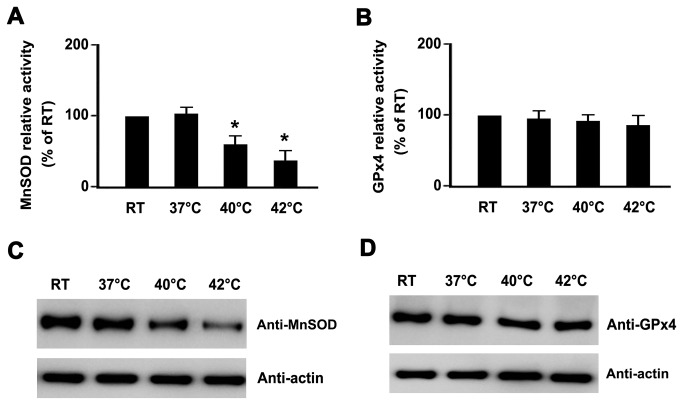
A combination of hyperthermia with radiotherapy and chemotherapy for various solid tumors has been practiced clinically. However, hyperthermic therapy has side effects, such as thrombocytopenia. Up to now, the pathogenesis of hyperthermia-induced thrombocytopenia remains unclear. Previous studies have shown that hyperthermia induces platelet apoptosis. However, the signaling pathways and molecular mechanisms involved in hyperthermia-induced platelet apoptosis have not been determined. Here we show that hyperthermia induced intracellular reactive oxygen species (ROS) production and mitochondrial ROS generation in a time-dependent manner in platelets. The mitochondria-targeted ROS scavenger Mito-TEMPO blocked intracellular ROS and mitochondrial ROS generation. By contrast, inhibitors of reduced nicotinamide adenine dinucleotide phosphate (NADPH) oxidase, nitric oxide synthase, cyclooxygenase and lipoxygenase did not. Furthermore, Mito-TEMPO inhibited hyperthermia-induced malonyldialdehyde production and cardiolipin peroxidation. We also showed that hyperthermia-triggered platelet apoptosis was inhibited by Mito-TEMPO. Furthermore, Mito-TEMPO ameliorated hyperthermia-impaired platelet aggregation and adhesion function. Lastly, hyperthermia decreased platelet manganese superoxide dismutase (MnSOD) protein levels and enzyme activity. These data indicate that mitochondrial ROS play a pivotal role in hyperthermia-induced platelet apoptosis, and decreased of MnSOD activity might, at least partially account for the enhanced ROS levels in hyperthermia-treated platelets. Therefore, determining the role of mitochondrial ROS as contributory factors in platelet apoptosis, is critical in providing a rational design of novel drugs aimed at targeting mitochondrial ROS. Such therapeutic approaches would have potential clinical utility in platelet-associated disorders involving oxidative damage.
Overview
The claims and statistics of this paper haven’t been checked yet.
Free: it reads the open-access text and checks the first 5 claims that cite a source we can check. Create a free account to check every claim.
Integrity signals
Registry
Cites
Statistics
Figures
Verification
Claims the paper makes
The claims and statistics of this paper haven’t been checked yet.
Free: it reads the open-access text and checks the first 5 claims that cite a source we can check. Create a free account to check every claim.
Claims other papers make about this one
Each is checked against this paper’s own text: does it say what the citing paper says it does?
The source backs part of the claim, not all of it — or backs it for a different population, condition or comparison.
In the citing paper
“these mtROS also contribute to oxidative stress through the oxidation of surrounding biomolecules, eventually culminating in uncontrolled inflammation, production of neoantigens, DNA damage and DNA mutations60–63”
From The role of mitochondria in rheumatic diseases (2022) · cites this paper as [60]
Experimental — accuracy not yet measuredThe source backs part of the claim, not all of it — or backs it for a different population, condition or comparison.
In the citing paper
“Mitochondrial ROS can oxidize mitochondrial nucleic acids, causing the expression of aberrant proteins, and/or directly induce post-translational oxidation of local proteins, lipid peroxidation and oxidative damage to nuclear DNA and/or mtDNA60,66,67”
From The role of mitochondria in rheumatic diseases (2022) · cites this paper as [60]
Experimental — accuracy not yet measured
Self-check
Percentages, sums and reported differences re-computed from the paper’s own numbers.
The self-check needs the paper’s full text.
Citations
Cites
Mitochondria, Oxidants, and Aging
Balaban, R. S., Nemoto, S., & Finkel, T. (2005) · Cell · doi:10.1016/j.cell.2005.02.001 · Cited by 4,388 · cited 4×
“The formation of ROS occurs when unpaired electrons escape the electron transport chain and react with molecular oxygen, generating superoxide [11].”
BackgroundInfluentialAssessing mitochondrial dysfunction in cells
Brand, M. D., & Nicholls, D. G. (2011) · Biochemical Journal · doi:10.1042/bj20110162 · Cited by 2,405
Cytochrome c acts as a cardiolipin oxygenase required for release of proapoptotic factors
Kagan, V. E., Tyurin, V. A., Jiang, J., Tyurina, Y. Y., Ritov, V. B., Amoscato, A. A., Osipov, A. N., Belikova, N. A., Kapralov, A. A., Kini, V., et al. (2005) · Nature Chemical Biology · doi:10.1038/nchembio727 · Cited by 1,256 · cited 1×
“Oxygenated cardiolipin appears to be essential for mitochondrial membrane permeabilization and release of pro-apoptotic factors into the cytosol [38,39].”
BackgroundReactive Oxygen Species: Players in the Platelet Game
Krötz, F., Sohn, H.-Y., & Pohl, U. (2004) · Arteriosclerosis, Thrombosis, and Vascular Biology · doi:10.1161/01.atv.0000145574.90840.7d · Cited by 1,006 · cited 2×
“Several studies have shown that nitric oxide synthase (NOS), cyclooxygenase (COX) and lipoxygenase (LOX) are involved in ROS production in agonist-stimulated platelets [33,34].”
BackgroundTherapeutic Targeting of Mitochondrial Superoxide in Hypertension
Dikalova, A. E., Bikineyeva, A. T., Budzyn, K., Nazarewicz, R. R., McCann, L., Lewis, W., Harrison, D. G., & Dikalov, S. I. (2010) · Circulation Research · doi:10.1161/circresaha.109.214601 · Cited by 737 · cited 1×
“reported that mitochondrial ROS is important in the development of hypertension, and that mitochondria-targeted antioxidant MitoTEMPO decreased mitochondrial ROS, inhibited total cellular ROS, and restored the levels of bioavailable nitric oxide [21].”
BackgroundQuinlan, C. L., Orr, A. L., Perevoshchikova, I. V., Treberg, J. R., Ackrell, B. A., & Brand, M. D. (2012) · Journal of Biological Chemistry · doi:10.1074/jbc.m112.374629 · Cited by 670
Oxidative stress and oxidative damage in chemical carcinogenesis
Klaunig, J. E., Wang, Z., Pu, X., & Zhou, S. (2011) · Toxicology and Applied Pharmacology · doi:10.1016/j.taap.2009.11.028 · Cited by 470 · cited 1×
“An increase in ROS generation, a decrease in antioxidant capacity, or a combination both will lead to oxidative stress [18].”
BackgroundSelf-citationMarkers of Oxidative Stress in Erythrocytes and Plasma During Aging in Humans
Pandey, K. B., & Rizvi, S. I. (2010) · Oxidative Medicine and Cellular Longevity · doi:10.4161/oxim.3.1.10476 · Cited by 444 · cited 2×
“MDA is a product of lipid membrane oxidation and a marker of oxidative damage [28].”
BackgroundThe mechanism of mitochondrial superoxide production by the cytochrome bc1 complex
Dröse, S., & Brandt, U. (2008) · Journal of Biological Chemistry · doi:10.1074/jbc.m803236200 · Cited by 386 · cited 1×
“As a positive control, washed platelets were incubated with antimycin A, which is known to increase mitochondrial ROS production [35].”
Role of reactive oxygen species and cardiolipin in the release of cytochrome c from mitochondria
Petrosillo, G., Ruggiero, F. M., & Paradies, G. (2003) · The FASEB Journal · doi:10.1096/fj.03-0012com · Cited by 384 · cited 2×
“Oxygenated cardiolipin appears to be essential for mitochondrial membrane permeabilization and release of pro-apoptotic factors into the cytosol [38,39].”
Background
Cited by
Reactive oxygen species, heat stress and oxidative-induced mitochondrial damage. A review
Belhadj Slimen, I., Najar, T., Ghram, A., Dabbebi, H., Ben Mrad, M., & Abdrabbah, M. (2014) · International Journal of Hyperthermia · doi:10.3109/02656736.2014.971446 · Cited by 875
“Consequently, free radicals are propagated through non-discriminative chain reactions and target lipids, proteins, carbohydrates and nucleic acids, and result in mitochondrial dysfunction through Bax induction and cytochrome c release [65], as illustrated in Figure 1.”
BackgroundPark, J., Min, J.-S., Kim, B., Chae, U.-B., Yun, J. W., Choi, M.-S., Kong, I.-K., Chang, K.-T., & Lee, D.-S. (2015) · Neuroscience Letters · doi:10.1016/j.neulet.2014.10.016 · Cited by 529
A Mitochondria-Targeted Cryptocyanine-Based Photothermogenic Photosensitizer
Jung, H. S., Lee, J.-H., Kim, K., Koo, S., Verwilst, P., Sessler, J. L., Kang, C., & Kim, J. S. (2017) · Journal of the American Chemical Society · doi:10.1021/jacs.7b04263 · Cited by 371
A Dual‐Targeted Organic Photothermal Agent for Enhanced Photothermal Therapy
Wang, H., Chang, J., Shi, M., Pan, W., Li, N., & Tang, B. (2019) · Angewandte Chemie International Edition · doi:10.1002/anie.201811273 · Cited by 325
Zhang, D., Wen, L., Huang, R., Wang, H., Hu, X., & Xing, D. (2018) · Biomaterials · doi:10.1016/j.biomaterials.2017.10.034 · Cited by 248
ROS in Platelet Biology: Functional Aspects and Methodological Insights
Masselli, E., Pozzi, G., Vaccarezza, M., Mirandola, P., Galli, D., Vitale, M., Carubbi, C., & Gobbi, G. (2020) · International Journal of Molecular Sciences · doi:10.3390/ijms21144866 · Cited by 229
“Indeed, in hyperthermia-induced platelet apoptosis, increased mitochondrial ROS easily oxidize cardiolipin, an important component of the inner mitochondrial membrane, promoting mitochondrial translocation of Bax, cytochrome-C release, caspase-3 activation, PS exposure and ∆Ψm depolarization [148] (Figure 4).”
BackgroundCai, X., Liu, C., Zhang, T., Zhu, Y., Dong, X., & Xue, P. (2018) · Journal of Cellular Biochemistry · doi:10.1002/jcb.26651 · Cited by 207
“pathway plays a key role in cell apoptosis and cleaved Caspase-3 is amarker of apoptosis mediated bymitochondrial pathway.(30) The properties of cancer cell invasion and migration depend on the interactions between tumor- and host-derived cells in themicroenvironment during the process of metastasis.”
BackgroundEnhanced NIR Radiation-Triggered Hyperthermia by Mitochondrial Targeting
Jung, H. S., Han, J., Lee, J.-H., Lee, J. H., Choi, J.-M., Kweon, H.-S., Han, J. H., Kim, J.-H., Byun, K. M., Jung, J. H., et al. (2015) · Journal of the American Chemical Society · doi:10.1021/ja5122809 · Cited by 181
Brand, M. D. (2020) · Critical Reviews in Biochemistry and Molecular Biology · doi:10.1080/10409238.2020.1828258 · Cited by 127
Climate change and neurodegenerative diseases
Bongioanni, P., Carratore, R. D., Corbianco, S., Diana, A., Cavallini, G., Masciandaro, S. M., Dini, M., & Buizza, R. (2021) · Environmental Research · doi:10.1016/j.envres.2021.111511 · Cited by 134
A Single Molecule Drug Targeting Photosensitizer for Enhanced Breast Cancer Photothermal Therapy.
Zou, Y., Li, M.-L., Xiong, T., Zhao, X.-Z., Du, J.-J., Fan, J.-L., & Peng, X.-J. (2020) · Small · doi:10.1002/smll.201907677 · Cited by 87
Platelets and diseases: signal transduction and advances in targeted therapy
Tian, Y., Yao, Z., Pang, Y., Zheng, Z., Ma, Y., Zhang, C., & Gao, J. (2025) · Signal Transduction and Targeted Therapy · doi:10.1038/s41392-025-02198-8 · Cited by 145
“140,141 This pathway is initiated by a strong stimulus, with increased cytoplasmic and mitochondrial calcium levels leading to an increase in ROS, 142 depolarization of the mitochondrial membrane potential, and opening of the cyclophilin D (CypD)- dependent mPTP. 143 MPTP is a nonselective…”
Xiao, Y., Yang, Z., Cheng, X., Fang, X.-B., Shen, T., Xia, C., Liu, P., Qian, H., Sun, B., Yin, Z., et al. (2015) · Cancer Letters · doi:10.1016/j.canlet.2015.02.021 · Cited by 113
Direct 1O2 optical excitation: A tool for redox biology
Blázquez‐Castro, A. (2017) · Redox Biology · doi:10.1016/j.redox.2017.05.011 · Cited by 110
Shin, W. S., Lee, M.-G., Verwilst, P., Lee, J. H., Chi, S.-G., & Kim, J. S. (2016) · Chemical Science · doi:10.1039/c6sc02236g · Cited by 95
Platelet mitochondrial dysfunction and the correlation with human diseases
Wang, L., Wu, Q., Fan, Z., Xie, R., Wang, Z., & Lu, Y. (2017) · Biochemical Society Transactions · doi:10.1042/bst20170291 · Cited by 95
Self-citationNADPH oxidase 2 (NOX2): A key target of oxidative stress-mediated platelet activation and thrombosis
Fuentes, E., Gibbins, J. M., Holbrook, L., & Palomo, I. F. (2018) · Trends in Cardiovascular Medicine · doi:10.1016/j.tcm.2018.03.001 · Cited by 97
“14 During activation, platelets generate ROS through several intracellular sources 15 such as NADPH oxidase, cyclooxygenases, uncoupled endothelial nitric oxide 16 synthase (eNOS), xanthine oxidase (XO) and mitochondrial respiration (6, 17-19).”
BackgroundWang, Z., Wang, J., Xie, R., Liu, R., & Lu, Y. (2015) · International Journal of Molecular Sciences · doi:10.3390/ijms160511087 · Cited by 95
“Samples were treated according to a previously described method [7].”
BackgroundMethodInfluentialSelf-citationMitochondria: Biological roles in platelet physiology and pathology
Garcia-Souza, L. F., & de Oliveira, M. F. (2014) · The International Journal of Biochemistry & Cell Biology · doi:10.1016/j.biocel.2014.02.015 · Cited by 97
Reactive Oxygen Species: Not Omnipresent but Important in Many Locations
Herb, M., Gluschko, A., & Schramm, M. (2021) · Frontiers in Cell and Developmental Biology · doi:10.3389/fcell.2021.716406 · Cited by 87
Role of Platelet Activation and Oxidative Stress in the Evolution of Myocardial Infarction
Fuentes, E., Moore‐Carrasco, R., Paes, A. M. D. A., & Trostchansky, A. (2019) · Journal of Cardiovascular Pharmacology and Therapeutics · doi:10.1177/1074248419861437 · Cited by 93
The role of mitochondria in rheumatic diseases
Becker, Y. L. C., Duvvuri, B., Fortin, P. R., Lood, C., & Boilard, E. (2022) · Nature Reviews Rheumatology · doi:10.1038/s41584-022-00834-z · Cited by 81
Biologicals, platelet apoptosis and human diseases: An outlook
Thushara, R. M., Hemshekhar, M., Basappa, B., Kemparaju, K., Rangappa, K. S., & Girish, K. S. (2014) · Critical Reviews in Oncology/Hematology · doi:10.1016/j.critrevonc.2014.11.002 · Cited by 76
In vitro comparison of conventional hyperthermia and modulated electro-hyperthermia
Yang, K.-L., Huang, C.-C., Chi, M.-S., Chiang, H.-C., Wang, Y., Hsia, C.-C., Andócs, G., Wang, H., & Chi, K. (2016) · Oncotarget · doi:10.18632/oncotarget.11444 · Cited by 76
“However, ROS production increased 4.8-fold 3 h after mEHT and 2.4-fold after cCHT compared to the water bath treatment.”
BackgroundInfluentialMa, Z., Zhang, Y., Zhang, J. C., Zhang, W., Foda, M. F., Dai, X., & Han, H. (2020) · ACS Applied Materials & Interfaces · doi:10.1021/acsami.0c11469 · Cited by 76
Paul, M., Hemshekhar, M., Thushara, R. M., Sundaram, M. S., NaveenKumar, S. K., Naveen, S., Sannaningaiah, D., Somyajit, K., West, R., Basappa, B., et al. (2015) · PLoS ONE · doi:10.1371/journal.pone.0127558 · Cited by 73
“The elevated plasma levels of ROS are among the key factors responsible for premature apoptosis of platelets [15], [16].”
BackgroundA Dual‐Targeted Organic Photothermal Agent for Enhanced Photothermal Therapy
Wang, H., Chang, J., Shi, M., Pan, W., Li, N., & Tang, B. (2018) · Angewandte Chemie · doi:10.1002/ange.201811273 · Cited by 73
Mitochondria-targeted fluorophore: State of the art and future trends
Ding, Q., Wang, X., Luo, Y., Leng, X., Li, X., Gu, M., & Kim, J. S. (2024) · Coordination Chemistry Reviews · doi:10.1016/j.ccr.2024.215772 · Cited by 70
Cyanine dyes in the mitochondria-targeting photodynamic and photothermal therapy
Kejík, Z., Hajduch, J., Abramenko, N., Vellieux, F. M. D., Veselá, K., Fialová, J. L., Petrláková, K., Kučnirová, K., Kaplánek, R., Tatar, A., et al. (2024) · Communications Chemistry · doi:10.1038/s42004-024-01256-6 · Cited by 75
“For example, Mito-TEMPO (mitochondria-targeted ROS scavenger) inhibited hyperthermia-induced malonyldialdehyde production, cardiolipin peroxidation and platelet apoptosis 216 .”
BackgroundMajor Oxidative and Antioxidant Mechanisms During Heat Stress-Induced Oxidative Stress in Chickens
Aryal, B., Kwakye, J., Ariyo, O. W., Ghareeb, A. F. A., Milfort, M. C., Fuller, A. L., Khatiwada, S., Rekaya, R., & Aggrey, S. E. (2025) · Antioxidants · doi:10.3390/antiox14040471 · Cited by 95
Kikusato, M., Yoshida, H., Furukawa, K., & Toyomizu, M. (2015) · Journal of Thermal Biology · doi:10.1016/j.jtherbio.2015.04.005 · Cited by 69
Liu, K.-C., Shih, T. Y., Kuo, C., Ma, Y., Yang, J.-L., Wu, P.-P., Huang, Y., Lai, K., & Chung, J. (2016) · The American Journal of Chinese Medicine · doi:10.1142/s0192415x16500725 · Cited by 66
Lee, J. H., Lee, J. H., Jung, S. H., Hyun, T. K., Feng, M., Kim, J., Lee, J., Lee, H.-Y., Kim, J. S., Kang, C., et al. (2015) · Chemical Communications · doi:10.1039/c5cc01364j · Cited by 59
A New Green Titania with Enhanced NIR Absorption for Mitochondria-Targeted Cancer Therapy
Mou, J., Lin, T., Huang, F., Shi, J., & Chen, H. (2017) · Theranostics · doi:10.7150/thno.17247 · Cited by 61
“ROS prodcution of G-TiO2-x (Ti concentration: 100 ppm) was measured by using the sensitive probe DPBF (25 µM) in acetonitrile.”
BackgroundInfluentialMohammed, J. S., Nordin, N., Shaari, K., Rosli, R., & Razis, A. F. A. (2018) · PLoS ONE · doi:10.1371/journal.pone.0196403 · Cited by 57
Yu, T., Dohl, J., Chen, Y., Gasier, H. G., & Deuster, P. A. (2019) · Journal of Cellular Physiology · doi:10.1002/jcp.28006 · Cited by 60
“In addition, under thermal stress, free radicals induce MOMP and release proapoptotic proteins such as cytochrome c into the cytosol, which leads to downstream caspase activation and subsequent apoptosis (Katschinski et al., 2000; Wang et al., 2013).”
BackgroundInfluentialJain, K., Tyagi, T., Patell, K., Xie, Y., Kadado, A. J., Lee, S. H., Yarovinsky, T. O., Du, J., Hwang, J. J., Martin, K. A., et al. (2019) · EBioMedicine · doi:10.1016/j.ebiom.2019.05.022 · Cited by 63
“For apoptosis assay, the pretreated washed platelets were incubated with 1 μM tetramethylrhodamine methyl ester (TMRE) reagent (Invitrogen) at 37 °C for 20 min [15].”
MethodPontes, G. C. S., Monteiro, P. L. J., Prata, A. B., Guardieiro, M. M., Pinto, D. A. M., Fernandes, G. O., Wiltbank, M. C., Santos, J. E. P., & Sartori, R. (2015) · Journal of Dairy Science · doi:10.3168/jds.2014-8886 · Cited by 55
Regulation of mitochondrial function as a promising target in platelet activation-related diseases
Fuentes, E., Araya‐Maturana, R., & Urra, F. A. (2019) · Free Radical Biology and Medicine · doi:10.1016/j.freeradbiomed.2019.01.007 · Cited by 57
Zou, L., Su, L., Sun, Y., Han, A., Chang, X., Zhu, A., Liu, F., Li, J., & Sun, Y. (2017) · Environmental Toxicology · doi:10.1002/tox.22414 · Cited by 54
“The 2,2,6,6-tetramethyl-1-piperidinyloxy (TEMPO), as a potent ROS scavenger, can regulate the level of ROS production against the damaging effects of O2 and H2O2, so as to reduce the apoptosis and necrosis.(22,23) Endoplasmic reticulum (ER) is the site of intracellular calcium regulation, synthesis and folding of secr…”
BackgroundMitoquinone (MitoQ) Inhibits Platelet Activation Steps by Reducing ROS Levels
Méndez, D., Arauna, D., Fuentes, F., Araya‐Maturana, R., Palomo, I. F., Alarcón, M. A., Sebastián, D., Zorzano, A., & Fuentes, E. (2020) · International Journal of Molecular Sciences · doi:10.3390/ijms21176192 · Cited by 57
Li, J., Yang, D., Lyu, W., Yuan, Y. H., Xiao, H., Yue, W., Jiang, J., Xiao, Y., Fang, Z., Lü, X., et al. (2024) · Advanced Materials · doi:10.1002/adma.202405890 · Cited by 53
Wang, C.-N., Liu, Y., Duan, G., Zhao, W., Li, X., Zhu, X., & Ni, X. (2014) · Antioxidants and Redox Signaling · doi:10.1089/ars.2013.5682 · Cited by 51
“…superoxide dismutase 2 (SOD2) mimetic MnTBAP and mitochondrial superoxide scavenger mito-TEMPO were used to block mitochondria superoxide production as previously described (49, 56), thereby clarifying whether mitochondrial oxidative stress contributes to LPS-induced adrenal insufficiency.”
Impact of hyper- and hypothermia on cellular and whole-body physiology
Iba, T., Kondo, Y., Maier, C. L., Helms, J., Ferrer, R., & Levy, J. H. (2025) · Journal of Intensive Care · doi:10.1186/s40560-024-00774-8 · Cited by 48
“ROS generated under hyperthermia can trigger apoptosis pathways [9].”
Understanding thrombosis: the critical role of oxidative stress
Li, P., Ma, X., & Huang, G. (2024) · Hematology · doi:10.1080/16078454.2023.2301633 · Cited by 57
“During activation, platelets produce ROS via various intracellular origins including NADPH oxidase, cyclooxygenases, eNOS, xanthine oxidase (XO), and mitochondrial respiratory processes [42,43].”
Lyu, K., Zhu, X., Chen, R., Chen, Y., & Yang, Z. (2014) · Aquatic Toxicology · doi:10.1016/j.aquatox.2013.12.031 · Cited by 46
“Then, the premature MnSOD is proteolytically cleaved within mitochondria to form a mature protein (Karnati et al., 2013; Wang et al., 2013).”
BackgroundB cell activation via immunometabolism in systemic lupus erythematosus
Iwata, S., Hajime, M., & Tanaka, Y. (2023) · Frontiers in Immunology · doi:10.3389/fimmu.2023.1155421 · Cited by 48
Xie, N., Wu, C., Wang, C., Cheng, X., Zhang, L., Zhang, H., & Lian, Y. (2017) · Brain Research · doi:10.1016/j.brainres.2017.08.035 · Cited by 46
Rademann, P., Weidinger, A., Drechsler, S., Mészáros, A., Zipperle, J., Jafarmadar, M., Dumitrescu, S., Hacobian, A., Ungelenk, L., Röstel, F., et al. (2017) · Oxidative Medicine and Cellular Longevity · doi:10.1155/2017/6412682 · Cited by 44
Ding, W. Q., Liu, T., Bi, X., & Zhang, Z. (2017) · Cellular Physiology and Biochemistry · doi:10.1159/000485287 · Cited by 43
Han, A., Zou, L., Gan, X., Li, Y., Liu, F., Chang, X., Zhang, X., Tian, M., Li, S., Su, L., et al. (2018) · Toxicology Letters · doi:10.1016/j.toxlet.2018.03.016 · Cited by 45
Pelissier-Rota, M. A., Pélosi, L., Méresse, P., & Jacquier‐Sarlin, M. R. (2015) · The International Journal of Biochemistry & Cell Biology · doi:10.1016/j.biocel.2015.06.013 · Cited by 44
Platelet hyperactivation, apoptosis and hypercoagulability in patients with acute pulmonary embolism
Rezania, S., Puskarich, M. A., Petrusca, D. N., Neto‐Neves, E. M., Rondina, M. T., & Kline, J. A. (2017) · Thrombosis Research · doi:10.1016/j.thromres.2017.05.009 · Cited by 44
Hossain, M. E., Matsuzaki, K., Katakura, M., Sugimoto, N., Mamun, A. A., Islam, R., Hashimoto, M., & Shido, O. (2017) · PLoS ONE · doi:10.1371/journal.pone.0190356 · Cited by 44
Organelle-targeted photothermal agents for cancer therapy
Hwang, E., & Jung, H. S. (2021) · Chemical Communications · doi:10.1039/d1cc02168k · Cited by 40
Lysocardiolipin acyltransferase regulates TGF-β mediated lung fibroblast differentiation
Huang, L. S., Jiang, P., Feghali‐Bostwick, C. A., Reddy, S. P., Garcia, J. G. N., & Natarajan, V. (2017) · Free Radical Biology and Medicine · doi:10.1016/j.freeradbiomed.2017.07.023 · Cited by 39
Bowyer, J. F., & Hanig, J. P. (2014) · Temperature · doi:10.4161/23328940.2014.982049 · Cited by 41
Liu, X., Wu, J., Wang, J., Feng, X., Wu, H., Huang, R., Fan, J., Yu, X., & Yang, X. (2019) · Human & Experimental Toxicology · doi:10.1177/0960327119897099 · Cited by 42
“Mitochondrial respiratory chain is the primary source of intracellular ROS.30 Overproduction of ROS will damage respiratory chain and mtDNA, ultimately leading to mitochondrial dysfunction.31 Previous studies have reported that ROS was associated with AAI-induced oxidative DNA damage,32 apoptosis,26 and cell cycle arr…”
BackgroundAutophagy protein Ulk1 promotes mitochondrial apoptosis through reactive oxygen species
Mukhopadhyay, S., Das, D. N., Panda, P. K., Sinha, N., Naik, P. P., Bissoyi, A., Pramanik, K., & Bhutia, S. K. (2015) · Free Radical Biology and Medicine · doi:10.1016/j.freeradbiomed.2015.07.159 · Cited by 40
Yu, T., Deuster, P. A., & Chen, Y. (2016) · The Journal of Physiology · doi:10.1113/jp272885 · Cited by 42
“High temperatures indeed affect mitochondrial function, and impair mitochondrial electron transport; this condition also induces the production of reactive oxygen species (ROS) under in vitro (Wang et al. 2013) and in vivo (Qian et al. 2004) conditions.”
BackgroundLi, Q., Liang, X., Yang, Y., Zeng, X., Zhong, X., & Huang, C. (2019) · FEBS Open Bio · doi:10.1002/2211-5463.12760 · Cited by 38
Amaral, C. D. S., Koch, J., Júnior, E. E. C., Bertolin, K., Mujica, L. K. S., Fiorenza, M. F., Rosa, S. G., Nogueira, C. W., Comim, F. V., Portela, V. M., et al. (2020) · Molecular Reproduction and Development · doi:10.1002/mrd.23407 · Cited by 36
“Enhanced intracellular ROS may cause DNA and mitochondrial damage (Slimen et al., 2014), leading to nonspecific modification of lipids and proteins (Wang et al., 2013), then activating cell autophagy mechanisms (Kiffin, Christian, Knecht, & Cuervo, 2004) and apoptosis (Boveris & Chance, 1973).”
BackgroundZhao, Y., Wu, Q., Wu, Z., Zhang, J., Zhu, L., Yang, Y., Ma, S., & Zhang, S. (2018) · International Journal of Oncology · doi:10.3892/ijo.2018.4439 · Cited by 34
“To investigate whether oxidative stress contributes to the apoptosis induced by MW hyperthermia, we measured intracellular ROS”
InfluentialMa, C.-H., Wu, C.-H., Jou, I., Tu, Y., Hung, C.-H., Chou, W.-C., Chang, Y., Hsieh, P., & Tsai, K. (2019) · Antioxidants · doi:10.3390/antiox8090370 · Cited by 36
Xue, Y., Zhang, L., Zhang, L., Sun, W., Fang, Z., Leng, Y., Li, M., Ren, X., Zhang, R., Zhang, Y., et al. (2022) · Phytomedicine · doi:10.1016/j.phymed.2022.154271 · Cited by 41
Hsiao, Y., Tsai, C., Wu, P.-P., Hsu, S., Liu, H., Huang, Y., Yang, J., & Chung, J. (2014) · International Journal of Oncology · doi:10.3892/ijo.2014.2689 · Cited by 34
Platelet oxidative stress as a novel target of cardiovascular risk in frail older people
Fuentes, F., Palomo, I. F., & Fuentes, E. (2017) · Vascular Pharmacology · doi:10.1016/j.vph.2017.07.003 · Cited by 39
New physical approaches to treat cancer stem cells: a review
Ghaffari, H., Beik, J., Talebi, A., Mahdavi, S. R., & Abdollahi, H. (2018) · Clinical & Translational Oncology · doi:10.1007/s12094-018-1896-2 · Cited by 27
Photobiomodulation of mineralisation in mesenchymal stem cells
Mohamad, S. A., Milward, M. R., Hadis, M. A., Kuehne, S. A., & Cooper, P. R. (2021) · Photochemical & Photobiological Sciences · doi:10.1007/s43630-021-00047-5 · Cited by 36
“The inhibitory effects of higher radiant exposure of light potentially occur due to either the direct interference of photons on chromophore function, or indirectly due to excessive ROS production [76] or hyperthermia [71, 72].”
BackgroundJagadish, S., Rajeev, N., NaveenKumar, S. K., Kumar, K. S. S., Paul, M., Hegde, M. B., Basappa, B., Sadashiva, M. P., Girish, K. S., & Rangappa, K. S. (2016) · Molecular and Cellular Biochemistry · doi:10.1007/s11010-016-2667-4 · Cited by 34
“Unremitting oxidative stress and increased calcium levels also affect mitochondria by depolarizing the membrane potential and peroxidizing the cardiolipin [51].”
BackgroundMallick, R. L., Kumari, S., Singh, N. K., Sonkar, V. K., & Dash, D. (2015) · Cell Calcium · doi:10.1016/j.ceca.2015.02.002 · Cited by 30
Bai, S., Zhang, X., Ma, X., Chen, J., Chen, Q., Shi, X., Hou, M., Xue, P., Kang, Y., & Xu, Z. (2018) · Biomaterials Science · doi:10.1039/c8bm01020j · Cited by 28
Bian, W., Pan, Z., Wang, Y., Long, W. S., Chen, Z., Chen, N., Zeng, Y., Yuan, J., Liu, X., Lu, Y., et al. (2021) · Bioorganic Chemistry · doi:10.1016/j.bioorg.2021.104954 · Cited by 28
Self-citationHan, Z., Qian, Y., Gao, X., Yang, D., Cai, Y., Chen, Y., Jin, J., & Yang, Z. (2022) · Colloids and Surfaces B Biointerfaces · doi:10.1016/j.colsurfb.2022.113094 · Cited by 28
Facile construction of mitochondria-targeting nanoparticles for enhanced phototherapeutic effects
Liu, Y., Li, H., Xie, J., Zhou, M., Huang, H., Lu, H., Chai, Z., Chen, J., & Hu, Y. (2017) · Biomaterials Science · doi:10.1039/c6bm00878j · Cited by 27
Platelets redox balance assessment: Current evidence and methodological considerations
Komosa, A., Rzymski, P., Perek, B., Ropacka‐Lesiak, M., Lesiak, M., Siller-Matula, J. M., & Poniedziałek, B. (2017) · Vascular Pharmacology · doi:10.1016/j.vph.2017.06.002 · Cited by 31
Bioactive food and exercise in chronic kidney disease: Targeting the mitochondria
Mafra, D., Gidlund, E., Borges, N. A., Magliano, D. C., Lindholm, B., Stenvinkel, P., & von Walden, F. (2018) · European Journal of Clinical Investigation · doi:10.1111/eci.13020 · Cited by 28
“Peroxisome proliferator‐activated receptor (PPAR)‐γ coactivator 1α (PGC‐1α) serves as a master regulator of MB and is responsive to physiological (such as exercise and caloric restriction) and pathologic (such as oxidative stress and inflammation) conditions.(13) PGC‐1α is located in the cytoplasm and translocates upo…”
BackgroundHyperthermia Enhances Efficacy of Chemotherapeutic Agents in Pancreatic Cancer Cell Lines
Maurici, C. E., Colenbier, R., Wylleman, B., Brancato, L., van Zwol, E., den Bossche, J. V., Timmermans, J., Giovannetti, E., da Cunha, M. G. M. C. M., & Bogers, J. (2022) · Biomolecules · doi:10.3390/biom12050651 · Cited by 26
Superoxide Dismutase 2 is dispensable for platelet function
Fidler, T. P., Rowley, J. W., de Araujo, C. V., Boudreau, L. H., Marti, A., Souvenir, R., Dale, K., Boilard, É., Weyrich, A. S., & Abel, E. D. (2017) · Thrombosis and Haemostasis · doi:10.1160/th17-03-0174 · Cited by 26
“Platelet mitochondrial ROS is elevated in hypothermia-mediated platelet apoptosis (17).”
BackgroundCell death in human articular chondrocyte: a morpho-functional study in micromass model
Battistelli, M., Salucci, S., Olivotto, E., Facchini, A., Minguzzi, M., Guidotti, S., Pagani, S., Flamigni, F., Borzì, R. M., Facchini, A., et al. (2014) · APOPTOSIS · doi:10.1007/s10495-014-1017-9 · Cited by 33
Chen, Z., Schubert, P., Bakkour, S., Culibrk, B., Busch, M. P., & Devine, D. V. (2017) · Transfusion · doi:10.1111/trf.14035 · Cited by 27
The contribution of oxidative stress to platelet senescence during storage
Wang, L., Xie, R., Fan, Z., Yang, J., Liang, W. H., Wu, Q., Wu, M. X., Wang, Z., & Lu, Y. (2019) · Transfusion · doi:10.1111/trf.15291 · Cited by 27
“We previously reported that hyperthermiainduced platelet apoptosis by increasing mitochondriaderived ROS production, which extensively impaired platelet function and decreased platelet numbers.(16) This may suggest that apoptosis occurred in platelets could induce PSL because of the excessive ROS production.”
BackgroundSelf-citationВикторович, М. И., Fock, E. M., Dobrylko, I. A., Sudnitsyna, J. S., Gambaryan, S. P., & Panteleev, M. A. (2022) · International Journal of Molecular Sciences · doi:10.3390/ijms231810667 · Cited by 24
“Additionally, a prolonged bleeding time during surgeries in hypothermic conditions [14–16] and platelet hypo- [17,18] and hyperreactivity [1] in hyperthermic conditions have been reported.”
BackgroundPlatelet Redox Imbalance in Hypercholesterolemia: A Big Problem for a Small Cell
Morotti, A., Barale, C., Melchionda, E., & Russo, I. (2022) · International Journal of Molecular Sciences · doi:10.3390/ijms231911446 · Cited by 26
“, thrombin, thrombin receptor activator peptide (TRAP)-6 and U46619) and mitochondria dysfunction [48,71,72].”
BackgroundHeat stress-induced mitochondrial damage and its impact on leukocyte function
Iba, T., Helms, J., Nagaoka, I., Ferrer, R., & Levy, J. H. (2025) · Journal of Intensive Care · doi:10.1186/s40560-025-00832-9 · Cited by 28
“While NETs help trap pathogens, their excessive release obstructs capillary flow, promotes microthrombosis, and directly injures endothelial cells, contributing to DIC and further exacer-bating vascular dysfunction [4, 47, 48].”
Ibtisham, F., Zhao, Y., Nawab, A., Liguang, H., Wu, J., Xiao, M., Zhao, Z., & An, L. (2018) · Brazilian Journal of Poultry Science · doi:10.1590/1806-9061-2017-0685 · Cited by 28
“, 2003), platelets (Wang et al., 2013), leukemia cells (Katschinski et al.”
BackgroundNgo, A. T. P., Parra‐Izquierdo, I., Aslan, J. E., & McCarty, O. J. T. (2021) · Small GTPases · doi:10.1080/21541248.2021.1878001 · Cited by 23
Thrombocytopenia in Patients Receiving Prolonged Linezolid May be Caused by Oxidative Stress
Wang, T., Guo, D., Bai, Y., Wen, K., Han, W., & Wang, R. (2015) · Clinical Drug Investigation · doi:10.1007/s40261-015-0352-0 · Cited by 21
“The role of free radicals as a biomarker has been studied extensively, which contribute to various degenerative conditions, including damage to cell membranes and cellular organelles and ultimately apoptosis, while platelet apoptosis has been shown to always accompany the generation of ROS [29].”
It's Getting Hot in Here: Targeting Cancer Stem-like Cells with Hyperthermia.
Huang, H., Yu, K., Mohammadi, A. M., Karanthanasis, E., Godley, A. R., & Ma, J. S. Y. (2017) · PubMed · Cited by 21
In vitro activity studies of hyperthermal near-infrared nanoGUMBOS in MDA-MB-231 breast cancer cells
Dumke, J. C., Qureshi, A. T., Hamdan, S., Rupnik, K., El‐Zahab, B., Hayes, D. J., & Warner, I. M. (2014) · Photochemical & Photobiological Sciences · doi:10.1039/c4pp00030g · Cited by 22
Alum, E. U., Ugwu, O. P.-C., Aja, P. M., Obeagu, E. I., Inya, J. E., Onyeije, A. P., Agu, E., & Awuchi, C. G. (2023) · Cogent Food & Agriculture · doi:10.1080/23311932.2023.2258774 · Cited by 17
Guillemette, M., Polymeropoulos, E. T., Portugal, S. J., & Pelletier, D. (2017) · Frontiers in Physiology · doi:10.3389/fphys.2017.00532 · Cited by 17
“Support for this interpretation is given by various cancer treatment therapies using hyperthermia in humans (Wang et al., 2013), which induces intracellular reactive oxygen species (ROS) production and mitochondrial ROS generation in a time-dependent manner.”
BackgroundHosseini, E., Hojjati, S., gashti, S. A., & Ghasemzadeh, M. (2020) · Thrombosis Journal · doi:10.1186/s12959-020-00233-y · Cited by 15
“can oxidize a main component of the inner mitochondrial membrane, cardiolipin and induce apoptosis through ΔΨm depolarization, mitochondrial Bax translocation, cytochrome C release, caspase-3 activation and PS exposure [42, 43].”
BackgroundYang, Y., Yang, C. L. W., Zhao, Z., Zuo, X., Liang, T., Yang, Y. P., Ma, S., & Yang, D. (2019) · Oncology Reports · doi:10.3892/or.2019.7085 · Cited by 15
“Studies have reported that hyperthermia induces autophagy and changes in the intracellular ROS content (21,22).”
BackgroundAltuntaş, G., Akkaya, T., Özkan, D., Sayın, M. M., Balas, Ş., & Özlü, E. (2017) · Türk anesteziyoloji ve reanimasyon derneği dergisi · doi:10.5152/tjar.2017.180401 · Cited by 15
“Likewise, it is possible to come across with many articles in the literature using Bonferroni correction and presenting p values other than conventional presentation of p values (2-4).”
Hu, L., Cao, J., & Lv, Y. (2024) · Chemical Engineering Journal · doi:10.1016/j.cej.2024.152270 · Cited by 14
Self-citationLiu, L., Shao, M., Huang, Y., Qian, P., & Huang, H. (2024) · Journal of Hematology & Oncology · doi:10.1186/s13045-024-01615-9 · Cited by 15
“Conversely, the inhibition of mitochondrial respiration reduces platelet activation [163, 164].”
BackgroundFurukawa, K., Kikusato, M., Kamizono, T., Yoshida, H., & Toyomizu, M. (2015) · The Journal of Poultry Science · doi:10.2141/jpsa.0150028 · Cited by 14
“Overproduction of reactive oxygen species (ROS) is one of the hallmarks of HS (Zuo et al., 2000; Wang et al., 2013), and our previous studies have shown that this overproduction mainly occurs in the mitochondria (Mujahid et al.”
BackgroundBâldea, I., Petran, A., Florea, A., Sevastre-Berghian, A., Nenu, I., Filip, G. A., Cenariu, M., Radu, M. T., & Iacoviță, C. (2023) · Nanomaterials · doi:10.3390/nano13050933 · Cited by 14
“H2O2 is normally produced by mitochondria and its production can be enhanced by MH, as previously reported [85,86].”
Handigund, M., Kim, J. T., Bae, T. W., Lee, J., & Cho, Y. G. (2020) · Transfusion and Apheresis Science · doi:10.1016/j.transci.2020.103039 · Cited by 13
Metadata
- Authors
- Wang, Z., Cai, F., Chen, X., Luo, M., Hu, L., & Lu, Y.
- Affiliations
- Shanghai Medical College of Fudan University (CN)
- Shanghai University of Traditional Chinese Medicine (CN)
- Anhui Medical University (CN)
- Corresponding author
- Lu, Yuan
- Venue
- PLoS ONE
- Publisher
- Public Library of Science (PLoS)
- Published
- 2013-09-04
- Volume
- 8
- Issue
- 9
- Pages
- e75044
- ISSN
- 1932-6203 (ISSN-L)
- PMC
- PMC3762754
- OpenAlex
- W2011506319
- Cited by
- 155
- References
- 54
- Citations by year
- 2026: 4 · 2025: 9 · 2024: 12 · 2023: 8 · 2022: 14 · 2021: 12 · 2020: 11 · 2019: 12 · 2018: 15 · 2017: 24 · 2016: 7 · 2015: 14 · 2014: 12
- FWCI
- 7.89
- Type
- journal article
- Language
- en
- Open access
- gold
- doi.org
- Locations
- PLoS ONE (publishedVersion, cc-by)
- Europe PMC (PubMed Central) (publishedVersion, cc-by)
- PubMed Central (publishedVersion, cc-by)
- PubMed (publishedVersion)
- DOAJ (DOAJ: Directory of Open Access Journals) (submittedVersion, cc-by-sa)
- Funders
- Natural Science Foundation of Shanghai
- National Natural Science Foundation of China (81270650)
- China Postdoctoral Science Foundation
- Shanghai Municipal Education Commission
- Topics
- Health Sciences › Medicine › Hematology › Platelet Disorders and Treatments
- Life Sciences › Biochemistry, Genetics and Molecular Biology › Molecular Biology › Mitochondrial Function and Pathology
- Life Sciences › Biochemistry, Genetics and Molecular Biology › Molecular Biology › Cell death mechanisms and regulation
- Keywords
- hyperthermia, platelet apoptosis, mitochondrial reactive oxygen species, MitoTEMPO, thrombocytopenia, manganese superoxide dismutase, cardiolipin peroxidation, malondialdehyde, platelet aggregation, platelet adhesion, oxidative stress, NADPH oxidase, nitric oxide synthase, cyclooxygenase, lipoxygenase
- MeSH terms
- Blood Platelets, Cardiolipins, Humans, Hyperthermia, Induced, Malondialdehyde, Mitochondria, Organophosphorus Compounds, Piperidines, Superoxides, Superoxide Dismutase, Lipid Peroxidation, Apoptosis, Reactive Oxygen Species
About these checks
Registry, retraction, Cites and statistics results are computed, not judged, with one exception: a printed reference that no index lists is read once by a model before it counts as a citation error. Claims are extracted by a model and kept only when their quote appears verbatim in the text; each cited source is then checked, with a model’s help, for whether it says what the claim relies on. Those verdicts can be wrong — read the claim’s quote and the cited source before relying on one.
Statistics and arithmetic are recomputed, not judged.
Confidence bands are shown only for fields calibrated on our annotated test set. None is calibrated yet, so no band is shown.
What counts as a claim ›How we measure confidence ›How we check this ›
Are you an author, or do you see a problem with this page? Request a review
Data sources
Bibliographic data: Semantic Scholar, OpenAlex, Crossref.
Contains information from the Semantic Scholar Academic Graph Datasets, made available under the ODC Attribution License (ODC-BY 1.0).
Semantic Scholar’s data is described in: Kinney, R., et al. (2023). The Semantic Scholar Open Data Platform. arXiv:2301.10140.
