

The DOI matches its Crossref record; 62 of the 63 references it cites were found in a registry or an index; 1 of the 57 sources its claims cite were checked for support.
Galantamine Slows Down Plaque Formation and Behavioral Decline in the 5XFAD Mouse Model of Alzheimer’s Disease
Open accessAbstract
The plant alkaloid galantamine is an established symptomatic drug treatment for Alzheimer's disease (AD), providing temporary cognitive and global relief in human patients. In this study, the 5X Familial Alzheimer's Disease (5XFAD) mouse model was used to investigate the effect of chronic galantamine treatment on behavior and amyloid β (Aβ) plaque deposition in the mouse brain. Quantification of plaques in untreated 5XFAD mice showed a gender specific phenotype; the plaque density increased steadily reaching saturation in males after 10 months of age, whereas in females the density further increased until after 14 months of age. Moreover, females consistently displayed a higher plaque density in comparison to males of the same age. Chronic oral treatment with galantamine resulted in improved performance in behavioral tests, such as open field and light-dark avoidance, already at mildly affected stages compared to untreated controls. Treated animals of both sexes showed significantly lower plaque density in the brain, i.e., the entorhinal cortex and hippocampus, gliosis being always positively correlated to plaque load. A high dose treatment with a daily uptake of 26 mg/kg body weight was tolerated well and produced significantly larger positive effects than a lower dose treatment (14 mg/kg body weight) in terms of plaque density and behavior. These results strongly support that galantamine, in addition to improving cognitive and behavioral symptoms in AD, may have disease-modifying and neuroprotective properties, as is indicated by delayed Aβ plaque formation and reduced gliosis.
Overview
AI snapshot
Written from the paper’s full text.
TL;DR
Chronic oral galantamine in 5XFAD mice improved some behavioral deficits and reduced amyloid plaque density in the hippocampus and entorhinal cortex, with a high dose producing larger effects than a low dose. The authors conclude galantamine may have disease-modifying and neuroprotective properties in addition to symptomatic benefits.
Key findings
- Untreated 5XFAD mice showed sex-specific plaque progression: males reached saturation at 10 months, while females continued increasing after 14 months; females consistently had higher plaque density, and plaque density was always higher in entorhinal cortex than hippocampus. Plaques were detectable at 2 months.
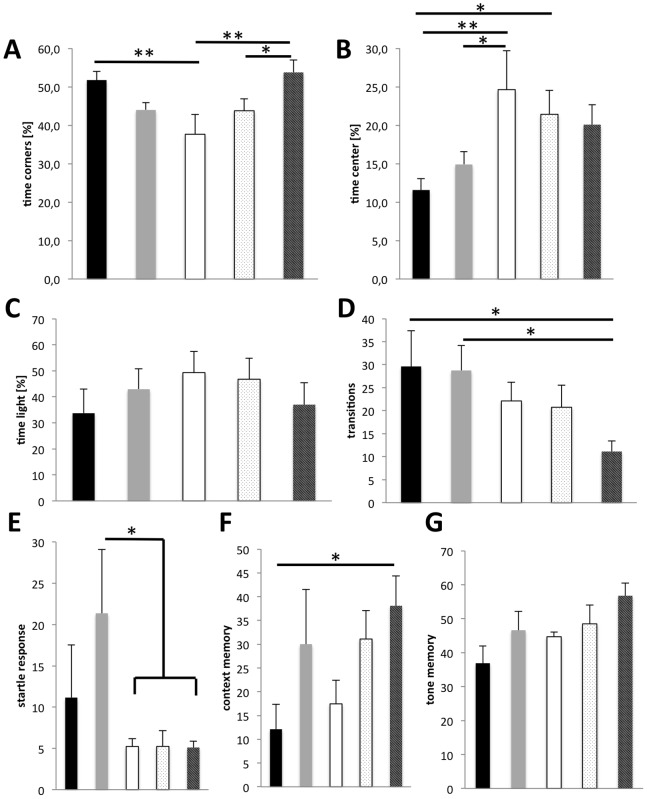
- Chronic galantamine improved open field behavior and partially normalized light-dark avoidance, with high dose (26 mg/kg/day) significantly more effective than low dose (14 mg/kg/day). It did not normalize the reduced startle response or prepulse inhibition, and it increased freezing in fear conditioning irrespective of genotype.
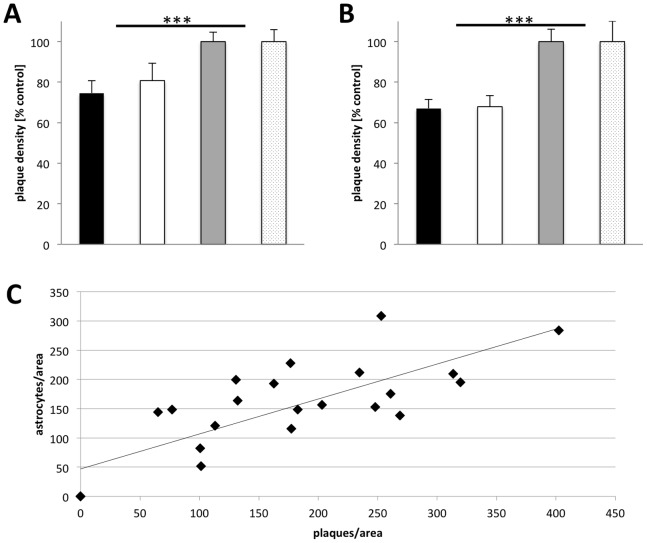
- High-dose galantamine significantly reduced plaque density versus untreated controls (p≤0.0001): hippocampus ~19% fewer plaques in males and ~25% fewer in females; entorhinal cortex ~32% fewer in males and ~33% fewer in females.
- Plaque density strongly correlated with GFAP-positive reactive astrocyte density (R² = 0.62; ANOVA F(1,21) = 34.232; p<0.0001), suggesting reduced gliosis with treatment.
Methods
- 5XFAD transgenic mice and non-transgenic littermates were used. Untreated behavioral analysis was performed at 7 months; treatment began at 10–12 weeks for 2 months, with behavioral testing at 4–5 months, followed by histological plaque quantification.
- Galantamine hydrobromide was given in drinking water: low dose 12 mg/l for 4 weeks then 60 mg/l; high dose 36 mg/l for 4 weeks then 120 mg/l, yielding daily uptake of 14 mg/kg (low) and 26 mg/kg (high). Behavioral tests included open field, light-dark avoidance, O-maze, rota-rod, grip strength, startle/PPI, and fear conditioning.
- Brains were analyzed with thioflavin-S staining for plaques, GFAP for reactive astrocytes, 4G8 for β-amyloid, isolectin GSA for microglia, and Nissl staining. Statistics used ANOVA with genotype, sex, and treatment factors, post hoc tests, repeated measures ANOVA for selected behavioral tests, and regression for plaque-astrocyte correlation.
Limitations
- The paper states that galantamine did not modify the poor startle response or lack of prepulse inhibition; the authors speculate this may reflect a very early event not curable by later treatment or insufficient dosage/duration. It also states that increased freezing in fear conditioning could be a side effect on anxiety.
- The paper states that mechanisms of galantamine action were not fully resolved and suggests future quantification of total Aβ and its isoforms to address whether effects reflect reduced deposition versus clearance.
- Evident from the text: findings are limited to a mouse model, use only two dose regimens, and do not include human data or direct measures of soluble Aβ oligomers; sex differences in plaque load are reported but not mechanistically explained.
Model-written summary. Check it against the paper before relying on it.
Integrity signals
Registry
Cites
Statistics
Figures
Verification
Claims the paper makes
67 Own result · 39 Not checked yet · 17 Own interpretation · 4 Own method · 3 No basis given · 1 Supported so far
The sources with a verdict support this claim; the rest weren’t checked yet, have no full text we could read, or their verdicts aren’t rated yet.
In the paper
“The 5XFAD model, due to its early plaque development phenotype, has been investigated extensively to study the various aspects of early onset AD [20]–[24], [37].”
§ Galantamine Slows Down Plaque Formation and Behavioral Decline in the 5XFAD Mouse Model of Alzheimer’s Disease > Discussion > Time Course of Plaque Deposition in 5XFAD Mice
What the sources say
- Not checked yetcites [20]–[24]
- Supportedcites [37] I Annunziata, 2013, Lysosomal NEU1 deficiency affects amyloid precursor protein levels and amyloid-β secretion via deregulated lysosomal exocytosis, Nat Commun source
The Results section, “NEU1 Ablation Affects Plaque Formation in 5XFAD Mice,” describes 5XFAD as a model of early-onset familial AD and says amyloid deposition begins at two months of age. This supports the attributed early plaque-development phenotype; no page number is provided in our copy. (LLM, conf=0.93)
plain- Asserted: passes — The authors put it forward as true.
- Checkable: passes — It can be checked against evidence.
- Load-bearing: passes — The paper’s conclusions depend on it.
- Based: passes — The paper gives a reason why it holds.
A result the paper reports from its own data — it cites no other source for it, so there is none to check. The quote shows it is in the paper.
In the paper
“5XFAD transgenic mice (8 males, 10 females) displayed significantly more freezing in the context (F(1,32) = 4.542, p = 0.0409) but also in the neutral surrounding (not significant, p = 0.1641)”
§ Galantamine Slows Down Plaque Formation and Behavioral Decline in the 5XFAD Mouse Model of Alzheimer’s Disease > Results > Behavioral Analysis of Untreated Medium Age 5XFAD Mice
plaincorrelational- Asserted: passes — The authors put it forward as true.
- Checkable: passes — It can be checked against evidence.
- Load-bearing: unclear — It is unclear whether the paper’s conclusions depend on it.
- Based: passes — The paper gives a reason why it holds.
A result the paper reports from its own data — it cites no other source for it, so there is none to check. The quote shows it is in the paper.
In the paper
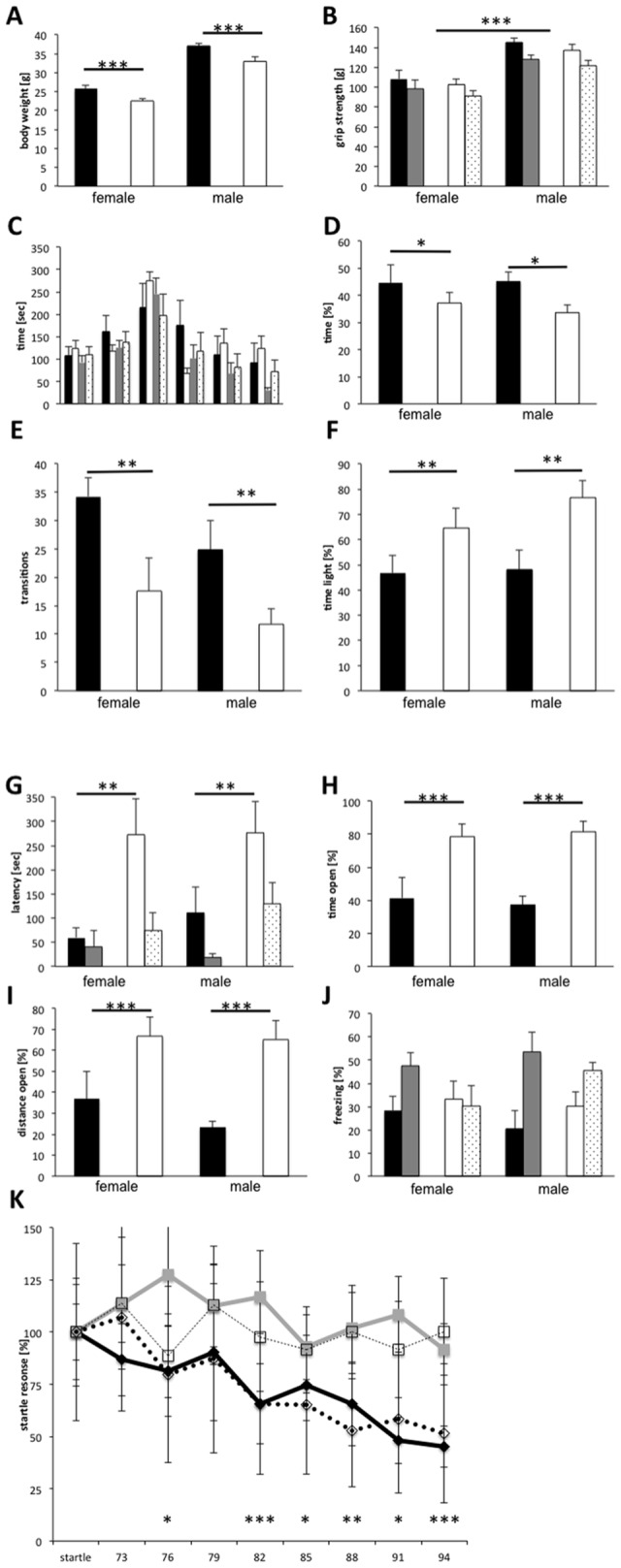
“In the open field, transgenic mice spend significantly less time in the corners (F(1,28) = 5.245, p = 0.0297, post hoc Fisher’s PLSD p = 0.0311) compared to control littermates (Figure 3D).”
§ Galantamine Slows Down Plaque Formation and Behavioral Decline in the 5XFAD Mouse Model of Alzheimer’s Disease > Results > Behavioral Analysis of Untreated Medium Age 5XFAD Mice
plaincorrelational- Asserted: passes — The authors put it forward as true.
- Checkable: passes — It can be checked against evidence.
- Load-bearing: unclear — It is unclear whether the paper’s conclusions depend on it.
- Based: passes — The paper gives a reason why it holds.
A result the paper reports from its own data — it cites no other source for it, so there is none to check. The quote shows it is in the paper.
In the paper
“and spend more time in the illuminated part (Figure 3F) (F(1,28) = 9.026, p = 0.0056; post hoc Fisher’s PLSD p = 0.0067).”
§ Galantamine Slows Down Plaque Formation and Behavioral Decline in the 5XFAD Mouse Model of Alzheimer’s Disease > Results > Behavioral Analysis of Untreated Medium Age 5XFAD Mice
plain- Asserted: passes — The authors put it forward as true.
- Checkable: passes — It can be checked against evidence.
- Load-bearing: unclear — It is unclear whether the paper’s conclusions depend on it.
- Based: passes — The paper gives a reason why it holds.
A result the paper reports from its own data — it cites no other source for it, so there is none to check. The quote shows it is in the paper.
In the paper
“In control non-transgenic littermates, plaques were never observed at any age.”
§ Galantamine Slows Down Plaque Formation and Behavioral Decline in the 5XFAD Mouse Model of Alzheimer’s Disease > Results > Quantitative Analysis of Plaque Deposition in 5XFAD Mice
plain- Asserted: passes — The authors put it forward as true.
- Checkable: passes — It can be checked against evidence.
- Load-bearing: unclear — It is unclear whether the paper’s conclusions depend on it.
- Based: passes — The paper gives a reason why it holds.
A result the paper reports from its own data — it cites no other source for it, so there is none to check. The quote shows it is in the paper.
In the paper
“The latency with which transgenic mice entered the dark compartment when tested for memory was still longer as of their non-transgenic littermates (F(1,28) = 4.345, p = 0.0464; post hoc Fisher’s PLSD p = 0.0491).”
§ Galantamine Slows Down Plaque Formation and Behavioral Decline in the 5XFAD Mouse Model of Alzheimer’s Disease > Results > Behavioral Analysis of Untreated Medium Age 5XFAD Mice
plaincorrelational- Asserted: passes — The authors put it forward as true.
- Checkable: passes — It can be checked against evidence.
- Load-bearing: passes — The paper’s conclusions depend on it.
- Based: passes — The paper gives a reason why it holds.
A result the paper reports from its own data — it cites no other source for it, so there is none to check. The quote shows it is in the paper.
In the paper
“Plaques were detectable already in 2-month-old animals.”
§ Galantamine Slows Down Plaque Formation and Behavioral Decline in the 5XFAD Mouse Model of Alzheimer’s Disease > Results > Quantitative Analysis of Plaque Deposition in 5XFAD Mice
plain- Asserted: passes — The authors put it forward as true.
- Checkable: passes — It can be checked against evidence.
- Load-bearing: passes — The paper’s conclusions depend on it.
- Based: passes — The paper gives a reason why it holds.
A result the paper reports from its own data — it cites no other source for it, so there is none to check. The quote shows it is in the paper.
In the paper
“thus the context memory (% freezing context - % freezing neutral, Figure 3J) was not significantly different from non-transgenic control littermates (9 males, 9 females).”
§ Galantamine Slows Down Plaque Formation and Behavioral Decline in the 5XFAD Mouse Model of Alzheimer’s Disease > Results > Behavioral Analysis of Untreated Medium Age 5XFAD Mice
plain- Asserted: passes — The authors put it forward as true.
- Checkable: passes — It can be checked against evidence.
- Load-bearing: unclear — It is unclear whether the paper’s conclusions depend on it.
- Based: passes — The paper gives a reason why it holds.
A result the paper reports from its own data — it cites no other source for it, so there is none to check. The quote shows it is in the paper.
In the paper
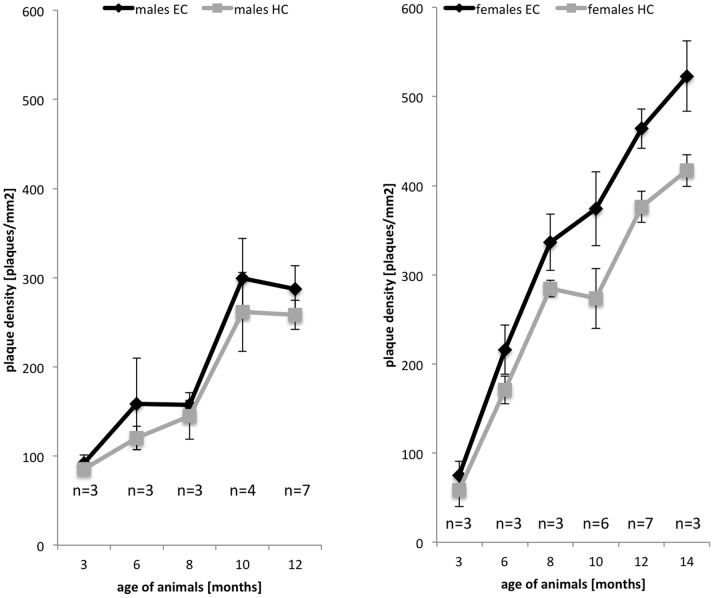
“For both sexes, the plaque density was always higher in the entorhinal cortex than in the hippocampus.”
§ Galantamine Slows Down Plaque Formation and Behavioral Decline in the 5XFAD Mouse Model of Alzheimer’s Disease > Results > Quantitative Analysis of Plaque Deposition in 5XFAD Mice
plaincorrelational- Asserted: passes — The authors put it forward as true.
- Checkable: passes — It can be checked against evidence.
- Load-bearing: unclear — It is unclear whether the paper’s conclusions depend on it.
- Based: passes — The paper gives a reason why it holds.
A result the paper reports from its own data — it cites no other source for it, so there is none to check. The quote shows it is in the paper.
In the paper
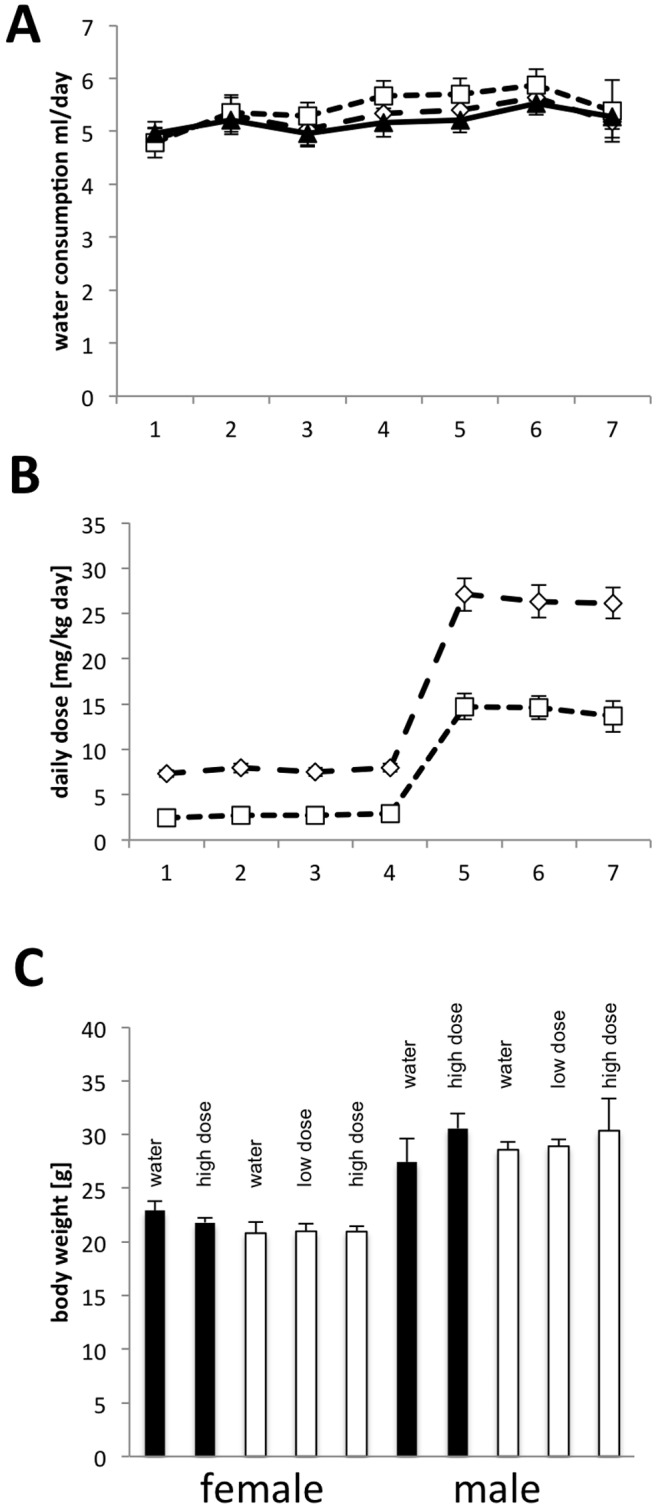
“Consumption of similar amounts of water indicates that galantamine at the concentration used did not induce any preference or avoidance of the drug.”
§ Galantamine Slows Down Plaque Formation and Behavioral Decline in the 5XFAD Mouse Model of Alzheimer’s Disease > Results > Chronic Galantamine Treatment of 5XFAD Mice
hedged- Asserted: passes — The authors put it forward as true.
- Checkable: passes — It can be checked against evidence.
- Load-bearing: unclear — It is unclear whether the paper’s conclusions depend on it.
- Based: passes — The paper gives a reason why it holds.
- Probably not a substantial claim. 34
- It may state two separate claims as one. 17
- The quote only partly states this claim. 7
A result the paper reports from its own data — it cites no other source for it, so there is none to check. The quote shows it is in the paper.
In the paper
“This application scheme resulted in the daily uptake of 14 mg/kg body weight (low dose) and 26 mg/kg body weight during the last phase of the treatment (Figure 4B).”
§ Galantamine Slows Down Plaque Formation and Behavioral Decline in the 5XFAD Mouse Model of Alzheimer’s Disease > Results > Chronic Galantamine Treatment of 5XFAD Mice
plaindirect- Asserted: passes — The authors put it forward as true.
- Checkable: passes — It can be checked against evidence.
- Load-bearing: fails — The paper’s conclusions may not depend on it.
- Based: passes — The paper gives a reason why it holds.
Probably not a substantial claim. The paper’s conclusions may not depend on it. It may state two separate claims as one.
A result the paper reports from its own data — it cites no other source for it, so there is none to check. The quote shows it is in the paper.
In the paper
“A high dose treatment with a daily uptake of 26 mg/kg body weight was tolerated well and produced significantly larger positive effects than a lower dose treatment (14 mg/kg body weight) in terms of plaque density and behavior.”
§ Galantamine Slows Down Plaque Formation and Behavioral Decline in the 5XFAD Mouse Model of Alzheimer’s Disease > Abstract
plaindirect- Asserted: passes — The authors put it forward as true.
- Checkable: passes — It can be checked against evidence.
- Load-bearing: passes — The paper’s conclusions depend on it.
- Based: passes — The paper gives a reason why it holds.
It may state two separate claims as one.
The paper states this without a source or data behind it here, so there is nothing to check it against. The quote shows it is in the paper.
In the paper
“gliosis being always positively correlated to plaque load.”
§ Galantamine Slows Down Plaque Formation and Behavioral Decline in the 5XFAD Mouse Model of Alzheimer’s Disease > Abstract
boostedcorrelational- Asserted: passes — The authors put it forward as true.
- Checkable: passes — It can be checked against evidence.
- Load-bearing: fails — The paper’s conclusions may not depend on it.
- Based: fails — The paper may give no reason why it holds.
Probably not a substantial claim. The paper’s conclusions may not depend on it. The paper may give no reason why it holds.
A result the paper reports from its own data — it cites no other source for it, so there is none to check. The quote shows it is in the paper.
In the paper
“Quantification of plaques in untreated 5XFAD mice showed a gender specific phenotype; the plaque density increased steadily reaching saturation in males after 10 months of age, whereas in females the density further increased until after 14 months of age.”
- Also stated in: § Quantitative Analysis of Plaque Deposition in 5XFAD Mice · plain
“Maximal density was not reached even at 14 months of age in females, whereas in males no increase in plaque density was observed after 10 months of age.”
- Also stated in: § Quantitative Analysis of Plaque Deposition in 5XFAD Mice · plain
“In males, plaque density increased in both brain areas and reached saturation at 10 months of age. In female mice, plaque accumulation was faster, reached higher levels, and continued to increase after 14 months of age.”
§ Galantamine Slows Down Plaque Formation and Behavioral Decline in the 5XFAD Mouse Model of Alzheimer’s Disease > Abstract
plaindirect- Asserted: passes — The authors put it forward as true.
- Checkable: passes — It can be checked against evidence.
- Load-bearing: unclear — It is unclear whether the paper’s conclusions depend on it.
- Based: passes — The paper gives a reason why it holds.
It may state two separate claims as one.
- Also stated in: § Quantitative Analysis of Plaque Deposition in 5XFAD Mice · plain
A result the paper reports from its own data — it cites no other source for it, so there is none to check. The quote shows it is in the paper.
In the paper
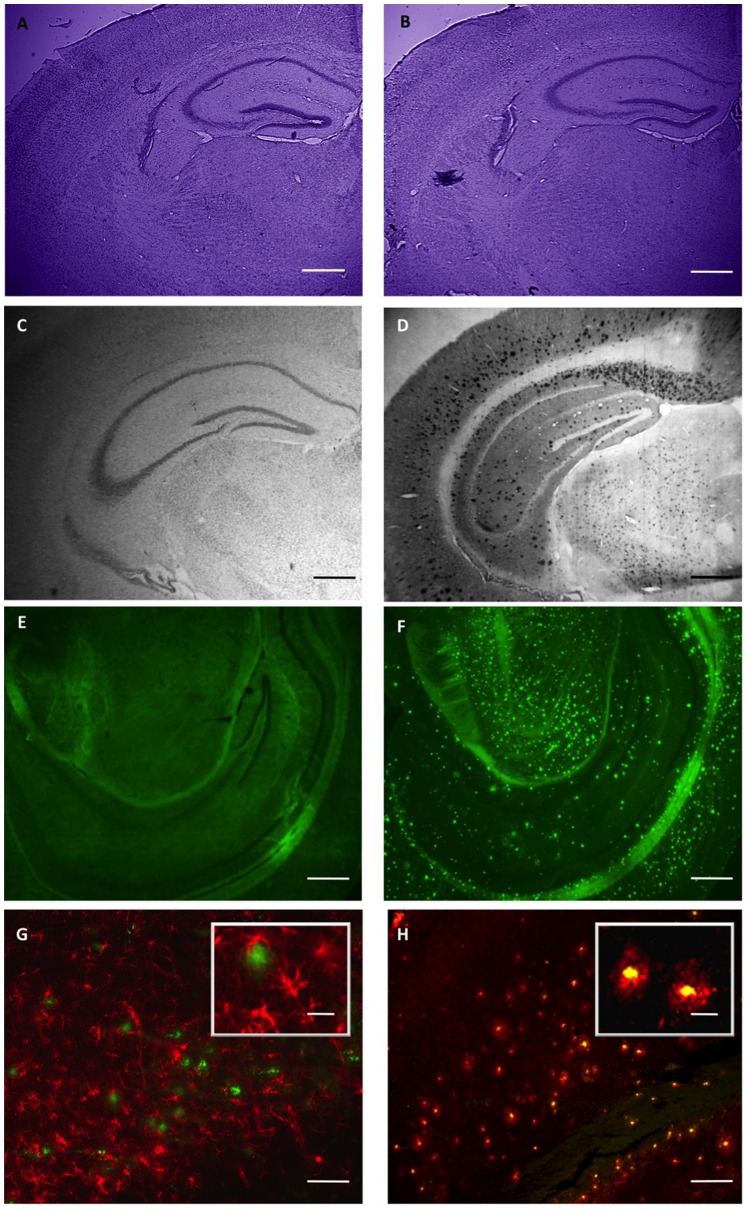
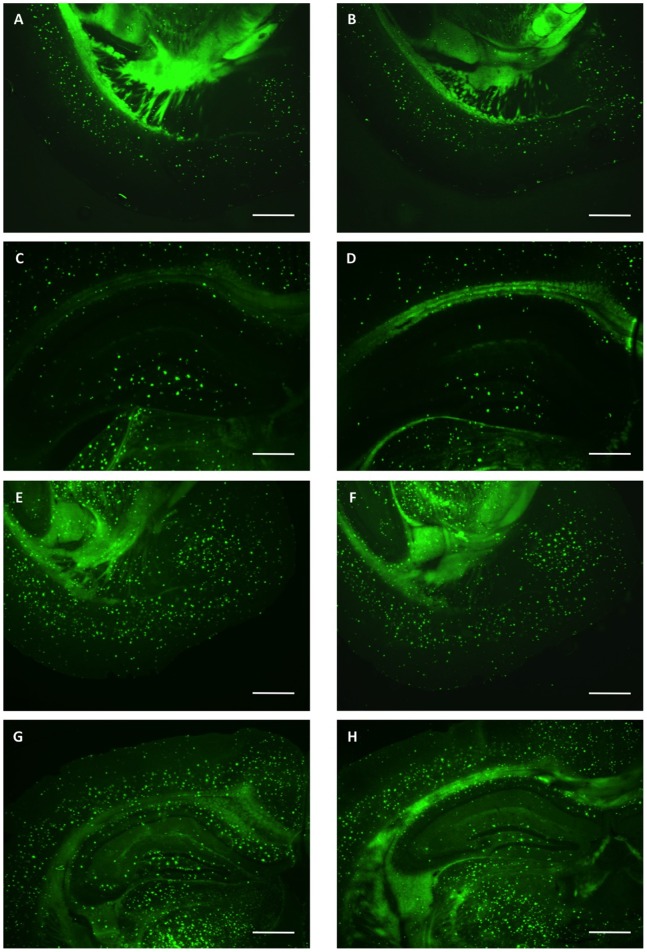
“Furthermore, β amyloid deposits are usually associated with reactive astrocytes identified by immunohistochemical staining for GFAP (Figure 1G) and microglia identified by isolectin GSA staining (Figure 1H).”
§ Galantamine Slows Down Plaque Formation and Behavioral Decline in the 5XFAD Mouse Model of Alzheimer’s Disease > Results > Quantitative Analysis of Plaque Deposition in 5XFAD Mice
plaincorrelational- Asserted: passes — The authors put it forward as true.
- Checkable: passes — It can be checked against evidence.
- Load-bearing: fails — The paper’s conclusions may not depend on it.
- Based: passes — The paper gives a reason why it holds.
Probably not a substantial claim. The paper’s conclusions may not depend on it.
A result the paper reports from its own data — it cites no other source for it, so there is none to check. The quote shows it is in the paper.
In the paper
“the body weight of transgenic mice was approximately 10% less than that of their control littermates, both, before and after the behavioral tests (Figure 3A)”
§ Galantamine Slows Down Plaque Formation and Behavioral Decline in the 5XFAD Mouse Model of Alzheimer’s Disease > Results > Behavioral Analysis of Untreated Medium Age 5XFAD Mice
plain- Asserted: passes — The authors put it forward as true.
- Checkable: passes — It can be checked against evidence.
- Load-bearing: fails — The paper’s conclusions may not depend on it.
- Based: passes — The paper gives a reason why it holds.
Probably not a substantial claim. The paper’s conclusions may not depend on it.
A result the paper reports from its own data — it cites no other source for it, so there is none to check. The quote shows it is in the paper.
In the paper
“As expected, the maximum and average grip strength were significantly higher for males compared to females (F(1,28) = 32.038, p<0.0001; F(1,28) = 25.969, p<0.0001, respectively)”
§ Galantamine Slows Down Plaque Formation and Behavioral Decline in the 5XFAD Mouse Model of Alzheimer’s Disease > Results > Behavioral Analysis of Untreated Medium Age 5XFAD Mice
plaincorrelational- Asserted: passes — The authors put it forward as true.
- Checkable: passes — It can be checked against evidence.
- Load-bearing: fails — The paper’s conclusions may not depend on it.
- Based: passes — The paper gives a reason why it holds.
Probably not a substantial claim. The paper’s conclusions may not depend on it.
A result the paper reports from its own data — it cites no other source for it, so there is none to check. The quote shows it is in the paper.
In the paper
“mock-treated transgenic mice showed less transitions”
§ Galantamine Slows Down Plaque Formation and Behavioral Decline in the 5XFAD Mouse Model of Alzheimer’s Disease > Results > Chronic Galantamine Treatment of 5XFAD Mice
plaincorrelational- Asserted: passes — The authors put it forward as true.
- Checkable: passes — It can be checked against evidence.
- Load-bearing: passes — The paper’s conclusions depend on it.
- Based: passes — The paper gives a reason why it holds.
The quote only partly states this claim.
A result the paper reports from its own data — it cites no other source for it, so there is none to check. The quote shows it is in the paper.
In the paper
“treatment with galantamine elevated the preference for the corners to normal levels in a dose dependent manner (Figure 5A)”
§ Galantamine Slows Down Plaque Formation and Behavioral Decline in the 5XFAD Mouse Model of Alzheimer’s Disease > Results > Chronic Galantamine Treatment of 5XFAD Mice
plaindirect- Asserted: passes — The authors put it forward as true.
- Checkable: passes — It can be checked against evidence.
- Load-bearing: passes — The paper’s conclusions depend on it.
- Based: passes — The paper gives a reason why it holds.
The quote only partly states this claim.
A result the paper reports from its own data — it cites no other source for it, so there is none to check. The quote shows it is in the paper.
In the paper
“treatment with galantamine resulted in increased freezing irrespective of the genotype”
- Also stated in: § Galantamine Treatment Affects Behavior and Plaque Deposition · plain
“the treatment increased the overall freezing behavior in the fear conditioning paradigm irrespective of the genotype”
§ Galantamine Slows Down Plaque Formation and Behavioral Decline in the 5XFAD Mouse Model of Alzheimer’s Disease > Results > Chronic Galantamine Treatment of 5XFAD Mice
plaindirect- Asserted: passes — The authors put it forward as true.
- Checkable: passes — It can be checked against evidence.
- Load-bearing: unclear — It is unclear whether the paper’s conclusions depend on it.
- Based: passes — The paper gives a reason why it holds.
The quote only partly states this claim.
- Also stated in: § Galantamine Treatment Affects Behavior and Plaque Deposition · plain
A result the paper reports from its own data — it cites no other source for it, so there is none to check. The quote shows it is in the paper.
In the paper
“reduced avoidance of the center by transgenic mice”
§ Galantamine Slows Down Plaque Formation and Behavioral Decline in the 5XFAD Mouse Model of Alzheimer’s Disease > Results > Chronic Galantamine Treatment of 5XFAD Mice
plaincorrelational- Asserted: passes — The authors put it forward as true.
- Checkable: passes — It can be checked against evidence.
- Load-bearing: unclear — It is unclear whether the paper’s conclusions depend on it.
- Based: passes — The paper gives a reason why it holds.
The quote only partly states this claim.
A result the paper reports from its own data — it cites no other source for it, so there is none to check. The quote shows it is in the paper.
In the paper
“and partially in the light-dark avoidance paradigm”
- Also stated in: § Galantamine Treatment Affects Behavior and Plaque Deposition · plain
“the abnormal light-dark avoidance behavior of 5XFAD mice was partially normalized.”
§ Galantamine Slows Down Plaque Formation and Behavioral Decline in the 5XFAD Mouse Model of Alzheimer’s Disease > Results > Chronic Galantamine Treatment of 5XFAD Mice
plaindirect- Asserted: passes — The authors put it forward as true.
- Checkable: passes — It can be checked against evidence.
- Load-bearing: passes — The paper’s conclusions depend on it.
- Based: passes — The paper gives a reason why it holds.
The quote only partly states this claim.
- Also stated in: § Galantamine Treatment Affects Behavior and Plaque Deposition · plain
A result the paper reports from its own data — it cites no other source for it, so there is none to check. The quote shows it is in the paper.
In the paper
“The latency at the second encounter with the test box was reduced irrespective of genotype or treatment”
§ Galantamine Slows Down Plaque Formation and Behavioral Decline in the 5XFAD Mouse Model of Alzheimer’s Disease > Results > Chronic Galantamine Treatment of 5XFAD Mice
plain- Asserted: passes — The authors put it forward as true.
- Checkable: passes — It can be checked against evidence.
- Load-bearing: unclear — It is unclear whether the paper’s conclusions depend on it.
- Based: passes — The paper gives a reason why it holds.
The quote only partly states this claim.
The paper states this without a source or data behind it here, so there is nothing to check it against. The quote shows it is in the paper.
In the paper
“GFAP-positive reactive astrocytes are usually found in association with Aβ plaques (Figure 1).”
§ Galantamine Slows Down Plaque Formation and Behavioral Decline in the 5XFAD Mouse Model of Alzheimer’s Disease > Results > Chronic Galantamine Treatment of 5XFAD Mice
plaincorrelational- Asserted: passes — The authors put it forward as true.
- Checkable: passes — It can be checked against evidence.
- Load-bearing: fails — The paper’s conclusions may not depend on it.
- Based: passes — The paper gives a reason why it holds.
Probably not a substantial claim. The paper’s conclusions may not depend on it.
A result the paper reports from its own data — it cites no other source for it, so there is none to check. The quote shows it is in the paper.
In the paper
“and longer presence in the illuminated compartment”
§ Galantamine Slows Down Plaque Formation and Behavioral Decline in the 5XFAD Mouse Model of Alzheimer’s Disease > Results > Chronic Galantamine Treatment of 5XFAD Mice
plaincorrelational- Asserted: passes — The authors put it forward as true.
- Checkable: passes — It can be checked against evidence.
- Load-bearing: unclear — It is unclear whether the paper’s conclusions depend on it.
- Based: passes — The paper gives a reason why it holds.
The quote only partly states this claim.
A result the paper reports from its own data — it cites no other source for it, so there is none to check. The quote shows it is in the paper.
In the paper
“During hippocampus dependent contextual fear conditioning we observed significantly more freezing of 5XFAD mice in the context but also in the neutral surrounding.”
§ Galantamine Slows Down Plaque Formation and Behavioral Decline in the 5XFAD Mouse Model of Alzheimer’s Disease > Discussion > Behavior of Untreated 7-months-old 5XFAD Mice
plain- Asserted: passes — The authors put it forward as true.
- Checkable: passes — It can be checked against evidence.
- Load-bearing: unclear — It is unclear whether the paper’s conclusions depend on it.
- Based: passes — The paper gives a reason why it holds.
It may state two separate claims as one.
None of the sources cited for this claim have been checked yet.
In the paper
“Furthermore, galantamine exerts in cell systems neuroprotective effects by anti-apoptotic action [13], by modulating amyloid precursor processing [14], and by inhibiting β-amyloid aggregation and cytotoxicity [15].”
§ Galantamine Slows Down Plaque Formation and Behavioral Decline in the 5XFAD Mouse Model of Alzheimer’s Disease > Introduction
What the sources say
- Not checked yetcites [13] M Villarroya, 2007, An update on the pharmacology of galantamine, Expert Opin Investig Drugs source
- Not checked yetcites [14] SC Lenzken, 2007, Nicotinic component of galantamine in the regulation of amyloid precursor protein processing, Chem Biol Interact source
- Not checked yetcites [15] B Matharu, 2009, Galantamine inhibits beta-amyloid aggregation and cytotoxicity, J Neurol Sci source
plaindirect- Asserted: passes — The authors put it forward as true.
- Checkable: passes — It can be checked against evidence.
- Load-bearing: passes — The paper’s conclusions depend on it.
- Based: passes — The paper gives a reason why it holds.
It may state two separate claims as one.
In the paper
“This model recapitulates a variety of AD features, including working memory impairment, reduced anxiety, extensive extracellular plaque formation beginning at 2 months of age, and selective neuron loss, making it a suitable research model for early-onset AD [20]–[24].”
§ Galantamine Slows Down Plaque Formation and Behavioral Decline in the 5XFAD Mouse Model of Alzheimer’s Disease > Introduction
What the sources say
- Not checked yetcites [20]–[24]
plain- Asserted: passes — The authors put it forward as true.
- Checkable: passes — It can be checked against evidence.
- Load-bearing: passes — The paper’s conclusions depend on it.
- Based: passes — The paper gives a reason why it holds.
It may state two separate claims as one.
What the paper did — it cites no source for this, so there is none to check. The quote shows it is in the paper.
In the paper
“by an experimenter not aware of the genotype.”
§ Galantamine Slows Down Plaque Formation and Behavioral Decline in the 5XFAD Mouse Model of Alzheimer’s Disease > Materials and Methods > Behavior
plain- Asserted: passes — The authors put it forward as true.
- Checkable: passes — It can be checked against evidence.
- Load-bearing: fails — The paper’s conclusions may not depend on it.
- Based: passes — The paper gives a reason why it holds.
Probably not a substantial claim. The paper’s conclusions may not depend on it.
What the paper did — it cites no source for this, so there is none to check. The quote shows it is in the paper.
In the paper
“For the behavioral analysis, sex- and age-matched littermate wild-type mice were used as controls.”
§ Galantamine Slows Down Plaque Formation and Behavioral Decline in the 5XFAD Mouse Model of Alzheimer’s Disease > Materials and Methods > Behavior
plain- Asserted: passes — The authors put it forward as true.
- Checkable: passes — It can be checked against evidence.
- Load-bearing: passes — The paper’s conclusions depend on it.
- Based: passes — The paper gives a reason why it holds.
Probably not a substantial claim.
A conclusion the paper draws from its own results — it cites no other source for it, so there is none to check. The quote shows it is in the paper.
In the paper
“These results strongly support that galantamine, in addition to improving cognitive and behavioral symptoms in AD, may have disease-modifying and neuroprotective properties, as is indicated by delayed Aβ plaque formation and reduced gliosis.”
- Also stated in: § Introduction · plain
“Our data show that galantamine slows down plaque deposition and improves behavioral performance.”
§ Galantamine Slows Down Plaque Formation and Behavioral Decline in the 5XFAD Mouse Model of Alzheimer’s Disease > Abstract
plainconditional- Asserted: passes — The authors put it forward as true.
- Checkable: passes — It can be checked against evidence.
- Load-bearing: passes — The paper’s conclusions depend on it.
- Based: passes — The paper gives a reason why it holds.
It may state two separate claims as one.
- Also stated in: § Introduction · plain
What the paper did — it cites no source for this, so there is none to check. The quote shows it is in the paper.
In the paper
“In order to normalize regional bias in plaque load, 12 sections 200 µm apart from each other were selected from all animals in every experiment.”
§ Galantamine Slows Down Plaque Formation and Behavioral Decline in the 5XFAD Mouse Model of Alzheimer’s Disease > Materials and Methods > Histology
plain- Asserted: passes — The authors put it forward as true.
- Checkable: passes — It can be checked against evidence.
- Load-bearing: passes — The paper’s conclusions depend on it.
- Based: passes — The paper gives a reason why it holds.
Probably not a substantial claim.
None of the sources cited for this claim have been checked yet.
In the paper
“Long-term galantamine treatment of AD patients slows down cognitive and global decline [17] and reduces behavioral symptoms, most strongly in patients with moderate or advanced forms of the disease [18].”
§ Galantamine Slows Down Plaque Formation and Behavioral Decline in the 5XFAD Mouse Model of Alzheimer’s Disease > Introduction
What the sources say
- Not checked yetcites [17] ÅK Wallin, 2011, Galantamine treatment in Alzheimer’s disease: response and long-term outcome in a routine clinical setting, Neuropsychiatr Dis Treat source
- Not checked yetcites [18] S Kavanagh, 2011, Galantamine and behavior in Alzheimer disease: analysis of four trials, Acta Neurol Scand source
plaindirect- Asserted: passes — The authors put it forward as true.
- Checkable: passes — It can be checked against evidence.
- Load-bearing: passes — The paper’s conclusions depend on it.
- Based: passes — The paper gives a reason why it holds.
It may state two separate claims as one.
In the paper
“Similar long-term positive effects are also reflected in PET measurements [19].”
§ Galantamine Slows Down Plaque Formation and Behavioral Decline in the 5XFAD Mouse Model of Alzheimer’s Disease > Introduction
What the sources say
- Not checked yetcites [19] C Keller, 2011, Long-term effects of galantamine treatment on brain functional activities as measured by PET in Alzheimer’s disease patients, J Alz Dis source
plaincorrelational- Asserted: passes — The authors put it forward as true.
- Checkable: passes — It can be checked against evidence.
- Load-bearing: fails — The paper’s conclusions may not depend on it.
- Based: passes — The paper gives a reason why it holds.
Probably not a substantial claim. The paper’s conclusions may not depend on it.
In the paper
“The acetylcholinesterase inhibitors donepezil, galantamine, and rivastigmine serve as first-line symptomatic drug treatment in mild to moderate Alzheimer’s dementia [8].”
§ Galantamine Slows Down Plaque Formation and Behavioral Decline in the 5XFAD Mouse Model of Alzheimer’s Disease > Introduction
What the sources say
- Not checked yetcites [8] L Patel, 2011, Combination therapy for Alzheimer’s disease, Drugs Aging source
plain- Asserted: passes — The authors put it forward as true.
- Checkable: passes — It can be checked against evidence.
- Load-bearing: fails — The paper’s conclusions may not depend on it.
- Based: passes — The paper gives a reason why it holds.
Probably not a substantial claim. The paper’s conclusions may not depend on it.
None of the sources cited for this claim have been checked yet.
In the paper
“Chronic low-level stimulation of nicotinic receptors might up-regulate their expression [10], slow down neurodegeneration [11], and confer protection against β-amyloid toxicity [12].”
§ Galantamine Slows Down Plaque Formation and Behavioral Decline in the 5XFAD Mouse Model of Alzheimer’s Disease > Introduction
What the sources say
- Not checked yetcites [10] X Peng, 1997, Chronic nicotine treatment up-regulates alpha3 and alpha7 acetylcholine receptor subtypes expressed by the human neuroblastoma cell line SH-SY5Y, Mol Pharmacol source
- Not checked yetcites [11] JA Court, 1994, CNS nicotine receptors. Possible therapeutic targets in neurodegenerative disorders, CNS Drugs
- Not checked yetcites [12] T Kihara, 1998, Stimulation of alpha4beta2 nicotinic acetylcholine receptors inhibits beta-amyloid toxicity, Brain Res source
hedgedconditional- Asserted: passes — The authors put it forward as true.
- Checkable: passes — It can be checked against evidence.
- Load-bearing: passes — The paper’s conclusions depend on it.
- Based: passes — The paper gives a reason why it holds.
Probably not a substantial claim. It may state two separate claims as one.
In the paper
“Increased production of certain Aβ species, their aggregation, and deposition as insoluble plaques is regarded as an early and key pathology in the development of AD [2].”
§ Galantamine Slows Down Plaque Formation and Behavioral Decline in the 5XFAD Mouse Model of Alzheimer’s Disease > Introduction
What the sources say
- Not checked yetcites [2] M Citron, 2004, Strategies for disease modification in Alzheimer’s disease, Nat Rev Neurosci source
plaincorrelational- Asserted: passes — The authors put it forward as true.
- Checkable: passes — It can be checked against evidence.
- Load-bearing: passes — The paper’s conclusions depend on it.
- Based: passes — The paper gives a reason why it holds.
Probably not a substantial claim.
In the paper
“At a systemic level, therapeutic strategies to reverse or prevent Aβ deposits could lead to partial functional restoration of neural circuits [5].”
§ Galantamine Slows Down Plaque Formation and Behavioral Decline in the 5XFAD Mouse Model of Alzheimer’s Disease > Introduction
What the sources say
- Not checked yetcites [5] RB Knowles, 1999, Plaque-induced neurite abnormalities: Implications for disruption of neural networks in Alzheimer’s disease, Proc Natl Acad Sci USA source
hedgedconditional- Asserted: passes — The authors put it forward as true.
- Checkable: passes — It can be checked against evidence.
- Load-bearing: passes — The paper’s conclusions depend on it.
- Based: passes — The paper gives a reason why it holds.
Probably not a substantial claim.
None of the sources cited for this claim have been checked yet.
In the paper
“Therefore, most AD treatment approaches aim at prevention or reversal of Aβ plaque deposition [6], [7].”
§ Galantamine Slows Down Plaque Formation and Behavioral Decline in the 5XFAD Mouse Model of Alzheimer’s Disease > Introduction
What the sources say
plain- Asserted: passes — The authors put it forward as true.
- Checkable: passes — It can be checked against evidence.
- Load-bearing: passes — The paper’s conclusions depend on it.
- Based: passes — The paper gives a reason why it holds.
Probably not a substantial claim.
What the paper did — it cites no source for this, so there is none to check. The quote shows it is in the paper.
In the paper
“However, Aβ deposits are easily identified by immunohistochemistry (Figure 1D) or by thioflavin-S staining (Figure 1F).”
§ Galantamine Slows Down Plaque Formation and Behavioral Decline in the 5XFAD Mouse Model of Alzheimer’s Disease > Results > Quantitative Analysis of Plaque Deposition in 5XFAD Mice
plain- Asserted: passes — The authors put it forward as true.
- Checkable: passes — It can be checked against evidence.
- Load-bearing: fails — The paper’s conclusions may not depend on it.
- Based: passes — The paper gives a reason why it holds.
Probably not a substantial claim. The paper’s conclusions may not depend on it.
None of the sources cited for this claim have been checked yet.
In the paper
“Aβ plaques may serve as reservoirs of soluble Aβ oligomers injuring surrounding neurites and synapses [3], [4].”
§ Galantamine Slows Down Plaque Formation and Behavioral Decline in the 5XFAD Mouse Model of Alzheimer’s Disease > Introduction
What the sources say
- Not checked yetcites [3] RM Koffie, 2009, Oligomeric amyloid β associates with postsynaptic densities and correlates with excitatory synapse loss near senile plaques, Proc Natl Acad Sci USA source
- Not checked yetcites [4] TL Spires, 2005, Dendritic spine abnormalities in APP transgenic mice demonstrated by gene transfer and intravital multiphoton microscopy, J Neurosci source
hedgedconditional- Asserted: passes — The authors put it forward as true.
- Checkable: passes — It can be checked against evidence.
- Load-bearing: passes — The paper’s conclusions depend on it.
- Based: passes — The paper gives a reason why it holds.
Probably not a substantial claim.
In the paper
“The amyloid cascade theory provides a rationale for many features of the disease including the pathological markers, the phenotypes caused by autosomal dominant disease genes, and the risk conferred by the APOE gene status [1].”
§ Galantamine Slows Down Plaque Formation and Behavioral Decline in the 5XFAD Mouse Model of Alzheimer’s Disease > Introduction
What the sources say
- Not checked yetcites [1] E Karran, 2011, The amyloid cascade hypothesis for Alzheimer’s disease: an appraisal for the development of therapeutics, Nat Rev Drug Discov source
plaindirect- Asserted: passes — The authors put it forward as true.
- Checkable: passes — It can be checked against evidence.
- Load-bearing: fails — The paper’s conclusions may not depend on it.
- Based: passes — The paper gives a reason why it holds.
Probably not a substantial claim. The paper’s conclusions may not depend on it.
In the paper
“An improved thioflavin-S staining protocol [32] was used to ensure reduced photobleaching and tissue damage.”
§ Galantamine Slows Down Plaque Formation and Behavioral Decline in the 5XFAD Mouse Model of Alzheimer’s Disease > Materials and Methods > Histology
What the sources say
- Not checked yetcites [32] A Sun, 2002, Comparative analysis of an improved thioflavin-s stain, Gallyas silver stain, and immunohistochemistry for neurofibrillary tangle demonstration on the same sections, J Histochem Cytochem source
plaindirect- Asserted: passes — The authors put it forward as true.
- Checkable: passes — It can be checked against evidence.
- Load-bearing: fails — The paper’s conclusions may not depend on it.
- Based: passes — The paper gives a reason why it holds.
Probably not a substantial claim. The paper’s conclusions may not depend on it.
None of the sources cited for this claim have been checked yet.
In the paper
“a number of current strategies e.g. glutaminyl cyclase inhibition and immunotherapy, involved in the treatment and/or prevention of AD progression are indeed directed against the deposition of plaques [6], [57].”
§ Galantamine Slows Down Plaque Formation and Behavioral Decline in the 5XFAD Mouse Model of Alzheimer’s Disease > Discussion > Galantamine Treatment Affects Behavior and Plaque Deposition
What the sources say
- Not checked yetcites [6] S Schilling, 2008, Glutaminyl cyclase inhibition attenuates pyroglutamate Aβ and Alzheimer’s disease-like pathology in vivo, Nat Med source
- Not checked yetcites [57] RB Demattos, 2012, A plaque-specific antibody clears existing β-amyloid plaques in Alzheimer’s disease mice, Neuron source
plain- Asserted: passes — The authors put it forward as true.
- Checkable: passes — It can be checked against evidence.
- Load-bearing: fails — The paper’s conclusions may not depend on it.
- Based: passes — The paper gives a reason why it holds.
Probably not a substantial claim. The paper’s conclusions may not depend on it.
In the paper
“the positive effect of galantamine in restoring certain normal behavioral traits could result from its acetylcholinesterase inhibitor activity.”
§ Galantamine Slows Down Plaque Formation and Behavioral Decline in the 5XFAD Mouse Model of Alzheimer’s Disease > Discussion > Galantamine Treatment Affects Behavior and Plaque Deposition
What the sources say
- Not checked yetcites [54] M Singh, 2013, Acetylcholinesterase inhibitors as Alzheimer therapy: From nerve toxins to neuroprotection, Eur J Med Chem source
hedgedconditional- Asserted: passes — The authors put it forward as true.
- Checkable: passes — It can be checked against evidence.
- Load-bearing: passes — The paper’s conclusions depend on it.
- Based: passes — The paper gives a reason why it holds.
Probably not a substantial claim.
In the paper
“A higher plaque density in female transgenic mice has also been noted in other AD mouse models [33]–[35]”
§ Galantamine Slows Down Plaque Formation and Behavioral Decline in the 5XFAD Mouse Model of Alzheimer’s Disease > Discussion > Time Course of Plaque Deposition in 5XFAD Mice
What the sources say
- Not checked yetcites [33]–[35]
plaincorrelational- Asserted: passes — The authors put it forward as true.
- Checkable: passes — It can be checked against evidence.
- Load-bearing: fails — The paper’s conclusions may not depend on it.
- Based: passes — The paper gives a reason why it holds.
Probably not a substantial claim. The paper’s conclusions may not depend on it.
A conclusion the paper draws from its own results — it cites no other source for it, so there is none to check. The quote shows it is in the paper.
In the paper
“The chronic treatment with galantamine had positive effects on certain behavioral tasks but could not rescue all the abnormalities.”
§ Galantamine Slows Down Plaque Formation and Behavioral Decline in the 5XFAD Mouse Model of Alzheimer’s Disease > Discussion > Galantamine Treatment Affects Behavior and Plaque Deposition
plaindirect- Asserted: passes — The authors put it forward as true.
- Checkable: passes — It can be checked against evidence.
- Load-bearing: passes — The paper’s conclusions depend on it.
- Based: passes — The paper gives a reason why it holds.
It may state two separate claims as one.
In the paper
“A previous study by Unger et al. [56] reported that galantamine at a concentration of 2mg/kg injected subcutaneously for 10 days had no effect on the levels of soluble or insoluble forms of Aβ in 10 months old Tg2576 mice.”
§ Galantamine Slows Down Plaque Formation and Behavioral Decline in the 5XFAD Mouse Model of Alzheimer’s Disease > Discussion > Galantamine Treatment Affects Behavior and Plaque Deposition
What the sources say
- Not checked yetcites [56] C Unger, 2006, Effect of subchronic treatment of memantine, galantamine, and nicotine in the brain of Tg2576 (APPswe) transgenic mice, J Pharmacol Exp Ther source
plain- Asserted: passes — The authors put it forward as true.
- Checkable: passes — It can be checked against evidence.
- Load-bearing: fails — The paper’s conclusions may not depend on it.
- Based: passes — The paper gives a reason why it holds.
Probably not a substantial claim. The paper’s conclusions may not depend on it.
None of the sources cited for this claim have been checked yet.
In the paper
“reduced plaque formation could have a role in preventing further cortical atrophy in AD brain, as plaque deposition in multiple studies has been correlated with accelerated cortical atrophy [58], [59].”
§ Galantamine Slows Down Plaque Formation and Behavioral Decline in the 5XFAD Mouse Model of Alzheimer’s Disease > Discussion > Galantamine Treatment Affects Behavior and Plaque Deposition
What the sources say
hedgedconditional- Asserted: passes — The authors put it forward as true.
- Checkable: passes — It can be checked against evidence.
- Load-bearing: unclear — It is unclear whether the paper’s conclusions depend on it.
- Based: passes — The paper gives a reason why it holds.
It may state two separate claims as one.
A conclusion the paper draws from its own results — it cites no other source for it, so there is none to check. The quote shows it is in the paper.
In the paper
“5XFAD mice show at the age of seven months several behavioral deficits, a phenotype with mild cognitive impairment, and progressive amyloid plaque deposition”
§ Galantamine Slows Down Plaque Formation and Behavioral Decline in the 5XFAD Mouse Model of Alzheimer’s Disease > Discussion > Behavior of Untreated 7-months-old 5XFAD Mice
plain- Asserted: passes — The authors put it forward as true.
- Checkable: passes — It can be checked against evidence.
- Load-bearing: passes — The paper’s conclusions depend on it.
- Based: passes — The paper gives a reason why it holds.
It may state two separate claims as one.
A conclusion the paper draws from its own results — it cites no other source for it, so there is none to check. The quote shows it is in the paper.
In the paper
“we report a significantly delayed progression of amyloid plaque deposition and improvement of certain behavioral symptoms associated with AD in the 5XFAD Alzheimer’s disease model after chronic treatment with galantamine.”
§ Galantamine Slows Down Plaque Formation and Behavioral Decline in the 5XFAD Mouse Model of Alzheimer’s Disease > Discussion > Galantamine Treatment Affects Behavior and Plaque Deposition
plaindirect- Asserted: passes — The authors put it forward as true.
- Checkable: passes — It can be checked against evidence.
- Load-bearing: passes — The paper’s conclusions depend on it.
- Based: passes — The paper gives a reason why it holds.
It may state two separate claims as one.
In the paper
“galantamine binds to amyloid oligomers leading to a significant conformational change at the turn region (Asp23-Gly29) disrupting interactions between individual β strands and promoting a nontoxic conformation of Aβ (1–40) to prevent the formation of neurotoxic oligomers [55].”
§ Galantamine Slows Down Plaque Formation and Behavioral Decline in the 5XFAD Mouse Model of Alzheimer’s Disease > Discussion > Galantamine Treatment Affects Behavior and Plaque Deposition
What the sources say
- Not checked yetcites [55] PPN Rao, 2013, Investigating the binding interactions of galantamine with b-amyloid peptide, Bioorg Med Chem Lett source
plaindirect- Asserted: passes — The authors put it forward as true.
- Checkable: passes — It can be checked against evidence.
- Load-bearing: unclear — It is unclear whether the paper’s conclusions depend on it.
- Based: passes — The paper gives a reason why it holds.
It may state two separate claims as one.
In the paper
“in AD loss of pyramidal cells in lamina 2 of the entorhinal cortex and in the CA1 region of the hippocampus was described [39]”
§ Galantamine Slows Down Plaque Formation and Behavioral Decline in the 5XFAD Mouse Model of Alzheimer’s Disease > Discussion > Time Course of Plaque Deposition in 5XFAD Mice
What the sources say
- Not checked yetcites [39] T Gomez-Isla, 1996, Profound Loss of Layer II Entorhinal Cortex Neurons Occurs in Very Mild Alzheimer’s Disease, J Neurosci source
plain- Asserted: passes — The authors put it forward as true.
- Checkable: passes — It can be checked against evidence.
- Load-bearing: fails — The paper’s conclusions may not depend on it.
- Based: passes — The paper gives a reason why it holds.
Probably not a substantial claim. The paper’s conclusions may not depend on it.
In the paper
“In a similar APP/PS1 transgenic mouse model, sensorimotor gating deficits were reported for aged mice using prepulse inhibition of the acoustic startle response [51].”
§ Galantamine Slows Down Plaque Formation and Behavioral Decline in the 5XFAD Mouse Model of Alzheimer’s Disease > Discussion > Behavior of Untreated 7-months-old 5XFAD Mice
What the sources say
- Not checked yetcites [51] H Wang, 2012, Sensorimotor gating and memory deficits in an APP/PS1 double transgenic mouse model of Alzheimer’s disease, Beh Brain Res source
plaincorrelational- Asserted: passes — The authors put it forward as true.
- Checkable: passes — It can be checked against evidence.
- Load-bearing: fails — The paper’s conclusions may not depend on it.
- Based: passes — The paper gives a reason why it holds.
Probably not a substantial claim. The paper’s conclusions may not depend on it.
In the paper
“It has also been shown previously, that contextual fear conditioning after 1 footshock is normal in 5XFAD mice younger than 4 months, but impaired in the 6 month old animals, which could be overcome using 3–5 footshocks [48].”
§ Galantamine Slows Down Plaque Formation and Behavioral Decline in the 5XFAD Mouse Model of Alzheimer’s Disease > Discussion > Behavior of Untreated 7-months-old 5XFAD Mice
What the sources say
- Not checked yetcites [48] R Kimura, 2009, Impairments in remote memory stabilization precede hippocampal synaptic and cognitive failures in 5XFAD Alzheimer mouse model, Neurobiol Dis source
plaindirect- Asserted: passes — The authors put it forward as true.
- Checkable: passes — It can be checked against evidence.
- Load-bearing: fails — The paper’s conclusions may not depend on it.
- Based: passes — The paper gives a reason why it holds.
Probably not a substantial claim. The paper’s conclusions may not depend on it. It may state two separate claims as one.
In the paper
“Likewise, several other AD mouse models display normal motor coordination and grip strength [44].”
§ Galantamine Slows Down Plaque Formation and Behavioral Decline in the 5XFAD Mouse Model of Alzheimer’s Disease > Discussion > Behavior of Untreated 7-months-old 5XFAD Mice
What the sources say
- Not checked yetcites [44] SJ Webster, 2013, Comprehensive behavioral characterization of an APP/PS-1 double knock-in mouse model of Alzheimer’s disease, Alzheimers Res Ther source
plain- Asserted: passes — The authors put it forward as true.
- Checkable: passes — It can be checked against evidence.
- Load-bearing: fails — The paper’s conclusions may not depend on it.
- Based: passes — The paper gives a reason why it holds.
Probably not a substantial claim. The paper’s conclusions may not depend on it.
In the paper
“To mimic the treatment regimen in humans, where the dosage is increased with time to minimize negative side effects [53]”
§ Galantamine Slows Down Plaque Formation and Behavioral Decline in the 5XFAD Mouse Model of Alzheimer’s Disease > Discussion > Galantamine Treatment Affects Behavior and Plaque Deposition
What the sources say
- Not checked yetcites [53] B Seltzer, 2010, Galantamine-ER for the treatment of mild-to-moderate Alzheimer’s disease, Clin Interv Aging
plaindirect- Asserted: passes — The authors put it forward as true.
- Checkable: passes — It can be checked against evidence.
- Load-bearing: fails — The paper’s conclusions may not depend on it.
- Based: passes — The paper gives a reason why it holds.
Probably not a substantial claim. The paper’s conclusions may not depend on it.
None of the sources cited for this claim have been checked yet.
In the paper
“similar to the tendency to spend longer times in the center of the open field or the open arms of the elevated plus maze reported previously for 5XFAD [22], [23] and several other AD mouse models [45], [46].”
§ Galantamine Slows Down Plaque Formation and Behavioral Decline in the 5XFAD Mouse Model of Alzheimer’s Disease > Discussion > Behavior of Untreated 7-months-old 5XFAD Mice
What the sources say
- Not checked yetcites [22] V Shukla, 2013, A truncated peptide from p35, a Cdk5 activator, prevents Alzheimer’s disease phenotypes in model mice, FASEB J source
- Not checked yetcites [23] O Wirths, 2010, Identification of low molecular weight pyroglutamate Aβ oligomers in Alzheimer’s disease: a novel tool for therapy and diagnosis, J Biol Chem source
- Not checked yetcites [45] Y Tong, 2010, COL25A1 triggers and promotes Alzheimer’s disease-like pathology in vivo, Neurogenet source
hedgedcorrelational- Asserted: passes — The authors put it forward as true.
- Checkable: passes — It can be checked against evidence.
- Load-bearing: fails — The paper’s conclusions may not depend on it.
- Based: passes — The paper gives a reason why it holds.
Probably not a substantial claim. The paper’s conclusions may not depend on it.
None of the sources cited for this claim have been checked yet.
In the paper
“confirming previous studies reporting that 5XFAD mice do not exhibit sensory-motoric impairments in string hanging and beam walking before 9 months [24] or abnormal rota-rod coordination before 12 months [22] of age.”
§ Galantamine Slows Down Plaque Formation and Behavioral Decline in the 5XFAD Mouse Model of Alzheimer’s Disease > Discussion > Behavior of Untreated 7-months-old 5XFAD Mice
What the sources say
- Not checked yetcites [24] S Jawhar, 2012, Motor deficits, neuron loss, and reduced anxiety coinciding with axonal degeneration and intraneuronal Aβ aggregation in the 5XFAD mouse model of Alzheimer’s disease, Neurobiol Aging 33
- Not checked yetcites [22] V Shukla, 2013, A truncated peptide from p35, a Cdk5 activator, prevents Alzheimer’s disease phenotypes in model mice, FASEB J source
plain- Asserted: passes — The authors put it forward as true.
- Checkable: passes — It can be checked against evidence.
- Load-bearing: passes — The paper’s conclusions depend on it.
- Based: passes — The paper gives a reason why it holds.
It may state two separate claims as one.
In the paper
“Galantamine is known to have side effects with respect to cholinergically mediated gastrointestinal symptoms like other cholinesterase inhibitors [52].”
§ Galantamine Slows Down Plaque Formation and Behavioral Decline in the 5XFAD Mouse Model of Alzheimer’s Disease > Discussion > Galantamine Treatment Affects Behavior and Plaque Deposition
What the sources say
- Not checked yetcites [52] D Prvulovic, 2010, Galantamine for Alzheimer’s disease. Expert Opin, Drug Metab Toxicol source
boosteddirect- Asserted: passes — The authors put it forward as true.
- Checkable: passes — It can be checked against evidence.
- Load-bearing: fails — The paper’s conclusions may not depend on it.
- Based: passes — The paper gives a reason why it holds.
Probably not a substantial claim. The paper’s conclusions may not depend on it.
In the paper
“Reduced hippocampus dependent trace fear conditioning, but normal hippocampus independent delay fear conditioning, which is comparable to the tone memory assayed here, has been reported for 5XFAD mice [47].”
§ Galantamine Slows Down Plaque Formation and Behavioral Decline in the 5XFAD Mouse Model of Alzheimer’s Disease > Discussion > Behavior of Untreated 7-months-old 5XFAD Mice
What the sources say
- Not checked yetcites [47] M Ohno, 2006, Temporal memory deficits in Alzheimer’s mouse models: rescue by genetic deletion of BACE1, Eur Jour Neurosci source
plaindirect- Asserted: passes — The authors put it forward as true.
- Checkable: passes — It can be checked against evidence.
- Load-bearing: fails — The paper’s conclusions may not depend on it.
- Based: passes — The paper gives a reason why it holds.
Probably not a substantial claim. The paper’s conclusions may not depend on it.
In the paper
“According to the cholinergic hypothesis, a decreased production of acetylcholine or an amplified acetylcholinesterase activity results in impairment of the cholinergic transmission, in turn leading to the loss of intellectual abilities [54].”
§ Galantamine Slows Down Plaque Formation and Behavioral Decline in the 5XFAD Mouse Model of Alzheimer’s Disease > Discussion > Galantamine Treatment Affects Behavior and Plaque Deposition
What the sources say
- Not checked yetcites [54] M Singh, 2013, Acetylcholinesterase inhibitors as Alzheimer therapy: From nerve toxins to neuroprotection, Eur J Med Chem source
plaindirect- Asserted: passes — The authors put it forward as true.
- Checkable: passes — It can be checked against evidence.
- Load-bearing: passes — The paper’s conclusions depend on it.
- Based: passes — The paper gives a reason why it holds.
Probably not a substantial claim. It may state two separate claims as one.
None of the sources cited for this claim have been checked yet.
In the paper
“Suppression of sensorimotor gating has been repeatedly reported in AD patients [49], [50].”
§ Galantamine Slows Down Plaque Formation and Behavioral Decline in the 5XFAD Mouse Model of Alzheimer’s Disease > Discussion > Behavior of Untreated 7-months-old 5XFAD Mice
What the sources say
- Not checked yetcites [49] F Jessen, 2001, Sensory Gating Deficit Expressed by a Disturbed Suppression of the P50 Event-Related Potential in Patients With Alzheimer’s Disease, Am J Psychiatry source
- Not checked yetcites [50] I Cancelli, 2006, Sensory gating deficit assessed by P50/Pb middle latency event related potential in Alzheimer’s disease, J Clin Neurophys source
boostedcorrelational- Asserted: passes — The authors put it forward as true.
- Checkable: passes — It can be checked against evidence.
- Load-bearing: fails — The paper’s conclusions may not depend on it.
- Based: passes — The paper gives a reason why it holds.
Probably not a substantial claim. The paper’s conclusions may not depend on it.
A conclusion the paper draws from its own results — it cites no other source for it, so there is none to check. The quote shows it is in the paper.
In the paper
“Our paradigm used 2 footshocks, which may have been sufficient to overcome a slight deficit.”
§ Galantamine Slows Down Plaque Formation and Behavioral Decline in the 5XFAD Mouse Model of Alzheimer’s Disease > Discussion > Behavior of Untreated 7-months-old 5XFAD Mice
hedgedconditional- Asserted: passes — The authors put it forward as true.
- Checkable: passes — It can be checked against evidence.
- Load-bearing: fails — The paper’s conclusions may not depend on it.
- Based: passes — The paper gives a reason why it holds.
Probably not a substantial claim. The paper’s conclusions may not depend on it.
The paper relies on this without support.
The pattern of progressive plaque deposition and development in 5XFAD mice had not been systematically described before this study.
“However, the pattern of progressive plaque deposition and development has not yet been described in a systematic manner.”
Claims other papers make about this one
Each is checked against this paper’s own text: does it say what the citing paper says it does?
The source backs part of the claim, not all of it — or backs it for a different population, condition or comparison.
In the citing paper
“female microglia exhibited heightened plaque pathology compared to age-matched male microglia in the 5xFAD model.70,71”
From Amyloid-β induces lipid droplet-mediated microglial dysfunction via the enzyme DGAT2 in Alzheimer’s disease (2025) · cites this paper as [70]
Experimental — accuracy not yet measuredIn the citing paper
“Females also appear to have increased BACE1 activity, a β-secretase processing enzyme which cleaves pAPP and produces pathogenic Aβ fragments [40,41], ultimately leading to increased amyloid plaque burden compared to male 5XFAD mice [41,42].”
From Centella Asiatica Improves Memory and Promotes Antioxidative Signaling in 5XFAD Mice (2019) · cites this paper as [42]
Statistics recomputed
Every reported test result, recomputed from its test statistic and degrees of freedom. A result shows as not adding up only once an independent check has confirmed it.
- ConsistentF(1, 28) = 15.912reported p = .0004 · recomputed p < .001
“F(1,28) = 15.912, p = .0004”
- ConsistentF(1, 28) = 136797reported p < .0001 · recomputed p < .001
“F(1,28) = 136,797, p < .0001”
- ConsistentF(1, 28) = 24.426reported p < .0001 · recomputed p < .001
“F(1,28) = 24.426, p < .0001”
- ConsistentF(1, 28) = 147.182reported p < .0001 · recomputed p < .001
“F(1,28) = 147.182, p < .0001”
- ConsistentF(1, 28) = 32.038reported p < .0001 · recomputed p < .001
“F(1,28) = 32.038, p < .0001”
- ConsistentF(1, 28) = 25.969reported p < .0001 · recomputed p < .001
“F(1,28) = 25.969, p < .0001”
- ConsistentF(1, 28) = 5.245reported p = .0297 · recomputed p = .030
“F(1,28) = 5.245, p = .0297”
- ConsistentF(1, 28) = 9.077reported p = .0054 · recomputed p = .005
“F(1,28) = 9.077, p = .0054”
- ConsistentF(1, 28) = 9.026reported p = .0056 · recomputed p = .006
“F(1,28) = 9.026, p = .0056”
- ConsistentF(1, 28) = 8.635reported p = .0065 · recomputed p = .007
“F (1,28) = 8.635, p = .0065”
- ConsistentF(1, 28) = 4.345reported p = .0464 · recomputed p = .046
“F(1,28) = 4.345, p = .0464”
- ConsistentF(1, 24) = 23679reported p < .0001 · recomputed p < .001
“F(1,24) = 23,679, p < .0001”
- ConsistentF(1, 24) = 15.319reported p = .0007 · recomputed p < .001
“F(1,24) = 15.319, p = .0007”
- ConsistentF(1, 28) = 4.578reported p = .0412 · recomputed p = .041
“F(1,28) = 4.578, p = .0412”
- ConsistentF(1, 196) = 11.488reported p = .0021 · recomputed p < .001
“F(1,196) = 11.488, p = .0021”
The paper states a correction for multiple tests
- ConsistentF(1, 32) = 4.542reported p = .0409 · recomputed p = .041
“F(1,32) = 4.542, p = .0409”
Self-check
Percentages, sums and reported differences re-computed from the paper’s own numbers.
Self-check results appear here once an independent check has confirmed them.
Citations
Cites
Oakley, H., Cole, S. L., Logan, S., Maus, E., Shao, P., Craft, J., Guillozet-Bongaarts, A., Ohno, M., Disterhoft, J., Van Eldik, L., et al. (2006) · The Journal of Neuroscience · doi:10.1523/jneurosci.1202-06.2006 · Cited by 3,530
Karran, E., Mercken, M., & Strooper, B. D. (2011) · Nature Reviews Drug Discovery · doi:10.1038/nrd3505 · Cited by 2,188 · cited 1×
“The amyloid cascade theory provides a rationale for many features of the disease including the pathological markers, the phenotypes caused by autosomal dominant disease genes, and the risk conferred by the APOE gene status [1].”
Profound Loss of Layer II Entorhinal Cortex Neurons Occurs in Very Mild Alzheimer’s Disease
Gómez-Isla, T., Price, J. L., McKeel Jr., D. W., Morris, J. C., Growdon, J. H., & Hyman, B. T. (1996) · The Journal of Neuroscience · doi:10.1523/jneurosci.16-14-04491.1996 · Cited by 1,796 · cited 1×
“Moreover, in AD loss of pyramidal cells in lamina 2 of the entorhinal cortex and in the CA1 region of the hippocampus was described [39], indicating that these brain structures are severely affected by the disease.”
Enhanced neurofibrillary degeneration in transgenic mice expressing mutant tau and APP
Lewis, J., Dickson, D. W., Lin, W.-L., Chisholm, L., Corral, A., Jones, G., Yen, S.-H., Sahara, N., Skipper, L., Yager, D., et al. (2001) · Science · doi:10.1126/science.1058189 · Cited by 1,611
Alzheimer's disease: strategies for disease modification
Citron, M. (2010) · Nature Reviews Drug Discovery · doi:10.1038/nrd2896 · Cited by 1,075
Koffie, R. M., Meyer-Luehmann, M., Hashimoto, T., Adams, K. W., Mielke, M. L., Garcia-Alloza, M., Micheva, K. D., Smith, S. J., Kim, M. L., Lee, V. M., et al. (2009) · Proceedings of the National Academy of Sciences · doi:10.1073/pnas.0811698106 · Cited by 850
Rogers, D. C., Fisher, E. M. C., Brown, S. D. M., Peters, J., Hunter, A. J., & Martin, J. E. (1997) · Mammalian Genome · doi:10.1007/s003359900551 · Cited by 795 · cited 1×
“First, general parameters indicative of the health and neurological state were addressed following the neurobehavioral examination described by Whishaw and colleagues [27] and the tests of the primary screen of the SHIRPA protocol except startle response [28].”
Early-onset behavioral and synaptic deficits in a mouse model of Alzheimer's disease
Jacobsen, J. S., Wu, C.-C., Redwine, J. M., Comery, T. A., Arias, R., Bowlby, M., Martone, R., Morrison, J. H., Pangalos, M. N., Reinhart, P. H., et al. (2006) · Proceedings of the National Academy of Sciences · doi:10.1073/pnas.0600948103 · Cited by 701
Jawhar, S., Trawicka, A., Jenneckens, C., Bayer, T. A., & Wirths, O. (2012) · Neurobiology of Aging · doi:10.1016/j.neurobiolaging.2010.05.027 · Cited by 623
Spires, T. L., Meyer-Luehmann, M., Stern, E. A., McLean, P. J., Skoch, J., Nguyen, P. T., Bacskai, B. J., & Hyman, B. T. (2005) · The Journal of Neuroscience · doi:10.1523/jneurosci.1879-05.2005 · Cited by 550
Research works printed but not linked: 2
- JA Court, 1994, CNS nicotine receptors. Possible therapeutic targets in neurodegenerative disorders, CNS Drugs, 2, 216
- RJ Vassar, 2005, 5XFAD Tg mice that express five FAD mutations have high-cerebral aβ42 levels, rapid amyloid deposition, and intraneuronal aβ, Soc Neurosci Abstr, 587, 2
Cited by
Sorted by citations
Efficacy of acetylcholinesterase inhibitors in Alzheimer’s disease.
Marucci, G., Buccioni, M., Ben, D. D., Lambertucci, C., Volpini, R., & Amenta, F. (2021) · Neuropharmacology · doi:10.1016/j.neuropharm.2020.108352 · Cited by 1,147
Agrawal, M., Saraf, S., Saraf, S., Antimisiaris, S. G., Chougule, M. B., Shoyele, S. A., & Alexander, A. (2018) · Journal of Controlled Release · doi:10.1016/j.jconrel.2018.05.011 · Cited by 630
“that makes it inconvenient for the long-term oral treatment [96].”
BackgroundRole of Plant Derived Alkaloids and Their Mechanism in Neurodegenerative Disorders
Hussain, G., Rasul, A., Anwar, H., Aziz, N., Razzaq, A., Wei, W., Ali, M., Li, J., & Li, X. (2018) · International Journal of Biological Sciences · doi:10.7150/ijbs.23247 · Cited by 352
“But it has also been considered that the long term use of galantamine can significantly attenuate the mortality [105].”
BackgroundWalczak, Ł. J., & Herbet, M. (2021) · International Journal of Molecular Sciences · doi:10.3390/ijms22179290 · Cited by 376
“Mice treated with galantamine demonstrated, besides benefits for cognitive impairment, reduced levels of βA in the brain and decreased glial cell activation [290].”
BackgroundDey, A., Bhattacharya, R., Mukherjee, A., & Pandey, D. K. (2016) · Biotechnology Advances · doi:10.1016/j.biotechadv.2016.12.005 · Cited by 232
“The compound delayed plaque formation and gliosis and reduced behavioral deficits in 5XFAD mouse AD model (Bhattacharya et al., 2014).”
BackgroundLandel, V., Baranger, K., Virard, I., Loriod, B., Khrestchatisky, M., Rivera, S., Benech, P., & Féron, F. (2014) · Molecular Neurodegeneration · doi:10.1186/1750-1326-9-33 · Cited by 176
“The entorhinal cortex, for instance, is known to be the site of early neuron loss in human AD and has recently been shown to be affected by amyloid deposition, as early as 2 months of age in both female and male 5XFAD mice [163].”
Ellwanger, D. C., Wang, S., Brioschi, S., Shao, Z., Green, L. B., Case, R. B., Yoo, D., Weishuhn, D., Rathanaswami, P., Bradley, J., et al. (2021) · Proceedings of the National Academy of Sciences · doi:10.1073/pnas.2017742118 · Cited by 144
“In fact, previous studies have shown that female 5XFAD mice accumulate more Aβ than male 5XFAD mice (27, 28).”
BackgroundInfluentialZhou, Y., Liyanage, P. Y., Devadoss, D., Guevara, L. R. R., Cheng, L., Graham, R. M., Chand, H. S., Al-Youbi, A. O., Bashammakh, A. S., El-Shahawi, M. S., et al. (2019) · Nanoscale · doi:10.1039/c9nr08194a · Cited by 129
Hanafy, A. S., Farid, R. M., & El-Gamal, S. S. (2015) · Drug Development and Industrial Pharmacy · doi:10.3109/03639045.2015.1062897 · Cited by 119
Gamma Oscillations in Alzheimer’s Disease and Their Potential Therapeutic Role
Traikapi, A., & Konstantinou, N. (2021) · Frontiers in Systems Neuroscience · doi:10.3389/fnsys.2021.782399 · Cited by 123
“Both pathologies cause a broad variety of neurotoxic cascades and massive loss of neurons and synapses in the cerebral cortex and hippocampus (Bloom, 2014).”
BackgroundPrakash, P., Manchanda, P., Paouri, E., Bisht, K., Sharma, K., Rajpoot, J., Wendt, V., Hossain, A., Wijewardhane, P. R., Randolph, C. E., et al. (2025) · Immunity · doi:10.1016/j.immuni.2025.04.029 · Cited by 104
Increased fragmentation of sleep–wake cycles in the 5XFAD mouse model of Alzheimer’s disease
Sethi, M., Joshi, S., Webb, R. L., Beckett, T. L., Donohue, K. D., Murphy, M. P., O’Hara, B. F., & Duncan, M. J. (2015) · Neuroscience · doi:10.1016/j.neuroscience.2015.01.035 · Cited by 109
“%) than wild-type controls at 6–7 months of age (Jawhar et al., 2012, Bhattacharya et al., 2014); whether this results from changes in food intake or metabolism has not been reported, to the best of the authors’ knowledge.”
BackgroundHanafy, A. S., Farid, R. M., Helmy, M. W., & El-Gamal, S. S. (2016) · Drug Delivery · doi:10.3109/10717544.2016.1153748 · Cited by 101
“Furthermore, it has been found that GH slows down plaque formation and behavioral decline in the 5XFAD mouse model of AD (Bhattacharya et al., 2014).”
BackgroundBobola, M. S., Chen, L., Ezeokeke, C. K., Olmstead, T., Nguyen, C., Sahota, A., Williams, R. G., & Mourad, P. D. (2020) · Brain stimulation · doi:10.1016/j.brs.2020.03.016 · Cited by 98
“Bhattacharya et al [33] gave galantamine every day for two months to 7-month-old male 5XFAD 302 mice, which reduced hippocampal Aβ plaque burden by 19% relative to sham treatment.”
MethodUse of Biodegradable, Chitosan-Based Nanoparticles in the Treatment of Alzheimer’s Disease
Manek, E., Darvas, F., & Petroianu, G. A. (2020) · Molecules · doi:10.3390/molecules25204866 · Cited by 97
Belaya, I., Ivanova, M., Sorvari, A., Ilicic, M., Loppi, S. H., Koivisto, H., Varricchio, A., Tikkanen, H. O., Walker, F. R., Atalay, M., et al. (2020) · Journal of Neuroinflammation · doi:10.1186/s12974-020-01935-w · Cited by 99
“For example, male 5xFAD mice display Aβ plaque deposition starting from the age of 2 months [20], with fast progression and reaching a plateau at 10 months of age [28, 46], whereas other AD mouse models have slower plaque load progression [56].”
BackgroundResultEFAD transgenic mice as a human APOE relevant preclinical model of Alzheimerʼns disease
Tai, L. M., Balu, D., Avila-Munoz, E., Abdullah, L., Thomas, R., Collins, N., Valencia-Olvera, A. C., & LaDu, M. J. (2017) · Journal of Lipid Research · doi:10.1194/jlr.r076315 · Cited by 93
“Published, JLR Papers in Press, April 7, 2017 DOI https://doi.org/10.1194/jlr.R076315 Abbreviations: AA, arachidonic acid; A, amyloid-; AD, Alzheimer’s disease; APP, amyloid precursor protein; BBB, blood-brain barrier; CAA, cerebral amyloid angiopathy; CSF, cerebrospinal fluid; CerVD, cerebrovascular dysfunction; CX,…”
InfluentialMoutinho, M., Puntambekar, S. S., Tsai, A. P., Coronel, I., Lin, P. B., Casali, B. T., Martinez, P., Oblak, A. L., Lasagna-Reeves, C. A., Lamb, B. T., et al. (2022) · Science Translational Medicine · doi:10.1126/scitranslmed.abl7634 · Cited by 92
“It is well documented that female 5xFAD mice exhibit a more aggressive amyloid pathology compared to males (50).”
BackgroundZueva, I. V., Dias, J., Lushchekina, S. V., Semenov, V. E., Mukhamedyarov, M. A., Pashirova, T. N., Babaev, V. M., Nachon, F., Petrova, N. V., Faritovich, N. L., et al. (2019) · Neuropharmacology · doi:10.1016/j.neuropharm.2019.05.025 · Cited by 91
Echeverría, V., Iarkov, A., & Aliev, G. (2016) · Progress in Neurobiology · doi:10.1016/j.pneurobio.2016.01.002 · Cited by 95
Age‐related deterioration of motor function in male and female 5xFAD mice from 3 to 16 months of age
O’Leary, T. P., Mantolino, H. M., Stover, K. R., & Brown, R. E. (2018) · Genes Brain & Behavior · doi:10.1111/gbb.12538 · Cited by 90
Centella Asiatica Improves Memory and Promotes Antioxidative Signaling in 5XFAD Mice
Matthews, D. G., Caruso, M., Murchison, C. F., Zhu, J. Y., Wright, K. M., Harris, C. J., Gray, N. E., Quinn, J. F., & Soumyanath, A. (2019) · Antioxidants · doi:10.3390/antiox8120630 · Cited by 86
“Females also appear to have increased BACE1 activity, a β-secretase processing enzyme which cleaves pAPP and produces pathogenic Aβ fragments [40,41], ultimately leading to increased amyloid plaque burden compared to male 5XFAD mice [41,42].”
BackgroundBehaviour Hallmarks in Alzheimer’s Disease 5xFAD Mouse Model
Pádua, M. S., Guil‐Guerrero, J. L., & Lopes, P. A. (2024) · International Journal of Molecular Sciences · doi:10.3390/ijms25126766 · Cited by 87
“The auditory function of AD patients is impaired [70]. by the shortening of hanging times [41,43,48,49,54,55, In mice, the behavioural performance associated with this dysfunction is widely assessed by acoustic startle re fl ex and prepulse inhibition tests [71,72].”
MethodAmyloid-β and Astrocytes Interplay in Amyloid-β Related Disorders
Batarseh, Y. S., Duong, Q.-V., Mousa, Y. M., Rihani, S. B. A., Elfakhri, K. H., & Kaddoumi, A. (2016) · International Journal of Molecular Sciences · doi:10.3390/ijms17030338 · Cited by 82
“For example, galantamine treatment was able to reduce Aβ load and improve Aβ-induced cognitive dysfunction in the AD model 5xFAD [164], and to decrease formation of toxic Aβ oligomers [165].”
BackgroundThe problem of genotype and sex differences in life expectancy in transgenic AD mice
Rae, E. A., & Brown, R. E. (2015) · Neuroscience & Biobehavioral Reviews · doi:10.1016/j.neubiorev.2015.09.002 · Cited by 85
Nanoparticle-mediated approaches for Alzheimer’s disease pathogenesis, diagnosis, and therapeutics
Hettiarachchi, S. D., Zhou, Y., Seven, E. S., Lakshmana, M. K., Kaushik, A. K., Chand, H. S., & Leblanc, R. M. (2019) · Journal of Controlled Release · doi:10.1016/j.jconrel.2019.10.034 · Cited by 77
Nanotechnology to improve the Alzheimer’s disease therapy with natural compounds
Ramalho, M. J., Andrade, S., Loureiro, J. A., & do Carmo Pereira, M. (2020) · Drug Delivery and Translational Research · doi:10.1007/s13346-019-00694-3 · Cited by 75
“Recent studies showed that this compound may have an important role in AD pathophysiology by reducing Aβ deposition and plaque formation [39], neuroinflammation [40] and stimulating Aβ clearance [41].”
BackgroundAnalysis of Motor Function in the Tg4-42 Mouse Model of Alzheimer’s Disease
Wagner, J. M., Sichler, M., Schleicher, E. M., Franke, T., Irwin, C., Löw, M. J., Beindorff, N., Bouter, C., Bayer, T., & Bouter, Y. (2019) · Frontiers in Behavioral Neuroscience · doi:10.3389/fnbeh.2019.00107 · Cited by 62
“We could show that 7-month-old Tg4-42 and 5XFAD mice did not present any impairments in muscle strength in the string suspension or grip strength tasks, consistent with previous findings for 5XFAD mice (Jawhar et al., 2012; Bhattacharya et al., 2014).”
Lewandowski, C. T., Maldonado Weng, J., & LaDu, M. J. (2020) · Neurobiology of Disease · doi:10.1016/j.nbd.2020.104811 · Cited by 72
PTK2B/Pyk2 overexpression improves a mouse model of Alzheimer's disease
Giralt, A., de Pins, B., Cifuentes-Díaz, C., López-Molina, L., Farah, A. T., Tible, M., Deramecourt, V., Arold, S. T., Ginés, S., Hugon, J., et al. (2018) · Experimental Neurology · doi:10.1016/j.expneurol.2018.05.020 · Cited by 64
“It should be noted that although a decrease in plaque number is usually correlated with behavioral improvement in 5XFAD mice [55-58], the role of plaques by themselves in the disease is disputed [59, 60].”
O’Leary, T. P., & Brown, R. E. (2022) · Genes Brain & Behavior · doi:10.1111/gbb.12794 · Cited by 61
Treating disorders across the lifespan by modulating cholinergic signaling with galantamine
Metz, C. N., & Pavlov, V. A. (2020) · Journal of Neurochemistry · doi:10.1111/jnc.15243 · Cited by 59
“…choline transport, ACh secretion, and nAChRs) in cognitive decline, and the effectiveness of galantamine and other AChE inhibitors in improving cognitive, behavioral, and other pathological features (Bales et al., 2006; Bhattacharya et al., 2014; Dong et al., 2005; Watanabe et al., 2009) (Table 1).”
BackgroundLimited Effects of Prolonged Environmental Enrichment on the Pathology of 5XFAD Mice
Hüttenrauch, M., Walter, S., Kaufmann, M., Weggen, S., & Wirths, O. (2016) · Molecular Neurobiology · doi:10.1007/s12035-016-0167-x · Cited by 56
Poon, C. H., Wong, S. T. N., Roy, J., Wang, Y., Chan, H. W. H., Steinbusch, H. W. M., Blokland, A., Temel, Y., Aquili, L., & Lim, L. W. (2023) · Cells · doi:10.3390/cells12050780 · Cited by 58
“The increase in plaque density was also shown to plateau in older female mice [13].”
BackgroundGenetically Induced Retrograde Amnesia of Associative Memories After Neuroplastin Ablation
Bhattacharya, S., Herrera‐Molina, R., Sabanov, V., Ahmed, T., Iscru, E., Stöber, F., Richter, K., Fischer, K.-D., Angenstein, F., Goldschmidt, J., et al. (2016) · Biological Psychiatry · doi:10.1016/j.biopsych.2016.03.2107 · Cited by 51
Self-citationThe role of mTORC1 activation in seizure-induced exacerbation of Alzheimer's disease
Gourmaud, S., Stewart, D. A., Irwin, D. J., Roberts, N., Barbour, A. J., Eberwine, G., O’Brien, W. T., Vassar, R. J., Talos, D. M., & Jensen, F. E. (2021) · Brain · doi:10.1093/brain/awab268 · Cited by 50
Kaushik, R., Morkovin, E. I., Schneeberg, J., Confettura, A. D., Kreutz, M. R., Senkov, O., & Dityatev, A. E. (2018) · Frontiers in Aging Neuroscience · doi:10.3389/fnagi.2018.00411 · Cited by 38
“5xFAD mice have an increased Aβ load already at the age of 2 months, begin to develop plaques by the age of 3–4 months and show AD related synaptic and behavioral deficits and neuroinflammation by the age of 6 months, making them a suitable research model to investigate the early onset and progression of the disease (…”
BackgroundLazić, D., Tešić, V., Jovanović, M., Brkić, M., Milanović, D., Zloković, B. V., Kanazir, S., & Perović, M. (2020) · Neurobiology of Disease · doi:10.1016/j.nbd.2020.104745 · Cited by 40
“Only female mice were used since previous reports suggest that female 5XFAD mice exhibit stronger response to treatments, changes of environment or genetic manipulations (Bhattacharya et al., 2014; Devi et al., 2010; Dinkins et al., 2015; Fragkouli et al., 2014; Sadleir et al., 2015).”
MethodBhattacharya, S., Maelicke, A., & Montag, D. (2015) · Journal of Alzheimer s Disease · doi:10.3233/jad-142421 · Cited by 39
“Previously, we observed an improved performance of 5XFAD mice after chronic galantamine administration in anxiety related behavioral tests [15].”
InfluentialSelf-citationDey, A., & Mukherjee, A. (2017) · Elsevier eBooks · doi:10.1016/b978-0-12-809593-5.00006-9 · Cited by 40
Structure-activity relationship of carbon nitride dots in inhibiting Tau aggregation
Zhou, Y., Kandel, N., Bartoli, M., Serafim, L. F., ElMetwally, A. E., Falkenberg, S. M., Paredes, X. E., Nelson, C. J., Smith, N. S., Padovano, E., et al. (2022) · Carbon · doi:10.1016/j.carbon.2022.03.021 · Cited by 39
Galantamine attenuates amyloid-β deposition and astrocyte activation in APP/PS1 transgenic mice
Wu, Z., Zhao, L., Chen, X., Cheng, X., & Zhang, Y. (2015) · Experimental Gerontology · doi:10.1016/j.exger.2015.10.015 · Cited by 36
Simanaviciute, U., Ahmed, J., Brown, R. E., Connor‐Robson, N., Farr, T. D., Fertan, E., Gambles, N., Garland, H., Morton, A. J., Staiger, J. F., et al. (2019) · Journal of Neuroscience Methods · doi:10.1016/j.jneumeth.2019.108532 · Cited by 32
Kiris, İ., Kukuła‐Koch, W., Karayel‐Basar, M., Gürel, B., Coşkun, J., & Baykal, A. T. (2022) · Biomedicine & Pharmacotherapy · doi:10.1016/j.biopha.2022.114111 · Cited by 35
Quintanilla‐Sánchez, C., Schmitt, F. W., Curdt, N., Westhoff, A. C., Bänfer, I. W. H., Bayer, T. A., & Bouter, Y. (2023) · Biomedicines · doi:10.3390/biomedicines11020599 · Cited by 33
Zhukov, O., He, C., Soylu-Kucharz, R., Cai, C., Lauritzen, A. D., Aldana, B. I., Björkqvist, M., Lauritzen, M., & Kucharz, K. (2023) · Frontiers in Aging Neuroscience · doi:10.3389/fnagi.2023.1089005 · Cited by 30
“The latter can affect the amount of soluble Aβ1–40 and Aβ1–42, both present in 5xFAD mice (Oakley et al., 2006; Maarouf et al., 2013; Bhattacharya et al., 2014; Abe et al., 2020).”
BackgroundDecourt, B., Noorda, K., Noorda, K. J., Shi, J., & Sabbagh, M. N. (2022) · Journal of Experimental Pharmacology · doi:10.2147/jep.s265626 · Cited by 33
“With this paradigm, in addition to some behavioral improvements, it was observed that plaque loads were significantly reduced in the cortex and hippocampus of treated Tg mice, irrespective of the sex, when compared to untreated controls.(81) Similarly, 8 weeks of galantamine administration significantly lowered the am…”
ResultEskandari‐Sedighi, G., Crichton, M. C., Zia, S., Gomez‐Cardona, E., Cortez, L. M., Patel, Z. H., Takahashi, K., Laurent, C. D. S., Sidhu, G., Sarkar, S., et al. (2024) · Molecular Neurodegeneration · doi:10.1186/s13024-024-00734-8 · Cited by 37
“Figure 2a-d), which is consistent with previous reports in 5XFAD mice [20, 30].”
ResultAngel, A., Volkman, R., Royal, T. G., & Offen, D. (2020) · International Journal of Molecular Sciences · doi:10.3390/ijms21031144 · Cited by 30
“Reduction in Aβ plaques in transgenic mouse models were regarded as an endpoint for the studies of AD [74,75].”
BackgroundEl-Ganainy, S. O., Gowayed, M. A., Agami, M. A., Mohamed, P., Belal, M., Farid, R. M., & Hanafy, A. S. (2021) · Nanomedicine · doi:10.2217/nnm-2021-0051 · Cited by 28
Pharmacological aspects of galantamine for the treatment of Alzheimer's disease
Kim, J. K., & Park, S. U. (2017) · EXCLI journal · doi:10.17179/excli2016-820 · Cited by 28
“Bhattacharya et al., 2014 Cognition, behavior, and activities of daily living improved during 12 months of galantamine treatment.”
BackgroundMladenović, A., Καπετάνου, Μ., Lončarević‐Vasiljković, N., Todorovic, S. T., Athanasopoulou, S., Jović, M., Prvulović, M., Taoufik, E., Matsas, R., Kanazir, S., et al. (2020) · Free Radical Biology and Medicine · doi:10.1016/j.freeradbiomed.2020.11.038 · Cited by 29
“A reduced body weight of 5xFAD, compared with wild-type mice, has been reported already [46,64] resembling the weight loss observed in AD patients [78], while abnormal reflexes, especially clasping phenotype in a tail-suspension test [46] increases in parallel with a Djordjevic et al.”
BackgroundRegular Physical Exercise Modulates Iron Homeostasis in the 5xFAD Mouse Model of Alzheimer’s Disease
Belaya, I., Kucháriková, N., Górová, V., Kysenius, K., Hare, D. J., Crouch, P. J., Malm, T., Atalay, M., White, A. R., Liddell, J. R., et al. (2021) · International Journal of Molecular Sciences · doi:10.3390/ijms22168715 · Cited by 29
“In this study, we used the 5xFAD mouse model of AD, which is an early-onset model with rapid development of a variety of AD-related pathologies, including Aβ plaque deposits accompanied by glial activation starting from 2 months of age, neuronal loss, and cognitive impairments starting from 3–5 months of age [25,26].”
MethodAnimal models of Alzheimer’s disease: preclinical insights and challenges
Xu, Q., Yang, W., Zhong, M., Lin, Z., Gray, N. E., & Xian, Y. (2023) · Acta Materia Medica · doi:10.15212/amm-2023-0001 · Cited by 30
“Of note, female mice generate higher Aβ levels than males and display more numerous Aβ plaques in the hippocampus and cortex, showing more aggressive amyloid pathology [142-144].”
BackgroundSantos, G. S., Sinoti, S. B. P., de Almeida, F. T. C., Silveira, D., Simeoni, L. A., & Gomes-Copeland, K. K. P. (2020) · Plant Cell Tissue and Organ Culture (PCTOC) · doi:10.1007/s11240-020-01911-5 · Cited by 28
Speers, A. B., García‐Jaramillo, M., Feryn, A. B., Matthews, D. G., Lichtenberg, T., Caruso, M. A., Wright, K. M., Quinn, J. F., Stevens, J. F., Maier, C. S., et al. (2021) · Frontiers in Pharmacology · doi:10.3389/fphar.2021.788312 · Cited by 29
“, 2015), and a greater Aβ plaque burden than male mice (Bhattacharya et al., 2014; Reid and Darvesh, 2015).”
BackgroundA novel process driving Alzheimer's disease validated in a mouse model: Therapeutic potential
Greenfield, S. A., Cole, G. M., Coen, C. W., Frautschy, S. A., Singh, R. P., Mekkittikul, M., Garcia‐Ratés, S., Morrill, P. R., Hollings, O., Passmore, M., et al. (2022) · Alzheimer s & Dementia Translational Research & Clinical Interventions · doi:10.1002/trc2.12274 · Cited by 27
Todorovic, S. T., Lončarević‐Vasiljković, N., Jović, M., Sokanovic, S. J., Kanazir, S., & Mladenović, A. (2019) · Mechanisms of Ageing and Development · doi:10.1016/j.mad.2019.111195 · Cited by 26
Protective Effect of Galantamine against Doxorubicin-Induced Neurotoxicity
Alsikhan, R. S., Aldubayan, M. A., Almami, I. S., & Alhowail, A. H. (2023) · Brain Sciences · doi:10.3390/brainsci13060971 · Cited by 27
“GAL inhibited plaque formation, attenuated amyloid deposition, and prevented neuroinflammation [28,29].”
BackgroundBouter, C., Irwin, C., Franke, T. N., Beindorff, N., & Bouter, Y. (2021) · Frontiers in Medicine · doi:10.3389/fmed.2021.745064 · Cited by 27
“In contrast, several studies demonstrated higher levels of APP and Aβ42 as well as an increased plaque pathology in female 5XFAD mice (48, 59, 60).”
ResultEvidence of disturbed insulin signaling in animal models of Alzheimer’s disease
Alves, S. S., Servilha‐Menezes, G., Rossi, L., da Silva-Júnior, R. M. P., & Garcia‐Cairasco, N. (2023) · Neuroscience & Biobehavioral Reviews · doi:10.1016/j.neubiorev.2023.105326 · Cited by 25
Phukan, B. C., Roy, R., Gahatraj, I., Bhattacharya, P., & Borah, A. (2023) · Phytotherapy Research · doi:10.1002/ptr.8012 · Cited by 22
“Additionally, galantamine is reported to reduce A β load and neuroinflammation in the brain of AD mice along with improvement of memory and cognition (Bhattacharya et al., 2014; Wu et al., 2015).”
BackgroundInterval timing is disrupted in female 5xFAD mice: An indication of altered memory processes
Gür, E., Fertan, E., Alkins, K., Wong, A. A., Brown, R. E., & Balcı, F. (2019) · Journal of Neuroscience Research · doi:10.1002/jnr.24418 · Cited by 21
CD8+ T cells exacerbate AD-like symptoms in mouse model of amyloidosis
Wang, X., Campbell, B., Bodogai, M., McDevitt, R. A., Patrikeev, A., Gusev, F. E., Ragonnaud, E., Kumaraswami, K., Shirenova, S. D., Vardy, K., et al. (2024) · Brain Behavior and Immunity · doi:10.1016/j.bbi.2024.08.045 · Cited by 30
Lone, S. H., Jameel, S., Bhat, M. A., et al. (2018) · RSC Advances · doi:10.1039/c8ra00138c · Cited by 21
Wang, C., & Zheng, C. (2022) · Frontiers in Pharmacology · doi:10.3389/fphar.2022.875349 · Cited by 22
Whisker exploration behaviours in the 5xFAD mouse are affected by sex and retinal degeneration
Grant, R. A., Wong, A. A., Fertan, E., & Brown, R. E. (2018) · Genes Brain & Behavior · doi:10.1111/gbb.12532 · Cited by 19
“30,33 No motor phenotype has previously been documented in 5xFAD mice at 6 to 7 months of age, 17 – 19 therefore, these differences in exploratory whisker movements may be due to cognitive or emotional (ie, anxiety) differences between the transgenic and WT mice.”
BackgroundInfluentialZhang, J., Jiang, Y., Dong, X., Meng, Z., Ji, L., Kang, Y., Liu, M., Zhou, W., & Song, W. (2024) · Alzheimer s Research & Therapy · doi:10.1186/s13195-024-01527-3 · Cited by 23
Syndapin I Loss-of-Function in Mice Leads to Schizophrenia-Like Symptoms
Koch, N., Koch, D. C., Krueger, S., Tröger, J., Sabanov, V., Ahmed, T., McMillan, L. E., Wolf, D., Montag, D., Kessels, M. M., et al. (2020) · Cerebral Cortex · doi:10.1093/cercor/bhaa013 · Cited by 22
Self-citationA novel DSC approach for evaluating protectant drugs efficacy against dementia
Abarova, S., Koynova, R. D., Tancheva, L. P., & Tenchov, B. G. (2017) · Biochimica et Biophysica Acta (BBA) - Molecular Basis of Disease · doi:10.1016/j.bbadis.2017.07.033 · Cited by 19
Tracing the Path between Mushrooms and Alzheimer’s Disease—A Literature Review
Silva, A. M., Preto, M., Grosso, C., Vieira, M., Delerue-Matos, C. M., Vasconcelos, V. M., Reis, M. A., Barros, L., & Martins, R. F. (2023) · Molecules · doi:10.3390/molecules28145614 · Cited by 22
“, mice showed an improvement in day-to-day tasks, such as burrowing activities, as well as an enhancement in spatial memory and problem-solving activities [70,71].”
BackgroundNicotinic Receptors Underlying Nicotine Dependence: Evidence from Transgenic Mouse Models
Gipson, C. D., & Fowler, C. D. (2020) · Current topics in behavioral neurosciences · doi:10.1007/7854_2020_134 · Cited by 19
Nguyen, T. T., Vo, T. K., & Vo, G. V. (2021) · Advances in experimental medicine and biology · doi:10.1007/978-3-030-55035-6_13 · Cited by 18
Transcorneal electrical stimulation enhances cognitive functions in aged and 5XFAD mouse models
Yu, W. S., Aquili, L., Wong, K. H., Lo, A., Chan, L. L. H., Chan, Y., & Lim, L. W. (2022) · Annals of the New York Academy of Sciences · doi:10.1111/nyas.14850 · Cited by 17
The 5×FAD mouse model of Alzheimer's disease
Ismeurt, C., Giannoni, P., & Claeysen, S. (2020) · Elsevier eBooks · doi:10.1016/b978-0-12-815854-8.00013-6 · Cited by 18
Back, M. K., Ruggieri, S., Jacobi, E., & von Engelhardt, J. (2021) · International Journal of Molecular Sciences · doi:10.3390/ijms22126298 · Cited by 15
Quinn, J. F., Kelly, M. J., Harris, C., Hack, W. R., Gray, N. E., Kulik, V., Bostick, Z., Brumbach, B. H., & Copenhaver, P. F. (2022) · Neurobiology of Disease · doi:10.1016/j.nbd.2022.105888 · Cited by 15
α7-Nicotinic acetylcholine receptor inhibition by indinavir
Ekins, S., Mathews, P. J., Saito, E. K., Diaz, N., Naylor, D. E., Chung, J. A., & McMurtray, A. M. (2017) · AIDS · doi:10.1097/qad.0000000000001488 · Cited by 14
“nAChR PAM and has been shown to slow cognitive and global decline in patients with Alzheimer’s disease as well as reduce behavioral symptoms [25].”
Kan, Z., Wang, Y., Chen, Q., Tang, X., Thompson, H. J., Huang, J., Zhang, J., Gao, F., Shen, Y., & Wan, X. (2021) · Molecular Nutrition & Food Research · doi:10.1002/mnfr.202100626 · Cited by 15
Evaluation of the Therapeutic Effect of Lycoramine on Alzheimer’s Disease in Mouse Model
Kiris, İ., Karayel‐Basar, M., Şahin, B., Gürel, B., Coşkun, J., Mroczek, T., & Baykal, A. T. (2020) · Current Medicinal Chemistry · doi:10.2174/0929867327999201116193126 · Cited by 13
Nam, Y., Shin, S. J., Park, Y. H., Kim, M., Jeon, S. G., Lee, H., Choi, Y., Kim, T., Shin, S. M., Kim, J.-J., et al. (2021) · Antioxidants · doi:10.3390/antiox10020207 · Cited by 13
“In addition, the Aβ pathology in 5XFAD mice is more severe in females than in males [27], and cognitive decline in 5XFAD mice begins at ages of 6 months [28,29].”
BackgroundNeural Oscillation Disorder in the Hippocampal CA1 Region of Different Alzheimer's Disease Mice
Yuan, W., Zhi, W., Ma, L., Hu, X., Wang, Q., Zou, Y., & Wang, L. (2023) · Current Alzheimer Research · doi:10.2174/1567205020666230808122643 · Cited by 15
Kourti, M., & Metaxas, A. (2024) · Neurobiology of Disease · doi:10.1016/j.nbd.2024.106427 · Cited by 17
Xinze, S., Wei, X., Longze, 沙. S., & Xu, Q. (2018) · Chinese Medical Sciences Journal · doi:10.24920/03476 · Cited by 14
Lye, S., Aust, C. E., Griffiths, L. R., & Fernandez, F. (2021) · Journal of the Neurological Sciences · doi:10.1016/j.jns.2021.117332 · Cited by 11
Alexandrova, E. A., Alkondon, M., Aracava, Y., Pereira, E. F. R., & Albuquerque, E. X. (2014) · NeuroToxicology · doi:10.1016/j.neuro.2014.07.005 · Cited by 11
“Several studies have provided evidence that galantamine, acting primarily as a nicotinic allosteric potentiating ligand, can minimize neuronal loss in different in vivo and in vitro models of neurodegeneration (Arias et al., 2005; Bhattacharya et al., 2014; Lorrio et al., 2007).”
BackgroundAmeen, A. O., Nielsen, S. W., Kjær, M. W., Andersen, J. V., Westi, E. W., Freude, K., & Aldana, B. I. (2024) · Journal of Cerebral Blood Flow & Metabolism · doi:10.1177/0271678x241270457 · Cited by 13
Lee, D.-H., Ryoo, J. E., Hong, S., Kim, H. Y., & Kim, Y. S. (2023) · Scientific Reports · doi:10.1038/s41598-023-36167-4 · Cited by 11
Montag, D., & Bhattacharya, S. (2015) · Neural Regeneration Research · doi:10.4103/1673-5374.150648 · Cited by 10
“G alantam-ine has been recently reported to delay behavioral decline and the progression of plaque deposition and gliosis in the 5XFAD mouse model (Bhattacharya et al., 2014).”
Self-citationArias, H. R., Ravazzini, F., Targowska‐Duda, K. M., et al. (2016) · The International Journal of Biochemistry & Cell Biology · doi:10.1016/j.biocel.2016.04.015 · Cited by 10
Self-citationEndres, K., Reinhardt, S., Geladaris, A., Knies, J., Grimm, M. O. W., Hartmann, T., & Schmitt, U. (2016) · BMC Neuroscience · doi:10.1186/s12868-016-0280-9 · Cited by 9
“Both behavioral aspects—fear conditioning as well as Morris-water maze learning—have been demonstrated earlier to be A-beta sensitive [30–32].”
Bowers, Z., Maiti, P., Bourcier, A., Morse, J., Jenrow, K. A., Rossignol, J., & Dunbar, G. L. (2021) · Brain Sciences · doi:10.3390/brainsci11111423 · Cited by 8
Ullah, R., Ali, G., Khan, A., Ahmad, S., & Al-Harrasi, A. (2021) · International Journal of Molecular Sciences · doi:10.3390/ijms22179559 · Cited by 5
“Hence, most approaches for AD treatment aim to prevent or reverse the deposition of Aβ plaque [10].”
BackgroundHyperbaric oxygen alleviates selective domains of cognitive and motor deficits in female 5xFAD mice
Mensah-Kane, P., Davis, D., Shi, H. S., Trinh, O. T. P., Vann, P. H., Dory, L., & Sumien, N. (2023) · GeroScience · doi:10.1007/s11357-023-01047-2 · Cited by 7
“Human evidence in prevalence and neuropathology support this position [18, 39–42] as well as biomarker work in rodents [33, 34].”
Yanes, K. J. O., Guanzon, N. A., Azevedo, R., Wheeler, D. G., Gandhi, S., & Lodoen, M. B. (2024) · The Journal of Infectious Diseases · doi:10.1093/infdis/jiae227 · Cited by 5
Lu, J., Zhou, Q., Zhu, D., Song, H., Xie, G., Zhao, X., Huang, Y., Cao, P., Wang, J., & Shen, X. (2024) · Acta Pharmaceutica Sinica B · doi:10.1016/j.apsb.2024.11.010 · Cited by 7
“…severer than those of male patients 37,38 , while the female 5 (cid:2) FAD mice exhibit a more aggressive amyloid pathology compared to male mice 39 , we focused on confirming the potential mechanisms of Dfe against NLRP3 activation in brain of female 5 (cid:2) FAD-AD mice (abbreviated as 5…”
Plants with evidence-based therapeutic effects against neurodegenerative diseases
Sagrario, M.-A., Gonzalez, M. P., Benedı́, J., & Bermejo‐Bescós, P. (2019) · Pharmacy & Pharmacology International Journal · doi:10.15406/ppij.2019.07.00255 · Cited by 6
Ismeurt, C., Giannoni, P., Servant, F., Mekki, L.-N., Baranger, K., Rivera, S., Marin, P., Lelouvier, B., & Claeysen, S. (2025) · mBio · doi:10.1128/mbio.04001-24 · Cited by 7
“Later in life, when amyloid reaches a plateau (24, 57), cognitive performance may be similar in animals of different origins.”
Cha, Y. J., Kim, Y.-K., Lim, Y. J., Kim, C. H., Park, S. E., Kang, Y. P., & Shin, M. (2025) · Journal of Proteome Research · doi:10.1021/acs.jproteome.4c01133 · Cited by 5
Ashari, S. E., Karim, N. H. B. A., Khairudin, N., & Azhar, S. N. A. S. (2020) · Journal of Molecular Structure · doi:10.1016/j.molstruc.2020.127761 · Cited by 6
Metadata
- Authors
- Bhattacharya, S., Haertel, C., Maelicke, A., & Montag, D.
- Affiliations
- Leibniz Institute for Neurobiology (DE)
- Corresponding author
- Montag, Dirk
- ORCID
- Montag, Dirk
- Venue
- PLoS ONE
- Publisher
- Public Library of Science (PLoS)
- Published
- 2014-02-21
- Volume
- 9
- Issue
- 2
- Pages
- e89454
- ISSN
- 1932-6203 (ISSN-L)
- PMC
- PMC3931790
- OpenAlex
- W2037958764
- Semantic Scholar
- d508af336fe1e788f67129cdba6021b2b30f8426
- Cited by
- 142
- References
- 63
- Citations by year
- 2026: 7 · 2025: 11 · 2024: 11 · 2023: 14 · 2022: 13 · 2021: 17 · 2020: 15 · 2019: 14 · 2018: 11 · 2017: 7 · 2016: 11 · 2015: 9 · 2014: 2
- FWCI
- 6.43
- Type
- journal article
- Language
- en
- Open access
- gold
- doi.org
- Locations
- PLoS ONE (publishedVersion, cc-by)
- Europe PMC (PubMed Central) (publishedVersion, cc-by)
- PubMed Central (publishedVersion, cc-by)
- PubMed (publishedVersion)
- DOAJ (DOAJ: Directory of Open Access Journals) (submittedVersion, cc-by-sa)
- Informationszentrum Lebenswissenschaften (ZB MED) (submittedVersion, cc-by)
- Funders
- Bundesministerium für Bildung und Forschung
- Topics
- Life Sciences › Neuroscience › Cellular and Molecular Neuroscience › Alzheimer's disease research and treatments
- Health Sciences › Medicine › Complementary and alternative medicine › Medicinal Plants and Neuroprotection
- Health Sciences › Medicine › Psychiatry and Mental health › Dementia and Cognitive Impairment Research
- Keywords
- galantamine, Alzheimer's disease, 5xFAD mice, amyloid plaques, plaque deposition, behavioral decline, sex differences, gliosis, entorhinal cortex, hippocampus, disease-modifying therapy, neuroprotection, dose-dependent effects, plant alkaloids
- MeSH terms
- Alzheimer Disease, Animals, Behavior, Animal, Brain, Cholinesterase Inhibitors, Disease Models, Animal, Female, Galantamine, Male, Neurons, Sex Factors, Maze Learning, Mice, Plaque, Amyloid
About these checks
Registry, retraction, Cites and statistics results are computed, not judged, with one exception: a printed reference that no index lists is read once by a model before it counts as a citation error. Claims are extracted by a model and kept only when their quote appears verbatim in the text; each cited source is then checked, with a model’s help, for whether it says what the claim relies on. Those verdicts can be wrong — read the claim’s quote and the cited source before relying on one.
A language model drew the claims from the paper on 2026-10-10, under version 3 of the claim definition (model deepseek-v4.1-flash, prompt extract-v3).
A second model labelled each claim on 2026-10-10 (model jev-1.13-20260917, definition revision gold-guideline-v0.2).
Cited sources are checked with a language model’s help (gpt-6-sol).
Statistics and arithmetic are recomputed, not judged.
Confidence bands are shown only for fields calibrated on our annotated test set. None is calibrated yet, so no band is shown.
What counts as a claim ›How we measure confidence ›How we check this ›
Are you an author, or do you see a problem with this page? Request a review
