

Personality and Healthy Sleep: The Importance of Conscientiousness and Neuroticism
Open accessThe DOI matches its Crossref record; 67 of the 68 references it cites were found in a registry or an index.
Abstract
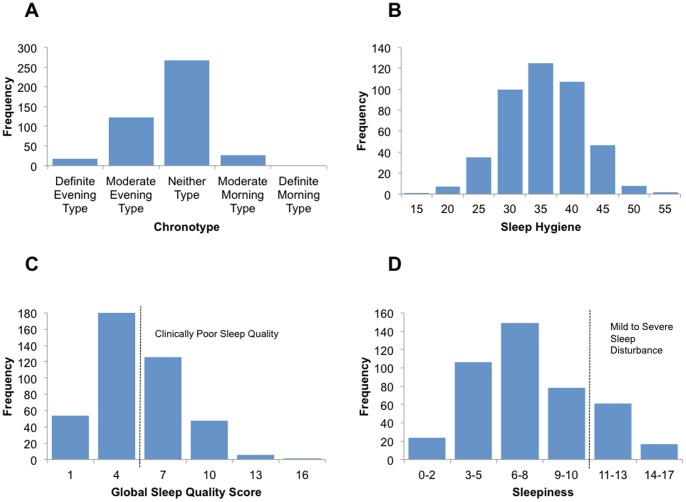
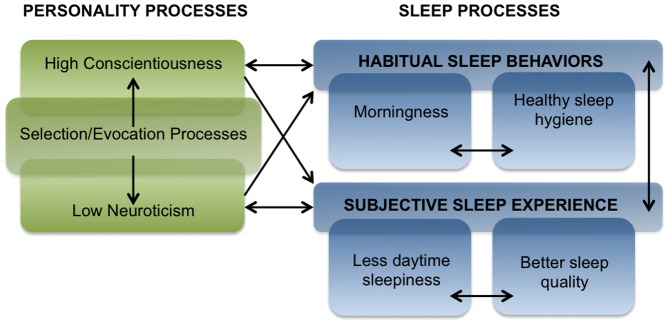
Although previous research has shown personality and sleep are each substantial predictors of health throughout the lifespan, little is known about links between personality and healthy sleep patterns. This study examined Big Five personality traits and a range of factors related to sleep health in 436 university students (M(age) = 19.88, SD = 1.50, 50% Male). Valid self-report measures of personality, chronotype, sleep hygiene, sleep quality, and sleepiness were analyzed. To remove multicollinearity between personality factors, each sleep domain was regressed on relevant demographic and principal component-derived personality factors in multiple linear regressions. Results showed that low conscientiousness and high neuroticism were the best predictors of poor sleep (poor sleep hygiene, low sleep quality, and increased sleepiness), consistent with other research on predictors of poor health and mortality risk. In this first comprehensive study of the topic, the findings suggest that personality has a significant association with sleep health, and researchers could profitably examine both personality and sleep in models of health and well-being.
Overview
The claims and statistics of this paper haven’t been checked yet.
Free: it reads the open-access text and checks the first 5 claims that cite a source we can check. Create a free account to check every claim.
Integrity signals
Registry
Cites
Statistics
Figures
Verification
Claims the paper makes
The claims and statistics of this paper haven’t been checked yet.
Free: it reads the open-access text and checks the first 5 claims that cite a source we can check. Create a free account to check every claim.
Claims other papers make about this one
Each is checked against this paper’s own text: does it say what the citing paper says it does?
The source backs part of the claim, not all of it — or backs it for a different population, condition or comparison.
In the citing paper
“There is clear evidence to support the relationships between the transdiagnostic factors and chronic insomnia (18, 19, 21); however, the extent to which each of these factors can affect insomnia remains unclear.”
From The contribution of transdiagnostic vulnerability factors in patients with chronic insomnia (2023) · cites this paper as [18]
Experimental — accuracy not yet measured
Self-check
Percentages, sums and reported differences re-computed from the paper’s own numbers.
The self-check needs the paper’s full text.
Citations
Cites
The Pittsburgh Sleep Quality Index: a new instrument for psychiatric practice and research
Buysse, D. J., Reynolds, C. F., Monk, T. H., Berman, S. R., & Kupfer, D. J. (1989) · Psychiatry Research · doi:10.1016/0165-1781(89)90047-4 · Cited by 35,234 · cited 4×
“Sleep quality was measured using the Pittsburgh Sleep Quality Index (PSQI; [22]).”
BackgroundMethodInfluential(1992) · PubMed · Cited by 33,716
The MOS 36-ltem Short-Form Health Survey (SF-36): I. Conceptual Framework and Item Selection
Ware, J. E., & Sherbourne, C. D. (1992) · Medical Care · doi:10.1097/00005650-199206000-00002 · Cited by 30,033
Applied Multiple Regression/Correlation Analysis for the Behavioral Sciences
Cohen, P., Cohen, P., West, S. G., & Aiken, L. S. (2014) · Psychology Press eBooks · doi:10.4324/9781410606266 · Cited by 20,737
A New Method for Measuring Daytime Sleepiness: The Epworth Sleepiness Scale
Johns, M. W. (1991) · Sleep · doi:10.1093/sleep/14.6.540 · Cited by 17,364 · cited 4×
“Higher scores on the Epworth Sleepiness Scale indicate higher trait sleepiness, and scores above 10 indicate a mild to severe sleep disturbance may be contributing to daytime sleepiness.”
BackgroundMethodInfluentialAmazon's Mechanical Turk: A New Source of Inexpensive, Yet High-Quality, Data?
Buhrmester, M., Kwang, T., & Gosling, S. D. (2011) · Perspectives on Psychological Science · doi:10.1177/1745691610393980 · Cited by 9,996
(1999) · Cited by 7,995
Adler, N. E., Epel, E. S., Castellazzo, G., & Ickovics, J. R. (2000) · Health Psychology · doi:10.1037/0278-6133.19.6.586 · Cited by 5,080 · cited 2×
“Perceived socioeconomic status (SES) was assessed using a question that asked participants to rate their status from a 1 (low) to 10 (high) on a modified ladder scale similar to Adler, Epel, Castellazzo, and Ickovics [34].”
BackgroundMethodA self-assessment questionnaire to determine morningness- eveningness in human circadian rhythms
Home, J. K. (1976) · Medical Entomology and Zoology · Cited by 4,783
Handbook of Personality : Theory and Research
Pervin, L. A. (1992) · Cited by 4,543
Cited by
Luciano, M., Hagenaars, S. P., Davies, G., Hill, W. D., Clarke, T.-K., Shirali, M., Harris, S. E., Marioni, R. E., Liewald, D. C., Fawns-Ritchie, C., et al. (2018) · Nature Genetics · doi:10.1038/s41588-017-0013-8 · Cited by 391
Chronotype and mental health: recent advances
Taylor, B. J., & Hasler, B. P. (2018) · Current Psychiatry Reports · doi:10.1007/s11920-018-0925-8 · Cited by 289
Bullis, J. R., Boettcher, H., Sauer‐Zavala, S., Farchione, T. J., & Barlow, D. H. (2019) · Clinical Psychology: Science and Practice · doi:10.1111/cpsp.12278 · Cited by 216
Personality and sleep quality: Evidence from four prospective studies.
Stephan, Y., Sutin, A. R., Bayard, S., Križan, Z., & Terracciano, A. (2018) · Health Psychology · doi:10.1037/hea0000577 · Cited by 146
“Higher extraversion has been related to better sleep quality in some studies (Allen et al., 2016; Gray & Watson, 2002; Hintsanen et al., 2014; Williams & Moroz, 2009), but not in others (Cellini et al., in press; Duggan et al., 2014; Huang et al., 2016; Kim et al., 2015).”
BackgroundMethodResultInfluentialLipnevich, A. A., Credé, M., Hahn, E., Spinath, F. M., Roberts, R. D., & Preckel, F. (2017) · Journal of Personality and Social Psychology · doi:10.1037/pspp0000099 · Cited by 107
Conscientiousness Is Associated with Lower Risk of Dementia among Black and White Older Adults
Kaup, A. R., Harmell, A. L., & Yaffe, K. S. (2019) · Neuroepidemiology · doi:10.1159/000492821 · Cited by 92
Slavish, D. C., Sliwinski, M. J., Smyth, J. M., Almeida, D. M., Lipton, R. B., Katz, M. J., & Graham‐Engeland, J. E. (2017) · Personality and Individual Differences · doi:10.1016/j.paid.2017.11.023 · Cited by 98
Insomnia and Personality—A Network Approach
Dekker, K., Blanken, T. F., & Someren, E. J. W. V. (2017) · Brain Sciences · doi:10.3390/brainsci7030028 · Cited by 86
“This is in line with previous literature [7,8,18,20,22,25,26].”
BackgroundResultAssociation between Personality Traits and Sleep Quality in Young Korean Women
Kim, H., Cho, J., Chang, Y., Ryu, S., Shin, H., & Kim, H. (2015) · PLoS ONE · doi:10.1371/journal.pone.0129599 · Cited by 78
“The mean of our subjects was lower than those reported in university students and older women in Caucasian [23, 29, 50].”
BackgroundResultReduced Effective Emotion Regulation in Night Owls
Watts, A. L., & Norbury, R. (2017) · Journal of Biological Rhythms · doi:10.1177/0748730417709111 · Cited by 63
“Morning types tended to be older, to be female, to report lower depressive symptomatology and neurotic traits, and to have better sleep quality, data that are consistent with previous work in this field (Duggan et al., 2014; Merikanto et al., 2013, 2015; Randler et al., 2016).”
ResultLiu, J., Feng, R., Ji, X., Cui, N., Raine, A., & Mednick, S. C. (2019) · SLEEP · doi:10.1093/sleep/zsz126 · Cited by 73
Self-citationKrižan, Z., & Hisler, G. C. (2019) · European Journal of Personality · doi:10.1002/per.2191 · Cited by 70
“…will predict better sleep continuity given that conscientious individuals often adopt better sleep hygiene practices (e.g. avoid substances and engage in exercise) that may reduce longer sleep latencies or unwanted behavioural arousals during the night (Bogg & Roberts, 2004; Duggan et al., 2014).”
BackgroundMuzni, K., Groeger, J. A., Dijk, D., & Lázár, A. S. (2020) · Journal of Sleep Research · doi:10.1111/jsr.13152 · Cited by 80
Horne, C. M., & Norbury, R. (2018) · NeuroImage · doi:10.1016/j.neuroimage.2018.01.025 · Cited by 64
Sirois, F. M., van Eerde, W., & Argiropoulou, M. I. (2015) · Cogent Psychology · doi:10.1080/23311908.2015.1074776 · Cited by 57
Diurnal preference and depressive symptomatology: a meta-analysis
Norbury, R. (2021) · Scientific Reports · doi:10.1038/s41598-021-91205-3 · Cited by 56
Perceived sleep quality: The interplay of neuroticism, affect, and hyperarousal
Cellini, N., Duggan, K. A., & Sarlo, M. (2017) · Sleep Health · doi:10.1016/j.sleh.2017.03.001 · Cited by 61
Self-citationDrezno, M., Stolarski, M., & Matthews, G. (2018) · Chronobiology International · doi:10.1080/07420528.2018.1523184 · Cited by 58
“Low conscientiousness and high neuroticism also were shown to be crucial predictors of poor sleep (Duggan et al. 2014), which remains one of the most maladaptive features of evening chronotype (particularly during weekdays; Vitale et al. 2015).”
BackgroundExploring facets of the mindful personality: Dispositional mindfulness and the Big Five
Haliwa, I., Wilson, J. M., Spears, S. K., Strough, J., & Shook, N. J. (2021) · Personality and Individual Differences · doi:10.1016/j.paid.2020.110469 · Cited by 53
Anticipated and Experienced Ethnic/Racial Discrimination and Sleep: A Longitudinal Study
Gordon, A. M., Prather, A. A., Dover, T. L., Espino-Pérez, K., Small, P. A., & Major, B. (2020) · Personality and Social Psychology Bulletin · doi:10.1177/0146167220928859 · Cited by 56
“…accounted for symptoms of depression and anxiety, perceived stress, neuroticism, and body mass index (BMI), which have all been highlighted in prior literature as important factors that influence both discrimination and sleep (e.g., Duggan et al., 2014; Huebner et al., 2005; Slopen et al., 2016).”
BackgroundSchoedel, R., Pargent, F., Au, Q., Völkel, S. T., Schuwerk, T., Bühner, M., & Stachl, C. (2020) · European Journal of Personality · doi:10.1002/per.2258 · Cited by 53
Hisler, G. C., & Križan, Z. (2017) · Journal of Research in Personality · doi:10.1016/j.jrp.2017.08.009 · Cited by 49
Personality Traits and the Subjective and Objective Experience of Sleep
Sutin, A. R., Gamaldo, A. A., Stéphan, Y., Strickhouser, J. E., & Terracciano, A. (2019) · International Journal of Behavioral Medicine · doi:10.1007/s12529-019-09828-w · Cited by 50
“Individuals who are higher in neuroticism and lower in extraversion and conscientiousness, for example, tend to report worse sleep [6], including more difficulties with staying asleep and feeling less rested [7].”
BackgroundDuan, W., & Ho, S. M. Y. (2017) · Journal of Happiness Studies · doi:10.1007/s10902-017-9864-z · Cited by 54
“Temperance Strength, usually show healthy sleep (Duggan et al. 2014) and eating (Olsen et al.”
BackgroundSmit, B., & Stavrulaki, E. (2021) · Mindfulness · doi:10.1007/s12671-021-01772-9 · Cited by 45
“Exploratory analyses indicate that neuroticism was largely responsible for this change, which is unsurprising given its strong links to sleep (Duggan et al., 2014).”
BackgroundSleep, Well-Being and Academic Performance: A Study in a Singapore Residential College
Armand, M. A., Biassoni, F., & Corrias, A. (2021) · Frontiers in Psychology · doi:10.3389/fpsyg.2021.672238 · Cited by 44
Carciofo, R. (2020) · Chronobiology International · doi:10.1080/07420528.2020.1798978 · Cited by 48
Sleep, Circadian Rhythms, and Anxious Traits
Coles, M. E., Schubert, J. R., & Nota, J. A. (2015) · Current Psychiatry Reports · doi:10.1007/s11920-015-0613-x · Cited by 56
Zhao, Y., Guo, J., Liu, S., Aizezi, M., Zeng, Q., Sidike, A., Abliz, R., Kudireti, A., Xie, Y., Taineikuli, A., et al. (2021) · Frontiers in Public Health · doi:10.3389/fpubh.2021.671400 · Cited by 49
Delayed sleep-wake phase disorder and its related sleep behaviors in the young generation.
Futenma, K., Takaesu, Y., Komada, Y., Shimura, A., Okajima, I., Matsui, K., Tanioka, K., & Inoue, Y. (2023) · Frontiers in Psychiatry · doi:10.3389/fpsyt.2023.1174719 · Cited by 42
Personality, hedonic balance and the quality and quantity of sleep in adulthood
Allen, M. S., Magee, C., & Vella, S. A. (2016) · Psychology and Health · doi:10.1080/08870446.2016.1178745 · Cited by 50
“…exploring conscientiousness and sleep duration have reported mixed findings (Hintsanen et al., 2014; Randler, 2008), but studies have often found that high conscientiousness relates to better quality sleep (Duggan et al., 2014; Gray & Watson, 2002; Kim et al., 2015; Williams & Moroz, 2009).”
BackgroundTo Nap, Perchance to DREAM: A Factor Analysis of College Students’ Self-Reported Reasons for Napping
Duggan, K. A., McDevitt, E. A., Whitehurst, L. N., & Mednick, S. C. (2018) · Behavioral Sleep Medicine · doi:10.1080/15402002.2016.1178115 · Cited by 40
“Individuals high in conscientiousness also report good sleep hygiene and sleep quality as well as decreased daytime sleepiness (Duggan et al., 2014).”
BackgroundSelf-citationBig Five personality traits predict daily spatial behavior: Evidence from smartphone data
Ai, P., Liu, Y., & Zhao, X. (2019) · Personality and Individual Differences · doi:10.1016/j.paid.2019.04.027 · Cited by 46
Yeh, S. J., Chen, S.-H. S., Yuan, K., Chou, W., & Wan, T. T. H. (2020) · Frontiers in Psychology · doi:10.3389/fpsyg.2020.574898 · Cited by 51
“Overall, the effect of extraversion on sleep quality remains inconclusive, as other studies have also been unsuccessful in finding evidence to support such effect (Duggan et al., 2014; Kim et al., 2015; Huang et al., 2016; Cellini et al., 2017).”
ResultHuang, V., Peck, K. J., Mallya, S., LUPIEN, S. J., & Fiocco, A. J. (2016) · PLoS ONE · doi:10.1371/journal.pone.0157238 · Cited by 47
“Thus, the link between conscientiousness and depressive symptoms may be mediated through the use of adaptive coping strategies to manage daily stressors and engaging in health-promoting behaviours, such as practicing good sleep hygiene [30, 79, 80].”
BackgroundEvren, B., Evren, C., Dalbudak, E., Topcu, M., & Kutlu, N. (2018) · Psychiatry Research · doi:10.1016/j.psychres.2018.12.010 · Cited by 47
Hrozanova, M., Moen, F., & Pallesen, S. (2019) · Frontiers in Psychology · doi:10.3389/fpsyg.2019.01256 · Cited by 48
“, being organized and prompt) which has been shown to be positively associated with good sleep (Duggan et al., 2014).”
BackgroundCurtis, B. J., Williams, P., Jones, C. R., & Anderson, J. S. (2016) · Brain and Behavior · doi:10.1002/brb3.576 · Cited by 43
Akram, U., Gardani, M., Akram, A., & Allen, S. F. (2019) · Heliyon · doi:10.1016/j.heliyon.2019.e01939 · Cited by 42
The Bruxoff Device as a Screening Method for Sleep Bruxism in Dental Practice
Saczuk, K., Łapińska, B., Wilmont, P., Pawlak, Ł., & Łukomska−Szymańska, M. (2019) · Journal of Clinical Medicine · doi:10.3390/jcm8070930 · Cited by 41
Gorgol, J., Waleriańczyk, W., & Stolarski, M. (2021) · Chronobiology International · doi:10.1080/07420528.2021.1979995 · Cited by 37
“of maladaptive behaviors that are associated with eveningness and by affecting sleep hygiene (Duggan et al. 2014).”
BackgroundDikeos, D., Wichniak, A., Ktonas, P. Y., Mikoteit, T., Crönlein, T., Eckert, A., Kopřivová, J., Ntafouli, M., Spiegelhalder, K., Hatzinger, M., et al. (2023) · The World Journal of Biological Psychiatry · doi:10.1080/15622975.2023.2171479 · Cited by 34
“…was found to be the strongest predictor of insomnia, when poor sleep was assessed either subjectively or objectively (Williams and Moroz 2009; Duggan et al. 2014; Hintsanen et al. 2014; Stephan et al. 2018; Kri (cid:2) zan and Hisler 2019); however, the association of neuroticism with…”
BackgroundAssessment of sleep quality in bipolar euthymic patients
Keskin, N., Tamam, L., & Özpoyraz, N. (2017) · Comprehensive Psychiatry · doi:10.1016/j.comppsych.2017.09.012 · Cited by 44
Herzog-Krzywoszańska, R., Jewula, B., & Krzywoszański, Ł. (2021) · Frontiers in Neuroscience · doi:10.3389/fnins.2021.727440 · Cited by 43
Aschwanden, D., Sutin, A. R., Luchetti, M., Allemand, M., Stéphan, Y., & Terracciano, A. (2020) · Social and Personality Psychology Compass · doi:10.1111/spc3.12565 · Cited by 42
“Behavioral factors linked to the traits may also influence these mental processes: High neuroticism, for example, has been associated with poor sleep (Duggan et al., 2014), which could contribute to daytime sleepiness and thereby impair mental processes, leading to more cognitive failures.”
BackgroundZamani, E., Akbari, M., Mohammadkhani, S., Riskind, J. H., Drake, C. L., & Palagini, L. (2021) · Behavioral Sleep Medicine · doi:10.1080/15402002.2021.1888730 · Cited by 33
“Other personality factors in the Big Five (Conscientiousness, Agreeableness, Extraversion, and Openness) have been examined in a number of previous studies (Duggan et al., 2014; Duggan & Križan, 2019; Kim et al., 2015; Križan & Hisler, 2019).”
BackgroundAndrade, F. C., & Hoyle, R. H. (2023) · Personality and Individual Differences · doi:10.1016/j.paid.2023.112095 · Cited by 38
Rönnlund, M., & Carelli, M. G. (2018) · Frontiers in Psychology · doi:10.3389/fpsyg.2018.01356 · Cited by 32
“…linked to less healthy life style choices, e.g., smoking and use of alcohol (Keough et al., 1999) known to have a detrimental effect on sleep (e.g., Ebrahim et al., 2013), which could possibly account for the latter associations, even though no data on smoking and alcohol use were reported to…”
BackgroundLam, S. U., Riordan, K. M., Simonsson, O., Davidson, R. J., & Goldberg, S. B. (2023) · Mindfulness · doi:10.1007/s12671-022-02061-9 · Cited by 37
“Lower conscientiousness also predicts poorer sleep hygiene (Duggan et al., 2014) and greater emergency department use (Friedman and Kern, 2014).”
Emotional trait and memory associates of sleep timing and quality
Pace-Schott, E. F., Rubin, Z. S., Tracy, L. E., Spencer, R. M. C., Orr, S. P., & Verga, P. W. (2015) · Psychiatry Research · doi:10.1016/j.psychres.2015.05.069 · Cited by 29
“…as quantified using the NEO Personality Inventory Revised (NEO-PI-R) (Costa and McCrae, 1992), is a significant predictor of both the Pittsburgh Sleep Quality Index (PSQI) (Buysse et al., 1989) measure of poor sleep (Calkins et al., 2013) as well as of poor sleep hygiene (Duggan et al., 2014).”
Horne, C. M., Watts, A. L., & Norbury, R. (2018) · Biological Rhythm Research · doi:10.1080/09291016.2018.1474576 · Cited by 29
“Morning-types are reported to be more conscientious and less neurotic than evening-types (Duggan et al. 2014), more risk averse (Ponzi et al.”
BackgroundOtaka, H., Murakami, H., Nakayama, H., Murabayashi, M., Mizushiri, S., Matsumura, K., Tanabe, J., Matsuhashi, Y., Yanagimachi, M., Yoshida, K., et al. (2018) · Journal of Diabetes Investigation · doi:10.1111/jdi.12927 · Cited by 25
Sleep Disturbances in OEF/OIF/OND Veterans: Associations with PTSD, Personality, and Coping
Lind, M. J., Brown, E., Farrell‐Carnahan, L., Brown, R. C., Hawn, S. E., Berenz, E. C., McDonald, S. D., Pickett, T. C., Danielson, C. K., Thomas, S., et al. (2017) · Journal of Clinical Sleep Medicine · doi:10.5664/jcsm.6466 · Cited by 29
“38 Further, several studies indicate that higher neuroticism significantly predicted poor sleep in non-veteran populations, 39,40 which supports our results.”
Multidimensional perfectionism and poor sleep: A meta-analysis of bivariate associations
Stricker, J., Kröger, L., Johann, A. F., Küskens, A., Gieselmann, A., & Pietrowsky, R. (2022) · Sleep Health · doi:10.1016/j.sleh.2022.09.015 · Cited by 30
PURE study challenges the definition of a healthy diet: but key questions remain
Ramsden, C. E., & Domenichiello, A. F. (2017) · The Lancet · doi:10.1016/s0140-6736(17)32241-9 · Cited by 27
A Time to Sleep Well and Be Contented: Time Perspective, Sleep Quality, and Life Satisfaction
Rönnlund, M., Åström, E., Bernhardsson, W. W., Flodén, L., Unger, A., Papastamatelou, J., & Carelli, M. G. (2021) · Frontiers in Psychology · doi:10.3389/fpsyg.2021.627836 · Cited by 30
Personality traits and sleep quality: The role of sleep-related beliefs
Sella, E., Carbone, E., Toffalini, E., & Borella, E. (2019) · Personality and Individual Differences · doi:10.1016/j.paid.2019.109770 · Cited by 27
Zhang, Y., & Carciofo, R. (2021) · BMC Psychology · doi:10.1186/s40359-021-00569-8 · Cited by 24
“For instance, extraversion predicts more wellbeing [31], and neuroticism predicts less wellbeing [12, 26].”
BackgroundPersonality traits relate to chronotype at both the phenotypic and genetic level
Lenneis, A., Vainik, U., Teder‐Laving, M., Ausmees, L., Lemola, S., Allïk, J., & Realo, A. (2021) · Journal of Personality · doi:10.1111/jopy.12645 · Cited by 32
The Relationship between Personality Traits and COVID-19 Anxiety: A Mediating Model
Kumar, V. V., & Tankha, G. (2022) · Behavioral Sciences · doi:10.3390/bs12020024 · Cited by 29
The Situated Assessment Method (SAM2): Establishing individual differences in habitual behavior
Dutriaux, L., Clark, N. E., Papies, E. K., Scheepers, C., & Barsalou, L. W. (2023) · PLoS ONE · doi:10.1371/journal.pone.0286954 · Cited by 33
The Relationship Between Big Five Personality Traits and Sleep Patterns: A Systematic Review
Guerreiro, J., Schulze, L., Tormo, A. G. I., Henwood, A., Schneider, L., Krob, E., Salvilla, S., Chan, K. M. Y., Deedat, S., & Matic, A. (2024) · Nature and Science of Sleep · doi:10.2147/nss.s467842 · Cited by 22
“…and extraversion, as well as openness to experience were inconsistent across the examined studies, with some studies showing associations of morningness with extraversion 28 and openness to experience 19,29 while others associated eveningness with extraversion 27 and openness to experience.”
BackgroundResultBig 5 personality traits and intraindividual variability in sleep duration, continuity, and timing
Mead, M. P., Persich, M. R., Duggan, K. A., Veronda, A. C., & Irish, L. A. (2021) · Sleep Health · doi:10.1016/j.sleh.2020.11.008 · Cited by 26
Self-citationZhao, Y., Meng, D., Ma, X., Guo, J., Zhu, L., Fu, Y., & Mu, L. (2022) · Journal of American College Health · doi:10.1080/07448481.2022.2038179 · Cited by 29
“25,41 However, it contrasts Herzog-Krzywoszanska’s findings in the Big Five.”
BackgroundNordmo, M., Olsen, O. K., Hetland, J., Espevik, R., Bakker, A. B., & Pallesen, S. (2019) · Personality and Individual Differences · doi:10.1016/j.paid.2019.109635 · Cited by 26
Sleeping time is associated with functional limitations in a national sample of older Americans
Vincent, B. M., Johnson, N., Tomkinson, G. R., McGrath, R., Clark, B. C., & Choi, B. (2020) · Aging Clinical and Experimental Research · doi:10.1007/s40520-020-01524-0 · Cited by 23
Bellicoso, D., Trudeau, M., Fitch, M. I., & Ralph, M. R. (2017) · Chronobiology International · doi:10.1080/07420528.2017.1314301 · Cited by 26
“Poorer sleep quality has been found in individuals reporting low conscientiousness together with high neuroticism, while those reporting higher levels of extraversion, agreeableness and conscientiousness typically experience better sleep quality (Duggan et al., 2014; Hintsanen et al., 2014).”
BackgroundThe well-being of medical students: A biopsychosocial approach
Vollmer-Conna, U. S., Beilharz, J. E., Cvejic, E., Macnamara, C. L., Doherty, M., Steel, Z., Hadži-Pavlović, D., Harvey, S. B., & Parker, G. B. (2020) · Australian & New Zealand Journal of Psychiatry · doi:10.1177/0004867420924086 · Cited by 26
“These results are in line with previous studies highlighting associations between high neuroticism and low conscientiousness scores with poorer sleep, lower engagement in health-promoting behaviours, and poorer physical and mental well-being (Bogg and Roberts, 2004; Duggan et al., 2014; Rogers et al., 2012; Tyssen et…”
BackgroundResultSørengaard, T. A., Karlsen, H. R., Langvik, E., Pallesen, S., Bjorvatn, B., Waage, S., Moen, B. E., & Saksvik‐Lehouillier, I. (2019) · Frontiers in Psychology · doi:10.3389/fpsyg.2019.00901 · Cited by 23
“This finding is consistent with previous studies where neuroticism is one of the most stable predisposing personality factor of negative sleep and mental health outcomes (Bienvenu et al., 2004; van de Laar et al., 2010; Duggan et al., 2014; Watson and Naragon-Gainey, 2014).”
BackgroundResultInfluentialNorbury, R. (2020) · Journal of Circadian Rhythms · doi:10.5334/jcr.193 · Cited by 22
Facets of personality related to sleep habits in Black adults
Gamaldo, A. A., Sardina, A. L., Sutin, A. R., Cruz, T. E., Salas, R. M. E., Gamaldo, C. E., Buxton, O. M., & Andel, R. (2019) · Sleep Health · doi:10.1016/j.sleh.2019.10.004 · Cited by 22
Nordberg, H. O., Kroll, J. L., Rosenfield, D., Chmielewski, M. S., & Ritz, T. (2021) · British Journal of Health Psychology · doi:10.1111/bjhp.12554 · Cited by 24
Association of Personality Traits with Life and Work of Medical Students: An Integrative Review
Liu, M., Cai, J., Chen, H., & Shi, L. (2022) · International Journal of Environmental Research and Public Health · doi:10.3390/ijerph191912376 · Cited by 30
“They found that low conscientiousness and high neuroticism were the best predictors of poor sleep (poor sleep hygiene, low sleep quality, and increased sleepiness) [3].”
BackgroundMorning affect or sleep inertia? Comparing the constructs and their measurement
Carciofo, R. (2023) · Chronobiology International · doi:10.1080/07420528.2023.2187211 · Cited by 22
“These personality correlates are consistent with those found with poor sleep quality (Duggan et al. 2014), and with depression (Kotov et al. 2010), with Distinctness also positively correlating with depression (Carciofo 2020), while mindfulness is associated with well-being (Howell et al. 2008).”
MethodResultThe impact of social networks on sleep among a cohort of college students
Wang, C., Mattingly, S., Payne, J., Lizardo, O., & Hachen, D. S. (2021) · SSM - Population Health · doi:10.1016/j.ssmph.2021.100937 · Cited by 18
Yin, Z., Yang, C., Liu, T., Yu, J., Yu, X., Huang, S., & Zhang, Y. (2024) · PLoS ONE · doi:10.1371/journal.pone.0315930 · Cited by 22
What Mechanisms Explain the Links Between Personality and Health? ∗
Wiebe, D. J., Song, A. V., & Loyola, M. D. R. (2018) · Elsevier eBooks · doi:10.1016/b978-0-12-805300-3.00012-8 · Cited by 22
An Ontology-Based Framework for Psychological Monitoring in Education During the COVID-19 Pandemic
Bolock, A. E., Abdennadher, S., & Herbert, C. (2021) · Frontiers in Psychology · doi:10.3389/fpsyg.2021.673586 · Cited by 23
“For example, Duggan et al. (2014) showed that low Conscientiousness and high Neuroticism were the best predictors of poor sleep.”
BackgroundHerzog-Krzywoszańska, R., Krzywoszański, Ł., & Kargul, B. (2024) · Scientific Reports · doi:10.1038/s41598-024-82523-3 · Cited by 20
Zendels, P. M., Ruggiero, A. R., & Gaultney, J. F. (2021) · Cogent Psychology · doi:10.1080/23311908.2021.1979713 · Cited by 17
“conscientiousness have been shown to be associated with poorer sleep outcomes (Duggan et al., 2014).”
BackgroundDSPS-4: a Brief Measure of Perceived Daytime Sleepiness
Marques, D. R., Gomes, A. A., & de Azevedo, M. H. P. (2017) · Current Psychology · doi:10.1007/s12144-017-9638-0 · Cited by 22
Personality traits, stress appraisals and sleep in young elite athletes: A profile approach
Nédélec, M., Lienhart, N., Martinent, G., & Doron, J. (2020) · European Journal of Sport Science · doi:10.1080/17461391.2020.1829716 · Cited by 21
“On the basis of the aforementioned literature, the present study focused on both neuroticism and conscientiousness based on the rationale that these two personality traits are particularly salient regarding sleep quality (Duggan et al., 2014; Stephan et al., 2018).”
BackgroundPersonality and insomnia symptoms in older adults: the Baltimore Longitudinal Study of Aging
Rojo‐Wissar, D. M., Wanigatunga, A. A., Simonsick, E. M., Terracciano, A., Wu, M. N., Zipunnikov, V. M., Schrack, J. A., Hossain, S. A., Ferrucci, L., Costa, P. T., et al. (2021) · SLEEP · doi:10.1093/sleep/zsab082 · Cited by 20
Khazaie, H., Zakiei, A., & Komasi, S. (2019) · Disaster Medicine and Public Health Preparedness · doi:10.1017/dmp.2018.156 · Cited by 16
Sleep-related Cognitions Mediate the Impact of Neuroticism on Insomnia
Chauvin, B., Thibault-Stoll, A., Chassagnon, S., Biry, S., Petiau, C., & Tassi, P. (2015) · American Journal of Health Behavior · doi:10.5993/ajhb.39.5.4 · Cited by 17
Carciofo, R. (2022) · Chronobiology International · doi:10.1080/07420528.2022.2134787 · Cited by 19
“(Carciofo 2020; Duggan et al. 2014), but positively correlates with mindfulness (Giluk 2009).”
BackgroundLi, L., Feng, Z., Zhu, M., Yang, J., & Yang, L. (2023) · BMC Nursing · doi:10.1186/s12912-023-01603-3 · Cited by 18
“…with agreeableness, openness, and extroversion are good at communication, have good social support, and are more likely to deal with pressure, neurotic individuals lack emotional stability, are self-centered, have poor social relations, and may overestimate their feelings of pressure [63].”
BackgroundMcGowan, N. M., Brannigan, R., Doyle, D., & Coogan, A. N. (2017) · Personality and Individual Differences · doi:10.1016/j.paid.2017.02.051 · Cited by 17
Perception of risk as a mediator between personality and perception of health: test of a model
Cruz, R. Z., Montoya, G. P. C., Meda-Lara, R. M., Chávez, A. P., & Tamayo-Agudelo, W. (2018) · Psychology Research and Behavior Management · doi:10.2147/prbm.s165816 · Cited by 19
“This may also be the case with regard to the conscientiousness trait.(25) The evidence thus points to a single personality trait, neuroticism, as a mediating factor in the perception of health and not as a central factor.”
Systematic review of genome-wide association studies of anxiety disorders and neuroticism
van der Walt, K., Campbell, M. L., Stein, D. J., & Dalvie, S. (2022) · The World Journal of Biological Psychiatry · doi:10.1080/15622975.2022.2099970 · Cited by 17
“As a result of this, poor sleep patterns disrupt emotional regulation which in turn increases levels of neuroticism (Duggan et al. 2014).”
BackgroundThe association of omega-3 fatty acid levels with personality and cognitive reactivity
Thesing, C. S., Bot, M., Milaneschi, Y., Giltay, E. J., & Penninx, B. W. J. H. (2018) · Journal of Psychosomatic Research · doi:10.1016/j.jpsychores.2018.02.016 · Cited by 17
Herlache, A. D., Lang, K. M., & Križan, Z. (2018) · Sleep Science · doi:10.5935/1984-0063.20180015 · Cited by 17
Electronic Media Use and Sleep: a Self-Control Perspective
Exelmans, L. (2019) · Current Sleep Medicine Reports · doi:10.1007/s40675-019-00147-w · Cited by 19
McAlpine, T., Mullan, B. A., & Clarke, P. (2023) · Journal of Behavioral Medicine · doi:10.1007/s10865-023-00448-0 · Cited by 17
“…how a specific behaviour may affect one’s sleep (McAlpine et al., in press), attitudes towards sleep (Peach et al., 2018), or personality factors (Duggan et al., 2014) are all possible contributors to the individual variation in effects observed here, and although outside the scope of the…”
BackgroundChen, J., Sun, M., Huang, C., Xiao, J., Tang, S., & Chen, Q. (2022) · International Journal of Environmental Research and Public Health · doi:10.3390/ijerph19095602 · Cited by 15
“Neuroticism also negatively affects sleep quality [24].”
Gorgol, J., Stolarski, M., & Matthews, G. (2018) · Biological Rhythm Research · doi:10.1080/09291016.2018.1526483 · Cited by 14
“For example, both morningness (Vitale et al. 2015) and conscientiousness (Duggan et al. 2014) tend to be associated with better sleep quality, which in turn promotes adaptation and mental health (e.g. Hidalgo et al. 2009).”
BackgroundRelationship Between Big Five Personality Dimensions, Chronotype, and DSM-V Personality Disorders
Staller, N., & Randler, C. (2021) · Frontiers in Network Physiology · doi:10.3389/fnetp.2021.729113 · Cited by 14
Küçükturan, A. G., Horzum, M. B., Korkmaz, G., & Üngören, Y. (2021) · Chronobiology International · doi:10.1080/07420528.2021.2013252 · Cited by 14
“In this respect, it is an expected finding, and it shows consistency with the researches in the literature (Adan et al., 2012; Duggan et al. 2014; Lipnevich et al., 2017; Randler 2008) The study found that extroversion and agreeable-ness dimensions were not significantly related with chronotype…”
Pieroni, I., Raffone, A., & Simione, L. (2023) · Stress and Health · doi:10.1002/smi.3297 · Cited by 14
Fabbri, M., Beracci, A., & Martoni, M. (2022) · International Journal of Environmental Research and Public Health · doi:10.3390/ijerph191711018 · Cited by 17
“At the same time, all participants with low levels of conscientiousness showed deficits in responsibility, motivation, and self-control [12].”
Background
Metadata
- Authors
- Duggan, K. A., Friedman, H. S., McDevitt, E. A., & Mednick, S. C.
- Affiliations
- University of California, Riverside (US)
- Corresponding author
- Mednick, Sara C.
- Venue
- PLoS ONE
- Publisher
- Public Library of Science (PLoS)
- Published
- 2014-03-20
- Volume
- 9
- Issue
- 3
- Pages
- e90628
- ISSN
- 1932-6203 (ISSN-L)
- PMC
- PMC3961248
- OpenAlex
- W1973489838
- Cited by
- 211
- References
- 68
- Citations by year
- 2026: 8 · 2025: 16 · 2024: 21 · 2023: 26 · 2022: 17 · 2021: 31 · 2020: 16 · 2019: 25 · 2018: 16 · 2017: 17 · 2016: 12 · 2015: 6
- FWCI
- 16.23
- Type
- journal article
- Language
- en
- Open access
- gold
- doi.org
- Locations
- PLoS ONE (publishedVersion, cc-by)
- Europe PMC (PubMed Central) (publishedVersion, other-oa)
- PubMed Central (publishedVersion, cc-by)
- PubMed (publishedVersion)
- RePEc: Research Papers in Economics (submittedVersion)
- DOAJ (DOAJ: Directory of Open Access Journals) (submittedVersion, cc-by-sa)
- eScholarship (California Digital Library) (submittedVersion, cc-by)
- Funders
- National Institute of Mental Health (K01MH080992)
- Topics
- Social Sciences › Psychology › Experimental and Cognitive Psychology › Sleep and related disorders
- Social Sciences › Psychology › Clinical Psychology › Personality Traits and Psychology
- Life Sciences › Neuroscience › Cognitive Neuroscience › Sleep and Wakefulness Research
- Keywords
- personality, sleep health, conscientiousness, neuroticism, Big Five personality traits, sleep hygiene, sleep quality, sleepiness, chronotype, university students, well-being
- MeSH terms
- Neuroticism, Anxiety Disorders, Demography, Female, Humans, Male, Personality, Personality Inventory, Regression Analysis, Sleep, Principal Component Analysis, Young Adult
About these checks
Registry, retraction, Cites and statistics results are computed, not judged, with one exception: a printed reference that no index lists is read once by a model before it counts as a citation error. Claims are extracted by a model and kept only when their quote appears verbatim in the text; each cited source is then checked, with a model’s help, for whether it says what the claim relies on. Those verdicts can be wrong — read the claim’s quote and the cited source before relying on one.
Statistics and arithmetic are recomputed, not judged.
Confidence bands are shown only for fields calibrated on our annotated test set. None is calibrated yet, so no band is shown.
What counts as a claim ›How we measure confidence ›How we check this ›
Are you an author, or do you see a problem with this page? Request a review
Data sources
Bibliographic data: Semantic Scholar, OpenAlex, Crossref.
Contains information from the Semantic Scholar Academic Graph Datasets, made available under the ODC Attribution License (ODC-BY 1.0).
Semantic Scholar’s data is described in: Kinney, R., et al. (2023). The Semantic Scholar Open Data Platform. arXiv:2301.10140.
