

Mouse Models of Anemia of Cancer
Open accessThe DOI matches its Crossref record; 40 of the 40 references it cites were found in a registry or an index.
Abstract
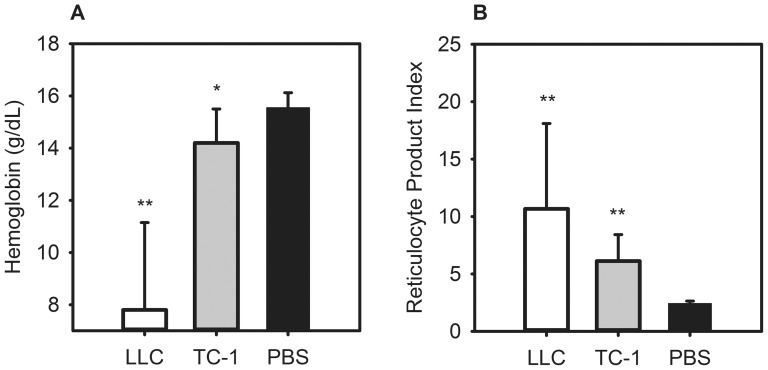
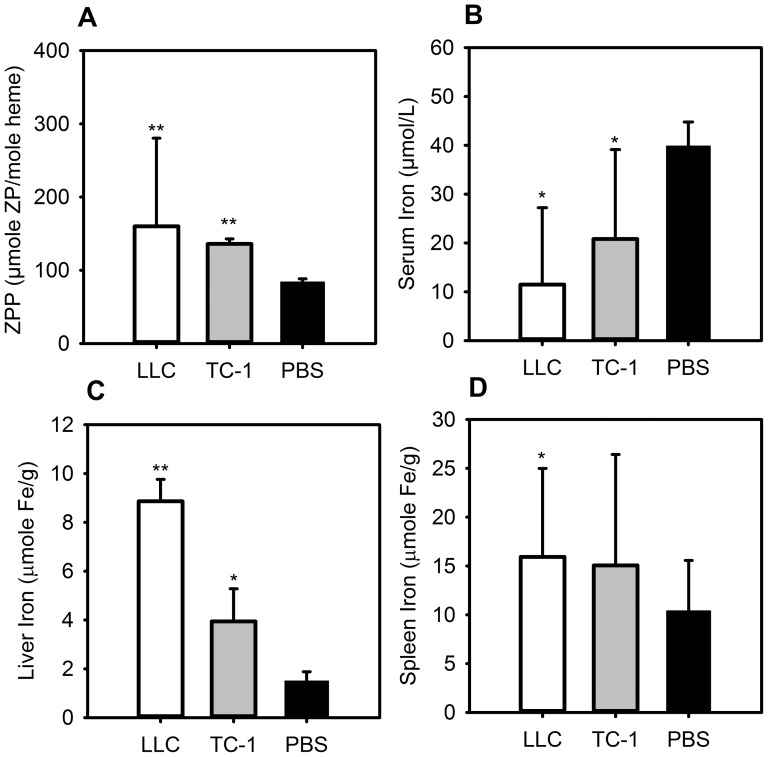
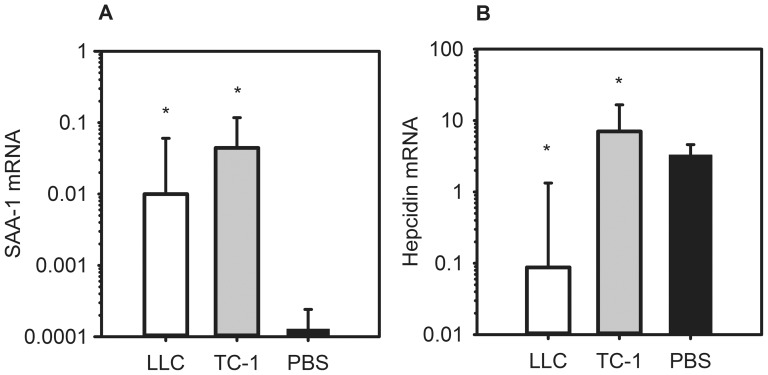
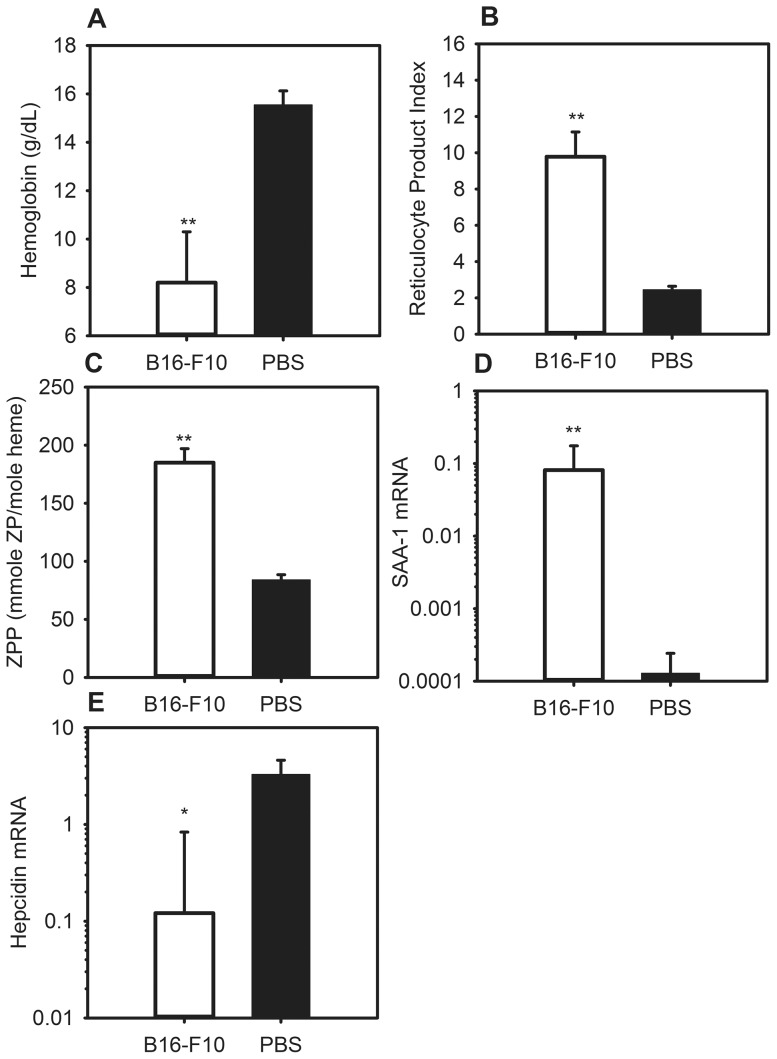
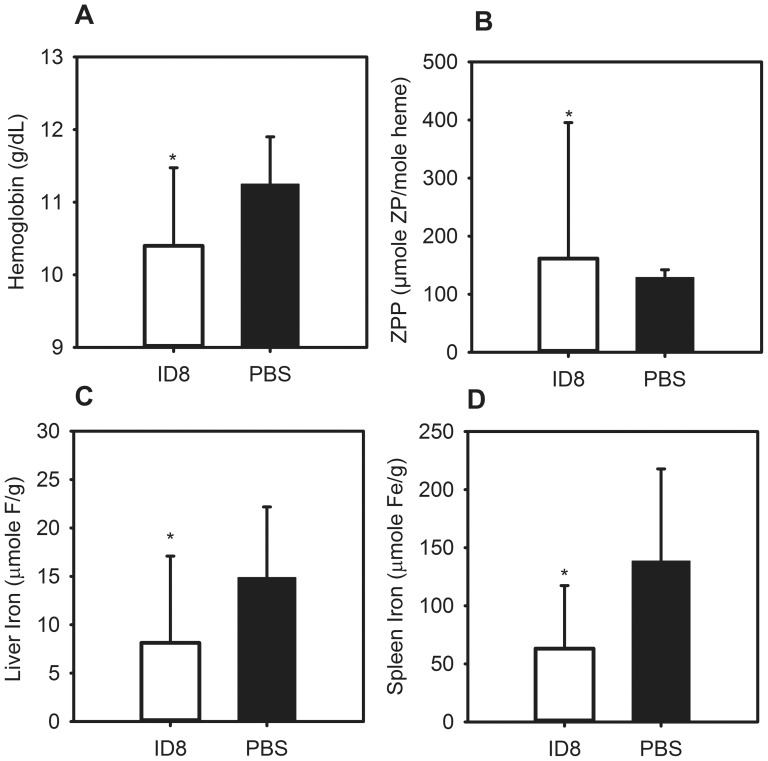
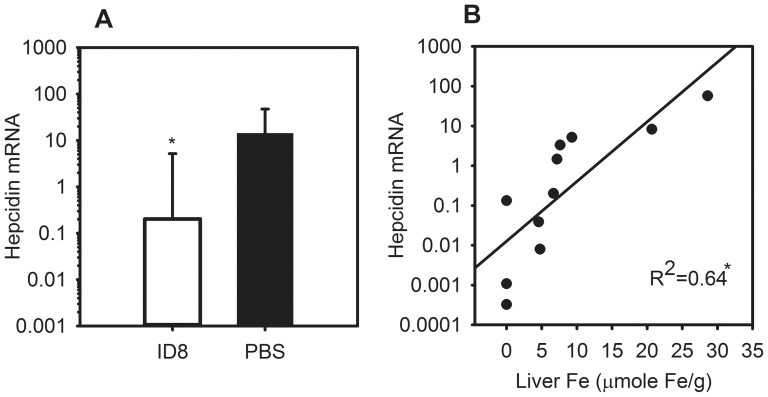
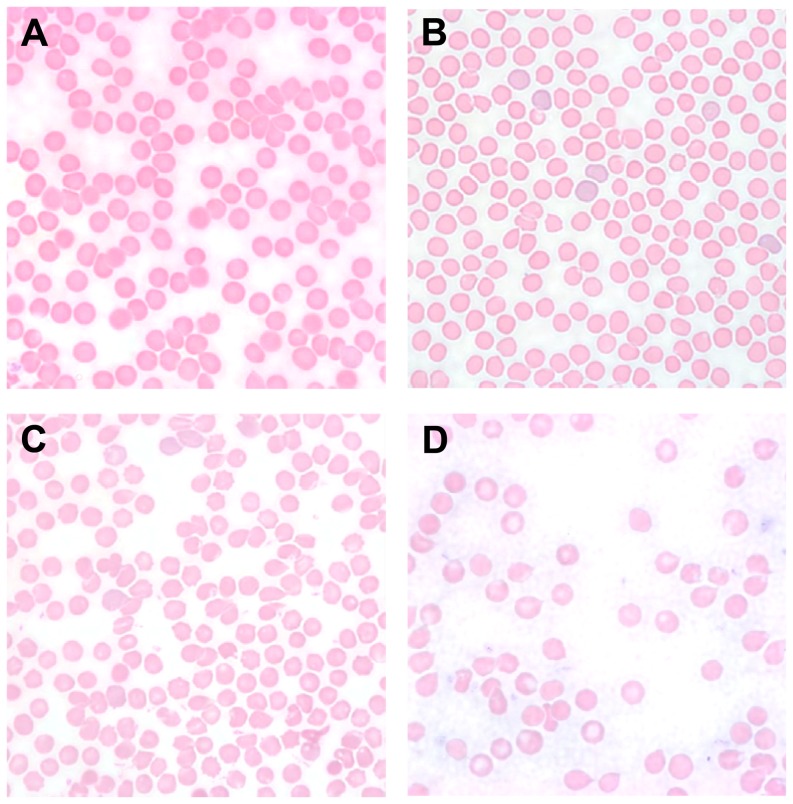
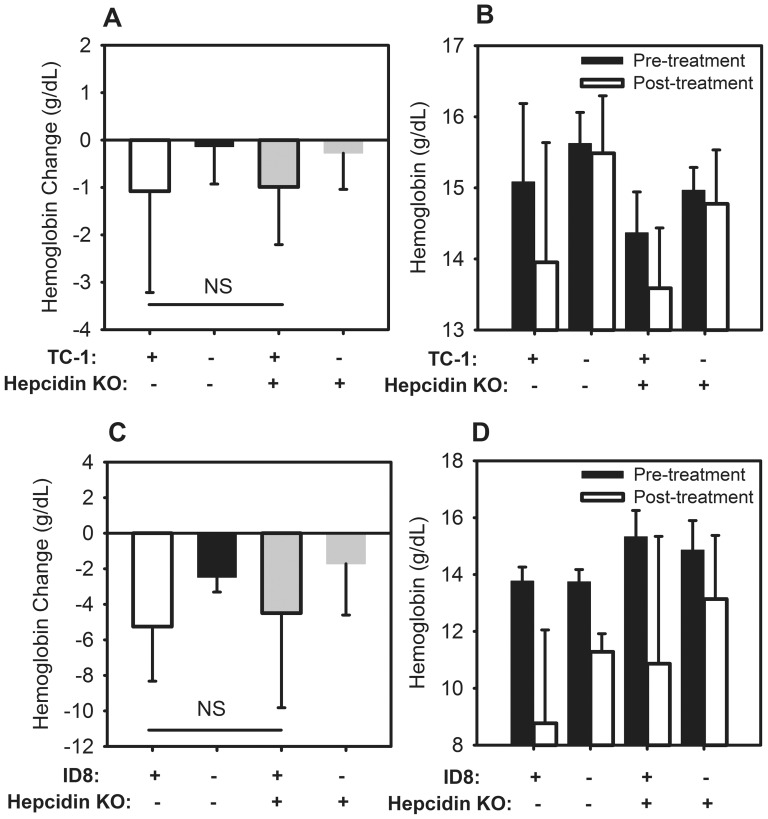
Anemia of cancer (AC) may contribute to cancer-related fatigue and impair quality of life. Improved understanding of the pathogenesis of AC could facilitate better treatment, but animal models to study AC are lacking. We characterized four syngeneic C57BL/6 mouse cancers that cause AC. Mice with two different rapidly-growing metastatic lung cancers developed the characteristic findings of anemia of inflammation (AI), with dramatically different degrees of anemia. Mice with rapidly-growing metastatic melanoma also developed a severe anemia by 14 days, with hematologic and inflammatory parameters similar to AI. Mice with a slow-growing peritoneal ovarian cancer developed an iron-deficiency anemia, likely secondary to chronically impaired nutrition and bleeding into the peritoneal cavity. Of the four models, hepcidin mRNA levels were increased only in the milder lung cancer model. Unlike in our model of systemic inflammation induced by heat-killed Brucella abortus, ablation of hepcidin in the ovarian cancer and the milder lung cancer mouse models did not affect the severity of anemia. Hepcidin-independent mechanisms play an important role in these murine models of AC.
Overview
The claims and statistics of this paper haven’t been checked yet.
Free: it reads the open-access text and checks the first 5 claims that cite a source we can check. Create a free account to check every claim.
Integrity signals
Registry
Cites
Statistics
Figures
Verification
Claims the paper makes
The claims and statistics of this paper haven’t been checked yet.
Free: it reads the open-access text and checks the first 5 claims that cite a source we can check. Create a free account to check every claim.
Claims other papers make about this one
Each is checked against this paper’s own text: does it say what the citing paper says it does?
The source backs part of the claim, not all of it — or backs it for a different population, condition or comparison.
In the citing paper
“The second mechanism of hepcidin clearance depends on the endocytosis of the hepcidin-ferroportin complexes by the cells that express high concentrations of ferroportin [30,31].”
From Hepcidin-Ferroportin Interaction Controls Systemic Iron Homeostasis (2021) · cites this paper as [30]
Experimental — accuracy not yet measured
Self-check
Percentages, sums and reported differences re-computed from the paper’s own numbers.
The self-check needs the paper’s full text.
Citations
Cites
Hepcidin Regulates Cellular Iron Efflux by Binding to Ferroportin and Inducing Its Internalization
Nemeth, E., Tuttle, M. S., Powelson, J., Vaughn, M. B., Donovan, A., Ward, D. M., Ganz, T., & Kaplan, J. (2004) · Science · doi:10.1126/science.1104742 · Cited by 4,803 · cited 1×
“Hepcidin binding to ferroportin leads to ferroportin endocytosis and degradation [12], limiting the flow of iron into plasma and thus reducing iron availability for erythropoiesis.”
BackgroundSelf-citationWeiss, G., & Goodnough, L. T. (2005) · New England Journal of Medicine · doi:10.1056/nejmra041809 · Cited by 3,800
Nemeth, E., Rivera, S., Gabayan, V., Keller, C., Taudorf, S., Pedersen, B. K., & Ganz, T. (2004) · Journal of Clinical Investigation · doi:10.1172/jci200420945 · Cited by 2,650
Self-citationHepcidin, a urinary antimicrobial peptide synthesized in the liver
Park, C. H., Valore, E. V., Waring, A. J., & Ganz, T. (2001) · Journal of Biological Chemistry · doi:10.1074/jbc.m008922200 · Cited by 2,168 · cited 1×
“Hepcidin, a 25-amino acid peptide hormone produced primarily by hepatocytes [10], is the primary regulator of iron homeostasis in health and during inflammation [11].”
BackgroundSelf-citationClinical Methods: The History, Physical, and Laboratory Examinations
(1990) · Annals of Internal Medicine · doi:10.7326/0003-4819-113-7-563_2 · Cited by 1,396
Ganz, T., & Nemeth, E. (2012) · Biochimica et Biophysica Acta (BBA) - Molecular Cell Research · doi:10.1016/j.bbamcr.2012.01.014 · Cited by 1,282 · cited 1×
“Hepcidin, a 25-amino acid peptide hormone produced primarily by hepatocytes [10], is the primary regulator of iron homeostasis in health and during inflammation [11].”
BackgroundSelf-citationInterleukin-6 induces hepcidin expression through STAT3
Wrighting, D. M., & Andrews, N. C. (2006) · Blood · doi:10.1182/blood-2006-06-027631 · Cited by 983
Ludwig, H., Van Belle, S., Barrett-Lee, P., Birgegård, G., Bokemeyer, C., Gascón, P., Kosmidis, P., Krzakowski, M., Nortier, J., Olmi, P., et al. (2004) · European Journal of Cancer · doi:10.1016/j.ejca.2004.06.019 · Cited by 925 · cited 1×
“Additionally, AC has been shown to be an independent negative prognostic factor for survival time of cancer patients [32].”
BackgroundPrevalence and outcomes of anemia in cancer: a systematic review of the literature
Knight, K., Wade, S., & Balducci, L. (2004) · The American Journal of Medicine · doi:10.1016/j.amjmed.2003.12.008 · Cited by 878
Jaime, J., Salas, M., Ward, A., & Goss, G. D. (2001) · PubMed · Cited by 844
Research works printed but not linked: 1
- Nemeth E, Rivera S, Gabayan V, Keller C, Taudorf S, et al (2004) IL-6 mediates hypoferremia of inflammation by inducing the synthesis of the iron regulatory hormone hepcidin. J Clin Invest 113: 1271– 1276. 15124018 PMC398432 · DOI · Paper page
Cited by
Hepcidin-Ferroportin Interaction Controls Systemic Iron Homeostasis
Nemeth, E., & Ganz, T. (2021) · International Journal of Molecular Sciences · doi:10.3390/ijms22126493 · Cited by 540
“The second mechanism of hepcidin clearance depends on the endocytosis of the hepcidin-ferroportin complexes by the cells that express high concentrations of ferroportin [30,31].”
BackgroundSelf-citationHepcidin regulation in the anemia of inflammation
Wang, C.-Y., & Babitt, J. L. (2016) · Current Opinion in Hematology · doi:10.1097/moh.0000000000000236 · Cited by 250
Regulation of Iron Metabolism by Hepcidin under Conditions of Inflammation
Schmidt, P. J. (2015) · Journal of Biological Chemistry · doi:10.1074/jbc.r115.650150 · Cited by 176
“Accordingly, new rodent models of cancer (94) and infection (82,83) have been recently generated.”
BackgroundInternational Journal of Analysis and Applications
(2017) · International Journal of Analysis and Applications · doi:10.28924/2291-8639 · Cited by 177
Nutritional Interventions for Treating Cancer-Related Fatigue: A Qualitative Review
Inglis, J. E., Lin, P.-J., Kerns, S. L., Kleckner, I. R., Kleckner, A. S., Castillo, D. A., Mustian, K. M., & Peppone, L. J. (2019) · Nutrition and Cancer · doi:10.1080/01635581.2018.1513046 · Cited by 133
“and abnormal tumor-associated vasculature (89,90).”
Havanur, S., Batish, I., Cheruku, S. P., Gourishetti, K., JagadeeshBabu, P. E., & Kumar, N. (2019) · Materials Science and Engineering C · doi:10.1016/j.msec.2019.110094 · Cited by 62
Hasan, M. M., Islam, M. E., Hossain, M. S., Akter, M., Rahman, M. A. A., Kazi, M., Khan, S., & Parvin, M. S. (2023) · Heliyon · doi:10.1016/j.heliyon.2023.e22972 · Cited by 73
Elahi, S., & Mashhouri, S. (2020) · Haematologica · doi:10.3324/haematol.2019.243063 · Cited by 51
Exercise Counteracts the Deleterious Effects of Cancer Cachexia
Tsitkanou, S., Murach, K. A., Washington, T. A., & Greene, N. P. (2022) · Cancers · doi:10.3390/cancers14102512 · Cited by 40
Noguchi‐Sasaki, M., Sasaki, Y., Shimonaka, Y., Mori, K., & Fujimoto-Ouchi, K. (2016) · BMC Cancer · doi:10.1186/s12885-016-2305-2 · Cited by 36
“Hepcidin-independent mechanisms are also reported to play an important role in murine models of anemia of cancer [30].”
Remodeling of metabolism and inflammation by exercise ameliorates tumor-associated anemia
Furrer, R., Jauch, A., Rao, T. N., Dilbaz, S., Rhein, P., Steurer, S. A., Recher, M., Skoda, R. C., & Handschin, C. (2021) · Science Advances · doi:10.1126/sciadv.abi4852 · Cited by 36
“Tumor model To study tumor-associated anemia, we chose a well-established primary tumor model that is known to develop robust anemia (50) and that is unlikely to metastasize within the 3.”
BackgroundHumanized Mouse Models for Immuno‐oncology Drug Discovery
Kumari, R., Feuer, G., & Bourré, L. (2023) · Current Protocols · doi:10.1002/cpz1.852 · Cited by 32
“effects in patients receiving anti-PD-1 therapy (Kim et al., 2014; Langer et al., 2016).”
Bordini, J., Bertilaccio, M. T. S., Ponzoni, M., Fermo, I., Chesi, M., Bergsagel, P. L., Camaschella, C., & Campanella, A. (2015) · Haematologica · doi:10.3324/haematol.2014.118000 · Cited by 23
“However, lack of hepcidin increase in the presence of high SaA1 expression might be an event specific to murine models of cancer, as recently demonstrated in mice affected by severe inflammation induced by cancer cells.(21) Another feature of anemia of chronic diseases is low/inappropriate erythropoietin expression,(1…”
BackgroundZuo, E., Lu, Y., Yan, M., Pan, X., & Cheng, X. (2017) · Oncology Letters · doi:10.3892/ol.2017.7574 · Cited by 24
“Multifactorial pathogenesis is involved in the anemia of cancer patients, of which disturbed iron homeostasis, probably due to the inflammatory stimulus induced by the tumor, has a key role (44,45).”
BackgroundKähkönen, T. E., Halleen, J. M., & Bernoulli, J. (2020) · Cancers · doi:10.3390/cancers12061615 · Cited by 17
“anemia has been observed in humanized mouse models [79] and other immunocompetent models, and it has been shown to be cancer model dependent [121].”
BackgroundIron, Copper, and Selenium: Cancer's Thing for Redox Bling
Terzi, E. M., & Possemato, R. (2023) · Cold Spring Harbor Perspectives in Medicine · doi:10.1101/cshperspect.a041545 · Cited by 10
Estiri, M., Estiri, B., Fallah, A., Aghazadeh, M., Sedaqati, A., Abdollahi, A., Rabienia, M., Mortazavidehkordi, N., Farjadfar, A., & Ghorbani, M. (2022) · Current Gene Therapy · doi:10.2174/1566523222666220405134136 · Cited by 8
Iron- and erythropoietin-resistant anemia in a spontaneous breast cancer mouse model
Bregolat, N. F., Ruetten, M., Silva, M. C. D., Aboouf, M. A., Ademi, H., von Büren, N., Armbruster, J., Stirn, M., Altamura, S., Marques, O., et al. (2022) · Haematologica · doi:10.3324/haematol.2022.280732 · Cited by 8
“16 Mice with tumors overexpressing IL-6 showed increased liver hepcidin expression associated with anemia.”
Hepcidin as a Diagnostic Biomarker in Anaemic Lung Cancer Patients
Wadowska, K., Błasiak, P., Rzechonek, A., Bil‐Lula, I., & Śliwińska‐Mossoń, M. (2022) · Cancers · doi:10.3390/cancers15010224 · Cited by 7
“Both cytokines and hepcidin have been shown to inhibit erythropoiesis by (1) storing iron in reticuloendothelial system cells, (2) decreasing iron absorption in the digestive system, (3) inhibiting erythropoietin production in the kidneys, and (4) directly inhibiting proliferation and differentiation of erythroid prog…”
BackgroundMedical model estimation with particle swarm optimization
Sarı, M., Ahmad, A. A., & Uslu, H. (2021) · Communications Faculty Of Science University of Ankara Series A1Mathematics and Statistics · doi:10.31801/cfsuasmas.644071 · Cited by 4
Anemia Modelling Using the Multiple Regression Analysis
Sarı, M., & Ahmad, A. A. (2019) · International Journal of Analysis and Applications · doi:10.28924/2291-8639-17-2019-838 · Cited by 4
“As signified in the literature [11-14], the anemia of chronic inflammation and it was initially thought to be associated primarily with the infectious, inflammatory diseases.”
BackgroundGe, H., Xu, C., & Chu, L. (2025) · Experimental and Therapeutic Medicine · doi:10.3892/etm.2025.12928 · Cited by 3
“Kim et al (24) intra‑ peritoneally injected 0.3x10 6 B16‑F10 and 1x10 6 ID8 cells into two groups of C57BL/6J mice, respectively, and both groups displayed fatigue symptoms such as lethargy, reduced grooming behavior and lower hemoglobin levels, which indicate successful establishment of cancer‑induced fatigue models.”
InfluentialA Medical Modelling Using Multiple Linear Regression
Ahmad, A. A., Sarı, M., & Coşgun, T. (2020) · Nonlinear systems and complexity · doi:10.1007/978-3-030-37062-6_4 · Cited by 3
Iron Content and Cellular Proliferation in Thymus and Spleen of Hepatoma 22A Bearing Mice
Zelenskyi, Е. А., Rutto, K. V., Kudryavtsev, I. V., Av, S., & Kisseleva, E. P. (2021) · Cell and Tissue Biology · doi:10.1134/s1990519x21040118 · Cited by 3
“It is well-known, that the growth of many tumors induces hypoferremia (Kim et al., 2014; Skrajnowska et al., 2015; Chen, R. and Chen, G., 2018) and immunological disorders—thymic involution, suppression of thymocyte (Kiseleva and Malygin, 1998; Shanker et al., 2000; Song et al., 2013) and…”
BackgroundInfluentialPathogenetic and substitution correction of anemia in patients with malignant neoplasms
Романенко, Н. А., Alborov, A. E., Семенович, Б. С., Shilova, E. R., Волошин, С. В., & Чечеткин, А. В. (2020) · Oncohematology · doi:10.17650/1818-8346-2020-15-3-95-106 · Cited by 1
Estiri, M., Estiri, B., Fallah, A., Aghazadeh, M., Sedaqati, A., Abdollahi, A., Rabienia, M., Mortazavidehkordi, N., Farjadfar, A., & Ghorbani, M. (2021) · Research Square · doi:10.21203/rs.3.rs-84099/v3 · Cited by 1
Estiri, M., Estiri, B., Fallah, A., Aghazadeh, M., Sedaqati, A., Abdollahi, A., Rabienia, M., Mortazavidehkordi, N., Farjadfar, A., & Ghorbani, M. (2021) · Research Square · doi:10.21203/rs.3.rs-84099/v2 · Cited by 1
Controversial Impact of Hepcidin Metabolism in the Pathogenesis of Anemia in Myelofibrosis
Dimitrova, S., Gercheva, L., Gerova, D. I., & Micheva, I. (2020) · American Journal of Internal Medicine · doi:10.11648/j.ajim.20200804.13
“hepcidin knockout, suggesting that anemia was predominantly hepcidin-independent in some cancer models [19].”
BackgroundLezhenko, G. O., & Pogribna, A. O. (2021) · CHILD`S HEALTH · doi:10.22141/2224-0551.16.2.2021.229874 · Cited by 1
Estiri, M., Estiri, B., Fallah, A., Aghazadeh, M., Sedaqati, A., Abdollahi, A., Rabienia, M., Mortazavidehkordi, N., & Farjadfar, A. (2020) · Research Square · doi:10.21203/rs.3.rs-84099/v1
“Also, the mice were maintained on an iron-su cient diet for 2 weeks before the injection of tumor cells or saline, which continued until the end of the study(Kim et al. 2014).”
MethodControversial Impact of Hepcidin Metabolism in the Pathogenesis of Anemia in Myelofibrosis
Dimitrova, S., Gercheva, L., Gerova, D. I., & Micheva, I. (2019) · Advanced Biomedicine · doi:10.54730/abm.2019.010505
Biomedical modelling through path analysis approach
Ahmad, A. A., Sarı, M., & Demir, İ. (2024) · Communications Faculty Of Science University of Ankara Series A1Mathematics and Statistics · doi:10.31801/cfsuasmas.1328284
“The literature [6, 7] indicates that there has been an increase in anemia among various segments of the population of the community; thus, it is crucial to predict the anemia types.”
BackgroundA novel computational machine learning pipeline to quantify similarities in 3D protein structures
Hirway, S. U., Xu, X., & Fan, F. (2025) · Toxicological Sciences · doi:10.1093/toxsci/kfaf007
Timnik, V. R., Zoeschg, A., Diederich, S., Nefzger, S. M., Huang, Z., Schmid, N. A., Giller, M., Steiger, K., Combs, S. E., Kroemer, G., et al. (2025) · International Journal of Radiation Oncology*Biology*Physics · doi:10.1016/j.ijrobp.2025.04.008 · Cited by 1
Kim, J.-I., Park, M.-Y., Kwon, E., Mashimo, T., Kang, H. J., & Kang, B.-C. (2026) · Toxicological Research · doi:10.1007/s43188-026-00343-1 · Cited by 1
“This is likely attributable to compensatory stress erythropoiesis, a mechanism known to be activated by inflammatory signaling pathways during partial tumor clearance and active immune responses, as opposed to the marrow failure observed in the non-efficacious control groups [29, 30].”
Metadata
- Authors
- Kim, A., Rivera, S., Shprung, D., Limbrick, D., Gabayan, V., Nemeth, E., & Ganz, T.
- Affiliations
- University of California, Los Angeles (US)
- Corresponding author
- Kim, Airie
- Venue
- PLoS ONE
- Publisher
- Public Library of Science (PLoS)
- Published
- 2014-03-28
- Volume
- 9
- Issue
- 3
- Pages
- e93283
- ISSN
- 1932-6203 (ISSN-L)
- PMC
- PMC3969362
- OpenAlex
- W2078597638
- Cited by
- 35
- References
- 40
- Citations by year
- 2026: 1 · 2025: 3 · 2024: 1 · 2023: 3 · 2022: 4 · 2021: 7 · 2020: 6 · 2019: 4 · 2017: 2 · 2016: 2 · 2015: 2
- FWCI
- 1.42
- Type
- journal article
- Language
- en
- Open access
- gold
- doi.org
- Locations
- PLoS ONE (publishedVersion, cc-by)
- Europe PMC (PubMed Central) (publishedVersion, other-oa)
- PubMed Central (publishedVersion, cc-by)
- PubMed (publishedVersion)
- DOAJ (DOAJ: Directory of Open Access Journals) (submittedVersion, cc-by-sa)
- eScholarship (California Digital Library) (submittedVersion)
- eScholarship (California Digital Library) (submittedVersion, cc-by)
- Figshare (submittedVersion, cc-by)
- Funders
- National Institutes of Health
- National Heart, Lung, and Blood Institute (T32HL072752)
- Topics
- Health Sciences › Medicine › Hematology › Iron Metabolism and Disorders
- Health Sciences › Medicine › Hematology › Erythropoietin and Anemia Treatment
- Health Sciences › Medicine › Hematology › Hematological disorders and diagnostics
- Keywords
- cancer-related anemia, anemia of chronic disease, mouse tumor model, syngeneic tumors, metastatic lung cancer, metastatic melanoma, ovarian cancer, iron deficiency anemia, hepcidin, cancer-related fatigue, systemic inflammation, Brucella abortus
- MeSH terms
- Animals, Brucella abortus, Disease Models, Animal, Female, Inflammation, Male, Mice, Inbred C57BL, Neoplasms, Quality of Life, RNA, Messenger, Anemia, Iron-Deficiency, Mice, Hepcidins
About these checks
Registry, retraction, Cites and statistics results are computed, not judged, with one exception: a printed reference that no index lists is read once by a model before it counts as a citation error. Claims are extracted by a model and kept only when their quote appears verbatim in the text; each cited source is then checked, with a model’s help, for whether it says what the claim relies on. Those verdicts can be wrong — read the claim’s quote and the cited source before relying on one.
Statistics and arithmetic are recomputed, not judged.
Confidence bands are shown only for fields calibrated on our annotated test set. None is calibrated yet, so no band is shown.
What counts as a claim ›How we measure confidence ›How we check this ›
Are you an author, or do you see a problem with this page? Request a review
Data sources
Bibliographic data: Semantic Scholar, OpenAlex, Crossref.
Contains information from the Semantic Scholar Academic Graph Datasets, made available under the ODC Attribution License (ODC-BY 1.0).
Semantic Scholar’s data is described in: Kinney, R., et al. (2023). The Semantic Scholar Open Data Platform. arXiv:2301.10140.
