

Suggested Involvement of PP1/PP2A Activity and De Novo Gene Expression in Anhydrobiotic Survival in a Tardigrade, Hypsibius dujardini, by Chemical Genetic Approach
Open accessThe DOI matches its Crossref record; 68 of the 68 references it cites were found in a registry or an index.
Abstract
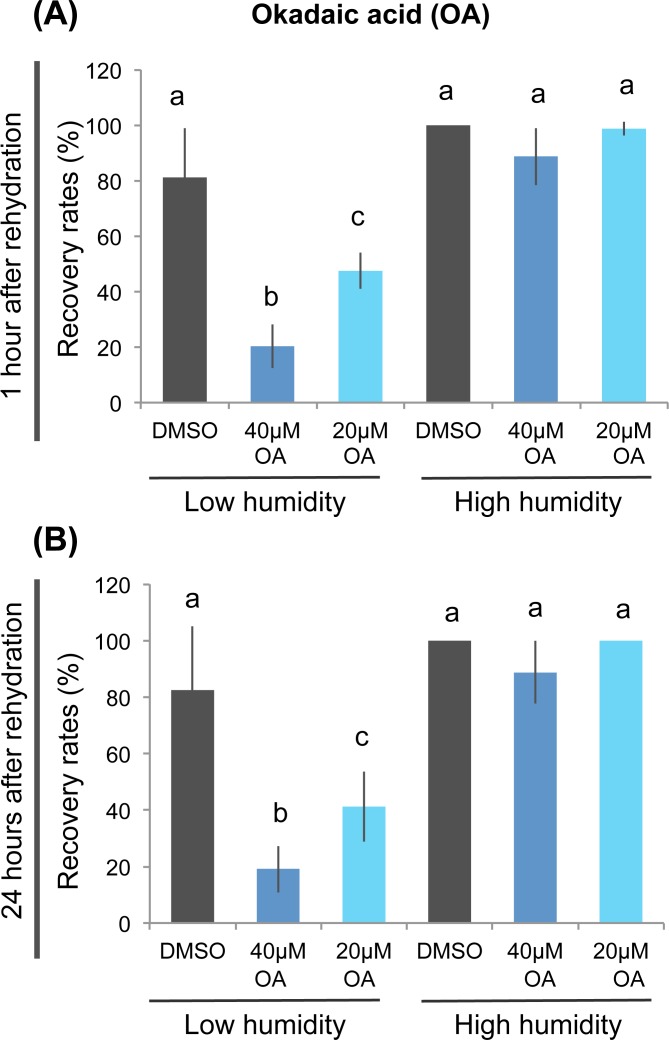
Upon desiccation, some tardigrades enter an ametabolic dehydrated state called anhydrobiosis and can survive a desiccated environment in this state. For successful transition to anhydrobiosis, some anhydrobiotic tardigrades require pre-incubation under high humidity conditions, a process called preconditioning, prior to exposure to severe desiccation. Although tardigrades are thought to prepare for transition to anhydrobiosis during preconditioning, the molecular mechanisms governing such processes remain unknown. In this study, we used chemical genetic approaches to elucidate the regulatory mechanisms of anhydrobiosis in the anhydrobiotic tardigrade, Hypsibius dujardini. We first demonstrated that inhibition of transcription or translation drastically impaired anhydrobiotic survival, suggesting that de novo gene expression is required for successful transition to anhydrobiosis in this tardigrade. We then screened 81 chemicals and identified 5 chemicals that significantly impaired anhydrobiotic survival after severe desiccation, in contrast to little or no effect on survival after high humidity exposure only. In particular, cantharidic acid, a selective inhibitor of protein phosphatase (PP) 1 and PP2A, exhibited the most profound inhibitory effects. Another PP1/PP2A inhibitor, okadaic acid, also significantly and specifically impaired anhydrobiotic survival, suggesting that PP1/PP2A activity plays an important role for anhydrobiosis in this species. This is, to our knowledge, the first report of the required activities of signaling molecules for desiccation tolerance in tardigrades. The identified inhibitory chemicals could provide novel clues to elucidate the regulatory mechanisms underlying anhydrobiosis in tardigrades.
Overview
The claims and statistics of this paper haven’t been checked yet.
Free: it reads the open-access text and checks the first 5 claims that cite a source we can check. Create a free account to check every claim.
Integrity signals
Registry
Cites
Statistics
Figures
Verification
Claims the paper makes
The claims and statistics of this paper haven’t been checked yet.
Free: it reads the open-access text and checks the first 5 claims that cite a source we can check. Create a free account to check every claim.
Claims other papers make about this one
Each is checked against this paper’s own text: does it say what the citing paper says it does?
The source backs part of the claim, not all of it — or backs it for a different population, condition or comparison.
In the citing paper
“However, freshwater tardigrades, including H. dujardini, are among the least tolerant members of the phylum Tardigrada and H. dujardini cannot withstand exposure to low humidity conditions without a long pre-exposure to high-humidity conditions1213.”
From Extremotolerant tardigrade genome and improved radiotolerance of human cultured cells by tardigrade-unique protein (2016) · cites this paper as [12]
Experimental — accuracy not yet measured
Self-check
Percentages, sums and reported differences re-computed from the paper’s own numbers.
The self-check needs the paper’s full text.
Citations
Cites
Janssens, V., & Goris, J. (2001) · Biochemical Journal · doi:10.1042/0264-6021:3530417 · Cited by 1,902 · cited 1×
“PP1/PP2A are multimeric serine/threonine protein phosphatases composed of a highly conserved catalytic subunit and various regulatory subunits, and PP2A also contains a scaffolding subunit [40,41].”
BackgroundSaturated Solutions For the Control of Humidity in Biological Research
Winston, P. W., & Bates, D. H. (1960) · Ecology · doi:10.2307/1931961 · Cited by 1,796
Forkhead transcription factor FOXO3a protects quiescent cells from oxidative stress
Kops, G. J. P. L., Dansen, T. B., Polderman, P. E., Saarloos, I., Wirtz, K. W. A., Coffer, P. J., Huang, T.-T., Bos, J. L., Medema, R. H., & Burgering, B. M. T. (2002) · Nature · doi:10.1038/nature01036 · Cited by 1,580 · cited 1×
“Especially, FOXO upregulates the transcription of antioxidant enzymes such as manganese superoxide dismutase, and increases resistance to oxidative stress [49,50].”
BackgroundSerine/threonine phosphatases: mechanism through structure
Shi, Y. (2009) · Cell · doi:10.1016/j.cell.2009.10.006 · Cited by 1,488
Inhibition of eukaryotic translation elongation by cycloheximide and lactimidomycin
Schneider-Poetsch, T., Ju, J., Eyler, D. E., Dang, Y., Bhat, S., Merrick, W. C., Green, R., Shen, B., & Liu, J. O. (2010) · Nature Chemical Biology · doi:10.1038/nchembio.304 · Cited by 1,014 · cited 1×
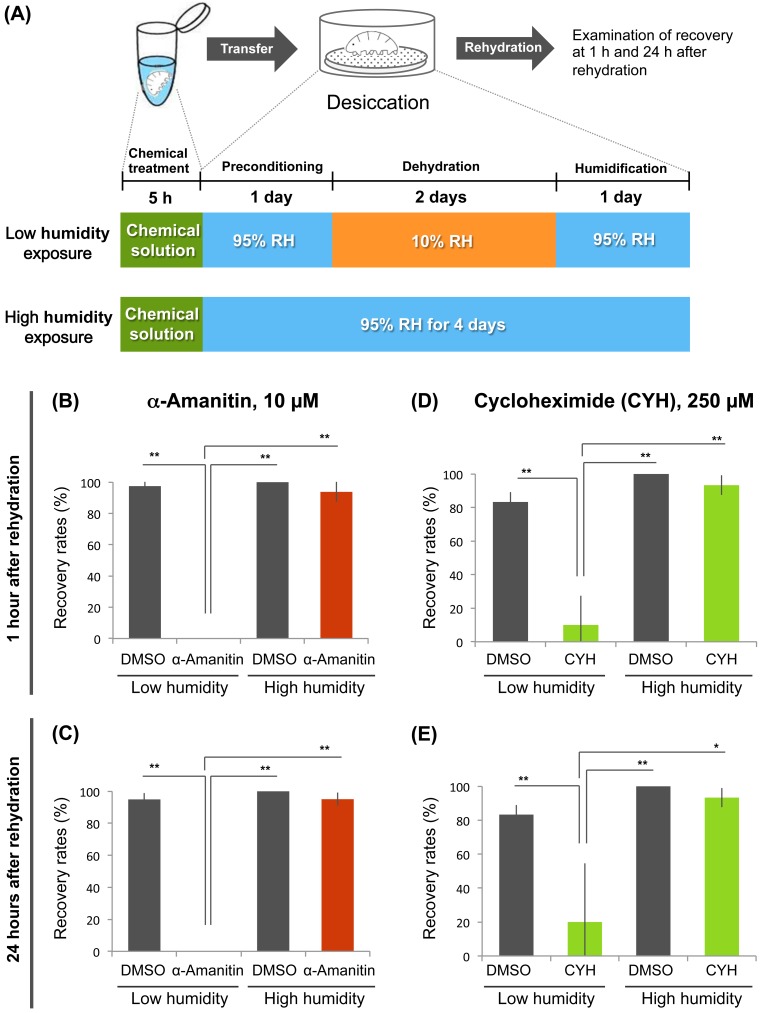
“We also examined the effect of the translation inhibitor cycloheximide [28], which had similar results (Fig 2D and 2E).”
ResultEvolution of protein kinase signaling from yeast to man
Manning, G., Plowman, G. D., Hunter, T., & Sudarsanam, S. (2002) · Trends in Biochemical Sciences · doi:10.1016/s0968-0004(02)02179-5 · Cited by 979 · cited 1×
“Mitogen-activated protein kinase (MAPK) pathways are representative phosphorylation signaling pathways involved in various environmental stress responses [57,58].”
BackgroundMigration: the biology of life on the move
(2015) · Choice Reviews Online · doi:10.5860/choice.187908 · Cited by 964
Specific Inhibition of Nuclear RNA Polymerase II by α-Amanitin
Lindell, T. J., Weinberg, F., Morris, P. W., Roeder, R. G., & Rutter, W. J. (1970) · Science · doi:10.1126/science.170.3956.447 · Cited by 866 · cited 2×
“In the present study, we used α-amanitin, a selective inhibitor of RNA polymerase II [27], and thus synthesized messenger RNA is a primary candidate molecule involved in anhydrobiosis.”
MethodEffects of the tumour promoter okadaic acid on intracellular protein phosphorylation and metabolism
Haystead, T. A. J., Sim, A. T. R., Carling, D., Honnor, R. C., Tsukitani, Y., Cohen, P., & Hardie, D. G. (1989) · Nature · doi:10.1038/337078a0 · Cited by 842 · cited 1×
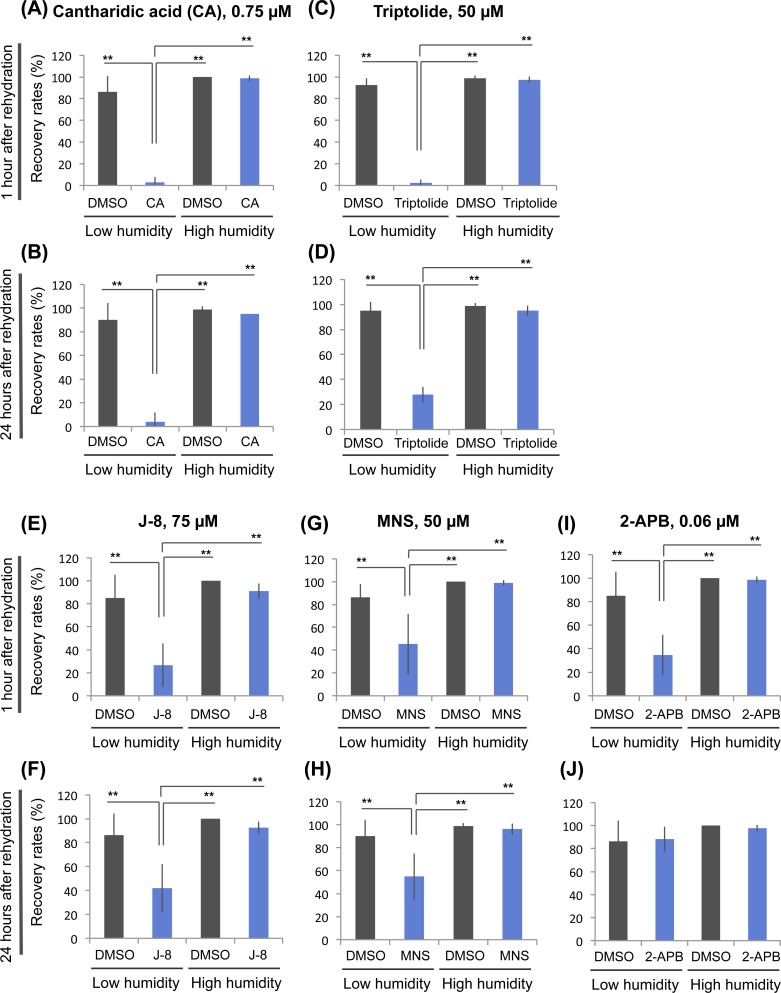
“To confirm whether PP1/PP2A activity is required for anhydrobiosis, we examined the effect of another potent PP1/PP2A inhibitor, okadaic acid [38].”
BackgroundStressing the role of FoxO proteins in lifespan and disease
van der Horst, A., & Burgering, B. M. T. (2007) · Nature Reviews Molecular Cell Biology · doi:10.1038/nrm2190 · Cited by 759 · cited 1×
“FOXO is an important transcription factor involved in longevity, stress-resistance, and regulation of metabolism downstream of insulin/insulin-like growth factor signaling [48].”
Background
Research works printed but not linked: 1
- Crowe JH. The physiology of cryptobiosis in tardigrades. Mem. Ist. Ital. Idrobiol. 1975; 32: 37– 59.
Cited by
Tardigrades Use Intrinsically Disordered Proteins to Survive Desiccation
Boothby, T. C., Tapia, H., Brozena, A. H., Piszkiewicz, S., Smith, A. E., Giovannini, I., Rebecchi, L., Pielak, G. J., Koshland, D., & Goldstein, B. (2017) · Molecular Cell · doi:10.1016/j.molcel.2017.02.018 · Cited by 409
“This finding, in addition to the fact that H. dujardini requires de novo transcription and translation to robustly survive desiccation (Kondo et al., 2015), makes H. dujardini attractive for differential gene expression studies.”
BackgroundResultInfluentialHashimoto, T., Horikawa, D. D., Saito, Y., Kuwahara, H., Kozuka-Hata, H., Shin-I, T., Minakuchi, Y., Ohishi, K., Motoyama, A., Aizu, T., et al. (2016) · Nature Communications · doi:10.1038/ncomms12808 · Cited by 394
Self-citationComparative genomics of the tardigrades Hypsibius dujardini and Ramazzottius varieornatus
Yoshida, Y., Koutsovoulos, G., Laetsch, D. R., Stevens, L., Kumar, S., Horikawa, D. D., Ishino, K., Komine, S., Kunieda, T., Tomita, M., et al. (2017) · PLOS Biology · doi:10.1371/journal.pbio.2002266 · Cited by 223
Self-citationChávez-Hernández, E. C., Cruz‐Becerra, G., Fei, J., Kassavetis, G. A., & Kadonaga, J. T. (2019) · eLife · doi:10.7554/elife.47682 · Cited by 134
“exemplaris are limnoterrestrial tardigrades in the family Hypsibiidae, and both animals can undergo anhydrobiosis (see, for example, Horikawa et al., 2008; Kondo et al., 2015; Wright, 1989).”
Examples of Extreme Survival: Tardigrade Genomics and Molecular Anhydrobiology
Arakawa, K. (2022) · Annual Review of Animal Biosciences · doi:10.1146/annurev-animal-021419-083711 · Cited by 90
Desiccation-induced fibrous condensation of CAHS protein from an anhydrobiotic tardigrade
Yagi‐Utsumi, M., Aoki, K., Watanabe, H., Song, C., Nishimura, S., Satoh, T., Yanaka, S., Ganser, C., Tanaka, S., Schnapka, V., et al. (2021) · Scientific Reports · doi:10.1038/s41598-021-00724-6 · Cited by 73
“While CAHS proteins are constitutively and abundantly expressed in Ramazzottius varieornatus, they are strongly induced under desiccation stress in another tardigrade species Hypsibius exemplaris; this induction requires de novo gene expression and is indispensable for survival (23, 24).”
BackgroundNeves, R. C., Hvidepil, L. K. B., Hygum, T. L., Stuart, R. M., & Møbjerg, N. (2020) · Scientific Reports · doi:10.1038/s41598-019-56965-z · Cited by 50
Murai, Y., Yagi‐Utsumi, M., Fujiwara, M., Tanaka, S., Tomita, M., Kato, K., & Arakawa, K. (2021) · BMC Genomics · doi:10.1186/s12864-021-08131-x · Cited by 59
“On the other hand, semiaquatic Hypsibius exemplaris requires 24–48 h of preconditioning before entering anhydrobiosis [33] and prepares homologous proteins by de novo expression during this period [23], similar to the anhydrobiosis induction method observed in the arthropod P.”
MethodEnvironmental Adaptations: Desiccation Tolerance
Schill, R. O., & Hengherr, S. (2018) · Zoological monographs · doi:10.1007/978-3-319-95702-9_10 · Cited by 49
Hara, Y., Shibahara, R., Kondo, K., Abe, W., & Kunieda, T. (2021) · Open Biology · doi:10.1098/rsob.200413 · Cited by 52
Self-citationVecchi, M., Newton, I. L. G., Cesari, M., Rebecchi, L., & Guidetti, R. (2018) · Microbial Ecology · doi:10.1007/s00248-017-1134-4 · Cited by 44
Clark-Hachtel, C. M., Hibshman, J. D., Buysscher, T. D., Stair, E. R., Hicks, L. M., & Goldstein, B. (2024) · Current Biology · doi:10.1016/j.cub.2024.03.019 · Cited by 41
Tanaka, S., Aoki, K., & Arakawa, K. (2023) · Proceedings of the National Academy of Sciences · doi:10.1073/pnas.2216739120 · Cited by 44
“exemplaris slowly prepares and expresses these proteins during a period called “preconditioning” upon the detection of water loss (42).”
BackgroundThe Emergence of the TardigradeHypsibius exemplarisas a Model SystemPreprint
Goldstein, B. (2018) · Cold Spring Harbor Protocols · doi:10.1101/pdb.emo102301 · Cited by 38
“…2012; Beltrán-Pardo et al. 2013; Horikawa et al. 2013; Tenlen et al. 2013; Smith and Jockusch 2014; Boothby et al. 2015, 2017; Gross and Mayer 2015; Kondo et al. 2015; Arakawa et al. 2016; Bemm et al. 2016; Fernandez et al. 2016; Hering et al. 2016; Hyra et al. 2016a,b; Kosztyła et al. 2016;…”
BackgroundFukuda, Y., Miura, Y., Mizohata, E., & Tsuyoshi Inoue, A. (2017) · FEBS Letters · doi:10.1002/1873-3468.12752 · Cited by 36
Tardigrades and their emergence as model organisms
Goldstein, B. (2022) · Current topics in developmental biology/Current Topics in Developmental Biology · doi:10.1016/bs.ctdb.2021.12.008 · Cited by 40
Kaczmarek, Ł., Roszkowska, M., Gołdyn, B., Wojciechowska, D., Księżkiewicz, Z., Fiałkowska, E., Pluskota, M., & Kaczmarek, Ł. (2023) · PLoS ONE · doi:10.1371/journal.pone.0270386 · Cited by 30
Suma, H. R., Prakash, S., Giri, D., Mugesh, G., & Eswarappa, S. M. (2020) · Biology Letters · doi:10.1098/rsbl.2020.0391 · Cited by 31
“Tardigrade-specific intrinsically disordered proteins, AMP-activated protein kinase and protein phosphatase 1/2A contribute to the anhydrobiosis in some tardigrades [23 – 25].”
BackgroundArakawa, K., & Numata, K. (2021) · Molecular Cell · doi:10.1016/j.molcel.2020.12.007 · Cited by 25
Fukuda, Y., & Tsuyoshi Inoue, A. (2018) · Protein Science · doi:10.1002/pro.3393 · Cited by 24
“This tardigrade can enter an anhydrobiotic state in a shorter time than other species such as Hypsibius dujardini.(24,27) Although the expression levels of SAHS proteins are low in active H.”
BackgroundCell Biology of the Tardigrades: Current Knowledge and Perspectives
Jonsson, K., Holm, I., & Tassidis, H. (2019) · Results and problems in cell differentiation · doi:10.1007/978-3-030-23459-1_10 · Cited by 23
Hesgrove, C. S., Nguyen, K. H., Biswas, S., Childs, C. A., Shraddha, K., Medina, B. X., Alvarado, V., Yu, F., Sukenik, S., Malferrari, M., et al. (2021) · bioRxiv (Cold Spring Harbor Laboratory) · doi:10.1101/2021.08.16.456555 · Cited by 25
Poprawa, I., Bartylak, T., Kulpla, A., Erdmann, W., Roszkowska, M., Chajec, Ł., Kaczmarek, Ł., Karachitos, A., & Kmita, H. (2022) · PLoS ONE · doi:10.1371/journal.pone.0261485 · Cited by 22
“[46]), estimation of survival rate [48] or the indication of time window for survival estimation following rehydration [39] as well as duration of anhydrobiosis [37, 39, 45, 48].”
BackgroundMethodIto, M., Saigo, T., Abe, W., Kubo, T., & Kunieda, T. (2016) · Zoological Journal of the Linnean Society · doi:10.1111/zoj.12449 · Cited by 24
Self-citationKondo, K., Mori, M., Tomita, M., & Arakawa, K. (2020) · FEBS Open Bio · doi:10.1002/2211-5463.12926 · Cited by 19
Self-citationModelling extreme desiccation tolerance in a marine tardigrade
Hygum, T. L., Stuart, R. M., Jørgensen, A., & Møbjerg, N. (2018) · Scientific Reports · doi:10.1038/s41598-018-29824-6 · Cited by 19
Tardigrade proteins: molecular tools in the phenomenon of anhydrobiosis
Krakowiak, M., Bartylak, T., Kmita, H., Kaczmarek, Ł., & Nawrot, R. (2023) · Zoological Journal of the Linnean Society · doi:10.1093/zoolinnean/zlad066 · Cited by 19
Sadowska‐Bartosz, I., & Bartosz, G. (2024) · International Journal of Molecular Sciences · doi:10.3390/ijms25158393 · Cited by 17
“However, the ATP-dependent differential phosphorylation of the AMP-activated protein kinase (AMPK) regulatory network following anhydrobiosis revealed that protein phosphatase 2A activation is essential to successfully induce tuns via anhydrobiosis [111–113].”
BackgroundKondo, K., Mori, M., Tomita, M., & Arakawa, K. (2019) · Genes to Cells · doi:10.1111/gtc.12726 · Cited by 19
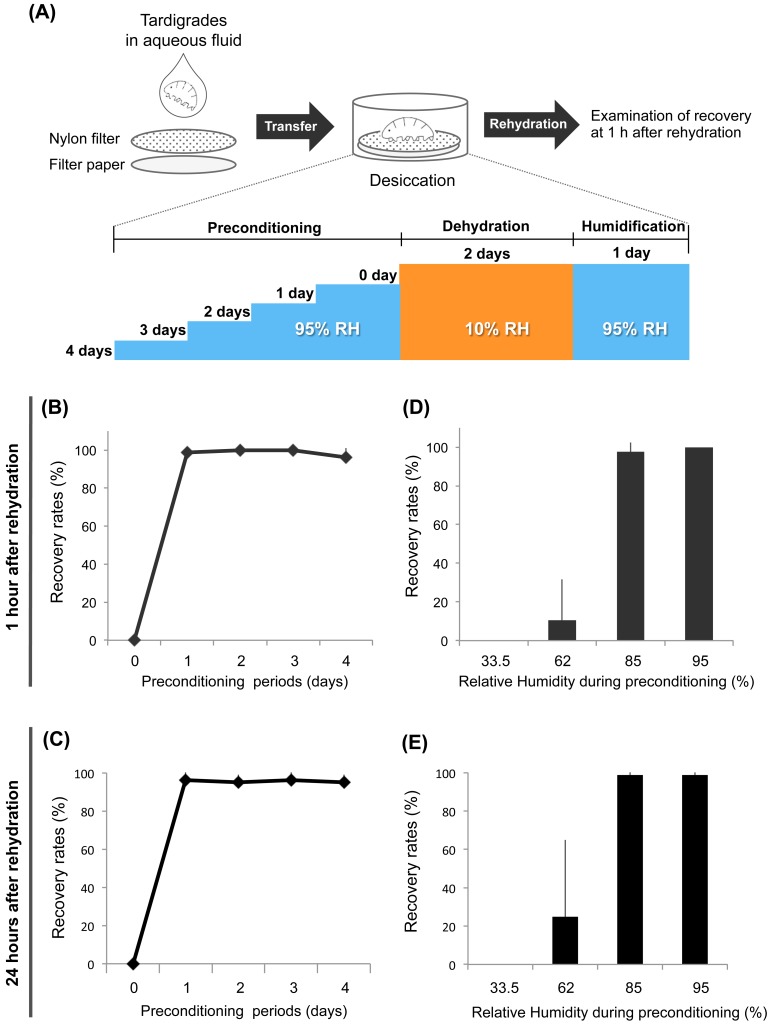
“The procedure was carried out as described previously with slight modifications (Figure 1a) (Kondo et al., 2015).”
BackgroundMethodResultSelf-citationErdmann, W., Idzikowski, B., Kowalski, W., Kosicki, J. Z., & Kaczmarek, Ł. (2021) · PeerJ · doi:10.7717/peerj.10630 · Cited by 15
Miyata, Y., Fuse, H., Tokumoto, S., Hiki, Y., Deviatiiarov, R. M., Yoshida, Y., Yamada, T., Cornette, R., Gusev, O., Shagimardanova, E. I., et al. (2021) · Scientific Reports · doi:10.1038/s41598-021-98905-w · Cited by 15
Chemobiosis reveals tardigrade tun formation is dependent on reversible cysteine oxidation
Smythers, A. L., Joseph, K. M., O’Dell, H. M., Clark, T. A., Crislip, J. R., Flinn, B. B., Daughtridge, M. H., Stair, E. R., Mubarek, S. N., Lewis, H. C., et al. (2024) · PLoS ONE · doi:10.1371/journal.pone.0295062 · Cited by 15
“Further, the ATP-dependent differential phosphorylation of the AMP-activated protein kinase (AMPK) regulatory network following anhydro-biosis revealed that protein phosphatase 2A activation is essential to successfully induce tuns via anhydrobiosis [24–26].”
BackgroundInfluentialRoszkowska, M., Gołdyn, B., Wojciechowska, D., Kosicki, J. Z., Fiałkowska, E., Kmita, H., & Kaczmarek, Ł. (2021) · PubMed Central · doi:10.6620/zs.2021.60-74 · Cited by 12
Yoshida, Y., & Tanaka, S. (2022) · Insects · doi:10.3390/insects13060557 · Cited by 12
“, 2015 [24] For rehydration, specimens were transferred to 95% RH for 1 day Hypsibius exemplaris 40% RH, 24 h; 22%, 7 days, 20 ◦C 92% RH, 20 ◦C, 16 h ~2% Poprawa et al.”
BackgroundInfluentialDesiccation of Hypsibius exemplarisPreprint
Boothby, T. C. (2018) · Cold Spring Harbor Protocols · doi:10.1101/pdb.prot102327 · Cited by 9
“H. exemplaris is able to survive desiccation after an initial period of slow drying (Wright 1989; Kondo et al. 2015; Boothby et al. 2017), as described in this protocol.”
BackgroundYoshida, Y., Hirayama, A., & Arakawa, K. (2024) · Proceedings of the Japan Academy Series B · doi:10.2183/pjab.pjab.100.023 · Cited by 8
Environmental Adaptations: Radiation Tolerance
Jonsson, K., Levine, E. B., Wójcik, A., Haghdoost, S., & Harms‐Ringdahl, M. (2018) · Zoological monographs · doi:10.1007/978-3-319-95702-9_12 · Cited by 10
An evaluation of thermal tolerance in six tardigrade species in an active and dry state
Loeffelholz, J., Meese, E. K., Giovannini, I., Ullibarri, K., Momeni, S., Merfeld, N., Wessel, J., Guidetti, R., Rebecchi, L., & Boothby, T. C. (2024) · Biology Open · doi:10.1242/bio.060485 · Cited by 9
Hibshman, J. D., Clark-Hachtel, C. M., Bloom, K. S., & Goldstein, B. (2024) · Cell Reports · doi:10.1016/j.celrep.2024.114956 · Cited by 5
“24,27,78 It 79–81 Therefore, a strength of our expression-cloning approach is its effectiveness in identifying functional properties of proteins while remaining agnostic to the functions of those proteins in the source organism.”
Galas, S., Goff, E. L., Cazevieille, C., Tanaka, A., Cuq, P., Baghdiguian, S., Kunieda, T., Godefroy, N., & Richaud, M. (2024) · PLoS ONE · doi:10.1371/journal.pone.0302552 · Cited by 4
Self-citationPossible roles of CAHS proteins from Tardigrade in osmotic stress tolerance in mammalian cells
Bino, T., Goto, Y., Maryu, G., Arakawa, K., & Aoki, K. (2024) · Cell Structure and Function · doi:10.1247/csf.24035 · Cited by 5
“On the other hand, in another tardigrade, Hypsibius exemplaris , the expression of CAHS proteins is strongly induced under desiccated condition, and these expressions are essential for desiccation tolerance (Arakawa, 2022; Kondo et al. , 2015, 2019; Yoshida et al. , 2017).”
Flinn, B. B., O’Dell, H. M., Joseph, K. M., Smythers, A. L., Neff, D. P. A., Hicks, L. M., Norton, M. L., & Kolling, D. R. J. (2024) · Scientific Reports · doi:10.1038/s41598-024-61374-y · Cited by 3
Saigo, T., Satoh, K., & Kunieda, T. (2024) · ZOOLOGICAL SCIENCE · doi:10.2108/zs240056 · Cited by 3
“Another tar-digrade species, Hypsibius exemplaris (formerly H. dujardini ; G ą siorek et al., 2018), which can tolerate only slow desiccation (Kondo et al., 2015, Yoshida et al., 2017) was reported to have LD 50/48h of 4180 Gy in a hydrated state (Beltran-Pardo et al., 2015), which corresponds to…”
Self-citationStair, E. R., Flinn, B. B., Grimmett, A., Balboa, S. J., Burr, A. J., Siebold, J. A., Baca, A. G., Daughtridge, M. H., Kolling, D. R. J., & Hicks, L. M. (2025) · Journal of Proteome Research · doi:10.1021/acs.jproteome.5c00222 · Cited by 2
Protocol for fluorescent live-cell staining of tardigrades
Harry, C. J., Hibshman, J. D., Damatac, A. M., Davidson, P. L., Estermann, M. A., Flores-Flores, M., Holmes, C. M., Lázaro, J., Legere, E.-A., Leyhr, J., et al. (2024) · STAR Protocols · doi:10.1016/j.xpro.2024.103232 · Cited by 3
Extremophiles—Organisms that survive and thrive in extreme environmental conditions
Joseph, A. (2023) · Elsevier eBooks · doi:10.1016/b978-0-323-95717-5.00009-8 · Cited by 2
At the Edge of Survival: Exploring the Frontiers of Tardigrade Extreme Stress Tolerance
Kamilari, M., Pust, F. L., Marcantognini, A., Møbjerg, A., Neves, R. C., Schiøtt, M., & Møbjerg, N. (2026) · Molecular Ecology · doi:10.1111/mec.70471 · Cited by 1
“For example, H. exemplaris does not tolerate acute desiccation, and it needs a slow desiccation protocol to successfully enter the tun state (Kondo et al. 2015; Poprawa et al. 2022).”
Richaud, M. (2016) · theses.fr (ABES) · doi:10.70675/b47cef19z40b8z4956z8787z31761571c6b1 · Cited by 2
“It has been suggested that anydrobiotic state and accompanying specific bioprotectants [17, 18] genes expression [19-22] can protect from DNA damage upon UV radiation in combination with highly efficient DNA damage repair mechanisms [23, 24].”
BackgroundGalas, S., & Richaud, M. (2019) · Elsevier eBooks · doi:10.1016/b978-0-12-801238-3.11439-4
Tullius, T. D. (2019) · Faculty Opinions – Post-Publication Peer Review of the Biomedical Literature · doi:10.3410/f.736693779.793565977
Ishikawa, S., Tanaka, S., & Arakawa, K. (2024) · Genes to Cells · doi:10.1111/gtc.13168 · Cited by 1
“…anhydrobio-tic state within 30 min and thus tolerate rapid desiccation (Horikawa et al., 2008), whereas Hypsibius exemplaris can only tolerate moderate speed desiccation and requires 24 h of pretreatment at high relative humidity to successfully enter the anhydrobiotic state (Kondo et al., 2015).”
Murai, Y., Yagi‐Utsumi, M., Fujiwara, M., Tanaka, S., Tomita, M., Kato, K., & Arakawa, K. (2021) · Figshare · doi:10.6084/m9.figshare.16994102
Wettability regulation in extreme environments: from natural adaptation to engineering strategies
Ma, K., Zhao, H. G., Mu, Y., & Wang, Y. (2026) · Materials Chemistry Frontiers · doi:10.1039/d6qm00421k
ネムリユスリカ培養細胞(Pv11)のanhydrobiosisの誘導におけるHSF1の役割
Tokumoto, S. (2021) · Institutional Repositories DataBase (IRDB) · doi:10.15083/0002008716
Revealing Redox Regulatory Pathways Governing Tardigrade Osmobiosis
Stair, E. R., Siebold, J. A., & Hicks, L. M. (2026) · Journal of Proteome Research · doi:10.1021/acs.jproteome.6c00606
Metadata
- Authors
- Kondo, K., Kubo, T., & Kunieda, T.
- Affiliations
- The University of Tokyo (JP)
- Corresponding author
- Kunieda, Takekazu
- Venue
- PLOS ONE
- Publisher
- Public Library of Science (PLoS)
- Published
- 2015-12-21
- Volume
- 10
- Issue
- 12
- Pages
- e0144803
- ISSN
- 1932-6203 (ISSN-L)
- PMC
- PMC4686906
- OpenAlex
- W2219208709
- Cited by
- 55
- References
- 67
- Citations by year
- 2026: 2 · 2025: 1 · 2024: 13 · 2023: 5 · 2022: 5 · 2021: 8 · 2020: 4 · 2019: 5 · 2018: 7 · 2017: 3 · 2016: 2
- FWCI
- 4.42
- Type
- journal article
- Language
- en
- Open access
- gold
- doi.org
- Licence
- Locations
- PLoS ONE (publishedVersion, cc-by)
- Europe PMC (PubMed Central) (publishedVersion, cc-by)
- PubMed Central (publishedVersion, cc-by)
- PubMed (publishedVersion)
- DOAJ (DOAJ: Directory of Open Access Journals) (submittedVersion, cc-by-sa)
- Figshare (submittedVersion, cc-by)
- Funders
- Ministry of Education, Culture, Sports, Science and Technology
- Japan Society for the Promotion of Science (26660288, 25281016, 15J11297)
- Topics
- Life Sciences › Agricultural and Biological Sciences › Ecology, Evolution, Behavior and Systematics › Tardigrade Biology and Ecology
- Physical Sciences › Environmental Science › Ecology › Physiological and biochemical adaptations
- Physical Sciences › Environmental Science › Ecology › Polar Research and Ecology
- Keywords
- anhydrobiosis, tardigrades, Hypsibius dujardini, protein phosphatase 1, protein phosphatase 2A, okadaic acid, desiccation tolerance, preconditioning, de novo gene expression, transcription inhibition, protein synthesis inhibition, chemical genetic screening, desiccation
- MeSH terms
- Animals, Desiccation, Gene Expression Regulation, Invertebrates, Protein Phosphatase 1, Protein Phosphatase 2
About these checks
Registry, retraction, Cites and statistics results are computed, not judged, with one exception: a printed reference that no index lists is read once by a model before it counts as a citation error. Claims are extracted by a model and kept only when their quote appears verbatim in the text; each cited source is then checked, with a model’s help, for whether it says what the claim relies on. Those verdicts can be wrong — read the claim’s quote and the cited source before relying on one.
Statistics and arithmetic are recomputed, not judged.
Confidence bands are shown only for fields calibrated on our annotated test set. None is calibrated yet, so no band is shown.
What counts as a claim ›How we measure confidence ›How we check this ›
Are you an author, or do you see a problem with this page? Request a review
Data sources
Bibliographic data: Semantic Scholar, OpenAlex, Crossref.
Contains information from the Semantic Scholar Academic Graph Datasets, made available under the ODC Attribution License (ODC-BY 1.0).
Semantic Scholar’s data is described in: Kinney, R., et al. (2023). The Semantic Scholar Open Data Platform. arXiv:2301.10140.
