

Suggested Involvement of PP1/PP2A Activity and De Novo Gene Expression in Anhydrobiotic Survival in a Tardigrade, Hypsibius dujardini, by Chemical Genetic Approach
Open accessThe DOI matches its Crossref record; 68 of the 68 references it cites were found in a registry or an index.
Abstract
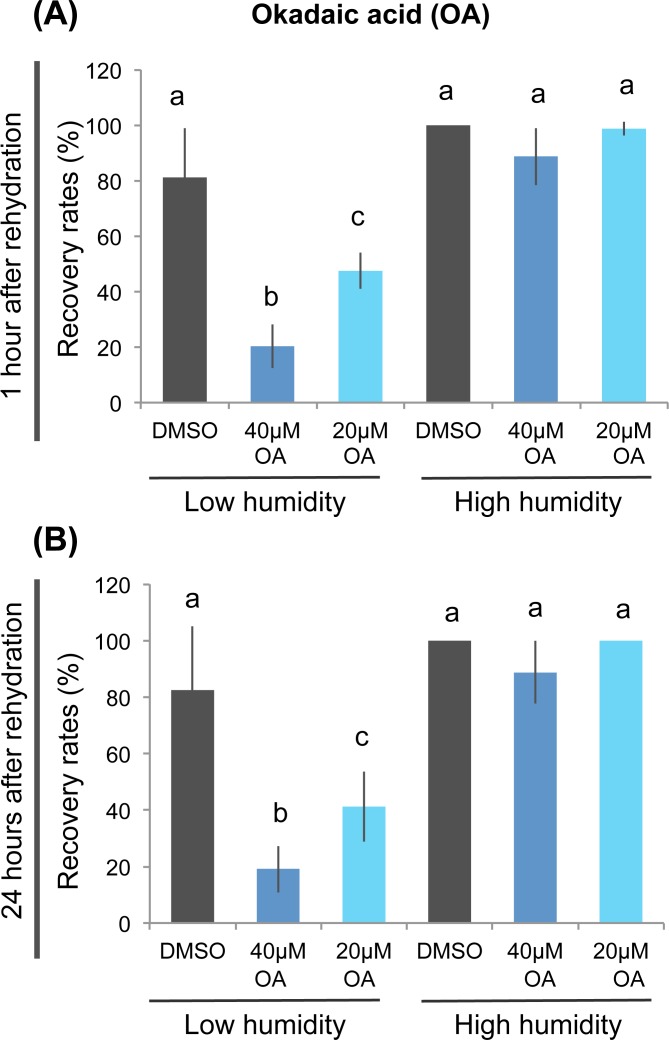
Upon desiccation, some tardigrades enter an ametabolic dehydrated state called anhydrobiosis and can survive a desiccated environment in this state. For successful transition to anhydrobiosis, some anhydrobiotic tardigrades require pre-incubation under high humidity conditions, a process called preconditioning, prior to exposure to severe desiccation. Although tardigrades are thought to prepare for transition to anhydrobiosis during preconditioning, the molecular mechanisms governing such processes remain unknown. In this study, we used chemical genetic approaches to elucidate the regulatory mechanisms of anhydrobiosis in the anhydrobiotic tardigrade, Hypsibius dujardini. We first demonstrated that inhibition of transcription or translation drastically impaired anhydrobiotic survival, suggesting that de novo gene expression is required for successful transition to anhydrobiosis in this tardigrade. We then screened 81 chemicals and identified 5 chemicals that significantly impaired anhydrobiotic survival after severe desiccation, in contrast to little or no effect on survival after high humidity exposure only. In particular, cantharidic acid, a selective inhibitor of protein phosphatase (PP) 1 and PP2A, exhibited the most profound inhibitory effects. Another PP1/PP2A inhibitor, okadaic acid, also significantly and specifically impaired anhydrobiotic survival, suggesting that PP1/PP2A activity plays an important role for anhydrobiosis in this species. This is, to our knowledge, the first report of the required activities of signaling molecules for desiccation tolerance in tardigrades. The identified inhibitory chemicals could provide novel clues to elucidate the regulatory mechanisms underlying anhydrobiosis in tardigrades.
Overview
The claims and statistics of this paper haven’t been checked yet.
Free: it reads the open-access text and checks the first 5 claims that cite a source we can check. Create a free account to check every claim.
Integrity signals
Registry
Cites
Statistics
Figures
Verification
Claims the paper makes
The claims and statistics of this paper haven’t been checked yet.
Free: it reads the open-access text and checks the first 5 claims that cite a source we can check. Create a free account to check every claim.
Claims other papers make about this one
Each is checked against this paper’s own text: does it say what the citing paper says it does?
The source backs part of the claim, not all of it — or backs it for a different population, condition or comparison.
In the citing paper
“However, freshwater tardigrades, including H. dujardini, are among the least tolerant members of the phylum Tardigrada and H. dujardini cannot withstand exposure to low humidity conditions without a long pre-exposure to high-humidity conditions1213.”
From Extremotolerant tardigrade genome and improved radiotolerance of human cultured cells by tardigrade-unique protein (2016) · cites this paper as [12]
Experimental — accuracy not yet measured
Self-check
Percentages, sums and reported differences re-computed from the paper’s own numbers.
The self-check needs the paper’s full text.
Citations
Cites
Janssens, V., & Goris, J. (2001) · Biochemical Journal · doi:10.1042/0264-6021:3530417 · Cited by 1,902 · cited 1×
“PP1/PP2A are multimeric serine/threonine protein phosphatases composed of a highly conserved catalytic subunit and various regulatory subunits, and PP2A also contains a scaffolding subunit [40,41].”
BackgroundSaturated Solutions For the Control of Humidity in Biological Research
Winston, P. W., & Bates, D. H. (1960) · Ecology · doi:10.2307/1931961 · Cited by 1,796
Forkhead transcription factor FOXO3a protects quiescent cells from oxidative stress
Kops, G. J. P. L., Dansen, T. B., Polderman, P. E., Saarloos, I., Wirtz, K. W. A., Coffer, P. J., Huang, T.-T., Bos, J. L., Medema, R. H., & Burgering, B. M. T. (2002) · Nature · doi:10.1038/nature01036 · Cited by 1,580 · cited 1×
“Especially, FOXO upregulates the transcription of antioxidant enzymes such as manganese superoxide dismutase, and increases resistance to oxidative stress [49,50].”
BackgroundSerine/threonine phosphatases: mechanism through structure
Shi, Y. (2009) · Cell · doi:10.1016/j.cell.2009.10.006 · Cited by 1,488
Inhibition of eukaryotic translation elongation by cycloheximide and lactimidomycin
Schneider-Poetsch, T., Ju, J., Eyler, D. E., Dang, Y., Bhat, S., Merrick, W. C., Green, R., Shen, B., & Liu, J. O. (2010) · Nature Chemical Biology · doi:10.1038/nchembio.304 · Cited by 1,014 · cited 1×
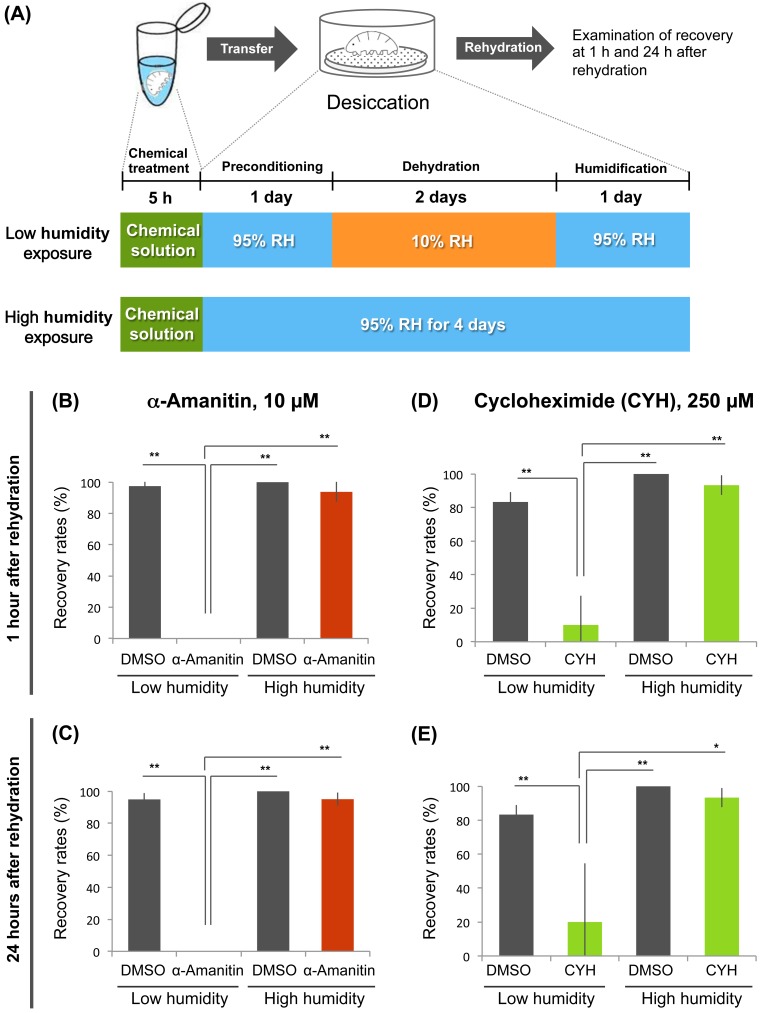
“We also examined the effect of the translation inhibitor cycloheximide [28], which had similar results (Fig 2D and 2E).”
ResultEvolution of protein kinase signaling from yeast to man
Manning, G., Plowman, G. D., Hunter, T., & Sudarsanam, S. (2002) · Trends in Biochemical Sciences · doi:10.1016/s0968-0004(02)02179-5 · Cited by 979 · cited 1×
“Mitogen-activated protein kinase (MAPK) pathways are representative phosphorylation signaling pathways involved in various environmental stress responses [57,58].”
BackgroundMigration: the biology of life on the move
(2015) · Choice Reviews Online · doi:10.5860/choice.187908 · Cited by 964
Specific Inhibition of Nuclear RNA Polymerase II by α-Amanitin
Lindell, T. J., Weinberg, F., Morris, P. W., Roeder, R. G., & Rutter, W. J. (1970) · Science · doi:10.1126/science.170.3956.447 · Cited by 866 · cited 2×
“In the present study, we used α-amanitin, a selective inhibitor of RNA polymerase II [27], and thus synthesized messenger RNA is a primary candidate molecule involved in anhydrobiosis.”
MethodEffects of the tumour promoter okadaic acid on intracellular protein phosphorylation and metabolism
Haystead, T. A. J., Sim, A. T. R., Carling, D., Honnor, R. C., Tsukitani, Y., Cohen, P., & Hardie, D. G. (1989) · Nature · doi:10.1038/337078a0 · Cited by 842 · cited 1×
“To confirm whether PP1/PP2A activity is required for anhydrobiosis, we examined the effect of another potent PP1/PP2A inhibitor, okadaic acid [38].”
BackgroundStressing the role of FoxO proteins in lifespan and disease
van der Horst, A., & Burgering, B. M. T. (2007) · Nature Reviews Molecular Cell Biology · doi:10.1038/nrm2190 · Cited by 759 · cited 1×
“FOXO is an important transcription factor involved in longevity, stress-resistance, and regulation of metabolism downstream of insulin/insulin-like growth factor signaling [48].”
BackgroundBootman, M. D., Collins, T. J., Mackenzie, L., Roderick, H. L., Berridge, M. J., & Peppiatt, C. M. (2002) · The FASEB Journal · doi:10.1096/fj.02-0037rev · Cited by 692 · cited 2×
“The other two identified inhibitors, J-8 and 2-APB, are a calmodulin antagonist and calcium release modulator, respectively [29,33].”
BackgroundCowan, K. J., & Storey, K. B. (2003) · Journal of Experimental Biology · doi:10.1242/jeb.00220 · Cited by 593 · cited 1×
“Mitogen-activated protein kinase (MAPK) pathways are representative phosphorylation signaling pathways involved in various environmental stress responses [57,58].”
BackgroundInhibiting eukaryotic transcription: which compound to choose? How to evaluate its activity
Bensaude, O. (2011) · Transcription · doi:10.4161/trns.2.3.16172 · Cited by 574
XPB, a subunit of TFIIH, is a target of the natural product triptolide
Titov, D. V., Gilman, B., He, Q.-L., Bhat, S., Low, W.-K., Dang, Y., Smeaton, M., Demain, A. L., Miller, P. S., Kugel, J. F., et al. (2011) · Nature Chemical Biology · doi:10.1038/nchembio.522 · Cited by 509 · cited 1×
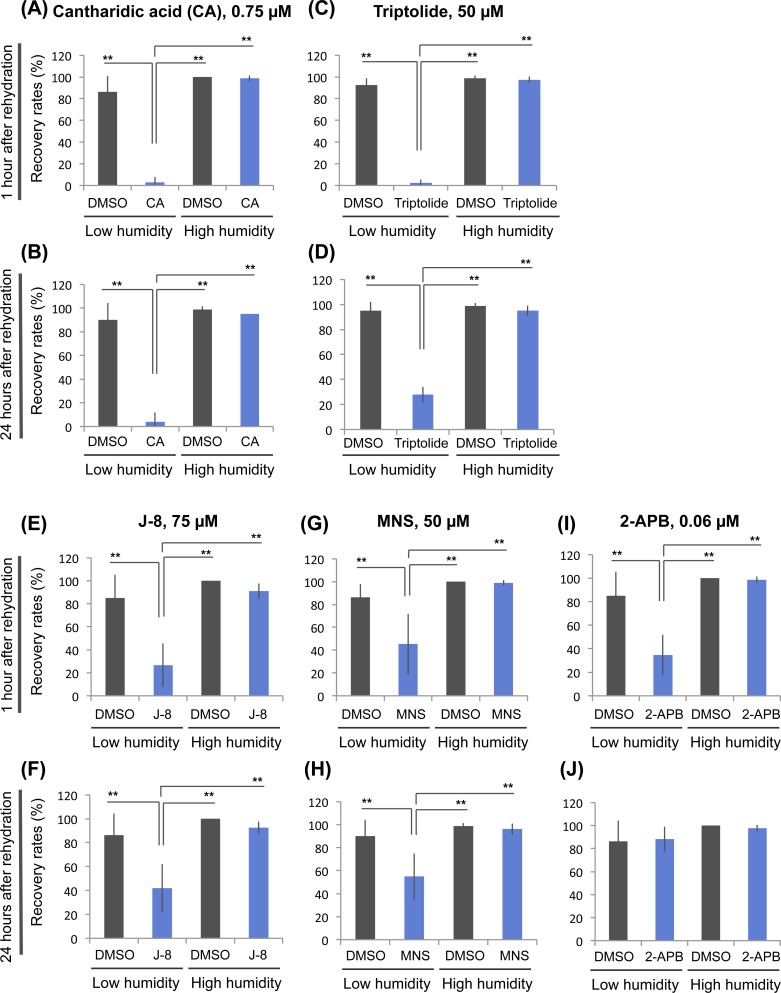
“One of the target proteins is XPB, a subunit of the core transcription factor TF-II H, and triptolide also inhibits general transcription [37,61].”
BackgroundLEA Proteins During Water Stress: Not Just for Plants Anymore
Hand, S. C., Menze, M. A., Toner, M., Boswell, L., & Moore, D. (2011) · Annual Review of Physiology · doi:10.1146/annurev-physiol-012110-142203 · Cited by 428 · cited 1×
“To date, most studies of the molecular mechanisms of anhydrobiosis in animals have focused mainly on protective molecules, such as trehalose [12,13], molecular chaperones [15,16], and putative protective intrinsically disordered proteins, including late embryogenesis abundant proteins [17,18] and abundant heat-soluble…”
BackgroundTriptolide and its expanding multiple pharmacological functions
Liu, Q. (2011) · International Immunopharmacology · doi:10.1016/j.intimp.2011.01.012 · Cited by 345 · cited 2×
“These five chemicals included a calmodulin antagonist (J-8) [29], an immunosuppressive agent (triptolide) [30], a Syk and Src kinase inhibitor (MNS) [31], a PP1 and PP2A inhibitor (cantharidic acid) [32], and a calcium release modulator (2-APB) [33].”
BackgroundLessons from nature: the role of sugars in anhydrobiosis
Crowe, L. M. (2002) · Comparative Biochemistry and Physiology Part A: Molecular & Integrative Physiology · doi:10.1016/s1095-6433(01)00503-7 · Cited by 329 · cited 2×
“To date, most studies of the molecular mechanisms of anhydrobiosis in animals have focused mainly on protective molecules, such as trehalose [12,13], molecular chaperones [15,16], and putative protective intrinsically disordered proteins, including late embryogenesis abundant proteins [17,18] and abundant heat-soluble…”
BackgroundAmbrogini, E., Almeida, M., Martin-Millan, M., Paik, J.-H., DePinho, R. A., Han, L., Goellner, J., Weinstein, R. S., Jilka, R. L., O'Brien, C. A., et al. (2010) · Cell Metabolism · doi:10.1016/j.cmet.2009.12.009 · Cited by 309 · cited 1×
“Especially, FOXO upregulates the transcription of antioxidant enzymes such as manganese superoxide dismutase, and increases resistance to oxidative stress [49,50].”
BackgroundDeSilva, D. R., Jones, E. A., Favata, M. F., Jaffee, B. D., Magolda, R. L., Trzaskos, J. M., & Scherle, P. A. (1998) · The Journal of Immunology · doi:10.4049/jimmunol.160.9.4175 · Cited by 295 · cited 1×
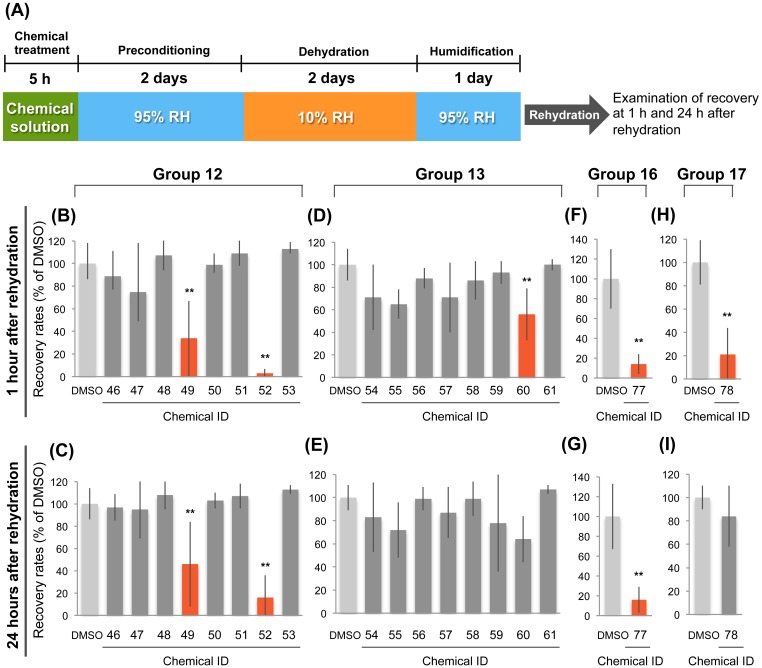
“Correspondingly, we detected no significant effects of the same MAPK inhibitors, such as SP600125 (JNK; Chemical ID 1) and SB239063 (p38; Chemical ID 50), and also no significant effect by U0126 (MEK1/MEK2; Chemical ID 47) [60] at the same concentration of 100 μM of these inhibitors (S1 Table).”
BackgroundPlant desiccation gene found in a nematode
Browne, J., Tunnacliffe, A., & Burnell, A. (2002) · Nature · doi:10.1038/416038a · Cited by 283 · cited 2×
“To date, most studies of the molecular mechanisms of anhydrobiosis in animals have focused mainly on protective molecules, such as trehalose [12,13], molecular chaperones [15,16], and putative protective intrinsically disordered proteins, including late embryogenesis abundant proteins [17,18] and abundant heat-soluble…”
BackgroundAbe, J.-I., Takahashi, M., Ishida, M., Lee, J.-D., & Berk, B. C. (1997) · Journal of Biological Chemistry · doi:10.1074/jbc.272.33.20389 · Cited by 273
Survival in extreme environments – on the current knowledge of adaptations in tardigrades
Møbjerg, N., Halberg, K. A., Jørgensen, A., Persson, D., Bjørn, M., Ramløv, H., & Kristensen, R. M. (2011) · Acta Physiologica · doi:10.1111/j.1748-1716.2011.02252.x · Cited by 254 · cited 1×
“When desiccated, anhydrobiotic tardigrades contract their bodies longitudinally with the loss of body water, to form a compact shape called a tun, and are able to tolerate almost complete dehydration [5].”
BackgroundTranscription by RNA polymerase III: more complex than we thought
White, R. J. (2011) · Nature Reviews Genetics · doi:10.1038/nrg3001 · Cited by 248 · cited 2×
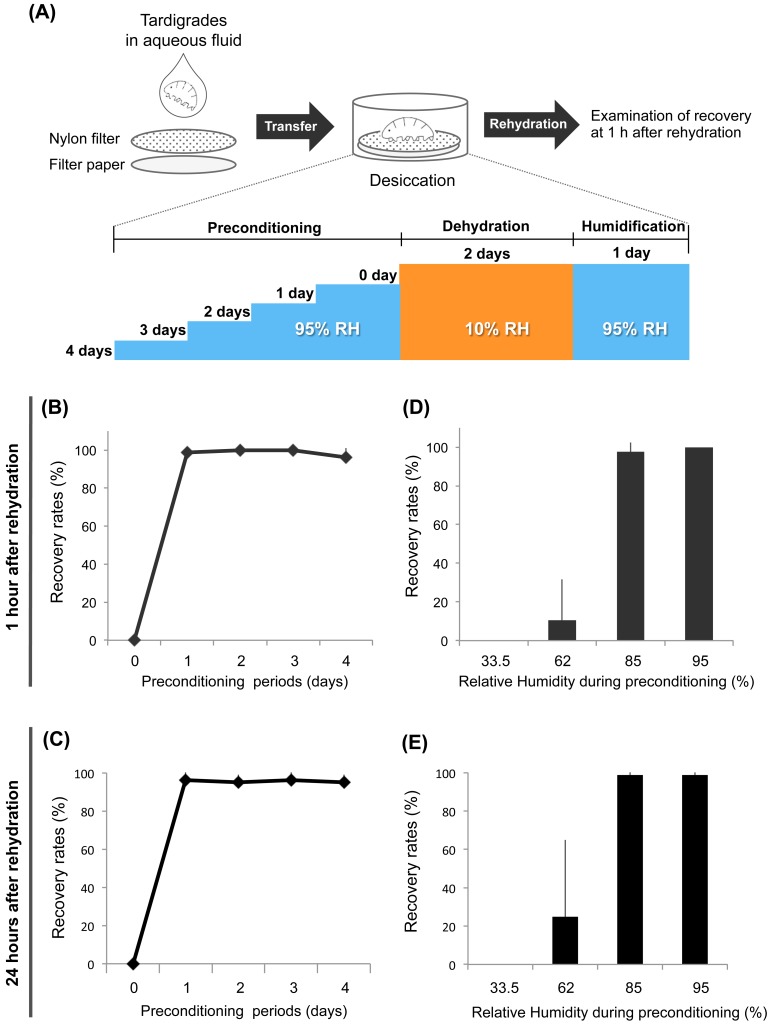
“Low humidity, low humidity exposure; High humidity, high humidity exposure. doi:10.1371/journal.pone.0144803.g004 doi:10.1371/journal.pone.0144803.g005 PLOS ONE | DOI:10.1371/journal.pone.0144803 December 21, 2015 11 / 18 of RNA polymerase III, however, also affects the synthesis of transfer RNA, making it difficult t…”
BackgroundInfluentialTriptolide is a traditional Chinese medicine-derived inhibitor of polycystic kidney disease
Leuenroth, S. J., Okuhara, D., Shotwell, J. D., Markowitz, G. S., Yu, Z., Somlo, S., & Crews, C. M. (2007) · Proceedings of the National Academy of Sciences · doi:10.1073/pnas.0700499104 · Cited by 236
Mechanism allowing an insect to survive complete dehydration and extreme temperatures
Watanabe, M., Kikawada, T., Minagawa, N., Yukuhiro, F., & Okuda, T. (2002) · Journal of Experimental Biology · doi:10.1242/jeb.205.18.2799 · Cited by 214
Actual checklist of Tardigrada species
Degma, P., Bertolani, R., & Guidetti, R. (2019) · IRIS UNIMORE (University of Modena and Reggio Emilia) · doi:10.25431/11380_1178608 · Cited by 213
Anhydrobiosis in invertebrates
Watanabe, M. (2006) · Applied Entomology and Zoology · doi:10.1303/aez.2006.15 · Cited by 200 · cited 1×
“In contrast, some small animals, whose mobility is limited and whose large surface/volume ratio enhances evaporation, have adapted to tolerate a loss of body water in order to withstand a desiccated environment [3].”
BackgroundPal, R., Palmieri, M., Loehr, J. A., Li, S., Abo-Zahrah, R., Monroe, T. O., Thakur, P. B., Sardiello, M., & Rodney, G. G. (2014) · Nature Communications · doi:10.1038/ncomms5425 · Cited by 195
Trehalose accumulation in the tardigrade Adorybiotus coronifer during anhydrobiosis
Westh, P., & Ramløv, H. (1991) · Journal of Experimental Zoology · doi:10.1002/jez.1402580305 · Cited by 193 · cited 3×
“To date, most studies of the molecular mechanisms of anhydrobiosis in animals have focused mainly on protective molecules, such as trehalose [12,13], molecular chaperones [15,16], and putative protective intrinsically disordered proteins, including late embryogenesis abundant proteins [17,18] and abundant heat-soluble…”
BackgroundTrehalose Renders the Dauer Larva of Caenorhabditis elegans Resistant to Extreme Desiccation
Erkut, C., Penkov, S., Khesbak, H., Vorkel, D., Verbavatz, J.-M., Fahmy, K., & Kurzchalia, T. V. (2011) · Current Biology · doi:10.1016/j.cub.2011.06.064 · Cited by 182
Two Novel Heat-Soluble Protein Families Abundantly Expressed in an Anhydrobiotic Tardigrade
Yamaguchi, A., Tanaka, S., Yamaguchi, S., Kuwahara, H., Takamura, C., Imajoh-Ohmi, S., Horikawa, D. D., Toyoda, A., Katayama, T., Arakawa, K., et al. (2012) · PLoS ONE · doi:10.1371/journal.pone.0044209 · Cited by 176 · cited 2×
“To date, most studies of the molecular mechanisms of anhydrobiosis in animals have focused mainly on protective molecules, such as trehalose [12,13], molecular chaperones [15,16], and putative protective intrinsically disordered proteins, including late embryogenesis abundant proteins [17,18] and abundant heat-soluble…”
BackgroundSelf-citationAnhydrobiosis without trehalose in bdelloid rotifers
Lapinski, J., & Tunnacliffe, A. (2003) · FEBS Letters · doi:10.1016/s0014-5793(03)01062-7 · Cited by 174
Padmanabhan, S., Mukhopadhyay, A., Narasimhan, S. D., Tesz, G., Czech, M. P., & Tissenbaum, H. A. (2009) · Cell · doi:10.1016/j.cell.2009.01.025 · Cited by 170
The tardigrade Hypsibius dujardini, a new model for studying the evolution of development
Gabriel, W. N., McNuff, R., Patel, S. K., Gregory, T. R., Jeck, W. R., Jones, C. D., & Goldstein, B. (2007) · Developmental Biology · doi:10.1016/j.ydbio.2007.09.055 · Cited by 167 · cited 2×
“dujardini was established in 1987 [23] and recently used for various studies, including evo-devo analyses [26] and an expressed sequence tag/genome project, and is thus one of the most suitable tardigrade strains for analyzing the molecular mechanisms activated during preconditioning.”
BackgroundMethodTolerance to oxidative stress induced by desiccation in Porphyra columbina (Bangiales, Rhodophyta)
Porcia, L. C., Thomas, D. N., Flores, V., & Correa, J. A. (2010) · Journal of Experimental Botany · doi:10.1093/jxb/erq364 · Cited by 153 · cited 1×
“Desiccation stress enhances the accumulation of reactive oxygen species [51,52], and thus FOXO activation through PP2A might be involved in the anhydrobiotic response during preconditioning in tardigrades.”
BackgroundDesiccation Tolerance and Water-Retentive Mechanisms in Tardigrades
Wright, J. C. (1989) · Journal of Experimental Biology · doi:10.1242/jeb.142.1.267 · Cited by 151
PP2A Regulates the Pro-apoptotic Activity of FOXO1
Yan, L., Lavin, V. A., Moser, L. R., Cui, Q., Kanies, C., & Yang, E. (2008) · Journal of Biological Chemistry · doi:10.1074/jbc.m708083200 · Cited by 145
Protection against oxidation during dehydration of yeast
Pereira, E. J., Panek, A. D., & Eleuthério, E. C. A. (2003) · Cell Stress and Chaperones · Cited by 136
Molecular Strategies of the Caenorhabditis elegans Dauer Larva to Survive Extreme Desiccation
Erkut, C., Vasilj, A., Boland, S., Habermann, B. H., Shevchenko, A., & Kurzchalia, T. V. (2013) · PLoS ONE · doi:10.1371/journal.pone.0082473 · Cited by 135 · cited 3×
“Many anhydrobiotic animals induce the expression of putative protection molecules upon desiccation, such as late embryogenesis abundant proteins [17,22].”
BackgroundProtein phosphatase 2A and its [3H]cantharidin/[3H]endothall thioanhydride binding site
Li, Y., MacKintosh, C., & Casida, J. E. (1993) · Biochemical Pharmacology · doi:10.1016/0006-2952(93)90109-a · Cited by 129 · cited 3×
“Cantharidic acid is a highly selective inhibitor against PP1 and PP2A [32], while triptolide interacts with various biologic molecules and thus it is difficult to determine the important target for anhydrobiosis [34–37].”
BackgroundTanaka, S., Tanaka, J., Miwa, Y., Horikawa, D. D., Katayama, T., Arakawa, K., Toyoda, A., Kubo, T., & Kunieda, T. (2015) · PLOS ONE · doi:10.1371/journal.pone.0118272 · Cited by 128 · cited 2×
“To date, most studies of the molecular mechanisms of anhydrobiosis in animals have focused mainly on protective molecules, such as trehalose [12,13], molecular chaperones [15,16], and putative protective intrinsically disordered proteins, including late embryogenesis abundant proteins [17,18] and abundant heat-soluble…”
BackgroundSelf-citationWang, W.-Y., Wu, Y., & Wu, C. (2006) · Molecular Pharmacology · doi:10.1124/mol.106.023986 · Cited by 125 · cited 9×
“These five chemicals included a calmodulin antagonist (J-8) [29], an immunosuppressive agent (triptolide) [30], a Syk and Src kinase inhibitor (MNS) [31], a PP1 and PP2A inhibitor (cantharidic acid) [32], and a calcium release modulator (2-APB) [33].”
BackgroundInfluentialEffects of selective inhibitors on cyclic nucleotide phosphodiesterases of rabbit aorta
Ahn, H. S., Crim, W. N., Romano, M., Sybertz, E. J., & Pitts, B. J. R. (1989) · Biochemical Pharmacology · doi:10.1016/0006-2952(89)90631-x · Cited by 117 · cited 1×
“We could not detect significant effects of various inhibitors against other CaM-regulated enzymes (S1 Table), such as CaMK2 (Chemical ID 15) [63], calcineurin (Chemical ID 29) [64], nitric oxide synthase (Chemical ID 55) [65], phosphodiesterase type 1 (Chemical ID 43) [66], and MLC kinase (Chemical ID 80) [67], nor in…”
BackgroundProtein Phosphatase 2A Reactivates FOXO3a through a Dynamic Interplay with 14-3-3 and AKT
Singh, A., Ye, M., Bucur, O., Zhu, S., Tanya Santos, M., Rabinovitz, I., Wei, W., Gao, D., Hahn, W. C., & Khosravi-Far, R. (2010) · Molecular Biology of the Cell · doi:10.1091/mbc.e09-09-0795 · Cited by 117
THE MAINTENANCE OF HIGH ATMOSPHERIC HUMIDITIES FOR ENTOMOLOGICAL WORK WITH GLYCEROL‐WATER MIXTURES
Johnson, C. G. (1940) · Annals of Applied Biology · doi:10.1111/j.1744-7348.1940.tb07499.x · Cited by 113
Dihydropyridines as inhibitors of capacitative calcium entry in leukemic HL-60 cells
Harper, J. L., Camerini-Otero, C. S., Li, A., Kim, S.-A., Jacobson, K. A., & Daly, J. W. (2003) · Biochemical Pharmacology · doi:10.1016/s0006-2952(02)01488-0 · Cited by 108 · cited 1×
“, Chemical ID 5) [68], possibly due to their small contribution to anhydrobiosis or to insufficient inhibition of target proteins in tardigrades.”
BackgroundJonsson, K., & Schill, R. O. (2006) · Comparative Biochemistry and Physiology Part B Biochemistry and Molecular Biology · doi:10.1016/j.cbpb.2006.10.111 · Cited by 101 · cited 1×
“To date, most studies of the molecular mechanisms of anhydrobiosis in animals have focused mainly on protective molecules, such as trehalose [12,13], molecular chaperones [15,16], and putative protective intrinsically disordered proteins, including late embryogenesis abundant proteins [17,18] and abundant heat-soluble…”
BackgroundShannon, A. J., Browne, J. A., Boyd, J., Fitzpatrick, D. A., & Burnell, A. M. (2005) · Journal of Experimental Biology · doi:10.1242/jeb.01629 · Cited by 98
Hashimoto, Y., Nakayama, T., Teramoto, T., Kato, H., Watanabe, T., Kinoshita, M., Tsukamoto, K., Tokunaga, K., Kurokawa, K., Nakanishi, S., et al. (1991) · Biochemical and Biophysical Research Communications · doi:10.1016/s0006-291x(05)81436-6 · Cited by 91 · cited 1×
“We could not detect significant effects of various inhibitors against other CaM-regulated enzymes (S1 Table), such as CaMK2 (Chemical ID 15) [63], calcineurin (Chemical ID 29) [64], nitric oxide synthase (Chemical ID 55) [65], phosphodiesterase type 1 (Chemical ID 43) [66], and MLC kinase (Chemical ID 80) [67], nor in…”
BackgroundStructural adaptation for reducing water‐loss in three species of terrestrial snail
Machin, J. (1967) · Journal of Zoology · doi:10.1111/j.1469-7998.1967.tb01638.x · Cited by 83 · cited 1×
“preventing surface water evaporation [1,2].”
Higa, L. M., & Womersley, C. Z. (1993) · Journal of Experimental Zoology · doi:10.1002/jez.1402670205 · Cited by 76 · cited 1×
“Some anhydrobiotic animals, such as the sleeping chironomid, Polypedilum vanderplanki, and the anhydrobiotic nematode, Aphelenchus avenae, accumulate huge amounts of a non-reducing disaccharide, trehalose, reaching almost 10% to 18% of the dry weight during the preconditioning period [10,11].”
BackgroundRaman, C. S., Li, H., Martásek, P., Southan, G., Masters, B. S. S., & Poulos, T. L. (2001) · Biochemistry · doi:10.1021/bi010957u · Cited by 76
Halberg, K. A., Jørgensen, A., & Møbjerg, N. (2013) · PLoS ONE · doi:10.1371/journal.pone.0085091 · Cited by 73 · cited 1×
“coronifer, suggesting the presence of energetically controlled processes during the transition to anhydrobiosis [14].”
BackgroundGusev, O., Cornette, R., Kikawada, T., & Okuda, T. (2010) · Cell Stress and Chaperones · doi:10.1007/s12192-010-0223-9 · Cited by 71 · cited 1×
“To date, most studies of the molecular mechanisms of anhydrobiosis in animals have focused mainly on protective molecules, such as trehalose [12,13], molecular chaperones [15,16], and putative protective intrinsically disordered proteins, including late embryogenesis abundant proteins [17,18] and abundant heat-soluble…”
BackgroundSyk Is Required for the Activation of Akt Survival Pathway in B Cells Exposed to Oxidative Stress
Ding, J., Takano, T., Gao, S., Han, W., Noda, C., Yanagi, S., & Yamamura, H. (2000) · Journal of Biological Chemistry · doi:10.1074/jbc.m004813200 · Cited by 66
Qin, S., Minami, Y., Kurosaki, T., & Yamamura, H. (1997) · Journal of Biological Chemistry · doi:10.1074/jbc.272.29.17994 · Cited by 65 · cited 1×
“In vertebrates, Syk and Src are involved in the response to oxidative stress [53–55], and Syk is also involved in the response to osmotic stress in chicken B cells [56].”
BackgroundRNA interference can be used to disrupt gene function in tardigrades
Tenlen, J. R., McCaskill, S., & Goldstein, B. (2012) · Development Genes and Evolution · doi:10.1007/s00427-012-0432-6 · Cited by 65 · cited 1×
“dujardini was established in 1987 [23] and recently used for various studies, including evo-devo analyses [26] and an expressed sequence tag/genome project, and is thus one of the most suitable tardigrade strains for analyzing the molecular mechanisms activated during preconditioning.”
MethodTriptolide: An inhibitor of a disintegrin and metalloproteinase 10 (ADAM10) in cancer cells
Soundararajan, R., Sayat, R., Robertson, G. S., & Marignani, P. A. (2009) · Cancer Biology & Therapy · doi:10.4161/cbt.8.21.9803 · Cited by 57
Vereshchagina, N., Ramel, M.-C., Bitoun, E., & Wilson, C. (2008) · Journal of Cell Science · doi:10.1242/jcs.035220 · Cited by 57
MacNeil, S., Griffin, M., Cooke, A. M., Pettett, N. J., Dawson, R., Owen, R., & Blackburn, G. M. (1988) · Biochemical Pharmacology · doi:10.1016/0006-2952(88)90434-0 · Cited by 48 · cited 7×
“These five chemicals included a calmodulin antagonist (J-8) [29], an immunosuppressive agent (triptolide) [30], a Syk and Src kinase inhibitor (MNS) [31], a PP1 and PP2A inhibitor (cantharidic acid) [32], and a calcium release modulator (2-APB) [33].”
BackgroundInfluentialMolt cycle–dependent molecular chaperone and polyubiquitin gene expression in lobster
Spees, J. L., Chang, S. A., Mykles, D. L., Snyder, M. J., & Chang, E. S. (2003) · Cell Stress and Chaperones · doi:10.1379/1466-1268(2003)008<0258:mcmcap>2.0.co;2 · Cited by 43
Ca2+/Calmodulin and Apo-Calmodulin Both Bind to and Enhance the Tyrosine Kinase Activity of c-Src
Stateva, S. R., Salas, V., Anguita, E., Benaím, G., & Villalobo, A. (2015) · PLoS ONE · doi:10.1371/journal.pone.0128783 · Cited by 39 · cited 1×
“Recent work revealed that CaM regulates c-Src kinase activity, and the CaM antagonist W-7 inhibits the activation of c-Src in response to hydrogen peroxide-induced oxidative stress [62].”
BackgroundTriptolide binds covalently to a 90 kDa nuclear protein. Role of epoxides in binding and activity
McCallum, C. D., Kwon, S., Leavitt, P. S., Shen, D., Liu, W., & Gurnett, A. M. (2007) · Immunobiology · doi:10.1016/j.imbio.2007.02.002 · Cited by 35
Reiter, W., Klopf, E., Wever, V. D., Anrather, D., Petryshyn, A., Roetzer, A., Niederacher, G., Roitinger, E., Dohnal, I., Görner, W., et al. (2012) · Molecular and Cellular Biology · doi:10.1128/mcb.00834-12 · Cited by 31 · cited 1×
“In budding yeast, Saccharomyces cerevisiae, one regulatory subunit of PP2A, Cdc55, is required for full activation of osmotic stress response genes via indirect regulation of stress-responsive transcription factors Msn2/Msn4 [42].”
BackgroundIto, S., Kume, H., Honjo, H., Kodama, I., Katoh, H., Hayashi, H., & Shimokata, K. (2004) · European Journal of Pharmacology · doi:10.1016/j.ejphar.2004.01.013 · Cited by 29 · cited 1×
“We could not detect significant effects of various inhibitors against other CaM-regulated enzymes (S1 Table), such as CaMK2 (Chemical ID 15) [63], calcineurin (Chemical ID 29) [64], nitric oxide synthase (Chemical ID 55) [65], phosphodiesterase type 1 (Chemical ID 43) [66], and MLC kinase (Chemical ID 80) [67], nor in…”
BackgroundThe Effect of Cyclosporin A on Airway Cell Proinflammatory Signaling and Pneumonia
Waters, V. J., Sokol, S., Reddy, B. D., Soong, G., Chun, J., & Prince, A. S. (2005) · American Journal of Respiratory Cell and Molecular Biology · doi:10.1165/rcmb.2005-0005oc · Cited by 27 · cited 1×
“We could not detect significant effects of various inhibitors against other CaM-regulated enzymes (S1 Table), such as CaMK2 (Chemical ID 15) [63], calcineurin (Chemical ID 29) [64], nitric oxide synthase (Chemical ID 55) [65], phosphodiesterase type 1 (Chemical ID 43) [66], and MLC kinase (Chemical ID 80) [67], nor in…”
BackgroundInAKTivation of insulin/IGF-1 signaling by dephosphorylation
Narasimhan, S. D., Mukhopadhyay, A., & Tissenbaum, H. A. (2009) · Cell Cycle · doi:10.4161/cc.8.23.10072 · Cited by 26
MAPK phosphorylation is implicated in the adaptation to desiccation stress in nematodes
Banton, M. C., & Tunnacliffe, A. (2012) · Journal of Experimental Biology · doi:10.1242/jeb.074799 · Cited by 19 · cited 2×
“In an anhydrobiotic nematode, Panagrolaimus superbus, pre-treatment with MAPK inhibitors against JNK (SP600125; 50 μM or 100 μM) and p38 (SB239063; 50 μM or 100 μM) partially inhibits anhydrobiotic survival only when nematodes were exposed to 10% RHwithout preconditioning [59].”
Background
Research works printed but not linked: 1
- Crowe JH. The physiology of cryptobiosis in tardigrades. Mem. Ist. Ital. Idrobiol. 1975; 32: 37– 59.
Cited by
Tardigrades Use Intrinsically Disordered Proteins to Survive Desiccation
Boothby, T. C., Tapia, H., Brozena, A. H., Piszkiewicz, S., Smith, A. E., Giovannini, I., Rebecchi, L., Pielak, G. J., Koshland, D., & Goldstein, B. (2017) · Molecular Cell · doi:10.1016/j.molcel.2017.02.018 · Cited by 409
“This finding, in addition to the fact that H. dujardini requires de novo transcription and translation to robustly survive desiccation (Kondo et al., 2015), makes H. dujardini attractive for differential gene expression studies.”
BackgroundResultInfluentialHashimoto, T., Horikawa, D. D., Saito, Y., Kuwahara, H., Kozuka-Hata, H., Shin-I, T., Minakuchi, Y., Ohishi, K., Motoyama, A., Aizu, T., et al. (2016) · Nature Communications · doi:10.1038/ncomms12808 · Cited by 394
Self-citationComparative genomics of the tardigrades Hypsibius dujardini and Ramazzottius varieornatus
Yoshida, Y., Koutsovoulos, G., Laetsch, D. R., Stevens, L., Kumar, S., Horikawa, D. D., Ishino, K., Komine, S., Kunieda, T., Tomita, M., et al. (2017) · PLOS Biology · doi:10.1371/journal.pbio.2002266 · Cited by 223
Self-citationChávez-Hernández, E. C., Cruz‐Becerra, G., Fei, J., Kassavetis, G. A., & Kadonaga, J. T. (2019) · eLife · doi:10.7554/elife.47682 · Cited by 134
“exemplaris are limnoterrestrial tardigrades in the family Hypsibiidae, and both animals can undergo anhydrobiosis (see, for example, Horikawa et al., 2008; Kondo et al., 2015; Wright, 1989).”
Examples of Extreme Survival: Tardigrade Genomics and Molecular Anhydrobiology
Arakawa, K. (2022) · Annual Review of Animal Biosciences · doi:10.1146/annurev-animal-021419-083711 · Cited by 90
Metadata
- Authors
- Kondo, K., Kubo, T., & Kunieda, T.
- Affiliations
- The University of Tokyo (JP)
- Corresponding author
- Kunieda, Takekazu
- Venue
- PLOS ONE
- Publisher
- Public Library of Science (PLoS)
- Published
- 2015-12-21
- Volume
- 10
- Issue
- 12
- Pages
- e0144803
- ISSN
- 1932-6203 (ISSN-L)
- PMC
- PMC4686906
- OpenAlex
- W2219208709
- Cited by
- 55
- References
- 67
- Citations by year
- 2026: 2 · 2025: 1 · 2024: 13 · 2023: 5 · 2022: 5 · 2021: 8 · 2020: 4 · 2019: 5 · 2018: 7 · 2017: 3 · 2016: 2
- FWCI
- 4.42
- Type
- journal article
- Language
- en
- Open access
- gold
- doi.org
- Licence
- Locations
- PLoS ONE (publishedVersion, cc-by)
- Europe PMC (PubMed Central) (publishedVersion, cc-by)
- PubMed Central (publishedVersion, cc-by)
- PubMed (publishedVersion)
- DOAJ (DOAJ: Directory of Open Access Journals) (submittedVersion, cc-by-sa)
- Figshare (submittedVersion, cc-by)
- Funders
- Ministry of Education, Culture, Sports, Science and Technology
- Japan Society for the Promotion of Science (26660288, 25281016, 15J11297)
- Topics
- Life Sciences › Agricultural and Biological Sciences › Ecology, Evolution, Behavior and Systematics › Tardigrade Biology and Ecology
- Physical Sciences › Environmental Science › Ecology › Physiological and biochemical adaptations
- Physical Sciences › Environmental Science › Ecology › Polar Research and Ecology
- Keywords
- anhydrobiosis, tardigrades, Hypsibius dujardini, protein phosphatase 1, protein phosphatase 2A, okadaic acid, desiccation tolerance, preconditioning, de novo gene expression, transcription inhibition, protein synthesis inhibition, chemical genetic screening, desiccation
- MeSH terms
- Animals, Desiccation, Gene Expression Regulation, Invertebrates, Protein Phosphatase 1, Protein Phosphatase 2
About these checks
Registry, retraction, Cites and statistics results are computed, not judged, with one exception: a printed reference that no index lists is read once by a model before it counts as a citation error. Claims are extracted by a model and kept only when their quote appears verbatim in the text; each cited source is then checked, with a model’s help, for whether it says what the claim relies on. Those verdicts can be wrong — read the claim’s quote and the cited source before relying on one.
Statistics and arithmetic are recomputed, not judged.
Confidence bands are shown only for fields calibrated on our annotated test set. None is calibrated yet, so no band is shown.
What counts as a claim ›How we measure confidence ›How we check this ›
Are you an author, or do you see a problem with this page? Request a review
Data sources
Bibliographic data: Semantic Scholar, OpenAlex, Crossref.
Contains information from the Semantic Scholar Academic Graph Datasets, made available under the ODC Attribution License (ODC-BY 1.0).
Semantic Scholar’s data is described in: Kinney, R., et al. (2023). The Semantic Scholar Open Data Platform. arXiv:2301.10140.
