

The DOI matches its Crossref record; 40 of the 40 references it cites were found in a registry or an index.
Alzheimer’s Disease Risk Polymorphisms Regulate Gene Expression in the ZCWPW1 and the CELF1 Loci
Open accessAbstract
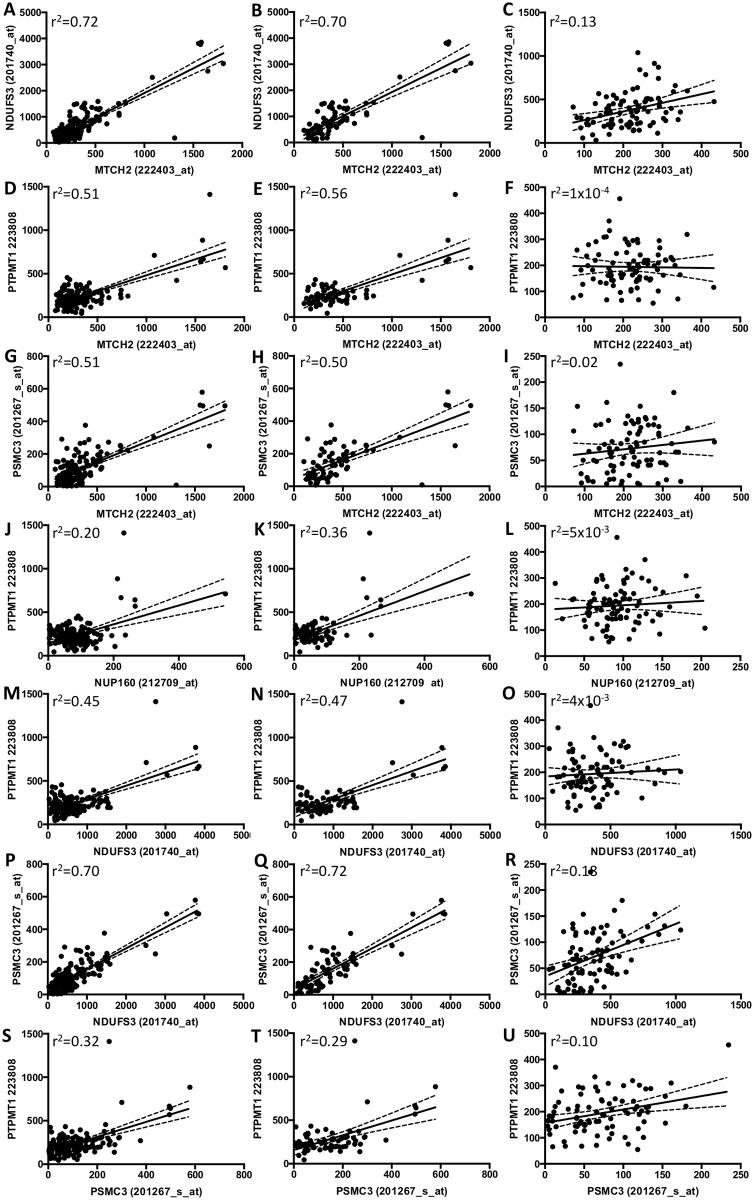
Late onset Alzheimer's disease (LOAD) is a genetically complex and clinically heterogeneous disease. Recent large-scale genome wide association studies (GWAS) have identified more than twenty loci that modify risk for AD. Despite the identification of these loci, little progress has been made in identifying the functional variants that explain the association with AD risk. Thus, we sought to determine whether the novel LOAD GWAS single nucleotide polymorphisms (SNPs) alter expression of LOAD GWAS genes and whether expression of these genes is altered in AD brains. The majority of LOAD GWAS SNPs occur in gene dense regions under large linkage disequilibrium (LD) blocks, making it unclear which gene(s) are modified by the SNP. Thus, we tested for brain expression quantitative trait loci (eQTLs) between LOAD GWAS SNPs and SNPs in high LD with the LOAD GWAS SNPs in all of the genes within the GWAS loci. We found a significant eQTL between rs1476679 and PILRB and GATS, which occurs within the ZCWPW1 locus. PILRB and GATS expression levels, within the ZCWPW1 locus, were also associated with AD status. Rs7120548 was associated with MTCH2 expression, which occurs within the CELF1 locus. Additionally, expression of several genes within the CELF1 locus, including MTCH2, were highly correlated with one another and were associated with AD status. We further demonstrate that PILRB, as well as other genes within the GWAS loci, are most highly expressed in microglia. These findings together with the function of PILRB as a DAP12 receptor supports the critical role of microglia and neuroinflammation in AD risk.
Overview
The claims and statistics of this paper haven’t been checked yet.
Run the check — free, no account needed. It reads the open-access text and checks the sources it cites.
Integrity signals
Registry
Cites
Statistics
Figures
Verification
Claims the paper makes
The claims and statistics of this paper haven’t been checked yet.
Run the check — free, no account needed. It reads the open-access text and checks the sources it cites.
Claims other papers make about this one
Each is checked against this paper’s own text: does it say what the citing paper says it does?
The source backs part of the claim, not all of it — or backs it for a different population, condition or comparison.
In the citing paper
“An analysis of covariance, including age and sex as covariates, was used to determine association with disease status as previously described [46, 47].”
From Linkage, whole genome sequence, and biological data implicate variants in RAB10 in Alzheimer’s disease resilience (2017) · cites this paper as [46]
Experimental — accuracy not yet measuredThe check wasn’t confident either way, so it gives no verdict — never disputed.
In the citing paper
“we found that rs199533 was significantly associated with MAPT (p=2 × 10⁻¹²) and a number of other transcripts in the MAPT region including KIAA1267 (p = 2.4 × 10⁻²⁴), LOC1 (p = 1.1 × 10⁻²³), C17orf58 (p=2.1 × 10⁻⁶) and LOC100294337 (p=2.2 × 10⁻⁶).”
From Shared genetic risk between corticobasal degeneration, progressive supranuclear palsy, and frontotemporal dementia (2017) · cites this paper as [23]
Experimental — accuracy not yet measuredIn the citing paper
“Several studies have performed targeted analysis of the impact of identified AD SNPs on brain-specific gene expression [200–202].”
From Genetic architecture of Alzheimer's disease (2020) · cites this paper as [200]
Self-check
Percentages, sums and reported differences re-computed from the paper’s own numbers.
The self-check needs the paper’s full text.
Citations
Cites
Zhang, Y., Chen, K., Sloan, S. A., Bennett, M. L., Scholze, A. R., O'Keeffe, S., Phatnani, H. P., Guarnieri, P., Caneda, C., Ruderisch, N., et al. (2014) · The Journal of Neuroscience · doi:10.1523/jneurosci.1860-14.2014 · Cited by 4,875
Meta-Analysis of 74,046 Individuals Identifies 11 New Susceptibility Loci for Alzheimer’s Disease
(EADI), E. A. D. I., Lambert, J.-C., (GERAD), G. A. E. R. I. A. D., Alzheimer's Disease Genetic Consortium (ADGC), (CHARGE), C. F. H. A. A. R. I. G. E., Ibrahim-Verbaas, C. A., Harold, D., Naj, A. C., Sims, R., Bellenguez, C., et al. (2013) · Nature Genetics · doi:10.1038/ng.2802 · Cited by 4,336
Self-citationHarold, D., Abraham, R., Hollingworth, P., Sims, R., Gerrish, A., Hamshere, M. L., Pahwa, J. S., Moskvina, V., Dowzell, K., Williams, A., et al. (2009) · Nature Genetics · doi:10.1038/ng.440 · Cited by 3,326
Self-citationTREM2 Variants in Alzheimer's Disease
Guerreiro, R., Wojtas, A., Bras, J., Carrasquillo, M., Rogaeva, E., Majounie, E., Cruchaga, C., Sassi, C., Kauwe, J. S. K., Younkin, S., et al. (2013) · New England Journal of Medicine · doi:10.1056/nejmoa1211851 · Cited by 3,020
Self-citationAnnotation of functional variation in personal genomes using RegulomeDB
Boyle, A. P., Hong, E. L., Hariharan, M., Cheng, Y., Schaub, M. A., Kasowski, M., Karczewski, K. J., Park, J., Hitz, B. C., Weng, S., et al. (2012) · Genome Research · doi:10.1101/gr.137323.112 · Cited by 2,722
Genome-wide association study identifies variants at CLU and CR1 associated with Alzheimer's disease
the European Alzheimer's Disease Initiative Investigators, Lambert, J.-C., Heath, S., Even, G., Campion, D., Sleegers, K., Hiltunen, M., Combarros, O., Zelenika, D., Bullido, M. J., et al. (2009) · Nature Genetics · doi:10.1038/ng.439 · Cited by 2,234
Initiative, T. A. D. N., Hollingworth, P., CHARGE consortium, EADI1 consortium, Harold, D., Sims, R., Gerrish, A., Lambert, J.-C., Carrasquillo, M. M., Abraham, R., et al. (2011) · Nature Genetics · doi:10.1038/ng.803 · Cited by 1,997
Self-citationNaj, A. C., Jun, G., Beecham, G. W., Wang, L.-S., Vardarajan, B. N., Buros, J., Gallins, P. J., Buxbaum, J. D., Jarvik, G. P., Crane, P. K., et al. (2011) · Nature Genetics · doi:10.1038/ng.801 · Cited by 1,901
Self-citationGene-Wide Analysis Detects Two New Susceptibility Genes for Alzheimer's Disease
Escott-Price, V., Bellenguez, C., Wang, L.-S., Choi, S.-H., Harold, D., Jones, L., Holmans, P., Gerrish, A., Vedernikov, A., Richards, A., et al. (2014) · PLoS ONE · doi:10.1371/journal.pone.0094661 · Cited by 1,398
Self-citationGenome-wide Analysis of Genetic Loci Associated With Alzheimer Disease
Seshadri, S. (2010) · JAMA · doi:10.1001/jama.2010.574 · Cited by 1,219
Cited by
Sorted by citations
iPSC-derived human microglia-like cells to study neurological diseases
Abud, E. M., Ramirez, R. N., Martinez, E. S., Healy, L. M., Nguyen, C. H. H., Newman, S. A., Yeromin, A. V., Scarfone, V. M., Marsh, S. E., Fimbres, C., et al. (2017) · Neuron · doi:10.1016/j.neuron.2017.03.042 · Cited by 1,154
scGNN is a novel graph neural network framework for single-cell RNA-Seq analyses
Wang, J., Ma, A., Chang, Y., Gong, J., Jiang, Y., Qi, R., Wang, C., Fu, H., Ma, Q., & Xu, D. H. (2021) · Nature Communications · doi:10.1038/s41467-021-22197-x · Cited by 459
An xQTL map integrates the genetic architecture of the human brain's transcriptome and epigenome
Ng, B., White, C. C., Klein, H.-U., Sieberts, S. K., McCabe, C., Patrick, E., Xu, J., Yu, L., Gaiteri, C., Bennett, D. A., et al. (2017) · Nature Neuroscience · doi:10.1038/nn.4632 · Cited by 452
The role of astroglia in Alzheimer's disease: pathophysiology and clinical implications
Arranz, A. M., & De Strooper, B. (2019) · The Lancet Neurology · doi:10.1016/s1474-4422(18)30490-3 · Cited by 334
Microglia in Alzheimer’s disease: pathogenesis, mechanisms, and therapeutic potentials
Miao, J., Ma, H., Yang, Y., Liao, Y., Lin, C., Zheng, J., Yu, M., & Lan, J. (2023) · Frontiers in Aging Neuroscience · doi:10.3389/fnagi.2023.1201982 · Cited by 293
The MS4A gene cluster is a key modulator of soluble TREM2 and Alzheimer’s disease risk
Deming, Y., Filipello, F., Cignarella, F., Cantoni, C., Hsu, S., Mikesell, R., Li, Z., Del-Aguila, J. L., Dube, U., Farias, F. G., et al. (2019) · Science Translational Medicine · doi:10.1126/scitranslmed.aau2291 · Cited by 271
Self-citationUntangling Genetic Risk for Alzheimer’s Disease
Pimenova, A. A., Raj, T., & Goate, A. M. (2018) · Biological Psychiatry · doi:10.1016/j.biopsych.2017.05.014 · Cited by 223
Self-citationBroce, I., Karch, C. M. M., Wen, N., Fan, C. C., Wang, Y., Tan, C. H., Kouri, N., Ross, O. A., Höglinger, G. U., Müller, U., et al. (2018) · PLoS Medicine · doi:10.1371/journal.pmed.1002487 · Cited by 195
Self-citationA multiomics approach to heterogeneity in Alzheimer’s disease: focused review and roadmap
Badhwar, A., McFall, G. P., Sapkota, S., Black, S. E., Chertkow, H. M., Duchesne, S., Masellis, M., Li, L., Dixon, R. A., & Bellec, P. (2019) · Brain · doi:10.1093/brain/awz384 · Cited by 164
Flores-Dorantes, M. T., Díaz‐López, Y. E., & Gutiérrez‐Aguilar, R. (2020) · Frontiers in Neuroscience · doi:10.3389/fnins.2020.00863 · Cited by 170
MTCH2 is a mitochondrial outer membrane protein insertase
Guna, A., Stevens, T. A., Inglis, A. J., Replogle, J. M., Esantsi, T. K., Muthukumar, G., Shaffer, K. C. L., Wang, M. L., Pogson, A. N., Jones, J. J., et al. (2022) · Science · doi:10.1126/science.add1856 · Cited by 149
Dissecting the genetic relationship between cardiovascular risk factors and Alzheimer’s disease
Broce, I. J., Tan, C. H., Fan, C. C., Jansen, I., Savage, J. E., Witoelar, A., Wen, N., Hess, C. P., Dillon, W. P., Glastonbury, C. M., et al. (2019) · Acta Neuropathologica · doi:10.1007/s00401-018-1928-6 · Cited by 140
Self-citationGenetic architecture of Alzheimer's disease
Neuner, S. M., TCW, J., & Goate, A. M. (2020) · Neurobiology of Disease · doi:10.1016/j.nbd.2020.104976 · Cited by 126
Self-citationIturria-Medina, Y., Adewale, Q., Khan, A. F., Ducharme, S., Rosa-Neto, P., O’Donnell, K., Petyuk, V. A., Gauthier, S., De Jager, P. L., Breitner, J., et al. (2022) · Science Advances · doi:10.1126/sciadv.abo6764 · Cited by 100
International FTD-Genomics Consortium (IFGC), Yokoyama, J. S., Karch, C. M., Fan, C. C., Bonham, L. W., Kouri, N., Ross, O. A., Rademakers, R., Kim, J., Wang, Y., et al. (2017) · Acta Neuropathologica · doi:10.1007/s00401-017-1693-y · Cited by 99
“9 × 10⁻⁵ [23], we found that rs199533 was significantly associated with MAPT (p = 2 × 10⁻¹²) and a number of other transcripts in the MAPT region including KIAA1267 (p = 2.”
BackgroundInfluentialSelf-citationWang, M., Song, W., Chen, M., Wang, Q., Zhou, X., Xu, P., Krek, A., Yoon, Y., Ho, L., Orr, M. E., et al. (2022) · Molecular Neurodegeneration · doi:10.1186/s13024-022-00517-z · Cited by 104
Rathore, N., Ramani, S. R., Pantua, H., Payandeh, J., Bhangale, T., Wuster, A., Kapoor, M., Sun, Y., Kapadia, S. B., Gonzalez, L., et al. (2018) · PLOS Genetics · doi:10.1371/journal.pgen.1007427 · Cited by 93
Self-citationHu, Y., Sun, J., Zhang, Y., Zhang, H., Gao, S., Wang, T., Han, Z., Wang, L., Sun, B., & Liu, G. (2021) · BMC Medicine · doi:10.1186/s12916-020-01883-5 · Cited by 89
Initiative, F. T. A. D. N., Ridge, P. G., Karch, C. M., Hsu, S., Arano, I., Teerlink, C. C., Ebbert, M. T. W., Gonzalez Murcia, J. D., Farnham, J. M., Damato, A. R., et al. (2017) · Genome Medicine · doi:10.1186/s13073-017-0486-1 · Cited by 83
Self-citationThe immunogenetics of neurological disease
Misra, M. K., Damotte, V., & Hollenbach, J. A. (2018) · Immunology · doi:10.1111/imm.12869 · Cited by 74
Enhancer variants associated with Alzheimer’s disease affect gene expression via chromatin looping
Kikuchi, M., Hara, N., Hasegawa, M., Miyashita, A., Kuwano, R., Ikeuchi, T., & Nakaya, A. (2019) · BMC Medical Genomics · doi:10.1186/s12920-019-0574-8 · Cited by 74
“Previous eQTL studies of AD have indicated that rs1476679 was associated with PILRB and GATS gene expression levels [15, 52]; however, it is not known how rs1476679 regulates these gene expression levels.”
BackgroundMethodResultInfluentialAssociation of Alzheimer's genetic loci with mild behavioral impairment
Andrews, S. J., Ismail, Z., Anstey, K. J., & Mortby, M. E. (2018) · American Journal of Medical Genetics Part B Neuropsychiatric Genetics · doi:10.1002/ajmg.b.32684 · Cited by 70
Gockley, J., Montgomery, K. S., Poehlman, W. L., Wiley, J. C., Liu, Y., Gerasimov, E. S., Greenwood, A. K., Sieberts, S. K., Wingo, A. P., Wingo, T. S., et al. (2021) · Genome Medicine · doi:10.1186/s13073-021-00890-2 · Cited by 60
Hassan, M., Raza, H., Abbasi, M. A., Moustafa, A. A., & Seo, S. (2018) · Biomedicine & Pharmacotherapy · doi:10.1016/j.biopha.2018.11.115 · Cited by 62
Strunz, T., Lauwen, S., Kiel, C., International AMD Genomics Consortium (IAMDGC), Fritsche, L. G., Igl, W., Bailey, J. N. C., Grassmann, F., Sengupta, S., Bragg-Gresham, J. L., et al. (2020) · Scientific Reports · doi:10.1038/s41598-020-58510-9 · Cited by 60
Ten Simple Rules to Enable Multi-site Collaborations through Data Sharing
Boland, M. R., Karczewski, K. J., & Tatonetti, N. P. (2017) · PLoS Computational Biology · doi:10.1371/journal.pcbi.1005278 · Cited by 61
Proteomic Atlas of the Human Brain in Alzheimer’s Disease
McKetney, J., Runde, R. M., Hebert, A. S., Salamat, S. M., Roy, S., & Coon, J. J. (2019) · Journal of Proteome Research · doi:10.1021/acs.jproteome.9b00004 · Cited by 54
Majerníková, N., den Dunnen, W. F. A., & Dolga, A. M. (2021) · Frontiers in Aging Neuroscience · doi:10.3389/fnagi.2021.745046 · Cited by 56
Patel, D., Zhang, X., Farrell, J. J., Chung, J., Stein, T. D., Lunetta, K. L., & Farrer, L. A. (2021) · Translational Psychiatry · doi:10.1038/s41398-021-01373-z · Cited by 51
McFarland, K. N., & Chakrabarty, P. (2022) · Neurotherapeutics · doi:10.1007/s13311-021-01179-3 · Cited by 48
Ruggiero, A., Aloni, E., Korkotian, E., Zaltsman, Y., Oni‐Biton, E., Kuperman, Y., Tsoory, M., Shachnai, L., Levin‐Zaidman, S., Brenner, O. J., et al. (2017) · Scientific Reports · doi:10.1038/srep44401 · Cited by 47
Hao, S., Wang, R., Zhang, Y., & Zhan, H. (2019) · Frontiers in Genetics · doi:10.3389/fgene.2018.00653 · Cited by 45
Regional Variation of Splicing QTLs in Human Brain
Zhang, Y., Yang, H. T., Kadash-Edmondson, K. E., Pan, Y., Pan, Z., Davidson, B. L., & Xing, Y. (2020) · The American Journal of Human Genetics · doi:10.1016/j.ajhg.2020.06.002 · Cited by 50
Liu, G., Zhang, Y., Wang, L., Xu, J., Chen, X., Bao, Y., Hu, Y., Jin, S., Tian, R., Bai, W.-Y., et al. (2018) · Journal of Alzheimer s Disease · doi:10.3233/jad-170468 · Cited by 45
State of Play in Alzheimer’s Disease Genetics
Zhu, J.-B., Tan, C., Tan, L., & Yu, J. (2017) · Journal of Alzheimer s Disease · doi:10.3233/jad-170062 · Cited by 44
Patel, T., Brookes, K. J., Turton, J. C., Chaudhury, S., Guetta‐Baranes, T., Guerreiro, R. J., Brás, J., Hernandez, D. G., Singleton, A., Francis, P. T., et al. (2017) · Neuropathology and Applied Neurobiology · doi:10.1111/nan.12452 · Cited by 46
Manjunath, L. E., Singh, A., Sahoo, S., Mishra, A., Padmarajan, J., Basavaraju, C. G., & Eswarappa, S. M. (2020) · Journal of Biological Chemistry · doi:10.1074/jbc.ra120.014253 · Cited by 36
Brain xQTL map: Integrating the genetic architecture of the human brain transcriptome and epigenomePreprint
Ng, B., White, C. C., Klein, H., Sieberts, S., Aubin, C., Patrick, E., Xu, J., Yu, L., Gaiteri, C., Bennett, D. A. A., et al. (2017) · bioRxiv (Cold Spring Harbor Laboratory) · doi:10.1101/142927 · Cited by 39
Comprehensive Overview of Alzheimer’s Disease: Etiological Insights and Degradation Strategies
Singh, M. K., Shin, Y., Ju, S., Han, S., Kim, S. S., & Kang, I. (2024) · International Journal of Molecular Sciences · doi:10.3390/ijms25136901 · Cited by 43
Bhalala, O. G., Nath, A. P., Inouye, M., & Sibley, C. R. (2018) · PLoS Genetics · doi:10.1371/journal.pgen.1007607 · Cited by 38
CELF2 regulates the species-specific alternative splicing of TREM2
Yanaizu, M., Washizu, C., Nukina, N., Satoh, J., & Kino, Y. (2020) · Scientific Reports · doi:10.1038/s41598-020-75057-x · Cited by 32
Zeng, L., Fujita, M., Gao, Z., White, C. C., Green, G. S., Habib, N., Menon, V., Bennett, D. A., Boyle, P. A., Klein, H., et al. (2023) · Biological Psychiatry · doi:10.1016/j.biopsych.2023.12.012 · Cited by 31
Critical Roles of Dual-Specificity Phosphatases in Neuronal Proteostasis and Neurological Diseases
Bhore, N., Wang, B., Chen, Y.-W., & Liao, Y. (2017) · International Journal of Molecular Sciences · doi:10.3390/ijms18091963 · Cited by 33
Lutz, M. W., Sprague, D., & Chiba‐Falek, O. (2019) · Alzheimer s & Dementia · doi:10.1016/j.jalz.2019.04.014 · Cited by 28
MethReg: estimating the regulatory potential of DNA methylation in gene transcription
Silva, T. C., Young, J. I., Martin, E. R., Chen, X. S., & Wang, L. (2022) · Nucleic Acids Research · doi:10.1093/nar/gkac030 · Cited by 26
Iacoangeli, A., Fogh, I., Selvackadunco, S., Topp, S. D., Shatunov, A., van Rheenen, W., Khleifat, A. A., Opie-Martin, S., Ratti, A., Calvo, A., et al. (2021) · Brain Communications · doi:10.1093/braincomms/fcab236 · Cited by 25
Heath, L. M., Earls, J. C., Magis, A. T., Kornilov, S. A., Lovejoy, J. C., Funk, C. C., Rappaport, N., Logsdon, B. A., Mangravite, L. M., Kunkle, B. W., et al. (2022) · Scientific Reports · doi:10.1038/s41598-022-09825-2 · Cited by 26
Self-citationIncreased nuclear but not cytoplasmic activities of CELF1 protein leads to muscle wasting
Cox, D., Guan, X., Xia, Z., & Cooper, T. A. (2020) · Human Molecular Genetics · doi:10.1093/hmg/ddaa095 · Cited by 22
One for all and all for One: Improving replication of genetic studies through network diffusion
Lancour, D., Naj, A. C., Mayeux, R. P., Haines, J. L., Pericak‐Vance, M. A., Schellenberg, G. D., Crovella, M. E., Farrer, L. A., & Kasif, S. (2018) · PLoS Genetics · doi:10.1371/journal.pgen.1007306 · Cited by 24
Vascular Inflammation Risk Factors in Retinal Disease
Soto, I., Krebs, M. P., Reagan, A. M., & Howell, G. R. (2019) · Annual Review of Vision Science · doi:10.1146/annurev-vision-091517-034416 · Cited by 24
Caspers, S., Röckner, M. E., Jockwitz, C., Bittner, N., Teumer, A., Herms, S., Hoffmann, P., Nöthen, M. M., Moebus, S., Amunts, K., et al. (2019) · Cerebral Cortex · doi:10.1093/cercor/bhz127 · Cited by 22
Peng, X., Yang, Y., Hou, R., Zhang, L., Shen, C., Yang, X., Luo, Z., Yin, Z., & Cao, Y. (2024) · Drug Design Development and Therapy · doi:10.2147/dddt.s460448 · Cited by 23
Xu, M., Liu, Q., Bi, R., Li, Y., Li, H., Kang, W.-B., Yan, Z., Zheng, Q., Sun, C., Ye, M., et al. (2023) · Biological Psychiatry · doi:10.1016/j.biopsych.2023.05.020 · Cited by 21
Gamache, J., Gingerich, D., Shwab, E. K., Barrera, J., Garrett, M. E., Hume, C., Crawford, G. E., Ashley-Koch, A. E., & Chiba-Falek, O. (2023) · Cell & Bioscience · doi:10.1186/s13578-023-01120-5 · Cited by 20
RNA ‐binding proteins in autoimmunity: From genetics to molecular biology
Lodde, V., Floris, M., Zoroddu, E., Zarbo, I. R., & Idda, M. L. (2023) · Wiley Interdisciplinary Reviews - RNA · doi:10.1002/wrna.1772 · Cited by 19
Systems modeling of white matter microstructural abnormalities in Alzheimer's disease
Horgusluoglu, E., Xiao, G., Wang, M., Wang, Q., Zhou, X., Nho, K. T., Saykin, A. J., Schadt, E. E., & Zhang, B. (2020) · NeuroImage Clinical · doi:10.1016/j.nicl.2020.102203 · Cited by 19
Genetic Comparison of Symptomatic and Asymptomatic Persons With Alzheimer Disease Neuropathology
Monsell, S. E., Mock, C., Fardo, D. W., Bertelsen, S. E., Cairns, N. J., Roe, C. M., Ellingson, S. R., Morris, J. C., Goate, A., & Kukull, W. A. (2016) · Alzheimer Disease & Associated Disorders · doi:10.1097/wad.0000000000000179 · Cited by 18
Self-citationColovati, M. E. S., Novais, I. D. P., Zampol, M., Mendes, G. D., Cernach, M. C. S. P., & Zanesco, A. (2020) · Brazilian Journal of Medical and Biological Research · doi:10.1590/1414-431x202010098 · Cited by 16
Lutz, M. W., & Chiba‐Falek, O. (2022) · Alzheimer s & Dementia Translational Research & Clinical Interventions · doi:10.1002/trc2.12244 · Cited by 14
Imm, J. L., Kerrigan, T. L., Jeffries, A. R., & Lunnon, K. (2017) · Epigenomics · doi:10.2217/epi-2017-0076 · Cited by 14
Huang, Y.-H., Chen, Y., Ho, W.-M., Lee, R.-G., Chung, R., Liu, Y., Chang, P.-Y., Chang, S., Wang, C.-W., Chung, W., et al. (2023) · Journal of the Formosan Medical Association · doi:10.1016/j.jfma.2023.10.021 · Cited by 14
Aman, Y., Erinjeri, A. P., Tataridas-Pallas, N., Williams, R., Wellman, R., Chapman, H., & Labbadia, J. P. (2022) · Cell Reports · doi:10.1016/j.celrep.2022.111690 · Cited by 14
Barrera, J., Song, L., Safi, A., Yun, Y., Garrett, M. E., Gamache, J., Premasinghe, I., Sprague, D., Chipman, D., Li, J., et al. (2021) · Molecular Neurodegeneration · doi:10.1186/s13024-021-00481-0 · Cited by 14
An Integrated Molecular Atlas of Alzheimer’s DiseasePreprint
Wörheide, M. A., Krumsiek, J., Nataf, S., Nho, K. T., Greenwood, A. K., Wiley, J. C., Willruth, L.-L., Wu, T., Bellur, O., Marella, B., et al. (2021) · medRxiv · doi:10.1101/2021.09.14.21263565 · Cited by 12
Lona‐Durazo, F., Reynolds, R. H., Scholz, S. W., Ryten, M., & Taliun, S. A. G. (2023) · Communications Biology · doi:10.1038/s42003-023-05113-5 · Cited by 12
LEGEND: Identifying Co-expressed Genes in Multimodal Transcriptomic Sequencing Data
Deng, T., Huang, M., Xu, K., Lu, Y., Xu, Y., Chen, S., Xie, N., Tao, Q., Wu, H., & Sun, X. (2025) · Genomics Proteomics & Bioinformatics · doi:10.1093/gpbjnl/qzaf056 · Cited by 12
Shwab, E. K., Pathak, G. A., Harvey, J., Belloy, M. E., Fischer, C. E., Lutz, M. W., Scholz, S. W., Cook, N., Reid, D. M., Chen, J., et al. (2025) · Alzheimer s & Dementia · doi:10.1002/alz.70549 · Cited by 12
E2F4-Based Gene Therapy Mitigates the Phenotype of the Alzheimer's Disease Mouse Model 5xFAD
López‐Sánchez, N., Garrido‐García, A., Ramón‐Landreau, M., Cano‐Daganzo, V., & Frade, J. M. (2021) · Neurotherapeutics · doi:10.1007/s13311-021-01151-1 · Cited by 11
Single-cell transcriptomic analysis of radiation-induced lung injury in rat
Shi, X., Zhu, Y., Liang, C.-J., Chen, T., Shi, Z., & Wang, W. (2024) · Biomolecules and Biomedicine · doi:10.17305/bb.2024.10357 · Cited by 9
Hayashi, S., Matsubara, T., Fukuda, K., Maeda, T., Funahashi, K., Hashimoto, M., Takashima, Y., Kikuchi, K., Fujita, M., Matsumoto, T., et al. (2022) · Rheumatology Advances in Practice · doi:10.1093/rap/rkac088 · Cited by 9
GWAS and Beyond: Using Omics Approaches to Interpret SNP Associations
Chen, H., Petty, L. E., Bush, W. S., Naj, A. C., & Below, J. E. (2019) · Current Genetic Medicine Reports · doi:10.1007/s40142-019-0159-z · Cited by 8
Kretzschmar, G. C., Alencar, N. M., da Silva, S. S. L., Sulzbach, C. D., Meissner, C. G., Petzl‐Erler, M. L., de Souza, R. L. R., & Boldt, A. B. W. (2021) · Frontiers in Molecular Biosciences · doi:10.3389/fmolb.2021.632314 · Cited by 8
A Mutant Variant of E2F4 Triggers Multifactorial Therapeutic Effects in 5xFAD Mice
López‐Sánchez, N., Ramón‐Landreau, M., Trujillo, C., Garrido‐García, A., & Frade, J. M. (2022) · Molecular Neurobiology · doi:10.1007/s12035-022-02764-z · Cited by 7
Glial Cells in Alzheimer’s Disease: Pathogenic Mechanisms and Therapeutic Frontiers
Sil, M., Mukherjee, N., Chatterjee, I., Ghosh, A., & Goswami, A. (2025) · Journal of Molecular Neuroscience · doi:10.1007/s12031-025-02379-8 · Cited by 9
Amber, S., & Zahid, S. (2018) · Gene · doi:10.1016/j.gene.2018.06.011 · Cited by 7
Inhibitors targeting the PWWP domain-containing proteins
Huang, Y., Li, B., Wu, Z., Liu, K., & Min, J. (2024) · European Journal of Medicinal Chemistry · doi:10.1016/j.ejmech.2024.116965 · Cited by 6
Learning Deficits in Adult Mitochondria Carrier Homolog 2 Forebrain Knockout Mouse
Aloni, E., Ruggiero, A., Gross, A., & Segal, M. (2018) · Neuroscience · doi:10.1016/j.neuroscience.2018.10.035 · Cited by 6
Ramón‐Landreau, M., Sánchez‐Puelles, C., López‐Sánchez, N., Lozano-Ureña, A., Llabrés-Mas, A. M., & Frade, J. M. (2022) · International Journal of Molecular Sciences · doi:10.3390/ijms232012093 · Cited by 6
Pyne, T., Ghosh, P., Dhauria, M., Ganguly, K., Sengupta, D., Nandagopal, K., Sengupta, M., & Das, M. (2021) · Journal of Psychiatric Research · doi:10.1016/j.jpsychires.2021.11.040 · Cited by 5
Identifying genetic markers enriched by brain imaging endophenotypes in Alzheimer’s disease
Kim, M., Wu, R., Yao, X., Saykin, A. J., Moore, J. H., Shen, L., & Initiative, A. D. N. (2022) · BMC Medical Genomics · doi:10.1186/s12920-022-01323-8 · Cited by 5
Dey, P. N., Singh, N., Zelinger, L., Batz, Z. A., Nellissery, J. K., White, N. D., Qian, H., Li, T., Fariss, R. N., Dong, L., et al. (2024) · Human Molecular Genetics · doi:10.1093/hmg/ddae161 · Cited by 4
Zhai, T., Krass, E., Zhang, F., & Huang, Z. J. (2023) · Frontiers in Systems Biology · doi:10.3389/fsysb.2023.1188430 · Cited by 6
Connecting dementia risk loci to the CSF proteome identifies pathophysiological leads for dementia
Reus, L. M., Jansen, I. E., Tijms, B. M., Visser, P. J., Tesi, N., van der Lee, S. J., Vermunt, L., Peeters, C. F. W., Groot, L. A. D., Hok‐A‐Hin, Y. S., et al. (2024) · Brain · doi:10.1093/brain/awae090 · Cited by 6
Bridging the gap by discerning SNPs in linkage disequilibrium and their role in breast cancer
Maqbool, S. N., Nazeer, H. S., Rafiq, M., Javed, A., & Hanif, R. (2018) · Gene · doi:10.1016/j.gene.2018.06.102 · Cited by 4
Markid, T. Y., Feizi, M. A. H., Talebi, M., Rezazadeh, M., & Khalaj‐Kondori, M. (2023) · Gene · doi:10.1016/j.gene.2023.148013 · Cited by 4
Hudgins, A. D., Zhou, S., Arey, R. N., Rosenfeld, M. G., Murphy, C. T., & Suh, Y. (2024) · Neuron · doi:10.1016/j.neuron.2024.04.009 · Cited by 4
Prediction of functional regulatory elements of bipolar disorder via data integration analysis
Fahira, A., Zhang, J., Xuemin, J., Li, Z., & Shi, Y. (2020) · Journal of Affective Disorders Reports · doi:10.1016/j.jadr.2020.100015 · Cited by 3
Kong, W., Xu, F., Wang, S., Wei, K., Wen, G., & Yu, Y. (2023) · Mathematical Biosciences & Engineering · doi:10.3934/mbe.2023435 · Cited by 3
Bayesian Simultaneous Partial Envelope Model with Application to an Imaging Genetics Analysis
Yanbo, S., Park, Y., Chakraborty, S., & Zhang, C. (2023) · The New England Journal of Statistics in Data Science · doi:10.51387/23-nejsds23 · Cited by 3
ZCWPW1 loss-of-function variants in Alzheimer’s DiseasePreprint
Küçükali, F., Nußbaumer, K., Dongen, J. V., Hens, E., Bellenguez, C., Grenier‐Boley, B., Daian, D., Boland, A., Deleuze, J., Lambert, J., et al. (2021) · medRxiv · doi:10.1101/2021.08.13.21261426 · Cited by 3
Wang, S., Luo, G., Sun, G., Zhang, M., Qin, Y., Lu, J., Xu, H. M., & Li, Z. (2025) · Journal of Alzheimer s Disease · doi:10.1177/13872877251326273 · Cited by 2
Reid, M. J., Leija‐Salazar, M., Troakes, C., Lynham, S., Srivastava, D. P., Perez‐Nievas, B. G., & Noble, W. J. (2025) · iScience · doi:10.1016/j.isci.2025.112793 · Cited by 2
GWAS on short tandem repeats identifies genetic mechanisms in Alzheimer’s disease
Gmelin, D., Ohlei, O., Aslam, M. M., Junge, M. P., Parkkinen, L., Mullin, K., Prokopenko, D., Lill, C. M., Tanzi, R. E., Dobričić, V., et al. (2026) · Nature Communications · doi:10.1038/s41467-026-73902-7 · Cited by 4
BMI-CNV: a Bayesian framework for multiple genotyping platforms detection of copy number variants
Luo, X., Cai, G., McLain, A. C., Amos, C. I., Cai, B., & Xiao, F. (2022) · Genetics · doi:10.1093/genetics/iyac147 · Cited by 2
Bhalala, O. G., Nath, A. P., Inouye, M., & Sibley, C. R. (2016) · bioRxiv (Cold Spring Harbor Laboratory) · doi:10.1101/068007 · Cited by 2
Lipid associated polygenic enrichment in Alzheimer’s diseasePreprint
Broce, I., Tan, C. H., Fan, C. C., Witoelar, A., Wen, N., Jansen, I. E., Hess, C. P., Dillon, W. P., Glastonbury, C. M., Glymour, M. M., et al. (2018) · bioRxiv (Cold Spring Harbor Laboratory) · doi:10.1101/383844 · Cited by 2
Self-citationE2F4 as a single multifactorial target against Alzheimer’s diseasePreprint
López‐Sánchez, N., Ramón‐Landreau, M., Trujillo, C., Garrido‐García, A., & Frade, J. M. (2020) · bioRxiv (Cold Spring Harbor Laboratory) · doi:10.1101/2020.05.08.082784 · Cited by 1
A multiple-causal-gene-cluster model underlying GWAS signals of Alzheimer’s diseasePreprint
Xu, M., Liu, Q., Bi, R., Li, Y., Zeng, C., Yan, Z., Zheng, Q., Li, X., Sun, C., Ye, M., et al. (2021) · bioRxiv (Cold Spring Harbor Laboratory) · doi:10.1101/2021.05.14.444131 · Cited by 1
BMI-CNV: A Bayesian framework for multiple genotyping platforms detection of copy number variationPreprint
Luo, X., Cai, G., McLain, A. C., Amos, C. I., Cai, B., & Xiao, F. (2021) · bioRxiv (Cold Spring Harbor Laboratory) · doi:10.1101/2021.06.22.449433 · Cited by 1
Heath, L. M., Earls, J. C., Magis, A. T., Kornilov, S. A., Lovejoy, J. C., Funk, C. C., Rappaport, N., Logsdon, B. A., Mangravite, L. M., Kunkle, B. W., et al. (2022) · Research Square · doi:10.21203/rs.3.rs-1108842/v2 · Cited by 1
Metadata
- Authors
- Karch, C. M., Ezerskiy, L. A., Bertelsen, S., Alzheimer’s Disease Genetics Consortium (ADGC), & Goate, A. M.
- Affiliations
- Washington University in St. Louis (US)
- Icahn School of Medicine at Mount Sinai (US)
- Corresponding author
- Karch, Celeste M.
- Goate, Alison M.
- Venue
- PLoS ONE
- Publisher
- Public Library of Science (PLoS)
- Published
- 2016-02-26
- Volume
- 11
- Issue
- 2
- Pages
- e0148717
- ISSN
- 1932-6203 (ISSN-L)
- PMC
- PMC4769299
- OpenAlex
- W2291645046
- Cited by
- 111
- References
- 40
- Citations by year
- 2026: 3 · 2025: 7 · 2024: 9 · 2023: 12 · 2022: 14 · 2021: 17 · 2020: 11 · 2019: 11 · 2018: 12 · 2017: 13 · 2016: 2
- FWCI
- 10.19
- Type
- journal article
- Language
- en
- Open access
- gold
- doi.org
- Licence
- Locations
- PLoS ONE (publishedVersion, cc-by)
- PubMed Central (publishedVersion, cc-by)
- PubMed (publishedVersion)
- eScholarship (California Digital Library) (submittedVersion, cc-by)
- Digital Commons@Becker (Washington University School of Medicine) (submittedVersion)
- National University of Singapore (submittedVersion)
- DOAJ (DOAJ: Directory of Open Access Journals) (submittedVersion, cc-by-sa)
- eScholarship (California Digital Library) (submittedVersion)
- Figshare (submittedVersion, cc-by)
- Funders
- U.S. Department of Defense (U01 AG024904, P50 AG005138, AG024904)
- Howard Hughes Medical Institute
- Alzheimer's Association (P30 AG013854, P30AG010124, P50 AG023501, R01 AG17917, U01 AG016976, AG010129, AG05144, U01 AG032984, P50 AG005681, R01 AG30146, P30 AG010161, R01 AG15819, U01 AG024904, P30 AG010129, ADGC-10–196728, U24AG021886, P50 AG008702, AG033193, P50 AG005136, W81XWH-12-2-0012, P50 AG005146, R01 AG019085)
- Massachusetts General Hospital (P50 AG005134, HL105756)
- University of Southern California (P50AG005142, R01 AG15819, W81XWH-12-2-0012, U01 AG024904)
- Vanderbilt University (R01 AG019085)
- University of Miami (AG010491, R01 AG025259, AG019757, R01 AG019085, AG027944, AG021547, R01 AG027944)
- University of Pennsylvania (AG010124, P30 AG010124, U24‐AG041689, R01AG041797, U24 AG026395)
- Emory University (AG025688, P50 AG016573)
- Northwestern University (P30 AG013854)
- University of Washington (P50-AG005136, P50 AG005681, P01 AG03991, P50 AG033514)
- Johns Hopkins University (P50-AG005146, AG020688, R01 AG020688, AG005146, P50 AG016574)
- University of Pittsburgh (AG02365, AG07562, P50 AG005133, AG030653, AG041718)
- Rush University (P30 AG010161, R01 AG17917, AG17917, R01 AG15819, R01AG30146, R01 AG019085, AG30146)
- Wellcome Trust (082604/2/07/Z, 082604)
- Hope Center for Neurological Disorders
- Development of Innovative Strategies for a Transdisciplinary approach to ALZheimer's disease
- Université de Lille
- Alzheimer's Research Trust (503176)
- York University
- Newcastle University
- Institut National de la Santé et de la Recherche Médicale
- Bundesministerium für Bildung und Forschung (01GI0102, 01GI0711, 01GI0420)
- Stichting MS Research
- Erasmus Medisch Centrum
- North Bristol NHS Trust
- Universitat de Barcelona
- Hersenstichting
- Hjartavernd (N01-AG-1-2100)
- Centre hospitalier régional universitaire de Lille (503480, 503176, 082604/2/07/Z)
- National Institutes of Health (AG081220, 5rc2ag036502-02, AG028 383, n01ag12100-57-0-2, N01-AG-1-2100, 5r01ag027944-05, 5u01ag024904-10, W81XWH-12-2-0012, DP1OD006849, 7r01ag019757-06, AG02365, 5r37ag015473-15, NIA AG081220, AG016574, AG016573, AG016976, AG010124, AG05144, AG023501, AG010491, 1RC2AG036502, U01-AG024904, AG019724, AG05128, AG005138, AG005133, Grant U01 AG024904, RR029893, P30 AG08051, AG005131, R01 AG027944, AG008017, AG010129, AG024904, AG005681, AG019757, AG019610, R37 AG015473, MH60451, U01 AG10483, AG005134, AG010161, AG013854, AG025688, AG10483, AG 03991, AG013846, AG15819, AG005136, AG027944, AG033514, AG008702, AG08051, UL1TR001445)
- University of California, Los Angeles (P50 AG016570)
- University of California, Davis (P30AG010129, AG033193, AG010129)
- University of California, San Diego (P50-AG005131, P50 AG005133)
- University of California, San Francisco (AG019724, P50 AG023501, P01AG019724)
- University of California, Irvine (P50AG016573)
- Canadian Institutes of Health Research
- Medical Research Council (503480, U01 AG024904, P30 AG010129)
- National Institute on Aging (AG006781, U01-AG-024904, AG 005138, R01AG017917, AG 10483, AG-028383, P01AG010491, AG 016976, AG-016570, AG 10133, AG05 128, AG026916, P30AG010129, P30AG010133, R01AG019085, AG-15819, AG017173, P30 AG 08051, AG-016573, P50AG005144, AG008702, U01‐AG10483, R01AG33193, R01AG030146, AG005134, AG021547, R01 AG30146, AG03991, W81XWH-12-2–0012, AG010491, R01‐AG17917, AG016582, N01-AG12100, AG-010124, AG-05144, P30AG028383, R01 AG15819, P30AG012300, AG 07562, R01AG041718, AG-005133, AG 025688, AG-005136, AG-17917, AG016574, AG008017, P50AG005133, R01-AG027944, U24-AG041689-01, AG 024904, AG081220, K01AG046374, P30AG028377, U01AG006781, U01AG016976, AG-005146, P50AG005131, R01-AG019757, AG-013854, NIA AG081220, R37-AG015473, P50AG005138, AG041718, R01AG022374, P50AG016570, AG019610, AG-005142, AG010161, AG036528, AG041689, R01AG007562, P50AG005128, P30AG010124, P50AG016573, AG019757, R01AG021547, R01AG041232, AG010129, R01AG030653, AG21886, U01AG010483, R01AG015819, P30AG008017, AG-033514, P30AG010161, AG005131, R01AG035083, AG031581, AG019085, U01AG032984, AG028377, AG015473, U24 AG21886, AG033193, R01AG012101, AG025259, CA129769, R01AG031581, P30AG008051, R01AG041797, AG046374, RC2-AG036502, P50AG016582, P50AG008702, AG 08051, AG02365, P50AG033514, AG023501, AG032984, AG013846, P50AG005681, P50AG005142, AG002219, P50AG008671, P30AG019610, R01AG026916, P50AG005146, P01 AG0 3991, P01AG003991, AG035083, AG019724, UO1 AG006781, 1RC2AG036502, AG049508, U24AG026395, P30AG013846, P50AG005136, P50AG005134, P30AG013854, R01AG025259, P50AG025688, AG026395, R01AG017173, RC2AG036528, U01AG049508, R01AG033193, P01AG002219, AG021886, R01AG013616, P30 AG-10133, AG005681, P01AG019724, U24AG041689, U24AG021886, P50AG023501, AG027944, R01AG020688, AG 030653, P50AG016574, R01AG035137, AG041232)
- National Heart, Lung, and Blood Institute (HL-105756, R01HL105756, AG033193, AG010129)
- National Institute of Mental Health (U01 AG024904, MH60451, R01MH080295, W81XWH-12-2-0012, 01GI0711, 082604/2/07/Z, NIA AG081220, 01GI0102, 503176, 01GI0420, P50MH060451)
- National Human Genome Research Institute (U01HG004610, U01HG006375)
- National Cancer Institute (R01CA129769, U54CA137788, U54CA132378)
- National Institute of Neurological Disorders and Stroke (NS3 9764, R01NS059873, AG033193, NS059873, MH60451, NIMH MH60451, P50NS039764, U24 AG21886)
- National Center for Research Resources (UL1RR029893)
- National Center for Advancing Translational Sciences
- Topics
- Life Sciences › Neuroscience › Cellular and Molecular Neuroscience › Alzheimer's disease research and treatments
- Life Sciences › Biochemistry, Genetics and Molecular Biology › Genetics › Genetic Associations and Epidemiology
- Health Sciences › Medicine › Psychiatry and Mental health › Dementia and Cognitive Impairment Research
- Keywords
- late-onset Alzheimer's disease, expression quantitative trait loci, single nucleotide polymorphisms, gene expression regulation, General Agreement on Trade in Services, MTCH2, microglia, neuroinflammation, brain gene expression
- MeSH terms
- CELF1 Protein, Aged, Aged, 80 and over, Alzheimer Disease, Brain, Female, Gene Expression Regulation, Humans, Male, Membrane Glycoproteins, Middle Aged, Receptors, Immunologic, Risk Factors, Linkage Disequilibrium, Case-Control Studies, Zinc Fingers, Age of Onset, Genetic Predisposition to Disease, Polymorphism, Single Nucleotide, Databases, Genetic, Mitochondrial Membrane Transport Proteins, Quantitative Trait Loci, Genome-Wide Association Study
About these checks
Registry, retraction, Cites and statistics results are computed, not judged, with one exception: a printed reference that no index lists is read once by a model before it counts as a citation error. Claims are extracted by a model and kept only when their quote appears verbatim in the text; each cited source is then checked, with a model’s help, for whether it says what the claim relies on. Those verdicts can be wrong — read the claim’s quote and the cited source before relying on one.
Statistics and arithmetic are recomputed, not judged.
Confidence bands are shown only for fields calibrated on our annotated test set. None is calibrated yet, so no band is shown.
What counts as a claim ›How we measure confidence ›How we check this ›
Are you an author, or do you see a problem with this page? Request a review
