

The DOI matches its Crossref record; 31 of the 36 references it cites were found in a registry or an index.
Do Student Samples Provide an Accurate Estimate of the General Public?
Open accessAbstract
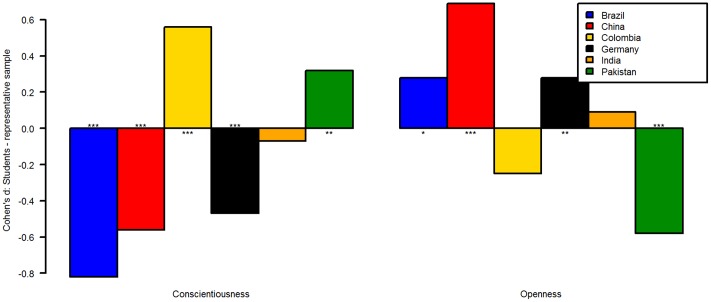
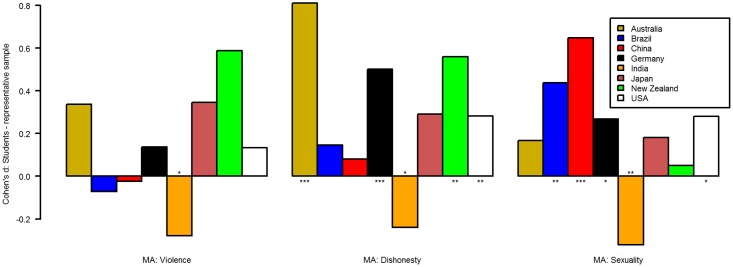
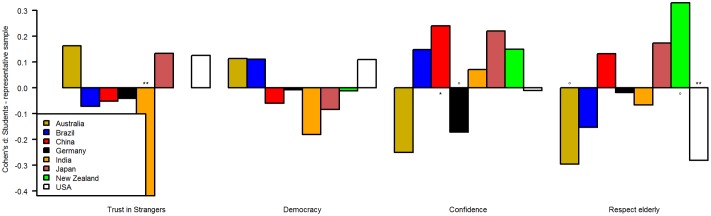
Most psychological studies rely on student samples. Students are usually considered as more homogenous than representative samples both within and across countries. However, little is known about the nature of the differences between student and representative samples. This is an important gap, also because knowledge about the degree of difference between student and representative samples may allow to infer from the former to the latter group. Across 59 countries and 12 personality (Big-5) and attitudinal variables we found that differences between students and general public were partly substantial, incoherent, and contradicted previous findings. Two often used cultural variables, embeddedness and intellectual autonomy, failed to explain the differences between both groups across countries. We further found that students vary as much as the general population both between and within countries. In summary, our results indicate that generalizing from students to the general public can be problematic when personal and attitudinal variables are used, as students vary mostly randomly from the general public. Findings are also discussed in terms of the replication crisis within psychology.
Overview
The claims and statistics of this paper haven’t been checked yet.
Run the check — free, no account needed. It reads the open-access text and checks the sources it cites.
Integrity signals
Registry
Cites
Statistics
Figures
Verification
Claims the paper makes
The claims and statistics of this paper haven’t been checked yet.
Run the check — free, no account needed. It reads the open-access text and checks the sources it cites.
Claims other papers make about this one
Each is checked against this paper’s own text: does it say what the citing paper says it does?
The source backs part of the claim, not all of it — or backs it for a different population, condition or comparison.
In the citing paper
“A further comment, which is true for much psychology literature (e.g., Hanel & Vione, 2016), is that most of this research depends on student samples, most commonly psychology student samples.”
From Factors Related to Mean Score Group Differences on Cognitive Ability Tests: A Systematic Review (2025) · cites this paper as Hanel & Vione, 2016
Experimental — accuracy not yet measured
Self-check
Percentages, sums and reported differences re-computed from the paper’s own numbers.
The self-check needs the paper’s full text.
Citations
Cites
Schwartz, S. H. (1992) · Advances in Experimental Social Psychology · doi:10.1016/s0065-2601(08)60281-6 · Cited by 14,619 · cited 3×
“This was done to correct for individual scale use tendencies and to investigate the relative importance of CVOs [10,16].”
BackgroundThe weirdest people in the world?
Henrich, J., Heine, S. J., & Norenzayan, A. (2010) · Behavioral and Brain Sciences · doi:10.1017/s0140525x0999152x · Cited by 12,641
Estimating the reproducibility of psychological science
Open Science Collaboration (2015) · Science · doi:10.1126/science.aac4716 · Cited by 8,515
A very brief measure of the Big-Five personality domains
Gosling, S. D., Rentfrow, P. J., & Swann, W. B. (2003) · Journal of Research in Personality · doi:10.1016/s0092-6566(03)00046-1 · Cited by 8,307 · cited 2×
“Nevertheless, other psychometric qualities such as convergent validity or test-retest reliabilities were found to be good [20].”
BackgroundMethodPower failure: why small sample size undermines the reliability of neuroscience
Button, K. S., Ioannidis, J. P. A., Mokrysz, C., Nosek, B. A., Flint, J., Robinson, E. S. J., & Munafò, M. R. (2013) · Nature Reviews Neuroscience · doi:10.1038/nrn3475 · Cited by 7,641
Simmons, J. P., Nelson, L. D., & Simonsohn, U. (2011) · Psychological Science · doi:10.1177/0956797611417632 · Cited by 6,567
WEIRD languages have misled us, too
Majid, A., & Levinson, S. C. (2010) · Behavioral and Brain Sciences · doi:10.1017/s0140525x1000018x · Cited by 4,177
Differences Between Tight and Loose Cultures: A 33-Nation Study
Gelfand, M. J., Raver, J. L., Nishii, L., Leslie, L. M., Lun, J., Lim, B. C., Duan, L., Almaliach, A., Ang, S., Arnadottir, J., et al. (2011) · Science · doi:10.1126/science.1197754 · Cited by 3,252 · cited 1×
“We have further added the tightness scores [24] as an independent variables for 20 countries.”
BackgroundAdjusting for multiple testing—when and how?
Bender, R., & Lange, S. (2001) · Journal of Clinical Epidemiology · doi:10.1016/s0895-4356(00)00314-0 · Cited by 3,168 · cited 1×
“, differences between both sample types for country X) should be tested in further confirmatory studies [25].”
BackgroundThe neglected 95%: Why American psychology needs to become less American.
Arnett, J. J. (2008) · American Psychologist · doi:10.1037/0003-066x.63.7.602 · Cited by 2,178 · cited 4×
“10) nor the seven attitudinal variables (all Fs[1, 116]< 1.”
BackgroundResultInfluential
Research works printed but not linked: 2
- Schwartz SH. The 7 Schwartz cultural value orientation scores for 80 countries [Internet]. Dataset; 2008. https://www.researchgate.net/publication/304715744_The_7_Schwartz_cultural_value_orientation_scores_for_80_countries
- JN Druckman, 2011, Cambridge Handbook of Experimental Political Science, 41
Cited by
Sorted by citations
Items 101–200 of 431
Race and the Race for the White House: On Social Research in the Age of Trump
al‐Gharbi, M. (2018) · The American Sociologist · doi:10.1007/s12108-018-9373-5 · Cited by 37
Rezende, F. A. C., Oliveira, B. M. P. M., & Poínhos, R. (2024) · Healthcare · doi:10.3390/healthcare12050572 · Cited by 16
The roles of social norms and leadership in health communication in the context of COVID-19
Akfirat, S. A., Bayrak, F., Üzümçeker, E., Ergiyen, T., Yurtbakan, T., & Uysal, M. S. (2023) · Social Science & Medicine · doi:10.1016/j.socscimed.2023.115868 · Cited by 24
Panchyshyn, V., Tekok-Kılıç, A., Frijters, J. C., & Tardif-Williams, C. Y. (2023) · Heliyon · doi:10.1016/j.heliyon.2023.e14071 · Cited by 25
The role of gender and academic degree on preference for smooth curvature of abstract shapes
Palumbo, L., Rampone, G., & Bertamini, M. (2021) · PeerJ · doi:10.7717/peerj.10877 · Cited by 19
“This is in line with recent research showing limitations in any generalisation of results from students to the general public (Hanel & Vione, 2016).”
ResultPersson, S., & Dhingra, K. (2021) · Journal of Interpersonal Violence · doi:10.1177/0886260521991294 · Cited by 18
“Although no direct comparison has been made on attitudes relating to sexual assault, several researchers have noted that the overall population representativeness of students can be limited when it comes to personality and attitudinal variables (e.g., Hanel & Vione, 2016).”
BackgroundKinney, A. R., Graham, J. E., & Eakman, A. M. (2020) · American Journal of Occupational Therapy · doi:10.5014/ajot.2020.037119 · Cited by 20
“Although using convenience samples of university students is a widely adopted approach, fi ndings from such samples do not always generalize to nonstudent populations (Hanel & Vione, 2016).”
Workers' self‐objectification and tendencies to conform to others
Baldissarri, C., Andrighetto, L., Bernardo, G. A. D., & Annoni, A. (2020) · Journal of Community & Applied Social Psychology · doi:10.1002/casp.2461 · Cited by 23
Maduneme, E., & Cohen, A. S. (2024) · Environment and Behavior · doi:10.1177/00139165241286874 · Cited by 21
“Our broader sample, as opposed to the undergraduate populations often used in previous research, allows for greater generalizability of our findings to the wider public (cf. Hanel & Vione, 2016; Henrich et al., 2010).”
Rodriguez, K. E., Green, F. L. L., Binfet, J.-T., Townsend, L. D., & Gee, N. R. (2023) · Human-Animal Interactions · doi:10.1079/hai.2023.0004 · Cited by 21
Akbari, M., Disabato, D. J., Seydavi, M., & Zamani, E. (2021) · Journal of Contextual Behavioral Science · doi:10.1016/j.jcbs.2021.09.004 · Cited by 26
Using Trust to Determine User Decision Making & Task Outcome During a Human-Agent Collaborative Task
Herse, S., Vitale, J., Johnston, B., & Williams, M.-A. (2021) · IEEE/ACM International Conference on Human-Robot Interaction · doi:10.1145/3434073.3444673 · Cited by 17
“For example, the sampling bias present when running experiments on university students [27, 31].”
BackgroundWord of mouth: How upward social comparisons influence the sharing of consumption experiences
Vázquez, A. S., Du, L., & Lanza, A. B. D. R. (2020) · Journal of Consumer Behaviour · doi:10.1002/cb.1902 · Cited by 21
Martinez, A., Wickham, S., Rowse, G., Milne, E., & Bentall, R. (2020) · Psychological Medicine · doi:10.1017/s0033291720001373 · Cited by 17
“Moreover, the use of college student samples in the above-mentioned studies limits the generalizability of previous findings, since they are less likely to be representative of the general population (Hanel & Vione, 2016).”
MethodRye, B. J., Merritt, O. A., & Straatsma, D. (2019) · Personality and Individual Differences · doi:10.1016/j.paid.2019.05.033 · Cited by 29
Can self-referencing exacerbate punishing behavior toward corporate brand transgressors?
Işıksal, D. G., & Karaosmanoğlu, E. (2020) · Journal of Brand Management · doi:10.1057/s41262-020-00204-8 · Cited by 22
Childbirth on television: a scoping review and recommendations for further research
Roberts, J., & Benedictis, S. D. (2019) · Feminist Media Studies · doi:10.1080/14680777.2019.1690025 · Cited by 16
“While this practice is not uncommon, questions remain about the representativeness of student samples and the transferability of fi ndings to the general population (Paul H.P. Hanel and Katia C. Vione 2016).”
BackgroundHanel, P. H. P., Wolfradt, U., Maio, G. R., & Manstead, A. S. R. (2018) · Journal of Experimental Social Psychology · doi:10.1016/j.jesp.2018.07.002 · Cited by 32
“Not only are there acrimonious debates across these group divides (Dawkins, 2006; Iyengar et al., 2012); people are inclined to infer greater differences in values between groups than there actually are (Hanel, 2016; Hanel, Maio, & Manstead, 2018; see also Westfall, Boven, Chambers, & Judd, 2015).”
BackgroundSelf-citationFang, S., Huang, M., & Wang, Y. (2023) · Journal of Contextual Behavioral Science · doi:10.1016/j.jcbs.2023.03.008 · Cited by 15
Costin, V., & Vignoles, V. L. (2021) · Journal of Personality · doi:10.1111/jopy.12682 · Cited by 21
“US MTurk workers and UK university students tend to be younger, more educated, less religious, and more liberal than the average US/ UK person (Dinham et al., 2017; Hanel & Vione, 2016; Paolacci & Chandler, 2014).”
BackgroundConsideration of future consequences (CFC): Validation and proposition of an ultra-short scale
Vilar, R., Milfont, T. L., Araújo, R. D. C. R., Coelho, G. L. D. H., Soares, A. K. S., & Gouveia, V. (2020) · Current Psychology · doi:10.1007/s12144-020-00840-y · Cited by 15
Aghakhani, H., & Main, K. (2018) · Journal of Retailing and Consumer Services · doi:10.1016/j.jretconser.2018.11.021 · Cited by 19
Lau, J. (2024) · International Journal of Advertising · doi:10.1080/02650487.2024.2428551 · Cited by 15
Text Generation Benefits Learning: a Meta-Analytic Review
Schindler, J., & Richter, T. (2023) · Educational Psychology Review · doi:10.1007/s10648-023-09758-w · Cited by 20
“According to a second-order meta-analysis by Peterson (2001; see also Hanel & Vione, 2016), university students are usually a more homogenous sample as compared to samples from other populations in social science research.”
Making choices in addressing sustainability problems: A link to framing effects and protected values
Lepore, W., & Cunningham, J. (2023) · Public Management Review · doi:10.1080/14719037.2023.2180656 · Cited by 19
“In fact, in a study that compares students with the general public from 59 countries across 12 variables, Hanel, Vione, and Voracek (2016) demonstrate that students vary both across and within countries as much as the general public.”
The role of humility in Chief Executive Officers: a review
Brunzel, J., & Ebsen, D. (2022) · Review of Managerial Science · doi:10.1007/s11846-022-00590-0 · Cited by 17
“However, commonly used cohorts such as students can be problematic when generalizing to other cohorts (e.g., Hanel and Vione 2016) such as top executives, thereby emphasizing the need to contrast different research strands via a review.”
BackgroundFong, T. C. T., Yip, P. S. F., Chan, M. Y. H., & Ho, R. (2020) · Assessment · doi:10.1177/1073191120976857 · Cited by 16
“Hanel and Vione (2016) demonstrate that results derived from student samples might not generalize to the general public in the case of attitudinal variables.”
BackgroundLiddelow, C., Mullan, B., Boyes, M., & McBride, H. (2020) · Healthcare · doi:10.3390/healthcare8040487 · Cited by 14
Relationships Between Alexithymia and Psychopathy in Heroin Dependent Individuals
Psederska, E., Savov, S., Atanassov, N., & Vassileva, J. (2019) · Frontiers in Psychology · doi:10.3389/fpsyg.2019.02269 · Cited by 16
“, 2012); however, these findings are not representative of the general population (Hanel and Vione, 2016).”
BackgroundResultThe Replication Crisis and Qualitative Research in the Psychology of Religion
Anczyk, A., Grzymała-Moszczyńska, H., Krzysztof-Świderska, A., & Prusak, J. (2019) · International Journal for the Psychology of Religion · doi:10.1080/10508619.2019.1687197 · Cited by 19
“…which is in fact a specific group of people, often sophomore year students (and often WEIRD, Western Educated, Industrialized, Rich, Democratic, see Henrich, Heine, & Norenzayan, 2010) who are not representative of the whole community, on which findings are often generalized (Hanel & Vione, 2016).”
BackgroundRye, B., & Underhill, A. (2019) · Women's Reproductive Health · doi:10.1080/23293691.2018.1556425 · Cited by 14
Integrating human behaviour and epidemiological modelling: unlocking the remaining challenges
Hill, E., Ryan, M., Haw, D., Lynch, M. P., McCabe, R., Milne, A., Turner, M., Vedhara, K., Zeng, F.-Q., Barons, M., et al. (2024) · Mathematics in Medical and Life Sciences · doi:10.1080/29937574.2024.2429479 · Cited by 13
“However, data suggest that generalising from students to the general public can be problematic when personal and attitudinal variables are used, as students vary mostly randomly from the general public [45].”
Vail, K. E., Harvell-Bowman, L. A., Lockett, M., Pyszczynski, T., & Gilmore, G. R. (2022) · Motivation and Emotion · doi:10.1007/s11031-022-09983-w · Cited by 23
“However, more recent work has found that student samples vary just as much as the general population on attitudinal variables (Hanel & Vione, 2016) and that there are likely few situations in which student sample characteristics would substantially constrain a study’s external validity (Druckman &…”
BackgroundLagdon, S., Ross, J., Waterhouse‐Bradley, B., & Armour, C. (2022) · Journal of Family Violence · doi:10.1007/s10896-022-00393-7 · Cited by 14
“Relatedly and finally, while university samples provided a convenient sample in which to explore complex theoretical assumptions (Hanel & Vione, 2016; Henry, 2008), such samples do differ from other adult populations.”
BackgroundLevels of Self-representation and Their Sociocognitive Correlates in Late-Diagnosed Autistic Adults
Moseley, R. L., Liu, C. H., Gregory, N. J., Smith, P. L., Baron‐Cohen, S., & Sui, J. (2021) · Journal of Autism and Developmental Disorders · doi:10.1007/s10803-021-05251-x · Cited by 20
“Secondly, concerns have been raised over the use and representativeness of undergraduate samples such as our small NA group (DeRight & Jorgensen, 2015; Hanel & Vione, 2016), and the reproducibility of such findings (Peterson & Merunka, 2014).”
BackgroundGodara, M., Sánchez-López, Á., Baeken, C., & Raedt, R. D. (2020) · Behaviour Research and Therapy · doi:10.1016/j.brat.2020.103787 · Cited by 15
Context Dependency as a Predictor of Replicability
Gollwitzer, M., & Schwabe, J. (2021) · Review of General Psychology · doi:10.1177/10892680211015635 · Cited by 17
“…collaboration projects, and detectability is a substantive contextual moderator of social loafing) and a conceptually irrelevant condition (e.g., student samples are more homogeneous and, thus, produce smaller sampling errors and larger effects; see Peterson, 2001, but see Hanel & Vione, 2016).”
BackgroundPersonality traits are directly associated with anti-black prejudice in the United States
Lin, C., & Alvarez, R. M. (2020) · PLoS ONE · doi:10.1371/journal.pone.0235436 · Cited by 18
Task load modulates tDCS effects on language performance
de Almeida, L. R., Pope, P. A., & Hansen, P. (2019) · Journal of Neuroscience Research · doi:10.1002/jnr.24490 · Cited by 15
“This is a common limitation in experimental research and its potential negative impact is topic of debate in the literature (Hanel & Vione, 2016; Jager, Putnick, & Bornstein, 2017).”
BackgroundExploring occupant exit choices during fire drills and false alarm evacuations in a library
Tong, Y.-H., Bode, N., Haghani, M., & Lovreglio, R. (2025) · Safety Science · doi:10.1016/j.ssci.2024.106708 · Cited by 12
Salminen, J. O., Jung, S., Kamel, A. M., Froneman, W., & Jansen, B. J. J. (2022) · PeerJ Computer Science · doi:10.7717/peerj-cs.1136 · Cited by 14
Green, T., Shipman, J., Valrie, C., Corona, R., Kohlmann, T., Valiani, S., & Hagiwara, N. (2021) · Journal of Racial and Ethnic Health Disparities · doi:10.1007/s40615-021-01149-7 · Cited by 12
Psychometric Evidence of the Short Almost Perfect Scale (SAPS) in Brazil
Coelho, G. L. D. H., Monteiro, R. P., Vilar, R., Hanel, P. H. P., Moizéis, H. B. C., & Gouveia, V. V. (2020) · The Counseling Psychologist · doi:10.1177/0011000020949146 · Cited by 24
“Since findings of psychological studies can differ within and across countries (e.g., Hanel & Vione, 2016; Henrich et al., 2010), replications are necessary to test whether the SAPS can be used in non-Western countries.”
BackgroundSelf-citationQuantitative Cross-Cultural Similarities and Differences in Social Discounting for Gains and Losses
Stegall, S. E., Collette, T., Kinjo, T., Takahashi, T., & Romanowich, P. (2019) · Frontiers in Public Health · doi:10.3389/fpubh.2019.00297 · Cited by 14
“However, university students have been shown to vary as much as the general population in behavior-based phenomena (28).”
BackgroundThe Effect of Sleep Quality on Pain in Chilean Individuals with Musculoskeletal Disorders
Bascour-Sandoval, C., Belmar-Arriagada, H., Albayay, J., Lacoste-Abarzua, C., Bielefeldt-Astudillo, D., Gajardo-Burgos, R., Vidal-Torres, M., & Gálvez-García, G. (2021) · International Journal of Environmental Research and Public Health · doi:10.3390/ijerph182111370 · Cited by 11
“However, it should be noted that the current findings might be particularly relevant for the vast corpus of studies that include a large number of students in their samples [48].”
BackgroundFindor, A., Hruška, M., Jankovská, P., & Pobudová, M. (2021) · Journal of Immigrant & Refugee Studies · doi:10.1080/15562948.2021.1902597 · Cited by 17
“Despite concerns for limited generalizability of student samples to the general public (Hanel & Vione, 2016), student samples provide data with a comparable quality to professional online panels and Amazon’s Mechanical Turk (MTurk) (Kees et al., 2017).”
BackgroundThe ACME shop: A paradigm to investigate working (self-) objectification
Baldissarri, C., Gabbiadini, A., Andrighetto, L., & Volpato, C. (2020) · The Journal of Social Psychology · doi:10.1080/00224545.2020.1845592 · Cited by 11
“Recent works have criticized the practice of conducting research solely with samples of college students to draw general inference (e.g., Hanel & Vione, 2016; Peterson, 2001).”
BackgroundVickery, A. J. (2020) · The Handbook of Listening · doi:10.1002/9781119554189.ch4 · Cited by 11
Rodríguez‐Ferreiro, J., Aguilera, M., & Davies, R. (2020) · Frontiers in Psychology · doi:10.3389/fpsyg.2020.00262 · Cited by 11
Enhancing representativeness in population-based surveys to improve data quality and decision-making
Rousset, S., Charrier, L., Bersia, M., Comoretto, R., & Dalmasso, P. (2025) · Scientific Reports · doi:10.1038/s41598-025-17298-2 · Cited by 10
“While differences in sample representativeness are well documented in psychological research 46,47 to our knowledge, this is the first study comparing the distribution of the characteristics between survey respondents and the population in a university student setting on mental health themes.”
Gerrans, P., Hoffmann, A. O. I., McNair, S., & Pallant, J. I. (2025) · Pacific-Basin Finance Journal · doi:10.1016/j.pacfin.2025.102669 · Cited by 16
Sever, M., TATLICIOĞLU, O., Almeida, T. C., Azeez, E. P. A., Caridade, S., & Cunha, O. S. (2024) · BMC Psychology · doi:10.1186/s40359-024-02134-5 · Cited by 13
Lee, H., Labhardt, D., & Willmott, D. (2024) · Behavioral Science · doi:10.3390/bs14100913 · Cited by 10
“As students often have more liberal attitudes to sexual violence words than the general population [77,78], it is possible that the conclusion reached by Spiker [76] may not extrapolate among more representative community samples.”
Creativity and resilience: a mini-review on post-pandemic resources for adolescents and young adults
Lorenzo, A. D., Lattke, L. S., & Rabaglietti, E. (2023) · Frontiers in Public Health · doi:10.3389/fpubh.2023.1117539 · Cited by 16
“However, they are often an unrepresentative sample with large age differences and individual differences (62, 63).”
BackgroundPhilander, K. S., & Gainsbury, S. M. (2021) · Frontiers in Psychology · doi:10.3389/fpsyg.2020.609731 · Cited by 10
“The use of multiple sampling strategies improves our study validity, as convenience samples like college students may not generalize well when attitudinal variables are used (Hanel and Vione, 2016).”
BackgroundOut of sight, out of mind? Exploring the long-term effects of Relational Mindfulness Training (RMT)
Vich, M., Lukeš, M., & Burian, J. (2020) · Journal of Contextual Behavioral Science · doi:10.1016/j.jcbs.2020.04.001 · Cited by 10
Measurement invariance tests of revisions to archaically worded items in the Mach IV scale
Miller, B., Nicols, K., & Konopaske, R. (2019) · PLoS ONE · doi:10.1371/journal.pone.0223504 · Cited by 10
“First, because samples of college students are commonly used in psychological research [10,11], it is imperative that the wording of scale items is understandable to young adults and terms that refer to popular culture, historical events, or figures of the distant past are likely to be confusing or un-interpretable by…”
BackgroundImpact of adverse childhood experiences on alcohol use in emerging adults in Montenegro and Romania
Brajović, M., Bellis, M. A., Kukec, A., Terzić, N., Băban, A., Sethi, D. D., & Zaletel‐Kragelj, L. (2019) · Slovenian Journal of Public Health · doi:10.2478/sjph-2019-0017 · Cited by 12
“Finally, a similar study in the non-student part of the population of emerging adults would be of great importance, broadening the knowledge about the problem in this subgroup, although more difficult to reach than the student population (41).”
ResultWalters, J., Nguyen, L., Liu, Y., Ijurco, S. M., Evans, S., Chacos, N., Duran, M., & Smith, C. (2025) · Journal of Criminal Justice · doi:10.1016/j.jcrimjus.2025.102491 · Cited by 13
Hamilton, J., Welham, A., Morgan, G., & Jones, C. (2024) · PLoS ONE · doi:10.1371/journal.pone.0308038 · Cited by 9
Asgarizadeh, A., Mazidi, M., Preece, D., & Dehghani, M. (2024) · Journal of Personality Assessment · doi:10.1080/00223891.2024.2340506 · Cited by 9
“Although student samples are typical in psychological research, they may not accurately represent the general community (Hanel & Vione, 2016; Wild et al., 2022).”
Experimental Research on Retirement Decision-Making: Evidence from Replications
Bachmann, K., Lot, A., Xu, X.-G., & Hens, T. (2023) · Journal of Banking & Finance · doi:10.1016/j.jbankfin.2023.106851 · Cited by 9
Abramovitch, A., Robinson, A. D., Buckley, M., Çek, D., de Putter, L., & Timpano, K. (2023) · Journal of Obsessive-Compulsive and Related Disorders · doi:10.1016/j.jocrd.2023.100807 · Cited by 9
“For example, a study assessing student samples from 59 countries found that variability in terms of personal and attitudinal variables may be similar between students and non-student samples (Hanel & Vione, 2016).”
BackgroundThe generational divide over climate change among American evangelicals
Lowe, B. S., Jacobson, S., Israel, G., Kotcher, J., Rosenthal, S., Maibach, E., & Leiserowitz, A. (2022) · Environmental Research Letters · doi:10.1088/1748-9326/ac9a60 · Cited by 9
Motivating Innovation: Tunnels vs. Funnels
Klingebiel, R. (2022) · Strategy Science · doi:10.1287/stsc.2022.0156 · Cited by 16
A Community Mental Health and Wellbeing Literacy Study Among Australian Adults
Chng, J., Burns, R., Murray, K., & Crisp, D. (2022) · Journal of Happiness and Health · doi:10.47602/johah.v2i1.13 · Cited by 9
“In contrast, psychological studies and wellbeing studies are often predominantly derived from student populations, lack generalisability and often produce results which are not reproducible (Hanel & Vione, 2016; Sassenberg & Ditrich, 2019).”
BackgroundBjörkstrand, J., Pine, D. S., & Frick, A. (2022) · Scientific Reports · doi:10.1038/s41598-022-07999-3 · Cited by 13
Do Attentional Lapses Account for the Worst Performance Rule?
Löffler, C., Frischkorn, G. T., Rummel, J., Hagemann, D., & Schubert, A.-L. (2021) · Journal of Intelligence · doi:10.3390/jintelligence10010002 · Cited by 9
Marinthe, G., Testé, B., & Kamiejski, R. (2021) · Current Psychology · doi:10.1007/s12144-021-01696-6 · Cited by 12
“First, we used convenience student samples in both studies, which may differ from representative samples of the general population in terms of certain characteristics (e.g., personality traits, Hanel & Vione, 2016).”
MethodYue, Z.-Y., & Stefanone, M. (2021) · Behavior and Information Technology · doi:10.1080/0144929x.2021.1887353 · Cited by 9
“…students demonstrate a moderately good estimate of representativeness (e.g. Fischer and Schwartz 2011), a recent study comparing college student samples and the public implies that generalising from students to the general public within social psychology could be problematic (Hanel and Vione 2016).”
BackgroundSurijah, E. A., Prasetyaningsih, N., & Supriyadi, S. (2021) · Psympathic Jurnal ilmiah Psikologi · doi:10.15575/psy.v7i2.6634 · Cited by 9
“This study addresses the critics on engaging student samples as participants (Hanel & Vione, 2016).”
BackgroundDimensionality of the State–Trait Inventory of Cognitive and Somatic Anxiety
Styck, K. M., Rodriguez, M., & Yi, E. H. (2020) · Assessment (Odessa, Fla.) · doi:10.1177/1073191120953628 · Cited by 9
“There is also some evidence that research conducted with convenience samples of college students may not generalize to adult community samples (e.g., Hanel & Vione, 2016; Peterson & Merunka, 2014).”
BackgroundBartel, A., Jordan, J. T., Correll, D., Devane, A., & Samuelson, K. W. (2019) · Journal of Clinical Psychology · doi:10.1002/jclp.22855 · Cited by 12
Devenney, L. E., Coyle, K. B., & Verster, J. C. (2019) · Addictive Behaviors Reports · doi:10.1016/j.abrep.2019.100197 · Cited by 12
“This limitation is not unique to hangover research but seen across the fi eld of psychological research (Hanel & Vione, 2016).”
BackgroundThe ubiquity of the gender/sex binary: power and status in social psychology
Means, K. K., & Morgenroth, T. (2024) · Frontiers in Social Psychology · doi:10.3389/frsps.2024.1455364 · Cited by 8
Klein, H. S., Springfield, C. R., & Pinkham, A. (2024) · Applied neuropsychology. Adult · doi:10.1080/23279095.2022.2082875 · Cited by 8
“In addition to being younger and more educated than the general public, undergraduate students tend to have higher socioeconomic status, challenging the generalizability of findings from research using these samples (Hanel & Vione, 2016; Henrich et al., 2010).”
Grave, A., Neven, L., & Mohammadi, M. (2024) · Cities & Health · doi:10.1080/23748834.2024.2359759 · Cited by 8
“However, generalising results from student participants to the general public can be problematic and must, therefore, be done with care (Hanel and Vione 2016).”
Fernández, D., Orazzo, E., Fry, E. K., McMain, A., Ryan, M. K., Wong, C. Y., & Begeny, C. T. (2024) · Frontiers in Psychology · doi:10.3389/fpsyg.2023.1235065 · Cited by 12
Mock Juror Perceptions of a Male or Female Adult Rape Victim Crying in the Courtroom
Pals, A. M., Levi, M. M., Meier, J. R., Jenkins, B. D., Grand, A. M. L., & Golding, J. M. (2023) · Violence Against Women · doi:10.1177/10778012231166404 · Cited by 9
“…Administrative Of fi ce of the United States Courts, n.d.; Federal Court of Australia, 2021; NI Direct, n.d.), and people of student age are younger than the mean age of the jury pool (e.g., Anwar et al., 2014) with different accumulated experiences affecting their worldview (Hanel & Vione, 2016).”
BackgroundPsychometric study of the differentiation of self scale-revised in a sample of Spanish adults
Oliver, J., Jódar, R., Berástegui, A., Skowron, E. A., Friedlander, M. L., & Schmitt, T. (2022) · Current Psychology · doi:10.1007/s12144-022-02929-y · Cited by 8
“Although psychology student’s overrepresentation is a common feature of psychological research (Hanel & Vione, 2016), we acknowledge that these sampling bias can make our results mainly valid for women and highly educated populations.”
BackgroundBattle of the primes – The effect and interplay of health and hedonic primes on food choice
Bauer, J. M., van der Laan, L. N., de Bruijn, G., & Reisch, L. A. (2022) · Appetite · doi:10.1016/j.appet.2022.105956 · Cited by 9
“The samples of many previous studies were limited and consisted of, for instance university students which may have a distinct response to the experimental manipulations (Cappelen et al., 2015; Hanel & Vione, 2016).”
BackgroundGaur, R. (2019) · Media Psychology · doi:10.1080/15213269.2019.1627888 · Cited by 13
Attitudes toward condom carriers: The role of gender
Leung, P., & MacDonald, T. (2018) · Canadian Journal of Human Sexuality · doi:10.3138/cjhs.2018-0003 · Cited by 8
Exploring Entrepreneurial Alertness and Entrepreneurial Intention in times of the Covid-19 Pandemic
Arnaut, D., Stanić, M., & Bećirović, D. (2022) · Management · doi:10.30924/mjcmi.27.1.13 · Cited by 8
“The use of college students as respondents in studies on entrepreneurial intentions, although very common, may limit the generalizability of research findings, especially when per - sonal and attitudinal variables are examined (Hanel & Vione, 2016).”
Yepes, T. G., Etchezahar, E., Genol, M. A. A., & Ungaretti, J. (2025) · Ciencias Psicológicas · doi:10.22235/cp.v19i1.4031 · Cited by 7
“According to Hanel and Vione (2016), the lack of representation of experiences from the general population may lead to biases in assessment, especially when it is the reference scale in most studies.”
Cultural Capital Signaling and Class-Related Selection Biases in Employment and Education
Guzman, L., Stancato, D. M., Chen, S., & Keltner, D. J. (2025) · Basic and Applied Social Psychology · doi:10.1080/01973533.2025.2467273 · Cited by 7
Perspective‐taking predicts success in coalition formation
Cantiani, A., van Beest, I., Cruijssen, F., Kant, G., & Erle, T. M. (2024) · European Journal of Social Psychology · doi:10.1002/ejsp.3091 · Cited by 8
López-Fernández, F. J., Mezquita, L., Vidal-Arenas, V., Michelini, Y., Bravo, A. J., Pilatti, A., Ortet, G., & Ibáñez, M. I. (2024) · Addictive Behaviours · doi:10.1016/j.addbeh.2024.108049 · Cited by 7
Ballinger, T., Canevello, A., Crocker, J., Jiang, T., & Quinn, D. M. (2022) · Journal of Social Issues · doi:10.1111/josi.12543 · Cited by 7
Luong, R. (2022) · Journal of Environmental Psychology · doi:10.1016/j.jenvp.2022.101828 · Cited by 8
Gabbiadini, A., Riva, P., Andrighetto, L., Volpato, C., & Bushman, B. J. (2021) · Journal of Applied Social Psychology · doi:10.1111/jasp.12854 · Cited by 12
Centrality of Religiosity, Schizotypy, and Human Values: The Impact of Religious Affiliation
Hanel, P., Demmrich, S., & Wolfradt, U. (2019) · Religions · doi:10.3390/rel10050297 · Cited by 7
Self-citationKartheiser, G., Cormier, K., Bell-Souder, D., Dye, M., & Sharma, A. (2024) · Hearing Research · doi:10.1016/j.heares.2024.109074 · Cited by 25
Zeißig, A., Kansok‐Dusche, J., Fischer, S. M., Moeller, J., & Bilz, L. (2024) · Review of Education · doi:10.1002/rev3.3470 · Cited by 11
Holtz, B. E., Mitchell, K., Adams, R., Grier, C., & Wright, J. (2024) · Ethics & Behavior · doi:10.1080/10508422.2024.2318546 · Cited by 6
“These interactions cause students to have a different relationship with academic research than persons outside the academy (Hanel et al., 2016.”
Bonding Through Language Imitation: Influence of Social Ostracism on Structural Priming
Li, H. (2023) · Journal of Language and Social Psychology · doi:10.1177/0261927x231151408 · Cited by 6
“Thus, it may be problematic to generalize research results from students to the rest of population when personal and social factors are involved (Hanel & Vione, 2016; Li & Shen, 2022).”
BackgroundUniversity Students’ Sexual Identity Development as a Determinant of Sexual Self-Hood
Rye, B., & Hertz, S. G. (2022) · Sexes · doi:10.3390/sexes3030035 · Cited by 6
“We cannot generalize from a student sample to the general population; students are somewhat more sexually liberal in their attitudes compared to the general public, but students are heterogeneous in these attitudes relative to representative samples [43].”
BackgroundVoter Evaluations of Biracial-Identified Political Candidates
Leslie, G., Masuoka, N., Gaither, S., dos Remédios, J. L., & Vinluan, A. C. (2022) · The social science · doi:10.3390/socsci11040171 · Cited by 6
“It is therefore important to acknowledge the possible limitations associated with snowball sampling and college-student samples, especially in terms of generalizability (Dosek 2021; Peterson 2001; Hanel and Vione 2016).”
BackgroundCokley, K., Krueger, N. T., Garba, R., Bailey, M., Harris, K. J., Hall, S., Coleman, C. A., & Archer, J. (2022) · Journal of Black Psychology · doi:10.1177/00957984211070216 · Cited by 12
“Most psychological studies are conducted on student samples (Hanel & Vione, 2016), which raises questions of generalizability beyond students.”
BackgroundThe Effect of Countermeasure Readability on Security Intentions
Smit, T., van Haastrecht, M., & Spruit, M. (2021) · Journal of Cybersecurity and Privacy · doi:10.3390/jcp1040034 · Cited by 6
“Hanel and Vione [83] note that “generalizing from students to the general public can be problematic when personal and attitudinal variables are used.””
Background
Metadata
- Authors
- Hanel, P. H. P., & Vione, K. C.
- Affiliations
- Cardiff University (GB)
- Corresponding author
- Hanel, Paul H. P.
- ORCID
- Hanel, Paul H. P.
- Venue
- PLOS ONE
- Publisher
- Public Library of Science (PLoS)
- Published
- 2016-12-21
- Volume
- 11
- Issue
- 12
- Pages
- e0168354
- ISSN
- 1932-6203 (ISSN-L)
- PMC
- PMC5176168
- OpenAlex
- W2569236205
- Cited by
- 510
- References
- 36
- Citations by year
- 2026: 45 · 2025: 48 · 2024: 71 · 2023: 59 · 2022: 56 · 2021: 80 · 2020: 87 · 2019: 40 · 2018: 18 · 2017: 5
- FWCI
- 23.02
- Type
- journal article
- Language
- en
- Open access
- gold
- doi.org
- Licence
- Locations
- PLoS ONE (publishedVersion, cc-by)
- PubMed Central (publishedVersion, cc-by)
- PubMed (publishedVersion)
- ORCA Online Research @Cardiff (Cardiff University) (acceptedVersion)
- Open Access at Essex (University of Essex) (acceptedVersion)
- University of Derby Online Research Archive. (University of Derby) (submittedVersion, cc-by)
- The University of Bath Online Publications Store (The University of Bath) (submittedVersion)
- DOAJ (DOAJ: Directory of Open Access Journals) (submittedVersion, cc-by-sa)
- Figshare (submittedVersion, cc-by)
- Pure (University of Bath) (submittedVersion, other-oa)
- Funders
- Economic and Social Research Council (GB) (ES/J500197/1)
- CAPES Foundation
- Topics
- Social Sciences › Decision Sciences › Management Science and Operations Research › Psychometric Methodologies and Testing
- Social Sciences › Psychology › Social Psychology › Social Representations and Identity
- Social Sciences › Sociology and Political Science › Survey Methodology and Nonresponse
- Keywords
- student samples, cross-cultural comparison, Big Five personality traits, attitudes, embeddedness, intellectual autonomy, sampling bias, replication crisis, cross-national comparison
- MeSH terms
- Attitude, Female, Humans, Male, Personality, Psychological Tests, Students, Knowledge, Young Adult
About these checks
Registry, retraction, Cites and statistics results are computed, not judged, with one exception: a printed reference that no index lists is read once by a model before it counts as a citation error. Claims are extracted by a model and kept only when their quote appears verbatim in the text; each cited source is then checked, with a model’s help, for whether it says what the claim relies on. Those verdicts can be wrong — read the claim’s quote and the cited source before relying on one.
Statistics and arithmetic are recomputed, not judged.
Confidence bands are shown only for fields calibrated on our annotated test set. None is calibrated yet, so no band is shown.
What counts as a claim ›How we measure confidence ›How we check this ›
Are you an author, or do you see a problem with this page? Request a review
