

The Virtual Operative Assistant: An explainable artificial intelligence tool for simulation-based training in surgery and medicine
Open accessThe DOI matches its Crossref record; 48 of the 49 references it cites were found in a registry or an index, and 1 are not checked yet.
Abstract
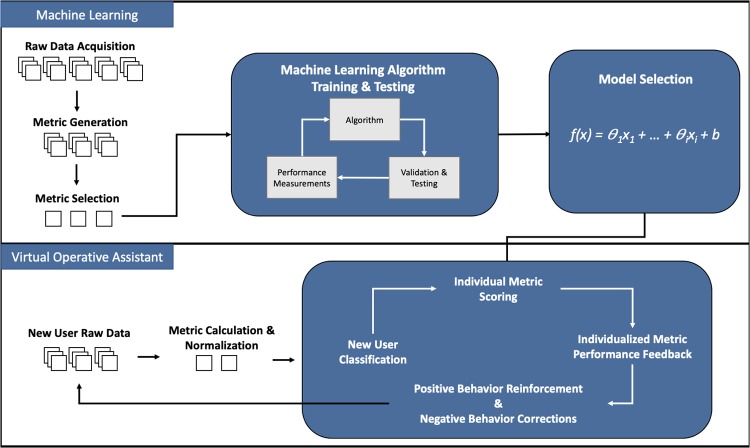
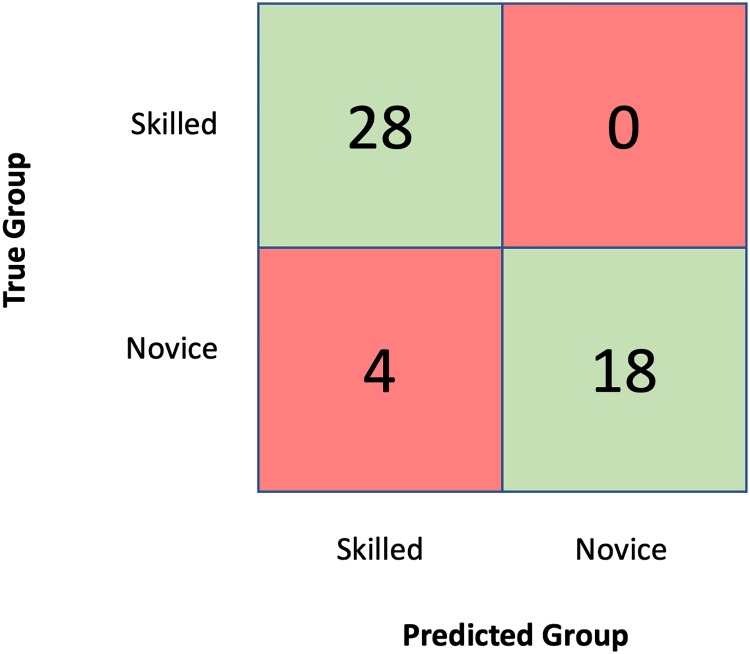
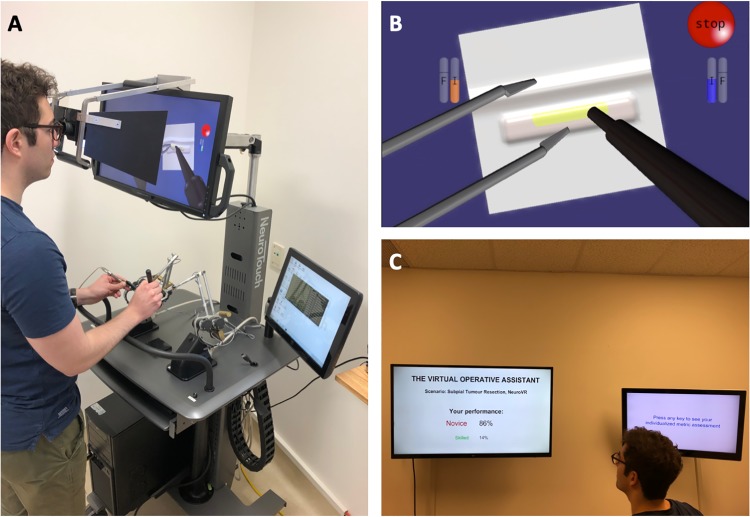
Simulation-based training is increasingly being used for assessment and training of psychomotor skills involved in medicine. The application of artificial intelligence and machine learning technologies has provided new methodologies to utilize large amounts of data for educational purposes. A significant criticism of the use of artificial intelligence in education has been a lack of transparency in the algorithms' decision-making processes. This study aims to 1) introduce a new framework using explainable artificial intelligence for simulation-based training in surgery, and 2) validate the framework by creating the Virtual Operative Assistant, an automated educational feedback platform. Twenty-eight skilled participants (14 staff neurosurgeons, 4 fellows, 10 PGY 4-6 residents) and 22 novice participants (10 PGY 1-3 residents, 12 medical students) took part in this study. Participants performed a virtual reality subpial brain tumor resection task on the NeuroVR simulator using a simulated ultrasonic aspirator and bipolar. Metrics of performance were developed, and leave-one-out cross validation was employed to train and validate a support vector machine in Matlab. The classifier was combined with a unique educational system to build the Virtual Operative Assistant which provides users with automated feedback on their metric performance with regards to expert proficiency performance benchmarks. The Virtual Operative Assistant successfully classified skilled and novice participants using 4 metrics with an accuracy, specificity and sensitivity of 92, 82 and 100%, respectively. A 2-step feedback system was developed to provide participants with an immediate visual representation of their standing related to expert proficiency performance benchmarks. The educational system outlined establishes a basis for the potential role of integrating artificial intelligence and virtual reality simulation into surgical educational teaching. The potential of linking expertise classification, objective feedback based on proficiency benchmarks, and instructor input creates a novel educational tool by integrating these three components into a formative educational paradigm.
Overview
The claims and statistics of this paper haven’t been checked yet.
Free: it reads the open-access text and checks the first 5 claims that cite a source we can check. Create a free account to check every claim.
Integrity signals
Registry
Cites
Statistics
Figures

Verification
Claims the paper makes
The claims and statistics of this paper haven’t been checked yet.
Free: it reads the open-access text and checks the first 5 claims that cite a source we can check. Create a free account to check every claim.
Claims other papers make about this one
Each is checked against this paper’s own text: does it say what the citing paper says it does?
The cited source says what the claim attributes to it.
In the citing paper
“Various uses were described, including surgical simulation with a virtual operative assistant [132], simulated patient physician medical interviews [120–123, 130], and interactions with avatars as standardized patients during clinical interviews [124–126].”
From Artificial intelligence in undergraduate medical education: an updated scoping review (2025) · cites this paper as [132]
The check wasn’t confident either way, so it gives no verdict — never disputed.
In the citing paper
“Simulation-based GenAI learning has been shown to enhance AI readiness and reinforce core nursing concepts [18].”
From Effects of generative artificial intelligence (GenAI) patient simulation on perceived clinical competency among global nursing undergraduates: a cross-over randomised controlled trial (2025) · cites this paper as [18]
Experimental — accuracy not yet measuredIn the citing paper
“AI simulations can adapt to a learner's performance, providing personalized, dynamic feedback that helps students practice clinical skills, refine decision-making, and improve their diagnostic reasoning in a controlled, risk-free environment [107].”
From Formative assessment and feedback in medical education: A practical guide: AMEE Guide No. 189 (2026) · cites this paper as [107]
Self-check
Percentages, sums and reported differences re-computed from the paper’s own numbers.
The self-check needs the paper’s full text.
Citations
Cites
Deep learning in neural networks: an overview
Schmidhuber, J. (2015) · Neural Networks · doi:10.1016/j.neunet.2014.09.003 · Cited by 18,570
The perceptron: A probabilistic model for information storage and organization in the brain.
Rosenblatt, F. (1958) · Psychological Review · doi:10.1037/h0042519 · Cited by 12,280 · cited 1×
“The system relies on a single processing unit known as the perceptron.[19] Building from this, the authors outline the rationale for employing the perceptron (also known as the linear Support Vector Machine) in this study in the S1 Appendix in S1 File.”
MethodSupervised Machine Learning: A Review of Classification Techniques
Kotsiantis, S. B. (2007) · Informatica · Cited by 6,007
Large-Scale Machine Learning with Stochastic Gradient Descent
Bottou, L. (2010) · Proceedings of COMPSTAT'2010 · doi:10.1007/978-3-7908-2604-3_16 · Cited by 5,795 · cited 1×
“[24, 25] An iterative cost reduction approach is employed during training,[26] whereby the algorithm alters values of the weights (θ) for each metric in order to reach the greatest predictive accuracy.”
MethodA guide to deep learning in healthcare
Esteva, A., Robicquet, A., Ramsundar, B., Kuleshov, V., DePristo, M., Chou, K., Cui, C., Corrado, G., Thrun, S., & Dean, J. (2019) · Nature Medicine · doi:10.1038/s41591-018-0316-z · Cited by 5,312
Cognitive load theory, learning difficulty, and instructional design
Sweller, J. (1994) · Learning and Instruction · doi:10.1016/0959-4752(94)90003-5 · Cited by 3,801 · cited 1×
“Following the principles of cognitive load theory,[31] the Virtual Operative Assistant aims to limit the amount of information immediately provided to the user to facilitate learning.”
MethodDeo, R. C. (2015) · Circulation · doi:10.1161/circulationaha.115.001593 · Cited by 3,466
Toward integrating feature selection algorithms for classification and clustering
Liu, H., & Yu, L. (2005) · IEEE Transactions on Knowledge and Data Engineering · doi:10.1109/tkde.2005.66 · Cited by 2,706
Feature Selection: A Data Perspective
Li, J., Cheng, K., Wang, S., Morstatter, F., Trevino, R. P., Tang, J., & Liu, H. (2018) · ACM Computing Surveys · doi:10.1145/3136625 · Cited by 2,442
Score normalization in multimodal biometric systems
Jain, A., Nandakumar, K., & Ross, A. (2005) · Pattern Recognition · doi:10.1016/j.patcog.2005.01.012 · Cited by 2,154
Research works printed but not linked: 1
- Norman D. The design of everyday things: Revised and expanded edition: Constellation; 2013.
Cited by
A scoping review of artificial intelligence in medical education: BEME Guide No. 84
Gordon, M., Daniel, M., Ajiboye, A., Uraiby, H., Xu, N. Y., Bartlett, R., Hanson, J., Haas, M., Spadafore, M., Grafton-Clarke, C., et al. (2024) · Medical Teacher · doi:10.1080/0142159x.2024.2314198 · Cited by 679
Artificial Intelligence for Student Assessment: A Systematic Review
González-Calatayud, V., Prendes-Espinosa, P., & Roig-Vila, R. (2021) · Applied Sciences · doi:10.3390/app11125467 · Cited by 503
“[11] used AI for simulation-based training in medicine, and they created a Virtual Operative Assistant to give automatic feedback to students based on metrics of”
MethodOkunlaya, R. O., Syed Abdullah, N., & Alias, R. A. (2022) · Library Hi Tech · doi:10.1108/lht-07-2021-0242 · Cited by 333
Applications of Explainable Artificial Intelligence in Diagnosis and Surgery
Zhang, Y., Weng, Y., & Lund, J. (2022) · Diagnostics · doi:10.3390/diagnostics12020237 · Cited by 368
“24 [49] 2020 Surgery training SVM Accuracy: 92% Sensitivity: 100% Specificity: 82% Virtual operative assistant Feature relevance No”
BackgroundAlmasri, F. (2024) · Research in Science Education · doi:10.1007/s11165-024-10176-3 · Cited by 361
“…2014; Nasution & Education, 2023), scoring and providing personalized feedback on stu - dents’ assignments (Azcona et al., 2019; Maestrales et al., 2021; Mirchi et al., 2020), and predicting student performance (Blikstein et al., 2014; Buenaño-Fernández et al., 2019; Jiao et al., 2022a, b).”
Kim, N. J., & Kim, M. K. (2022) · Frontiers in Education · doi:10.3389/feduc.2022.755914 · Cited by 298
“However, recent studies have contributed to raising teachers’ expectations for significant changes in the educational field such as the implementation of AI in different educational settings (Panigrahi, 2020).”
BackgroundLungu, A. J., Swinkels, W., Claesen, L., Tu, P., Egger, J., & Chen, X. (2021) · Expert Review of Medical Devices · doi:10.1080/17434440.2021.1860750 · Cited by 269
“Mirchi et al. [41] describe a total of three different approaches to generate performance metrics.”
BackgroundFazlollahi, A. M., Bakhaidar, M., Alsayegh, A., Yilmaz, R., Winkler-Schwartz, A., Mirchi, N., Langleben, I., Ledwos, N., Sabbagh, A. J., Bajunaid, K., et al. (2022) · JAMA Network Open · doi:10.1001/jamanetworkopen.2021.49008 · Cited by 285
Self-citationApplication of Artificial Intelligence in Medicine: An Overview
Liu, P.-R., Lu, L., Zhang, J.-Y., Huo, T.-T., Liu, S.-X., & Ye, Z.-W. (2021) · Current Medical Science · doi:10.1007/s11596-021-2474-3 · Cited by 258
“Moreover, the AI simulation-based surgical training system that combines AI and simulation together for studying surgical techniques has created a new educational tool with objective feedback, which is beneficial for student learning [128] .”
Jiang, L., Wu, Z., Xu, X., Zhan, Y., Jin, X., Wang, L., & Qiu, Y. (2021) · Journal of International Medical Research · doi:10.1177/03000605211000157 · Cited by 207
“6,7,10,11 However, several problems have emerged along with the rapid development of AI technology; therefore, it is not yet widely applied in clinical practice and public health.”
BackgroundVolkmar, G., Fischer, P. M., & Reinecke, S. (2022) · Journal of Business Research · doi:10.1016/j.jbusres.2022.04.007 · Cited by 163
Virtual Simulation in Undergraduate Medical Education: A Scoping Review of Recent Practice
Wu, Q., Wang, Y., Lu, L., Chen, Y., Long, H., & Wang, J. (2022) · Frontiers in Medicine · doi:10.3389/fmed.2022.855403 · Cited by 184
Wani, N. A., Kumar, R., Mamta, Bedi, J., & Rida, I. (2024) · Information Fusion · doi:10.1016/j.inffus.2024.102472 · Cited by 191
AI in Medical Education: Global situation, effects and challenges
Zhang, W., Cai, M., Lee, H. J., Evans, R., Zhu, C., & Ming, C. (2024) · Education and Information Technologies · doi:10.1007/s10639-023-12009-8 · Cited by 148
“Five studies were used to validate the role of machine learning in virtual surgical skill assessment (Alonso-Silverio et al., 2018; Bissonnette et al., 2019; Mirchi et al., 2020; Nagaraj et al., 2023; Siyar et al., 2020).”
InfluentialTecnologías avanzadas para afrontar el reto de la innovación educativa
Espinosa, M. P. P., & Cerdán, F. (2020) · RIED Revista Iberoamericana de Educación a Distancia · doi:10.5944/ried.24.1.28415 · Cited by 179
“La Inteligencia Artificial proporciona un nuevo método de utilizar grandes cantidades de datos y con grandes aplicaciones en educación, donde el campo de la medicina está sacando provecho (Mirchi et al., 2020; Van der Niet y Bleakley, 2020).”
BackgroundExplainable AI approaches in deep learning: Advancements, applications and challenges
Hosain, M. T., Jim, J. R., Mridha, M. F., & Kabir, M. M. (2024) · Computers & Electrical Engineering · doi:10.1016/j.compeleceng.2024.109246 · Cited by 167
Proactive and reactive engagement of artificial intelligence methods for education: a review
Mallik, S., & Gangopadhyay, A. (2023) · Frontiers in Artificial Intelligence · doi:10.3389/frai.2023.1151391 · Cited by 139
“…NLU, NLP, text-to-speech (TTS), information retrieval algorithms facilitate lessons and/or assessments in biology [122], surgery and medicine [123], pathological laboratory analysis [124], military leadership training [125] etc. (ii) Personalized tutoring aids : As every student is unique,…”
The role of artificial intelligence in surgical simulation
Park, J. J., Tiefenbach, J., & Demetriades, A. K. (2022) · Frontiers in Medical Technology · doi:10.3389/fmedt.2022.1076755 · Cited by 147
“VOA also highlighted the downfalls of using linear machine algorithms; there were instances of misclassification due to high positive scoring metrics overcompensating for other negative scoring metrics (3).”
BackgroundInfluentialMaassen, O., Fritsch, S., Palm, J., Deffge, S., Kunze, J., Marx, G., Riedel, M., Schuppert, A., & Bickenbach, J. (2021) · Journal of Medical Internet Research · doi:10.2196/26646 · Cited by 125
Artificial Intelligence and Healthcare Simulation: The Shifting Landscape of Medical Education
Hamilton, A. (2024) · Cureus · doi:10.7759/cureus.59747 · Cited by 89
“It was felt that such an approach was germane to surgical training, where hands-on experiential learning significantly contributes to overall competence [83].”
BackgroundAdvancing Surgical Education: The Use of Artificial Intelligence in Surgical Training
Guerrero, D. T., Asaad, M., Rajesh, A., Hassan, A., & Butler, C. E. (2023) · The American Surgeon · doi:10.1177/00031348221101503 · Cited by 106
“The study showed that the VOA successfully classified the participants with 82% specificity, 92% accuracy, and 100% sensitivity.(31) Users were able to get immediate, objective feedback on their performance in 2 stages.”
BackgroundHahn, M. G., Navarro, S. M. B., De La Fuente Valentin, L., & Burgos, D. (2021) · IEEE Access · doi:10.1109/access.2021.3100890 · Cited by 111
“This set is completed by applications in medicine where virtual reality and other technologies are being used to support immersive practical experiences such as virtual artificial intelligent assistants [40], surgical skill assessments [41], [42], physiotherapy training [43], and clinical skills [44].”
BackgroundThe Role of Artificial Intelligence in Medical Education: A Systematic Review
Tozsin, A., Ucmak, H., Soyturk, S., Aydin, A., Gozen, A. S., Fahim, M. A., Güven, S., & Ahmed, K. (2024) · Surgical Innovation · doi:10.1177/15533506241248239 · Cited by 79
Artificial Intelligence and Surgical Education: A Systematic Scoping Review of Interventions
Kirubarajan, A., Young, D., Khan, S., Crasto, N., Sobel, M., & Sussman, D. (2022) · Journal of Surgical Education · doi:10.1016/j.jsurg.2021.09.012 · Cited by 101
Eke, C. I., & Shuib, L. M. (2024) · Neural Computing and Applications · doi:10.1007/s00521-024-10868-x · Cited by 125
Λαμπρόπουλος, Γ. (2025) · Multimodal Technologies and Interaction · doi:10.3390/mti9020011 · Cited by 119
A Systematic Review of Virtual Reality Features for Skill Training
Tusher, H. M., Mallam, S., & Nazir, S. (2024) · Technology Knowledge and Learning · doi:10.1007/s10758-023-09713-2 · Cited by 116
“Novel measurement techniques include utilizing AI and machine learning in healthcare VR simulators (Mirchi et al., 2020; Yilmaz et al., 2022), which require further empirical investigation before they can be employed in other domain-specific contexts.”
Una revisión sistemática del uso de la inteligencia artificial en la educación
Bolaño-García, M., & Duarte-Acosta, N. (2023) · Revista Colombiana de Cirugía · doi:10.30944/20117582.2365 · Cited by 99
Ba, S., Yang, L., Yan, Z., Looi, C. K., & Gašević, D. (2025) · Computers and Education Open · doi:10.1016/j.caeo.2025.100284 · Cited by 91
Application of artificial intelligence in cataract management: current and future directions
Gutiérrez, L., Lim, J. S., Foo, L. L., Ng, W. Y., Yip, M. Y. T., Lim, G. Y. S., Wong, M. M., Fong, A., Rosman, M., Mehta, J. S., et al. (2022) · Eye and Vision · doi:10.1186/s40662-021-00273-z · Cited by 102
“[57] created a virtual training platform (using SVM) where trainees were assessed on a virtual neurosurgical procedure against experienced surgeons.”
Explainable AI: A review of applications to neuroimaging data
Farahani, F. V., Fiok, K., Lahijanian, B., Karwowski, W., & Douglas, P. K. (2022) · Frontiers in Neuroscience · doi:10.3389/fnins.2022.906290 · Cited by 98
“For example, brain tumor resection requires an interpretation in a feature space that humans can readily understand, such as image or text, to leverage that information in an actionable capacity (Mirchi et al., 2020; Pfeifer et al., 2021).”
BackgroundFazlollahi, A. M., Yilmaz, R., Winkler-Schwartz, A., Mirchi, N., Ledwos, N., Bakhaidar, M., Alsayegh, A., & Del Maestro, R. F. (2023) · JAMA Network Open · doi:10.1001/jamanetworkopen.2023.34658 · Cited by 85
Self-citationChatGPT and higher education assessments: More opportunities than concerns?
(2023) · Journal of Applied Learning & Teaching · doi:10.37074/jalt.2023.6.2.32 · Cited by 60
Surgical Simulation: Virtual Reality to Artificial Intelligence
Riddle, E. W., Kewalramani, D., Narayan, M., & Jones, D. B. (2024) · Current Problems in Surgery · doi:10.1016/j.cpsurg.2024.101625 · Cited by 99
Pręgowska, A., Osial, M. E., & Gajda, A. (2023) · Metaverse Basic and Applied Research · doi:10.56294/mr202457 · Cited by 101
Explainable goal-driven agents and robots-a comprehensive review
Sado, F., Loo, C. K., Liew, W. S., Kerzel, M., & Wermter, S. (2023) · ACM Computing Surveys · doi:10.1145/3564240 · Cited by 79
Lombardi, A., Diacono, D., Amoroso, N., Biecek, P., Monaco, A., Bellantuono, L., Pantaleo, E., Logroscino, G., De Blasi, R., Tangaro, S., et al. (2022) · Brain Informatics · doi:10.1186/s40708-022-00165-5 · Cited by 74
“While these XAI approaches have proved useful in certain medical AI fields, notably in visualization, virtual reality and other Big data problems [37, 38], their application to the domains of cognitive and computational neuroscience is still in its infancy.”
BackgroundVaras, J., Coronel, B. V., Villagrán, I., Escalona, G., HERNANDEZ, R., Schuit, G., Espinoza, V. D., Lagos, A., Jarry, C., Neyem, A., et al. (2023) · Revista do Colégio Brasileiro de Cirurgiões · doi:10.1590/0100-6991e-20233605 · Cited by 132
A systematic review of AI-based feedback in educational settings
Durak, H. Y., & Onan, A. (2025) · Journal of Computational Social Science · doi:10.1007/s42001-025-00428-1 · Cited by 89
“Studies in this context have conducted AI based feedback applications with participants such as health professionals and medical students [13, 33, 58, 65].”
Chen, K., Shao, A., Burapacheep, J., & Li, Y. (2024) · Scientific Reports · doi:10.1038/s41598-024-51969-w · Cited by 89
Artificial Intelligence in Endodontic Education
Aminoshariae, A., Nosrat, A., Nagendrababu, V., Dianat, O., Mohammad‐Rahimi, H., O'Keefe, A. W., & Setzer, F. C. (2024) · Journal of Endodontics · doi:10.1016/j.joen.2024.02.011 · Cited by 96
Longo, U. G., Salvatore, S. D., Candela, V., Zollo, G., Calabrese, G., Fioravanti, S., Giannone, L., Marchetti, A., Marinis, M. G. D., & Denaro, V. (2021) · Applied Sciences · doi:10.3390/app11073253 · Cited by 75
Exploring the roles of artificial intelligence in surgical education: A scoping review
Bilgiç, E., Gorgy, A., Yang, A., Cwintal, M., Ranjbar, H., Kahla, K., Reddy, D. S., Li, K., Ozturk, H., Zimmermann, E., et al. (2021) · The American Journal of Surgery · doi:10.1016/j.amjsurg.2021.11.023 · Cited by 74
Tolsgaard, M. G., Boscardin, C., Park, Y. S., Cuddy, M. M., & Sebok‐Syer, S. S. (2020) · Advances in Health Sciences Education · doi:10.1007/s10459-020-10009-8 · Cited by 68
Chance, E. A. (2025) · BMC Medical Education · doi:10.1186/s12909-025-07589-7 · Cited by 76
Impact of Artificial Intelligence on Medical Education in Ophthalmology
Valikodath, N. G., Cole, E., Ting, D. S. W., Campbell, J. P., Pasquale, L. R., Chiang, M. F., Chan, R. V. P., & on behalf of the American Academy of Ophthalmology Task Force on Artificial Intelligence (2021) · Translational Vision Science & Technology · doi:10.1167/tvst.10.7.14 · Cited by 59
Alkadri, S., Ledwos, N., Mirchi, N., Reich, A., Yilmaz, R., Driscoll, M., & Maestro, R. F. D. (2021) · Computers in Biology and Medicine · doi:10.1016/j.compbiomed.2021.104770 · Cited by 69
“Several studies have established the value of performance metrics in classifying individuals into the correct level of expertise and training individuals to improve their level of performance [6 – 11].”
BackgroundSelf-citationArtificial intelligence in undergraduate medical education: an updated scoping review
Simoni, J., Urtubia-Fernandez, J., Mengual, E., Simoni, D. A., Royo, M., Egaña-Yin, D., Hertog, O. L. A., López-Ortiz, L., Muñoz-Tomás, A., Santiago-Martínez, P., et al. (2025) · BMC Medical Education · doi:10.1186/s12909-025-08188-2 · Cited by 62
“%) examined the use of AI in simulations [90, 120–132].”
Yilmaz, R., Winkler-Schwartz, A., Mirchi, N., Reich, A., Christie, S., Tran, D. H., Ledwos, N., Fazlollahi, A. M., Santaguida, C., Sabbagh, A. J., et al. (2022) · npj Digital Medicine · doi:10.1038/s41746-022-00596-8 · Cited by 67
Self-citationApplications of Artificial Intelligence in Medical Education: A Systematic Review
Hallquist, E., Gupta, I., Montalbano, M. J., & Loukas, M. (2025) · Cureus · doi:10.7759/cureus.79878 · Cited by 87
Shaw, K., Henning, M. A., & Webster, C. S. (2025) · Medical Science Educator · doi:10.1007/s40670-025-02373-0 · Cited by 58
“AI therefore has a role to bridge the gap between novice and suitable minimum competence to operate [35].”
InfluentialVillegas-Ch, W. E., Govea, J., & Revelo-Tapia, S. (2023) · Sustainability · doi:10.3390/su151914512 · Cited by 57
“Student retention is a critical concern at higher education institutions, and addressing it effectively requires a deep understanding of the data surrounding this challenge that highlights the magnitude of the problem and the patterns identified in student retention.”
BackgroundTaher, H., Grasso, V., Tawfik, S., & Gumbs, A. A. (2022) · Artificial Intelligence Surgery · doi:10.20517/ais.2022.11 · Cited by 59
Silva, C., Nascimento, D. F., Dantas, G. G., Fonseca, K., Hespanhol, L. C., do Rêgo, A. C. M., & Araújo-Filho, I. (2024) · Acta Cirúrgica Brasileira · doi:10.1590/acb396224 · Cited by 56
The cases for and against artificial intelligence in the medical school curriculum
Ngo, B., Nguyen, D., & vanSonnenberg, E. (2022) · Radiology: Artificial Intelligence · doi:10.1148/ryai.220074 · Cited by 53
A systematic review of virtual reality for the assessment of technical skills in neurosurgery
Chan, J., Pangal, D. J., Cardinal, T. M., Kugener, G., Zhu, Y., Roshannai, A., Markarian, N., Sinha, A., Anandkumar, A., Hung, A. J., et al. (2021) · Neurosurgical FOCUS · doi:10.3171/2021.5.focus21210 · Cited by 52
Sun, W., Xing, J., Dong, X., Yu, G., Feng, Z., & Shuai, L. (2024) · Heliyon · doi:10.1016/j.heliyon.2024.e35627 · Cited by 57
“The use of an AI surgical assistant provides automated educational feedback, allowing students to better understand their skill mastery [52].”
BackgroundMethodPaul, R. (2023) · American Journal of Advanced Technology and Engineering Solutions · doi:10.63125/1ekaxx73 · Cited by 55
Fung, T. C. J., Chan, S. L., Lam, C. F. M., Lam, C. Y., Cheng, C. C. W., Lai, M. H., Ho, C. C. J., Au, S. L., Mak, L. Y., Hu, S., et al. (2025) · BMC Nursing · doi:10.1186/s12912-025-03492-0 · Cited by 48
“Simulation-based GenAI learning has been shown to enhance AI readiness and reinforce core nursing concepts [18].”
A systematic review of intelligent assistants
Islas-Cota, E., Gutiérrez-García, J. O., Acosta, C. O., & Rodríguez, L.-F. (2021) · Future Generation Computer Systems · doi:10.1016/j.future.2021.09.035 · Cited by 56
Fung, T. C. J., Chan, S. L., Lam, C. F., Lam, C. Y., Cheng, C. C. W., Lai, M. H., Cheuk, C. J. H., Au, S. L., Mak, L. Y., Hu, S., et al. (2025) · doi:10.21203/rs.3.rs-6250414/v1 · Cited by 48
Review of Innovative Immersive Technologies for Healthcare Applications
Qu, Z., Lau, C. W., Simoff, S. J., Kennedy, P. J., Nguyễn, Q. V., & Catchpoole, D. R. (2022) · Innovations in Digital Health Diagnostics and Biomarkers · doi:10.36401/iddb-21-04 · Cited by 53
Ledwos, N., Mirchi, N., Yilmaz, R., Winkler-Schwartz, A., Sawni, A., Fazlollahi, A. M., Bissonnette, V., Bajunaid, K., Sabbagh, A. J., & Del Maestro, R. F. (2022) · Journal of Neurosurgery · doi:10.3171/2021.12.jns211563 · Cited by 36
Self-citationVirtual Reality in the Neurosciences: Current Practice and Future Directions
Scott, H. W., Griffin, C., Coggins, W. S., Elberson, B., Abdeldayem, M., Virmani, T., Larson‐Prior, L. J., & Petersen, E. (2022) · Frontiers in Surgery · doi:10.3389/fsurg.2021.807195 · Cited by 45
Ledwos, N., Mirchi, N., Bissonnette, V., Winkler-Schwartz, A., Yilmaz, R., & Maestro, R. F. D. (2020) · Operative Neurosurgery · doi:10.1093/ons/opaa269 · Cited by 43
Self-citationStandard Setting in Simulation-based Training of Surgical Procedures: A Systematic Review
Pietersen, P. I., Bjerrum, F., Tolsgaard, M. G., Konge, L., & Andersen, S. A. W. (2021) · Annals of Surgery · doi:10.1097/sla.0000000000005209 · Cited by 45
Sabbagh, A. J., Bajunaid, K. M., Alarifi, N., Winkler-Schwartz, A., Alsideiri, G., Al-Zhrani, G., Alotaibi, F. E., Bugdadi, A., Laroche, D., & Del Maestro, R. F. (2020) · World Neurosurgery · doi:10.1016/j.wneu.2020.03.187 · Cited by 37
Self-citationKim, K. H., Koo, H., Lee, B., Yoon, S., & Sohn, M. (2021) · Journal of the Korean Physical Society · doi:10.1007/s40042-021-00202-2 · Cited by 43
Video-based coaching for surgical residents: a systematic review and meta-analysis
Daniel, R. C., McKechnie, T., Kruse, C. C., Levin, M., Lee, Y., Doumouras, A. G., Hong, D., & Eskicioglu, C. (2022) · Surgical Endoscopy · doi:10.1007/s00464-022-09379-4 · Cited by 48
Giglio, B., Albeloushi, A., Alhaj, A. K., Alhantoobi, M. R., Saeedi, R., Davidovic, V., Uthamacumaran, A., Yilmaz, R., Lapointe, J., Balasubramaniam, N., et al. (2025) · JAMA Surgery · doi:10.1001/jamasurg.2025.2564 · Cited by 49
Self-citationWandelt, S., Blom, H. A. P., Krömer, M. M., Li, D., Mitici, M., Ryley, T. J., Stumpf, E., Wang, K., Yang, B., Zanin, M., et al. (2024) · Journal of the Air Transport Research Society · doi:10.1016/j.jatrs.2024.100045 · Cited by 39
“…and big data technologies have enormous potential for revolutionizing training and simulation in all domains (Fiok, Farahani, Karwowski, & Ahram, 2022; Mirchi et al., 2020; Wei, Huang, Li, Liu, & Zou, 2021), including air transportation (Wandelt, Sun, & Zhang, 2023a; Wandelt & Zheng, 2024).”
Elsayed, A. M. A., Kholikov, A., Abdullayeva, I., Al‐Farouni, M., & Wodajo, M. R. (2024) · Language Testing in Asia · doi:10.1186/s40468-024-00328-7 · Cited by 49
“Mirchi et al. (2020) leveraged AI for simulation-based medical training, developing a Virtual Operative Assistant that provides automatic student feedback based on performance metrics.”
Analysis of the likelihood of quantum computing proliferation
Rosch-Grace, D., & Straub, J. (2022) · Technology in Society · doi:10.1016/j.techsoc.2022.101880 · Cited by 42
Osorio, C., Fuster, N., Chen, W., Men, Y., & Juan, A. A. (2024) · Information · doi:10.3390/info15080430 · Cited by 46
“With the use of AI technologies, simulation software can analyze students’ interactions and performance, offering them personalized feedback and creating learning paths that are specifically customized to the specific needs and strengths of each individual [55].”
MethodFormative assessment and feedback in medical education: A practical guide: AMEE Guide No. 189
Lipnevich, A. A., Mattern, K., & Feddock, C. (2026) · Medical Teacher · doi:10.1080/0142159x.2025.2569623 · Cited by 37
“AI simulations can adapt to a learner ’ s performance, providing personalized, dynamic feedback that helps students practice clinical skills, refine decision-making, and improve their diagnostic reasoning in a controlled, risk-free environment [107].”
Generative AI & machine learning in surgical education
Hla, D. A., & Hindin, D. I. (2024) · Current Problems in Surgery · doi:10.1016/j.cpsurg.2024.101701 · Cited by 42
AI in medical education: uses of AI in construction type A MCQs
Rezigalla, A. A. (2024) · BMC Medical Education · doi:10.1186/s12909-024-05250-3 · Cited by 36
“This would facilitate personalized and engaging learning experiences, efficient evaluation of students’ understanding, targeted feedback, and improved educational outcomes for students [19, 20].”
BackgroundPerformance gains from adaptive eXtended Reality training fueled by artificial intelligence
Stanney, K. M., Archer, J., Skinner, A. D., Horner, C., Hughes, C. L., Brawand, N., Martin, E., Sanchez, S. A., Moralez, L. A., Fidopiastis, C., et al. (2021) · The Journal of Defense Modeling and Simulation Applications Methodology Technology · doi:10.1177/15485129211064809 · Cited by 42
“45 Timely and accurate corrective feedback is critical to learning (see Table 6).”
BackgroundMethodSandrone, S., & Carlson, C. E. (2021) · Neurology · doi:10.1212/wnl.0000000000012413 · Cited by 43
Natheir, S., Christie, S., Yilmaz, R., Winkler-Schwartz, A., Bajunaid, K. M., Sabbagh, A. J., Werthner, P., Fares, J., Azarnoush, H., & Maestro, R. F. D. (2022) · Computers in Biology and Medicine · doi:10.1016/j.compbiomed.2022.106286 · Cited by 40
Self-citationAI’s Role and Application in Education: Systematic Review
Alhazmi, A. K., Al-Hammadi, F., Zain, A. A., Kaed, E., & Ahmed, B. (2022) · Lecture notes in networks and systems · doi:10.1007/978-981-19-7660-5_1 · Cited by 35
White paper: ethics and trustworthiness of artificial intelligence in clinical surgery
Capelli, G., Verdi, D., Frigerio, I. M., Rashidian, N., Ficorilli, A., Grasso, V., Majidi, D., Gumbs, A. A., Spolverato, G., & Artificial Intelligence Surgery Editorial Board Study Group on Ethics (2023) · Artificial Intelligence Surgery · doi:10.20517/ais.2023.04 · Cited by 37
AI-based feedback tools in education: A comprehensive bibliometric analysis study
Donmez, M. (2024) · International Journal of Assessment Tools in Education · doi:10.21449/ijate.1467476 · Cited by 37
Newall, N., Khan, D. Z., HANRAHAN, J. G., Booker, J., Borg, A., Davids, J., Nicolosi, F., Sinha, S., Dorward, N., & Marcus, H. J. (2022) · Frontiers in Surgery · doi:10.3389/fsurg.2022.1049685 · Cited by 34
Human Activity Recognition with an HMM-Based Generative Model
Manouchehri, N., & Bouguila, N. (2023) · Sensors · doi:10.3390/s23031390 · Cited by 37
Explainable AI: To Reveal the Logic of Black-Box Models
Chinu, & Bansal, U. (2023) · New Generation Computing · doi:10.1007/s00354-022-00201-2 · Cited by 40
“In Academia, virtual operative assistant tool is used to provide training about surgery and medicine [120] for teaching AI to students [119] and Explainable learning for self-driving cars [121] are some examples in the field of Academia.”
Mumtaz, H., Saqib, M., Jabeen, S., Muneeb, M., Mughal, W., Sohail, H., Safdar, M., Mehmood, Q., Khan, M. A., & Ismail, S. M. (2023) · Frontiers in Medicine · doi:10.3389/fmed.2023.1227168 · Cited by 33
Escobar-Castillejos, D., Barrera-Animas, A. Y., Noguez, J., Magana, A. J., & Beneš, B. (2025) · Journal of Medical Internet Research · doi:10.2196/58966 · Cited by 34
“Studies use ML (unspecified) [44,46,60,67,69,73,80,86,87,89-91] and DL (unspecified) [48,66,70,82,84,92] as broad families, with task-appropriate specializations such as CNNs for video [42,52,65,68,85,88] and SVMs for lower-dimensional kinematics or hand-crafted features [47,56,58,64,71].”
Keleş, H. (2022) · Kırıkkale Üniversitesi Tıp Fakültesi Dergisi · doi:10.24938/kutfd.1214512 · Cited by 30
Intelligent Tutoring Systems: Re-Envisioning Surgical Education in Response to COVID-19
Mirchi, N., Ledwos, N., & Maestro, R. F. D. (2020) · Canadian Journal of Neurological Sciences / Journal Canadien des Sciences Neurologiques · doi:10.1017/cjn.2020.202 · Cited by 29
“The Virtual Operative Assistant, an intelligent tutoring system powered by machine learning for neurosurgical simulation, discusses the limitations and challenges of this technology.(5) By deconstructing psychomotor skills into teachable metrics, trainees can obtain personalized feedback on specific factors identified…”
MethodSelf-citationWalter, S., Speidel, R., Hann, A., Leitner, J., Jerg‐Bretzke, L., Kropp, P. A., Garbe, J., & Ebner, F. K. (2021) · GMS journal for medical education · doi:10.3205/zma001496 · Cited by 44
“Da diese jedoch räumlich, zeitlich und personell gebunden sind [7], werden vermehrt auch computerbasierte Simulationen verwendet, die flexibel einsetzbar sind und eine automatische Leistungsbeurteilung ermöglichen [2].”
BackgroundInfluentialDigital Education in Ophthalmology
Al-Khaled, T., Acaba-Berrocal, L., Cole, E. D., Ting, D. S. W., Chiang, M. F., & Chan, R. V. P. (2021) · Asia-Pacific Journal of Ophthalmology · doi:10.1097/apo.0000000000000484 · Cited by 29
Reich, A., Mirchi, N., Yilmaz, R., Ledwos, N., Bissonnette, V., Tran, D. H., Winkler-Schwartz, A., Karlık, B., & Maestro, R. F. D. (2022) · Operative Neurosurgery · doi:10.1227/ons.0000000000000173 · Cited by 29
Self-citationArtificial Intelligence in Wound Care Education: Protocol for a Scoping Review
Encarnação, R., Manuel, T., Palheira, H., Neves‐Amado, J., & Alves, P. J. P. (2024) · Nursing Reports · doi:10.3390/nursrep14010048 · Cited by 34
“These include clarifying the long-term implications of AI-driven learning methodologies for student performance, instructor–student interactions, and the ethical implications of AI [4,6,7,10,17,20,21].”
BackgroundVece, C. D., Luciano, C., & Momi, E. D. (2021) · International Journal of Computer Assisted Radiology and Surgery · doi:10.1007/s11548-021-02341-0 · Cited by 31
Wachs, J. P., Kirkpatrick, A. W., & Tisherman, S. A. (2021) · Annual Review of Biomedical Engineering · doi:10.1146/annurev-bioeng-083120-023315 · Cited by 32
Optimizing operation room utilization—a prediction model
Abbou, B., Tal, O., Frenkel, G., Rubin, R., & Rappoport, N. (2022) · Big Data and Cognitive Computing · doi:10.3390/bdcc6030076 · Cited by 27
“OR managers may consider the benefit of AI as a decision support tool, using simulation-based training assistance [23].”
Sreedhar, R., Chang, L., Gangopadhyaya, A., Shiels, P. W., Loza, J., Chi, E., Gabel, E., & Park, Y. S. (2024) · Journal of General Internal Medicine · doi:10.1007/s11606-024-09050-9 · Cited by 29
Artificial intelligence and the education of future surgeons
Leon, S., Lee, S. J., Pérez, J. J., & Hashimoto, D. A. (2025) · The American Journal of Surgery · doi:10.1016/j.amjsurg.2025.116257 · Cited by 31
Yang, W., Lee, H., Wu, R., Zhang, R., & Pan, Y. (2023) · Electronics · doi:10.3390/electronics12234813 · Cited by 30
Metadata
- Authors
- Mirchi, N., Bissonnette, V., Yilmaz, R., Ledwos, N., Winkler-Schwartz, A., & Del Maestro, R. F.
- Affiliations
- Montreal Neurological Institute and Hospital (CA)
- Corresponding author
- Mirchi, Nykan
- Venue
- PLOS ONE
- Publisher
- Public Library of Science (PLoS)
- Published
- 2020-02-27
- Volume
- 15
- Issue
- 2
- Pages
- e0229596
- ISSN
- 1932-6203 (ISSN-L)
- PMC
- PMC7046231
- OpenAlex
- W3007803772
- Cited by
- 296
- References
- 48
- Citations by year
- 2026: 39 · 2025: 63 · 2024: 67 · 2023: 39 · 2022: 47 · 2021: 29 · 2020: 12
- FWCI
- 29.02
- Type
- journal article
- Language
- en
- Open access
- gold
- doi.org
- Licence
- Locations
- PLoS ONE (publishedVersion, cc-by)
- PubMed Central (publishedVersion, cc-by)
- PubMed (publishedVersion)
- RePEc: Research Papers in Economics (submittedVersion)
- DOAJ (DOAJ: Directory of Open Access Journals) (submittedVersion, cc-by-sa)
- Figshare (submittedVersion, cc-by)
- Funders
- Di Giovanni Foundation
- Topics
- Health Sciences › Medicine › Surgery › Surgical Simulation and Training
- Social Sciences › Education › Simulation-Based Education in Healthcare
- Health Sciences › Medicine › Health Informatics › Artificial Intelligence in Healthcare and Education
- Keywords
- explainable AI, surgical simulation training, virtual surgery, neurosurgical training, brain tumor resection, support vector machine, formative assessment
- MeSH terms
- Simulation Training, Virtual Reality, Algorithms, Artificial Intelligence, Brain Neoplasms, Computer Simulation, Education, Medical, Female, Humans, Male, Neurosurgery, Surgery, Computer-Assisted, Support Vector Machine
About these checks
Registry, retraction, Cites and statistics results are computed, not judged, with one exception: a printed reference that no index lists is read once by a model before it counts as a citation error. Claims are extracted by a model and kept only when their quote appears verbatim in the text; each cited source is then checked, with a model’s help, for whether it says what the claim relies on. Those verdicts can be wrong — read the claim’s quote and the cited source before relying on one.
Statistics and arithmetic are recomputed, not judged.
Confidence bands are shown only for fields calibrated on our annotated test set. None is calibrated yet, so no band is shown.
What counts as a claim ›How we measure confidence ›How we check this ›
Are you an author, or do you see a problem with this page? Request a review
Data sources
Bibliographic data: Semantic Scholar, OpenAlex, Crossref.
Contains information from the Semantic Scholar Academic Graph Datasets, made available under the ODC Attribution License (ODC-BY 1.0).
Semantic Scholar’s data is described in: Kinney, R., et al. (2023). The Semantic Scholar Open Data Platform. arXiv:2301.10140.
