

The DOI matches its Crossref record; 45 of the 45 references it cites were found in a registry or an index.
Performance of a commercial multi-sensor wearable (Fitbit Charge HR) in measuring physical activity and sleep in healthy children
Open accessAbstract
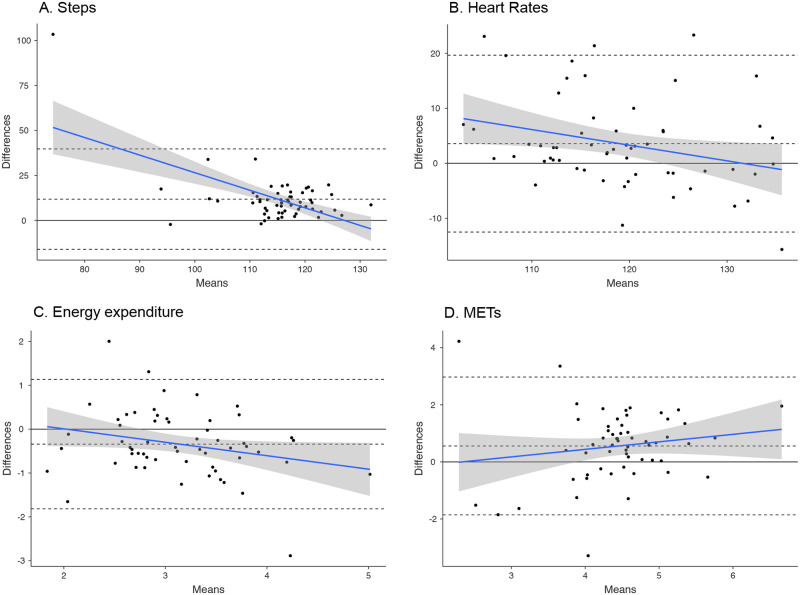
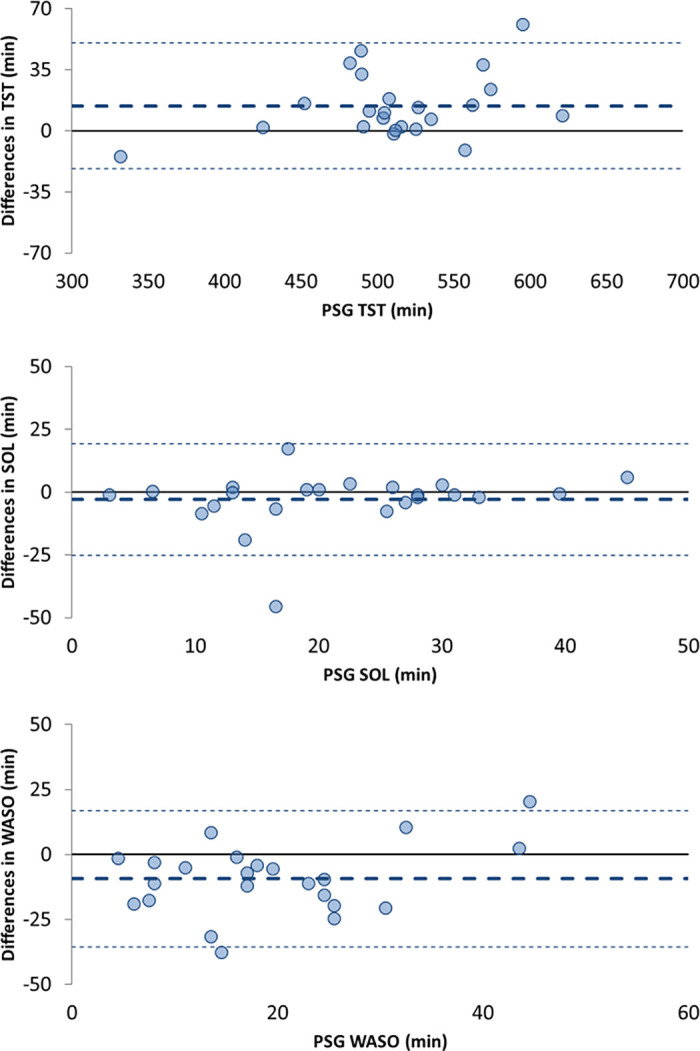
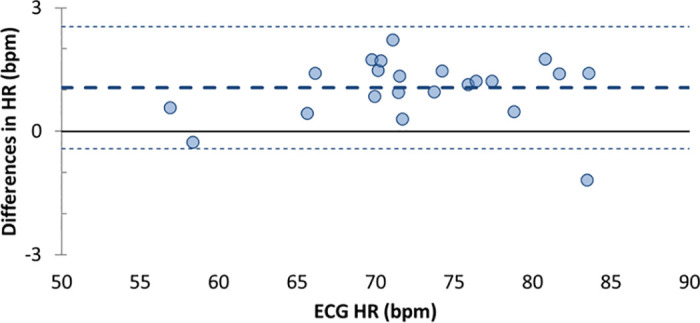
PURPOSE: This study sought to assess the performance of the Fitbit Charge HR, a consumer-level multi-sensor activity tracker, to measure physical activity and sleep in children. METHODS: 59 healthy boys and girls aged 9-11 years old wore a Fitbit Charge HR, and accuracy of physical activity measures were evaluated relative to research-grade measures taken during a combination of 14 standardized laboratory- and field-based assessments of sitting, stationary cycling, treadmill walking or jogging, stair walking, outdoor walking, and agility drills. Accuracy of sleep measures were evaluated relative to polysomnography (PSG) in 26 boys and girls during an at-home unattended PSG overnight recording. The primary analyses included assessment of the agreement (biases) between measures using the Bland-Altman method, and epoch-by-epoch (EBE) analyses on a minute-by-minute basis. RESULTS: Fitbit Charge HR underestimated steps (~11.8 steps per minute), heart rate (~3.58 bpm), and metabolic equivalents (~0.55 METs per minute) and overestimated energy expenditure (~0.34 kcal per minute) relative to research-grade measures (p< 0.05). The device showed an overall accuracy of 84.8% for classifying moderate and vigorous physical activity (MVPA) and sedentary and light physical activity (SLPA) (sensitivity MVPA: 85.4%; specificity SLPA: 83.1%). Mean estimates of bias for measuring total sleep time, wake after sleep onset, and heart rate during sleep were 14 min, 9 min, and 1.06 bpm, respectively, with 95.8% sensitivity in classifying sleep and 56.3% specificity in classifying wake epochs. CONCLUSIONS: Fitbit Charge HR had adequate sensitivity in classifying moderate and vigorous intensity physical activity and sleep, but had limitations in detecting wake, and was more accurate in detecting heart rate during sleep than during exercise, in healthy children. Further research is needed to understand potential challenges and limitations of these consumer devices.
Overview
The claims and statistics of this paper haven’t been checked yet.
Run the check — free, no account needed. It reads the open-access text and checks the sources it cites.
Integrity signals
Registry
Cites
Statistics
Figures
Verification
Claims the paper makes
The claims and statistics of this paper haven’t been checked yet.
Run the check — free, no account needed. It reads the open-access text and checks the sources it cites.
Claims other papers make about this one
Each is checked against this paper’s own text: does it say what the citing paper says it does?
In the citing paper
“For the validation study, considering as a first main outcome HR, a sample size of n = 20 participants is deemed sufficient, as reported in the literature [50–52].”
In the citing paper
“There is limited evidence on whether long-term health monitoring using wearable devices will yield reliable and equitable real-world data18 across the diverse socioeconomic and demographic19,20 population spectrum,21,22 particularly among racial and ethnic minority groups.23”
From Association of Demographic and Socioeconomic Indicators With the Use of Wearable Devices Among Children (2023) · cites this paper as [20]
Self-check
Percentages, sums and reported differences re-computed from the paper’s own numbers.
The self-check needs the paper’s full text.
Citations
Cites
(2014) · Medical Entomology and Zoology · Cited by 9,400
Global physical activity levels: surveillance progress, pitfalls, and prospects
Hallal, P. C., Andersen, L. B., Bull, F. C., Guthold, R., Haskell, W., & Ekelund, U. (2012) · The Lancet · doi:10.1016/s0140-6736(12)60646-1 · Cited by 5,711 · cited 1×
“[3,4] Although some of this heterogeneity may result from true biological mechanisms, the challenge of precisely measuring these complex habitual behaviors is likely a major contributor.”
BackgroundCalibration of two objective measures of physical activity for children
Evenson, K. R., Catellier, D. J., Gill, K., Ondrak, K. S., & McMurray, R. G. (2008) · Journal of Sports Sciences · doi:10.1080/02640410802334196 · Cited by 2,677 · cited 1×
“[34] It is important to highlight that aforementioned research-grade accelerometers must be hip-worn to measure physical activity intensity, whereas the Fitbit Charge HR is worn on the wrist.”
BackgroundSleep duration and all-cause mortality: a systematic review and meta-analysis of prospective studies
Cappuccio, F. P., D'Elia, L., Strazzullo, P., & Miller, M. A. (2010) · Sleep · doi:10.1093/sleep/33.5.585 · Cited by 2,224 · cited 1×
“[3,4] Although some of this heterogeneity may result from true biological mechanisms, the challenge of precisely measuring these complex habitual behaviors is likely a major contributor.”
BackgroundAASM Scoring Manual Updates for 2017 (Version 2.4)
Berry, R. B., Brooks, R., Gamaldo, C. E., Harding, S. M., Lloyd, R. M., Quan, S. F., Troester, M. M., & Vaughn, B. V. (2017) · Journal of Clinical Sleep Medicine · doi:10.5664/jcsm.6576 · Cited by 1,605 · cited 2×
“[27] Those who agreed had a trained technician arrive at their home approximately one hour before their usual bedtime to prepare for the recording.”
BackgroundMethodActivity-Based Sleep-Wake Identification: An Empirical Test of Methodological Issues
Sadeh, A., Sharkey, M., & Carskadon, M. A. (1994) · Sleep · doi:10.1093/sleep/17.3.201 · Cited by 1,487 · cited 1×
“[28,29] The corresponding minute-level metrics from the Fitbit Charge HR were defined as ‘sleep’, ‘restless’, and ‘wake’.”
The role and validity of actigraphy in sleep medicine: an update
Sadeh, A. (2011) · Sleep Medicine Reviews · doi:10.1016/j.smrv.2010.10.001 · Cited by 1,415 · cited 1×
“However, in concordance with research-grade actigraphy, [38] the Fitbit Charge HR had a lower specificity, accurately detecting wake epochs at a rate of 56%.”
Evolution of accelerometer methods for physical activity research
Troiano, R. P., McClain, J. J., Brychta, R. J., & Chen, K. Y. (2014) · British Journal of Sports Medicine · doi:10.1136/bjsports-2014-093546 · Cited by 968 · cited 1×
“[7,8] However, recent advances in microtechnology, data processing, wireless communication, and battery capacity have resulted in the proliferation of low-cost, non-invasive, devices within the consumer space.”
BackgroundSedentary behavior and health outcomes: an overview of systematic reviews.
Rezende, L. F. M. D., Rodrigues Lopes, M., Rey-López, J. P., Matsudo, V. K. R., & Luiz, O. D. C. (2014) · PLoS ONE · doi:10.1371/journal.pone.0105620 · Cited by 965
A LIFE COURSE APPROACH TO CHRONIC DISEASE EPIDEMIOLOGY
Lynch, J. W., & Smith, G. D. (2005) · Annual Review of Public Health · doi:10.1146/annurev.publhealth.26.021304.144505 · Cited by 956 · cited 1×
“[5,6] Tools for the objective assessment of the frequency, intensity (or quality), and duration of physical activity and sleep in adults and children have largely been developed for short-term use (i.”
Background
Research works printed but not linked: 2
- M de Zambotti, 2016, Measures of sleep and cardiac functioning during sleep using a multi-sensory commercially-available wristband in adolescents, Physiol Behav, 158, 143, 10.1016/j.physbeh.2016.03.006 · DOI · Paper page
- M de Zambotti, 2018, A validation study of Fitbit Charge 2™ compared with polysomnography in adults, Chronobiol Int
Cited by
Sorted by citations
de Zambotti, M., Goldstein, C. A., Cook, J. D., Menghini, L., Altini, M., Cheng, P., & Robillard, R. (2023) · SLEEP · doi:10.1093/sleep/zsad325 · Cited by 276
“…to the device may result in sensor positioning disparate from that observed when an adult uses the device; however, as an example, the Fitbit Charge HR is designed to fit wrists that are 5.4 to 8.7 inches in diameter (inclusive of the average wrist size of children as young as 3 years of age) [62].”
InfluentialYouth screen use in the ABCD® study
Bagot, K., Tomko, R., Marshall, A. T., Hermann, J., Cummins, K. M., Ksinan, A. J., Kakalis, M., Breslin, F. J., Lisdahl, K., Mason, M. J., et al. (2022) · Developmental Cognitive Neuroscience · doi:10.1016/j.dcn.2022.101150 · Cited by 108
Evaluating reliability in wearable devices for sleep staging
Birrer, V., Elgendi, M., Lambercy, O., & Menon, C. (2024) · npj Digital Medicine · doi:10.1038/s41746-024-01016-9 · Cited by 129
“If one or both epochs are classi fi ed as wake, they are scored as wake, and if both are classi fi edas sleep, they are scored as sleep 17,20,24,27,28,32,34 .”
Association of Physical Activity and Screen Time With Body Mass Index Among US Adolescents
Nagata, J. M., Smith, N., Alsamman, S., Lee, C. M., Dooley, E. E., Kiss, O., Ganson, K., Wing, D., Baker, F., & Gabriel, K. (2023) · JAMA Network Open · doi:10.1001/jamanetworkopen.2022.55466 · Cited by 93
Wulterkens, B. M., Fonseca, P. M., Hermans, L. W., Ross, M., Cerny, A., Anderer, P., Long, X., van Dijk, J. P., Vandenbussche, N., Pillen, S., et al. (2021) · Nature and Science of Sleep · doi:10.2147/nss.s306808 · Cited by 70
Kim, E. H., Jenness, J. L., Miller, A. B., Halabi, R., de Zambotti, M., Bagot, K. S., Baker, F. C., & Pratap, A. (2023) · JAMA Network Open · doi:10.1001/jamanetworkopen.2023.5681 · Cited by 53
Giddens, N. T., Juneau, P. L., Manza, P., Wiers, C. E., & Volkow, N. D. (2022) · Proceedings of the National Academy of Sciences · doi:10.1073/pnas.2120009119 · Cited by 53
Barteit, S., Boudo, V., Ouedraogo, A., Zabré, P., Ouremi, L., Sié, A., Munga, S., Obor, D., Kwaro, D., Huhn, S., et al. (2021) · PLOS ONE · doi:10.1371/journal.pone.0257170 · Cited by 51
Ghomrawi, H., O’Brien, M. K., Carter, M. M., Macaluso, R., Khazanchi, R., Fanton, M., DeBoer, C., Linton, S. C., Zeineddin, S. A., Pitt, J. B., et al. (2023) · npj Digital Medicine · doi:10.1038/s41746-023-00890-z · Cited by 39
Giurgiu, M., Kolb, S., Nigg, C., Burchartz, A., Timm, I., Becker, M. L., Rulf, E., Doster, A.-K., Koch, E. D., Bussmann, J. B. J., et al. (2022) · BMJ Open Sport & Exercise Medicine · doi:10.1136/bmjsem-2021-001267 · Cited by 39
Eylon, G., Tikotzky, L., & Dinstein, I. (2023) · Sleep Health · doi:10.1016/j.sleh.2023.04.001 · Cited by 31
Zhou, W., Chan, Y. E., Foo, C.-S., Zhang, J., Teo, J. X., Dávila, S., Huang, W., Yap, J. J. L., Cook, S. A., Tan, P. B. O., et al. (2022) · Journal of Medical Internet Research · doi:10.2196/34669 · Cited by 26
“Rapid and ongoing developments in consumer wearable technology are enabling ever-richer measurements with finer temporal resolution for heart rate, activity, and sleep dynamics in free-living states [6,29,30].”
Wing, D., Godino, J., Baker, F., Yang, R., Chevance, G., Thompson, W., Reuter, C., Bartsch, H., Wilbur, A., Straub, L. K., et al. (2022) · Italian National Conference on Sensors · doi:10.3390/s22239189 · Cited by 24
“Such devices have recently been tested in children within our target age group providing relatively accurate performance for objective measures of physical activity intensity and volume across different activities [19].”
BackgroundSelf-citationNagata, J. M., Weinstein, S., Alsamman, S., Lee, C. M., Dooley, E. E., Ganson, K., Testa, A. M., Gooding, H., Kiss, O., Baker, F. C., et al. (2024) · BMC Public Health · doi:10.1186/s12889-024-18790-6 · Cited by 23
“Prior studies have shown Fitbit devices to be a reliable and accurate tool for the estimation of adolescents’ daily step counts to measure the accumulated physical activity in adolescents over time [21, 34].”
MethodSocial epidemiology of Fitbit daily steps in early adolescence
Nagata, J. M., Alsamman, S., Smith, N., Yu, J., Ganson, K., Dooley, E. E., Wing, D., Baker, F., & Gabriel, K. P. (2023) · Pediatric Research · doi:10.1038/s41390-023-02700-4 · Cited by 22
Using explainable machine learning and fitbit data to investigate predictors of adolescent obesity
Kiss, O., Baker, F. C., Pálovics, R., Dooley, E. E., Gabriel, K. P., & Nagata, J. M. (2024) · Scientific Reports · doi:10.1038/s41598-024-60811-2 · Cited by 27
“Physical activity—steps per day Prior research has demonstrated that Fitbit devices offer an accurate and reliable estimation of daily step count as a measure of accumulated physical activity in adolescents over time 35,36 .”
BackgroundMethodPerformance of Fitbit Devices as Tools for Assessing Sleep Patterns and Associated Factors
Park, J., Ahn, E. K., Yoon, K., & Kim, J. (2024) · Journal of Sleep Medicine · doi:10.13078/jsm.240010 · Cited by 21
Kasparian, A. M., & Badawy, S. M. (2022) · mHealth · doi:10.21037/mhealth-21-28 · Cited by 19
“One study of children aged 9–11 showed accuracy of the Fitbit Charge HR for measuring moderate to vigorous physical activity (MVPA) and sleep and inaccuracy for steps, heart rate, and energy expenditure (52).”
BackgroundThe impact of social networks on sleep among a cohort of college students
Wang, C., Mattingly, S., Payne, J., Lizardo, O., & Hachen, D. S. (2021) · SSM - Population Health · doi:10.1016/j.ssmph.2021.100937 · Cited by 18
“…is related to low conscientiousness and high neuroticism (Duggan et al., 2014), and conscientious individuals have earlier bedtime and wake time (Gray & Watson, 2002), as well as less frequent emotional napping (to improve their mood) and slightly more frequent mindful napping (to refocus)…”
BackgroundLatent Profiles of Sleep Patterns in Early Adolescence: Associations With Behavioral Health Risk
Zhang, L., Sasser, J., Doane, L. D., Peltz, J. S., & Oshri, A. (2023) · Journal of Adolescent Health · doi:10.1016/j.jadohealth.2023.08.021 · Cited by 16
Damme, K. S. F., Vargas, T., Walther, S., Shankman, S. A., & Mittal, V. A. (2024) · Translational Psychiatry · doi:10.1038/s41398-024-02794-2 · Cited by 21
“The recent expansion of wearable technology [10, 11] has improved the practicality of indexing actual health behaviors of individuals [1, 12 – 15].”
BackgroundKiss, O., Shaska, A., Müller‐Oehring, E. M., Hasler, B. P., Franzen, P. L., FitzGerald, D., Clark, D. B., & Baker, F. C. (2025) · SLEEP · doi:10.1093/sleep/zsaf065 · Cited by 17
Martinko, A., Karuc, J., Jurić, P., Podnar, H., & Sorić, M. (2022) · JMIR mhealth and uhealth · doi:10.2196/37547 · Cited by 14
“SettingAuthor, year Research-gradeConsumergrade Pearson product moment correlaPate cutoff: <37.5 counts ActiGraph GT3X+ (right hip) Fitbit Flex (nondominant wrist) 2 consecutive days (24-hour period) 4.9 (1.0)27 (11)Free-living Byun et al [20], 2018 tion coefficients (r); MAPEa per 15 s; Evenson cutoff: ≤25 counts per…”
BackgroundMethodInfluentialCostello, V. L., Chevance, G., Wing, D., Mansour-Assi, S., Sharp, S., Golaszewski, N. M., Young, E. A., Higgins, M., Ibarra, A., Larsen, B. A., et al. (2021) · JMIR Public Health and Surveillance · doi:10.2196/28317 · Cited by 15
“4% in distinguishing activity levels, specifically in distinguishing sedentary and light activity from moderate-to-vigorous activity [21].”
BackgroundSelf-citationAlexander, J. D., Nguyen‐Louie, T. T., Gupta, S., Cummins, K. M., & Wade, N. E. (2025) · Psychiatry Research · doi:10.1016/j.psychres.2025.116523 · Cited by 18
Ni, C.-Y., Hou, G.-J., Tang, Y.-Y., Wang, J., Chen, W., Yang, Y., Wang, Z., & Zhou, W. (2022) · Frontiers in Surgery · doi:10.3389/fsurg.2022.941158 · Cited by 13
Mayorga-Vega, D., Casado-Robles, C., Guijarro-Romero, S., & Viciana, J. (2023) · Frontiers in Public Health · doi:10.3389/fpubh.2023.1211237 · Cited by 12
“While in the studies carried out in controlled conditions individuals were constrained to predefined activities with stable gait patterns (25, 60), or at least most of them, the present study was carried out under a greater variability of motor patterns including a wide range of children’s daily life behaviors.”
BackgroundResultInfluentialAngeles, W. W. L.-D. L. (2023) · Academic Pediatrics · doi:10.1016/j.acap.2023.09.014 · Cited by 15
Kwon, S., Wan, N., Burns, R. D., Brusseau, T. A., Kim, Y., Kumar, S., Ertin, E., Wetter, D. W., Lam, C. Y., Wen, M., et al. (2021) · Sensors · doi:10.3390/s21041411 · Cited by 14
“Another significant enhancement that the MotionSense HRV has over other accelerometer-only devices is the availability of a PPG sensor, which can measure HR [5,71].”
BackgroundGutmann, D. H., Anastasaki, C., Gupta, A., Hou, Y., Morris, S. M., Payne, J. M., Raber, J., Tomchik, S. M., Aelst, L. V., Walker, J. A., et al. (2025) · Genes & Development · doi:10.1101/gad.352629.125 · Cited by 13
“…and biosensors can collect continuous data on factors influencing neurobehavioral function, such as physical activity, sleep, heart rate variability, and environmental exposure, which are passively collected over extended periods (Diaz et al. 2016; Reid et al. 2017; Godino et al. 2020).”
Al-Shoaibi, A. A. A., Iyra, P., Raney, J. H., Ganson, K. T., Dooley, E. E., Testa, A. M., Jackson, D. B., Gabriel, K. P., Baker, F. C., & Nagata, J. M. (2023) · Academic Pediatrics · doi:10.1016/j.acap.2023.10.004 · Cited by 15
Zhang, R., Schwandt, M. L., Vines, L., & Volkow, N. D. (2024) · Journal of the American Academy of Child & Adolescent Psychiatry · doi:10.1016/j.jaac.2024.11.005 · Cited by 10
Agreement between Fitbit and ActiGraph Estimates of Physical Activity in Young Children
Schmidt, M. D., Rathbun, S. L., Chu, Z., Boudreaux, B. D., Hahn, L., Novotny, E. R., Johnsen, K., & Ahn, S. J. (2022) · Measurement in Physical Education and Exercise Science · doi:10.1080/1091367x.2022.2125319 · Cited by 10
Zhang, L., Oshri, A., Carvalho, C., Uddin, L. Q., Geier, C., Nagata, J. M., Cummins, K., Hoffman, E. A., Tomko, R. L., Chaarani, B., et al. (2025) · SLEEP · doi:10.1093/sleep/zsae234 · Cited by 10
Effects of Sleep Restriction on Self-Reported Putting Performance in Golf
Nishida, M., Chiba, T., Murata, Y., & Shioda, K. (2022) · Perceptual and Motor Skills · doi:10.1177/00315125221087027 · Cited by 8
Impact of Environmental Noise and Sleep Health on Pediatric Hypertension Incidence: ABCD Study
Moraes, A. D. D., Ma, M. Y., Nascimento-Ferreira, M. V., Hunt, E. H., & Hoelscher, D. M. (2024) · Journal of the American Heart Association : Cardiovascular and Cerebrovascular Disease · doi:10.1161/jaha.124.037503 · Cited by 8
“19,22 We also adopted the data extraction, filtering, and processing protocols established by the ABCD study, including sleep thresholds.”
Biorhythms derived from consumer wearables predict postoperative complications in children
Hua, R., Carter, M. M., O’Brien, M. K., Pitt, J. B., Kwon, S., Manworren, R. C. B., Oscherwitz, G. L., Edobor, A., Chen, A., Ghomrawi, H., et al. (2025) · Science Advances · doi:10.1126/sciadv.adv2643 · Cited by 9
Why Don't We Sleep Enough? A Field Experiment Among College Students
Avery, M., Giuntella, O., & Jiao, P. (2022) · National Bureau of Economic Research · doi:10.3386/w30375 · Cited by 10
Consumer Wearables Define a Normative Recovery Trajectory Following the Modified Nuss Procedure
Carter, M. M., Linton, S. C., Zeineddin, S. A., Pitt, J. B., Figueroa, A., Perez, A., Park, E., DeTella, M., Kwon, S., Goldstein, S. D., et al. (2023) · Journal of Surgical Research · doi:10.1016/j.jss.2023.07.002 · Cited by 7
Gender diversity and daily steps: Findings from the Adolescent Brain Cognitive Development Study
Nagata, J. M., Sui, S. S., Kim, A. E., Shao, I. Y., Otmar, C. D., Ganson, K. T., Testa, A. M., Dooley, E. E., Gooding, H. C., Baker, F. C., et al. (2024) · Annals of Epidemiology · doi:10.1016/j.annepidem.2024.11.004 · Cited by 8
Nagata, J. M., Yu, J., Dooley, E. E., Baker, F. C., Alsamman, S., Wing, D., Ganson, K. T., & Gabriel, K. P. (2022) · Preventive Medicine Reports · doi:10.1016/j.pmedr.2022.102095 · Cited by 7
Byun, J., Noh, K. C., & Shin, W. C. (2023) · Chronobiology International · doi:10.1080/07420528.2023.2191720 · Cited by 7
“Several studies with children and adolescents have reported underestimation of TST by wearable devices (Godino et al. 2020; Menghini et al. 2021; Pesonen and Kuula 2018).”
BackgroundMediating social support through sensor-based technologies for children’s health behavior change
Baldwin, J. A., Lee, J., Tate, A. D., Okitondo, C. D., Johnsen, K., Schmidt, M. D., Rathbun, S. L., Novotny, E. R., & Ahn, S. J. (2023) · Journal of Computer-Mediated Communication · doi:10.1093/jcmc/zmad011 · Cited by 7
“…ongoing interactions with virtual agents that convey plausible feedback can increase rapport that is characterized by mutual trust and coordination, which is essential for psychological need satisfaction and motivation to achieve behavioral goals (Baker et al., 2020; Olafsson et al., 2020).”
Verloigne, M., Oeckel, V. V., Brondeel, R., & Poppe, L. (2021) · BMC Public Health · doi:10.1186/s12889-021-11694-9 · Cited by 6
“However, two studies measured the performance of the Fitbit Charge HR in children and adolescents [30, 31].”
BackgroundZhang, M., Chi, N., Gardner, S. E., & Moon, C. (2024) · Geriatric Nursing · doi:10.1016/j.gerinurse.2024.10.074 · Cited by 6
Zhang, Y., Bornkamp, N., Hivert, M., Oken, E., & James, P. (2024) · JMIR Pediatrics and Parenting · doi:10.2196/59159 · Cited by 6
“The wear habits might have influenced the accuracy of step counts and sleep stage recording [49-51].”
The Influence of Pubertal Development on Early Adolescent Sleep and Changes in Family Functioning
Peltz, J. S., Zhang, L., Sasser, J., Oshri, A., & Doane, L. D. (2023) · Journal of Youth and Adolescence · doi:10.1007/s10964-023-01882-8 · Cited by 6
“Fitbit devices have been validated in developmental samples of children and adolescents with comparisons to polysomnography, the gold-standard in sleep assessment (Godino et al., 2020).”
Oeckel, V. V., Poppe, L., Deforche, B. I., Brondeel, R., Miatton, M., & Verloigne, M. (2024) · BMC Public Health · doi:10.1186/s12889-024-18014-x · Cited by 9
“However, two studies measured the performance of the Fitbit Charge HR, which is an older model compared to the Fitbit Charge 3, in children and adolescents [37, 38].”
ResultTagliaferri, S. D., Nguyen, J., Han, L. K. M., Cotton, S., Menssink, J. M., Ratheesh, A., Noel, M. E., & Schmaal, L. (2024) · Journal of Affective Disorders · doi:10.1016/j.jad.2024.12.025 · Cited by 8
Hunt, E. T., Brazendale, K., Moraes, A. C. D. D., Malkani, R., Heredia, N. I., Pfledderer, C. D., Brown, D. M. Y., Hoelscher, D. M., Beets, M., & Weaver, R. (2024) · AJPM Focus · doi:10.1016/j.focus.2024.100253 · Cited by 6
“First, the large population-based sample size recruiting children from across the U.S. allows for strong inference when examining the impacts of COVID-19 on PA.”
MethodInfluentialGhanim, F., Harkness, K., Wiley, B., Guadagni, V., & Murias, K. (2025) · European Journal of Pediatrics · doi:10.1007/s00431-025-06209-2 · Cited by 6
“The accuracy, reliability, and relevance of wearable devices in clinical settings have yet to be fully elucidated, especially in children and individuals with neurodevelopmental conditions [22].”
Carter, M. M., Zeineddin, S. A., Bai, I., Pitt, J. B., Hua, R., Kwon, S., Ghomrawi, H., & Abdullah, F. (2024) · Surgery · doi:10.1016/j.surg.2023.12.009 · Cited by 5
Junghans-Rutelonis, A. N., Sim, L. A., Harbeck‐Weber, C., Dresher, E. R., Timm, W., & Weiss, K. E. (2024) · Frontiers in Pain Research · doi:10.3389/fpain.2023.1325270 · Cited by 4
Reference Values for Wristband Accelerometry Data in Children Aged 6–11 Years of Age
Lammers, A. E., Romanowski, A. L., Baumgartner, H., Diller, G., & Uebing, A. S. (2022) · Frontiers in Pediatrics · doi:10.3389/fped.2022.808372 · Cited by 5
“While a modest underestimation of step counts (∼160 steps/day) was reported when comparing a commercial waist worn Fitbit product against a more expensive research product in 59 healthy children, the results of the two products were found to be comparable (17).”
ResultMayorga-Vega, D., Casado-Robles, C., Guijarro-Romero, S., & Viciana, J. (2024) · Journal of Sports Science and Medicine · doi:10.52082/jssm.2024.79 · Cited by 7
“For instance, Godino et al. (2020) studied the criterion-related validity of the Fitbit Charge HR (non-dominant wrist) in primary schoolchildren (mean = 9.9, 9 - 11 years) under controlled and semi free-living conditions (14 structured activities, including sitting, stationary cycling, treadmill…”
BackgroundResultInfluentialMichael, C., Taxali, A., Angstadt, M., McCurry, K. L., Weigard, A. S., Kardan, O., Molloy, M. F., Toda-Thorne, K., Burchell, L., Dziubinski, M., et al. (2025) · Biological Psychiatry Global Open Science · doi:10.1016/j.bpsgos.2025.100522 · Cited by 5
“Fitbit measures of sleep have been examined in other studies using ABCD data and have demonstrated adequate sensitivity (55).”
Lindholm, A., Jarbin, H., Aili, K., Nygren, J., Svedberg, P., & Larsson, I. (2024) · Children · doi:10.3390/children11060636 · Cited by 5
“Funding: This research received external funding from The Knowledge Foundation, no. 20200012 and Swedish Research Council for Health Working Life and Welfare (Forte), no. 2021-00664.”
BackgroundZhang, Y., & Halgunseth, L. C. (2024) · Mental Health Science · doi:10.1002/mhs2.98 · Cited by 4
Mendt, S., Zout, G., Rabuffetti, M., Gunga, H., Bunker, A., Barteit, S., & Maggioni, M. A. (2025) · Frontiers in Physiology · doi:10.3389/fphys.2025.1491401 · Cited by 5
Predicting long-term sleep deprivation using wearable sensors and health surveys
Trujillo, R., Zhang, E., Templeton, J. M., & Poellabauer, C. (2024) · Computers in Biology and Medicine · doi:10.1016/j.compbiomed.2024.108749 · Cited by 3
Evaluation of the Garmin Vivofit 4 for assessing sleep in youth experiencing sleep disturbances
Hibbing, P. R., Pilla, M., Birmingham, L., Byrd, A., Ndagijimana, T., Sadeghi, S., Seigfreid, N., Farr, D., Al-Shawwa, B. A., Ingram, D. G., et al. (2024) · Digital Health · doi:10.1177/20552076241277150 · Cited by 3
“18,19 The results of Meltzer et al. 17 showed generally poor performance of the Fitbit Ultra compared to PSG, and they also observed a tendency for systematic error along lines of age and condition severity.”
MethodResultInfluentialYang, S. H., Kim, H. I., Riper, M. L. V., & Choi, E. K. (2024) · Journal of Pediatric Nursing · doi:10.1016/j.pedn.2024.10.001 · Cited by 4
[An overview on sleep research based on functional near infrared spectroscopy].
Huang, M., Jiao, X., Jiang, J., Yang, J., Chu, H., Pan, J., & Cao, Y. (2021) · PubMed Central · doi:10.7507/1001-5515.202102003 · Cited by 3
Ayán, C., González-Devesa, D., Diz, J. C., & Varela, S. (2024) · Children · doi:10.3390/children11010125 · Cited by 3
“The energy expended during recess was measured using a Fitbit wristband, a device which has been previously used in this type of study [27].”
MethodLiang, K., Le, F., Chi, P., Chen, S., Huang, L., & Chi, X. (2024) · Psychology of sport and exercise · doi:10.1016/j.psychsport.2024.102758 · Cited by 3
Martinot, J., Lê-Dông, N.-N., Malhotra, A., & Pépin, J. (2024) · Journal of Prosthodontics · doi:10.1111/jopr.14003 · Cited by 3
Zhang, L., Geier, C. F., House, E. M., & Oshri, A. (2025) · Brain and Behavior · doi:10.1002/brb3.70579 · Cited by 3
Carson, J. R., Wing, D., Godino, J., Higgins, M., & Larsen, B. A. (2025) · International Journal of Environmental Research and Public Health · doi:10.3390/ijerph22111663 · Cited by 2
“Compared to laboratory research grade measures (electrocardiogram and indirect calorimetry), Fitbit devices showed 85.4% accuracy in classifying Moderate-Vigorous Physical Activity (MVPA) among boys and girls ages 9–11 [9].”
InfluentialSelf-citationNagata, J. M., Nguyen, N. D., Frimpong, I., Heuer, A., Helmer, C. K., Al-Shoaibi, A. A. A., Ganson, K. T., Testa, A. M., Dooley, E. E., Le, T. P., et al. (2026) · BMC Public Health · doi:10.1186/s12889-026-26756-z · Cited by 4
“Data were retrieved and interpreted using the ABCD Study guidelines [31, 32].”
Nagata, J. M., Frimpong, I., Nguyen, N. D., Heuer, A., Helmer, C. K., Al-Shoaibi, A. A. A., Ganson, K. T., Testa, A. M., Dooley, E. E., Gabriel, K. P., et al. (2026) · Obesity · doi:10.1002/oby.70181 · Cited by 2
Ehlers, C. L., Wills, D. N., Benedict, J., & Amodeo, L. R. (2023) · Alcoholism Clinical and Experimental Research · doi:10.1111/acer.15079 · Cited by 4
Autocorrelation of daily resting heart rate: A novel metric of postoperative recovery
Carter, M. M., Hua, R., O’Brien, M. K., Pitt, J. B., Kwon, S., Jayaraman, A., Ghomrawi, H., & Abdullah, F. (2024) · International Journal of Medical Informatics · doi:10.1016/j.ijmedinf.2024.105655 · Cited by 2
Yamakita, M., Ando, D., Sugita, H., Akiyama, Y., Sato, M., Yokomichi, H., Yamaguchi, K., & Yamagata, Z. (2021) · International Journal of Environmental Research and Public Health · doi:10.3390/ijerph18073351 · Cited by 2
“, San Francisco, CA, USA) also has adequate sensitivity in classifying moderate and vigorous activity and sleep [26].”
BackgroundWhy Don't We Sleep Enough? A Field Experiment Among College StudentsPreprint
Avery, M., Giuntella, O., & Jiao, P. (2022) · SSRN Electronic Journal · doi:10.2139/ssrn.4196320 · Cited by 2
Mitchell, J. A., Morales, K. H., Williamson, A. A., Jawahar, A., Juste, L., Vajravelu, M. E., Zemel, B. S., Dinges, D. F., & Fiks, A. G. (2023) · medRxiv · doi:10.1101/2023.01.04.23284151 · Cited by 3
Molloy, M. F., Taxali, A., Angstadt, M., Toda-Thorne, K., McCurry, K. L., Weigard, A. S., Kardan, O., Lehrmann, C., Vens, J., Michael, C., et al. (2025) · Developmental Cognitive Neuroscience · doi:10.1016/j.dcn.2025.101668 · Cited by 2
“Fitbit-based measures of sleep duration have been examined in other studies using the ABCD sample and have been shown to have adequate sensitivity in validation studies (Godino et al., 2020).”
Moraes, A. C. D. D., Hunt, E. T., Szeszulski, J., de Mello, G. D., Nascimento-Ferreira, M., & Madden, P. (2026) · Scandinavian Journal of Medicine & Science in Sports · doi:10.1111/sms.70346
Benefits of Daytime Naps on Consecutive Days for Motor Adaptation LearningPreprint
Murata, Y., Nishida, M., Ichinose, A., Suyama, S., Youn, S., & Shioda, K. (2022) · Preprints.org · doi:10.20944/preprints202205.0075.v1
Martinko, A., Karuc, J., Jurić, P., Podnar, H., & Sorić, M. (2022) · doi:10.2196/preprints.37547
Damme, K. S. F., Vargas, T., Walther, S., Shankman, S. A., & Mittal, V. A. (2023) · Research Square · doi:10.21203/rs.3.rs-3270112/v1
“4 Despite previous literature suggesting a general relationship between cardiovascular health and mental health across the psychosis spectrum 7,23,24,26,50,51 and internalizing, 2–4, 18,20,21,52 the current study found that internalizing alone was related when accounting for other symptom…”
BackgroundZhang, Y., Bornkamp, N., Hivert, M., Oken, E., & James, P. (2024) · doi:10.2196/preprints.59159
Intermonitor Variability of Garmin Vivofit® Jr. Wristband
Díaz-Quesada, G., Giménez‐Egido, J. M., Connor, J. D., Ortega, E., & Torres‐Luque, G. (2024) · Applied Sciences · doi:10.3390/app14093854
Tagliaferri, S. D., Nguyen, J., Han, L. K. M., Cotton, S., Menssink, J. M., Ratheesh, A., Noel, M. E., & Schmaal, L. (2024) · doi:10.31219/osf.io/f496x
Analysis of the Energy Expenditure of Sports School Activities in Children
González-Devesa, D., Sánchez-Lastra, M. A., Ayán, C., Blanco-Martínez, N., Rivas, M. S., Vidal-Mariño, M., & Varela, S. (2024) · Children · doi:10.3390/children11080946
“Energy expenditure during activities was measured using a Fitbit wristband, a device that has been utilized in previous research [30].”
MethodKwon, S., Bai, Y., Kim, Y., Burns, R. D., Brusseau, T. A., & Byun, W. (2024) · Measurement in Physical Education and Exercise Science · doi:10.1080/1091367x.2024.2417793
“…least one weekend day, which is longer than previous studies that tested the validity of the WAMs in children with shorter study periods (1–5 days) (Godino et al., 2020; Kang et al., 2019; Kwon & Kim et al., 2021; Kim & Lochbaum, 2018; Mooses et al., 2018); thus, our data should reflect a more…”
Carter, M. M., Chen, A. R., Pitt, J. B., Hua, R., Edobor, A., Kwon, S., Goldstein, S. D., Ghomrawi, H., & Abdullah, F. (2024) · Pediatric Surgery International · doi:10.1007/s00383-024-05889-5
Towards a Multimodal Approach for Assessing ADHD Hyperactivity Behaviors
Cibrian, F. L., Min, L., & Arnold, V. (2024) · Lecture notes in networks and systems · doi:10.1007/978-3-031-77571-0_1
Suggestions for APA Research and Translational Perspective
Cascella, M. (2024) · Springer eBooks · doi:10.1007/978-3-031-78833-8_5
Hu, C., Delaney, C. M., Chavarro, J. E., Laden, F., Librett, R., Katuska, L. M., Kaplan, E. R., Li, Y., Rueschman, M., Kossowsky, J., et al. (2025) · Nature and Science of Sleep · doi:10.2147/nss.s530812
“18,20,22,32,33 Several previous studies with models of this consumer wearable were in laboratory settings, and our findings from a field-based study design provide the insight that the magnitude of differences observed is like that of lab studies.”
Mummaneni, A., Amir, C., Allen, N. B., & Ho, T. C. (2025) · Biological Psychiatry Cognitive Neuroscience and Neuroimaging · doi:10.1016/j.bpsc.2025.10.002
“The estimation of sleep duration by the Fitbit device was previously validated against polysomnography and research actigraphy (37-39), including in adolescents (40), although it is notable that accelerometers tend to overestimate sleep duration in individuals with insomnia (41).”
Brown, D. M. Y., Pfledderer, C. D., Chen, S., Stoepker, P., Hamilton, C. N. B., Besenyi, G. M., & Mailey, E. L. (2025) · Journal of Physical Activity and Health · doi:10.1123/jpah.2025-0317 · Cited by 1
Verloigne, M., Oeckel, V. V., Brondeel, R., & Poppe, L. (2021) · Figshare · doi:10.6084/m9.figshare.16620652
Verloigne, M., Oeckel, V. V., Brondeel, R., & Poppe, L. (2021) · Figshare · doi:10.6084/m9.figshare.16620658
Verloigne, M., Oeckel, V. V., Brondeel, R., & Poppe, L. (2021) · Figshare · doi:10.6084/m9.figshare.16620655
Oeckel, V. V., Poppe, L., Deforche, B., Brondeel, R., Miatton, M., & Verloigne, M. (2024) · Figshare · doi:10.6084/m9.figshare.25237347
Noggle, N., Wing, D., Godino, J., Higgins, M., Moreno, D., Lawton, D., Dowling, A. V., Imsirovic, J., & Moran, R. J. (2025) · doi:10.2196/preprints.90009
Self-citationNiu, L., Ji, J., Zhang, D. “., Li, L., Xiang, M., & Li, Y. (2026) · Child and Adolescent Mental Health · doi:10.1111/camh.70074
Laws, M. G., Brinkman, C., Baez, S., & Marmura, H. (2026) · International Journal of Athletic Therapy & Training · doi:10.1123/ijatt.2025-0100
Feldman, E. L., Bates, A., Souhala, J., & Slavish, D. C. (2026) · Journal of Clinical Sleep Medicine · doi:10.1007/s44470-026-00042-6
“Participants were instructed to wear the device at bedtime and to try to obtain sufficient sleep for data inclusion [6 ].”
InfluentialPatel, B., Tyrka, A. R., & Angeles, W. W. L.-D. L. (2026) · Journal of Attention Disorders · doi:10.1177/10870547261421667
“This study’s use of multi-night actigraphy data supplements the subjective reports with robust objective data on sleep duration and REM sleep duration, allowing for comparisons between subjective and objective sleep measures on the same set of patients.”
Influential
Metadata
- Authors
- Godino, J. G., Wing, D., de Zambotti, M., Baker, F. C., Bagot, K., Inkelis, S., Pautz, C., Higgins, M., Nichols, J., Brumback, T., Chevance, G., Colrain, I. M., Patrick, K., & Tapert, S. F.
- Affiliations
- University of California San Diego (US)
- SRI International (US)
- Northern Kentucky University (US)
- Corresponding author
- Godino, Job G.
- ORCID
- Venue
- PLoS ONE
- Publisher
- Public Library of Science (PLoS)
- Published
- 2020-09-04
- Volume
- 15
- Issue
- 9
- Pages
- e0237719
- ISSN
- 1932-6203 (ISSN-L)
- PMC
- PMC7473549
- OpenAlex
- W3083535211
- Cited by
- 107
- References
- 45
- Citations by year
- 2026: 14 · 2025: 14 · 2024: 35 · 2023: 17 · 2022: 16 · 2021: 11
- FWCI
- 6.62
- Type
- journal article
- Language
- en
- Open access
- gold
- doi.org
- Licence
- Locations
- PLoS ONE (publishedVersion, cc-by)
- PubMed Central (publishedVersion, cc-by)
- PubMed (publishedVersion)
- eScholarship (California Digital Library) (submittedVersion, cc-by)
- HAL (submittedVersion, cc-by)
- DOAJ (DOAJ: Directory of Open Access Journals) (submittedVersion, cc-by-sa)
- eScholarship (California Digital Library) (submittedVersion)
- VUBIR (Vrije Universiteit Brussel) (submittedVersion)
- Funders
- National Institute on Drug Abuse (U01DA041089)
- Topics
- Health Sciences › Medicine › Public Health, Environmental and Occupational Health › Physical Activity and Health
- Physical Sciences › Computer Science › Computer Vision and Pattern Recognition › Context-Aware Activity Recognition Systems
- Physical Sciences › Engineering › Biomedical Engineering › Non-Invasive Vital Sign Monitoring
- Keywords
- wearable activity trackers, physical activity measurement, sleep assessment, children, step count accuracy, heart rate monitoring, energy expenditure, moderate-to-vigorous physical activity, sedentary behavior, device validation
- MeSH terms
- Fitness Trackers, Child, Energy Metabolism, Female, Heart Rate, Humans, Male, Sleep, Biosensing Techniques, Exercise, Polysomnography
About these checks
Registry, retraction, Cites and statistics results are computed, not judged, with one exception: a printed reference that no index lists is read once by a model before it counts as a citation error. Claims are extracted by a model and kept only when their quote appears verbatim in the text; each cited source is then checked, with a model’s help, for whether it says what the claim relies on. Those verdicts can be wrong — read the claim’s quote and the cited source before relying on one.
Statistics and arithmetic are recomputed, not judged.
Confidence bands are shown only for fields calibrated on our annotated test set. None is calibrated yet, so no band is shown.
What counts as a claim ›How we measure confidence ›How we check this ›
Are you an author, or do you see a problem with this page? Request a review
