

The DOI matches its Crossref record; 56 of the 56 references it cites were found in a registry or an index.
Twitter reveals human mobility dynamics during the COVID-19 pandemic
Open accessAbstract
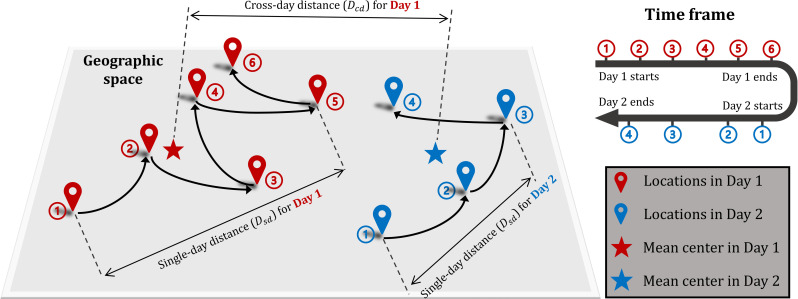
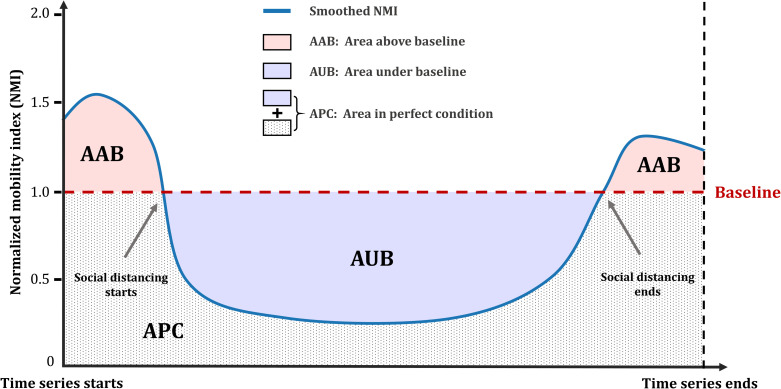
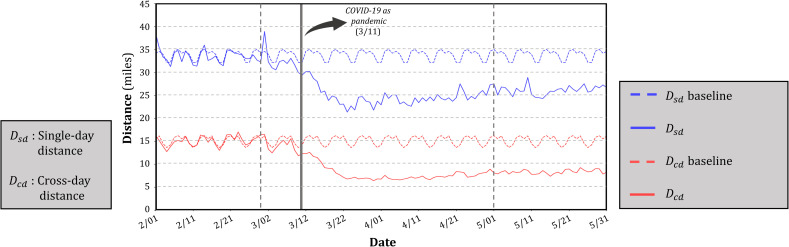
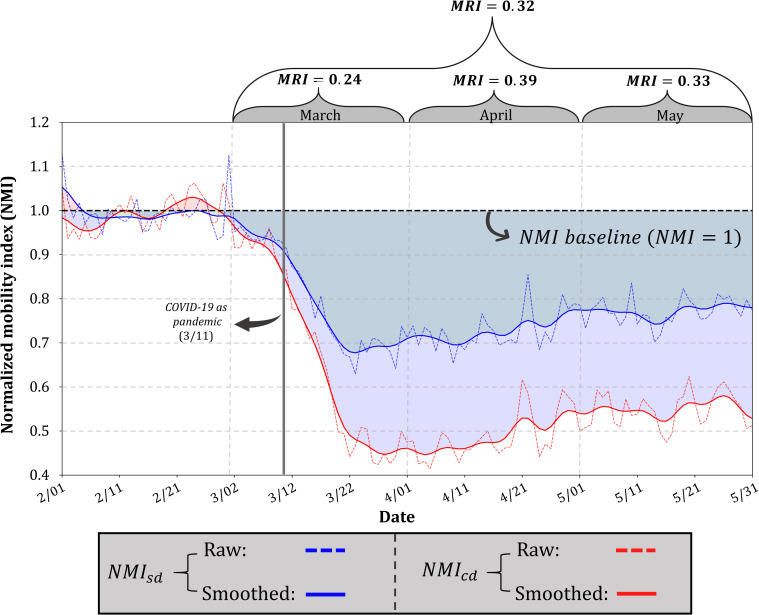
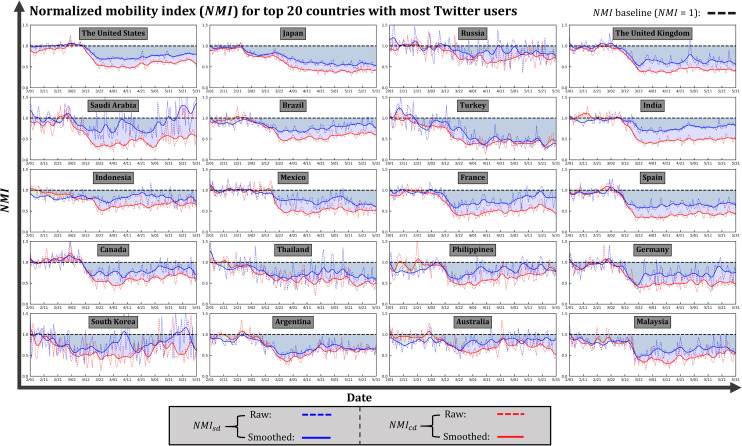
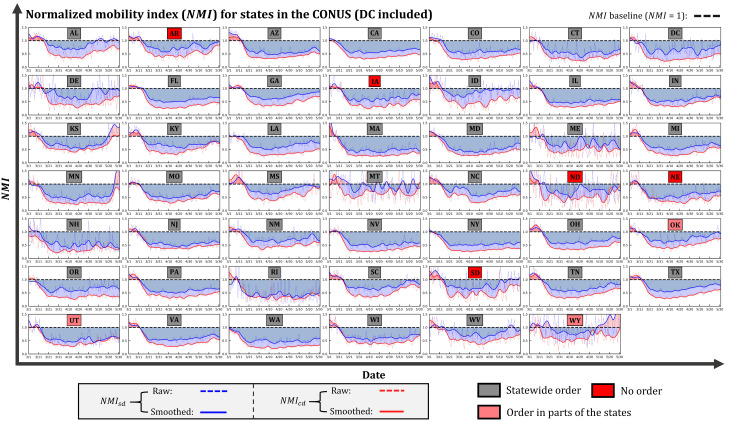
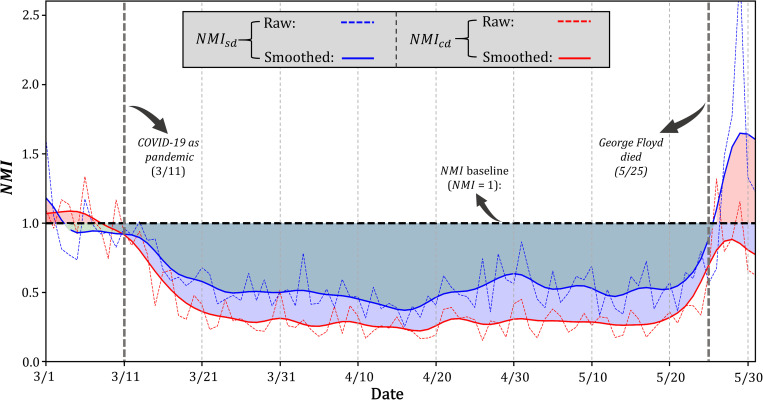
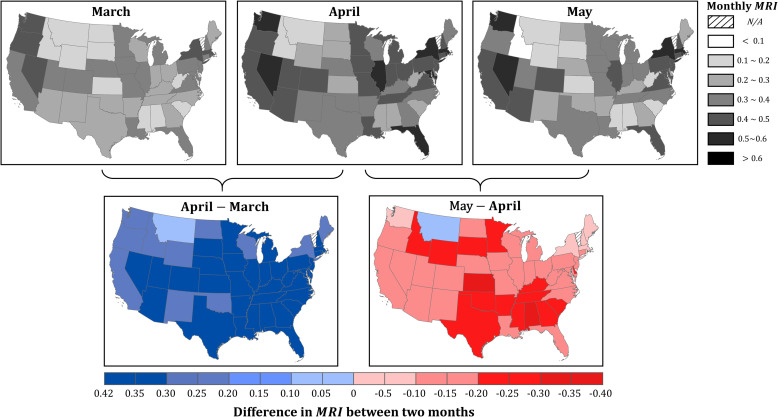
The current COVID-19 pandemic raises concerns worldwide, leading to serious health, economic, and social challenges. The rapid spread of the virus at a global scale highlights the need for a more harmonized, less privacy-concerning, easily accessible approach to monitoring the human mobility that has proven to be associated with viral transmission. In this study, we analyzed over 580 million tweets worldwide to see how global collaborative efforts in reducing human mobility are reflected from the user-generated information at the global, country, and U.S. state scale. Considering the multifaceted nature of mobility, we propose two types of distance: the single-day distance and the cross-day distance. To quantify the responsiveness in certain geographic regions, we further propose a mobility-based responsive index (MRI) that captures the overall degree of mobility changes within a time window. The results suggest that mobility patterns obtained from Twitter data are amenable to quantitatively reflect the mobility dynamics. Globally, the proposed two distances had greatly deviated from their baselines after March 11, 2020, when WHO declared COVID-19 as a pandemic. The considerably less periodicity after the declaration suggests that the protection measures have obviously affected people’s travel routines. The country scale comparisons reveal the discrepancies in responsiveness, evidenced by the contrasting mobility patterns in different epidemic phases. We find that the triggers of mobility changes correspond well with the national announcements of mitigation measures, proving that Twitter-based mobility implies the effectiveness of those measures. In the U.S., the influence of the COVID-19 pandemic on mobility is distinct. However, the impacts vary substantially among states.
Overview
The claims and statistics of this paper haven’t been checked yet.
Run the check — free, no account needed. It reads the open-access text and checks the sources it cites.
Integrity signals
Registry
Cites
Statistics
Figures
Verification
Claims the paper makes
The claims and statistics of this paper haven’t been checked yet.
Run the check — free, no account needed. It reads the open-access text and checks the sources it cites.
Self-check
Percentages, sums and reported differences re-computed from the paper’s own numbers.
The self-check needs the paper’s full text.
Citations
Cites
Understanding individual human mobility patterns
González, M. C., Hidalgo, C. A., & Barabási, A.-Ĺ. (2008) · Nature · doi:10.1038/nature06958 · Cited by 6,186 · cited 1×
“Studies have shown that mobility may vary regularly on a monthly basis [62, 63], and the variations differ geographically due to the different cultural and societal settings.”
Background4 What Is Web 2.0? Design Patterns and Business Models for the Next Generation of Software
O’Reilly, T. (2012) · New York University Press eBooks · doi:10.18574/nyu/9780814764077.003.0008 · Cited by 5,623
Citizens as sensors: the world of volunteered geography
Goodchild, M. F. (2007) · GeoJournal · doi:10.1007/s10708-007-9111-y · Cited by 4,611 · cited 2×
“Since the initial outbreak of COVID-19, numerous efforts have been made, by incorporating the emerging concept of “Web 2.0” [14], “Big Data” [15], and “Citizen as Sensors” [16], to obtain timely information regarding whether people are actively reducing their exposure to COVID-19 by reducing distances traveled, and by…”
BackgroundInfluentialQiu, J., Shen, B., Zhao, M., Wang, Z., Xie, B., & Xu, Y. (2020) · General Psychiatry · doi:10.1136/gpsych-2020-100213 · Cited by 4,307
The effect of travel restrictions on the spread of the 2019 novel coronavirus (COVID-19) outbreak
Chinazzi, M., Davis, J. T., Ajelli, M., Gioannini, C., Litvinova, M., Merler, S., Pastore y Piontti, A., Mu, K., Rossi, L., Sun, K., et al. (2020) · Science · doi:10.1126/science.aba9757 · Cited by 3,694
Big Data : The Management Revolution
マカフィー, ア., ブリニョルフソン, エ., & 有賀, 裕. (2013) · Harvard business review · Cited by 3,545
The effect of human mobility and control measures on the COVID-19 epidemic in China
Kraemer, M. U. G., Yang, C.-H., Gutiérrez, B., Wu, C., Klein, B., Pigott, D. M., open COVID-19 data working group, du Plessis, L., Faria, N. R., Li, R., et al. (2020) · Science · doi:10.1126/science.abb4218 · Cited by 2,987 · cited 2×
“An initial outbreak of COVID-19 was first declared in Wuhan, China in January 2020 [2], before cases were reported in European countries, most notably Italy, France, and the UK.”
Method(2012) · PubMed · Cited by 2,326
Gender Differences in Negative Campaigning: The Impact of Party Environments
Ennser‐Jedenastik, L., Dolezal, M., & Müller, W. C. (2016) · Politics & Gender · doi:10.1017/s1743923x16000532 · Cited by 1,661
Spread and dynamics of the COVID-19 epidemic in Italy: Effects of emergency containment measures
Gatto, M., Bertuzzo, E., Mari, L., Miccoli, S., Carraro, L., Casagrandi, R., & Rinaldo, A. (2020) · Proceedings of the National Academy of Sciences · doi:10.1073/pnas.2004978117 · Cited by 1,046 · cited 1×
“This mobility pattern coincides with strong early travel restrictions implemented in Europe and Asia at the beginning of March [6, 46].”
Background
Cited by
Sorted by citations
Social Media Use for Health Purposes: Systematic Review
Chen, J., & Wang, Y. (2021) · Journal of Medical Internet Research · doi:10.2196/17917 · Cited by 1,073
“In addition to outbreak prediction, demographic and geographic data obtained from social media can inform medical research and practice of the characteristics of people who are at risk of being infected [20].”
BackgroundBlockchain and AI-Based Solutions to Combat Coronavirus (COVID-19)-Like Epidemics: A Survey
Nguyen, D. C., Ding, M., Pathirana, P. N., & Seneviratne, A. (2021) · IEEE Access · doi:10.1109/access.2021.3093633 · Cited by 286
“Human mobility patterns can be also estimated by using AI analytics based on geo-located Twitter social media data records [102].”
BackgroundBarbieri, D. M., Lou, B., Passavanti, M., Hui, C., Hoff, I., Lessa, D. A., Sikka, G., Chang, K., Gupta, A., Fang, K., et al. (2021) · PLOS ONE · doi:10.1371/journal.pone.0245886 · Cited by 246
“Overall, in line with aggregate findings evaluated by Information Technology companies [78, 79] and application software [80], the COVID-19 restrictive measures were highly effective to limit and radically alter mobility via every mode and for any purpose.”
ResultHuman mobility data in the COVID-19 pandemic: characteristics, applications, and challenges
Hu, T., Wang, S., She, B., Zhang, M., Huang, X., Cui, Y., Khuri, J., Hu, Y., Fu, X., Wang, X., et al. (2021) · International Journal of Digital Earth · doi:10.1080/17538947.2021.1952324 · Cited by 216
“The POI access in SafeGraph data is categorized by industry and business (e.g. grocery stores, restaurants, bars, hotels); brand (e.g. Costco, Starbucks, Walmart); regions (e.g. metropolitan areas); and restaurant type (e.g. Chinese, Italian, Korean food) (SafeGraph 2020).”
BackgroundMethodInfluentialSelf-citationKim, J., & Kwan, M. (2021) · Journal of Transport Geography · doi:10.1016/j.jtrangeo.2021.103039 · Cited by 179
Hu, T., Wang, S., Luo, W. P., Zhang, M., Huang, X., Yan, Y., Liu, R., Ly, K., Kacker, V., She, B., et al. (2021) · Journal of Medical Internet Research · doi:10.2196/30854 · Cited by 150
“First, the demographic of Twitter users is typically characterized by younger users who are avid users of mobile phone apps and the Internet, and such users may not be able to reflect the opinion and perception of the general public with varying demographics and socioeconomic status [49].”
BackgroundSelf-citationHuang, X., Lu, J., Gao, S., Wang, S., Liu, Z., & Wei, H. (2021) · Annals of the American Association of Geographers · doi:10.1080/24694452.2021.1904819 · Cited by 148
Self-citationPublic Health Messaging in an Era of Social Media
Merchant, R. M., South, E. C., & Lurie, N. (2021) · JAMA · doi:10.1001/jama.2020.24514 · Cited by 126
Huang, X., Li, Z., Jiang, Y., Ye, X., Deng, C., Zhang, J., & Li, X. (2021) · International Journal of Digital Earth · doi:10.1080/17538947.2021.1886358 · Cited by 117
“…attainment, and employment rate) have been proved by many studies (Block, Scribner, and DeSalvo 2004; Hoover, Compton, and Giedeman 2015; Huang et al. 2020b), we believe a good understanding of mobility disparity over income provides fundamentals for relating our findings to other…”
BackgroundMethodInfluentialSelf-citationWillberg, E. S., Järv, O., Väisänen, T., & Toivonen, T. (2021) · ISPRS International Journal of Geo-Information · doi:10.3390/ijgi10020103 · Cited by 103
“Our results showed that the COVID-19 outbreak in spring 2020 resulted in a rapid decline of overall mobility in Finland, which is confirmed by individual level findings [40] and follows the general global trend [8,52].”
ResultHuman mobility and COVID-19 transmission: a systematic review and future directions
Zhang, M., Wang, S., Hu, T., Fu, X., Wang, X., Hu, Y., Halloran, B., Li, Z., Cui, Y., Liu, H., et al. (2022) · Annals of GIS · doi:10.1080/19475683.2022.2041725 · Cited by 100
“geotagged Twitter data) is able to indicate the inter-regional movement to improve the accuracy of models (Gupta, Jain, and Bhatnagar 2020; Huang et al. 2020; O’Sullivan et al. 2020; Tsay et al. 2020a), although such data is not used in the selected studies.”
MethodSelf-citationHuman mobility data and analysis for urban resilience: A systematic review
Haraguchi, M., Nishino, A., Kodaka, A., Allaire, M. C., Lall, U., Liao, K., Onda, K., Tsubouchi, K., & Kohtake, N. (2022) · Environment and Planning B Urban Analytics and City Science · doi:10.1177/23998083221075634 · Cited by 86
“Twitter posts with embedded location data are sufficient to analyze mobility during the COVID-19 pandemic quantitatively at global, country, and U.S. state geographical scales (Huang et al., 2020).”
MethodWang, S., Liu, Y., & Hu, T. (2020) · International Journal of Environmental Research and Public Health · doi:10.3390/ijerph17217930 · Cited by 76
Working from Home After the COVID-19 Pandemic: Do Company Employees Sit More and Move Less?
Koohsari, M. J., Nakaya, T., Shibata, A., Ishii, K., & Oka, K. (2021) · Sustainability · doi:10.3390/su13020939 · Cited by 79
Social media mining under the COVID-19 context: Progress, challenges, and opportunities
Huang, X., Wang, S., Zhang, M., Hu, T., Hohl, A., She, B., Gong, X., Li, J., Liu, X., Gruebner, O., et al. (2022) · International Journal of Applied Earth Observation and Geoinformation · doi:10.1016/j.jag.2022.102967 · Cited by 87
“…on place names), allows human – human, human-place, and place-place interactions to be monitored in an active and less privacy-concerning manner (Huang et al., 2020; Li et al., 2021a), thus serving as an important venue where timely human mobility dynamics can be collected and analyzed to…”
Self-citationKupfer, J. A., Li, Z., Ning, H., & Huang, X. (2021) · Sustainability · doi:10.3390/su13169366 · Cited by 75
Self-citationRen, M., Park, S., Xu, Y., Huang, X., Zou, L., Wong, M. S., & Koh, S.-Y. (2022) · Tourism Management · doi:10.1016/j.tourman.2022.104533 · Cited by 73
“Findings in some recent tourism studies also suggest that changes in traveler perceptions during the pandemic may affect their travel behaviors in the post-pandemic era (Hang et al., 2020; Li et al., 2020).”
Self-citationCrowdsourcing Geospatial Data for Earth and Human Observations: A Review
Huang, X., Wang, S., Yang, D., Hu, T., Chen, M., Zhang, M., Zhang, G., Biljecki, F., Lu, T., Zou, L., et al. (2023) · Journal of Remote Sensing · doi:10.34133/remotesensing.0105 · Cited by 79
“These include transportation planning [172,173], disease modeling [174,175,176], identification of urban functional zones [177,178], disaster management [179,180], and marketing and business development [181,182].”
BackgroundSelf-citationYang, Y., Fan, Y., Jiang, L., & Liu, X. (2022) · Annals of Tourism Research · doi:10.1016/j.annals.2022.103365 · Cited by 70
Location Reference Recognition from Texts: A Survey and Comparison
Hu, X., Zhou, Z., Li, H., Hu, Y., Gu, F., Kersten, J., Fan, H., & Klan, F. (2023) · ACM Computing Surveys · doi:10.1145/3625819 · Cited by 105
“Location-enabled tweets were applied to analyze the mental health status of the public after the occurrence of COVID-19 [79, 195], to track and visualize the spread and diffusion of COVID-19 [16], and to reveal human mobility patterns [87, 89].”
MethodZooming into mobility to understand cities: A review of mobility-driven urban studies
Wang, R., Zhang, X., & Li, N. (2022) · Cities · doi:10.1016/j.cities.2022.103939 · Cited by 63
Measuring global multi-scale place connectivity using geotagged social media data
Li, Z.-L., Huang, X., Ye, X.-Y., Jiang, Y.-Q., Martín, Y., Ning, H., Hodgson, M., & Li, X.-M. (2021) · Scientific Reports · doi:10.1038/s41598-021-94300-7 · Cited by 49
Self-citationToger, M., Kourtit, K., Nijkamp, P. J., & Östh, J. (2021) · Sustainability · doi:10.3390/su13074027 · Cited by 50
“[50] analyzed Twitter data for changes in mobility using metrics of longest distance per day and across days, inspired by Warren and Skillman [5] mobile phone data study and developing the metrics further to a normalized mobility index and showing the significant spatial effects.”
MethodRao, J., Gao, S., & Zhu, S. (2023) · International Journal of Geographical Information Systems · doi:10.1080/13658816.2023.2262550 · Cited by 51
“…planning (Caceres et al., 2012; Liu and Cheng, 2020), understanding the COVID-19 pandemic impacts on human mobility changes (Chow et al., 2021; Huang et al., 2020; Long and Ren, 2022; Noi et al., 2022), spatiotemporal analysis of individual air pollution exposure 4) Differential Privacy (DP)…”
BackgroundImproving prediction of COVID-19 evolution by fusing epidemiological and mobility data
García-Cremades, S., Morales-García, J., Hernández-Sanjaime, R., Martínez‐España, R., Bueno-Crespo, A., Hernández‐Orallo, E., López-Espín, J. J., & Cecilia, J. M. (2021) · Scientific Reports · doi:10.1038/s41598-021-94696-2 · Cited by 49
“Huang et al. 54 showed that mobility patterns obtained from Twitter can quantitatively reflect the mobility dynamics.”
BackgroundSocial Media Analysis to Enhance Sustainable Knowledge Management: A Concise Literature Review
Alghamdi, A. M., Pileggi, S. F., & Sohaib, O. (2023) · Sustainability · doi:10.3390/su15139957 · Cited by 59
“Finally, social media platforms enable the utilization of geographic and demographic data, which can inform medical practices and research [130].”
BackgroundYang, D., Yang, A., Yang, J., Xu, R., & Qiu, H. (2021) · GeoHealth · doi:10.1029/2021gh000395 · Cited by 44
“Human mobility, physical activities, and travels were limited given the concerns of COVID-19 infection, social distancing COVID-19 control strategy, and unhealthy outdoor air quality (Archer et al., 2020; Huang et al., 2020).”
BackgroundKar, A., Le, H., & Miller, H. J. (2021) · Annals of the American Association of Geographers · doi:10.1080/24694452.2021.1956876 · Cited by 49
The emergence of urban heat traps and human mobility in 20 US cities
Huang, X., Jiang, Y., & Mostafavi, A. (2024) · npj Urban Sustainability · doi:10.1038/s42949-024-00142-3 · Cited by 44
Self-citationLi, S., Chen, F., Song, K., Liu, G., Tao, H., Xu, S., Wang, X., Wang, Q., & Mu, G. (2022) · Journal of Hydrology · doi:10.1016/j.jhydrol.2022.127613 · Cited by 42
Coleman, N., Gao, X., DeLeon, J., & Mostafavi, A. (2022) · Scientific Reports · doi:10.1038/s41598-022-18857-7 · Cited by 42
Zeng, C., Zhang, J., Li, Z., Sun, X., Olatosi, B., Weissman, S., & Li, X. (2021) · Journal of Medical Internet Research · doi:10.2196/27045 · Cited by 42
“The methodology of extracting daily population movement (origin-destination flows) from geotagged tweets is discussed elsewhere [26,27].”
Self-citationAn absorptive capacity-based systems view of Covid-19 in the small business economy
Caiazza, R., Phan, P., Lehmann, E. E., & Etzkowitz, H. (2021) · International Entrepreneurship and Management Journal · doi:10.1007/s11365-021-00753-7 · Cited by 50
ODT FLOW: Extracting, analyzing, and sharing multi-source multi-scale human mobility
Li, Z., Huang, X., Hu, T., Ning, H., Ye, X., Huang, B., & Li, X. (2021) · PLoS ONE · doi:10.1371/journal.pone.0255259 · Cited by 40
“In this study, instead of computing the movement distance as [30], we are interested in each user’s origin location and destination location on a daily basis to construct the entity-level 4D cube, denoted as (user, origin, destination, day).”
BackgroundInfluentialSelf-citationEhsani, J. P., Michael, J. P., Duren, M. L., Mui, Y., & Porter, K. M. P. (2021) · American Journal of Preventive Medicine · doi:10.1016/j.amepre.2021.01.011 · Cited by 39
Hu, X., Zhou, Z., Sun, Y., Kersten, J., Klan, F., Fan, H., & Wiegmann, M. (2022) · IEEE Internet of Things Journal · doi:10.1109/jiot.2022.3150967 · Cited by 43
“After its happening, geotagged tweets were utilized to analyze the mental health status of the public [10], [11], to track and visualize the spread and diffusion of COVID-19 [12], and to reveal human mobility dynamics during the pandemic [13], [14].”
MethodSu, Y., Venkat, A., Yadav, Y., Puglisi, L. B., & Fodeh, S. J. (2021) · Computers in Biology and Medicine · doi:10.1016/j.compbiomed.2021.104336 · Cited by 35
“Twitter has been used to assess mitigation strategies such as social distancing [8,9] and estimate mobility dynamics within and across states [10].”
MethodLi, X., Huang, X., Li, D., & Xu, Y. (2022) · Sustainable Cities and Society · doi:10.1016/j.scs.2022.103869 · Cited by 37
“Paired sample t -test, also called the dependent samples t -test, is one of the most used statistical methods to examine whether the mean difference between two datasets is significant, which yields a p -value indicating the significance level of difference (Li et al., 2020; Mishra et al., 2019).”
Self-citationUsing geospatial social media data for infectious disease studies: a systematic review
Jing, F., Li, Z., Qiao, S., Zhang, J., Olatosi, B., & Li, X. (2023) · International Journal of Digital Earth · doi:10.1080/17538947.2022.2161652 · Cited by 37
“…diseases, including the transmission of COVID-19 (Kraemer et al. 2018; Chang et al. 2021; Cowley et al. 2021; Shepherd et al. 2021) and the e ff ects of governmental lock-down in response to the pandemic (Huang et al. 2020; Gibbs et al. 2021; Gulnerman 2021; Iranma-nesh and Alpar Atun 2021).”
BackgroundSelf-citationDeterminants of Small Business Reopening Decisions After COVID Restrictions Were LiftedPreprint
Balla‐Elliott, D., Cullen, Z. N., Glaeser, E. L., Luca, M., & Stanton, C. (2020) · SSRN Electronic Journal · doi:10.2139/ssrn.3634162 · Cited by 37
Li, X., Xu, H., Huang, X., Guo, C., Kang, Y., & Ye, X. (2021) · Computational Urban Science · doi:10.1007/s43762-021-00022-x · Cited by 37
Self-citationOWUOR, I., Hochmair, H. H., & Paulus, G. (2023) · Journal of Outdoor Recreation and Tourism · doi:10.1016/j.jort.2023.100681 · Cited by 35
Analysis of Geotagging Behavior: Do Geotagged Users Represent the Twitter Population?
Karami, A., Kadari, R. R., Panati, L., Nooli, S. P., Bheemreddy, H., & Bozorgi, P. (2021) · ISPRS International Journal of Geo-Information · doi:10.3390/ijgi10060373 · Cited by 39
“…data, such as exploring the diversity of human mobility patterns among individuals and within/between cities [14] and during the COVID-19 pandemic [15,16]; identifying spatiotemporal patterns of tweets during floods and hurricanes [17,18]; analyzing tweets containing discussions on climate change…”
BackgroundYang, Y., Zhang, L., Wu, L. L., & Li, Z. (2022) · Journal of Travel Research · doi:10.1177/00472875221077978 · Cited by 35
“…in applied econometrics have embraced various types of big data, such as air passenger searches and selection (Gallego and Font 2021), foot traffic data (Yang, Liu, and Chen 2020), and geotagged social media data (Huang et al. 2020), to estimate COVID-19’s economic impact on the tourism industry.”
BackgroundSelf-citationJiang, N., Crooks, A. T., Kavak, H., Burger, A., & Kennedy, W. G. (2022) · Computational Urban Science · doi:10.1007/s43762-022-00034-1 · Cited by 35
“Coinciding with this growth is proliferation of data from various sources (e.g., cell phones, social media, GPS logs) which are being used in geographical urban simulations in order to capture reality better (e.g., Ye et al., 2021; Huang et al., 2020; Manley et al., 2015).”
BackgroundMethodTwo-Step Cluster Analysis of Passenger Mobility Segmentation during the COVID-19 Pandemic
Harantová, V., Mazanec, J., Štefancová, V., Mašek, J., & Foltýnová, H. B. (2023) · Mathematics · doi:10.3390/math11030583 · Cited by 35
Qiao, S., Li, Z., Chen, L., Li, X., & Rudisill, C. (2022) · Risk Analysis · doi:10.1111/risa.13993 · Cited by 34
“It has become a critical source for understanding information exchange and the public’s opinions, experiences, and feelings about the COVID-19 pandemic (Hussain et al., 2021; Kurten & Beullens, 2021).”
Self-citationWang, J., Kaza, N., McDonald, N., & Khanal, K. (2022) · Transport Policy · doi:10.1016/j.tranpol.2022.05.012 · Cited by 34
“People with low income and low educational attainment tended to show less reduction in mobility because of their inability to work remotely (Dasgupta et al., 2020; Pepe et al., 2020; McLaren, 2021; Brough et al., 2020; Huang et al., 2020).”
InfluentialYao, Y., Guo, Z., Huang, X., Ren, S., Hu, Y., Dong, A., & Guan, Q. (2023) · Cities · doi:10.1016/j.cities.2023.104361 · Cited by 32
Self-citationJärv, O., Tominga, A., Müürisepp, K., & Silm, S. (2021) · Journal of Location Based Services · doi:10.1080/17489725.2021.1887526 · Cited by 37
“Third, data sources can cover whole countries (Santamaria et al. 2020), or even have global coverage (Google 2020; Huang et al. 2020).”
BackgroundInfluentialRauchfleisch, A., Vogler, D., & Eisenegger, M. (2021) · Javnost - The Public · doi:10.1080/13183222.2021.1923622 · Cited by 44
“This included medical and epidemiological research, which uses Twitter data to model the spread of the pandemic (e.g. Huang et al. 2020) but also 4 A. RAUCHFLEISCH ET AL. studies by communication scholars (Park, Park, and Chong 2020), often focusing on the spread of misinformation (Gallotti et al.…”
BackgroundTopoBERT: a plug and play toponym recognition module harnessing fine-tuned BERT
Zhou, B., Zou, L., Hu, Y., Qiang, Y., & Goldberg, D. W. (2023) · International Journal of Digital Earth · doi:10.1080/17538947.2023.2239794 · Cited by 35
“Huang et al. scrutinized the human mobility patterns during the COVID-19 pandemic at multiple scales based on geotagged Twitter data (Huang et al. 2020).”
BackgroundZhou, J., Wu, J., & Ma, H. (2021) · Applied Geography · doi:10.1016/j.apgeog.2021.102504 · Cited by 29
Chen, M., Liu, Y., Ye, Z., Wang, S., & Zhang, W. (2024) · Sustainable Cities and Society · doi:10.1016/j.scs.2024.105823 · Cited by 28
Huang, X., Bao, X., Li, Z., Zhang, S., & Zhao, B. (2022) · Annals of the American Association of Geographers · doi:10.1080/24694452.2022.2095971 · Cited by 28
Self-citationHow to evaluate urban emotions using twitter social media?
Dorostkar, E., & Najarsadeghi, M. (2022) · Cities · doi:10.1016/j.cities.2022.103713 · Cited by 27
Müürisepp, K., Järv, O., Sjöblom, F., Toger, M., & Östh, J. (2023) · Applied Geography · doi:10.1016/j.apgeog.2023.102926 · Cited by 27
“A vast body of research has shown how the COVID-19 pandemic and its mitigation strategies resulted in an unprecedented decline in people’s mobility internationally, regionally and within cities (Huang et al., 2020; Järv et al., 2021; Toger et al., 2021; Willberg et al., 2021).”
Unmasking People’s Opinions behind Mask-Wearing during COVID-19 Pandemic—A Twitter Stance Analysis
Cotfas, L., Delcea, C., Gherai, R., & Roxin, I. (2021) · Symmetry · doi:10.3390/sym13111995 · Cited by 27
Wang, R., Wang, Y., & Li, N. (2023) · Cities · doi:10.1016/j.cities.2023.104636 · Cited by 25
Mikula, P., Jokimäki, J., Kaisanlahti‐Jokimäki, M., Markó, G., Morelli, F., Møller, A. P., Szakony, S., Yosef, R., Albrecht, T., & Tryjanowski, P. (2021) · The Science of The Total Environment · doi:10.1016/j.scitotenv.2021.148672 · Cited by 25
Mobile Networks and Internet of Things Infrastructures to Characterize Smart Human Mobility
Rosa, L., Silva, F., & Analide, C. (2021) · Smart Cities · doi:10.3390/smartcities4020046 · Cited by 24
“Findings reveal that the intent to adopt internet banking services could be predicted by variables directly linked to the existence of capable communications networks.”
BackgroundSocio-spatial inequality and the effects of density on COVID-19 transmission in US cities
Kontokosta, C. E., Hong, B., & Bonczak, B. J. (2024) · Nature Cities · doi:10.1038/s44284-023-00008-2 · Cited by 24
Viviani, M., Crocamo, C., Mazzola, M., Bartoli, F., Carrà, G., & Pasi, G. (2021) · Future Generation Computer Systems · doi:10.1016/j.future.2021.06.044 · Cited by 24
Hu, T., Wang, S., Luo, W. P., Zhang, M., Huang, X., Yan, Y., Liu, R., Ly, K., Kacker, V., She, B., et al. (2021) · medRxiv · doi:10.1101/2021.06.02.21258233 · Cited by 23
Self-citationManout, O., & Ciari, F. (2021) · Frontiers in Built Environment · doi:10.3389/fbuil.2021.654279 · Cited by 21
Wang, Y., Zhong, C., Gao, Q., & Cabrera-Arnau, C. (2022) · Urban Informatics · doi:10.1007/s44212-022-00018-w · Cited by 22
“…official statistics (Fielding & Ishikawa, 2021; ONS, 2021b), multiple emerging data sources have been explored for migration analysis including public transport data, mobile phone data (Kang et al., 2020; Pullano et al., 2020) and social media data (Huang et al., 2020; Terroso-Saenz et al., 2022).”
BackgroundWang, S., Huang, X., Hu, T., Zhang, M., Li, Z., Ning, H., Corcoran, J., Khan, A., Liu, Y., Zhang, J., et al. (2022) · BMJ Global Health · doi:10.1136/bmjgh-2021-007081 · Cited by 21
Self-citationWankhade, M., & Rao, A. C. S. (2022) · Scientific Reports · doi:10.1038/s41598-022-21604-7 · Cited by 21
Using human mobility data to detect evacuation patterns in hurricane Ian
Xiang, L., Qiang, Y., & Cervone, G. (2024) · Annals of GIS · doi:10.1080/19475683.2024.2341703 · Cited by 21
Wang, S., Tong, Y., Fan, Y., Liu, H., Wu, J., Wang, Z., & Fang, C. (2021) · Scientific Reports · doi:10.1038/s41598-021-94060-4 · Cited by 20
Wu, C., Zhu, S., Yang, J., Hu, M., Du, B., Zhang, L., Zhang, L., Han, C., & Lan, M. (2021) · IEEE Journal of Selected Topics in Applied Earth Observations and Remote Sensing · doi:10.1109/jstars.2021.3078611 · Cited by 19
“Some researches used mobile locations or social media data to study human mobility [23]–[26].”
BackgroundGlobal Fisheries Responses to Culture, Policy and COVID-19 from 2017 to 2020
He, B., Yan, F., Yu, H., Su, F., Lyne, V. D., Cui, Y., Kang, L., & Wu, W. (2021) · Remote Sensing · doi:10.3390/rs13224507 · Cited by 19
Song, Y. H., Lee, S., Park, A. H., & Lee, C. (2022) · Environment and Planning B Urban Analytics and City Science · doi:10.1177/23998083221124930 · Cited by 19
“The spread of coronavirus disease 2019 (COVID-19) has disrupted people’s daily travel and social activities, as reported by many recent studies (Beck and Hensher, 2020; Saha et al., 2020; Bourdas and Zacharakis, 2020; Huang et al., 2020).”
BackgroundZhou, S., Zhou, S., Jing, F., Qi, L., & Li, J. (2024) · Journal of Transport & Health · doi:10.1016/j.jth.2024.101788 · Cited by 19
Transmission in home environment associated with the second wave of COVID-19 pandemic in India
Tang, L., Liu, M., Ren, B., Chen, J., Liu, X., Wu, X., Huang, W., & Tian, J. (2021) · Environmental Research · doi:10.1016/j.envres.2021.111910 · Cited by 19
DETERMINANTS OF SMALL BUSINESS REOPENING DECISIONS AFTER COVID RESTRICTIONS WERE LIFTED
Balla‐Elliott, D., Cullen, Z. N., Glaeser, E. L., Luca, M., & Stanton, C. (2022) · Journal of Policy Analysis and Management · doi:10.1002/pam.22355 · Cited by 54
“The literature on the 2020 pandemic seems to confirm that consumer demand inmany industries fell dramatically because of COVID-19, and many firms closed (Abu-Rayash & Dincer, 2020; Alexander & Karger, 2020; Baker et al., 2020; Brinkman & Mangum, 2020; Chetty et al., 2020; Cintia et al., 2020; Coibion, Gorodnichenko, &…”
New avenues for second home tourism research using big data: prospects and challenges
Raun, J., Järv, O., Okkonen, P., Rantanen, M., Hyyryläinen, T., Ryynänen, T., & Toivonen, T. (2022) · Current Issues in Tourism · doi:10.1080/13683500.2022.2138282 · Cited by 17
“Social media data have been used widely in mobility studies (Huang et al., 2020; Jurdak et al., 2015) and urban studies (Boy & Uitermark, 2016; Heikinheimo et al., 2020).”
MethodTian, S., Li, W., Zhong, Z., Wang, F., & Xiao, Q. (2023) · Animal Genetics · doi:10.1111/age.13293 · Cited by 17
Twitter mobility dynamics during the COVID-19 pandemic: A case study of London
Zhong, C., Morphet, R., & Yoshida, M. (2023) · PLoS ONE · doi:10.1371/journal.pone.0284902 · Cited by 17
“Twitter-based mobility data has been proposed in various forms to monitor human mobility dynamics during the COVID-19 pandemic [9, 33], with case studies predominantly in the US [32, 34] or globally at a regional scale [8].”
BackgroundDeterminants of Small Business Reopening Decisions After COVID Restrictions Were Lifted
Balla‐Elliott, D., Cullen, Z. N., Glaeser, E. L., Luca, M., & Stanton, C. (2020) · National Bureau of Economic Research · doi:10.3386/w27362 · Cited by 18
Rajput, A. A., Li, Q., Gao, X., & Mostafavi, A. (2022) · Frontiers in Built Environment · doi:10.3389/fbuil.2021.654409 · Cited by 17
Chen, T., BOWERS, K. J., Zhu, D., Gao, X., & Cheng, T. (2022) · Computational Urban Science · doi:10.1007/s43762-022-00041-2 · Cited by 17
“Specifically, it is evident that the outbreak and spread of the COVID-19 pandemic has influenced human activities and population dynamics in global cities in an unprecedented way (Bonaccorsi et al. 2020; Kissler et al. 2020; Huang et al. 2020).”
BackgroundGarcia, C., Rabadi, G., Abujaber, D., & Seck, M. (2023) · Journal of Homeland Security and Emergency Management · doi:10.1515/jhsem-2021-0042 · Cited by 20
Mikula, P., Bulla, M., Blumstein, D. T., Benedetti, Y., Floigl, K., Jokimäki, J., Kaisanlahti‐Jokimäki, M., Markó, G., Morelli, F., Møller, A. P., et al. (2024) · Communications Biology · doi:10.1038/s42003-024-06387-z · Cited by 15
Mobilitas Manusia dan Tingkat Penyebaran Covid-19: Sebuah Analisis Kuantitatif
Nugroho, L. E., & Rakhman, A. Z. (2021) · Jurnal Nasional Teknik Elektro dan Teknologi Informasi (JNTETI) · doi:10.22146/jnteti.v10i2.1519 · Cited by 15
Huang, X., Xu, Y., Liu, R., Wang, S., Wang, S., Zhang, M., Kang, Y., Zhang, Z., Gao, S., Zhao, B., et al. (2022) · Transactions in GIS · doi:10.1111/tgis.12918 · Cited by 13
“…(Cartenì, Di Francesco, & Martino, 2020; Gao, Rao, Kang, Liang, & Kruse, 2020; Huang, Li, Jiang, Li, & Porter, 2020; Huang, Li, Lu, et al., 2020; Li et al., 2020), and many pieces of evidence have proved that geographical differences in transmission and death rates are linked to how strictly…”
BackgroundSelf-citationSpatial social network research: a bibliometric analysis
Wu, L., Peng, Q., Lemke, M., Hu, T., & Gong, X. (2022) · Computational Urban Science · doi:10.1007/s43762-022-00045-y · Cited by 17
Multiwave COVID-19 Prediction from Social Awareness Using Web Search and Mobility Data
Xue, J., Yabe, T., Tsubouchi, K., Ma, J., & Ukkusuri, S. V. (2022) · ACM SIGKDD Conference on Knowledge Discovery and Data Mining (KDD) · doi:10.1145/3534678.3539172 · Cited by 15
“One critical input for these models is the mobility data [6, 19, 22], which describes population movements and is positively related to the disease infections [49].”
BackgroundHu, S., Luo, W., Darzi, A., Pan, Y., Zhao, G., Liu, Y., & Xiong, C. (2021) · PLoS ONE · doi:10.1371/journal.pone.0259803 · Cited by 14
Detecting space–time patterns of disease risk under dynamic background population
Hohl, A., Tang, W., Casas, I., Shi, X., & Delmelle, E. M. (2022) · Journal of Geographical Systems · doi:10.1007/s10109-022-00377-7 · Cited by 14
“…data are becoming available at 1 3 Detecting space–time patterns of disease risk under dynamic… finer spatial and temporal resolutions, and given current technological advances, it is foreseeable that this development will continue (Bhaduri et al. 2007; Huang et al. 2020; Kang et al. 2020).”
BackgroundA comparative analysis of epidemiological characteristics of MERS-CoV and SARS-CoV-2 in Saudi Arabia
Althobaity, Y. M., Wu, J., & Tildesley, M. J. (2022) · Infectious Disease Modelling · doi:10.1016/j.idm.2022.07.002 · Cited by 14
“In addition, low-risk contacts were put under active surveillance and contacted daily to monitor their health status (Huang et al., 2020).”
The disturbance of urban mobility in the context of COVID-19 pandemic
You, G. (2022) · Cities · doi:10.1016/j.cities.2022.103821 · Cited by 13
“However, despite a growing number of relevant studies, the interpretation of the pandemic effect diverges; some studies identify a negative relationship between the number of COVID-19 cases and urban mobility (Balbontin et al., 2021; Borkowski et al., 2021; Chan et al., 2020; Huang et al., 2020; Long & Ren, 2022; Shak…”
Modelling the propagation of infectious disease via transportation networks
Anupriya, Bansal, P., & Graham, D. J. (2022) · Scientific Reports · doi:10.1038/s41598-022-24866-3 · Cited by 13
Kostandova, N., Schluth, C. G., Arambepola, R., Atuhaire, F., Bérubé, S., Chin, T., Cleary, E., Cortes-Azuero, O., García‐Carreras, B., Grantz, K. H., et al. (2024) · Nature Communications · doi:10.1038/s41467-024-54895-7 · Cited by 13
Tantoush, M., Sengupta, U., & Han, L. (2025) · Cities · doi:10.1016/j.cities.2025.105894 · Cited by 12
An evaluation of geo-located Twitter data for measuring human migration
Yin, J., Gao, Y., & Chi, G. (2022) · International Journal of Geographical Information Systems · doi:10.1080/13658816.2022.2075878 · Cited by 12
“For example, geo-located Twitter data have been used to explore human mobility dynamics during the COVID-19 pandemic (Huang et al. 2020) and estimate refugee migration patterns following natural disasters (H€ubl et al. 2017).”
Human mobility forecasting with region-based flows and geotagged Twitter data
Terroso-Sáenz, F., Flores, R., & Muñoz, A. (2022) · Expert Systems with Applications · doi:10.1016/j.eswa.2022.117477 · Cited by 12
Iranmanesh, A., & Mousavi, S. A. (2022) · Cities · doi:10.1016/j.cities.2022.103813 · Cited by 12
Lü, M., Schmitz, O., de Hoogh, K., Hoek, G., Li, Q., & Karssenberg, D. (2022) · Environmental Modelling & Software · doi:10.1016/j.envsoft.2022.105555 · Cited by 12
Analyzing changes in travel patterns due to Covid-19 using Twitter data in India
Shende, S., Bhaduri, E., & Goswami, A. K. (2023) · Case Studies on Transport Policy · doi:10.1016/j.cstp.2023.100992 · Cited by 13
Metadata
- Authors
- Huang, X., Li, Z., Jiang, Y., Li, X., & Porter, D.
- Affiliations
- University of South Carolina (US)
- Corresponding author
- Li, Zhenlong
- Venue
- PLOS ONE
- Publisher
- Public Library of Science (PLoS)
- Published
- 2020-11-10
- Volume
- 15
- Issue
- 11
- Pages
- e0241957
- ISSN
- 1932-6203 (ISSN-L)
- PMC
- PMC7654838
- OpenAlex
- W3105667161
- Cited by
- 242
- References
- 56
- Citations by year
- 2026: 12 · 2025: 21 · 2024: 22 · 2023: 49 · 2022: 72 · 2021: 61 · 2020: 5
- FWCI
- 41.68
- Type
- journal article
- Language
- en
- Open access
- gold
- doi.org
- Licence
- Locations
- PLoS ONE (publishedVersion, cc-by)
- PubMed Central (publishedVersion, cc-by)
- PubMed (publishedVersion)
- DOAJ (DOAJ: Directory of Open Access Journals) (submittedVersion, cc-by-sa)
- Funders
- National Science Foundatio (2028791)
- University of South Carolina Office of the Vice President for Research (135400-20-54176)
- Topics
- Social Sciences › Transportation › Human Mobility and Location-Based Analysis
- Physical Sciences › Mathematics › Modeling and Simulation › COVID-19 epidemiological studies
- Health Sciences › Medicine › Epidemiology › Data-Driven Disease Surveillance
- Keywords
- COVID-19 pandemic, human mobility, Twitter, social media data, travel behavior, mitigation measures, epidemic phases
- MeSH terms
- Betacoronavirus, COVID-19, SARS-CoV-2, Humans, Movement, Pneumonia, Viral, Coronavirus Infections, Pandemics, Social Media
About these checks
Registry, retraction, Cites and statistics results are computed, not judged, with one exception: a printed reference that no index lists is read once by a model before it counts as a citation error. Claims are extracted by a model and kept only when their quote appears verbatim in the text; each cited source is then checked, with a model’s help, for whether it says what the claim relies on. Those verdicts can be wrong — read the claim’s quote and the cited source before relying on one.
Statistics and arithmetic are recomputed, not judged.
Confidence bands are shown only for fields calibrated on our annotated test set. None is calibrated yet, so no band is shown.
What counts as a claim ›How we measure confidence ›How we check this ›
Are you an author, or do you see a problem with this page? Request a review
