

The Rewiring of Ubiquitination Targets in a Pathogenic Yeast Promotes Metabolic Flexibility, Host Colonization and Virulence
Open accessThe DOI matches its Crossref record; 63 of the 63 references it cites were found in a registry or an index.
Abstract
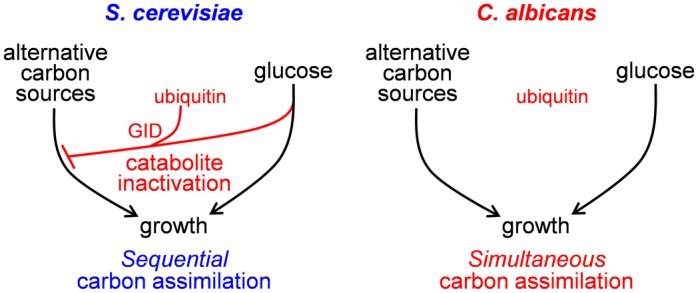
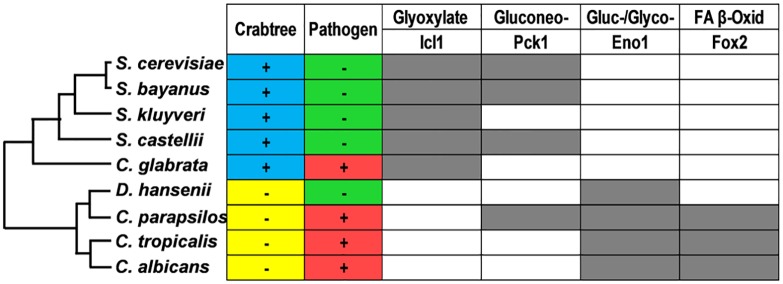
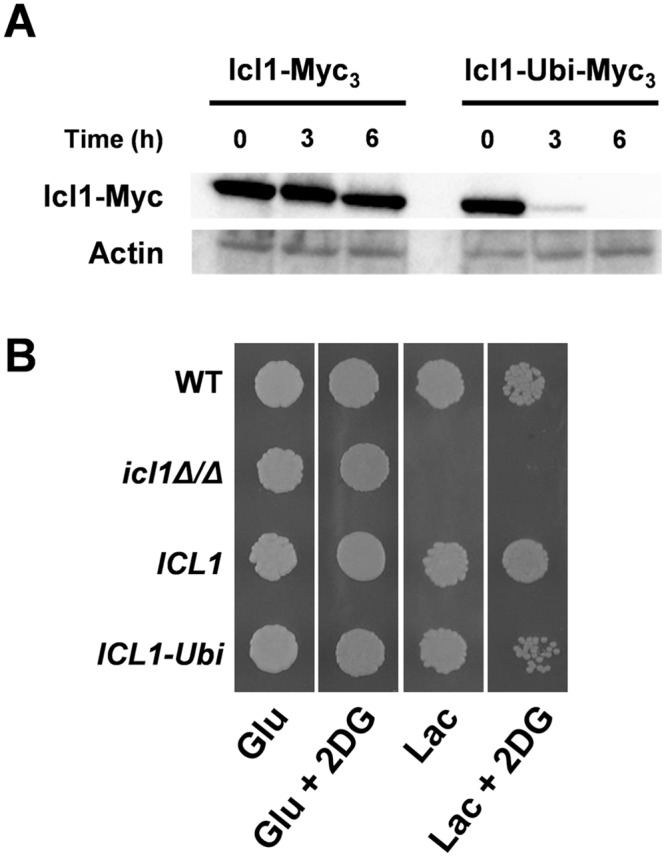
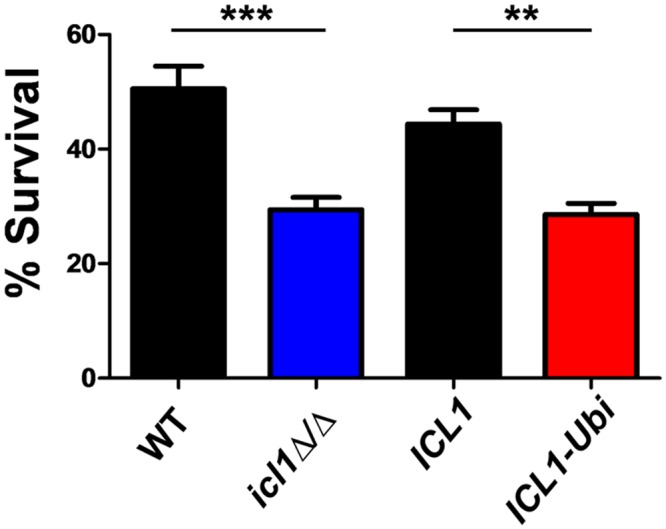
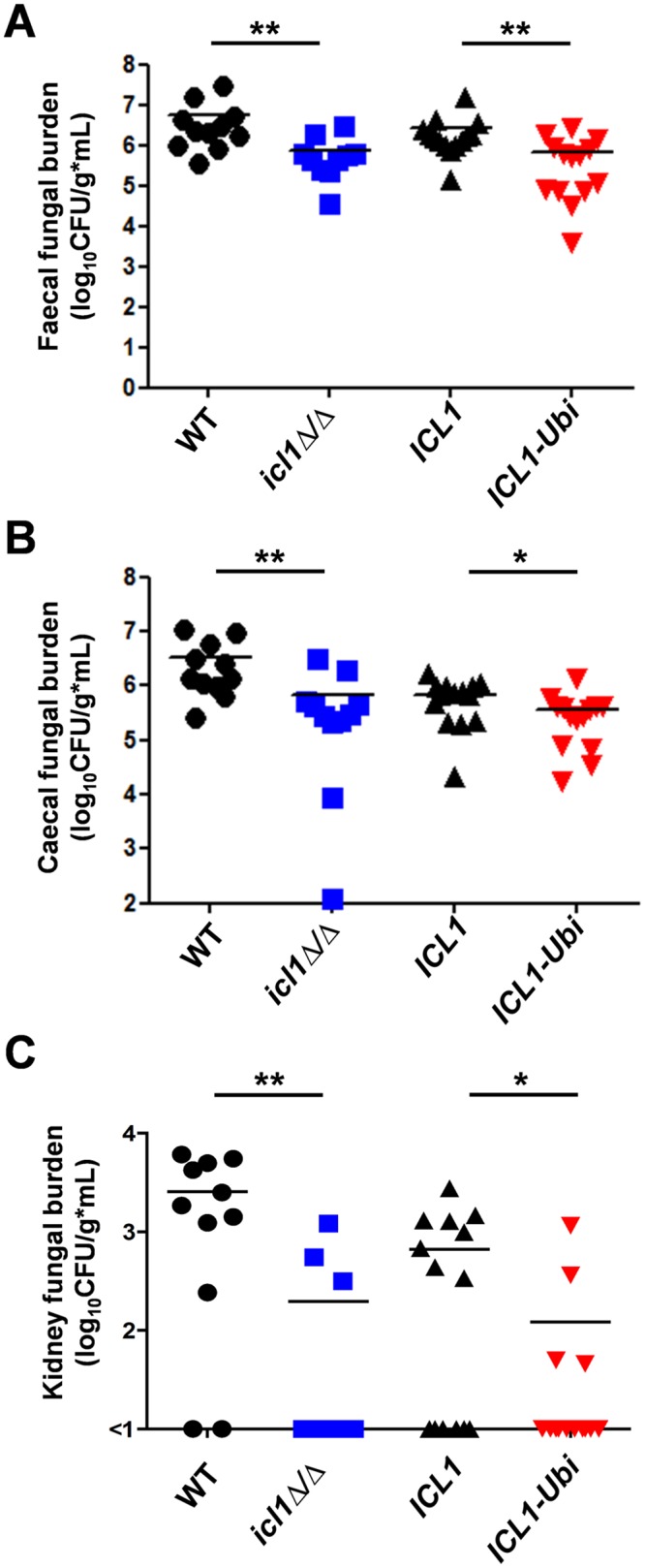
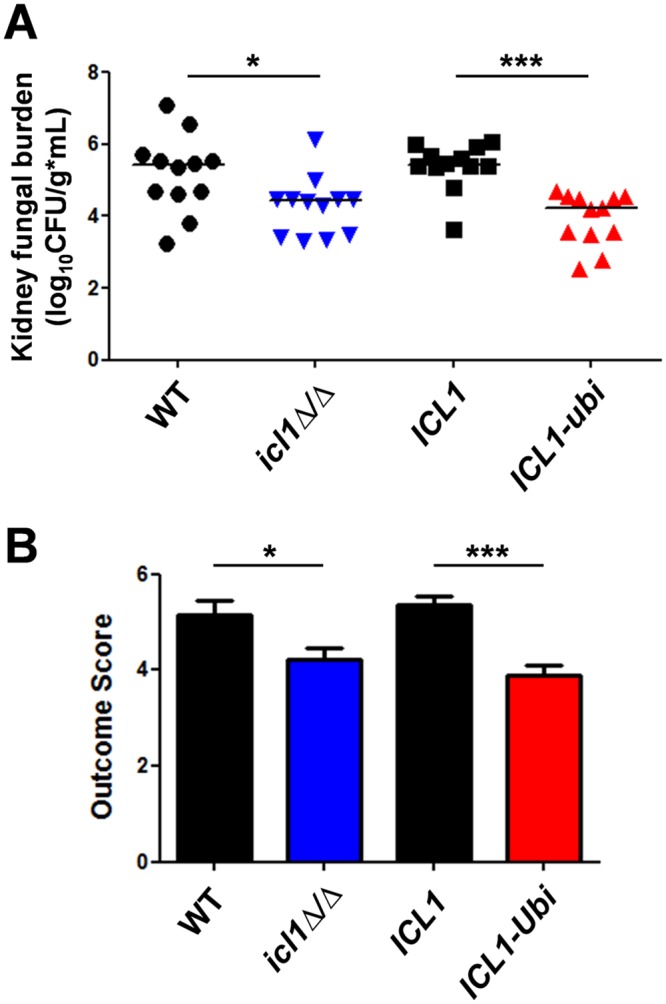
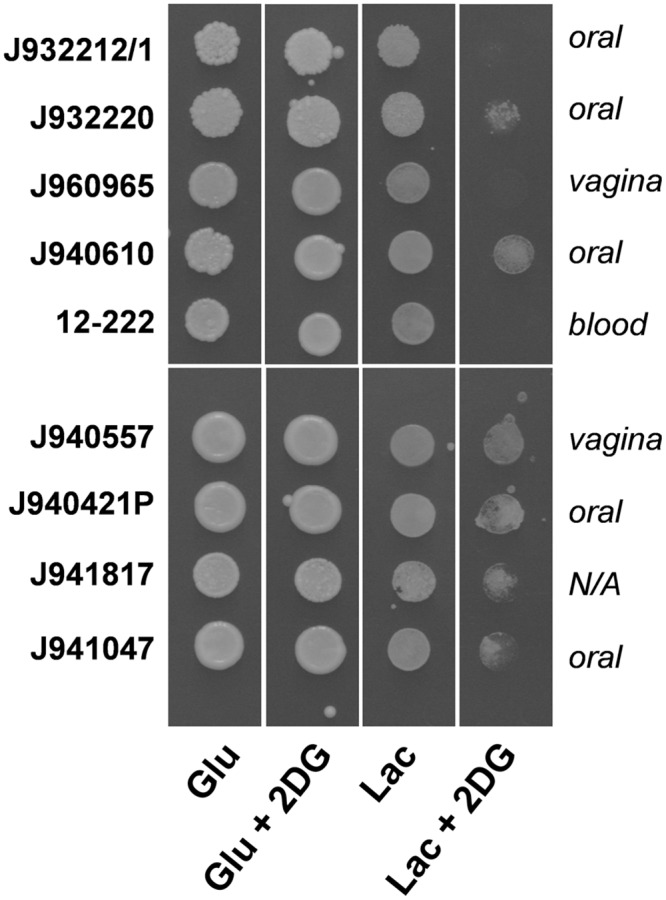
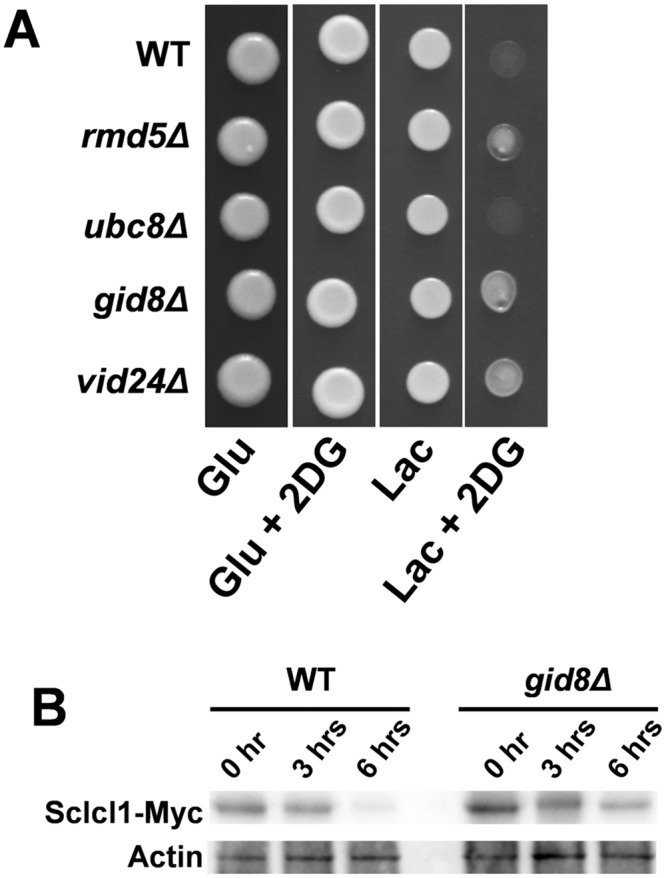
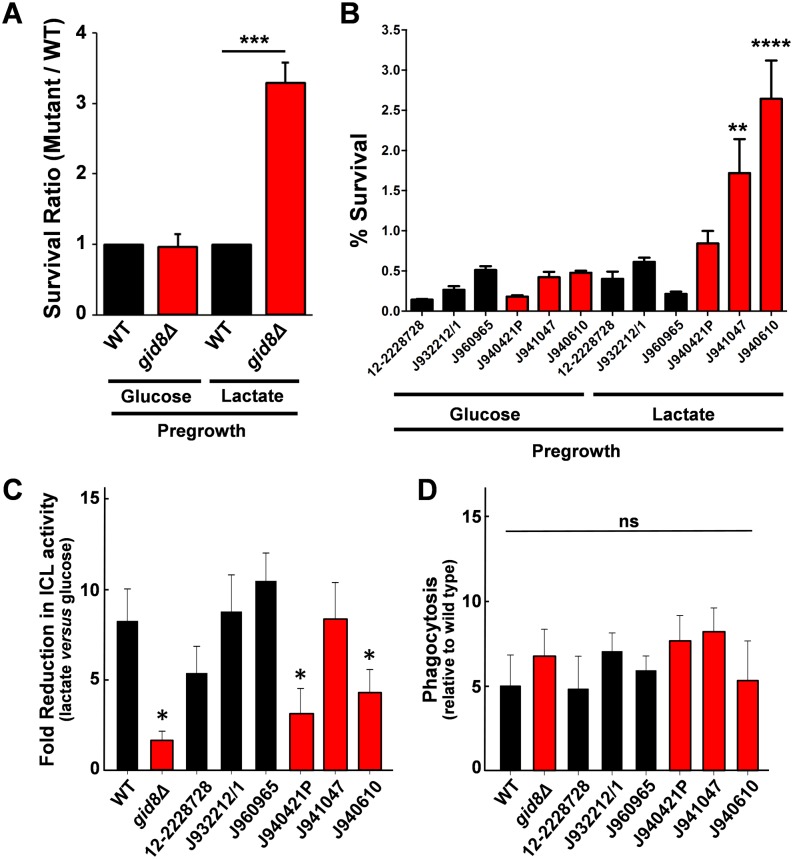
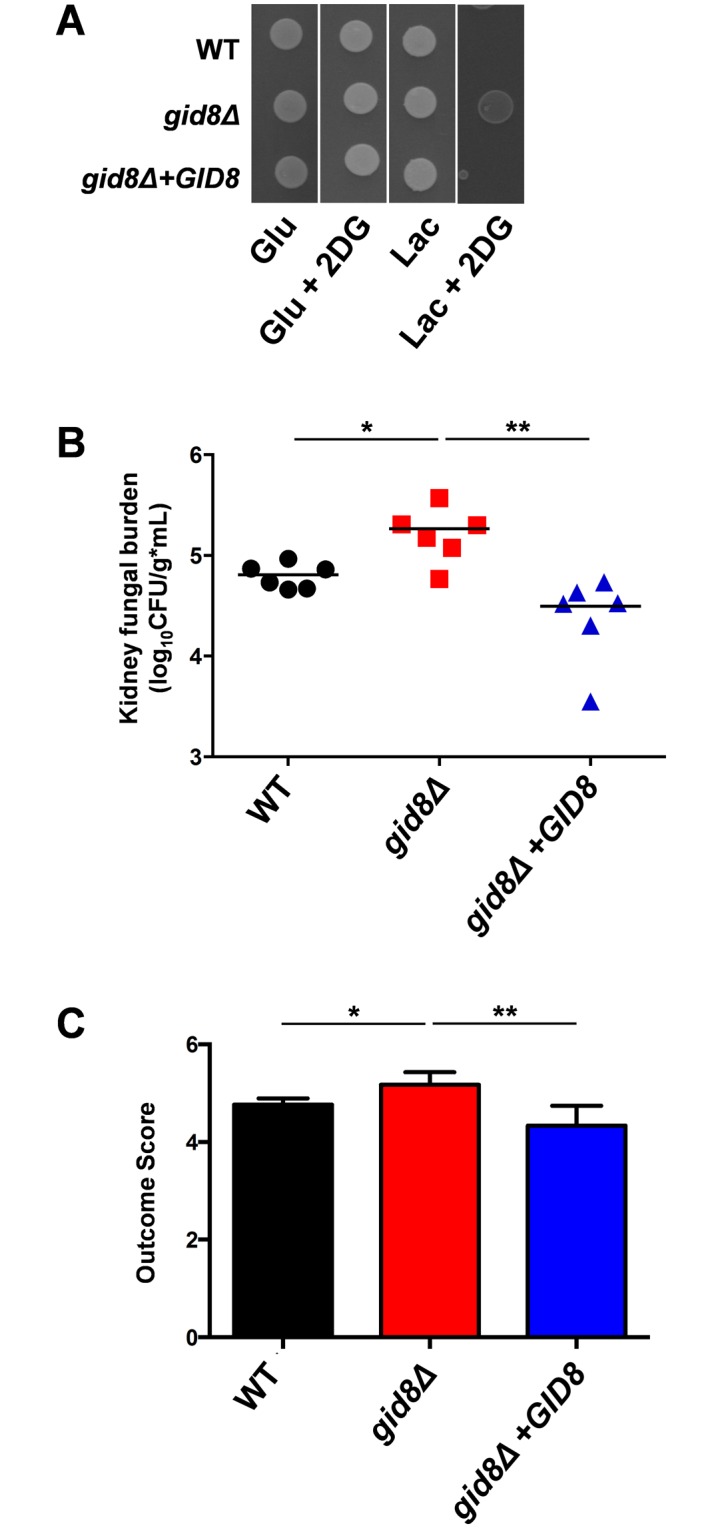
Efficient carbon assimilation is critical for microbial growth and pathogenesis. The environmental yeast Saccharomyces cerevisiae is "Crabtree positive", displaying a rapid metabolic switch from the assimilation of alternative carbon sources to sugars. Following exposure to sugars, this switch is mediated by the transcriptional repression of genes (carbon catabolite repression) and the turnover (catabolite inactivation) of enzymes involved in the assimilation of alternative carbon sources. The pathogenic yeast Candida albicans is Crabtree negative. It has retained carbon catabolite repression mechanisms, but has undergone posttranscriptional rewiring such that gluconeogenic and glyoxylate cycle enzymes are not subject to ubiquitin-mediated catabolite inactivation. Consequently, when glucose becomes available, C. albicans can continue to assimilate alternative carbon sources alongside the glucose. We show that this metabolic flexibility promotes host colonization and virulence. The glyoxylate cycle enzyme isocitrate lyase (CaIcl1) was rendered sensitive to ubiquitin-mediated catabolite inactivation in C. albicans by addition of a ubiquitination site. This mutation, which inhibits lactate assimilation in the presence of glucose, reduces the ability of C. albicans cells to withstand macrophage killing, colonize the gastrointestinal tract and cause systemic infections in mice. Interestingly, most S. cerevisiae clinical isolates we examined (67%) have acquired the ability to assimilate lactate in the presence of glucose (i.e. they have become Crabtree negative). These S. cerevisiae strains are more resistant to macrophage killing than Crabtree positive clinical isolates. Moreover, Crabtree negative S. cerevisiae mutants that lack Gid8, a key component of the Glucose-Induced Degradation complex, are more resistant to macrophage killing and display increased virulence in immunocompromised mice. Thus, while Crabtree positivity might impart a fitness advantage for yeasts in environmental niches, the more flexible carbon assimilation strategies offered by Crabtree negativity enhance the ability of yeasts to colonize and infect the mammalian host.
Overview
The claims and statistics of this paper haven’t been checked yet.
Free: it reads the open-access text and checks the first 5 claims that cite a source we can check. Create a free account to check every claim.
Integrity signals
Registry
Cites
Statistics
Figures
Verification
Claims the paper makes
The claims and statistics of this paper haven’t been checked yet.
Free: it reads the open-access text and checks the first 5 claims that cite a source we can check. Create a free account to check every claim.
Claims other papers make about this one
Each is checked against this paper’s own text: does it say what the citing paper says it does?
The check wasn’t confident either way, so it gives no verdict — never disputed.
In the citing paper
“Changes in ergosterol-rich domains can alter Pma1 localization or function without requiring direct inhibition of its catalytic site [38,39].”
From Ovotransferrin and Its γ-Core-Containing Peptides Impair Pma1-Dependent Proton Homeostasis in Candida albicans (2026) · cites this paper as [38]
Experimental — accuracy not yet measuredThe check wasn’t confident either way, so it gives no verdict — never disputed.
In the citing paper
“Pma1 activity depends not only on the enzyme itself but also on its organization within the fungal plasma membrane and on the lipid composition of surrounding microdomains.”
From Ovotransferrin and Its γ-Core-Containing Peptides Impair Pma1-Dependent Proton Homeostasis in Candida albicans (2026) · cites this paper as [38]
Experimental — accuracy not yet measured
Self-check
Percentages, sums and reported differences re-computed from the paper’s own numbers.
The self-check needs the paper’s full text.
Citations
Cites
[1] Getting started with yeast
Sherman, F. (1991) · Methods in Enzymology · doi:10.1016/0076-6879(91)94004-v · Cited by 4,067
Janke, C., Magiera, M. M., Rathfelder, N., Taxis, C., Reber, S., Maekawa, H., Moreno‐Borchart, A., Doenges, G., Schwob, E., Schiebel, E., et al. (2004) · Yeast · doi:10.1002/yea.1142 · Cited by 2,119
Carbon catabolite repression in bacteria: many ways to make the most out of nutrients
Görke, B., & Stülke, J. (2008) · Nature Reviews Microbiology · doi:10.1038/nrmicro1932 · Cited by 1,701 · cited 2×
“albicans icl1mutants, which are less pathogenic in the murine model of systemic candidiasis [1, 24, 25, 28].”
BackgroundVirulence factors of Candida albicans
Calderone, R. A., & Fonzi, W. A. (2001) · Trends in Microbiology · doi:10.1016/s0966-842x(01)02094-7 · Cited by 1,331 · cited 1×
“A range of virulence factors contribute to pathogenicity, including yeast-hypha morphogenesis, adhesins and invasins, and secreted hydrolases [42].”
BackgroundOdds, F. C. (1979) · Medical Entomology and Zoology · Cited by 1,297
Fidel, P. L., Vazquez, J. A., & Sobel, J. D. (1999) · Clinical Microbiology Reviews · doi:10.1128/cmr.12.1.80 · Cited by 953
Calderone, R. (2012) · ASM Press eBooks · Cited by 912
Muñoz-Elías, E. J., & McKinney, J. D. (2005) · Nature Medicine · doi:10.1038/nm1252 · Cited by 756
The glyoxylate cycle is required for fungal virulence
Lorenz, M. C., & Fink, G. R. (2001) · Nature · doi:10.1038/35083594 · Cited by 745 · cited 3×
“albicans cells that have been phagocytosed by macrophages [25, 28], and the glyoxylate cycle promotes resistance to neutrophil-mediated killing [37].”
BackgroundOwen, D. H., & Katz, D. F. (1999) · Contraception · doi:10.1016/s0010-7824(99)00010-4 · Cited by 718
Cited by
d'Enfert, C., Kaune, A.-K., Alaban, L.-R., Chakraborty, S., Cole, N., Delavy, M., Kosmala, D., Marsaux, B., Fróis-Martins, R., Morelli, M., et al. (2021) · FEMS Microbiology Reviews · doi:10.1093/femsre/fuaa060 · Cited by 347
Self-citationLund, P. A., De Biase, D., Liran, O., Scheler, O., Mira, N. P., Cetecioglu, Z., Fernández, E. N., Bover-Cid, S., Hall, R., Sauer, M., et al. (2020) · Frontiers in Microbiology · doi:10.3389/fmicb.2020.556140 · Cited by 307
Cell biology of Candida albicans–host interactions
da Silva Dantas, A., Lee, K. K., Raziunaite, I., Schaefer, K., Wagener, J., Yadav, B., & Gow, N. A. (2016) · Current Opinion in Microbiology · doi:10.1016/j.mib.2016.08.006 · Cited by 169
“This adaptation has resulted from the absence of catabolite inactivation due to the rewiring of ubiquitination sites in metabolic enzymes [21 ,22].”
Self-citationThe pathobiology of human fungal infections
Brown, G. D., Ballou, E. R., Bates, S., Bignell, E., Borman, A. M., Brand, A., Brown, A. J. P., Coelho, C., Cook, P. C., Farrer, R. A., et al. (2024) · Nature Reviews Microbiology · doi:10.1038/s41579-024-01062-w · Cited by 210
“assimilate sugars and alternate carbon sources simultaneously, thereby enhancing their pathogenicity 52 .”
Self-citationAdapting to survive: How Candida overcomes host-imposed constraints during human colonization
Alves, R., Barata-Antunes, C., Casal, M., Brown, A. J. P., Van Dijck, P., & Paiva, S. (2020) · PLOS Pathogens · doi:10.1371/journal.ppat.1008478 · Cited by 122
“tropicalis, and consequently, they are not subjected to glucose-induced degradation [26,27].”
BackgroundSelf-citationSugar Sensing and Signaling in Candida albicans and Candida glabrata
Van Ende, M., Wijnants, S., & Van Dijck, P. (2019) · Frontiers in Microbiology · doi:10.3389/fmicb.2019.00099 · Cited by 103
“This indicates that the colonization and infection of the human host are enhanced by flexible carbon utilization (Childers et al., 2016).”
BackgroundLenardon, M. D., Sood, P., Dorfmueller, H. C., Brown, A. J. P., & Gow, N. A. R. (2020) · The Cell Surface · doi:10.1016/j.tcsw.2020.100047 · Cited by 110
Self-citationChew, S. Y., Chee, W. J. Y., & Than, L. T. L. (2019) · Journal of Biomedical Science · doi:10.1186/s12929-019-0546-5 · Cited by 101
A feast for Candida: Metabolic plasticity confers an edge for virulence
Miramón, P., & Lorenz, M. C. (2017) · PLOS Pathogens · doi:10.1371/journal.ppat.1006144 · Cited by 106
Beattie, S. R., Mark, K. M. K., Thammahong, A., Ries, L. N. A., Dhingra, S., Caffrey-Carr, A. K., Cheng, C., Black, C. C., Bowyer, P., Bromley, M. J., et al. (2017) · PLOS Pathogens · doi:10.1371/journal.ppat.1006340 · Cited by 103
Lourenço, A., Pedro, N. A., Salazar, S. B., & Mira, N. P. (2019) · Frontiers in Microbiology · doi:10.3389/fmicb.2018.03265 · Cited by 94
The Cell Biology of the Trichosporon-Host Interaction
Duarte‐Oliveira, C., Rodrigues, F. J. S., Gonçalves, S. M., Goldman, G. H., Carvalho, A., & Cunha, C. (2017) · Frontiers in Cellular and Infection Microbiology · doi:10.3389/fcimb.2017.00118 · Cited by 89
“The rewiring of metabolic pathways conveying a more flexible carbon assimilation strategy has been associated with the shift between the commensal and pathogenic states of C. albicans (Sandai et al., 2012; Childers et al., 2016).”
BackgroundNon-Saccharomyces yeasts for beer production: Insights into safety aspects and considerations
Miguel, G. A., Carlsen, S., Arneborg, N., Saerens, S., Laulund, S., & Knudsen, G. M. (2022) · International Journal of Food Microbiology · doi:10.1016/j.ijfoodmicro.2022.109951 · Cited by 76
Nature of β-1,3-Glucan-Exposing Features on Candida albicans Cell Wall and Their Modulation
de Assis, L. J., Bain, J. M., Liddle, C., Leaves, I., Hacker, C., Peres da Silva, R., Yuecel, R., Bebes, A., Stead, D., Childers, D. S., et al. (2022) · mBio · doi:10.1128/mbio.02605-22 · Cited by 65
Self-citationDunker, C., Polke, M., Schulze-Richter, B., Schubert, K., Rudolphi, S., Gressler, A. E., Pawlik, T., Prada Salcedo, J. P., Niemiec, M. J., Slesiona-Künzel, S., et al. (2021) · Nature Communications · doi:10.1038/s41467-021-24095-8 · Cited by 66
Mackie, J., Szabo, E. K., Urgast, D. S., Ballou, E. R., Childers, D. S., MacCallum, D. M., Feldmann, J., & Brown, A. J. P. (2016) · PLOS ONE · doi:10.1371/journal.pone.0158683 · Cited by 61
Self-citationLapière, A., & Richard, M. L. (2022) · Gut Microbes · doi:10.1080/19490976.2022.2105610 · Cited by 64
Lagree, K., Woolford, C. A., Huang, M. Y., May, G., McManus, C. J., Solis, N. V., Filler, S. G., & Mitchell, A. P. (2020) · PLOS Genetics · doi:10.1371/journal.pgen.1008582 · Cited by 51
Structural and Functional Insights into GID/CTLH E3 Ligase Complexes
Maitland, M. E. R., Lajoie, G., Shaw, G. S., & Schild‐Poulter, C. (2022) · International Journal of Molecular Sciences · doi:10.3390/ijms23115863 · Cited by 59
“The pathogenic yeast Candida albicans, for example, does not undergo catabolite inactivation [88,89].”
BackgroundMead, M. E., Knowles, S. L., Raja, H. A., Beattie, S. R., Kowalski, C. H., Steenwyk, J. L., Silva, L. P., Chiaratto, J., Ries, L. N. A., Goldman, G. H., et al. (2019) · mSphere · doi:10.1128/msphere.00018-19 · Cited by 57
“Metabolic flexibility, or the ability for an organism to utilize multiple carbon sources simultaneously, has been suggested to provide a fitness advantage to Candida albicans during in vivo growth (31).”
Interesting antifungal drug targets in the central metabolism of Candida albicans
Wijnants, S., Vreys, J., & Dijck, P. V. (2021) · Trends in Pharmacological Sciences · doi:10.1016/j.tips.2021.10.003 · Cited by 54
Black, B., Lee, C., Horianopoulos, L. C., Jung, W. H., & Kronstad, J. W. (2021) · PLOS Pathogens · doi:10.1371/journal.ppat.1009661 · Cited by 51
Ramírez-Zavala, B., Mottola, A., Haubenreißer, J., Schneider, S., Allert, S., Brunke, S., Ohlsen, K., Hube, B., & Morschhäuser, J. (2017) · Molecular Microbiology · doi:10.1111/mmi.13674 · Cited by 61
“It has been suggested that the simultaneous assimilation of alternative carbon sources even in the presence of the preferred carbon source glucose contributes to the physiological robustness of C. albicans in vivo (Brown et al., 2007; Childers et al., 2016).”
BackgroundInfluentialCandida albicans can foster gut dysbiosis and systemic inflammation during HIV infection
Zaongo, S. D., Ouyang, J., Isnard, S., Zhou, X., Harypursat, V., Cui, H., Routy, J., & Chen, Y. (2023) · Gut Microbes · doi:10.1080/19490976.2023.2167171 · Cited by 54
“albicans becomes a continually changing target for the host immune system.(62,64) Evidence suggests that the gut is the main reservoir from which C.”
BackgroundLaurian, R., Dementhon, K., Doumèche, B., Soulard, A., Noël, T., Lemaire, M., & Cotton, P. (2019) · Frontiers in Microbiology · doi:10.3389/fmicb.2019.00327 · Cited by 50
Memory in Fungal Pathogens Promotes Immune Evasion, Colonisation, and Infection
Brown, A. J. P., Gow, N. A. R., Warris, A., & Brown, G. D. (2019) · Trends in Microbiology · doi:10.1016/j.tim.2018.11.001 · Cited by 43
Self-citationRoselletti, E., Perito, S., Sabbatini, S., Monari, C., & Vecchiarelli, A. (2019) · The Journal of Infectious Diseases · doi:10.1093/infdis/jiz365 · Cited by 51
Li, X., Robbins, N., O'Meara, T. R., & Cowen, L. E. (2017) · Molecular Microbiology · doi:10.1111/mmi.13578 · Cited by 43
“This resonates with the extensive rewiring of other regulatory networks between the two species, where orthologs of Hsp90 and other conserved regulators have evolved distinct connectivity over evolutionary time (Martchenko et al., 2007; Blankenship et al., 2010; Diezmann et al., 2012; VermaGaur et al., 2015; Childers…”
BackgroundThe Role of Fatty Acid Metabolites in Vaginal Health and Disease: Application to Candidiasis
Baldewijns, S., Sillen, M., Palmans, I., Vandecruys, P., Van Dijck, P., & Demuyser, L. (2021) · Frontiers in Microbiology · doi:10.3389/fmicb.2021.705779 · Cited by 44
Fungal resilience and host–pathogen interactions: Future perspectives and opportunities
Brown, A. J. P. (2022) · Parasite Immunology · doi:10.1111/pim.12946 · Cited by 46
“simultaneously utilize sugars and alternative carbon sources such as fatty acids or lactate,(166,167) and this contributes to the virulence of this fungus.(167) Therefore, while evolutionarily conserved core signalling modules regulate stress and nutrient adaptation, these modules”
BackgroundSelf-citationChew, S. Y., Ho, K. L., Cheah, Y. K., Sandai, D., Brown, A. J. P., & Than, L. T. L. (2019) · International Journal of Molecular Sciences · doi:10.3390/ijms20133172 · Cited by 40
“For this reason, efficient metabolic adaptation is integral to the pathogenicity of Candida species as well as classical virulence factors such as cellular morphogenesis, phenotypic switching, secreted aspartyl proteinases, adhesins, invasins, and biofilm formation [15,16].”
BackgroundSelf-citationThe assimilation of different carbon sources in Candida albicans: Fitness and pathogenicity
Lok, B., Adam, M. A. A., Kamal, L. Z. M., Chukwudi, N. A., Sandai, R., & Sandai, D. (2021) · Medical Mycology · doi:10.1093/mmy/myaa080 · Cited by 39
Recent advances on Candida albicans biology and virulence
Sellam, A., & Whiteway, M. S. (2016) · F1000Research · doi:10.12688/f1000research.9617.1 · Cited by 46
Sprenger, M., Hartung, T. S., Allert, S., Wisgott, S., Niemiec, M. J., Graf, K., Jacobsen, I. D., Kasper, L., & Hube, B. (2020) · Cellular Microbiology · doi:10.1111/cmi.13197 · Cited by 35
“glabrata experience nutrient limitation inside the phagosome (Chew et al., 2019; Childers et al., 2016; Kaur, Ma, & Cormack, 2007; Lorenz, Bender, & Fink, 2004; Roetzer, Gratz, Kovarik, & Schüller, 2010).”
BackgroundFei, W., Wang, Z., & Tang, J. (2023) · Gut Pathogens · doi:10.1186/s13099-023-00559-8 · Cited by 44
“albicans enhances its ability to colonize and infect mammalian hosts [27].”
BackgroundMetabolic adaptation of intracellular bacteria and fungi to macrophages
Sprenger, M., Kasper, L., Hensel, M., & Hube, B. (2017) · International Journal of Medical Microbiology · doi:10.1016/j.ijmm.2017.11.001 · Cited by 39
“albicans (Childers et al., 2016; Lorenz and Fink, 2001), lacking genes of the glyoxylate cycle show reduced intracellular fitness and virulence.”
Jacobsen, M. D., Beynon, R. J., Gethings, L. A., Claydon, A. J., Langridge, J., Vissers, J. P. C., Brown, A. J. P., & Hammond, D. E. (2018) · Scientific Reports · doi:10.1038/s41598-018-32792-6 · Cited by 35
Self-citationSilao, F. G. S., Ryman, K., Jiang, T., Ward, M., Hansmann, N., Molenaar, C., Liu, N.-N., Chen, C., & Ljungdahl, P. O. (2020) · PLOS Pathogens · doi:10.1371/journal.ppat.1008328 · Cited by 32
Aspergillus fumigatus Acetate Utilization Impacts Virulence Traits and Pathogenicity
Ries, L. N. A., de Castro, P. A., Silva, L. P., Valero, C., dos Reis, T. F., Saborano, R., Duarte, I. F., Persinoti, G. F., Steenwyk, J. L., Rokas, A., et al. (2021) · mBio · doi:10.1128/mbio.01682-21 · Cited by 36
“Acetate metabolism was also reported to be subject to CCR in A. nidulans, with facB and the carnitine acetyltransferase-encoding gene facC being under the regulatory control of the CC repressor CreA (50, 51).”
BackgroundInfluentialSalazar, S. B., Wang, C., Münsterkötter, M., Okamoto, M., Takahashi-Nakaguchi, A., Chibana, H., Lopes, M. M., Güldener, U., Butler, G., & Mira, N. P. (2018) · FEMS Yeast Research · doi:10.1093/femsyr/fox079 · Cited by 31
“A similar alleviation of glucose repression over metabolism of alternative carbon sources was observed in C. albicans (Childers et al., 2016).”
BackgroundThoughts on the evolution of Core Environmental Responses in yeasts
Brown, A. J. P., Larcombe, D. E., & Pradhan, A. (2020) · Fungal Biology · doi:10.1016/j.funbio.2020.01.003 · Cited by 33
Self-citationKastora, S. L., Herrero-de-Dios, C. M., Avelar, G. M., Munro, C. A., & Brown, A. J. P. (2017) · Molecular Microbiology · doi:10.1111/mmi.13722 · Cited by 26
“…finding could be explained either by an ability of individual C. albicans cells to express both pathways simultaneously (Sandai et al., 2012; Childers et al., 2016) or by the complexity of host niches, in which individual C. albicans cells can be exposed to glucose-containing or…”
BackgroundSelf-citationGonçalves, B., Fernandes, L., Henriques, M., & Silva, S. M. (2020) · Biofouling · doi:10.1080/08927014.2020.1793963 · Cited by 25
Cunha, D. V., Salazar, S. B., Lopes, M. M., & Mira, N. P. (2017) · Frontiers in Microbiology · doi:10.3389/fmicb.2017.00259 · Cited by 19
“The vaginal fluid contains about 0.5% of glucose in addition to lactic acid, acetic acid, glycogen, and other components that may also serve as potential carbon sources (Owen and Katz, 1999; Childers et al., 2016).”
BackgroundInfluentialIntegrative functional analysis uncovers metabolic differences between Candida species
Begum, N., Lee, S., Portlock, T., Pellón, A., Nasab, S. D. S., Nielsen, J., Uhlén, M., Moyes, D. L., & Shoaie, S. (2022) · Communications Biology · doi:10.1038/s42003-022-03955-z · Cited by 21
Amplification of TLO Mediator Subunit Genes Facilitate Filamentous Growth in Candida Spp.
Liu, Z., Moran, G. P., Sullivan, D. J., MacCallum, D. M., & Myers, L. C. (2016) · PLoS Genetics · doi:10.1371/journal.pgen.1006373 · Cited by 19
Self-citationA role for Candida albicans superoxide dismutase enzymes in glucose signaling
Broxton, C. N., He, B., Bruno, V. M., & Culotta, V. (2017) · Biochemical and Biophysical Research Communications · doi:10.1016/j.bbrc.2017.11.084 · Cited by 15
Glucose Metabolism and Use of Alternative Carbon Sources in Medically-Important Fungi
Chew, S. Y., & Than, L. T. L. (2021) · Elsevier eBooks · doi:10.1016/b978-0-12-819990-9.00068-8 · Cited by 19
Mochochoko, B. M., Pohl, C. H., & O’Neill, H. G. (2022) · iScience · doi:10.1016/j.isci.2022.105870 · Cited by 14
“This nutritional flexibility (Figure 2A-iii) enables the organism to utilize alternative carbon sources such as lactate, citrate, or glycerol in the mammalian gut where the preferred carbon source, glucose, is limited.(98) Intriguingly, the absence of ubiq-”
BackgroundPedro, N. A., & Mira, N. P. (2024) · Microbiological Research · doi:10.1016/j.micres.2024.127628 · Cited by 19
Effect of photodynamic antimicrobial chemotherapy on Candida albicans in the presence of glucose
de Oliveira-Silva, T., Alvarenga, L. H., Leal, C. R. L., Godoy-Miranda, B. A., Carribeiro, P., Suzuki, L. C., Ribeiro, M. S., Kato, I. T., Pavani, C., & Prates, R. A. (2019) · Photodiagnosis and Photodynamic Therapy · doi:10.1016/j.pdpdt.2019.05.032 · Cited by 16
Sahoo, B., Goyal, R., Dutta, S., Joshi, P., & Sanyal, K. (2025) · ACS Infectious Diseases · doi:10.1021/acsinfecdis.5c00079 · Cited by 15
Li, L., Si, X., Ruan, J., Ni, Z., Li, X., Sang, H., Xia, W., Huang, J., Liu, K., Lu, S., et al. (2022) · Frontiers in Pharmacology · doi:10.3389/fphar.2022.961866 · Cited by 12
“A few early studies reported that yeast lack GID8 are more resistant to macrophage killing and display elevated host virulence among immunocompromised mice (Childers et al., 2016).”
BackgroundChaillot, J., Tebbji, F., Mallick, J., & Sellam, A. (2018) · Genetics · doi:10.1534/genetics.118.301872 · Cited by 12
Metabolic adaptation via regulated enzyme degradation in the pathogenic yeast Candida albicans
Ting, S. Y., Ishola, O. A., Ahmed, M. A., Tabana, Y., Dahham, S. S., Agha, M. T., Musa, S. F., Muhammed, R., Than, L. T. L., & Sandai, D. A. (2016) · Journal de Mycologie Médicale · doi:10.1016/j.mycmed.2016.12.002 · Cited by 9
Alternative Oxidase – Aid or obstacle to combat the rise of fungal pathogens?
Edrich, E. S. M., Duvenage, L., & Gourlay, C. W. (2024) · Biochimica et Biophysica Acta (BBA) - Bioenergetics · doi:10.1016/j.bbabio.2024.149031 · Cited by 13
“The outcome for patients is also strongly correlated with the speed and accuracy of diagnosis, a rise in antifungal resistance and socioeconomic factors that restrict treatment ability [7 – 9].”
Pariano, M., Puccetti, M., Fabi, C., Nunzi, E., Balucchi, S., Perioli, L., Ricci, M., Giovagnoli, S., Garaci, E., & Romani, L. R. (2025) · Expert Review of Anti-infective Therapy · doi:10.1080/14787210.2025.2569831 · Cited by 7
“Recent studies have emphasized the significance of metabolic processes and nutrient accessibility in fungal-host interactions [31,32].”
Sun, Q., Dong, B., Yang, D., Yu, J., Ren, T., Wang, T., Yang, L., Lü, Y., & Su, C. (2022) · Molecular Microbiology · doi:10.1111/mmi.15015 · Cited by 7
“This is in agreement with the previous finding that C. albicans develop more flexible carbon assimilation strategies to enhance the ability to colonize the mammalian host (Childers et al., 2016).”
ResultMottola, A., & Morschhäuser, J. (2019) · mSphere · doi:10.1128/msphere.00352-19 · Cited by 6
Pooled CRISPRi screening reveals fungal-specific drug target candidates
Wensing, L. F., Després, P. C., Francis, D., Fogal, M., Hendriks, A., Gervais, N. C., Fikry, C., Bukari, A.-R. A., Gerstein, A. C., Cuomo, C. A., et al. (2026) · Nature Microbiology · doi:10.1038/s41564-026-02356-w · Cited by 9
“Efficient glycolysis in C. albicans is linked to virulence traits such as hypoxia adaptation and biofilm formation 29,30 , whereas the”
Genome of Candida albicans and drug resistance
de Chimborazo, U. N., Quintana, S. M. C., Sjostrom, P. D., de Ambato, U. T., Baldeón, G. M. M., de Chimborazo, U. N., Socarrás, D. A., de Chimborazo, U. N., Paz, M. M. C., de Chimborazo, U. N., et al. (2017) · Salud Uninorte · doi:10.14482/sun.33.3.10914 · Cited by 10
Candida albicans Commensalism and Human Diseases
Chen, C., & Huang, X. (2018) · Springer eBooks · doi:10.1007/978-1-4939-7534-1_10 · Cited by 5
Control of citrate utilization by Candida albicans Adr1
White, A. M., & Mitchell, A. P. (2025) · mSphere · doi:10.1128/msphere.00311-25 · Cited by 4
“In this yeast, Adr1 is required for expression of the alcohol dehydrogenase gene ADH2 and additional genes necessary for utilization of alterna tive carbon sources (6, 11).”
Silao, F. G. S., Ryman, K., Jiang, T., Ward, M., Hansmann, N., Molenaar, C., Liu, N., Chen, C., & Ljungdahl, P. O. (2021) · PLoS Pathogens · doi:10.1371/journal.ppat.1009877 · Cited by 3
Expansion, functional diversification, and gene fusion events in the Ato protein family
Ghasemi, F., Ataíde, P., Barata-Antunes, C., Pyrris, Y., Alves, J., Fernandes, V., Alves, R. M. A., Gomes-Gonçalves, A., Casal, M., Genechten, W. V., et al. (2026) · iScience · doi:10.1016/j.isci.2026.116467 · Cited by 2
Self-citationNdt80 Orchestrates Copper Stress Responses and Mitochondrial Homeostasis in Candida albicans
Chen, H.-Y., Lo, H., Lin, C.-J., & Lan, C. (2026) · Journal of Fungi · doi:10.3390/jof12040294 · Cited by 2
“C. albicans is a Crabtree-negative yeast that preferentially relies on mitochondrial respiration rather than fermentation for ATP generation, even in the presence of glucose [83–85].”
Is metabolic generalism the Breakfast of Champions for pathogenic Candida species?
Childers, D. S., & Usher, J. (2024) · PLoS Pathogens · doi:10.1371/journal.ppat.1012752 · Cited by 2
“However, C . albicans can quickly switch between different metabolic pathways due partly to evolutionary rewiring of key ubiquitination targets [3,13].”
InfluentialSelf-citationAlaban, L. R., Bunescu, A., Abi‐Ghanem, J., Bequet, F., Lebrat, J., Tulinski, P., Kosmala, D., Bougnoux, M., d’Enfert, C., & Thomas, V. (2026) · Applied and Environmental Microbiology · doi:10.1128/aem.01512-25 · Cited by 2
Bioaugmentation in domestic and organic wastewater for plant fertilizers
Puspitasari, R., Irawadi, T. T., Santosa, D. A., & Alim, Z. (2021) · IOP Conference Series Earth and Environmental Science · doi:10.1088/1755-1315/709/1/012087 · Cited by 1
Hiragi, K., Nishio, K., Moriyama, S., Hamaguchi, T., Mizoguchi, A., Yonekura, K., Tani, K., & Mizushima, T. (2021) · Journal of Structural Biology · doi:10.1016/j.jsb.2021.107748 · Cited by 1
Antuña, V., Fierro, P., Fierro, J. F., Álvarez, Á. L., & Andrés, M. T. (2026) · International Journal of Molecular Sciences · doi:10.3390/ijms27167415
Étude de l'homéostasie de la taille chez la levure opportuniste Candida albicans
Chaillot, J. (2019) · Corpus Université Laval (Université Laval)
Luperini, R. S. (2023) · Digital Library of Theses and Dissertations (Universidade de São Paulo) · doi:10.11606/d.17.2023.tde-17102023-105339
MDR in Candida: The Real Storm
Srivastava, P., Tiwari, S., Kumar, M., Murhekar, M. V., & Dwivedi, G. R. (2024) · Springer eBooks · doi:10.1007/978-981-97-4909-6_4
Hgt17-Adr1 Relationship in Candida albicans Citrate Utilization
White, A. M., & Mitchell, A. P. (2025) · Journal of Fungi · doi:10.3390/jof11120889
“Metabolic flexibility is critical for both pathogenic and commensal states [1,2,5,6].”
Assessment of the metabolome in genomically diverse Candida albicans isolates
Alaban, L. R. (2022) · theses.fr (ABES) · doi:10.70675/6127ebd7z2b67z4728z960dzdc64762b4c70
THE UBC8-GID E3 UBIQUITIN LIGASE MODULE IS REQUIRED FOR STRESS RESPONSE IN CANDIDA ALBICANS
Zeng, Z., Chrustowicz, J., Spanos, C., Cholewa-Waclaw, J., Kelly, V., Zhao, Y., Scharf, D. H., Munro, C. A., Schulman, B. A., Alpi, A. F., et al. (2026) · Journal of Biological Chemistry · doi:10.1016/j.jbc.2026.113701
Metadata
- Authors
- Childers, D. S., Raziunaite, I., Mol Avelar, G., Mackie, J., Budge, S., Stead, D., Gow, N. A. R., Lenardon, M. D., Ballou, E. R., MacCallum, D. M., & Brown, A. J. P.
- Affiliations
- University of Aberdeen (GB)
- Corresponding author
- Brown, Alistair J. P.
- ORCID
- Venue
- PLOS Pathogens
- Publisher
- Public Library of Science (PLoS)
- Published
- 2016-04-13
- Volume
- 12
- Issue
- 4
- Pages
- e1005566
- ISSN
- 1553-7366 (ISSN-L)
- 1553-7374
- PMC
- PMC4830568
- OpenAlex
- W2339307955
- Cited by
- 81
- References
- 63
- Citations by year
- 2026: 6 · 2025: 5 · 2024: 5 · 2023: 3 · 2022: 11 · 2021: 10 · 2020: 11 · 2019: 9 · 2018: 5 · 2017: 10 · 2016: 6
- FWCI
- 5.20
- Type
- journal article
- Language
- en
- Open access
- gold
- doi.org
- Licence
- Locations
- PLoS Pathogens (publishedVersion, cc-by)
- Europe PMC (PubMed Central) (publishedVersion, cc-by)
- PubMed Central (publishedVersion, cc-by)
- PubMed (publishedVersion)
- UNSWorks (University of New South Wales, Sydney, Australia) (submittedVersion, cc-by-nc-nd)
- Discovery Research Portal (University of Dundee) (submittedVersion, cc-by)
- UNSWorks (UNSW Sydney) (submittedVersion, cc-by-nc-nd)
- Aberdeen University Research Archive (Aberdeen University) (submittedVersion)
- DOAJ (DOAJ: Directory of Open Access Journals) (submittedVersion, cc-by-sa)
- Figshare (submittedVersion, cc-by)
- University of Birmingham Research Portal (University of Birmingham) (submittedVersion, cc-by)
- Funders
- Wellcome Trust (097377/Z/11/Z, 097377, 080088, 202976)
- National Centre for the Replacement, Refinement and Reduction of Animals in Research (NC/K000306/1).)
- Conselho Nacional de Desenvolvimento Científico e Tecnológico (/2014-9)
- Biotechnology and Biological Sciences Research Council (BB/K017365/1, BB/F00513X/1)
- Ciência sem Fronteiras
- Topics
- Life Sciences › Biochemistry, Genetics and Molecular Biology › Molecular Biology › Fungal and yeast genetics research
- Health Sciences › Medicine › Infectious Diseases › Antifungal resistance and susceptibility
- Life Sciences › Immunology and Microbiology › Microbiology › Yeasts and Rust Fungi Studies
- Keywords
- Candida albicans, Saccharomyces cerevisiae, ubiquitination, catabolite inactivation, Crabtree effect, catabolite repression, metabolic flexibility, glyoxylate cycle, isocitrate lyase, macrophage resistance, host colonization, virulence, alternative carbon sources, gluconeogenesis
- MeSH terms
- Animals, Candida albicans, Candidiasis, Cell Line, Female, Macrophages, Mice, Inbred BALB C, Saccharomyces cerevisiae, Virulence, Blotting, Western, Carbohydrate Metabolism, Mice, Ubiquitination
About these checks
Registry, retraction, Cites and statistics results are computed, not judged, with one exception: a printed reference that no index lists is read once by a model before it counts as a citation error. Claims are extracted by a model and kept only when their quote appears verbatim in the text; each cited source is then checked, with a model’s help, for whether it says what the claim relies on. Those verdicts can be wrong — read the claim’s quote and the cited source before relying on one.
Statistics and arithmetic are recomputed, not judged.
Confidence bands are shown only for fields calibrated on our annotated test set. None is calibrated yet, so no band is shown.
What counts as a claim ›How we measure confidence ›How we check this ›
Are you an author, or do you see a problem with this page? Request a review
Data sources
Bibliographic data: Semantic Scholar, OpenAlex, Crossref.
Contains information from the Semantic Scholar Academic Graph Datasets, made available under the ODC Attribution License (ODC-BY 1.0).
Semantic Scholar’s data is described in: Kinney, R., et al. (2023). The Semantic Scholar Open Data Platform. arXiv:2301.10140.
