

The Rewiring of Ubiquitination Targets in a Pathogenic Yeast Promotes Metabolic Flexibility, Host Colonization and Virulence
Open accessThe DOI matches its Crossref record; 63 of the 63 references it cites were found in a registry or an index.
Abstract
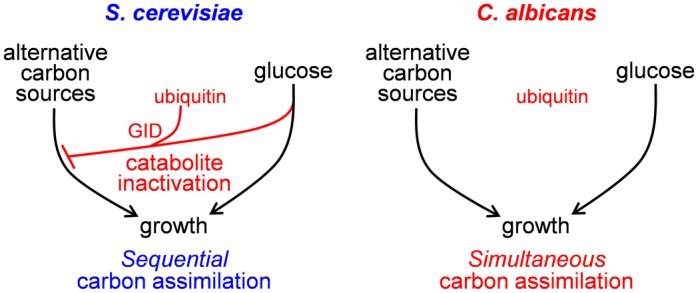
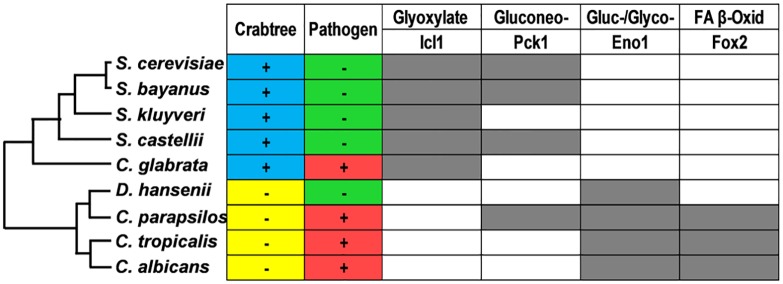
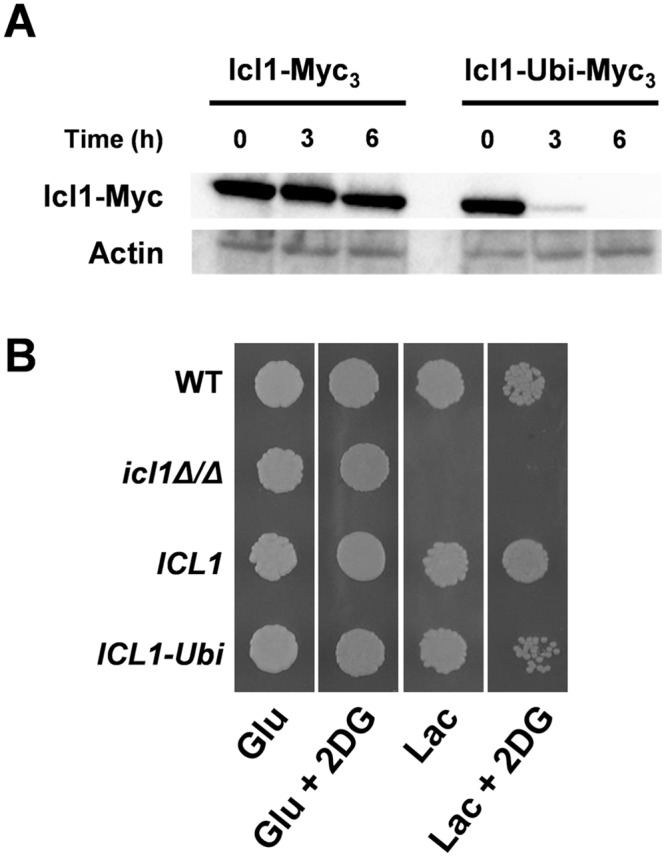
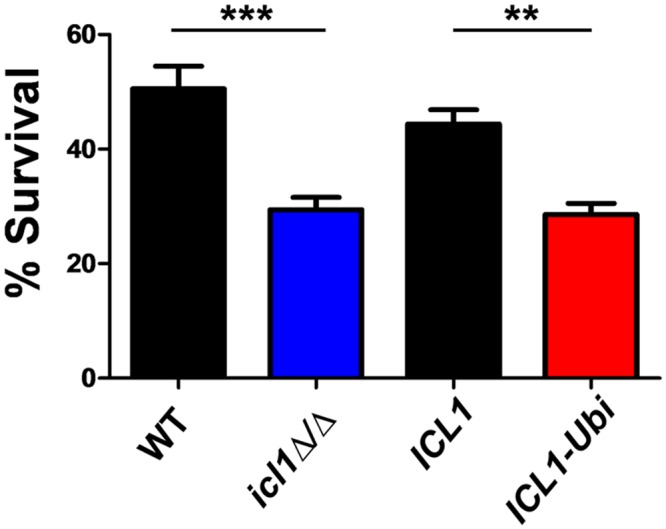
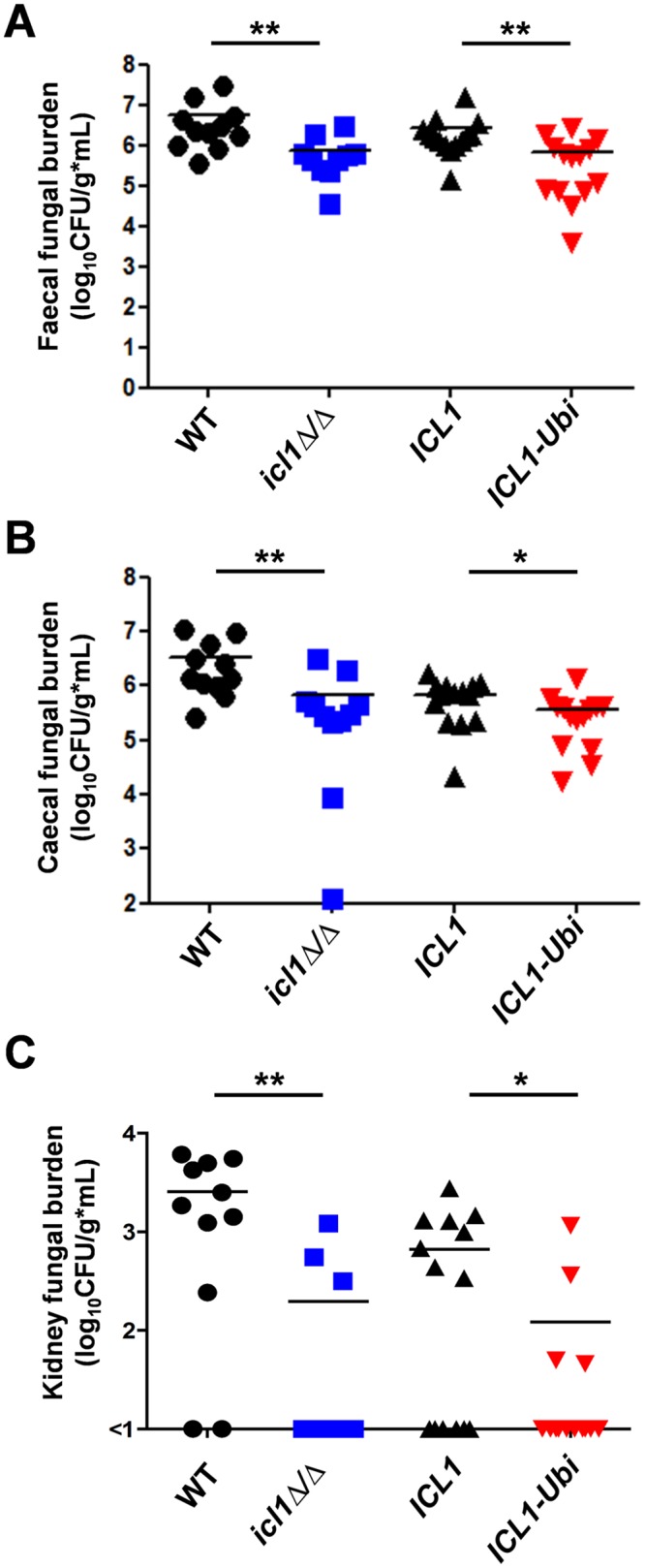
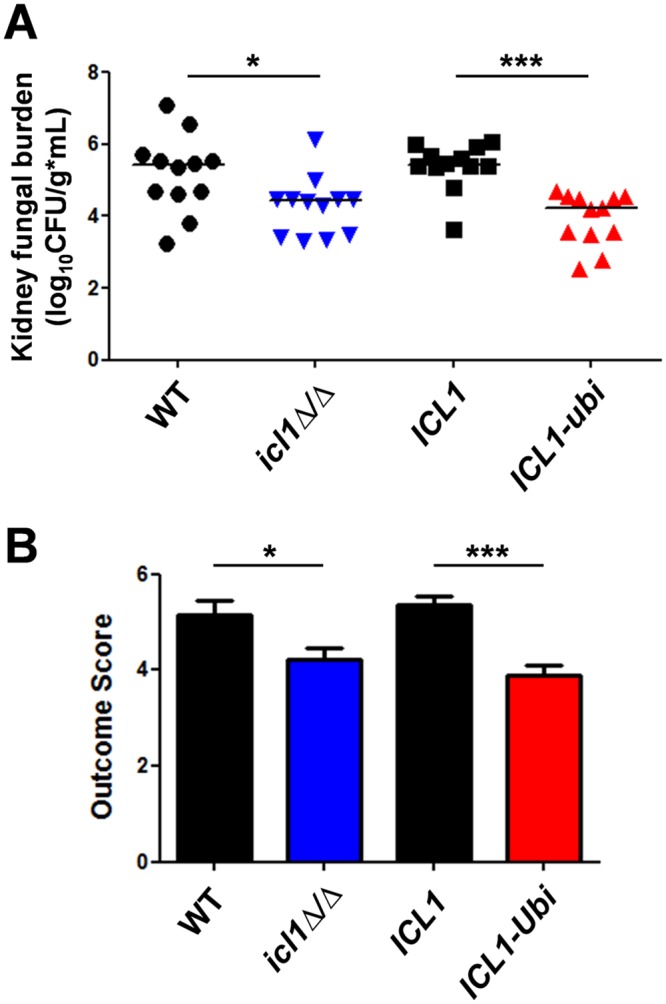
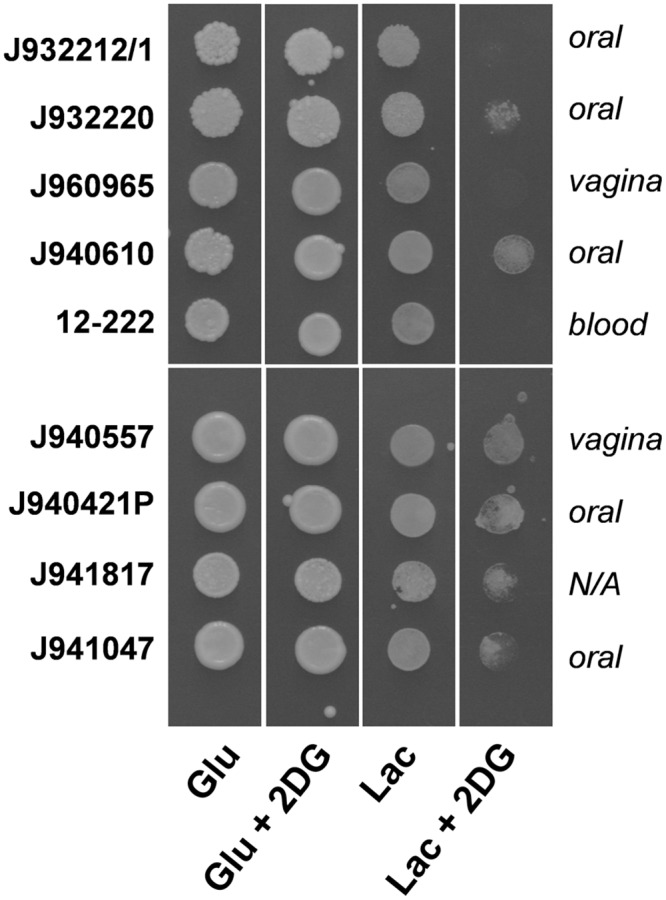
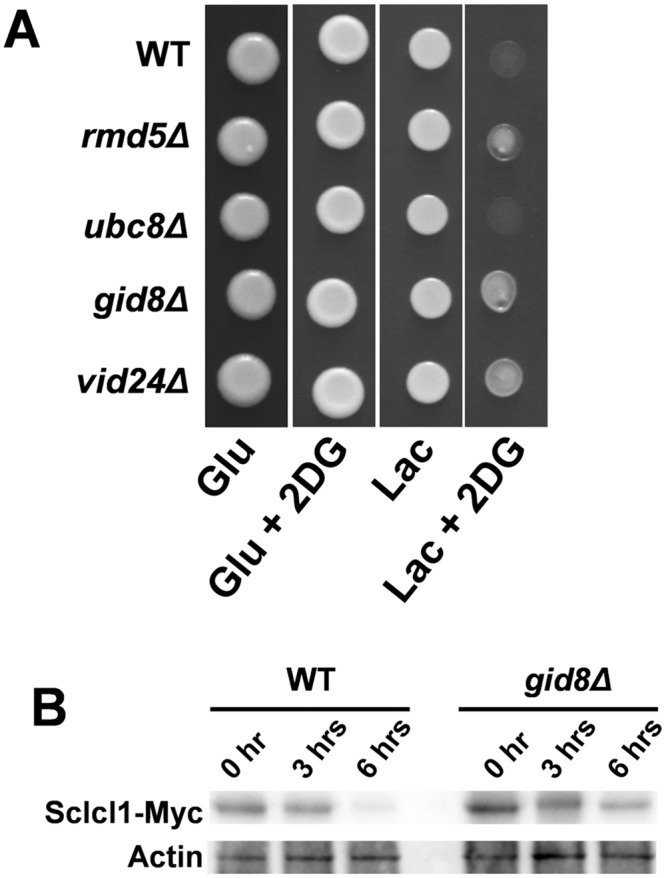
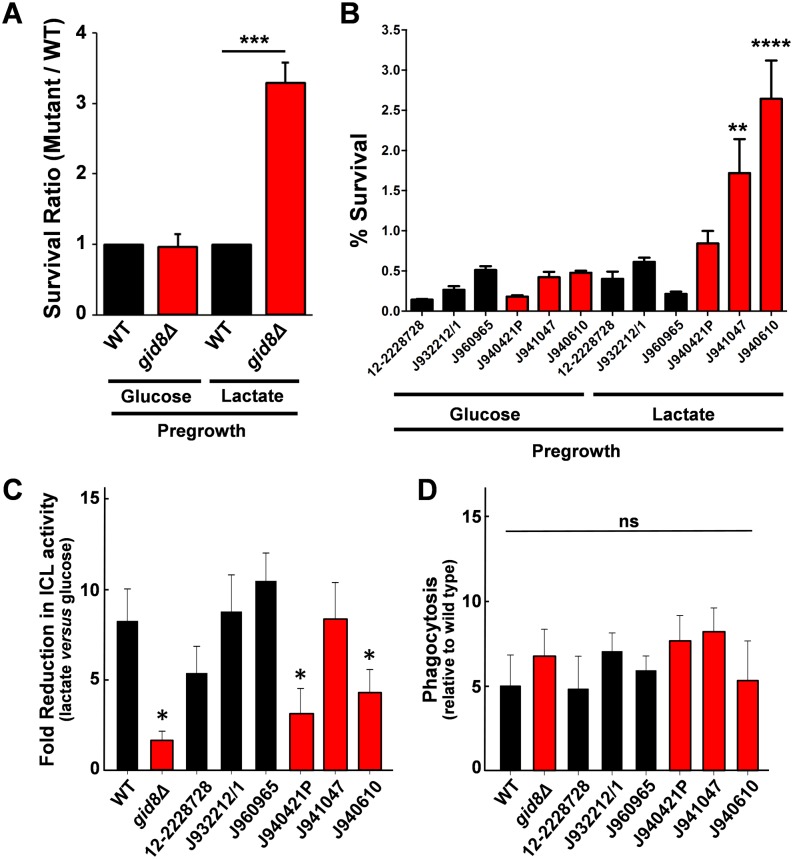
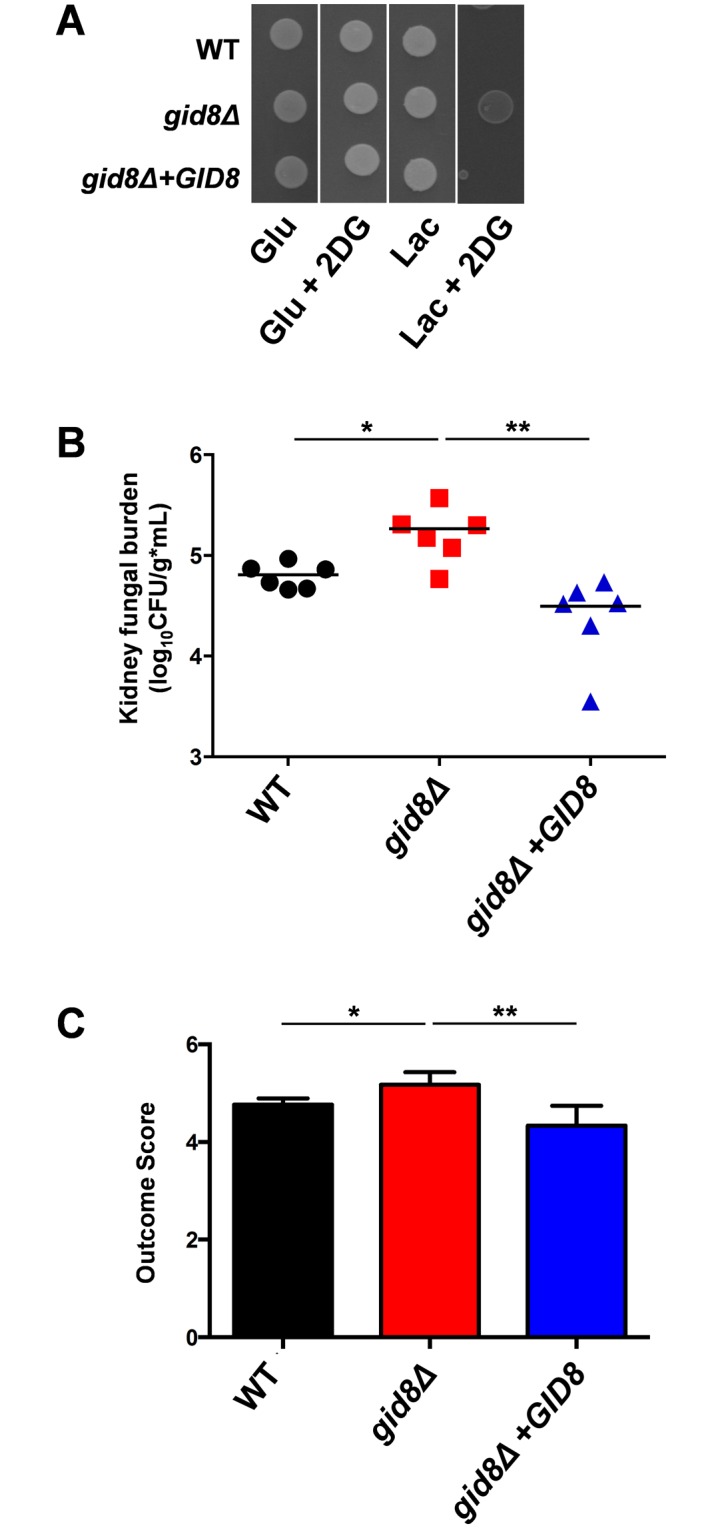
Efficient carbon assimilation is critical for microbial growth and pathogenesis. The environmental yeast Saccharomyces cerevisiae is "Crabtree positive", displaying a rapid metabolic switch from the assimilation of alternative carbon sources to sugars. Following exposure to sugars, this switch is mediated by the transcriptional repression of genes (carbon catabolite repression) and the turnover (catabolite inactivation) of enzymes involved in the assimilation of alternative carbon sources. The pathogenic yeast Candida albicans is Crabtree negative. It has retained carbon catabolite repression mechanisms, but has undergone posttranscriptional rewiring such that gluconeogenic and glyoxylate cycle enzymes are not subject to ubiquitin-mediated catabolite inactivation. Consequently, when glucose becomes available, C. albicans can continue to assimilate alternative carbon sources alongside the glucose. We show that this metabolic flexibility promotes host colonization and virulence. The glyoxylate cycle enzyme isocitrate lyase (CaIcl1) was rendered sensitive to ubiquitin-mediated catabolite inactivation in C. albicans by addition of a ubiquitination site. This mutation, which inhibits lactate assimilation in the presence of glucose, reduces the ability of C. albicans cells to withstand macrophage killing, colonize the gastrointestinal tract and cause systemic infections in mice. Interestingly, most S. cerevisiae clinical isolates we examined (67%) have acquired the ability to assimilate lactate in the presence of glucose (i.e. they have become Crabtree negative). These S. cerevisiae strains are more resistant to macrophage killing than Crabtree positive clinical isolates. Moreover, Crabtree negative S. cerevisiae mutants that lack Gid8, a key component of the Glucose-Induced Degradation complex, are more resistant to macrophage killing and display increased virulence in immunocompromised mice. Thus, while Crabtree positivity might impart a fitness advantage for yeasts in environmental niches, the more flexible carbon assimilation strategies offered by Crabtree negativity enhance the ability of yeasts to colonize and infect the mammalian host.
Overview
The claims and statistics of this paper haven’t been checked yet.
Free: it reads the open-access text and checks the first 5 claims that cite a source we can check. Create a free account to check every claim.
Integrity signals
Registry
Cites
Statistics
Figures
Verification
Claims the paper makes
The claims and statistics of this paper haven’t been checked yet.
Free: it reads the open-access text and checks the first 5 claims that cite a source we can check. Create a free account to check every claim.
Claims other papers make about this one
Each is checked against this paper’s own text: does it say what the citing paper says it does?
The check wasn’t confident either way, so it gives no verdict — never disputed.
In the citing paper
“Changes in ergosterol-rich domains can alter Pma1 localization or function without requiring direct inhibition of its catalytic site [38,39].”
From Ovotransferrin and Its γ-Core-Containing Peptides Impair Pma1-Dependent Proton Homeostasis in Candida albicans (2026) · cites this paper as [38]
Experimental — accuracy not yet measuredThe check wasn’t confident either way, so it gives no verdict — never disputed.
In the citing paper
“Pma1 activity depends not only on the enzyme itself but also on its organization within the fungal plasma membrane and on the lipid composition of surrounding microdomains.”
From Ovotransferrin and Its γ-Core-Containing Peptides Impair Pma1-Dependent Proton Homeostasis in Candida albicans (2026) · cites this paper as [38]
Experimental — accuracy not yet measured
Self-check
Percentages, sums and reported differences re-computed from the paper’s own numbers.
The self-check needs the paper’s full text.
Citations
Cites
[1] Getting started with yeast
Sherman, F. (1991) · Methods in Enzymology · doi:10.1016/0076-6879(91)94004-v · Cited by 4,067
Janke, C., Magiera, M. M., Rathfelder, N., Taxis, C., Reber, S., Maekawa, H., Moreno‐Borchart, A., Doenges, G., Schwob, E., Schiebel, E., et al. (2004) · Yeast · doi:10.1002/yea.1142 · Cited by 2,119
Carbon catabolite repression in bacteria: many ways to make the most out of nutrients
Görke, B., & Stülke, J. (2008) · Nature Reviews Microbiology · doi:10.1038/nrmicro1932 · Cited by 1,701 · cited 2×
“albicans icl1mutants, which are less pathogenic in the murine model of systemic candidiasis [1, 24, 25, 28].”
BackgroundVirulence factors of Candida albicans
Calderone, R. A., & Fonzi, W. A. (2001) · Trends in Microbiology · doi:10.1016/s0966-842x(01)02094-7 · Cited by 1,331 · cited 1×
“A range of virulence factors contribute to pathogenicity, including yeast-hypha morphogenesis, adhesins and invasins, and secreted hydrolases [42].”
BackgroundOdds, F. C. (1979) · Medical Entomology and Zoology · Cited by 1,297
Fidel, P. L., Vazquez, J. A., & Sobel, J. D. (1999) · Clinical Microbiology Reviews · doi:10.1128/cmr.12.1.80 · Cited by 953
Calderone, R. (2012) · ASM Press eBooks · Cited by 912
Muñoz-Elías, E. J., & McKinney, J. D. (2005) · Nature Medicine · doi:10.1038/nm1252 · Cited by 756
The glyoxylate cycle is required for fungal virulence
Lorenz, M. C., & Fink, G. R. (2001) · Nature · doi:10.1038/35083594 · Cited by 745 · cited 3×
“albicans cells that have been phagocytosed by macrophages [25, 28], and the glyoxylate cycle promotes resistance to neutrophil-mediated killing [37].”
BackgroundOwen, D. H., & Katz, D. F. (1999) · Contraception · doi:10.1016/s0010-7824(99)00010-4 · Cited by 718
Transcriptional Response of Candida albicans upon Internalization by Macrophages
Lorenz, M. C., Bender, J. A., & Fink, G. R. (2004) · Eukaryotic Cell · doi:10.1128/ec.3.5.1076-1087.2004 · Cited by 712 · cited 3×
“albicans virulence in mouse models of systemic candidiasis [21, 25].”
BackgroundInfluentialIdentification, analysis, and prediction of protein ubiquitination sites
Radivojac, P., Vacic, V., Haynes, C., Cocklin, R. R., Mohan, A., Heyen, J. W., Goebl, M. G., & Iakoucheva, L. M. (2010) · Proteins: Structure, Function, and Bioinformatics · doi:10.1002/prot.22555 · Cited by 583
Carlson, M. (1999) · Current Opinion in Microbiology · doi:10.1016/s1369-5274(99)80035-6 · Cited by 574
How did Saccharomyces evolve to become a good brewer?
PISKUR, J., ROZPEDOWSKA, E., POLAKOVA, S., MERICO, A., & COMPAGNO, C. (2006) · Trends in Genetics · doi:10.1016/j.tig.2006.02.002 · Cited by 513
Fradin, C., De Groot, P., MacCallum, D., Schaller, M., Klis, F., Odds, F. C., & Hube, B. (2005) · Molecular Microbiology · doi:10.1111/j.1365-2958.2005.04557.x · Cited by 455 · cited 1×
“albicans following internalization by macrophages or neutrophils, during gastrointestinal colonization and during renal infection [21, 25, 30, 31].”
BackgroundInfluentialSelf-citationTranscriptional regulation in the yeast GAL gene family: a complex genetic network
Lohr, D., Venkov, P., & Zlatanova, J. (1995) · The FASEB Journal · doi:10.1096/fasebj.9.9.7601342 · Cited by 417 · cited 1×
“These organisms have evolved elegant regulatory mechanisms, such as the lac operon [3] and GAL regulon [4], that mediate the efficient, sequential assimilation of sugars and alternative carbon sources.”
BackgroundFeasting, fasting and fermenting: glucose sensing in yeast and other cells
Johnston, M. (1999) · Trends in Genetics · doi:10.1016/s0168-9525(98)01637-0 · Cited by 385 · cited 3×
“In these environments, microbes often compete for survival during cycles of “feast and famine”, where periods of growth on less favourable carbon sources or starvation are punctuated by episodes of sugar availability [2].”
BackgroundInvasive Saccharomyces Infection: A Comprehensive Review
Enache-Angoulvant, A., & Hennequin, C. (2005) · Clinical Infectious Diseases · doi:10.1086/497832 · Cited by 369
Rocha, C. R. C., Schröppel, K., Harcus, D., Marcil, A., Dignard, D., Taylor, B. N., Thomas, D. Y., Whiteway, M., & Leberer, E. (2001) · Molecular Biology of the Cell · doi:10.1091/mbc.12.11.3631 · Cited by 344
Niche-specific regulation of central metabolic pathways in a fungal pathogen
Barelle, C. J., Priest, C. L., MacCallum, D. M., Gow, N. A. R., Odds, F. C., & Brown, A. J. P. (2006) · Cellular Microbiology · doi:10.1111/j.1462-5822.2005.00676.x · Cited by 336 · cited 6×
“albicans following internalization by macrophages or neutrophils, during gastrointestinal colonization and during renal infection [21, 25, 30, 31].”
BackgroundInfluentialSelf-citationStress adaptation in a pathogenic fungus
Brown, A. J. P., Budge, S., Kaloriti, D., Tillmann, A., Jacobsen, M. D., Yin, Z., Ene, I. V., Bohovych, I., Sandai, D., Kastora, S., et al. (2014) · Journal of Experimental Biology · doi:10.1242/jeb.088930 · Cited by 299
Self-citationBrand, A., MacCallum, D. M., Brown, A. J. P., Gow, N. A. R., & Odds, F. C. (2004) · Eukaryotic Cell · doi:10.1128/ec.3.4.900-909.2004 · Cited by 272 · cited 1×
“albicans virulence-related phenotypes [35].”
Self-citationMetabolism impacts upon Candida immunogenicity and pathogenicity at multiple levels
Brown, A. J. P., Brown, G. D., Netea, M. G., & Gow, N. A. R. (2014) · Trends in Microbiology · doi:10.1016/j.tim.2014.07.001 · Cited by 258
Self-citation(1989) · Annals of Internal Medicine · doi:10.7326/0003-4819-111-7-624_1 · Cited by 253
The Flo8 Transcription Factor Is Essential for Hyphal Development and Virulence in Candida albicans
Cao, F., Lane, S., Raniga, P. P., Lu, Y., Zhou, Z., Ramon, K., Chen, J., & Liu, H. (2006) · Molecular Biology of the Cell · doi:10.1091/mbc.e05-06-0502 · Cited by 207 · cited 1×
“cerevisiae cells using previously described protocols [60], and then subjected to western blotting as described [61].”
MethodMechanism responsible for glucose–lactose diauxie in Escherichia coli: challenge to the cAMP model
Inada, T., Kimata, K., & Aiba, H. (1996) · Genes to Cells · doi:10.1046/j.1365-2443.1996.24025.x · Cited by 203 · cited 1×
“These organisms have evolved elegant regulatory mechanisms, such as the lac operon [3] and GAL regulon [4], that mediate the efficient, sequential assimilation of sugars and alternative carbon sources.”
BackgroundDifferent Levels of Catabolite Repression Optimize Growth in Stable and Variable Environments
New, A. M., Cerulus, B., Govers, S. K., Perez-Samper, G., Zhu, B., Boogmans, S., Xavier, J. B., & Verstrepen, K. J. (2014) · PLoS Biology · doi:10.1371/journal.pbio.1001764 · Cited by 199 · cited 2×
“Our work suggests that the advantages of “flexible” over “specialist” carbon utilization strategies [51] extend to fungal pathogens as they colonise complex host niches.”
BackgroundGlucose Promotes Stress Resistance in the Fungal Pathogen Candida albicans
Rodaki, A., Bohovych, I. M., Enjalbert, B., Young, T., Odds, F. C., Gow, N. A. R., & Brown, A. J. P. (2009) · Molecular Biology of the Cell · doi:10.1091/mbc.e09-01-0002 · Cited by 190 · cited 1×
“cerevisiae, ICL1 and PCK1 transcript levels decrease dramatically following glucose exposure [18, 21, 22].”
BackgroundSelf-citationSantt, O., Pfirrmann, T., Braun, B., Juretschke, J., Kimmig, P., Scheel, H., Hofmann, K., Thumm, M., & Wolf, D. H. (2008) · Molecular Biology of the Cell · doi:10.1091/mbc.e08-03-0328 · Cited by 178 · cited 1×
“The GID complex is an E3 ubiquitin ligase composed of seven proteins (Gid1/Vid30, Gid2/Rmd5, Gid4/Vid24, Gid5/Vid28, Gid7, Gid8, and Gid9/Fyv10), with Gid8 being essential for the activity of this complex [13, 14].”
BackgroundRamírez, M. A., & Lorenz, M. C. (2007) · Eukaryotic Cell · doi:10.1128/ec.00372-06 · Cited by 174 · cited 1×
“Like the glyoxylate cycle, glycolysis is essential for virulence, and fatty acid β-oxidation may contribute to systemic infection [25, 29, 34].”
BackgroundTaxis, C., & Knop, M. (2006) · BioTechniques · doi:10.2144/000112040 · Cited by 171
Metabolism in fungal pathogenesis
Ene, I. V., Brunke, S., Brown, A. J. P., & Hube, B. (2014) · Cold Spring Harbor Perspectives in Medicine · doi:10.1101/cshperspect.a019695 · Cited by 169
Self-citationThe carbohydrate metabolism of certain pathological overgrowths
Crabtree, H. G. (1928) · Biochemical Journal · doi:10.1042/bj0221289 · Cited by 168 · cited 1×
“It is defined as a “Crabtree positive” yeast on the basis that glucose represses respiratory metabolism even under aerobic conditions [6, 7].”
BackgroundRegelmann, J., Schüle, T., Josupeit, F. S., Horak, J., Rose, M., Entian, K.-D., Thumm, M., & Wolf, D. H. (2003) · Molecular Biology of the Cell · doi:10.1091/mbc.e02-08-0456 · Cited by 157 · cited 2×
“It should be noted, however, that Ubpred is unable to predict functional ubiquitination sites with complete accuracy as no sites were predicted for ScFbp1, an enzyme that is known to undergo ubiquitin-mediated catabolite inactivation [12, 15, 33].”
BackgroundShen, J., Guo, W., & Köhler, J. R. (2005) · Infection and Immunity · doi:10.1128/iai.73.2.1239-1242.2005 · Cited by 155
Ene, I. V., Cheng, S.-C., Netea, M. G., & Brown, A. J. P. (2013) · Infection and Immunity · doi:10.1128/iai.01092-12 · Cited by 149 · cited 1×
“albicans cell wall in some indirect way, and hence phagocytic recognition [38].”
BackgroundSelf-citationAdaptations of Candida albicans for Growth in the Mammalian Intestinal Tract
Rosenbach, A., Dignard, D., Pierce, J. V., Whiteway, M., & Kumamoto, C. A. (2010) · Eukaryotic Cell · doi:10.1128/ec.00034-10 · Cited by 143 · cited 1×
“albicans following internalization by macrophages or neutrophils, during gastrointestinal colonization and during renal infection [21, 25, 30, 31].”
BackgroundInfluentialTurnover of Yeast Fructose-Bisphosphatase in Different Metabolic Conditions
Funayama, S., Gancedo, J. M., & Gancedo, C. (1980) · European Journal of Biochemistry · doi:10.1111/j.1432-1033.1980.tb04767.x · Cited by 142 · cited 1×
“It should be noted, however, that Ubpred is unable to predict functional ubiquitination sites with complete accuracy as no sites were predicted for ScFbp1, an enzyme that is known to undergo ubiquitin-mediated catabolite inactivation [12, 15, 33].”
BackgroundBARFORD, J. P., & HALL, R. J. (1979) · Journal of General Microbiology · doi:10.1099/00221287-114-2-267 · Cited by 134 · cited 1×
“It is defined as a “Crabtree positive” yeast on the basis that glucose represses respiratory metabolism even under aerobic conditions [6, 7].”
BackgroundRelationship of the Glyoxylate Pathway to the Pathogenesis of Cryptococcus neoformans
Rude, T. H., Toffaletti, D. L., Cox, G. M., & Perfect, J. R. (2002) · Infection and Immunity · doi:10.1128/iai.70.10.5684-5694.2002 · Cited by 125
Miramón, P., Dunker, C., Windecker, H., Bohovych, I. M., Brown, A. J. P., Kurzai, O., & Hube, B. (2012) · PLoS ONE · doi:10.1371/journal.pone.0052850 · Cited by 121 · cited 1×
“albicans cells that have been phagocytosed by macrophages [25, 28], and the glyoxylate cycle promotes resistance to neutrophil-mediated killing [37].”
BackgroundSelf-citationPrice, M. S., Betancourt-Quiroz, M., Price, J. L., Toffaletti, D. L., Vora, H., Hu, G., Kronstad, J. W., & Perfect, J. R. (2011) · mBio · doi:10.1128/mbio.00103-11 · Cited by 115 · cited 1×
“For example, the loss of glycolysis or glucose sensing attenuates the dissemination and pathogenicity of the basidiomycete yeast Cryptococcus neoformans [46].”
BackgroundSandai, D., Yin, Z., Selway, L., Stead, D., Walker, J., Leach, M. D., Bohovych, I., Ene, I. V., Kastora, S., Budge, S., et al. (2012) · mBio · doi:10.1128/mbio.00495-12 · Cited by 110
Self-citationUeno, K., Matsumoto, Y., Uno, J., Sasamoto, K., Sekimizu, K., Kinjo, Y., & Chibana, H. (2011) · PLoS ONE · doi:10.1371/journal.pone.0024759 · Cited by 109 · cited 1×
“Indeed, the ability to assimilate lactate is essential for gastrointestinal colonisation by Candida glabrata [27].”
BackgroundHämmerle, M., Bauer, J., Rose, M., Szallies, A., Thumm, M., Düsterhus, S., Mecke, D., Entian, K.-D., & Wolf, D. H. (1998) · Journal of Biological Chemistry · doi:10.1074/jbc.273.39.25000 · Cited by 108 · cited 1×
“cerevisiae include the gluconeogenic enzymes Fbp1 and Pck1, and the glyoxylate cycle enzyme Icl1 [16, 17].”
BackgroundMenssen, R., Schweiggert, J., Schreiner, J., Kušević, D., Reuther, J., Braun, B., & Wolf, D. H. (2012) · Journal of Biological Chemistry · doi:10.1074/jbc.m112.363762 · Cited by 104 · cited 2×
“albicans is defined as a “Crabtree negative” yeast because it retains respiratory metabolism following glucose addition [5, 13].”
BackgroundInfluentialCheah, H.-L., Lim, V., & Sandai, D. (2014) · PLoS ONE · doi:10.1371/journal.pone.0095951 · Cited by 102 · cited 1×
“This supports the idea that isocitrate lyase represents a potential target for therapeutic intervention [49, 50] as the glyoxylate cycle is not conserved in mammalian cells.”
BackgroundUbc8p functions in catabolite degradation of fructose‐1,6‐bisphosphatase in yeast
Schüle, T., Rose, M., Entian, K., Thumm, M., & Wolf, D. H. (2000) · The EMBO Journal · doi:10.1093/emboj/19.10.2161 · Cited by 98 · cited 2×
“It should be noted, however, that Ubpred is unable to predict functional ubiquitination sites with complete accuracy as no sites were predicted for ScFbp1, an enzyme that is known to undergo ubiquitin-mediated catabolite inactivation [12, 15, 33].”
BackgroundInfluentialMacCallum, D. M., Coste, A., Ischer, F., Jacobsen, M. D., Odds, F. C., & Sanglard, D. (2010) · Antimicrobial Agents and Chemotherapy · doi:10.1128/aac.01645-09 · Cited by 98
Self-citationHegemann, J. H., & Heick, S. B. (2011) · Methods in molecular biology · doi:10.1007/978-1-61779-197-0_12 · Cited by 97 · cited 2×
“Following disruption of one allele of ScGID8, integrants were transformed with plasmid pSH69 [57] and cre expression induced to recycle the NAT1marker.”
MethodPeroxisomal Fatty Acid β-Oxidation Is Not Essential for Virulence of Candida albicans
Piekarska, K., Mol, E., van den Berg, M., Hardy, G., van den Burg, J., van Roermund, C., MacCallum, D., Odds, F., & Distel, B. (2006) · Eukaryotic Cell · doi:10.1128/ec.00093-06 · Cited by 93 · cited 1×
“Like the glyoxylate cycle, glycolysis is essential for virulence, and fatty acid β-oxidation may contribute to systemic infection [25, 29, 34].”
BackgroundSelf-citationNRG1 is required for glucose repression of the SUC2 and GAL genes of Saccharomyces cerevisiae
Zhou, H., & Winston, F. (2001) · BMC Genetics · doi:10.1186/1471-2156-2-5 · Cited by 75
Yin, Z., Smith, R. J., & Brown, A. J. P. (1996) · Molecular Microbiology · doi:10.1111/j.1365-2958.1996.tb02514.x · Cited by 73 · cited 1×
“Glucose triggers the transcriptional repression of gluconeogenic and glyoxylate cycle genes (carbon catabolite repression), and accelerates the degradation of gluconeogenic mRNAs [8, 9].”
BackgroundSelf-citationNavas, M. A., Cerdán, S., & Gancedo, J. M. (1993) · Proceedings of the National Academy of Sciences · doi:10.1073/pnas.90.4.1290 · Cited by 72 · cited 1×
“gluconeogenic enzymes during growth on glucose [52].”
Pathogenicity of Saccharomyces cerevisiae in complement factor five-deficient mice
Byron, J. K., Clemons, K. V., McCusker, J. H., Davis, R. W., & Stevens, D. A. (1995) · Infection and Immunity · doi:10.1128/iai.63.2.478-485.1995 · Cited by 64 · cited 1×
“cerevisiae clinical isolates generally cause minimal disease in immunocompetent mice [41].”
BackgroundRegulation of sugar transport and metabolism by the Candida albicans Rgt1 transcriptional repressor
Sexton, J. A., Brown, V., & Johnston, M. (2007) · Yeast · doi:10.1002/yea.1514 · Cited by 55
Catabolite inactivation of isocitrate lyase from Saccharomyces cerevisiae
López-Boado, Y. S., Herrero, P., Gasc�n, S., & Moreno, F. (1987) · Archives of Microbiology · doi:10.1007/bf00463480 · Cited by 52 · cited 2×
“As expected [11, 18], the ScIcl1-Myc9 protein was detected in S.”
BackgroundChilders, D. S., Mundodi, V., Banerjee, M., & Kadosh, D. (2014) · Molecular Microbiology · doi:10.1111/mmi.12576 · Cited by 50 · cited 1×
“cerevisiae cells using previously described protocols [60], and then subjected to western blotting as described [61].”
MethodSelf-citationDíaz-Pérez, A. L., Román-Doval, C., Díaz‐Pérez, C., Cervantes, C., Sosa-Aguirre, C. R., López-Meza, J. E., & Campos‐García, J. (2007) · FEMS Microbiology Letters · doi:10.1111/j.1574-6968.2007.00654.x · Cited by 40 · cited 1×
“Isocitrate lyase activities were assayed in the resultant supernatants as described previously [62].”
MethodProteolytic catabolite inactivation in Saccharomyces cerevisiae.
Holzer, H. (1989) · PubMed · Cited by 38
Isocitrate Lyase: A Potential Target for Anti-Tubercular Drugs
Sharma, R., Das, O., Damle, S. G., & Sharma, A. K. (2013) · Recent Patents on Inflammation & Allergy Drug Discovery · doi:10.2174/1872213x11307020003 · Cited by 36 · cited 1×
“This supports the idea that isocitrate lyase represents a potential target for therapeutic intervention [49, 50] as the glyoxylate cycle is not conserved in mammalian cells.”
BackgroundNiimi, M., Kamiyama, A., & Tokunaga, M. (1988) · Medical Mycology · doi:10.1080/02681218880000271 · Cited by 32 · cited 2×
“albicans is defined as a “Crabtree negative” yeast because it retains respiratory metabolism following glucose addition [5, 13].”
BackgroundInfluentialOpulente, D. A., Morales, C., Carey, L. B., & Rest, J. S. (2013) · PLoS ONE · doi:10.1371/journal.pone.0054403 · Cited by 9
Cited by
d'Enfert, C., Kaune, A.-K., Alaban, L.-R., Chakraborty, S., Cole, N., Delavy, M., Kosmala, D., Marsaux, B., Fróis-Martins, R., Morelli, M., et al. (2021) · FEMS Microbiology Reviews · doi:10.1093/femsre/fuaa060 · Cited by 347
Self-citationLund, P. A., De Biase, D., Liran, O., Scheler, O., Mira, N. P., Cetecioglu, Z., Fernández, E. N., Bover-Cid, S., Hall, R., Sauer, M., et al. (2020) · Frontiers in Microbiology · doi:10.3389/fmicb.2020.556140 · Cited by 307
Cell biology of Candida albicans–host interactions
da Silva Dantas, A., Lee, K. K., Raziunaite, I., Schaefer, K., Wagener, J., Yadav, B., & Gow, N. A. (2016) · Current Opinion in Microbiology · doi:10.1016/j.mib.2016.08.006 · Cited by 169
“This adaptation has resulted from the absence of catabolite inactivation due to the rewiring of ubiquitination sites in metabolic enzymes [21 ,22].”
Self-citationThe pathobiology of human fungal infections
Brown, G. D., Ballou, E. R., Bates, S., Bignell, E., Borman, A. M., Brand, A., Brown, A. J. P., Coelho, C., Cook, P. C., Farrer, R. A., et al. (2024) · Nature Reviews Microbiology · doi:10.1038/s41579-024-01062-w · Cited by 210
“assimilate sugars and alternate carbon sources simultaneously, thereby enhancing their pathogenicity 52 .”
Self-citationAdapting to survive: How Candida overcomes host-imposed constraints during human colonization
Alves, R., Barata-Antunes, C., Casal, M., Brown, A. J. P., Van Dijck, P., & Paiva, S. (2020) · PLOS Pathogens · doi:10.1371/journal.ppat.1008478 · Cited by 122
“tropicalis, and consequently, they are not subjected to glucose-induced degradation [26,27].”
BackgroundSelf-citation
Metadata
- Authors
- Childers, D. S., Raziunaite, I., Mol Avelar, G., Mackie, J., Budge, S., Stead, D., Gow, N. A. R., Lenardon, M. D., Ballou, E. R., MacCallum, D. M., & Brown, A. J. P.
- Affiliations
- University of Aberdeen (GB)
- Corresponding author
- Brown, Alistair J. P.
- ORCID
- Venue
- PLOS Pathogens
- Publisher
- Public Library of Science (PLoS)
- Published
- 2016-04-13
- Volume
- 12
- Issue
- 4
- Pages
- e1005566
- ISSN
- 1553-7366 (ISSN-L)
- 1553-7374
- PMC
- PMC4830568
- OpenAlex
- W2339307955
- Cited by
- 81
- References
- 63
- Citations by year
- 2026: 6 · 2025: 5 · 2024: 5 · 2023: 3 · 2022: 11 · 2021: 10 · 2020: 11 · 2019: 9 · 2018: 5 · 2017: 10 · 2016: 6
- FWCI
- 5.20
- Type
- journal article
- Language
- en
- Open access
- gold
- doi.org
- Licence
- Locations
- PLoS Pathogens (publishedVersion, cc-by)
- Europe PMC (PubMed Central) (publishedVersion, cc-by)
- PubMed Central (publishedVersion, cc-by)
- PubMed (publishedVersion)
- UNSWorks (University of New South Wales, Sydney, Australia) (submittedVersion, cc-by-nc-nd)
- Discovery Research Portal (University of Dundee) (submittedVersion, cc-by)
- UNSWorks (UNSW Sydney) (submittedVersion, cc-by-nc-nd)
- Aberdeen University Research Archive (Aberdeen University) (submittedVersion)
- DOAJ (DOAJ: Directory of Open Access Journals) (submittedVersion, cc-by-sa)
- Figshare (submittedVersion, cc-by)
- University of Birmingham Research Portal (University of Birmingham) (submittedVersion, cc-by)
- Funders
- Wellcome Trust (097377/Z/11/Z, 097377, 080088, 202976)
- National Centre for the Replacement, Refinement and Reduction of Animals in Research (NC/K000306/1).)
- Conselho Nacional de Desenvolvimento Científico e Tecnológico (/2014-9)
- Biotechnology and Biological Sciences Research Council (BB/K017365/1, BB/F00513X/1)
- Ciência sem Fronteiras
- Topics
- Life Sciences › Biochemistry, Genetics and Molecular Biology › Molecular Biology › Fungal and yeast genetics research
- Health Sciences › Medicine › Infectious Diseases › Antifungal resistance and susceptibility
- Life Sciences › Immunology and Microbiology › Microbiology › Yeasts and Rust Fungi Studies
- Keywords
- Candida albicans, Saccharomyces cerevisiae, ubiquitination, catabolite inactivation, Crabtree effect, catabolite repression, metabolic flexibility, glyoxylate cycle, isocitrate lyase, macrophage resistance, host colonization, virulence, alternative carbon sources, gluconeogenesis
- MeSH terms
- Animals, Candida albicans, Candidiasis, Cell Line, Female, Macrophages, Mice, Inbred BALB C, Saccharomyces cerevisiae, Virulence, Blotting, Western, Carbohydrate Metabolism, Mice, Ubiquitination
About these checks
Registry, retraction, Cites and statistics results are computed, not judged, with one exception: a printed reference that no index lists is read once by a model before it counts as a citation error. Claims are extracted by a model and kept only when their quote appears verbatim in the text; each cited source is then checked, with a model’s help, for whether it says what the claim relies on. Those verdicts can be wrong — read the claim’s quote and the cited source before relying on one.
Statistics and arithmetic are recomputed, not judged.
Confidence bands are shown only for fields calibrated on our annotated test set. None is calibrated yet, so no band is shown.
What counts as a claim ›How we measure confidence ›How we check this ›
Are you an author, or do you see a problem with this page? Request a review
Data sources
Bibliographic data: Semantic Scholar, OpenAlex, Crossref.
Contains information from the Semantic Scholar Academic Graph Datasets, made available under the ODC Attribution License (ODC-BY 1.0).
Semantic Scholar’s data is described in: Kinney, R., et al. (2023). The Semantic Scholar Open Data Platform. arXiv:2301.10140.
