

Adaptation of Candida albicans to environmental pH induces cell wall remodelling and enhances innate immune recognition
Open accessThe DOI matches its Crossref record; 51 of the 51 references it cites were found in a registry or an index.
Abstract
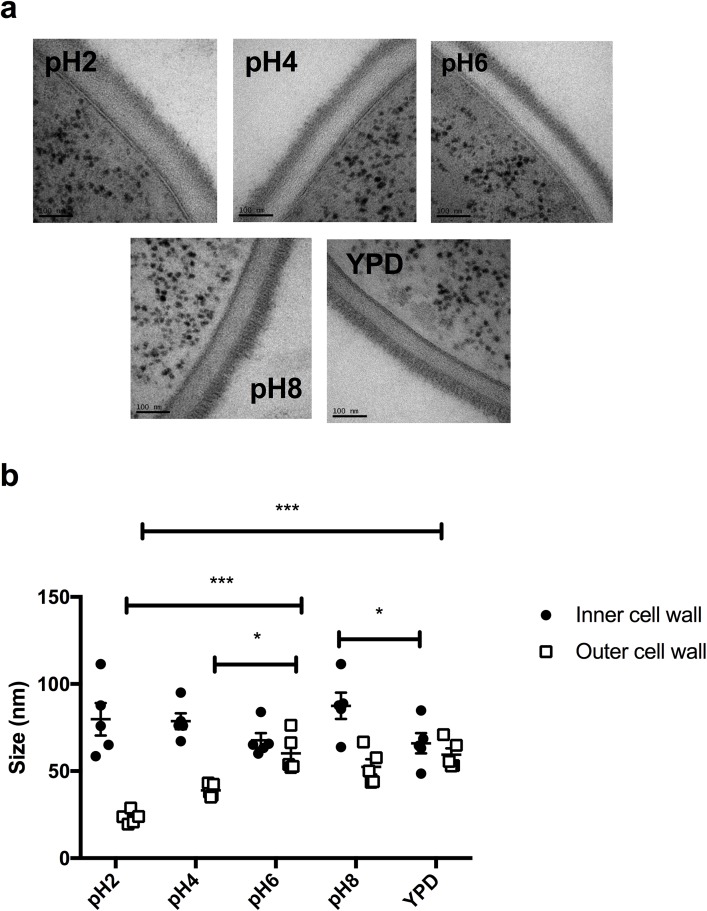
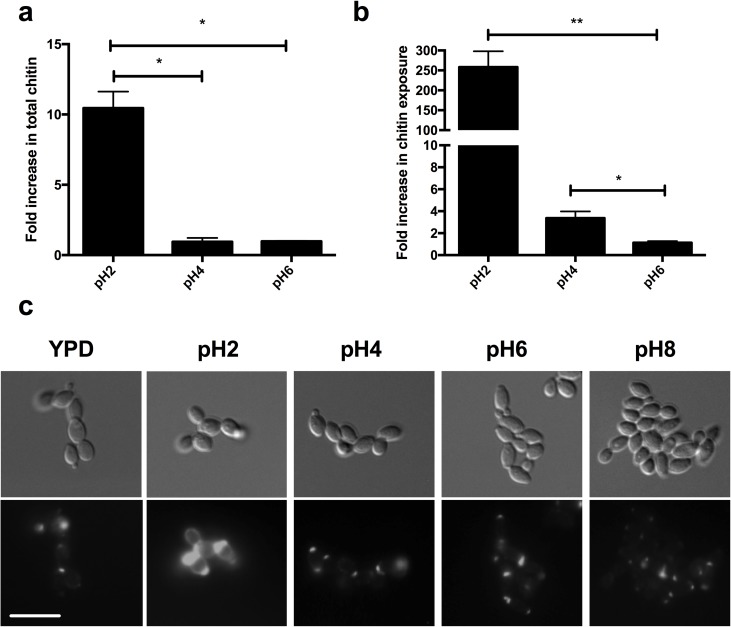
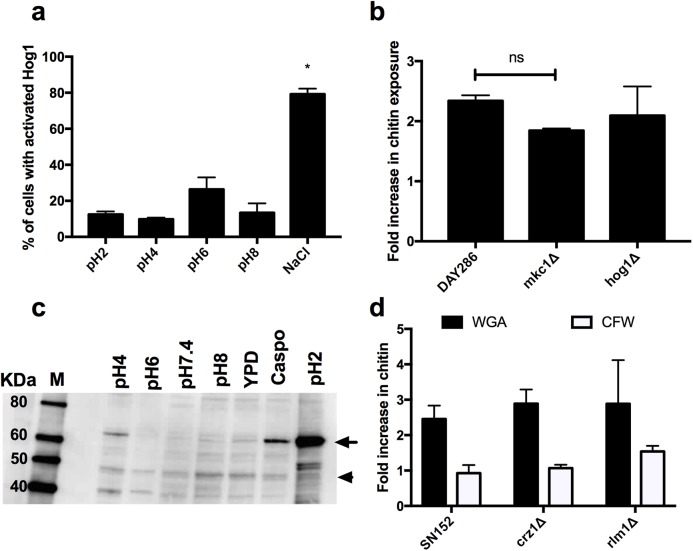
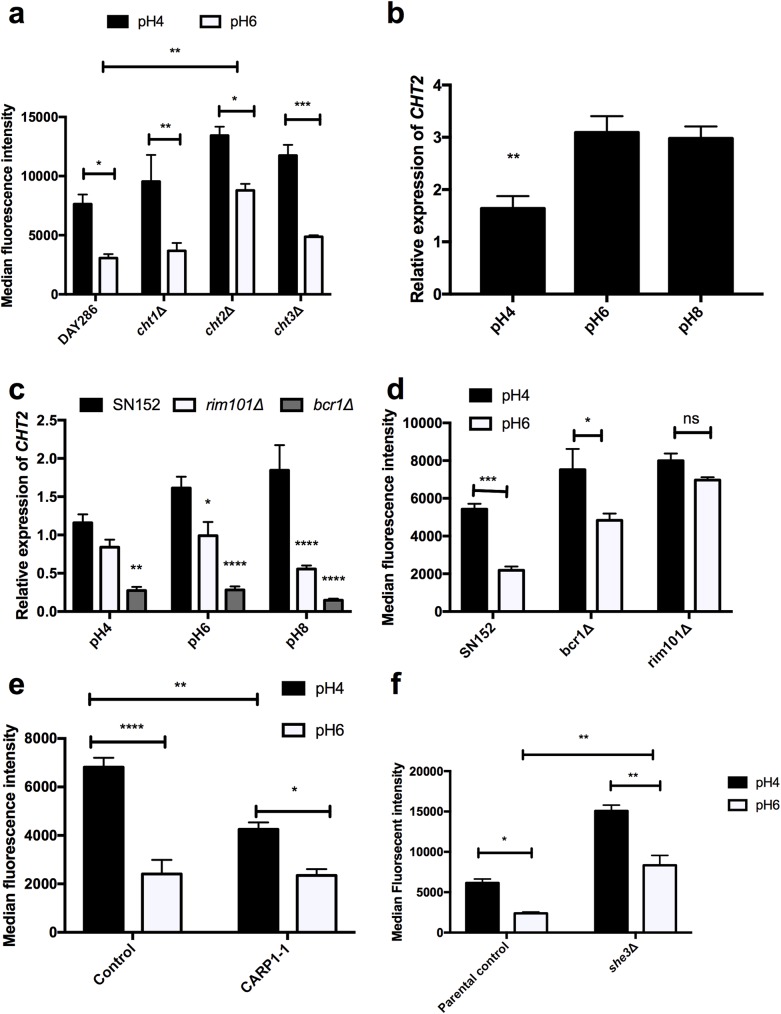
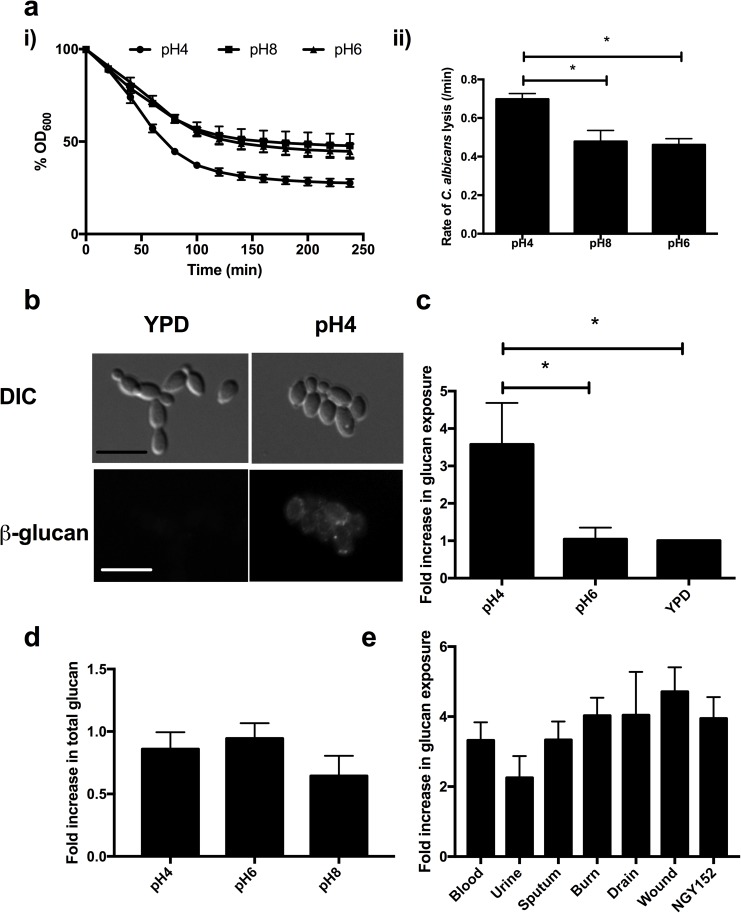
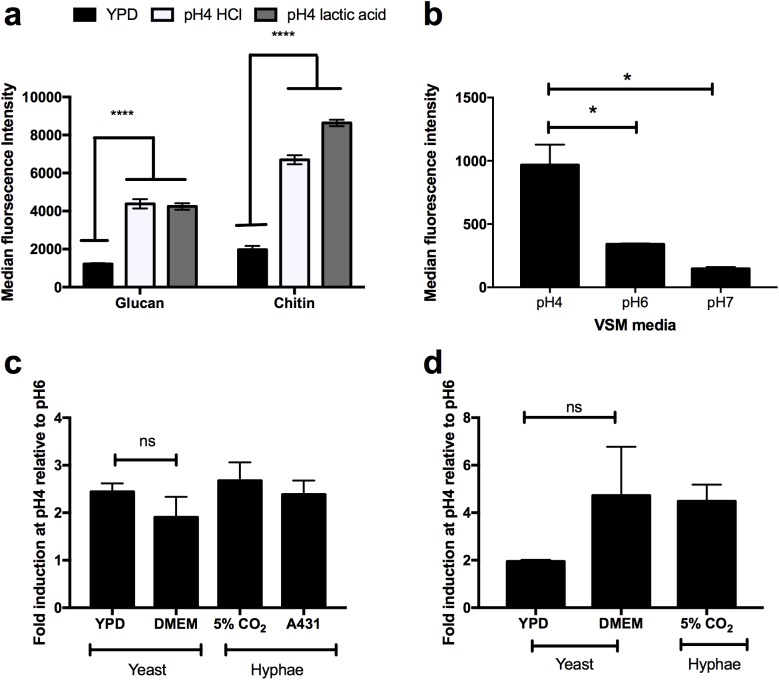
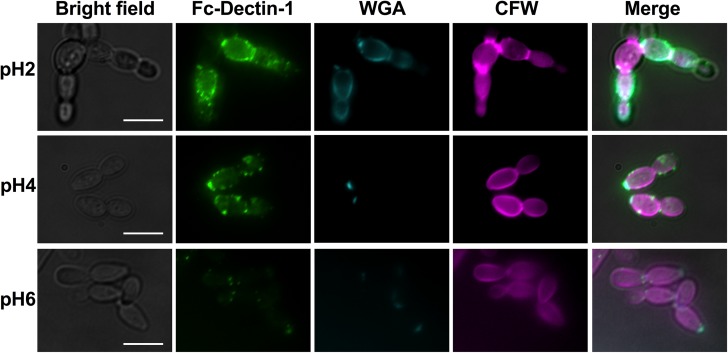
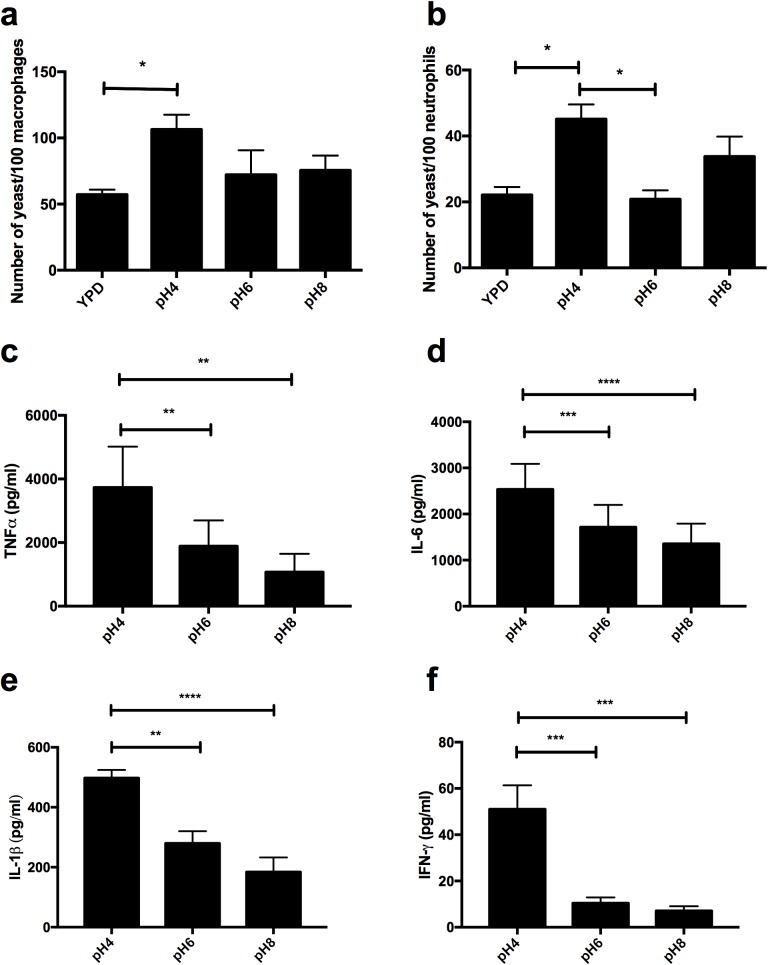
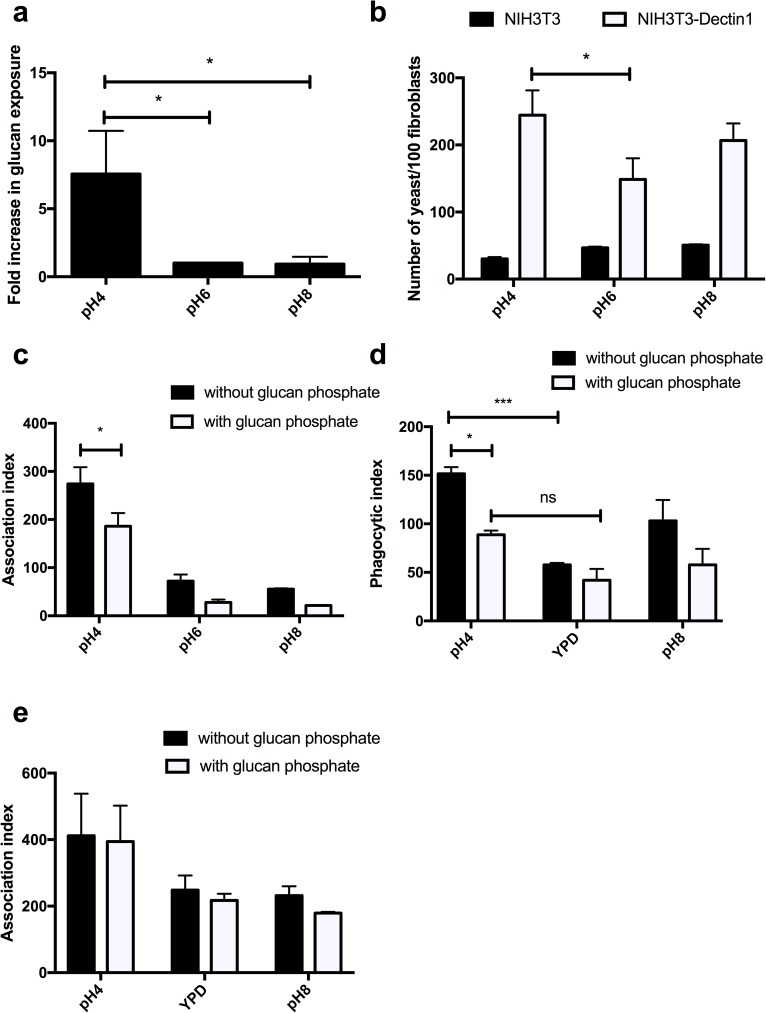
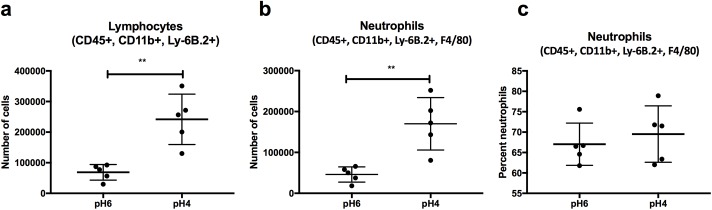
Candida albicans is able to proliferate in environments that vary dramatically in ambient pH, a trait required for colonising niches such as the stomach, vaginal mucosal and the GI tract. Here we show that growth in acidic environments involves cell wall remodelling which results in enhanced chitin and β-glucan exposure at the cell wall periphery. Unmasking of the underlying immuno-stimulatory β-glucan in acidic environments enhanced innate immune recognition of C. albicans by macrophages and neutrophils, and induced a stronger proinflammatory cytokine response, driven through the C-type lectin-like receptor, Dectin-1. This enhanced inflammatory response resulted in significant recruitment of neutrophils in an intraperitoneal model of infection, a hallmark of symptomatic vaginal colonisation. Enhanced chitin exposure resulted from reduced expression of the cell wall chitinase Cht2, via a Bcr1-Rim101 dependent signalling cascade, while increased β-glucan exposure was regulated via a non-canonical signalling pathway. We propose that this "unmasking" of the cell wall may induce non-protective hyper activation of the immune system during growth in acidic niches, and may attribute to symptomatic vaginal infection.
Overview
The claims and statistics of this paper haven’t been checked yet.
Free: it reads the open-access text and checks the first 5 claims that cite a source we can check. Create a free account to check every claim.
Integrity signals
Registry
Cites
Statistics
Figures
Verification
Claims the paper makes
The claims and statistics of this paper haven’t been checked yet.
Free: it reads the open-access text and checks the first 5 claims that cite a source we can check. Create a free account to check every claim.
Claims other papers make about this one
Each is checked against this paper’s own text: does it say what the citing paper says it does?
The source backs part of the claim, not all of it — or backs it for a different population, condition or comparison.
In the citing paper
“Changes in surface beta-glucan exposure can occur in response to a variety of stimuli, including changes in carbon sources and pH (14, 15).”
From Inhibition of Classical and Alternative Modes of Respiration in Candida albicans Leads to Cell Wall Remodeling and Increased Macrophage Recognition (2019) · cites this paper as [15]
Experimental — accuracy not yet measuredThe source backs part of the claim, not all of it — or backs it for a different population, condition or comparison.
In the citing paper
“In line with this, CSP treatment readily triggers cell wall integrity signaling involving several pathways and transcription factors, thus leading to cell wall remodeling and stress adaptations (55, 79) such as increased chitin exposure (80, 81) via the activation of chitin synthesis.”
From Transcriptomics and Phenotyping Define Genetic Signatures Associated with Echinocandin Resistance in Candida auris (2022) · cites this paper as [80]
Experimental — accuracy not yet measuredThe cited source says what the claim attributes to it.
In the citing paper
“Sherrington et al. showed that unmasking of β(1,3)-glucan and chitin occurred during adaptation to low pH (15).”
From Inhibition of Classical and Alternative Modes of Respiration in Candida albicans Leads to Cell Wall Remodeling and Increased Macrophage Recognition (2019) · cites this paper as [15]
Self-check
Percentages, sums and reported differences re-computed from the paper’s own numbers.
The self-check needs the paper’s full text.
Citations
Cites
Wisplinghoff, H., Bischoff, T., Tallent, S. M., Seifert, H., Wenzel, R. P., & Edmond, M. B. (2004) · Clinical Infectious Diseases · doi:10.1086/421946 · Cited by 4,496 · cited 1×
“The opportunistic fungal pathogen Candida albicans is a commensal in up to 80% of 60 the population, and can cause superficial mucosal infections in healthy individuals (1, 61 2) and invasive disease in immune supressed patients (3, 4).”
BackgroundBrown, G. D., & Gordon, S. (2001) · Nature · doi:10.1038/35092620 · Cited by 1,579
Sobel, J. D. (2007) · The Lancet · doi:10.1016/s0140-6736(07)60917-9 · Cited by 1,270
Conti, H. R., Shen, F., Nayyar, N., Stocum, E., Sun, J. N., Lindemann, M. J., Ho, A. W., Hai, J. H., Yu, J. J., Jung, J. W., et al. (2009) · Journal of Experimental Medicine · doi:10.1084/jem.20081463 · Cited by 1,024 · cited 1×
“Neutrophil depletion reduces inflammation and symptoms associated with VVC [42], suggesting that neutrophil recruitment in VVC is non-protective, in contrast to oral candidiasis where neutrophil recruitment and activation of Th17 responses are protective [43].”
BackgroundAn integrated model of the recognition of Candida albicans by the innate immune system
Netea, M. G., Brown, G. D., Kullberg, B. J., & Gow, N. A. R. (2008) · Nature Reviews Microbiology · doi:10.1038/nrmicro1815 · Cited by 946 · cited 2×
“These protein and carbohydrate motifs are immunogenic and play important roles in innate immune recognition [12].”
BackgroundA Recently Evolved Transcriptional Network Controls Biofilm Development in Candida albicans
Nobile, C. J., Fox, E. P., Nett, J. E., Sorrells, T. R., Mitrovich, Q. M., Hernday, A. D., Tuch, B. B., Andes, D. R., & Johnson, A. D. (2012) · Cell · doi:10.1016/j.cell.2011.10.048 · Cited by 711 · cited 1×
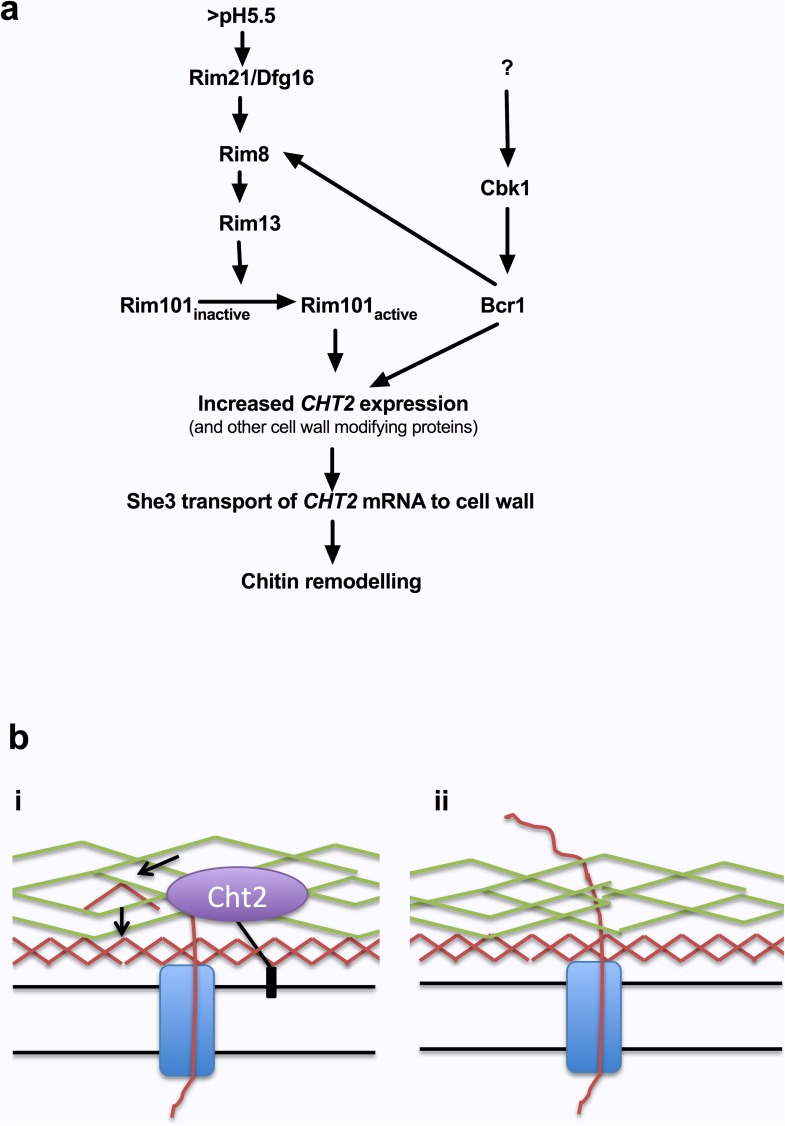
“However, Bcr1 also positively regulates RIM8 [37], suggesting that inactivation of BCR1 would also decrease processing of Rim101, linking the two pathways (Fig 12A).”
BackgroundAlmirante, B., Rodríguez, D., Park, B. J., Cuenca-Estrella, M., Planes, A. M., Almela, M., Mensa, J., Sanchez, F., Ayats, J., Gimenez, M., et al. (2005) · Journal of Clinical Microbiology · doi:10.1128/jcm.43.4.1829-1835.2005 · Cited by 566 · cited 1×
“Mucosal infections 62 increase population morbidity and are expensive to treat, while disseminated disease 63 is associated with high mortality rates (5, 6).”
BackgroundCritical Role of Bcr1-Dependent Adhesins in C. albicans Biofilm Formation In Vitro and In Vivo
Nobile, C. J., Andes, D. R., Nett, J. E., Smith, F. J., Yue, F., Phan, Q.-T., Edwards, J. E., Filler, S. G., & Mitchell, A. P. (2006) · PLoS Pathogens · doi:10.1371/journal.ppat.0020063 · Cited by 507 · cited 1×
“Bcr1 is essential for biofilm formation and controls the expression of many cell wall associated genes including HWP1, ALS1, ALS3 and HYR1 [35].”
BackgroundNosocomial Candidemia: Risk Factors and Attributable Mortality
Wenzel, R. P. (1995) · Clinical Infectious Diseases · doi:10.1093/clinids/20.6.1531 · Cited by 502 · cited 1×
“Mucosal infections increase population morbidity and are expensive to treat, while disseminated disease is associated with high mortality rates [5, 6].”
BackgroundSobel, J. D. (1997) · New England Journal of Medicine · doi:10.1056/nejm199712253372607 · Cited by 449
Stimulation of Chitin Synthesis Rescues Candida albicans from Echinocandins
Walker, L. A., Munro, C. A., de Bruijn, I., Lenardon, M. D., McKinnon, A., & Gow, N. A. R. (2008) · PLoS Pathogens · doi:10.1371/journal.ppat.1000040 · Cited by 445 · cited 1×
“albicans to cell wall stress is to up-regulate chitin synthesis to provide increased cell wall integrity [20].”
BackgroundSelf-citationFungal Adenylyl Cyclase Integrates CO2 Sensing with cAMP Signaling and Virulence
Klengel, T., Liang, W.-J., Chaloupka, J., Ruoff, C., Schröppel, K., Naglik, J. R., Eckert, S. E., Mogensen, E. G., Haynes, K., Tuite, M. F., et al. (2005) · Current Biology · doi:10.1016/j.cub.2005.10.040 · Cited by 409 · cited 1×
“albicans hyphae were generated in acidic media in elevated concentrations of carbon dioxide, a potent inducer of morphogenesis [29] and in the presence of vaginal epithelial cells.”
BackgroundMoyes, D. L., Runglall, M., Murciano, C., Shen, C., Nayar, D., Thavaraj, S., Kohli, A., Islam, A., Mora-Montes, H., Challacombe, S. J., et al. (2010) · Cell Host & Microbe · doi:10.1016/j.chom.2010.08.002 · Cited by 372 · cited 1×
“albicans, which will activate the inflammasome pathway more rapidly resulting in increased epithelial activation and secretion of proinflammatory cytokines [45].”
BackgroundA Drug-Sensitive Genetic Network Masks Fungi from the Immune System
Wheeler, R. T., & Fink, G. R. (2006) · PLoS Pathogens · doi:10.1371/journal.ppat.0020035 · Cited by 359 · cited 1×
“For instance, growth in blood or lactate media 84 decreases the structural complexity of the outer mannan fibrils (14-16), while 85 antifungal drug treatment influences β-glucan exposure (17, 18).”
BackgroundOral Colonization By Candida Albicans
Cannon, R. D., & Chaffin, W. L. (1999) · Critical Reviews in Oral Biology & Medicine · doi:10.1177/10454411990100030701 · Cited by 335 · cited 1×
“albicans has been isolated from a range of anatomical sites that vary dramatically in ambient pH including the stomach (pH2) [7], vagina (pH4-5) [8] and the oral mucosa (pH6) [9], suggesting that adaptation to environmental pH is key to the pathogenicity of C.”
BackgroundImmune Recognition of Candida albicans β‐glucan by Dectin‐1
Gow, N. A. R., Netea, M. G., Munro, C. A., Ferwerda, G., Bates, S., Mora‐Montes, H. M., Walker, L., Jansen, T., Jacobs, L., Tsoni, V., et al. (2007) · The Journal of Infectious Diseases · doi:10.1086/523110 · Cited by 314
Ene, I. V., Adya, A. K., Wehmeier, S., Brand, A. C., MacCallum, D. M., Gow, N. A. R., & Brown, A. J. P. (2012) · Cellular Microbiology · doi:10.1111/j.1462-5822.2012.01813.x · Cited by 313 · cited 1×
“For instance, growth in blood or lactate media 84 decreases the structural complexity of the outer mannan fibrils (14-16), while 85 antifungal drug treatment influences β-glucan exposure (17, 18).”
BackgroundSelf-citationDynamic, Morphotype-Specific Candida albicans β-Glucan Exposure during Infection and Drug Treatment
Wheeler, R. T., Kombe, D., Agarwala, S. D., & Fink, G. R. (2008) · PLoS Pathogens · doi:10.1371/journal.ppat.1000227 · Cited by 309 · cited 1×
“For instance, growth in blood or lactate media decreases the structural complexity of the outer mannan fibrils [14–16], while antifungal drug treatment influences β-glucan exposure [17, 18].”
BackgroundFungal Chitin Dampens Inflammation through IL-10 Induction Mediated by NOD2 and TLR9 Activation
Wagener, J., Malireddi, R. K. S., Lenardon, M. D., Köberle, M., Vautier, S., MacCallum, D. M., Biedermann, T., Schaller, M., Netea, M. G., Kanneganti, T.-D., et al. (2014) · PLoS Pathogens · doi:10.1371/journal.ppat.1004050 · Cited by 289 · cited 1×
“system (31, 32), we tested whether the increased chitin in these mutants affected the 329 innate immune response.”
BackgroundSelf-citationGenetics and genomics of Candida albicans biofilm formation
Nobile, C. J., & Mitchell, A. P. (2006) · Cellular Microbiology · doi:10.1111/j.1462-5822.2006.00761.x · Cited by 278 · cited 14×
“The expression of CHT2 was dependent on Bcr1, and showed Rim101 pH-dependent expression in environments above pH6.”
BackgroundInfluentialFidel, P. L., Barousse, M., Espinosa, T., Ficarra, M., Sturtevant, J., Martin, D. H., Quayle, A. J., & Dunlap, K. (2004) · Infection and Immunity · doi:10.1128/iai.72.5.2939-2946.2004 · Cited by 257 · cited 1×
“albicans results in excessive neutrophil 441 migration, with vaginal secretions displaying enhanced chemotactic potential and 442 increased mucosal damage (41).”
BackgroundA characterization of pH-regulated dimorphism in Candida albicans
Buffo, J., Herman, M. A., & Soll, D. R. (1984) · Mycopathologia · doi:10.1007/bf00436698 · Cited by 256 · cited 1×
“regulates key biological processes including morphogenesis (10), white-to-opaque 74 switching, and mating (11).”
BackgroundBensen, E. S., Martin, S. J., Li, M., Berman, J., & Davis, D. A. (2004) · Molecular Microbiology · doi:10.1111/j.1365-2958.2004.04350.x · Cited by 250 · cited 1×
“This alkaline dependent increase in expression was lost in the bcr1Δmutant, suggesting that Bcr1 is essential for CHT2 expression, as indicated in large scale transcriptomic analyses [36].”
BackgroundMannosylation in Candida albicans: role in cell wall function and immune recognition
Hall, R. A., & Gow, N. A. R. (2013) · Molecular Microbiology · doi:10.1111/mmi.12426 · Cited by 210 · cited 1×
“confirm that modulation of the cell wall has profound implications for innate immune 88 recognition (19).”
BackgroundSelf-citationMühlschlegel, F. A., & Fonzi, W. A. (1997) · Molecular and Cellular Biology · doi:10.1128/mcb.17.10.5960 · Cited by 209 · cited 1×
“Rim101 has 172 previously been shown to regulate the expression of the cell wall modifying enzymes 173 Phr1 and Phr2 in response to environmental pH (24), has been implicated in cell wall 174 reorganisation (25), and is an activator of gene expression in alkaline environments 175”
BackgroundRecognition and Blocking of Innate Immunity Cells by Candida albicans Chitin
Mora-Montes, H. M., Netea, M. G., Ferwerda, G., Lenardon, M. D., Brown, G. D., Mistry, A. R., Kullberg, B. J., O'Callaghan, C. A., Sheth, C. C., Odds, F. C., et al. (2011) · Infection and Immunity · doi:10.1128/iai.01282-10 · Cited by 204 · cited 1×
“system (31, 32), we tested whether the increased chitin in these mutants affected the 329 innate immune response.”
BackgroundSelf-citationKapteyn, J. C., Ter Riet, B., Vink, E., Blad, S., De Nobel, H., Van Den Ende, H., & Klis, F. M. (2001) · Molecular Microbiology · doi:10.1046/j.1365-2958.2001.02242.x · Cited by 195 · cited 3×
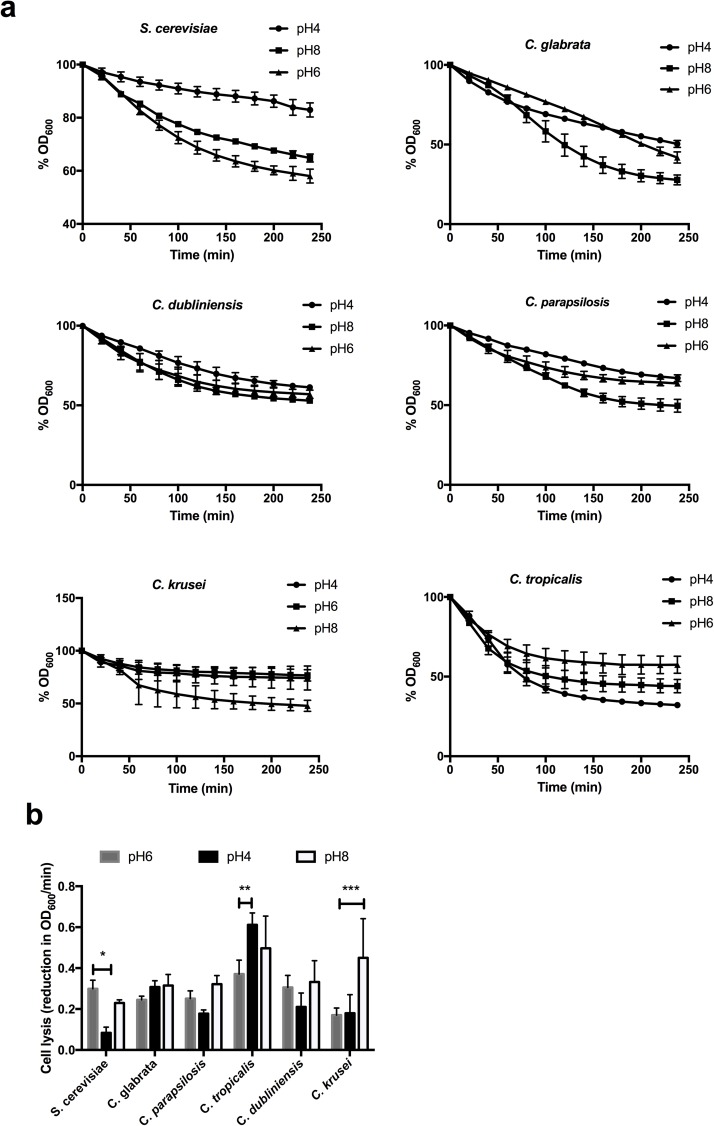
“cerevisiae masks its β-glucan (Figure 8), which 281 has been previously reported (28).”
BackgroundMethodInfluentialWenzel, R. P., & Gennings, C. (2005) · Clinical Infectious Diseases · doi:10.1086/430923 · Cited by 159 · cited 1×
“The opportunistic fungal pathogen Candida albicans is a commensal in up to 80% of 60 the population, and can cause superficial mucosal infections in healthy individuals (1, 61 2) and invasive disease in immune supressed patients (3, 4).”
BackgroundNobile, C. J., Solis, N., Myers, C. L., Fay, A. J., Deneault, J.-S., Nantel, A., Mitchell, A. P., & Filler, S. G. (2008) · Cellular Microbiology · doi:10.1111/j.1462-5822.2008.01198.x · Cited by 150
Netea, M. G., van Tits, L. J. H., Curfs, J. H. A. J., Amiot, F., Meis, J. F. G. M., van der Meer, J. W. M., & Kullberg, B. J. (1999) · PubMed · Cited by 147
Loss of Cell Wall Mannosylphosphate in Candida albicans Does Not Influence Macrophage Recognition
Hobson, R. P., Munro, C. A., Bates, S., MacCallum, D. M., Cutler, J. E., Heinsbroek, S. E. M., Brown, G. D., Odds, F. C., & Gow, N. A. R. (2004) · Journal of Biological Chemistry · doi:10.1074/jbc.m405003200 · Cited by 131 · cited 1×
“To test this hypothesis, carbohydrate exposure after 269 adaptation to acidic pH in the mnn4Δ mutant, which is devoid of phosphomannan 270 (30), was examined.”
BackgroundSelf-citationHopke, A., Nicke, N., Hidu, E. E., Degani, G., Popolo, L., & Wheeler, R. T. (2016) · PLOS Pathogens · doi:10.1371/journal.ppat.1005644 · Cited by 131 · cited 1×
“For example, it has 465 recently been reported that neutrophils also promote unmasking of β-glucan (46), 466”
BackgroundHall, R. A., Bates, S., Lenardon, M. D., MacCallum, D. M., Wagener, J., Lowman, D. W., Kruppa, M. D., Williams, D. L., Odds, F. C., Brown, A. J. P., et al. (2013) · PLoS Pathogens · doi:10.1371/journal.ppat.1003276 · Cited by 128 · cited 2×
“NGY152 was grown to exponential phase in YPD media, or YPD media buffered at 572 the appropriate pH at 37°C and the carbohydrates from the cell wall extracted as 573 described previously (48).”
MethodSelf-citationNetea, M. G., van Tits, L. J. H., Curfs, J. H. A. J., Amiot, F., Meis, J. F. G. M., van der Meer, J. W. M., & Kullberg, B. J. (1999) · The Journal of Immunology · doi:10.4049/jimmunol.163.3.1498 · Cited by 118 · cited 1×
“Immune infiltrates were collected by peritoneal lavage (51).”
BackgroundExpression of Functionally Different Dectin-1 Isoforms by Murine Macrophages
Heinsbroek, S. E. M., Taylor, P. R., Rosas, M., Willment, J. A., Williams, D. L., Gordon, S., & Brown, G. D. (2006) · The Journal of Immunology · doi:10.4049/jimmunol.176.9.5513 · Cited by 117 · cited 7×
“Brown, University of Aberdeen) [50], 1 x10(5) fibroblasts were seeded on glass coverslips and allowed to attach for 24 h at in DMEM supplemented with 10% FBS, 100 mM L-glutamine and 100 mM penicillin/streptomycin 37 ̊C, 5% CO2.”
MethodInfluentialSoluble Dectin-1 as a tool to detect β-glucans
Graham, L. M., Tsoni, S. V., Willment, J. A., Williams, D. L., Taylor, P. R., Gordon, S., Dennehy, K. M., & Brown, G. D. (2006) · Journal of Immunological Methods · doi:10.1016/j.jim.2006.05.013 · Cited by 113 · cited 7×
“ERB and DMM: This work was supported by the MRC Centre for Medical Mycology and the University of Aberdeen (MR/N006364/1).”
MethodInfluentialDiverged Binding Specificity of Rim101p, the Candida albicans Ortholog of PacC
Ramón, A. M., & Fonzi, W. A. (2003) · Eukaryotic Cell · doi:10.1128/ec.2.4.718-728.2003 · Cited by 106 · cited 1×
“Rim101 is C-terminally 392 processed in response to alkaline environments through the RIM101 signalling 393 cascade, and activates the expression of alkaline induced genes, while repressing 394 the transcription of acid induced genes (26).”
BackgroundSosinska, G. J., de Groot, P. W. J., Teixeira de Mattos, M. J., Dekker, H. L., de Koster, C. G., Hellingwerf, K. J., & Klis, F. M. (2008) · Microbiology · doi:10.1099/mic.0.2007/012617-0 · Cited by 102
Molecular cloning and characterization of chitinase genes from Candida albicans.
McCreath, K. J., Specht, C. A., & Robbins, P. W. (1995) · Proceedings of the National Academy of Sciences · doi:10.1073/pnas.92.7.2544 · Cited by 101 · cited 2×
“Chitin can be remodelled in the cell wall through the actions of four chitinases (Cht1158 4) (22).”
BackgroundDünkler, A., Walther, A., Specht, C. A., & Wendland, J. (2005) · Fungal Genetics and Biology · doi:10.1016/j.fgb.2005.08.001 · Cited by 98
Gunther, L. S. A., Martins, H. P. R., Gimenes, F., Abreu, A. L. P. D., Consolaro, M. E. L., & Svidzinski, T. I. E. (2014) · Sao Paulo Medical Journal · doi:10.1590/1516-3180.2014.1322640 · Cited by 94 · cited 1×
“albicans has been isolated from a range of anatomical sites that vary 70 dramatically in ambient pH including the stomach (pH2) (7), vagina (pH4-5) (8) and 71 the oral mucosa (pH6) (9), suggesting that adaptation to environmental pH is key to 72 the pathogenicity of C.”
BackgroundAn RNA Transport System in Candida albicans Regulates Hyphal Morphology and Invasive Growth
Elson, S. L., Noble, S. M., Solis, N. V., Filler, S. G., & Johnson, A. D. (2009) · PLoS Genetics · doi:10.1371/journal.pgen.1000664 · Cited by 75 · cited 1×
“192 193 The mRNA of CHT2 is a target of She3, which transports mRNAs to the cell wall 194 (27).”
BackgroundBlack, C. A., Eyers, F. M., Russell, A., Dunkley, M. L., Clancy, R. L., & Beagley, K. W. (1998) · Infection and Immunity · doi:10.1128/iai.66.3.1273-1275.1998 · Cited by 74 · cited 11×
“(ii) When there is reduced amounts of Cht2 in the cell wall (i.e. environments below pH4), the growing chitin polymer is cleaved less efficiently, resulting in the incorporation of longer chitin polymers that are more exposed on the outer surface of the cell wall. https://doi.org/10.1371/journal.ppat.1006403.g012 PLOS…”
BackgroundInfluentialDressed to impress: impact of environmental adaptation on the Candida albicans cell wall
Hall, R. A. (2015) · Molecular Microbiology · doi:10.1111/mmi.13020 · Cited by 73
Self-citationExperimental Models of Vaginal Candidiasis and Their Relevance to Human Candidiasis
Cassone, A., & Sobel, J. D. (2016) · Infection and Immunity · doi:10.1128/iai.01544-15 · Cited by 60 · cited 11×
“(ii) When there is reduced amounts of Cht2 in the cell wall (i.e. environments below pH4), the growing chitin polymer is cleaved less efficiently, resulting in the incorporation of longer chitin polymers that are more exposed on the outer surface of the cell wall. https://doi.org/10.1371/journal.ppat.1006403.g012 PLOS…”
BackgroundInfluentialKruppa, M., Greene, R. R., Noss, I., Lowman, D. W., & Williams, D. L. (2011) · Glycobiology · doi:10.1093/glycob/cwr051 · Cited by 49 · cited 1×
“For instance, growth in blood or lactate media 84 decreases the structural complexity of the outer mannan fibrils (14-16), while 85 antifungal drug treatment influences β-glucan exposure (17, 18).”
BackgroundpH Regulates White-Opaque Switching and Sexual Mating in Candida albicans
Sun, Y., Cao, C., Jia, W., Tao, L., Guan, G., & Huang, G. (2015) · Eukaryotic Cell · doi:10.1128/ec.00123-15 · Cited by 46 · cited 1×
“regulates key biological processes including morphogenesis (10), white-to-opaque 74 switching, and mating (11).”
BackgroundLowman, D. W., Ensley, H. E., Greene, R. R., Knagge, K. J., Williams, D. L., & Kruppa, M. D. (2011) · Carbohydrate Research · doi:10.1016/j.carres.2011.09.029 · Cited by 45 · cited 1×
“For instance, growth in blood or lactate media 84 decreases the structural complexity of the outer mannan fibrils (14-16), while 85 antifungal drug treatment influences β-glucan exposure (17, 18).”
BackgroundFungal colonization of the stomach and its clinical relevance
Zwolińska‐Wciso, M., Budak, A., Trojanowska, D., Bogda–, J., & Stachura, J. (1998) · Mycoses · doi:10.1111/j.1439-0507.1998.tb00346.x · Cited by 29 · cited 1×
“albicans has been isolated from a range of anatomical sites that vary dramatically in ambient pH including the stomach (pH2) [7], vagina (pH4-5) [8] and the oral mucosa (pH6) [9], suggesting that adaptation to environmental pH is key to the pathogenicity of C.”
BackgroundDissection of the Candida albicans class I chitin synthase promoters
Lenardon, M. D., Lesiak, I., Munro, C. A., & Gow, N. A. R. (2009) · Molecular Genetics and Genomics · doi:10.1007/s00438-009-0423-0 · Cited by 27 · cited 1×
“osmolarity glycerol (HOG) signalling pathways (21).”
Self-citationFungal infections in the patient with human immunodeficiency virus infection
Saccente, M. (2009) · Elsevier eBooks · doi:10.1016/b978-1-4160-5680-5.00019-0 · Cited by 4
Research works printed but not linked: 1
- Sobel JD. Vulvovaginal candidosis. The Lancet. 2007; 369(9577): 1961– 71. 17560449 · DOI · Paper page
Cited by
Pathogenesis and virulence of Candida albicans
Lopes, J. P., & Lionakis, M. S. (2022) · Virulence · doi:10.1080/21505594.2021.2019950 · Cited by 477
d'Enfert, C., Kaune, A.-K., Alaban, L.-R., Chakraborty, S., Cole, N., Delavy, M., Kosmala, D., Marsaux, B., Fróis-Martins, R., Morelli, M., et al. (2021) · FEMS Microbiology Reviews · doi:10.1093/femsre/fuaa060 · Cited by 347
Human microbiome: an academic update on human body site specific surveillance and its possible role
Dekaboruah, E., Suryavanshi, M. V., Chettri, D., & Verma, A. K. (2020) · Archives of Microbiology · doi:10.1007/s00203-020-01931-x · Cited by 336
Lund, P. A., De Biase, D., Liran, O., Scheler, O., Mira, N. P., Cetecioglu, Z., Fernández, E. N., Bover-Cid, S., Hall, R., Sauer, M., et al. (2020) · Frontiers in Microbiology · doi:10.3389/fmicb.2020.556140 · Cited by 307
Self-citationDynamic Fungal Cell Wall Architecture in Stress Adaptation and Immune Evasion
Hopke, A., Brown, A. J. P., Hall, R. A., & Wheeler, R. T. (2018) · Trends in Microbiology · doi:10.1016/j.tim.2018.01.007 · Cited by 228
“…chitin and b -glucan are [11_TD$DIFF] recognized by the innate immune system [74,75], and C. albicans cells that have adapted to acidic conditions elicited a strong proin fl ammatory innate immune response, and enhanced neutrophil recruitment [24], immune responses characteristic of genital thrush.”
BackgroundInfluentialSelf-citation
Metadata
- Authors
- Sherrington, S. L., Sorsby, E., Mahtey, N., Kumwenda, P., Lenardon, M. D., Brown, I., Ballou, E. R., MacCallum, D. M., & Hall, R. A.
- Affiliations
- University of Birmingham (GB)
- University of Aberdeen (GB)
- University of Kent (GB)
- Corresponding author
- Hall, Rebecca A.
- ORCID
- Venue
- PLOS Pathogens
- Publisher
- Public Library of Science (PLoS)
- Published
- 2017-05-22
- Volume
- 13
- Issue
- 5
- Pages
- e1006403
- ISSN
- 1553-7366 (ISSN-L)
- 1553-7374
- PMC
- PMC5456412
- OpenAlex
- W2617351430
- Cited by
- 202
- References
- 51
- Citations by year
- 2026: 13 · 2025: 19 · 2024: 27 · 2023: 18 · 2022: 25 · 2021: 21 · 2020: 36 · 2019: 28 · 2018: 7 · 2017: 8
- FWCI
- 16.63
- Type
- journal article
- Language
- en
- Update notices
- new_version (2017-06-02)
- Open access
- gold
- doi.org
- Licence
- Locations
- PLoS Pathogens (publishedVersion, cc-by)
- Europe PMC (PubMed Central) (publishedVersion, cc-by)
- PubMed Central (publishedVersion, cc-by)
- PubMed (publishedVersion)
- Kent Academic Repository (University of Kent) (acceptedVersion)
- Aberdeen University Research Archive (Aberdeen University) (submittedVersion)
- UNSWorks (UNSW Sydney) (submittedVersion, cc-by-nc-nd)
- DOAJ (DOAJ: Directory of Open Access Journals) (submittedVersion, cc-by-sa)
- Figshare (submittedVersion, cc-by)
- University of Birmingham Research Portal (University of Birmingham) (submittedVersion, cc-by)
- UNSWorks (University of New South Wales, Sydney, Australia) (submittedVersion, cc-by-nc-nd)
- Funders
- Medical Research Council (MR/L00903X/1, MR/N006364/1, MR/J008239/1)
- Biotechnology and Biological Sciences Research Council (BB/M014525/1)
- National Centre for the Replacement, Refinement and Reduction of Animals in Research (NC/K000306/1).)
- Topics
- Health Sciences › Medicine › Infectious Diseases › Antifungal resistance and susceptibility
- Life Sciences › Biochemistry, Genetics and Molecular Biology › Molecular Biology › Fungal and yeast genetics research
- Health Sciences › Medicine › Infectious Diseases › Fungal Infections and Studies
- Keywords
- Candida albicans, cell wall remodeling, Dectin-1, innate immune recognition, inflammatory cytokines, neutrophil recruitment, vaginal candidiasis, macrophages, fungal virulence
- MeSH terms
- Animals, Candida albicans, Candidiasis, Cell Wall, Humans, Hydrogen-Ion Concentration, Immunity, Innate, Macrophages, Mice
About these checks
Registry, retraction, Cites and statistics results are computed, not judged, with one exception: a printed reference that no index lists is read once by a model before it counts as a citation error. Claims are extracted by a model and kept only when their quote appears verbatim in the text; each cited source is then checked, with a model’s help, for whether it says what the claim relies on. Those verdicts can be wrong — read the claim’s quote and the cited source before relying on one.
Statistics and arithmetic are recomputed, not judged.
Confidence bands are shown only for fields calibrated on our annotated test set. None is calibrated yet, so no band is shown.
What counts as a claim ›How we measure confidence ›How we check this ›
Are you an author, or do you see a problem with this page? Request a review
Data sources
Bibliographic data: Semantic Scholar, OpenAlex, Crossref.
Contains information from the Semantic Scholar Academic Graph Datasets, made available under the ODC Attribution License (ODC-BY 1.0).
Semantic Scholar’s data is described in: Kinney, R., et al. (2023). The Semantic Scholar Open Data Platform. arXiv:2301.10140.
