

Review of COVID-19 Variants and COVID-19 Vaccine Efficacy: What the Clinician Should Know?
Open accessThe DOI matches its Crossref record; 24 of the 24 references it cites were found in a registry or an index.
Abstract
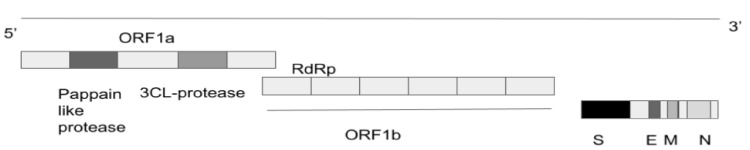
Severe acute respiratory syndrome coronavirus 2 (SARS-CoV-2) is a beta coronavirus that belongs to the Coronaviridae family. SARS-CoV-2 is an enveloped spherical-shaped virus. The ribonucleic acid (RNA) is oriented in a 5'-3'direction which makes it a positive sense RNA virus, and the RNA can be read directly as a messenger RNA. The nonstructural protein 14 (nsp14) has proofreading activity which allows the rate of mutations to stay low. A change in the genetic sequence is called a mutation. Genomes that differ from each other in genetic sequence are called variants. Variants are the result of mutations but differ from each other by one or more mutations. When a phenotypic difference is demonstrated among the variants, they are called strains. Viruses constantly change in two different ways, antigenic drift and antigenic shift. SARS-CoV-2 genome is also prone to various mutations that led to antigenic drift resulting in escape from immune recognition. The Center of Disease Control and Prevention (CDC) updates the variant strains in the different classes. The classes are variant of interest, variant of concern and variant of high consequence. The current variants included in the variant of interest by the USA are: B.1.526, B.1.525, and P.2; and those included in the variant of concern by the USA are B.1.1.7, P.1, B.1.351, B.1.427, and B.1.429. The double and triple mutant variants first reported in India have resulted in a massive increase in the number of cases. Emerging variants not only result in increased transmissibility, morbidity and mortality, but also have the ability to evade detection by existing or currently available diagnostic tests, which can potentially delay the diagnosis and treatment, exhibit decreased susceptibility to treatment including antivirals, monoclonal antibodies and convalescent plasma, possess the ability to cause reinfection in previously infected and recovered individuals, and vaccine breakthrough cases in fully vaccinated individuals. Hence, continuation of precautionary measures, genomic surveillance and vaccination plays an important role in the prevention of spread, early identification of variants, prevention of mutations and viral replication, respectively.
Overview
The claims and statistics of this paper haven’t been checked yet.
Free: it reads the open-access text and checks the first 5 claims that cite a source we can check. Create a free account to check every claim.
Integrity signals
Registry
Cites
Statistics
Figures
Verification
Claims the paper makes
The claims and statistics of this paper haven’t been checked yet.
Free: it reads the open-access text and checks the first 5 claims that cite a source we can check. Create a free account to check every claim.
Claims other papers make about this one
Each is checked against this paper’s own text: does it say what the citing paper says it does?
The source backs part of the claim, not all of it — or backs it for a different population, condition or comparison.
In the citing paper
“This Alpha variant increased its severity (40–80%) through the air pathway and the associated case fatality is expected to be 55% higher with a higher death rate [60, 61].”
From Waves and variants of SARS-CoV-2: understanding the causes and effect of the COVID-19 catastrophe (2022) · cites this paper as [61]
Experimental — accuracy not yet measured
Self-check
Percentages, sums and reported differences re-computed from the paper’s own numbers.
The self-check needs the paper’s full text.
Citations
Cites
A pneumonia outbreak associated with a new coronavirus of probable bat origin
Zhou, P., Yang, X.-L., Wang, X.-G., Hu, B., Zhang, L., Zhang, W., Si, H.-R., Zhu, Y., Li, B., Huang, C.-L., et al. (2020) · Nature · doi:10.1038/s41586-020-2012-7 · Cited by 21,969
The proximal origin of SARS-CoV-2
Andersen, K. G., Rambaut, A., Lipkin, W. I., Holmes, E. C., & Garry, R. F. (2020) · Nature Medicine · doi:10.1038/s41591-020-0820-9 · Cited by 5,081
Bats Are Natural Reservoirs of SARS-Like Coronaviruses
Li, W., Shi, Z., Yu, M., Ren, W., Smith, C., Epstein, J. H., Wang, H., Crameri, G., Hu, Z., Zhang, H., et al. (2005) · Science · doi:10.1126/science.1118391 · Cited by 2,560
Identifying SARS-CoV-2-related coronaviruses in Malayan pangolins
Lam, T. T.-Y., Jia, N., Zhang, Y.-W., Shum, M. H.-H., Jiang, J.-F., Zhu, H.-C., Tong, Y.-G., Shi, Y.-X., Ni, X.-B., Liao, Y.-S., et al. (2020) · Nature · doi:10.1038/s41586-020-2169-0 · Cited by 1,877
Gorbalenya, A. E., Baker, S. C., Baric, R. S., et al. (2020) · bioRxiv (Cold Spring Harbor Laboratory) · doi:10.1101/2020.02.07.937862 · Cited by 1,408
Increased mortality in community-tested cases of SARS-CoV-2 lineage B.1.1.7
CMMID COVID-19 Working Group, Davies, N. G., Jarvis, C. I., Edmunds, W. J., Jewell, N. P., Diaz-Ordaz, K., & Keogh, R. H. (2021) · Nature · doi:10.1038/s41586-021-03426-1 · Cited by 921 · cited 1×
“They also estimated that the mortality was approximately 55% higher when compared to other variants [20].”
ResultSARS-CoV-2 structure and replication characterized by in situ cryo-electron tomography
Klein, S., Cortese, M., Winter, S. L., Wachsmuth-Melm, M., Neufeldt, C. J., Cerikan, B., Stanifer, M. L., Boulant, S., Bartenschlager, R., & Chlanda, P. (2020) · Nature Communications · doi:10.1038/s41467-020-19619-7 · Cited by 731
New SARS-CoV-2 Variants — Clinical, Public Health, and Vaccine Implications
Abdool Karim, S. S., & de Oliveira, T. (2021) · New England Journal of Medicine · doi:10.1056/nejmc2100362 · Cited by 699
Sensitivity of infectious SARS-CoV-2 B.1.1.7 and B.1.351 variants to neutralizing antibodies
Planas, D., Bruel, T., Grzelak, L., Guivel-Benhassine, F., Staropoli, I., Porrot, F., Planchais, C., Buchrieser, J., Rajah, M. M., Bishop, E., et al. (2021) · Nature Medicine · doi:10.1038/s41591-021-01318-5 · Cited by 697 · cited 1×
“The mutation E484K in this variant mediates the antibody escape is the main reason for the reduced sensitivity to vaccines [25].”
BackgroundEmergence of SARS-CoV-2 B.1.1.7 Lineage — United States, December 29, 2020–January 12, 2021
Galloway, S. E., Paul, P., MacCannell, D. R., Johansson, M. A., Brooks, J. T., MacNeil, A., Slayton, R. B., Tong, S., Silk, B. J., Armstrong, G. L., et al. (2021) · MMWR. Morbidity and Mortality Weekly Report · doi:10.15585/mmwr.mm7003e2 · Cited by 613
Research works printed but not linked: 5
- [16]Europe PMC. https://europepmc.org/article/PMC/PMC7839510. Accessed April 22, 2021
- [27]Rita Rubin MA. Figuring Out Whether COVID-19 Vaccines Protect Against Variants. JAMA. https://jamanetwork.com/journals/jama/fullarticle/2777785. Published April 6, 2021. Accessed April 24, 2021
- [42]medRxiv. https://www.medrxiv.org/content/medrxiv/early/2020/09/03/2020.09.01.20186304.full.pdf. Accessed April 24, 2021. https://doi.org/10.1101/2020.09.01.20186304 · DOI
- [45]COVID-19 SARS-CoV-2 preprints from medRxiv and bioRxiv. bioRxiv COVID-19 SARS-CoV-2 preprints from medRxiv and bioRxiv. https://connect.biorxiv.org/relate/content/181.?page=1496. Accessed May 3, 2021
- [47]Rita Rubin MA. Figuring Out Whether COVID-19 Vaccines Protect Against Variants. JAMA. https://jamanetwork.com/journals/jama/fullarticle/2777785. Published April 6, 2021. Accessed May 3, 2021
Cited by
Waves and variants of SARS-CoV-2: understanding the causes and effect of the COVID-19 catastrophe
Thakur, V., Bhola, S., Thakur, P., Patel, S. K. S., Kulshrestha, S., Ratho, R. K., & Kumar, P. (2022) · Infection · doi:10.1007/s15010-021-01734-2 · Cited by 195
“This Alpha variant increased its severity (40–80%) through the air pathway and the associated case fatality is expected to be 55% higher with a higher death rate [60, 61].”
BackgroundCabore, J. W., Karamagi, H. C., Kipruto, H. K., Mungatu, J. K., Asamani, J. A., Droti, B., Titi-ofei, R., Seydi, A. B. W., Kidane, S. N., Balde, T., et al. (2022) · The Lancet Global Health · doi:10.1016/s2214-109x(22)00233-9 · Cited by 108
“31 This similitude suggests that capacity exists for making accurate predictions, and is particularly strong when local information is used to build the models—as compared with extrapolation of data from other locations.”
Review of COVID-19 viral vector-based vaccines and COVID-19 variants
Vanaparthy, R., Mohan, G., Vasireddy, D., & Atluri, P. (2021) · Infezioni in Medicina · doi:10.53854/liim-2903-3 · Cited by 102
Self-citationWillingness of the Jordanian Population to Receive a COVID-19 Booster Dose: A Cross-Sectional Study
Al-Qerem, W. A., Bawab, A. Q. A., Hammad, A. M., Ling, J., & Alasmari, F. F. (2022) · Vaccines · doi:10.3390/vaccines10030410 · Cited by 83
“2) variant, the efficacy of vaccines against infection with this variant and other so-called “variants of concern” was found to be reduced [7].”
BackgroundAn overview of the vaccine platforms to combat COVID-19 with a focus on the subunit vaccines
Bayani, F., Hashkavaei, N. S., Arjmand, S., Rezaei, S., Uskoković, V., Alijanianzadeh, M., Uversky, V. N., Siadat, S. O. R., Mozaffari‐Jovin, S., & Sefidbakht, Y. (2023) · Progress in Biophysics and Molecular Biology · doi:10.1016/j.pbiomolbio.2023.02.004 · Cited by 76
Understanding Mutations in Human SARS-CoV-2 Spike Glycoprotein: A Systematic Review & Meta-Analysis
Kumar, R., Srivastava, Y., Muthuramalingam, P., Singh, S. K., Verma, G., Tiwari, S., Tandel, N., Beura, S. K., Panigrahi, A. R., Maji, S., et al. (2023) · Viruses · doi:10.3390/v15040856 · Cited by 63
“Thus, S477N mutation plays a significant role in the interaction with hACE2 and confers resistance to convalescent sera and antibodies, subsequently increasing infectivity [45,46].”
BackgroundAssessing COVID-19 Booster Hesitancy and Its Correlates: An Early Evidence from India
Achrekar, G. C., Batra, K., Urankar, Y., Batra, R., Iqbal, N., Choudhury, S. A., Hooda, D., Khan, R., Arora, S., Singh, A., et al. (2022) · Vaccines · doi:10.3390/vaccines10071048 · Cited by 62
“These side effects are mostly mild and occur as a part of the immune response following the booster dose administration [3,4].”
BackgroundInfluentialZothantluanga, J. H., Abdalla, M., Rudrapal, M., Tian, Q., Chetia, D., & Li, J. (2022) · Polycyclic aromatic compounds · doi:10.1080/10406638.2022.2046613 · Cited by 63
Lactoferrin for COVID-19 prevention, treatment, and recovery
Bolat, E., Eker, F., Kaplan, M., Duman, H., Arslan, A., Sarıtaş, S., Şahutoğlu, A. S., & Karav, S. (2022) · Frontiers in Nutrition · doi:10.3389/fnut.2022.992733 · Cited by 53
“Viruses have a tendency to mutate frequently, which results in different variants (30) that disturb vaccine production.”
BackgroundBlanluet, C., Huyke, D. A., Ramachandran, A., Avaro, A. S., & Santiago, J. G. (2022) · Analytical Chemistry · doi:10.1021/acs.analchem.2c03338 · Cited by 46
Pseudoscience and fraudulent products for COVID-19 management
Chavda, V. P., Sonak, S. S., Munshi, N. K., & Dhamade, P. N. (2022) · Environmental Science and Pollution Research · doi:10.1007/s11356-022-21967-4 · Cited by 53
Polymeric Hydrogel Sponges for Wound Healing Applications: A Comprehensive Review
Mohite, P. B., Asane, G. S., Rebello, N. L., Munde, S. V., Ade, N., Boban, T., Damiri, F., & Singh, S. K. (2024) · Regenerative Engineering and Translational Medicine · doi:10.1007/s40883-024-00334-4 · Cited by 45
“One of the most thoroughly studied synthetic polymers for biological purposes is poly(acrylic acid), along with its variants [95].”
The Omicron variant of concern: The genomics, diagnostics, and clinical characteristics in children
Setiabudi, D., Sribudiani, Y., Hermawan, K., Andriyoko, B., & Nataprawira, H. M. (2022) · Frontiers in Pediatrics · doi:10.3389/fped.2022.898463 · Cited by 37
Kar, J., Ramrao, D. P., Zomuansangi, R., Lalbiaktluangi, C., Singh, S. M., Joshi, N. C., Kumar, A., Kaushalendra, K., Mehta, S., Yadav, M. K., et al. (2022) · Frontiers in Microbiology · doi:10.3389/fmicb.2022.1034471 · Cited by 50
Integrating machine learning to advance epitope mapping
Grewal, S., Hegde, N., & Yanow, S. K. (2024) · Frontiers in Immunology · doi:10.3389/fimmu.2024.1463931 · Cited by 35
Tian, G., Wang, Z., Wang, C., Chen, J., Liu, G., Xu, H., Lu, Y., Han, Z., Zhao, Y., Li, Z., et al. (2022) · Frontiers in Microbiology · doi:10.3389/fmicb.2022.1024104 · Cited by 36
“On the contrary, its Delta and Omicron variants induced new pandemics worldwide after multiple mutations (Vasireddy et al., 2021; V’kovski et al., 2021; Yu et al., 2021; Del Rio et al., 2022).”
BackgroundAbuhamdah, S. M. A., Naser, A. Y., Abdelwahab, G. M., & AlQatawneh, A. (2021) · International Journal of Environmental Research and Public Health · doi:10.3390/ijerph182111622 · Cited by 47
“Some of these variants showed non-response to COVID-19 vaccines [38].”
BackgroundImpact of COVID-19 on Dental Care during a National Lockdown: A Retrospective Observational Study
Walter, E., von Bronk, L., Hickel, R., & Huth, K. C. (2021) · International Journal of Environmental Research and Public Health · doi:10.3390/ijerph18157963 · Cited by 33
“Even though vaccines became available in January 2021, the population remains in a state of uncertainty because of several new COVID-19 variants [9,10].”
BackgroundOng, A. K. S., Chuenyindee, T., Prasetyo, Y. T., Nadlifatin, R., Persada, S. F., Gumasing, M. J. J., German, J. D., Robas, K. P. E., Young, M. N., & Sittiwatethanasiri, T. (2022) · International Journal of Environmental Research and Public Health · doi:10.3390/ijerph19106111 · Cited by 37
“The increasing number of infected people is due to the different variants and mutations that caused the COVID-19 virus to be highly transmittable, mortal, and sometimes undetectable [1], as seen in the Omicron variant.”
BackgroundRole of milk glycome in prevention, treatment, and recovery of COVID-19
Kaplan, M., Şahutoğlu, A. S., Sarıtaş, S., Duman, H., Arslan, A., Pekdemir, B., & Karav, S. (2022) · Frontiers in Nutrition · doi:10.3389/fnut.2022.1033779 · Cited by 32
The global response: How cities and provinces around the globe tackled Covid-19 outbreaks in 2021
Jain, N., Hung, I., Kimura, H., Goh, Y. L., Jau, W., Huynh, K., Panag, D. S., Tiwari, R., Prasad, S., Manirambona, E., et al. (2022) · The Lancet Regional Health - Southeast Asia · doi:10.1016/j.lansea.2022.100031 · Cited by 31
Emergence of COVID-19 Variants: An Update
Gupta, P., Gupta, V., Singh, C. M., & Singhal, L. (2023) · Cureus · doi:10.7759/cureus.41295 · Cited by 44
“The notable features of this variant were the presence of escape mutation under E484K and K417N, its escalated transmissibility, and comparatively common infection of young immunocompetent individuals [17,20], mediating escape from antibody neutralization and decreased effectiveness of vaccines [21].”
BackgroundAspirin in COVID-19: Pros and Cons
Zareef, R. O., Diab, M. M., Saleh, T. A., Makarem, A., Younis, N. K., Bitar, F. F., & Arabi, M. T. (2022) · Frontiers in Pharmacology · doi:10.3389/fphar.2022.849628 · Cited by 28
“This is particularly problematic as emerging variants might acquire the ability to transmit rapidly, and cause more severe disease, while escaping the host immune system (Vasireddy et al., 2021).”
BackgroundA Comprehensive Review on the Efficacy of Several Pharmacologic Agents for the Treatment of COVID-19
Haddad, F., Dokmak, G., & Karaman, R. (2022) · Life · doi:10.3390/life12111758 · Cited by 27
COVID-19 vaccine design and vaccination strategy for emerging variants
Chavda, V. P., & Apostolopoulos, V. (2022) · Expert Review of Vaccines · doi:10.1080/14760584.2022.2112571 · Cited by 24
“pletion of the first series of a US FDA-approved COVID-19 vaccine [10].”
BackgroundBeeraka, N. M., Sukocheva, O. A., Lukina, E., Liu, J., & Fan, R. (2022) · Reviews in Medical Virology · doi:10.1002/rmv.2346 · Cited by 23
Reynolds, L., Dewey, C. E., Asfour, G., & Little, M. (2023) · Frontiers in Public Health · doi:10.3389/fpubh.2023.1229716 · Cited by 28
Malayala, S. V., Papudesi, B. N., Sharma, R., Vusqa, U. T., & Raza, A. (2021) · Cureus · doi:10.7759/cureus.18985 · Cited by 20
“It was initially recommended for all individuals aged 16 years of age and older and later expanded to anyone more than 12 years old [2].”
BackgroundSelf-citationAlmulhim, T. S., & Barahona, I. (2022) · Socio-Economic Planning Sciences · doi:10.1016/j.seps.2022.101435 · Cited by 20
“[61] the emergence of new COVID-19 strains compels available vaccines to demonstrate its effectiveness.”
SARS-CoV-2 Reinfection Rate and Outcomes in Saudi Arabia: A National Retrospective Study
Al-Otaiby, M., Krissaane, I., Seraihi, A. A., Alshenaifi, J. Y., Qahtani, M. H., Aljeri, T., Zaatari, E. S., Hassanain, M. M., Algwizani, A. R., Albarrag, A., et al. (2022) · International Journal of Infectious Diseases · doi:10.1016/j.ijid.2022.07.025 · Cited by 24
Lanza, F., Monaco, F., Ciceri, F., Cairoli, R., Sacchi, M. V., Guidetti, A., Marchetti, M., Massaia, M., Arcaini, L., Krampera, M., et al. (2022) · Hematological Oncology · doi:10.1002/hon.3060 · Cited by 16
“1–10 39 Furthermore, a recent study indicates an impaired production of SARS ‐ CoV ‐ 2 ‐ neutralizing antibodies in an immunosuppressed individual treated with CP, possibly supporting the notion that virus escape, particularly in immunocompromized individuals where prolonged viral replication…”
Mathematical modeling of the impact of Omicron variant on the COVID-19 situation in South Korea
Oh, J., Apio, C., & Park, T. (2022) · Genomics & Informatics · doi:10.5808/gi.22025 · Cited by 16
Development and evaluation of a low cost IgG ELISA test based in RBD protein for COVID-19
Villafañe, L., Vaulet, L. G., Viere, F. M., Klepp, L. I., Forrellad, M. A., Bigi, M. M., Romano, M. I., Magistrelli, G., Fermepín, M. R., & Bigi, F. (2021) · Journal of Immunological Methods · doi:10.1016/j.jim.2021.113182 · Cited by 20
Singh, C. M., Singh, P. K., Naik, B. N., Pandey, S., Nirala, S. K., & Singh, P. K. (2022) · Ethiopian Journal of Health Sciences · doi:10.4314/ejhs.v32i1.3 · Cited by 22
“(17) The viral load among some fully vaccinated individuals is still found to be comparable to that of unvaccinated and partially vaccinated”
BackgroundKavya, K., Veeresha, P., Başkonuş, H. M., & Alsulami, M. (2023) · Communications in Nonlinear Science and Numerical Simulation · doi:10.1016/j.cnsns.2023.107755 · Cited by 16
Immune Responses against SARS-CoV-2—Questions and Experiences
Mangge, H., Kneihsl, M., Schnedl, W. J., Sendlhofer, G., Curcio, F., & Domenis, R. (2021) · Biomedicines · doi:10.3390/biomedicines9101342 · Cited by 16
Kibria, K. M. K., Faruque, M. O., Islam, M. S. B., Ullah, H., Mahmud, S., Miah, M., & Saleh, A. A. (2022) · Applied Microbiology and Biotechnology · doi:10.1007/s00253-022-11988-x · Cited by 16
Morgan, D. D., Higgins, C. D., Ingram, P. B., & Rogers, C. R. (2022) · Frontiers in Psychology · doi:10.3389/fpsyg.2022.909978 · Cited by 19
Ly, A., Davenport, F. V., & Diffenbaugh, N. S. (2023) · GeoHealth · doi:10.1029/2022gh000772 · Cited by 25
“Our analysis included periods of the pandemic with additional COVID-19 virus variants (Vasireddy et al., 2021) and a wide range of shelter in place policies that included multiple closures and re-openings (Eby, 2023).”
MethodSharma, N., Basu, S., Lalwani, H., Rao, S., Malik, M., Garg, S., Shrivastava, R., & Singh, M. M. (2023) · Vaccines · doi:10.3390/vaccines11071177 · Cited by 17
“Moreover, booster mRNA vaccine doses had no newer safety concerns as the majority of the adverse effects were minor immune system reactions to the booster vaccine dose [9].”
BackgroundAcute COVID-19 Cerebellitis: A Rare Neurological Manifestation of COVID-19 Infection
Malayala, S. V., Jaidev, P., Vanaparthy, R., & Jolly, T. S. (2021) · Cureus · doi:10.7759/cureus.18505 · Cited by 17
“In the era of COVID-19 variants and the new mutations of the virus, there is always a potential of atypical presentations of the COVID-19 infection [16,17].”
BackgroundSelf-citationWilliams, L., Gallant, A. J., Brown, L., Corrigan, K., Crowe, K., & Hendry, E. (2022) · Human Vaccines & Immunotherapeutics · doi:10.1080/21645515.2022.2129238 · Cited by 15
“COVID-19 vaccines are highly effective in preventing severe illness and death, but evidence suggests that immunity afforded by the current vaccines diminishes over time.(1) As a result, some countries, including the UK, have introduced booster vaccinations.”
BackgroundCapasso, M., Conner, M. T., & Caso, D. (2024) · Heliyon · doi:10.1016/j.heliyon.2024.e24826 · Cited by 20
Rahman, M. U., Boulaaras, S., Tabassum, S., & Bǎleanu, D. (2025) · Alexandria Engineering Journal · doi:10.1016/j.aej.2025.01.072 · Cited by 17
Tamburro, M., Ripabelli, G., D’Amico, A., Dona, R. D., Iafigliola, M., Parente, A., Samprati, N., Santagata, A., Adesso, C., Natale, A., et al. (2022) · Journal of Community Health · doi:10.1007/s10900-022-01112-5 · Cited by 14
Four Waves of the COVID-19 Pandemic: Comparison of Clinical and Pregnancy Outcomes
Mihajlovic, S., Nikolić, D., Santric-Milicevic, M. M., Miličić, B., Rovčanin, M., Acimovic, A., & Lacković, M. (2022) · Viruses · doi:10.3390/v14122648 · Cited by 13
“New variants of SARS-CoV-2 have emerged since its genome is prone to mutations [9], showing us that the virus is continuously evolving and challenging our therapeutic strategies.”
BackgroundHtun, Y. M., Win, T. T., Shan, N. H., Winn, Z. T., Thu, K. S., Maung, N. L., Aung, P. P., Kyaw, H. A., Kyaw, H. P., Soe, Y. N. M., et al. (2022) · Tropical Medicine and Health · doi:10.1186/s41182-022-00413-8 · Cited by 13
“In addition, they also affect diagnostic identification failures, which can potentially delay the diagnosis and treatment, exhibit decreased susceptibility to treatment including antivirals, monoclonal antibodies, and convalescent plasma, possess the ability to cause reinfection in previously infected individuals, and…”
BackgroundLella, K. K., & Alphonse, P. J. A. (2022) · The European Physical Journal Special Topics · doi:10.1140/epjs/s11734-022-00649-9 · Cited by 13
The XEC Variant: Genomic Evolution, Immune Evasion, and Public Health Implications
Aljabali, A. A. A., Lundstrom, K. H., Hromić-Jahjefendić, A., El‐Baky, N. A., Nawn, D., Hassan, S. S., Rubio‐Casillas, A., Redwan, E. M. M. M., & Uversky, V. N. (2025) · Viruses · doi:10.3390/v17070985 · Cited by 16
“Proper regulation and robust manufacturing infrastructure will be crucial for enabling quick deployment [91,92].”
Spatiotemporal Dynamics of COVID-19 Infections in Mainland Portugal
Silva, M., Betco, I., Capinha, C., Roquette, R., Viana, C. M., & Rocha, J. (2022) · Sustainability · doi:10.3390/su141610370 · Cited by 13
Immune damage mechanisms of COVID-19 and novel strategies in prevention and control of epidemic
Sun, Y., Luo, B., Liu, Y., Wu, Y., & Chen, Y. (2023) · Frontiers in Immunology · doi:10.3389/fimmu.2023.1130398 · Cited by 14
“N501Y mutation enhances the transmissibility of beta variants, whereas E484K mutation enhances its immune escape (10).”
BackgroundImmunomodulatory effect of bovine lactoferrin during SARS-CoV-2 infection
da Silva, A. M. V., Machado, T. L., Nascimento, R. D. S., Rodrigues, M. T., Coelho, F. S., Tubarão, L. N., Rosa, L. D., Fernandes, C. B., Rocha, V. P., Frederico, A. B. T., et al. (2024) · Frontiers in Immunology · doi:10.3389/fimmu.2024.1456634 · Cited by 11
“Studies demonstrated that such a pro fi le can be favorable during the acute phase by triggering antiviral responses but is associated with severity in the convalescent phase when the immunopathological responses can cause damage (27, 31).”
Quah, Y., Lee, Y. Y., Lee, S., Kim, S., Rhee, M. H., & Park, S. (2022) · Journal of Ginseng Research · doi:10.1016/j.jgr.2022.09.001 · Cited by 12
“It is dif fi cult to develop a treatment that will be effective against all variants of SARS-CoV-2 [9].”
Deep Learning in Medical Image Diagnosis for COVID-19
Satti, S. R., Lankadasu, J. S. K., Sharma, A. K., Sharma, S., & Gochhait, S. (2024) · ASU International Conference in Emerging Technologies for Sustainability and Intelligent Systems (ICETSIS) · doi:10.1109/icetsis61505.2024.10459430 · Cited by 10
“The pandemic has affected almost every country in the world and has killed ~6.7 million people and infected almost 6.9 Billion people across the globe[1],[3].”
BackgroundInfluentialJones, M. J., Ibrahim, R., Clark, S. E., Brooks, Y. M., Preisendanz, H. E., Richard, T. L., Read, A. F., Robinson, C. J., Noorali, S., Shreve, M. J., et al. (2025) · The Science of The Total Environment · doi:10.1016/j.scitotenv.2025.180377 · Cited by 12
Helmy, S. A., Morsi, R. M. E., Helmy, S. A. M., & El-Masry, S. M. (2022) · Journal of Drug Delivery Science and Technology · doi:10.1016/j.jddst.2022.103762 · Cited by 15
Galán-Huerta, K. A., Flores-Treviño, S., Treviño, D. S., Bocanegra‐Ibarias, P., Rivas-Estilla, A. M., Pérez-Alba, E., Lozano-Sepúlveda, S. A., Arellanos-Soto, D., & Camacho-Ortíz, A. (2022) · Viruses · doi:10.3390/v14010154 · Cited by 15
“The risk of infection, severe illness, and death in non-vaccinated people is highly significant [16] and vaccination refusal has also complicated the situation [17].”
BackgroundKNAPP, K. M., Venner, S., McNulty, J. P., & Rainford, L. A. (2022) · Radiography · doi:10.1016/j.radi.2022.07.003 · Cited by 9
Yang, H., Yao, X. A., Liu, R., & Whalen, C. C. (2023) · Annals of the American Association of Geographers · doi:10.1080/24694452.2023.2182758 · Cited by 11
“COVID-19 viruses constantly change through mutation, resulting in new variants (Vasireddy et al. 2021).”
BackgroundRetrospective study of COVID-19 experiences in elite multinational aquatic athletes
Juhász, V., Csulak, E., Szabó, L. E., Ocsovszky, Z., Balla, D., Nagy, G., Zorzi, A., Hoepelman, A. I. M., Merkely, B. P., Vágó, H., et al. (2023) · Scientific Reports · doi:10.1038/s41598-023-40821-2 · Cited by 10
“In spite of the increasing SARS-CoV-2 vaccination rate, the number of infected cases also surged, which may reflect the lower efficacy of the vaccines against the newer Omicron variants as described in the literature 47,50,51 .”
ResultSarker, P. K., Paul, A. S., & Karmoker, D. (2023) · Planta · doi:10.1007/s00425-023-04257-2 · Cited by 10
“In some cases, existing vaccines don’t work against new virus variants due to frequent mutation (Vasireddy et al. 2021).”
BackgroundAdu, P., Popoola, T., Roemer, A., Collings, S. C., Aspin, C., Medvedev, O. N., & Simpson, C. R. (2023) · Psychological Test Adaptation and Development · doi:10.1027/2698-1866/a000064 · Cited by 9
Cvetković-Vega, A., Urrunaga‐Pastor, D., Soto-Becerra, P., Figueroa-Montes, L. E., Bolívar, L. F., Alvizuri-Pastor, S. E., Oyanguren-Miranda, M., Vera, I. M. N., Carrillo-Ramos, E., Soto, A. A. I. S., et al. (2022) · Travel Medicine and Infectious Disease · doi:10.1016/j.tmaid.2022.102514 · Cited by 8
“This characteristic has generated different variants that can compromise the protection of vaccines against severe forms of the disease, hospitalization, admission to the intensive care unit and death [64,65].”
Structure-guided in vitro evolution of nanobodies targeting new viral variants
Ye, G., Bu, F., Pan, R.-G., Mendoza, A., Yang, G., Spiller, B., Wadzinski, B., Du, L., Perlman, S., Liu, B., et al. (2024) · PLoS Pathogens · doi:10.1371/journal.ppat.1012600 · Cited by 8
A case of COVID-19 induced descending aortic thrombus and splenic infarctions
Malayala, S. V., Bukhari, S., Vanaparthy, R., Raza, A., & Akella, R. (2022) · Journal of Community Hospital Internal Medicine Perspectives · doi:10.55729/2000-9666.1100 · Cited by 7
Self-citationGenomic evolution of the SARS-CoV-2 Variants of Concern: COVID-19 pandemic waves in India
Bhardwaj, P., Mishra, S. K., Behera, S. P., Zaman, K., Kant, R., & Singh, R. (2023) · EXCLI journal · doi:10.17179/excli2023-6098 · Cited by 10
Framing the future of the COVID-19 response operations in 2022 in the WHO African region
Baldé, T., Oyugi, B., Karamagi, H. C., Okeibunor, J., Conteh, I. N., Ejiofor, N. E., Atuhebwe, P. L., Nanyunja, M., Diallo, A. B., Mihigo, R., et al. (2022) · Global Health Action · doi:10.1080/16549716.2022.2130528 · Cited by 6
“From the literature review and previous modelling exercises conducted globally and regionally [40–43], three new factors might impact the evolution, dynamic and intensity of the COVID19 pandemic in Africa in 2022 and beyond: i) the risk of re-infection of people who have already been affected by the COVID-19 [44,45];…”
MethodPalalay, H., Vyas, R., & Tafuto, B. A. (2023) · World Journal of Meta-Analysis · doi:10.13105/wjma.v11.i5.167 · Cited by 10
Sibanda, B., & Haryanto, B. (2024) · Annals of Global Health · doi:10.5334/aogh.4484 · Cited by 12
Awasthi, S., Dehkharghani, M. Z., & Fudolig, M. A. (2025) · PLoS ONE · doi:10.1371/journal.pone.0311459 · Cited by 6
“These genetic changes lead to the emergence of new variants, some of which have significant public health implications due to increased transmissibility or severity of illness [2].”
InfluentialTemporal dynamics and fatality of SARS‐CoV‐2 variants in Bangladesh
Rahman, M. S., Hoque, M. N., Chowdhury, S. R., Siddique, M. M., Islam, O. K., Galib, S. M., Islam, M. T., & Hossain, M. A. (2023) · Health Science Reports · doi:10.1002/hsr2.1209 · Cited by 6
“The VOHC variants which show suggestively low or no efficacy against available therapeutic or preventive regimens, have not been identified till now.(24) Variant escape from antibody neutralization can reduce the effectiveness of vaccination programs and necessitate the development of modified vaccines or administrati…”
BackgroundCOVID-19 Detection Using Contemporary Biosensors and Machine Learning Approach: A Review
Agarwal, S., Srivastava, R., Kumar, S., & Prajapati, Y. K. (2023) · IEEE Transactions on NanoBioscience · doi:10.1109/tnb.2023.3342126 · Cited by 6
“However, the delta version is more severe, but the omicron variety may be more contagious [7], [8], [9].”
BackgroundAbuAlhommos, A. K., Alhadab, F. E., Almajhad, M. M., Almutawaa, R., & Alabdulkareem, S. T. (2021) · International Journal of Environmental Research and Public Health · doi:10.3390/ijerph182312783 · Cited by 7
“The most important three, which have rapidly become dominant, are the UK variant (Alpha variant), the South African variant (Beta variant), and the Brazilian variant (Gamma variant) [11].”
BackgroundInfluenza A H1N1–mediated pre-existing immunity to SARS-CoV-2 predicts COVID-19 outbreak dynamicsPreprint
Almazán, N. M., Rahbar, A., Carlsson, M., Hoffman, T., Kolstad, L., Rönnberg, B. J., Pantalone, M. R., Lewensohn‐Fuchs, I., Nauclér, A., Ohlin, M., et al. (2021) · medRxiv · doi:10.1101/2021.12.23.21268321 · Cited by 6
Kumar, A., Ladha, A., Choudhury, A., Ikbal, A. M. A., Bhattacharjee, B., Das, T., Gupta, G., Sharma, C., Sarbajna, A., Mandal, S. C., et al. (2022) · Expert Review of Vaccines · doi:10.1080/14760584.2022.2081156 · Cited by 6
“This strain can elude antibodies in post-vaccination sera [64].”
BackgroundPrediction of viral-host interactions of COVID-19 by computational methods
Alakuş, T. B., & Türkoğlu, İ. (2022) · Chemometrics and Intelligent Laboratory Systems · doi:10.1016/j.chemolab.2022.104622 · Cited by 5
Vaccine breakthrough infections with SARS-CoV-2: Why older adults need booster vaccinations
Ventura, M. I., Azizian, A., Evans, S. E., Velasquez, S., Arguello, J. C., & Warburton, K. D. (2022) · Public Health in Practice · doi:10.1016/j.puhip.2022.100307 · Cited by 5
Immunisation against COVID-19 in Pregnancy and of Women Planning Pregnancy
Konje, J. C., Beloushi, M. A., & Ahmed, B. (2023) · Viruses · doi:10.3390/v15030621 · Cited by 7
Democratizing Risk Governance: Bridging Science, Expertise, Deliberation and Public Values
Gattinger, M. (2023) · Springer eBooks · doi:10.1007/978-3-031-24271-7 · Cited by 6
Joseph, G., Cohen, C., Rubin, C., Murad, H., Indenbaum, V., Asraf, K., Weiss-Ottolenghi, Y., Segal‐Lieberman, G., Kreiss, Y., Lustig, Y., et al. (2023) · Microorganisms · doi:10.3390/microorganisms11071628 · Cited by 7
Alqahtani, M. S., Abbas, M. A. E., Abdulmuqeet, M., Alqahtani, A., Alshahrani, M. Y., Alsabaani, A. A., & Ramalingam, M. (2022) · Materials · doi:10.3390/ma15145078 · Cited by 5
Jirsa, V., Petkoski, S., Wang, H., Woodman, M., Fousek, J., Betsch, C., Felgendreff, L., BOHM, R. M., Lilleholt, L., Zettler, I., et al. (2022) · PLOS Digital Health · doi:10.1371/journal.pdig.0000098 · Cited by 6
Chetta, M., Tarsitano, M., Oro, M., Rivieccio, M., & Bukvić, N. (2022) · Journal of Genetic Engineering and Biotechnology · doi:10.1186/s43141-022-00413-5 · Cited by 4
“Variants of the p.K417N, p.E484K, and p.N501Y were discovered in Japan, the USA, France, and Italy the following month [4].”
BackgroundMoya‐Salazar, J., Cóndor, L. Y., Zuñiga, N., Jaime‐Quispe, A., Moya‐Salazar, B., Chicoma‐Flores, K., Cañari, B., & Contreras‐Pulache, H. (2023) · Health Science Reports · doi:10.1002/hsr2.1105 · Cited by 6
“humanity, the virus spreads rapidly, producing higher infection and mortality rates.(2) This malady of 2 years of existence has affected at the final of 2021 more than 270 million of infections and more than 5.”
BackgroundAllouani, F., Abboudi, A., Huyck, C., Gao, X., Bououden, S., Boulkaibet, I., Khezami, N., & Shall, H. (2024) · IEEE Access · doi:10.1109/access.2024.3367753 · Cited by 5
Wang, P., & Yuan, Y. (2024) · Transactions in GIS · doi:10.1111/tgis.13271 · Cited by 9
A fatal case of COVID‐19 breakthrough infection due to the delta variant
Bignardi, E., Brogna, C., Capasso, C., & Brogna, B. (2022) · Clinical Case Reports · doi:10.1002/ccr3.5232 · Cited by 4
Inferring the true number of SARS-CoV-2 infections in Japan
McKenzie, L., Shoukat, A., Wong, K., Itahashi, K., Yasuda, E., Demarsh, A., & Khan, K. (2022) · Journal of Infection and Chemotherapy · doi:10.1016/j.jiac.2022.08.002 · Cited by 4
Stijven, F., Verbeeck, J., & Molenberghs, G. (2022) · Biometrics · doi:10.1111/biom.13766 · Cited by 4
The effects of the Covid-19 vaccine on menstrual disorders in women of reproductive age
Yoosefian, M., Esmaeili, A., Parizi, Z. P., Kermanshahaninezhad, S. O., & Babaki, B. S. (2023) · Journal of Public Health · doi:10.1007/s10389-023-02120-y · Cited by 4
“A little percentage of the fully immunized population will still get sick from Covid-19 to varying degrees (Vasireddy et al. 2021).”
Jorkesh, A., Rothenberger, S., Baldassar, L., Grybaitė, B., Kavaliauskas, P., Mickevičius, V., Dettin, M., Vascon, F., Cendron, L., & Pasquato, A. (2024) · International Journal of Molecular Sciences · doi:10.3390/ijms25105079 · Cited by 4
“Indeed, the virus does not stop mutating, and ongoing viral evolution gives rise to new strains, with possible future potential to escape from vaccine-induced immunity (https://www.ecdc.europa.eu/en/covid-19/variants-concern, access on 1 March 2024) [6,7].”
BackgroundDirect Observation of COVID-19 Prevention Behaviors and Physical Activity in Public Open Spaces
Suminski, R. R., Jr., Dominick, G. M., Wagner, N. J., & Obrusníková, I. (2022) · International Journal of Environmental Research and Public Health · doi:10.3390/ijerph19031335 · Cited by 5
“The virus is highly contagious and a recent mutation (Delta) is roughly two times more contagious than the original coronavirus strain [1].”
BackgroundGenetic variants of COVID-19 and vaccination. Is there a Correlation?
Sabri, N. A., Ahmed, R. M., Mansour, S. E., & Ahmed, R. S. (2022) · Open Journal of Proteomics and Genomics · doi:10.17352/ojpg.000011 · Cited by 4
Mirghaderi, P., Salimi, M., Moharrami, A., Dolama, R. H., Mirghaderi, S. R., Ghaderi, M., Motififard, M., & Mortazavi, S. M. J. (2022) · Arthroplasty Today · doi:10.1016/j.artd.2022.09.005 · Cited by 4
“In addition to increased transmission, morbidity, and mortality, these VOCs impair 56 diagnosis, cause reinfection in previously infected individuals, and lead to vaccine breakthroughs in 57 fully vaccinated individuals (37).”
Coronavirus vaccine acceptance in Ethiopia: Systematic review and meta-analysis
Mengistu, G. T., & Mengistu, B. K. (2023) · International Journal of Africa Nursing Sciences · doi:10.1016/j.ijans.2023.100598 · Cited by 5
Geometric analysis of SARS-CoV-2 variants
Guan, M., Sun, N., & Yau, S. S. ‐. (2024) · Gene · doi:10.1016/j.gene.2024.148291 · Cited by 3
Spinickum, L., Booth, Z., & Rapper, S. L. (2024) · South African Medical Journal · doi:10.7196/samj.2024.v114i17.1812 · Cited by 3
A review of SARS-CoV-2 virology, vaccines, variants and their impact on the COVID-19 pandemic
Hirahata, T., Quraish, R. U., Quraish, A. U., & Quraish, S. U. (2024) · Reviews in Medical Microbiology · doi:10.1097/mrm.0000000000000393 · Cited by 5
Emergence of COVID-19 Variants and Its Global Impact
Kunal, S., Ish, P., Aditi, & Gupta, K. (2022) · Springer eBooks · doi:10.1007/978-3-031-08045-6_9 · Cited by 4
Norouzi, A., Mansouri, S., Mardani, R., Nematollahi, M., Abolhassani, M., Norouzmahani, M., Najmadini, A., Sardari, A., & Asadikaram, G. (2024) · ChemistrySelect · doi:10.1002/slct.202304776 · Cited by 3
Metadata
- Authors
- Vasireddy, D., Vanaparthy, R., Mohan, G., Malayala, S. V., & Atluri, P.
- Affiliations
- Oregon Health & Science University (US)
- Temple University Hospital (US)
- Bay Area Hospital (US)
- Corresponding author
- Vasireddy, Deepa
- Venue
- Journal of Clinical Medicine Research
- Publisher
- Elmer Press, Inc.
- Published
- 2021-06
- Volume
- 13
- Issue
- 6
- Pages
- 317-325
- ISSN
- 1918-3003 (ISSN-L)
- 1918-3011
- PMC
- PMC8256910
- OpenAlex
- W3176797277
- Cited by
- 197
- References
- 21
- Citations by year
- 2026: 5 · 2025: 13 · 2024: 34 · 2023: 51 · 2022: 80 · 2021: 14
- FWCI
- 5.24
- Type
- journal article
- Language
- en
- Open access
- diamond
- doi.org
- Licence
- Locations
- Journal of Clinical Medicine Research (publishedVersion, cc-by-nc)
- PubMed Central (publishedVersion, cc-by-nc)
- PubMed (publishedVersion)
- Informationszentrum Lebenswissenschaften (ZB MED) (submittedVersion, cc-by-nc)
- Topics
- Health Sciences › Medicine › Infectious Diseases › SARS-CoV-2 and COVID-19 Research
- Health Sciences › Medicine › Infectious Diseases › COVID-19 Clinical Research Studies
- Physical Sciences › Mathematics › Modeling and Simulation › COVID-19 epidemiological studies
- Keywords
- SARS-CoV-2, SARS-CoV-2 variants, vaccine efficacy, antigenic drift, antigenic shift, variants of concern, variants of interest, Alpha variant, P.1 variant, Beta variant, immune evasion, reinfection, breakthrough infection, genomic surveillance, antiviral resistance, monoclonal antibodies, convalescent plasma
About these checks
Registry, retraction, Cites and statistics results are computed, not judged, with one exception: a printed reference that no index lists is read once by a model before it counts as a citation error. Claims are extracted by a model and kept only when their quote appears verbatim in the text; each cited source is then checked, with a model’s help, for whether it says what the claim relies on. Those verdicts can be wrong — read the claim’s quote and the cited source before relying on one.
Statistics and arithmetic are recomputed, not judged.
Confidence bands are shown only for fields calibrated on our annotated test set. None is calibrated yet, so no band is shown.
What counts as a claim ›How we measure confidence ›How we check this ›
Are you an author, or do you see a problem with this page? Request a review
Data sources
Bibliographic data: Semantic Scholar, OpenAlex, Crossref.
Contains information from the Semantic Scholar Academic Graph Datasets, made available under the ODC Attribution License (ODC-BY 1.0).
Semantic Scholar’s data is described in: Kinney, R., et al. (2023). The Semantic Scholar Open Data Platform. arXiv:2301.10140.
