

Review of COVID-19 Variants and COVID-19 Vaccine Efficacy: What the Clinician Should Know?
Open accessThe DOI matches its Crossref record; 24 of the 24 references it cites were found in a registry or an index.
Abstract
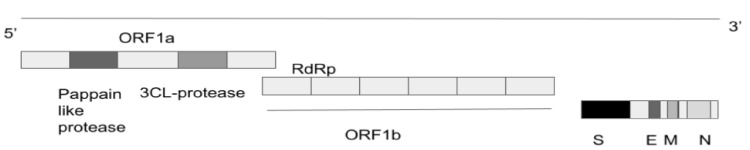
Severe acute respiratory syndrome coronavirus 2 (SARS-CoV-2) is a beta coronavirus that belongs to the Coronaviridae family. SARS-CoV-2 is an enveloped spherical-shaped virus. The ribonucleic acid (RNA) is oriented in a 5'-3'direction which makes it a positive sense RNA virus, and the RNA can be read directly as a messenger RNA. The nonstructural protein 14 (nsp14) has proofreading activity which allows the rate of mutations to stay low. A change in the genetic sequence is called a mutation. Genomes that differ from each other in genetic sequence are called variants. Variants are the result of mutations but differ from each other by one or more mutations. When a phenotypic difference is demonstrated among the variants, they are called strains. Viruses constantly change in two different ways, antigenic drift and antigenic shift. SARS-CoV-2 genome is also prone to various mutations that led to antigenic drift resulting in escape from immune recognition. The Center of Disease Control and Prevention (CDC) updates the variant strains in the different classes. The classes are variant of interest, variant of concern and variant of high consequence. The current variants included in the variant of interest by the USA are: B.1.526, B.1.525, and P.2; and those included in the variant of concern by the USA are B.1.1.7, P.1, B.1.351, B.1.427, and B.1.429. The double and triple mutant variants first reported in India have resulted in a massive increase in the number of cases. Emerging variants not only result in increased transmissibility, morbidity and mortality, but also have the ability to evade detection by existing or currently available diagnostic tests, which can potentially delay the diagnosis and treatment, exhibit decreased susceptibility to treatment including antivirals, monoclonal antibodies and convalescent plasma, possess the ability to cause reinfection in previously infected and recovered individuals, and vaccine breakthrough cases in fully vaccinated individuals. Hence, continuation of precautionary measures, genomic surveillance and vaccination plays an important role in the prevention of spread, early identification of variants, prevention of mutations and viral replication, respectively.
Overview
The claims and statistics of this paper haven’t been checked yet.
Free: it reads the open-access text and checks the first 5 claims that cite a source we can check. Create a free account to check every claim.
Integrity signals
Registry
Cites
Statistics
Figures
Verification
Claims the paper makes
The claims and statistics of this paper haven’t been checked yet.
Free: it reads the open-access text and checks the first 5 claims that cite a source we can check. Create a free account to check every claim.
Claims other papers make about this one
Each is checked against this paper’s own text: does it say what the citing paper says it does?
The source backs part of the claim, not all of it — or backs it for a different population, condition or comparison.
In the citing paper
“This Alpha variant increased its severity (40–80%) through the air pathway and the associated case fatality is expected to be 55% higher with a higher death rate [60, 61].”
From Waves and variants of SARS-CoV-2: understanding the causes and effect of the COVID-19 catastrophe (2022) · cites this paper as [61]
Experimental — accuracy not yet measured
Self-check
Percentages, sums and reported differences re-computed from the paper’s own numbers.
The self-check needs the paper’s full text.
Citations
Cites
A pneumonia outbreak associated with a new coronavirus of probable bat origin
Zhou, P., Yang, X.-L., Wang, X.-G., Hu, B., Zhang, L., Zhang, W., Si, H.-R., Zhu, Y., Li, B., Huang, C.-L., et al. (2020) · Nature · doi:10.1038/s41586-020-2012-7 · Cited by 21,969
The proximal origin of SARS-CoV-2
Andersen, K. G., Rambaut, A., Lipkin, W. I., Holmes, E. C., & Garry, R. F. (2020) · Nature Medicine · doi:10.1038/s41591-020-0820-9 · Cited by 5,081
Bats Are Natural Reservoirs of SARS-Like Coronaviruses
Li, W., Shi, Z., Yu, M., Ren, W., Smith, C., Epstein, J. H., Wang, H., Crameri, G., Hu, Z., Zhang, H., et al. (2005) · Science · doi:10.1126/science.1118391 · Cited by 2,560
Identifying SARS-CoV-2-related coronaviruses in Malayan pangolins
Lam, T. T.-Y., Jia, N., Zhang, Y.-W., Shum, M. H.-H., Jiang, J.-F., Zhu, H.-C., Tong, Y.-G., Shi, Y.-X., Ni, X.-B., Liao, Y.-S., et al. (2020) · Nature · doi:10.1038/s41586-020-2169-0 · Cited by 1,877
Gorbalenya, A. E., Baker, S. C., Baric, R. S., et al. (2020) · bioRxiv (Cold Spring Harbor Laboratory) · doi:10.1101/2020.02.07.937862 · Cited by 1,408
Increased mortality in community-tested cases of SARS-CoV-2 lineage B.1.1.7
CMMID COVID-19 Working Group, Davies, N. G., Jarvis, C. I., Edmunds, W. J., Jewell, N. P., Diaz-Ordaz, K., & Keogh, R. H. (2021) · Nature · doi:10.1038/s41586-021-03426-1 · Cited by 921 · cited 1×
“They also estimated that the mortality was approximately 55% higher when compared to other variants [20].”
ResultSARS-CoV-2 structure and replication characterized by in situ cryo-electron tomography
Klein, S., Cortese, M., Winter, S. L., Wachsmuth-Melm, M., Neufeldt, C. J., Cerikan, B., Stanifer, M. L., Boulant, S., Bartenschlager, R., & Chlanda, P. (2020) · Nature Communications · doi:10.1038/s41467-020-19619-7 · Cited by 731
New SARS-CoV-2 Variants — Clinical, Public Health, and Vaccine Implications
Abdool Karim, S. S., & de Oliveira, T. (2021) · New England Journal of Medicine · doi:10.1056/nejmc2100362 · Cited by 699
Sensitivity of infectious SARS-CoV-2 B.1.1.7 and B.1.351 variants to neutralizing antibodies
Planas, D., Bruel, T., Grzelak, L., Guivel-Benhassine, F., Staropoli, I., Porrot, F., Planchais, C., Buchrieser, J., Rajah, M. M., Bishop, E., et al. (2021) · Nature Medicine · doi:10.1038/s41591-021-01318-5 · Cited by 697 · cited 1×
“The mutation E484K in this variant mediates the antibody escape is the main reason for the reduced sensitivity to vaccines [25].”
BackgroundEmergence of SARS-CoV-2 B.1.1.7 Lineage — United States, December 29, 2020–January 12, 2021
Galloway, S. E., Paul, P., MacCannell, D. R., Johansson, M. A., Brooks, J. T., MacNeil, A., Slayton, R. B., Tong, S., Silk, B. J., Armstrong, G. L., et al. (2021) · MMWR. Morbidity and Mortality Weekly Report · doi:10.15585/mmwr.mm7003e2 · Cited by 613
Research works printed but not linked: 5
- [16]Europe PMC. https://europepmc.org/article/PMC/PMC7839510. Accessed April 22, 2021
- [27]Rita Rubin MA. Figuring Out Whether COVID-19 Vaccines Protect Against Variants. JAMA. https://jamanetwork.com/journals/jama/fullarticle/2777785. Published April 6, 2021. Accessed April 24, 2021
- [42]medRxiv. https://www.medrxiv.org/content/medrxiv/early/2020/09/03/2020.09.01.20186304.full.pdf. Accessed April 24, 2021. https://doi.org/10.1101/2020.09.01.20186304 · DOI
- [45]COVID-19 SARS-CoV-2 preprints from medRxiv and bioRxiv. bioRxiv COVID-19 SARS-CoV-2 preprints from medRxiv and bioRxiv. https://connect.biorxiv.org/relate/content/181.?page=1496. Accessed May 3, 2021
- [47]Rita Rubin MA. Figuring Out Whether COVID-19 Vaccines Protect Against Variants. JAMA. https://jamanetwork.com/journals/jama/fullarticle/2777785. Published April 6, 2021. Accessed May 3, 2021
Cited by
Items 101–197 of 197
Çeli̇k, S. Ş., Özbaş, A. A., Kovancı, M. S., Savaş, H., & Çeli̇k, Y. (2022) · Journal of Nursing Management · doi:10.1111/jonm.13625 · Cited by 3
“Most countries are experiencing consecutive epidemic waves due to the emergence of new variants of the virus (Islam et al., 2021; Vasireddy et al., 2021).”
BackgroundPrevalence of SARS-CoV-2 Variants in COVID-19 Positive Patients
Aydoğan, O., Şaylan, E. G., Güven, Ö., Ayaz, A., & Yiğitbaşı, T. (2022) · Klimik Dergisi/Klimik Journal · doi:10.36519/kd.2022.4264 · Cited by 3
Comprehensive Highlights of the Universal Efforts towards the Development of COVID-19 Vaccine
Shaik, R. A., Ahmad, M. S., Alzahrani, M., Alzerwi, N. A. N., Alnemare, A. K., Reyzah, M., Albar, H. M., Alshagrawi, S. S., Elkhalifa, A. M. E., Alzahrani, R. A., et al. (2022) · Vaccines · doi:10.3390/vaccines10101689 · Cited by 3
“These findings suggest that GC-enriched mRNA, despite causing excessive immunostimulation, may have substantial biological benefits [11,41,42].”
BackgroundElmancy, L., Alkhatib, H., & Daou, A. (2022) · Vaccines · doi:10.3390/vaccines10122086 · Cited by 6
High-Affinity Neutralizing DNA Aptamers against SARS-CoV-2 Spike Protein Variants
Ayass, M. A., Griko, N., Pashkov, V., Tripathi, T., Cao, W., Javan, N., Dai, J., Zhang, J., Zhu, K., & Abi-Mosleh, L. (2023) · COVID · doi:10.3390/covid3040038 · Cited by 4
Li, L. C. W., Tai, D. M. S., Yee, A., Tsui, N. B. Y., Tsang, P. Y. L., Chu, S. L. H., Leung, C. T., Leung, B., Wong, W., Kebede, F. T., et al. (2025) · Diagnostics · doi:10.3390/diagnostics15192445 · Cited by 2
“As a feasibility evaluation, a TaqMan allelic discrimination assay was designed to genotype del:21765:6 mutation in the gene coding spike protein of SARS-CoV-2, a deletion found in the alpha variant [31,32].”
A Cross-Sectional, Questionnaire-Based Survey on Air Infection Control among Romanian People
Săveanu, C. I., Zetu, I. N., Scheuleac, A., Săveanu, A. E., & Romanec, C. L. (2022) · International Journal of Environmental Research and Public Health · doi:10.3390/ijerph191912140 · Cited by 2
The views and experiences of nurses during the COVID-19 pandemic: a qualitative study
Çelik, S. Ş. (2022) · Lokman Hekim Health Sciences · doi:10.14744/lhhs.2022.10004 · Cited by 2
Cough-based COVID-19 Detection with Multi-head Deep Neural Network
Gupta, R., Krishna, T. A., & Adeeb, M. (2022) · International Conference on Data Science, Agents & Artificial Intelligence (ICDSAAI) · doi:10.1109/icdsaai55433.2022.10028889 · Cited by 2
“CoronaVirus Diseases (COVID-19) is a new strain that is thought to be a mutation of previous Coronaviruses [1].”
BackgroundTharwat, S., Eleraky, E. S., Adel, T., Nassar, M. K., & Saleh, M. (2023) · Journal of Pharmaceutical Policy and Practice · doi:10.1186/s40545-023-00558-9 · Cited by 3
“Most of these side effects are mild and happen because the immune system is responding to the booster dose [42, 43] In this study, there was a statistically significant difference between booster dosage acceptants and Fig.”
BackgroundA Design of mRNA-Based COVID-19 Vaccine Through Fuzzy Neural Network
Sabahi, F. (2023) · IEEE Transactions on Computational Biology and Bioinformatics · doi:10.1109/tcbb.2023.3309650 · Cited by 2
Nawaz, S., Janiad, S., Fatima, A., Saleem, M., Fatima, U., & Ali, A. (2024) · Infectious Disorders - Drug Targets · doi:10.2174/0118715265271109231129112515 · Cited by 3
Overview of diagnostic tools and nano-based therapy of SARS-CoV-2 infection
Bhattacharjee, B., Rynjah, D., Ahmed, A. B., Newar, A., Sengupta, S., Chakrabarty, S., Sahu, R. K., & Khan, J. (2024) · Chemical Papers · doi:10.1007/s11696-023-03271-8 · Cited by 2
da Silva, A. C. V. F., Silva, C. A. O., de Sousa, G. F., Coelho, V. A. G. S., da Cunha, L. T., Paes, A. N., Pozzobon, A. P. B., dos Santos, D. D. G., Carpes, R. D. M., Costa, E. P., et al. (2024) · Frontiers in Microbiology · doi:10.3389/fmicb.2024.1386271 · Cited by 5
“Genomic surveillance studies are crucial for monitoring the emergence of future coronavirus variants, also helping in predicting their ability to evade immunity (Vasireddy et al., 2021; Buisson, 2022).”
BackgroundMahajan, K. D., Pawar, D., & Bhattacharya, S. (2024) · Current Medicinal Chemistry · doi:10.2174/0109298673312897240919111317 · Cited by 2
Mousavi, B., Moore, J., Patte, K. A., Pickett, W., O’Leary, D. D., & Wade, T. J. (2025) · Frontiers in Public Health · doi:10.3389/fpubh.2025.1546409 · Cited by 2
“The emergence of variant strains such as Alpha, Beta, Gamma, Delta, and Omicron added ongoing uncertainty regarding transmissibility and vaccine protection (12, 13).”
Hoffmann, L., Gilardi, L., Antoni, T., Baltruweit, M., Bittner, M. L., Breitner, S., Dally, S., Erbertseder, T., Hawighorst‐Knapstein, S., Schmitz, M., et al. (2025) · Scientific Reports · doi:10.1038/s41598-025-13521-2 · Cited by 4
“These changes have likely influenced not only viral transmissibility and clinical severity, but also the interaction between the virus and external factors 17 , including environmental exposures.”
Vicenti, I., Gatti, F., Scaggiante, R., Boccuto, A., Zago, D., Basso, M., Dragoni, F., Parisi, S. G., & Zazzi, M. (2021) · Life · doi:10.3390/life11090896 · Cited by 3
“1 (gamma) variant was identified for the first time in the city of Manaus, North Brazil, in December 2020 and further in passengers from Brazil tested at an airport nearby Tokyo [7].”
BackgroundVariant-Specific Analysis Reveals a Novel Long-Range RNA-RNA Interaction in SARS-CoV-2 Orf1a
Dukeshire, M. R., Schaeper, D., Venkatesan, P., & Manzourolajdad, A. (2022) · International Journal of Molecular Sciences · doi:10.3390/ijms231911050 · Cited by 2
“Variants have emerged due to mutations in regions across the globe [4], with four main variants being Alpha, originating in the United Kingdom, Beta, from South Africa, Delta, originally from India and Omicron, which also first emerged in South Africa [5].”
BackgroundDafogianni, C., Kourti, F. E., Koutelekos, I. G., Zartaloudi, A., Dousis, E., Stavropoulou, A., Margari, N., Toulia, G., Pappa, D., Μangoulia, P., et al. (2022) · Medicina · doi:10.3390/medicina58101438 · Cited by 3
“The cost of implementation is covered by the health policy of the governments of each country [37,38].”
BackgroundOn The Democratization of the Fluid Flow Simulation
Schifko, M., Eslamian, A., Yang, V., Maurya, N., Stadik, A., Monaco, E., Singh, R., Bašić, J., Dietrich, D., Hinterreiter, A., et al. (2022) · Proceedings of the World Congress on New Technologies · doi:10.11159/icepr22.134 · Cited by 2
“As we know by now, this virus affects the human organism at various levels [2].”
BackgroundCOVID-19 in a Pre-Omicron Era: A Cross-Sectional Immuno-Epidemical and Genomic Evaluation
Pagnossa, J. P., Rodrigues, S. D. O., de Oliveira, G. F., Adnan, M., Aljaid, M. S., de Assis, I. B., Lima, A. S. G., Patel, M. B., Ogaly, H. A., & Batiha, G. E. (2023) · Vaccines · doi:10.3390/vaccines11020272 · Cited by 2
Combined Impact of Omicron Vaccination and Environmental Risk Exposure: A Thailand Case Study
Ounsaneha, W., Laosee, O. C., Suksaroj, T. T., & Rattanapan, C. (2023) · Vaccines · doi:10.3390/vaccines11020297 · Cited by 2
“However, global concern about the side effects of COVID-19 vaccines has arisen because of insufficient knowledge of the short- and long-term effects, distrust of vaccine companies, and the belief that the virus is not harmless [6].”
BackgroundSeong, D. Y., Park, J., Yi, K., & Hong, D. (2023) · Viruses · doi:10.3390/v15030692 · Cited by 2
“Researchers, epidemiologists, and clinicians each have the respective data they need [50].”
BackgroundElectrochemical Biosensors as Promising Methods for Diagnosis of Covid-19 – A Minireview
Gandarilla, A. M. D., Freire, L. D. S., Ruzo, C. M., Barcelay, Y. R., & Brito, W. R. (2023) · Analytical Letters · doi:10.1080/00032719.2023.2225658 · Cited by 2
“) and triple (B.1.618) mutant variants from Indian (Centers for Disease Control and Prevention 2022; Vasireddy et al. 2021).”
BackgroundInfluentialTraditional Herbal Medicines and Their Active Constituents in Combating SARS-CoV-2 Infection
Shivangani, S., Lakshmi, N. J., Jamir, L., & Hariprasad, P. (2023) · Springer eBooks · doi:10.1007/978-981-99-3664-9_6 · Cited by 3
Assessing the acceptability of COVID‐19 vaccine and its booster dose
Mubarak, S., A’aqoulah, A., AlGhawrie, H., Albalas, S., & Innab, N. (2023) · Immunity Inflammation and Disease · doi:10.1002/iid3.950 · Cited by 2
“…SARS ‐ CoV ‐ 2 variants, dominated by the highly transmissible Delta (B.1.617.2) variant, the efficacy of vaccines against infection with this variant and other so ‐ called “ variants of concern ” was found to be reduced, 11 revealing the need for a third dose that is active against new variants.”
InfluentialJabraeilian, H., & Jamali, Y. (2024) · PLoS ONE · doi:10.1371/journal.pone.0287623 · Cited by 2
COVID-19 infection after mRNA 1273 vaccine: review of the most frequently asked questions
Vanaparthy, R., Malayala, S. V., Rehman, H., Guttha, S., Mohan, G., Vasireddy, D., & Atluri, P. (2021) · Infezioni in Medicina · doi:10.53854/liim-2903-1 · Cited by 2
Self-citationIntroduction of water filtration using PVC pipe to be waterworth for the community
Febrian, D., Pristiyono, P., & Halim, A. (2022) · Community Empowerment · doi:10.31603/ce.6645 · Cited by 1
Gutiérrez, L. J., Tosso, R. D., Zarycz, M. N. C., Enriz, R. D., & Baldoni, H. A. (2022) · Molecular Simulation · doi:10.1080/08927022.2022.2111421 · Cited by 2
Chuong, K. H., Rotella, A., Cooper, E. J., & O’Doherty, K. C. (2023) · Springer eBooks · doi:10.1007/978-3-031-24271-7_11 · Cited by 1
Bijira, B. B., Muderhwa, J. B., Nabintu, A. B., Birato, Y. C., Delphin, M. K., & Katchunga, P. B. (2023) · Epidemiology and Health System Journal · doi:10.34172/ehsj.2023.22 · Cited by 1
Satapathy, T., Chandrakar, K., Satapathy, A., Yadav, N., Singh, S., & Kumar, D. (2023) · Journal of Drug Delivery and Therapeutics · doi:10.22270/jddt.v13i11.6007 · Cited by 1
Adverse events following immunization of mRNA-1273 (Moderna) booster vaccine in clerkship students
Hendarto, H., Akbar, F. N., Nasir, N. M., Wulandari, E., & Adlani, H. (2024) · International Journal of Public Health Science (IJPHS) · doi:10.11591/ijphs.v13i2.23701 · Cited by 1
“The type of booster vaccine of COVID-19 for health workers in Indonesia is the mRNA-1273 (Moderna) vaccine [11]–[13].”
BackgroundIkram, A. S., & Pillay, S. (2024) · BMC Cardiovascular Disorders · doi:10.1186/s12872-024-03964-2 · Cited by 1
“Despite a noticeable decline in both the incidence and fatality rates, the advent of new virus strains—characterized by their varied behaviour and uncertain response to vaccines—underscores the importance of maintaining alertness [2].”
BackgroundKey insights into recent advances and challenges in COVID-19 management
Monika, P., Poola, A. A., Prabhu, P. S., Samrat, K., & Likhitha, C. (2025) · Discover Public Health · doi:10.1186/s12982-024-00364-x · Cited by 4
Biology of SARS-CoV-2 Coronavirus; Origin, Structure, and Variants
Lashgari, N., Shayan, M., Roudsari, N. M., Khayatan, D., Momtaz, S., Abdolghaffari, A. H., Sathyapalan, T., & Sahebkar, A. (2022) · Contemporary cardiology · doi:10.1007/978-3-031-15478-2_1 · Cited by 1
Seprianus, S., Nuraini, N., & Saputro, S. W. (2024) · Scientific Reports · doi:10.1038/s41598-024-58162-z · Cited by 1
Applications of deep learning in forecasting COVID-19 pandemic and county-level risk warning
Wang, L., Han, S., Stöcker, H., Zhou, K., & Jiang, Y. (2023) · Elsevier eBooks · doi:10.1016/b978-0-323-95064-0.00014-2 · Cited by 2
Panova, N., Allan, N. P., Rubas, N. C., Lee, R. H., Kunihiro, B. P., Umeda, L., Peres, R., Juárez, R., & Maunakea, A. K. (2023) · European Journal of Biomedical Research · doi:10.24018/ejbiomed.2023.2.3.66 · Cited by 2
“Indeed, studies reveal that more breakthrough cases may not only relate to waning vaccine-induced immunity, but also associate with specific viral variants [31]– [33], indicating a clear need to continue monitoring changes in the distribution of variants over time and assess whether boosters, vaccines, or anti-viral d…”
BackgroundInference and forecasting phase shift regime of COVID-19 sub-lineages with a Markov-switching model
Noh, E., Hong, J., Yoo, J., & Jung, J. (2023) · Microbiology Spectrum · doi:10.1128/spectrum.01669-23 · Cited by 1
“COVID-19 vaccines have also been introduced to reduce virus transmission, an effective critical tool for preventing disease (4).”
BackgroundRaouf, G. A. M., Qader, M. K., Abdullah, I., Younus, O. M., MOHAMMAD, F. K., & Merza, M. (2023) · Journal of Ideas in Health · doi:10.47108/jidhealth.vol6.iss4.316 · Cited by 1
“Variants occur as a result of differential viral mutations, especially within the S protein that affects viral cellular entry and the efficacy of antibody manufacturing [4,5].”
BackgroundCOVID-19 Waves with Associated Variants & Scenario in Pakistan
Rubi, G. (2023) · Open Access Journal of Pulmonary & Respiratory Sciences · doi:10.23880/oajprs-16000155 · Cited by 1
Trunnell, M., Frankenberger, C. A., Hota, B. N., Hughes, T., Martinov, P., Ravichandran, U., Shah, N. S., Grossman, R. L., Frankenberger, C. A., Grossman, R. L., et al. (2024) · JAMIA Open · doi:10.1093/jamiaopen/ooae025 · Cited by 2
Motsumi, T. P., & Khumalo, S. S. (2024) · Acta Educationis Generalis · doi:10.2478/atd-2024-0013 · Cited by 2
Capasso, M., Leone, M. F. G., Bianchi, M., Mari, F., & Caso, D. (2024) · Acta Psychologica · doi:10.1016/j.actpsy.2024.104406 · Cited by 1
Overview of COVID-19 Vaccine Development Strategy
Junaidi, K., Fitrina, D. W., Anggrainy, F., & Herman, D. (2022) · Bioscientia Medicina Journal of Biomedicine and Translational Research · doi:10.37275/bsm.v6i3.473 · Cited by 3
Novel Coronavirus (SARS-CoV-2) in Water and Environment—A Scoping Review
Warsi, T., Arora, T., Rizvi, S. S., Moosvi, A. R., Aslam, M. A. M., Khan, M. M. A., & Mohammed, A. (2022) · Life · doi:10.3390/life12040520 · Cited by 1
“The WHO has listed variants of concern (VOC) that emerged from the outbreak; Alpha, Beta, Gamma, Delta, and Omicron were the most prominent ones that triggered the major waves across the globe [16,25,26].”
BackgroundBiohazard Assessment for Maintenance Technicians
Klamo, P., Rácek, B., & Tomašovič, P. (2022) · New Trends in Civil Aviation (NTCA) · doi:10.23919/ntca55899.2022.9934321 · Cited by 1
Covid-19 Variants Survivability Simulation With Genetic Algorithm
Sarungu, C. M., & Sarungu, J. J. (2022) · International Conference on Information and Communications Technology (ICOIACT) · doi:10.1109/icoiact55506.2022.9972005 · Cited by 1
Fiorino, S., Carusi, A., Hong, W., Cernuschi, P., Gallo, C. G., Ferrara, E., Maloberti, T., Visani, M., Lari, F., de Biase, D., et al. (2022) · AIMS Microbiology · doi:10.3934/microbiol.2022029 · Cited by 1
“morbidity and mortality; ii) decreased capability to detect them by available diagnostic tests, with a potential delay in the diagnosis and treatment; iii) reduced susceptibility to antiviral therapies, such as antiviral drugs, monoclonal antibodies and convalescent plasma; iv) higher risk of reinfection in previously…”
BackgroundRoy, S. C. (2022) · Clinical Research and Clinical Trials · doi:10.31579/2693-4779/104 · Cited by 1
Walekhwa, A. W., Nakazibwe, B., Nantongo, M., Wafula, S. T., Bulafu, D., Ayugi, B., Nankabirwa, C., Nsereko, G., Nalweyiso, M. D., Tindyebwa, T., et al. (2023) · Epidemiology and Infection · doi:10.1017/s0950268823001164 · Cited by 3
“Our study differed from other studies including the one conducted in the United States which showed that COVID-19 vaccination was up to 57%, with the majority of them at least receiving a single dose of vaccination during the same period of this study [43, 44].”
ResultInvestigation of Variants In SARS-CoV-2 Infections after Three Doses of COVID-19 Vaccine
GİRAY, B. G., & AÇIK, G. G. (2023) · Journal of Contemporary Medicine · doi:10.16899/jcm.1343574 · Cited by 1
Kim, M., Poon, K. K.-Y., Miller, N., & Rubio-Gomez, H. (2021) · American Journal of Case Reports · doi:10.12659/ajcr.935329
“In addition, as genetic variants of VOCs reduce neutralization by antibodies from prior infection or vaccination [5], the concern for reinfection is higher.”
BackgroundROCK IN RIO E A PANDEMIA DA COVID-19
PENNA, L. F. D. A. M. (2021) · doi:10.17771/pucrio.acad.57007
Call for a Global Vaccine Plan to Combat Current and Future Pandemics: One for ALL and ALL for One
Surani, S., Taweesedt, P. T., Surani, S. S., Ratnani, I., & Varón, J. (2022) · The Open Respiratory Medicine Journal · doi:10.2174/18743064-v16-e2202040
Toward Detecting Previously Undiscovered Interaction Types in Networked Systems
Jia, W., Lü, L., Mariani, M. S., Dai, Y., & Jiang, T. (2022) · IEEE Internet of Things Journal · doi:10.1109/jiot.2022.3174086
“As COVID-19 mutates very frequently and has a lot of variants [14], the collected VSN should be a joint spreading network of COVID-19 and its variants.”
BackgroundNisar, A., Kathade, S. A., Aswani, M. A., Harsulkar, A., Jagtap, S., & Kunchiraman, B. N. (2022) · Biosciences Biotechnology Research Asia · doi:10.13005/bbra/2992 · Cited by 1
Large interfacial relocation in RBD-ACE2 complex may explain fast-spreading property of Omicron
Shirzadeh, M., Monhemi, H., & Eftekhari, M. (2022) · Journal of Molecular Structure · doi:10.1016/j.molstruc.2022.133842
Rong-Can, W. A. N. G., Xin-Yi, W. A. N. G., Yong-Fei, Q. I. A. O., & Li, Y. (2022) · Chinese Journal of Analytical Chemistry · doi:10.1016/j.cjac.2022.100192
dos FREIRE, M. B. G. (2022) · Digital Library of Theses and Dissertations (Universidade de São Paulo) · doi:10.11606/t.76.2022.tde-24082022-152133
Symptoms, challenges and consequences of COVID-19 sequelae and their suggestive Reforms: An overview
Mandal, K. (2022) · International Journal of Chemical Studies · doi:10.22271/chemi.2022.v10.i6a.12258
Review of Recent Outpatient Therapeutic Updates for SARS-Cov2
Zapata, J. (2022) · American Journal of Biomedical Science & Research · doi:10.34297/ajbsr.2022.15.002178
Sabri, M. Q. M., Robani, S., Roslan, N. F. A., Matthew, K. S. Y., & Daud, A. Z. C. (2022) · Malaysian Journal of Medicine and Health Sciences · doi:10.47836/mjmhs.18.s15.47
Altarazi, E., Alkhotani, A., Mohorjy, D. K., Almoabdi, A., & Almatrafi, R. (2023) · Saudi Journal for Health Sciences · doi:10.4103/sjhs.sjhs_145_22
Huang, Y. (2023) · Highlights in Science Engineering and Technology · doi:10.54097/hset.v36i.6266
Is COVID-19 over in India? A review based on current evidence
Sarkar, A., & Karri, S. D. (2023) · Journal of Indira Gandhi Institute Of Medical Sciences · doi:10.4103/jigims.jigims_40_22
COVID-19 Vaccination in Persons with Diabetes: How they Work
Nassar, M., Misra, A., & Bloomgarden, Z. T. (2023) · Contemporary Endocrinology · doi:10.1007/978-3-031-28536-3_13 · Cited by 1
Computational Analysis of SARS-CoV-2 Therapeutics Development
Biggerstaff, S., Muzyka, J. L., & Toth, D. M. (2023) · The Journal of Computational Science Education · doi:10.22369/issn.2153-4136/14/1/9
“The NSPs in different variants of SARS-CoV-2 do not differ significantly, so drugs targeting the NSPs of SARS-CoV-2 will inhibit significant functions and will be effective across all observed variants [18].”
BackgroundNSP7, NSP8, NSP9, NSP10, NSP16, and NSP14
Zhang, J. (2023) · Springer series in biophysics · doi:10.1007/978-3-031-36773-1_24
Vaccine Distribution Modelling in Pandemics through Multi-Agent Systems: COVID-19 Case
Yarahmadi, H., Shiri, M. E., Navidi, H., Sharifi, A., پیریائی, ح., & Challenger, M. (2023) · International Conference on Computer and Knowledge Engineering · doi:10.1109/iccke60553.2023.10326240
“The recent development of COVID-19 vaccines has been a major breakthrough in combating the virus [12], with reports indicating their effectiveness in preventing the disease and reducing the spread of new mutations [21].”
BackgroundEstimating COVID-19 Prevalence in Sri Lanka: A Dynamic Sampling Model Approach
Erandi, J. D. T., Liyanage, U. P., & Gunawardana, A. (2023) · Sri Lankan Journal of Applied Statistics · doi:10.4038/sljastats.v24i3.8114
“The profile of the coronavirus progression in a sub-region can be changed due to numerous factors such as population density, public mobility, and available health facilities Vasireddy et al. (2021).”
BackgroundEpisódios de cuidado cotidiano: diálogos sobre raça, maternagem e rede de apoio
da Silva, B. M. C. (2023) · Digital Library of Theses and Dissertations (Universidade de São Paulo) · doi:10.11606/d.6.2023.tde-21022024-153337
A pandemia de Covid-19 e os serviços de reabilitação para pessoas com deficiência no SUS
Suda, B. T. R. (2023) · Digital Library of Theses and Dissertations (Universidade de São Paulo) · doi:10.11606/d.6.2023.tde-21022024-143545
Kodankandath, J. S., Tiwari, P. N., Kushwaha, A. S., & Tayade, H. C. (2024) · Medical Journal of Dr D Y Patil Vidyapeeth · doi:10.4103/mjdrdypu.mjdrdypu_671_23
Different variants of SARS-CoV-2
Samanta, A., Hassan, M. S., Nasrin, T., Alam, S. S. M., Jamil, Z., Buttar, H. S., Ali, S., & Hoque, M. (2024) · Elsevier eBooks · doi:10.1016/b978-0-323-95650-5.00053-7
How Much Protection can COVID-19 Vaccine Give Compared to No Vaccination? A Reappraisal
Wiwanitkit, S., & Wiwanitkit, V. (2024) · Assam Journal of Internal Medicine · doi:10.4103/ajoim.ajoim_23_23
Wilburn, J., Sappe, B., Jorge, K., Hickey, L., Nandyala, D., & Chadha, T. (2024) · Cureus · doi:10.7759/cureus.65111 · Cited by 2
“Despite promising early trial results, observational studies have shown variability in VE due to factors such as emerging variants, population demographics, and timing of vaccine and booster administration [6].”
Sharma, S., Sethuraman, G., & Kumari, K. (2024) · Cureus · doi:10.7759/cureus.71532
“As conventional pharmaceutical interventions confront challenges such as vaccine efficacy and the threat of emerging variants [3], integrating traditional medicines into mainstream healthcare assumes newfound significance [12,13].”
SARS-CoV-2 Related miRNAs and Their Potential Role in Combating Severe COVID-19
Li, G., Huang, X., & Yang, H. J. (2024) · Molecular Genetics Microbiology and Virology · doi:10.3103/s0891416824700216
“Although vaccines have been successfully developed, the continually evolving virus poses huge challenges to vaccine application [1].”
Weintraub, W., & Waksman, O. (2024) · Elsevier eBooks · doi:10.1016/b978-0-443-14001-3.00002-9
Conventional and Nonconventional Therapies for COVID‐19 Management in Trinidad
Ismaila, M. S., Lall, K. R., Sookram, K., Sundaram, V., & Jones, K. R. (2024) · Scientifica · doi:10.1155/sci5/1545153 · Cited by 1
Jiménez, J. M. C., Narváez, A. R. R., Polo, J. M. P., & Candezano, M. A. C. (2024) · SeMA Journal · doi:10.1007/s40324-024-00372-6
Roy, D. N., Aktar, A., Rashid, M., Parvin, S., & Islam, M. E. (2025) · Research Square · doi:10.21203/rs.3.rs-6796973/v1
Amani, E., Otroshi, B., Tabatabaie, M., Moslemi, A., & Shabani, S. (2025) · The Clinical Respiratory Journal · doi:10.1111/crj.70127 · Cited by 1
“Hence, a fraction of the population still remains susceptible to this virus even if they have received full vaccination [21, 22].”
Osisanwo, A., & Abidoye, O. (2025) · European Journal of Applied Linguistics · doi:10.1515/eujal-2024-0028
Htun, Y. M., Win, T. T., Shan, N. H., Winn, Z. T., Thu, K. S., Maung, N. L., Aung, P. P., Kyaw, H. A., Kyaw, H. P., Soe, Y. N. M., et al. (2022) · Figshare · doi:10.6084/m9.figshare.19349885
Htun, Y. M., Win, T. T., Shan, N. H., Winn, Z. T., Thu, K. S., Maung, N. L., Aung, P. P., Kyaw, H. A., Kyaw, H. P., Soe, Y. N. M., et al. (2022) · Figshare · doi:10.6084/m9.figshare.19349882
An Online Deep Learning Tool for Predicting Variants in Viral Mutation Using Seq2Seq LSTM
Tence, J. M. S., Pontiveros, M. J., Llanes, P. V., Lim, H. E. M., Alvarez, J. E. C., Bonifacio, R. B. L., Gutierrez, M. R., Guevarra, L. A., & Solano, G. A. (2025) · International Conference on Information, Intelligence, Systems & Applications (IISA) · doi:10.1109/iisa66859.2025.11311309
“The findings of Vassiredy et al. [16] discovered that emerging variants not only result in increased transmissibility, morbidity, and mortality, but also have the ability to evade detection of existing diagnostic tests, exhibit decreased susceptibility to treatment, possess the ability to cause…”
InfluentialGhosh, M. K. (2025) · Medical virology · doi:10.1007/978-981-95-1426-7_1
Kim, M., Jeong, H., & Shin, K. (2026) · Osong Public Health and Research Perspectives · doi:10.24171/j.phrp.2025.0313
“The effects of vaccines were excluded from the model because of uncertainty regarding their protection levels and duration during the modeled timeframe [54–58].”
Ácido Gálico e seus derivados: candidatos promissores no combate às proteases virais do SARS-CoV-2
de Carvalho, M. G. (2026) · Revista Fitos · doi:10.32712/2446-4775.2026.1932
Introduction to Sensor-based Virus Detection Studies
Saylan, Y., Aydoğan, S. D., Ünal, S., & Denizli, A. (2026) · Royal Society of Chemistry eBooks · doi:10.1039/9781837677771-00001
Roy, D. N., Aktar, A., & Rashid, M. (2026) · Dialogues in Health · doi:10.1016/j.dialog.2026.100367
Exploring booster vaccine hesitancy: evidence from the COVID-19 in Hong Kong
Jin, J., Lai, D. W. L., & Yan, E. (2026) · Global Health Action · doi:10.1080/16549716.2026.2750708
Metadata
- Authors
- Vasireddy, D., Vanaparthy, R., Mohan, G., Malayala, S. V., & Atluri, P.
- Affiliations
- Oregon Health & Science University (US)
- Temple University Hospital (US)
- Bay Area Hospital (US)
- Corresponding author
- Vasireddy, Deepa
- Venue
- Journal of Clinical Medicine Research
- Publisher
- Elmer Press, Inc.
- Published
- 2021-06
- Volume
- 13
- Issue
- 6
- Pages
- 317-325
- ISSN
- 1918-3003 (ISSN-L)
- 1918-3011
- PMC
- PMC8256910
- OpenAlex
- W3176797277
- Cited by
- 197
- References
- 21
- Citations by year
- 2026: 5 · 2025: 13 · 2024: 34 · 2023: 51 · 2022: 80 · 2021: 14
- FWCI
- 5.24
- Type
- journal article
- Language
- en
- Open access
- diamond
- doi.org
- Licence
- Locations
- Journal of Clinical Medicine Research (publishedVersion, cc-by-nc)
- PubMed Central (publishedVersion, cc-by-nc)
- PubMed (publishedVersion)
- Informationszentrum Lebenswissenschaften (ZB MED) (submittedVersion, cc-by-nc)
- Topics
- Health Sciences › Medicine › Infectious Diseases › SARS-CoV-2 and COVID-19 Research
- Health Sciences › Medicine › Infectious Diseases › COVID-19 Clinical Research Studies
- Physical Sciences › Mathematics › Modeling and Simulation › COVID-19 epidemiological studies
- Keywords
- SARS-CoV-2, SARS-CoV-2 variants, vaccine efficacy, antigenic drift, antigenic shift, variants of concern, variants of interest, Alpha variant, P.1 variant, Beta variant, immune evasion, reinfection, breakthrough infection, genomic surveillance, antiviral resistance, monoclonal antibodies, convalescent plasma
About these checks
Registry, retraction, Cites and statistics results are computed, not judged, with one exception: a printed reference that no index lists is read once by a model before it counts as a citation error. Claims are extracted by a model and kept only when their quote appears verbatim in the text; each cited source is then checked, with a model’s help, for whether it says what the claim relies on. Those verdicts can be wrong — read the claim’s quote and the cited source before relying on one.
Statistics and arithmetic are recomputed, not judged.
Confidence bands are shown only for fields calibrated on our annotated test set. None is calibrated yet, so no band is shown.
What counts as a claim ›How we measure confidence ›How we check this ›
Are you an author, or do you see a problem with this page? Request a review
Data sources
Bibliographic data: Semantic Scholar, OpenAlex, Crossref.
Contains information from the Semantic Scholar Academic Graph Datasets, made available under the ODC Attribution License (ODC-BY 1.0).
Semantic Scholar’s data is described in: Kinney, R., et al. (2023). The Semantic Scholar Open Data Platform. arXiv:2301.10140.
