

The DOI matches its Crossref record; 32 of the 33 references it cites were found in a registry or an index.
β-Amyloid Monomers Are Neuroprotective
Open accessAbstract
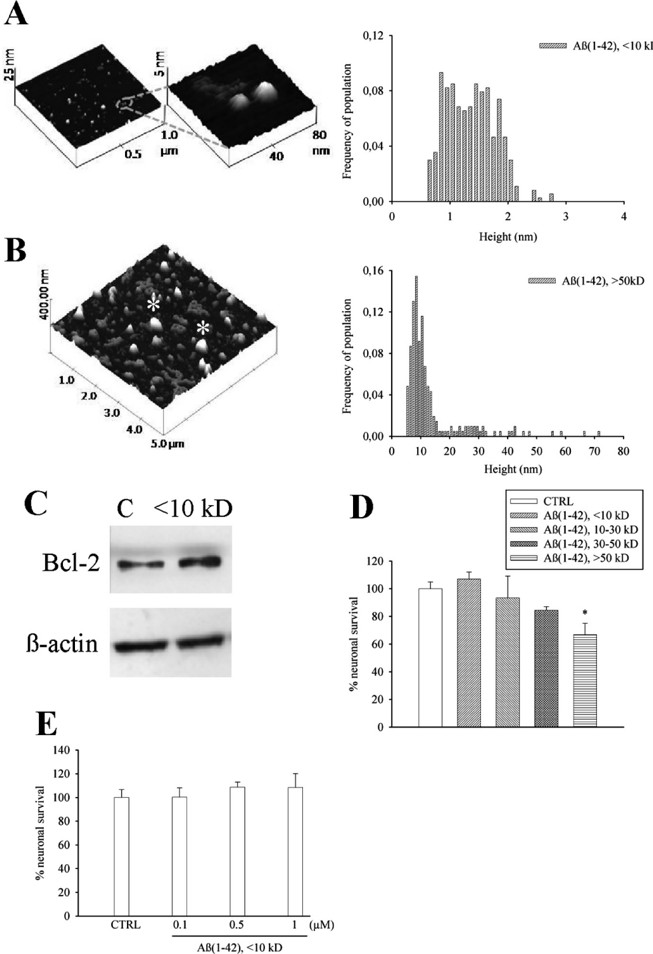
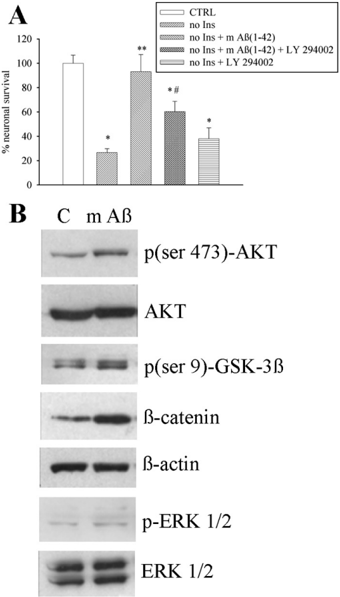
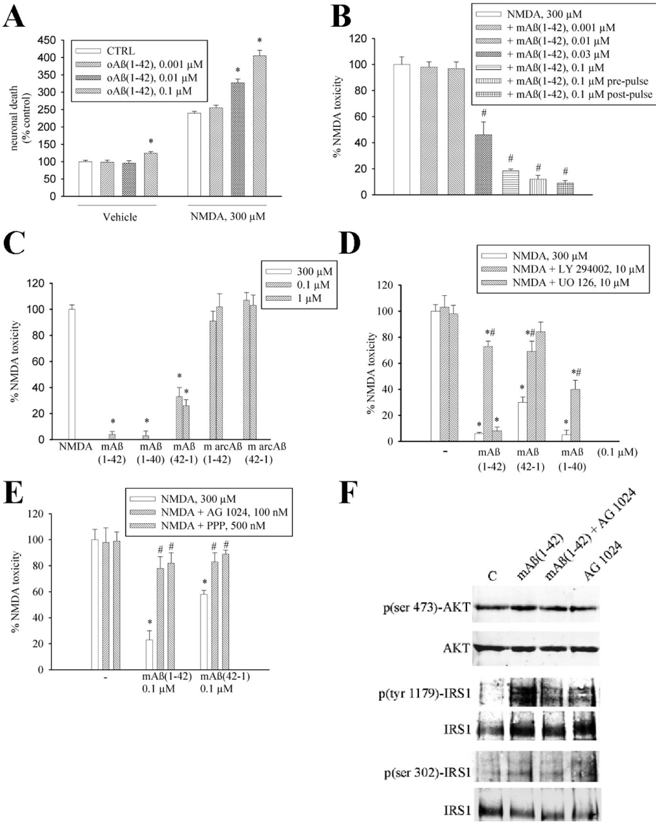
The 42-aa-long beta-amyloid protein--Abeta(1-42)--is thought to play a central role in the pathogenesis of Alzheimer's disease (AD) (Walsh and Selkoe, 2007). Data from AD brain (Shankar et al., 2008), transgenic APP (amyloid precursor protein)-overexpressing mice (Lesné et al., 2006), and neuronal cultures treated with synthetic Abeta peptides (Lambert et al., 1998) indicate that self-association of Abeta(1-42) monomers into soluble oligomers is required for neurotoxicity. The function of monomeric Abeta(1-42) is unknown. The evidence that Abeta(1-42) is present in the brain and CSF of normal individuals suggests that the peptide is physiologically active (Shoji, 2002). Here we show that synthetic Abeta(1-42) monomers support the survival of developing neurons under conditions of trophic deprivation and protect mature neurons against excitotoxic death, a process that contributes to the overall neurodegeneration associated with AD. The neuroprotective action of Abeta(1-42) monomers was mediated by the activation of the PI-3-K (phosphatidylinositol-3-kinase) pathway, and involved the stimulation of IGF-1 (insulin-like growth factor-1) receptors and/or other receptors of the insulin superfamily. Interestingly, monomers of Abeta(1-42) carrying the Arctic mutation (E22G) associated with familiar AD (Nilsberth et al., 2001) were not neuroprotective. We suggest that pathological aggregation of Abeta(1-42) may also cause neurodegeneration by depriving neurons of the protective activity of Abeta(1-42) monomers. This "loss-of-function" hypothesis of neuronal death should be taken into consideration when designing therapies aimed at reducing Abeta burden.
Overview
The claims and statistics of this paper haven’t been checked yet.
Run the check — free, no account needed. It reads the open-access text and checks the sources it cites.
Integrity signals
Registry
Cites
Statistics
Figures
Verification
Claims the paper makes
The claims and statistics of this paper haven’t been checked yet.
Run the check — free, no account needed. It reads the open-access text and checks the sources it cites.
Claims other papers make about this one
Each is checked against this paper’s own text: does it say what the citing paper says it does?
In the citing paper
“Relative levels of Aβ42 to Aβ40 appear to influence the mechanism of oligomerization, with higher levels of Aβ40 in normal individuals likely impeding formation of stable toxic oligomers (Giuffrida et al., 2009).”
From The Aβ oligomer hypothesis for synapse failure and memory loss in Alzheimer’s disease (2011) · cites this paper as Giuffrida et al., 2009
Self-check
Percentages, sums and reported differences re-computed from the paper’s own numbers.
The self-check needs the paper’s full text.
Citations
Cites
1 retracted
RETRACTED ARTICLE: A specific amyloid-β protein assembly in the brain impairs memory
Lesné, S., Koh, M. T., Kotilinek, L., Kayed, R., Glabe, C. G., Yang, A., Gallagher, M., & Ashe, K. H. (2006) · Nature · doi:10.1038/nature04533 · Cited by 2,769 · cited 2×
“In Tg2576 mice expressing a human APP (amyloid precursor protein) variant linked to AD, a 56 kDa soluble A assembly (A *56) disrupts memory (Lesné et al., 2006).”
BackgroundRetractedThe Bcl-2 Protein Family: Arbiters of Cell Survival
Adams, J. M., & Cory, S. (1998) · Science · doi:10.1126/science.281.5381.1322 · Cited by 5,334
Walsh, D. M., Klyubin, I., Fadeeva, J. V., Cullen, W. K., Anwyl, R., Wolfe, M. S., Rowan, M. J., & Selkoe, D. J. (2002) · Nature · doi:10.1038/416535a · Cited by 4,291
Shankar, G. M., Li, S., Mehta, T. H., Garcia-Munoz, A., Shepardson, N. E., Smith, I., Brett, F. M., Farrell, M. A., Rowan, M. J., Lemere, C. A., et al. (2008) · Nature Medicine · doi:10.1038/nm1782 · Cited by 3,685
Diffusible, nonfibrillar ligands derived from Aβ 1–42 are potent central nervous system neurotoxins
Lambert, M. P., Barlow, A. K., Chromy, B. A., Edwards, C., Freed, R., Liosatos, M., Morgan, T. E., Rozovsky, I., Trommer, B., Viola, K. L., et al. (1998) · Proceedings of the National Academy of Sciences · doi:10.1073/pnas.95.11.6448 · Cited by 3,506
Vlahos, C. J., Matter, W. F., Hui, K. Y., & Brown, R. F. (1994) · Journal of Biological Chemistry · doi:10.1016/s0021-9258(17)37680-9 · Cited by 3,248
Identification of a Novel Inhibitor of Mitogen-activated Protein Kinase Kinase
Favata, M. F., Horiuchi, K. Y., Manos, E. J., Daulerio, A. J., Stradley, D. A., Feeser, W. S., Dyk, D. E. V., Pitts, W. J., Earl, R. A., Hobbs, F. W., et al. (1998) · Journal of Biological Chemistry · doi:10.1074/jbc.273.29.18623 · Cited by 3,016
Aβ Oligomers – a decade of discovery
Walsh, D. M., & Selkoe, D. J. (2007) · Journal of Neurochemistry · doi:10.1111/j.1471-4159.2006.04426.x · Cited by 1,938
PI3K: Downstream AKTion Blocks Apoptosis
Franke, T. F., Kaplan, D. R., & Cantley, L. C. (1997) · Cell · doi:10.1016/s0092-8674(00)81883-8 · Cited by 1,665
APP Processing and Synaptic Function
Kamenetz, F., Tomita, T., Hsieh, H., Seabrook, G., Borchelt, D., Iwatsubo, T., Sisodia, S., & Malinow, R. (2003) · Neuron · doi:10.1016/s0896-6273(03)00124-7 · Cited by 1,644
Cited by
Sorted by citations
Items 101–200 of 423
The Role of Cholesterol Metabolism in Alzheimer’s Disease
Sun, J.-H., Yu, J.-T., & Tan, L. (2015) · Molecular Neurobiology · doi:10.1007/s12035-014-8749-y · Cited by 70
Physiological Role of Amyloid Beta in Neural Cells: The Cellular Trophic Activity
Cárdenas‐Aguayo, M. D. C., Silva‐Lucero, M., Cortés-Ortiz, M., Jimnez-Ramos, B., Gomez‐Virgilio, L., Ramrez-Rodrguez, G., Arroyo, E. V., Fiorentino-Prez, R., Garca, U., Luna-Muoz, J., et al. (2014) · InTech eBooks · doi:10.5772/57398 · Cited by 67
Developing therapeutic vaccines against Alzheimer’s disease
Wısnıewskı, T., & Drummond, E. (2015) · Expert Review of Vaccines · doi:10.1586/14760584.2016.1121815 · Cited by 60
AD synapses contain abundant Aβ monomer and multiple soluble oligomers, including a 56-kDa assembly
Sokolow, S., Henkins, K. M., Bilousova, T. V., Miller, C. A., Vinters, H. V., Poon, W. W., Cole, G. M., & Gylys, K. H. (2011) · Neurobiology of Aging · doi:10.1016/j.neurobiolaging.2011.05.011 · Cited by 61
The role of copper( ii ) in the aggregation of human amylin
Sinopoli, A., Magrì, A. L., Milardi, D., Pappalardo, M., Pucci, P., Flagiello, A., Titman, J. J., Nicoletti, V. G., Caruso, G., Pappalardo, G., et al. (2014) · Metallomics · doi:10.1039/c4mt00130c · Cited by 58
Self-citationMolecular Modulation of Human α7 Nicotinic Receptor by Amyloid-β Peptides
Lasala, M., Fabiani, C., Corradi, J., Antollini, S. S., & Bouzat, C. (2019) · Frontiers in Cellular Neuroscience · doi:10.3389/fncel.2019.00037 · Cited by 59
Lilja, A. M., Porras, O., Storelli, E., Nordberg, A., & Marutle, A. (2011) · Journal of Alzheimer's Disease · doi:10.3233/jad-2010-101242 · Cited by 57
Physiological Roles of Monomeric Amyloid-β and Implications for Alzheimer’s Disease Therapeutics
Jeong, H., Shin, H., Hong, S., & Kim, Y. S. (2022) · Experimental Neurobiology · doi:10.5607/en22004 · Cited by 59
Lindhagen‐Persson, M., Brännström, K., Vestling, M., Steinitz, M. O., & Olofsson, A. (2010) · PLoS ONE · doi:10.1371/journal.pone.0013928 · Cited by 57
Caraci, F., Tascedda, F., Merlo, S., Benatti, C., Spampinato, S. F., Munafò, A., Leggio, G. M., Nicoletti, F., Brunello, N., Drago, F., et al. (2016) · Frontiers in Pharmacology · doi:10.3389/fphar.2016.00389 · Cited by 58
Self-citationA promising connection between BDNF and Alzheimer’s disease
Giuffrida, M. L., Copani, A., & Rizzarelli, E. (2018) · Aging · doi:10.18632/aging.101518 · Cited by 57
Self-citationThe BACE1-PSEN-AβPP Regulatory Axis has an Ancient Role in Response to Low Oxygen/Oxidative Stress
Nik, S. H. M., Wilson, L., Newman, M., Croft, K. D., Mori, T. A., Musgrave, I., & Lardelli, M. T. (2012) · Journal of Alzheimer s Disease · doi:10.3233/jad-2011-110533 · Cited by 55
Microglial activation depends on beta‐amyloid conformation: role of the formylpeptide receptor 2
Heurtaux, T., Michelucci, A., Losciuto, S., Gallotti, C., Felten, P., Dorban, G., Grandbarbe, L., Morga, E., & Heuschling, P. (2010) · Journal of Neurochemistry · doi:10.1111/j.1471-4159.2010.06783.x · Cited by 55
Ding, M., Ding, S., Du, D., Wang, X., Hu, X., Guan, P., Lyu, Z., & Lin, Y. (2023) · TrAC Trends in Analytical Chemistry · doi:10.1016/j.trac.2023.117087 · Cited by 56
The Anti-Amyloid Monoclonal Antibody Lecanemab: 16 Cautionary Notes
Kepp, K. P., Sensi, S. L., Johnsen, K. B., Barrio, J. R., Høilund‐Carlsen, P. F., Neve, R. L., Alavi, A. A., Herrup, K., Perry, G. L., Robakis, N. K. R. K., et al. (2023) · Journal of Alzheimer s Disease · doi:10.3233/jad-230099 · Cited by 56
Efficacy and safety studies of gantenerumab in patients with Alzheimer’s disease
Panza, F., Solfrizzi, V., Imbimbo, B. P., Giannini, M., Santamato, A., Seripa, D., & Logroscino, G. (2014) · Expert Review of Neurotherapeutics · doi:10.1586/14737175.2014.945522 · Cited by 51
Atsmon‐Raz, Y., & Miller, Y. (2015) · ACS Chemical Neuroscience · doi:10.1021/acschemneuro.5b00204 · Cited by 56
Emerging role of amyloid beta in stress response: Implication for depression and diabetes
Morgese, M. G., Schiavone, S., & Trabace, L. (2017) · European Journal of Pharmacology · doi:10.1016/j.ejphar.2017.08.031 · Cited by 54
Giuffrida, M. L., Tomasello, M. F., Pandini, G., Caraci, F., Battaglia, G., Busceti, C., Di Pietro, P., Pappalardo, G., Attanasio, F., Chiechio, S., et al. (2015) · Frontiers in Cellular Neuroscience · doi:10.3389/fncel.2015.00297 · Cited by 52
Self-citationPharmacologists and Alzheimer disease therapy: to boldly go where no scientist has gone before
Mancuso, C., Siciliano, R., Barone, E., Butterfield, D. A., & Preziosi, P. (2011) · Expert Opinion on Investigational Drugs · doi:10.1517/13543784.2011.601740 · Cited by 53
Nanomedicine in Alzheimer's disease: Amyloid beta targeting strategy
Tosi, G., Pederzoli, F., Belletti, D., Vandelli, M. A., Forni, F., Duskey, J. T., & Ruozi, B. (2019) · Progress in brain research · doi:10.1016/bs.pbr.2019.03.001 · Cited by 53
Vaccination as a Therapeutic Approach to Alzheimer's Disease
Wısnıewskı, T., & Boutajangout, A. (2010) · Mount Sinai Journal of Medicine A Journal of Translational and Personalized Medicine · doi:10.1002/msj.20156 · Cited by 53
Hoang, V.-H., Tran, P., Cui, M., Ngo, V. T. H., Ann, J., Park, J., Lee, J., Choi, K., Cho, H., Kim, H., et al. (2017) · Journal of Medicinal Chemistry · doi:10.1021/acs.jmedchem.7b00098 · Cited by 52
Rofo, F., Buijs, J., Falk, R., Honek, K., Lannfelt, L., Lilja, A. M., Metzendorf, N. G., Gustavsson, T., Sehlin, D., Söderberg, L., et al. (2021) · Translational Neurodegeneration · doi:10.1186/s40035-021-00258-x · Cited by 50
Ligand–Receptor Interaction Catalyzes the Aggregation of Small Molecules To Induce Cell Necroptosis
Shi, J., Du, X., Yi, H., Zhou, J., Yuan, D., Wu, D., Zhang, Y., Haburcak, R., Epstein, I. R., & Xu, B. (2014) · Journal of the American Chemical Society · doi:10.1021/ja5100417 · Cited by 49
Goñi, F., Prelli, F., Ji, Y., Scholtzova, H., Yang, J., Sun, Y., Liang, F., Kascsak, R., Kascsak, R. J., Mehta, P. D., et al. (2010) · PLoS ONE · doi:10.1371/journal.pone.0013391 · Cited by 48
Madhu, P., & Mukhopadhyay, S. (2021) · Journal of Cellular Biochemistry · doi:10.1002/jcb.30141 · Cited by 53
Das, P., Kang, S.-G., Temple, S., & Belfort, G. (2014) · PLoS ONE · doi:10.1371/journal.pone.0113041 · Cited by 46
Man, V. H., He, X., Gao, J., & Wang, J. (2021) · Journal of Chemical Theory and Computation · doi:10.1021/acs.jctc.1c00028 · Cited by 45
Soluble Amyloid-β Consumption in Alzheimer’s Disease
Espay, A. J., Sturchio, A., Schneider, L. S., & Ezzat, K. (2021) · Journal of Alzheimer s Disease · doi:10.3233/jad-210415 · Cited by 46
Profile of gantenerumab and its potential in the treatment of Alzheimer's disease
Nisticò, R., Novakovic, D., Feligioni, M., Scaccianoce, S., Piccinin, S., Mercuri, N. B., Nicoletti, F., Caruso, A., Schepisi, C., & Errico, F. (2013) · Drug Design Development and Therapy · doi:10.2147/dddt.s53401 · Cited by 50
Self-citationTGF-β1 prevents rat retinal insult induced by amyloid-β (1–42) oligomers
Fisichella, V., Giurdanella, G., Platania, C. B. M., Romano, G. L., Leggio, G. M., Salomone, S., Drago, F., Caraci, F., & Bucolo, C. (2016) · European Journal of Pharmacology · doi:10.1016/j.ejphar.2016.02.002 · Cited by 45
Self-citationGoñi, F., Herline, K., Peyser, D., Wong, K., Ji, Y., Sun, Y., Mehta, P., & Wisniewski, T. (2013) · Journal of Neuroinflammation · doi:10.1186/1742-2094-10-150 · Cited by 43
Regenerative medicine in Alzheimer's disease
Felsenstein, K. M., Candelario, K. M., Steindler, D. A., & Borchelt, D. (2013) · Translational research · doi:10.1016/j.trsl.2013.11.001 · Cited by 43
Grasso, G., Santoro, A. M., Lanza, V., Sbardella, D., Tundo, G. R., Ciaccio, C., Marini, S., Coletta, M., & Milardi, D. (2017) · Coordination Chemistry Reviews · doi:10.1016/j.ccr.2017.06.004 · Cited by 42
Behl, T., Kaur, I., Frățilă, O., Brata, R. D., & BUNGAU, S. G. (2020) · International Journal of Molecular Sciences · doi:10.3390/ijms21207443 · Cited by 47
Unified theory of Alzheimer’s disease (UTAD): implications for prevention and curative therapy
Nehls, M. (2016) · Journal of Molecular Psychiatry · doi:10.1186/s40303-016-0018-8 · Cited by 41
Natale, G. D., Sabatino, G., Sciacca, M. F. M., Tosto, R., Milardi, D., & Pappalardo, G. (2022) · Molecules · doi:10.3390/molecules27165066 · Cited by 41
Self-citationAnderson, G., & Maes, M. H. J. (2017) · CNS & Neurological Disorders - Drug Targets · doi:10.2174/1871527315666161122144659 · Cited by 41
Sadigh-Eteghad, S., Talebi, M., Farhoudi, M., Golzari, S., Sabermarouf, B., & Mahmoudi, J. (2014) · Journal of Medical Hypotheses and Ideas · doi:10.1016/j.jmhi.2014.01.001 · Cited by 40
Li, X., Uemura, K., Hashimoto, T., Nasser-Ghodsi, N., Arimon, M., Lill, C. M., Palazzolo, I., Krainc, D., Hyman, B. T., & Berezovska, O. (2013) · Neurobiology of Disease · doi:10.1016/j.nbd.2012.10.002 · Cited by 38
Metallostasis and amyloid β-degrading enzymes
Grasso, G., Giuffrida, M. L., & Rizzarelli, E. (2012) · Metallomics · doi:10.1039/c2mt20105d · Cited by 41
Self-citationUnfolded Protein Response and Macroautophagy in Alzheimer’s, Parkinson’s and Prion Diseases
Milisav, I., Šuput, D., & Ribarič, S. (2015) · Molecules · doi:10.3390/molecules201219865 · Cited by 42
Ahmad, W., & Ebert, P. R. (2020) · Genes & Diseases · doi:10.1016/j.gendis.2020.08.004 · Cited by 37
Sanchez-Varo, R. M., Sánchez‐Mejías, E., Fernandez-Valenzuela, J. J., Castro, V. D., Mejias‐Ortega, M., Gómez-Arboledas, Á., Jiménez, S., Sanchez-Mico, M. V., Trujillo‐Estrada, L., Moreno‐González, I., et al. (2021) · Frontiers in Neuroscience · doi:10.3389/fnins.2021.752594 · Cited by 42
Brinet, D., Kaffy, J., Oukacine, F., Glumm, S., Ongeri, S., & Taverna, M. (2014) · Electrophoresis · doi:10.1002/elps.201400271 · Cited by 30
Tailoring the Antibody Response to Aggregated Aß Using Novel Alzheimer-Vaccines
Mandler, M., Santic, R., Gruber, P., Cinar, Y., Pichler, D., Funke, S. A., Willbold, D., Schneeberger, A., SCHMIDT, W. A., & Mattner, F. (2015) · PLoS ONE · doi:10.1371/journal.pone.0115237 · Cited by 38
Amphipathic molecules modulate PIEZO1 activity
Cox, C. D., & Gottlieb, P. A. (2019) · Biochemical Society Transactions · doi:10.1042/bst20190372 · Cited by 39
Fagiani, F., Lanni, C., Racchi, M., & Govoni, S. M. (2021) · Frontiers in Molecular Neuroscience · doi:10.3389/fnmol.2021.635880 · Cited by 43
Immunotherapeutic approaches for Alzheimer’s disease in transgenic mouse models
Wısnıewskı, T., & Boutajangout, A. (2009) · Brain Structure and Function · doi:10.1007/s00429-009-0236-2 · Cited by 39
Sinopoli, A., Giuffrida, A., Tomasello, M. F., Giuffrida, M. L., Leone, M., Attanasio, F., Caraci, F., Bona, P. D., Николаевна, Н. И., Saviano, M., et al. (2016) · ChemBioChem · doi:10.1002/cbic.201600243 · Cited by 38
Self-citationRao, S. K., Ross, J. M., Harrison, F. E., Bernardo, A., Reiserer, R. S., Reiserer, R. S., Mobley, J. A., & McDonald, M. P. (2015) · Neurobiology of Disease · doi:10.1016/j.nbd.2015.03.018 · Cited by 38
The Unexpected Role of Aβ 1-42 Monomers in the Pathogenesis of Alzheimer’s Disease
Tamagno, E., Guglielmotto, M., Monteleone, D., Manassero, G., Vasciaveo, V., & Tabaton, M. (2017) · Journal of Alzheimer s Disease · doi:10.3233/jad-170581 · Cited by 38
Leggio, G. M., Catania, M. V., Puzzo, D., Spatuzza, M., Pellitteri, R., Gulisano, W., Torrisi, S. A., Giurdanella, G., Piazza, C., Impellizzeri, A. A. R., et al. (2016) · Pharmacological Research · doi:10.1016/j.phrs.2016.02.007 · Cited by 37
Self-citationParikh, V., Bernard, C. S., Naughton, S. X., & Yegla, B. (2014) · Behavioural Brain Research · doi:10.1016/j.bbr.2014.07.046 · Cited by 37
Matuszyk, M. M., Garwood, C. J., Ferraiuolo, L., Simpson, J. E., Staniforth, R. A., & Wharton, S. B. (2021) · Journal of Neurochemistry · doi:10.1111/jnc.15538 · Cited by 37
Rofo, F., Metzendorf, N. G., Saubi, C., Suominen, L., Godec, A., Sehlin, D., Syvänen, S., & Hultqvist, G. (2022) · Alzheimer s Research & Therapy · doi:10.1186/s13195-022-01132-2 · Cited by 39
Amyloid-β-Induced Amyloid-β Secretion: A Possible Feed-Forward Mechanism in Alzheimer's Disease
Marsden, I. T., Minamide, L. S., & Bamburg, J. R. (2011) · Journal of Alzheimer s Disease · doi:10.3233/jad-2011-101899 · Cited by 35
Physiological and pathological effects of amyloid-β species in neural stem cell biology
Liste, I., Bernabeu-Zornoza, A., Coronel, R., Palmer, C., Monteagudo, M., & Zambrano, A. (2019) · Neural Regeneration Research · doi:10.4103/1673-5374.262571 · Cited by 40
Current strategies of detecting Aβ species and inhibiting Aβ aggregation: Status and prospects
Li, J., Liao, W., Huang, D., Ou, M., Chen, T., Wang, X., Zhao, R., Zhang, L., Mei, L., Liu, J., et al. (2023) · Coordination Chemistry Reviews · doi:10.1016/j.ccr.2023.215375 · Cited by 37
New drugs in psychiatry: focus on new pharmacological targets
Caraci, F., Leggio, G. M., Salomone, S., & Drago, F. (2017) · F1000Research · doi:10.12688/f1000research.10233.1 · Cited by 35
Self-citationBeta-Amyloid Monomer and Insulin/IGF-1 Signaling in Alzheimer's Disease
Giuffrida, M. L., Tomasello, M. F., Caraci, F., Chiechio, S., Nicoletti, F., & Copani, A. (2012) · Molecular Neurobiology · doi:10.1007/s12035-012-8313-6 · Cited by 35
Self-citationWang, F., Zhou, X., Yang, Q., Xu, W., Wang, F., Chen, Y., & Chen, G. (2011) · PLoS ONE · doi:10.1371/journal.pone.0027649 · Cited by 35
Orr, M. E., Garbarino, V. R., Salinas, A., & Buffenstein, R. (2014) · Neurobiology of Aging · doi:10.1016/j.neurobiolaging.2014.12.004 · Cited by 34
Glucosyl Platinum(II) Complexes Inhibit Aggregation of the C-Terminal Region of the Aβ Peptide
Manna, S. L., Leone, M., Iacobucci, I., Annunziata, A., Natale, C. D., Lagreca, E., Malfitano, A. M., Ruffo, F., Merlino, A., Monti, M., et al. (2022) · Inorganic Chemistry · doi:10.1021/acs.inorgchem.1c03540 · Cited by 33
Manna, S. L., Natale, C. D., Panzetta, V., Leone, M., Mercurio, F. A., Cipollone, I., Monti, M., Netti, P. A., Ferraro, G., Terán, A., et al. (2023) · Inorganic Chemistry · doi:10.1021/acs.inorgchem.3c03441 · Cited by 32
Carreras, I., McKee, A. C., Choi, J., Aytan, N., Kowall, N. W., Jenkins, B. G., & Dedeoglu, A. (2013) · Brain Research · doi:10.1016/j.brainres.2013.10.025 · Cited by 35
Pahnke, J., Fröhlich, C., Krohn, M., Schumacher, T., & Paarmann, K. (2013) · Mechanisms of Ageing and Development · doi:10.1016/j.mad.2013.08.007 · Cited by 35
Interaction of the amyloid β peptide with sodium dodecyl sulfate as a membrane-mimicking detergent
Shabestari, M., Meeuwenoord, N., Filippov, D., & Huber, M. (2016) · Journal of biological physics (Print) · doi:10.1007/s10867-016-9408-5 · Cited by 28
Singh, R. K. (2020) · Current Neuropharmacology · doi:10.2174/1570159x18666200128121920 · Cited by 32
García‐Viñuales, S., Sciacca, M. F. M., Lanza, V., Santoro, A. M., Grasso, G., Tundo, G. R., Sbardella, D., Coletta, M., Grasso, G., Rosa, C. L., et al. (2021) · Chemistry and Physics of Lipids · doi:10.1016/j.chemphyslip.2021.105072 · Cited by 34
Decourt, B., Noorda, K., Noorda, K. J., Shi, J., & Sabbagh, M. N. (2022) · Journal of Experimental Pharmacology · doi:10.2147/jep.s265626 · Cited by 33
Mannix, R., Zhang, J., Park, J., Lee, C., & Whalen, M. J. (2011) · Journal of Neurotrauma · doi:10.1089/neu.2011.1759 · Cited by 32
The underexplored question of β-amyloid monomers
Copani, A. (2017) · European Journal of Pharmacology · doi:10.1016/j.ejphar.2017.05.057 · Cited by 32
Self-citationPerspectives on Inhibiting β‐Amyloid Aggregation through Structure‐Based Drug Design
Mishra, P., Ayyannan, S. R., & Panda, G. (2015) · ChemMedChem · doi:10.1002/cmdc.201500215 · Cited by 31
Liu, L., Wu, Q. J., Zhong, W., Chen, Y., Zhang, W., Ren, H., Sun, L., & Sun, J. (2020) · Medical Science Monitor · doi:10.12659/msm.919249 · Cited by 30
Parsons, C. G., Ruitenberg, M., Freitag, C. E., Sroka, K., Russ, H., & Rammes, G. (2015) · Neuropharmacology · doi:10.1016/j.neuropharm.2014.12.038 · Cited by 31
Wang, C., Cheng, F., Xu, L., & Jia, L. (2016) · RSC Advances · doi:10.1039/c6ra14590f · Cited by 32
Monomeric amyloid-β reduced amyloid-β oligomer-induced synapse damage in neuronal cultures
Bate, C., & Williams, A. (2017) · Neurobiology of Disease · doi:10.1016/j.nbd.2017.12.007 · Cited by 30
Changing Perspectives on Alzheimer's Disease: Thinking Outside the Amyloid Box
D’Alton, S., & George, D. R. (2011) · Journal of Alzheimer s Disease · doi:10.3233/jad-2011-110089 · Cited by 31
Trehalose Conjugates of Silybin as Prodrugs for Targeting Toxic Aβ Aggregates
García‐Viñuales, S., Ahmed, R., Sciacca, M. F. M., Lanza, V., Giuffrida, M. L., Zimbone, S., Romanucci, V., Zarrelli, A., Bongiorno, C., Spinella, N., et al. (2020) · ACS Chemical Neuroscience · doi:10.1021/acschemneuro.0c00232 · Cited by 29
Self-citationUrban, A. S., Pavlov, K. V., Kamynina, A. V., Okhrimenko, I. S., Arseniev, A. S., & Bocharov, E. V. (2021) · Molecules · doi:10.3390/molecules26102897 · Cited by 30
Increases in amyloid-β42 slow cognitive and clinical decline in Alzheimer’s disease trials
Abanto, J. T., Dwivedi, A. K., Imbimbo, B. P., & Espay, A. J. (2024) · Brain · doi:10.1093/brain/awae216 · Cited by 36
Shuaib, S., Saini, R. K., Goyal, D., & Goyal, B. (2017) · ChemistrySelect · doi:10.1002/slct.201601970 · Cited by 28
Parsons, C. G., & Rammes, G. (2017) · Expert Opinion on Investigational Drugs · doi:10.1080/13543784.2017.1313832 · Cited by 29
Fonseca‐Gomes, J., Costa-Coelho, T., Ferreira-Manso, M., Inteiro-Oliveira, S., Vaz, S. H., Alemãn-Serrano, N., Atalaia-Barbacena, H., Ribeiro‐Rodrigues, L., Ramalho, R. M., Pinto, R. R., et al. (2024) · Molecular Therapy · doi:10.1016/j.ymthe.2024.08.022 · Cited by 27
Han, Y., Chen, L., Guo, Y., Wang, C., Zhang, C., Kong, L., & Ma, H. (2021) · Frontiers in Aging Neuroscience · doi:10.3389/fnagi.2020.619866 · Cited by 26
Consoli, G. M. L., Tosto, R., Baglieri, A., Petralia, S., Campagna, T., Natale, G. D., Zimbone, S., Giuffrida, M. L., & Pappalardo, G. (2021) · ACS Chemical Neuroscience · doi:10.1021/acschemneuro.1c00117 · Cited by 27
Self-citationCaraci, F., Pappalardo, G., Basile, L., Giuffrida, A., Copani, A., Tosto, R., Sinopoli, A., Giuffrida, M. L., Pirrone, E., Drago, F., et al. (2015) · European Journal of Pharmacology · doi:10.1016/j.ejphar.2015.07.015 · Cited by 23
Self-citationTapella, L., Cerruti, M., Biocotino, I., Stevano, A., Rocchio, F., Canonico, P. L., Grilli, M., Genazzani, A. A., & Lim, D. (2017) · European Journal of Neuroscience · doi:10.1111/ejn.13819 · Cited by 28
Kang, S., Ha, S., Park, H., Nam, E., Suh, W. H., Suh, Y., & Chang, K. (2018) · Frontiers in Behavioral Neuroscience · doi:10.3389/fnbeh.2018.00273 · Cited by 27
Amyloid-beta accumulation, neurogenesis, behavior, and the age of rats.
Church, R. M., Miller, M. C., Freestone, D. M., Chiu, C., Osgood, D. P., Machan, J. T., Messier, A. A., Johanson, C. E., & Silverberg, G. D. (2014) · Behavioral Neuroscience · doi:10.1037/a0036433 · Cited by 26
Into the Fourth Dimension: Dysregulation of Genome Architecture in Aging and Alzheimer’s Disease
Winick‐Ng, W., & Rylett, R. J. (2018) · Frontiers in Molecular Neuroscience · doi:10.3389/fnmol.2018.00060 · Cited by 28
Stefen, H., Chaichim, C., Power, J., & Fath, T. (2016) · Neural Plasticity · doi:10.1155/2016/2371970 · Cited by 30
Optimization of the All-D Peptide D3 for Aβ Oligomer Elimination
Klein, A. N., Ziehm, T., Tusche, M., Buitenhuis, J., Bartnik, D., Boeddrich, A., Wiglenda, T., Wanker, E. E., Funke, S. A., Brener, O., et al. (2016) · PLoS ONE · doi:10.1371/journal.pone.0153035 · Cited by 25
Zhao, J. J., Gao, W., Yang, Z., Li, H., & Gao, Z. (2018) · Journal of Inorganic Biochemistry · doi:10.1016/j.jinorgbio.2018.10.005 · Cited by 25
The amyloid cascade hypothesis and Alzheimer’s disease: A mathematical model
Bertsch, M., Franchi, B., Meacci, L., Primicerio, M., & Tesi, M. C. (2020) · European Journal of Applied Mathematics · doi:10.1017/s0956792520000339 · Cited by 25
The shift to a proteinopenia paradigm in neurodegeneration
Ezzat, K., Sturchio, A., & Espay, A. J. (2023) · Handbook of clinical neurology · doi:10.1016/b978-0-323-85555-6.00001-1 · Cited by 26
On the Environmental Factors Affecting the Structural and Cytotoxic Properties of IAPP Peptides
Tomasello, M. F., Sinopoli, A., & Pappalardo, G. (2015) · Journal of Diabetes Research · doi:10.1155/2015/918573 · Cited by 26
Self-citationMolecular Mechanism and Kinetics of Amyloid-β42 Aggregate Formation: A Simulation Study
Man, V. H., He, X., Ji, B., Liu, S., Xie, X., & Wang, J. (2019) · ACS Chemical Neuroscience · doi:10.1021/acschemneuro.9b00473 · Cited by 26
Metadata
- Authors
- Giuffrida, M. L., Caraci, F., Pignataro, B., Cataldo, S., De Bona, P., Bruno, V., Molinaro, G., Pappalardo, G., Messina, A., Palmigiano, A., Garozzo, D., Nicoletti, F., Rizzarelli, E., & Copani, A.
- Affiliations
- University of Catania (IT)
- University of Palermo (IT)
- Istituto Neurologico Mediterraneo (IT)
- Institute of Biostructure and Bioimaging (IT)
- National Research Council (IT)
- ORCID
- Venue
- The Journal of Neuroscience
- Publisher
- Society for Neuroscience
- Published
- 2009-08-26
- Volume
- 29
- Issue
- 34
- Pages
- 10582-10587
- ISSN
- 0270-6474 (ISSN-L)
- 1529-2401
- PMC
- PMC6665714
- OpenAlex
- W1991988242
- Cited by
- 421
- References
- 33
- Citations by year
- 2026: 10 · 2025: 19 · 2024: 30 · 2023: 27 · 2022: 21 · 2021: 34 · 2020: 23 · 2019: 21 · 2018: 27 · 2017: 30 · 2016: 22 · 2015: 23 · 2014: 31 · 2013: 23 · 2012: 18
- FWCI
- 17.73
- Type
- journal article
- Language
- en
- Open access
- hybrid
- doi.org
- Licence
- Locations
- Journal of Neuroscience (publishedVersion, cc-by-nc-sa)
- Europe PMC (PubMed Central) (publishedVersion)
- PubMed Central (publishedVersion)
- PubMed (publishedVersion)
- Nova Science Publishers (Nova Science Publishers, Inc.) (submittedVersion, other-oa)
- IRIS Research product catalog (Sapienza University of Rome) (submittedVersion)
- Funders
- Università di Catania
- Topics
- Life Sciences › Neuroscience › Cellular and Molecular Neuroscience › Alzheimer's disease research and treatments
- Life Sciences › Neuroscience › Neurology › Neuroinflammation and Neurodegeneration Mechanisms
- Health Sciences › Medicine › Psychiatry and Mental health › Dementia and Cognitive Impairment Research
- Keywords
- amyloid-beta 42, neuroprotection, Alzheimer's disease, excitotoxicity, IGF-1 receptor, Arctic mutation, amyloid fibril formation, neurodegeneration
- MeSH terms
- Analysis of Variance, Animals, Butadienes, Cells, Cultured, Cerebral Cortex, Dose-Response Relationship, Drug, Embryo, Mammalian, Enzyme Inhibitors, Neurons, Nitriles, Peptide Fragments, Podophyllotoxin, N-Methylaspartate, Amyloid beta-Peptides, Cell Death, Excitatory Amino Acid Agonists, Neuroprotective Agents, Tyrphostins, Rats
About these checks
Registry, retraction, Cites and statistics results are computed, not judged, with one exception: a printed reference that no index lists is read once by a model before it counts as a citation error. Claims are extracted by a model and kept only when their quote appears verbatim in the text; each cited source is then checked, with a model’s help, for whether it says what the claim relies on. Those verdicts can be wrong — read the claim’s quote and the cited source before relying on one.
Statistics and arithmetic are recomputed, not judged.
Confidence bands are shown only for fields calibrated on our annotated test set. None is calibrated yet, so no band is shown.
What counts as a claim ›How we measure confidence ›How we check this ›
Are you an author, or do you see a problem with this page? Request a review
