

The DOI matches its Crossref record; 68 of the 68 references it cites were found in a registry or an index.
A Mouse Model of Tuberous Sclerosis: Neuronal Loss of Tsc1 Causes Dysplastic and Ectopic Neurons, Reduced Myelination, Seizure Activity, and Limited Survival
Open accessAbstract
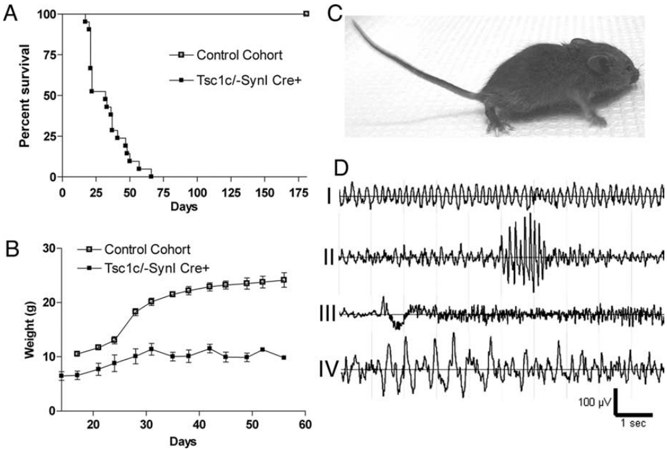
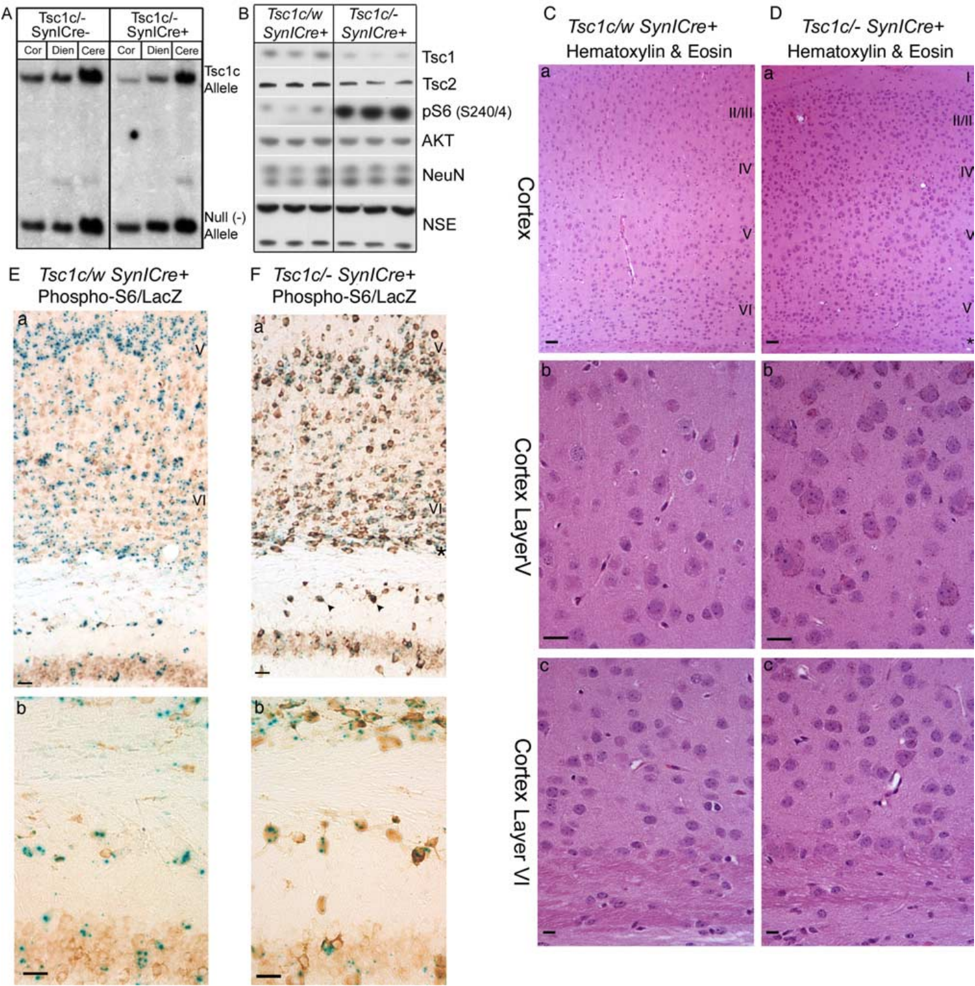
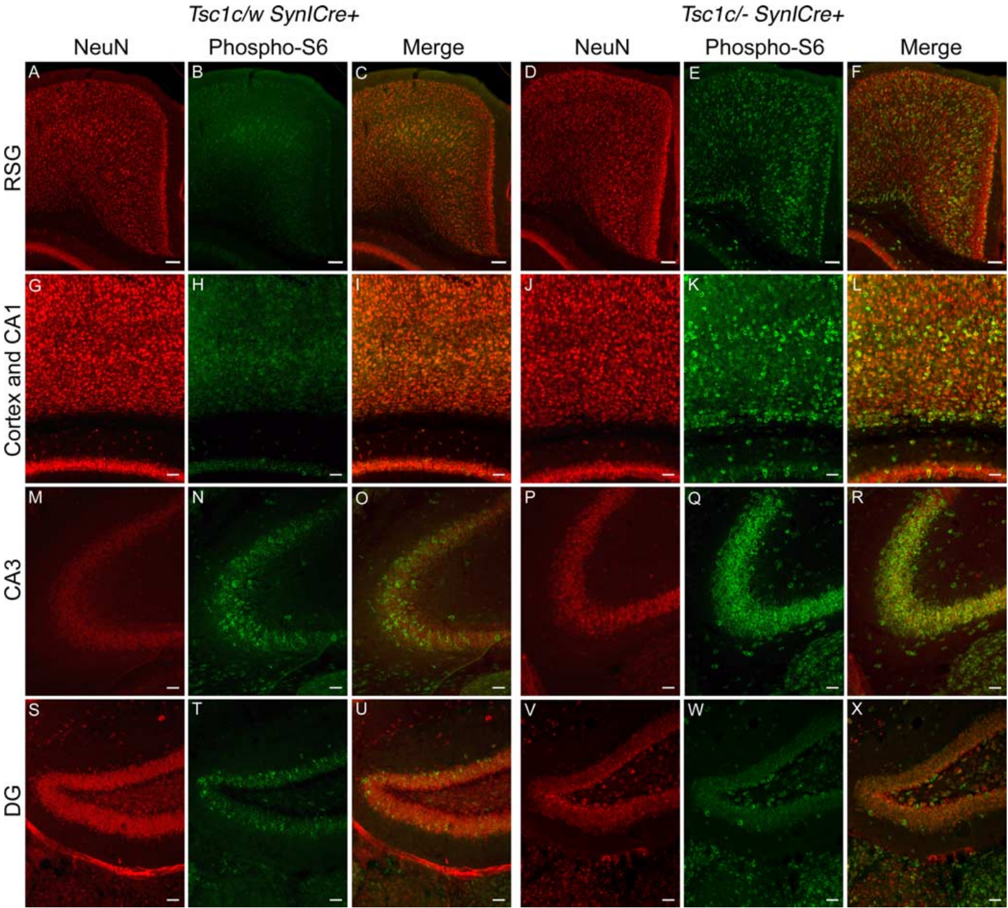
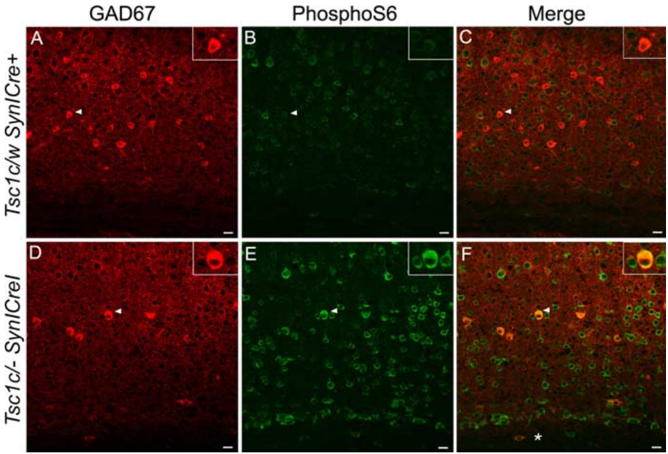
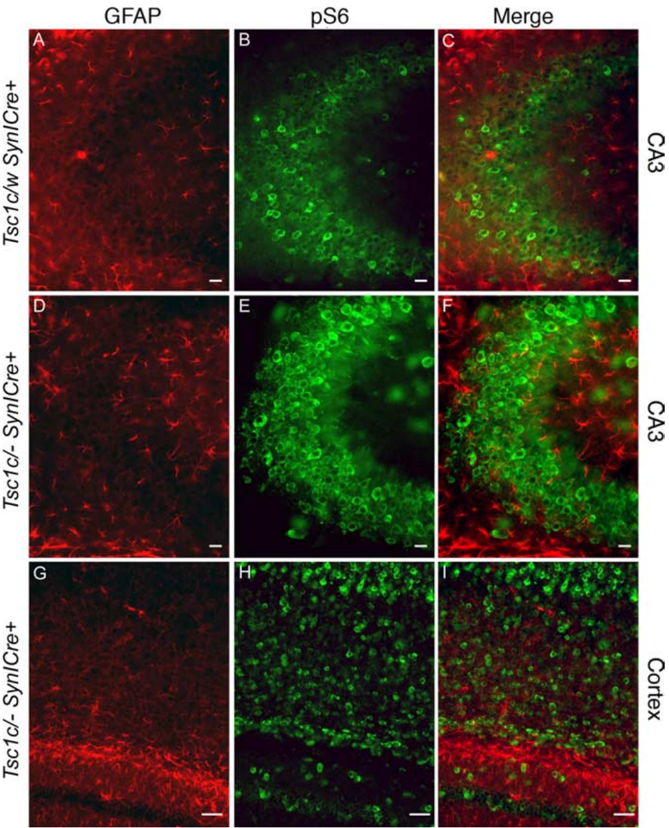
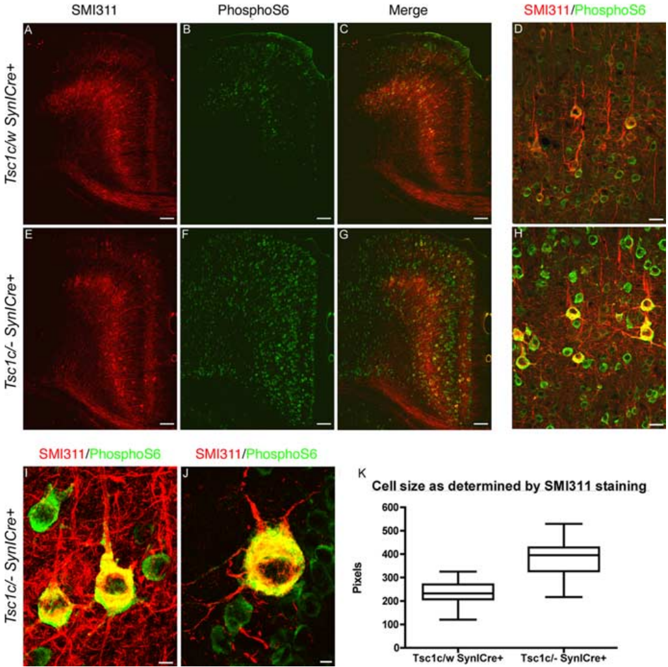
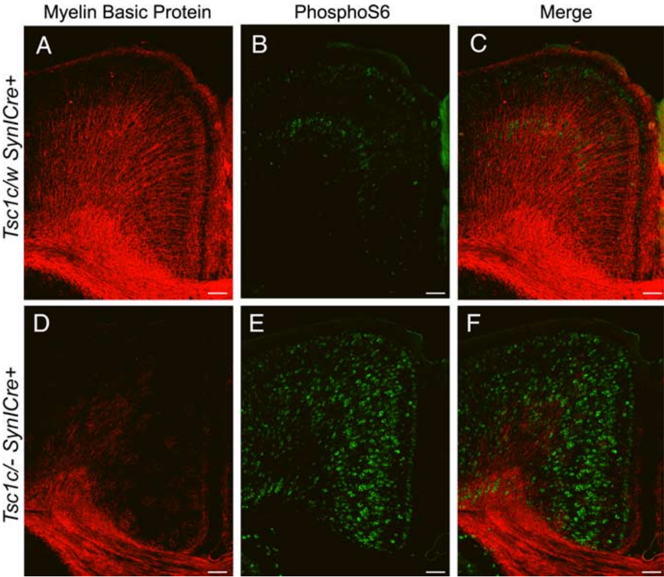
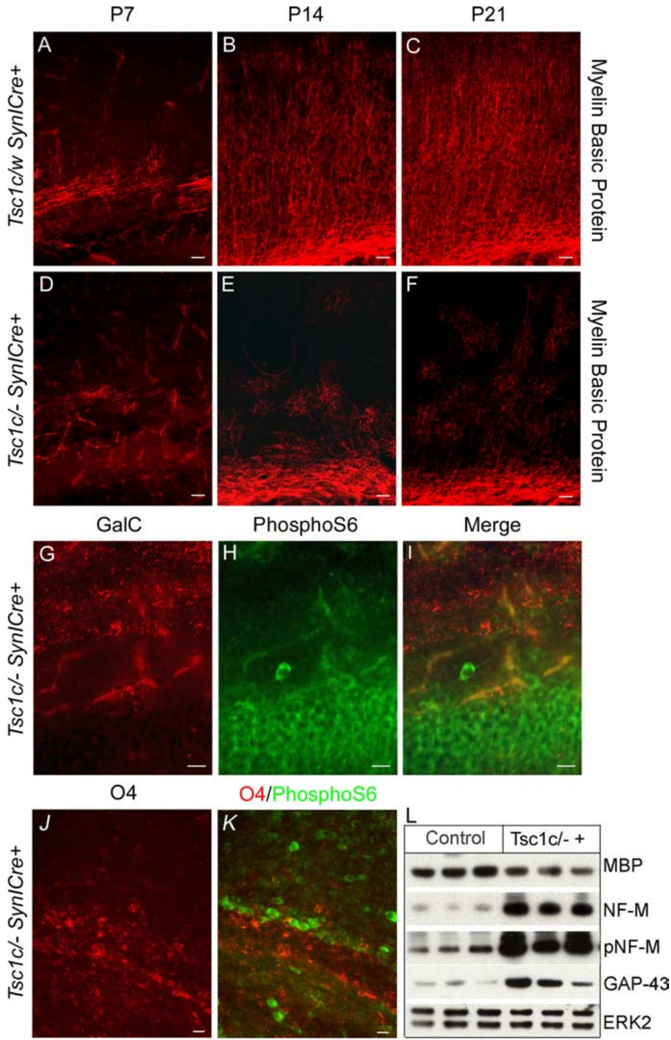
Tuberous sclerosis (TSC) is a hamartoma syndrome caused by mutations in TSC1 or TSC2 in which cerebral cortical tubers and seizures are major clinical issues. We have engineered mice in which most cortical neurons lose Tsc1 expression during embryonic development. These Tsc1 mutant mice display several neurological abnormalities beginning at postnatal day 5 with subsequent failure to thrive and median survival of 35 d. The mice also display clinical and electrographic seizures both spontaneously and with physical stimulation, and some seizures end in a fatal tonic phase. Many cortical and hippocampal neurons are enlarged and/or dysplastic in the Tsc1 mutant mice, strongly express phospho-S6, and are ectopic in multiple sites in the cortex and hippocampus. There is a striking delay in myelination in the mutant mice, which appears to be caused by an inductive neuronal defect. This new TSC brain model replicates several features of human TSC brain lesions and implicates an important function of Tsc1/Tsc2 in neuronal development.
Overview
The claims and statistics of this paper haven’t been checked yet.
Run the check — free, no account needed. It reads the open-access text and checks the sources it cites.
Integrity signals
Registry
Cites
Statistics
Figures
Verification
Claims the paper makes
The claims and statistics of this paper haven’t been checked yet.
Run the check — free, no account needed. It reads the open-access text and checks the sources it cites.
Claims other papers make about this one
Each is checked against this paper’s own text: does it say what the citing paper says it does?
The cited source says what the claim attributes to it.
In the citing paper
“In addition, whereas this work highlights astrocytes, we also observed transcriptomic changes in neurons, and considerable previous work has shown that TSC1–TSC2 loss affects neuronal development and properties11,13,35,55,56,57.”
From mTORC1 drives cell-autonomous astrocyte reactivity in tuberous sclerosis (2026) · cites this paper as [11]
The cited source says what the claim attributes to it.
In the citing paper
“Furthermore, mTOR hyperactivation accompanies epileptic activity across different seizure models including animal models of TLE, PTE, FCDII, Dravet syndrome, ASD, and TSC (Meikle et al., 2007; Zeng et al., 2008; Sha et al., 2012; Guo et al., 2013; Gheyara et al., 2014; Butler et al., 2015; Marsan and Baulac, 2018; Tai et al., 2020; Shao et al., 2022).”
From Tauopathy and Epilepsy Comorbidities and Underlying Mechanisms (2022) · cites this paper as Meikle et al., 2007
Self-check
Percentages, sums and reported differences re-computed from the paper’s own numbers.
The self-check needs the paper’s full text.
Citations
Cites
Liang, H., Liang, P., Xu, Y., Wu, J., Liang, T., & Xu, X. (2009) · Journal of Neurotrauma · doi:10.1089/neu.2008.0850 · Cited by 1,749
Growing roles for the mTOR pathway
Sarbassov, D. D., Ali, S. M., & Sabatini, D. M. (2005) · Current Opinion in Cell Biology · doi:10.1016/j.ceb.2005.09.009 · Cited by 1,590
GAP-43: an intrinsic determinant of neuronal development and plasticity
Benowitz, L. I., & Routtenberg, A. (1997) · Trends in Neurosciences · doi:10.1016/s0166-2236(96)10072-2 · Cited by 1,329
Hypothalamic mTOR Signaling Regulates Food Intake
Cota, D., Proulx, K., Smith, K. A. B., Kozma, S. C., Thomas, G., Woods, S. C., & Seeley, R. J. (2006) · Science · doi:10.1126/science.1124147 · Cited by 1,278
Holz, M. K., Ballif, B. A., Gygi, S. P., & Blenis, J. (2005) · Cell · doi:10.1016/j.cell.2005.10.024 · Cited by 1,262
Dysregulation of the TSC-mTOR pathway in human disease
Inoki, K., Corradetti, M. N., & Guan, K. (2004) · Nature Genetics · doi:10.1038/ng1494 · Cited by 980
Kwiatkowski, D. J. (2002) · Human Molecular Genetics · doi:10.1093/hmg/11.5.525 · Cited by 674
Self-citationFluoro-Jade C results in ultra high resolution and contrast labeling of degenerating neurons
Schmued, L. C., Stowers, C. C., Scallet, A. C., & Xu, L. (2005) · Brain Research · doi:10.1016/j.brainres.2004.11.054 · Cited by 633
Zhu, Y., Romero‐Ortega, M. I., Ghosh, P., Ye, Z., Charnay, P., Rushing, E. J., Marth, J. D., & Parada, L. F. (2001) · Genes & Development · doi:10.1101/gad.862101 · Cited by 606
Smalley, S. L., Tanguay, P. E., Smith, M., & Gutierrez, G. (1992) · Journal of Autism and Developmental Disorders · doi:10.1007/bf01048239 · Cited by 511
Cited by
Sorted by citations
Items 301–400 of 463
Leech, J. D., Lammers, S. H. T., Goldman, S., Auricchio, N., Bronson, R. T., Kwiatkowski, D. J., & Şahin, M. (2014) · Molecular Cancer Research · doi:10.1158/1541-7786.mcr-14-0178 · Cited by 12
Self-citationHypoxia-inducible factor-1a contributes to dendritic overgrowth in tuberous sclerosis
Zhang, L., Feliciano, D. M., Huang, T., Zhang, S., & Bordey, A. (2015) · Neuroscience Letters · doi:10.1016/j.neulet.2015.11.038 · Cited by 12
Kútna, V., O’Leary, V. B., Newman, E. L., Höschl, C., & Ovsepian, S. V. (2021) · Neurotherapeutics · doi:10.1007/s13311-020-01000-7 · Cited by 13
Focal Cortical Dysplasia in Childhood Epilepsy
Shaker, T., Bernier, A., & Carmant, L. (2016) · Seminars in Pediatric Neurology · doi:10.1016/j.spen.2016.06.007 · Cited by 12
PROGRESS and FUTURE DIRECTIONS
Poland, T. M. (2014) · Cited by 13
Catastrophic Childhood Epilepsy: A Recent Convergence of Basic and Clinical Neuroscience
Katsnelson, A., Buzsáki, G., & Swann, J. W. (2014) · Science Translational Medicine · doi:10.1126/scitranslmed.3010531 · Cited by 10
Mouse Behavior and Models for Autism Spectrum Disorders
Ricceri, L., Michetti, C., & Scattoni, M. L. (2016) · Elsevier eBooks · doi:10.1016/b978-0-12-800109-7.00017-0 · Cited by 13
Li, Q., Han, Y., Du, J., Jin, H., Zhang, J., Niu, M., & Qin, J. (2017) · Life Sciences · doi:10.1016/j.lfs.2017.12.014 · Cited by 11
EphA7 isoforms differentially regulate cortical dendrite development
Leonard, C. E., Baydyuk, M., Stepler, M. A., Burton, D. A., & Donoghue, M. J. (2020) · PLoS ONE · doi:10.1371/journal.pone.0231561 · Cited by 11
GATOR2 complex–mediated amino acid signaling regulates brain myelination
Yu, Z., Yang, Z., Ren, G., Wang, Y., Luo, X., Zhu, F., Yu, S.-Y., Jia, L., Chen, M.-N., Worley, P., et al. (2022) · Proceedings of the National Academy of Sciences of the United States of America · doi:10.1073/pnas.2110917119 · Cited by 12
IGF1-Stimulated Posttraumatic Hippocampal Remodeling Is Not Dependent on mTOR
Littlejohn, E. L., DeSana, A. J., Williams, H. C., Chapman, R. T., Joseph, B., Juras, J. A., & Saatman, K. E. (2021) · Frontiers in Cell and Developmental Biology · doi:10.3389/fcell.2021.663456 · Cited by 10
Synthetic MRI in children with tuberous sclerosis complex
Çoban, G., Gümeler, E., Parlak, Ş., Konuşkan, B., Karakaya, J., Yalnızoğlu, D., Anlar, B., & Oğuz, K. K. (2022) · Insights into Imaging · doi:10.1186/s13244-022-01219-2 · Cited by 10
Robens, B. K., Grote, A., Pitsch, J., Schoch, S., Cardoso, C., & Becker, A. J. (2016) · Neurobiology of Disease · doi:10.1016/j.nbd.2016.07.006 · Cited by 10
NMDA Agonists for Autism Spectrum Disorders: Progress and Possibilities
Deutsch, S. I., Burket, J. A., Benson, A. D., & Urbano, M. R. (2015) · Future Neurology · doi:10.2217/fnl.15.28 · Cited by 11
Mirzaa, G., Ashwal, S., & Dobyns, W. B. (2012) · Elsevier eBooks · doi:10.1016/b978-1-4377-0435-8.00025-1 · Cited by 10
Do we have a cure for tuberous sclerosis complex?
Crino, P. B. (2008) · Epilepsy Currents · doi:10.1111/j.1535-7511.2008.00279.x · Cited by 10
Hemimegalencephaly and Dysplastic Megalencephaly
Mirzaa, G., Roy, A., Dobyns, W. B., Millen, K. J., & Hevner, R. F. (2018) · doi:10.1002/9781119013112.ch5 · Cited by 10
Tsc2 coordinates neuroprogenitor differentiation
Riley, V. A., Shankar, V., Holmberg, J. C., Sokolov, A. M., Neckles, V. N., Williams, K., Lyman, R. A., Mackay, T. F. C., & Feliciano, D. M. (2023) · iScience · doi:10.1016/j.isci.2023.108442 · Cited by 10
RHEB1 insufficiency in aged male mice is associated with stress-induced seizures
Tian, Q., Gromov, P., Clement, J. H., Wang, Y., Riemann, M., Weih, F., Sun, X., Dai, M., & Fedorov, L. M. (2017) · GeroScience · doi:10.1007/s11357-017-9997-3 · Cited by 9
Hsieh, C. C., Lo, Y., Li, S., Lin, T., Chang, C., Chen, T., Yang, S., Lee, Y., & Chen, Y. (2020) · Brain Pathology · doi:10.1111/bpa.12870 · Cited by 9
Meulemeester, A. D., Heylen, L., Siekierska, A., Mills, J. D., Romagnolo, A., van der Wel, N. N., Aronica, E., & de Witte, P. A. M. (2022) · Frontiers in Cell and Developmental Biology · doi:10.3389/fcell.2022.952832 · Cited by 9
Tuberous sclerosis complex: everything old is new again
Ess, K. C. (2009) · Journal of Neurodevelopmental Disorders · doi:10.1007/s11689-009-9014-y · Cited by 9
Tuberous sclerosis complex: genetic basis and management strategies
Crino, P. B., & Tsai (2012) · Advances in Genomics and Genetics · doi:10.2147/agg.s19837 · Cited by 9
Greene-Colozzi, E. A., Sadowski, A. R., Chadwick, E., Tsai, P. T., & Şahin, M. (2014) · Epilepsy Research and Treatment · doi:10.1155/2014/784137 · Cited by 10
Anaby, D., Shrot, S., Belenky, E. A., Ben‐Zeev, B., & Tzadok, M. (2022) · NeuroImage Clinical · doi:10.1016/j.nicl.2022.103085 · Cited by 9
Hsieh, C. C., Lo, Y., Wang, H., Shen, H.-Y., Chen, Y., & Lee, Y. (2024) · Translational Psychiatry · doi:10.1038/s41398-024-02752-y · Cited by 8
Auditory Processing of Speech and Tones in Children With Tuberous Sclerosis Complex
O’Brien, A. M., Bayet, L., Riley, K. D., Nelson, C. A., Şahin, M., & Modi, M. E. (2020) · Frontiers in Integrative Neuroscience · doi:10.3389/fnint.2020.00014 · Cited by 7
Increased glycine contributes to synaptic dysfunction and early mortality in Nprl2 seizure model
Dentel, B., Angeles-Perez, L., Ren, C., Jakkamsetti, V., Holley, A. J., Caballero, D., Oh, E., Gibson, J. R., Pascual, J. M., Huber, K. M., et al. (2022) · iScience · doi:10.1016/j.isci.2022.104334 · Cited by 8
Fine-tuning of mTOR signaling by the UBE4B-KLHL22 E3 ubiquitin ligase cascade in brain development
Kong, X., Shu, X., Wang, J., Liu, D., Ni, Y., Zhao, W., Wang, L., Gao, Z., Chen, J., Yang, B., et al. (2022) · Development · doi:10.1242/dev.201286 · Cited by 8
Brain MR spectroscopic abnormalities in “MRI-negative” tuberous sclerosis complex patients
Wu, W. E., Kirov, I. I., Tal, A., Babb, J. S., Milla, S. S., Oved, J. H., Weiner, H. L., Devinsky, O., & Gonen, O. (2013) · Epilepsy & Behavior · doi:10.1016/j.yebeh.2013.02.018 · Cited by 8
Zikou, A. K., Xydis, V. G., Astrakas, L. G., Nakou, I., Tzarouchi, L. C., Tzoufi, M. S., & Argyropoulou, M. I. (2016) · Pediatric Radiology · doi:10.1007/s00247-016-3582-2 · Cited by 8
Probing Mechanical Properties of Brain in a Tuberous Sclerosis Model of Autism
Qing, B., Canovic, E. P., Mijailovic, A. S., Jagielska, A., Whitfield, M. J., Lowe, A. L., Kelly, E., Turner, D., Şahin, M., & Vliet, K. J. V. (2018) · Journal of Biomechanical Engineering · doi:10.1115/1.4040945 · Cited by 8
The Utility of Tuberless Models of Tuberous Sclerosis
Wong, M. (2007) · Epilepsia · doi:10.1111/j.1528-1167.2007.01178_1.x · Cited by 8
Hanson, K. L., Avino, T. A., Taylor, S. L., Murray, K. D., & Schumann, C. M. (2025) · Molecular Autism · doi:10.1186/s13229-025-00684-y · Cited by 9
Knockout of TSC2 in Nav1.8+ neurons predisposes to the onset of normal weight obesity
Brazill, J. M., Shin, D., Magee, K. L., Majumdar, A., Shen, I. R., Cavalli, V., & Scheller, E. L. (2022) · Molecular Metabolism · doi:10.1016/j.molmet.2022.101664 · Cited by 7
Targeted therapy for tuberous sclerosis complex
Белоусова, Е. Д., Владимирович, В. Д., Pivovarova, A. M., Katysheva, O., & Dorofeeva, M. Y. (2016) · Rossiyskiy Vestnik Perinatologii i Pediatrii (Russian Bulletin of Perinatology and Pediatrics) · doi:10.21508/1027-4065-2016-61-5-106-112 · Cited by 8
A novel mouse model of hemangiopericytoma due to loss of Tsc2
Du, H., Dreier, J. R., Zarei, M., Wu, C., Bronson, R. T., & Kwiatkowski, D. J. (2018) · Human Molecular Genetics · doi:10.1093/hmg/ddy289 · Cited by 7
Self-citationNiestroj, L., Du, J., Nothnagel, M., May, P., Palotie, A. V., Daly, M. J., Nürnberg, P., Blümcke, I., & Lal, D. (2018) · Epilepsia · doi:10.1111/epi.14579 · Cited by 7
New imaging features of tuberous sclerosis complex: A 7 T MRI study
Sun, K., Cui, J., Xue, R., Jiang, T., Wang, B., Zhang, Z., Zhuo, Y., Zhou, X. J., Liang, S., Yu, X., et al. (2021) · NMR in Biomedicine · doi:10.1002/nbm.4565 · Cited by 7
A comparative view of human and mouse telencephalon inhibitory neuron development
Chung, C., Girgiss, J., & Gleeson, J. G. (2025) · Development · doi:10.1242/dev.204306 · Cited by 6
Developmental mechanisms underlying pediatric epilepsy
Lolam, V., & Roy, A. (2025) · Frontiers in Neurology · doi:10.3389/fneur.2025.1586947 · Cited by 9
Specific Features of Focal Cortical Dysplasia in Tuberous Sclerosis Complex
Bychkova, E. Y., Dorofeeva, M. Y., Levov, A. V., Kislyakov, A. N., Karandasheva, K., Strelnikov, V. V., & Аношкин, К. И. (2023) · Current Issues in Molecular Biology · doi:10.3390/cimb45050254 · Cited by 8
Translational Medicine Strategies in Drug Development for Neurodevelopmental Disorders
Srivastava, S., Şahin, M., & Prock, L. A. (2019) · Handbook of behavioral neuroscience · doi:10.1016/b978-0-12-803161-2.00022-9 · Cited by 6
Herron, R. S., Kunisky, A. K., Madden, J. R., Anyaeche, V. I., Maung, M. Z., & Hwang, H. (2023) · eLife · doi:10.7554/elife.85036 · Cited by 5
Mirzaa, G., & Dobyns, W. B. (2017) · Elsevier eBooks · doi:10.1016/b978-0-323-37101-8.00028-x · Cited by 6
Brown, M. N., Gibson, K. M., Schmidt, M. A., Walters, D. C., Arning, E., Bottiglieri, T., & Roullet, J. (2020) · JIMD Reports · doi:10.1002/jmd2.12151 · Cited by 6
Tilley, D. M., Vallejo, R., Vetri, F., Platt, D. C., & Cedeño, D. L. (2022) · Journal of Pain Research · doi:10.2147/jpr.s378490 · Cited by 5
Autism Spectrum Disorders in Tuberous Sclerosis
Jülich, K., & Şahin, M. (2013) · Springer eBooks · doi:10.1007/978-1-4614-4788-7_184 · Cited by 5
Sundberg, M., & Şahin, M. (2020) · Advances in neurobiology · doi:10.1007/978-3-030-45493-7_1 · Cited by 5
Weng, O. Y., Li, Y., & Wang, L. (2022) · Frontiers in Molecular Neuroscience · doi:10.3389/fnmol.2022.810081 · Cited by 5
Vigabatrin can enhance electroretinographic responses in pigmented and albino rats
Akula, J. D., Noonan, E. R., Nardo, A. D., Favazza, T. L., Zhang, N., Şahin, M., Hansen, R. M., & Fulton, A. B. (2015) · Documenta Ophthalmologica · doi:10.1007/s10633-015-9491-0 · Cited by 5
Zhang, P.-P., Li, M.-S., Zhou, J., Zhu, C.-H., Tang, R., He, Z.-C., Yao, X., Ping, Y., Xiang, D.-F., Tan, L.-Y., et al. (2026) · Signal Transduction and Targeted Therapy · doi:10.1038/s41392-025-02554-8 · Cited by 4
Hu, J. S., Malik, R., Sohal, V. S., Rubenstein, J. L. R., & Vogt, D. L. (2023) · Cells · doi:10.3390/cells13010052 · Cited by 4
Brown, J. A., Faley, S. L., Judge, M., Ward, P., Ihrie, R. A., Carson, R., Armstrong, L. C., Şahin, M., Wikswo, J. P., Ess, K. C., et al. (2024) · Journal of Neurodevelopmental Disorders · doi:10.1186/s11689-024-09543-y · Cited by 5
mTOR in Acquired and Genetic Models of Epilepsy
Wong, M., Bordey, A., & Danzer, S. C. (2024) · Oxford University Press eBooks · doi:10.1093/med/9780197549469.003.0004 · Cited by 4
Reduction in retinal nerve fiber layer thickness in tuberous sclerosis complex
Gialloreti, L. E., Moavero, R., Marciano, S., Pardini, M., Benassi, F., Mutolo, M. G., & Curatolo, P. (2015) · Child s Nervous System · doi:10.1007/s00381-015-2702-x · Cited by 4
Krueger, D. A., & Franz, D. N. (2011) · Future Neurology · doi:10.2217/fnl.10.82 · Cited by 4
Tuber-Less Models of Tuberous Sclerosis Still Provide Insights into Epilepsy
Wong, M. (2015) · Epiliepsy currents/Epilepsy currents · doi:10.5698/1535-7597-15.3.129 · Cited by 4
Axon Regeneration: Antagonistic Signaling Pairs in Neuronal Polarization
Hapak, S. M., Ghosh, S., & Rothlin, C. V. (2018) · Trends in Molecular Medicine · doi:10.1016/j.molmed.2018.05.007 · Cited by 5
Aberrant mTOR/autophagy/Nurr1 signaling is critical for TSC-associated tumor development
Wang, Y., Li, C., Zhang, Y., Zha, X., Zhang, H., Hu, Z., & Wu, C. (2021) · Biochemistry and Cell Biology · doi:10.1139/bcb-2021-0017 · Cited by 4
Zebrafish as a Simple Vertebrate Organism for Epilepsy Research
Baraban, S. C. (2009) · Neuromethods · doi:10.1007/978-1-60327-263-6_4 · Cited by 4
Modeling genetic mosaicism of the mammalian target of rapamycin pathway in the cerebral cortex
Feliciano, D. M. (2023) · Frontiers in Mammal Science · doi:10.3389/fmamm.2023.1231778 · Cited by 3
Somatostatin interneuron fate-mapping and structure in a Pten knockout model of epilepsy
Drake, A. W., Jerow, L. G., Ruksenas, J. V., McCoy, C., & Danzer, S. C. (2024) · Frontiers in Cellular Neuroscience · doi:10.3389/fncel.2024.1474613 · Cited by 3
Tuberous Sclerosis and Other mTORopathies
Jeong, A., & Wong, M. (2017) · Elsevier eBooks · doi:10.1016/b978-0-12-804066-9.00054-7 · Cited by 3
Abnormal activation of Yap/Taz contributes to the pathogenesis of tuberous sclerosis complex
Terry, B. K., Park, R., Cho, S., Crino, P. B., & Kim, S. (2021) · Human Molecular Genetics · doi:10.1093/hmg/ddab374 · Cited by 3
Methods to measure and relate the viscoelastic properties of brain tissue
Mijailovic, A. S. (2016) · DSpace@MIT (Massachusetts Institute of Technology) · Cited by 3
Spence, S., & Şahin, M. (2021) · Springer eBooks · doi:10.1007/978-3-319-91280-6_207 · Cited by 3
Single nuclei transcriptomics reveals cellular diversity in TSC subependymal giant cell astrocytomas
Holmberg, J. C., Shankar, V., Lyman, R. A., Mackay, T. F. C., & Feliciano, D. M. (2025) · iScience · doi:10.1016/j.isci.2025.113389 · Cited by 3
Groff, K. J., Liang, Y.-N., Morici, C., Modasia, J. B., Mehendale, L., Gupta, N., D’Amore, A., Choe, Y., Hameed, M. Q., Rotenberg, A., et al. (2025) · JCI Insight · doi:10.1172/jci.insight.181544 · Cited by 2
Self-citationHobbib, R. L., Vakilzadeh, G., Fonseca‐Barriendos, D., Angel, Y. C. D., & González, M. I. (2025) · Neurobiology of Disease · doi:10.1016/j.nbd.2025.107156 · Cited by 3
LysM-positive neurons drive Tuberous Sclerosis Complex (TSC)-associated brain lesions
Zhang, J., Xu, S., Liang, K., Cao, X., Ye, Z., Huang, W., Bai, X., & Zhang, Y. (2022) · Cellular Signalling · doi:10.1016/j.cellsig.2022.110468 · Cited by 2
Using cortical organoids to understand the pathogenesis of malformations of cortical development
Winden, K. D., Gisser, I., & Şahin, M. (2025) · Frontiers in Neuroscience · doi:10.3389/fnins.2024.1522652 · Cited by 2
Dysregulation of TOR Signaling in Tuberous Sclerosis and Lymphangioleiomyomotosis
Yu, J. J., & Henske, E. P. (2010) · The Enzymes · doi:10.1016/s1874-6047(10)27016-6 · Cited by 2
Şahin, M., Miller, I., Holmes, G. L., & Sheth, R. D. (2011) · Epilepsy & Behavior · doi:10.1016/j.yebeh.2011.02.010 · Cited by 2
Preclinical Models of Autism Spectrum Disorder
Assimopoulos, S., Beauchamp, A., & Lerch, J. P. (2023) · Springer eBooks · doi:10.1007/978-3-031-20792-1_19 · Cited by 2
Sosunov, A. A., McKhann, G. M., Tang, G., & Goldman, J. E. (2024) · Journal of Neuropathology & Experimental Neurology · doi:10.1093/jnen/nlae079 · Cited by 2
Jansen, L. (2018) · Epilepsy Currents · doi:10.5698/1535-7597.18.3.197 · Cited by 2
Rat and Mouse Models of Tuberous Sclerosis
Kwiatkowski, D. J. (2010) · Wiley eBooks · doi:10.1002/9783527630073.ch7 · Cited by 2
Self-citationModeling Tuberous Sclerosis Complex: Brain Development and Hyperexcitability
Ess, K. C. (2009) · Neuromethods · doi:10.1007/978-1-60327-263-6_5 · Cited by 2
Critical periods and neurodevelopmental brain disorders
Meredith, R. M. (2016) · Wiley eBooks · doi:10.1002/9781118931684.ch4 · Cited by 2
mTORC1 drives cell-autonomous astrocyte reactivity in tuberous sclerosis
Li, T. L., Blair, J. D., Yoo, T., Grant, G. A., Hockemeyer, D., Porter, B. E., & Bateup, H. S. (2026) · Nature · doi:10.1038/s41586-026-11054-w · Cited by 1
Bilateral objective tinnitus in an infant with tuberous sclerosis
Ohki, M., & Kikuchi, S. (2012) · International Journal of Pediatric Otorhinolaryngology · doi:10.1016/j.ijporl.2012.10.025 · Cited by 1
Emerging Research towards the Understanding and Treatment of Autism
Wang, P. P., Hammond, R., Postma, F. R., & Healy, A. M. (2012) · Royal Society of Chemistry eBooks · doi:10.1039/9781849734943-00384 · Cited by 1
AAV hamartin gene therapy in a stochastic, cerebral mouse model of tuberous sclerosis type 1
Haidar, E. A., Prabhakar, S., Geffrey, A. L., Mahamdeh, M., Tomeh, T., Breyne, K., Roumieh, E., Gurevich, M., Soberman, R. J., Wojtkiewicz, G. R., et al. (2025) · Molecular Therapy — Methods & Clinical Development · doi:10.1016/j.omtm.2025.101556 · Cited by 1
Focal postnatal deletion of Tsc2 causes epilepsy
McCoy, C., Dusing, M. R., Jerow, L. G., Winstel, G. C., Zhan, F., Rogers, J. L., Wesley, M., Otten, J. B., Danzer, S. C., & LaSarge, C. L. (2025) · Frontiers in Molecular Neuroscience · doi:10.3389/fnmol.2025.1686023 · Cited by 1
Seizure Propensity and Brain Development: A Lesson from Animal Models
Velı́šková, J., Vezzani, A., & Nehlig, A. (2009) · Humana Press eBooks · doi:10.1007/978-1-60761-287-2_5 · Cited by 1
Feliciano, D., & Bordey, A. (2011) · médecine/sciences · doi:10.1051/medsci/2011273328 · Cited by 2
From Molecular Pathways to ASD Therapy: Insights from Syndromic Forms of Autism
Nicholls, L. E., Ramadas, R., & Voineagu, I. (2014) · WORLD SCIENTIFIC eBooks · doi:10.1142/9789814602167_0002 · Cited by 1
Nutrient Sensors Regulating Peptides
Çakır, I., & Nillni, E. A. (2018) · Springer eBooks · doi:10.1007/978-3-319-89506-2_6 · Cited by 1
Rodent Models for ASD Biomarker Development
Lee, H. H. C., & Şahin, M. (2024) · Advances in neurobiology · doi:10.1007/978-3-031-69491-2_8 · Cited by 2
Behavioral analyses in rodent models of tuberous sclerosis complex
Santos, V. R., Jerow, L. G., & LaSarge, C. L. (2025) · Epilepsy & Behavior · doi:10.1016/j.yebeh.2025.110313 · Cited by 1
The mTOR pathway as a therapeutic target for precision medicine
Dill, P. E., & Datta, A. (2019) · Clinical Epileptology · doi:10.1007/s10309-019-0267-5 · Cited by 1
Familial tumour syndromes: tuberous sclerosis complex
Weiner, H. L., & Crino, P. B. (2017) · Oxford University Press eBooks · doi:10.1093/med/9780199651870.003.0017 · Cited by 1
Tuberous Sclerosis Complex and the Mammalian Target of Rapamycin Pathways
Yu, J. J. (2010) · Wiley eBooks · doi:10.1002/9780470015902.a0022388 · Cited by 1
GLUTAMATE | Glutamate-Mediated Excitation and Mechanisms of Epileptogenesis in the Immature Brain
Jensen, F. E. (2009) · Elsevier eBooks · doi:10.1016/b978-012373961-2.00289-7 · Cited by 1
Self-citationPeters, J. M., Şahin, M., Vogel‐Farley, V. K., Jeste, S., Nelson, C. A., Gregas, M. C., Prabhu, S. P., Scherrer, B., & Warfield, S. K. (2012) · Neurology · doi:10.1212/wnl.78.1_meetingabstracts.s28.003 · Cited by 1
Boosting L-type Ca 2+ channel activity in tuberous sclerosis mitigates excess glutamate receptorsPreprint
Niere, F., Cacheaux, L. P., Egido‐Betancourt, H. X., Taylor, W. C., & Raab‐Graham, K. F. (2020) · bioRxiv (Cold Spring Harbor Laboratory) · doi:10.1101/2020.08.26.269209 · Cited by 1
Spence, S., & Sahin, M. (2012) · Springer eBooks · doi:10.1007/978-1-4419-1698-3_207 · Cited by 1
Self-citationCHARACTERIZING AND TREATING THE NEUROPATHOLOGY OF TUBEROUS SCLEROSIS COMPLEX IN THE MOUSE
Way, S. W. (2010) · Digital Commons-TMC (Texas Medical Center)
Modern Approaches to Diagnosis and Treatment of Cognitive Disorders in Children and Adults
Gorbachevskaya, N. L. (2010) · Psychological Science and Education psyedu.ru
Metadata
- Authors
- Meikle, L., Talos, D. M., Onda, H., Pollizzi, K., Rotenberg, A., Sahin, M., Jensen, F. E., & Kwiatkowski, D. J.
- Affiliations
- Brigham and Women's Hospital (US)
- Boston Children's Hospital (US)
- Corresponding author
- Jensen, Frances E.
- Venue
- The Journal of Neuroscience
- Publisher
- Society for Neuroscience
- Published
- 2007-05-23
- Volume
- 27
- Issue
- 21
- Pages
- 5546-5558
- ISSN
- 0270-6474 (ISSN-L)
- 1529-2401
- PMC
- PMC6672762
- OpenAlex
- W2024191529
- Cited by
- 462
- References
- 68
- Citations by year
- 2026: 9 · 2025: 17 · 2024: 14 · 2023: 14 · 2022: 20 · 2021: 27 · 2020: 23 · 2019: 22 · 2018: 29 · 2017: 23 · 2016: 25 · 2015: 37 · 2014: 31 · 2013: 35 · 2012: 50
- FWCI
- 12.30
- Type
- journal article
- Language
- en
- Open access
- hybrid
- doi.org
- Licence
- Locations
- Journal of Neuroscience (publishedVersion, cc-by-nc-sa)
- PubMed Central (publishedVersion)
- PubMed (publishedVersion)
- Funders
- Tuberous Sclerosis Alliance
- National Institutes of Health (DP1OD003347, NS31718, NS24279)
- National Institute of Neurological Disorders and Stroke (NS31718, R01NS031718, R56NS031718, P01NS024279, NS 24279)
- Topics
- Health Sciences › Medicine › Genetics (clinical) › Tuberous Sclerosis Complex Research
- Life Sciences › Biochemistry, Genetics and Molecular Biology › Molecular Biology › PI3K/AKT/mTOR signaling in cancer
- Health Sciences › Medicine › Clinical Neurology › Epilepsy research and treatment
- Keywords
- tuberous sclerosis complex, TSC1, TSC2, mouse model, cortical tubers, neuronal loss, ectopic neurons, seizures, hippocampus, phospho-S6, neuronal development, survival
- MeSH terms
- Tuberous Sclerosis Complex 1 Protein, Animals, Demyelinating Diseases, Disease Models, Animal, Female, Male, Mice, Inbred CBA, Mice, Inbred C57BL, Mice, Transgenic, Neurons, Seizures, Tuberous Sclerosis, Survival Rate, Tumor Suppressor Proteins, Mice
About these checks
Registry, retraction, Cites and statistics results are computed, not judged, with one exception: a printed reference that no index lists is read once by a model before it counts as a citation error. Claims are extracted by a model and kept only when their quote appears verbatim in the text; each cited source is then checked, with a model’s help, for whether it says what the claim relies on. Those verdicts can be wrong — read the claim’s quote and the cited source before relying on one.
Statistics and arithmetic are recomputed, not judged.
Confidence bands are shown only for fields calibrated on our annotated test set. None is calibrated yet, so no band is shown.
What counts as a claim ›How we measure confidence ›How we check this ›
Are you an author, or do you see a problem with this page? Request a review
