

The DOI matches its Crossref record; 68 of the 68 references it cites were found in a registry or an index.
A Mouse Model of Tuberous Sclerosis: Neuronal Loss of Tsc1 Causes Dysplastic and Ectopic Neurons, Reduced Myelination, Seizure Activity, and Limited Survival
Open accessAbstract
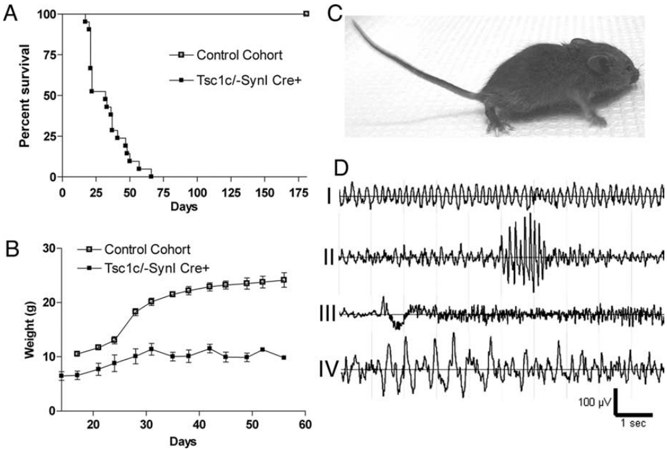
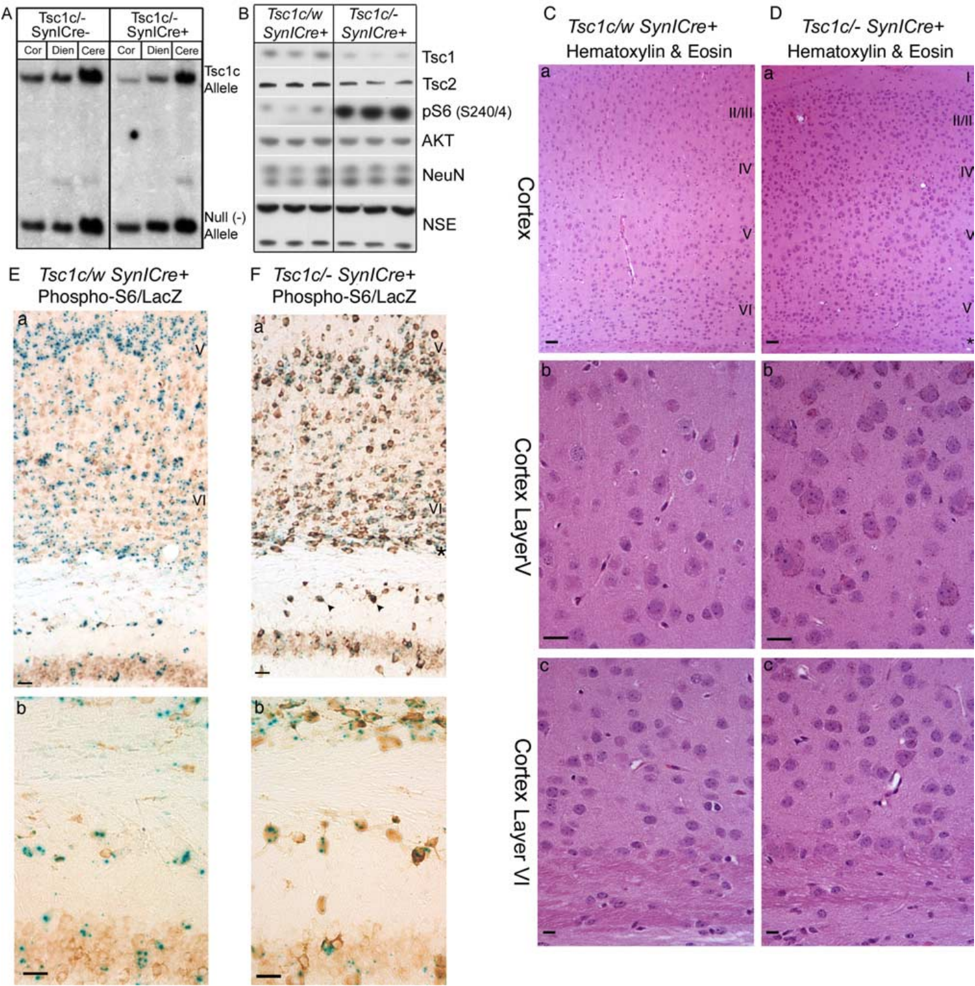
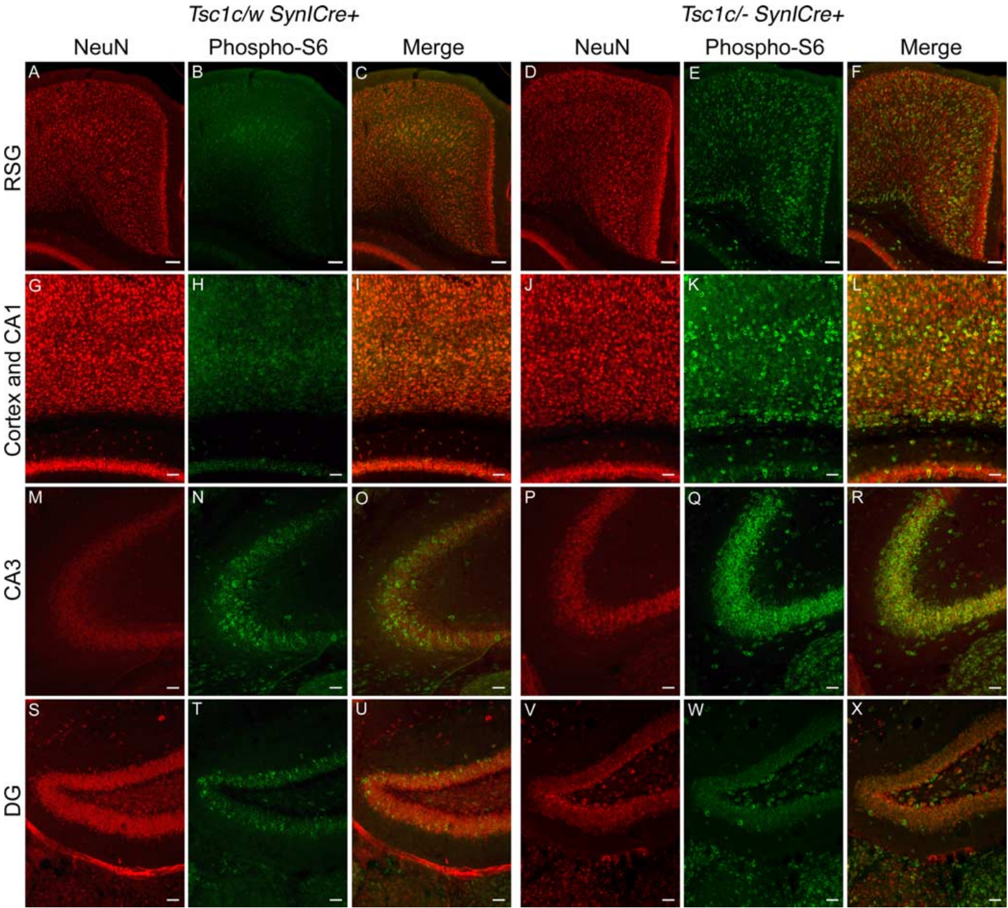
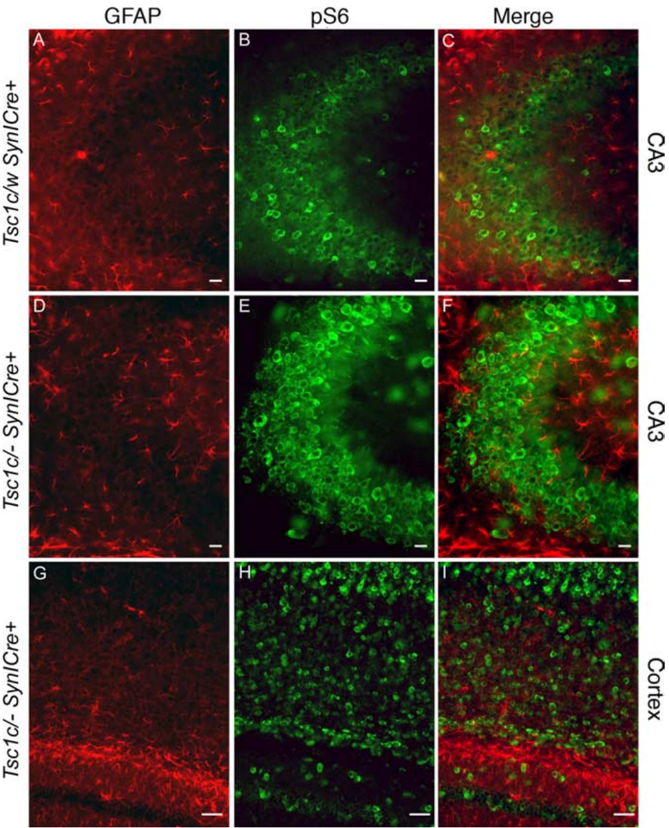
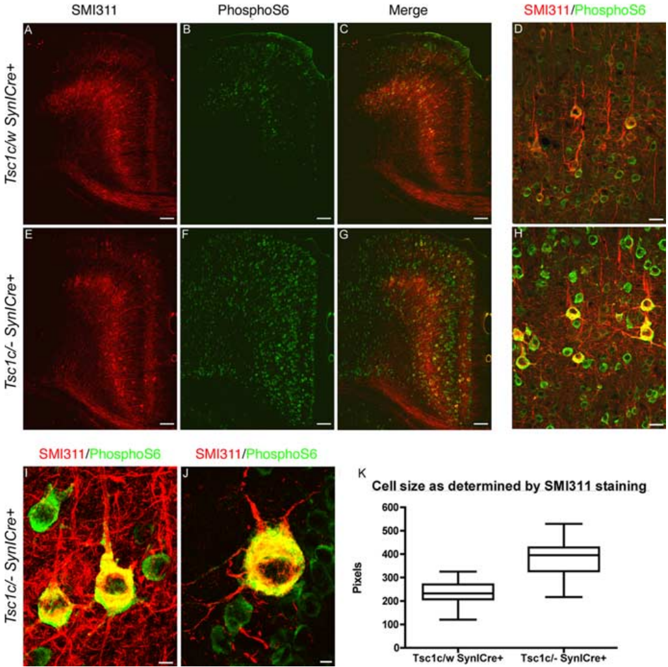
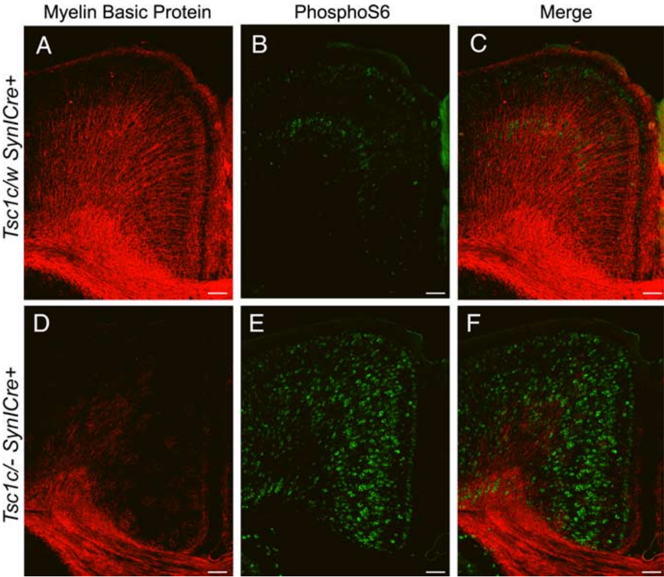
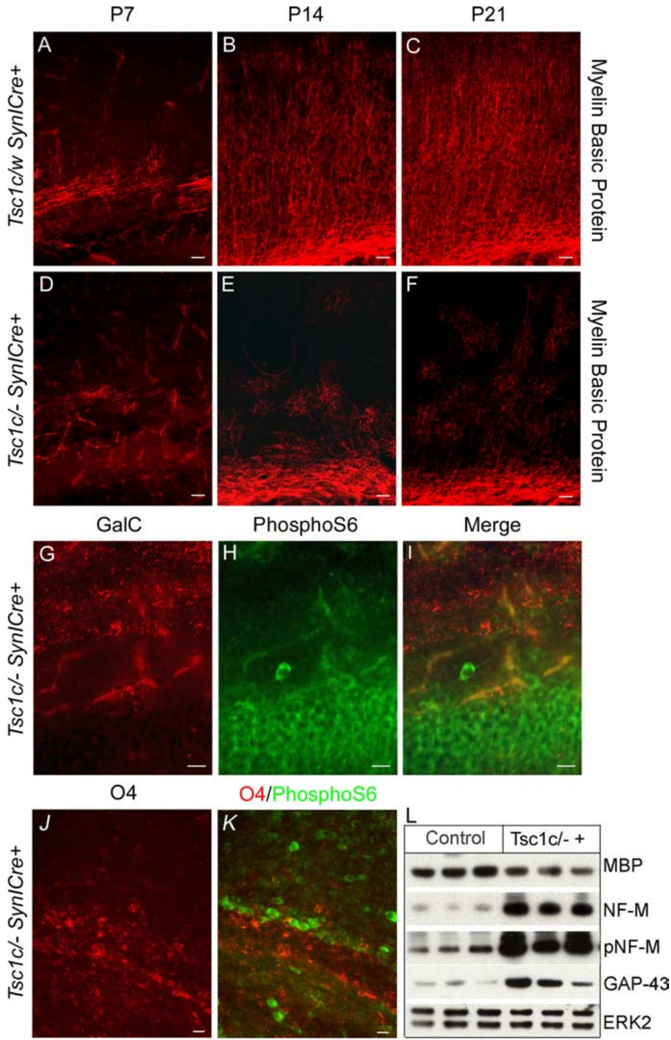
Tuberous sclerosis (TSC) is a hamartoma syndrome caused by mutations in TSC1 or TSC2 in which cerebral cortical tubers and seizures are major clinical issues. We have engineered mice in which most cortical neurons lose Tsc1 expression during embryonic development. These Tsc1 mutant mice display several neurological abnormalities beginning at postnatal day 5 with subsequent failure to thrive and median survival of 35 d. The mice also display clinical and electrographic seizures both spontaneously and with physical stimulation, and some seizures end in a fatal tonic phase. Many cortical and hippocampal neurons are enlarged and/or dysplastic in the Tsc1 mutant mice, strongly express phospho-S6, and are ectopic in multiple sites in the cortex and hippocampus. There is a striking delay in myelination in the mutant mice, which appears to be caused by an inductive neuronal defect. This new TSC brain model replicates several features of human TSC brain lesions and implicates an important function of Tsc1/Tsc2 in neuronal development.
Overview
The claims and statistics of this paper haven’t been checked yet.
Run the check — free, no account needed. It reads the open-access text and checks the sources it cites.
Integrity signals
Registry
Cites
Statistics
Figures
Verification
Claims the paper makes
The claims and statistics of this paper haven’t been checked yet.
Run the check — free, no account needed. It reads the open-access text and checks the sources it cites.
Claims other papers make about this one
Each is checked against this paper’s own text: does it say what the citing paper says it does?
The cited source says what the claim attributes to it.
In the citing paper
“In addition, whereas this work highlights astrocytes, we also observed transcriptomic changes in neurons, and considerable previous work has shown that TSC1–TSC2 loss affects neuronal development and properties11,13,35,55,56,57.”
From mTORC1 drives cell-autonomous astrocyte reactivity in tuberous sclerosis (2026) · cites this paper as [11]
The cited source says what the claim attributes to it.
In the citing paper
“Furthermore, mTOR hyperactivation accompanies epileptic activity across different seizure models including animal models of TLE, PTE, FCDII, Dravet syndrome, ASD, and TSC (Meikle et al., 2007; Zeng et al., 2008; Sha et al., 2012; Guo et al., 2013; Gheyara et al., 2014; Butler et al., 2015; Marsan and Baulac, 2018; Tai et al., 2020; Shao et al., 2022).”
From Tauopathy and Epilepsy Comorbidities and Underlying Mechanisms (2022) · cites this paper as Meikle et al., 2007
Self-check
Percentages, sums and reported differences re-computed from the paper’s own numbers.
The self-check needs the paper’s full text.
Citations
Cites
Liang, H., Liang, P., Xu, Y., Wu, J., Liang, T., & Xu, X. (2009) · Journal of Neurotrauma · doi:10.1089/neu.2008.0850 · Cited by 1,749
Growing roles for the mTOR pathway
Sarbassov, D. D., Ali, S. M., & Sabatini, D. M. (2005) · Current Opinion in Cell Biology · doi:10.1016/j.ceb.2005.09.009 · Cited by 1,590
GAP-43: an intrinsic determinant of neuronal development and plasticity
Benowitz, L. I., & Routtenberg, A. (1997) · Trends in Neurosciences · doi:10.1016/s0166-2236(96)10072-2 · Cited by 1,329
Hypothalamic mTOR Signaling Regulates Food Intake
Cota, D., Proulx, K., Smith, K. A. B., Kozma, S. C., Thomas, G., Woods, S. C., & Seeley, R. J. (2006) · Science · doi:10.1126/science.1124147 · Cited by 1,278
Holz, M. K., Ballif, B. A., Gygi, S. P., & Blenis, J. (2005) · Cell · doi:10.1016/j.cell.2005.10.024 · Cited by 1,262
Dysregulation of the TSC-mTOR pathway in human disease
Inoki, K., Corradetti, M. N., & Guan, K. (2004) · Nature Genetics · doi:10.1038/ng1494 · Cited by 980
Kwiatkowski, D. J. (2002) · Human Molecular Genetics · doi:10.1093/hmg/11.5.525 · Cited by 674
Self-citationFluoro-Jade C results in ultra high resolution and contrast labeling of degenerating neurons
Schmued, L. C., Stowers, C. C., Scallet, A. C., & Xu, L. (2005) · Brain Research · doi:10.1016/j.brainres.2004.11.054 · Cited by 633
Zhu, Y., Romero‐Ortega, M. I., Ghosh, P., Ye, Z., Charnay, P., Rushing, E. J., Marth, J. D., & Parada, L. F. (2001) · Genes & Development · doi:10.1101/gad.862101 · Cited by 606
Smalley, S. L., Tanguay, P. E., Smith, M., & Gutierrez, G. (1992) · Journal of Autism and Developmental Disorders · doi:10.1007/bf01048239 · Cited by 511
Cited by
Sorted by citations
Items 401–463 of 463
Estudo do envolvimento da proteína colibistina no controle do início da tradução
Machado, C. D. O. F. (2014) · Digital Library of Theses and Dissertations (Universidade de São Paulo) · doi:10.11606/d.41.2014.tde-15122014-142323
CHARACTERIZATION AND TREATMENT OF A NOVEL MOUSE MODEL OF TSC-ASSOCIATED AUTISM
Reith, R. M. (2012) · Digital Commons-TMC (Texas Medical Center)
“TOR” rents of Excitement over Rapamycin's Antiepileptogenic Potential
Merlin, L. R. (2008) · Epiliepsy currents/Epilepsy currents · doi:10.1111/j.1535-7511.2008.00280.x
Temporal Loss of Tsc1: Neural Development and Brain Disease in Tuberous Sclerosis
Zervas, M. (2013) · Defense Technical Information Center (DTIC) · doi:10.21236/ada584730
Kalogerou, M. (2013) · ORCA Online Research @Cardiff (Cardiff University)
Understanding the Etiology of Tuberous Sclerosis Complex
Bordey, A. (2012) · Defense Technical Information Center (DTIC) · doi:10.21236/ada566455
Goorden, S. M. I. (2012) · EUR Research Repository (Erasmus University Rotterdam)
The role of TSC2 and deptor in fetal cortical development
Tsai, V. (2012) · ScholarlyCommons (University of Pennsylvania)
Epilepsy: Animal Models to Reproduce Human Etiopathology
Guillemain, I., Heinrich, C., & Depaulis, A. (2014) · Methods and principles in medicinal chemistry · doi:10.1002/9783527679348.ch19
Correction: Stochastic Model of Tsc1 Lesions in Mouse Brain
Prabhakar, S., Goto, J., Zhang, X., Sena‐Esteves, M., Bronson, R. T., Brockmann, J., Gianni, D., Wojtkiewicz, G. R., Chen, J. W., Stemmer-Rachamimov, A. O., et al. (2013) · PLoS ONE · doi:10.1371/annotation/6a5b0a50-27e4-49bc-b82a-9267dd63af53
Self-citationBehandelingen voor genetische neurocognitieve aandoeningen
Overwater, I. E., van der Vaart, T., de Wit, M. Y., Oostenbrink, R., & Elgersma, Y. (2013) · Neuropraxis · doi:10.1007/s12474-013-0025-9
Critical period plasticity and sensory function in a neuroligin-3 model of autism
LeBlanc, J. J. (2013) · Digital Access to Scholarship at Harvard (DASH) (Harvard University)
Delanty, N., & White, H. S. (2015) · doi:10.1002/9781118936979.ch55
Examination of the role of PTEN in ionotropic glutamate receptor expression
Kazdoba-Leach, T. (2014) · doi:10.7282/t3n014nj
Yanos, M. E. (2014) · ResearchWorks at the University of Washington (University of Washington)
Mouse Models of Tuberous Sclerosis
Ehninger, D. (2014) · Neuromethods · doi:10.1007/978-1-4939-2250-5_17
Tuber-Less Models of Tuberous Sclerosis Still Provide Insights Into Epilepsy
Lozovaya, N., Gataullina, S., Pallesi‐Pocachard, E., Françoise Watrin, A., Becker, A., Bulteau, C., Dorfmüller, G., & Cardoso, C. (2015)
Behavioral Analysis and Rescue of a Novel Cerebellar Mouse Model of Tuberous Sclerosis Complex
Gambello, M. J. (2012) · Defense Technical Information Center (DTIC) · doi:10.21236/ada566012
SelectiveTSC1deletion in smooth muscle activates mTOR signaling and induces pulmonary hypertension
Houssaini, A., Abid, S., Dérumeaux, G., Wan, F., Parpaleix, A., Rideau, D., Marcos, É., Kebe, K., Czibik, G., Sawaki, D., et al. (2015) · doi:10.1183/13993003.congress-2015.pa4914
Os produtos dos genes Tsc1 e Tsc2 em processos neurodegenerativos
Nogueira, D. A. (2017) · Digital Library of Theses and Dissertations (Universidade de São Paulo) · doi:10.11606/t.41.2017.tde-09122016-154805
Al-Mendalawi, M. (2017) · Sultan Qaboos University medical journal · doi:10.18295/squmj.2016.17.01.027
Littlejohn, E. L. (2018) · UKnowledge (University of Kentucky) · doi:10.13023/etd.2018.292
Gipson, T. (2018) · Springer eBooks · doi:10.1007/978-3-319-98414-8_19
Huizenga, M. N. (2018) · DigitalGeorgetown (Georgetown University Library)
Iwabuchi, S., Kawano, H., & Harata, N. C. (2019) · bioRxiv (Cold Spring Harbor Laboratory) · doi:10.1101/2019.12.11.873554
Yu, T. W., Coulter, M. E., Chahrour, M. H., & Walsh, C. A. (2012) · Elsevier eBooks · doi:10.1016/b978-0-12-382227-7.00090-2
Mata-Machado, N. A., & Figueiredo, A. C. P. C. T. (2019) · Mathews Journal of Cytology and Histology · doi:10.30654/mjch.10013
Johnston, M. V., & Jangouk, P. (2012) · Faculty Opinions – Post-Publication Peer Review of the Biomedical Literature · doi:10.3410/f.717957730.793462142
(2012) · Elsevier eBooks · doi:10.1016/b978-0-12-416038-5.00017-2
Johnston, M. V., & Gipson, T. (2013) · Faculty Opinions – Post-Publication Peer Review of the Biomedical Literature · doi:10.3410/f.718008457.793476208
Drescher, U. (2012) · Faculty Opinions – Post-Publication Peer Review of the Biomedical Literature · doi:10.3410/f.717954165.793459911
Excessive Cap-dependent Translation as a Molecular Mechanism Underlying ASD
Klann, E. (2014) · Defense Technical Information Center (DTIC) · doi:10.21236/ada612864
Popovich, P. G. (2019) · Faculty Opinions – Post-Publication Peer Review of the Biomedical Literature · doi:10.3410/f.733249934.793557644
Neuronal cell type specific roles for Nprl2 in neurodevelopmental disorder-relevant behaviors
Dentel, B., Angeles-Perez, L., Flores, A. Y., Lei, K., Ren, C., Sanchez, A. P., & Tsai, P. T. (2025) · Neurobiology of Disease · doi:10.1016/j.nbd.2025.106790
A review of epilepsy syndromes and epileptogenic mechanism affiliated with brain tumor related genes
Chan, C.-K., Lim, K. S., Chan, C.-Y., Kumar, T. S., Audrey, C., Narayanan, V., Fong, S., & Ng, C. C. (2025) · Gene · doi:10.1016/j.gene.2025.149531
The role of progestogen neurosteroids in behaviors relevant for autism spectrum disorders
Llaneza, D. C. (2014) · Scholars Archive - University at Albany (University at Albany, State University of New York) · doi:10.54014/2wfv-zx3p
Williams, M. S., Watson, M. J., & Thoreen, C. C. (2025) · bioRxiv (Cold Spring Harbor Laboratory) · doi:10.1101/2025.10.09.681478
Current and emerging tools for studying animal models of sleep and autism
Kyriakakis, P., & Gonzalez, O. C. (2025) · Journal of Psychiatric Research · doi:10.1016/j.jpsychires.2025.11.031
Early death and neuronal abnormalities in depdc5 loss-of-function mosaic zebrafish modelsPreprint
Tiwari, S., LaCoursiere, C. M., Koh, H. Y., Pascucci, J., Chaudhary, P., Goldstein, R. D., & Poduri, A. (2025) · bioRxiv (Cold Spring Harbor Laboratory) · doi:10.64898/2025.12.04.692362 · Cited by 1
Brown, J. A., Faley, S. L., Judge, M., Ward, P., Ihrie, R. A., Carson, R., Armstrong, L. C., Sahin, M., Wikswo, J. P., Ess, K. C., et al. (2024) · Figshare · doi:10.6084/m9.figshare.26724494
Self-citationAlsaqati, M., Heine, V. M., & Harwood, A. J. (2020) · Figshare · doi:10.6084/m9.figshare.13115516
Brown, J. A., Faley, S. L., Judge, M., Ward, P., Ihrie, R. A., Carson, R., Armstrong, L. C., Sahin, M., Wikswo, J. P., Ess, K. C., et al. (2024) · Figshare · doi:10.6084/m9.figshare.26724500
Self-citationBrown, J. A., Faley, S. L., Judge, M., Ward, P., Ihrie, R. A., Carson, R., Armstrong, L. C., Sahin, M., Wikswo, J. P., Ess, K. C., et al. (2024) · Figshare · doi:10.6084/m9.figshare.26724497
Self-citationBrown, J. A., Faley, S. L., Judge, M., Ward, P., Ihrie, R. A., Carson, R., Armstrong, L. C., Sahin, M., Wikswo, J. P., Ess, K. C., et al. (2024) · Figshare · doi:10.6084/m9.figshare.25893958
Self-citationBrown, J. A., Faley, S. L., Judge, M., Ward, P., Ihrie, R. A., Carson, R., Armstrong, L. C., Sahin, M., Wikswo, J. P., Ess, K. C., et al. (2024) · Figshare · doi:10.6084/m9.figshare.25893837
Self-citationKhazaei, N., Rostami, S. B., Gouravani, M., Khoramabadian, M. N., Moradi, M. J., Farahmand, Y., Parsaei, M., Kiani, I., Beikmarzehei, A., Moghaddam, H. S., et al. (2026) · Neurological Sciences · doi:10.1007/s10072-026-08833-8
Les mécanismes antiépileptiques de l’AppCH2ppA dans la sclérose tubéreuse de Bourneville
Pons-Bennaceur, A. (2018) · theses.fr (ABES) · doi:10.70675/bc0fd846z6521z4538zb18cz82c70f31c458
Déterminants moteurs des troubles du spectre autistiques (TSA)
Sagheer, T. A. (2017) · theses.fr (ABES) · doi:10.70675/c5eec78az159az4adcz8f56ze9a4ebc82422
Control of ependymal cell differentiation by the mTOR signaling pathway
Srivastava, A. (2021) · theses.fr (ABES) · doi:10.70675/0e4dc286zfb40z4d2bza4cdzd6fdff1cc2e8
Role of the mTOR-downstream effector S6K1 in tuberous sclerosis complex neurological manifestations
Avanzi, F. (2023) · theses.fr (ABES) · doi:10.70675/20853cbdz078bz47dcza392zaeb61eb11f48
Pineau, L. (2023) · theses.fr (ABES) · doi:10.70675/39c790cfzdf57z416bzb9cez06eca43d9cda
Vermudez, S. A. D., Freitas, G. A., Buch, A. B., Moxley, Y., Rajpal, H., Gogliotti, R. G., & Niswender, C. M. (2026) · Molecular and Cellular Neuroscience · doi:10.1016/j.mcn.2026.104094
Hsieh, C. C., Tsou, Y., Huang, N., Chen, T., Li, S., Chang, C.-W., Lin, W.-X., Tung, S.-Y., Chern, Y., Chen, Y. L., et al. (2026) · Journal of Biomedical Science · doi:10.1186/s12929-026-01269-4 · Cited by 1
Incer, M., & Wenker, I. C. (2026) · Neurobiology of Disease · doi:10.1016/j.nbd.2026.107524
REID, L., Ganapathiraju, S. V., Mancinelli, S. M., Kagan, D., Sprouse, G., Li, A., Fazio, M., German, W., Fan, C., Saengsot, R., et al. (2026) · Scientific Reports · doi:10.1038/s41598-026-62223-w
Is Nuclear mTOR Relevant for Neuronal Dysfunction?
Kumari, S., Pagano, R., Orzoł, K., & Jaworski, J. (2026) · Journal of Neurochemistry · doi:10.1111/jnc.70528
Silverman, J. L., Haouchine, O. Y., Roy, D., & Monsen, E. R. (2026) · Current topics in behavioral neurosciences · doi:10.1007/7854_2026_617
Metadata
- Authors
- Meikle, L., Talos, D. M., Onda, H., Pollizzi, K., Rotenberg, A., Sahin, M., Jensen, F. E., & Kwiatkowski, D. J.
- Affiliations
- Brigham and Women's Hospital (US)
- Boston Children's Hospital (US)
- Corresponding author
- Jensen, Frances E.
- Venue
- The Journal of Neuroscience
- Publisher
- Society for Neuroscience
- Published
- 2007-05-23
- Volume
- 27
- Issue
- 21
- Pages
- 5546-5558
- ISSN
- 0270-6474 (ISSN-L)
- 1529-2401
- PMC
- PMC6672762
- OpenAlex
- W2024191529
- Cited by
- 462
- References
- 68
- Citations by year
- 2026: 9 · 2025: 17 · 2024: 14 · 2023: 14 · 2022: 20 · 2021: 27 · 2020: 23 · 2019: 22 · 2018: 29 · 2017: 23 · 2016: 25 · 2015: 37 · 2014: 31 · 2013: 35 · 2012: 50
- FWCI
- 12.30
- Type
- journal article
- Language
- en
- Open access
- hybrid
- doi.org
- Licence
- Locations
- Journal of Neuroscience (publishedVersion, cc-by-nc-sa)
- PubMed Central (publishedVersion)
- PubMed (publishedVersion)
- Funders
- Tuberous Sclerosis Alliance
- National Institutes of Health (DP1OD003347, NS31718, NS24279)
- National Institute of Neurological Disorders and Stroke (NS31718, R01NS031718, R56NS031718, P01NS024279, NS 24279)
- Topics
- Health Sciences › Medicine › Genetics (clinical) › Tuberous Sclerosis Complex Research
- Life Sciences › Biochemistry, Genetics and Molecular Biology › Molecular Biology › PI3K/AKT/mTOR signaling in cancer
- Health Sciences › Medicine › Clinical Neurology › Epilepsy research and treatment
- Keywords
- tuberous sclerosis complex, TSC1, TSC2, mouse model, cortical tubers, neuronal loss, ectopic neurons, seizures, hippocampus, phospho-S6, neuronal development, survival
- MeSH terms
- Tuberous Sclerosis Complex 1 Protein, Animals, Demyelinating Diseases, Disease Models, Animal, Female, Male, Mice, Inbred CBA, Mice, Inbred C57BL, Mice, Transgenic, Neurons, Seizures, Tuberous Sclerosis, Survival Rate, Tumor Suppressor Proteins, Mice
About these checks
Registry, retraction, Cites and statistics results are computed, not judged, with one exception: a printed reference that no index lists is read once by a model before it counts as a citation error. Claims are extracted by a model and kept only when their quote appears verbatim in the text; each cited source is then checked, with a model’s help, for whether it says what the claim relies on. Those verdicts can be wrong — read the claim’s quote and the cited source before relying on one.
Statistics and arithmetic are recomputed, not judged.
Confidence bands are shown only for fields calibrated on our annotated test set. None is calibrated yet, so no band is shown.
What counts as a claim ›How we measure confidence ›How we check this ›
Are you an author, or do you see a problem with this page? Request a review
