

Population-Based Active Surveillance for Culture-Confirmed Candidemia — Four Sites, United States, 2012–2016
Open accessThe DOI matches its Crossref record; 66 of the 69 references it cites were found in a registry or an index; 39 of the 72 sources its claims cite were checked for support.
Abstract
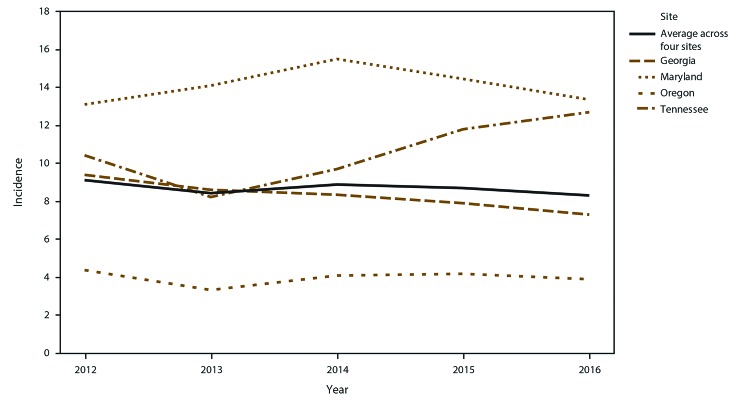
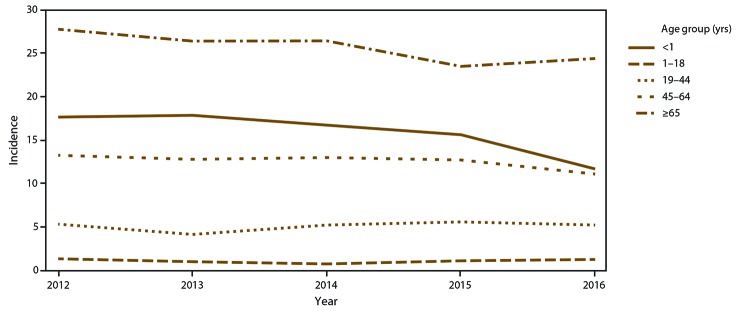
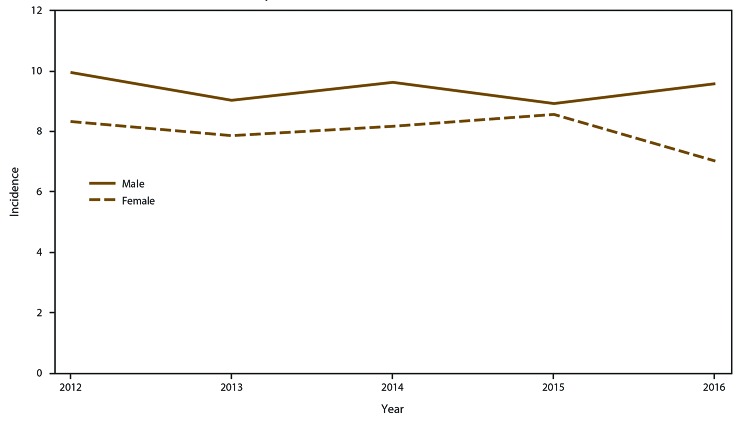
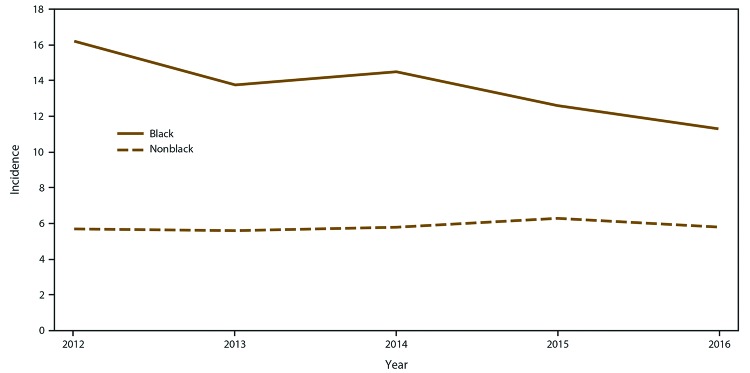
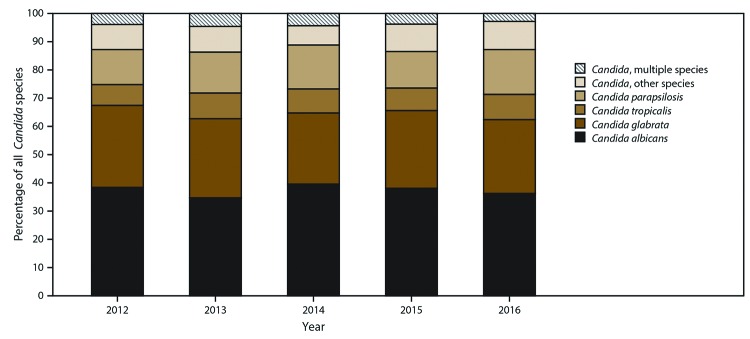
PROBLEM/CONDITION: Candidemia is a bloodstream infection (BSI) caused by yeasts in the genus Candida. Candidemia is one of the most common health care-associated BSIs in the United States, with all-cause in-hospital mortality of up to 30%. PERIOD COVERED: 2012-2016. DESCRIPTION OF SYSTEM: CDC's Emerging Infections Program (EIP), a collaboration among CDC, state health departments, and academic partners that was established in 1995, was used to conduct active, population-based laboratory surveillance for candidemia in 22 counties in four states (Georgia, Maryland, Oregon, and Tennessee) with a combined population of approximately 8 million persons. Laboratories serving the catchment areas were recruited to report candidemia cases to the local EIP program staff. A case was defined as a blood culture that was positive for a Candida species collected from a surveillance area resident during 2012-2016. Isolates were sent to CDC for species confirmation and antifungal susceptibility testing. Any subsequent blood cultures with Candida within 30 days of the initial positive culture in the same patient were considered part of the same case. Trained surveillance officers collected clinical information from the medical chart for all cases, and isolates were sent to CDC for species confirmation and antifungal susceptibility testing. RESULTS: Across all sites and surveillance years (2012-2016), 3,492 cases of candidemia were identified. The crude candidemia incidence averaged across sites and years during 2012-2016 was 8.7 per 100,000 population; important differences in incidence were found by site, age group, sex, and race. The crude annual incidence was the highest in Maryland (14.1 per 100,000 population) and lowest in Oregon (4.0 per 100,000 population). The crude annual incidence of candidemia was highest among adults aged ≥65 years (25.5 per 100,000 population) followed by infants aged <1 year (15.8). The crude annual incidence was higher among males (9.4) than among females (8.0) and was approximately 2 times greater among blacks than among nonblacks (13.7 versus 5.8). Ninety-six percent of cases occurred in patients who were hospitalized at the time of or during the week after having a positive culture. One third of cases occurred in patients who had undergone a surgical procedure in the 90 days before the candidemia diagnosis, 77% occurred in patients who had received systemic antibiotics in the 14 days before the diagnosis, and 73% occurred in patients who had had a central venous catheter (CVC) in place within 2 days before the diagnosis. Ten percent were in patients who had used injection drugs in the past 12 months. The median time from admission to candidemia diagnosis was 5 days (interquartile range [IQR]: 0-16 days). Among 2,662 cases that were treated in adults aged >18 years, 34% were treated with fluconazole alone, 30% with echinocandins alone, and 34% with both. The all-cause, in-hospital case-fatality ratio was 25% for any time after admission; the all-cause in-hospital case-fatality ratio was 8% for <48 hours after a positive culture for Candida species. Candida albicans accounted for 39% of cases, followed by Candida glabrata (28%) and Candida parapsilosis (15%). Overall, 7% of isolates were resistant to fluconazole and 1.6% were resistant to echinocandins, with no clear trends in resistance over the 5-year surveillance period. INTERPRETATION: Approximately nine out of 100,000 persons developed culture-positive candidemia annually in four U.S. sites. The youngest and oldest persons, men, and blacks had the highest incidences of candidemia. Patients with candidemia identified in the surveillance program had many of the typical risk factors for candidemia, including recent surgery, exposure to broad-spectrum antibiotics, and presence of a CVC. However, an unexpectedly high proportion of candidemia cases (10%) occurred in patients with a history of injection drug use (IDU), suggesting that IDU has become a common risk factor for candidemia. Deaths associated with candidemia remain high, with one in four cases resulting in death during hospitalization. PUBLIC HEALTH ACTION: Active surveillance for candidemia yielded important information about the disease incidence and death rate and persons at greatest risk. The surveillance was expanded to nine sites in 2017, which will improve understanding of the geographic variability in candidemia incidence and associated clinical and demographic features. This surveillance will help monitor incidence trends, track emergence of resistance and species distribution, monitor changes in underlying conditions and predisposing factors, assess trends in antifungal treatment and outcomes, and be helpful for those developing prevention efforts. IDU has emerged as an important risk factor for candidemia, and interventions to prevent invasive fungal infections in this population are needed. Surveillance data documenting that approximately two thirds of candidemia cases we
Overview
CoChat Summary
TL;DR
Active population-based surveillance in four U.S. sites during 2012–2016 identified 3,492 candidemia cases, with an average crude incidence of 8.7 per 100,000 population and a 25% all-cause in-hospital case-fatality ratio. Incidence was highest in Maryland, among adults aged ≥65 years and infants, among males, and among blacks; 10% of cases occurred in patients with recent injection drug use.
Key findings
- Across 2012–2016, 3,492 candidemia cases were identified from 3,235 patients; crude incidence averaged 8.7 per 100,000 population, highest in Maryland (14.1) and lowest in Oregon (4.0).
- Crude incidence was highest among adults aged ≥65 years (25.5 per 100,000) and infants aged <1 year (15.8), higher among males (9.4) than females (8.0), and approximately twice as high among blacks as nonblacks (13.7 versus 5.8).
- Common exposures included systemic antibiotics in the 14 days before diagnosis (77%), central venous catheter within 2 days before diagnosis (73%), surgery in the 90 days before diagnosis (33%), and injection drug use in the past 12 months (10%).
- Candida albicans accounted for 39% of cases, followed by C. glabrata (28%) and C. parapsilosis (15%); 7% of isolates were fluconazole-resistant and 1.6% were echinocandin-resistant. The all-cause in-hospital case-fatality ratio was 25% overall and 8% within <48 hours after a positive culture.
Methods
- CDC’s Emerging Infections Program conducted active, population-based laboratory surveillance for culture-confirmed candidemia during 2012–2016 in 22 counties across Georgia, Maryland, Oregon, and Tennessee, with a combined surveillance population of approximately 8.06 million persons.
- A case was a blood culture positive for Candida species from a surveillance-area resident; cultures within 30 days of the initial positive culture in the same patient were considered one episode. Clinical data were abstracted from medical charts, and isolates were sent to CDC for species confirmation and antifungal susceptibility testing.
- Crude incidence rates per 100,000 population were calculated using U.S. Census Bureau denominators; multivariable negative binomial regression assessed adjusted incidence rate ratios by age, sex, race, and site, and univariable negative binomial regression assessed 5-year trends.
Limitations
- The paper states that underlying conditions and predisposing factors were extracted from medical charts, which might underestimate certain conditions such as injection drug use that may not be systematically recorded.
- The paper states that some culture-proven cases might have been missed despite active, audited surveillance, and that blood-culture-based surveillance underestimates invasive candidiasis because blood culture has suboptimal sensitivity, particularly for intra-abdominal candidiasis or infections without blood cultures.
- The paper states that data came from 22 counties in four states representing 2.5% of the U.S. population and are not nationally representative, and that only five time points were assessed, limiting understanding of long-term trends. No additional limitations are evident beyond those stated.
Model-written summary. Check it against the paper before relying on it.
Integrity signals
Registry
Cites
Statistics
Figures
Verification
Claims the paper makes
24 Valid · 4 Not valid · 14 Not checked · 118 Own results and interpretations
At least one cited source doesn’t support this claim or points to a different paper, and none confirmed it — see the verdicts below.
In the paper
“In contrast with the 2009 Infectious Disease Society of America guidelines for the treatment of invasive candidiasis, in which echinocandins were recommended only for neutropenic patients and patients with previous exposure to antifungals (64)”
§ Population-Based Active Surveillance for Culture-Confirmed Candidemia — Four Sites, United States, 2012–2016 > Discussion
What the sources say
- Disputedcites [64] Pappas PG, Kauffman CA, Andes D, Infectious Diseases Society of America. Clinical practice guidelines for the management of candidiasis: 2009 update by the Infectious Diseases Society of America. Clin Infect Dis 2009; 48: 503– 35. 10.1086/596757 19191635 PMC7294538 sourceExperimental — accuracy not yet measured
The recommendations for candidemia in nonneutropenic patients (page not supplied) list an echinocandin as initial therapy for most adults, not only for neutropenic patients or those previously exposed to antifungals. They also favor an echinocandin for moderately severe to severe illness, independently of recent azole exposure. (LLM, conf=0.90)
Checked by a reasoning model — may be wrong.
plain- Asserted: passes — The authors put it forward as true.
- Checkable: passes — It can be checked against evidence.
- Load-bearing: unclear — It is unclear whether the paper’s conclusions depend on it.
- Based: passes — The paper gives a reason why it holds.
- Disputed
The cited sources support only part of this claim — read each source’s verdict below.
In the paper
“Enhanced infection control practices, including appropriate catheter use to limit catheter-related bloodstream infections (42–44), antibiotic stewardship, and antifungal prophylaxis practices, might be responsible for some of the decreases.”
§ Population-Based Active Surveillance for Culture-Confirmed Candidemia — Four Sites, United States, 2012–2016 > Discussion
What the sources say
- Partly supportedcites [42] Sanchez GV, Fleming-Dutra KE, Roberts RM, Hicks LA. Core elements of outpatient antibiotic stewardship. MMWR Recomm Rep 2016; 65(No. RR-6). 10.15585/mmwr.rr6506a1 27832047 sourceExperimental — accuracy not yet measured
The Introduction and Background describe antibiotic stewardship as a way to improve prescribing and reduce antibiotic-related harms. They do not connect it to declining candidemia incidence; the paper also does not address catheter use or antifungal prophylaxis as explanations for that decline. (LLM, conf=0.82)
- Partly supportedcites [43] Pappas PG, Kauffman CA, Andes DR, Clinical practice guideline for the management of candidiasis: 2016 update by the Infectious Diseases Society of America. Clin Infect Dis 2016; 62: e1– e50. 10.1093/cid/civ1194 26679628 PMC4725385 sourceExperimental — accuracy not yet measured
Recommendation 13 advises early removal of a central venous catheter when it is the presumed source of candidemia and removal is safe. This supports appropriate catheter management, the part of the sentence to which the citation is attached, but does not establish that catheter practices caused the reported decreases in candidemia incidence. The cited passages have no page numbers. (LLM, conf=0.82)
- Supportedcites [44] Waters TM, Daniels MJ, Bazzoli GJ, Effect of Medicare’s nonpayment for hospital-acquired conditions: lessons for future policy. JAMA Intern Med 2015; 175: 347– 54. 10.1001/jamainternmed.2014.5486 25559166 PMC5508870 sourceExperimental — accuracy not yet measured
The citation is attached to appropriate catheter use to limit catheter-related bloodstream infections, not to antibiotic stewardship or antifungal prophylaxis. The Discussion (page unavailable) describes sterile catheter insertion, earlier catheter removal, and other preventive practices, and reports that care bundles have been associated with fewer central-line–associated bloodstream infections. The paper does not address candidemia specifically. (LLM, conf=0.86)
hedgedstates a possible cause- Asserted: passes — The authors put it forward as true.
- Checkable: passes — It can be checked against evidence.
- Load-bearing: unclear — It is unclear whether the paper’s conclusions depend on it.
- Based: passes — The paper gives a reason why it holds.
- Partly supported
The cited sources support only part of this claim — read each source’s verdict below.
In the paper
“However, availability of both types of testing, especially AFST, is limited in clinical laboratories (62).”
§ Population-Based Active Surveillance for Culture-Confirmed Candidemia — Four Sites, United States, 2012–2016 > Discussion
What the sources say
- Partly supportedcites [62] Vallabhaneni S, Sapiano M, Weiner LM, Lockhart SR, Magill S. Antifungal susceptibility testing practices at acute care hospitals enrolled in the National Healthcare Safety Network, United States, 2011–2015. Open Forum Infect Dis 2017; 4: ofx175. 10.1093/ofid/ofx175 29026868 PMC5632525 sourceExperimental — accuracy not yet measured
The Results and Discussion report limited access to AFST at a hospital’s own laboratory or an affiliated medical center, and limited reflexive AFST. They also report that 95.5% of surveyed hospitals offered AFST through some route, so the limitation concerns local and reflexive access rather than AFST availability overall. The paper does not establish that species-level identification is limited. (LLM, conf=0.88)
plain- Asserted: passes — The authors put it forward as true.
- Checkable: passes — It can be checked against evidence.
- Load-bearing: unclear — It is unclear whether the paper’s conclusions depend on it.
- Based: passes — The paper gives a reason why it holds.
- Partly supported
The cited sources support only part of this claim — read each source’s verdict below.
In the paper
“The proportion of candidemia patients with an IDU history is much higher than the estimated <1% of the entire U.S. population with a history of IDU during the previous 12 months (55)”
§ Population-Based Active Surveillance for Culture-Confirmed Candidemia — Four Sites, United States, 2012–2016 > Discussion
What the sources say
- Partly supportedcites [55] Lansky A, Finlayson T, Johnson C, Estimating the number of persons who inject drugs in the United States by meta-analysis to calculate national rates of HIV and hepatitis C virus infections. PLoS One 2014; 9: e97596. 10.1371/journal.pone.0097596 24840662 PMC4026524 sourceExperimental — accuracy not yet measured
The Results section estimates that 0.30% of the U.S. population aged 13 years or older injected drugs in the past year, supporting the cited figure of less than 1%. The claim says the entire U.S. population, but the paper's estimate excludes children under 13. (LLM, conf=0.85)
plainstates an association- Asserted: passes — The authors put it forward as true.
- Checkable: passes — It can be checked against evidence.
- Load-bearing: passes — The paper’s conclusions depend on it.
- Based: passes — The paper gives a reason why it holds.
- Rests on 2 assumptions not shown here.
- Partly supported
A result the paper reports from its own data — it cites no other source for it, so there is none to check. The quote shows it is in the paper.
In the paper
“The disparity between blacks and nonblacks persisted in all four sites, including in Georgia and Maryland, where 41%–43% of the surveillance catchment area residents were black, and in Oregon and Tennessee, where 4%–6% of catchment area residents were black.”
§ Population-Based Active Surveillance for Culture-Confirmed Candidemia — Four Sites, United States, 2012–2016 > Results > Demographic Characteristics and Incidence
plainstates an association- Asserted: passes — The authors put it forward as true.
- Checkable: passes — It can be checked against evidence.
- Load-bearing: passes — The paper’s conclusions depend on it.
- Based: passes — The paper gives a reason why it holds.
95 more claims
Create a free account to see all 160 claims and to verify the 5 references still open.
- Probably not a substantial claim. 32
- It may state two separate claims as one. 40
Claims other papers make about this one
Each is checked against this paper’s own text: does it say what the citing paper says it does?
The source backs part of the claim, not all of it — or backs it for a different population, condition or comparison.
In the citing paper
“In multiple population studies over the last two decades, C. albicans is almost uniformly susceptible to fluconazole, the echinocandins, and amphotericin B.”
From Epidemiology of Invasive Candidiasis (2024) · cites this paper as [27]
Experimental — accuracy not yet measuredThe source backs part of the claim, not all of it — or backs it for a different population, condition or comparison.
In the citing paper
“C. albicans remains the most common cause of bloodstream infections due to Candida and other forms of invasive candidiasis in most regions of the world.18,27,62,102,103,107–109”
From Epidemiology of Invasive Candidiasis (2024) · cites this paper as [27]
Experimental — accuracy not yet measuredThe source backs part of the claim, not all of it — or backs it for a different population, condition or comparison.
In the citing paper
“Echinocandin resistance remains low at 0–2% in most surveys.27,62”
From Epidemiology of Invasive Candidiasis (2024) · cites this paper as [27]
Experimental — accuracy not yet measuredThe source backs part of the claim, not all of it — or backs it for a different population, condition or comparison.
In the citing paper
“During 2021, the all-cause mortality rate associated with candidemia was higher compared with earlier years (36.1% versus 26.8% in 2017 and 25% during 2012–2016), and cases during 2020–2021 also more frequently involved previous ICU stays and onset in the health care setting.”
From Population-Based Active Surveillance for Culture-Confirmed Candidemia — 10 Sites, United States, 2017–2021 (2025) · cites this paper as [3]
Experimental — accuracy not yet measuredThe source backs part of the claim, not all of it — or backs it for a different population, condition or comparison.
In the citing paper
“Differences in candidemia incidence by age, sex, racial and ethnic group, and geographic region were consistent with previous surveillance data (3).”
From Population-Based Active Surveillance for Culture-Confirmed Candidemia — 10 Sites, United States, 2017–2021 (2025) · cites this paper as [3]
Experimental — accuracy not yet measured
25 more claims about this paper
Create a free account to see every claim other papers make about this one.
Self-check
Percentages, sums and reported differences re-computed from the paper’s own numbers.
Each contradiction between two passages listed here was confirmed by an independent check.
Rated minor: it would not touch a result — a value no result rests on, a p-value that stays on the same side of the significance level, or a conflict that is clerical, resolved elsewhere in the paper, or outside its own findings.
In the paper
§ Population-Based Active Surveillance for Culture-Confirmed Candidemia — Four Sites, United States, 2012–2016 > Results > Case Classification
“† Culture positive for Candida was obtained <3 days before admission for a patient with a recent health care exposure.”
§ Population-Based Active Surveillance for Culture-Confirmed Candidemia — Four Sites, United States, 2012–2016 > Methods > Variables Assessed
“as a health care–associated community-onset case when the culture was obtained <3 days after admission for a patient with a recent health care exposure;”
Rated minor: it would not touch a result — a value no result rests on, a p-value that stays on the same side of the significance level, or a conflict that is clerical, resolved elsewhere in the paper, or outside its own findings.
In the paper
“| C. albicans | 636 (40) | 338 (35) | 129 (40) | 204 (42) | 1,307 (39) |”
§ Population-Based Active Surveillance for Culture-Confirmed Candidemia — Four Sites, United States, 2012–2016 > Results > Species Distribution
Reported 39 · recomputed 37.449857
Rated minor: it would not touch a result — a value no result rests on, a p-value that stays on the same side of the significance level, or a conflict that is clerical, resolved elsewhere in the paper, or outside its own findings.
In the paper
§ Population-Based Active Surveillance for Culture-Confirmed Candidemia — Four Sites, United States, 2012–2016 > Results > Antifungal Treatment
“Of the 19% of cases in patients not receiving antifungal treatment”
§ Population-Based Active Surveillance for Culture-Confirmed Candidemia — Four Sites, United States, 2012–2016 > Results > Previous Candidemia and Previous Antifungal Treatment
“| Systemic antifungal therapy for candidemia episode† | 1,391 (85) | 834 (82) | 288 (83) | 363 (73) | 2,876 (82) |”
Citations
Cites
Wisplinghoff, H., Bischoff, T., Tallent, S. M., Seifert, H., Wenzel, R. P., & Edmond, M. B. (2004) · Clinical Infectious Diseases · doi:10.1086/421946 · Cited by 4,496
Pappas, P. G., Kauffman, C. A., Andes, D. R., Clancy, C. J., Marr, K. A., Ostrosky-Zeichner, L., Reboli, A. C., Schuster, M. G., Vazquez, J. A., Walsh, T. J., et al. (2016) · Clinical Infectious Diseases · doi:10.1093/cid/civ933 · Cited by 4,200
Epidemiology of Invasive Candidiasis: a Persistent Public Health Problem
Pfaller, M. A., & Diekema, D. J. (2007) · Clinical Microbiology Reviews · doi:10.1128/cmr.00029-06 · Cited by 4,174 · cited 8×
“Inflammatory bowel disease 20 (1) 14 (1) 3 (1) 1 (0) 38 (1)”
BackgroundInfluentialHidron, A. I., Edwards, J. R., Patel, J., Horan, T. C., Sievert, D. M., Pollock, D. A., Fridkin, S. K., & National Healthcare Safety Network Team and Participating National Healthcare Safety Network Facilities (2008) · Infection Control & Hospital Epidemiology · doi:10.1086/591861 · Cited by 3,724
Pappas, P. G., Kauffman, C. A., Andes, D., Benjamin, D. K., Calandra, T. F., Edwards, J. E., Filler, S. G., Fisher, J. F., Kullberg, B.-J., Zeichner, L. O., et al. (2009) · Clinical Infectious Diseases · doi:10.1086/596757 · Cited by 3,191
Matrix-assisted laser desorption/ionization mass spectrometry of biopolymers.
Hillenkamp, F., Karas, M., Beavis, R. C., & Chait, B. T. (1991) · Analytical Chemistry · doi:10.1021/ac00024a716 · Cited by 1,930 · cited 5×
“White 518 (34) 337 (37) 234 (70) 421 (89) 1,510 (47)”
MethodInfluentialLockhart, S. R., Etienne, K. A., Vallabhaneni, S., Farooqi, J., Chowdhary, A., Govender, N. P., Colombo, A. L., Calvo, B., Cuomo, C. A., Desjardins, C. A., et al. (2017) · Clinical Infectious Diseases · doi:10.1093/cid/ciw691 · Cited by 1,662 · cited 1×
“Central venous catheter in the 2 days before candidemia diagnosis 1,251 (77) 760 (74) 206 (60) 333 (67) 2,550 (73)”
Self-citationPappas, P. G., Lionakis, M. S., Arendrup, M. C., Ostrosky-Zeichner, L., & Kullberg, B. J. (2018) · Nature Reviews Disease Primers · doi:10.1038/nrdp.2018.26 · Cited by 1,636 · cited 5×
“Although neutropenia (53,54), hematologic malignancies (53), and bone marrow transplants (10,13) are well-recognized risk factors for candidemia, only a small proportion (<5%) of cases were in patients with these underlying conditions.”
BackgroundInfluentialMokdad (2018) · doi:10.1001/jama.2018.0158 · Cited by 1,517
Satoh, K., Makimura, K., Hasumi, Y., Nishiyama, Y., Uchida, K., & Yamaguchi, H. (2009) · Microbiology and Immunology · doi:10.1111/j.1348-0421.2008.00083.x · Cited by 1,381 · cited 5×
“auris, which was first described in 2009 (21) and has since been reported in approximately 30 countries, including the United States (22).”
BackgroundInfluential
Research works printed but not linked: 1
- Clinical and Laboratory Standards Institute (CLSI). Reference method for broth dilution antifungal susceptibility testing of yeasts; approved standard—third edition [Internet]. CLSI document no. M27–A3. Vol. 27, No. 9. Wayne, PA: Clinical and Laboratory Standards Institute; 2008. https://clsi.org/media/1461/m27a3_sample.pdf
Cited by
Items 101–195 of 195
TLR Signaling Rescues Fungicidal Activity in Syk-Deficient Neutrophils
Viens, A. L., Timmer, K. D., Alexander, N. J., Barghout, R., Milosevic, J., Hopke, A. R., Atallah, N. J., Scherer, A. K., Sykes, D. B., Irimia, D., et al. (2022) · The Journal of Immunology · doi:10.4049/jimmunol.2100599 · Cited by 9
Semet, C., Kazak, E., Ener, B., Aksoy, S. A., Özkaya, G., Ağca, H., Heper, Y., Yılmaz, E., & Akalın, H. (2025) · Antimicrobial Resistance and Infection Control · doi:10.1186/s13756-025-01559-w · Cited by 11
“Microbio-logical cure was defined as two negative blood cultures on two consecutive days [22].”
Heterogeneity of Candida bloodstream isolates in an academic medical center and affiliated hospitals
Scott, N. E., Wash, E., Zajac, C., Erayil, S. E., Kline, S. E., & Selmecki, A. M. (2025) · Microbiology Spectrum · doi:10.1128/spectrum.00464-25 · Cited by 7
“We identified no drug resistance in C. albicans , which is consistent with very low levels reported by the CDC EIP at four national sites (9).”
InfluentialMwassi, H. A., Yahav, D., Ayada, G., Matsri, S., Margalit, I., Shargian, L., Bishara, J., & Atamna, A. (2022) · International Journal of Antimicrobial Agents · doi:10.1016/j.ijantimicag.2022.106590 · Cited by 8
Epidemiology, management and outcome of candidaemia in patients with diabetes
Preece, G., Bhola, S., Davidson, A., Collier, A., & Bal, A. M. (2022) · The Journal of the Royal College of Physicians of Edinburgh · doi:10.1177/14782715221137451 · Cited by 8
Kovács, R., Majoros, L., Stemler, J., Cornely, O. A., & Salmanton‐García, J. (2023) · Therapeutic Advances in Infectious Disease · doi:10.1177/20499361231219315 · Cited by 9
Guillamet, C. V., Vazquez, R., Noe, J., Micek, S. T., Fraser, V. J., & Kollef, M. H. (2019) · Clinical Infectious Diseases · doi:10.1093/cid/ciz1206 · Cited by 7
“) may intuitively imply multiple exposures to the healthcare system [16, 17].”
BackgroundCandidemia and Severe Coronavirus Disease 2019: Which Risk Factors Are Modifiable?
McCarty, T. P. (2021) · Clinical Infectious Diseases · doi:10.1093/cid/ciab635 · Cited by 8
“The bulk of candidemia occurs in hospitalized patients with a large proportion of patients having central venous access [4, 5].”
BackgroundDahal, N., Osterberg, J. A., Braun, B., Caldwell, T. P., Divan, R., Harcum, S. W., & Wang, P. (2022) · IEEE Journal of Electromagnetics RF and Microwaves in Medicine and Biology · doi:10.1109/jerm.2022.3201698 · Cited by 8
“, the δ relaxation in [2], due to different molecular compositions between the species.”
BackgroundThanyasrisung, P., Satitviboon, W., Howattanapanich, S., & Matangkasombut, O. (2023) · Archives of Oral Biology · doi:10.1016/j.archoralbio.2023.105628 · Cited by 10
Synthesis of Berkeleylactone A by Ring‐Closing Alkyne Metathesis
Schmidt, F., Ammanath, A. V., Götz, F., & Maier, M. E. (2023) · European Journal of Organic Chemistry · doi:10.1002/ejoc.202300615 · Cited by 7
Wang, Y., He, Y., Cai, T., Lei, Z., Lei, W., Cao, Y., & Wu, J. (2024) · Heliyon · doi:10.1016/j.heliyon.2024.e27346 · Cited by 7
“…use of broad-spectrum antibiotics, glucocorticoids, immunosuppressants, and anti-tumor drugs in recent years, as well as large numbers of interventional diagnoses, treatments, and transplantation procedures, the incidence of clinical invasive Candida infections has been increasing yearly [1].”
BackgroundPost-transcriptional control of antifungal resistance in human fungal pathogens
Sharma, C., & Kadosh, D. (2023) · Critical Reviews in Microbiology · doi:10.1080/1040841x.2022.2080527 · Cited by 6
“…spp. is the most common cause of healthcare-associated bloodstream infections (BSIs) and the fourth leading cause of hospital-acquired BSIs in the United States with about a 50% attributable mortality rate (Edmond et al. 1999; Wisplinghoff et al. 2004; Denning and Bromley 2015; Toda et al. 2019).”
BackgroundHernández-Hernández, G., Vera-Salazar, L. A., Castanedo, L., López-Fuentes, E., Gutiérrez‐Escobedo, G., Peñas, A. D. L., & Castaño, I. (2021) · Journal of Fungi · doi:10.3390/jof7121005 · Cited by 6
Hansanant, N., Cao, K., Tenorio, A., Joseph, T., Ju, M., McNally, N., Kummari, E., Williams, M. D., Cothrell, A., Buhrow, A. R., et al. (2024) · Journal of Natural Products · doi:10.1021/acs.jnatprod.3c00777 · Cited by 9
Valković, T., Marcelic, L., & Valković, F. (2024) · Therapeutic Advances in Infectious Disease · doi:10.1177/20499361241238518 · Cited by 11
Bal, A. M. (2020) · Mycoses · doi:10.1111/myc.13196 · Cited by 6
Νάτσος, Α., Tatanis, V., Lekkou, A., Kontogiannis, S., Vagionis, A., Spinos, T., Peteinaris, A., Obaidat, M., Pagonis, K., Kallidonis, P. S., et al. (2024) · Journal of Personalized Medicine · doi:10.3390/jpm14060644 · Cited by 6
“While Candida albicans is the predominant cause of severe Candida infections, resistance is more prevalent among other species, notably Candida auris , Candida glabrata , and Candida parapsilosis [45].”
BackgroundInfluentialAn Update on Fungal Disease Outbreaks of Public Health Concern
Smith, D. J., Gold, J. A. W., Williams, S., Hennessee, I., Jones, S., & Chiller, T. M. (2024) · Infectious Disease Clinics of North America · doi:10.1016/j.idc.2024.11.003 · Cited by 7
Self-citationChanges in Epidemiology of Candidemia in the United States With a Focus on Candida auris
Pérez, M. A., Patel, K., Rasmy, L., Yoshida, H., Arias, C. A., Nigo, M., & Adelman, M. W. (2026) · Clinical Infectious Diseases · doi:10.1093/cid/ciag312 · Cited by 7
“This high mortality is in part due to the propensity for candidemia to affect medically vulnerable and chronically ill patients [1, 2, 4].”
A case of recurrent Candida glabrata fungemia and successful treatment with rezafungin
Chandramohan, D., Aguilar, S., Gawrys, G. W., Wiederhold, N. P., Traugott, K. A., & Patterson, T. F. (2025) · IDCases · doi:10.1016/j.idcr.2025.e02233 · Cited by 8
“While MICs to azoles to certain Candida spp. are gradually increasing, the number of C. glabrata isolates resistant to azoles remains similar for the past 20 years [12 – 14].”
Wang, X., Wang, X., & Zhai, Y. (2023) · Environmental Science and Pollution Research · doi:10.1007/s11356-023-30950-6 · Cited by 6
“This study intends to promote strategies that support environmental sustainability in businesses by examining the effect of big data technology innovation on sustainable financial management (Liu, Shi, et al., 2023b; Sundarakani et al, 2021; Toda et al, 2019; Wang et al, 2020).”
Mohamed, A., Mohamed, M. S., Hussain, M. A., & Ahmed, I. F. (2020) · F1000Research · doi:10.12688/f1000research.24854.2 · Cited by 8
Winkler, M., Deshpande, L. M., Kimbrough, J. H., Karr, M. H., Rhomberg, P. R., Klauer, A. L., & Castanheira, M. (2025) · Journal of Clinical Microbiology · doi:10.1128/jcm.01129-24 · Cited by 5
Benwan, K. A., Ahmed, S. A., Banwan, D. A., & John, M. (2025) · Journal of Fungi · doi:10.3390/jof11090670 · Cited by 6
“Ad-ditionally, the rising incidence among middle-aged adults (50–64 years) may be linked to chronic illnesses and invasive treatments, highlighting a broader shift in candidemia epidemiology toward both elderly and other high-risk populations [25,26].”
Pariano, M., Puccetti, M., Fabi, C., Nunzi, E., Balucchi, S., Perioli, L., Ricci, M., Giovagnoli, S., Garaci, E., & Romani, L. R. (2025) · Expert Review of Anti-infective Therapy · doi:10.1080/14787210.2025.2569831 · Cited by 7
“Echinocandin resistance appears to be increasing [142], with hotspots emerged in North America and clusters in Texas (F641S) and New York (S645P) linked to long-term micafungin use [143].”
Franconi, I., Fais, R., Giordano, C., Tuvo, B., Stani, C., Tavanti, A., Barnini, S., & Lupetti, A. (2025) · Journal of Fungi · doi:10.3390/jof11010040 · Cited by 6
New Generation Modified Azole Antifungals against Multidrug-Resistant Candida auris
Chen, Y., Li, Y., Nahar, K. S., Hasan, M. M., Marsh, C., Clifford, M., Aleku, G. A., Kelly, S. L., Lamb, D. C., Mpamhanga, C. D., et al. (2025) · Journal of Medicinal Chemistry · doi:10.1021/acs.jmedchem.5c01253 · Cited by 8
Low-Molecular Pyrazine-Based DNA Binders: Physicochemical and Antimicrobial Properties
Mech, P., Giełdoń, A., Kawiak, A., Maciejewska, N., Olszewski, M., Makowski, M., & Chylewska, A. (2022) · Molecules · doi:10.3390/molecules27123704 · Cited by 4
Pluronic F-127 Enhances the Antifungal Activity of Fluconazole against Resistant Candida Strains
Malec, K., Mikołajczyk, A., Marciniak, D. M., Gawin-Mikołajewicz, A., Matera-Witkiewicz, A., Karolewicz, B., Nawrot, U., Khimyak, Y. Z., & Nartowski, K. P. (2023) · ACS Infectious Diseases · doi:10.1021/acsinfecdis.3c00536 · Cited by 5
Development and validation of a modified SOFA score for mortality prediction in candidemia patients
Liu, X., Ding, R., Yang, G., Qiao, Y., Ma, Z., Feng, Y., Qu, F., & Meng, Q. (2025) · Scientific Reports · doi:10.1038/s41598-025-04786-8 · Cited by 4
“…serum creatinine serves as an excellent marker of renal function, BUN provides a more comprehensive evaluation of patient status by reflecting inflammatory status, protein catabolism, and nutritional status, making it a more sensitive predictor of mortality risk in critically ill patients 20–23 .”
Fakhim, H., Vaezi, A., Morovati, H., Bandegani, A., Abbasi, K., Emami, S., Nasiry, D., Hashemi, S. M., Ahangarkani, F., & Badali, H. (2023) · Journal de Mycologie Médicale · doi:10.1016/j.mycmed.2023.101437 · Cited by 3
Kaur, A., Sharma, K., Sharma, N., & Aggarwal, G. (2024) · Infectious Disorders - Drug Targets · doi:10.2174/0118715265282411240119061441 · Cited by 3
Fungal Infections in People Who Use Drugs
Gonzales, J. P., & Ostrosky-Zeichner, L. L. (2025) · Open Forum Infectious Diseases · doi:10.1093/ofid/ofaf107 · Cited by 6
“In the study by Zhang et al, 10% of the cohort with candidemia report-ed recent intravenous drug use; more importantly, this number increased to 34% in the 19–44 year age group [22].”
Risum, M., Astvad, K., Johansen, H. K., Schønheyder, H. C., Rosenvinge, F. S., Knudsen, J. D., Hare, R. K., Datcu, R., Røder, B. L., Antsupova, V. S., et al. (2021) · Journal of Fungi · doi:10.3390/jof7060491 · Cited by 36
Wang, C.-Y., Wang, T.-J., Wu, Y.-C., & Hsu, C.-Y. (2024) · Acute and Critical Care · doi:10.4266/acc.2024.00843 · Cited by 2
“Intensive care unit (ICU) admission is a major risk factor for candidiasis [5,6].”
Abdalal, S. A., Attallah, D. M., Mokhtar, J. A., Kaki, R., Niyazi, H. A., Niyazi, H. A., & Aldarmasi, M. A. (2025) · Infection and Drug Resistance · doi:10.2147/idr.s514737 · Cited by 3
Elnagar, R., Elshaer, M. Y. S., & El-Raouf, M. A. A. (2022) · Egyptian Journal of Botany · doi:10.21608/ejbo.2022.155982.2101 · Cited by 3
Teixeira, M. V. S., Mejía, J. A. A., Ferreira, M. E. D. S., & Furtado, N. A. J. C. (2023) · Antibiotics · doi:10.3390/antibiotics12030509 · Cited by 2
“Although Candida albicans has been reported as a predominant species involved in invasive candidiasis around the world [3,4], the proportion of this infection caused by non-albicans species has grown in recent decades [1,3].”
BackgroundChen, Y.-C., Ho, M., Chao, W., & Chang, C. (2023) · Epidemiology and Infection · doi:10.1017/s0950268823000894 · Cited by 2
Candidemia in the Growing Opioid Epidemic: A Distinct and Emerging Entity
Andes, D. R. (2019) · Clinical Infectious Diseases · doi:10.1093/cid/ciz1065 · Cited by 2
Isothermal microcalorimetric determination of the inhibition of Candida species by antifungals
Astasov‐Frauenhoffer, M., Tobler, D., Waltimo, T. M. T., & Braissant, O. (2020) · Thermochimica Acta · doi:10.1016/j.tca.2020.178806 · Cited by 3
Candidemia in a Pediatric Population: A 10-year Indian Study
Joshi, S., Venkatesh, B. M., Adhikary, R., & Aravinda, A. (2021) · Pediatric Infectious Disease · doi:10.5005/jp-journals-10081-1255 · Cited by 2
“Infect Control Hosp Epidemiol 2013;34(1):1–14.”
Influentialde Aguiar, P. A. D. F., Menezes, R. D. P., Penatti, M. P. A., de Araújo, L. B., & Röder, D. V. D. D. B. (2022) · Research Society and Development · doi:10.33448/rsd-v11i11.33243 · Cited by 4
Pietrobom, P. M. P., Truda, V. S. S., Fernández‐Ruiz, M., Gutiérrez, M. G., Sukiennik, T., Santos, D. W. D. C. L., Valerio, M., Gioia, F., Rodríguez‐Góncer, I., Giacobbe, D. R., et al. (2023) · Mycoses · doi:10.1111/myc.13669 · Cited by 1
Sagbay, L. M. S., Loja, C. D. R. E., & Prieto, C. (2024) · Ciencia Latina Revista Científica Multidisciplinar · doi:10.37811/cl_rcm.v8i1.9499 · Cited by 3
Wang, Y. (2024) · BIO Web of Conferences · doi:10.1051/bioconf/202412402017 · Cited by 3
“However, the male proportion is similar to that of other studies [15, 16] .”
SIP‐SRS Imaging of Cell Wall Synthesis Identifies a Synergy between Micafungin and Amphotericin B
Zhang, M., Zhan, Y., Lin, H., Chen, J., Seleem, M. N., Mansour, M. K., & Cheng, J. (2025) · Advanced Science · doi:10.1002/advs.202507331 · Cited by 2
El-Atoum, M., Chen, G. L., Bonnewell, J. P., Segal, B. H., & Almyroudis, N. G. (2025) · Mycoses · doi:10.1111/myc.70136 · Cited by 2
Muszbek, N., Angdembe, A., García‐Vidal, C., Bielicka, I., Abrams, K. R., Tolley, K. H., Ruhnke, M., Lebmeier, M., Hawkins, N., Manamley, N., et al. (2026) · Mycoses · doi:10.1111/myc.70148 · Cited by 4
Prognostic Impact of Nutritional Status in Patients with Candidemia
Asai, N., Ohashi, W., Shibata, Y., Sakanashi, D., Kato, H., Hagihara, M., & Mikamo, H. (2026) · Nutrients · doi:10.3390/nu18060936 · Cited by 1
Redhu, P., Singh, G., Khan, R. A., Kumar, C., Kumaraaa, S., & Kumar, U. (2026) · Applied Surface Science · doi:10.1016/j.apsusc.2026.167740 · Cited by 1
Araújo, C., Shadday, L., Gomes, B. M. M., Torquati, A., & Brandão, F. (2020) · Revista de Divulgação Científica Sena Aires · doi:10.36239/revisa.v9.n4.p823a833 · Cited by 2
An Overview of Candidemia Patients in Tertiary Hospital, Surabaya, Indonesia
Pratiwi, C. A., Airlangga, P. S., & Endraswari, P. D. (2022) · International Journal of Research Publications · doi:10.47119/ijrp10011111020224019 · Cited by 2
Sahu, S., Panda, A., Dash, S., Ramani, Y. R., & Behera, J. P. (2023) · Current Medical Issues · doi:10.4103/cmi.cmi_63_23 · Cited by 2
Zhang, J., Zhang, G., Wang, J., Xiao, Y., Lu, X., Lan, X., Zhang, Y., & Zhang, D. (2024) · Infection and Drug Resistance · doi:10.2147/idr.s480028 · Cited by 2
Kim, K. Y., Kim, G. Y., & Kim, J. K. (2025) · Mycobiology · doi:10.1080/12298093.2025.2461336 · Cited by 2
“According to a report by the US Centers for Disease Control and Prevention (CDC), the annual incidence of fungal BSIs caused by Candida spp. is the highest among individuals aged 65 years and older and more common in male patients than in female patients [23].”
Rivas-Pinedo, P., Motta, J. C., & Oñate, J. (2025) · Journal of Fungi · doi:10.3390/jof11080583 · Cited by 3
“In referral hospitals, it is estimated that between 45% and 60% of affected patients die, figures higher than those reported in North America and Europe, where mortality ranges between 30% and 40% [67].”
Microbial Nanotechnology in Treating Multidrug-Resistance Pathogens
Alfahad, A. J., Aldossary, A. M., Alshehri, A. A., Alomary, M. N., Almughem, F. A., Alyahya, S. A., & Tawfik, E. A. (2021) · Springer eBooks · doi:10.1007/978-981-16-1923-6_10 · Cited by 1
Cottom, L., & McPhee, A. S. (2021) · Elsevier eBooks · doi:10.1016/b978-0-12-820472-6.00133-x · Cited by 1
Doorley, L. A. (2023) · doi:10.21007/etd.cghs.2023.0620 · Cited by 1
Mutations in ERG 11 Gene Among FluconazolePreprint
Sheena, M. S., & Singh, R. (2024) · Preprints.org · doi:10.20944/preprints202401.0367.v1
Wang, H., Xing, M., Ji, H., Cheng, Y., Hu, S., Wang, G., Zhou, S., Han, Y., Wang, C., Zha, L., et al. (2025) · medRxiv · doi:10.1101/2025.11.23.25340841 · Cited by 1
Kandidemi Oolgularında Candida türlerinin Dağılımı ve Sağ kalıma Etki Eden Faktörlerin Belirlenmesi
Hamidi, A. A., & Kuru, C. (2020) · Online Türk Sağlık Bilimleri Dergisi · doi:10.26453/otjhs.744639
Candidemia in Non-neutropenic Pediatric Patients in an Intensive Care Unit
Demir, S. Ö., Bacalan, F., Çevik, S., PİRİNÇÇİOĞLU, H. Ç., Kılınç, M. A., & TOMAR, L. (2021) · Journal of Contemporary Medicine · doi:10.16899/jcm.843796 · Cited by 1
Drug Resistance in Reproductive Diseases
Hussain, D., Saeed, A., Rashid, H. N., Fatima, B., Sajid, M. S., Jabeen, F., & Haq, M. N. U. (2021) · Springer eBooks · doi:10.1007/978-3-030-76320-6_15
Lepak, A. J., & Andes, D. R. (2020) · Elsevier eBooks · doi:10.1016/b978-0-12-819990-9.00018-4 · Cited by 2
CANDIDEMIA IN CANCER PATIENTS: FEATURES OF THE TAXONOMIC STRUCTURE
Bagirova, N. S., Николаевна, П. И., & Grigorievskaya, Z. V. (2023) · Russian Clinical Laboratory Diagnostics · doi:10.51620/0869-2084-2022-67-7-399-406 · Cited by 3
Targeting the main responsible of human infections with nanoparticles
Plascencia‐Villa, G. (2022) · Elsevier eBooks · doi:10.1016/b978-0-12-821637-8.00001-8 · Cited by 1
Q-Griffithsin interactions and utility for the prevention and treatment of Mucosal infections.
Nabeta, H. W. (2021) · ThinkIR: The University of Louisville's Institutional Repository (University of Louisville) · doi:10.18297/etd/3766 · Cited by 1
Distribution and antifungal resistance rate of yeast isolated from various samples
Özbek, E., Azarkan, A. B., Temiz, H., & Atmaca, S. (2023) · Medical Science and Discovery · doi:10.36472/msd.v10i4.924
Felix, G. N. (2023) · Digital Library of Theses and Dissertations (Universidade de São Paulo) · doi:10.11606/t.5.2023.tde-16062023-113452 · Cited by 2
Meradji, A., Ranque, S., Bachtarzi, F., MOSBAH, N., & Moulahem, T. (2023) · doi:10.3390/ecm2023-16684 · Cited by 1
“However, acquired resistance to amphotericin B remains rare [2,34].”
BackgroundBendel, C. M., & Swanson, E. C. (2024) · Elsevier eBooks · doi:10.1016/b978-0-323-79525-8.00044-5
Bhattacharjee, S. G., Mandal, S., Mullick, S. S., Bhunia, S., Kundu, S., Banik, A., Mallick, T., & Behera, K. K. (2024) · IP International Journal of Medical Microbiology and Tropical Diseases · doi:10.18231/j.ijmmtd.2024.029 · Cited by 1
Preventing Fungal Infections in the ICU Setting
Smith, D. J., Glowicz, J., Lyman, M., Gold, J. A. W., & Chiller, T. M. (2024) · Springer eBooks · doi:10.1007/978-3-031-67062-6_10
Greenberg, R. G., Fisher, B. T., & Otto, W. R. (2025) · Elsevier eBooks · doi:10.1016/b978-0-323-82763-8.00217-x
Alvira-Arill, G. R., Yarbrough, A. H., Tansmore, J. L., Sierra, C. M., Bashqoy, F., Herrera, O. R., Peters, B. M., & Stultz, J. S. (2025) · Pharmacotherapy The Journal of Human Pharmacology and Drug Therapy · doi:10.1002/phar.70037
Williams, C. C., & Usher, J. (2025) · Microbiology Spectrum · doi:10.1128/spectrum.02522-24
“causal agent of invasive candidiasis and candidemia (3, 4).”
Financial Management for Sustainability
Tavanti, M. (2025) · Springer eBooks · doi:10.1007/978-3-031-93467-4_3
Benedict, K., Smith, D. J., & Gold, J. A. W. (2025) · Drugs - Real World Outcomes · doi:10.1007/s40801-025-00513-x
“Data on patient race/ethnicity and socio-economic status were also unavailable and may be useful given that ibrexafungerp is expensive (> $460 per day supply) and may eventually be used for treatment of invasive candidiasis, for which notable health disparities exist [15].”
Travis, L. M., Goldenberg, B. T., & Steinlauf, S. D. (2025) · Cureus · doi:10.7759/cureus.92574
“Candida is often a concerning cause of infections, especially when infecting bone in the form of osteomyelitis, with ~9 cases of candidemia per 100,000 people per year in the United States from 2008-2016 [3,4].”
Epidemiology and Mechanisms of Antifungal Resistance in Common Fungal Infections
Rizvi, M., Fatima, N., & Sami, H. (2025) · Fungal biology · doi:10.1007/978-3-032-06014-3_3
Mukasheva, G. D., Maukayeva, S., Kudaibergenova, N. K., Lepesbayev, M. N., Smailova, Z., Оразалина, А. С., Кожанова, С. K., Mukanova, D., Apbassova, S., & Rakhimzhanova, F. S. (2025) · Ġylym men densaulyķ saķtau. · doi:10.34689/sh.2025.27.5.012
Hennessee, I., Smith, D. J., Benedict, K., Calanan, R. M., Maes, E. F., & Lyman, M. (2026) · Hospital Pediatrics · doi:10.1542/hpeds.2025-008803
Scott, N. E., Zhou, X., Wash, E., Zajac, C., Kline, S. E., Erayil, S. E., & Selmecki, A. M. (2026) · Microbial Genomics · doi:10.1099/mgen.0.001659 · Cited by 5
SAIMSARA (2026) · SAIMSARA Journal · doi:10.62487/saimsaradd9bd2f2
Wisessombat, S., Tayeh, M., Naruephan, S., & Sianglum, W. (2026) · Microbiology Research · doi:10.3390/microbiolres17060109
“A population-based study conducted at 4 U.S. centers over a 4-year period (2012–2016) reported that 7% of Candida bloodstream isolates were resistant to fluconazole, while 1.6% were resistant to echinocandins [8].”
InfluentialEvolution of candidaemia and azole resistance in Italy: A multicentre retrospective study
Prigitano, A., Grancini, A., Barchiesi, F., Calabrò, M., Carletti, S., Colosimo, M., Carolis, E. D., Lupetti, A., Morroni, G., Pavan, G., et al. (2026) · European Journal of Clinical Microbiology & Infectious Diseases · doi:10.1007/s10096-026-05634-x
Kılıç, A., & Palavecino, E. L. (2026) · Cureus · doi:10.7759/cureus.115734
“%) than females, consistent with multiple US studies reporting higher rates in men across different surveillance periods and healthcare settings [2,3,13,14].”
InfluentialLineage-specific adaptation and resistance in Candida albicans
Fernandes, M. Z., Maldonado, E., Martinez‐de‐Oliveira, J., Rolo, J., & Palmeira-de-Oliveira, A. (2026) · Fungal Genetics and Biology · doi:10.1016/j.fgb.2026.104116
Clinical profile and outcomes of persistent candidemia: A matched case-control study
Bayless, D. R., Saleh, O. A., Challener, D. W., Vergidis, P. I., & McHugh, J. (2026) · Medical Mycology · doi:10.1093/mmy/myag090
The role of neutrophil responses in invasive candidiasis
Apostolopoulou, A., Nassour, N., & Mansour, M. K. (2026) · Elsevier eBooks · doi:10.1016/b978-0-443-23636-5.00006-x
Kłos, M., Janeczko, M., Mickiewicz, B., Kozyra, P., & Kubiński, K. (2026) · Future Medicinal Chemistry · doi:10.1080/17568919.2026.2736311
Metadata
- Authors
- Toda, M., Williams, S. R., Berkow, E. L., Farley, M. M., Harrison, L. H., Bonner, L., Marceaux, K. M., Hollick, R., Zhang, A. Y., Schaffner, W., Lockhart, S. R., Jackson, B. R., & Vallabhaneni, S.
- Affiliations
- Centers for Disease Control and Prevention (US)
- Emory University (US)
- Johns Hopkins University (US)
- Oregon Health Authority (US)
- Vanderbilt University (US)
- Corresponding author
- Toda, Mitsuru
- ORCID
- Venue
- MMWR Surveillance Summaries
- Published
- 2019-09-27
- Volume
- 68
- Issue
- 8
- Pages
- 1-15
- ISSN
- 1545-8636 (ISSN-L)
- 1546-0738
- PMC
- PMC6772189
- OpenAlex
- W2976411969
- Cited by
- 198
- References
- 69
- Citations by year
- 2026: 15 · 2025: 34 · 2024: 24 · 2023: 32 · 2022: 36 · 2021: 34 · 2020: 21 · 2019: 2
- FWCI
- 17.82
- Type
- journal article
- Language
- en
- Open access
- diamond
- doi.org
- Licence
- public-domain
- Locations
- MMWR Surveillance Summaries (publishedVersion, public-domain)
- Europe PMC (PubMed Central) (publishedVersion, cc-by)
- PubMed Central (publishedVersion, cc-by)
- PubMed (publishedVersion)
- Funders
- Centers for Disease Control and Prevention
- Topics
- Health Sciences › Medicine › Infectious Diseases › Antifungal resistance and susceptibility
- Life Sciences › Immunology and Microbiology › Microbiology › Yeasts and Rust Fungi Studies
- Health Sciences › Medicine › Cardiology and Cardiovascular Medicine › Infective Endocarditis Diagnosis and Management
- Keywords
- candidemia, candidemia incidence, Emerging Infections Program, active surveillance, antifungal susceptibility, antifungal resistance, geographic variation in incidence, racial disparities, age and sex differences, hospitalized patients, nosocomial infections, Maryland, Oregon, Tennessee, United States
- MeSH terms
- Adolescent, Adult, Aged, Candida, Child, Child, Preschool, Culture Media, Female, Humans, Infant, Male, Middle Aged, Population Surveillance, United States, Age Distribution, Sex Distribution, Racial Groups, Young Adult, Candidemia
About these checks
Registry, retraction, Cites and statistics results are computed, not judged, with one exception: a printed reference that no index lists is read once by a model before it counts as a citation error. Claims are extracted by a model and kept only when their quote appears verbatim in the text; each cited source is then checked, with a model’s help, for whether it says what the claim relies on. Those verdicts can be wrong — read the claim’s quote and the cited source before relying on one.
The claim verdicts this report counts are experimental: their accuracy is not yet measured.
A language model drew the claims from the paper on 2026-10-10, under version 3 of the claim definition (model deepseek-v4.1-flash, prompt extract-v3).
A second model labelled each claim on 2026-10-10 (model jev-1.13-20260917, definition revision gold-guideline-v0.2).
Cited sources are checked with a language model’s help (gpt-6-sol).
Statistics and arithmetic are recomputed, not judged.
Confidence bands are shown only for fields calibrated on our annotated test set. None is calibrated yet, so no band is shown.
What counts as a claim ›How we measure confidence ›How we check this ›
Are you an author, or do you see a problem with this page? Request a review
Data sources
Bibliographic data: Semantic Scholar, OpenAlex, Crossref.
Contains information from the Semantic Scholar Academic Graph Datasets, made available under the ODC Attribution License (ODC-BY 1.0).
Semantic Scholar’s data is described in: Kinney, R., et al. (2023). The Semantic Scholar Open Data Platform. arXiv:2301.10140.
