

Gene therapy: advances, challenges and perspectives
Open accessThe DOI matches its Crossref record; 27 of the 27 references it cites were found in a registry or an index.
Abstract
The ability to make site-specific modifications to the human genome has been an objective in medicine since the recognition of the gene as the basic unit of heredity. Thus, gene therapy is understood as the ability of genetic improvement through the correction of altered (mutated) genes or site-specific modifications that target therapeutic treatment. This therapy became possible through the advances of genetics and bioengineering that enabled manipulating vectors for delivery of extrachromosomal material to target cells. One of the main focuses of this technique is the optimization of delivery vehicles (vectors) that are mostly plasmids, nanostructured or viruses. The viruses are more often investigated due to their excellence of invading cells and inserting their genetic material. However, there is great concern regarding exacerbated immune responses and genome manipulation, especially in germ line cells. In vivo studies in in somatic cell showed satisfactory results with approved protocols in clinical trials. These trials have been conducted in the United States, Europe, Australia and China. Recent biotechnological advances, such as induced pluripotent stem cells in patients with liver diseases, chimeric antigen receptor T-cell immunotherapy, and genomic editing by CRISPR/Cas9, are addressed in this review.
Overview
The claims and statistics of this paper haven’t been checked yet.
Free: it reads the open-access text and checks the first 5 claims that cite a source we can check. Create a free account to check every claim.
Integrity signals
Registry
Cites
Statistics
Figures
Verification
Claims the paper makes
The claims and statistics of this paper haven’t been checked yet.
Free: it reads the open-access text and checks the first 5 claims that cite a source we can check. Create a free account to check every claim.
Claims other papers make about this one
Each is checked against this paper’s own text: does it say what the citing paper says it does?
In the citing paper
“These viruses show good safety when administered to target tissues, do not integrate in the recipient genome, successfully transduce retinal cells, and can carry genes of around 30 kb long.4,29,54–56”
From Gene Therapy for Retinal Degenerative Diseases: Progress, Challenges, and Future Directions (2023) · cites this paper as [54]
In the citing paper
“However, these vectors tend to be rapidly cleared due to the presence of neutralizing antibodies from pre-existing immunity.4,29,54–56”
From Gene Therapy for Retinal Degenerative Diseases: Progress, Challenges, and Future Directions (2023) · cites this paper as [54]
In the citing paper
“The AAV vectors are a common vector choice in ocular and non-ocular gene therapies, offering benefits such as a long duration of transgene expression, extremely low risk of insertional mutagenesis, only a mild inflammatory response, and low possibility of germline transmission.29,54”
From Gene Therapy for Retinal Degenerative Diseases: Progress, Challenges, and Future Directions (2023) · cites this paper as [54]
In the citing paper
“However, they carry risks for insertional mutagenesis and germline transmission and may elicit more inflammatory responses than AAVs.54,56,73”
From Gene Therapy for Retinal Degenerative Diseases: Progress, Challenges, and Future Directions (2023) · cites this paper as [54]
Self-check
Percentages, sums and reported differences re-computed from the paper’s own numbers.
The self-check needs the paper’s full text.
Citations
Cites
A Programmable Dual-RNA–Guided DNA Endonuclease in Adaptive Bacterial Immunity
Jinek, M., Chylinski, K., Fonfara, I., Hauer, M., Doudna, J. A., & Charpentier, E. (2012) · Science · doi:10.1126/science.1225829 · Cited by 17,116 · cited 1×
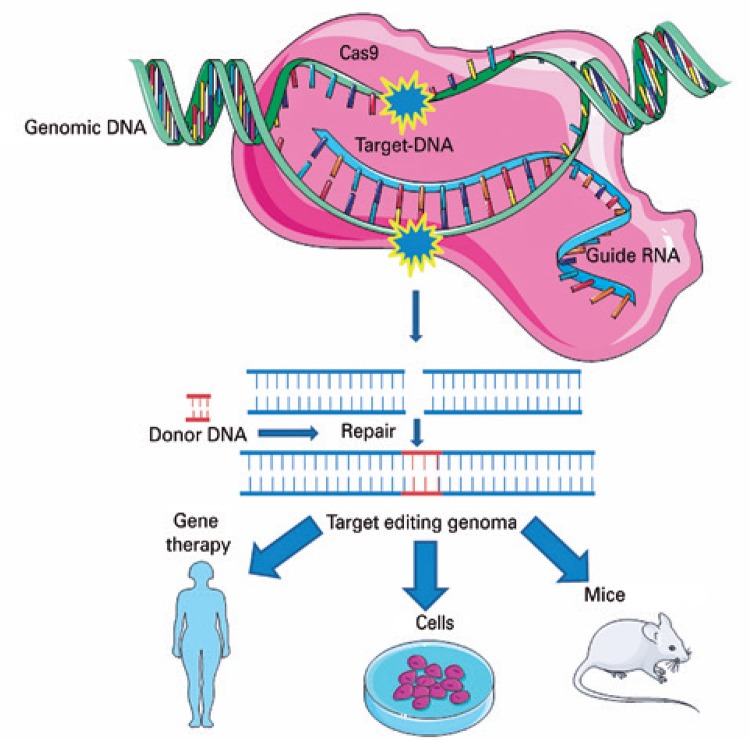
“RNA guide, which guides the complex to the target; and the target DNA, as is shown in figure 2.(25,26) of inactivation (knockout gene − KO), integration of exogenous sequences (knock-in), and allele substitution, among others.”
BackgroundMultiplex Genome Engineering Using CRISPR/Cas Systems
Cong, L., Ran, F. A., Cox, D., Lin, S., Barretto, R., Habib, N., Hsu, P. D., Wu, X., Jiang, W., Marraffini, L. A., et al. (2013) · Science · doi:10.1126/science.1231143 · Cited by 15,339 · cited 1×
“RNA guide, which guides the complex to the target; and the target DNA, as is shown in figure 2.(25,26) of inactivation (knockout gene − KO), integration of exogenous sequences (knock-in), and allele substitution, among others.”
BackgroundChimeric Antigen Receptor T Cells for Sustained Remissions in Leukemia
Maude, S. L., Frey, N., Shaw, P. A., Aplenc, R., Barrett, D. M., Bunin, N. J., Chew, A., Gonzalez, V. E., Zheng, Z., Lacey, S. F., et al. (2014) · New England Journal of Medicine · doi:10.1056/nejmoa1407222 · Cited by 5,413 · cited 1×
“For example, the CD19 antigen can be found in normal or malignant B cells, and the CAR design for the CD19 target in not capable of distinguishing them.(20,22) Other common toxicity for CAR-T therapy (and many other types of immunotherapy for cancer) is the cytokine release syndrome (CRS).”
BackgroundCurrent concepts in the diagnosis and management of cytokine release syndrome.
Lee, D. W., Gardner, R., Porter, D. L., Louis, C. U., Ahmed, N., Jensen, M., Grupp, S. A., & Mackall, C. L. (2014) · Blood · doi:10.1182/blood-2014-05-552729 · Cited by 2,806 · cited 1×
“Activation of the immune system after CAR-T infusion can induce a rapid increase in the levels of inflammatory cytokines.(20,23) New developments in the design of vectors and trials with CAR-T provide balance and reinforcement in safety for amplification of the clinical application.”
BackgroundEshhar, Z., Waks, T., Gross, G., & Schindler, D. G. (1993) · Proceedings of the National Academy of Sciences · doi:10.1073/pnas.90.2.720 · Cited by 1,658 · cited 1×
“,(16) was marked by the fusion of a single chain fragment variable (scFv) to a transmembrane domain and an intracellular signaling unit: chain CD3 zeta.”
BackgroundGross, G., Waks, T., & Eshhar, Z. (1989) · Proceedings of the National Academy of Sciences · doi:10.1073/pnas.86.24.10024 · Cited by 1,590 · cited 1×
“,(16) was marked by the fusion of a single chain fragment variable (scFv) to a transmembrane domain and an intracellular signaling unit: chain CD3 zeta.(17,18) This design combined the active element of a well-characterized monoclonal antibody with a signaling domain, increasing the recognition of the tumor-specific e…”
BackgroundCellular immunity to viral antigens limits E1-deleted adenoviruses for gene therapy.
Yang, Y., Nunes, F. A., Berencsi, K., Furth, E. E., Gönczöl, E., & Wilson, J. M. (1994) · Proceedings of the National Academy of Sciences · doi:10.1073/pnas.91.10.4407 · Cited by 1,575 · cited 1×
“(5) Within this context, included are polymers that form networks that capture a gene and release its load when they penetrate the cells, such as DNA microinjections,(10) cationic polymers,(11) cationic liposomes,(12,13) and particle bombardment.(14) Each exogenous material introduction technique differs from the othe…”
BackgroundGene Editing of CCR5 in Autologous CD4 T Cells of Persons Infected with HIV
Tebas, P., Stein, D., Tang, W. W., Frank, I., Wang, S. Q., Lee, G., Spratt, S. K., Surosky, R. T., Giedlin, M. A., Nichol, G., et al. (2014) · New England Journal of Medicine · doi:10.1056/nejmoa1300662 · Cited by 1,357 · cited 3×
“possibly, such trials could be previously tested in animal models.(4,30) These recent publications rekindled the debate regarding genetic editing.”
BackgroundCRISPR interference: RNA-directed adaptive immunity in bacteria and archaea
Marraffini, L. A., & Sontheimer, E. J. (2010) · Nature Reviews Genetics · doi:10.1038/nrg2749 · Cited by 919 · cited 2×
“one of the primary biotechnological tools for gene edition.(24) Originating in the immune-adaptive system of”
BackgroundState-of-the-art gene-based therapies: the road ahead
Kay, M. A. (2011) · Nature Reviews Genetics · doi:10.1038/nrg2971 · Cited by 666 · cited 2×
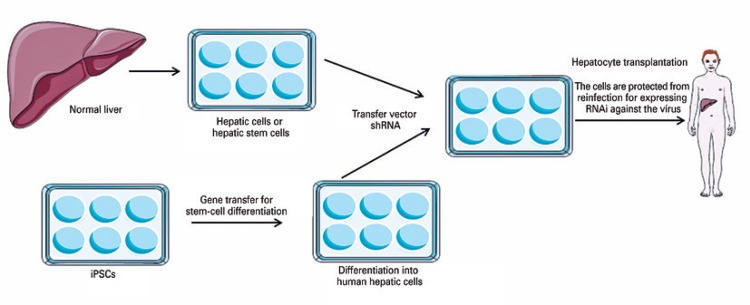
“, hepatitis B virus and hepatitis C virus), which require a liver transplant, may be likely to undergo the hepatic transplantation of mature hepatocytes or those derived from iPS.(15) Not only the transfer of genes might be needed to convert stem cells into hepatocytes; since the transplanted cells are susceptible to…”
Background
Research works printed but not linked: 4
- Mukherjee S Genetic therapies: posthuman gene therapy Mukherjee S The gene: an intimate history Nova York Scribner 2016 Chap. 34 415
- Linden R Gene therapy: what it is, what it is not and what it will be Estud Av 2010 24 70 31 69
- Parham P Antigen recognition by T lymphocytes Parham P The immune system 3rd Nova York Garland Science 2009 Chap. 5 113
- Vieira GV Cecílio NT Arruda LM Sales KU Visão geral do mecanismo básico de ação Pereira TC organizador Introdução à técnica de CRISPR Ribeirão Preto Cubo 2016 Cap. 2 54
Cited by
Items 101–200 of 369
del Pozo‐Rodríguez, A., Rodríguez‐Gascón, A., Rodríguez-Castejón, J., Vicente-Pascual, M., Gómez-Aguado, I., Battaglia, L., & Solinís, M. Á. (2019) · Advances in biochemical engineering, biotechnology · doi:10.1007/10_2019_109 · Cited by 28
Two-Dimensional and Three-Dimensional Cell Culture and Their Applications
Ballav, S., Deshmukh, A. J., Siddiqui, S., Aich, J., & Basu, S. (2022) · Biochemistry · doi:10.5772/intechopen.100382 · Cited by 24
“It has been widely studied for various diseases such as immune deficiency, blood disorders, eye problems, metabolic disorders, regeneration of nerve cells, and cancer [32].”
BackgroundAranda, C. S., Guimarães, R. R., & Pimentel, M. D. G.-P. (2020) · Jornal de Pediatria · doi:10.1016/j.jped.2020.10.014 · Cited by 20
Bhattacharya, K., Kalita, U., & Singha, N. K. (2022) · Polymer Chemistry · doi:10.1039/d1py01640g · Cited by 17
Corridon, P. R. (2023) · Frontiers in Medicine · doi:10.3389/fmed.2023.1143028 · Cited by 16
Gene therapy: an alternative to treat Alzheimer’s disease
Doshi, V., Joshi, G., Sharma, S., & Choudhary, D. K. (2023) · Naunyn-Schmiedeberg s Archives of Pharmacology · doi:10.1007/s00210-023-02873-z · Cited by 15
“Clinical trials using AAVs as vectors for gene transfer to the brain have just begun in research to treat neurological illnesses like Alzheimer’s disease (Gardlík et al., 2005).”
InfluentialIntraocular mRNA delivery with endogenous MmPEG10-based virus-like particles
Li, M., Liu, Z., Wang, D., Ye, J., Shi, Z., Pan, C., Zhang, Q., Ju, R., Zheng, Y., & Liu, Y. (2024) · Experimental Eye Research · doi:10.1016/j.exer.2024.109899 · Cited by 16
Tuning extracellular fluid viscosity to enhance transfection efficiency
Ma, J., Zhu, Y., Kong, J., Yu, D., Toh, W. H., Jain, M., Ni, Q., Ge, Z., Lin, J., Choy, J., et al. (2024) · Nature Chemical Engineering · doi:10.1038/s44286-024-00116-3 · Cited by 15
“Gene therapy mediated by viral or non-viral vectors has emerged as a valuable approach for treating both congenital and acquired conditions 1–4 , as well as for developing prophylactic and therapeutic vaccines 5–8 .”
Kaur, G., Arora, J., Sodhi, A. S., Bhatia, S., & Batra, N. (2024) · Molecular Biotechnology · doi:10.1007/s12033-024-01301-8 · Cited by 21
“The recent advances in genetics and bioengineering have enabled the manipulation of vectors mostly plasmids, nanoparticles or viruses for transfer of extrachromosomal material to target cells, making this therapy possible [1].”
Farcaș, A., Janosi, L., & Aştilean, S. (2021) · Computational and Theoretical Chemistry · doi:10.1016/j.comptc.2021.113581 · Cited by 14
The current status of gene therapy in bladder cancer
Tholomier, C., Martini, A., Mokkapati, S., & Dinney, C. P. (2023) · Expert Review of Anticancer Therapy · doi:10.1080/14737140.2023.2203385 · Cited by 16
“Table 1 describes the different characteristics of the vectors used for gene therapy [2,28,29].”
BackgroundNanotechnology in Cancer Therapy: How Nanoparticles Are Shaping the Future of Personalized Treatment
Lionadi, I., & Payam, A. F. (2026) · ACS Nano Medicine · doi:10.1021/acsnanomed.5c00117 · Cited by 17
Biswas, A., Maloverjan, M., Padari, K., Abroi, A., Rätsep, M., Wärmländer, S. K. T. S., Jarvet, J., Gräslund, A., Kisand, V., Lõhmus, R., et al. (2023) · Pharmaceutics · doi:10.3390/pharmaceutics15020396 · Cited by 14
Li, D., Liu, D., Wang, Y., Sun, Q., Sun, R., Zhang, J., Hong, X., Huo, R., Zhang, S., & Cui, C. (2023) · Nanoscale Advances · doi:10.1039/d3na00369h · Cited by 14
Cruz-Pavlovich, F. J. S., Bolaños-Chang, A. J., Rio-Murillo, X. I. D., Aranda-Preciado, G. A., Razura-Ruiz, E. M., Santos, A., & Navarro‐Partida, J. (2024) · Cells · doi:10.3390/cells13020179 · Cited by 15
“This therapy has been made possible by advances in genetics and bioengineering that have made it possible to manipulate vectors to deliver extrachromosomal material to target cells [126].”
BackgroundSom, M., Gikanga, B., Kanapuram, V., & Yadav, S. (2024) · Journal of Pharmaceutical Sciences · doi:10.1016/j.xphs.2024.03.024 · Cited by 13
Advances and Challenges in Gene Therapy for Inherited Retinal Dystrophies: A Comprehensive Review
Jain, R., & Daigavane, S. V. (2024) · Cureus · doi:10.7759/cureus.69895 · Cited by 24
“However, gene therapy represents a novel approach that addresses the genetic basis of IRDs [4].”
BackgroundRavi, S., Sharma, T., Yip, M., Yang, H., Xie, J., Gao, G., & Tai, P. W. L. (2025) · Nucleic Acids Research · doi:10.1093/nar/gkaf233 · Cited by 17
Divalent Metal Ions Boost Effect of Nucleic Acids Delivered by Cell-Penetrating Peptides
Maloverjan, M., Padari, K., Abroi, A., Rebane, A., & Pooga, M. (2022) · Cells · doi:10.3390/cells11040756 · Cited by 15
Arumugam, G. S., Damodharan, K., Doble, M., & Thennarasu, S. (2022) · Molecular Biomedicine · doi:10.1186/s43556-022-00078-z · Cited by 15
Designer Nucleases: Gene-Editing Therapies using CCR5 as an Emerging Target in HIV
Almeida, M. J., & Matos, A. M. (2019) · Current HIV Research · doi:10.2174/1570162x17666191025112918 · Cited by 13
The future of complement therapeutics
Kolev, M. V., Rao, K. N., Yeh, M. W., Parikh, A., & Deschatelets, P. (2024) · Exploration of Immunology · doi:10.37349/ei.2024.00161 · Cited by 15
Applications of CRISPR for musculoskeletal research
Fitzgerald, J. (2020) · Bone and Joint Research · doi:10.1302/2046-3758.97.bjr-2019-0364.r2 · Cited by 12
Optimization of intracellular macromolecule delivery by nanoparticle-mediated photoporation
Kumar, S., Li, A. I., Thadhani, N. N., & Prausnitz, M. R. (2021) · Nanomedicine Nanotechnology Biology and Medicine · doi:10.1016/j.nano.2021.102431 · Cited by 16
Chary, K. J. S., Sharma, A., & Singh, A. (2023) · E3S Web of Conferences · doi:10.1051/e3sconf/202345301017 · Cited by 14
“…and biocompatibility has been attempted for gene delivery, e.g. hyaluronic acid-based carbon dots developed by surface passivation with polyethylenimine exhibited the targeted cell imaging ability and showed the potential for effective transfection by releasing the DNA cargo into cytoplasm [80].”
BackgroundNajafi, S., Rahimpour, A., Ahmadieh, H., Tehrani, M. M., Khalilzad, M. A., Suri, F., & Ranjbari, J. (2024) · Electronic Journal of Biotechnology · doi:10.1016/j.ejbt.2024.07.005 · Cited by 12
Lasheen, N. N., Allam, S., Elgarawany, A., Aswa, D. W., Mansour, R., & Farouk, Z. E. (2024) · The Journal of Physiological Sciences · doi:10.1186/s12576-024-00933-4 · Cited by 14
“There are currently two main methods for altering a cell’s genetic makeup: virus-mediated and by physical mechanisms using preparations made using advanced nanotechnology techniques [75–77].”
MethodNanomedicines and Nanodrug Delivery Systems: Trends and Perspectives
Das, S., Das, M. K., Deka, T., Singha, L. R., & Das, P. (2020) · Springer eBooks · doi:10.1007/978-981-15-6255-6_6 · Cited by 13
Prospects of Non-Coding Elements in Genomic DNA Based Gene Therapy
Simna, S. P., & Han, Z. (2021) · Current Gene Therapy · doi:10.2174/1566523221666210419090357 · Cited by 11
Engineering antiviral immune-like systems for autonomous virus detection and inhibition in mice
Wang, Y., Xu, Y. C., Tan, C. W., Qiao, L., Chia, W. N., Zhang, H., Huang, Q., Deng, Z., Wang, Z., Wang, X., et al. (2022) · Nature Communications · doi:10.1038/s41467-022-35425-9 · Cited by 12
“Gene therapy became possible through the advances of genetics and bioengineering that enabled manipulating vectors for delivery of extrachromosomal material to target cells 61 .”
Stimuli-responsive Biomaterials for Tissue Engineering Applications
Yadav, D., Sharma, P. K., Malviya, R., Mishra, P. S., Surendra, A. V., Rao, G. K., & Rani, B. R. (2023) · Current Pharmaceutical Biotechnology · doi:10.2174/1389201024666230818121821 · Cited by 11
X‐linked neuronal migration disorders: Gender differences and insights for genetic screening
Edey, J., Soleimani‐Nouri, P., Dawson‐Kavanagh, A., Azeem, M. S. I., & Episkopou, V. (2023) · International Journal of Developmental Neuroscience · doi:10.1002/jdn.10290 · Cited by 12
“Germ-line therapies would instead be necessary to prevent the development of NMDs; however, there are ethical and safety concerns, as germline changes would affect every following generation (Gonçalves & Paiva, 2017).”
BackgroundCurrent Landscape of Gene Therapy for the Treatment of Cardiovascular Disorders
Wal, P., Aziz, N., Singh, C. P., Rasheed, A., Tyagi, L. K., Agrawal, A., & Wal, A. (2024) · Current Gene Therapy · doi:10.2174/0115665232268840231222035423 · Cited by 14
Taeb, S., Rostamzadeh, D., Amini, S. M., Rahmati, M. M., Golshekan, M., Abedinzade, M., Ahmadi, E., Singh, N. C., & Najafi, M. (2024) · Current Topics in Medicinal Chemistry · doi:10.2174/0115680266299112240514103048 · Cited by 11
Advanced therapy to cure diabetes: mission impossible is now possible?
Rohban, R., Martins, C. P., & Esni, F. (2024) · Frontiers in Cell and Developmental Biology · doi:10.3389/fcell.2024.1484859 · Cited by 10
Gene therapy strategies for aging intervention
Jing, Y., Ren, J., Qu, J. T., & Liu, G. (2025) · Cell Insight · doi:10.1016/j.cellin.2025.100254 · Cited by 11
“Additionally, the overall timeline from target discovery, small molecule screening, and drug evaluation to clinical application is relatively long, which significantly constrains the development and widespread application of small molecule drugs (Gonçalves & Paiva, 2017; Sayed et al., 2022).”
Gene therapy and gene editing in healthcare
Dwivedi, S., Purohit, P., Vasudeva, A., Kumar, M., Agrawal, R., Sheikh, N. A., Misra, R., Kishore, S., & Misra, S. (2022) · Elsevier eBooks · doi:10.1016/b978-0-323-89837-9.00006-1 · Cited by 19
Non-Viral Delivery Systems to Transport Nucleic Acids for Inherited Retinal Disorders
Jony, M. J. H., Joshi, A., Dash, A. K., & Shukla, S. (2025) · Pharmaceuticals · doi:10.3390/ph18010087 · Cited by 12
Emergent challenges for CRISPR: biosafety, biosecurity, patenting, and regulatory issues
Braddick, D., & Ramarohetra, R. F. (2020) · Elsevier eBooks · doi:10.1016/b978-0-12-818140-9.00021-0 · Cited by 14
Pochopień, M., Qiu, T., Aballéa, S., Clay, E., & Toumi, M. (2021) · Expert Review of Pharmacoeconomics & Outcomes Research · doi:10.1080/14737167.2021.1969229 · Cited by 11
“GTs were suggested with the potential to treat or even cure inherit diseases by means of introduction, removal or modification of genetic information [11].”
BackgroundThe steep uphill path leading to ex vivo gene therapy for genodermatoses
Palamenghi, M., Luca, M. D., & Rosa, L. D. (2022) · American Journal of Physiology-Cell Physiology · doi:10.1152/ajpcell.00117.2022 · Cited by 11
Benefit-Sharing by Design: A Call to Action for Human Genomics Research
Cartney, A. M. M., Scholz, A. H., Groussin, M., & Staunton, C. (2024) · Annual Review of Genomics and Human Genetics · doi:10.1146/annurev-genom-021623-104241 · Cited by 13
CRISPR/Cas9 Technology: A Novel Approach to Obesity Research
Khademi, Z., Mahmoudi, Z., Sukhorukov, V. N., Jamialahmadi, T., & Sahebkar, A. (2024) · Current Pharmaceutical Design · doi:10.2174/0113816128301465240517065848 · Cited by 10
Advances in the use of plants as potential biofactories in the production of antimicrobial peptides
dos Santos, C., & Franco, O. L. (2022) · Peptide Science · doi:10.1002/pep2.24290 · Cited by 9
Bioinspired Approaches for Central Nervous System Targeted Gene Delivery
Kumar, J., Karim, A., Sweety, U. H., Sarma, H., Nurunnabi, M., & Narayan, M. (2023) · ACS Applied Bio Materials · doi:10.1021/acsabm.3c00842 · Cited by 11
Immobilized Nanoneedle-Like Structures for Intracellular Delivery, Biosensing and Cellular Surgery
Park, S., Nguyen, D.-V., & Kang, L. (2021) · Nanomedicine · doi:10.2217/nnm-2020-0337 · Cited by 10
Active transfection of genetic materials using cyclodextrin-anchored nanovectors
Revdekar, A., Salvi, B. V., & Shende, P. K. (2024) · Materials Advances · doi:10.1039/d4ma00852a · Cited by 8
Medical embryology and regenerative medicine: research and applications in clinical practice
Soczyńska, J., Gawełczyk, W., Obrycka, P., Żołyniak, M., Muzyka, A., Majcherczyk, K., Papierkowska, J., & Woźniak, S. (2025) · Frontiers in Cell and Developmental Biology · doi:10.3389/fcell.2025.1619036 · Cited by 9
Optimizing VLP production in gene therapy: Opportunities and challenges for in silico modeling
Zehetner, L., Széliová, D., Kraus, B., Graninger, M., Zanghellini, J., & Bort, J. A. H. (2023) · Biotechnology Journal · doi:10.1002/biot.202200636 · Cited by 9
“The most popular GT-based application might be the replacement of defective genes by others that contain the information to produce the protein of interest correctly.[1,2] However, this”
BackgroundPharmaceutical and Biopharmaceuticals Industries: Revolutionizing Healthcare
Haider, R. (2023) · Asian Journal of Natural Sciences · doi:10.55927/ajns.v2i2.4179 · Cited by 8
Biological macromolecules as nutraceuticals
Carbajal-Valenzuela, I. A., Apolonio–Hernandez, N. M., Gutierrez-Chavez, D. V., González-Arias, B., Jiménez-Hernández, A., Torres‐Pacheco, I., Rico-García, E., Feregrino‐Pérez, A. A., & Guevara-González, R. G. (2021) · Elsevier eBooks · doi:10.1016/b978-0-323-85759-8.00001-4 · Cited by 11
Genetic advancements in obesity management and CRISPR–Cas9-based gene editing system
Jayachandran, M., Fei, Z., & Qu, S. (2022) · Molecular and Cellular Biochemistry · doi:10.1007/s11010-022-04518-w · Cited by 12
The impact of oncolytic adenoviral therapy on the therapeutic efficacy of PD-1/PD-L1 blockade
Najafi, S., Majidpoor, J., & Mortezaee, K. (2023) · Biomedicine & Pharmacotherapy · doi:10.1016/j.biopha.2023.114436 · Cited by 8
Satheeshan, G., Kumar, A., Rutta, J., & Venkatesh, T. (2024) · Functional & Integrative Genomics · doi:10.1007/s10142-024-01404-0 · Cited by 7
“One of the most widely used techniques in gene therapy is the recombinant DNA technology that uses plasmid DNA and viral and bacterial vectors as delivery systems (Gonçalves & Paiva 2017; Misra 2013; Uddin et al. 2020).”
In vivo mitochondrial base editing restores genotype and visual function in a mouse model of LHON
Kim, S., Kim, J., Cha, S., Ju, S., Lim, C. J., Hong, S., Bae, J., Oh, Y., Jung, S., Kim, S. P., et al. (2025) · Nature Communications · doi:10.1038/s41467-025-66600-3 · Cited by 12
“Gene therapy offers lasting therapeutic bene fi ts from just one dose, positioning it as an effective approach for genetic disorders 11 .”
Jung, J., Kim, N. H., Kwon, M., Park, J., Lim, D., Kim, Y. J., Gil, W., Cheong, Y. H., & Park, S. (2023) · Breast Cancer Research · doi:10.1186/s13058-023-01732-2 · Cited by 7
“One of the most frequently used techniques is inserting a gene of interest or healthy gene into a vector such as a plasmid, nano-structure, or virus [66, 67].”
MethodGene therapy for retinal diseases: From genetics to treatment
Khaparde, A., Mathias, G. P., Poornachandra, B., Thirumalesh, M. B., Shetty, R., & Ghosh, A. (2024) · Indian Journal of Ophthalmology · doi:10.4103/ijo.ijo_2902_23 · Cited by 10
CRISPR therapy: A revolutionary breakthrough in genetic medicine
Barreto, G. D. S., do Nascimento, J. B., de Almeida, K. C. S., Neto, J. C. M., & da Silva, S. L. F. L. (2024) · International Healthcare Review (online) · doi:10.56226/88 · Cited by 7
Lin, M. H., Lai, P., Chang, L., Huang, W.-C., Lee, M., Chen, K.-T., Chung, C., & Yang, J. (2021) · International Journal of Molecular Sciences · doi:10.3390/ijms22168741 · Cited by 7
“lation of cell function and behavior on a genetic level has crucial implications in molecular medicine and biotechnology; these include the treatment of certain inherited disorders, malignancies, a d viral infections, he tudy of gene fu ctio , and genetic engin ering of stem cells for regenerativ therapy [4,32,33].”
BackgroundA landscape analysis and discussion of value of gene therapies for sickle cell disease
Quach, D., Jiao, B., Basu, A., Bender, M. A., Hankins, J. S., Ramsey, S. D., & Devine, B. (2022) · Expert Review of Pharmacoeconomics & Outcomes Research · doi:10.1080/14737167.2022.2060823 · Cited by 9
“Hematopoietic stem cells (HSC) are ideal targets for gene-based therapies due to their high potential for longevity and their ability of self-renewal[5].”
BackgroundBiałkowska, K., Komorowski, P., Gómez, R., de la Mata, F. J., Bryszewska, M. J., & Miłowska, K. (2022) · Cells · doi:10.3390/cells11101697 · Cited by 8
“Target diseases also include some viral infections such as AIDS [7].”
BackgroundStem cells and their application in dentistry: A review
Bhat, M., Shetty, P., Shetty, S., Khan, F., Rahman, S., & Ragher, M. (2019) · Journal of Pharmacy And Bioallied Sciences · doi:10.4103/jpbs.jpbs_288_18 · Cited by 7
“[12] Now, researchers are trying to devise more ways to use specialized cells derived from stem cells to target specific cancerous cells and directly deliver treatments that will destroy or modify them.”
Yang, G. N., Sun, Y., Roberts, P. K., Moka, H. A., Sung, M. K., Gardner-Russell, J., Wazan, L. E., Toussaint, B., Kumar, S., Machin, H. M., et al. (2024) · Progress in Retinal and Eye Research · doi:10.1016/j.preteyeres.2024.101286 · Cited by 6
Gene Therapy in Rare Genetic Disorders: Current Progress and Future Perspectives
Khawaja, S., Ali, R. H., Ahmed, I., & Umair, M. (2025) · Current Genomics · doi:10.2174/0113892029361490250310041259 · Cited by 11
“Gene therapy has already led to breakthroughs in conditions like SMA and certain inherited retinal diseases, offering hope for future advances across a broader range of rare disorders [6].”
CRISPR Genome Editing in Personalized Therapy for Oral and Maxillofacial Diseases: A Scoping Review
Dziedzic, A. M., Kubina, R., Skonieczna, M., Madej, M., Fiegler-Rudol, J., Abid, M. F., Nadhim, D., & Tanasiewicz, M. (2025) · Biomedicines · doi:10.3390/biomedicines13112745 · Cited by 9
Liu, Y., Luo, N., Xi, X., Hou, J., Li, X., Xia, M., Yu, T., Yang, Y., & Liu, Y. (2026) · Drug Delivery · doi:10.1080/10717544.2026.2627689 · Cited by 8
“Gene therapy offers the potential to directly repair or replace damaged mtDNA using tools like CRISPR-Cas9 (Goncalves and Paiva 2017).”
Pugsley, C. E., Isaac, R. E., Warren, N. J., Stacey, M. A., Ferguson, C. T. J., Cappelle, K., Dominguez‐Espinosa, R., & Cayre, O. J. (2023) · Pest Management Science · doi:10.1002/ps.7793 · Cited by 7
Congenital Anomalies of the Female Genital Tract: A Comprehensive Review
Dahiphale, S. M., Potdar, J., Acharya, N., Jyotsna, G., Saloni, S., & Desale, R. (2024) · Cureus · doi:10.7759/cureus.56753 · Cited by 13
“Understanding the genetic underpinnings of specific anomalies may open avenues for therapeutic interventions that address the root causes, potentially transforming the landscape of treatment for individuals with genetic predispositions to female genital tract anomalies [53].”
BackgroundAdvances in CRISPR/Cas systems-based cell and gene therapy
Poddar, A., Ahmady, F., Prithviraj, P., Luwor, R. B., Shukla, R., Polash, S. A., Li, H., Ramakrishna, S., Kannourakis, G., & Jayachandran, A. (2024) · Progress in molecular biology and translational science · doi:10.1016/bs.pmbts.2024.07.005 · Cited by 6
Genetic frontiers: Exploring the latest strategies in gene delivery
Quadir, S. S., Choudhary, D., Singh, S., Choudhary, D. K., Chen, M., & Joshi, G. (2024) · Journal of Drug Delivery Science and Technology · doi:10.1016/j.jddst.2024.106316 · Cited by 8
Innovative gene therapy strategies for tackling obesity
Sheikh‐Hosseini, M., Moarefzadeh, M., Alsaedi, A. A., Amshawee, A. M., Al-Mozani, S. K., Abed, A. Y., Neissi, M., & Roudsari, P. P. (2025) · Egyptian Journal of Medical Human Genetics · doi:10.1186/s43042-025-00686-8 · Cited by 7
The complement system and kidney cancer: pathogenesis to clinical applications
Aalinkeel, R., Quigg, R. J., & Alexander, J. J. (2025) · Journal of Clinical Investigation · doi:10.1172/jci188351 · Cited by 7
“Kidney cancer, particularly RCC, often remains asymptomatic for long periods, making early diagnosis challenging.”
Marine Biomaterials: Resources, Categories, and Applications
Ibrahim, H. A. H., El-Sayed, W. M. M., & El-Sheekh, M. M. (2022) · Springer eBooks · doi:10.1007/978-981-16-5374-2_1 · Cited by 12
Davis, B., Lee, K., Wang, X., & Wang, Y. (2023) · Biomacromolecules · doi:10.1021/acs.biomac.3c00264 · Cited by 6
Lin, Q., Cai, B., Ke, R., Chen, L., Ni, X., Liu, H., Lin, X., Wang, B., & Shan, X. (2024) · Journal of Cosmetic Dermatology · doi:10.1111/jocd.16152 · Cited by 8
Natural Product-Loaded PCL and PLA-Based Bio-Scaffold and Their Applications
Chandel, S., Pandey, P., Saini, S., SHARMA, R. N., Parashar, B., & Yadav, K. (2024) · Springer eBooks · doi:10.1007/978-981-97-3111-4_6 · Cited by 8
Complementary approaches and advanced technologies in ameliorating rate of wound healing
Talukdar, S., Medhi, J., Barbhuiya, P. A., & Chakrabarti, S. (2025) · International Journal of Pharmaceutics · doi:10.1016/j.ijpharm.2025.125910 · Cited by 7
Gene Therapy and CRISPR/Cas Technology in Dentistry: A Review
Marimuthu, A., Piriyanga, R., Deepika, G., & Alagianambi, A. A. (2024) · Dental Journal of Advance Studies · doi:10.5005/djas-11014-0033 · Cited by 5
Mohan, R., Reckelbus, M., & Borry, P. (2025) · Personalized Medicine · doi:10.1080/17410541.2025.2515002 · Cited by 5
Mitochondria as biosynthetic centers and targeted therapeutics
Heidari, R., Ommati, M. M., & Niknahad, H. (2021) · Elsevier eBooks · doi:10.1016/b978-0-12-822416-8.00008-7 · Cited by 9
Linear ABC amphiphilic triblock copolymers for complexation and protection of dsRNA
Pugsley, C. E., Isaac, R. E., Warren, N. J., & Cayre, O. J. (2022) · Polymer Chemistry · doi:10.1039/d2py00914e · Cited by 5
Conditionally immortalised equine skeletal muscle cell lines for in vitro analysis
Rooney, M. F., Neto, N. G. B., Monaghan, M. G., Hill, E. W., & Porter, R. K. (2022) · Biochemistry and Biophysics Reports · doi:10.1016/j.bbrep.2022.101391 · Cited by 6
“Although not yet commonplace, research in the eld of gene therapy is constantly improving [34-37] and with every advancement in genetic methods intended for hereditary disease therapies, comes further opportunities for exploiting the technology for doping strategies [38-42].”
BackgroundGene Therapy and Its Applications
Bansal, A., Prakash, R., Agarwal, S., & Advani, U. (2023) · Journal of Medical Evidence · doi:10.4103/jme.jme_65_21 · Cited by 10
Dubey, A., Bisht, A., Vikal, A., Patel, P., & Kurmi, B. D. (2024) · International Journal of Newgen Research in Pharmacy & Healthcare · doi:10.61554/ijnrph.v2i1.2024.75 · Cited by 7
Efficacy of Gene Therapy to Restore Cognition in Alzheimer’s Disease: A Systematic Review
Tedeschi, D. V., da Cunha, A. F., Cominetti, M. R., & Pedroso, R. V. (2021) · Current Gene Therapy · doi:10.2174/1566523221666210120091146 · Cited by 7
Recombinant DNA technology and gene therapy
Sivamani, Y., Hegde, S., Bhat, A. R., Sajal, H., & Elayaperumal, S. (2024) · Elsevier eBooks · doi:10.1016/b978-0-443-16013-4.00017-8 · Cited by 4
Regulatory T cell-based therapies for type 1 diabetes: a narrative review
Velikova, T. V., Vasilev, G., Linkwinstar, D., Siliogka, E., Kokudeva, M., Miteva, D., Vasilev, G., Gulinac, M., Atliev, K., & Shumnalieva, R. (2025) · Metabolism and Target Organ Damage · doi:10.20517/mtod.2024.52 · Cited by 5
BEYOND HIV-ASSOCIATED ANEMIA: EXPLORING THE CONSEQUENCES OF REPEATED BLOOD TRANSFUSIONS IN HIV CARE
Obeagu, E. I. (2025) · Universal Journal of Pharmaceutical Research · doi:10.22270/ujpr.v10i4.1399 · Cited by 4
“This neglect could postpone the acknowledgment and handling of transfusion-related complications, especially among at-risk groups like children, pregnant women, and those with severe immunosuppression 15,16 .”
Kheirabadi, E., & Macía, J. (2022) · Frontiers in Microbiology · doi:10.3389/fmicb.2022.972200 · Cited by 5
Substitute for orthognathic surgery using bioprinted bone scaffolds in restoring osseous defects
Sehrawat, S., Kumar, A., & Prabhakar, M. (2023) · Elsevier eBooks · doi:10.1016/b978-0-323-91834-3.00029-6 · Cited by 4
Therapeutic Efficacy of Nanocarrier‐Mediated Inhalable Gene Transfection for Lung Cancer
Sarkar, P., Sardar, M., Sen, O., Das, S., & Manna, S. (2024) · ChemistrySelect · doi:10.1002/slct.202402903 · Cited by 6
Advancing a rapid, high throughput screening platform for optimization of lentivirus production
Gopal, S., Osborne, A., Hock, L. A., Zemianek, J. M., Fang, K., Gee, G. V., Ghosh, R., McNally, D., Cramer, S. M., & Dordick, J. S. (2021) · Biotechnology Journal · doi:10.1002/biot.202000621 · Cited by 5
Madu, S. J., Hassan, D., Igbokwe, N. N., Orugun, O. A., & Muazu, J. (2022) · Elsevier eBooks · doi:10.1016/b978-0-323-85233-3.00011-2 · Cited by 5
Immunotherapy and Targeted Therapy in the Management of Oral Cancers
Dutta, S., Singhal, S., Shah, R., & Haque, M. (2022) · Critical Reviews™ in Oncogenesis · doi:10.1615/critrevoncog.2022046361 · Cited by 4
Future directions in cervical cancer treatment
Damane, B. P., Mulaudzi, T. V., Kgokolo, M., Luvhengo, T. E., Skepu, A., Rotimi, S. O., & Dlamini, Z. (2024) · Elsevier eBooks · doi:10.1016/b978-0-443-28985-9.00004-5 · Cited by 5
Biotechnology: Discoveries and Their Applications in Societal Welfare
Kumar, H. (2020) · Ecoproduction · doi:10.1007/978-3-030-36130-3_1 · Cited by 4
Niu, Z., Zhang, W., Shi, J., Li, X., & Wu, H. (2021) · Journal of Cardiothoracic Surgery · doi:10.1186/s13019-021-01540-9 · Cited by 4
Safety and efficacy of RNA vaccines: State of the art
Blagov, A. V., Bukaeva, A. A., Makarov, V. V., & Bochkaeva, Z. (2021) · Medical Immunology (Russia) · doi:10.15789/1563-0625-sae-2320 · Cited by 5
Healthspan Extension through Innovative Genetic Medicines
Garcia, H., Brown, D. W., Scholz, M., & Lewis, J. D. (2021) · Plastic & Reconstructive Surgery · doi:10.1097/prs.0000000000009674 · Cited by 6
siRNA Loaded in Drug Delivery Nanosystems as a Strategy for Breast Cancer Treatment
Costa, K. M. N., de Sousa, L. B. C., de Melo, D. F., Lima, D. P. D. S., Damasceno, B. P. G. D. L., & Oshiro, J. A. (2022) · Interdisciplinary cancer research · doi:10.1007/16833_2022_88 · Cited by 4
Metadata
- Authors
- Gonçalves, G. A. R., & Paiva, R. D. M. A.
- Affiliations
- Hospital Israelita Albert Einstein, Brazil
- Hospital Israelita Albert Einstein (BR)
- Venue
- Einstein (São Paulo)
- Publisher
- FapUNIFESP (SciELO)
- Published
- 2017-09
- Volume
- 15
- Issue
- 3
- Pages
- 369-375
- ISSN
- 1679-4508 (ISSN-L)
- PMC
- PMC5823056
- OpenAlex
- W2944013917
- Cited by
- 351
- References
- 27
- Citations by year
- 2026: 25 · 2025: 47 · 2024: 76 · 2023: 63 · 2022: 55 · 2021: 39 · 2020: 23 · 2019: 16 · 2018: 6
- FWCI
- 8.17
- Type
- journal article
- Language
- en
- Open access
- diamond
- doi.org
- Licence
- cc-by
- Locations
- Einstein (São Paulo) (publishedVersion, cc-by)
- PubMed Central (publishedVersion, cc-by)
- PubMed (publishedVersion)
- LA Referencia (Red Federada de Repositorios Institucionales de Publicaciones Científicas) (publishedVersion, other-oa)
- Americanae (AECID Library) (submittedVersion, cc-by)
- DOAJ (DOAJ: Directory of Open Access Journals) (submittedVersion)
- Topics
- Life Sciences › Biochemistry, Genetics and Molecular Biology › Genetics › Virus-based gene therapy research
- Life Sciences › Biochemistry, Genetics and Molecular Biology › Molecular Biology › CRISPR and Genetic Engineering
- Life Sciences › Biochemistry, Genetics and Molecular Biology › Molecular Biology › RNA Interference and Gene Delivery
- Keywords
- gene therapy, gene delivery vectors, viral vectors, plasmid vectors, genome editing, CRISPR/Cas9, induced pluripotent stem cells, liver disease, immune response to gene therapy, clinical trials, somatic cells, germline modification
- MeSH terms
- Gene Editing, Animals, Genetic Vectors, Humans, Receptors, Antigen, T-Cell, Genetic Therapy, CRISPR-Cas Systems
About these checks
Registry, retraction, Cites and statistics results are computed, not judged, with one exception: a printed reference that no index lists is read once by a model before it counts as a citation error. Claims are extracted by a model and kept only when their quote appears verbatim in the text; each cited source is then checked, with a model’s help, for whether it says what the claim relies on. Those verdicts can be wrong — read the claim’s quote and the cited source before relying on one.
Statistics and arithmetic are recomputed, not judged.
Confidence bands are shown only for fields calibrated on our annotated test set. None is calibrated yet, so no band is shown.
What counts as a claim ›How we measure confidence ›How we check this ›
Are you an author, or do you see a problem with this page? Request a review
Data sources
Bibliographic data: Semantic Scholar, OpenAlex, Crossref.
Contains information from the Semantic Scholar Academic Graph Datasets, made available under the ODC Attribution License (ODC-BY 1.0).
Semantic Scholar’s data is described in: Kinney, R., et al. (2023). The Semantic Scholar Open Data Platform. arXiv:2301.10140.
