

Gene therapy: advances, challenges and perspectives
Open accessThe DOI matches its Crossref record; 27 of the 27 references it cites were found in a registry or an index.
Abstract
The ability to make site-specific modifications to the human genome has been an objective in medicine since the recognition of the gene as the basic unit of heredity. Thus, gene therapy is understood as the ability of genetic improvement through the correction of altered (mutated) genes or site-specific modifications that target therapeutic treatment. This therapy became possible through the advances of genetics and bioengineering that enabled manipulating vectors for delivery of extrachromosomal material to target cells. One of the main focuses of this technique is the optimization of delivery vehicles (vectors) that are mostly plasmids, nanostructured or viruses. The viruses are more often investigated due to their excellence of invading cells and inserting their genetic material. However, there is great concern regarding exacerbated immune responses and genome manipulation, especially in germ line cells. In vivo studies in in somatic cell showed satisfactory results with approved protocols in clinical trials. These trials have been conducted in the United States, Europe, Australia and China. Recent biotechnological advances, such as induced pluripotent stem cells in patients with liver diseases, chimeric antigen receptor T-cell immunotherapy, and genomic editing by CRISPR/Cas9, are addressed in this review.
Overview
The claims and statistics of this paper haven’t been checked yet.
Free: it reads the open-access text and checks the first 5 claims that cite a source we can check. Create a free account to check every claim.
Integrity signals
Registry
Cites
Statistics
Figures
Verification
Claims the paper makes
The claims and statistics of this paper haven’t been checked yet.
Free: it reads the open-access text and checks the first 5 claims that cite a source we can check. Create a free account to check every claim.
Claims other papers make about this one
Each is checked against this paper’s own text: does it say what the citing paper says it does?
In the citing paper
“These viruses show good safety when administered to target tissues, do not integrate in the recipient genome, successfully transduce retinal cells, and can carry genes of around 30 kb long.4,29,54–56”
From Gene Therapy for Retinal Degenerative Diseases: Progress, Challenges, and Future Directions (2023) · cites this paper as [54]
In the citing paper
“However, these vectors tend to be rapidly cleared due to the presence of neutralizing antibodies from pre-existing immunity.4,29,54–56”
From Gene Therapy for Retinal Degenerative Diseases: Progress, Challenges, and Future Directions (2023) · cites this paper as [54]
In the citing paper
“The AAV vectors are a common vector choice in ocular and non-ocular gene therapies, offering benefits such as a long duration of transgene expression, extremely low risk of insertional mutagenesis, only a mild inflammatory response, and low possibility of germline transmission.29,54”
From Gene Therapy for Retinal Degenerative Diseases: Progress, Challenges, and Future Directions (2023) · cites this paper as [54]
In the citing paper
“However, they carry risks for insertional mutagenesis and germline transmission and may elicit more inflammatory responses than AAVs.54,56,73”
From Gene Therapy for Retinal Degenerative Diseases: Progress, Challenges, and Future Directions (2023) · cites this paper as [54]
Self-check
Percentages, sums and reported differences re-computed from the paper’s own numbers.
The self-check needs the paper’s full text.
Citations
Cites
A Programmable Dual-RNA–Guided DNA Endonuclease in Adaptive Bacterial Immunity
Jinek, M., Chylinski, K., Fonfara, I., Hauer, M., Doudna, J. A., & Charpentier, E. (2012) · Science · doi:10.1126/science.1225829 · Cited by 17,116 · cited 1×
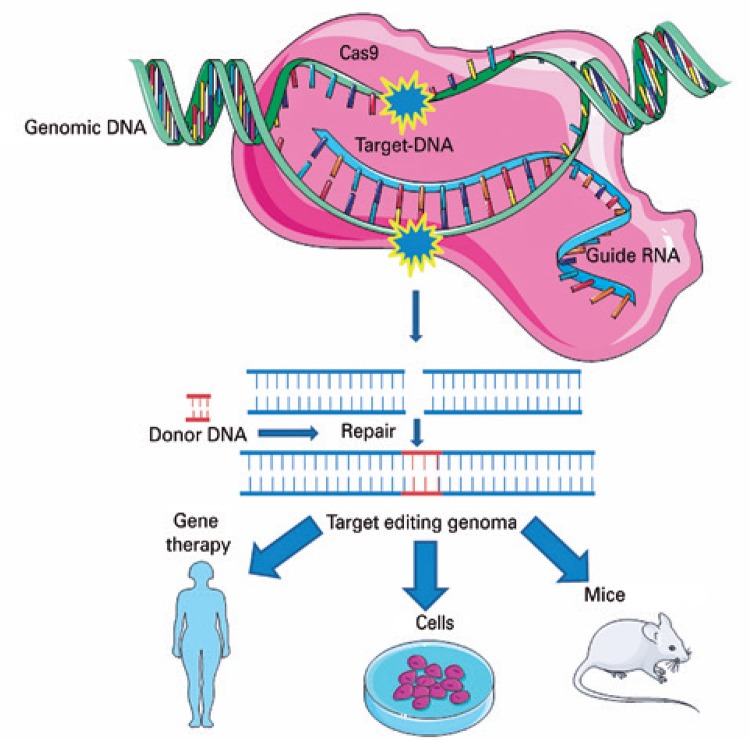
“RNA guide, which guides the complex to the target; and the target DNA, as is shown in figure 2.(25,26) of inactivation (knockout gene − KO), integration of exogenous sequences (knock-in), and allele substitution, among others.”
BackgroundMultiplex Genome Engineering Using CRISPR/Cas Systems
Cong, L., Ran, F. A., Cox, D., Lin, S., Barretto, R., Habib, N., Hsu, P. D., Wu, X., Jiang, W., Marraffini, L. A., et al. (2013) · Science · doi:10.1126/science.1231143 · Cited by 15,339 · cited 1×
“RNA guide, which guides the complex to the target; and the target DNA, as is shown in figure 2.(25,26) of inactivation (knockout gene − KO), integration of exogenous sequences (knock-in), and allele substitution, among others.”
BackgroundChimeric Antigen Receptor T Cells for Sustained Remissions in Leukemia
Maude, S. L., Frey, N., Shaw, P. A., Aplenc, R., Barrett, D. M., Bunin, N. J., Chew, A., Gonzalez, V. E., Zheng, Z., Lacey, S. F., et al. (2014) · New England Journal of Medicine · doi:10.1056/nejmoa1407222 · Cited by 5,413 · cited 1×
“For example, the CD19 antigen can be found in normal or malignant B cells, and the CAR design for the CD19 target in not capable of distinguishing them.(20,22) Other common toxicity for CAR-T therapy (and many other types of immunotherapy for cancer) is the cytokine release syndrome (CRS).”
BackgroundCurrent concepts in the diagnosis and management of cytokine release syndrome.
Lee, D. W., Gardner, R., Porter, D. L., Louis, C. U., Ahmed, N., Jensen, M., Grupp, S. A., & Mackall, C. L. (2014) · Blood · doi:10.1182/blood-2014-05-552729 · Cited by 2,806 · cited 1×
“Activation of the immune system after CAR-T infusion can induce a rapid increase in the levels of inflammatory cytokines.(20,23) New developments in the design of vectors and trials with CAR-T provide balance and reinforcement in safety for amplification of the clinical application.”
BackgroundEshhar, Z., Waks, T., Gross, G., & Schindler, D. G. (1993) · Proceedings of the National Academy of Sciences · doi:10.1073/pnas.90.2.720 · Cited by 1,658 · cited 1×
“,(16) was marked by the fusion of a single chain fragment variable (scFv) to a transmembrane domain and an intracellular signaling unit: chain CD3 zeta.”
BackgroundGross, G., Waks, T., & Eshhar, Z. (1989) · Proceedings of the National Academy of Sciences · doi:10.1073/pnas.86.24.10024 · Cited by 1,590 · cited 1×
“,(16) was marked by the fusion of a single chain fragment variable (scFv) to a transmembrane domain and an intracellular signaling unit: chain CD3 zeta.(17,18) This design combined the active element of a well-characterized monoclonal antibody with a signaling domain, increasing the recognition of the tumor-specific e…”
BackgroundCellular immunity to viral antigens limits E1-deleted adenoviruses for gene therapy.
Yang, Y., Nunes, F. A., Berencsi, K., Furth, E. E., Gönczöl, E., & Wilson, J. M. (1994) · Proceedings of the National Academy of Sciences · doi:10.1073/pnas.91.10.4407 · Cited by 1,575 · cited 1×
“(5) Within this context, included are polymers that form networks that capture a gene and release its load when they penetrate the cells, such as DNA microinjections,(10) cationic polymers,(11) cationic liposomes,(12,13) and particle bombardment.(14) Each exogenous material introduction technique differs from the othe…”
BackgroundGene Editing of CCR5 in Autologous CD4 T Cells of Persons Infected with HIV
Tebas, P., Stein, D., Tang, W. W., Frank, I., Wang, S. Q., Lee, G., Spratt, S. K., Surosky, R. T., Giedlin, M. A., Nichol, G., et al. (2014) · New England Journal of Medicine · doi:10.1056/nejmoa1300662 · Cited by 1,357 · cited 3×
“possibly, such trials could be previously tested in animal models.(4,30) These recent publications rekindled the debate regarding genetic editing.”
BackgroundCRISPR interference: RNA-directed adaptive immunity in bacteria and archaea
Marraffini, L. A., & Sontheimer, E. J. (2010) · Nature Reviews Genetics · doi:10.1038/nrg2749 · Cited by 919 · cited 2×
“one of the primary biotechnological tools for gene edition.(24) Originating in the immune-adaptive system of”
BackgroundState-of-the-art gene-based therapies: the road ahead
Kay, M. A. (2011) · Nature Reviews Genetics · doi:10.1038/nrg2971 · Cited by 666 · cited 2×
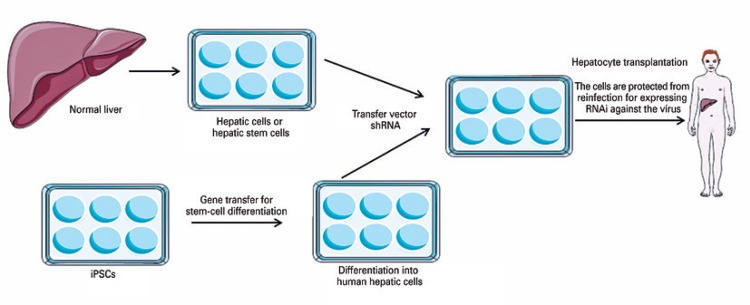
“, hepatitis B virus and hepatitis C virus), which require a liver transplant, may be likely to undergo the hepatic transplantation of mature hepatocytes or those derived from iPS.(15) Not only the transfer of genes might be needed to convert stem cells into hepatocytes; since the transplanted cells are susceptible to…”
Background
Research works printed but not linked: 4
- Mukherjee S Genetic therapies: posthuman gene therapy Mukherjee S The gene: an intimate history Nova York Scribner 2016 Chap. 34 415
- Linden R Gene therapy: what it is, what it is not and what it will be Estud Av 2010 24 70 31 69
- Parham P Antigen recognition by T lymphocytes Parham P The immune system 3rd Nova York Garland Science 2009 Chap. 5 113
- Vieira GV Cecílio NT Arruda LM Sales KU Visão geral do mecanismo básico de ação Pereira TC organizador Introdução à técnica de CRISPR Ribeirão Preto Cubo 2016 Cap. 2 54
Cited by
Recent advances in the development of gene delivery systems.
Sung, Y., & Kim, S. (2019) · Biomaterials Research · doi:10.1186/s40824-019-0156-z · Cited by 458
“DNA-based viral vectors are lentivirus, poxvirus, adenovirus, adeno-associated virus, retrovirus, human foamy virus (HFV) and herpes virus [24].”
Gene therapy: Comprehensive overview and therapeutic applications
Sayed, N., Allawadhi, P., Khurana, A., Singh, V., Navik, U., Pasumarthi, S. K., Khurana, I., Banothu, A. K., Weiskirchen, R., & Bharani, K. K. (2022) · Life Sciences · doi:10.1016/j.lfs.2022.120375 · Cited by 337
Stimuli-Responsive Materials for Tissue Engineering and Drug Delivery
Municoy, S., Álvarez Echazú, M. I., Antezana, P. E., Galdopórpora, J. M., Olivetti, C., Mebert, A. M., Foglia, M. L., Tuttolomondo, M. V., Alvarez, G. S., Hardy, J. G., et al. (2020) · International Journal of Molecular Sciences · doi:10.3390/ijms21134724 · Cited by 289
“More often than not, secondary effects arise from non-specific interactions with cells and tissues, so that vehicles that react to specific stimuli would be promising carriers for the targeted delivery of drugs and genes [19,20].”
BackgroundBiologics, theranostics, and personalized medicine in drug delivery systems
Puccetti, M., Pariano, M., Schoubben, A., Giovagnoli, S., & Ricci, M. (2024) · Pharmacological Research · doi:10.1016/j.phrs.2024.107086 · Cited by 212
Magnetite Nanoparticles in Magnetic Hyperthermia and Cancer Therapies: Challenges and Perspectives
Włodarczyk, A., Gorgoń, S., Radoń, A., & Bajdak-Rusinek, K. (2022) · Nanomaterials · doi:10.3390/nano12111807 · Cited by 209
Poddar, A., Conesa, J. J., Liang, K., Dhakal, S., Reineck, P., Bryant, G., Pereiro, E., Ricco, R., Amenitsch, H., Doonan, C., et al. (2019) · Small · doi:10.1002/smll.201902268 · Cited by 158
“Fluorescence emission spectra of DNA – Labeling with PI - plGFP (1), plGFP@ZIF-8 (2), plGFP@ZIF-8 synthesis solution supernatant (3), plGFP@ZIF-8 with EDTA treatment (4) and ZIF-8 precursors without DNA (5) (B).”
BackgroundGene Therapy for Retinal Degenerative Diseases: Progress, Challenges, and Future Directions
Drag, S., Dotiwala, F., & Upadhyay, A. K. (2023) · Investigative Opthalmology & Visual Science · doi:10.1167/iovs.64.7.39 · Cited by 145
Ma, W., Tang, S., Yao, P., Zhou, T., Niu, Q., Liu, P.-F., Tang, S., Chen, Y., Gan, L., & Cao, Y. (2025) · Signal Transduction and Targeted Therapy · doi:10.1038/s41392-025-02127-9 · Cited by 165
Nanoparticle drug delivery systems for synergistic delivery of tumor therapy
Chen, D., Liu, X., Lu, X., & Tian, J. (2023) · Frontiers in Pharmacology · doi:10.3389/fphar.2023.1111991 · Cited by 184
“At present, gene delivery approaches are mainly based on siRNAs (Goncalves and Paiva, 2017).”
BackgroundSamrot, A. V., Sean, T. C., Kudaiyappan, T., Bisyarah, U., Mirarmandi, A., Faradjeva, E., Abubakar, A., Ali, H. H., Angalene, J. L. A., & Kumar, S. S. (2020) · International Journal of Biological Macromolecules · doi:10.1016/j.ijbiomac.2020.10.104 · Cited by 133
An Overview of Nanotechnologies for Drug Delivery to the Brain
Ayub, A., & Wettig, S. D. (2022) · Pharmaceutics · doi:10.3390/pharmaceutics14020224 · Cited by 126
“Essentially, viral vectors can be used to deliver specific genes to fight or prevent diseases (gene therapy) [41,42].”
BackgroundGene therapy for neurological disorders: challenges and recent advancements
Peña, S., Iyengar, R., Eshraghi, R. S., Bencie, N., Mittal, J., Aljohani, A., Mittal, R., & Eshraghi, A. A. (2019) · Journal of drug targeting · doi:10.1080/1061186x.2019.1630415 · Cited by 123
“In the broadest sense, gene therapy has the capacity for gene modification via replacing a mutated gene that causes disease with a healthy copy of the gene, inactivating or ‘knocking out’ a mutated gene having abnormal function or introducing a new gene into the body to help fight a disease [40].”
BackgroundGene therapy to enhance angiogenesis in chronic wounds
Shaabani, E., Sharifiaghdam, M., Majidi, R. F., Smedt, S. C. D., Braeckmans, K., & Fraire, J. C. (2022) · Molecular Therapy — Nucleic Acids · doi:10.1016/j.omtn.2022.08.020 · Cited by 108
“Gene therapy as a novel and promising therapeutic platform has the potential for a more accurate and personalized treatment of diverse life-threatening diseases.(23,24) It can offer selective correction of critical angiogenesis pathways that are dysregulated or defective at their genetic roots.”
Hamdy, N. Μ., Basalious, E. B., El-Sisi, M. G., Nasr, M., Kabel, A. M., Nossier, E. S., & Abadi, A. (2024) · Current Medical Research and Opinion · doi:10.1080/03007995.2024.2416985 · Cited by 105
“…genes with high or low expression in the blood are involved, or their polymorphisms, such as obesity, metabolic syndrome, diabetes mellitus 133,134 , liver diseases 135–137 , juvenile arthritis, and primary hypertension or heart diseases 138–141 might present a challenge to genetic therapy 90 .”
InfluentialZhang, C., Ma, Y., Zhang, J., Kuo, J. C., Zhang, Z., Xie, H., Zhu, J., & Liu, T. (2022) · Molecules · doi:10.3390/molecules27061943 · Cited by 112
“In recent decades, gene therapy that involves either replacing a mutated gene that functions abnormally or regulating the expression of one or more specific genes has been widely explored for the treatment of various diseases, such as cancers, inherited diseases, infections, and immunodeficiencies [1].”
BackgroundTherapeutic Applications of Nanomedicine: Recent Developments and Future Perspectives
Rehan, F., Zhang, M., Fang, J. Q., & Greish, K. F. (2024) · Molecules · doi:10.3390/molecules29092073 · Cited by 107
Locoregional drug delivery for cancer therapy: Preclinical progress and clinical translation
Shaha, S., Rodrigues, D., & Mitragotri, S. (2024) · Journal of Controlled Release · doi:10.1016/j.jconrel.2024.01.072 · Cited by 96
Targeted Liposomes: A Nonviral Gene Delivery System for Cancer Therapy
Luiz, M. T., Dutra, J. A. P., Tofani, L. B., de Araújo, J. T. C., Filippo, L. D. D., Marchetti, J. M., & Chorilli, M. (2022) · Pharmaceutics · doi:10.3390/pharmaceutics14040821 · Cited by 93
Potential of Peptide Nucleic Acids in Future Therapeutic Applications
Montazersaheb, S., Hejazi, M. S., & Charoudeh, H. N. (2018) · Advanced Pharmaceutical Bulletin · doi:10.15171/apb.2018.064 · Cited by 89
“In conventional gene therapy, viral vectors are often used for gene delivery that may cause some risks including, stimulation of immune reaction and more importantly insertion of oncogene.(20) PNAs are more efficient in terms of gene modulation,”
BackgroundPotential Application of the CRISPR/Cas9 System against Herpesvirus Infections
Chen, Y., Sheng, J., Trang, P., & Liu, F. (2018) · Viruses · doi:10.3390/v10060291 · Cited by 79
“The most common strategies for CRISPR/Cas9 delivery are lipoids [36,37], viruses [36,37], nanoparticles [36,37], bacteria [38], gene guns [39], electroporation [40], and nanostraws [41] (Table 2).”
BackgroundRecent advances in polymeric materials for the delivery of RNA therapeutics
Ulkoski, D., Bak, A., Wilson, J. T., & Krishnamurthy, V. R. (2019) · Expert Opinion on Drug Delivery · doi:10.1080/17425247.2019.1663822 · Cited by 73
“seen significant progress in clinical advancement over the last few years [1,2].”
BackgroundTherapeutic applications of nanobiotechnology
Dutt, Y., Pandey, R. P., Dutt, M., Gupta, A. A., Vibhuti, A., Vidić, J., Raj, V. S., Chang, C.-M., & Priyadarshini, A. (2023) · Journal of Nanobiotechnology · doi:10.1186/s12951-023-01909-z · Cited by 81
Novel Drug Delivery Systems Fighting Glaucoma: Formulation Obstacles and Solutions
Rahić, O., Tucak, A., Omerović, N., Sirbubalo, M., Hindija, L., Hadžiabdić, J., & Vranić, E. (2020) · Pharmaceutics · doi:10.3390/pharmaceutics13010028 · Cited by 75
“a certain disease, through the insertion of a normal gene into the genome [304].”
BackgroundMalhotra, S., Dumoga, S., & Singh, N. (2022) · Wiley Interdisciplinary Reviews Nanomedicine and Nanobiotechnology · doi:10.1002/wnan.1776 · Cited by 80
Encapsulation of miRNA and siRNA into Nanomaterials for Cancer Therapeutics
Zare, M., Pemmada, R., Madhavan, M., Shailaja, A., Ramakrishna, S., Kandiyil, S. P., Donahue, J. M., & Thomas, V. (2022) · Pharmaceutics · doi:10.3390/pharmaceutics14081620 · Cited by 70
“Gene therapy mainly includes the delivery of hereditary materials into target cells and the improvement of a proficient carrier to accomplish this is required for therapeutic effect [92].”
BackgroundExploring modified chitosan-based gene delivery technologies for therapeutic advancements
Gholap, A. D., Kapare, H. S., Pagar, S., Kamandar, P. A., Bhowmik, D. D., Vishwakarma, N., Raikwar, S., Garkal, A., Mehta, T. A., Rojekar, S. V., et al. (2024) · International Journal of Biological Macromolecules · doi:10.1016/j.ijbiomac.2024.129581 · Cited by 83
Gene therapy: A promising approach for breast cancer treatment
Dastjerd, N. T., Valibeik, A., Monfared, S. R., Goodarzi, G., Sarabi, M. M., Hajabdollahi, F., Maniati, M., Amri, J., & Tehrani, S. S. (2021) · Cell Biochemistry and Function · doi:10.1002/cbf.3676 · Cited by 82
Inflammatory bowel disease, colitis, and cancer: unmasking the chronic inflammation link
Khaze, V., Noorolyai, S., Youshanlui, M. A., Hossein, S., Nasiri, H., Mansoori, B., Holmskov, U., & Baradaran, B. (2024) · International Journal of Colorectal Disease · doi:10.1007/s00384-024-04748-y · Cited by 76
“Everything depends on understanding how genes function and how changes in genes can affect our health [133, 134].”
BackgroundThe Horizon of Gene Therapy in Modern Medicine: Advances and Challenges
Arjmand, B., Larijani, B. A., Hosseini, M. S., Payab, M., Gilany, K., Goodarzi, P., Roudsari, P. P., Amanollahi, M., & Mohammadi, N. S. H. (2019) · Advances in experimental medicine and biology · doi:10.1007/5584_2019_463 · Cited by 72
An update of current therapeutic approach for Intervertebral Disc Degeneration: A review article
Romaniyanto, Mahyudin, F., Prakoeswa, C. R. S., Notobroto, H. B., Tinduh, D., Ausrin, R., Rantam, F. A., Suroto, H., Utomo, D. N., & Rhatomy, S. (2022) · Annals of Medicine and Surgery · doi:10.1016/j.amsu.2022.103619 · Cited by 68
Formica, M. L., Alfonso, H. G. A., & Palma, S. D. (2021) · Pharmacology Research & Perspectives · doi:10.1002/prp2.723 · Cited by 65
CRISPR/Cas9 genome editing for neurodegenerative diseases
Nojadeh, J. N., Eryilmaz, N. S. B., & Ergüder, B. İ. (2023) · EXCLI journal · doi:10.17179/excli2023-6155 · Cited by 76
Recent Applications of Mesoporous Silica Nanoparticles in Gene Therapy
Huq, T. B., Jeeja, P. A. K., Dam, S. K., Das, S. S., & Vivero-Escoto, J. L. (2025) · Advanced Healthcare Materials · doi:10.1002/adhm.202404781 · Cited by 64
Vector engineering, strategies and targets in cancer gene therapy
Singh, V., Khan, N., & Jayandharan, G. R. (2021) · Cancer Gene Therapy · doi:10.1038/s41417-021-00331-7 · Cited by 56
“Gene therapy has progressed conceptually from focusing on the treatment of single-gene disorders such as cystic fibrosis, hemophilia to a broader spectrum including strategies of inducing cell death or generation of therapeutic protein production in vivo, and their clinical investigations in various inherited and acqu…”
BackgroundReview on mechanistic strategy of gene therapy in the treatment of disease
Alnasser, S. M. (2020) · Gene · doi:10.1016/j.gene.2020.145246 · Cited by 58
Antoniou, V., Mourelatou, E. A., Galatou, E., Avgoustakis, K., & Hatziantoniou, S. (2024) · Pharmaceutics · doi:10.3390/pharmaceutics16070868 · Cited by 49
“However, siRNA needs to be present in the cytoplasm of cells to act effectively, and the efficient and safe delivery of these oligonucleotides into cells remains a challenge [1].”
BackgroundNanoparticle Delivery Systems for DNA/RNA and their Potential Applications in Nanomedicine
Shen, H. M., Huang, X., Min, J., Le, S., Wang, Q., Wang, X., Doğan, A. A., Liu, X., Zhang, P., Draz, M. S., et al. (2019) · Current Topics in Medicinal Chemistry · doi:10.2174/1568026619666191024170212 · Cited by 48
Production and Application of Multicistronic Constructs for Various Human Disease Therapies
Shaimardanova, A. A., Chulpanova, D. S., Kitaeva, K. V., Abdrakhmanova, I. I., Chernov, V. M., Rutland, C. S., Rizvanov, A. A., & Solovyeva, V. V. (2019) · Pharmaceutics · doi:10.3390/pharmaceutics11110580 · Cited by 48
“Gene therapy involves the modulation of target gene expression to achieve a therapeutic effect [1].”
BackgroundChandra, J., Molugulu, N., Annadurai, S., Wahab, S., Karwasra, R., Singh, S., Shukla, R., & Kesharwani, P. (2023) · Environmental Research · doi:10.1016/j.envres.2023.116506 · Cited by 49
Choi, H., Hong, J., Seo, Y., Joo, S., Lim, H., Lahiji, S. F., & Kim, Y. (2024) · Advanced Materials · doi:10.1002/adma.202309920 · Cited by 51
Jubair, L., Lam, A. K.-Y., Fallaha, S., & McMillan, N. A. J. (2021) · PLoS ONE · doi:10.1371/journal.pone.0223288 · Cited by 46
“While gene therapy has long held a promise in treating a range of diseases, the field has been beset by issues of efficacy, immunogenicity and rare activation of oncogenes [1].”
BackgroundGene therapy for chronic pain: emerging opportunities in target-rich peripheral nociceptors
Ovsepian, S. V., & Waxman, S. G. (2023) · Nature reviews. Neuroscience · doi:10.1038/s41583-022-00673-7 · Cited by 46
linc00174-EZH2-ZNF24/Runx1-VEGFA Regulatory Mechanism Modulates Post-burn Wound Healing
Huang, M., Huang, X., Jiang, B., Zhang, P., Guo, L., Cui, X., Zhou, S., Ren, L., Zhang, M., Zeng, J., et al. (2020) · Molecular Therapy — Nucleic Acids · doi:10.1016/j.omtn.2020.07.010 · Cited by 41
“However, there are still challenges for RNA therapeutics, such as off-target effects, gene delivery, and others.(46) Therefore, more investigations on this topic are necessary.”
BackgroundEmergence of Small Interfering RNA-Based Gene Drugs for Various Diseases
Kurakula, H., Vaishnavi, S., Sharif, M. Y., & Ellipilli, S. (2023) · ACS Omega · doi:10.1021/acsomega.3c01703 · Cited by 41
Cyclodextrins based delivery systems for macro biomolecules
Liu, J., Ding, X., Fu, Y., Xiang, C., Yuan, Y., Zhang, Y., & Yu, P. (2020) · European Journal of Medicinal Chemistry · doi:10.1016/j.ejmech.2020.113105 · Cited by 39
A computer-guided design tool to increase the efficiency of cellular conversions
Jung, S., Appleton, E., Ali, M., Church, G. M., & del Sol, A. (2021) · Nature Communications · doi:10.1038/s41467-021-21801-4 · Cited by 38
Properties and Bioapplications of Amphiphilic Janus Dendrimers: A Review
Căta, A., Ienașcu, I. M. C., Ştefănuț, M. N., Roșu, D., & Pop, R. O. (2023) · Pharmaceutics · doi:10.3390/pharmaceutics15020589 · Cited by 42
Hosseini-Kharat, M., Bremmell, K. E., Grubor‐Bauk, B., & Prestidge, C. A. (2024) · Journal of Controlled Release · doi:10.1016/j.jconrel.2024.12.002 · Cited by 39
Afzali, A. M., Kheradmand, M. A., & Naghib, S. M. (2023) · Bioprinting · doi:10.1016/j.bprint.2023.e00325 · Cited by 43
Ferroptosis-Driven Nanotherapeutics to Reverse Drug Resistance in Tumor Microenvironment
Zhu, L., Meng, D., Wang, X., & Chen, X. (2022) · ACS Applied Bio Materials · doi:10.1021/acsabm.2c00199 · Cited by 36
Recent advances in aerosol gene delivery systems using non-viral vectors for lung cancer therapy
Lee, A. Y., Cho, M., & Kim, S. (2019) · Expert Opinion on Drug Delivery · doi:10.1080/17425247.2019.1641083 · Cited by 36
Elkodous, M. A., Olojede, S. O., Sahoo, S., & Kumar, R. (2023) · Chemico-Biological Interactions · doi:10.1016/j.cbi.2023.110517 · Cited by 38
Therapeutic approaches targeting aging and cellular senescence in Huntington's disease
Bhat, A. A., Moglad, E. H. O., Afzal, M., Thapa, R., Almalki, W. H., Kazmi, I. A., Alzarea, S. I., Ali, H., Pant, K., Singh, T. G., et al. (2024) · CNS Neuroscience & Therapeutics · doi:10.1111/cns.70053 · Cited by 33
“381 Thus, gene therapy serves for gradual genetic modifications and their elimination or addressing the need to perform specific functions.”
BackgroundLayer-by-Layer technique as a versatile tool for gene delivery applications
Linnik, D., Tarakanchikova, Y. V., Zyuzin, M. V., Lepik, K. V., Aerts, J. L., Sukhorukov, G. B., & Timin, A. S. (2021) · Expert Opinion on Drug Delivery · doi:10.1080/17425247.2021.1879790 · Cited by 35
“of genetic material, the area of exposure, and the purpose of gene delivery [65].”
BackgroundWilton-Clark, H., & Yokota, T. (2022) · Genes · doi:10.3390/genes13020257 · Cited by 38
“However, unwanted mutations, immunogenicity, and off-target effects can pose a safety risk to patients, limiting the applicability of some methods of gene therapy [21].”
BackgroundDave, B. P., Shah, Y. B., Maheshwari, K. G., Mansuri, M. K. A., Prajapati, B., Postwala, H. I., & Chorawala, M. R. (2023) · Cellular and Molecular Neurobiology · doi:10.1007/s10571-023-01408-7 · Cited by 38
“…few noteworthy breakthroughs are the creation of highly targeted viral vector designs, plasmid transfection, nanoparticles, polymer-mediated gene delivery, tailored microRNA, and in vivo clustered regularly interspaced short palindromic repeat (CRISPR-based therapeutics) (Gonçalves and Paiva 2017).”
BackgroundSevere Combined Immunodeficiency—Classification, Microbiology Association and Treatment
Justiz-Vaillant, A. A., Gopaul, D., Akpaka, P. E., Soodeen, S., & Arozarena-Fundora, R. (2023) · Microorganisms · doi:10.3390/microorganisms11061589 · Cited by 35
Voretigene Neparvovec and Gene Therapy for Leber’s Congenital Amaurosis: Review of Evidence to Date
Padhy, S. K., Takkar, B., Narayanan, R., Venkatesh, P., & Jalali, S. (2020) · The Application of Clinical Genetics · doi:10.2147/tacg.s230720 · Cited by 39
Recent Progress of Machine Learning in Gene Therapy
Hunt, C., Montgomery, S. K., Berkenpas, J. W., Sigafoos, N., Oakley, J. C., Espinosa, J., Justice, N., Kishaba, K., Hippe, K., Si, D., et al. (2021) · Current Gene Therapy · doi:10.2174/1566523221666210622164133 · Cited by 33
Nanotechnology‐based CRISPR/Cas9 delivery system for genome editing in cancer treatment
Zhou, S., Li, Y., Wu, Q., & Gong, C. (2024) · MedComm – Biomaterials and Applications · doi:10.1002/mba2.70 · Cited by 45
Genome editing via non-viral delivery platforms: current progress in personalized cancer therapy
Lan, T., Que, H., Luo, M., Zhao, X., & Wei, X. (2022) · Molecular Cancer · doi:10.1186/s12943-022-01550-8 · Cited by 34
Mani, S., Jindal, D., & Singh, M. (2022) · Current Gene Therapy · doi:10.2174/1566523222666220328142427 · Cited by 37
Exosomes and exosomal miRNAs: A new therapy for intervertebral disc degeneration
Li, Z., Wu, Y., Tan, G., Xu, Z., & Xue, H. (2022) · Frontiers in Pharmacology · doi:10.3389/fphar.2022.992476 · Cited by 32
“However, gene therapy research has mostly remained in the laboratory due to the risk of potential complications associated with viral vectors, uncontrollable gene expression due to erroneous injections, greater adaptation to non-degenerative diseases, and the high cost of research and development (Gonçalves and Paiva,…”
BackgroundAIEgens for synergistic anticancer therapy
Lyu, X., Yu, J., Zhang, L., Zhao, Y., Qiu, Z., Chen, Y., Zhao, Z., & Tang, B. Z. (2023) · Journal of Materials Chemistry B · doi:10.1039/d3tb00219e · Cited by 29
Mathur, S., Chaturvedi, A., & Ranjan, R. (2025) · Nanoscale Advances · doi:10.1039/d5na00044k · Cited by 30
“9 10 – 12 As of 2022, approximately 39 gene medicines had been licensed, and numerous others were undergoing varying stages of clinical studies.”
Soman, S., Kulkarni, S., Pandey, A. P., Dhas, N. L., Subramanian, S., Mukherjee, A., & Mutalik, S. (2022) · Biosensors · doi:10.3390/bios12111009 · Cited by 29
Neurobiological Insights Into Cerebral Palsy: A Review of the Mechanisms and Therapeutic Strategies
Salomon, I. (2024) · Brain and Behavior · doi:10.1002/brb3.70065 · Cited by 38
“The effectiveness and selectivity of gene delivery, the length and control of gene expression, and the moral and safety concerns around gene manipulation are some of the difficulties that gene therapy also faces (Gonçalves and Paiva 2017; Rittiner et al. 2022).”
BackgroundYang, L., Li, X., Ni, L., & Lin, Y. (2025) · Frontiers in Physiology · doi:10.3389/fphys.2025.1555118 · Cited by 31
“Additionally, the currenthighcostsofgenetherapytechnologyanddrugdevelopment undoubtedly hinder its widespread accessibility among patients (Gonçalves and Paiva, 2017; Ylä-Herttuala, 2019; eBioMedicine, 2024).”
Taher, M., Aminondin, S. '., Nasir, N. A., Jasmadi, N. A., Nizam, N. I. N., Shahrul, I. S., Susanti, D., Khotib, J., Faiyazuddin, M., Widodo, R. T., et al. (2025) · Frontiers in Pharmacology · doi:10.3389/fphar.2025.1630994 · Cited by 34
A review of the literature on the use of CRISPR/Cas9 gene therapy to treat hepatocellular carcinoma
Amjad, E., Pezzani, R., & Sokouti, B. (2024) · Oncology Research Featuring Preclinical and Clinical Cancer Therapeutics · doi:10.32604/or.2023.044473 · Cited by 29
“The targeted approach may be less toxic and more effective than traditional cancer treatments such as chemotherapy [32].”
BackgroundWang, X., Wen, C., Davis, B., Shi, P., Abune, L., Lee, K., Dong, C., & Wang, Y. (2022) · ACS Applied Materials & Interfaces · doi:10.1021/acsami.1c22774 · Cited by 28
Thoidingjam, S., Sriramulu, S., Freytag, S. O., Brown, S. L., Kim, J. H., Chetty, I. J., Siddiqui, F., Movsas, B., & Nyati, S. (2023) · Translational Medicine Communications · doi:10.1186/s41231-023-00144-w · Cited by 28
“Developing new experimental vectors, increasing the specificity and efficiency of gene delivery system and better understanding of cancer and the immune response to therapy are areas in cancer gene therapy that can be improved [136, 137].”
BackgroundLipid‐based gene delivery to macrophage mitochondria for atherosclerosis therapy
Zakirov, F., Zhang, D., Grechko, A. V., Wu, W., Poznyak, A. V., & Orekhov, A. N. (2020) · Pharmacology Research & Perspectives · doi:10.1002/prp2.584 · Cited by 25
Yang, O., Tao, Y., Qadan, M., & Ierapetritou, M. (2022) · Journal of Pharmaceutical Innovation · doi:10.1007/s12247-022-09645-x · Cited by 28
“Such viral vectors include adenovirus, retrovirus, lentivirus, recombinant adeno-associated virus (rAAV), and herpes simplex (HSV) [1, 3, 4].”
BackgroundDowns, J. A., Ludwig, N. N., Wojnaroski, M., Keeley, J., Myers, L. S., Chapman, C. A. T., Hecker, J., Conecker, G., & Berg, A. T. (2023) · Quality of Life Research · doi:10.1007/s11136-023-03543-6 · Cited by 25
“Rather, general information on risk was provided, for example, the gene therapy treatment could be associated with side effects, such as an inflammatory response [23].”
Backgroundde Paula, R. S., Reis, M. D. P., Júnior, R. B. D. O., Andrade, G. R., de Carvalho, M. D., Cardoso, A. V., & Jorge, É. C. (2020) · Hydrobiologia · doi:10.1007/s10750-020-04196-z · Cited by 25
“Genomic edition by the CRISPR/Cas9 system and feasibility of its use for the control of the golden mussel Since 2012, the CRISPR/Cas9 system has aroused the interest of the scientific community for its ability to edit the genome of any species with a known DNA sequence (Gonçalves & Paiva, 2017).”
BackgroundZhao, N., Coyne, J., Abune, L., Shi, P., Lian, X. L., Zhang, G., & Wang, Y. (2020) · ACS Applied Materials & Interfaces · doi:10.1021/acsami.0c05681 · Cited by 25
PBAE-PEG-based lipid nanoparticles for lung cell-specific gene delivery
Liu, B., Sajiki, Y., Littlefield, N., Hu, Y., Stuart, W. D., Sridharan, A., Cui, X., Siefert, M. E., Araki, K., Ziady, A. G., et al. (2025) · Molecular Therapy · doi:10.1016/j.ymthe.2025.01.037 · Cited by 29
Consequences of CRISPR-Cas9-Mediated CFTR Knockout in Human Macrophages
Zhang, S., Shrestha, C. L., Wisniewski, B. L., Pham, H., Hou, X., Li, W., Dong, Y., & Kopp, B. T. (2020) · Frontiers in Immunology · doi:10.3389/fimmu.2020.01871 · Cited by 25
Gene therapy and kidney diseases
Tavakolidakhrabadi, N., Ding, W. Y., Saleem, M. A., Welsh, G. I., & May, C. (2024) · Molecular Therapy — Methods & Clinical Development · doi:10.1016/j.omtm.2024.101333 · Cited by 30
“11 For example, autosomal dominant polycystic kidney disease (ADPKD) is a common renal monogenic disorder caused by mutations in the PKD1 or PKD2 genes, which encode the polycystin-1 and -2 proteins (PC1 and PC2), respectively.”
BackgroundBiomimetic Bacterial Capsule for Enhanced Aptamer Display and Cell Recognition
Wang, X., Jia, B., Lee, K., Davis, B., Wen, C., Wang, Y., Zheng, H., & Wang, Y. (2023) · Journal of the American Chemical Society · doi:10.1021/jacs.3c11208 · Cited by 24
Insights into Liposomal and Gel-Based Formulations for Dermatological Treatments
Strazzabosco, G., Liboni, A., Pezzi, G., Alogna, A., & Bortolotti, D. (2025) · Gels · doi:10.3390/gels11040245 · Cited by 31
“Another innovative approach is represented by gene therapy, which offers several advantages over traditional strategies due to its high specificity and low toxicity [143].”
DNA functionalized programmable hybrid biomaterials for targeted multiplexed applications
Singh, N., Singh, A., Dhanka, M., & Bhatia, D. D. (2024) · Journal of Materials Chemistry B · doi:10.1039/d4tb00287c · Cited by 24
Management of Pulmonary Arterial Hypertension: Current Strategies and Future Prospects
Sharma, M., Paudyal, V., Syed, S., Thapa, R., Kassam, N., & Surani, S. (2025) · Life · doi:10.3390/life15030430 · Cited by 22
“The correction of mutated genes or site-specific modifications via genetics and bio-engineering in order to achieve therapeutic goals is known as gene therapy [122].”
Sheykhhasan, M., Foroutan, A., Manoochehri, H., Khoei, S. G., Poondla, N., & Saidijam, M. (2021) · Life Sciences · doi:10.1016/j.lfs.2021.119451 · Cited by 23
Gene Therapy Knowledge and Attitude Among Healthcare Professionals: A Cross-Sectional Study
Al-Rasheed, M. M., Ali, H. A., Alsuwaid, A. F., Khalaf, S., Ata, S. I., BinDhim, N. F., Bakheet, D., Khurshid, F., & Alhawassi, T. M. (2021) · Frontiers in Public Health · doi:10.3389/fpubh.2021.773175 · Cited by 19
Ex-vivo lung perfusion and ventilation: where to from here?
Ali, A., & Cypel, M. (2019) · Current Opinion in Organ Transplantation · doi:10.1097/mot.0000000000000647 · Cited by 19
Stimuli-responsive nanomaterials for cancer treatment: boundaries, opportunities and applications
Lafuente‐Gómez, N., Latorre, A., Milán-Rois, P., Rodríguez-Díaz, C., & Somoza, Á. (2021) · Chemical Communications · doi:10.1039/d1cc05056g · Cited by 20
Polymeric biomaterials for periodontal tissue engineering and periodontitis
Yürük, G., Demir, Y. D., Vural, Ş., & Kehr, N. S. (2024) · RSC Applied Polymers · doi:10.1039/d4lp00001c · Cited by 22
Iqbal, S., Martins, A. F., Sohail, M., Zhao, J., Deng, Q., Li, M., & Zhao, Z. (2022) · Frontiers in Pharmacology · doi:10.3389/fphar.2022.854859 · Cited by 19
“Yet, these nanoplatforms have not achieved efficient in vivo gene expressions (Gonçalves and Paiva 2017).”
BackgroundChitosan-Based Systems for Gene Delivery
Sharma, D., Arora, S., Rodrigues, B. D. S., Lakkadwala, S., Banerjee, A., & Singh, J. (2019) · Springer eBooks · doi:10.1007/978-981-15-0263-7_8 · Cited by 22
Kourani, K., Jain, P., Kumar, A., Jangid, A. K., Swaminathan, G., Durgempudi, V. R., Jose, J., Reddy, R., Pooja, D., Kulhari, H., et al. (2021) · Nanomedicine Nanotechnology Biology and Medicine · doi:10.1016/j.nano.2021.102504 · Cited by 21
Peptide-Functionalized Dendrimer Nanocarriers for Targeted Microdystrophin Gene Delivery
Hersh, J., Capcha, J. C., Irion, C. I., Lambert, G., Noguera, M., Singh, M., Kaur, A., Dikici, E., Jimenez, J., Shehadeh, L., et al. (2021) · Pharmaceutics · doi:10.3390/pharmaceutics13122159 · Cited by 14
“Gene therapies offer promise for recessive gene disorders, some cancers, and some viral infections [9].”
BackgroundRecent advances in upstream process development for production of recombinant adeno‐associated virus
Ou, J., Tang, Y., Xu, J., Tucci, J., Borys, M., & Khetan, A. (2023) · Biotechnology and Bioengineering · doi:10.1002/bit.28545 · Cited by 18
Zohrabi, T., & Hosseinkhani, S. (2020) · Molecular Biotechnology · doi:10.1007/s12033-020-00260-0 · Cited by 17
Graceffa, V. (2021) · Journal of Genetic Engineering and Biotechnology · doi:10.1186/s43141-021-00194-3 · Cited by 19
Gamage, U., Warnakulasuriya, K., Hansika, S., & Silva, G. N. (2023) · Thalassemia Reports · doi:10.3390/thalassrep13010006 · Cited by 20
Introductory Chapter: Biopharmaceuticals
Chen, Y., & Yeh, M. (2018) · InTech eBooks · doi:10.5772/intechopen.79194 · Cited by 21
Sadeghi, F., Kardar, G. A., Bolouri, M. R., Nasri, F., Sadri, M., & Falak, R. (2020) · Biological Research · doi:10.1186/s40659-020-00293-4 · Cited by 18
Advancements in Viral Gene Therapy for Gaucher Disease
Kulkarni, A., Chen, T., Sidransky, E., & Han, T. (2024) · Genes · doi:10.3390/genes15030364 · Cited by 24
“Several of these early studies supported the use of viral gene therapy, while cautioning about possible safety concerns related to potential oncogenic and immunogenic side effects of the therapy [61].”
Result
Metadata
- Authors
- Gonçalves, G. A. R., & Paiva, R. D. M. A.
- Affiliations
- Hospital Israelita Albert Einstein, Brazil
- Hospital Israelita Albert Einstein (BR)
- Venue
- Einstein (São Paulo)
- Publisher
- FapUNIFESP (SciELO)
- Published
- 2017-09
- Volume
- 15
- Issue
- 3
- Pages
- 369-375
- ISSN
- 1679-4508 (ISSN-L)
- PMC
- PMC5823056
- OpenAlex
- W2944013917
- Cited by
- 351
- References
- 27
- Citations by year
- 2026: 25 · 2025: 47 · 2024: 76 · 2023: 63 · 2022: 55 · 2021: 39 · 2020: 23 · 2019: 16 · 2018: 6
- FWCI
- 8.17
- Type
- journal article
- Language
- en
- Open access
- diamond
- doi.org
- Licence
- cc-by
- Locations
- Einstein (São Paulo) (publishedVersion, cc-by)
- PubMed Central (publishedVersion, cc-by)
- PubMed (publishedVersion)
- LA Referencia (Red Federada de Repositorios Institucionales de Publicaciones Científicas) (publishedVersion, other-oa)
- Americanae (AECID Library) (submittedVersion, cc-by)
- DOAJ (DOAJ: Directory of Open Access Journals) (submittedVersion)
- Topics
- Life Sciences › Biochemistry, Genetics and Molecular Biology › Genetics › Virus-based gene therapy research
- Life Sciences › Biochemistry, Genetics and Molecular Biology › Molecular Biology › CRISPR and Genetic Engineering
- Life Sciences › Biochemistry, Genetics and Molecular Biology › Molecular Biology › RNA Interference and Gene Delivery
- Keywords
- gene therapy, gene delivery vectors, viral vectors, plasmid vectors, genome editing, CRISPR/Cas9, induced pluripotent stem cells, liver disease, immune response to gene therapy, clinical trials, somatic cells, germline modification
- MeSH terms
- Gene Editing, Animals, Genetic Vectors, Humans, Receptors, Antigen, T-Cell, Genetic Therapy, CRISPR-Cas Systems
About these checks
Registry, retraction, Cites and statistics results are computed, not judged, with one exception: a printed reference that no index lists is read once by a model before it counts as a citation error. Claims are extracted by a model and kept only when their quote appears verbatim in the text; each cited source is then checked, with a model’s help, for whether it says what the claim relies on. Those verdicts can be wrong — read the claim’s quote and the cited source before relying on one.
Statistics and arithmetic are recomputed, not judged.
Confidence bands are shown only for fields calibrated on our annotated test set. None is calibrated yet, so no band is shown.
What counts as a claim ›How we measure confidence ›How we check this ›
Are you an author, or do you see a problem with this page? Request a review
Data sources
Bibliographic data: Semantic Scholar, OpenAlex, Crossref.
Contains information from the Semantic Scholar Academic Graph Datasets, made available under the ODC Attribution License (ODC-BY 1.0).
Semantic Scholar’s data is described in: Kinney, R., et al. (2023). The Semantic Scholar Open Data Platform. arXiv:2301.10140.
