

Gene therapy: advances, challenges and perspectives
Open accessThe DOI matches its Crossref record; 27 of the 27 references it cites were found in a registry or an index.
Abstract
The ability to make site-specific modifications to the human genome has been an objective in medicine since the recognition of the gene as the basic unit of heredity. Thus, gene therapy is understood as the ability of genetic improvement through the correction of altered (mutated) genes or site-specific modifications that target therapeutic treatment. This therapy became possible through the advances of genetics and bioengineering that enabled manipulating vectors for delivery of extrachromosomal material to target cells. One of the main focuses of this technique is the optimization of delivery vehicles (vectors) that are mostly plasmids, nanostructured or viruses. The viruses are more often investigated due to their excellence of invading cells and inserting their genetic material. However, there is great concern regarding exacerbated immune responses and genome manipulation, especially in germ line cells. In vivo studies in in somatic cell showed satisfactory results with approved protocols in clinical trials. These trials have been conducted in the United States, Europe, Australia and China. Recent biotechnological advances, such as induced pluripotent stem cells in patients with liver diseases, chimeric antigen receptor T-cell immunotherapy, and genomic editing by CRISPR/Cas9, are addressed in this review.
Overview
The claims and statistics of this paper haven’t been checked yet.
Free: it reads the open-access text and checks the first 5 claims that cite a source we can check. Create a free account to check every claim.
Integrity signals
Registry
Cites
Statistics
Figures
Verification
Claims the paper makes
The claims and statistics of this paper haven’t been checked yet.
Free: it reads the open-access text and checks the first 5 claims that cite a source we can check. Create a free account to check every claim.
Claims other papers make about this one
Each is checked against this paper’s own text: does it say what the citing paper says it does?
In the citing paper
“These viruses show good safety when administered to target tissues, do not integrate in the recipient genome, successfully transduce retinal cells, and can carry genes of around 30 kb long.4,29,54–56”
From Gene Therapy for Retinal Degenerative Diseases: Progress, Challenges, and Future Directions (2023) · cites this paper as [54]
In the citing paper
“However, these vectors tend to be rapidly cleared due to the presence of neutralizing antibodies from pre-existing immunity.4,29,54–56”
From Gene Therapy for Retinal Degenerative Diseases: Progress, Challenges, and Future Directions (2023) · cites this paper as [54]
In the citing paper
“The AAV vectors are a common vector choice in ocular and non-ocular gene therapies, offering benefits such as a long duration of transgene expression, extremely low risk of insertional mutagenesis, only a mild inflammatory response, and low possibility of germline transmission.29,54”
From Gene Therapy for Retinal Degenerative Diseases: Progress, Challenges, and Future Directions (2023) · cites this paper as [54]
In the citing paper
“However, they carry risks for insertional mutagenesis and germline transmission and may elicit more inflammatory responses than AAVs.54,56,73”
From Gene Therapy for Retinal Degenerative Diseases: Progress, Challenges, and Future Directions (2023) · cites this paper as [54]
Self-check
Percentages, sums and reported differences re-computed from the paper’s own numbers.
The self-check needs the paper’s full text.
Citations
Cites
A Programmable Dual-RNA–Guided DNA Endonuclease in Adaptive Bacterial Immunity
Jinek, M., Chylinski, K., Fonfara, I., Hauer, M., Doudna, J. A., & Charpentier, E. (2012) · Science · doi:10.1126/science.1225829 · Cited by 17,116 · cited 1×
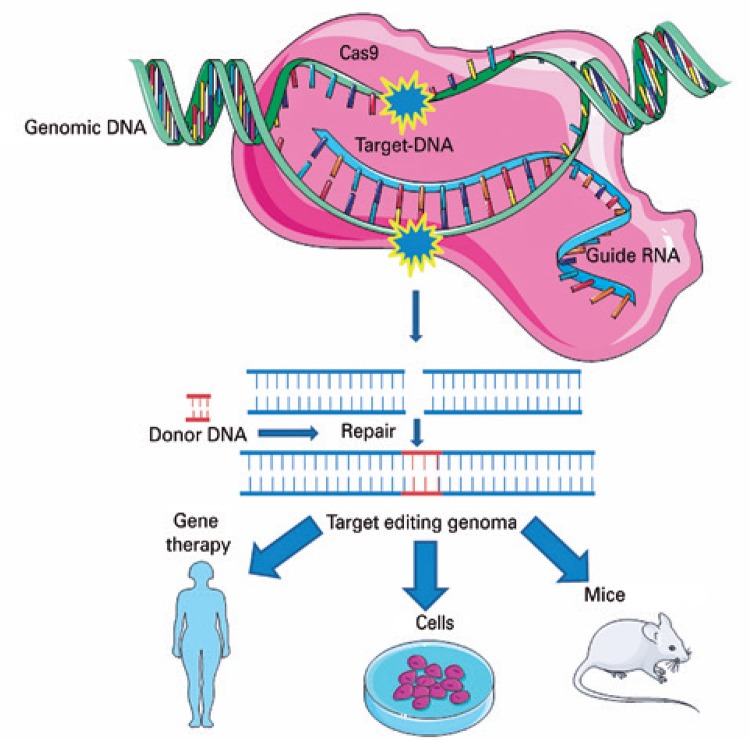
“RNA guide, which guides the complex to the target; and the target DNA, as is shown in figure 2.(25,26) of inactivation (knockout gene − KO), integration of exogenous sequences (knock-in), and allele substitution, among others.”
BackgroundMultiplex Genome Engineering Using CRISPR/Cas Systems
Cong, L., Ran, F. A., Cox, D., Lin, S., Barretto, R., Habib, N., Hsu, P. D., Wu, X., Jiang, W., Marraffini, L. A., et al. (2013) · Science · doi:10.1126/science.1231143 · Cited by 15,339 · cited 1×
“RNA guide, which guides the complex to the target; and the target DNA, as is shown in figure 2.(25,26) of inactivation (knockout gene − KO), integration of exogenous sequences (knock-in), and allele substitution, among others.”
BackgroundChimeric Antigen Receptor T Cells for Sustained Remissions in Leukemia
Maude, S. L., Frey, N., Shaw, P. A., Aplenc, R., Barrett, D. M., Bunin, N. J., Chew, A., Gonzalez, V. E., Zheng, Z., Lacey, S. F., et al. (2014) · New England Journal of Medicine · doi:10.1056/nejmoa1407222 · Cited by 5,413 · cited 1×
“For example, the CD19 antigen can be found in normal or malignant B cells, and the CAR design for the CD19 target in not capable of distinguishing them.(20,22) Other common toxicity for CAR-T therapy (and many other types of immunotherapy for cancer) is the cytokine release syndrome (CRS).”
BackgroundCurrent concepts in the diagnosis and management of cytokine release syndrome.
Lee, D. W., Gardner, R., Porter, D. L., Louis, C. U., Ahmed, N., Jensen, M., Grupp, S. A., & Mackall, C. L. (2014) · Blood · doi:10.1182/blood-2014-05-552729 · Cited by 2,806 · cited 1×
“Activation of the immune system after CAR-T infusion can induce a rapid increase in the levels of inflammatory cytokines.(20,23) New developments in the design of vectors and trials with CAR-T provide balance and reinforcement in safety for amplification of the clinical application.”
BackgroundEshhar, Z., Waks, T., Gross, G., & Schindler, D. G. (1993) · Proceedings of the National Academy of Sciences · doi:10.1073/pnas.90.2.720 · Cited by 1,658 · cited 1×
“,(16) was marked by the fusion of a single chain fragment variable (scFv) to a transmembrane domain and an intracellular signaling unit: chain CD3 zeta.”
BackgroundGross, G., Waks, T., & Eshhar, Z. (1989) · Proceedings of the National Academy of Sciences · doi:10.1073/pnas.86.24.10024 · Cited by 1,590 · cited 1×
“,(16) was marked by the fusion of a single chain fragment variable (scFv) to a transmembrane domain and an intracellular signaling unit: chain CD3 zeta.(17,18) This design combined the active element of a well-characterized monoclonal antibody with a signaling domain, increasing the recognition of the tumor-specific e…”
BackgroundCellular immunity to viral antigens limits E1-deleted adenoviruses for gene therapy.
Yang, Y., Nunes, F. A., Berencsi, K., Furth, E. E., Gönczöl, E., & Wilson, J. M. (1994) · Proceedings of the National Academy of Sciences · doi:10.1073/pnas.91.10.4407 · Cited by 1,575 · cited 1×
“(5) Within this context, included are polymers that form networks that capture a gene and release its load when they penetrate the cells, such as DNA microinjections,(10) cationic polymers,(11) cationic liposomes,(12,13) and particle bombardment.(14) Each exogenous material introduction technique differs from the othe…”
BackgroundGene Editing of CCR5 in Autologous CD4 T Cells of Persons Infected with HIV
Tebas, P., Stein, D., Tang, W. W., Frank, I., Wang, S. Q., Lee, G., Spratt, S. K., Surosky, R. T., Giedlin, M. A., Nichol, G., et al. (2014) · New England Journal of Medicine · doi:10.1056/nejmoa1300662 · Cited by 1,357 · cited 3×
“possibly, such trials could be previously tested in animal models.(4,30) These recent publications rekindled the debate regarding genetic editing.”
BackgroundCRISPR interference: RNA-directed adaptive immunity in bacteria and archaea
Marraffini, L. A., & Sontheimer, E. J. (2010) · Nature Reviews Genetics · doi:10.1038/nrg2749 · Cited by 919 · cited 2×
“one of the primary biotechnological tools for gene edition.(24) Originating in the immune-adaptive system of”
BackgroundState-of-the-art gene-based therapies: the road ahead
Kay, M. A. (2011) · Nature Reviews Genetics · doi:10.1038/nrg2971 · Cited by 666 · cited 2×
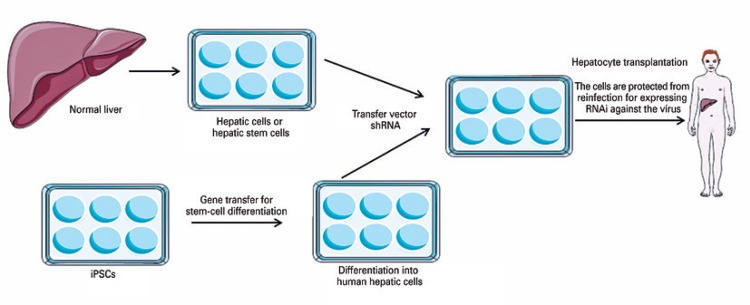
“, hepatitis B virus and hepatitis C virus), which require a liver transplant, may be likely to undergo the hepatic transplantation of mature hepatocytes or those derived from iPS.(15) Not only the transfer of genes might be needed to convert stem cells into hepatocytes; since the transplanted cells are susceptible to…”
Background
Research works printed but not linked: 4
- Mukherjee S Genetic therapies: posthuman gene therapy Mukherjee S The gene: an intimate history Nova York Scribner 2016 Chap. 34 415
- Linden R Gene therapy: what it is, what it is not and what it will be Estud Av 2010 24 70 31 69
- Parham P Antigen recognition by T lymphocytes Parham P The immune system 3rd Nova York Garland Science 2009 Chap. 5 113
- Vieira GV Cecílio NT Arruda LM Sales KU Visão geral do mecanismo básico de ação Pereira TC organizador Introdução à técnica de CRISPR Ribeirão Preto Cubo 2016 Cap. 2 54
Cited by
Items 201–300 of 369
Future Approaches in Liver Disorders: Regenerative Medicine
Jinga, M., Balaban, D. V., Bontaş, E., & Tintoiu, I. (2020) · Springer eBooks · doi:10.1007/978-3-030-24432-3_74 · Cited by 4
PEGylated Nanocarriers for Gene Therapy
Mishra, L., Kumari, L., Sharma, Y., Chahar, K., Khare, S., Patel, P., Singh, D., & Kurmi, B. D. (2025) · Springer eBooks · doi:10.1007/978-981-97-7316-9_8 · Cited by 3
Gothwal, A., Muolokwu, C. E., Chaulagain, B., Mahanta, A. K., & Singh, J. (2025) · International Journal of Biological Macromolecules · doi:10.1016/j.ijbiomac.2025.143542 · Cited by 3
Intra-Airway Gene Delivery for Pulmonary Hypertension in Rodent Models
Bisserier, M., Boucherat, O., Bonnet, S., & Hadri, L. (2022) · Methods in molecular biology · doi:10.1007/978-1-0716-2707-5_20 · Cited by 3
Aldemir, N., Vallet, C., Knauer, S. K., Schmuck, C., & Hirschhäuser, C. (2023) · ChemBioChem · doi:10.1002/cbic.202300296 · Cited by 3
Human Diseases and Recent Biotechnology Breakthroughs in Curbing Diseases
Villagómez‐Guzmán, A. K., & Quiroz, I. V. (2024) · Recent advances in biotechnology · doi:10.2174/9789815223163124090010 · Cited by 7
Cationic cycloamylose based nucleic acid nanocarriers
Prasher, P., Sharma, M., Agarwal, V., Singh, S. K., Gupta, G., Dureja, H., & Dua, K. (2024) · Chemico-Biological Interactions · doi:10.1016/j.cbi.2024.111000 · Cited by 3
Gene therapy and gene therapy products introduced to market by 2022
Bereket, C., Kunter, I., Bonab, E. A., & Footohi, G. (2025) · Nucleosides Nucleotides & Nucleic Acids · doi:10.1080/15257770.2025.2489495 · Cited by 4
“May occur Yes May occur No [11] Adverse effects insertional mutagenesis insertional mutagenesis”
InfluentialGalvan, A. R., Green, C. M., Hooe, S. L., Oktay, E., Thakur, M., Díaz, S. A., Veneziano, R., Medintz, I. L., & Mathur, D. (2024) · ACS Applied Nano Materials · doi:10.1021/acsanm.4c01456 · Cited by 3
Mahesan, A., Kamila, G., & Gulati, S. (2024) · Annals of Indian Academy of Neurology · doi:10.4103/aian.aian_49_24 · Cited by 7
“[54] The existing gene therapies like Zolgensma for spinal muscular atrophy (SMA) and Elevidys for DMD show promising results in their respective fields.”
BackgroundAhmed, A. J., & Saadi, H. M. S. (2021) · Qubahan Academic Journal · doi:10.48161/qaj.v1n1a35 · Cited by 4
“Genome therapy for somatic cells is accepted by a large part of the scientific community, especially in cases of serious disorders such as cystic fibrosis [40, 41].”
BackgroundSari, B. A., Zahra, A. T., Tasti, G. P., & Maritska, Z. (2021) · Molecular and Cellular Biomedical Sciences · doi:10.21705/mcbs.v5i2.202 · Cited by 3
Nanobiotechnology and Its Application in Nanomedicine: An Overview
Deka, T., Das, M. K., Das, S., Singha, L. R., & Das, P. (2020) · Springer eBooks · doi:10.1007/978-981-15-6255-6_1 · Cited by 6
Gene Therapy and Cardiovascular Diseases
Lu, D., Cushman, S., Thum, T., & Bär, C. (2022) · Advances in experimental medicine and biology · doi:10.1007/978-981-19-5642-3_16 · Cited by 4
Proa-Coronado, C., Balderas-López, J. A., Sánchez-Fuentes, Y., Linares-Duarte, L. A., & Hernández-Sánchez, E. (2024) · Thermochimica Acta · doi:10.1016/j.tca.2024.179806 · Cited by 2
Managing Spinal Muscular Atrophy: A Look at the Biology and Treatment Strategies
Vezzoli, A., Bottai, D., & Adami, R. (2025) · Biology · doi:10.3390/biology14080977 · Cited by 8
Pinton, P. (2025) · Cancers · doi:10.3390/cancers17223631 · Cited by 4
“In addition, the large-scale production of gene therapeutics requires stringent control over quality and purity, which can be complex and costly [28].”
Zhang, Y., Liu, M., Zhao, X., Deng, S., Zhou, Z., Wan, B., Yan, Y., Jiang, X., Chen, Z., & Zheng, Y. (2026) · Current Neuropharmacology · doi:10.2174/011570159x388589251030173848 · Cited by 2
“Gene therapy may provoke immune reactions from viral vectors, cause insertional mutagenesis, face challenges in precise gene targeting, and raise ethical concerns over heritable edits [79, 80].”
Recent advances towards BACE1 drug discovery and therapeutics design
Imran, S., Patel, M., Noroozifar, M., & Kerman, K. (2026) · RSC Medicinal Chemistry · doi:10.1039/d5md01095k · Cited by 5
Anjali, K., Raghav, A., & Saxena, U. (2026) · International Journal of Polymeric Materials · doi:10.1080/00914037.2026.2661646 · Cited by 2
“[66] Although viral vectors have historically dominated, considering the capacity to infect and implant genetic material into cells, non-viral polymeric vectors are gaining more and more popularity.”
Halagali, P., Seenivasan, R., Sreedevi, A., Ligade, V. S., Bugadannavar, P., Sharma, H., Nand, S., & Tippavajhala, V. K. (2026) · 3 Biotech · doi:10.1007/s13205-026-05016-2 · Cited by 5
“The second molecular biology breakthrough was the discovery of restriction nucleases in 1970, which enabled genetic engineering and the creation of the therapeutic field of reverse genetics (Gonçalves and Paiva 2017).”
Pushing the Envelope for Donor Lungs
Abdelnour‐Berchtold, E., Ali, A., Cypel, M., & Keshavjee, S. H. (2021) · Seminars in Respiratory and Critical Care Medicine · doi:10.1055/s-0041-1729859 · Cited by 3
Modification of the tumor microenvironment enhances immunity with plasmid gene therapy
Shi, G., Synowiec, J. C., Singh, J. P., & Heller, R. F. (2024) · Cancer Gene Therapy · doi:10.1038/s41417-024-00728-0 · Cited by 2
Saini, S., Tejani, N. H., & Rayjade, A. (2024) · Frontiers in Neurology · doi:10.3389/fneur.2024.1392858 · Cited by 2
Biomedical Applications of Magnetically Functionalized Nanoparticles
Murugan, B., Garg, S., & Sagadevan, S. (2024) · Springer eBooks · doi:10.1007/978-3-031-63961-6_5 · Cited by 2
SAMSUNLU, E. T. (2021) · Celal Bayar Üniversitesi Sağlık Bilimleri Enstitüsü Dergisi · doi:10.34087/cbusbed.905029 · Cited by 3
Production and Application of Multicistronic Constructs for Various Human Disease Therapies
Shaimardonova, A. A., Chulpanova, D. S., Kitaeva, K. V., Abdrakhmanova, I. I., Chernov, V. M., Rutland, C. S., Rizvanov, A. A., & Solovyeva, V. V. (2021) · doi:10.1201/9781003180449-9 · Cited by 2
Jumardi, J., Arfah, R. A., & Permatasari, N. U. (2023) · Kemija u industriji · doi:10.15255/kui.2022.032 · Cited by 2
Singh, H. (2023) · Journal of Yeungnam Medical Science · doi:10.12701/jyms.2023.00073 · Cited by 2
“It is important to develop an interaction between the gene delivery system and target cells to create a competent gene delivery system [7,8].”
BackgroundGenome Engineering as a Therapeutic Approach in Cancer Therapy: A Comprehensive Review
Gemayel, J., Chebly, A., Kourié, H. R., Hanna, C., Mheidly, K., Mhanna, M., Karam, F., Ghoussaini, D., Najjar, P. E., & Khalil, C. (2024) · Advanced Genetics · doi:10.1002/ggn2.202300201 · Cited by 5
O’Donnell, M. A., Fontaine, A. K., Caldwell, J. H., & Weir, R. F. F. (2024) · Journal of Neuroscience Methods · doi:10.1016/j.jneumeth.2024.110268 · Cited by 4
Kwizera, R., Xie, J., Nurse, N., Yuan, C., & Kirchmaier, A. L. (2024) · Genes · doi:10.3390/genes15091232 · Cited by 2
Gene delivery using viral vectors
Patel, D. H., Talele, D. R., & Talele, C. (2025) · Elsevier eBooks · doi:10.1016/b978-0-443-27416-9.00010-1 · Cited by 2
Shahryari, A., Nazari, Z., Jazi, M. S., Hashemi-Shahraki, F., Wißmiller, K., Xu, W., Burtscher, I., & Lickert, H. (2022) · Elsevier eBooks · doi:10.1016/b978-0-12-820472-6.00213-9 · Cited by 2
Gene Therapy: Recent Advancement and Challenges
Aggarwal, A., & Mittal, R. (2022) · Asian Journal of Biochemistry Genetics and Molecular Biology · doi:10.9734/ajbgmb/2022/v10i330244 · Cited by 3
“Additionally, cytokine release syndrome (CRS) can occur, in which CAR-T infusion induces activation of the immune system, resulting in a rapid upsurge of inflammatory/damaging cytokines [10].”
BackgroundInfluentialLiposome: A potential drug delivery vector to treat dementia
Agrawal, M., Roy, U., & Alexander, A. (2022) · Elsevier eBooks · doi:10.1016/b978-0-12-824331-2.00010-8 · Cited by 2
Modern Biomedical Applications of Magnetic Nanoparticles
Takahashi, M. I., Le, T. S., & Maenosono, S. (2022) · Springer briefs in molecular science · doi:10.1007/978-981-19-7104-4_2 · Cited by 3
Liu, R., Xu, Y., Qu, S., & Dai, Z. (2023) · Critical Reviews in Biomedical Engineering · doi:10.1615/critrevbiomedeng.2023047680 · Cited by 3
GENOMA HUMANO: 20 anos do sequenciamento que revolucionou a ciência
Soares, J. A., Borges, E. F., Terrinha, D. S., do Carmo, V. L., do Valle, P. D. R., Cruz, R. M. S., Oliveira, V. P. O. P., & Martins, A. A. S. (2023) · Brazilian Journal of Implantology and Health Sciences · doi:10.36557/2674-8169.2023v5n3p1168-1189 · Cited by 2
Spinal Muscular Atrophy, Approved Therapies and Future Prospects
Kamle, S., Sharma, S. R., & Phutane, P. (2023) · International Journal of Pharmaceutical Quality Assurance · doi:10.25258/ijpqa.14.4.68 · Cited by 3
“23 The first authorized medicine to treat SMA specifically, is aimed at restoring SMN production by modifying SMN2 splicing.”
BackgroundLutsyk, K., Gicquel, T., Cortial, L., Forget, S., Braun, S., Boyer, P.-O., Laugel, V., & Blin, O. J. (2024) · Therapies · doi:10.1016/j.therap.2024.01.007 · Cited by 2
Sousa, A. (2021) · Biomedical Journal of Scientific & Technical Research · doi:10.26717/bjstr.2021.34.005501 · Cited by 4
“This approach includes the possible modification of genes involved in diseases such as hemophilia, muscular dystrophy, cystic fibrosis, various cancers, and viral infections such as AIDS [32].”
BackgroundFunctionalized Magnetic Nanoparticles for Gene Therapy Applications
Mishra, A., Menon, S., Pandey, M., & Deshmukh, K. (2024) · Wiley eBooks · doi:10.1002/9781394172917.ch11 · Cited by 2
CRISPR/Cas patents and health-related publications in South America
Frâncio, L., de Freitas, M. V., & Matte, Ú. D. S. (2023) · Anais da Academia Brasileira de Ciências · doi:10.1590/0001-3765202320220629 · Cited by 1
“CRISPR/ Cas system gene editing is the most promising tool for correcting genetic diseases because of its simplicity and precision, especially compared to other methods, such as TALEN and Zinc Finger (Gonçalves & Paiva 2017, Mills et al. 2020).”
MethodA Perspective Review of Cancer Therapy (Part I): Immunotherapy, Gene Therapy, and Nanotechnology
Pajuelo, A. (2023) · Science Insights · doi:10.15354/si.23.re833 · Cited by 2
“Moreover, gene T therapy has potential in the treatment of specific forms of tumors through the introduction of novel genes or the alteration of preexisting ones to augment the body’s capacity to combat the illness (3).”
BackgroundNanoparticle-Mediated Gene Therapy for Neurological Disorders
Modi, C. D., Arora, M., Dudhatra, B., Singh, A. K., Udhwani, N. H., Rana, H., & Prajapati, B. G. (2025) · Nanotechnology in the life sciences · doi:10.1007/978-3-031-80185-3_2 · Cited by 1
In vitro characterization of polymeric nanoparticles encapsulating plasmid DNA for gene therapy
Kashyap, T., Bonshtein, T., Mena, A., & Orr, S. (2025) · International Journal of Polymeric Materials · doi:10.1080/00914037.2025.2475878 · Cited by 1
“This innovative strategy has potential applications in managing a broad range of indications, such as cancer, infectious diseases, autoimmune diseases, and genetic disorders [1,2] .”
Advancements of CQDs in nano-medical applications: Achievements, challenges, and future outlook
Prakash, S., & Reddy, S. N. (2026) · Talanta · doi:10.1016/j.talanta.2026.129659 · Cited by 1
A universal surface functionalization technique to chemically enhance live microbial cells
Vercelli, G. T., Zhou, X., Moreno-Gámez, S., Jeeda, R. R., Gregor, R., Słomka, J., Dagadu, A., Furst, A. L., & Cordero, O. X. (2026) · Molecular Systems Biology · doi:10.1038/s44320-026-00202-z · Cited by 2
“However, these methods are limited by the narrow range of genetically tractable bacteria and by concerns associated with the use of genetically modi fi ed organisms in the open environment (Kim et al, 2022, 2020; Glass and Riedel-Kruse, 2018; Gonçalves and Paiva, 2017; Arnold et al, 2023).”
Advancing the Battle against Cystic Fibrosis: Stem Cell and Gene Therapy Insights
Shah, D. D., Chorawala, M. R., Pandya, A. J., Kothari, N. R., Prajapati, B. G., & Parekh, P. S. (2024) · Current Medical Science · doi:10.1007/s11596-024-2936-5 · Cited by 1
“However, as research continues in the sphere of stem cell and gene therapy for CF, these challenges are likely to be addressed, and combined therapy will become a more widely used treatment option for CF patients [155, 156] .”
Combating HIV Latency: A Review of Innovative Interventions and Nanotechnology-Based Formulations
Dubey, D., Fernandes, T., & Singh, P. (2025) · Critical Reviews in Therapeutic Drug Carrier Systems · doi:10.1615/critrevtherdrugcarriersyst.2025054733 · Cited by 1
Exploring Gene Therapy Modalities for Neuroinflammation Control in Alzheimer’s Disease Pathogenesis
Kadiri, S. K., & Tiwari, P. K. (2025) · Current pharmacogenomics and personalized medicine (Online)/Current pharmacogenomics and personalized medicine · doi:10.2174/0118756921377967250714173056 · Cited by 3
Atanda, H. C., Bello, R. O., Babatunde, M. I., & Olowosoke, C. B. (2025) · Discover Medicine · doi:10.1007/s44337-025-00483-7 · Cited by 1
“Globally, gene therapy has shown promising results in treating disorders like muscular dystrophy, haemophilia, cancer, and viral infections, including HIV/AIDS [30].”
Parthasarathy, R., & Bhowmik, A. K. (2026) · AI · doi:10.3390/ai7020054 · Cited by 2
Gene therapy targeting synaptopathy linked with Alzheimer’s and Parkinson’s disease
Panda, S. P., Saraswat, N., & Singh, V. (2026) · Neuroscience · doi:10.1016/j.neuroscience.2026.02.035 · Cited by 1
Sophian, A., Sulanjari, D., Normasari, & Harumanto, A. (2026) · Exploration of Drug Science · doi:10.37349/eds.2026.1008162 · Cited by 1
A TECNOLOGIA DE CRISPR-CAS9 NA TERAPIA GÊNICA DO CÂNCER DE PULMÃO
de Alcantara, R. L., Lima, H. P. S., Barbosa, G. D. O., Gonçalves, L. C., da Silva, A. P. L., Passos, X. S., & Silva, A. M. T. C. (2019) · Revista Brasileira Militar de Ciências · doi:10.36414/rbmc.v5i13.25 · Cited by 3
Dahariya, S., & Nagarjuna, V. (2021) · Springer eBooks · doi:10.1007/978-981-16-0002-9_14 · Cited by 1
Journey from Serendipity to Biologics
Rao, N., Kini, R., Maniyar, D., & Amin, R. (2022) · Pharmaceutical Chemistry Journal · doi:10.1007/s11094-022-02579-1 · Cited by 1
Models Used for Biopharmaceutical Evaluation of Nanoparticulate Drug Delivery System (NPDDS)
Kohli, S., & Dwivedi, S. (2022) · Springer eBooks · doi:10.1007/978-3-030-83395-4_3 · Cited by 1
The Role of CRISPR-Cas9 Technology in Genetic Editing in Medicine and Ethical Issues
ÖZSAN, M., & DÖNMEZ, H. H. (2023) · International Conference on Innovative Academic Studies (ICIAS) · doi:10.59287/icias.1573 · Cited by 1
A Comprehensive Exploration of Gene Therapy and its Transformative Applications
Vaghela, A. R., Jethva, P., & Zalavadiya, I. (2024) · Journal of Advanced Pharmacy Research · doi:10.21608/aprh.2024.267430.1252 · Cited by 1
Regenerative Approaches in Gingival Tissue Engineering
Alyafei, S. H. S. A., & Anil, S. (2024) · Dentistry · doi:10.5772/intechopen.114266 · Cited by 1
Nair, P. P., Keskar, M. P., Borghare, P. T., Dzoagbe, H. Y., & Kumar, T. (2024) · Cureus · doi:10.7759/cureus.66814 · Cited by 2
Williamson, J., Spicer, A. J., & Colcomb, P.-A. (2024) · Applied Drug Research Clinical Trials and Regulatory Affairs · doi:10.2174/0126673371318424240813063046 · Cited by 1
Bazazzadegan, N., Hasanzad, M., & Abedini, S. S. (2024) · Springer eBooks · doi:10.1007/978-981-97-4974-4_9 · Cited by 1
Advancements in Gene Therapy for Immunodeficiency Diseases
Uğur, B. (2024) · Gene Editing · doi:10.29228/genediting.76846 · Cited by 1
Uppal, S., & Dadwal, N. (2024) · Environment Conservation Journal · doi:10.36953/ecj.28462883 · Cited by 1
Gene Therapy Strategies for Muscular Dystrophies: Current Insights and Future Directions
Dara, M., Dianatpour, M., Azarpira, N., & Tanideh, N. (2025) · OBM Genetics · doi:10.21926/obm.genet.2501280 · Cited by 1
Ali, A., Ajmal, T., Khatoon, A., Akbar, K., Irshad, U., Murtaza, B., Ji, Z., Ali, A. M., Tanveer, Q., & Su, Z. (2025) · Current Gene Therapy · doi:10.2174/0115665232335322241205063758 · Cited by 1
Regulatory guidance on therapeutic proteomics and genomics
Patel, S., Patel, Y., Adodariya, M., Shahiwala, A., & Mehta, P. (2025) · Elsevier eBooks · doi:10.1016/b978-0-443-27416-9.00003-4 · Cited by 1
A Therapeutic Genome Editing Primer for Cardiologists
Caiazza, M., Masarone, D., & Limongelli, G. (2018) · Cardiogenetics · doi:10.4081/cardiogenetics.2018.7262 · Cited by 1
CRISPR-CAS9 como ferramenta para edição do gene IT-15 na Doença de Huntington
de Godoy, L. A., & do Bomfim, F. R. C. (2020) · REVISTA CIÊNCIAS EM SAÚDE · doi:10.21876/rcshci.v10i4.1016 · Cited by 3
Gene and genetic therapies in neuromuscular diseases of childhood
Jączak-Goździak, M., & Steinborn, B. (2020) · Child Neurology · doi:10.20966/chn.2020.58.453 · Cited by 1
“Gene therapy”: ethical and regulatory issues
Pola, S., & Padi, D. (2022) · Elsevier eBooks · doi:10.1016/b978-0-323-91376-8.00009-4 · Cited by 1
Recent Advances in Haematology
Rahman, M. M. (2020) · Haematology Journal of Bangladesh · doi:10.37545/haematoljbd202051 · Cited by 1
Nanotools in Customized Drug Delivery System
Thirumalai, S. K. J., Kuppusamy, G., Radhakrishnan, A., & Karri, V. V. S. R. (2021) · Wiley eBooks · doi:10.1002/9781119711698.ch3 · Cited by 1
Howaidi, J., Howaidi, A., & Howaidi, F. (2019) · Journal of Nature and Science of Medicine · doi:10.4103/jnsm.jnsm_52_18
Oliveira, C. D. R., Pereira, J. C., Oliveira, L. V. D. C., & Carvalho, A. L. M. (2021) · Research Society and Development · doi:10.33448/rsd-v10i7.16589
Pravne, socijalne i etičke implikacije editovanja humanog genoma primenom tehnologije CRISPR/Cas9
Sovilj, R. P., & Stojković-Zlatanović, S. (2021) · Anali Pravnog fakulteta u Beogradu · doi:10.51204/anali_pfbu_21305a
Mapping and Epidemiological analysis of types of Congenital Malformations in a Teaching Hospital
Cobo, D. L. (2021) · Clinical Cardiology and Cardiovascular Interventions · doi:10.31579/2641-0419/214
Gene Therapy: Applications, Insights and Prospects
Sanchooli, T., & Teimouri, M. (2021) · Gene Cell and Tissue · doi:10.5812/gct.119589
7030 北京の什刹海地区のバー街における屋外空間への進出に関する実態調査(都市計画)
平光, 由., & 伊藤, 恭. (2006) · 日本建築学会関東支部研究報告集 II
Cancer gene therapies progress in pre and postgenomics era
Babu, D., & Ranjan, A. K. (2022) · Elsevier eBooks · doi:10.1016/b978-0-323-99883-3.00018-4
Baines, J. (2018) · Faculty Opinions – Post-Publication Peer Review of the Biomedical Literature · doi:10.3410/f.733320199.793551972
Perfil da hemofilia no estado de São Paulo - Brasil
Guersoni, A. C. (2022) · Digital Library of Theses and Dissertations (Universidade de São Paulo) · doi:10.11606/t.5.2022.tde-18042022-132318 · Cited by 3
Bonamino, M., Paiva, R. M. A., de Godoy, J. A. P., Kondo, A. T., Okamoto, O. K., & Kerbauy, L. N. (2022) · JOURNAL OF BONE MARROW TRANSPLANTATION AND CELLULAR THERAPY · doi:10.46765/2675-374x.2022v3n1p155
Self-citationKhatun, S., Bonala, S., Pogu, S. V., & Rengan, A. K. (2022) · Springer eBooks · doi:10.1007/978-981-16-7152-4_1 · Cited by 4
A spider’s bit(e): How far are we from becoming Spidermen?
Barbosa, J. C. (2022) · IEEE Potentials · doi:10.1109/mpot.2021.3127866
Viral and Non-viral Nanoparticles for Gene Therapeutics
Elsana, H., & Elkordy, A. (2022) · BENTHAM SCIENCE PUBLISHERS eBooks · doi:10.2174/9789815051278122010009
Novel Methods for Inducing Cardiac Tissue Regeneration Following Ischemic Injury
Chu, N., Jeyakumar, S., Koo, B. H., Grandhi, U., & Nguyen, V. (2022) · Berkeley Pharma Tech Journal of Medicine · doi:10.52243/bptjm.v1i2.24
Brain Cancer Treatment; A Systematic Review
Eslaminejad, T., Nematollahi‐Mahani, S. N., Sarabi, R. E., Ohadi, M., Eslaminejad, T., Ansari, M., & Mirzaie, V. (2022) · International Journal of Cancer Management · doi:10.5812/ijcm-121473
“However, the carriers and targets must be properly selected to optimize this method (42).”
MethodBiological products in medicine
Daniali, M., Mousavi, T., & Abdollahi, M. R. (2022) · Elsevier eBooks · doi:10.1016/b978-0-12-824315-2.00039-7
Bivalent System of Deoxyribozymes for Efficient RNA Cleavage
Batsa, M., Dubovichenko, M. V., & Kolpashchikov, D. M. (2022) · International Electronic Conference on Biomolecules (IECBM) · doi:10.3390/iecbm2022-13510
Thermoresponsive polymers and polymeric composites
Fauzi, M. B., Lo, S., Thambirajoo, M., Mazlan, Z., Zulkiflee, I., Masri, S., Isa, I. L. M., & Mokhtar, S. A. (2023) · Elsevier eBooks · doi:10.1016/b978-0-323-88524-9.00007-3
Breakthroughs in gene therapy: technological progress, current treatments, and future potential
Lueptow, L. M., & Tawil, B. J. (2023) · Journal of Applied Biotechnology & Bioengineering · doi:10.15406/jabb.2023.10.00325 · Cited by 1
Zhao, S.-Q., Chi, H., Qin, C., & Deng, Y. (2023) · Chinese Science Bulletin (Chinese Version) · doi:10.1360/tb-2022-1097
Nucleic acids as therapeutic targets in disease modification
Akash, M. S. H., Rehman, K., Irshad, K., & Chen, S. (2023) · Elsevier eBooks · doi:10.1016/b978-0-443-19135-0.00009-4
A Peek Behind the Curtain of Anti-aging Science
Lupton, M. (2023) · Springer eBooks · doi:10.1007/978-981-99-2439-4_7
Metadata
- Authors
- Gonçalves, G. A. R., & Paiva, R. D. M. A.
- Affiliations
- Hospital Israelita Albert Einstein, Brazil
- Hospital Israelita Albert Einstein (BR)
- Venue
- Einstein (São Paulo)
- Publisher
- FapUNIFESP (SciELO)
- Published
- 2017-09
- Volume
- 15
- Issue
- 3
- Pages
- 369-375
- ISSN
- 1679-4508 (ISSN-L)
- PMC
- PMC5823056
- OpenAlex
- W2944013917
- Cited by
- 351
- References
- 27
- Citations by year
- 2026: 25 · 2025: 47 · 2024: 76 · 2023: 63 · 2022: 55 · 2021: 39 · 2020: 23 · 2019: 16 · 2018: 6
- FWCI
- 8.17
- Type
- journal article
- Language
- en
- Open access
- diamond
- doi.org
- Licence
- cc-by
- Locations
- Einstein (São Paulo) (publishedVersion, cc-by)
- PubMed Central (publishedVersion, cc-by)
- PubMed (publishedVersion)
- LA Referencia (Red Federada de Repositorios Institucionales de Publicaciones Científicas) (publishedVersion, other-oa)
- Americanae (AECID Library) (submittedVersion, cc-by)
- DOAJ (DOAJ: Directory of Open Access Journals) (submittedVersion)
- Topics
- Life Sciences › Biochemistry, Genetics and Molecular Biology › Genetics › Virus-based gene therapy research
- Life Sciences › Biochemistry, Genetics and Molecular Biology › Molecular Biology › CRISPR and Genetic Engineering
- Life Sciences › Biochemistry, Genetics and Molecular Biology › Molecular Biology › RNA Interference and Gene Delivery
- Keywords
- gene therapy, gene delivery vectors, viral vectors, plasmid vectors, genome editing, CRISPR/Cas9, induced pluripotent stem cells, liver disease, immune response to gene therapy, clinical trials, somatic cells, germline modification
- MeSH terms
- Gene Editing, Animals, Genetic Vectors, Humans, Receptors, Antigen, T-Cell, Genetic Therapy, CRISPR-Cas Systems
About these checks
Registry, retraction, Cites and statistics results are computed, not judged, with one exception: a printed reference that no index lists is read once by a model before it counts as a citation error. Claims are extracted by a model and kept only when their quote appears verbatim in the text; each cited source is then checked, with a model’s help, for whether it says what the claim relies on. Those verdicts can be wrong — read the claim’s quote and the cited source before relying on one.
Statistics and arithmetic are recomputed, not judged.
Confidence bands are shown only for fields calibrated on our annotated test set. None is calibrated yet, so no band is shown.
What counts as a claim ›How we measure confidence ›How we check this ›
Are you an author, or do you see a problem with this page? Request a review
Data sources
Bibliographic data: Semantic Scholar, OpenAlex, Crossref.
Contains information from the Semantic Scholar Academic Graph Datasets, made available under the ODC Attribution License (ODC-BY 1.0).
Semantic Scholar’s data is described in: Kinney, R., et al. (2023). The Semantic Scholar Open Data Platform. arXiv:2301.10140.
