

Quantification of chlorogenic acid, rosmarinic acid, and caffeic acid contents in selected Thai medicinal plants using RP-HPLC-DAD
Open accessThe DOI matches its Crossref record; 15 of the 15 references it cites were found in a registry or an index.
Abstract
The chlorogenic acid, rosmarinic acid, and caffeic acid contents in 100 selected plants were determined using reversed phase high performance liquid chromatography equipped with diode array detector. The optimum condition was 0.2% phosphoric acid in water (solvent A) and methanol (solvent B) as the mobile phase, which was set at 45% B for 20 minutes at a flow rate of 1.2 mL/min. The column temperature was maintained at 30 ºC and the detection wavelength was 325 nm. Among 100 selected plants, 39.64% contained all 3 compounds, 40.54% contained 2 compounds, 14.41% contained only 1 compound, and 5.41% could not detect any of the 3 compounds. The highest contents of chlorogenic acid, rosmarinic acid, and caffeic acid were found in Lonicera japonica flowering buds, Melissa officinalis leaves, and Coffea canephora seeds at the concentration of 9.900 ± 0.004, 19.908 ± 0.171, and 1.233 ± 0.003 g/100 g of dried plant, respectively.
Overview
The claims and statistics of this paper haven’t been checked yet.
Free: it reads the open-access text and checks the first 5 claims that cite a source we can check. Create a free account to check every claim.
Integrity signals
Registry
Cites
Statistics
Figures
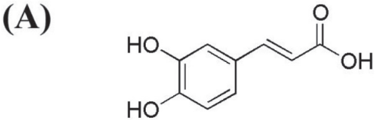
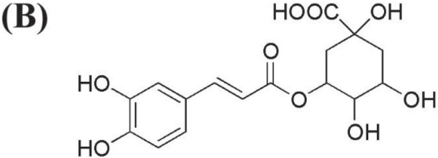
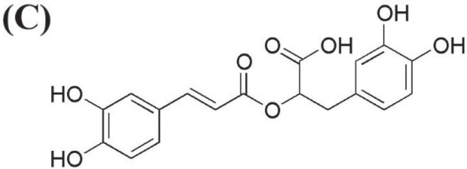
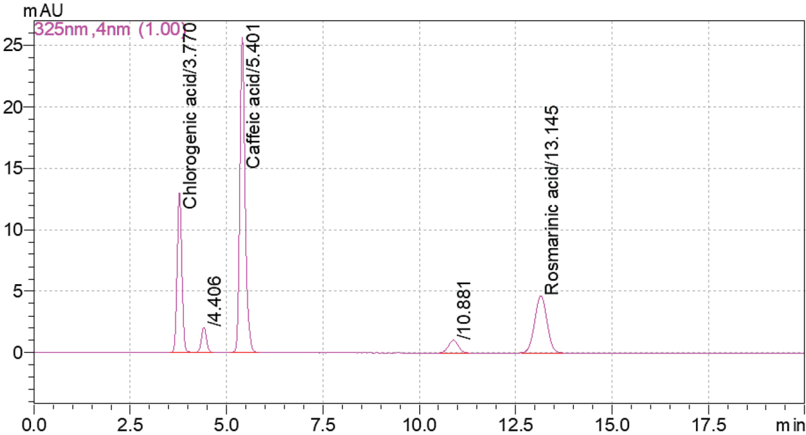
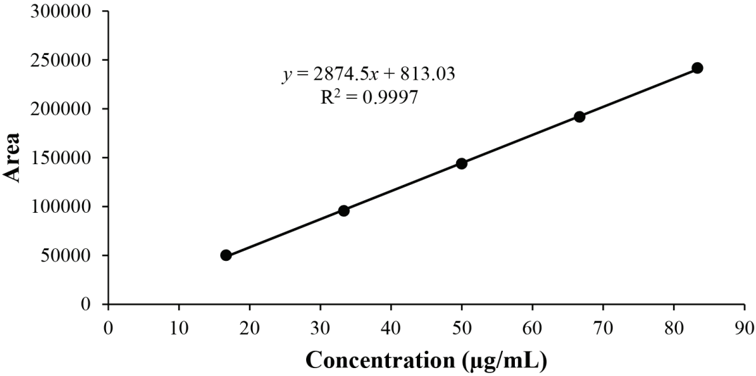
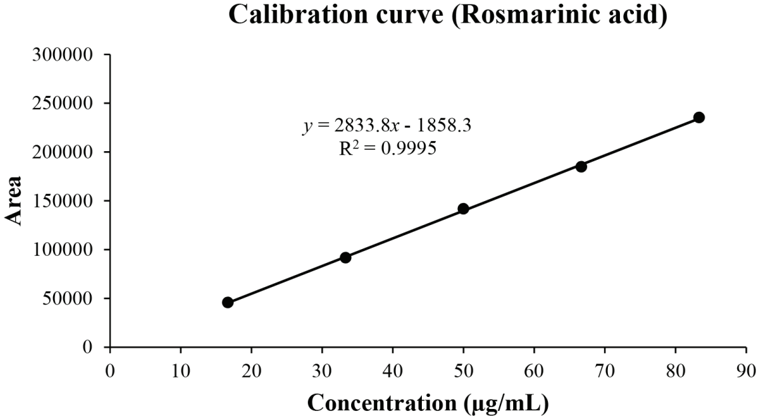
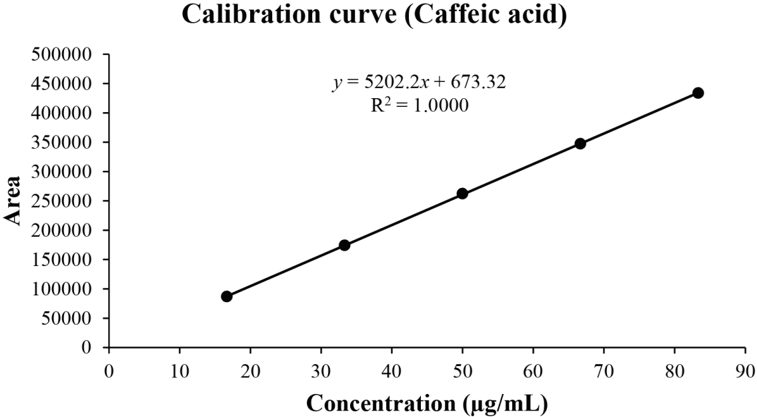
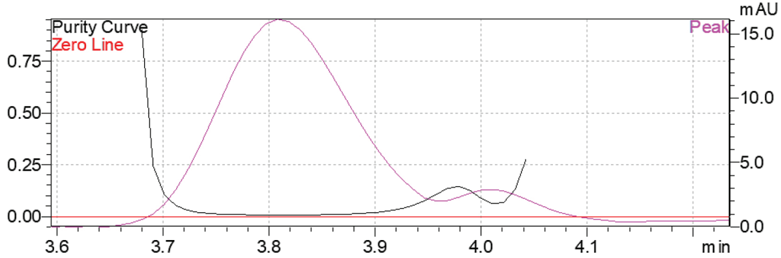
Verification
Claims the paper makes
The claims and statistics of this paper haven’t been checked yet.
Free: it reads the open-access text and checks the first 5 claims that cite a source we can check. Create a free account to check every claim.
Claims other papers make about this one
Each is checked against this paper’s own text: does it say what the citing paper says it does?
In the citing paper
“To our knowledge, rosmarinic acid, an ester of caffeic acid reported in Coffea arabica L. [20], was newly identified in the present study and has never been mentioned before in SCGs.”
Self-check
Percentages, sums and reported differences re-computed from the paper’s own numbers.
The self-check needs the paper’s full text.
Citations
Cites
Polyphenols: Food sources and bioavailability
Manach, C., Scalbert, A., Morand, C., Rémésy, C., & Jiménez, L. (2004) · The American Journal of Clinical Nutrition · doi:10.1093/ajcn/79.5.727 · Cited by 8,175 · cited 2×
“Polyphenols occur primarily in a conjugated form with one or more sugar residues linked to hydroxyl groups, although direct linkages of the sugar unit to an aromatic carbon atom also exist (Bravo, 1998; Manach et al., 2004).”
BackgroundPolyphenols: Chemistry, dietary sources, metabolism, and nutritional significance
Bravo, L. (2009) · Nutrition Reviews · doi:10.1111/j.1753-4887.1998.tb01670.x · Cited by 4,030 · cited 1×
“Polyphenols occur primarily in a conjugated form with one or more sugar residues linked to hydroxyl groups, although direct linkages of the sugar unit to an aromatic carbon atom also exist (Bravo, 1998; Manach et al., 2004).”
BackgroundPetersen, M. (2003) · Phytochemistry · doi:10.1016/s0031-9422(02)00513-7 · Cited by 1,234
Caffeic acid: a review of its potential use in medications and cosmetics
Magnani, C., Isaac, V. L. B., Correa, M. A., & Salgado, H. R. N. (2014) · Anal. Methods · doi:10.1039/c3ay41807c · Cited by 392
An Outlook on Chlorogenic Acids—Occurrence, Chemistry, Technology, and Biological Activities
Upadhyay, R., & Mohan Rao, L. J. (2013) · Critical Reviews in Food Science and Nutrition · doi:10.1080/10408398.2011.576319 · Cited by 386
Hydroxycinnamic Acid Antioxidants: An Electrochemical Overview
Teixeira, J., Gaspar, A., Garrido, E. M., Garrido, J., & Borges, F. (2013) · BioMed Research International · doi:10.1155/2013/251754 · Cited by 377 · cited 1×
“The main hydroxycinnamic acid derivatives are ferulic acid, caffeic acid, p-coumaric acid, chlorogenic acid, sinapic acid, and rosmarinic acid (Lafay, Gil-Izquierdo, 2008; Manach et al., 2004; Teixeira et al., 2013).”
BackgroundBioavailability of phenolic acids
Lafay, S., & Gil-Izquierdo, A. (2008) · Phytochemistry Reviews · doi:10.1007/s11101-007-9077-x · Cited by 309
Comparative study of rosmarinic acid content in some plants of Labiatae family
Hajimehdipoor, H., Saeidnia, S., Gohari, A., Hamedani, M., & Shekarchi, M. (2012) · Pharmacognosy Magazine · doi:10.4103/0973-1296.93316 · Cited by 251 · cited 1×
“Rosmarinic acid was mostly found in the Labiatae family, relating to a previous report of high rosmarinic acid content in plants of this family, especially in Mentha spicata, Salvia officicalis, and Melissa officinalis (Shekarchi et al., 2012).”
Background(2010) · Wiley eBooks · doi:10.1002/9780470921340 · Cited by 100
Haghi, G., & Hatami, A. (2010) · Journal of Agricultural and Food Chemistry · doi:10.1021/jf102175x · Cited by 95
Research works printed but not linked: 2
- Hansen S, Pedersen-Bjergaard S, Rasmussen K. Quantification and quality of analytical data. In: Introduction to pharmaceutical chemical analysis. West Sussex: John Wiley & Sons; 2011. p.309-326.
- Zeng JG, 2011, Standardization and quality control of herbal extracts and products, 377
Cited by
Gupta, A., Atanasov, A. G., Li, Y., Kumar, N., & Bishayee, A. (2022) · Pharmacological Research · doi:10.1016/j.phrs.2022.106505 · Cited by 162
Wang, Z., Barrow, C. J., Dunshea, F. R., & Suleria, H. A. R. (2021) · Antioxidants · doi:10.3390/antiox10020151 · Cited by 70
Derouich, M., Bouhlali, E. D. T., Bammou, M., Hmidani, A., Sellam, K., & Alem, C. (2020) · Scientifica · doi:10.1155/2020/3971041 · Cited by 41
“[36] who have analyzed eleven Chinese and two +ai celery cultivars and found caffeic, ferulic, and p-coumaric acids, as well as luteolin and chlorogenic acid, respectively.”
BackgroundAdjuvant Properties of Caffeic Acid in Cancer Treatment
Cortez, N., Villegas, C., Burgos, V., Cabrera‐Pardo, J. R., Ortíz, L., González‐Chavarría, I., Nchiozem‐Ngnitedem, V., & Paz, C. (2024) · International Journal of Molecular Sciences · doi:10.3390/ijms25147631 · Cited by 64
Moura, H. F. S., Dias, F. D. S., Souza, L. B. S. E., de Magalhães, B. E. A., Tannus, C. D. A., de Carvalho, W. C., Brandão, G. C., dos Santos, W. N. L., Korn, M. G. A., Santos, D. C. M. B., et al. (2021) · Food Chemistry · doi:10.1016/j.foodchem.2021.129995 · Cited by 64
Eze, F. N., & Jayeoye, T. J. (2021) · Biomedicine & Pharmacotherapy · doi:10.1016/j.biopha.2021.111811 · Cited by 52
Genotoxic and antigenotoxic medicinal plant extracts and their main phytochemicals: “A review”
Al‐Naqeb, G., Kalmpourtzidou, Α., Giampieri, F., Giuseppe, R. D., & Cena, H. (2024) · Frontiers in Pharmacology · doi:10.3389/fphar.2024.1448731 · Cited by 37
Sharifi‐Rad, J., Song, S., Ali, A., Subbiah, V., Taheri, Y., & Suleria, H. A. R. (2021) · Cellular and Molecular Biology · doi:10.14715/cmb/2021.67.1.29 · Cited by 36
“Other study show the presence of caffeic acid in Mangifera indica and Coffea canephora (65).”
BackgroundFacile Cloud Point Extraction for the Separation and Determination of Phenolic Acids from Dandelion
Ji, Y., Wu, L., Lv, R., Wang, H., Song, S., & Cao, M. (2021) · ACS Omega · doi:10.1021/acsomega.1c01768 · Cited by 35
Hu, J., Qi, Q., Zhu, Y., Wen, C., Olatunji, O. J., Jayeoye, T. J., & Eze, F. N. (2023) · Arabian Journal of Chemistry · doi:10.1016/j.arabjc.2023.104834 · Cited by 36
RP-HPLC Method for Dapagliflozin and Metformin HCL in Bulk and Combined Formulation
Bhavyasri, K., Surekha, T., Begum, S., & Sumakanth, M. (2021) · Archives of Pharmacy Practice · doi:10.51847/czxl0wyryr · Cited by 27
Anti-inflammatory Properties of the Genus Symphytum L.: A Review
Mahmoudzadeh, E., Nazemiyeh, H., & Hamedeyazdan, S. (2022) · Iranian journal of pharmaceutical research · doi:10.5812/ijpr.123949 · Cited by 25
Rodrigues, F. F. G., Boligon, A. A., de Menezes, I. R. A., Rodrigues, F. F. G., Salazar, G. J. T., Nonato, C. D. F. A., Braga, N. T. T. M., Correia, F. M. A., Caldas, G. F. R., Coutinho, H. D. M., et al. (2021) · Molecules · doi:10.3390/molecules26247665 · Cited by 24
A hybrid pathway for self-sustained luminescence
Palkina, K. A., Karataeva, T. A., Perfilov, M. M., Fakhranurova, L. I., Markina, N. M., Somermeyer, L. G., Garcia‐Perez, E., Vázquez‐Vilar, M., Rodríguez-Rodríguez, M., Vazquez-Vilriales, V., et al. (2024) · Science Advances · doi:10.1126/sciadv.adk1992 · Cited by 24
“In vivo concentration of caffeic and coumaric acids in plant leaves is reported to vary within 10 to 100 μ M range ( 3 , 28 ).”
BackgroundLi, L., Yu, X.-X., Zhao, H.-F., Yu, B., Zhang, Y., & Mu, Z.-S. (2025) · International Journal of Biological Macromolecules · doi:10.1016/j.ijbiomac.2025.144768 · Cited by 21
Mkaddem, M. G., Krir, N., Clausell-Terol, C., Romdhane, M., Boulila, A., & Guetat, A. (2024) · Chemistry & Biodiversity · doi:10.1002/cbdv.202301941 · Cited by 21
Hussein, H., Abouamer, W., Ali, H., Elkhadragy, M., Yehia, H., & Farouk, A. (2022) · Plants · doi:10.3390/plants11091124 · Cited by 20
“[20], was newly identified in the present study and has never been mentioned before in SCGs.”
BackgroundDevelopment and Evaluation of an Antimicrobial Formulation Containing Rosmarinus officinalis
de Macedo, L. M., dos Santos, É. M., Ataide, J. A., Silva, G. T. D. S. E., Guarnieri, J. P. D. O., Lancellotti, M., Jozala, Â. F., Rosa, P. C. P., & Mazzola, P. G. (2022) · Molecules · doi:10.3390/molecules27165049 · Cited by 20
“The extraction methods employed were maceration (MAC, [38]), infusion (INF, [39]), Soxhlet (SOX, [40]), and ultrasound (ULT, [41]).”
MethodNavarrete-Carriola, D. V., Paz-González, A. D., Vázquez‐Jiménez, L. K., de Luna-Santillana, E. D. J., Cruz-Hernández, M. A., Bandyopadhyay, D., & Rivera, G. (2024) · ACS Omega · doi:10.1021/acsomega.3c06800 · Cited by 19
Moumen, B. E., Bouzoubaa, A., Drioiche, A., Ed-Dahmouny, M., Kamaly, O. M. A., Shahat, A. A., Touijer, H., Hadi, N., Kharchouf, S., Cherrat, A., et al. (2025) · International Journal of Molecular Sciences · doi:10.3390/ijms26104499 · Cited by 19
“Phenolic compounds, such as caffeoylquinic acid and rosmarinic acid, have been proven to have very good antioxidant potential [66,67].”
Srisomsap, C., Chaisuriya, P., Liana, D., Aiyarakanchanakun, P., Audsasan, T., Weeraphan, C., Svasti, J., & Phanumartwiwath, A. (2024) · Plant Foods for Human Nutrition · doi:10.1007/s11130-024-01184-9 · Cited by 16
An optical fiber caffeic acid sensor using a molecularly-imprinted chitosan membrane as a transducer
Arana, M., & Tao, S. (2025) · Food Chemistry · doi:10.1016/j.foodchem.2025.145414 · Cited by 15
Verification of the Protective Effects of Poplar Phenolic Compounds Against Poplar Anthracnose
Zhang, L., Ren, Y., Meng, F., Bao, H., Xing, F., & Tian, C. (2022) · Phytopathology · doi:10.1094/phyto-12-21-0509-r · Cited by 14
de Brito, J. A. G., Pinto, L. D. S., Chaves, C. F., da Silva, A. J. R., da Silva, M. F. D. G. F., & Cotinguiba, F. (2021) · Molecules · doi:10.3390/molecules26040925 · Cited by 12
Dimitriu, L., Constantinescu-Aruxandei, D., Preda, D., Moraru, I., Babeanu, N. E., & Oancea, F. (2023) · Antioxidants · doi:10.3390/antiox12091678 · Cited by 10
Caffeic Acid as a Promising Natural Feed Additive: Advancing Sustainable Aquaculture
Dinh‐Hung, N., Khang, L. T. P., Wisetkaeo, S., Tran, N. T., Lee, P., Brown, C. L., Sangsawad, P., Dwinanti, S. H., Permpoonpattana, P., & Linh, N. V. (2025) · Biology · doi:10.3390/biology14091160 · Cited by 9
Dimitriu, L., Preda, D., Constantinescu-Aruxandei, D., Oancea, F., & Babeanu, N. E. (2021) · AgroLife Scientific Journal · doi:10.17930/agl202125 · Cited by 9
“Chlorogenic acid was previously shown to be the main phenolic acid in other Lonicera species (Wang et al., 2009; Yuan et al., 2014; Chaowuttikul et al., 2020).”
BackgroundMagalhães, V., Rios, R., Silva, F. G., & Dias, A. C. P. (2020) · International Electronic Conference on Foods (Foods) · doi:10.3390/foods_2020-07628 · Cited by 9
“In this work, those phenolic acids were quantified in 100 selected Thai plant methanolic extracts using RP-HPLC-DAD [13].”
BackgroundMethodMuthusamy, A., Mastiholimath, V., Harish, D. R., Muppayyanamath, A., & Koli, R. (2025) · Separation Science Plus · doi:10.1002/sscp.70125 · Cited by 8
Colombo, R., Paolillo, M., & Papetti, A. (2023) · Applied Sciences · doi:10.3390/app13085033 · Cited by 7
Ahmed, I. A. M., Juhaimi, F. A., Uslu, N., Özcan, M. M., & Karrar, E. M. A. (2024) · International Journal of Food Science & Technology · doi:10.1111/ijfs.17095 · Cited by 7
Bioactive constituents of Allium vineale L. accessions from Eastern Turkey
Çakmakcı, Ö., Şensoy, S., & Alan, A. R. (2022) · Scientia Horticulturae · doi:10.1016/j.scienta.2022.111203 · Cited by 7
Pradhan, S. K., & Sharma, V. (2022) · Journal of Planar Chromatography – Modern TLC · doi:10.1007/s00764-022-00218-9 · Cited by 6
“The chlorogenic acid is an ester of caffeic acid and quinic acid [38], so most of the amount of caffeic acid may exist as a free form in the present studied species.”
BackgroundBarbasz, A., Dyba, B., Rudolphi-Skórska, E., Omachel, W., & Kreczmer, B. (2025) · The Journal of Nutritional Biochemistry · doi:10.1016/j.jnutbio.2025.109956 · Cited by 5
Muheyuddeen, G., Verma, S., Yadav, P., Khan, M. Y., Ahmad, T., & Khushtar, M. (2026) · Revista Colombiana de Ciencias Químico Farmacéuticas · doi:10.15446/rcciquifa.v55n2.122741 · Cited by 5
Comprehensive Analysis of Phenolic Compounds in Solanum glaucophyllum Desf.
Heymann, T., Autzen, S., & Glomb, M. A. (2025) · Journal of Agricultural and Food Chemistry · doi:10.1021/acs.jafc.4c11264 · Cited by 5
Mandal, S. S., & Barsagade, A. (2024) · Current Pharmaceutical Analysis · doi:10.2174/0115734129343606241202075124 · Cited by 4
Riswanto, F. D. O., Adventra, N. D. D., Priyambodo, G. S., Kusraynaldi, T. M., Sembiring, A. Y. S. B., Larasati, T. N., Windarsih, A., Waskitha, S. S. W., Gani, M. R., & Istyastono, E. P. (2025) · European Pharmaceutical Journal · doi:10.2478/afpuc-2025-0006 · Cited by 4
Biocompatibility Analysis of Biomass-Based Cosmetics for Human
Juliadmi, D., Nuswantoro, N. F., & Okselni, T. (2024) · Springer eBooks · doi:10.1007/978-981-97-1908-2_19 · Cited by 3
Caffeic and chlorogenic acid in coffee and methods for their detection
Bounegru, A. V., & Apetrei, C. (2024) · Elsevier eBooks · doi:10.1016/b978-0-443-13868-3.00062-4 · Cited by 4
Dorneles, K. R., da Rocha, A. C., Cardoso, V. L., & Reis, M. H. M. (2024) · Food and Bioproducts Processing · doi:10.1016/j.fbp.2024.12.005 · Cited by 4
Elgabry, R. M., Fawzy, G. A., Meselhy, K. M., Ramadan, N. M., Younes, N. F., Al‐Taweel, A. M., Perveen, S., & Sedeek, M. S. (2025) · Future Journal of Pharmaceutical Sciences · doi:10.1186/s43094-025-00762-1 · Cited by 4
“Quantitative determination of chlorogenic acid (CA) in Abees and A195 etha-nolic extracts was done using HPLC [21].”
Addotey, J. N., Boadu, P., Kontoh, E. Q., Yeboah, F. O., Kaiser, F., Armah, F. A., Dickson, R. A., & Amponsah, I. K. (2025) · Scientific African · doi:10.1016/j.sciaf.2025.e02538 · Cited by 5
Хлорогеновая и кофейная кислоты: области применения и методы определения
Ksenofontova, T. D., & Барановская, В. Б. (2024) · ANALYTICS Russia · doi:10.22184/2227-572x.2024.14.4.312.321 · Cited by 3
Chen, Z., Ma, S., Zhou, G., & Mohamma, A. (2025) · Separation Science Plus · doi:10.1002/sscp.70040 · Cited by 3
Development of an RP-HPLC Method for Dapagliflozin and Metformin HCL Analysis
Bhavyasri, K., Surekha, T., Begum, S., & Sumakanth, M. (2021) · Annals of Pharmacy Practice and Pharmacotherapy · doi:10.51847/4aagseqxu5 · Cited by 3
Tjitraresmi, A., Moektiwardoyo, M., Susilawati, Y., Megantara, S., Shiono, Y., & Ruswanto, R. (2022) · RASAYAN Journal of Chemistry · doi:10.31788/rjc.2022.1536963 · Cited by 2
Liudvytska, O., Krzyżanowska‐Kowalczyk, J., Kowalczyk, M., Bandyszewska, M., Skowrońska, W., Bazylko, A., & Kołodziejczyk-Czepas, J. (2026) · Molecules · doi:10.3390/molecules31030452 · Cited by 2
“However, its amount ranges from 0.01 to 58.50 mg/g of dry matter [9,97,100–104].”
InfluentialIntegrative Therapies in Wound Healing in Small Animals: An Approach Beyond Traditional Medicine
Santos, J. K. V. R. S., Costa, E. D. D. S., Fernandes, C. C. L., Cortez, A. A., Fonsêca, A. D. V., Guedes, R. F. D. M., & Araújo, P. R. M. (2026) · Veterinary Sciences · doi:10.3390/vetsci13050418 · Cited by 2
“The flavonoid rutin also exerts anti-inflammatory effects by reducing TNF-α production, suppressing IL-6 release and inhibiting the activation of the NF-κ B pathway [96,99,100].”
Kalinowska, M., Gołębiewska, E., Zawadzka, M., Wołejko, E., Jabłońska‐Trypuć, A., Wydro, U., Świderski, G., Świsłocka, R., Priebe, W., & Lewandowski, W. (2026) · Scientific Reports · doi:10.1038/s41598-026-50996-z · Cited by 2
Demkiv, O. M., Stasyuk, N. Y., Hołdyński, M., Nogala, W., & Gonchar, M. V. (2026) · Bioelectrochemistry · doi:10.1016/j.bioelechem.2026.109426 · Cited by 2
LOLA, A. M. A., Binag, S. D. A., Alfeche, N. K. G., & Alejandro, G. J. D. (2025) · Biodiversitas Journal of Biological Diversity · doi:10.13057/biodiv/d260325 · Cited by 2
“Meanwhile, retention time for RA varies in different plant samples such as 52-54 min in Ehretia tinifolia (Monroy-Garcia et al. 2021) and 12.5-14.5 in selected Thai plants (Chaowuttikul 2020).”
InfluentialAkpınar, A., Miloğlu, F. D., Gündoğdu, G., Güven, L., Bayrak, B., & Kadıoğlu, Y. (2024) · Cumhuriyet Science Journal · doi:10.17776/csj.1440382 · Cited by 1
Chandimala, U. R., Sik, B., & Ajtony, Z. (2025) · GEORGIKON FOR AGRICULTURE · doi:10.70809/6561 · Cited by 1
Kuwabara, T., Kita, Y., Hashimoto, R., Matsumoto, K., Kanno, S., Hotta, H., Iiyama, M., Takayanagi, T., & Mizuguchi, H. (2025) · Electroanalysis · doi:10.1002/elan.70059 · Cited by 1
Almpani, S., Mitsiou, M., Monou, P. K., & Markopoulou, C. K. (2025) · Molecules · doi:10.3390/molecules30224474 · Cited by 1
“Finally, ROS, chlorogenic, rosmarinic and caffeic acids were determined simultaneously in medicinal plants by HPLC [37].”
Kingkeo, A. (2025) · Vālasān vithanyāsāt mahāvithanyālai Suphānuvong. · doi:10.69692/sujmrd1104104 · Cited by 1
Pham, T. M. T., & Pham, G. Q. A. (2025) · Research Journal of Biotechnology · doi:10.25303/212rjbt2240229 · Cited by 1
Yayla, Ş., Çetinkaya, A., Koçak, E., Nemutlu, E., HÜRKUL, M. M., & Özkan, S. A. (2026) · ACS Omega · doi:10.1021/acsomega.6c01396 · Cited by 1
Zamuner, C. K., Gomes, T. M. V., Bastos, E. L., Palkina, K. A., Yampolsky, I. V., Bechara, E. J. H., & Stevani, C. V. (2026) · ACS Sensors · doi:10.1021/acssensors.6c00051 · Cited by 2
Salah, A., Hussein, R., AbdEl-Aziz, A., Bassiouny, K., & Khalil, H. (2023) · African Journal of Biological Sciences · doi:10.21608/ajbs.2023.216255.1057 · Cited by 1
“Gallic acid (Roskoski, 2012) caffeic acid (Chaowuttikul et al., 2020) and ferulic acid (Gonthier et al., 2003) have all been the subject of previous reviews focusing on their anticancer effects.”
BackgroundAhda, M., Jaswir, I., Khatib, A., Ahmed, Q. U., Mahfudh, N., Prastowo, I., Rofiee, M. S., Kashif, M., & Samdani, M. S. (2024) · Food Analytical Methods · doi:10.1007/s12161-024-02738-y · Cited by 1
“Another study by Chaowuttikul et al. (2020) also used RP-HPLC DAD to identify caffeic acid, rosmarinic acid, and chlorogenic acid in several medicinal plants, including Lonicera japonica flower buds, Melissa officinalis leaves, and Coffea canephora seeds.”
Kasetti, K., & Bandhakavi, S. (2025) · Journal of Young Pharmacists · doi:10.5530/jyp.20251556 · Cited by 1
Chamnanthongpiwan, P. (2020) · Chula Digiverse · doi:10.58837/chula.the.2020.422
Pharmacognostic specifications and chlorogenic acid content of morus alba linn. Leaves in Thailand
Aiyarakanchanakun, P. (2020) · Chula Digiverse · doi:10.58837/chula.the.2020.424
Simultaneous Estimation of Chlorogenic Acid and Eugenol in Clearstone drops by RP-HPLC
(2023) · European Chemical Bulletin · doi:10.48047/ecb/2023.12.1.275
Non-enzymatic antioxidative response upon ToLCBaV infection in contrasting genotypes of tomato
Chidambara, B., Sadashiva, A. T., Shivashankara, K. S., & Ravishankar, K. V. (2026) · Journal of Plant Biochemistry and Biotechnology · doi:10.1007/s13562-026-01097-5
“Phenolic acids, such as chlorogenic acid and caffeic acid, are synthesized via the phenylpropanoid pathway in plants (Chaowuttikul et al. 2020).”
Dăineanu, N., Mihai, S., Stoicescu, I., Dumitrescu, D. E., Popescu, A., & Gîrd, C. E. (2024) · Preprints.org · doi:10.20944/preprints202405.1494.v1
Correia, G. S. M., Dornelas, B. A. D. F., Santos, M. F. C., Miranda, G. S., & Silva, G. H. (2025) · Journal of Chromatographic Science · doi:10.1093/chromsci/bmaf027
Attar, U. A., Mohite, A. V., Chavan, J. J., Chavan, N. S., & Shiragave, P. D. (2025) · Discover Molecules · doi:10.1007/s44345-025-00035-7
“The present validated method is accordance with a published phenolics validation method for cereals, vegetable and medicinal plants [5, 18, 36–38].”
Ramos, J. L. B., Paniagua‐Vega, D., Sánchez‐Otero, M. G., Flores‐Primo, A., Sánchez‐Montes, S., Palmeros-Exsome, C., Espín-Iturbe, L. T., Ortíz-Carbajal, L. A., & Salas, D. R. (2026) · BIOtecnia · doi:10.18633/biotecnia.v28.2807
Kadri, K. E., Dakka, N., Taha, D., Omari, N. E., Gallo, M., Naviglio, D., Trucillo, P., & Bouyahya, A. (2026) · Plant Biosystems - An International Journal Dealing with all Aspects of Plant Biology · doi:10.1007/s44473-026-00183-9
“This activity is likely related to phenolic acids, flavonols and flavonoids present in the leaves, compound classes known to inhibit AChE in other plant species (Chaowuttikul et al. 2020; Nassief et al. 2021).”
Junior, W. L. T. N., Carneiro, M. D. S., Brigida, A. S., Amante, E. R., da Silva, L. H. M., & Rodrigues, A. M. D. C. (2026) · Food Chemistry · doi:10.1016/j.foodchem.2026.150343
Babaei, K., Jabbarzadeh, Z., Hosseini, B., & مدنی, س. ه. (2026) · Scientific Reports · doi:10.1038/s41598-026-66802-9
Georgikon for Agriculture 2025/S1
(2025) · repository of the Library and Information Centre, Hungarian Academy of Sciences (REAL-J)
Liu, Z.-W., Xu, X.-X., Yin, Z.-J., Ahmed, W., Ibrahim, M. E. E.-D., Aadil, R. M., & Guo, H. (2026) · Food Chemistry X · doi:10.1016/j.fochx.2026.104409
“(Chaowuttikul et al., 2020).”
Mabotja, M. B., Aremu, A. O., Ruzvidzo, O., & Amoo, S. O. (2026) · Acta Horticulturae · doi:10.17660/actahortic.2026.1466.47
Zakaria, N. Z., Wahab, H. A., Suriani, M., & Kamarulzaman, E. E. (2026) · Trends in Sciences · doi:10.48048/tis.2026.12778
Metadata
- Authors
- Chaowuttikul, C., Palanuvej, C., & Ruangrungsi, N.
- Affiliations
- Chulalongkorn University (TH)
- ORCID
- Palanuvej, Chanida
- Venue
- Brazilian Journal of Pharmaceutical Sciences
- Publisher
- FapUNIFESP (SciELO)
- Published
- 2020
- Volume
- 56
- ISSN
- 1984-8250 (ISSN-L)
- 2175-9790
- OpenAlex
- W3011533417
- Cited by
- 68
- References
- 15
- Citations by year
- 2026: 11 · 2025: 15 · 2024: 14 · 2023: 5 · 2022: 8 · 2021: 11 · 2020: 4
- FWCI
- 3.79
- Type
- journal article
- Language
- en
- Open access
- diamond
- doi.org
- Licence
- cc-by
- creativecommons.org/licenses/by/4.0/ (vor)
- creativecommons.org/licenses/by/4.0/ (am)
- creativecommons.org/licenses/by/4.0/ (tdm)
- Locations
- Brazilian Journal of Pharmaceutical Sciences (publishedVersion, cc-by)
- LA Referencia (Red Federada de Repositorios Institucionales de Publicaciones Científicas) (publishedVersion, other-oa)
- Americanae (AECID Library) (submittedVersion, other-oa)
- DOAJ (DOAJ: Directory of Open Access Journals) (submittedVersion, cc-by-sa)
- LA Referencia (Red Federada de Repositorios Institucionales de Publicaciones Científicas) (submittedVersion, cc-by)
- Funders
- Chulalongkorn University
- Topics
- Health Sciences › Medicine › Biochemistry (medical) › Phytochemicals and Antioxidant Activities
- Life Sciences › Agricultural and Biological Sciences › Plant Science › Phytochemistry and Biological Activities
- Life Sciences › Agricultural and Biological Sciences › Plant Science › Medicinal Plant Research
- Keywords
- chlorogenic acid, rosmarinic acid, caffeic acid, Thai medicinal plants, phytochemical quantification, Lonicera japonica, lemon balm, Coffea canephora, flavonoids
About these checks
Registry, retraction, Cites and statistics results are computed, not judged, with one exception: a printed reference that no index lists is read once by a model before it counts as a citation error. Claims are extracted by a model and kept only when their quote appears verbatim in the text; each cited source is then checked, with a model’s help, for whether it says what the claim relies on. Those verdicts can be wrong — read the claim’s quote and the cited source before relying on one.
Statistics and arithmetic are recomputed, not judged.
Confidence bands are shown only for fields calibrated on our annotated test set. None is calibrated yet, so no band is shown.
What counts as a claim ›How we measure confidence ›How we check this ›
Are you an author, or do you see a problem with this page? Request a review
Data sources
Bibliographic data: Semantic Scholar, OpenAlex, Crossref.
Contains information from the Semantic Scholar Academic Graph Datasets, made available under the ODC Attribution License (ODC-BY 1.0).
Semantic Scholar’s data is described in: Kinney, R., et al. (2023). The Semantic Scholar Open Data Platform. arXiv:2301.10140.
