

Pathways of association between disordered eating in adolescence and mental health outcomes in young adulthood during the COVID-19 pandemic
Open accessThe DOI matches its Crossref record; 49 of the 49 references it cites were found in a registry or an index; 19 of the 49 sources its claims cite were checked for support.
Abstract
Objectives The COVID-19 pandemic has been associated with increased mental health problems. We investigated (1) associations between disordered eating in adolescence and mental health problems after one year of the pandemic and (2) the mechanisms explaining associations. Method We analyzed data from a population-based birth cohort in Quebec, Canada (557 males and 759 females). High and low levels of disordered eating symptom trajectories were previously estimated (age 12, 15, 17, and 20 years). Anxiety, depression, non-suicidal self-injury, and suicidal ideation were assessed at 23 years (March-June 2021). Putative mediators included loneliness and social media use (age 22 years, July-August 2020). Analyses controlled for mental health and socio-economic status at age 10-12 years and were conducted for males and females separately. Results Females in the high-level disordered eating symptom trajectory were at increased risk for non-suicidal self-injury (OR 1.60; 95% CI 1.02-2.52) and suicidal ideation (2.16; 1.31-3.57), whereas males were at increased risk for severe anxiety (2.49; CI 1.11-5.58). Males and females in the high-level trajectory were more likely to report severe depression (2.26; 1.14-5.92 and 2.15, 1.36-3.38 respectively). Among females, associations were partially explained (17-35%) by loneliness during the first 4 months of the pandemic. Conclusion Young adults who experienced disordered eating as adolescents were at increased risk of mental health problems during the pandemic. Loneliness partially mediated the effect, suggesting that pandemic mitigation resulting in increased social isolation may have exacerbated mental health problems among women with a history of disordered eating.
Overview
CoChat Summary
TL;DR
In a Québec birth cohort, adolescents with high disordered-eating trajectories were more likely to report severe mental health problems at age 23 during the COVID-19 pandemic, with some associations partially explained by loneliness among females. Social media use did not mediate the associations.
Key findings
- Females in the high-level disordered-eating trajectory had increased odds of non-suicidal self-injury (OR 1.60; 95% CI 1.02–2.52) and suicidal ideation (OR 2.16; 95% CI 1.31–3.57); males had increased odds of severe anxiety (OR 2.49; 95% CI 1.11–5.58).
- Both males and females in the high-level trajectory were more likely to report severe depression (males OR 2.26; 95% CI 1.14–5.92; females OR 2.15; 95% CI 1.36–3.38).
- Among females, loneliness during the first 4 months of the pandemic partially mediated associations: 35.2% for severe anxiety, 23.1% for severe depression, 16.8% for non-suicidal self-injury, and 18.1% for suicidal ideation.
- No significant indirect effect of loneliness was found for males, and social media use did not significantly differ between high- and low-level trajectories or mediate outcomes.
Methods
- Population-based birth cohort: Québec Longitudinal Study of Child Development, born 1997–1998 in Québec, Canada; analyzed 557 males and 759 females with disordered-eating data at ages 12–20 and mental health assessment at age 23 (March–June 2021).
- Exposure: high- vs low-level disordered-eating trajectories previously estimated from SCOFF at ages 12, 15, 17, and 20. Outcomes at 23: severe anxiety (GAD-7 >14), severe depression (CES-D >20), non-suicidal self-injury, and suicidal ideation. Mediators at 22 (July–August 2020): loneliness (UCLA Loneliness Scale), social media use, and COVID-19 news on social media.
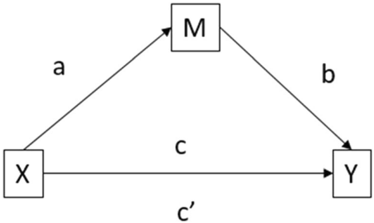
- Analyses: sex-stratified logistic regressions and PROCESS mediation models, adjusted for socio-economic status and prior mental health at ages 10–12; missing data handled with EM and inverse probability weighting; 95% CIs from 10,000 bootstrapped samples.
Limitations
- Stated: dropout may under-represent more vulnerable participants despite inverse probability weighting; causality cannot be definitively established; no statistical adjustment for uncertainty in trajectory assignment; SCOFF is self-report and does not capture specific eating disorder types or symptom intensity; social media measures were single items not validated scales; insufficient power to test sex interactions; cohort was mostly Caucasian, limiting generalization to gender minorities, LGBTQ+ groups, and diverse socio-cultural environments.
- Evident from the text: the male high-risk trajectory group was small (N = 67) and male suicidal outcomes had low prevalence, which the authors suggest may explain null findings for suicidal ideation and self-harm among males.
Model-written summary. Check it against the paper before relying on it.
Integrity signals
Registry
Cites
Statistics
Figures
Verification
Claims the paper makes
15 Valid · 2 Not valid · 20 Not checked · 49 Own results and interpretations
Some cited sources support this claim and some don’t — read each source’s verdict below.
In the paper
“associations between feelings of loneliness or lack of social support and anxiety, depression, suicidal ideation, and self-harming behaviours tend to be stronger among young females than among males (Beutel et al., 2017; Elbogen et al., 2021).”
§ Pathways of association between disordered eating in adolescence and mental health outcomes in young adulthood during the COVID-19 pandemic > Discussion
What the sources say
- Partly supportedcites Beutel et al., 2017 matched to “Loneliness in the general population: prevalence, determinants and relations to mental health” (2017) sourceExperimental — accuracy not yet measured
The Results report associations of loneliness with depression, anxiety and suicidal ideation. The Discussion says younger women living without a partner reported loneliness more often than men, but does not show that loneliness–mental-health associations were stronger in young women. The paper did not directly assess social-network support, and the cited passages do not address self-harming behaviour. (LLM, conf=0.88)
- Disputedcites Elbogen et al., 2021 matched to “Suicidal ideation and thoughts of self‐harm during the COVID‐19 pandemic: The role of COVID‐19‐related stress, social isolation, and financial strain” (2021) sourceExperimental — accuracy not yet measured
The Results report that loneliness had a greater association with thoughts of suicide or self-harm among males and participants above the median age of 35, contrary to the claimed stronger association among young females. The paper does link loneliness and lower social support to suicide/self-harm thoughts, but that general association does not support the claimed sex and age pattern; these passages do not assess the same pattern for anxiety or depression. (LLM, conf=0.91)
Checked by a reasoning model — may be wrong.
hedgedstates an association- Asserted: passes — The authors put it forward as true.
- Checkable: passes — It can be checked against evidence.
- Load-bearing: passes — The paper’s conclusions depend on it.
- Based: passes — The paper gives a reason why it holds.
- Partly supported
At least one cited source doesn’t support this claim or points to a different paper, and none confirmed it — see the verdicts below.
In the paper
“one longitudinal study conducted during the pandemic evidenced that time spent on Facebook was associated with increased body image and weight concerns, which was explained by passive but not active use (Mannino et al., 2021).”
§ Pathways of association between disordered eating in adolescence and mental health outcomes in young adulthood during the COVID-19 pandemic > Discussion
What the sources say
- Disputedcites Mannino et al., 2021 matched to “The impact of Facebook use on self-reported eating disorders during the COVID-19 lockdown” (2021) sourceExperimental — accuracy not yet measured
The Discussion reports an association between daily time on Facebook and eating concerns, and finds that maladaptive Facebook use mediated the relationship with shape concerns. But it explicitly says passive Facebook use was not supported as a mediator. The Methods (Measures) also say the study assessed only passive-use subscales, so it could not establish the claimed contrast with active use. (LLM, conf=0.89)
Checked by a reasoning model — may be wrong.
plainstates an association- Asserted: passes — The authors put it forward as true.
- Checkable: passes — It can be checked against evidence.
- Load-bearing: unclear — It is unclear whether the paper’s conclusions depend on it.
- Based: passes — The paper gives a reason why it holds.
- Disputed
The cited sources support only part of this claim — read each source’s verdict below.
In the paper
“The COVID-19 context exacerbated risk factors for disordered eating, such as isolation and dysfunctional disordered eating thoughts (Vitagliano et al., 2021).”
§ Pathways of association between disordered eating in adolescence and mental health outcomes in young adulthood during the COVID-19 pandemic > Introduction
What the sources say
- Partly supportedcites Vitagliano et al., 2021 matched to “COVID-19 and eating disorder and mental health concerns in patients with eating disorders” (2021) sourceExperimental — accuracy not yet measured
The Discussion reports that over 70% of adolescent and young adult patients with eating disorders felt the pandemic increased their social isolation and intrusive eating-disorder thoughts. The claim omits that this was a self-reported finding in patients already living with eating disorders and frames those changes more broadly as risk factors for disordered eating. (LLM, conf=0.86)
plainstates a cause- Asserted: passes — The authors put it forward as true.
- Checkable: passes — It can be checked against evidence.
- Load-bearing: unclear — It is unclear whether the paper’s conclusions depend on it.
- Based: passes — The paper gives a reason why it holds.
- Partly supported
The cited sources support only part of this claim — read each source’s verdict below.
In the paper
“Loneliness would then in turn contribute to increases in mental health problems such as depression, anxiety, and suicidal behaviours (Killgore et al., 2020; Park et al., 2020).”
§ Pathways of association between disordered eating in adolescence and mental health outcomes in young adulthood during the COVID-19 pandemic > Introduction
What the sources say
- Partly supportedcites Killgore et al., 2020 matched to “Loneliness: A signature mental health concern in the era of COVID-19” (2020) sourceExperimental — accuracy not yet measured
The paper reports that loneliness was associated with greater depression and suicidal ideation in its sample (Abstract; no page provided). It does not report anxiety or suicidal behaviours, and it cautions that causation cannot be inferred from its cross-sectional data. Thus, the claim’s suggestion that loneliness contributes to increases in all three outcomes goes beyond this source. (LLM, conf=0.88)
- Not checked — no full text of the sourcecites Park et al., 2020 matched to “The Effect of Loneliness on Distinct Health Outcomes: A Comprehensive Review and Meta-Analysis” (2020) source
hedgedstates a possible cause- Asserted: passes — The authors put it forward as true.
- Checkable: passes — It can be checked against evidence.
- Load-bearing: passes — The paper’s conclusions depend on it.
- Based: passes — The paper gives a reason why it holds.
- Partly supported
Every source the paper cites for this claim was checked and supports it.
In the paper
“We used group-based trajectories previously calculated (Breton et al., 2022).”
§ Pathways of association between disordered eating in adolescence and mental health outcomes in young adulthood during the COVID-19 pandemic > Methods > Measures
What the sources say
- Supportedcites Breton et al., 2022 matched to “Developmental trajectories of eating disorder symptoms: A longitudinal study from early adolescence to young adulthood” (2022) source
The Methods (Statistical analyses) state that the group-based trajectory models used ages 12, 15, 17, and 20. The Abstract (Results) identifies high- and low-symptom trajectory groups, supporting the attribution that these trajectories were previously calculated in Breton et al. (LLM, conf=0.94)
plain- Asserted: passes — The authors put it forward as true.
- Checkable: passes — It can be checked against evidence.
- Load-bearing: passes — The paper’s conclusions depend on it.
- Based: passes — The paper gives a reason why it holds.
- Supported
30 more claims · 1 with their cited sources checked
Create a free account to see all 86 claims and to verify the 2 references still open.
- It may state two separate claims as one. 30
- Probably not a substantial claim. 34
- The quote only partly states this claim. 4
Self-check
Percentages, sums and reported differences re-computed from the paper’s own numbers.
Each contradiction between two passages listed here was confirmed by an independent check.
Rated minor: it would not touch a result — a value no result rests on, a p-value that stays on the same side of the significance level, or a conflict that is clerical, resolved elsewhere in the paper, or outside its own findings.
In the paper
§ Pathways of association between disordered eating in adolescence and mental health outcomes in young adulthood during the COVID-19 pandemic > Results
“Severe anxiety (N, %) | 84 (11.1%) | 45 (9.4%) | 39 (14.1%) | < 0.001 | .08”
§ Pathways of association between disordered eating in adolescence and mental health outcomes in young adulthood during the COVID-19 pandemic > Results > Prospective associations between disordered eating trajectories and mental health problems (total association)
“Unadjusted | 1.59 (1.01–2.51) | 2.24 (1.43–3.52) | 1.64 (1.05–2.56) | 2.26 (1.37–3.71)”
Citations
Cites
The CES-D Scale: A Self-Report Depression Scale for Research in the General Population
Radloff, L. S. (1977) · Applied Psychological Measurement · doi:10.1177/014662167700100306 · Cited by 53,267 · cited 1×
“Scores > 20 indicate severe symptoms (Radloff, 1977).”
A Brief Measure for Assessing Generalized Anxiety Disorder: The GAD-7
Spitzer, R. L., Kroenke, K., Williams, J. B. W., & Löwe, B. (2006) · Archives of Internal Medicine · doi:10.1001/archinte.166.10.1092 · Cited by 31,765 · cited 1×
“Scores > 14 indicate severe symptoms (Micoulaud-Franchi et al., 2016; Spitzer et al., 2006).”
Introduction to Statistical Mediation Analysis
MacKinnon, D. P. (2012) · doi:10.4324/9780203809556 · Cited by 5,618 · cited 3×
“Loneliness as a mediator between trajectories and mental health problems Mediation models were tested based on previously stated requirements (MacKinnon, 2008).”
MethodInfluentialGroup-Based Modeling of Development
NAGIN, D. (2005) · doi:10.4159/9780674041318 · Cited by 4,164 · cited 2×
“…being assigned to high- and low-risk groups was above the recommended .7 threshold (females: high risk M = .86, low risk M = .85; males: high risk M = .80, low risk M = .91), suggesting that hard classification into high and low groups can be confidently used as an exposure variable (Nagin, 2005).”
BackgroundPrincipled missing data methods for researchers
Dong, Y., & Peng, C.-Y. J. (2013) · SpringerPlus · doi:10.1186/2193-1801-2-222 · Cited by 2,208 · cited 1×
“EM is a maximum likelihood–based approach that consists in iterating the expected log-likelihood function and a maximization estimate based on available data (Dong & Peng, 2013).”
MethodLoneliness in the general population: prevalence, determinants and relations to mental health
Beutel, M. E., Klein, E. M., Brähler, E., Reiner, I., Jünger, C., Michal, M., Wiltink, J., Wild, P. S., Münzel, T., Lackner, K. J., et al. (2017) · BMC Psychiatry · doi:10.1186/s12888-017-1262-x · Cited by 1,223 · cited 1×
“First, associations between feelings of loneliness or lack of social support and anxiety, depression, suicidal ideation, and self-harming behaviours tend to be stronger among young females than among males (Beutel et al., 2017; Elbogen et al., 2021).”
BackgroundDo social network sites enhance or undermine subjective well-being? A critical review
Verduyn, P., Ybarra, O., Résibois, M., Jonides, J., & Kross, E. (2017) · Social Issues and Policy Review · doi:10.1111/sipr.12033 · Cited by 1,209 · cited 2×
“Prior studies have shown that heavy social media use can be associated with adverse mental health outcomes (e.g., anxiety, depression) because it often provokes comparisons, jealousy, and low self-esteem (Drouin et al., 2020; Verduyn et al., 2017).”
BackgroundLoneliness: A signature mental health concern in the era of COVID-19
Killgore, W. D. S., Cloonan, S. A., Taylor, E. C., & Dailey, N. S. (2020) · Psychiatry Research · doi:10.1016/j.psychres.2020.113117 · Cited by 915 · cited 4×
“…during the COVID-19 pandemic (e.g., distancing, lockdowns) increased youths’ feelings of loneliness, which were more pronounced among young adults (Killgore et al., 2020) and have been associated with a wide range of physical and mental health problems (Park et al., 2020), including depression…”
BackgroundInfluentialPrati, G., & Mancini, A. D. (2021) · Psychological Medicine · doi:10.1017/s0033291721000015 · Cited by 842 · cited 1×
“…to the conclusions of the World Health Organization (WHO) 2022 scientific brief on the plethora of research conducted on the impact of COVID-19 on mental health, symptoms of anxiety and depression increased from before to during the pandemic in the general population (Prati & Mancini, 2021).”
BackgroundBu, F., Steptoe, A., & Fancourt, D. (2020) · Public Health · doi:10.1016/j.puhe.2020.06.036 · Cited by 703
The Effect of Loneliness on Distinct Health Outcomes: A Comprehensive Review and Meta-Analysis
Park, C., Majeed, A., Gill, H., Tamura, J., Ho, R. C., Mansur, R. B., Nasri, F., Lee, Y., Rosenblat, J. D., Wong, E., et al. (2020) · Psychiatry Research · doi:10.1016/j.psychres.2020.113514 · Cited by 604 · cited 5×
“…lockdowns) increased youths’ feelings of loneliness, which were more pronounced among young adults (Killgore et al., 2020) and have been associated with a wide range of physical and mental health problems (Park et al., 2020), including depression and suicidal ideation (Killgore et al., 2020).”
BackgroundInfluentialCROLL, J., NEUMARKSZTAINER, D., STORY, M., & IRELAND, M. (2002) · Journal of Adolescent Health · doi:10.1016/s1054-139x(02)00368-3 · Cited by 601 · cited 2×
“It is well known that the prevalence of eating disorders is higher among females than among males with, for example, 56% of 14-year-old girls and 28% of 14-year-old boys reporting at least one disordered eating behaviour (Croll et al., 2002).”
BackgroundMental health before and during the COVID-19 pandemic in two longitudinal UK population cohorts
Kwong, A. S. F., Pearson, R. M., Adams, M. J., Northstone, K., Tilling, K., Smith, D., Fawns-Ritchie, C., Bould, H., Warne, N., Zammit, S., et al. (2021) · The British Journal of Psychiatry · doi:10.1192/bjp.2020.242 · Cited by 529
The Impact of Media Exposure on Males' Body Image
Agliata, D., & Tantleff-Dunn, S. (2004) · Journal of Social and Clinical Psychology · doi:10.1521/jscp.23.1.7.26988 · Cited by 458 · cited 1×
“Many studies have shown that exposure to these types of messages can provoke body image concerns, negative affect, and disordered eating behaviours among men and women (Agliata & Tantleff-Dunn, 2004; Hawkins et al., 2004; Sabik et al., 2020).”
BackgroundWeight stigma as a psychosocial contributor to obesity.
Puhl, R. M., Himmelstein, M. S., & Pearl, R. L. (2020) · American Psychologist · doi:10.1037/amp0000538 · Cited by 452 · cited 1×
“Weight stigma prior to the pandemic was related to negative outcomes such as increased depression, COVID-19-related stress, and binge eating (Puhl et al., 2020).”
BackgroundDrouin, M., McDaniel, B. T., Pater, J., & Toscos, T. (2020) · Cyberpsychology, Behavior, and Social Networking · doi:10.1089/cyber.2020.0284 · Cited by 367 · cited 3×
“Prior studies have shown that heavy social media use can be associated with adverse mental health outcomes (e.g., anxiety, depression) because it often provokes comparisons, jealousy, and low self-esteem (Drouin et al., 2020; Verduyn et al., 2017).”
BackgroundMann, F., Bone, J. K., Lloyd-Evans, B., Frerichs, J., Pinfold, V., Ma, R., Wang, J., & Johnson, S. (2017) · Social Psychiatry and Psychiatric Epidemiology · doi:10.1007/s00127-017-1392-y · Cited by 346 · cited 2×
“…loneliness include addressing maladaptive cognitive beliefs (e.g., negative evaluations of others, lack of interpersonal trust), training in social skills, encouraging socialization and community involvement (e.g., volunteering), and increasing opportunities for socialization (Mann et al., 2017).”
BackgroundThe Impact of Exposure to the Thin-Ideal Media Image on Women
HAWKINS, N., RICHARDS, P. S., GRANLEY, H. M., & STEIN, D. M. (2004) · Eating Disorders · doi:10.1080/10640260490267751 · Cited by 302 · cited 1×
“Many studies have shown that exposure to these types of messages can provoke body image concerns, negative affect, and disordered eating behaviours among men and women (Agliata & Tantleff-Dunn, 2004; Hawkins et al., 2004; Sabik et al., 2020).”
BackgroundSuicide behaviors during the COVID-19 pandemic: A meta-analysis of 54 studies
Dubé, J. P., Smith, M. M., Sherry, S. B., Hewitt, P. L., & Stewart, S. H. (2021) · Psychiatry Research · doi:10.1016/j.psychres.2021.113998 · Cited by 291 · cited 1×
“Pooled effects of mostly cross-sectional studies suggested that suicidal ideation and behaviours among youth increased during the pandemic (Dubé et al., 2021).”
BackgroundAddressing the public mental health challenge of COVID-19
Campion, J., Javed, A., Sartorius, N., & Marmot, M. (2020) · The Lancet Psychiatry · doi:10.1016/s2215-0366(20)30240-6 · Cited by 288 · cited 1×
“The COVID-19 pandemic has been associated with millions of deaths, drastic mitigation measures, and major concerns for its impact on mental health (Campion et al., 2020).”
BackgroundRich-Edwards, J. W., Kaiser, U. B., Chen, G. L., Manson, J. E., & Goldstein, J. M. (2018) · Endocrine Reviews · doi:10.1210/er.2017-00246 · Cited by 273 · cited 1×
“As recommended by guidelines such as those of the Canadian Institutes of Health Research (Coen & Banister, 2012; Rich-Edwards et al., 2018), we investigated sex differences by stratifying analyses by sex.”
MethodThe SCOFF questionnaire: a new screening tool for eating disorders
Morgan, J. F. (2000) · Western Journal of Medicine · doi:10.1136/ewjm.172.3.164 · Cited by 272
Kunzler, A. M., Röthke, N., Günthner, L., Stoffers-Winterling, J., Tüscher, O., Coenen, M., Rehfuess, E., Schwarzer, G., Binder, H., Schmucker, C., et al. (2021) · Globalization and Health · doi:10.1186/s12992-021-00670-y · Cited by 262
Loneliness and Eating Disorders
Levine, M. P. (2012) · The Journal of Psychology · doi:10.1080/00223980.2011.606435 · Cited by 259 · cited 2×
“Those with disordered eating vulnerabilities would tend to be more secretive and alienate themselves from others which would increase their feelings of loneliness (Levine, 2012).”
BackgroundMicoulaud-Franchi, J.-A., Lagarde, S., Barkate, G., Dufournet, B., Besancon, C., Trébuchon-Da Fonseca, A., Gavaret, M., Bartolomei, F., Bonini, F., & McGonigal, A. (2016) · Epilepsy & Behavior · doi:10.1016/j.yebeh.2016.02.015 · Cited by 251 · cited 1×
“Scores > 14 indicate severe symptoms (Micoulaud-Franchi et al., 2016; Spitzer et al., 2006).”
Castellini, G., Cassioli, E., Rossi, E., Innocenti, M., Gironi, V., Sanfilippo, G., Felciai, F., Monteleone, A. M., & Ricca, V. (2020) · International Journal of Eating Disorders · doi:10.1002/eat.23368 · Cited by 223 · cited 1×
“In comparison to healthy controls, patients with eating disorders prior to the pandemic experienced increased post-traumatic responses, compensatory exercise habits, and binge eating during COVID-19 (Castellini et al., 2020).”
Patel, K., Robertson, E., Kwong, A. S. F., Griffith, G. J., Willan, K., Green, M. J., Di Gessa, G., Huggins, C. F., McElroy, E., Thompson, E. J., et al. (2022) · JAMA Network Open · doi:10.1001/jamanetworkopen.2022.7629 · Cited by 218 · cited 1×
“Moreover, evidence shows that females and young people are at greater risk for mental health problems during the pandemic (Patel et al., 2022).”
Cooper, M., Reilly, E. E., Siegel, J. A., Coniglio, K., Sadeh-Sharvit, S., Pisetsky, E. M., & Anderson, L. M. (2022) · Eating Disorders · doi:10.1080/10640266.2020.1790271 · Cited by 209 · cited 3×
“…that research on individuals with disordered eating vulnerabilities, whether within or apart from the pandemic context, should focus on loneliness and related concepts such as social support that contribute to the development andmaintenance of disordered eating symptoms (Cooper et al., 2020).”
BackgroundResultCOVID-19 pandemic lockdown and problematic eating behaviors in a student population
Flaudias, V., Iceta, S., Zerhouni, O., Rodgers, R. F., Billieux, J., Llorca, P.-M., Boudesseul, J., de Chazeron, I., Romo, L., Maurage, P., et al. (2020) · Journal of Behavioral Addictions · doi:10.1556/2006.2020.00053 · Cited by 193
Eating disorders in men: update
Weltzin, T. E., Weisensel, N., Franczyk, D., Burnett, K., Klitz, C., & Bean, P. (2005) · The Journal of Men's Health & Gender · doi:10.1016/j.jmhg.2005.04.008 · Cited by 177 · cited 3×
“Further, males are under-represented in the disordered eating literature and empirical findings related to men specifically are flagrantly needed (Weltzin et al., 2005).”
BackgroundElbogen, E. B., Lanier, M., Blakey, S. M., Wagner, H. R., & Tsai, J. (2021) · Depression and Anxiety · doi:10.1002/da.23162 · Cited by 142 · cited 1×
“First, associations between feelings of loneliness or lack of social support and anxiety, depression, suicidal ideation, and self-harming behaviours tend to be stronger among young females than among males (Beutel et al., 2017; Elbogen et al., 2021).”
BackgroundPsychosocial variables associated with binge eating in obese males and females
Womble, L. G., Williamson, D. A., Martin, C. K., Zucker, N. L., Thaw, J. M., Netemeyer, R., Lovejoy, J. C., & Greenway, F. L. (2001) · International Journal of Eating Disorders · doi:10.1002/eat.1076 · Cited by 137 · cited 3×
“The prevalence of specific eating disorder symptoms also differs, e.g., males are more likely than females to instate rigid excessive exercise routines but are less likely to present purging behaviours such as vomiting or excessive laxative use (Womble et al., 2001).”
BackgroundCohort Profile: Quebec Longitudinal Study of Child Development (QLSCD)
Orri, M., Boivin, M., Chen, C., Ahun, M. N., Geoffroy, M.-C., Ouellet-Morin, I., Tremblay, R. E., & Côté, S. M. (2021) · Social Psychiatry and Psychiatric Epidemiology · doi:10.1007/s00127-020-01972-z · Cited by 130 · cited 2×
“As the majority of our cohort was of Caucasian decent (Orri et al., 2021), generalization of our results to gender (vs sex), minority groups such as the LGBTQ+ community, or diverse sociocultural environments is unclear and it would be important to conduct research on the topic.”
BackgroundMethodSelf-citationSwami, V., Horne, G., & Furnham, A. (2021) · Personality and Individual Differences · doi:10.1016/j.paid.2020.110426 · Cited by 126 · cited 1×
“Researchers found that associations between disordered eating and COVID-19related stress and anxiety were stronger among women than among men (Swami et al., 2021).”
BackgroundGarcia, F. D., Grigioni, S., Allais, E., Houy-Durand, E., Thibaut, F., & Déchelotte, P. (2011) · Clinical Nutrition · doi:10.1016/j.clnu.2010.09.007 · Cited by 91 · cited 2×
“Exposure: disordered eating trajectories from 12 (2010) to 20 (2018) years Disordered eating problems were measured at age 12, 15, 17, and 20 years using the 5-item self-report questionnaire Sick, Control, One stone, Fat, Food (SCOFF) (Morgan et al., 2000), which has been psychometrically validated in French (Garcia e…”
MethodMurray, A. L., Obsuth, I., Eisner, M., & Ribeaud, D. (2017) · Assessment · doi:10.1177/1073191117721741 · Cited by 88
Breton, É., Dufour, R., Côté, S. M., Dubois, L., Vitaro, F., Boivin, M., Tremblay, R. E., & Booij, L. (2022) · Journal of Eating Disorders · doi:10.1186/s40337-022-00603-z · Cited by 82 · cited 2×
“Note that the average number of disordered eating symptoms was higher among females than among males (Breton et al., 2022).”
BackgroundSelf-citationGiel, K. E., Schurr, M., Zipfel, S., Junne, F., & Schag, K. (2021) · European Eating Disorders Review · doi:10.1002/erv.2837 · Cited by 78 · cited 4×
“…COVID-19 pandemic were associated with increased mental health problems, including symptoms of anxiety (Bayram Deger, 2021; Czepczor-Bernat et al., 2021) and depression (Chan & Chiu, 2021; Giel et al., 2021), but the direction of the association is difficult to establish using cross-sectional data.”
BackgroundInfluentialde Grâce, G.-R., Joshi, P., & Pelletier, R. (1993) · Canadian Journal of Behavioural Science/Revue canadienne des sciences du comportement · doi:10.1037/h0078812 · Cited by 74 · cited 1×
“Total scores were converted into a standardized scale ranging from 0 to 10 (de Grâce et al., 1993).”
MethodWhen Self-Worth Depends on Social Media Feedback: Associations with Psychological Well-Being
Sabik, N. J., Falat, J., & Magagnos, J. (2020) · Sex Roles · doi:10.1007/s11199-019-01062-8 · Cited by 69
COVID-19 and eating disorder and mental health concerns in patients with eating disorders
Vitagliano, J. A., Jhe, G., Milliren, C. E., Lin, J. A., Spigel, R., Freizinger, M., Woods, E. R., Forman, S. F., & Richmond, T. K. (2021) · Journal of Eating Disorders · doi:10.1186/s40337-021-00437-1 · Cited by 63 · cited 1×
“The COVID-19 context exacerbated risk factors for disordered eating, such as isolation and dysfunctional disordered eating thoughts (Vitagliano et al., 2021).”
BackgroundGeorgiades, K., Boylan, K., Duncan, L., Wang, L., Colman, I., Rhodes, A. E., Bennett, K., Comeau, J., Manion, I., Boyle, M. H., et al. (2019) · The Canadian Journal of Psychiatry · doi:10.1177/0706743719830031 · Cited by 62 · cited 1×
“(1 = yes, 0 = no), which has been successfully used in previous cohort studies (Georgiades et al., 2019).”
MethodPositive and negative eating expectancies in disordered eating among women and men
Hayaki, J., & Free, S. (2016) · Eating Behaviors · doi:10.1016/j.eatbeh.2016.03.025 · Cited by 36 · cited 1×
“The psychological correlates of eating disorders such as eating expectancies also differ across sex (Hayaki & Free, 2016).”
BackgroundCzepczor-Bernat, K., Swami, V., Modrzejewska, A., & Modrzejewska, J. (2021) · Nutrients · doi:10.3390/nu13041384 · Cited by 35 · cited 2×
“…problems during the COVID-19 pandemic were associated with increased mental health problems, including symptoms of anxiety (Bayram Deger, 2021; Czepczor-Bernat et al., 2021) and depression (Chan & Chiu, 2021; Giel et al., 2021), but the direction of the association is difficult to establish…”
BackgroundDisordered eating behaviors and psychological health during the COVID-19 pandemic
Chan, C. Y., & Chiu, C. Y. (2022) · Psychology, Health & Medicine · doi:10.1080/13548506.2021.1883687 · Cited by 22 · cited 2×
“…COVID-19 pandemic were associated with increased mental health problems, including symptoms of anxiety (Bayram Deger, 2021; Czepczor-Bernat et al., 2021) and depression (Chan & Chiu, 2021; Giel et al., 2021), but the direction of the association is difficult to establish using cross-sectional data.”
BackgroundThe impact of Facebook use on self-reported eating disorders during the COVID-19 lockdown
Mannino, G., Salerno, L., Bonfanti, R. C., Albano, G., & Lo Coco, G. (2021) · BMC Psychiatry · doi:10.1186/s12888-021-03628-x · Cited by 21 · cited 2×
“Though empirical research is scarce, one longitudinal study conducted during the pandemic evidenced that time spent on Facebook was associated with increased body image and weight concerns, which was explained by passive but not active use (Mannino et al., 2021).”
BackgroundWarne, N., Heron, J., Mars, B., Kwong, A. S. F., Solmi, F., Pearson, R., Moran, P., & Bould, H. (2021) · Journal of Eating Disorders · doi:10.1186/s40337-021-00510-9 · Cited by 19 · cited 2×
“This converges with longitudinal findings (Warne et al., 2021) and cross-sectional research on associations between disordered eating and symptoms of depression (Chan & Chiu, 2021; Giel et al., 2021) and anxiety (Chan & Chiu, 2021; Czepczor-Bernat et al., 2021).”
Warne, N., Heron, J., Mars, B., Kwong, A. S. F., Solmi, F., Pearson, R. M., Moran, P., & Bould, H. (2021) · medRxiv · doi:10.1101/2021.04.30.21256377 · Cited by 14
Eating Behavior Changes of People with Obesity During the COVID-19 Pandemic
Bayram Deger, V. (2021) · Diabetes, Metabolic Syndrome and Obesity: Targets and Therapy · doi:10.2147/dmso.s305782 · Cited by 7 · cited 1×
“…that disordered eating problems during the COVID-19 pandemic were associated with increased mental health problems, including symptoms of anxiety (Bayram Deger, 2021; Czepczor-Bernat et al., 2021) and depression (Chan & Chiu, 2021; Giel et al., 2021), but the direction of the association is…”
Background
Research works printed but not linked: 2
- 8. Coen, S., & Banister, E. (Eds.). (2012). What a difference sex and gender make: A Gender, Sex and Health Research Casebook - CIHR. Institute of Gender and Health of the Canadian Institutes of Health Research. https://cihr-irsc.gc.ca/e/44734.html
- 22. Hayes, A. F. (2017). Introduction to mediation, moderation, and conditional process analysis, second edition: A regression-based approach (2 edition). The Guilford Press.
Cited by
Trompeter, N., Dârvariu, Ş., Brieva‐Toloza, A. V., Opitz, M., Rabelo‐da‐Ponte, F. D., Sharpe, H., Desrivières, S., Schmidt, U. H., & Micali, N. (2024) · European Child & Adolescent Psychiatry · doi:10.1007/s00787-024-02601-9 · Cited by 29
Eisenman, S. R., Jackson, I. V., Hudson, L. D., & Vázquez‐Vázquez, A. (2025) · Journal of Adolescent Health · doi:10.1016/j.jadohealth.2025.01.016 · Cited by 8
Koliou, M. P., Kouskoura, A., Kontogeorgos, A., & Skalkos, D. C. (2026) · Nutrients · doi:10.3390/nu18050758 · Cited by 4
“Recent evidence shows that young adults are particularly vulnerable to disordered eating symptoms, emotional distress, and weight-related health concerns, especially when academic pressure and pervasive digital exposure coexist [3].”
Jiang, G., Peng, S., Zhong, J., Guo, Y., Liu, Q., Zhou, Y., & Guo, L. (2025) · Journal of Eating Disorders · doi:10.1186/s40337-025-01478-6 · Cited by 3
“For instance, a recent longitudinal study showed that young adults with a history of adolescent disordered eating had higher rates of anxiety [20].”
Wu, R., Huang, Y., Shao, L., Guang, Z., Niu, Q., Chen, J., Zhou, J. H., Ge, L., & Wang, S. (2025) · BMC Psychology · doi:10.1186/s40359-025-02693-1 · Cited by 5
“Longitudinal studies indicate that early disordered eating behaviors and associated body dissat-isfaction can lead to depressive symptoms in later life [27, 28].”
Metadata
- Authors
- Loose, T., Geoffroy, M. C., Orri, M., Chadi, N., Scardera, S., Booij, L., Breton, E., Tremblay, R., Boivin, M., & Coté, S.
- Affiliations
- Centre Hospitalier Universitaire Sainte-Justine (CA)
- Douglas Mental Health University Institute (CA)
- McGill University (CA)
- Université de Montréal (CA)
- Université Laval (CA)
- ORCID
- Venue
- Canadian Journal of Public Health
- Published
- 2022-12-08
- Volume
- 114
- Issue
- 1
- Pages
- 22-32
- ISSN
- 0008-4263 (ISSN-L)
- 1920-7476
- PMC
- PMC9734974
- OpenAlex
- W4311288258
- Semantic Scholar
- 2d885b01c8ce5be438b2c4db79ef6d67dbb382a8
- Cited by
- 7
- References
- 46
- Citations by year
- 2026: 1 · 2025: 4 · 2024: 1 · 2023: 1
- FWCI
- 1.16
- Type
- journal article
- Language
- en
- Open access
- bronze
- doi.org
- Licence
- www.springernature.com/gp/researchers/text-and-data-mining (tdm)
- www.springernature.com/gp/researchers/text-and-data-mining (vor)
- Locations
- Canadian Journal of Public Health (publishedVersion)
- PubMed Central (publishedVersion)
- PubMed (publishedVersion)
- eScholarship@McGill (McGill) (submittedVersion)
- Funders
- Observatory for Children's Education and Health (RQC00384)
- Topics
- Social Sciences › Psychology › Clinical Psychology › Eating Disorders and Behaviors
- Social Sciences › Psychology › Clinical Psychology › COVID-19 and Mental Health
- Health Sciences › Nursing › Nutrition and Dietetics › Nutrition, Health and Food Behavior
- Keywords
- disordered eating, adolescence, early adulthood, COVID-19 pandemic, mental health, anxiety, depression, non-suicidal self-injury, suicidal ideation, loneliness, social media use, sex differences, social isolation, mediation
- MeSH terms
- COVID-19, Adolescent, Adult, Feeding and Eating Disorders, Child, Depression, Female, Humans, Longitudinal Studies, Male, Outcome Assessment, Health Care, Young Adult, Pandemics, Suicidal Ideation
About these checks
Registry, retraction, Cites and statistics results are computed, not judged, with one exception: a printed reference that no index lists is read once by a model before it counts as a citation error. Claims are extracted by a model and kept only when their quote appears verbatim in the text; each cited source is then checked, with a model’s help, for whether it says what the claim relies on. Those verdicts can be wrong — read the claim’s quote and the cited source before relying on one.
The claim verdicts this report counts are experimental: their accuracy is not yet measured.
A language model drew the claims from the paper on 2026-10-05, under version 3 of the claim definition (model deepseek-v4.1-flash, prompt extract-v3).
A second model labelled each claim on 2026-10-05 (model jev-1.13-20260917, definition revision gold-guideline-v0.2).
Cited sources are checked with a language model’s help (gpt-6-sol).
Statistics and arithmetic are recomputed, not judged.
Confidence bands are shown only for fields calibrated on our annotated test set. None is calibrated yet, so no band is shown.
What counts as a claim ›How we measure confidence ›How we check this ›
Are you an author, or do you see a problem with this page? Request a review
Data sources
Bibliographic data: Semantic Scholar, OpenAlex, Crossref.
Contains information from the Semantic Scholar Academic Graph Datasets, made available under the ODC Attribution License (ODC-BY 1.0).
Semantic Scholar’s data is described in: Kinney, R., et al. (2023). The Semantic Scholar Open Data Platform. arXiv:2301.10140.
