

Development of Sendai Virus Vectors and their Potential Applications in Gene Therapy and Regenerative Medicine
Open accessThe DOI matches its Crossref record; 69 of the 70 references it cites were found in a registry or an index.
Abstract
Gene delivery/expression vectors have been used as fundamental technologies in gene therapy since the 1980s. These technologies are also being applied in regenerative medicine as tools to reprogram cell genomes to a pluripotent state and to other cell lineages. Rapid progress in these new research areas and expectations for their translation into clinical applications have facilitated the development of more sophisticated gene delivery/expression technologies. Since its isolation in 1953 in Japan, Sendai virus (SeV) has been widely used as a research tool in cell biology and in industry, but the application of SeV as a recombinant viral vector has been investigated only recently. Recombinant SeV vectors have various unique characteristics, such as low pathogenicity, powerful capacity for gene expression and a wide host range. In addition, the cytoplasmic gene expression mediated by this vector is advantageous for applications, in that chromosomal integration of exogenous genes can be undesirable. In this review, we introduce a brief historical background on the development of recombinant SeV vectors and describe their current applications in gene therapy. We also describe the application of SeV vectors in advanced nuclear reprogramming and introduce a defective and persistent SeV vector (SeVdp) optimized for such reprogramming.
Overview
The claims and statistics of this paper haven’t been checked yet.
Free: it reads the open-access text and checks the first 5 claims that cite a source we can check. Create a free account to check every claim.
Integrity signals
Registry
Cites
Statistics
Figures
Verification
Claims the paper makes
The claims and statistics of this paper haven’t been checked yet.
Free: it reads the open-access text and checks the first 5 claims that cite a source we can check. Create a free account to check every claim.
Claims other papers make about this one
Each is checked against this paper’s own text: does it say what the citing paper says it does?
The cited source doesn’t support the claim as written.
In the citing paper
“Although both methods have low reprogramming efficiency, Sendai virus-mediated reprogramming has been used for several clinical applications, notably, in cystic fibrosis, the AIDS vaccine, and other iPSC replacement therapies [29,30,31,32,33].”
From Overcoming the Variability of iPSCs in the Manufacturing of Cell-Based Therapies (2023) · cites this paper as [33]
Checked by a reasoning model — may be wrong.
Experimental — accuracy not yet measuredThe source backs part of the claim, not all of it — or backs it for a different population, condition or comparison.
In the citing paper
“Although the SeV vector is known as being “ex-gene-free”, several researchers are still unsure of its safety in producing clinical-grade iPSC lines, as the avoidance of transgene integration passively depends on the cell passage [64].”
From Non-Integrating Lentiviral Vectors in Clinical Applications: A Glance Through (2022) · cites this paper as [64]
Experimental — accuracy not yet measured
Self-check
Percentages, sums and reported differences re-computed from the paper’s own numbers.
The self-check needs the paper’s full text.
Citations
Cites
Takahashi, K., & Yamanaka, S. (2006) · Cell · doi:10.1016/j.cell.2006.07.024 · Cited by 26,673 · cited 1×
“Reprogramming skin fibroblasts into induced pluripotent stem cells (iPSCs) by the ectopic expression of four reprogramming factors (Oct4, Sox2, Klf4 and c-Myc) opened a new era in this field [48-51].”
BackgroundInduction of Pluripotent Stem Cells from Adult Human Fibroblasts by Defined Factors
Takahashi, K., Tanabe, K., Ohnuki, M., Narita, M., Ichisaka, T., Tomoda, K., & Yamanaka, S. (2007) · Cell · doi:10.1016/j.cell.2007.11.019 · Cited by 20,221
Induced Pluripotent Stem Cell Lines Derived from Human Somatic Cells
Yu, J., Vodyanik, M. A., Smuga-Otto, K., Antosiewicz-Bourget, J., Frane, J. L., Tian, S., Nie, J., Jonsdottir, G. A., Ruotti, V., Stewart, R., et al. (2007) · Science · doi:10.1126/science.1151526 · Cited by 10,310 · cited 1×
“Reprogramming skin fibroblasts into induced pluripotent stem cells (iPSCs) by the ectopic expression of four reprogramming factors (Oct4, Sox2, Klf4 and c-Myc) opened a new era in this field [48-51].”
BackgroundLipofection: a highly efficient, lipid-mediated DNA-transfection procedure.
Felgner, P. L., Gadek, T. R., Holm, M., Roman, R., Chan, H. W., Wenz, M., Northrop, J. P., Ringold, G. M., & Danielsen, M. (1987) · Proceedings of the National Academy of Sciences · doi:10.1073/pnas.84.21.7413 · Cited by 4,978 · cited 1×
“Development of sophisticated gene delivery tools in the 1980s such as retroviral vectors [1, 2], adenoviral vectors [3] and cationic lipidbased reagents [4] facilitated the translation of these technologies to human gene therapy.”
BackgroundGeneration of germline-competent induced pluripotent stem cells
Okita, K., Ichisaka, T., & Yamanaka, S. (2007) · Nature · doi:10.1038/nature05934 · Cited by 4,299
Expression of a single transfected cDNA converts fibroblasts to myoblasts
Davis, R. L., Weintraub, H., & Lassar, A. B. (1987) · Cell · doi:10.1016/0092-8674(87)90585-x · Cited by 3,385 · cited 1×
“The concept of nuclear reprogramming was first proposed in the 1970s, based on experiments with somatic cell fusion and was proven by the discovery of MyoD, a gene encoding a master transcription factor inducing the dynamic transition of fibroblasts to myoblasts [47].”
BackgroundStem Cells, the Molecular Circuitry of Pluripotency and Nuclear Reprogramming
Jaenisch, R., & Young, R. (2008) · Cell · doi:10.1016/j.cell.2008.01.015 · Cited by 1,427
FUSAKI, N., BAN, H., NISHIYAMA, A., SAEKI, K., & HASEGAWA, M. (2009) · Proceedings of the Japan Academy Series B · doi:10.2183/pjab.85.348 · Cited by 1,411 · cited 1×
“Wild-type SeV vectors installed with Oct4, Sox2, Klf4 and cMyc cDNA were reported to generate ex-gene-free iPSCs, dependent on passive elimination of the genome through cell passage [54].”
BackgroundIn vivo reprogramming of murine cardiac fibroblasts into induced cardiomyocytes
Qian, L., Huang, Y., Spencer, C. I., Foley, A., Vedantham, V., Liu, L., Conway, S. J., Fu, J.-D., & Srivastava, D. (2012) · Nature · doi:10.1038/nature11044 · Cited by 1,360
Induction of Pluripotent Stem Cells From Adult Human Fibroblasts by Defined Factors
Takahashi, K., Tanabe, K., Ohnuki, M., Narita, M., Ichisaka, T., Tomoda, K., & Yamanaka, S. (2008) · Obstetrical & Gynecological Survey · doi:10.1097/01.ogx.0000305204.97355.0d · Cited by 1,174
Research works printed but not linked: 1
- [11]Lamb RA Kolakofsky D Paramyxoviridae: The Viruses and Their Replication Fundamental Virology Fourth Edition 2001 689 724
Cited by
Opportunities and Challenges in the Delivery of mRNA-Based Vaccines
Wadhwa, A., Aljabbari, A., Lokras, A., Foged, C., & Thakur, A. (2020) · Pharmaceutics · doi:10.3390/pharmaceutics12020102 · Cited by 584
“It is favored for its high but transient gene expression levels, wide host cell specificity, low pathogenicity, and strong immunogenicity [120].”
BackgroundDevelopments in Viral Vector-Based Vaccines
Ura, T., Okuda, K., & Shimada, M. (2014) · Vaccines · doi:10.3390/vaccines2030624 · Cited by 436
“The SeV vector has been used for gene therapy and in a vaccine in human trials [13,97].”
MethodViral vector‐based gene therapies in the clinic
Zhao, Z., Anselmo, A. C., & Mitragotri, S. (2022) · Bioengineering & Translational Medicine · doi:10.1002/btm2.10258 · Cited by 269
Kwon, H., Kim, M., Seo, Y., Moon, Y. S., Lee, H. J., Lee, K., & Lee, H. (2018) · Biomaterials · doi:10.1016/j.biomaterials.2017.11.034 · Cited by 208
Omole, A. E., & Fakoya, A. O. J. (2018) · PeerJ · doi:10.7717/peerj.4370 · Cited by 204
Cardiac fibrosis: potential therapeutic targets
Park, S., Nguyen, N. B., Pezhouman, A., & Ardehali, R. (2019) · Translational Research · doi:10.1016/j.trsl.2019.03.001 · Cited by 194
Miyamoto, K., Akiyama, M., Tamura, F., Isomi, M., Yamakawa, H., Sadahiro, T., Muraoka, N., Kojima, H., Haginiwa, S., Kurotsu, S., et al. (2018) · Cell Stem Cell · doi:10.1016/j.stem.2017.11.010 · Cited by 189
“The SeV vectors express HN proteins at the outer envelope, which may contribute to their preferential infection of CFs (Nakanishi and Otsu, 2012).”
BackgroundInduced Pluripotent Stem Cells: Reprogramming Platforms and Applications in Cell Replacement Therapy
Al Abbar, A., Ngai, S. C., Nograles, N., Alhaji, S. Y., & Abdullah, S. (2020) · BioResearch Open Access · doi:10.1089/biores.2019.0046 · Cited by 134
“It is worth noting that Se-V has huge potential in cystic fibrosis gene therapy(89,90) and AIDS vaccines(91) and is applicable for human iPSC replacement therapy.(92)”
BackgroundTechnological Overview of iPS Induction from Human Adult Somatic Cells
Bayart, E., & Cohen-Haguenauer, O. (2013) · Current Gene Therapy · doi:10.2174/1566523211313020002 · Cited by 113
“cells in many species and tissues; (ii) without identified pathogenicity for human and (iii) controllable for foreign gene expression [69], they have been considered as tools for gene therapy and regenerative medicine [70, 71].”
Clinical potentials of human pluripotent stem cells
Mora, C., Serzanti, M., Consiglio, A., Memo, M., & Dell’Era, P. (2017) · Cell Biology and Toxicology · doi:10.1007/s10565-017-9384-y · Cited by 86
Viral and Synthetic RNA Vector Technologies and Applications
Schott, J. W., Morgan, M., Galla, M., & Schambach, A. (2016) · Molecular Therapy · doi:10.1038/mt.2016.143 · Cited by 76
Corneal cell therapy: with iPSCs, it is no more a far-sight
Chakrabarty, K., Shetty, R., & Ghosh, A. (2018) · Stem Cell Research & Therapy · doi:10.1186/s13287-018-1036-5 · Cited by 84
iPS cell technologies and their prospect for bone regeneration and disease modeling: A mini review
Csöbönyeiová, M., Polák, Š., Zamborský, R., & Danišovič, Ľ. (2017) · Journal of Advanced Research · doi:10.1016/j.jare.2017.02.004 · Cited by 83
“expressing property; wide host range Involve viral transduction [58,59]”
BackgroundUsing human induced pluripotent stem cells to treat retinal disease
Borooah, S., Phillips, M. J., Bilican, B., Wright, A. F., Wilmut, I., Chandran, S., Gamm, D. M., & Dhillon, B. (2013) · Progress in Retinal and Eye Research · doi:10.1016/j.preteyeres.2013.09.002 · Cited by 81
“An example are DNA plasmidswhich have been used successfully (Takahashi et al., 2007; Yu et al., 2007; Lowry et al., 2008; Okita et al., 2008; Stadtfeld et al., 2008; Fusaki et al., 2009; Zhou and Freed, 2009; Si-Tayeb et al., 2010; Nakanishi and Otsu, 2012).”
MethodNon-Integrating Lentiviral Vectors in Clinical Applications: A Glance Through
Gurumoorthy, N., Nordin, F., Tye, G. J., Wan Kamarul Zaman, W. S., & Ng, M. H. (2022) · Biomedicines · doi:10.3390/biomedicines10010107 · Cited by 69
RNA-Based Tools for Nuclear Reprogramming and Lineage-Conversion: Towards Clinical Applications
Bernal, J. A. (2013) · Journal of Cardiovascular Translational Research · doi:10.1007/s12265-013-9494-8 · Cited by 65
“To date, SeV vectors have proven to be an efficient method to deliver transgenes into a wide range of host cell species and tissues [89].”
BackgroundTaylor, J. P., Cash, M. N., Santostefano, K. E., Nakanishi, M., Terada, N., & Wallet, M. A. (2018) · Journal of Leukocyte Biology · doi:10.1002/jlb.3mia0917-352r · Cited by 60
Self-citationKhan, M. (2024) · Polymers · doi:10.3390/polym16182629 · Cited by 67
Revilla, A., González, C., Iriondo, A., Fernández, B., Prieto, C., Marín, C., & Liste, I. (2016) · Journal of Tissue Engineering and Regenerative Medicine · doi:10.1002/term.2021 · Cited by 59
“Other advantages of this system are that SeVs are neither tumourigenic nor pathogenic to humans and they can infect a wide spectrum of cell tissues (Nakanishi and Otsu, 2012).”
BackgroundDesign, Assembly, Production, and Transfection of Synthetic Modified mRNA
Oh, S., & Kessler, J. A. (2018) · Methods · doi:10.1016/j.ymeth.2017.10.008 · Cited by 58
“RNA viruses such as Sendai virus function exclusively in cytoplasm and are capable of producing large amounts of proteins [18].”
BackgroundHu, Z., Wong, K., Zhao, H.-M., Wen, H.-L., Ji, P., Ma, H., Wu, K., Lu, S., Li, F., Li, Z.-M., et al. (2017) · Molecular Therapy · doi:10.1016/j.ymthe.2017.02.018 · Cited by 59
“It has low pathogenicity, powerful capacity for foreign gene expression, and wide host range.(14) It elicits high levels of antigen-specific CD8 T cell responses.”
BackgroundManaph, N. P. A., Sivanathan, K. N., Nitschke, J., Zhou, X., Coates, P. T. H., & Drogemuller, C. (2019) · Stem Cell Research & Therapy · doi:10.1186/s13287-019-1396-5 · Cited by 58
“However, sendai viral and episomal methods have been reported mostly on iPSCbased differentiation and not on MSC [18].”
BackgroundAdvanced Feeder-Free Generation of Induced Pluripotent Stem Cells Directly From Blood Cells
Trokovic, R., Weltner, J., Nishimura, K., Ohtaka, M., Nakanishi, M., Salomaa, V., Jalanko, A., Otonkoski, T., & Kyttälä, A. (2014) · Stem Cells Translational Medicine · doi:10.5966/sctm.2014-0113 · Cited by 47
Self-citationVelasco, I., Salazar, P., Giorgetti, A., Ramos–Mejía, V., Castaño, J., Romero–Moya, D., & Menéndez, P. R. (2014) · Stem Cells · doi:10.1002/stem.1782 · Cited by 53
Roesch, A., Zölls, S., Stadler, D., Helbig, C., Wuchner, K., Kersten, G. F. A., Hawe, A., Jiskoot, W., & Menzen, T. (2021) · Journal of Pharmaceutical Sciences · doi:10.1016/j.xphs.2021.12.011 · Cited by 52
Direct Cardiac Reprogramming: A Novel Approach for Heart Regeneration
Tani, H., Sadahiro, T., & Ieda, M. (2018) · International Journal of Molecular Sciences · doi:10.3390/ijms19092629 · Cited by 44
“Although SeV vectors may be suitable for cardiac reprogramming in human fibroblasts, further studies and refinements are needed [65].”
BackgroundMechanisms and research advances in mRNA antibody drug-mediated passive immunotherapy
Zhao, Y., Gan, L., Ke, D., Chen, Q., & Fu, Y. (2023) · Journal of Translational Medicine · doi:10.1186/s12967-023-04553-1 · Cited by 47
“However, residual viruses may hardly eradicate from cells [41].”
BackgroundGenetic Modification of the Lung Directed Toward Treatment of Human Disease
Sondhi, D., Stiles, K. M., De, B. P., & Crystal, R. G. (2017) · Human Gene Therapy · doi:10.1089/hum.2016.152 · Cited by 36
Corneal Endothelial-like Cells Derived from Induced Pluripotent Stem Cells for Cell Therapy
Ng, X. Y., Peh, G. S. L., Yam, G. H., Tay, H. G., & Mehta, J. S. (2023) · International Journal of Molecular Sciences · doi:10.3390/ijms241512433 · Cited by 37
“The reprogramming process has evolved from a reliance on integration-dependent viral systems to integration-independent systems [45,50,51], thereby minimizing the risk of genomic instability and chromosomal aberrations resulting from the integration of exogenous genes into the host genome [45,50].”
BackgroundAfzal, M. Z., & Strande, J. L. (2015) · Journal of Visualized Experiments · doi:10.3791/52032 · Cited by 36
Induced pluripotent stem cell-derived neural stem cell therapies for spinal cord injury
Lu, P., & Lee-Kubli, C. A. (2015) · Neural Regeneration Research · doi:10.4103/1673-5374.150638 · Cited by 40
“…2009) and PiggyBac transposon systems (Kaji et al., 2009), or use of non-integrating delivery approaches, such as episomal vectors (Yu et al., 2009), Sendai virus (Nakanishi and Otsu, 2012), plasmid DNA (Okita et al., 2008), mRNA (Schott et al., 2011) or direct protein delivery (Zhou et al., 2009).”
BackgroundInduced Pluripotent Stem Cells in Dermatology: Potentials, Advances, and Limitations
Bilousova, G., & Roop, D. R. (2014) · Cold Spring Harbor Perspectives in Medicine · doi:10.1101/cshperspect.a015164 · Cited by 37
“It replicates in the cytoplasm of infected cells, does not go through a DNA phase that can integrate into the host genome, and has been successfully used to introduce foreign genes in a wide spectrum of host cells (Nakanishi and Otsu 2012).”
BackgroundInfluentialOvercoming the Variability of iPSCs in the Manufacturing of Cell-Based Therapies
Nath, S. C., Menendez, L., & Friedrich Ben-Nun, I. (2023) · International Journal of Molecular Sciences · doi:10.3390/ijms242316929 · Cited by 35
“Although both methods have low reprogramming efficiency, Sendai virus-mediated reprogramming has been used for several clinical applications, notably, in cystic fibrosis, the AIDS vaccine, and other iPSC replacement therapies [29–33].”
MethodSustainable Tumor-Suppressive Effect of iPSC-Derived Rejuvenated T Cells Targeting Cervical Cancers
Honda, T., Ando, M., Ando, J., Ishii, M., Sakiyama, Y., Ohara, K., Toyota, T., Ohtaka, M., Masuda, A., Terao, Y., et al. (2020) · Molecular Therapy · doi:10.1016/j.ymthe.2020.07.004 · Cited by 34
“(D) Relative ex T-iPSCs.”
BackgroundInfluentialSelf-citationYamasaki, S., Hamada, A., Akagi, E., Nakatao, H., Ohtaka, M., Nishimura, K., Nakanishi, M., Toratani, S., & Okamoto, T. (2015) · In Vitro Cellular & Developmental Biology - Animal · doi:10.1007/s11626-015-9968-x · Cited by 31
“These characteristics are ideal for generating high-quality, exogenous gene-free iPSCs, and we demonstrated that SeVdp installed with Yamanaka’s four factors could reprogram human tissue cells (Nishimura et al. 2011; Nakanishi and Otsu 2012).”
Self-citationBezbaruah, R., Borah, P., Kakoti, B. B., Al‐Shar’i, N. A., Chandrasekaran, B., Jaradat, D. M. M., Al‐Zeer, M. A., & Abu-Romman, S. M. (2021) · Frontiers in Molecular Biosciences · doi:10.3389/fmolb.2021.635337 · Cited by 34
Hosoya, M., & Czysz, K. (2016) · Cells · doi:10.3390/cells5040046 · Cited by 28
Preparation of Induced Pluripotent Stem Cells Using Human Peripheral Blood Monocytes
Isogai, S., Yamamoto, N., Hiramatsu, N., Gotô, Y., Hayashi, M., Kondo, M., & Imaizumi, K. (2018) · Cellular Reprogramming · doi:10.1089/cell.2018.0024 · Cited by 27
“and so on (Nakanishi and Otsu, 2012), we focused on monocytes.”
BackgroundZaichuk, T. A., Nechipurenko, Y. D., Adzhubey, A. A., Оникиенко, С. Б., Черешнев, В. А., Zainutdinov, S. S., Kochneva, G. V., Sv, N., & Matveeva, O. V. (2020) · Molecular Biology · doi:10.1134/s0026893320060151 · Cited by 26
“Over the past three decades numerous genetically engineered SeV constructs, including vectors for foreign transgene delivery, have been created [78, 79].”
BackgroundVirus-Induced Membrane Fusion in Neurodegenerative Disorders
Osorio, C. P., Sfera, A., Anton, J. J., Thomas, K. G., Andronescu, C. V., Li, E., Yahia, R., Avalos, A. G., & Kozlakidis, Z. (2022) · Frontiers in Cellular and Infection Microbiology · doi:10.3389/fcimb.2022.845580 · Cited by 23
“induced pluripotent stem cells (human iPSCs) (Nakanishi and Otsu, 2012).”
Fujii, Y., Arai, Y., Nakagawa, S., Yamasaki, T., Iijima, M., Yamada, N., Takahashi, K. A., Nakanishi, M., & Nakanishi, T. (2022) · Biochemical and Biophysical Research Communications · doi:10.1016/j.bbrc.2022.02.081 · Cited by 22
Self-citationSingle-virus assay reveals membrane determinants and mechanistic features of Sendai virus binding
Lam, A., Kirkland, O. O., Anderson, P. F., Seetharaman, N., Vujovic, D., Thibault, P. A., Azarm, K. D., Lee, B., & Rawle, R. J. (2022) · Biophysical Journal · doi:10.1016/j.bpj.2022.02.011 · Cited by 20
Wallet, M. A., Santostefano, K. E., Terada, N., & Brusko, T. M. (2017) · Frontiers in Endocrinology · doi:10.3389/fendo.2017.00276 · Cited by 23
Komatsu, Y., Takeuchi, D., Tokunaga, T., Sakurai, H., Makino, A., Honda, T., Ikeda, Y., & Tomonaga, K. (2019) · Molecular Therapy — Methods & Clinical Development · doi:10.1016/j.omtm.2019.05.010 · Cited by 21
“Non-integrating viral vectors provide transient transgene expression in proliferating cells and, therefore, may not be suitable for long-term expression in iPSCs.(2,3) Moreover, the efficiency of gene editing and off-target modifications represent major challenges in translating non-viral gene editing technologies for…”
BackgroundCongras, A., Barasc, H., Canale‐Tabet, K., Plisson‐Petit, F., Delcros, C., Feraud, O., Oudrhiri, N., Hadadi, É., Griscelli, F., Griscelli, A. B., et al. (2016) · Scientific Reports · doi:10.1038/srep27059 · Cited by 19
Hyaluronic acid pretreatment for Sendai virus-mediated cochlear gene transfer
Kurioka, T., Mizutari, K., Niwa, K., Fukumori, T., Inoue, M., Hasegawa, M., & Shiotani, A. (2015) · Gene Therapy · doi:10.1038/gt.2015.94 · Cited by 18
Somatic Reprogramming—Above and Beyond Pluripotency
Meir, Y. J., & Li, G. (2021) · Cells · doi:10.3390/cells10112888 · Cited by 20
“To avoid the mutagenesis occurrence derived from transgene insertion, several episomal plasmid and viral systems have developed; for example, the plasmid carried a human Epstein−Barr virus (EBV)replication origin [88] or the Sendai virus [89,90].”
MethodKüstermann, C., Narbute, K., Movčana, V., Parfejevs, V., Rūmnieks, F., Kauķis, P., Priedols, M., Mikilps-Mikgelbs, R., Mihailova, M., Andersone, S., et al. (2024) · Stem Cell Research & Therapy · doi:10.1186/s13287-024-03862-6 · Cited by 20
“Sendai viruses have a wide range of host cells [50], therefore a less than pure population is no disadvantage for the efficiency of reprogramming.”
BackgroundDirect Control of Stem Cell Behavior Using Biomaterials and Genetic Factors
Yoon, J., Kang, M.-L., Park, J. H., Lee, K.-M., Shin, Y. M., Lee, J. W., Kim, H. O., & Sung, H. (2018) · Stem Cells International · doi:10.1155/2018/8642989 · Cited by 20
Gene Therapy for Recurrent Laryngeal Nerve Injury
Araki, K., Suzuki, H., Uno, K., Tomifuji, M., & Shiotani, A. (2018) · Genes · doi:10.3390/genes9070316 · Cited by 16
“Its replication and gene expression are driven by a viral RNA-dependent RNA polymerase strictly within the cytoplasm [24].”
BackgroundHu, Z., Jiang, W., Gu, L., Qiao, D., Shu, T., Lowrie, D. B., Lu, S., & Fan, X. (2019) · Journal of Molecular Medicine · doi:10.1007/s00109-019-01844-3 · Cited by 15
Novosadova, E. V., & Grivennikov, I. A. (2014) · Biochemistry (Moscow) · doi:10.1134/s000629791413001x · Cited by 23
“Recently, the use of single-stranded RNA Sendai virus, of the Paramyxoviridae family, has become an increasingly popular method of reprogramming [66-68].”
MethodKuncorojakti, S., Rodprasert, W., Yodmuang, S., Osathanon, T., Pavasant, P., Srisuwatanasagul, S., & Sawangmake, C. (2020) · Journal of Biological Engineering · doi:10.1186/s13036-020-00246-1 · Cited by 17
“Non integrative methods are widely used in MSC-based differentiation protocol, in comparison with integrative methods, where foreign sequences were transduced into host genome are mainly used in induced pluripotent stem cells (iPSCs) [42].”
MethodHare, D. N., Baid, K., Dvorkin‐Gheva, A., & Mossman, K. L. (2020) · iScience · doi:10.1016/j.isci.2020.101864 · Cited by 17
Sano, M., Ohtaka, M., Iijima, M., Nakasu, A., Kato, Y., & Nakanishi, M. (2017) · Scientific Reports · doi:10.1038/s41598-017-12847-w · Cited by 15
Self-citationSialoglycovirology of Lectins: Sialyl Glycan Binding of Enveloped and Non-enveloped Viruses
Sriwilaijaroen, N., & Suzuki, Y. (2020) · Methods in molecular biology · doi:10.1007/978-1-0716-0430-4_47 · Cited by 14
“More research works to clarify binding preferences and interactions of Sendai virus and sialyl glycan receptors should lead to the generation of a recombinant Sendai virus that is specific to cell types and can improve the efficacy and specificity of virus entry and thus safety for therapeutic approaches such as virus…”
BackgroundViral vectors as a promising nanotherapeutic approach against neurodegenerative disorders
Srivastava, V., Singh, A., Jain, G. K., Ahmad, F. J., Shukla, R., & Kesharwani, P. (2021) · Process Biochemistry · doi:10.1016/j.procbio.2021.07.002 · Cited by 13
Sano, M., Nakasu, A., Ohtaka, M., & Nakanishi, M. (2019) · Molecular Therapy - Methods & Clinical Development · doi:10.1016/j.omtm.2019.10.012 · Cited by 13
“Thus far, various applications have been explored to employ an SeV-based vector in medical research and clinical trials.(32) Previously, we developed a unique SeV vector based on a noncytopathic variant of SeV strain Cl.”
MethodSelf-citationHiramatsu, N., Yamamoto, N., Isogai, S., Onouchi, T., Hirayama, M., Maeda, S., Ina, T., Kondo, M., & Imaizumi, K. (2019) · Medical Molecular Morphology · doi:10.1007/s00795-019-00231-8 · Cited by 13
“Further, irreversible recombination, mutation, or deletion of the genome containing the antibody gene does not occur in these cells [8].”
BackgroundUtilization of a novel Sendai virus vector in ex vivo gene therapy for hemophilia A
Yamaki, Y., Fukushima, T., Yoshida, N., Nishimura, K., Fukuda, A., Hisatake, K., Aso, M., Sakasai, T., Kijima-Tanaka, J., Miwa, Y., et al. (2021) · International Journal of Hematology · doi:10.1007/s12185-020-03059-6 · Cited by 13
“Since the reconstitution of recombinant SeV from full-length genomic cDNA, various SeV vectors carrying exogenous genes have been generated based on the wild-type SeV strain [1].”
Self-citationTanaka, N., Kato, H., Tsuda, H., Sato, Y., Muramatsu, T., Iguchi, A., Nakajima, H., Yoshitake, A., & Senbonmatsu, T. (2020) · International Journal of Molecular Sciences · doi:10.3390/ijms21186764 · Cited by 13
Friedreich Ataxia: Treatment with Genetic Approach
Nelwan, M. (2017) · Journal of Advances in Biology & Biotechnology · doi:10.2139/ssrn.2986633 · Cited by 12
Burman, R. J., Watson, L. M., Smith, D. C., Raimondo, J. V., Ballo, R., Scholefield, J., Cowley, S. A., Wood, M. J. A., Kidson, S. H., & Greenberg, L. (2021) · PLoS ONE · doi:10.1371/journal.pone.0247434 · Cited by 13
Hamada, A., Akagi, E., Obayashi, F., Yamasaki, S., Koizumi, K., Ohtaka, M., Nishimura, K., Nakanishi, M., Toratani, S., & Okamoto, T. (2020) · In Vitro Cellular & Developmental Biology - Animal · doi:10.1007/s11626-020-00515-9 · Cited by 11
Self-citationLong-Term Transcriptional Gene Silencing by RNA Viruses
Baltušnikas, J., Šatkauskas, S., & Lundstrom, K. H. (2018) · Trends in Biochemical Sciences · doi:10.1016/j.tibs.2018.03.003 · Cited by 10
Constructing RNA Viruses for Long-Term Transcriptional Gene Silencing
Baltušnikas, J., Šatkauskas, S., & Lundstrom, K. H. (2018) · Trends in biotechnology · doi:10.1016/j.tibtech.2018.07.015 · Cited by 10
Wang, W., Cheng, X., Buske, P. J., Suzich, J., & Jin, H. (2019) · Virology · doi:10.1016/j.virol.2018.12.017 · Cited by 11
Advanced therapy to cure diabetes: mission impossible is now possible?
Rohban, R., Martins, C. P., & Esni, F. (2024) · Frontiers in Cell and Developmental Biology · doi:10.3389/fcell.2024.1484859 · Cited by 10
Viral Size Modulates Sendai Virus Binding to Cholesterol-Stabilized Receptor Nanoclusters
Lam, A., Yuan, D. S., Ahmed, S. H., & Rawle, R. J. (2022) · The Journal of Physical Chemistry B · doi:10.1021/acs.jpcb.2c03830 · Cited by 9
Kim, K., Shin, Y., Kim, B., Cui, S., Ko, E. J., Lim, S. W., Yang, C. W., & Chung, B. H. (2021) · Kidney Research and Clinical Practice · doi:10.23876/j.krcp.20.252 · Cited by 9
“Several reprogramming techniques have been developed for generating hiPSCs via transferring genes corresponding to the four Yamanaka transcriptional factors to various types of somatic cells, such as dermal fibroblasts, PBMCs, or urine cells [21,22].”
MethodTada, T., Norton, T. D., Leibowitz, R., & Landau, N. R. (2022) · JCI Insight · doi:10.1172/jci.insight.161598 · Cited by 7
“Vectors that have been used to express 57 antigen in DCs, in addition to lentiviral vectors, include (17) adenovirus (18-21), adeno-associated 58 virus (22-24), Sendai virus (25, 26), vaccinia virus (27, 28) and herpes simplex virus (29, 30).”
MethodSano, M., Iijima, M., Ohtaka, M., & Nakanishi, M. (2016) · PLoS ONE · doi:10.1371/journal.pone.0164720 · Cited by 8
Self-citationHiramoto, T., Tahara, M., Liao, J., Soda, Y., Miura, Y., Kurita, R., Hamana, H., Inoue, K., Kohara, H., Miyamoto, S., et al. (2019) · Molecular Therapy · doi:10.1016/j.ymthe.2019.09.007 · Cited by 10
“These cells are valuable for improving our understanding of human disease and regenerative medicine, and they serve as a source for transplantation and pharmacology.10 The establishment of iPSCs from various tissues, including hematopoietic cells, was described previously.11,12 Various methods have been described, inc…”
MethodInfluentialPurification technologies for induced pluripotent stem cell therapies
Generali, M., Fujita, Y., Kehl, D., Hirosawa, M., Emmert, M. Y., TAKAHASHI, J. C., Hoerstrup, S. P., & Saito, H. (2024) · Nature Reviews Bioengineering · doi:10.1038/s44222-024-00220-2 · Cited by 11
“…problem, techniques have been developed to insert exogenous genes specifically at safe harbour loci 117 or to use viruses, such as the Sendai virus 118 , that do not synthesize DNA during their life cycle, thereby avoiding insertion at dangerous sites in the genome while enabling gene expression…”
Ikrama, M., Usama, M., Haider, M. I., Israr, S., & Humayon, M. (2024) · Therapeutic Advances in Rare Disease · doi:10.1177/26330040241292378 · Cited by 10
“61,62 Then, CRISPR-Cas9 may be employed to correct the NTRK1 mutation in the iPSCs.”
MethodZhang, G.-G., Chen, X., Qian, P., Chen, H., & Li, X. (2015) · Research in Veterinary Science · doi:10.1016/j.rvsc.2015.12.009 · Cited by 7
Dolatshad, H., Tatwavedi, D., Ahmed, D., Tegethoff, J. F., Boultwood, J., & Pellagatti, A. (2018) · Advances in Biological Regulation · doi:10.1016/j.jbior.2018.10.001 · Cited by 11
Production of therapeutic iduronate‐2‐sulfatase enzyme with a novel single‐stranded RNA virus vector
Ohira, M., Kikuchi, E., Mizuta, S., Yoshida, N., Onodera, M., Nakanishi, M., Okuyama, T., & Mashima, R. (2021) · Genes to Cells · doi:10.1111/gtc.12894 · Cited by 6
Self-citationGeneration of Porcine Induced Neural Stem Cells Using the Sendai Virus
Chakritbudsabong, W., Sariya, L., Jantahiran, P., Chaisilp, N., Chaiwattanarungruengpaisan, S., Rungsiwiwut, R., Ferreira, J. N., & Rungarunlert, S. (2022) · Frontiers in Veterinary Science · doi:10.3389/fvets.2021.806785 · Cited by 7
Tolmachov, O. E. (2015) · Medical Hypotheses · doi:10.1016/j.mehy.2015.08.012 · Cited by 6
Belviso, I., Romano, V., Nurzyńska, D., Castaldo, C., & Meglio, F. D. (2020) · IntechOpen eBooks · doi:10.5772/intechopen.95070 · Cited by 9
Pluripotent Stem Cells: Recent Advances and Emerging Trends
Wang, A. Y. L., Aviña, A. E., Liu, Y., & Kao, H. (2025) · Biomedicines · doi:10.3390/biomedicines13040765 · Cited by 10
Recombinant Sendai Virus Vectors as Novel Vaccine Candidates Against Animal Viruses
Gómez, Á., & Reina, R. (2025) · Viruses · doi:10.3390/v17050737 · Cited by 7
“rSeVv can accommodate foreign gene/s of large size (~5 kB) [61,82], with robust, transient, and adjustable transgene expression [8,33,83,84].”
Advances in Genetic Reprogramming: Prospects from Developmental Biology to Regenerative Medicine
Dhanjal, D. S., Singh, R., Sharma, V., Nepovimová, E., Adam, V., Kuča, K., & Chopra, C. (2023) · Current Medicinal Chemistry · doi:10.2174/0929867330666230503144619 · Cited by 5
Advances in RNA Viral Vector Technology to Reprogram Somatic Cells: The Paramyxovirus Wave
Sharp, B., Rallabandi, R., & Devaux, P. (2022) · Molecular Diagnosis & Therapy · doi:10.1007/s40291-022-00599-x · Cited by 5
A temperature-sensitive and less immunogenic Sendai virus for efficient gene editing
Stevens, C. S., Carmichael, J. C., Watkinson, R., Kowdle, S., Reis, R. A., Hamane, K., Jang, J., Park, A., Pernet, O., Khamaikawin, W., et al. (2024) · Journal of Virology · doi:10.1128/jvi.00832-24 · Cited by 6
Tolmachov, O. E. (2014) · Artificial Intelligence in Medicine · doi:10.1016/j.artmed.2014.11.001 · Cited by 4
TRAIL Therapy for Breast Cancer Treatment by Employing Lipopolymer mRNA Delivery
Thapa, B., Remant, K. C., Liu, X., Fu, W. E., Seol, D., & Uludağ, H. (2022) · GEN Biotechnology · doi:10.1089/genbio.2021.0007 · Cited by 4
Induced hepatic stem cells are suitable for human hepatocyte production
Nakashima, Y., Miyagi‐Shiohira, C., Saitoh, I., Watanabe, M., Matsushita, M., Tsukahara, M., & Noguchi, H. (2022) · iScience · doi:10.1016/j.isci.2022.105052 · Cited by 5
Pereyra, A. S., & Hereu, C. (2013) · InTech eBooks · doi:10.5772/56869 · Cited by 5
“As SeV can infect various animal cells with an exceptionally broad host range and is not pathogenic to humans, various applications have been explored for SeV as a recombinant viral vector capable of transient but strong gene expression (Nakanishi and Otsu, 2012).”
Choi, H. Y., Kim, S., Go, G. Y., Kwon, A., Im, Y. S., Ha, H., Hong, J. T., Jung, J., & Koo, S. K. (2018) · Stem Cell Research · doi:10.1016/j.scr.2018.06.003 · Cited by 3
Ababneh, N. A., Al-Kurdi, B., Barham, R., Ali, D., Sharar, N., Abuarqoub, D. A., Jafar, H. D., Salah, B., & Awidi, A. (2020) · Stem Cell Research · doi:10.1016/j.scr.2020.102000 · Cited by 3
Generation of a photocontrollable recombinant bovine parainfluenza virus type 3
Okura, T., Tahara, M., Otsuki, N., Sato, M., Takeuchi, K., & Takeda, M. (2023) · Microbiology and Immunology · doi:10.1111/1348-0421.13052 · Cited by 3
Kishimoto, T., Nishimura, K., Morishita, K., Fukuda, A., Miyamae, Y., Kumagai, Y., Sumaru, K., Nakanishi, M., Hisatake, K., & Sano, M. (2024) · Journal of Biological Engineering · doi:10.1186/s13036-024-00404-9 · Cited by 3
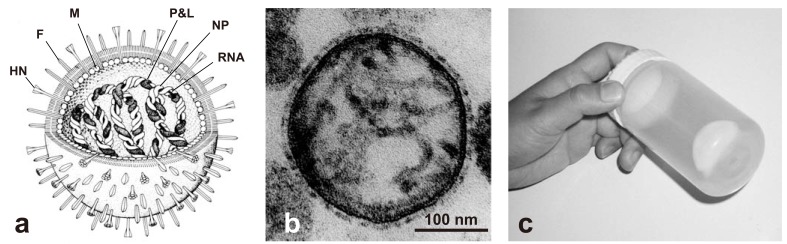
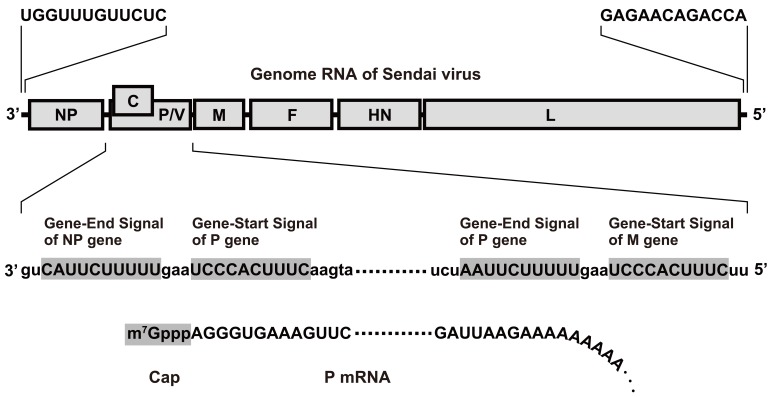
“Its genome consists of a non-segmented negative-strand RNA that encodes six main proteins; nucleocapsid protein (NP), phosphoprotein (P), matrix protein (M), glycoproteins (F and HN), and large protein (L) [20].”
BackgroundInfluentialSelf-citationDevelopment of an RNA virus-based episomal vector with artificial aptazyme for gene silencing
Komorizono, R., Yoshizumi, S., & Tomonaga, K. (2024) · Applied Microbiology and Biotechnology · doi:10.1007/s00253-024-13327-8 · Cited by 3
Recent developments in vaccines strategies against human viral pathogens
Srinivas, K. P. (2020) · Elsevier eBooks · doi:10.1016/b978-0-12-821406-0.00001-1 · Cited by 4
Advances and applications of vectored vaccines in animal diseases
Tiwari, A., Gautam, A., Bhat, S., & Malik, Y. S. (2019) · Elsevier eBooks · doi:10.1016/b978-0-12-816352-8.00015-1 · Cited by 4
Generation of Motor Neurons from Human ESCs/iPSCs Using Sendai Virus Vectors
Imamura, K., Kawaguchi, J., Shu, T., & Inoue, H. (2021) · Methods in molecular biology · doi:10.1007/978-1-0716-1601-7_9 · Cited by 4
Engineering multiple levels of specificity in an RNA viral vectorPreprint
Gao, X. J., Chong, L. S., Ince, M. H., Kim, M. S., & Elowitz, M. B. (2020) · bioRxiv (Cold Spring Harbor Laboratory) · doi:10.1101/2020.05.27.119909 · Cited by 3
Rapid and Highly Sensitive Method for Evaluating Surface Coatings against an Enveloped RNA Virus
Sano, M., Morishita, K., Onizawa, Y., Takagi, T., & Sumaru, K. (2022) · ACS Applied Bio Materials · doi:10.1021/acsabm.2c00613 · Cited by 2
Metadata
- Authors
- Nakanishi, M., & Otsu, M.
- Affiliations
- National Institute of Advanced Industrial Science and Technology (JP)
- Institute of Medical Science, The University of Tokyo (JP)
- Corresponding author
- Nakanishi, Mahito
- Venue
- Current Gene Therapy
- Publisher
- Bentham Science Publishers Ltd.
- Published
- 2012-09-01
- Volume
- 12
- Issue
- 5
- Pages
- 410-416
- ISSN
- 1566-5232 (ISSN-L)
- PMC
- PMC3504922
- OpenAlex
- W2008332694
- Cited by
- 147
- References
- 70
- Citations by year
- 2026: 6 · 2025: 11 · 2024: 19 · 2023: 7 · 2022: 12 · 2021: 11 · 2020: 13 · 2019: 14 · 2018: 15 · 2017: 13 · 2016: 6 · 2015: 8 · 2014: 6 · 2013: 6
- FWCI
- 0.78
- Type
- journal article
- Language
- en
- Open access
- bronze
- doi.org
- Locations
- Current Gene Therapy (publishedVersion)
- PubMed Central (publishedVersion, cc-by)
- PubMed (publishedVersion)
- Funders
- National Institute of Biomedical Innovation
- Japan Society for the Promotion of Science (24659489)
- Topics
- Life Sciences › Biochemistry, Genetics and Molecular Biology › Genetics › Virus-based gene therapy research
- Health Sciences › Medicine › Epidemiology › Virology and Viral Diseases
- Life Sciences › Biochemistry, Genetics and Molecular Biology › Molecular Biology › RNA Interference and Gene Delivery
- Keywords
- Sendai virus, recombinant viral vectors, gene therapy, regenerative medicine, nuclear reprogramming, pluripotency, gene delivery
- MeSH terms
- Animals, Genetic Vectors, Humans, Genetic Therapy, Gene Expression, Gene Transfer Techniques, Sendai virus, Regenerative Medicine, Cellular Reprogramming
About these checks
Registry, retraction, Cites and statistics results are computed, not judged, with one exception: a printed reference that no index lists is read once by a model before it counts as a citation error. Claims are extracted by a model and kept only when their quote appears verbatim in the text; each cited source is then checked, with a model’s help, for whether it says what the claim relies on. Those verdicts can be wrong — read the claim’s quote and the cited source before relying on one.
Statistics and arithmetic are recomputed, not judged.
Confidence bands are shown only for fields calibrated on our annotated test set. None is calibrated yet, so no band is shown.
What counts as a claim ›How we measure confidence ›How we check this ›
Are you an author, or do you see a problem with this page? Request a review
Data sources
Bibliographic data: Semantic Scholar, OpenAlex, Crossref.
Contains information from the Semantic Scholar Academic Graph Datasets, made available under the ODC Attribution License (ODC-BY 1.0).
Semantic Scholar’s data is described in: Kinney, R., et al. (2023). The Semantic Scholar Open Data Platform. arXiv:2301.10140.
