

Impact of Dietary Fats on Brain Functions
Open accessThe DOI matches its Crossref record; 326 of the 335 references it cites were found in a registry or an index, and 7 are not checked yet.
Abstract
BACKGROUND: Adequate dietary intake and nutritional status have important effects on brain functions and on brain health. Energy intake and specific nutrients excess or deficiency from diet differently affect cognitive processes, emotions, behaviour, neuroendocrine functions and synaptic plasticity with possible protective or detrimental effects on neuronal physiology. Lipids, in particular, play structural and functional roles in neurons. Here the importance of dietary fats and the need to understand the brain mechanisms activated by peripheral and central metabolic sensors. Thus, the manipulation of lifestyle factors such as dietary interventions may represent a successful therapeutic approach to maintain and preserve brain health along lifespan. METHODS: This review aims at summarizing the impact of dietary fats on brain functions. RESULTS: Starting from fat consumption, nutrient sensing and food-related reward, the impact of gut-brain communications will be discussed in brain health and disease. A specific focus will be on the impact of fats on the molecular pathways within the hypothalamus involved in the control of reproduction via the expression and the release of Gonadotropin-Releasing Hormone. Lastly, the effects of specific lipid classes such as polyunsaturated fatty acids and of the "fattest" of all diets, commonly known as "ketogenic diets", on brain functions will also be discussed. CONCLUSION: Despite the knowledge of the molecular mechanisms is still a work in progress, the clinical relevance of the manipulation of dietary fats is well acknowledged and such manipulations are in fact currently in use for the treatment of brain diseases.
Overview
The claims and statistics of this paper haven’t been checked yet.
Free: it reads the open-access text and checks the first 5 claims that cite a source we can check. Create a free account to check every claim.
Integrity signals
Registry
Cites
Statistics
Figures
Verification
Claims the paper makes
The claims and statistics of this paper haven’t been checked yet.
Free: it reads the open-access text and checks the first 5 claims that cite a source we can check. Create a free account to check every claim.
Claims other papers make about this one
Each is checked against this paper’s own text: does it say what the citing paper says it does?
The cited source says what the claim attributes to it.
In the citing paper
“dietary fatty acids, including omega-6 and omega-3 long chain polyunsaturated fatty acids, have shown to regulate signal-transduction pathways in the brain [41].”
Self-check
Percentages, sums and reported differences re-computed from the paper’s own numbers.
The self-check needs the paper’s full text.
Citations
Cites
A human gut microbial gene catalogue established by metagenomic sequencing
MetaHIT Consortium, Qin, J., Li, R., Raes, J., Arumugam, M., Burgdorf, K. S., Manichanh, C., Nielsen, T., Pons, N., Levenez, F., et al. (2010) · Nature · doi:10.1038/nature08821 · Cited by 11,624 · cited 1×
“The microbiota is the living machinery composed of more than one thousand species of microorganisms (basically, Bacteroidetes and Firmicutes) whose genome outnumbered our genome about 150 times [33, 34].”
BackgroundAmyloid oligomers exacerbate tau pathology in a mouse model of tauopathy
Selenica, M.-L. B., Brownlow, M., Jimenez, J. P., Lee, D. C., Pena, G., Dickey, C. A., Gordon, M. N., & Morgan, D. (2013) · Neurodegenerative Diseases · doi:10.1159/000337230 · Cited by 10,359
Hill (2014) · doi:10.1038/nrgastro.2014.66 · Cited by 9,592 · cited 1×
“According to Food and Agriculture Organization of the United Nations (FAO) and the WHO, we should describe a probiotic as a “live microorganism which when administered in adequate amounts, confers health benefit on the host” [40].”
MethodPolazzi, E., Mengoni, I., Caprini, M., Peña-Altamira, E., Kurtys, E., & Monti, B. (2013) · Neurosignals · doi:10.1159/000337115 · Cited by 8,994
Human gut microbes associated with obesity
Ley, R. E., Turnbaugh, P. J., Klein, S., & Gordon, J. I. (2006) · Nature · doi:10.1038/4441022a · Cited by 8,785 · cited 4×
“Dietary FOS has a drastic impact on microbiota ecosystem, increasing Bacteroidetes and decreasing Firmicutes and propionate and butyrate can improve glucose tolerance and insulin sensitivity via different but complementary mechanisms leading to the stimulation of intestinal gluconeogenesis (IGN) [68].”
BackgroundInfluentialDietary Modulation of the Human Colonic Microbiota: Introducing the Concept of Prebiotics
Gibson, G. R., & Roberfroid, M. B. (1995) · The Journal of Nutrition · doi:10.1093/jn/125.6.1401 · Cited by 7,667 · cited 1×
“On the other hand, despite several revisions from the original meaning [41], the core concept of prebiotics as a “non-digestible food ingredient that beneficially affects the host by selectively stimulating the growth and/or activity of one or a limited number of bacteria already resident in the colon” has not radical…”
BackgroundMetabolic Endotoxemia Initiates Obesity and Insulin Resistance
Cani, P. D., Amar, J., Iglesias, M. A., Poggi, M., Knauf, C., Bastelica, D., Neyrinck, A. M., Fava, F., Tuohy, K. M., Chabo, C., et al. (2007) · Diabetes · doi:10.2337/db06-1491 · Cited by 6,638
(2023) · doi:10.1126/science · Cited by 6,063
Metagenomic Analysis of the Human Distal Gut Microbiome
Gill, S. R., Pop, M., DeBoy, R. T., Eckburg, P. B., Turnbaugh, P. J., Samuel, B. S., Gordon, J. I., Relman, D. A., Fraser-Liggett, C. M., & Nelson, K. E. (2006) · Science · doi:10.1126/science.1124234 · Cited by 4,699 · cited 2×
“The link between gut health and brain disorders can be, nonetheless, elusive as long as we do not consider the extraordinary number of commensal bacteria resident in the human gut, which is estimated to be around 100 trillion [33].”
BackgroundMind-altering microorganisms: the impact of the gut microbiota on brain and behaviour
Cryan, J. F., & Dinan, T. G. (2012) · Nature Reviews Neuroscience · doi:10.1038/nrn3346 · Cited by 4,572 · cited 2×
“Thus, the notion of “gut-brain axis” is now largely used to explain the close connection and the tight bidirectional communication between the gut and brain and the importance of their cross-talk for brain functions in health and disease [26-29].”
Background
Research works printed but not linked: 3
- [60]Smriga M. Chen J. Zhang J.T. Narui T. Shibata S. Hirano E. Saito H. Isolichenan, an alpha-glucan isolated from lichen cetrariella islandica, repairs impaired learning behaviors and facilitates hippocampal synaptic plasticity. Proc. Jpn. Acad. B. Phys. Biol. Sci. 1999 75 219 223
- [278]Bosch-Bouju C. Layé S. Dietary omega-6/omega-3 and endocannabinoids: Implications for brain health and diseases. Cannabinoids in Health and Disease 2016 111 142 [http://dx.doi.org/10.5772/ 62498]
- [303]Masino S.A. Rho J.M. Mechanisms of Ketogenic Diet Action. 2012 22787591
Cited by
Nagpal, R., Neth, B. J., Wang, S., Craft, S., & Yadav, H. (2019) · EBioMedicine · doi:10.1016/j.ebiom.2019.08.032 · Cited by 653
“Higher adherence toMediterranean-style diet has been found to be associated with reduced incidences of several chronic diseases, such as obesity, type-2 diabetes, gastrointestinal cancer, cardiovascular diseases, and neurodegenerative diseases including Alzheimer's disease [17,20,21].”
BackgroundNeuro-toxic and Reproductive Effects of BPA
Santoro, A., Chianese, R., Troisi, J., Richards, S., Nori, S. L., Fasano, S., Guida, M., Plunk, E., Viggiano, A., Pierantoni, R., et al. (2019) · Current Neuropharmacology · doi:10.2174/1570159x17666190726112101 · Cited by 278
Self-citationω-3 and ω-6 Polyunsaturated Fatty Acids, Obesity and Cancer
D’Angelo, S., Motti, M. L., & Meccariello, R. (2020) · Nutrients · doi:10.3390/nu12092751 · Cited by 250
Self-citationEffect of bisphenol A on the neurological system: a review update
Costa, H. E., & Cairrao, E. (2024) · Archives of Toxicology · doi:10.1007/s00204-023-03614-0 · Cited by 203
Microplastics: A Threat for Male Fertility
D'Angelo, S., & Meccariello, R. (2021) · International Journal of Environmental Research and Public Health · doi:10.3390/ijerph18052392 · Cited by 178
Self-citationChoi, Y. J., Jeon, S.-M., & Shin, S. (2020) · Nutrients · doi:10.3390/nu12072005 · Cited by 193
“The exact mechanism of its anticonvulsive activity is still under debate; however, dietary fatty acids, including omega-6 and omega-3 long chain polyunsaturated fatty acids, have shown to regulate signal-transduction pathways in the brain [41].”
BackgroundFood for Mood: Relevance of Nutritional Omega-3 Fatty Acids for Depression and Anxiety
Larrieu, T., & Layé, S. (2018) · Frontiers in Physiology · doi:10.3389/fphys.2018.01047 · Cited by 162
“The eCB system is in a unique position to link food lipids, neuroplasticity and behavior (Bazinet and Layé, 2014; Bosch-bouju and Layé, 2016; Chianese et al., 2017).”
BackgroundPatel, A., Desai, S. S., Mane, V. K., Enman, J., Rova, U., Christakopoulos, P., & Μάτσακας, Λ. (2022) · Trends in Food Science & Technology · doi:10.1016/j.tifs.2022.01.006 · Cited by 179
Hedonic Eating and the “Delicious Circle”: From Lipid-Derived Mediators to Brain Dopamine and Back
Coccurello, R., & Maccarrone, M. (2018) · Frontiers in Neuroscience · doi:10.3389/fnins.2018.00271 · Cited by 132
“Particularly in the brain, FAs are present in enormous quantity, playing a key role as signaling molecules involved in neural development and defense against neuroinflammation and neurodegenerative disorders (Farooqui et al., 2007; Layé et al., 2015; Chianese et al., 2017).”
BackgroundSelf-citationKisspeptin: A key link to seasonal breeding
Revel, F. G., Ansel-Bollepalli, L., Klosen, P., Saboureau, M., Pévet, P., Mikkelsen, J. D., & Simonneaux, V. (2007) · Reviews in Endocrine and Metabolic Disorders · doi:10.1007/s11154-007-9031-7 · Cited by 154
Dietary lipids from body to brain
Custers, Emma, E. M., Kiliaan, & Amanda, J. K. (2021) · Progress in Lipid Research · doi:10.1016/j.plipres.2021.101144 · Cited by 122
Anhedonia in depression symptomatology: appetite dysregulation and defective brain reward processing
Coccurello, R. (2019) · Behavioural Brain Research · doi:10.1016/j.bbr.2019.112041 · Cited by 106
Self-citationDietary n-3 long chain PUFA supplementation promotes a pro-resolving oxylipin profile in the brain
Rey, C., Delpech, J.-C., Madore, C., Nadjar, A., Greenhalgh, A. D., Amadieu, C., Aubert, A., Pallet, V., Vaysse, C., Layé, S., et al. (2018) · Brain Behavior and Immunity · doi:10.1016/j.bbi.2018.07.025 · Cited by 99
“…(500 mg/day according to ISSFAL) and has been used in humans with severe inflammatory conditions such as rheumatoid arthritis (Rajaei et al., 2015) or cognitive deficit (associated to aging, cardiovascular diseases or cerebrovascular disorders) (for a recent review see Chianese et al., 2018).”
MethodFerraguti, G., Terracina, S. A., Petrella, C., Greco, A., Minni, A., Lucarelli, M., Agostinelli, E., Ralli, M., VINCENTIIS, M. D., Raponi, G., et al. (2022) · Antioxidants · doi:10.3390/antiox11010145 · Cited by 107
Self-citationThe Epigenetics of the Endocannabinoid System
Meccariello, R., Santoro, A., D’Angelo, S., Morrone, R., Fasano, S., Viggiano, A., & Pierantoni, R. (2020) · International Journal of Molecular Sciences · doi:10.3390/ijms21031113 · Cited by 97
Self-citationRahimian, R., Belliveau, C., Chen, R., & Mechawar, N. (2022) · Frontiers in Psychiatry · doi:10.3389/fpsyt.2022.871997 · Cited by 88
“In addition to diet (320), lipid composition in the brain can be altered by environmental factors including exercise (321) and medications (322), making them promising targets for treatment (319).”
BackgroundEpilepsy and Cognitive Impairment in Childhood and Adolescence: A Mini-Review
Operto, F. F., Pastorino, G. M. G., Viggiano, A., Dell’Isola, G. B., Dini, G., Verrotti, A., & Coppola, G. (2022) · Current Neuropharmacology · doi:10.2174/1570159x20666220706102708 · Cited by 87
“KD has proven to be effective in other pharmacoresistant childhood epilepsies, including refractory infantile spasms [161, 162] and Lennox-Gastaut Syndrome (LGS) [163-166].”
BackgroundSelf-citationKetogenic Diet: An Effective Treatment Approach for Neurodegenerative Diseases
Zhang, H., Tao, Y., & Leng, S. X. (2022) · Current Neuropharmacology · doi:10.2174/1570159x20666220830102628 · Cited by 82
“The dysbiosis of the intestinal microbiome is associated with neurodegenerative diseases, such as AD [20, 109, 110], PD [111-113], and ALS [114-116].”
Santoro, A., Mele, E., Marino, M., Viggiano, A., Nori, S. L., & Meccariello, R. (2021) · International Journal of Molecular Sciences · doi:10.3390/ijms22020972 · Cited by 74
Self-citationLeyrolle, Q., Cserjési, R., Mulders, M. D. G. H., Zamariola, G., Hiel, S., Gianfrancesco, M. A., Portheault, D., Amadieu, C., Bindels, L. B., Leclercq, S., et al. (2021) · Brain Behavior and Immunity · doi:10.1016/j.bbi.2021.01.014 · Cited by 73
Matsushita, K., Yamada-Furukawa, M., Kurosawa, M., & Shikama, Y. (2020) · Journal of Inflammation Research · doi:10.2147/jir.s255309 · Cited by 73
Ayten, Ş., & Bilici, S. (2024) · Current Nutrition Reports · doi:10.1007/s13668-024-00539-7 · Cited by 70
“Emerging evidence suggests that specific dietary patterns and nutrients affect gut microbiota composition which is associated with the production or aggregation of amyloid proteins [39, 40].”
BackgroundPUFA and their derivatives in neurotransmission and synapses: a new hallmark of synaptopathies
Miceli, M. D., Bosch‐Bouju, C., & Layé, S. (2020) · Proceedings of The Nutrition Society · doi:10.1017/s0029665120000129 · Cited by 75
“Following these observations, clinical trials have been conducted to improve or delay some of these pathologies using LC n -3 PUFA, which produced mixed results, depending on the type and dose of LC n -3 PUFA, length of treat-ment, as well as the targeted pathologies (13,16 – 18) .”
Wu, M., Chou, T.-S., Huang, C., & Hsiao, J. (2020) · Research Square · doi:10.21203/rs.3.rs-48913/v1 · Cited by 72
Dietary Fat Modulation of Gut Microbiota and Impact on Regulatory Pathways Controlling Food Intake
Hamamah, S., Amin, A., Al-Kassir, A. L., Chuang, J., & Covașă, M. (2023) · Nutrients · doi:10.3390/nu15153365 · Cited by 65
Terracina, S. A., Petrella, C., Francati, S., Lucarelli, M., Barbato, C., Minni, A., Ralli, M., Greco, A., Tarani, L., Fiore, M., et al. (2022) · International Journal of Molecular Sciences · doi:10.3390/ijms232415674 · Cited by 58
Self-citationSirt1 Activity in the Brain: Simultaneous Effects on Energy Homeostasis and Reproduction
D’Angelo, S., Mele, E., Di Filippo, F., Viggiano, A., & Meccariello, R. (2021) · International Journal of Environmental Research and Public Health · doi:10.3390/ijerph18031243 · Cited by 51
Self-citationSilver, D. J., Roversi, G. A., Bithi, N., Wang, S. Z., Troike, K. M., Neumann, C. K. A., Ahuja, G. K., Reizes, O., Brown, J. M., Hine, C., et al. (2021) · Journal of Clinical Investigation · doi:10.1172/jci138276 · Cited by 55
“HFD consumption alters numerous physiological systems, including the lipid composition within the brain (17) as well as the composition of the gut microbiome (18, 19) and its associated set of metabolites.”
BackgroundRamya, V., Shyam, K. P., Kowsalya, E., Balavigneswaran, C. K., & Kadalmani, B. (2022) · Frontiers in Neuroscience · doi:10.3389/fnins.2022.833630 · Cited by 51
BPA and Nutraceuticals, Simultaneous Effects on Endocrine Functions
D’Angelo, S., Scafuro, M., & Meccariello, R. (2019) · Endocrine Metabolic & Immune Disorders - Drug Targets · doi:10.2174/1871530319666190101120119 · Cited by 63
Self-citationOperto, F., Matricardi, S., Pastorino, G., Verrotti, A., & Coppola, G. (2020) · Frontiers in Pharmacology · doi:10.3389/fphar.2020.578396 · Cited by 39
Self-citationKnowledge and Practice towards Alcohol Consumption in a Sample of University Students
Messina, M. P., Battagliese, G., D’Angelo, A., Ciccarelli, R., Pisciotta, F., Tramonte, L., Fiore, M., Ferraguti, G., Vitali, M., & Ceccanti, M. (2021) · International Journal of Environmental Research and Public Health · doi:10.3390/ijerph18189528 · Cited by 57
Self-citationDietary Fatty Acids and Microbiota-Brain Communication in Neuropsychiatric Diseases
Marrone, M. C., & Coccurello, R. (2019) · Biomolecules · doi:10.3390/biom10010012 · Cited by 45
“The processing of dietary nutrients by microbial metabolism generates a complex signaling system principally composed of SCFAs, L-tryptophan (Trp) metabolites and neuroactive agents [47,153,154].”
BackgroundSelf-citationNeuroimmunometabolism: A New Pathological Nexus Underlying Neurodegenerative Disorders
Mitra, S., Banik, A., Saurabh, S., Maulik, M., & Khatri, S. (2022) · Journal of Neuroscience · doi:10.1523/jneurosci.0998-21.2022 · Cited by 50
“There is compelling evidence that diets rich in fat and sugars adversely influence the metabolic and inflammatory profile of brain cells (Beilharz et al., 2015; Chianese et al., 2018).”
Berk, B., Law, T. H., Packer, R. M. A., Wessmann, A., Bathen‐Nöthen, A., Jokinen, T. S., Knebel, A., Tipold, A., Pelligand, L., Meads, Z., et al. (2020) · Journal of Veterinary Internal Medicine · doi:10.1111/jvim.15756 · Cited by 56
Das, S. S., Sarkar, A., Chabattula, S. C., Verma, P. R. P., Nazir, A., Gupta, P. K., Ruokolainen, J., Kesari, K. K., & Singh, S. K. (2022) · Antioxidants · doi:10.3390/antiox11071378 · Cited by 44
Ooi, K.-L. M., Vacy, K., & Boon, W. C. (2021) · Neurochemistry International · doi:10.1016/j.neuint.2021.105143 · Cited by 47
Nutritional implications of opioid use disorder: A guide for drug treatment providers
Chavez, M. N., & Rigg, K. K. (2020) · Psychology of Addictive Behaviors · doi:10.1037/adb0000575 · Cited by 38
Endocannabinoid System in Health and Disease: Current Situation and Future Perspectives
Meccariello, R. (2020) · International Journal of Molecular Sciences · doi:10.3390/ijms21103549 · Cited by 37
Self-citationWijeratne, T., Menon, R., Sales, C., Karimi, L., & Crewther, S. G. (2020) · Annals of Translational Medicine · doi:10.21037/atm-20-4388 · Cited by 36
“It can also reduce the inflammation and helps the immune system to function properly (70).”
BackgroundRole of Dietary Carbohydrates in Cognitive Function: A Review
Arshad, M. T., Maqsood, S., Altalhi, R., Shamlan, G. H., Ahmed, I. A. M., Ikram, A., & Abdullahi, M. A. (2025) · Food Science & Nutrition · doi:10.1002/fsn3.70516 · Cited by 43
Prevention of Alzheimer's disease through diet: An exploratory review
Bhuiyan, N. Z., Hasan, M. K., Mahmud, Z., Hossain, M. S., & Rahman, A. (2023) · Metabolism Open · doi:10.1016/j.metop.2023.100257 · Cited by 38
“Lipid metabolism is essential for the brain to function correctly [38].”
BackgroundLong-term diet-induced obesity does not lead to learning and memory impairment in adult mice
Leyh, J., Winter, K., Reinicke, M., Ceglarek, U., Bechmann, I., & Landmann, J. (2021) · PLoS ONE · doi:10.1371/journal.pone.0257921 · Cited by 35
Terracina, S. A., Ferraguti, G., Tarani, L., Messina, M. P., Lucarelli, M., Vitali, M., Persis, S. D., Greco, A., Minni, A., Polimeni, A., et al. (2021) · Current Neuropharmacology · doi:10.2174/1570159x19666211101111430 · Cited by 43
“, red wine) may counteract the toxic effect of alcohol per se, as shown in FASD/AUD animal models [86-98].”
Self-citationMechanisms Mediating the Actions of Fatty Acids in the Hypothalamus
Dragano, N. R. V., Monfort‐Pires, M., & Velloso, L. A. (2019) · Neuroscience · doi:10.1016/j.neuroscience.2019.10.012 · Cited by 34
Traditionally used polyherbals in a southern African therapeutic context
van Vuuren, S. F., Motlhatlego, K. E., & Netshia, V. (2022) · Journal of Ethnopharmacology · doi:10.1016/j.jep.2022.114977 · Cited by 33
PLASTAMINATION: Outcomes on the Central Nervous System and Reproduction
Santoro, A., Marino, M., Vandenberg, L. N., Szychlinska, M. A., Lamparelli, E. P., Scalia, F., Rocca, N. D., D’Auria, R., Pastorino, G. M. G., Porta, G. D., et al. (2024) · Current Neuropharmacology · doi:10.2174/1570159x22666240216085947 · Cited by 34
“Ingestion is the main exposure route to MPs in vertebrates, and the preservation of the microbiota-gut-brain axis is fundamental to prevent psychiatric, neurodevelopmental, age-related, and neurodegenerative disorders [20, 21].”
BackgroundSelf-citationRusinek, R., Kmiecik, D., Gawrysiak‐Witulska, M., Malaga-Toboła, U., Tabor, S., Findura, P., Siger, A., & Gancarz, M. (2021) · Sensors · doi:10.3390/s21010303 · Cited by 29
“5 * 2,7-diphenyl-1,6dioxopyridazino[4,52,3]pyrrolo[4,5δ]pyridazine 31.”
Neuroinflammation: Molecular Mechanisms And Therapeutic Perspectives
Meccariello, R., Marino, M., Mele, E., Pastorino, G. M. G., Operto, F. F., Santoro, A., & Viggiano, A. (2022) · Central Nervous System Agents in Medicinal Chemistry · doi:10.2174/1871524922666220929153215 · Cited by 30
Self-citationVasincu, A., Rusu, R.-N., Ababei, D. C., Neamţu, M., Arcan, O. D., Macadan, I., Chiriac, S. I. B., Bild, W., & Bild, V. (2023) · Biomedicines · doi:10.3390/biomedicines11061667 · Cited by 30
Towards early detection of neurodegenerative diseases: A gut feeling
Makdissi, S., Parsons, B., & Cara, F. D. (2023) · Frontiers in Cell and Developmental Biology · doi:10.3389/fcell.2023.1087091 · Cited by 31
“Dietary fatty acids can directly affect the brain by crossing the BBB and subsequently changing the neural membrane composition (Chianese et al., 2018).”
BackgroundQian, G., & Wang, Y. (2020) · Oxidative Medicine and Cellular Longevity · doi:10.1155/2020/8957541 · Cited by 26
“LCarnitine transported long-chain fatty acids through the inner mitochondrial membrane to their oxidation sites to produce ATP-like energy [23].”
BackgroundFiore, M., Petrella, C., Coriale, G., Rosso, P., Fico, E., Ralli, M., Greco, A., VINCENTIIS, M. D., Minni, A., Polimeni, A., et al. (2021) · CNS & Neurological Disorders - Drug Targets · doi:10.2174/1871527320666211201154839 · Cited by 31
Self-citationBrinkley, T. E., Leng, I., Register, T. C., Neth, B. J., Zetterberg, H., Blennow, K., & Craft, S. (2022) · Frontiers in Neuroscience · doi:10.3389/fnins.2022.906539 · Cited by 26
Maggiore, A., Latina, V., D’Erme, M., Amadoro, G., & Coccurello, R. (2024) · Ageing Research Reviews · doi:10.1016/j.arr.2024.102578 · Cited by 27
Self-citationConsensus statement on exploring the Nexus between nutrition, brain health and dementia prevention
Johnstone, A. M., Albanese, E., Crabtree, D. R., Dalile, B., Grabrucker, S., Gregory, J. M., Grosso, G., Holliday, A., Hughes, C., Itsiopoulos, C., et al. (2025) · Nutrition & Metabolism · doi:10.1186/s12986-025-00981-6 · Cited by 27
“The structural and functional roles of fats in brain health underscore the complexity of nutritional requirements for optimal cognitive function [72].”
Wang, T., Niu, K., Fan, A., Bi, N., Tao, H., Chen, X.-T., & Wang, H.-L. (2020) · Behavioural Brain Research · doi:10.1016/j.bbr.2020.112545 · Cited by 25
A review on gut microbiota and miRNA crosstalk: implications for Alzheimer’s disease
Ayyanar, M. P., & Vijayan, M. (2024) · GeroScience · doi:10.1007/s11357-024-01432-5 · Cited by 25
“In light of this evidence, adopting a Mediterranean-style diet (MD) is not only a wise lifestyle choice [412, 413], providing scientifically supported benefits for preventing and managing various health conditions including AD [409, 414].”
Minireview: The Epigenetic Modulation of KISS1 in Reproduction and Cancer
Motti, M. L., & Meccariello, R. (2019) · International Journal of Environmental Research and Public Health · doi:10.3390/ijerph16142607 · Cited by 24
Self-citationSecondulfo, C., Mazzeo, F., Pastorino, G. M. G., Vicidomini, A., Meccariello, R., & Operto, F. F. (2024) · International Journal of Molecular Sciences · doi:10.3390/ijms25179407 · Cited by 25
Self-citationCharacteristic Hallmarks of Aging and the Impact on Carcinogenesis
Fiore, M., Terracina, S. A., Ferraguti, G., Petrella, C., Bruno, S. M., Blaconà, G., Certo, M. G. D., Minni, A., Greco, A., Musacchio, A., et al. (2022) · Current Cancer Drug Targets · doi:10.2174/1568009622666220816120353 · Cited by 23
Self-citationRuggiero, M., Motti, M. L., Meccariello, R., & Mazzeo, F. (2025) · Nutrients · doi:10.3390/nu17050837 · Cited by 19
“Similarly, the relevance of the manipulation of lifestyle factors such as dietary interventions is recognized in clinical practice and may represent a successful therapeutic approach to maintaining and preserving health along the lifespan [16–21].”
Self-citationDoes obesity put your brain at risk?
Al-Dalaeen, A. M., & Al-Domi, H. A. (2022) · Diabetes & Metabolic Syndrome Clinical Research & Reviews · doi:10.1016/j.dsx.2022.102444 · Cited by 21
García-Cruz, V. M., & Arias, C. (2024) · Molecular Neurobiology · doi:10.1007/s12035-023-03886-8 · Cited by 19
Nootropic foods in neurodegenerative diseases: mechanisms, challenges, and future
Nguyen, L. A. M., Simons, C. W., & Thomas, R. (2025) · Translational Neurodegeneration · doi:10.1186/s40035-025-00476-7 · Cited by 19
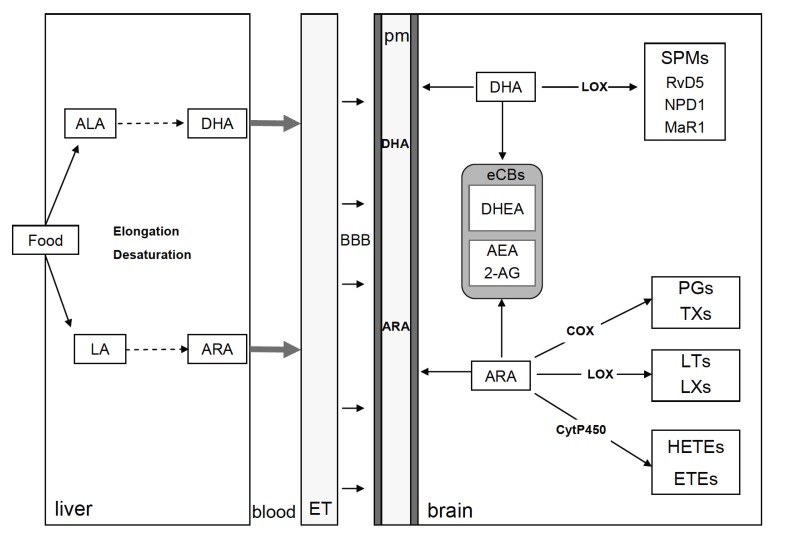
“The common n-3 and n-6 PUFAs present in foods are α-linolenic acid (ALA, 18:3, n-3) and linoleic acid (LA, 18:2, n-6), which are metabolized to DHA and ARA in the brain, respectively [96].”
InfluentialMadrigal, C., Soto‐Méndez, M. J., Leis, R., Ruiz, Á. H., Valero, T., Villoslada, F. L., de Victoria, E. M., Villares, J. M. M., Anta, R. M. O., Ruiz‐López, M. D., et al. (2020) · Nutrients · doi:10.3390/nu12082467 · Cited by 19
Olivito, I., Simona, F., Tarsitano, A., Pagliuso, M. T., Tarantino, C., LORENZO, A. D., Alò, R., Avolio, E., & Facciolo, R. M. (2024) · Clinical Nutrition · doi:10.1016/j.clnu.2024.06.015 · Cited by 17
Nagpal, D., Nema, S., Nagpal, S., Pandey, M. M., Kaushik, D. K., & Kathuria, H. (2025) · Antioxidants · doi:10.3390/antiox14091078 · Cited by 19
“This intricate system is associated with neural, hormonal, and immunological signaling [117,118].”
Mostafa, D. G., & Satti, H. H. (2020) · Neurochemical Research · doi:10.1007/s11064-020-03022-1 · Cited by 16
Zhou, D., Sun, Y., Qian, Z., Wang, Z., Zhang, D., Li, Z., Zhao, J., Dong, C., Li, W., & Huang, G. (2023) · The Journal of Nutritional Biochemistry · doi:10.1016/j.jnutbio.2023.109328 · Cited by 16
Alcohol Drinking, Apolipoprotein Polymorphisms and the Risk of Cardiovascular Diseases
Ceci, F. M., Ceccanti, M., Petrella, C., Vitali, M., Messina, M. P., Chaldakov, G. N., Greco, A., Ralli, M., Lucarelli, M., Angeloni, A., et al. (2021) · Current Neurovascular Research · doi:10.2174/1567202618666210406123503 · Cited by 16
Self-citationPediatrics for Disability: A Comprehensive Approach to Children with Syndromic Psychomotor Delay
Tarani, L., Rasio, D., Tarani, F., Parlapiano, G., Valentini, D., Dyląg, K. A., Spalice, A., Paparella, R., & Fiore, M. (2021) · Current Pediatric Reviews · doi:10.2174/1573396317666211129093426 · Cited by 18
Self-citationSupporting Neurologic Health with Mushroom Nutrition
Bell, V., Dimitrov, P., & Fernandes, T. H. (2025) · Nutrients · doi:10.3390/nu17091568 · Cited by 14
“Indeed, the manipulation of lifestyle factors such as dietary interventions may represent a successful therapeutic approach to maintain and preserve brain health throughout an individual’s lifespan [46].”
Ghazal, R. M., & Naffaa, M. M. (2025) · Exploration of Neuroprotective Therapy · doi:10.37349/ent.2025.1004107 · Cited by 14
The Gut–Brain Axis in Brain Tumors: Insights into Tumor Development, Progression, and Therapy
Scuderi, S. A., Ardizzone, A., Calcaterra, E., Palermo, N., Luca, F. D., Catalfamo, A., Esposito, E., & Capra, A. P. (2025) · Biomedicines · doi:10.3390/biomedicines13092172 · Cited by 15
Kritz‐Silverstein, D. C., & Bettencourt, R. (2024) · Nutrients · doi:10.3390/nu16162765 · Cited by 12
“Eggs have high levels of protein, amino acids, and cholesterol, which may help preserve neuronal structure and function within the brain [28].”
BackgroundGut microbiota, nutrients, and depression
Qiao, Y., Rong, L., Chen, H., Guo, J., Li, G., Wang, Q., Bi, H., Wei, L., & Gao, T. (2025) · Frontiers in Nutrition · doi:10.3389/fnut.2025.1581848 · Cited by 12
Berk, B., Ottka, C., Law, T. H., Packer, R. M. A., Wessmann, A., Bathen‐Nöthen, A., Jokinen, T. S., Knebel, A., Tipold, A., Lohi, H., et al. (2022) · Frontiers in Veterinary Science · doi:10.3389/fvets.2022.935430 · Cited by 13
Coccurello, R., Marrone, M. C., & Maccarrone, M. (2022) · Frontiers in Pharmacology · doi:10.3389/fphar.2022.869606 · Cited by 14
Self-citationAlcohol Drinking, Apolipoprotein Polymorphisms and the Risk of Cardiovascular Diseases
Ceci, F. M. (2021) · Current Neurovascular Research · doi:10.2174/18755739mte1emjeg3 · Cited by 12
Western and ketogenic diets in neurological disorders: can you tell the difference?
Habashy, K. J., Ahmad, F. A., Ibeh, S., Mantash, S., Kobeissy, F., Issa, H., Habis, R., Tfaily, A., Nabha, S. M., Harati, H., et al. (2022) · Nutrition Reviews · doi:10.1093/nutrit/nuac008 · Cited by 12
Lysophospholipids: A Potential Drug Candidates for Neurodegenerative Disorders
Karaki, T., Haniu, H., Matsuda, Y., & Tsukahara, T. (2022) · Biomedicines · doi:10.3390/biomedicines10123126 · Cited by 12
Lipids and Secretory Vesicle Exocytosis
Akefe, I. O., Osborne, S. L., Matthews, B., Wallis, T. P., & Meunier, F. A. (2023) · Advances in neurobiology · doi:10.1007/978-3-031-34229-5_14 · Cited by 12
Kritz‐Silverstein, D. C., & Bettencourt, R. (2023) · Nutrients · doi:10.3390/nu16010053 · Cited by 11
“Although eggs are a lipid-rich food that is high in dietary cholesterol, they are low in saturated fat, which may have neuroprotective effects on the brain [36].”
BackgroundTherapeutic Potential and Prospects of L-arginine in Various Diseases and its Clinical Intervention
Giri, S., Varshney, K. K., & Srivastava, R. (2023) · Current Drug Therapy · doi:10.2174/0115748855260802231019072509 · Cited by 12
Neuroimmune Dysregulation in Prepubertal and Adolescent Individuals Affected by Klinefelter Syndrome
Fiore, M., Tarani, L., Ceci, F. M., Carito, V., Ferraguti, G., Petrella, C., Greco, A., Ralli, M., Minni, A., Spaziani, M., et al. (2022) · Endocrine Metabolic & Immune Disorders - Drug Targets · doi:10.2174/1871530322666220704101310 · Cited by 11
Self-citationMercado, L., Muñoz, Y., Farías, C., Beyer, M. P., Carrasco-Gutiérrez, R., Caicedo-Paz, A. V., Dagnino‐Subiabre, A., Espinosa, A., & Valenzuela, R. (2025) · Nutrients · doi:10.3390/nu17071180 · Cited by 10
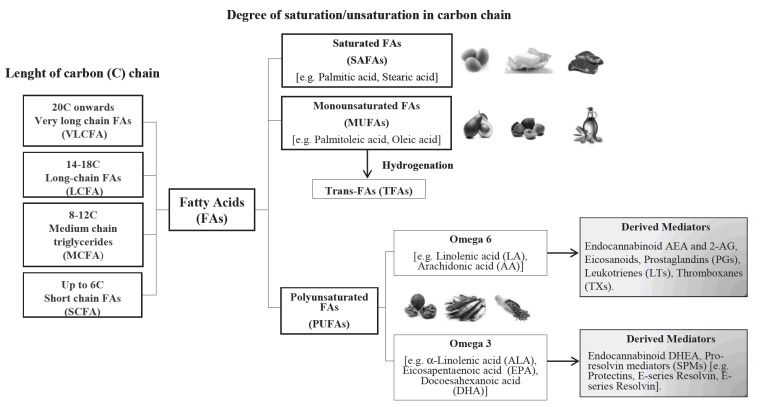
“Within the PUFA fraction, the n -6 and n -3 families are the most physiologically significant in terms of both quantity and function [7].”
InfluentialNeto, S. R. M., Castiglione, R. C., da Silva, T. C. B., Paes, L., Pontes, A., de Oliveira, D. F., Ferraz, E. B., Caldas, C. A., Nascimento, J. H. M., & Bouskela, E. (2020) · PLoS ONE · doi:10.1371/journal.pone.0240060 · Cited by 10
“Excessive intake of fat in diets negatively affects brain and cardiovascular functions, and the metabolic disorders related to cerebral and cardiovascular systems are strongly correlated with mitochondrial dysfunction, responsible for the development of ischemic diseases in these tissues [6, 23, 24].”
BackgroundTürkez, H., Altay, Ö., Yıldırım, S., Li, X., Yang, H., Bayram, C., Bolat, İ., Öner, S., Tozlu, Ö. Ö., Arslan, M. E., et al. (2022) · Life Sciences · doi:10.1016/j.lfs.2022.121325 · Cited by 10
RetractedHe, X., Yu, H., Fang, J., Qi, Z., Pei, S., Yan, B., Liu, R., Wang, Q., Szeto, I. M., Liu, B., et al. (2023) · Food & Function · doi:10.1039/d3fo02959j · Cited by 10
Farrelly, A. M., & Vlachou, S. (2021) · International Journal of Molecular Sciences · doi:10.3390/ijms22189989 · Cited by 12
Dietary Inulin Supplementation Affects Specific Plasmalogen Species in the Brain
Bizeau, J.-B., Albouery, M., Gregoire, S., Buteau, B., Martine, L., Crépin, M., Bron, A. M., Berdeaux, O., Acar, N., Chassaing, B., et al. (2022) · Nutrients · doi:10.3390/nu14153097 · Cited by 9
Altay, Ö., Yang, H., Yıldırım, S., Bayram, C., Bolat, İ., Öner, S., Tozlu, Ö. Ö., Arslan, M. E., Hacımüftüoğlu, A., Shoaie, S., et al. (2024) · Biomedicines · doi:10.3390/biomedicines12040927 · Cited by 9
“The utilization of animal models to explore the intricacies of NDDs has illuminated the detrimental impact of a high-fat diet (HFD) on cognitive regions of the brain that are pivotal in NDDs, manifesting as memory impairment and neuroinflammation [20–23].”
BackgroundA comparative study between olive oil and corn oil on oxidative metabolism
Drehmer, E., Moreno, M. Á. N., Carrera‐Juliá, S., & Moreno, M. L. (2022) · Food & Function · doi:10.1039/d2fo00919f · Cited by 9
Wang, L., Liu, K., Zhang, X., Wang, Y., Liu, W., Wang, T., Hao, L., Ju, M., & Xiao, R. (2021) · Frontiers in Aging Neuroscience · doi:10.3389/fnagi.2021.707958 · Cited by 8
Brain Health: A Concept Analysis
Harerimana, B., Forchuk, C., Walsh, J., Fogarty, J., & BORRIE, M. J. (2020) · Issues in Mental Health Nursing · doi:10.1080/01612840.2020.1789781 · Cited by 9
Soybean oil induces neuroinflammatory response through brain-gut axis under high-fat diet
Liu, X., Tao, R., Guo, F., Zhang, L., Qu, J., Li, M., Wu, X., Wang, X., Zhu, Y., Wen, L., et al. (2024) · Journal of Traditional and Complementary Medicine · doi:10.1016/j.jtcme.2024.02.002 · Cited by 7
“35 Lipids play structural and functional roles in neurons.”
BackgroundRuggiero, M., Vicidomini, A., Tafuri, D., Mazzeo, F., & Meccariello, R. (2025) · Endocrines · doi:10.3390/endocrines6030043 · Cited by 7
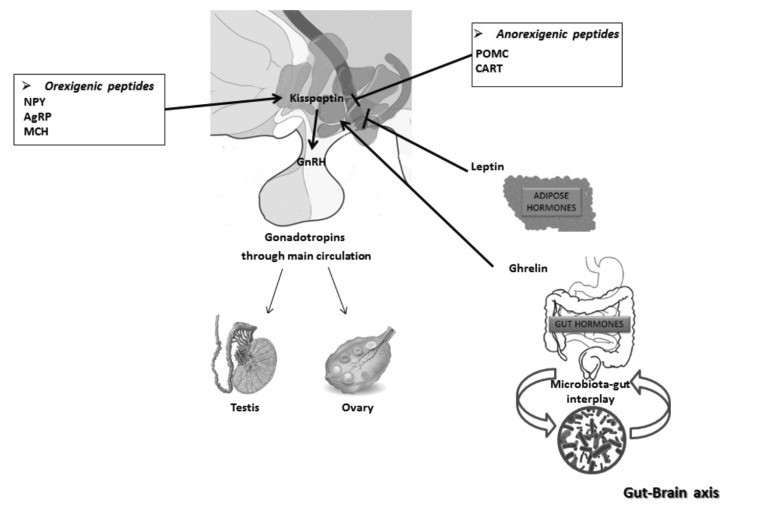
“…arcuate nucleus (ARC) orexigenic peptides (Neuropeptide Y (NPY), melanin-concentrating hormone (MCH), agouti-related protein (AgRP)); (5) ARC anorexigenic peptides (proopiomelanocortin (POMC), cocaine and amphetamine regulated transcript (CART), α melanocyte stimulating hormone ( α - MSH) [3,4].”
InfluentialSelf-citationVassilopoulou, Ε., Koumbi, L., Karastogiannidou, C., Sotiriadis, P. M., Felicia, P. C., & Tsolaki, M. (2022) · Frontiers in Neurology · doi:10.3389/fneur.2022.811314 · Cited by 7
Metadata
- Authors
- Chianese, R., Coccurello, R., Viggiano, A., Scafuro, M., Fiore, M., Coppola, G., Operto, F. F., Fasano, S., Laye, S., Pierantoni, R., & Meccariello, R.
- Affiliations
- University of Campania "Luigi Vanvitelli" (IT)
- National Research Council (IT)
- University of Salerno (IT)
- INRA, Bordeaux University, Nutrition and Integrative Neurobiology, UMR, Bordeaux, France
- Parthenope University of Naples (IT)
- Corresponding author
- Meccariello, Rosaria
- ORCID
- Venue
- Current Neuropharmacology
- Publisher
- Bentham Science Publishers Ltd.
- Published
- 2018-07-12
- Volume
- 16
- Issue
- 7
- Pages
- 1059-1085
- ISSN
- 1570-159X (ISSN-L)
- PMC
- PMC6120115
- OpenAlex
- W2766839249
- Semantic Scholar
- 576f182232e32586047de2e87eea2d27f88155da
- Cited by
- 159
- References
- 326
- Citations by year
- 2026: 10 · 2025: 26 · 2024: 16 · 2023: 19 · 2022: 30 · 2021: 24 · 2020: 21 · 2019: 7 · 2018: 4
- FWCI
- 7.28
- Type
- journal article
- Language
- en
- Open access
- green
- www.ncbi.nlm.nih.gov
- Licence
- cc-by-nc
- Locations
- Current Neuropharmacology (publishedVersion)
- Europe PMC (PubMed Central) (publishedVersion, cc-by-nc)
- PubMed Central (publishedVersion, cc-by-nc)
- PubMed (publishedVersion)
- HAL (submittedVersion)
- Archivio Istituzionale della Ricerca - Università degli Studi della Campania "Luigi Vanvitelli" (submittedVersion)
- Oskar-Bordeaux (Universite de Bordeaux) (submittedVersion)
- CINECA IRIS Institutial research information system (Parthenope University of Naples) (submittedVersion)
- Topics
- Health Sciences › Nursing › Nutrition and Dietetics › Fatty Acid Research and Health
- Health Sciences › Medicine › Public Health, Environmental and Occupational Health › Nutritional Studies and Diet
- Health Sciences › Medicine › Physiology (medical) › Diet and metabolism studies
- Keywords
- dietary fat, brain health, cognitive function, nutrient sensing, food reward, gut-brain axis, hypothalamus, gonadotropin-releasing hormone, reproduction, polyunsaturated fatty acids, ketogenic diet, lipid metabolism, synaptic plasticity, brain disorders
- MeSH terms
- Gastrointestinal Microbiome, Animals, Brain, Dietary Fats, Humans
About these checks
Registry, retraction, Cites and statistics results are computed, not judged, with one exception: a printed reference that no index lists is read once by a model before it counts as a citation error. Claims are extracted by a model and kept only when their quote appears verbatim in the text; each cited source is then checked, with a model’s help, for whether it says what the claim relies on. Those verdicts can be wrong — read the claim’s quote and the cited source before relying on one.
Statistics and arithmetic are recomputed, not judged.
Confidence bands are shown only for fields calibrated on our annotated test set. None is calibrated yet, so no band is shown.
What counts as a claim ›How we measure confidence ›How we check this ›
Are you an author, or do you see a problem with this page? Request a review
Data sources
Bibliographic data: Semantic Scholar, OpenAlex, Crossref.
Contains information from the Semantic Scholar Academic Graph Datasets, made available under the ODC Attribution License (ODC-BY 1.0).
Semantic Scholar’s data is described in: Kinney, R., et al. (2023). The Semantic Scholar Open Data Platform. arXiv:2301.10140.
