

Impact of Dietary Fats on Brain Functions
Open accessThe DOI matches its Crossref record; 326 of the 335 references it cites were found in a registry or an index, and 7 are not checked yet.
Abstract
BACKGROUND: Adequate dietary intake and nutritional status have important effects on brain functions and on brain health. Energy intake and specific nutrients excess or deficiency from diet differently affect cognitive processes, emotions, behaviour, neuroendocrine functions and synaptic plasticity with possible protective or detrimental effects on neuronal physiology. Lipids, in particular, play structural and functional roles in neurons. Here the importance of dietary fats and the need to understand the brain mechanisms activated by peripheral and central metabolic sensors. Thus, the manipulation of lifestyle factors such as dietary interventions may represent a successful therapeutic approach to maintain and preserve brain health along lifespan. METHODS: This review aims at summarizing the impact of dietary fats on brain functions. RESULTS: Starting from fat consumption, nutrient sensing and food-related reward, the impact of gut-brain communications will be discussed in brain health and disease. A specific focus will be on the impact of fats on the molecular pathways within the hypothalamus involved in the control of reproduction via the expression and the release of Gonadotropin-Releasing Hormone. Lastly, the effects of specific lipid classes such as polyunsaturated fatty acids and of the "fattest" of all diets, commonly known as "ketogenic diets", on brain functions will also be discussed. CONCLUSION: Despite the knowledge of the molecular mechanisms is still a work in progress, the clinical relevance of the manipulation of dietary fats is well acknowledged and such manipulations are in fact currently in use for the treatment of brain diseases.
Overview
The claims and statistics of this paper haven’t been checked yet.
Free: it reads the open-access text and checks the first 5 claims that cite a source we can check. Create a free account to check every claim.
Integrity signals
Registry
Cites
Statistics
Figures
Verification
Claims the paper makes
The claims and statistics of this paper haven’t been checked yet.
Free: it reads the open-access text and checks the first 5 claims that cite a source we can check. Create a free account to check every claim.
Claims other papers make about this one
Each is checked against this paper’s own text: does it say what the citing paper says it does?
The cited source says what the claim attributes to it.
In the citing paper
“dietary fatty acids, including omega-6 and omega-3 long chain polyunsaturated fatty acids, have shown to regulate signal-transduction pathways in the brain [41].”
Self-check
Percentages, sums and reported differences re-computed from the paper’s own numbers.
The self-check needs the paper’s full text.
Citations
Cites
A human gut microbial gene catalogue established by metagenomic sequencing
MetaHIT Consortium, Qin, J., Li, R., Raes, J., Arumugam, M., Burgdorf, K. S., Manichanh, C., Nielsen, T., Pons, N., Levenez, F., et al. (2010) · Nature · doi:10.1038/nature08821 · Cited by 11,624 · cited 1×
“The microbiota is the living machinery composed of more than one thousand species of microorganisms (basically, Bacteroidetes and Firmicutes) whose genome outnumbered our genome about 150 times [33, 34].”
BackgroundAmyloid oligomers exacerbate tau pathology in a mouse model of tauopathy
Selenica, M.-L. B., Brownlow, M., Jimenez, J. P., Lee, D. C., Pena, G., Dickey, C. A., Gordon, M. N., & Morgan, D. (2013) · Neurodegenerative Diseases · doi:10.1159/000337230 · Cited by 10,359
Hill (2014) · doi:10.1038/nrgastro.2014.66 · Cited by 9,592 · cited 1×
“According to Food and Agriculture Organization of the United Nations (FAO) and the WHO, we should describe a probiotic as a “live microorganism which when administered in adequate amounts, confers health benefit on the host” [40].”
MethodPolazzi, E., Mengoni, I., Caprini, M., Peña-Altamira, E., Kurtys, E., & Monti, B. (2013) · Neurosignals · doi:10.1159/000337115 · Cited by 8,994
Human gut microbes associated with obesity
Ley, R. E., Turnbaugh, P. J., Klein, S., & Gordon, J. I. (2006) · Nature · doi:10.1038/4441022a · Cited by 8,785 · cited 4×
“Dietary FOS has a drastic impact on microbiota ecosystem, increasing Bacteroidetes and decreasing Firmicutes and propionate and butyrate can improve glucose tolerance and insulin sensitivity via different but complementary mechanisms leading to the stimulation of intestinal gluconeogenesis (IGN) [68].”
BackgroundInfluentialDietary Modulation of the Human Colonic Microbiota: Introducing the Concept of Prebiotics
Gibson, G. R., & Roberfroid, M. B. (1995) · The Journal of Nutrition · doi:10.1093/jn/125.6.1401 · Cited by 7,667 · cited 1×
“On the other hand, despite several revisions from the original meaning [41], the core concept of prebiotics as a “non-digestible food ingredient that beneficially affects the host by selectively stimulating the growth and/or activity of one or a limited number of bacteria already resident in the colon” has not radical…”
BackgroundMetabolic Endotoxemia Initiates Obesity and Insulin Resistance
Cani, P. D., Amar, J., Iglesias, M. A., Poggi, M., Knauf, C., Bastelica, D., Neyrinck, A. M., Fava, F., Tuohy, K. M., Chabo, C., et al. (2007) · Diabetes · doi:10.2337/db06-1491 · Cited by 6,638
(2023) · doi:10.1126/science · Cited by 6,063
Metagenomic Analysis of the Human Distal Gut Microbiome
Gill, S. R., Pop, M., DeBoy, R. T., Eckburg, P. B., Turnbaugh, P. J., Samuel, B. S., Gordon, J. I., Relman, D. A., Fraser-Liggett, C. M., & Nelson, K. E. (2006) · Science · doi:10.1126/science.1124234 · Cited by 4,699 · cited 2×
“The link between gut health and brain disorders can be, nonetheless, elusive as long as we do not consider the extraordinary number of commensal bacteria resident in the human gut, which is estimated to be around 100 trillion [33].”
BackgroundMind-altering microorganisms: the impact of the gut microbiota on brain and behaviour
Cryan, J. F., & Dinan, T. G. (2012) · Nature Reviews Neuroscience · doi:10.1038/nrn3346 · Cited by 4,572 · cited 2×
“Thus, the notion of “gut-brain axis” is now largely used to explain the close connection and the tight bidirectional communication between the gut and brain and the importance of their cross-talk for brain functions in health and disease [26-29].”
BackgroundWeight-Reducing Effects of the Plasma Protein Encoded by the obese Gene
Halaas, J. L., Gajiwala, K. S., Maffei, M., Cohen, S. L., Chait, B. T., Rabinowitz, D., Lallone, R. L., Burley, S. K., & Friedman, J. M. (1995) · Science · doi:10.1126/science.7624777 · Cited by 4,451 · cited 2×
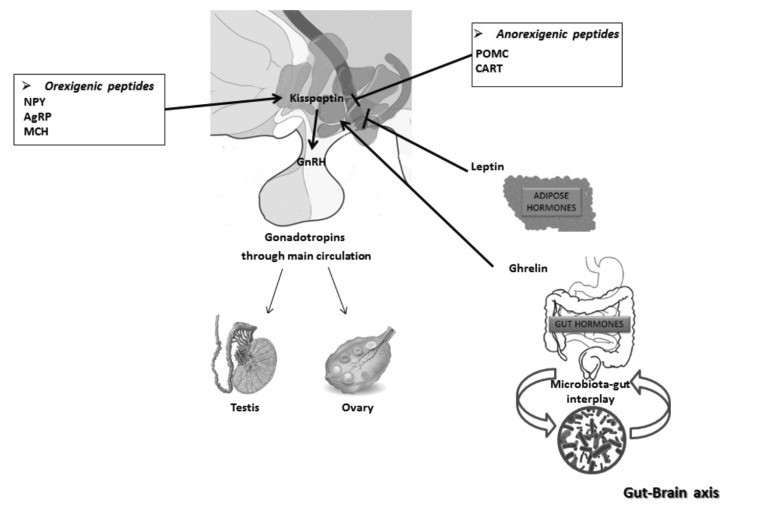
“Leptin White adipose tissue Anorexigenic Puberty onset [116, 118, 123, 124]”
BackgroundBravo, J. A., Forsythe, P., Chew, M. V., Escaravage, E., Savignac, H. M., Dinan, T. G., Bienenstock, J., & Cryan, J. F. (2011) · Proceedings of the National Academy of Sciences · doi:10.1073/pnas.1102999108 · Cited by 3,888 · cited 1×
“The therapeutic potential of probiotic administration such as Lactobacillus rhamnosus has been demonstrated for the modulation of the expression of γ-aminobutyric acid (GABA) receptors in the central nervous system (CNS) and its ability to mitigate stress-induced corticosterone response as well as depression- and anxi…”
BackgroundMicroglia: Active sensor and versatile effector cells in the normal and pathologic brain
Hanisch, U.-K., & Kettenmann, H. (2007) · Nature Neuroscience · doi:10.1038/nn1997 · Cited by 3,676 · cited 1×
“It is now well accepted that in the healthy brain, these cells modulate synaptic functions, in particular through the phagocytosis of unnecessary synapses [244] and protect neurons from infection or damage [245, 246].”
BackgroundHsiao, E. Y., McBride, S. W., Hsien, S., Sharon, G., Hyde, E. R., McCue, T., Codelli, J. A., Chow, J., Reisman, S. E., Petrosino, J. F., et al. (2013) · Cell · doi:10.1016/j.cell.2013.11.024 · Cited by 3,283 · cited 1×
“A probiotic-based treatment (namely, Bacteroides fragilis) was showed to improve gut pearmeability and ASD-like features in mouse model of maternal immune activation [46] and probiotic treatment in ASD children is considered a potential therapeutic option [47].”
BackgroundPro-resolving lipid mediators are leads for resolution physiology
Serhan, C. N. (2014) · Nature · doi:10.1038/nature13479 · Cited by 3,041 · cited 3×
“While it has long been recognized that bioactive metabolites of ARA are responsible for many of the actions of ARA, bioactive metabolites of DHA have been identified and characterized more recently [241].”
BackgroundResolving inflammation: dual anti-inflammatory and pro-resolution lipid mediators
Serhan, C. N., Chiang, N., & Van Dyke, T. E. (2008) · Nature Reviews Immunology · doi:10.1038/nri2294 · Cited by 2,932 · cited 1×
“Among n-3 PUFAs, SPMs exert potent anti-inflammatory and protective actions via multiple mechanisms as the blockage of neutrophil and eosinophil infiltration, the activation of macrophage phagocytosis, scavenging of inflammatory chemokines and the stimulation of antimicrobial defense mechanism [83, 84].”
BackgroundPhilosophical Transactions of the Royal Society B: biological sciences
(2026) · Philosophical Transactions of the Royal Society B Biological Sciences · doi:10.1098/rstb · Cited by 2,876
Colonic Health: Fermentation and Short Chain Fatty Acids
Wong, J. M. W., de Souza, R., Kendall, C. W. C., Emam, A., & Jenkins, D. J. A. (2006) · Journal of Clinical Gastroenterology · doi:10.1097/00004836-200603000-00015 · Cited by 2,739 · cited 1×
“SCFAs are organic fatty acids with 2 up to 6 carbon atoms and are the expression of the major part of the metabolites produced by the fermentation of non-digestible CHO, with acetate (C2), propionate (C3) and butyrate (C4) as the main SCFAs present in different proportion in the cecum and colon population [59].”
BackgroundSudo, N., Chida, Y., Aiba, Y., Sonoda, J., Oyama, N., Yu, X., Kubo, C., & Koga, Y. (2004) · The Journal of Physiology · doi:10.1113/jphysiol.2004.063388 · Cited by 2,735 · cited 1×
“, restrained) mice as well as the demonstration that exaggerated stress response can be reverted by recolonization with Bifidobacterium infantis [48].”
BackgroundGhrelin enhances appetite and increases food intake in humans
Wren, A. M., Seal, L. J., Cohen, M. A., Brynes, A. E., Frost, G. S., Murphy, K. G., Dhillo, W. S., Ghatei, M. A., & Bloom, S. R. (2001) · The Journal of Clinical Endocrinology & Metabolism · doi:10.1210/jcem.86.12.8111 · Cited by 2,494 · cited 1×
“Ghrelin is a peptide secreted by the gastrointestinal tract, working as an orexigenic factor [115]; in volunteers, intravenous ghrelin infusion increases appetite and food intake by 28% [174].”
BackgroundTolhurst, G., Heffron, H., Lam, Y. S., Parker, H. E., Habib, A. M., Diakogiannaki, E., Cameron, J., Grosse, J., Reimann, F., & Gribble, F. M. (2012) · Diabetes · doi:10.2337/db11-1019 · Cited by 2,404
Butyrate improves insulin sensitivity and increases energy expenditure in mice
Gao, Z., Yin, J., Zhang, J., Ward, R. E., Martin, R. J., Lefevre, M., Cefalu, W. T., & Ye, J. (2009) · Diabetes · doi:10.2337/db08-1637 · Cited by 2,204 · cited 2×
“SCFAs can promote fatty acids oxidation and inhibit their synthesis thus contributing to the decrease of free fatty acids plasma levels and body weight [64, 65].”
BackgroundMicrobiota-Generated Metabolites Promote Metabolic Benefits via Gut-Brain Neural Circuits
De Vadder, F., Kovatcheva-Datchary, P., Goncalves, D., Vinera, J., Zitoun, C., Duchampt, A., Bäckhed, F., & Mithieux, G. (2014) · Cell · doi:10.1016/j.cell.2013.12.016 · Cited by 2,200 · cited 2×
“Dietary FOS has a drastic impact on microbiota ecosystem, increasing Bacteroidetes and decreasing Firmicutes and propionate and butyrate can improve glucose tolerance and insulin sensitivity via different but complementary mechanisms leading to the stimulation of intestinal gluconeogenesis (IGN) [68].”
BackgroundHow neuroinflammation contributes to neurodegeneration
Ransohoff, R. M. (2016) · Science · doi:10.1126/science.aag2590 · Cited by 1,967 · cited 1×
“In addition, aging and neurodegenerative diseases are accompanied by increased proinflammatory factors such as cytokines and reactive oxygen species (ROS) production, which participate to neuronal death, neuropathological processes and promote cognitive deficit [23, 251].”
BackgroundMicroglial physiology: unique stimuli, specialized responses
Ransohoff, R. M., & Perry, V. H. (2009) · Annual Review of Immunology · doi:10.1146/annurev.immunol.021908.132528 · Cited by 1,858 · cited 1×
“It is now well accepted that in the healthy brain, these cells modulate synaptic functions, in particular through the phagocytosis of unnecessary synapses [244] and protect neurons from infection or damage [245, 246].”
BackgroundGut feelings: the emerging biology of gut-brain communication
Mayer, E. A. (2011) · Nature Reviews Neuroscience · doi:10.1038/nrn3071 · Cited by 1,726 · cited 1×
“Thus, the notion of “gut-brain axis” is now largely used to explain the close connection and the tight bidirectional communication between the gut and brain and the importance of their cross-talk for brain functions in health and disease [26-29].”
BackgroundEssential fatty acids in health and chronic disease
Simopoulos, A. P. (1999) · The American Journal of Clinical Nutrition · doi:10.1093/ajcn/70.3.560s · Cited by 1,692
Serhan, C. N., Hong, S., Gronert, K., Colgan, S. P., Devchand, P. R., Mirick, G., & Moussignac, R.-L. (2002) · The Journal of Experimental Medicine · doi:10.1084/jem.20020760 · Cited by 1,650 · cited 1×
“Among n-3 PUFAs, SPMs exert potent anti-inflammatory and protective actions via multiple mechanisms as the blockage of neutrophil and eosinophil infiltration, the activation of macrophage phagocytosis, scavenging of inflammatory chemokines and the stimulation of antimicrobial defense mechanism [83, 84].”
BackgroundDe Filippis, F., Pellegrini, N., Vannini, L., Jeffery, I. B., La Storia, A., Laghi, L., Serrazanetti, D. I., Di Cagno, R., Ferrocino, I., Lazzi, C., et al. (2016) · Gut · doi:10.1136/gutjnl-2015-309957 · Cited by 1,638 · cited 1×
“By contrast, in subjects whose diet adheres to Mediterranean diet recommendations, there is an increase of fecal content of SCFA levels (an index of high CHO fermentation) and high prevalence of Bacteroidetes phylum [71, 72].”
The interplay between the intestinal microbiota and the brain
Collins, S. M., Surette, M., & Bercik, P. (2012) · Nature Reviews Microbiology · doi:10.1038/nrmicro2876 · Cited by 1,611 · cited 1×
“Thus, the notion of “gut-brain axis” is now largely used to explain the close connection and the tight bidirectional communication between the gut and brain and the importance of their cross-talk for brain functions in health and disease [26-29].”
BackgroundPolyunsaturated fatty acids and their metabolites in brain function and disease
Bazinet, R. P., & Layé, S. (2014) · Nature Reviews Neuroscience · doi:10.1038/nrn3820 · Cited by 1,605 · cited 9×
“These enzymes play a crucial role in the progression of inflammation, either within the brain [8].”
BackgroundResultInfluentialLeptin-regulated endocannabinoids are involved in maintaining food intake
Di Marzo, V., Goparaju, S. K., Wang, L., Liu, J., Bátkai, S., Járai, Z., Fezza, F., Miura, G. I., Palmiter, R. D., Sugiura, T., et al. (2001) · Nature · doi:10.1038/35071088 · Cited by 1,559 · cited 1×
“A strong interaction has also been suggested between eCB system and leptin, the latter producing its anorexigenic effects through the inhibition of hypothalamic eCB levels [199]; accordingly, in Ob/Ob mice, there is an overactivation of the hypothalamic eCB signalling [199].”
BackgroundKotani, M., Detheux, M., Vandenbogaerde, A., Communi, D., Vanderwinden, J.-M., Le Poul, E., Brézillon, S., Tyldesley, R., Suarez-Huerta, N., Vandeput, F., et al. (2001) · Journal of Biological Chemistry · doi:10.1074/jbc.m104847200 · Cited by 1,546 · cited 1×
“In such a context, kisspeptins kiss1 gene produced peptides [154] - have an important role through the activation of kisspeptin receptor GPR54 [155].”
BackgroundEffects of rimonabant on metabolic risk factors in overweight patients with dyslipidemia
Després, J.-P., Golay, A., & Sjöström, L. (2005) · New England Journal of Medicine · doi:10.1056/nejmoa044537 · Cited by 1,392 · cited 1×
“Accordingly, the activation of CB1 increases food intake [190], while its genetic and pharmacological impairment implicates less food assumption [191, 192].”
BackgroundLin, H. V., Frassetto, A., Kowalik Jr, E. J., Nawrocki, A. R., Lu, M. M., Kosinski, J. R., Hubert, J. A., Szeto, D., Yao, X., Forrest, G., et al. (2012) · PLoS ONE · doi:10.1371/journal.pone.0035240 · Cited by 1,378 · cited 4×
“SCFAs can promote fatty acids oxidation and inhibit their synthesis thus contributing to the decrease of free fatty acids plasma levels and body weight [64, 65].”
BackgroundInfluentialBrain foods: The effects of nutrients on brain function.
Gómez-Pinilla, F. (2008) · Nature Reviews Neuroscience · doi:10.1038/nrn2421 · Cited by 1,372 · cited 1×
“As a consequence, adequate dietary intake and nutritional status have a recognized impact on brain functions such as cognitive processes, emotions, behaviour, neuroendocrine functions and synaptic plasticity with consequences on health [2].”
BackgroundPrinciples and clinical implications of the brain-gut-enteric microbiota axis
Rhee, S. H., Pothoulakis, C., & Mayer, E. A. (2009) · Nature Reviews Gastroenterology & Hepatology · doi:10.1038/nrgastro.2009.35 · Cited by 1,342 · cited 1×
“Thus, the notion of “gut-brain axis” is now largely used to explain the close connection and the tight bidirectional communication between the gut and brain and the importance of their cross-talk for brain functions in health and disease [26-29].”
BackgroundProbiotics: Growth-Promoting Factors Produced by Microorganisms
Lilly, D. M., & Stillwell, R. H. (1965) · Science · doi:10.1126/science.147.3659.747 · Cited by 1,243 · cited 1×
“The term probiotic, as opposed to antibiotic, is not recent and can be tracked back in time up to 1965 [39].”
BackgroundMessager, S., Chatzidaki, E. E., Ma, D., Hendrick, A. G., Zahn, D., Dixon, J., Thresher, R. R., Malinge, I., Lomet, D., Carlton, M. B. L., et al. (2005) · Proceedings of the National Academy of Sciences · doi:10.1073/pnas.0409330102 · Cited by 1,227 · cited 18×
“All these observations support the idea that abnormal eating behavior influences ghrelin levels, with possible suppression of the reproductive axis through kisspeptin regulation and GnRH/LH inhibition.”
BackgroundInfluentialObestatin, a Peptide Encoded by the Ghrelin Gene, Opposes Ghrelin's Effects on Food Intake
Zhang, J. V., Ren, P.-G., Avsian-Kretchmer, O., Luo, C.-W., Rauch, R., Klein, C., & Hsueh, A. J. W. (2005) · Science · doi:10.1126/science.1117255 · Cited by 1,165
Microglial priming in neurodegenerative disease
Perry, V. H., & Holmes, C. (2014) · Nature Reviews Neurology · doi:10.1038/nrneurol.2014.38 · Cited by 1,127 · cited 1×
“Neuroinflammation involves the brain innate immune system, mainly microglial cells [242, 243].”
BackgroundBailey, M. T., Dowd, S. E., Galley, J. D., Hufnagle, A. R., Allen, R. G., & Lyte, M. (2011) · Brain, Behavior, and Immunity · doi:10.1016/j.bbi.2010.10.023 · Cited by 1,123 · cited 1×
“, dysbiosis) and elicit a chronic inflammatory state [53, 54] as for obesity.”
BackgroundEndocannabinoid Signaling and Synaptic Function
Castillo, P. E., Younts, T. J., Chávez, A. E., & Hashimotodani, Y. (2012) · Neuron · doi:10.1016/j.neuron.2012.09.020 · Cited by 1,120 · cited 13×
“Accordingly, the activation of CB1 increases food intake [190], while its genetic and pharmacological impairment implicates less food assumption [191, 192].”
BackgroundInfluentialKelly, J. R., Kennedy, P. J., Cryan, J. F., Dinan, T. G., Clarke, G., & Hyland, N. P. (2015) · Frontiers in Cellular Neuroscience · doi:10.3389/fncel.2015.00392 · Cited by 1,110 · cited 1×
“Dysfunctions of the intestinal barrier increase the risk of endotoxins access to systemic circulation and development of a chronic inflammatory state and higher susceptibility to brain disease [36].”
BackgroundDiet dominates host genotype in shaping the murine gut microbiota
Carmody, R. N., Gerber, G. K., Luevano, J. M., Gatti, D. M., Somes, L., Svenson, K. L., & Turnbaugh, P. J. (2015) · Cell Host & Microbe · doi:10.1016/j.chom.2014.11.010 · Cited by 1,103 · cited 1×
“Indeed, the exposure of different inbred strains of mice to repeated shift between diets with a different nutritional profile demonstrates that gut microbiota can be drastically modeled by dietary factors regardless of the genotype [37].”
BackgroundFu, J., Gaetani, S., Oveisi, F., Lo Verme, J., Serrano, A., Rodríguez de Fonseca, F., Rosengarth, A., Luecke, H., Di Giacomo, B., Tarzia, G., et al. (2003) · Nature · doi:10.1038/nature01921 · Cited by 1,064 · cited 4×
“Several studies have contributed to reveal that OEA binds with high affinity the subtype alpha of the peroxisome proliferator-activated receptors (PPARalpha) producing satiety responses that are not observed in mice lacking PPAR-alpha [97].”
BackgroundInfluentialMfsd2a is a transporter for the essential omega-3 fatty acid docosahexaenoic acid
Nguyen, L. N., Ma, D., Shui, G., Wong, P., Cazenave-Gassiot, A., Zhang, X., Wenk, M. R., Goh, E. L. K., & Silver, D. L. (2014) · Nature · doi:10.1038/nature13241 · Cited by 1,048 · cited 4×
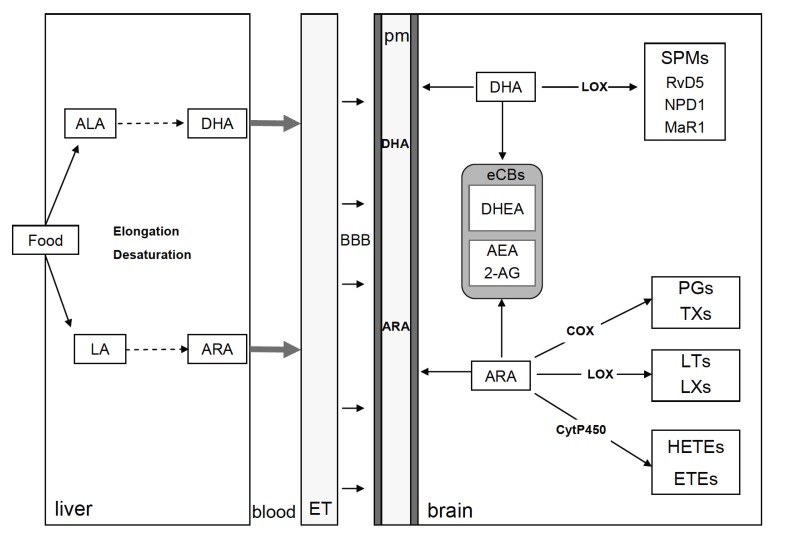
“A schematic representation of PUFAs synthesis from food, PUFAs entry across the BBB and production of PUFAs bioactive derivates in neuronal cells are provided in Fig.”
BackgroundInfluentialProbiotics, Prebiotics, and Synbiotics
de Vrese, M., & Schrezenmeir, J. (2008) · Advances in Biochemical Engineering/Biotechnology · doi:10.1007/10_2008_097 · Cited by 1,028
Bercik, P., Park, A. J., Sinclair, D., Khoshdel, A., Lu, J., Huang, X., Deng, Y., Blennerhassett, P. A., Fahnestock, M., Moine, D., et al. (2011) · Neurogastroenterology & Motility · doi:10.1111/j.1365-2982.2011.01796.x · Cited by 1,018 · cited 5×
“Simi- larly, there is evidence that chronic colitis can elicit anxietylike behavior and that administration of Bifidobacterium longus can produce anxiolytic effects via the vagal connection between brain and the ENS [50].”
BackgroundInfluentialResolvins and protectins in inflammation resolution
Serhan, C. N., & Petasis, N. A. (2011) · Chemical Reviews · doi:10.1021/cr100396c · Cited by 996
The Role of Microglia in the Healthy Brain: Figure 1.
Tremblay, M.-È., Stevens, B., Sierra, A., Wake, H., Bessis, A., & Nimmerjahn, A. (2011) · The Journal of Neuroscience · doi:10.1523/jneurosci.4158-11.2011 · Cited by 992 · cited 1×
“It is now well accepted that in the healthy brain, these cells modulate synaptic functions, in particular through the phagocytosis of unnecessary synapses [244] and protect neurons from infection or damage [245, 246].”
BackgroundDyall, S. C. (2015) · Frontiers in Aging Neuroscience · doi:10.3389/fnagi.2015.00052 · Cited by 943 · cited 1×
“We refer to recent seminal reviews reporting on the mechanisms potentially involved in the neuroprotective activities of LC n-3 PUFA [8, 223-227].”
BackgroundPhospholipase A2 structure/function, mechanism, and signaling
Burke, J. E., & Dennis, E. A. (2009) · Journal of Lipid Research · doi:10.1194/jlr.r800033-jlr200 · Cited by 933
Bacterial infection causes stress-induced memory dysfunction in mice
Gareau, M. G., Wine, E., Rodrigues, D. M., Cho, J. H., Whary, M. T., Philpott, D. J., MacQueen, G., & Sherman, P. M. (2011) · Gut · doi:10.1136/gut.2009.202515 · Cited by 909 · cited 1×
“Moreover, stressassociated alterations such as memory dysfunctions and altered neurotrophins expression in the hippocampus can be restored by treatment with probiotics [51], thus supporting the idea that changes of microbiota environment can be observed in neuropsychiatric disorders such as schizophrenia and ASDs [32,…”
BackgroundInnate immunity in Alzheimer's disease
Heneka, M. T., Golenbock, D. T., & Latz, E. (2015) · Nature Immunology · doi:10.1038/ni.3102 · Cited by 902 · cited 1×
“Neuroinflammation involves the brain innate immune system, mainly microglial cells [242, 243].”
BackgroundPsichas, A., Sleeth, M. L., Murphy, K. G., Brooks, L., Bewick, G. A., Hanyaloglu, A. C., Ghatei, M. A., Bloom, S. R., & Frost, G. (2015) · International Journal of Obesity · doi:10.1038/ijo.2014.153 · Cited by 886 · cited 5×
“Without considering pancreatic and stomach hormones, in the proximal and distal intestine as well as in the duodenum, we can at least enumerate CCK, neurotensin, GLP-1, PYY, oxyntomodulin, serotonin, obestatin and nesfatin as satiation-triggering signals.”
BackgroundInfluentialBeyond weight loss: a review of the therapeutic uses of very-low-carbohydrate (ketogenic) diets
Paoli, A., Rubini, A., Volek, J. S., & Grimaldi, K. A. (2013) · European Journal of Clinical Nutrition · doi:10.1038/ejcn.2013.116 · Cited by 885
Blasbalg, T. L., Hibbeln, J. R., Ramsden, C. E., Majchrzak, S. F., & Rawlings, R. R. (2011) · The American Journal of Clinical Nutrition · doi:10.3945/ajcn.110.006643 · Cited by 881 · cited 1×
“Interestingly, during the 20 century, Western diet has been subjected to deep changes, with an enrichment in n-6, over n-3 PUFA assumption, thus contributing to the onset of overweight and obesity [182, 183].”
BackgroundClarkson, J., & Herbison, A. E. (2006) · Endocrinology · doi:10.1210/en.2006-0787 · Cited by 875 · cited 18×
“All these observations support the idea that abnormal eating behavior influences ghrelin levels, with possible suppression of the reproductive axis through kisspeptin regulation and GnRH/LH inhibition.”
BackgroundInfluentialThe Emerging Role of the Endocannabinoid System in Endocrine Regulation and Energy Balance
Pagotto, U., Marsicano, G., Cota, D., Lutz, B., & Pasquali, R. (2006) · Endocrine Reviews · doi:10.1210/er.2005-0009 · Cited by 865 · cited 2×
“ECBs work as orexigenic factors, stimulating food intake and promoting the accumulation of body fat [13, 185-188].”
BackgroundChemically defined projections linking the mediobasal hypothalamus and the lateral hypothalamic area
Elias, C. F., Saper, C. B., Maratos-Flier, E., Tritos, N. A., Lee, C., Kelly, J., Tatro, J. B., Hoffman, G. E., Ollmann, M. M., Barsh, G. S., et al. (1998) · The Journal of Comparative Neurology · doi:10.1002/(sici)1096-9861(19981228)402:4<442::aid-cne2>3.0.co;2-r · Cited by 852
Andrieu, S., Guyonnet, S., Coley, N., Cantet, C., Bonnefoy, M., Bordes, S., Bories, L., Cufi, M.-N., Dantoine, T., Dartigues, J.-F., et al. (2017) · The Lancet Neurology · doi:10.1016/s1474-4422(17)30040-6 · Cited by 838
Wang, J., Tang, H., Zhang, C., Zhao, Y., Derrien, M., Rocher, E., van-Hylckama Vlieg, J. E. T., Strissel, K., Zhao, L., Obin, M., et al. (2015) · The ISME Journal · doi:10.1038/ismej.2014.99 · Cited by 836
Broberger, C., Johansen, J., Johansson, C., Schalling, M., & Hökfelt, T. (1998) · Proceedings of the National Academy of Sciences · doi:10.1073/pnas.95.25.15043 · Cited by 798 · cited 1×
“POMC ARC Anorexigenic Contacts GnRH neurons [116, 128, 133]”
Agouti-related peptide–expressing neurons are mandatory for feeding
Gropp, E., Shanabrough, M., Borok, E., Xu, A. W., Janoschek, R., Buch, T., Plum, L., Balthasar, N., Hampel, B., Waisman, A., et al. (2005) · Nature Neuroscience · doi:10.1038/nn1548 · Cited by 798
Lactobacillus acidophilus modulates intestinal pain and induces opioid and cannabinoid receptors
Rousseaux, C., Thuru, X., Gelot, A., Barnich, N., Neut, C., Dubuquoy, L., Dubuquoy, C., Merour, E., Geboes, K., Chamaillard, M., et al. (2007) · Nature Medicine · doi:10.1038/nm1521 · Cited by 793 · cited 1×
“The oral administration of the probiotic Lactobacillus acidophilus demonstrated to induce the expression of CB2 receptors in intestinal epithelial cells [94], providing a seminal evidence for the existence of a communication system between microbiota, probiotics and modulation of the eCB function.”
BackgroundKirkham, T. C., Williams, C. M., Fezza, F., & Marzo, V. D. (2002) · British Journal of Pharmacology · doi:10.1038/sj.bjp.0704767 · Cited by 788 · cited 1×
“Ghrelin positively regulates the tone of eCBs and hypothalamic 2-AG levels increase after food deprivation and decrease after food consumption in parallel to ghrelin [201].”
BackgroundErridge, C., Attina, T., Spickett, C. M., & Webb, D. J. (2007) · The American Journal of Clinical Nutrition · doi:10.1093/ajcn/86.5.1286 · Cited by 776 · cited 1×
“Even acute high fat meal consumption can elicit a postprandial inflammatory response that is often observed as transitory increase of endotoxaemia [77].”
BackgroundDocosahexaenoic Acid Supplementation and Cognitive Decline in Alzheimer Disease: A Randomized Trial
Quinn, J. F., Raman, R., Thomas, R. G., Yurko-Mauro, K., Nelson, E. B., Van Dyck, C., Galvin, J. E., Emond, J., Jack, C. R., Weiner, M., et al. (2010) · JAMA · doi:10.1001/jama.2010.1510 · Cited by 764 · cited 1×
“aimed at assessing whether dietary supplementation with LC n-3 PUFAs, mainly EPA and DHA, can restore cognitive function in elderly, patients suffering of Alzheimer’s disease or at risks of cognitive decline, psychosis or mood disorders [217, 280, 281].”
BackgroundFreund-Levi, Y., Eriksdotter-Jönhagen, M., Cederholm, T., Basun, H., Faxén-Irving, G., Garlind, A., Vedin, I., Vessby, B., Wahlund, L.-O., & Palmblad, J. (2006) · Archives of Neurology · doi:10.1001/archneur.63.10.1402 · Cited by 751
Gastrointestinal Microflora Studies in Late‐Onset Autism
Finegold, S. M., Molitoris, D., Song, Y., Liu, C., Vaisanen, M., Bolte, E., McTeague, M., Sandler, R., Wexler, H., Marlowe, E. M., et al. (2002) · Clinical Infectious Diseases · doi:10.1086/341914 · Cited by 742 · cited 6×
“This giant population of symbiotic bacteria, known as microbiota, shapes GIT motility, epithelial barrier function, gut homeostasis and metabolism via nutrient processing and affects brain physiology and incidence of disease risk.”
BackgroundInfluentialXiong, Y., Miyamoto, N., Shibata, K., Valasek, M. A., Motoike, T., Kedzierski, R. M., & Yanagisawa, M. (2004) · Proceedings of the National Academy of Sciences · doi:10.1073/pnas.2637002100 · Cited by 731 · cited 1×
“Multiple mechanisms can be involved, and appetite can be suppressed by SCFAs-dependent leptin secretion upon FFAR3 activation [73].”
BackgroundAn anorexic lipid mediator regulated by feeding
Rodríguez de Fonseca, F., Navarro, M., Gómez, R., Escuredo, L., Nava, F., Fu, J., Murillo-Rodríguez, E., Giuffrida, A., LoVerme, J., Gaetani, S., et al. (2001) · Nature · doi:10.1038/35102582 · Cited by 694 · cited 6×
“Recently, the existence of aminoacid (L-leucine)-dependent satiety signaling detected by NST neurons [87] has been described, which can curb food intake unless animals are fed with HFD [88].”
BackgroundInfluentialChylomicrons promote intestinal absorption of lipopolysaccharides
Ghoshal, S., Witta, J., Zhong, J., de Villiers, W., & Eckhardt, E. (2009) · Journal of Lipid Research · doi:10.1194/jlr.m800156-jlr200 · Cited by 662 · cited 1×
“Interestingly, consumption of fat meals enables the intestinal absorption of LPS from the gut and chylomicrons formation has been identified as one factor underlying LPS absorption and chronic inflammatory state [78].”
BackgroundMatias, I., Gonthier, M.-P., Orlando, P., Martiadis, V., De Petrocellis, L., Cervino, C., Petrosino, S., Hoareau, L., Festy, F., Pasquali, R., et al. (2006) · The Journal of Clinical Endocrinology & Metabolism · doi:10.1210/jc.2005-2679 · Cited by 656 · cited 1×
“ECBs work as orexigenic factors, stimulating food intake and promoting the accumulation of body fat [13, 185-188].”
BackgroundEndocannabinoid signaling at the periphery: 50 years after THC
Maccarrone, M., Bab, I., Bíró, T., Cabral, G. A., Dey, S. K., Di Marzo, V., Konje, J. C., Kunos, G., Mechoulam, R., Pacher, P., et al. (2015) · Trends in Pharmacological Sciences · doi:10.1016/j.tips.2015.02.008 · Cited by 646 · cited 1×
“DHEA has a lower binding affinity for CB1 and CB2 as compared to AEA and 2-AG and binds GPR receptors, in particular GPR110 within the brain [273, 274].”
BackgroundGhrelin and the short- and long-term regulation of appetite and body weight
Cummings, D. E. (2006) · Physiology & Behavior · doi:10.1016/j.physbeh.2006.05.022 · Cited by 620 · cited 1×
“Plasma levels of ghrelin rise almost 2-fold immediately due to fasting and fall after the ingestion of food [175].”
BackgroundMetabolic adaptation to a high-fat diet is associated with a change in the gut microbiota
Serino, M., Luche, E., Gres, S., Baylac, A., Bergé, M., Cenac, C., Waget, A., Klopp, P., Iacovoni, J., Klopp, C., et al. (2012) · Gut · doi:10.1136/gutjnl-2011-301012 · Cited by 615 · cited 1×
“Diet and nutrients can determine microbiota composition and, via these signaling pathways, can even influence the metabolic phenotype and liability to develop metabolic dysfunction such as obesity [56-58].”
BackgroundPathogenesis of Parkinson disease—the gut–brain axis and environmental factors
Klingelhoefer, L., & Reichmann, H. (2015) · Nature Reviews Neurology · doi:10.1038/nrneurol.2015.197 · Cited by 598 · cited 1×
“, depression) and autism spectrum disorders (ASDs) [29-32].”
BackgroundCentral administration of GLP-1-(7-36) amide inhibits food and water intake in rats
Tang-Christensen, M., Larsen, P. J., Goke, R., Fink-Jensen, A., Jessop, D. S., Moller, M., & Sheikh, S. P. (1996) · American Journal of Physiology-Regulatory, Integrative and Comparative Physiology · doi:10.1152/ajpregu.1996.271.4.r848 · Cited by 597 · cited 1×
“in cell lines augments GnRH secretion [119, 120]”
Emerging Roles for the Gut Microbiome in Autism Spectrum Disorder
Vuong, H. E., & Hsiao, E. Y. (2017) · Biological Psychiatry · doi:10.1016/j.biopsych.2016.08.024 · Cited by 595 · cited 5×
“Quite surprisingly, the integrity of gut-brain reciprocal signaling appears essential not only for the pathophysiology of GIT disorders such as the irritable bowel syndrome but also for several brain neurological and neuropsychiatric disorders including Parkinson’s disease, mood disorders (e.g., depression) and autism…”
BackgroundInfluentialVerdam, F. J., Fuentes, S., de Jonge, C., Zoetendal, E. G., Erbil, R., Greve, J. W., Buurman, W. A., de Vos, W. M., & Rensen, S. S. (2013) · Obesity · doi:10.1002/oby.20466 · Cited by 587 · cited 1×
“Diet and nutrients can determine microbiota composition and, via these signaling pathways, can even influence the metabolic phenotype and liability to develop metabolic dysfunction such as obesity [56-58].”
BackgroundPlourde, M., & Cunnane, S. C. (2007) · Applied Physiology, Nutrition, and Metabolism · doi:10.1139/h07-034 · Cited by 583 · cited 1×
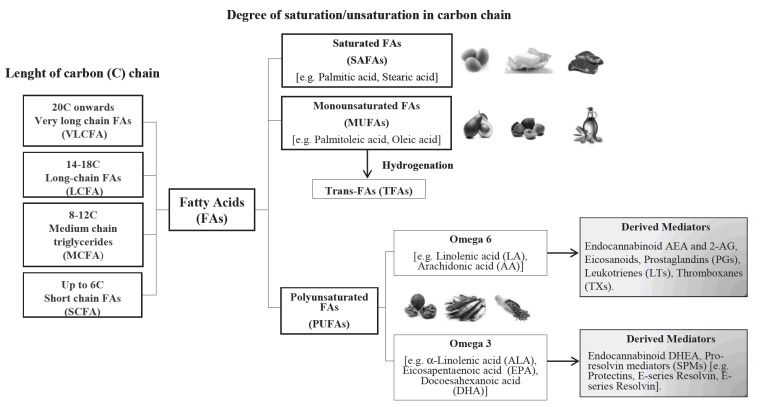
“Due to the limited capacity of the brain to synthesize LC PUFAs [229, 230], they have to be provided through the diet either as precursors [n-6 linoleic acid (LA) and n-3 αlinolenic acid (ALA) found in vegetable oils and grain products] or as preformed ARA and DHA (found in meat products and fish, respectively) [231,…”
BackgroundRavinet Trillou, C., Delgorge, C., Menet, C., Arnone, M., & Soubrié, P. (2004) · International Journal of Obesity · doi:10.1038/sj.ijo.0802583 · Cited by 583 · cited 1×
“Accordingly, the activation of CB1 increases food intake [190], while its genetic and pharmacological impairment implicates less food assumption [191, 192].”
BackgroundBeneficial effects of docosahexaenoic acid on cognition in age‐related cognitive decline
Yurko‐Mauro, K., McCarthy, D., Rom, D., Nelson, E. B., Ryan, A. S., Blackwell, A., Salem, N., Stedman, M., & MIDAS Investigators (2010) · Alzheimer's & Dementia · doi:10.1016/j.jalz.2010.01.013 · Cited by 579 · cited 2×
“24 weeks Paired Associate Learning Improvement [292]”
BackgroundKiSS‐1 Neurones Are Direct Targets for Leptin in the ob/ob Mouse
Smith, J. T., Acohido, B. V., Clifton, D. K., & Steiner, R. A. (2006) · Journal of Neuroendocrinology · doi:10.1111/j.1365-2826.2006.01417.x · Cited by 565 · cited 6×
“Reduced expression of kiss1 in the ARC, but not in the AVPV, causes hypogonadotropic hypogonadism in this animal model [124].”
BackgroundInfluentialCastellano, J. M., Navarro, V. M., Fernández-Fernández, R., Nogueiras, R., Tovar, S., Roa, J., Vazquez, M. J., Vigo, E., Casanueva, F. F., Aguilar, E., et al. (2005) · Endocrinology · doi:10.1210/en.2005-0337 · Cited by 557 · cited 3×
“Under caloric restriction or fasting, leptin levels in blood dramatically decrease, causing a drop in hypothalamic kiss1 mRNA expression [164]; thereafter, leptin administration ameliorates kiss1 levels [124].”
BackgroundNew insights on the role of microglia in synaptic pruning in health and disease
Hong, S., Dissing-Olesen, L., & Stevens, B. (2016) · Current Opinion in Neurobiology · doi:10.1016/j.conb.2015.12.004 · Cited by 557 · cited 1×
“Indeed, microglia deregulation due to aging or neurodegenerative processes participates to synaptic loss observed not only in Alzheimer’s disease [247] but also in chronic stress conditions [248] or dietary lipid unbalance [249, 250].”
BackgroundWheless, J. W. (2008) · Epilepsia · doi:10.1111/j.1528-1167.2008.01821.x · Cited by 533 · cited 2×
“After understanding metabolic pathways in modern era, the attention was focused on the ketogenic effects of fasting, so a ketogenic diet was proposed for the treatment of epilepsy since 1921 [308, 309].”
BackgroundCannabinoid and cannabinoid‐like receptors in microglia, astrocytes, and astrocytomas
Stella, N. (2010) · Glia · doi:10.1002/glia.20983 · Cited by 527 · cited 1×
“The eCB system is one of the most ancient signaling system of vertebrates [9, 10] with numerous pathways in the brain [11, 12].”
BackgroundSchmidt, K., Cowen, P. J., Harmer, C. J., Tzortzis, G., Errington, S., & Burnet, P. W. J. (2015) · Psychopharmacology · doi:10.1007/s00213-014-3810-0 · Cited by 522 · cited 1×
“In humans, GOS consumption has been observed to be associated with a reduced secretion of salivary cortisol at awakening, thus suggesting an antidepressant potential for GOS supplementation [63].”
BackgroundContribution of diet to the composition of the human gut microbiota
Graf, D., Di Cagno, R., Fåk, F., Flint, H. J., Nyman, M., Saarela, M., & Watzl, B. (2015) · Microbial Ecology in Health & Disease · doi:10.3402/mehd.v26.26164 · Cited by 519 · cited 1×
“Butyrate-generating species are favored by the ingestion of dietary fibers but each macronutrient can modify the microbiota community in a diet-dependent manner [69].”
BackgroundHan, J., Kesner, P., Metna-Laurent, M., Duan, T., Xu, L., Georges, F., Koehl, M., Abrous, D. N., Mendizabal-Zubiaga, J., Grandes, P., et al. (2012) · Cell · doi:10.1016/j.cell.2012.01.037 · Cited by 514
Etminan, M., Gill, S., & Samii, A. (2003) · BMJ · doi:10.1136/bmj.327.7407.128 · Cited by 511
Franceschini, I., Lomet, D., Cateau, M., Delsol, G., Tillet, Y., & Caraty, A. (2006) · Neuroscience Letters · doi:10.1016/j.neulet.2006.03.039 · Cited by 509
Anandamide induces overeating: mediation by central cannabinoid (CB1) receptors
Williams, C. M., & Kirkham, T. C. (1999) · Psychopharmacology · doi:10.1007/s002130050953 · Cited by 505 · cited 1×
“ECBs work as orexigenic factors, stimulating food intake and promoting the accumulation of body fat [13, 185-188].”
BackgroundThompson, E. L., Patterson, M., Murphy, K. G., Smith, K. L., Dhillo, W. S., Todd, J. F., Ghatei, M. A., & Bloom, S. R. (2004) · Journal of Neuroendocrinology · doi:10.1111/j.1365-2826.2004.01240.x · Cited by 483
Serhan, C. N. (2005) · Prostaglandins, Leukotrienes and Essential Fatty Acids · doi:10.1016/j.plefa.2005.05.002 · Cited by 454 · cited 2×
“However, during the initial (acute) phase of an inflammatory response, the ARA metabolism can also switch to the production of lipoxins (LXs), another eicosanoid class with the capacity to limit the extent and duration of the inflammatory process and promote the resolution of inflammation [4].”
BackgroundQian, S., Chen, H., Weingarth, D., Trumbauer, M. E., Novi, D. E., Guan, X., Yu, H., Shen, Z., Feng, Y., Frazier, E., et al. (2002) · Molecular and Cellular Biology · doi:10.1128/mcb.22.14.5027-5035.2002 · Cited by 430
Wynne, K., Stanley, S., McGowan, B., & Bloom, S. (2005) · Journal of Endocrinology · doi:10.1677/joe.1.05866 · Cited by 430
Wang, L., Christophersen, C. T., Sorich, M. J., Gerber, J. P., Angley, M. T., & Conlon, M. A. (2013) · Molecular Autism · doi:10.1186/2040-2392-4-42 · Cited by 418 · cited 1×
“Abnormal increase of Clostridium type germs in the GIT [43] and atypical increase of fecal bacteria of Sutterella species in ASD children have been reported [44, 45].”
BackgroundMetabolic Control of Vesicular Glutamate Transport and Release
Juge, N., Gray, J. A., Omote, H., Miyaji, T., Inoue, T., Hara, C., Uneyama, H., Edwards, R. H., Nicoll, R. A., & Moriyama, Y. (2010) · Neuron · doi:10.1016/j.neuron.2010.09.002 · Cited by 400 · cited 1×
“In vitro studies have also suggested that acetoacetate and beta-hydroxybutyrate can decrease the activity of neurons within the substantia nigra, which is an important center for the propagation of seizures [314] and that acetoacetate inhibits vesicular glutamate transporters [315].”
BackgroundGalley, J. D., Nelson, M. C., Yu, Z., Dowd, S. E., Walter, J., Kumar, P. S., Lyte, M., & Bailey, M. T. (2014) · BMC Microbiology · doi:10.1186/1471-2180-14-189 · Cited by 400 · cited 1×
“, dysbiosis) and elicit a chronic inflammatory state [53, 54] as for obesity.”
BackgroundNovel signals for the integration of energy balance and reproduction
Fernandez-Fernandez, R., Martini, A. C., Navarro, V. M., Castellano, J. M., Dieguez, C., Aguilar, E., Pinilla, L., & Tena-Sempere, M. (2006) · Molecular and Cellular Endocrinology · doi:10.1016/j.mce.2006.04.026 · Cited by 385 · cited 1×
“Kisspeptin system deeply responds to gonadal and metabolic factors [161-163], including leptin.”
BackgroundCôté, M., Matias, I., Lemieux, I., Petrosino, S., Alméras, N., Després, J.-P., & Di Marzo, V (2007) · International Journal of Obesity · doi:10.1038/sj.ijo.0803539 · Cited by 383 · cited 1×
“ECBs work as orexigenic factors, stimulating food intake and promoting the accumulation of body fat [13, 185-188].”
BackgroundOligofructose Promotes Satiety in Rats Fed a High‐Fat Diet: Involvement of Glucagon‐Like Peptide‐1
Cani, P. D., Neyrinck, A. M., Maton, N., & Delzenne, N. M. (2005) · Obesity Research · doi:10.1038/oby.2005.117 · Cited by 382 · cited 1×
“Oligofructose (OFS) supplementation promotes GLP-1 secretion in proximal colon [74] and colonic infusion of propionate stimulates the release of GLP-1 and PYY [75].”
BackgroundEndocannabinoid signalling and the deteriorating brain
Di Marzo, V., Stella, N., & Zimmer, A. (2015) · Nature Reviews Neuroscience · doi:10.1038/nrn3876 · Cited by 382 · cited 2×
“Recent studies show that ARAderived eCBs also modulate synaptic transmission through post-synaptic receptor TRPV1 or through CB receptors expressed on astrocytes [271, 277].”
BackgroundWilliams, B. L., Hornig, M., Parekh, T., & Lipkin, W. I. (2012) · mBio · doi:10.1128/mbio.00261-11 · Cited by 378 · cited 1×
“Abnormal increase of Clostridium type germs in the GIT [43] and atypical increase of fecal bacteria of Sutterella species in ASD children have been reported [44, 45].”
BackgroundMahler, S. V., Smith, K. S., & Berridge, K. C. (2007) · Neuropsychopharmacology · doi:10.1038/sj.npp.1301376 · Cited by 377 · cited 1×
“The best-known and described eCBs, AEA and 2-AG produce robust effects in terms of energy preservation, increasing energy intake and lipid storage, also contributing to the consumption of hedonic food via the increase of DA release in mesolimbic structures [90, 91].”
BackgroundSavignac, H. M., Corona, G., Mills, H., Chen, L., Spencer, J. P. E., Tzortzis, G., & Burnet, P. W. J. (2013) · Neurochemistry International · doi:10.1016/j.neuint.2013.10.006 · Cited by 377 · cited 1×
“FOS and GOS can increase the hippocampal expression of brain-derived neurotrophic factor (BDNF) and N-methyl-Daspartate (NMDAR) subunits that are key factors in memory function and synaptic plasticity [62].”
BackgroundHuttenlocher, P. R. (1976) · Pediatric Research · doi:10.1203/00006450-197605000-00006 · Cited by 375 · cited 1×
“On the other hand, the acute assumption of a small amount of sugar is able to abruptly abolish the anti-epileptic effect of KDs, with even possible immediate induction of seizures [310].”
BackgroundHormonal regulation of food intake
Stanley, S., Wynne, K., McGowan, B., & Bloom, S. (2005) · Physiological Reviews · doi:10.1152/physrev.00015.2004 · Cited by 372
Hypothalamic pathways linking energy balance and reproduction
Hill, J. W., Elmquist, J. K., & Elias, C. F. (2008) · American Journal of Physiology-Endocrinology and Metabolism · doi:10.1152/ajpendo.00670.2007 · Cited by 367 · cited 1×
“play with the wide range of the signals involved in the metabolic control of reproduction [145, 146].”
BackgroundJournal of Experimental Medicine
(2019) · The Journal of Experimental Medicine · doi:10.1084/jem · Cited by 366
Donato, J., Cravo, R. M., Frazão, R., Gautron, L., Scott, M. M., Lachey, J., Castro, I. A., Margatho, L. O., Lee, S., Lee, C., et al. (2011) · Journal of Clinical Investigation · doi:10.1172/jci45106 · Cited by 360 · cited 1×
“In fact, the selective ablation of leptin receptor from hypothalamic kisspeptin neurons does not alter puberty onset [167].”
BackgroundCell survival matters: docosahexaenoic acid signaling, neuroprotection and photoreceptors
Bazan, N. G. (2006) · Trends in Neurosciences · doi:10.1016/j.tins.2006.03.005 · Cited by 353 · cited 1×
“Neuroprotective activities of LC n-3 PUFAs DHA and EPA are believed to be potent for protection and/or treatment of cognitive decline and dementia [218-223].”
BackgroundThe gut-brain axis: the missing link in depression
Evrensel, A., & Ceylan, M. E. (2015) · Clinical Psychopharmacology and Neuroscience · doi:10.9758/cpn.2015.13.3.239 · Cited by 338 · cited 1×
“, depression) and autism spectrum disorders (ASDs) [29-32].”
BackgroundMechanisms of Action of Antiseizure Drugs and the Ketogenic Diet
Rogawski, M. A., Löscher, W., & Rho, J. M. (2016) · Cold Spring Harbor Perspectives in Medicine · doi:10.1101/cshperspect.a022780 · Cited by 336 · cited 1×
“tabolism, tricarboxylic acid cycle refueling and fatty acids oxidation [319].”
BackgroundNoble, E. E., Hsu, T. M., & Kanoski, S. E. (2017) · Frontiers in Behavioral Neuroscience · doi:10.3389/fnbeh.2017.00009 · Cited by 333 · cited 1×
“Dysbiosis of the microbiota is responsible for different pathogenetic events such as changes in the host immunity and intestinal permeability [35].”
BackgroundLong-Chain Omega-3 Fatty Acids Improve Brain Function and Structure in Older Adults
Witte, A. V., Kerti, L., Hermannstädter, H. M., Fiebach, J. B., Schreiber, S. J., Schuchardt, J. P., Hahn, A., & Flöel, A. (2014) · Cerebral Cortex · doi:10.1093/cercor/bht163 · Cited by 328
Nutritional omega-3 deficiency abolishes endocannabinoid-mediated neuronal functions
Lafourcade, M., Larrieu, T., Mato, S., Duffaud, A., Sepers, M., Matias, I., De Smedt-Peyrusse, V., Labrousse, V. F., Bretillon, L., Matute, C., et al. (2011) · Nature Neuroscience · doi:10.1038/nn.2736 · Cited by 313 · cited 2×
“Importantly, these changes in eCBs are accompanied by impairment of CB1 activity in the brain, leading to synaptic activity impairment in several brain structures [20, 21, 275].”
BackgroundKetogenic diets as an adjuvant cancer therapy: History and potential mechanism
Allen, B. G., Bhatia, S. K., Anderson, C. M., Eichenberger-Gilmore, J. M., Sibenaller, Z. A., Mapuskar, K. A., Schoenfeld, J. D., Buatti, J. M., Spitz, D. R., & Fath, M. A. (2014) · Redox Biology · doi:10.1016/j.redox.2014.08.002 · Cited by 312 · cited 1×
“Another possibility is that KDs could enhance the oxidative stress in cancer cells resulting in a greater vulnerability of these cells to radiation therapies [328].”
BackgroundNeurological Benefits of Omega-3 Fatty Acids
Dyall, S. C., & Michael-Titus, A. T. (2008) · NeuroMolecular Medicine · doi:10.1007/s12017-008-8036-z · Cited by 311 · cited 1×
“Neuroprotective activities of LC n-3 PUFAs DHA and EPA are believed to be potent for protection and/or treatment of cognitive decline and dementia [218-223].”
BackgroundEfficacy of Souvenaid in Mild Alzheimer's Disease: Results from a Randomized, Controlled Trial
Scheltens, P., Twisk, J. W. R., Blesa, R., Scarpini, E., von Arnim, C. A. F., Bongers, A., Harrison, J., Swinkels, S. H. N., Stam, C. J., de Waal, H., et al. (2012) · Journal of Alzheimer's Disease · doi:10.3233/jad-2012-121189 · Cited by 306
Neuroendocrinology of nutritional infertility
Wade, G. N., & Jones, J. E. (2004) · American Journal of Physiology-Regulatory, Integrative and Comparative Physiology · doi:10.1152/ajpregu.00475.2004 · Cited by 298 · cited 2×
“Nevertheless, it is interesting to note that the increase of metabolic disorders matches with increased rates of infertility in developed and developing countries, as a consequence of environmental factors such as over-nutrition and sedentary lifestyle [108].”
BackgroundA Gut Lipid Messenger Links Excess Dietary Fat to Dopamine Deficiency
Tellez, L. A., Medina, S., Han, W., Ferreira, J. G., Licona-Limón, P., Ren, X., Lam, T. T., Schwartz, G. J., & de Araujo, I. E. (2013) · Science · doi:10.1126/science.1239275 · Cited by 297 · cited 2×
“Remarkably, intestinal OEA infusion can revert and normalize DA signaling, and exogenous OEA infusion also appears to reestablish the OEA-mediated anorexigenic effects but only in mice fed with a low-fat diet [106] that increased the intake of a lipid emulsion in parallel with the increase of striatal DA signaling of…”
Background2-Oleoyl Glycerol Is a GPR119 Agonist and Signals GLP-1 Release in Humans
Hansen, K. B., Rosenkilde, M. M., Knop, F. K., Wellner, N., Diep, T. A., Rehfeld, J. F., Andersen, U. B., Holst, J. J., & Hansen, H. S. (2011) · The Journal of Clinical Endocrinology & Metabolism · doi:10.1210/jc.2011-0647 · Cited by 297 · cited 1×
“Interestingly, it has been reported that OEA can also evoke the secretion of GLP-1 and produce anorexic effects by engaging the G proteincoupled receptor 119 (GPR119) [100].”
BackgroundKola, B., Farkas, I., Christ-Crain, M., Wittmann, G., Lolli, F., Amin, F., Harvey-White, J., Liposits, Z., Kunos, G., Grossman, A. B., et al. (2008) · PLoS ONE · doi:10.1371/journal.pone.0001797 · Cited by 295 · cited 1×
“Thus, both leptin and ghrelin require a functional CB1 signalling to exert their respective anorexigenic and orexigenic effects, since in the hypothalamus of CB1 knockout mice, these effects are abolished [202].”
BackgroundKetogenic Diet Metabolites Reduce Firing in Central Neurons by Opening K ATP Channels
Ma, W., Berg, J., & Yellen, G. (2007) · The Journal of Neuroscience · doi:10.1523/jneurosci.0132-07.2007 · Cited by 294 · cited 2×
“It is supposed that such metabolic effects act on brain neurotransmitter production or on ion channel functioning [320] and that the substantia nigra could be particularly involved in these effects [314, 321].”
BackgroundThe Stimulatory Effect of Leptin on the Neuroendocrine Reproductive Axis of the Monkey1
Finn, P. D., Cunningham, M. J., Pau, K.-Y. F., Spies, H. G., Clifton, D. K., & Steiner, R. A. (1998) · Endocrinology · doi:10.1210/endo.139.11.6297 · Cited by 294
Calon, F., & Cole, G. (2007) · Prostaglandins, Leukotrienes and Essential Fatty Acids · doi:10.1016/j.plefa.2007.10.019 · Cited by 291 · cited 1×
“Neuroprotective activities of LC n-3 PUFAs DHA and EPA are believed to be potent for protection and/or treatment of cognitive decline and dementia [218-223].”
BackgroundEmulsified lipids increase endotoxemia: possible role in early postprandial low-grade inflammation
Laugerette, F., Vors, C., Géloën, A., Chauvin, M.-A., Soulage, C., Lambert-Porcheron, S., Peretti, N., Alligier, M., Burcelin, R., Laville, M., et al. (2011) · The Journal of Nutritional Biochemistry · doi:10.1016/j.jnutbio.2009.11.011 · Cited by 290 · cited 2×
“For instance, oil emulsification appears much more harmful for postprandial lipaemia than consumption of the same nonemulsified oil (sunflower oil) [79].”
BackgroundShinto, L., Quinn, J., Montine, T., Dodge, H. H., Woodward, W., Baldauf-Wagner, S., Waichunas, D., Bumgarner, L., Bourdette, D., Silbert, L., et al. (2013) · Journal of Alzheimer's Disease · doi:10.3233/jad-130722 · Cited by 288
Zheng, H., Lenard, N. R., Shin, A. C., & Berthoud, H.-R. (2009) · International Journal of Obesity · doi:10.1038/ijo.2009.65 · Cited by 285 · cited 1×
“, food seeking) that are processed by corticolimbic structures, including orbitofrontal cortex, ventral tegmental area (VTA), ventral striatum and amygdala [89].”
BackgroundBimodal control of stimulated food intake by the endocannabinoid system
Bellocchio, L., Lafenêtre, P., Cannich, A., Cota, D., Puente, N., Grandes, P., Chaouloff, F., Piazza, P. V., & Marsicano, G. (2010) · Nature Neuroscience · doi:10.1038/nn.2494 · Cited by 282 · cited 1×
“However, some evidence support the hypothesis that the regulation of food intake by eCBs within the hypothalamus might be more complex with a bimodal orexigenic and anorexigenic action, depending on whether CB1 is activated in glutamatergic or GABAergic terminals, respectively [198].”
BackgroundLipoxin biosynthesis and its impact in inflammatory and vascular events
Serhan, C. N. (1994) · Biochimica et Biophysica Acta (BBA) - Lipids and Lipid Metabolism · doi:10.1016/0005-2760(94)90185-6 · Cited by 273 · cited 1×
“LXs are considered the first identified members of the family of specialized pro-resolving mediators (SPMs) [4, 5].”
BackgroundThe Pharmacology and Function of Receptors for Short-Chain Fatty Acids
Bolognini, D., Tobin, A. B., Milligan, G., & Hodge, D. (2016) · Molecular Pharmacology · doi:10.1124/mol.115.102301 · Cited by 267
Immunohistochemical localization of a melanin concentrating hormone-like peptide in the rat brain
Skofitsch, G., Jacobowitz, D. M., & Zamir, N. (1985) · Brain Research Bulletin · doi:10.1016/0361-9230(85)90213-8 · Cited by 264
Luque, R. M., Kineman, R. D., & Tena-Sempere, M. (2007) · Endocrinology · doi:10.1210/en.2007-0500 · Cited by 261 · cited 2×
“Consistently, functional crosstalk between kisspeptin neurons NPY and POMC has also been unraveled [133, 168].”
BackgroundCOX-2-derived endocannabinoid metabolites as novel inflammatory mediators
Alhouayek, M., & Muccioli, G. G. (2014) · Trends in Pharmacological Sciences · doi:10.1016/j.tips.2014.03.001 · Cited by 252 · cited 1×
“Importantly, COX and LOX oxidize ARA-derived eCBs into bioactive PG, which promotes inflammation [272].”
BackgroundDietary Linoleic Acid Elevates Endogenous 2‐AG and Anandamide and Induces Obesity
Alvheim, A. R., Malde, M. K., Osei‐Hyiaman, D., Hong, Y. H., Pawlosky, R. J., Madsen, L., Kristiansen, K., Frøyland, L., & Hibbeln, J. R. (2012) · Obesity · doi:10.1038/oby.2012.38 · Cited by 249 · cited 1×
“Moreover, while the content of eCBs in the food is negligible to mimick eCB-mediated physiological effects [92], the eCBs levels can be modulated by dietary fatty acids intake, and in particular, by the ingestion of linoleic acid, the precursor of ARA [93].”
BackgroundBatetta, B., Griinari, M., Carta, G., Murru, E., Ligresti, A., Cordeddu, L., Giordano, E., Sanna, F., Bisogno, T., Uda, S., et al. (2009) · The Journal of Nutrition · doi:10.3945/jn.109.104844 · Cited by 244 · cited 1×
“The reintroduction of n-3 PUFA in the Western diet, and so of EPA and DHA, may help to restore eCB tone [193, 194], since experimental data suggest that a dietary treatment with n-3 PUFA decreases the concentration of AEA and 2-AG in the visceral adipose tissue and AEA levels in the liver and heart [195].”
BackgroundFu, L.-Y., & van den Pol, A. N. (2010) · The Journal of Neuroscience · doi:10.1523/jneurosci.2098-10.2010 · Cited by 243 · cited 3×
“Consistently, functional crosstalk between kisspeptin neurons NPY and POMC has also been unraveled [133, 168].”
Leidy, H. J., Gardner, J. K., Frye, B. R., Snook, M. L., Schuchert, M. K., Richard, E. L., & Williams, N. I. (2004) · The Journal of Clinical Endocrinology & Metabolism · doi:10.1210/jc.2003-031471 · Cited by 235 · cited 1×
“Post-pubertally, circulating ghrelin levels drastically increase in case of body weight decrease induced by diet/exercise [179]; similar effects have been observed in young amenorrheic athletes which also show decreased LH and GnRH pulsatility [180].”
BackgroundHjorth, E., Zhu, M., Toro, V. C., Vedin, I., Palmblad, J., Cederholm, T., Freund-Levi, Y., Faxen-Irving, G., Wahlund, L.-O., Basun, H., et al. (2013) · Journal of Alzheimer’s Disease · doi:10.3233/jad-130131 · Cited by 229 · cited 1×
“In addition, DHA or SPMs promote phagocytosis of Aβ42 by microglia [269] and modulate the number and activation of microglial cells in vivo [270].”
BackgroundHow does the ketogenic diet induce anti-seizure effects?
Rho, J. M. (2017) · Neuroscience Letters · doi:10.1016/j.neulet.2015.07.034 · Cited by 219 · cited 1×
“It is supposed that such metabolic effects act on brain neurotransmitter production or on ion channel functioning [320] and that the substantia nigra could be particularly involved in these effects [314, 321].”
BackgroundDocosahexaenoic Acid and Adult Memory: A Systematic Review and Meta-Analysis
Yurko-Mauro, K., Alexander, D. D., & Van Elswyk, M. E. (2015) · PLOS ONE · doi:10.1371/journal.pone.0120391 · Cited by 216 · cited 1×
“aimed at assessing whether dietary supplementation with LC n-3 PUFAs, mainly EPA and DHA, can restore cognitive function in elderly, patients suffering of Alzheimer’s disease or at risks of cognitive decline, psychosis or mood disorders [217, 280, 281].”
BackgroundQuarta, C., Bellocchio, L., Mancini, G., Mazza, R., Cervino, C., Braulke, L. J., Fekete, C., Latorre, R., Nanni, C., Bucci, M., et al. (2010) · Cell Metabolism · doi:10.1016/j.cmet.2010.02.015 · Cited by 210 · cited 1×
“Accordingly, the activation of CB1 increases food intake [190], while its genetic and pharmacological impairment implicates less food assumption [191, 192].”
BackgroundCano, P. G., Santacruz, A., Trejo, F. M., & Sanz, Y. (2013) · Obesity · doi:10.1002/oby.20330 · Cited by 208 · cited 1×
“Diet and nutrients can determine microbiota composition and, via these signaling pathways, can even influence the metabolic phenotype and liability to develop metabolic dysfunction such as obesity [56-58].”
BackgroundPro-Resolving Lipid Mediators Improve Neuronal Survival and Increase Aβ42 Phagocytosis
Zhu, M., Wang, X., Hjorth, E., Colas, R. A., Schroeder, L., Granholm, A.-C., Serhan, C. N., & Schultzberg, M. (2016) · Molecular Neurobiology · doi:10.1007/s12035-015-9544-0 · Cited by 204 · cited 1×
“DHA and SPMs are impaired at the periphery and within the brain of Alzheimer’s disease patients [265, 266] and in accelerated aging mice model [267].”
BackgroundChew, E. Y., Clemons, T. E., Agrón, E., Launer, L. J., Grodstein, F., & Bernstein, P. S. (2015) · JAMA · doi:10.1001/jama.2015.9677 · Cited by 191 · cited 1×
“5 years Cognitive function No effect [284]”
Lipoxins: nature's way to resolve inflammation
Sharma-walia, N., & Chandrasekharan, J. (2015) · Journal of Inflammation Research · doi:10.2147/jir.s90380 · Cited by 190 · cited 1×
“In fact, among ARA-derived mediators, LXs can participate to “resolve” inflammation as reported for their signaling activity addressing neutrophils to migrate towards the site of inflammation, accelerating neutrophils apoptosis and clearing, and delaying apoptosis of macrophages [82].”
BackgroundLi, C., Chen, P., & Smith, M. S. (1999) · Endocrinology · doi:10.1210/endo.140.11.7093 · Cited by 187
Piomelli, D. (2013) · Trends in Endocrinology & Metabolism · doi:10.1016/j.tem.2013.03.001 · Cited by 186 · cited 2×
“OEA production in the jejunal and duodenal enterocytes upon intake of dietary fat-derived oleic acid is a well-characterized mechanism and site of OEA synthesis [96].”
BackgroundLaugerette, F., Furet, J.-P., Debard, C., Daira, P., Loizon, E., Géloën, A., Soulage, C. O., Simonet, C., Lefils-Lacourtablaise, J., Bernoud-Hubac, N., et al. (2012) · American Journal of Physiology-Endocrinology and Metabolism · doi:10.1152/ajpendo.00314.2011 · Cited by 186 · cited 1×
“In contrast to the intake of a rapeseed oil-based diet, the intake of palm oil increases both plasma levels of pro-inflammatory IL-6 and ratio of LPS to the soluble form of binding-protein CD14 (sCD14), which tend to increase as a function of the intensification of the inflammatory response [80].”
BackgroundDi Marzo, V., Côté, M., Matias, I., Lemieux, I., Arsenault, B. J., Cartier, A., Piscitelli, F., Petrosino, S., Alméras, N., & Després, J.-P. (2009) · Diabetologia · doi:10.1007/s00125-008-1178-6 · Cited by 181
Omega-3 fatty acids for the treatment of dementia
Burckhardt, M., Herke, M., Wustmann, T., Watzke, S., Langer, G., & Fink, A. (2016) · Cochrane Database of Systematic Reviews · doi:10.1002/14651858.cd009002.pub3 · Cited by 178
ω-3 Fatty Acids in the Prevention of Cognitive Decline in Humans
Cederholm, T., Salem, N., & Palmblad, J. E. W. (2013) · Advances in Nutrition · doi:10.3945/an.113.004556 · Cited by 177
Resolvin D1 and E1 promote resolution of inflammation in microglial cells in vitro
Rey, C., Nadjar, A., Buaud, B., Vaysse, C., Aubert, A., Pallet, V., Layé, S., & Joffre, C. (2015) · Brain Behavior and Immunity · doi:10.1016/j.bbi.2015.12.013 · Cited by 176 · cited 1×
“Both DHA and derived SPMs display potent anti-inflammatory activities in vivo and target microglia [252, 261-264].”
BackgroundMediterranean diet and faecal microbiota: a transversal study
Gutiérrez-Díaz, I., Fernández-Navarro, T., Sánchez, B., Margolles, A., & González, S. (2016) · Food & Function · doi:10.1039/c6fo00105j · Cited by 176 · cited 1×
“By contrast, in subjects whose diet adheres to Mediterranean diet recommendations, there is an increase of fecal content of SCFA levels (an index of high CHO fermentation) and high prevalence of Bacteroidetes phylum [71, 72].”
Metabolic control of puberty onset: New players, new mechanisms
Roa, J., García-Galiano, D., Castellano, J. M., Gaytan, F., Pinilla, L., & Tena-Sempere, M. (2010) · Molecular and Cellular Endocrinology · doi:10.1016/j.mce.2009.12.018 · Cited by 175 · cited 3×
“Ghrelin Gastrointestinal tract Orexigenic Downregulates kiss1 expression [115-118]”
BackgroundForbes, S. C., Li, X. F., Kinsey‐Jones, J. S., & O’Byrne, K. (2009) · Neuroscience Letters · doi:10.1016/j.neulet.2009.05.060 · Cited by 175 · cited 3×
“Ghrelin Gastrointestinal tract Orexigenic Downregulates kiss1 expression [115-118]”
BackgroundDe Smedt‐Peyrusse, V., Sargueil, F., Moranis, A., Harizi, H., Mongrand, S., & Layé, S. (2008) · Journal of Neurochemistry · doi:10.1111/j.1471-4159.2007.05129.x · Cited by 174 · cited 1×
“Both DHA and derived SPMs display potent anti-inflammatory activities in vivo and target microglia [252, 261-264].”
BackgroundMicroglia in neuronal plasticity: Influence of stress
Delpech, J.-C., Madore, C., Nadjar, A., Joffre, C., Wohleb, E. S., & Layé, S. (2015) · Neuropharmacology · doi:10.1016/j.neuropharm.2014.12.034 · Cited by 174 · cited 1×
“Indeed, microglia deregulation due to aging or neurodegenerative processes participates to synaptic loss observed not only in Alzheimer’s disease [247] but also in chronic stress conditions [248] or dietary lipid unbalance [249, 250].”
BackgroundGhrelin effects on gonadotropin secretion in male and female rats
Fernández-Fernández, R., Tena-Sempere, M., Aguilar, E., & Pinilla, L. (2004) · Neuroscience Letters · doi:10.1016/j.neulet.2004.03.003 · Cited by 173 · cited 1×
“However, different sensitivity to ghrelin administration during pre-pubertal period has been reported between males and females [178].”
BackgroundNeuromodulatory functions of the endocannabinoid system.
Marsicano, G., & Lutz, B. (2006) · PubMed · Cited by 172
Saturated and trans fats and dementia: a systematic review
Barnard, N. D., Bunner, A. E., & Agarwal, U. (2014) · Neurobiology of Aging · doi:10.1016/j.neurobiolaging.2014.02.030 · Cited by 172 · cited 1×
“In turn, diets that are high in saturated fats negatively impact brain functions and increase the risk of cardiovascular and neurological diseases [24].”
BackgroundThe Central Cannabinoid Receptor Inactivation Suppresses Endocrine Reproductive Functions
Wenger, T., Ledent, C., Csernus, V., & Gerendai, I. (2001) · Biochemical and Biophysical Research Communications · doi:10.1006/bbrc.2001.4977 · Cited by 172 · cited 1×
“Outcomes on steroid biosynthesis, gametogenesis, gamete quality and fertility rate have been reported [16-18, 142, 211, 212, 213].”
The evolution and comparative neurobiology of endocannabinoid signalling
Elphick, M. R. (2012) · Philosophical Transactions of the Royal Society B: Biological Sciences · doi:10.1098/rstb.2011.0394 · Cited by 171 · cited 1×
“The eCB system is one of the most ancient signaling system of vertebrates [9, 10] with numerous pathways in the brain [11, 12].”
BackgroundSex-specific differences in essential fatty acid metabolism
Decsi, T., & Kennedy, K. (2011) · The American Journal of Clinical Nutrition · doi:10.3945/ajcn.110.000893 · Cited by 168 · cited 1×
“These differences could be linked to sex hormones as they influence PUFAs metabolism with estrogen stimulating, and testosterone inhibiting the conversion of both n-3 and n-6 precursors into their respective long chain metabolites [235].”
BackgroundPolyunsaturated fatty acids, neuroinflammation and well being
Layé, S. (2010) · Prostaglandins, Leukotrienes and Essential Fatty Acids (PLEFA) · doi:10.1016/j.plefa.2010.02.006 · Cited by 167 · cited 2×
“In this context, it would be of high interest to consider n-6 and n-3 PUFAs status, as both fatty acids are metabolized through the COX/LOX pathways into derivatives with opposite properties in inflammation [8, 23].”
BackgroundThe relationship between gut and adipose hormones, and reproduction
Comninos, A. N., Jayasena, C. N., & Dhillo, W. S. (2014) · Human Reproduction Update · doi:10.1093/humupd/dmt033 · Cited by 167 · cited 1×
“2) with outcomes depending on species, sex and life stages [110].”
BackgroundConnor, K. L., Vickers, M. H., Beltrand, J., Meaney, M. J., & Sloboda, D. M. (2012) · The Journal of Physiology · doi:10.1113/jphysiol.2011.223305 · Cited by 164 · cited 1×
“In rats, maternal food restriction delays the onset of puberty in offspring of both sexes [171], whereas HFD during pregnancy advances puberty onset in female offspring [172].”
BackgroundLeptin and reproductive function
Hausman, G. J., Barb, C. R., & Lents, C. A. (2012) · Biochimie · doi:10.1016/j.biochi.2012.02.022 · Cited by 164 · cited 1×
“leptin receptors, thus intermediate neuronal pathways convey HPG nutritional cues [153].”
BackgroundDHA May Prevent Age-Related Dementia
Cole, G. M., & Frautschy, S. A. (2010) · Journal of Nutrition · doi:10.3945/jn.109.113910 · Cited by 164 · cited 1×
“We refer to recent seminal reviews reporting on the mechanisms potentially involved in the neuroprotective activities of LC n-3 PUFA [8, 223-227].”
BackgroundUnesterified docosahexaenoic acid is protective in neuroinflammation
Orr, S. K., Palumbo, S., Bosetti, F., Mount, H. T., Kang, J. X., Greenwood, C. E., Ma, D. W. L., Serhan, C. N., & Bazinet, R. P. (2013) · Journal of Neurochemistry · doi:10.1111/jnc.12392 · Cited by 163 · cited 1×
“Both DHA and derived SPMs display potent anti-inflammatory activities in vivo and target microglia [252, 261-264].”
BackgroundProstaglandin signaling suppresses beneficial microglial function in Alzheimer’s disease models
Johansson, J. U., Woodling, N. S., Wang, Q., Panchal, M., Liang, X., Trueba-Saiz, A., Brown, H. D., Mhatre, S. D., Loui, T., & Andreasson, K. I. (2015) · Journal of Clinical Investigation · doi:10.1172/jci77487 · Cited by 161 · cited 1×
“Indeed, in animal models of Alzheimer’s disease, PGE2/EP2 blockade in microglia potently reverses the Aβ42 driven pathogenicity and memory loss [256].”
BackgroundLee, J.-W., Huang, B. X., Kwon, H., Rashid, M. A., Kharebava, G., Desai, A., Patnaik, S., Marugan, J., & Kim, H.-Y. (2016) · Nature Communications · doi:10.1038/ncomms13123 · Cited by 161 · cited 1×
“DHEA has a lower binding affinity for CB1 and CB2 as compared to AEA and 2-AG and binds GPR receptors, in particular GPR110 within the brain [273, 274].”
BackgroundDemar, J. C., Lee, H.-J., Ma, K., Chang, L., Bell, J., Rapoport, S., & Bazinet, R. (2006) · Biochimica et Biophysica Acta · doi:10.1016/j.bbalip.2006.06.006 · Cited by 160 · cited 1×
“Due to the limited capacity of the brain to synthesize LC PUFAs [229, 230], they have to be provided through the diet either as precursors [n-6 linoleic acid (LA) and n-3 αlinolenic acid (ALA) found in vegetable oils and grain products] or as preformed ARA and DHA (found in meat products and fish, respectively) [231,…”
BackgroundKo, W. K. D., Li, Q., & Bézard, E. (2014) · INRIA a CCSD electronic archive server · doi:10.1016/j.neulet · Cited by 160
Neuroinflammatory Signaling Upregulation in Alzheimer's Disease
Lukiw, W. J., & Bazan, N. G. (2000) · Neurochemical Research · doi:10.1023/a:1007627725251 · Cited by 159 · cited 2×
“COX2 expression is upregulated during inflammatory processes in neurons and microglia and its role, together with PGE2, has been consistently reported in inflammation-associated memory impairment [252, 253].”
BackgroundCoppola, G., Veggiotti, P., Cusmai, R., Bertoli, S., Cardinali, S., Dionisi-Vici, C., Elia, M., Lispi, M. L., Sarnelli, C., Tagliabue, A., et al. (2002) · Epilepsy Research · doi:10.1016/s0920-1211(01)00315-1 · Cited by 158
Self-citationRho, J. M., Anderson, G. D., Donevan, S. D., & White, H. S. (2002) · Epilepsia · doi:10.1046/j.1528-1157.2002.47901.x · Cited by 158 · cited 1×
“In rat models, some studies have shown that ketone bodies can have acute anti-seizure effects [311, 312] and that an acute administration of a synthetic ketone ester can have a small anti-seizure effect [313].”
BackgroundAnticonvulsant properties of acetone, a brain ketone elevated by the ketogenic diet
Likhodii, S. S., Serbanescu, I., Cortez, M. A., Murphy, P., Snead, O. C., & Burnham, W. M. (2003) · Annals of Neurology · doi:10.1002/ana.10634 · Cited by 158 · cited 1×
“In rat models, some studies have shown that ketone bodies can have acute anti-seizure effects [311, 312] and that an acute administration of a synthetic ketone ester can have a small anti-seizure effect [313].”
BackgroundMadore, C., Nadjar, A., Delpech, J.-C., Séré, A., Aubert, A., Portal, C., Joffre, C., & Layé, S. (2014) · Brain Behavior and Immunity · doi:10.1016/j.bbi.2014.03.021 · Cited by 157
Melis, T., Succu, S., Sanna, F., Boi, A., Argiolas, A., & Melis, M. R. (2007) · Neuroscience Letters · doi:10.1016/j.neulet.2007.04.012 · Cited by 155 · cited 1×
“The best-known and described eCBs, AEA and 2-AG produce robust effects in terms of energy preservation, increasing energy intake and lipid storage, also contributing to the consumption of hedonic food via the increase of DA release in mesolimbic structures [90, 91].”
BackgroundYassine, H. N., Braskie, M. N., Mack, W. J., Castor, K. J., Fonteh, A. N., Schneider, L. S., Harrington, M. G., & Chui, H. C. (2017) · JAMA Neurology · doi:10.1001/jamaneurol.2016.4899 · Cited by 155 · cited 1×
“In particular, these studies revealed the positive association between n-3 PUFAs and cognitive performances in elderly and/or patients with neurodegenerative diseases such as Alzheimer’s disease [8, 279].”
ResultKisspeptin: A key link to seasonal breeding
Revel, F. G., Ansel-Bollepalli, L., Klosen, P., Saboureau, M., Pévet, P., Mikkelsen, J. D., & Simonneaux, V. (2007) · Reviews in Endocrine and Metabolic Disorders · doi:10.1007/s11154-007-9031-7 · Cited by 154 · cited 1×
“Kisspeptin system deeply responds to gonadal and metabolic factors [161-163], including leptin.”
BackgroundCan probiotics benefit children with autism spectrum disorders?
Navarro, F., Liu, Y., & Rhoads, J. M. (2016) · World Journal of Gastroenterology · doi:10.3748/wjg.v22.i46.10093 · Cited by 154 · cited 1×
“A probiotic-based treatment (namely, Bacteroides fragilis) was showed to improve gut pearmeability and ASD-like features in mouse model of maternal immune activation [46] and probiotic treatment in ASD children is considered a potential therapeutic option [47].”
BackgroundKruse, N., Persson, S., Alcolea, D. A., Bahl, J., Baldeiras, I., Capello, E., Chiasserini, D., Emeršič, A., Engelborghs, S., Eren, E., et al. (2015) · IRIS eCampus Telematic University (Università degli Studi eCampus) · doi:10.1016/j.neurobiolaging · Cited by 154
Ketogenic diets: from cancer to mitochondrial diseases and beyond
Branco, A. F., Ferreira, A., Simões, R. F., Magalhães‐Novais, S., Zehowski, C., Cope, E., Silva, A. M., Pereira, D., Sardão, V. A., & Cunha‐Oliveira, T. (2016) · European Journal of Clinical Investigation · doi:10.1111/eci.12591 · Cited by 152 · cited 1×
“There are also some studies reporting possible beneficial effects of KDs on tumor progression [326, 327].”
BackgroundLéonhardt, M., Lesage, J., Croix, D., Dutriez-Casteloot, I., Beauvillain, J. C., & Dupouy, J. P. (2003) · Biology of Reproduction · doi:10.1095/biolreprod.102.003269 · Cited by 151 · cited 1×
“In rats, maternal food restriction delays the onset of puberty in offspring of both sexes [171], whereas HFD during pregnancy advances puberty onset in female offspring [172].”
BackgroundSchizophrenia and the gut–brain axis
Nemani, K., Hosseini Ghomi, R., McCormick, B., & Fan, X. (2015) · Progress in Neuro-Psychopharmacology and Biological Psychiatry · doi:10.1016/j.pnpbp.2014.08.018 · Cited by 151 · cited 4×
“Derangement of gut microbiota has been associated with brain disorders and neurodegenerative diseases such as ASDs, depression and Alzheimer’s disease (AD).”
BackgroundInfluentialMartini, A. C., Fernández-Fernández, R., Tovar, S., Navarro, V. M., Vigo, E., Vazquez, M. J., Davies, J. S., Thompson, N. M., Aguilar, E., Pinilla, L., et al. (2006) · Endocrinology · doi:10.1210/en.2005-1422 · Cited by 151 · cited 1×
“In animal models, ghrelin has the ability to delay puberty onset in response to insufficient energy states, via the modulation of kiss1 expression [115, 117, 177].”
BackgroundDenis, I., Potier, B., Vancassel, S., Heberden, C., & Lavialle, M. (2013) · Ageing Research Reviews · doi:10.1016/j.arr.2013.01.007 · Cited by 150 · cited 1×
“We refer to recent seminal reviews reporting on the mechanisms potentially involved in the neuroprotective activities of LC n-3 PUFA [8, 223-227].”
BackgroundPhillips, M., Childs, C., Calder, P., & Rogers, P. (2015) · International Journal of Molecular Sciences · doi:10.3390/ijms161024600 · Cited by 149
Metabolic Sensing and the Brain: Who, What, Where, and How?
Levin, B. E., Magnan, C., Dunn-Meynell, A., & Le Foll, C. (2011) · Endocrinology · doi:10.1210/en.2011-0194 · Cited by 146 · cited 1×
“Neurons sensitive to metabolic and nutrient information are distributed in the ventromedial and arcuate nuclei (ARC) of the hypothalamus in which fuels, gut-derived signals and macronutrients can be detected [85, 86].”
BackgroundBrainstem Nutrient Sensing in the Nucleus of the Solitary Tract Inhibits Feeding
Blouet, C., & Schwartz, G. J. (2012) · Cell Metabolism · doi:10.1016/j.cmet.2012.10.003 · Cited by 145 · cited 1×
“Recently, the existence of aminoacid (L-leucine)-dependent satiety signaling detected by NST neurons [87] has been described, which can curb food intake unless animals are fed with HFD [88].”
BackgroundSeizure resistance is dependent upon age and calorie restriction in rats fed a ketogenic diet
Bough, K. J., Valiyil, R., Han, F. T., & Eagles, D. A. (1999) · Epilepsy Research · doi:10.1016/s0920-1211(98)00125-9 · Cited by 145 · cited 1×
“Actually, calorie restriction is believed to have an important role for the effects of KDs [316, 317].”
BackgroundImpact of Omega-3 Fatty Acid Supplementation on Memory Functions in Healthy Older Adults
Külzow, N., Witte, A. V., Kerti, L., Grittner, U., Schuchardt, J. P., Hahn, A., & Flöel, A. (2016) · Journal of Alzheimer's Disease · doi:10.3233/jad-150886 · Cited by 143
Research works printed but not linked: 3
- [60]Smriga M. Chen J. Zhang J.T. Narui T. Shibata S. Hirano E. Saito H. Isolichenan, an alpha-glucan isolated from lichen cetrariella islandica, repairs impaired learning behaviors and facilitates hippocampal synaptic plasticity. Proc. Jpn. Acad. B. Phys. Biol. Sci. 1999 75 219 223
- [278]Bosch-Bouju C. Layé S. Dietary omega-6/omega-3 and endocannabinoids: Implications for brain health and diseases. Cannabinoids in Health and Disease 2016 111 142 [http://dx.doi.org/10.5772/ 62498]
- [303]Masino S.A. Rho J.M. Mechanisms of Ketogenic Diet Action. 2012 22787591
Cited by
Nagpal, R., Neth, B. J., Wang, S., Craft, S., & Yadav, H. (2019) · EBioMedicine · doi:10.1016/j.ebiom.2019.08.032 · Cited by 653
“Higher adherence toMediterranean-style diet has been found to be associated with reduced incidences of several chronic diseases, such as obesity, type-2 diabetes, gastrointestinal cancer, cardiovascular diseases, and neurodegenerative diseases including Alzheimer's disease [17,20,21].”
BackgroundNeuro-toxic and Reproductive Effects of BPA
Santoro, A., Chianese, R., Troisi, J., Richards, S., Nori, S. L., Fasano, S., Guida, M., Plunk, E., Viggiano, A., Pierantoni, R., et al. (2019) · Current Neuropharmacology · doi:10.2174/1570159x17666190726112101 · Cited by 278
Self-citationω-3 and ω-6 Polyunsaturated Fatty Acids, Obesity and Cancer
D’Angelo, S., Motti, M. L., & Meccariello, R. (2020) · Nutrients · doi:10.3390/nu12092751 · Cited by 250
Self-citationEffect of bisphenol A on the neurological system: a review update
Costa, H. E., & Cairrao, E. (2024) · Archives of Toxicology · doi:10.1007/s00204-023-03614-0 · Cited by 203
Microplastics: A Threat for Male Fertility
D'Angelo, S., & Meccariello, R. (2021) · International Journal of Environmental Research and Public Health · doi:10.3390/ijerph18052392 · Cited by 178
Self-citation
Metadata
- Authors
- Chianese, R., Coccurello, R., Viggiano, A., Scafuro, M., Fiore, M., Coppola, G., Operto, F. F., Fasano, S., Laye, S., Pierantoni, R., & Meccariello, R.
- Affiliations
- University of Campania "Luigi Vanvitelli" (IT)
- National Research Council (IT)
- University of Salerno (IT)
- INRA, Bordeaux University, Nutrition and Integrative Neurobiology, UMR, Bordeaux, France
- Parthenope University of Naples (IT)
- Corresponding author
- Meccariello, Rosaria
- ORCID
- Venue
- Current Neuropharmacology
- Publisher
- Bentham Science Publishers Ltd.
- Published
- 2018-07-12
- Volume
- 16
- Issue
- 7
- Pages
- 1059-1085
- ISSN
- 1570-159X (ISSN-L)
- PMC
- PMC6120115
- OpenAlex
- W2766839249
- Semantic Scholar
- 576f182232e32586047de2e87eea2d27f88155da
- Cited by
- 159
- References
- 326
- Citations by year
- 2026: 10 · 2025: 26 · 2024: 16 · 2023: 19 · 2022: 30 · 2021: 24 · 2020: 21 · 2019: 7 · 2018: 4
- FWCI
- 7.28
- Type
- journal article
- Language
- en
- Open access
- green
- www.ncbi.nlm.nih.gov
- Licence
- cc-by-nc
- Locations
- Current Neuropharmacology (publishedVersion)
- Europe PMC (PubMed Central) (publishedVersion, cc-by-nc)
- PubMed Central (publishedVersion, cc-by-nc)
- PubMed (publishedVersion)
- HAL (submittedVersion)
- Archivio Istituzionale della Ricerca - Università degli Studi della Campania "Luigi Vanvitelli" (submittedVersion)
- Oskar-Bordeaux (Universite de Bordeaux) (submittedVersion)
- CINECA IRIS Institutial research information system (Parthenope University of Naples) (submittedVersion)
- Topics
- Health Sciences › Nursing › Nutrition and Dietetics › Fatty Acid Research and Health
- Health Sciences › Medicine › Public Health, Environmental and Occupational Health › Nutritional Studies and Diet
- Health Sciences › Medicine › Physiology (medical) › Diet and metabolism studies
- Keywords
- dietary fat, brain health, cognitive function, nutrient sensing, food reward, gut-brain axis, hypothalamus, gonadotropin-releasing hormone, reproduction, polyunsaturated fatty acids, ketogenic diet, lipid metabolism, synaptic plasticity, brain disorders
- MeSH terms
- Gastrointestinal Microbiome, Animals, Brain, Dietary Fats, Humans
About these checks
Registry, retraction, Cites and statistics results are computed, not judged, with one exception: a printed reference that no index lists is read once by a model before it counts as a citation error. Claims are extracted by a model and kept only when their quote appears verbatim in the text; each cited source is then checked, with a model’s help, for whether it says what the claim relies on. Those verdicts can be wrong — read the claim’s quote and the cited source before relying on one.
Statistics and arithmetic are recomputed, not judged.
Confidence bands are shown only for fields calibrated on our annotated test set. None is calibrated yet, so no band is shown.
What counts as a claim ›How we measure confidence ›How we check this ›
Are you an author, or do you see a problem with this page? Request a review
Data sources
Bibliographic data: Semantic Scholar, OpenAlex, Crossref.
Contains information from the Semantic Scholar Academic Graph Datasets, made available under the ODC Attribution License (ODC-BY 1.0).
Semantic Scholar’s data is described in: Kinney, R., et al. (2023). The Semantic Scholar Open Data Platform. arXiv:2301.10140.
