

5-HT3 Receptor Antagonism: A Potential Therapeutic Approach for the Treatment of Depression and other Disorders
Open accessThe DOI matches its Crossref record; 123 of the 123 references it cites were found in a registry or an index.
Abstract
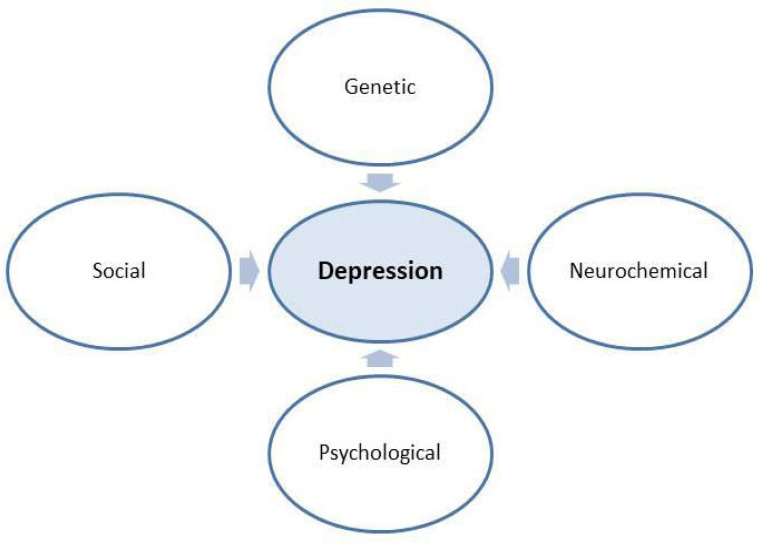
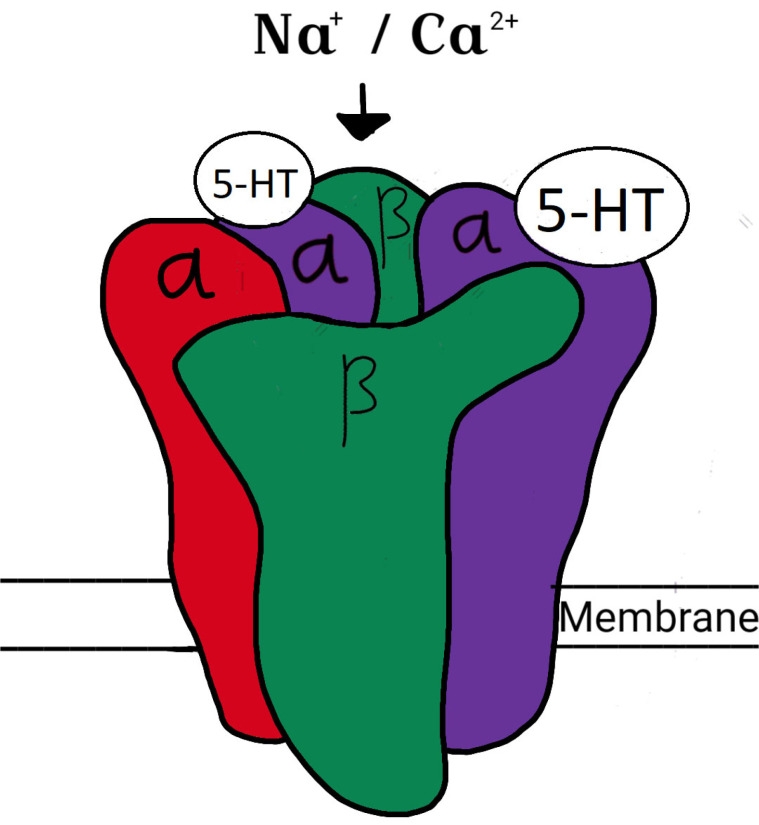
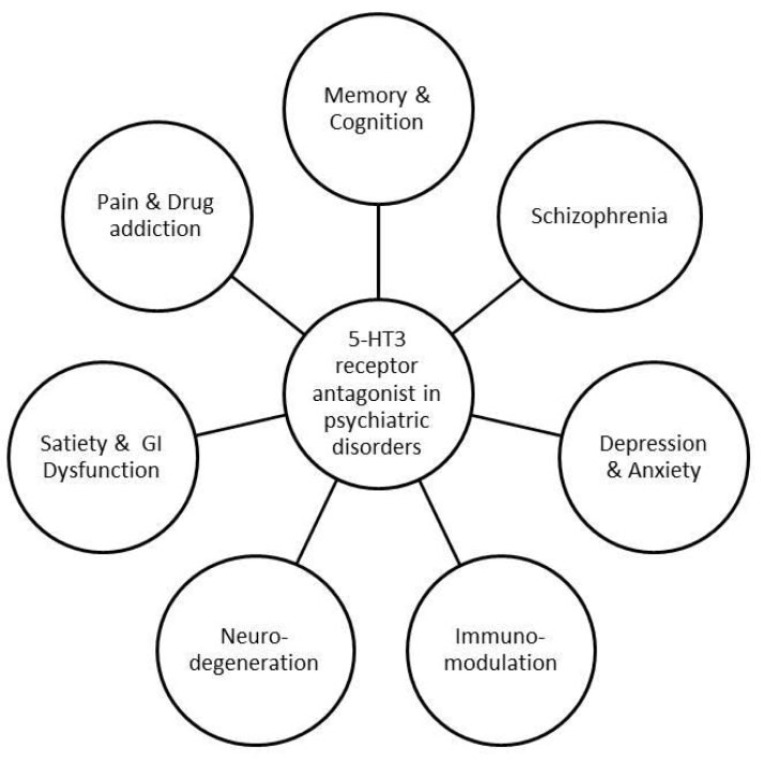
Background: Depression or Major depressive disorder (MDD) is a prolonged condition of sadness. MDD is the most common mental disorder that affects more than 264 million people worldwide. According to the monoamine hypothesis, serotonin (5-hydroxy tryptamine, 5-HT), dopamine (DA) and norepinephrine (NE) are the major neurotransmitters (NTs) involved in depression. Methods: The methodology adopted for writing this review article is essentially based on the secondary literature search through a systematic literature review. This review mainly focussed on the role of 5-HT 3 receptor antagonists (5-HT 3 RA) in depression and comorbid disorders like anxiety. Results: Out of three major NTs mentioned above, serotonin has a predominant role in the pathophysiology of depression. The serotonin type-3 receptors (5-HT 3 R) are well renowned to be expressed in the central nervous system (CNS) in regions which have significance in the vomiting reflex, perception of pain, the reward system, cognition, depression and anxiety control. 5-HT 3 R are the receptors of serotonergic family that belong to ligand-gated ion channel. 5-HT 3 RA inhibit the binding of serotonin to postsynaptic 5-HT 3 R and increases its availability to other receptors like 5- HT 1A, 1B and 1D as well as 5-HT 2 receptors and produces anti-depressant-like effect. 5-HT 3 RA also have an important role in mood and stress disorders. Some of the studies have shown the effectiveness of these agents in stress disorder. Conclusion: The present article focussed on the role of 5-HT 3 R and their antagonists in the treatment of depression and anxiety. Further studies are warranted to prove their efficacy with respect to other standard anti-depressants.
Overview
The claims and statistics of this paper haven’t been checked yet.
Free: it reads the open-access text and checks the first 5 claims that cite a source we can check. Create a free account to check every claim.
Integrity signals
Registry
Cites
Statistics
Figures
Verification
Claims the paper makes
The claims and statistics of this paper haven’t been checked yet.
Free: it reads the open-access text and checks the first 5 claims that cite a source we can check. Create a free account to check every claim.
Claims other papers make about this one
Each is checked against this paper’s own text: does it say what the citing paper says it does?
The source backs part of the claim, not all of it — or backs it for a different population, condition or comparison.
In the citing paper
“The traditional monoamine theory contends that in addition to common pathogenic factors, deficiencies in monoamine neurotransmitters, such as serotonin (5-HT), dopamine (DA) and norepinephrine (NE), are the root cause of clinical depression. 49”
From Major depressive disorder: hypothesis, mechanism, prevention and treatment (2024) · cites this paper as [49]
Experimental — accuracy not yet measured
Self-check
Percentages, sums and reported differences re-computed from the paper’s own numbers.
The self-check needs the paper’s full text.
Citations
Cites
Why is depression more prevalent in women?
Albert, P. R. (2015) · Journal of Psychiatry and Neuroscience · doi:10.1503/jpn.150205 · Cited by 1,785
Refined Structure of the Nicotinic Acetylcholine Receptor at 4Å Resolution
Unwin, N. (2005) · Journal of Molecular Biology · doi:10.1016/j.jmb.2004.12.031 · Cited by 1,659
Structure and gating mechanism of the acetylcholine receptor pore
Miyazawa, A., Fujiyoshi, Y., & Unwin, N. (2003) · Nature · doi:10.1038/nature01748 · Cited by 1,270
Maes, M., Galecki, P., Chang, Y. S., & Berk, M. (2011) · Progress in Neuro-Psychopharmacology and Biological Psychiatry · doi:10.1016/j.pnpbp.2010.05.004 · Cited by 1,140
Keller, J., Gomez, R., Williams, G., Lembke, A., Lazzeroni, L., Murphy, G. M., & Schatzberg, A. F. (2017) · Molecular Psychiatry · doi:10.1038/mp.2016.120 · Cited by 922 · cited 5×
“Various studies indicated that MDD demonstrates increased levels of various peripheral inflammatory biomarkers when compared with non-depressed individuals.”
BackgroundInfluentialNichols, D. E., & Nichols, C. D. (2008) · Chemical Reviews · doi:10.1021/cr078224o · Cited by 895
TWO KINDS OF TRYPTAMINE RECEPTOR
GADDUM, J. H., & PICARELLI, Z. P. (1957) · British Journal of Pharmacology and Chemotherapy · doi:10.1111/j.1476-5381.1957.tb00142.x · Cited by 847
Role of oxidative stress in depression
Bhatt, S., Nagappa, A. N., & Patil, C. R. (2020) · Drug Discovery Today · doi:10.1016/j.drudis.2020.05.001 · Cited by 821
Self-citationMolecular biology of 5-HT receptors
Hannon, J., & Hoyer, D. (2008) · Behavioural Brain Research · doi:10.1016/j.bbr.2008.03.020 · Cited by 815
Treatment-resistant depression: therapeutic trends, challenges, and future directions
Al-harbi (2012) · Patient Preference and Adherence · doi:10.2147/ppa.s29716 · Cited by 796
Research works printed but not linked: 2
- [2]Center for substance abuse treatment. Managing depressive symptoms in substance abuse clients during early recovery. 2008 https://www.ncbi.nlm.nih.gov/books/NBK64063/ 22514854
- [102]Preston G.C. 5-HT3 Antagonists and dosorders of cognition. Racagni, G.; Brunello, N.; Langer, S.Z.; editors. Recent Advances in the treatment of neurodegenerative diorders and cognitive dysfunction International Academy of Biomedical Drug Research Karger, Basel, Switzerland. 1994 7 89 93
Cited by
Major depressive disorder: hypothesis, mechanism, prevention and treatment
Cui, L., Li, S., Wang, S., Wu, X., Liu, Y., Yu, W., Wang, Y., Tang, Y., Xia, M., & Li, B. (2024) · Signal Transduction and Targeted Therapy · doi:10.1038/s41392-024-01738-y · Cited by 1,244
Latest updates on the serotonergic system in depression and anxiety
Lin, J., Liu, W., Guan, J., Cui, J., Shi, R., Wang, L., Chen, D., & Liu, Y. (2023) · Frontiers in Synaptic Neuroscience · doi:10.3389/fnsyn.2023.1124112 · Cited by 113
“Cerebral 5-HT3 receptors participate in depression, anxiety, reward, pain, and the vomiting reflex (Bhatt et al., 2021).”
BackgroundInfluentialPopova, N. K., Tsybko, A. S., & Naumenko, V. S. (2022) · International Journal of Molecular Sciences · doi:10.3390/ijms23158814 · Cited by 96
Ferulic acid: An extraordinarily neuroprotective phenolic acid with anti-depressive properties
Dong, X., & Huang, R. (2022) · Phytomedicine · doi:10.1016/j.phymed.2022.154355 · Cited by 68
Zhang, Y., Wang, N., Zhang, L., Zhuang, Y., Xin, Q., Gu, X., Jiang, C., & Wu, J. (2025) · MedComm · doi:10.1002/mco2.70383 · Cited by 59
Gut microbial metabolites: Shaping future diagnosis and treatment against gastrointestinal cancer
Gou, H., Zeng, R., Lau, H. C.-H., & Yu, J. Q. (2024) · Pharmacological Research · doi:10.1016/j.phrs.2024.107373 · Cited by 51
Correia, A. S., & Vale, N. (2024) · International Journal of Translational Medicine · doi:10.3390/ijtm4010010 · Cited by 58
Luo, M.-M., Hao, M., Li, X.-H., Liao, J., Wu, C.-M., & Wang, Q. (2024) · Frontiers in Public Health · doi:10.3389/fpubh.2024.1326582 · Cited by 40
Neuroendocrine pathogenesis of perimenopausal depression
Han, Y., Gu, S., Li, Y., Qian, X., Wang, F., & Huang, J. H. (2023) · Frontiers in Psychiatry · doi:10.3389/fpsyt.2023.1162501 · Cited by 44
“Bhatt (36) have shown that 5-HT3 receptor antagonists are effective in treating the comorbidity of depression and anxiety, and can reduce the symptoms of depression and anxiety in rodent models.”
BackgroundKukucka, T., Ferencová, N., Višňovcová, Z., Ondrejka, I., Hrtánek, I., Kovacova, V., Macejova, A., Mlyncekova, Z., & Tonhajzerová, I. (2024) · International Journal of Molecular Sciences · doi:10.3390/ijms25084511 · Cited by 34
“Blockade of 5-HT 3 receptors antagonizes the anorexigenic effect of methamphetamine [90,91].”
BackgroundAntidepressant effect of licorice total flavonoids and liquiritin: A review
Wang, R., Chen, Y., Wang, Z., Cao, B., Du, J., Deng, T., Yang, M., & Han, J. (2023) · Heliyon · doi:10.1016/j.heliyon.2023.e22251 · Cited by 35
“5-HT is an essential neurotransmitter in many physiological processes such as platelet aggregation, pain, sleep, appetite, muscle contraction, emotions, obsessions, and compulsions [67].”
BackgroundNew insights into anti-depression effects of bioactive phytochemicals
Zhao, R., Wang, J., Chung, S. K., & Xu, B. (2024) · Pharmacological Research · doi:10.1016/j.phrs.2024.107566 · Cited by 32
Targeting 5-HT Is a Potential Therapeutic Strategy for Neurodegenerative Diseases
Xing, C., Chen, H., Bi, W., Lei, T., Hang, Z., & Du, H. (2024) · International Journal of Molecular Sciences · doi:10.3390/ijms252413446 · Cited by 27
Zhao, F.-Y., Fu, Q.-Q., Kennedy, G. A., Conduit, R., Zhang, W., & Zheng, Z. (2021) · Frontiers in Psychiatry · doi:10.3389/fpsyt.2021.666988 · Cited by 25
Nebrisi, E. E., Lozon, Y., & Öz, M. (2025) · International Journal of Molecular Sciences · doi:10.3390/ijms26073210 · Cited by 24
“Both influence emesis, cognition, and reward pathways [140].”
Beyond the hype: a comprehensive exploration of CBD’s biological impacts and mechanisms of action
Swenson, K. S. (2025) · Journal of Cannabis Research · doi:10.1186/s42238-025-00274-y · Cited by 24
Pharmacology, medical uses, and clinical translational challenges of Saikosaponin A: A review
Sun, X., Chai, Y.-H., Bai, X.-T., Li, H.-X., & Xi, Y.-M. (2024) · Heliyon · doi:10.1016/j.heliyon.2024.e40427 · Cited by 22
Fang, Y., Yang, R., Song, R., Gu, Y., Lu, X., Chen, Z., Hu, W., Cao, Z., Sun, M., Wang, H., et al. (2025) · International Immunopharmacology · doi:10.1016/j.intimp.2025.115060 · Cited by 18
Batista, F. L. A., de Araújo, S. M. B., de Sousa, D. B., Sobrinho, F. B. C., Silva, M. G. D. L., de Oliveira, M. R. C., da Costa, R. H. S., Rodrigues, L. B., Bezerra, F. S., de Azevedo, D. V., et al. (2024) · Neurochemistry International · doi:10.1016/j.neuint.2024.105796 · Cited by 18
Li, J., Zheng, S., Dong, Y., Xu, H., Zhu, Y., Weng, J., Sun, D., Wang, S., Xiao, L., & Jiang, Y. (2022) · Biological Psychiatry · doi:10.1016/j.biopsych.2022.08.021 · Cited by 20
“Blockade of 5-HT3 receptor activity is considered a potential therapeutic approach in treating anxiety and depression (48).”
The Cerebellum’s Role in Affective Disorders: The Onset of Its Social Dimension
Stanca, S., Rossetti, M., & Bongioanni, P. (2023) · Metabolites · doi:10.3390/metabo13111113 · Cited by 16
“Serotonin, discharged from the raphe nucleus (RN) [5,10], has surely the leading position in the etiopathogenesis of MDD and BD [14–16].”
BackgroundAkotkar, L., Aswar, U. M., Ganeshpurkar, A., Rathod, K., Bagad, P., & Gurav, S. S. (2024) · ACS Pharmacology & Translational Science · doi:10.1021/acsptsci.4c00084 · Cited by 18
Pathogenesis and therapeutic strategies for cancer-related depression
Liu, M. (2024) · American Journal of Cancer Research · doi:10.62347/wvvg5364 · Cited by 16
Monoamine neurotransmitters and mood swings: a dynamical systems approach
Loula, R., & Monteiro, L. H. A. (2022) · Mathematical Biosciences & Engineering · doi:10.3934/mbe.2022187 · Cited by 15
“Serotonin has a predominant role in mood fluctuations in depressed patients [32].”
BackgroundLi, Y.-M., Shen, C., & Jiang, J. (2024) · Journal of Ethnopharmacology · doi:10.1016/j.jep.2024.118049 · Cited by 15
Tang, C. L., Gao, J., Li, S., Cheng, Y.-F., Peng, Y.-Y., Ding, Y., Yang, H., Ma, X.-M., Wang, H., Long, Z., et al. (2025) · Free Radical Biology and Medicine · doi:10.1016/j.freeradbiomed.2025.02.034 · Cited by 16
Structure of tetrameric forms of the serotonin-gated 5-HT3A receptor ion channel
Introini, B., Cui, W., Chu, X., Zhang, Y., Alves, A. C., Eckhardt-Strelau, L., Golusik, S., Tol, M. B., Vogel, H., Yuan, S., et al. (2024) · The EMBO Journal · doi:10.1038/s44318-024-00191-5 · Cited by 13
“Competitive antagonists of 5-HT3R were proposed to increase the presence of free 5-HT, thereby enabling its binding to other serotonin receptors (Bhatt et al, 2021).”
The effects of Vilazodone, YL-0919 and Vortioxetine in hemiparkinsonian rats
Smith, S., Sergio, J., Coyle, M., Elder, K. K., Centner, A., Cohen, S. R., Terry, M. L., Lipari, N., Glinski, J., Wheelis, E., et al. (2022) · Psychopharmacology · doi:10.1007/s00213-022-06078-9 · Cited by 13
Lei, C., Chen, H., & Chen, K. (2023) · Journal of Integrative Neuroscience · doi:10.31083/j.jin2202040 · Cited by 12
Effects of Current Psychotropic Drugs on Inflammation and Immune System
Bhatt, S., Dhar, A. K., Samanta, M. K., & Suttee, A. (2023) · Advances in experimental medicine and biology · doi:10.1007/978-981-19-7376-5_18 · Cited by 13
Self-citationLiang, H., Chen, S., Wang, Y., Zheng, X.-T., Liu, Y., Guo, Z., Zhang, C., Zhuang, H.-L., Cheng, S.-J., & Gu, X. (2024) · Chinese Journal of Integrative Medicine · doi:10.1007/s11655-024-3802-9 · Cited by 13
Pokushalov, E., Ponomarenko, A., Garcia, C., Kasimova, L., Pak, I., Shrainer, E., Romanova, A., Kudlay, D. A., Johnson, M., & Miller, R. (2025) · European Journal of Nutrition · doi:10.1007/s00394-025-03588-y · Cited by 12
“Black Cohosh, by contrast, operates through non-estrogenic pathways, potentially modulating neurotransmitter systems like serotonin and norepinephrine, which are critical in alleviating psychological symptoms such as anxiety and depression [43–45].”
Li, Y., Lu, Y., Lin, X., & Zhao, L. (2026) · Annals of Medicine · doi:10.1080/07853890.2025.2611191 · Cited by 12
Wang, Z., Zou, Z., Xiao, J. F., Wang, P., Luo, Y., Min, W., He, Y., Yuan, C., Su, Y., Yang, C., et al. (2022) · Neuroscience & Biobehavioral Reviews · doi:10.1016/j.neubiorev.2022.104929 · Cited by 12
Akotkar, L., Aswar, U. M., Ganeshpurkar, A., Raj, R., & Pawar, A. (2023) · Neurochemical Research · doi:10.1007/s11064-023-03992-y · Cited by 12
“Inhibiting the 5-HT3 receptor may increase the amount of 5-HT available for the 5-HT1 and 5-HT2 receptors, which could contribute for reducing depression, anxiety, and pain, however more research in this area is warranted [113, 114].”
Sun, L., Wu, L., Xu, Z., Zeng, W., & Wang, Y. (2025) · Psychiatry Research · doi:10.1016/j.psychres.2025.116714 · Cited by 12
Wang, G., Aguado, M., Spear, M. A., Alphs, L. D., Chen, C., Huang, H., Lu, X., Doostzadeh, J., Wu, S., Wang, S., et al. (2025) · JAMA Psychiatry · doi:10.1001/jamapsychiatry.2025.2416 · Cited by 11
Construction of antibiotic-induced depression mice model and the function of intestinal microbiota
Deng, H., Yu, Y., Sha, Q., Sun, W., Liang, L., Ren, F., Ji, H., Shen, X., & Fan, X. (2023) · Frontiers in Microbiology · doi:10.3389/fmicb.2023.1093486 · Cited by 11
Akotkar, L., Aswar, U. M., Patil, R., Kumar, D., Aswar, M. K., Pandey, J., & Gurav, S. S. (2023) · Future Pharmacology · doi:10.3390/futurepharmacol3020025 · Cited by 13
Atypical antidepressant mirtazapine inhibits 5-hydroxytryptamine3 receptor currents in NCB-20 cells
Park, Y. S., Oh, H., & Sung, K.-W. (2022) · Journal of Pharmacological Sciences · doi:10.1016/j.jphs.2022.12.002 · Cited by 10
Role of 5-hydroxytryptamine type 3 receptors in the regulation of anxiety reactions
Du, Y., Li, Z., Zhao, Y., Han, J., Hu, W., & Liu, Z. (2024) · Journal of Zhejiang University SCIENCE B · doi:10.1631/jzus.b2200642 · Cited by 10
Rech, T. D. S. T., Ribeiro, E. H., Castro, E. T., Alves, A. G., Strelow, D. N., Neto, J. S. S., Braga, A. L., Brüning, C. A., & Bortolatto, C. F. (2023) · ACS Chemical Neuroscience · doi:10.1021/acschemneuro.2c00816 · Cited by 10
Phylogenetic analyses of 5-hydroxytryptamine 3 (5-HT3) receptors in Metazoa
Rao, S. T. R. B., Turek, I., & Irving, H. R. (2023) · PLoS ONE · doi:10.1371/journal.pone.0281507 · Cited by 9
Pathogenesis of HIV-associated depression: contributing factors and underlying mechanisms
Zaongo, S. D., Wu, W., & Chen, Y. (2025) · Frontiers in Psychiatry · doi:10.3389/fpsyt.2025.1557816 · Cited by 5
Current drug targets for the treatment of depression
Pathak, G., Nigade, A., Anitha, K., & Bhatt, S. (2025) · Brain Disorders · doi:10.1016/j.dscb.2025.100270 · Cited by 9
Self-citationJang, K., Kim, S., Lee, C., & Chae, J. (2022) · Journal of International Medical Research · doi:10.1177/03000605221109789 · Cited by 9
Future Directions in Anxiolytic Therapy: A Comprehensive Review of Novel Targets and Strategies
Mahima, M., Mazumder, A., & Pentela, B. (2025) · Current Neurovascular Research · doi:10.2174/0115672026394052250808075022 · Cited by 8
Chen, S.-H., Lan, B., Zhang, Y., Li, G.-H., Qian, Y.-L., Hu, M., Tian, Y., Zang, W.-D., Cao, J., Wang, G., et al. (2025) · World Journal of Psychiatry · doi:10.5498/wjp.v15.i2.101807 · Cited by 7
Liu, Y., Zhang, G., Li, J., Lv, Y., & Qi, R. (2025) · Neuropsychiatric Disease and Treatment · doi:10.2147/ndt.s507265 · Cited by 7
Park, Y., Kim, G. M., Sung, H. J., Yu, J. Y., & Sung, K.-W. (2024) · Korean Journal of Physiology and Pharmacology · doi:10.4196/kjpp.24.340 · Cited by 6
A synopsis of multitarget therapeutic effects of anesthetics on depression
Wu, G., & Xu, H. (2023) · European Journal of Pharmacology · doi:10.1016/j.ejphar.2023.176032 · Cited by 7
Asle‐Rousta, M., & Peirovy, Y. (2024) · Neurochemical Research · doi:10.1007/s11064-024-04271-0 · Cited by 7
“Considering the undeniable role of this receptor in the development of schizophrenia, irritable bowel syndrome, cognitive dysfunction, and substance abuse and dysfunction [ 64 ], the antagonistic effect of thymol on this receptor is remarkable.”
Kim, I. J., Choi, G. J., Hwang, H. J., & Kang, H. (2024) · Journal of Personalized Medicine · doi:10.3390/jpm14080797 · Cited by 5
Peripartum Depression Pharmacotherapies Targeting GABA–Glutamate Neurotransmission
Courtes, A. C., Smitherman, L., Shahani, L., Soares, J. C., Goetzl, L. M., & Machado‐Vieira, R. (2025) · Journal of Clinical Medicine · doi:10.3390/jcm14176177 · Cited by 5
“The commonly known monoamine theory for MDD relies on deficiencies in monoamine neurotransmitters, such as serotonin (5-HT), dopamine (DA), and norepinephrine (NE) and synaptic gaps as the root cause of clinical depression [26].”
Tang, X., Wu, J., Hu, Z., Tang, M., Chen, F., Yao, Y., Chen, G., Xiong, X., Zhou, B., Gao, Y., et al. (2025) · The Innovation Life · doi:10.59717/j.xinn-life.2026.100177 · Cited by 6
Avilés-Montes, D., Salinas-Sánchez, D. O., Sotelo-Leyva, C., Zamilpa, A., Batalla-Martinez, F. I., Abarca-Vargas, R., Rivas-González, J. M., Dorado, Ó., Figueroa‐Brito, R., Petricevich, V. L., et al. (2023) · Scientia Pharmaceutica · doi:10.3390/scipharm91040047 · Cited by 5
Aydın, İ. H., & El‐Mallakh, R. S. (2024) · Bipolar Disorders · doi:10.1111/bdi.13494 · Cited by 5
He, X., Lai, Z., Wang, X., Li, J., Duan, G., Wang, J., Qin, Z., Xu, S., & Huang, Y. (2024) · Neural Regeneration Research · doi:10.4103/nrr.nrr-d-24-00463 · Cited by 5
Chibaatar, E., Fujii, R., Ikenouchi, A., Okamoto, N., Natsuyama, T., Hayasaki, G., Shinkai, T., & Yoshimura, R. (2024) · International Journal of Molecular Sciences · doi:10.3390/ijms252413663 · Cited by 5
“Pathologically, it is characterized by a range of structural and functional alterations in the brain, including neurotransmitter imbalances [3,4], neuroendocrine dysregulation [5,6], neuroinflammation [7,8], and oxidative stress [9,10].”
Sun, J., Gao, D., Zhang, J., Liu, H., Zhou, Y., Ma, C., Zhang, X., Liu, S., Zhao, J., Hao, C., et al. (2026) · Frontiers in Psychiatry · doi:10.3389/fpsyt.2026.1788611 · Cited by 4
“Among them, the serotonin system, a core pathway in mood regulation, is closely associated with depressive pathology when dysfunctional (72).”
Management of depression utilizing Traditional Chinese Medicine
Ma, R., Ma, J., & Zhang, H. (2026) · Frontiers in Pharmacology · doi:10.3389/fphar.2026.1763214 · Cited by 7
Tang, Y., Huang, Y., Pan, J., Li, C., Yang, J., Tan, X., 胡康安, Wen, L., Xie, P., Liu, Y., et al. (2026) · Molecular Psychiatry · doi:10.1038/s41380-026-03593-5 · Cited by 4
Babaker, M. A., Alazabi, N. I., Haredy, S. A., Algohary, A. M., Anwar, M. M., Yousef, E. M., & Ahmed-Farid, O. A.-H. (2025) · Drug and Chemical Toxicology · doi:10.1080/01480545.2025.2458618 · Cited by 5
“…regulation suggest that peripheral systems, such as the microbiome, may also play a vital key role in MDD pathophysiology (M. M. anwar et al., 2024; Bhatt et al., 2021; Gupta et al., 2014, 2016). serotonin syndrome (ss) is currently considered a very devastating life-threatening condition…”
Fang, Y., Huang, Y., Li, Q., Luo, Y., Xu, Q., Yang, T., Lü, X., Chen, X., Zhao, T., Huang, A., et al. (2024) · Journal of Ethnopharmacology · doi:10.1016/j.jep.2024.118765 · Cited by 4
Increased Serum S100β Concentration is Associated with Depression in Parkinson’s Disease
Jiang, G., Sheng, C., Yan, L., Wang, Z., Wang, Q., Chen, R., & Zhao, Y. (2023) · Neuropsychiatric Disease and Treatment · doi:10.2147/ndt.s423312 · Cited by 5
Wang, T., Liu, Z., He, M., Wu, Y., Zuo, Z., Li, H., Zhao, Z., Lv, L., Dai, X., Zhang, C., et al. (2025) · Sexual Medicine · doi:10.1093/sexmed/qfaf074 · Cited by 3
Jin, X., Kang, C., Lu, Y., Yang, Y., Zhou, F. L., Gao, T., Liu, X., & Yan, Y. (2025) · Frontiers in Psychiatry · doi:10.3389/fpsyt.2025.1498773 · Cited by 4
Tantawy, N., Elsalhy, S., Alsofany, J. M., Saleh, A. M., Alshehri, S., Alqarni, S. S., El-Sayed, E. K., Ahmed, A. A., & Naggar, E. E. E. (2026) · European Journal of Pharmaceutics and Biopharmaceutics · doi:10.1016/j.ejpb.2026.115071 · Cited by 3
Molecular Mechanisms of Nicergoline from Ergot Fungus in Blocking Human 5-HT3A Receptor
Pyeon, M., Moon, M., Yun, J., Yang, J., Yeom, H. D., Lee, G., & Lee, J. H. (2024) · Journal of Microbiology and Biotechnology · doi:10.4014/jmb.2411.11020 · Cited by 3
A Review of Gap Junction Protein and its Potential Role in Nervous System-Related Disease
Xiang, Q., Liu, X., Chen, J., Yang, L., Liu, L.-N., Deng, J., Tao, J., & Li, X.-H. (2023) · Protein and Peptide Letters · doi:10.2174/0109298665269246231023104904 · Cited by 3
Xiong, S., Tu, M., Wu, X., Qu, S., Chen, N., Jin, J., Rong, H., Pei, S., Fang, J., & Shao, X. (2023) · Neuropsychiatric Disease and Treatment · doi:10.2147/ndt.s435617 · Cited by 3
Exploring the potential of drug repurposing for treating depression
Verma, C., Jain, K., Saini, A., Mani, I., & Singh, V. (2024) · Progress in molecular biology and translational science · doi:10.1016/bs.pmbts.2024.03.037 · Cited by 3
Min, G., Zhang, Y., Zhu, G., Gao, W., Kang, Y., Yu, K., & Yue, J. (2025) · Psychopharmacology · doi:10.1007/s00213-025-06825-8 · Cited by 3
Chen, M., Yang, C., Chen, Y., Nie, K., Wang, T., & Qu, Y. (2024) · Frontiers in Neurology · doi:10.3389/fneur.2024.1429506 · Cited by 3
“Dysregulation of neurotransmitters is also one of the mechanisms underlying depression, and studies have shown that nVNS can regulate the levels of neurotransmitters such as 5-HT, NE, DA, and glutamate to improve depressive symptoms (24, 25).”
BackgroundHu, Y.-W., Liu, J., Qiu, Z.-H., Li, X.-Y., Li, J., Chen, L., Wang, T., Wang, X.-F., Feng, Z.-J., Bai, W.-T., et al. (2025) · Behavioural Brain Research · doi:10.1016/j.bbr.2025.115553 · Cited by 3
Prostaglandin F2α exacerbates ovalbumin-induced chronic pneumonia and attenuates depression in mice
Maehara, T., FUJIMURA, A., SEGAWA, R., INOUE, S., & Satoh, H. (2025) · Journal of Veterinary Medical Science · doi:10.1292/jvms.25-0196 · Cited by 2
Wang, J., Ma, W., Wu, W., Fu, Y., & Li, H. (2025) · Animal Models and Experimental Medicine · doi:10.1002/ame2.70068 · Cited by 2
Sowndharya, S., & Rajan, K. E. (2026) · Epigenetics & Chromatin · doi:10.1186/s13072-025-00653-y · Cited by 2
Harun, Z. H., Ng, M. H., Haflah, N. H. M., Htwe, O., Lokanathan, Y., Law, Z. K., Naicker, A. S., Thow, S. Y., & Abdullah, S. (2026) · International Journal of Molecular Sciences · doi:10.3390/ijms27052397 · Cited by 2
“It has been reported in several studies that blocking this receptor via its antagonist reduces oxidative stress in the brain [75].”
Ren, Y., Yan, G., Gao, J., Chu, W., Yang, X., Xie, J., Hui, P., Su, X., Ma, W., Hou, Y., et al. (2026) · Chinese Herbal Medicines · doi:10.1016/j.chmed.2026.03.005 · Cited by 2
Borges, A. D. S., Barbosa, I. M., Maciel, J. B., da Fonseca, A. M., Guedes, J. M., de Menezes, J. E. S. A., Delmondes, G. D. A., Kerntopf, M. R., dos Santos, H. S., & Teixeira, A. M. R. (2026) · Chemistry & Biodiversity · doi:10.1002/cbdv.71534 · Cited by 2
Etiopathogenesis of depression and experimental depression models used in preclinical studies
Kandemir, Ü. (2023) · European Journal of Life Sciences · doi:10.55971/ejls.1327521 · Cited by 5
“Various antidepressant medications used in the clinic today are known to target serotonin receptors [14].”
Pharmacological Mechanism of Herbal Interventions for Bipolar Disorder
Singh, A., Sarwat, M., & Gupta, S. (2024) · Current Pharmaceutical Design · doi:10.2174/0113816128312442240519184440 · Cited by 2
Mayasa, V., Rebecca, R., Patil, A. S., Gandla, K., Nelson, V. K., & Repudi, L. (2024) · Research Journal of Pharmacy and Technology · doi:10.52711/0974-360x.2024.00404 · Cited by 3
Management of post-traumatic stress disorder: a review of anxiety disorders and PTSD
Skosana, P., Mokhele, S., Andrew, J., Zikalala-Mabope, L., Lentsoane, P., & Abraham, V. (2024) · SA pharmaceutical journal. · doi:10.36303/sapj.0746 · Cited by 2
Liu, Y.-A., Hsu, H.-J., Pan, H., Sun, C., Chen, Y.-T., Lee, C., Su, F.-C., Wei, Y., Hsu, C.-K., & Chen, C. (2025) · Current Research in Toxicology · doi:10.1016/j.crtox.2025.100225 · Cited by 2
“Traditionally, MDD was primarily thought to arise from neurotransmitter imbalances, particularly involving serotonin, norepinephrine, and dopamine (Bhatt et al., 2021).”
Khadanga, M., Kar, N. R., Sahoo, N., & Tripathy, B. (2024) · Digital Chinese Medicine · doi:10.1016/j.dcmed.2025.01.002 · Cited by 2
Tian, M., Yi, S., Zhao, L., Li, L., Fang, L., & Ru, Q. (2025) · Pharmacological Research - Reports · doi:10.1016/j.prerep.2025.100035 · Cited by 1
Kızılkaya, G., & Özkan, M. (2025) · Bariatric Surgical Practice and Patient Care · doi:10.1177/2168023x251366330 · Cited by 1
Xie, L., Zhang, X., Xue, F., Gao, Y., Guo, J., Zhu, H., & Liu, X. (2026) · Molecular Nutrition & Food Research · doi:10.1002/mnfr.70327 · Cited by 1
“Abnormalities in 5-HT and GABA metabolism were demonstrated to be associated with the pathophysiology of depression, and were commonly used to examine peripheral biomarkers of depression [36, 37].”
The role of 5-HT3 receptors in schizophrenia and associated depressive and addictive comorbidities
Jůza, R., Więckowska, A., Vojtěchová, I., Kuča, K., Soukup, O., Korábečný, J., & Petrásek, T. (2026) · Progress in Neuro-Psychopharmacology and Biological Psychiatry · doi:10.1016/j.pnpbp.2026.111663 · Cited by 1
Hrangkhol, L. B., & Bawari, M. (2026) · Oriental Pharmacy and Experimental Medicine · doi:10.1007/s13596-026-00896-4 · Cited by 1
“Fluoxetine, a standard antidepres - sant, acts by modulating serotonin pathways (Andersen et al. 2014; Bhatt et al. 2021 ).”
Ni, S., Guan, L., Jin, Y., Liu, L., Zhu, S., Zhao, W., & Kumar, P. V. (2026) · The EPMA Journal · doi:10.1007/s13167-026-00450-x · Cited by 1
Shao, X., Huangfu, M., Wang, N., Zhang, Q., Zhao, M., Xie, W., Zhang, C., & Ma, T. (2026) · Frontiers in Pharmacology · doi:10.3389/fphar.2026.1735895 · Cited by 1
Akotkar, L., & Aswar, U. M. (2026) · ACS Pharmacology & Translational Science · doi:10.1021/acsptsci.6c00057 · Cited by 1
Kumar, S., Singh, G. K., Singh, G., Shankar, G., Gautam, R. K., Mishra, S. K., Putta, A., Ram, R., Singh, B., & Modi, G. (2026) · Bioorganic Chemistry · doi:10.1016/j.bioorg.2026.110047 · Cited by 1
Lima, L. S., de Oliveira, M. R. C., do Nascimento, G. A., da Silva, J. G. L., de Sousa, D. B., Coelho, P. A. T., de Sousa, J. A., de Oliveira, K. A., Batista, F. L. A., Ishiki, H. M., et al. (2026) · IBRO Neuroscience Reports · doi:10.1016/j.ibneur.2026.07.003 · Cited by 1
“In addition, 5-HT 2A/2C and 5-HT 3 receptors modulate glutamatergic and GABAergic neurotransmission, influencing neural circuits related to mood and anxiety regulation (Bhatt et al., 2020; Popova, Tsybko & Naumenko, 2022; Shi et al., 2024).”
Hu, H., Lu, J., Du, X., Ge, P., Fu, M., Pan, T., Yuan, L., Zhang, Y., Wu, Y., & Tong, J. (2026) · Biochemical and Biophysical Research Communications · doi:10.1016/j.bbrc.2026.154348 · Cited by 1
EFFECT OF VORTIOXETINE ON THE QUALITY OF LIFE IN PATIENTS WITH SCHIZOPHRENIA
Greš, A., Šagud, M., & Dickov, A. (2024) · Psychiatria Danubina · doi:10.24869/psyd.2024.47 · Cited by 1
Research Progress of Depression Prevention and Treatment with Chinese Medicine
朱, 晗. (2023) · Advances in Clinical Medicine · doi:10.12677/acm.2023.134975
Metadata
- Authors
- Bhatt, S., Devadoss, T., Manjula, S. N., & Rajangam, J.
- Affiliations
- Amity University Madhya Pradesh (IN)
- Department of Pharmaceutical Chemistry, K. V. S. R. Siddhartha College of Pharmaceutical Sciences, Siddhartha Nagar, Vijayawada, Andhra Pradesh-520010,India
- JSS Academy of Higher Education and Research (IN)
- Department of Pharmacology, Sree Vidyanikethan College of Pharmacy – Tirupati-517 501, Andhra Pradesh,India
- Corresponding author
- Bhatt, Shvetank
- Venue
- Current Neuropharmacology
- Publisher
- Bentham Science Publishers Ltd.
- Published
- 2021-09
- Volume
- 19
- Issue
- 9
- Pages
- 1545-1559
- ISSN
- 1570-159X (ISSN-L)
- PMC
- PMC8762176
- OpenAlex
- W3093393128
- Semantic Scholar
- 652329edf45f7d1e1715c0efdd1dd3d36c0b5d6f
- Cited by
- 119
- References
- 120
- Citations by year
- 2026: 36 · 2025: 27 · 2024: 30 · 2023: 18 · 2022: 7 · 2021: 1
- FWCI
- 3.90
- Type
- journal article
- Language
- en
- Open access
- green
- www.ncbi.nlm.nih.gov
- Licence
- cc-by-nc
- Locations
- Current Neuropharmacology (publishedVersion)
- PubMed Central (publishedVersion, cc-by-nc)
- PubMed (publishedVersion)
- Topics
- Health Sciences › Medicine › Pharmacology (medical) › Treatment of Major Depression
- Life Sciences › Neuroscience › Cellular and Molecular Neuroscience › Neurotransmitter Receptor Influence on Behavior
- Life Sciences › Neuroscience › Cellular and Molecular Neuroscience › Neuroscience and Neuropharmacology Research
- Keywords
- 5-HT3 receptor antagonists, depression, major depressive disorder, anxiety, serotonin, monoamine hypothesis, ligand-gated ion channels, antidepressant efficacy, stress disorders, comorbidities
- MeSH terms
- Anxiety Disorders, Depression, Major Depressive Disorder, Depressive Disorder, Major, Humans, Serotonin, Receptors, Serotonin, 5-HT3, Serotonin 5-HT3 Receptor Antagonists
About these checks
Registry, retraction, Cites and statistics results are computed, not judged, with one exception: a printed reference that no index lists is read once by a model before it counts as a citation error. Claims are extracted by a model and kept only when their quote appears verbatim in the text; each cited source is then checked, with a model’s help, for whether it says what the claim relies on. Those verdicts can be wrong — read the claim’s quote and the cited source before relying on one.
Statistics and arithmetic are recomputed, not judged.
Confidence bands are shown only for fields calibrated on our annotated test set. None is calibrated yet, so no band is shown.
What counts as a claim ›How we measure confidence ›How we check this ›
Are you an author, or do you see a problem with this page? Request a review
Data sources
Bibliographic data: Semantic Scholar, OpenAlex, Crossref.
Contains information from the Semantic Scholar Academic Graph Datasets, made available under the ODC Attribution License (ODC-BY 1.0).
Semantic Scholar’s data is described in: Kinney, R., et al. (2023). The Semantic Scholar Open Data Platform. arXiv:2301.10140.
