

5-HT3 Receptor Antagonism: A Potential Therapeutic Approach for the Treatment of Depression and other Disorders
Open accessThe DOI matches its Crossref record; 123 of the 123 references it cites were found in a registry or an index.
Abstract
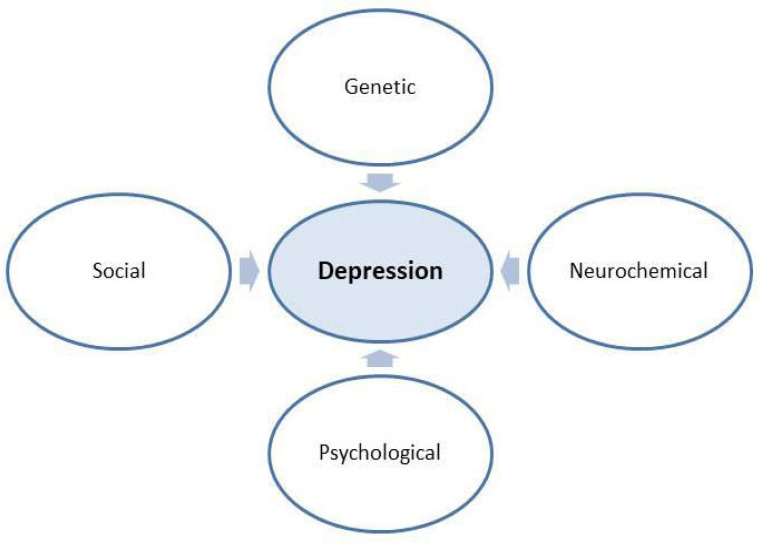
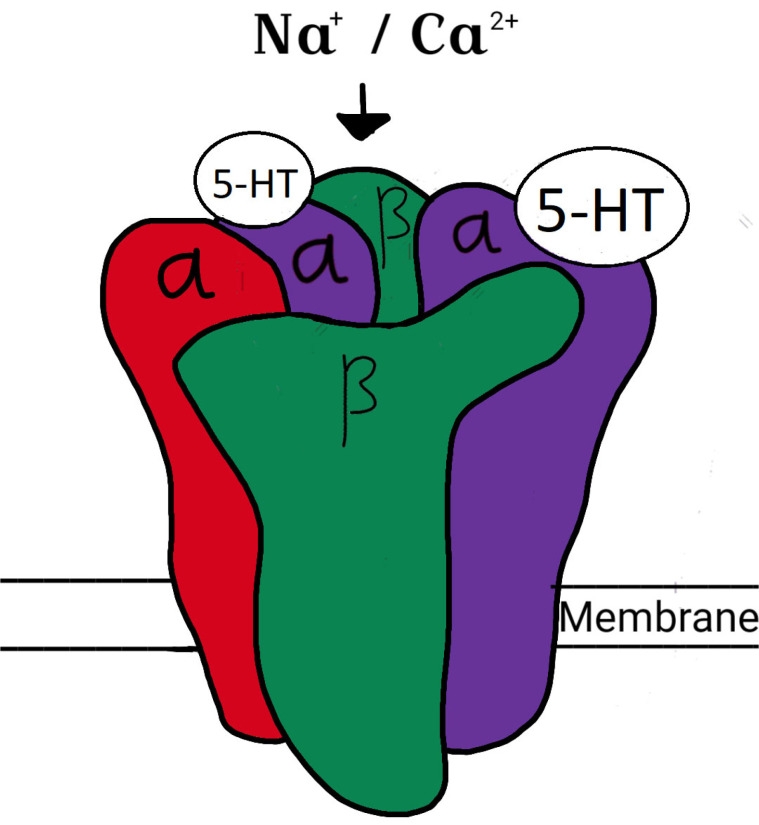
Background: Depression or Major depressive disorder (MDD) is a prolonged condition of sadness. MDD is the most common mental disorder that affects more than 264 million people worldwide. According to the monoamine hypothesis, serotonin (5-hydroxy tryptamine, 5-HT), dopamine (DA) and norepinephrine (NE) are the major neurotransmitters (NTs) involved in depression. Methods: The methodology adopted for writing this review article is essentially based on the secondary literature search through a systematic literature review. This review mainly focussed on the role of 5-HT 3 receptor antagonists (5-HT 3 RA) in depression and comorbid disorders like anxiety. Results: Out of three major NTs mentioned above, serotonin has a predominant role in the pathophysiology of depression. The serotonin type-3 receptors (5-HT 3 R) are well renowned to be expressed in the central nervous system (CNS) in regions which have significance in the vomiting reflex, perception of pain, the reward system, cognition, depression and anxiety control. 5-HT 3 R are the receptors of serotonergic family that belong to ligand-gated ion channel. 5-HT 3 RA inhibit the binding of serotonin to postsynaptic 5-HT 3 R and increases its availability to other receptors like 5- HT 1A, 1B and 1D as well as 5-HT 2 receptors and produces anti-depressant-like effect. 5-HT 3 RA also have an important role in mood and stress disorders. Some of the studies have shown the effectiveness of these agents in stress disorder. Conclusion: The present article focussed on the role of 5-HT 3 R and their antagonists in the treatment of depression and anxiety. Further studies are warranted to prove their efficacy with respect to other standard anti-depressants.
Overview
The claims and statistics of this paper haven’t been checked yet.
Free: it reads the open-access text and checks the first 5 claims that cite a source we can check. Create a free account to check every claim.
Integrity signals
Registry
Cites
Statistics
Figures
Verification
Claims the paper makes
The claims and statistics of this paper haven’t been checked yet.
Free: it reads the open-access text and checks the first 5 claims that cite a source we can check. Create a free account to check every claim.
Claims other papers make about this one
Each is checked against this paper’s own text: does it say what the citing paper says it does?
The source backs part of the claim, not all of it — or backs it for a different population, condition or comparison.
In the citing paper
“The traditional monoamine theory contends that in addition to common pathogenic factors, deficiencies in monoamine neurotransmitters, such as serotonin (5-HT), dopamine (DA) and norepinephrine (NE), are the root cause of clinical depression. 49”
From Major depressive disorder: hypothesis, mechanism, prevention and treatment (2024) · cites this paper as [49]
Experimental — accuracy not yet measured
Self-check
Percentages, sums and reported differences re-computed from the paper’s own numbers.
The self-check needs the paper’s full text.
Citations
Cites
Why is depression more prevalent in women?
Albert, P. R. (2015) · Journal of Psychiatry and Neuroscience · doi:10.1503/jpn.150205 · Cited by 1,785
Refined Structure of the Nicotinic Acetylcholine Receptor at 4Å Resolution
Unwin, N. (2005) · Journal of Molecular Biology · doi:10.1016/j.jmb.2004.12.031 · Cited by 1,659
Structure and gating mechanism of the acetylcholine receptor pore
Miyazawa, A., Fujiyoshi, Y., & Unwin, N. (2003) · Nature · doi:10.1038/nature01748 · Cited by 1,270
Maes, M., Galecki, P., Chang, Y. S., & Berk, M. (2011) · Progress in Neuro-Psychopharmacology and Biological Psychiatry · doi:10.1016/j.pnpbp.2010.05.004 · Cited by 1,140
Keller, J., Gomez, R., Williams, G., Lembke, A., Lazzeroni, L., Murphy, G. M., & Schatzberg, A. F. (2017) · Molecular Psychiatry · doi:10.1038/mp.2016.120 · Cited by 922 · cited 5×
“Various studies indicated that MDD demonstrates increased levels of various peripheral inflammatory biomarkers when compared with non-depressed individuals.”
BackgroundInfluentialNichols, D. E., & Nichols, C. D. (2008) · Chemical Reviews · doi:10.1021/cr078224o · Cited by 895
TWO KINDS OF TRYPTAMINE RECEPTOR
GADDUM, J. H., & PICARELLI, Z. P. (1957) · British Journal of Pharmacology and Chemotherapy · doi:10.1111/j.1476-5381.1957.tb00142.x · Cited by 847
Role of oxidative stress in depression
Bhatt, S., Nagappa, A. N., & Patil, C. R. (2020) · Drug Discovery Today · doi:10.1016/j.drudis.2020.05.001 · Cited by 821
Self-citationMolecular biology of 5-HT receptors
Hannon, J., & Hoyer, D. (2008) · Behavioural Brain Research · doi:10.1016/j.bbr.2008.03.020 · Cited by 815
Treatment-resistant depression: therapeutic trends, challenges, and future directions
Al-harbi (2012) · Patient Preference and Adherence · doi:10.2147/ppa.s29716 · Cited by 796
The Role of Neural Plasticity in Depression: From Hippocampus to Prefrontal Cortex
Liu, W., Ge, T., Leng, Y., Pan, Z., Fan, J., Yang, W., & Cui, R. (2017) · Neural Plasticity · doi:10.1155/2017/6871089 · Cited by 640
Is there a role for 5-HT1A agonists in the treatment of depression?
Blier, P., & Ward, N. M. (2003) · Biological Psychiatry · doi:10.1016/s0006-3223(02)01643-8 · Cited by 529
Is depression an inflammatory disorder?
Raison, C. L., & Miller, A. H. (2011) · Current Psychiatry Reports · doi:10.1007/s11920-011-0232-0 · Cited by 524
The therapeutic role of 5-HT1A and 5-HT2A receptors in depression
Celada, P., Puig, M. V., Amargós-Bosch, M., Adell, A., & Artigas, F. (2004) · Journal of Psychiatry and Neuroscience · doi:10.1139/jpn.0427 · Cited by 519 · cited 1×
“Moreover, antidepressant drugs like nefazodone, trazodone, mirtazapine are antagonists of 5-HT2A or α2-adrenoceptors [20].”
BackgroundLener, M. S., Niciu, M. J., Ballard, E. D., Park, M., Park, L. T., Nugent, A. C., & Zarate, C. A. (2017) · Biological Psychiatry · doi:10.1016/j.biopsych.2016.05.005 · Cited by 468 · cited 2×
“In addition, γ-amino butyric acid (GABA) and glutamate also have an important role in the pathophysiology of depression [9].”
BackgroundSuzuki, R., Morcuende, S., Webber, M., Hunt, S. P., & Dickenson, A. H. (2002) · Nature Neuroscience · doi:10.1038/nn966 · Cited by 440 · cited 1×
“5-HT3 knockout mice confirmed the involvement of antagonists in nociception after injury [107, 108].”
BackgroundRole of serotonin in memory impairment.
Buhot, M.-C., Martin, S., & Segu, L. (2000) · Annals of Medicine · doi:10.3109/07853890008998828 · Cited by 419
Neural basis of major depressive disorder: Beyond monoamine hypothesis
Boku, S., Nakagawa, S., Toda, H., & Hishimoto, A. (2018) · Psychiatry and Clinical Neurosciences · doi:10.1111/pcn.12604 · Cited by 402
Heninger, G., Delgado, P., & Charney, D. (1996) · Pharmacopsychiatry · doi:10.1055/s-2007-979535 · Cited by 380
Long-Term Antidepressant Treatments Result in a Tonic Activation of Forebrain 5-HT1AReceptors
Haddjeri, N., Blier, P., & de Montigny, C. (1998) · The Journal of Neuroscience · doi:10.1523/jneurosci.18-23-10150.1998 · Cited by 332
Activation of the hypothalamic-pituitary-adrenal stress axis induces cellular oxidative stress
Spiers, J. G., Chen, H.-J. C., Sernia, C., & Lavidis, N. A. (2015) · Frontiers in Neuroscience · doi:10.3389/fnins.2014.00456 · Cited by 292
Genetics Factors in Major Depression Disease
Shadrina, M., Bondarenko, E. A., & Slominsky, P. A. (2018) · Frontiers in Psychiatry · doi:10.3389/fpsyt.2018.00334 · Cited by 288
Lower serum vitamin E concentrations in major depression
Maes, M., De Vos, N., Pioli, R., Demedts, P., Wauters, A., Neels, H., & Christophe, A. (2000) · Journal of Affective Disorders · doi:10.1016/s0165-0327(99)00121-4 · Cited by 273 · cited 1×
“Oxidative stress or reactive oxygen species (ROS) is the main cause of neurodegeneration and its involvement in the pathogenesis of MDD is unequivocally established [91].”
BackgroundThe Role of Oxidative Stress in Depressive Disorders
Maria Michel, T., Pulschen, D., & Thome, J. (2012) · Current Pharmaceutical Design · doi:10.2174/138161212803523554 · Cited by 268
The timing of antidepressant effects: a comparison of diverse pharmacological and somatic treatments
Machado-Vieira, R., Baumann, J., Wheeler-Castillo, C., Latov, D., Henter, I. D., Salvadore, G., & Zarate, C. A. (2010) · Pharmaceuticals · doi:10.3390/ph3010019 · Cited by 263 · cited 1×
“In addition, most of the antidepressants show their effect after 1-2 months of treatment as they act through modification of the receptors [17].”
BackgroundThe 5-HT3 receptor – the relationship between structure and function
Barnes, N. M., Hales, T. G., Lummis, S. C. R., & Peters, J. A. (2009) · Neuropharmacology · doi:10.1016/j.neuropharm.2008.08.003 · Cited by 258
Thompson, A., & R. Lummis, S. (2006) · Current Pharmaceutical Design · doi:10.2174/138161206778522029 · Cited by 230
Suzuki, R., Rahman, W., Hunt, S. P., & Dickenson, A. H. (2004) · Brain Research · doi:10.1016/j.brainres.2004.05.108 · Cited by 215
Faerber, L., Drechsler, S., Ladenburger, S., Gschaidmeier, H., & Fischer, W. (2007) · European Journal of Pharmacology · doi:10.1016/j.ejphar.2007.01.028 · Cited by 212 · cited 4×
“Several studies showed that the antagonism of 5-HT3R leads to the enhancement of dopaminergic activity in mesolimbic, mesocortical and nigrostriatal pathways [27].”
BackgroundInfluential5-HT3 receptors: Role in disease and target of drugs
Walstab, J., Rappold, G., & Niesler, B. (2010) · Pharmacology & Therapeutics · doi:10.1016/j.pharmthera.2010.07.001 · Cited by 203
5-hydroxytryptamine is a fast excitatory transmitter at 5-HT3 receptors in rat amygdala
Sugita, S., Shen, K.-Z., & North, R. A. (1992) · Neuron · doi:10.1016/0896-6273(92)90121-s · Cited by 192
Mechanisms of action of antidepressants: from neurotransmitter systems to signaling pathways
Taylor, C., Fricker, A. D., Devi, L. A., & Gomes, I. (2005) · Cellular Signalling · doi:10.1016/j.cellsig.2004.12.007 · Cited by 186
Estrogen-mediated effects on depression and memory formation in females
Shors, T. (2003) · Journal of Affective Disorders · doi:10.1016/s0165-0327(02)00428-7 · Cited by 180
Lanfumey, L., & Hamon, M. (2004) · Current Drug Target -CNS & Neurological Disorders · doi:10.2174/1568007043482570 · Cited by 172 · cited 1×
“Based on the signal transduction and amino acid sequence, now the serotonin receptors are classified into seven major types (5-HT1-7) [18, 19].”
BackgroundCortes-Altamirano, J. L., Olmos-Hernandez, A., Jaime, H. B., Carrillo-Mora, P., Bandala, C., Reyes-Long, S., & Alfaro-Rodríguez, A. (2018) · Current Neuropharmacology · doi:10.2174/1570159x15666170911121027 · Cited by 168
Novel 5-HT3 antagonists. Indole oxadiazoles
Swain, C. J., Baker, R., Kneen, C., Moseley, J., Saunders, J., Seward, E. M., Stevenson, G., Beer, M., Stanton, J., & Watling, K. (1991) · Journal of Medicinal Chemistry · doi:10.1021/jm00105a021 · Cited by 168
Characterization of the Novel Human Serotonin Receptor Subunits 5-HT3C,5-HT3D, and 5-HT3E
Niesler, B., Walstab, J., Combrink, S., Möller, D., Kapeller, J., Rietdorf, J., Bönisch, H., Göthert, M., Rappold, G., & Brüss, M. (2007) · Molecular Pharmacology · doi:10.1124/mol.106.032144 · Cited by 154 · cited 1×
“Architecture is more or less similar for 5-HT3A, 3B, 3C, 3E subunits, whereas the 5-HT3D subunit lacks most of the N-terminal domain, including the Cysloop [52].”
BackgroundRole of central vagal 5-HT3 receptors in gastrointestinal physiology and pathophysiology
Browning, K. N. (2015) · Frontiers in Neuroscience · doi:10.3389/fnins.2015.00413 · Cited by 138
Ramamoorthy, R., Radhakrishnan, M., & Borah, M. (2008) · Behavioural Pharmacology · doi:10.1097/fbp.0b013e3282f3cfd4 · Cited by 130
Miquel, M. ‐., Emerit, M. B., Nosjean, A., Simon, A., Rumajogee, P., Brisorgueil, M. ‐., Doucet, E., Hamon, M., & Vergé, D. (2002) · European Journal of Neuroscience · doi:10.1046/j.0953-816x.2001.01872.x · Cited by 125 · cited 1×
“located in presynaptic nerve endings [58].”
Therapeutics of 5-HT3 receptor antagonists: Current uses and future directions
Machu, T. K. (2011) · Pharmacology & Therapeutics · doi:10.1016/j.pharmthera.2011.02.003 · Cited by 123 · cited 10×
“In addition to 5-HT, the 5-HT3 (hetero) receptors located on nerve terminals modulate the release of other NTs such as NE, DA, Ach and GABA [68].”
BackgroundInfluentialMayer, E. A., Berman, S., Derbyshire, S. W. G., Suyenobu, B., Chang, L., Fitzgerald, L., Mandelkern, M., Hamm, L., Vogt, B., & Naliboff, B. D. (2002) · Alimentary Pharmacology & Therapeutics · doi:10.1046/j.1365-2036.2002.01287.x · Cited by 120 · cited 1×
“5HT3RA relieve painful colonic distention caused by increased cerebral blood flow in 5-HT3R rich areas such as the hippocampus, amygdala and orbitofrontal cortex in IBS patients [113].”
BackgroundBhatnagar, S., Sun, L. M., Raber, J., Maren, S., Julius, D. J., & Dallman, M. F. (2004) · Physiology & Behavior · doi:10.1016/j.physbeh.2004.01.018 · Cited by 117 · cited 1×
“5-HT3R antagonism on the HPA axis, mice lacking 5HT3A exhibited dampened adrenocorticotropic hormone responses to acute stressors, including lipopolysaccharide and restraint, with no change in pituitary sensitivity to corticotropin-releasing hormone (CRH) [99].”
BackgroundReview: The auspicious role of the 5-HT3 receptor in depression: a probable neuronal target?
Rajkumar, R., & Mahesh, R. (2010) · Journal of Psychopharmacology · doi:10.1177/0269881109348161 · Cited by 116
Fakhfouri, G., Rahimian, R., Dyhrfjeld‐Johnsen, J., Zirak, M. R., & Beaulieu, J. (2019) · Pharmacological Reviews · doi:10.1124/pr.118.015487 · Cited by 114 · cited 4×
“In addition, various studies reported the predominant neuroprotective properties of ondansetron and tropisetron, consistent with their capacity for inhibiting the protein phosphatase calcineurin-involved neurodegenerative cascades [26].”
BackgroundInfluentialNumber and Locations of Agonist Binding Sites Required to Activate Homomeric Cys-Loop Receptors
Rayes, D., Rosa, M. J. D., Sine, S. M., & Bouzat, C. (2009) · Journal of Neuroscience · doi:10.1523/jneurosci.0627-09.2009 · Cited by 111
Clark, R. D., Miller, A. B., Berger, J., Repke, D. B., Weinhardt, K. K., Kowalczyk, B. A., Eglen, R. M., Bonhaus, D. W., Lee, C., & Michel, A. D. (1993) · Journal of Medicinal Chemistry · doi:10.1021/jm00070a008 · Cited by 109 · cited 1×
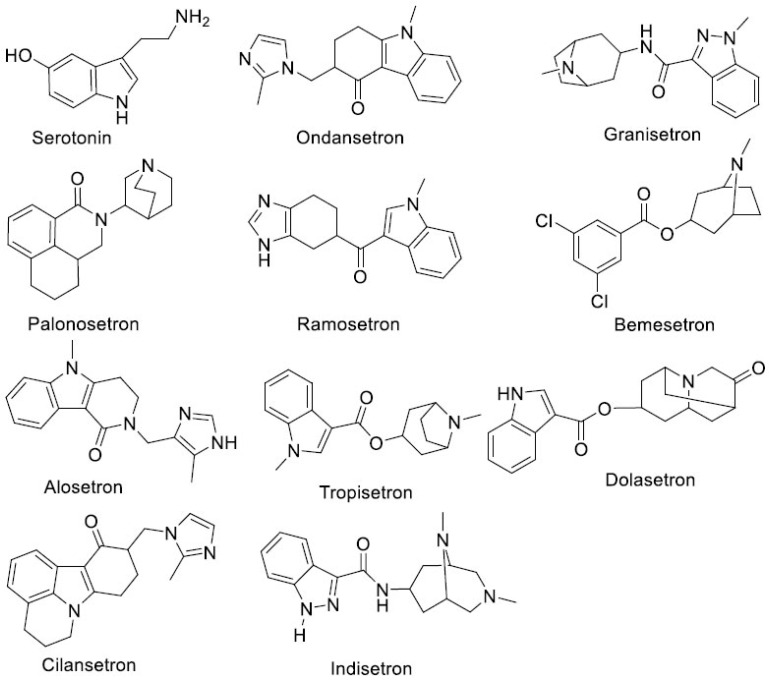
“benzothiazole, benzoxazole [40],isoquinoline [41], quinolone [42], quinoxaline [43], and indole [41], unfortunately, none of the researchers explored the role of an aromatic group in 5-HT3RA for interaction with the receptor.”
BackgroundRole of the Serotonergic System in the Neurobiology of Alcoholism: Implications for Treatment
Johnson, B. A. (2004) · CNS Drugs · doi:10.2165/00023210-200418150-00005 · Cited by 108
Hibert, M., Hoffmann, R. D., Miller, R. C., & Carr, A. A. (1990) · Journal of Medicinal Chemistry · doi:10.1021/jm00168a011 · Cited by 103 · cited 3×
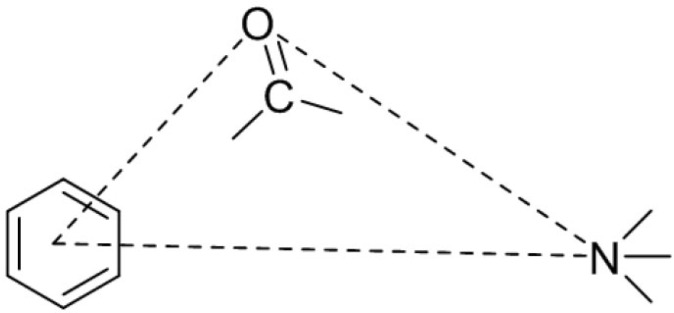
“In a few studies [38, 44, 45], compounds displayed potent 5- HT3 receptor antagonism even though they deviated from the model proposed by Hibert et al. (1990) [36].”
BackgroundResultInfluentialIdentification and Characterisation of 5‐Hydroxytryptamine3 Recognition Sites in Human Brain Tissue
Barnes, J. M., Barnes, N. M., Costall, B., Ironside, J. W., & Naylor, R. J. (1989) · Journal of Neurochemistry · doi:10.1111/j.1471-4159.1989.tb09244.x · Cited by 96
de la Vega, L., Muñóz, E., Calzado, M. A., Lieb, K., Candelario‐Jalil, E., Gschaidmeir, H., Färber, L., Mueller, W., Stratz, T., & Fiebich, B. L. (2005) · Biochemical Pharmacology · doi:10.1016/j.bcp.2005.04.031 · Cited by 95 · cited 1×
“tion of Th1 cytokines in patients with the musculoskeletal disease [126].”
BackgroundThe selectivity of the channel coupled to the 5-HT3 receptor
Yakel, J. L., Shao, X. M., & Jackson, M. B. (1990) · Brain Research · doi:10.1016/0006-8993(90)91793-g · Cited by 93 · cited 1×
“er permeability to Ca2+ compared to Na+ and K+ [74, 75].”
BackgroundKoyama, S., Matsumoto, N., Kubo, C., & Akaike, N. (2000) · The Journal of Physiology · doi:10.1111/j.1469-7793.2000.00373.x · Cited by 93
Zheng, Y., Yu, T., Tang, Y., Xiong, W., Shen, X., Jiang, L., & Lin, L. (2017) · PLOS ONE · doi:10.1371/journal.pone.0172846 · Cited by 91 · cited 1×
“tients by improving stool consistency [110].”
Role of 5-HT3 Receptors in the Antidepressant Response
Betry, C., Etiévant, A., Oosterhof, C. A., Ebert, B., Sánchez, C., & Haddjeri, N. (2011) · Pharmaceuticals · doi:10.3390/ph4040603 · Cited by 90 · cited 5×
“Some clinical studies have suggested that 5-HT3 receptors may be a relevant target in the treatment of affective disorders [53].”
BackgroundMethodInfluentialJohnson, B., Roache, J. D., Ait‐Daoud, N., Javors, M. A., Harrison, J. K., Elkashef, A. M., Mojsiak, J., Li, S., & Bloch, D. A. (2006) · Drug and Alcohol Dependence · doi:10.1016/j.drugalcdep.2006.02.011 · Cited by 86 · cited 1×
“In humans, 5HT3RA were particularly effective in reducing the self-administration of ethanol and morphine, but a less marked effect was seen on self-administration of cocaine [123, 124].”
BackgroundAutoradiographic distribution of [ 3 H]-(S)-zacopride-labelled 5-HT 3 receptors in human brain
Parker, R. M. C., Barnes, J. M., Ge, J., Barber, P. C., & Barnes, N. M. (1996) · Journal of the Neurological Sciences · doi:10.1016/s0022-510x(96)00211-0 · Cited by 86
Sirota, P., Mosheva, T., Shabtay, H., Giladi, N., & Korczyn, A. D. (2000) · American Journal of Psychiatry · doi:10.1176/appi.ajp.157.2.287 · Cited by 81
Iidaka, T., Ozaki, N., Matsumoto, A., Nogawa, J., Kinoshita, Y., Suzuki, T., Iwata, N., Yamamoto, Y., Okada, T., & Sadato, N. (2005) · The Journal of Neuroscience · doi:10.1523/jneurosci.5261-04.2005 · Cited by 80
A Lack of Serotonin 1B Autoreceptors Results in Decreased Anxiety and Depression-Related Behaviors
Nautiyal, K. M., Tritschler, L., Ahmari, S. E., David, D. J. P., Gardier, A. M., & Hen, R. (2016) · Neuropsychopharmacology · doi:10.1038/npp.2016.109 · Cited by 80
Boivin, J. R., Piekarski, D. J., Wahlberg, J. K., & Wilbrecht, L. (2017) · Psychoneuroendocrinology · doi:10.1016/j.psyneuen.2017.08.009 · Cited by 80
Nayak, S. V., Rondé, P., Spier, A. D., Lummis, S. C. R., & Nichols, R. A. (1999) · Neuroscience · doi:10.1016/s0306-4522(98)00520-x · Cited by 78
5-HT3 receptors as important mediators of nausea and vomiting due to chemotherapy
Navari, R. M. (2015) · Biochimica et Biophysica Acta (BBA) - Biomembranes · doi:10.1016/j.bbamem.2015.03.020 · Cited by 69
Bufton, K. E., Steward, L. J., Barber, P. C., & Barnes, N. M. (1993) · Neuropharmacology · doi:10.1016/0028-3908(93)90027-z · Cited by 68
Ramírez, M. J., Cenarruzabeitia, E., Lasheras, B., & del Rı́o, J. A. (1996) · Brain Research · doi:10.1016/0006-8993(95)01471-3 · Cited by 66
Antipsychotic drugs antagonize human serotonin type 3 receptor currents in a noncompetitive manner
Rammes, G., Eisensamer, B., Ferrari, U., Shapa, M., Gimpl, G., Gilling, K. E., Parsons, C. G., Riering, K., Hapfelmeier, G., Bondy, B., et al. (2004) · Molecular Psychiatry · doi:10.1038/sj.mp.4001490 · Cited by 65
Harrell, A. V., & Allan, A. M. (2003) · Learning & Memory · doi:10.1101/lm.56103 · Cited by 64
Walstab, J., Wohlfarth, C., Hovius, R., Schmitteckert, S., Röth, R., Lasitschka, F., Wink, M., Bönisch, H., & Niesler, B. (2014) · Neurogastroenterology & Motility · doi:10.1111/nmo.12334 · Cited by 62 · cited 1×
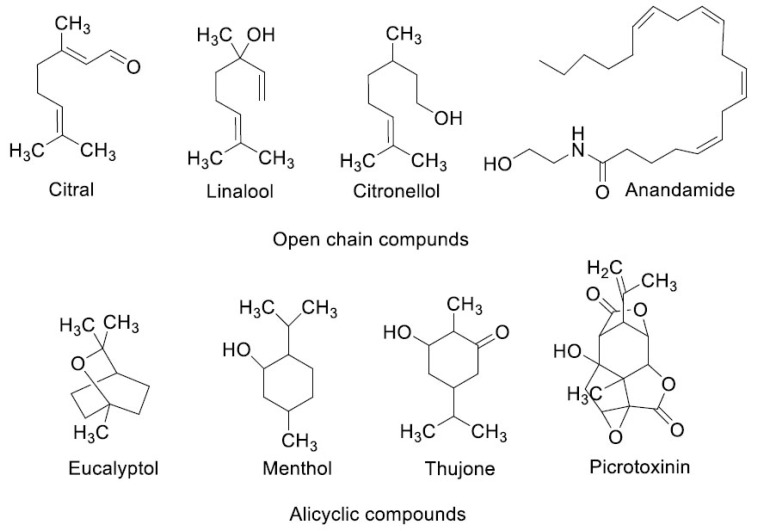
“, 2014, reported that monoterpene alcohol menthol and the aporphine alkaloid boldine combat symptoms of functional gastrointestinal disorders and work through ligand-gated ion channels [114].”
BackgroundMonge, A., Palop, J. A., Castillo, J. C. D., Caldero, J. M., Roca, J., Romero, G., del Río, J. C., & Lasheras, B. (1993) · Journal of Medicinal Chemistry · doi:10.1021/jm00071a005 · Cited by 62 · cited 1×
“benzothiazole, benzoxazole [40],isoquinoline [41], quinolone [42], quinoxaline [43], and indole [41], unfortunately, none of the researchers explored the role of an aromatic group in 5-HT3RA for interaction with the receptor.”
BackgroundGupta, D., Radhakrishnan, M., & Kurhe, Y. (2015) · Steroids · doi:10.1016/j.steroids.2015.01.021 · Cited by 60 · cited 1×
“Similarly, according to a study conducted by Gupta et al., 2015, 4i, a 5- HT3RA and fluoxetine treatment reversed the corticosterone (CORT) induced depressive-like deficits.”
ResultHaus, B. V. (2000) · Scandinavian Journal of Rheumatology · doi:10.1080/030097400446652 · Cited by 60
5-HT3 receptor antagonists for the treatment of nausea/vomiting.
Smith, H. S., Cox, L. R., & Smith, E. J. (2012) · PubMed · doi:10.3978/j.issn.2224-5820.2012.07.07 · Cited by 59
Pharmacological and Regional Characterization of [3H]LY278584 Binding Sites in Human Brain
Abi‐Dargham, A., Laruelle, M. A., Wong, D. T., Robertson, D. W., Weinberger, D. R., & Kleinman, J. E. (1993) · Journal of Neurochemistry · doi:10.1111/j.1471-4159.1993.tb03208.x · Cited by 58 · cited 1×
“tral tegmental area (VTA), with the highest densities in the area postrema and the nucleus tractus solitaries, regions responsible for the vomiting reflex [54-57].”
BackgroundNicotinic receptors co-localize with 5-HT3 serotonin receptors on striatal nerve terminals
Nayak, S. V., Rondé, P., Spier, A. D., Lummis, S. C. R., & Nichols, R. A. (2000) · Neuropharmacology · doi:10.1016/s0028-3908(00)00109-x · Cited by 58
Spier, A. D., Wotherspoon, G., Nayak, S. V., Nichols, R. A., Priestley, J. V., & Lummis, S. C. R. (1999) · Molecular Brain Research · doi:10.1016/s0169-328x(99)00055-8 · Cited by 56
Evidence for a vagal pathophysiology for bulimia nervosa and the accompanying depressive symptoms
Faris, P. L., Eckert, E. D., Kim, S.-W., Meller, W. H., Pardo, J. V., Goodale, R. L., & Hartman, B. K. (2006) · Journal of Affective Disorders · doi:10.1016/j.jad.2005.12.047 · Cited by 56 · cited 1×
“Evidence for the importance of 5-HT3RA in the treatment of depression stems from clinical trials in which patients suffering from complex disorders such as fibromyalgia and bulimia showed improvement of the comorbid depression [84, 85].”
Background5-Hydroxytryptamine (5-HT3) receptor antagonists. 2. 1-Indolinecarboxamides
Bermudez, J., Dabbs, S., Joiner, K. A., & King, F. D. (1990) · Journal of Medicinal Chemistry · doi:10.1021/jm00169a017 · Cited by 55
Serotonergic Modulation of Acetylcholine Release from Cortex of Freely Moving Rats
Giovannini, M. G., Ceccarelli, I., Molinari, B., Cecchi, M., Goldfarb, J., & Blandina, P. (1998) · The Journal of Pharmacology and Experimental Therapeutics · doi:10.1016/s0022-3565(24)37512-3 · Cited by 55 · cited 1×
“In addition, presynaptic 5-HT3R stimulation inhibits ACh release, mainly in the cortex [83].”
BackgroundKarpinski, M., Mattina, G. F., & Steiner, M. S. (2016) · Neuroendocrinology · doi:10.1159/000453664 · Cited by 54
Serotonin receptor modulators in the treatment of irritable bowel syndrome
Lackner, J. M. (2008) · Therapeutics and Clinical Risk Management · doi:10.2147/tcrm.s140 · Cited by 51
Tricco, A. C., Blondal, E., Veroniki, A. A., Soobiah, C., Vafaei, A., Ivory, J. D., Strifler, L., Cardoso, R., Reynen, E., Nincic, V., et al. (2016) · BMC Medicine · doi:10.1186/s12916-016-0761-9 · Cited by 49
Callahan, P. M., Bertrand, D., Bertrand, S., Plagenhoef, M. R., & Terry, A. V. (2017) · Neuropharmacology · doi:10.1016/j.neuropharm.2017.02.025 · Cited by 49 · cited 1×
“Tropisetron enhances memory by activation of α7 nAChR [104].”
BackgroundModulation of Intrinsic Circuits by Serotonin 5-HT3Receptors in Developing Ferret Visual Cortex
Roerig, B., & Katz, L. C. (1997) · The Journal of Neuroscience · doi:10.1523/jneurosci.17-21-08324.1997 · Cited by 47
5-HT3A Receptor Subunit is Required for 5-HT3 Antagonist-Induced Reductions in Alcohol Drinking
Hodge, C. W., Kelley, S. P., Bratt, A. M., Iller, K., Schroeder, J. P., & Besheer, J. (2004) · Neuropsychopharmacology · doi:10.1038/sj.npp.1300498 · Cited by 47 · cited 1×
“5-HT3RA have been shown to reduce self-administration of ethanol in wild-type (WT) compared to 5-HT3A KO mice [121] and of morphine in rats [122].”
BackgroundOpen probability of homomeric murine 5‐HT3A serotonin receptors depends on subunit occupancy
Mott, D. D., Erreger, K., Banke, T. G., & Traynelis, S. F. (2001) · The Journal of Physiology · doi:10.1111/j.1469-7793.2001.00427.x · Cited by 47
Hayes, M. R., & Covașă, M. (2006) · Brain Research · doi:10.1016/j.brainres.2006.03.018 · Cited by 46
An initial three-component pharmacophore for specific serotonin-3 receptor ligands
Rizzi, J. P., Nagel, A. A., Rosen, T., McLean, S., & Seeger, T. (1990) · Journal of Medicinal Chemistry · doi:10.1021/jm00172a007 · Cited by 44
Design, Synthesis, and Structure–Activity Relationships of Highly Potent 5-HT3Receptor Ligands
Verheij, M. H. P., Thompson, A. J., van Muijlwijk‐Koezen, J. E., Lummis, S. C. R., Leurs, R., & de Esch, I. J. P. (2012) · Journal of Medicinal Chemistry · doi:10.1021/jm300801u · Cited by 43 · cited 1×
“A similar kind of results was observed when nitrogen was used as a source of hydrogen bond acceptor [47, 48].”
Stratz, W. M. T. (2000) · Scandinavian Journal of Rheumatology · doi:10.1080/030097400446689 · Cited by 43
CYP1A1 Is a Major Enzyme Responsible for the Metabolism of Granisetron in Human Liver Microsomes
Nakamura, H., Ariyoshi, N., Okada, K., Nakasa, H., Nakazawa, K., & Kitada, M. (2005) · Current Drug Metabolism · doi:10.2174/138920005774330666 · Cited by 43 · cited 1×
“follow hydroxylation at the aryl/alicyclic system while the dolasetron afforded hydroxyl derivative by the reduction of the ketone carbonyl group [28-32].”
Background5-HT3 Receptor antagonists. 2. 4-Hydroxy-4-quinolinecarboxylic acid derivatives
Hayashi, H., Miwa, Y., Ichikawa, S., Yoda, N., Miki, I., Ishii, A., Kono, M., Yasuzawa, T., & Suzuki, F. (1993) · Journal of Medicinal Chemistry · doi:10.1021/jm00057a011 · Cited by 42
Stoltz, R. R., Parisi, S., Shah, A., & Macciocchi, A. (2004) · Biopharmaceutics & Drug Disposition · doi:10.1002/bdd.410 · Cited by 42
Novel 5-HT3 antagonists: indol-3-ylspiro(azabicycloalkane-3,5'(4'H)oxazoles)
Swain, C. J., Baker, R., Kneen, C. O., Herbert, R. H., Moseley, J. D., Saunders, J., Seward, E. M., Stevenson, G. I., Beer, M. S., & Stanton, J. (1992) · Journal of Medicinal Chemistry · doi:10.1021/jm00084a007 · Cited by 41 · cited 1×
“Several investigators have explored the role of the carbonyl group (as hydrogen bond acceptor) and the nitrogen atom (as basic nitrogen atom) in 5-HT3RA for their interaction with 5-HT3R [34-39].”
BackgroundMahesh, R., Perumal, R. V., & Pandy, V. (2004) · Bioorganic & Medicinal Chemistry Letters · doi:10.1016/j.bmcl.2004.07.060 · Cited by 41
Gupta, D., Radhakrishnan, M., & Kurhe, Y. (2014) · Pharmacology Biochemistry and Behavior · doi:10.1016/j.pbb.2014.05.024 · Cited by 39 · cited 1×
“According to Gupta et al., 2014, Ondansetron and fluoxetine treatments significantly increased the percentage of serotonin levels in certain brain regions and attenuated HPA-axis hyperactivity, as evidenced by the low percentage of plasma CORT levels in chronic unpredictable stress (CUS) mice.”
BackgroundPharmacokinetics of therapeutic doses of tropisetron in healthy volunteers
Kees, F., Färber, L., Bucher, M., Mair, G., Mörike, K., & Grobecker, H. (2001) · British Journal of Clinical Pharmacology · doi:10.1046/j.0306-5251.2001.01512.x · Cited by 38 · cited 1×
“follow hydroxylation at the aryl/alicyclic system while the dolasetron afforded hydroxyl derivative by the reduction of the ketone carbonyl group [28-32].”
BackgroundBourin, M., Redrobe, J. P., & Baker, G. B. (1998) · Psychopharmacology · doi:10.1007/s002130050560 · Cited by 37
Pharmacology of the human metabolites of dolasetron, an antiemetic 5‐HT 3 receptor antagonist
Bigaud, M., Elands, J., Kastner, P. R., et al. (1995) · Drug Development Research · doi:10.1002/ddr.430340306 · Cited by 37 · cited 1×
“follow hydroxylation at the aryl/alicyclic system while the dolasetron afforded hydroxyl derivative by the reduction of the ketone carbonyl group [28-32].”
BackgroundMonge, A., Pena, M. D. C., Palop, J. A., Caldero, J. M., Roca, J., García‐Garayoa, E., Romero, G., del Rio, J., & Lasheras, B. (1994) · Journal of Medicinal Chemistry · doi:10.1021/jm00035a012 · Cited by 36 · cited 1×
“benzothiazole, benzoxazole [40],isoquinoline [41], quinolone [42], quinoxaline [43], and indole [41], unfortunately, none of the researchers explored the role of an aromatic group in 5-HT3RA for interaction with the receptor.”
BackgroundHeidempergher, F., Pillan, A., Pinciroli, V., Vaghi, F., Arrigoni, C., Bolis, G., Caccia, C., Dho, L., McArthur, R. A., & Varasi, M. (1997) · Journal of Medicinal Chemistry · doi:10.1021/jm970060o · Cited by 35 · cited 1×
“In a few studies [38, 44, 45], compounds displayed potent 5HT3 receptor antagonism even though they deviated from the model proposed by Hibert et al.”
ResultRosen, T., Nagel, A. A., Rizzi, J. P., Ives, J. L., Daffeh, J., Ganong, A. H., Guarino, K. J., Heym, J. H., McLean, S., & Nowakowski, J. T. (1990) · Journal of Medicinal Chemistry · doi:10.1021/jm00172a006 · Cited by 35
Kuroita, T., Marubayashi, N., SANO, M., KANZAKI, K., INABA, K., & Kawakita, T. (1996) · Chemical and Pharmaceutical Bulletin · doi:10.1248/cpb.44.2051 · Cited by 33
Kurhe, Y., Mahesh, R., & Devadoss, T. (2014) · Biochemical and Biophysical Research Communications · doi:10.1016/j.bbrc.2014.11.036 · Cited by 33 · cited 1×
“According to a study conducted by Kurhe et al., 2015, QCM-4, a 5-HT3RA, ameliorates the plasma HPA axis hyperactivity, leptin resistance and brain oxidative stress in depression and anxietylike behavior in obese mice [98].”
MethodSelf-citation5‐HT3 antagonists reduce morphine self‐administration in rats
Hui, S. G., Sevilla, E. L., & Ogle, C. W. (1993) · British Journal of Pharmacology · doi:10.1111/j.1476-5381.1993.tb13966.x · Cited by 32
Natural Negative Allosteric Modulators of 5-HT3 Receptors
Kury, L. T. A., Mahgoub, M., Howarth, F. C., & Öz, M. (2018) · Molecules · doi:10.3390/molecules23123186 · Cited by 32
Mukerji, J., Haghighi, A. P., & Séguéla, P. (1996) · Journal of Neurochemistry · doi:10.1046/j.1471-4159.1996.66031027.x · Cited by 31
Lee, H. J., Ban, J. Y., & Seong, Y. H. (2005) · Life Sciences · doi:10.1016/j.lfs.2005.04.043 · Cited by 29 · cited 1×
“A study conducted by Lee et al., 2005, also observed the protection of neurons mediated through blockade of 5-HT3R.”
Bhatt, S., Radhakrishnan, M., Jindal, A., Devadoss, T., & Dhar, A. K. (2014) · Indian Journal of Pharmacology · doi:10.4103/0253-7613.129316 · Cited by 26 · cited 2×
“Vari- ous interaction studies conducted by Bhatt et al., 2014, also demonstrated the effectiveness of these antagonists in various animal models of depression and comorbid anxiety models.”
MethodSelf-citationMahesh, R., Devadoss, T., Pandey, D. K., Bhatt, S., & Yadav, S. K. (2010) · Bioorganic & Medicinal Chemistry Letters · doi:10.1016/j.bmcl.2010.08.128 · Cited by 24 · cited 1×
“Similarly, in our previous study [46], many of the synthesized compounds displayed good antagonism even though the distances between the pharmacophoric elements have deviated from the model proposed by Hibert et al.”
ResultSelf-citationSomers, G., Harris, A., Bayliss, M. K., & Houston, J. B. (2007) · Xenobiotica · doi:10.1080/00498250701485575 · Cited by 24
Beyond the 5-HT3 receptors: A role for α7nACh receptors in neuroprotective aspects of tropisetron
Khalifeh, S., Fakhfouri, G., Mehr, S., Mousavizadeh, K., Dehpour, A. R., Khodagholi, F., Kazmi, S., & Rahimian, R. (2015) · Human & Experimental Toxicology · doi:10.1177/0960327114562034 · Cited by 22
Optimal use of antidepressants: When to act?
Blier, P. (2009) · Journal of Psychiatry and Neuroscience · doi:10.1139/jpn.0909 · Cited by 20
Ohta, M., Suzuki, T., KOIDE, T., Matsuhisa, A., Furuya, T., Miyata, K., & Yanagisawa, I. (1996) · Chemical and Pharmaceutical Bulletin · doi:10.1248/cpb.44.991 · Cited by 19 · cited 2×
“In a few studies [38, 44, 45], compounds displayed potent 5HT3 receptor antagonism even though they deviated from the model proposed by Hibert et al.”
BackgroundResultBhatt, S., Mahesh, R., Devadoss, T., & Jindal, A. (2016) · Journal of Basic and Clinical Physiology and Pharmacology · doi:10.1515/jbcpp-2016-0083 · Cited by 18
Self-citationCarvalho, F., Barros, D., Silva, J., REZENDE, E. M. D., Soares, M., Fregoneze, J. B., & Castro-e-Silva, E. (2005) · Hormone and Metabolic Research · doi:10.1055/s-2005-870323 · Cited by 17 · cited 1×
“In addition, 5-HT3R located centrally are involved in the regulation of blood glucose levels [120].”
BackgroundBhatt, S., Mahesh, R., Jindal, A., & Devadoss, T. (2014) · Pharmacological Reports · doi:10.1016/j.pharep.2014.05.002 · Cited by 16 · cited 2×
“Vari- ous interaction studies conducted by Bhatt et al., 2014, also demonstrated the effectiveness of these antagonists in various animal models of depression and comorbid anxiety models.”
MethodSelf-citationDünner, D. L. (2014) · PubMed Central · doi:10.11919/j.issn.1002-0829.214177 · Cited by 16
Ashby, C. R., Minabe, Y., Toor, A., Fishkin, L. D., Granoff, M. I., & Wang, R. Y. (1994) · Drug Development Research · doi:10.1002/ddr.430310310 · Cited by 16 · cited 1×
“Serotonin has a modulatory effect on dopaminergic neurons of the mid-brain area via 5HT3R and 5-HT3RA that have been shown to decrease the hyperactivity of dopaminergic neurons in rats [115].”
BackgroundOndansetron, a selective 5-HT3 antagonist, antagonizes methamphetamine-induced anorexia in mice
Ginawi, O. T., Al‐Majed, A. A., & Al-Suwailem, A. (2004) · Pharmacological Research · doi:10.1016/j.phrs.2004.09.002 · Cited by 14
Bhatt, S., Mahesh, R., Devadoss, T., & Jindal, A. (2013) · Indian Journal of Pharmacology · doi:10.4103/0253-7613.115014 · Cited by 14 · cited 1×
“In addition, a study conducted by Bhatt et al., 2013, has also demonstrated that 5-HT3R antagonists also potentiated the effects of various standard drugs such as fluoxetine, bupropion, etc.”
BackgroundSelf-citationGupta, D., Devadoss, T., Bhatt, S., Gautam, B., Jindal, A., Pandey, D., & Mahesh, R. (2011) · PubMed · Cited by 12
Self-citationBhatt, S., Mahesh, R., Devadoss, T., & Jindal, A. (2013) · Indian Journal of Pharmacology · doi:10.4103/0253-7613.111923 · Cited by 11 · cited 1×
“In addition, a study conducted by Bhatt et al., 2013, has also demonstrated that 5-HT3R antagonists also potentiated the effects of various standard drugs such as fluoxetine, bupropion, etc.”
BackgroundSelf-citationBhatt, S., Mahesh, R., Devadoss, T., & Jindal, A. (2013) · PubMed · Cited by 9
Self-citation
Research works printed but not linked: 2
- [2]Center for substance abuse treatment. Managing depressive symptoms in substance abuse clients during early recovery. 2008 https://www.ncbi.nlm.nih.gov/books/NBK64063/ 22514854
- [102]Preston G.C. 5-HT3 Antagonists and dosorders of cognition. Racagni, G.; Brunello, N.; Langer, S.Z.; editors. Recent Advances in the treatment of neurodegenerative diorders and cognitive dysfunction International Academy of Biomedical Drug Research Karger, Basel, Switzerland. 1994 7 89 93
Cited by
Major depressive disorder: hypothesis, mechanism, prevention and treatment
Cui, L., Li, S., Wang, S., Wu, X., Liu, Y., Yu, W., Wang, Y., Tang, Y., Xia, M., & Li, B. (2024) · Signal Transduction and Targeted Therapy · doi:10.1038/s41392-024-01738-y · Cited by 1,244
Latest updates on the serotonergic system in depression and anxiety
Lin, J., Liu, W., Guan, J., Cui, J., Shi, R., Wang, L., Chen, D., & Liu, Y. (2023) · Frontiers in Synaptic Neuroscience · doi:10.3389/fnsyn.2023.1124112 · Cited by 113
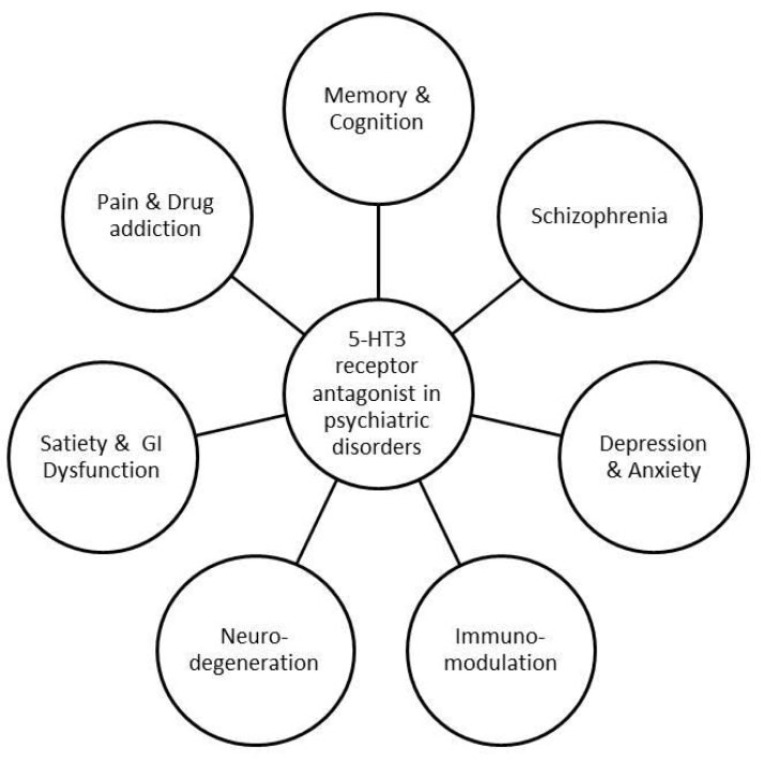
“Cerebral 5-HT3 receptors participate in depression, anxiety, reward, pain, and the vomiting reflex (Bhatt et al., 2021).”
BackgroundInfluentialPopova, N. K., Tsybko, A. S., & Naumenko, V. S. (2022) · International Journal of Molecular Sciences · doi:10.3390/ijms23158814 · Cited by 96
Ferulic acid: An extraordinarily neuroprotective phenolic acid with anti-depressive properties
Dong, X., & Huang, R. (2022) · Phytomedicine · doi:10.1016/j.phymed.2022.154355 · Cited by 68
Zhang, Y., Wang, N., Zhang, L., Zhuang, Y., Xin, Q., Gu, X., Jiang, C., & Wu, J. (2025) · MedComm · doi:10.1002/mco2.70383 · Cited by 59
Metadata
- Authors
- Bhatt, S., Devadoss, T., Manjula, S. N., & Rajangam, J.
- Affiliations
- Amity University Madhya Pradesh (IN)
- Department of Pharmaceutical Chemistry, K. V. S. R. Siddhartha College of Pharmaceutical Sciences, Siddhartha Nagar, Vijayawada, Andhra Pradesh-520010,India
- JSS Academy of Higher Education and Research (IN)
- Department of Pharmacology, Sree Vidyanikethan College of Pharmacy – Tirupati-517 501, Andhra Pradesh,India
- Corresponding author
- Bhatt, Shvetank
- Venue
- Current Neuropharmacology
- Publisher
- Bentham Science Publishers Ltd.
- Published
- 2021-09
- Volume
- 19
- Issue
- 9
- Pages
- 1545-1559
- ISSN
- 1570-159X (ISSN-L)
- PMC
- PMC8762176
- OpenAlex
- W3093393128
- Semantic Scholar
- 652329edf45f7d1e1715c0efdd1dd3d36c0b5d6f
- Cited by
- 119
- References
- 120
- Citations by year
- 2026: 36 · 2025: 27 · 2024: 30 · 2023: 18 · 2022: 7 · 2021: 1
- FWCI
- 3.90
- Type
- journal article
- Language
- en
- Open access
- green
- www.ncbi.nlm.nih.gov
- Licence
- cc-by-nc
- Locations
- Current Neuropharmacology (publishedVersion)
- PubMed Central (publishedVersion, cc-by-nc)
- PubMed (publishedVersion)
- Topics
- Health Sciences › Medicine › Pharmacology (medical) › Treatment of Major Depression
- Life Sciences › Neuroscience › Cellular and Molecular Neuroscience › Neurotransmitter Receptor Influence on Behavior
- Life Sciences › Neuroscience › Cellular and Molecular Neuroscience › Neuroscience and Neuropharmacology Research
- Keywords
- 5-HT3 receptor antagonists, depression, major depressive disorder, anxiety, serotonin, monoamine hypothesis, ligand-gated ion channels, antidepressant efficacy, stress disorders, comorbidities
- MeSH terms
- Anxiety Disorders, Depression, Major Depressive Disorder, Depressive Disorder, Major, Humans, Serotonin, Receptors, Serotonin, 5-HT3, Serotonin 5-HT3 Receptor Antagonists
About these checks
Registry, retraction, Cites and statistics results are computed, not judged, with one exception: a printed reference that no index lists is read once by a model before it counts as a citation error. Claims are extracted by a model and kept only when their quote appears verbatim in the text; each cited source is then checked, with a model’s help, for whether it says what the claim relies on. Those verdicts can be wrong — read the claim’s quote and the cited source before relying on one.
Statistics and arithmetic are recomputed, not judged.
Confidence bands are shown only for fields calibrated on our annotated test set. None is calibrated yet, so no band is shown.
What counts as a claim ›How we measure confidence ›How we check this ›
Are you an author, or do you see a problem with this page? Request a review
Data sources
Bibliographic data: Semantic Scholar, OpenAlex, Crossref.
Contains information from the Semantic Scholar Academic Graph Datasets, made available under the ODC Attribution License (ODC-BY 1.0).
Semantic Scholar’s data is described in: Kinney, R., et al. (2023). The Semantic Scholar Open Data Platform. arXiv:2301.10140.
