

5-HT3 Receptor Antagonism: A Potential Therapeutic Approach for the Treatment of Depression and other Disorders
Open accessThe DOI matches its Crossref record; 123 of the 123 references it cites were found in a registry or an index.
Abstract
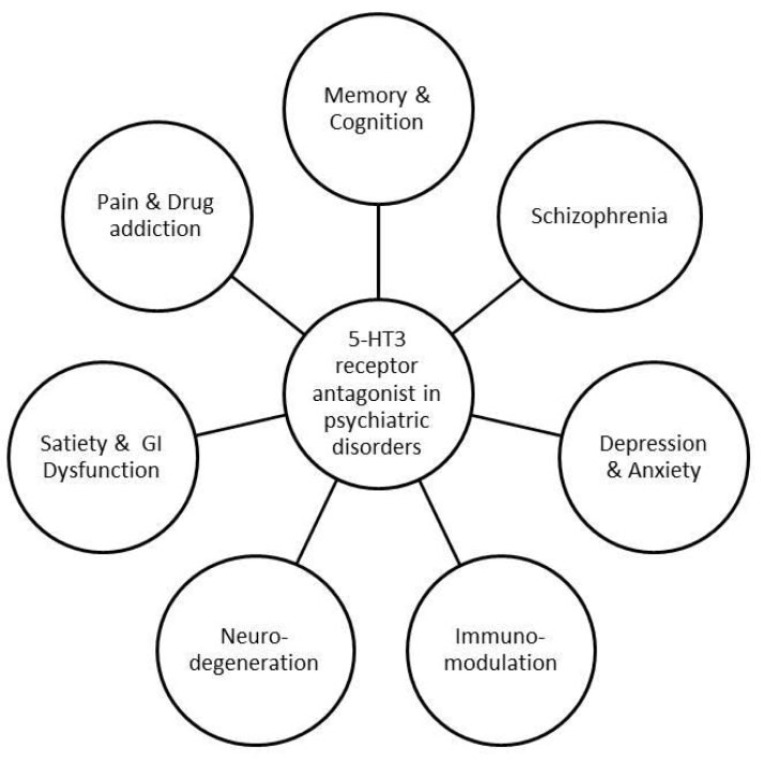
Background: Depression or Major depressive disorder (MDD) is a prolonged condition of sadness. MDD is the most common mental disorder that affects more than 264 million people worldwide. According to the monoamine hypothesis, serotonin (5-hydroxy tryptamine, 5-HT), dopamine (DA) and norepinephrine (NE) are the major neurotransmitters (NTs) involved in depression. Methods: The methodology adopted for writing this review article is essentially based on the secondary literature search through a systematic literature review. This review mainly focussed on the role of 5-HT 3 receptor antagonists (5-HT 3 RA) in depression and comorbid disorders like anxiety. Results: Out of three major NTs mentioned above, serotonin has a predominant role in the pathophysiology of depression. The serotonin type-3 receptors (5-HT 3 R) are well renowned to be expressed in the central nervous system (CNS) in regions which have significance in the vomiting reflex, perception of pain, the reward system, cognition, depression and anxiety control. 5-HT 3 R are the receptors of serotonergic family that belong to ligand-gated ion channel. 5-HT 3 RA inhibit the binding of serotonin to postsynaptic 5-HT 3 R and increases its availability to other receptors like 5- HT 1A, 1B and 1D as well as 5-HT 2 receptors and produces anti-depressant-like effect. 5-HT 3 RA also have an important role in mood and stress disorders. Some of the studies have shown the effectiveness of these agents in stress disorder. Conclusion: The present article focussed on the role of 5-HT 3 R and their antagonists in the treatment of depression and anxiety. Further studies are warranted to prove their efficacy with respect to other standard anti-depressants.
Overview
The claims and statistics of this paper haven’t been checked yet.
Free: it reads the open-access text and checks the first 5 claims that cite a source we can check. Create a free account to check every claim.
Integrity signals
Registry
Cites
Statistics
Figures
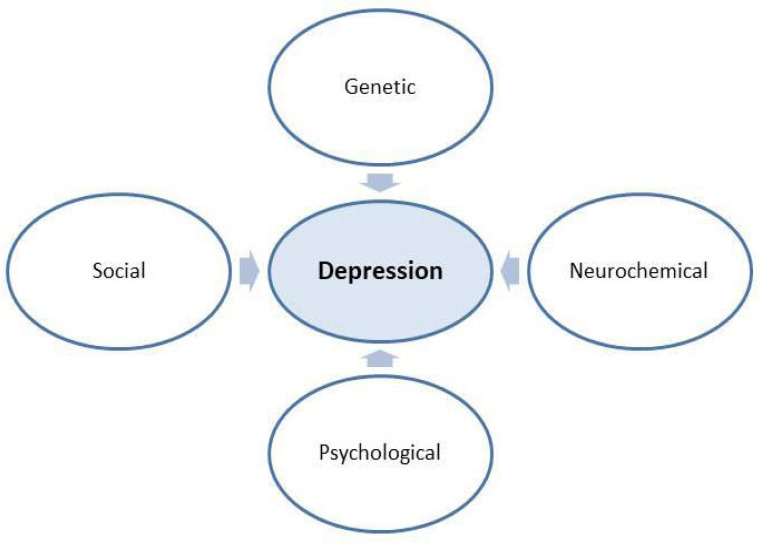
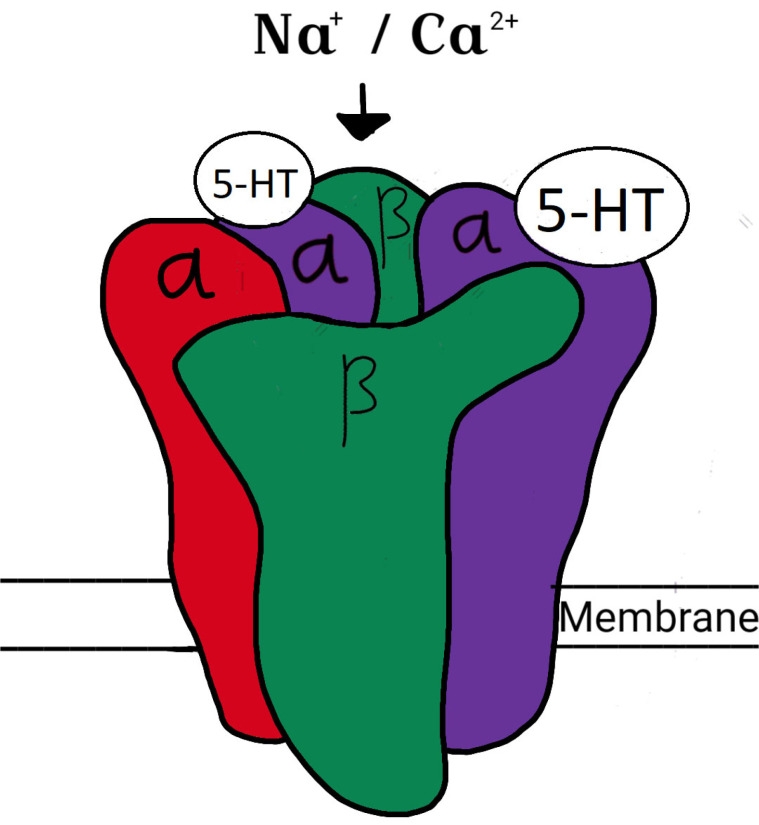
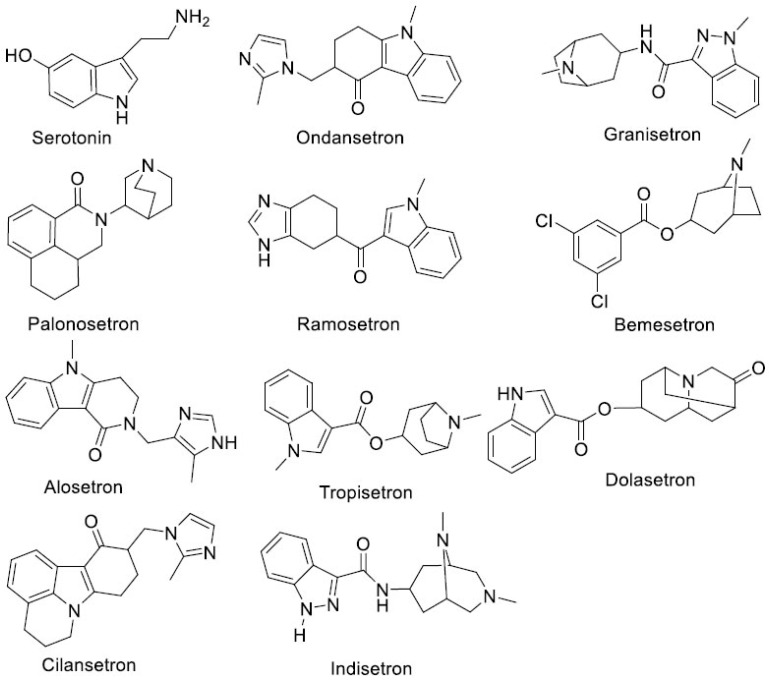
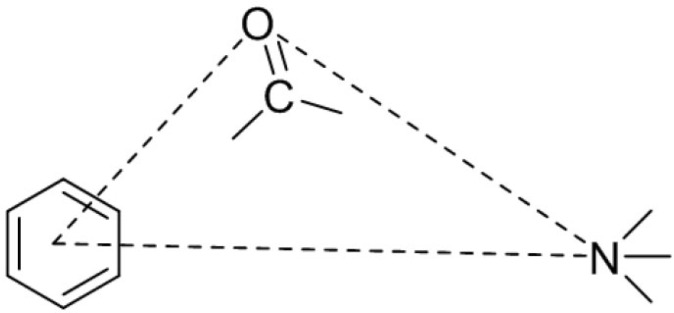
Verification
Claims the paper makes
The claims and statistics of this paper haven’t been checked yet.
Free: it reads the open-access text and checks the first 5 claims that cite a source we can check. Create a free account to check every claim.
Claims other papers make about this one
Each is checked against this paper’s own text: does it say what the citing paper says it does?
The source backs part of the claim, not all of it — or backs it for a different population, condition or comparison.
In the citing paper
“The traditional monoamine theory contends that in addition to common pathogenic factors, deficiencies in monoamine neurotransmitters, such as serotonin (5-HT), dopamine (DA) and norepinephrine (NE), are the root cause of clinical depression. 49”
From Major depressive disorder: hypothesis, mechanism, prevention and treatment (2024) · cites this paper as [49]
Experimental — accuracy not yet measured
Self-check
Percentages, sums and reported differences re-computed from the paper’s own numbers.
The self-check needs the paper’s full text.
Citations
Cites
Why is depression more prevalent in women?
Albert, P. R. (2015) · Journal of Psychiatry and Neuroscience · doi:10.1503/jpn.150205 · Cited by 1,785
Refined Structure of the Nicotinic Acetylcholine Receptor at 4Å Resolution
Unwin, N. (2005) · Journal of Molecular Biology · doi:10.1016/j.jmb.2004.12.031 · Cited by 1,659
Structure and gating mechanism of the acetylcholine receptor pore
Miyazawa, A., Fujiyoshi, Y., & Unwin, N. (2003) · Nature · doi:10.1038/nature01748 · Cited by 1,270
Maes, M., Galecki, P., Chang, Y. S., & Berk, M. (2011) · Progress in Neuro-Psychopharmacology and Biological Psychiatry · doi:10.1016/j.pnpbp.2010.05.004 · Cited by 1,140
Keller, J., Gomez, R., Williams, G., Lembke, A., Lazzeroni, L., Murphy, G. M., & Schatzberg, A. F. (2017) · Molecular Psychiatry · doi:10.1038/mp.2016.120 · Cited by 922 · cited 5×
“Various studies indicated that MDD demonstrates increased levels of various peripheral inflammatory biomarkers when compared with non-depressed individuals.”
BackgroundInfluentialNichols, D. E., & Nichols, C. D. (2008) · Chemical Reviews · doi:10.1021/cr078224o · Cited by 895
TWO KINDS OF TRYPTAMINE RECEPTOR
GADDUM, J. H., & PICARELLI, Z. P. (1957) · British Journal of Pharmacology and Chemotherapy · doi:10.1111/j.1476-5381.1957.tb00142.x · Cited by 847
Role of oxidative stress in depression
Bhatt, S., Nagappa, A. N., & Patil, C. R. (2020) · Drug Discovery Today · doi:10.1016/j.drudis.2020.05.001 · Cited by 821
Self-citationMolecular biology of 5-HT receptors
Hannon, J., & Hoyer, D. (2008) · Behavioural Brain Research · doi:10.1016/j.bbr.2008.03.020 · Cited by 815
Treatment-resistant depression: therapeutic trends, challenges, and future directions
Al-harbi (2012) · Patient Preference and Adherence · doi:10.2147/ppa.s29716 · Cited by 796
Research works printed but not linked: 2
- [2]Center for substance abuse treatment. Managing depressive symptoms in substance abuse clients during early recovery. 2008 https://www.ncbi.nlm.nih.gov/books/NBK64063/ 22514854
- [102]Preston G.C. 5-HT3 Antagonists and dosorders of cognition. Racagni, G.; Brunello, N.; Langer, S.Z.; editors. Recent Advances in the treatment of neurodegenerative diorders and cognitive dysfunction International Academy of Biomedical Drug Research Karger, Basel, Switzerland. 1994 7 89 93
Cited by
Items 101–131 of 131
Role of Exosomes in Management of Depression
Nigade, A., Pathak, G., Anitha, K., Mishra, N., Bali, V., & Bhatt, S. (2024) · Springer eBooks · doi:10.1007/978-981-99-8373-5_8
Self-citation刘, 阳. (2024) · Traditional Chinese Medicine · doi:10.12677/tcm.2024.139353
Роль нейротрансмиттеров в формировании эмоций при реализации целенаправленной деятельности
Novikova, A. P., Okonenko, T. I., & Kartysheva, K. Y. (2024) · Nauchno-prakticheskii zhurnal «Patogenez» · doi:10.25557/2310-0435.2024.01.4-14
Spear, M. A., Wang, G., Aguado, M., Alphs, L. D., Chen, C., Huang, H., Lu, X., Doostzadeh, J., Wu, S., Wang, S., et al. (2024) · Research Square · doi:10.21203/rs.3.rs-5569323/v1
The microbiome mechanism behind depression and treatment prospects of targeting intestinal microbes
Jiang, K., Wang, H., Zeng, Z., Shi, X., Liu, L., Wu, G., & Tan, Y. (2025) · Reviews in Medical Microbiology · doi:10.1097/mrm.0000000000000421
Saravanan, B., Parthasarathy, S., Sripriya, R., & Kulandayyan, S. (2025) · Indian Journal of Clinical Anaesthesia · doi:10.18231/j.ijca.2025.002
Mirtazapine 30 mg as a Potential New Therapy for the Treatment of Laryngeal Sensory Neuropathy
Abdelzaher, K. M., Wahab, M. A. E., & Zayed, M. N. (2025) · Journal of Voice · doi:10.1016/j.jvoice.2025.08.020
The Effect of Tricyclic Antidepressants on Fracture Healing: An Experimental Study
Kılıç, M., Erdogan, M., Desteli, E. E., & Sagi, H. C. (2025) · Current Pharmaceutical Design · doi:10.2174/0113816128410083250919102413
Cognitive flexibility and depression in adults: a systematic review
Velasquez Munayco, S., & Reyes Falen, V. A. (2024) · Repositorio Académico UPC (Universidad Peruana de Ciencias Aplicadas)
Xu, P., Kong, H., Li, J., Jin, G., Cui, S., Xu, S., Yu, Y., Le, X., & Fan, Y. (2026) · Frontiers in Public Health · doi:10.3389/fpubh.2026.1754982
Yang, D., He, D., Wang, Y., Shen, Y., Yu, J., Yang, R., & Yang, L. (2026) · Journal of Analytical Methods in Chemistry · doi:10.1155/jamc/2885034
Zhu, M., Wang, Y., Na, Y., Tu, Y., & Song, E. (2026) · Frontiers in Medicine · doi:10.3389/fmed.2026.1788556 · Cited by 2
“There is a complex connection between the concentration of serotonin in tears and the manifestations and indications of DE (106, 107).”
Zang, T., Wei, Y., Fan, X., Xie, T., & Liu, Y. (2025) · PubMed Central · doi:10.11817/j.issn.1672-7347.2025.250498
Xu, Y., Deng, B., Li, Q., Li, L., Du, Y., Qin, Y., Hu, J., ZHAI, X., & Lu, Y. (2026) · Computational Biology and Chemistry · doi:10.1016/j.compbiolchem.2026.109045
Cao, X.-Y., Tian, J.-J., Zhang, W., Chen, C., & Ma, H. (2026) · Neurochemical Research · doi:10.1007/s11064-026-04747-1
Jensen, A. A. (2026) · Biomedicine & Pharmacotherapy · doi:10.1016/j.biopha.2026.119351
Luo, M. H., Zhao, F., Wang, Y.-M., Bian, J., & Luo, Y. (2026) · Journal of Nanobiotechnology · doi:10.1186/s12951-026-04529-5 · Cited by 1
Höfs, F. N., Lourenço, D. D. A., Dias, R. S., & Kremer, F. S. (2026) · In Silico Research in Biomedicine · doi:10.1016/j.insi.2026.100454
Liu, H., Wang, M., Bai, C., Li, J., Dong, K., & Guo, R. (2026) · Frontiers in Psychiatry · doi:10.3389/fpsyt.2026.1789107
Dong, Z., Zheng, W., Lv, S., Peng, L., Wang, Y., & Wang, Q. (2026) · Biomolecules · doi:10.3390/biom16091225
“Increasing the transmission intensity of both 5-HT and NE can reduce the risk of depression [45,53,54].”
Silva, O. A. F. S., Pereira, S. I. D. S., Mert, A., de Aguiar, D. R., Nogueira, M. B., Prilip, G. A., de Freitas, M. B. L., Monteiro, D. C., Santos, H. M. M. D., & Alves, G. S. (2026) · Frontiers in Psychiatry · doi:10.3389/fpsyt.2026.1899231
Elucidating the ketamine-activated neurociruitry of the rostral linear nucleus
Principe, A. (2024) · The Atrium (University of Guelph)
Dhar, A. K., Keswani, R., Anitha, K., Pathak, G., Nigade, A., & Bhatt, S. (2026) · Progress in Neuro-Psychopharmacology and Biological Psychiatry · doi:10.1016/j.pnpbp.2026.111915 · Cited by 1
Self-citationFarooqui, M. R., Fatima, M., Khan, S., Singh, S., Choudhary, F., Farooq, T., Khan, A. M. A., Sarwat, M., & Farooqi, H. (2026) · ACS Chemical Neuroscience · doi:10.1021/acschemneuro.6c00406
Kokate, I. P., Devadoss, T., Thorat, V. G., Swetha, R., Rodda, S., & Bhatt, S. (2026) · Journal of Neuroimmune Pharmacology · doi:10.1007/s11481-026-10319-5
“…parents, early childhood social trauma etc. (4) Genetic buildup of a person, certain genes are identified which are involved in depression such as serotonin transporter (SLC6A4), tryptophan hydroxylase 2 (TPH2), and catechol-O-methyltransferase (COMT) etc (Bhatt et al. 2021; England and Sim 2009).”
Self-citationWei, Y., Gong, K., Li, R., Zhang, Q., Zhong, Y., Zhao, W., Zuo, Y., Chue, S., & Zhao, L. (2026) · International Journal of Pharmaceutics · doi:10.1016/j.ijpharm.2026.127420
Molecular Pathways and Biomarkers for the Diagnosis and Treatment of Major Depressive Disorder
Jafari, D. A. (2026) · IGI Global eBooks · doi:10.4018/979-8-2600-4270-0.ch004
Santos, S. A. A. R., Gois, R. R., Rodrigues, A. L. O. D. S., Batista, F. L. A., Vieira‐Neto, A. E., de Castro, T. C. F. C. R., Tavares, T. R. P., Leite, G. D. O., Frota, L. S., Barbosa, S. I. C. G., et al. (2026) · Pharmacological Research - Natural Products · doi:10.1016/j.prenap.2026.100878
Iskakova, D. M., İlçe, B. Y., Kamzanova, A. T., Sitakanova, A., Hamoudi, R., & Kustubayeva, A. (2026) · Frontiers in Integrative Neuroscience · doi:10.3389/fnint.2026.1904444
Hong, J., He, L., Chen, J., Cai, H., Cheng, W., Piao, J., & 朱晶晶 (2026) · Frontiers in Psychiatry · doi:10.3389/fpsyt.2026.1920527
Research Progress on Acupuncture Regulating Serotonin Receptors for Improving Insomnia
高, 晶. (2026) · Traditional Chinese Medicine · doi:10.12677/tcm.2026.1510561
Metadata
- Authors
- Bhatt, S., Devadoss, T., Manjula, S. N., & Rajangam, J.
- Affiliations
- Amity University Madhya Pradesh (IN)
- Department of Pharmaceutical Chemistry, K. V. S. R. Siddhartha College of Pharmaceutical Sciences, Siddhartha Nagar, Vijayawada, Andhra Pradesh-520010,India
- JSS Academy of Higher Education and Research (IN)
- Department of Pharmacology, Sree Vidyanikethan College of Pharmacy – Tirupati-517 501, Andhra Pradesh,India
- Corresponding author
- Bhatt, Shvetank
- Venue
- Current Neuropharmacology
- Publisher
- Bentham Science Publishers Ltd.
- Published
- 2021-09
- Volume
- 19
- Issue
- 9
- Pages
- 1545-1559
- ISSN
- 1570-159X (ISSN-L)
- PMC
- PMC8762176
- OpenAlex
- W3093393128
- Semantic Scholar
- 652329edf45f7d1e1715c0efdd1dd3d36c0b5d6f
- Cited by
- 119
- References
- 120
- Citations by year
- 2026: 36 · 2025: 27 · 2024: 30 · 2023: 18 · 2022: 7 · 2021: 1
- FWCI
- 3.90
- Type
- journal article
- Language
- en
- Open access
- green
- www.ncbi.nlm.nih.gov
- Licence
- cc-by-nc
- Locations
- Current Neuropharmacology (publishedVersion)
- PubMed Central (publishedVersion, cc-by-nc)
- PubMed (publishedVersion)
- Topics
- Health Sciences › Medicine › Pharmacology (medical) › Treatment of Major Depression
- Life Sciences › Neuroscience › Cellular and Molecular Neuroscience › Neurotransmitter Receptor Influence on Behavior
- Life Sciences › Neuroscience › Cellular and Molecular Neuroscience › Neuroscience and Neuropharmacology Research
- Keywords
- 5-HT3 receptor antagonists, depression, major depressive disorder, anxiety, serotonin, monoamine hypothesis, ligand-gated ion channels, antidepressant efficacy, stress disorders, comorbidities
- MeSH terms
- Anxiety Disorders, Depression, Major Depressive Disorder, Depressive Disorder, Major, Humans, Serotonin, Receptors, Serotonin, 5-HT3, Serotonin 5-HT3 Receptor Antagonists
About these checks
Registry, retraction, Cites and statistics results are computed, not judged, with one exception: a printed reference that no index lists is read once by a model before it counts as a citation error. Claims are extracted by a model and kept only when their quote appears verbatim in the text; each cited source is then checked, with a model’s help, for whether it says what the claim relies on. Those verdicts can be wrong — read the claim’s quote and the cited source before relying on one.
Statistics and arithmetic are recomputed, not judged.
Confidence bands are shown only for fields calibrated on our annotated test set. None is calibrated yet, so no band is shown.
What counts as a claim ›How we measure confidence ›How we check this ›
Are you an author, or do you see a problem with this page? Request a review
Data sources
Bibliographic data: Semantic Scholar, OpenAlex, Crossref.
Contains information from the Semantic Scholar Academic Graph Datasets, made available under the ODC Attribution License (ODC-BY 1.0).
Semantic Scholar’s data is described in: Kinney, R., et al. (2023). The Semantic Scholar Open Data Platform. arXiv:2301.10140.
