

Internet and computer-based cognitive behavioral therapy for anxiety and depression in adolescents and young adults: systematic review and meta-analysis.
Open accessPublished version of a preprint
The DOI matches its Crossref record; 88 of the 88 references it cites were found in a registry or an index.
Abstract
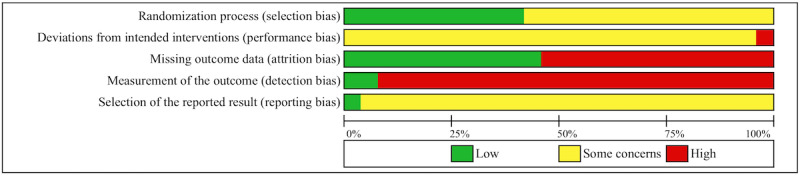
Background: Anxiety and depressive disorders are prevalent in adolescents and young adults. However, most young people with mental health problems do not receive treatment. Computerized cognitive behavior therapy (cCBT) may provide an accessible alternative to face-to-face treatment, but the evidence base in young people is limited. Objective: The objective was to perform an up-to-date comprehensive systematic review and meta-analysis of the effectiveness of cCBT in treating anxiety and depression in adolescents and young adults compared with active treatment and passive controls. We aimed to examine posttreatment and follow-up effects and explore the moderators of treatment effects. Methods: We conducted systematic searches in the following six electronic databases: PubMed, EMBASE, PsycINFO, CINAHL, Web of Science, and Cochrane Central Register of Controlled Trials. We included randomized controlled trials comparing cCBT with any control group in adolescents or young adults (age 12-25 years) with anxiety or depressive symptoms. The quality of included studies was assessed using the Cochrane risk-of-bias tool for randomized trials, version 2.0. Overall quality of evidence for each outcome was assessed using the Grading of Recommendations Assessment, Development and Evaluation (GRADE) approach. Posttreatment means and SDs were compared between intervention and control groups, and pooled effect sizes (Hedges g) were calculated. Random-effects meta-analyses were conducted using Comprehensive Meta-Analysis software. Subgroup analyses and meta-regression analyses were conducted to explore whether age, guidance level, and adherence rate were associated with treatment outcome. Results: The search identified 7670 papers, of which 24 studies met the inclusion criteria. Most included studies (22/24) had a high risk of bias owing to self-report measures and/or inappropriate handling of missing data. Compared with passive controls, cCBT yielded small to medium posttreatment pooled effect sizes regarding depressive symptoms (g=0.51, 95% CI 0.30-0.72, number needed to treat [NNT]=3.55) and anxiety symptoms (g=0.44, 95% CI 0.23-0.65, NNT=4.10). cCBT yielded effects similar to those of active treatment controls regarding anxiety symptoms (g=0.04, 95% CI −0.23 to 0.31). For depressive symptoms, the nonsignificant pooled effect size favored active treatment controls (g=−0.70, 95% CI −1.51 to 0.11, P=.09), but heterogeneity was very high (I2=90.63%). No moderators of treatment effects were identified. At long-term follow-up, cCBT yielded a small pooled effect size regarding depressive symptoms compared with passive controls (g=0.27, 95% CI 0.09-0.45, NNT=6.58). No other follow-up effects were found; however, power was limited owing to the small number of studies. Conclusions: cCBT is beneficial for reducing posttreatment anxiety and depressive symptoms in adolescents and young adults compared with passive controls. Compared with active treatment controls, cCBT yielded similar effects regarding anxiety symptoms. Regarding depressive symptoms, however, the results remain unclear. More high-quality research involving active controls and long-term follow-up assessments is needed in this population. Trial Registration: PROSPERO CRD42019119725; https://tinyurl.com/y5acfgd9.
Overview
The claims and statistics of this paper haven’t been checked yet.
Free: it reads the open-access text and checks the first 5 claims that cite a source we can check. Create a free account to check every claim.
Integrity signals
Registry
Cites
Statistics
Figures

Verification
Claims the paper makes
The claims and statistics of this paper haven’t been checked yet.
Free: it reads the open-access text and checks the first 5 claims that cite a source we can check. Create a free account to check every claim.
Claims other papers make about this one
Each is checked against this paper’s own text: does it say what the citing paper says it does?
The source backs part of the claim, not all of it — or backs it for a different population, condition or comparison.
In the citing paper
“Web-based cognitive behavioural therapy for anxiety and depression reported an average completion rate of 57% for all treatment modules [14].”
From Young People’s Barriers and Facilitators of Engagement with Web-Based Mental Health Interventions for Anxiety and Depression: A Qualitative Study (2024) · cites this paper as [14]
Experimental — accuracy not yet measuredThe source backs part of the claim, not all of it — or backs it for a different population, condition or comparison.
In the citing paper
“A meta-analysis of 24 studies on i-CBT for adolescents and young adults found a mean adherence rate of 76.9% [18].”
From Cost-effectiveness of internet-supported cognitive behavioral therapy for university students with anxiety symptoms: A Markov-model analysis (2022) · cites this paper as [18]
Experimental — accuracy not yet measuredThe source backs part of the claim, not all of it — or backs it for a different population, condition or comparison.
In the citing paper
“The relative difference in adherence to CBT delivered via internet versus in-person (76.9% versus 77.5%) were estimated to be 0.99 [16–18].”
From Cost-effectiveness of internet-supported cognitive behavioral therapy for university students with anxiety symptoms: A Markov-model analysis (2022) · cites this paper as [18]
Experimental — accuracy not yet measuredThe source backs part of the claim, not all of it — or backs it for a different population, condition or comparison.
In the citing paper
“It is well reported that i-CBT received higher acceptance by individuals, yet the adherence to CBT is weakened on the internet platform [15, 18].”
From Cost-effectiveness of internet-supported cognitive behavioral therapy for university students with anxiety symptoms: A Markov-model analysis (2022) · cites this paper as [18]
Experimental — accuracy not yet measuredThe source backs part of the claim, not all of it — or backs it for a different population, condition or comparison.
In the citing paper
“Although cognitive behavioural therapy (CBT) is the most well-documented and researched type of treatment for child and adolescent populations (Christ et al., 2020; James et al., 2013; Oud et al., 2019)”
From Investigating the potential of a novel internet-based cognitive behavioural intervention for Dari and Farsi speaking refugee youth: A feasibility study (2022) · cites this paper as Christ et al., 2020
Experimental — accuracy not yet measured
5 more claims about this paper
Create a free account to see every claim other papers make about this one.
Self-check
Percentages, sums and reported differences re-computed from the paper’s own numbers.
The self-check needs the paper’s full text.
Citations
Cites
Bias in meta-analysis detected by a simple, graphical test
Egger, M., Smith, G. D., Schneider, M., & Minder, C. (1997) · BMJ · doi:10.1136/bmj.315.7109.629 · Cited by 56,722 · cited 1×
“Third, the Egger test was used to quantify the bias captured by the funnel plot [57].”
MethodRoB 2: a revised tool for assessing risk of bias in randomised trials
Sterne, J. A. C., Savović, J., Page, M. J., Elbers, R. G., Blencowe, N. S., Boutron, I., Cates, C. J., Cheng, H.-Y., Corbett, M. S., Eldridge, S. M., et al. (2019) · BMJ · doi:10.1136/bmj.l4898 · Cited by 34,787 · cited 1×
“Based on the Cochrane RoB 2 tool [49], 22 out of 24 studies had an overall high risk of bias, and the remaining two studies were rated as “some concerns.”
MethodLiberati, A., Altman, D. G., Tetzlaff, J., Mulrow, C., Gøtzsche, P. C., Ioannidis, J. P. A., Clarke, M., Devereaux, P. J., Kleijnen, J., & Moher, D. (2009) · PLoS Medicine · doi:10.1371/journal.pmed.1000100 · Cited by 28,164 · cited 1×
“This study was conducted and reported in accordance with the Preferred Reporting Items for Systematic Reviews and Meta-Analyses (PRISMA) statement for reporting systematic reviews and meta-analyses [47].”
MethodStatistical Power Analysis for the Behavioral Sciences
Cohen, J. (2013) · doi:10.4324/9780203771587 · Cited by 25,373
Kessler, R. C., Berglund, P., Demler, O., Jin, R., Merikangas, K. R., & Walters, E. E. (2005) · Archives of General Psychiatry · doi:10.1001/archpsyc.62.6.593 · Cited by 20,391 · cited 1×
“The incidence of most anxiety disorders peaks during adolescence, whereas the incidence of depressive disorders starts to rise during adolescence [14] and peaks in young adulthood (ie, age 19-25 years) [15-17].”
BackgroundCochrane Handbook for Systematic Reviews of Interventions
(2019) · doi:10.1002/9781119536604 · Cited by 14,828
Duval, S., & Tweedie, R. (2000) · Biometrics · doi:10.1111/j.0006-341x.2000.00455.x · Cited by 14,099 · cited 1×
“Second, the Duval and Tweedie trim and fill procedure was used to calculate an adjusted pooled effect size that accounts for missing studies due to publication bias [56].”
MethodCONSORT 2010 Statement: updated guidelines for reporting parallel group randomised trials
the CONSORT Group, Schulz, K. F., Altman, D. G., & Moher, D. (2010) · BMC Medicine · doi:10.1186/1741-7015-8-18 · Cited by 13,371
Cumpston, M., Li, T., Page, M. J., Chandler, J., Welch, V. A., Higgins, J. P., & Thomas, J. (2019) · Cochrane Database of Systematic Reviews · doi:10.1002/14651858.ed000142 · Cited by 7,218
Polanczyk, G. V., Salum, G. A., Sugaya, L. S., Caye, A., & Rohde, L. A. (2015) · Journal of Child Psychology and Psychiatry · doi:10.1111/jcpp.12381 · Cited by 3,990
Research works printed but not linked: 3
- McKenzie, M, 2011, Med J Aust, 195, S27
- Ellis, L, 2011, Journal of CyberTherapy and Rehabilitation, 4, 461
- 2008, mhGAP: Mental Health Gap Action Programme: scaling up care for mental, neurological and substance use disorders
Cited by
Linardon, J., Torous, J., Firth, J., Cuijpers, P., Messer, M., & Fuller‐Tyszkiewicz, M. (2024) · World Psychiatry · doi:10.1002/wps.21183 · Cited by 207
Is subthreshold depression in adolescence clinically relevant?
Noyes, B. K., Munoz, D. P., Khalid‐Khan, S., Brietzke, E. M., & Booij, L. (2022) · Journal of Affective Disorders · doi:10.1016/j.jad.2022.04.067 · Cited by 117
Piers, R., Williams, J. M., & Sharpe, H. (2022) · Child and Adolescent Mental Health · doi:10.1111/camh.12620 · Cited by 105
Schlesinger, A. B., Sengupta, S., Marx, L., Hilt, R. J., Martini, D. R., DeMaso, D. R., Beheshti, N., Borcherding, B. G., Butler, A., Fallucco, E. M., et al. (2022) · Journal of the American Academy of Child & Adolescent Psychiatry · doi:10.1016/j.jaac.2022.06.007 · Cited by 92
Artificial Intelligence-Powered Cognitive Behavioral Therapy Chatbots, a Systematic Review
Farzan, M., Ebrahimi, H., Pourali, M., & Sabeti, F. (2024) · Iranian Journal of Psychiatry · doi:10.18502/ijps.v20i1.17395 · Cited by 148
“Numerous studies have established CBT's effectiveness across a range of mental health disorders, especially as first-line treatment for anxiety and depression (6-9).”
The Effectiveness of Serious Games in Alleviating Anxiety: Systematic Review and Meta-analysis
Abd-Alrazaq, A. A., Alajlani, M., Alhuwail, D., Schneider, J., Akhu‐Zaheya, L., Ahmed, A., & Househ, M. S. (2021) · JMIR Serious Games · doi:10.2196/29137 · Cited by 90
“To the best of our knowledge, no previous reviews have examined the effect of computerized CBT games on anxiety, although many reviews have assessed the effect of computerized CBT in general (ie, games are not part of the intervention) [63-66].”
BackgroundXie, X., Cheng, H., & Chen, Z. (2023) · Frontiers in Psychology · doi:10.3389/fpsyg.2022.1102066 · Cited by 71
“The influence of depression and anxiety on Internet addiction has been demonstrated in many previous studies (Christ et al., 2020; Sayed et al., 2022).”
ResultDigital Mental Health Interventions for Young People Aged 16-25 Years: Scoping Review
Potts, C., Kealy, C., McNulty, J. M., Madrid‐Cagigal, A., Wilson, T., Mulvenna, M. D., O’Neill, S. M., Donohoe, G. J., & Barry, M. M. (2025) · Journal of Medical Internet Research · doi:10.2196/72892 · Cited by 74
“Many reviews have been undertaken to evaluate the wide range of digital mental health supports that are accessible, but there is a dearth of up-to-date reviews, with many published in 2021 or earlier, thus failing to consider the change in the digital world since COVID-19 [20,32-35].”
Silang, K. A., Sohal, P. R., Bright, K. S., Leason, J., Roos, L., Lebel, C., Giesbrecht, G. F., & Tomfohr-Madsen, L. M. (2022) · JMIR Mental Health · doi:10.2196/31116 · Cited by 50
“For instance, a study on the effectiveness of computer-based CBT for the treatment of depressive and anxiety symptoms in adolescent populations reported small to moderate effect sizes [68].”
BackgroundMechler, J., Lindqvist, K., Carlbring, P., Topooco, N., Falkenström, F., Lilliengren, P., Andersson, G., Johansson, R., Midgley, N., Edbrooke-Childs, J. H., et al. (2022) · The Lancet Digital Health · doi:10.1016/s2589-7500(22)00095-4 · Cited by 63
Pegg, S. L., Hill, K. E., Argiros, A. P., Olatunji, B. O., & Kujawa, A. (2022) · Current Psychiatry Reports · doi:10.1007/s11920-022-01384-7 · Cited by 74
Domhardt, M., Engler, S., Nowak, H., Lutsch, A., Baumel, A., & Baumeister, H. (2021) · Journal of Medical Internet Research · doi:10.2196/29742 · Cited by 41
“…RoB assessment indicated a rather limited overall study quality, with 76% (19/25) of the included studies rated with a high RoB, a finding that aligns with the review by Christ et al [81], in which 92% (22/24) included studies on DHIs for adolescents and young adults were assessed with a high RoB .”
Wang, B., Li, M., Haihambo, N. P., Qiu, Z., Sun, M., Guo, M., Zhao, X., & Han, C. (2024) · Journal of Affective Disorders · doi:10.1016/j.jad.2024.03.145 · Cited by 49
Ruiz, M., Moreno, M., Serrano, B. G., Díaz-Oliván, I., Muñoz, L. J., González‐Garrido, C., & Porras‐Segovia, A. (2022) · Current Psychiatry Reports · doi:10.1007/s11920-022-01314-7 · Cited by 55
Schouten, M. J. E., Christ, C., Dekker, J., Riper, H. M., Goudriaan, A. E., & Blankers, M. (2021) · Alcohol and Alcoholism · doi:10.1093/alcalc/agaa147 · Cited by 53
“, 2017), among youth (Hollis et al., 2017; Christ et al., 2020), students and young adults (Davies et al.”
BackgroundSelf-citationShin, H. D., Hamovitch, E., Gatov, E., MacKinnon, M., Samawi, L., Boateng, R., Thorpe, K., & Barwick, M. (2023) · doi:10.1101/2023.11.22.23298897 · Cited by 40
Wu, Y., Fenfen, E., Wang, Y., Xu, M., Liu, S., Zhou, L., Song, G., Shang, X., Yang, C., Yang, K., et al. (2023) · Internet Interventions · doi:10.1016/j.invent.2023.100673 · Cited by 48
“Notably, the meta-analyses by Christ et al. (2020) and Wickersham et al. (2022) delved into the efficacy of Computer-Based CBT for adolescents with depression; however, the original studies focused on depressed adolescents were relatively scarce.”
BackgroundResultInfluentialLindegaard, T., Wasteson, E., Demetry, Y., Andersson, G., Richards, D., & Shahnavaz, S. (2022) · Internet Interventions · doi:10.1016/j.invent.2022.100533 · Cited by 30
Liverpool, S., Donagh, C. M., Feather, J., Uzondu, C., Howarth, M. L., Bannerman, F., Kaehne, A., Foster, C., & Mateus, C. (2025) · European Child & Adolescent Psychiatry · doi:10.1007/s00787-025-02722-9 · Cited by 53
“Similarly, other authors reported that DMHIs significantly prevented or treated anxiety but not depression and vice versa, with even more uncertainty for other disorders [28, 30, 86, 90, 95].”
InfluentialShin, H. D., Hamovitch, E., Gatov, E., MacKinnon, M., Samawi, L., Boateng, R., Thorpe, K. E., & Barwick, M. (2025) · PLOS Digital Health · doi:10.1371/journal.pdig.0000418 · Cited by 40
Kleinau, E., Lamba, T., Jaskiewicz, W., Gorentz, K., Hungerbuehler, I., Rahimi, D., Kokota, D., Maliwichi, L., Jamu, E. S., Zumazuma, A., et al. (2024) · PLoS ONE · doi:10.1371/journal.pone.0303370 · Cited by 54
Midgley, N., Guerrero-Tates, B., Mortimer, R., Edbrooke-Childs, J. H., Mechler, J., Lindqvist, K., Hajkowski, S. J., Leibovich, L., Martin, P., Andersson, G., et al. (2021) · International Journal of Environmental Research and Public Health · doi:10.3390/ijerph182412993 · Cited by 33
“2% participants who completed all the modules available [47].”
BackgroundText Messages in the Field of Mental Health: Rapid Review of the Reviews
Shalaby, R., Adu, M. K., Gindi, H. E., & Agyapong, V. I. O. (2022) · Frontiers in Psychiatry · doi:10.3389/fpsyt.2022.921982 · Cited by 32
Dülsen, P., & Baumeister, H. (2024) · European Child & Adolescent Psychiatry · doi:10.1007/s00787-024-02404-y · Cited by 37
“However, considering the limitations of including young adults, various symptom levels and combining control groups [ 12 , 13] we have to conclude that the evidence is still inconclusive and on more differentiated levels of analyses often just not available.”
InfluentialDong, Z., Xie, Q., Xu, F., Shen, X., Hao, Y., Li, J., Xu, H., Peng, Q., & Kuang, W. (2022) · Frontiers in Pharmacology · doi:10.3389/fphar.2022.974949 · Cited by 30
“In fact, depression has become the second most common cause of death among young (Patton et al., 2009; Johnson et al., 2018; Christ et al., 2020; Arzola et al., 2022).”
BackgroundZhu, Y., Yang, Q., Gu, J., Chen, Z., Nan, J., Jin, T., Lin, J., Wang, X., Hu, J., Ji, G., et al. (2024) · Journal of Hazardous Materials · doi:10.1016/j.jhazmat.2024.133953 · Cited by 31
Jackson, H. M., Calear, A. L., Batterham, P. J., Ohan, J. L., Farmer, G. M., & Farrer, L. M. (2023) · Journal of Medical Internet Research · doi:10.2196/44673 · Cited by 25
“There is considerable evidence showing that guided and unguided digital CBT can be effective in preventing and treating symptoms of depression and anxiety in adults [12-14] and young people [15,16].”
Cognitive behavioral therapy for children and adolescents with anxiety disorders
Stiede, J. T., Trent, E. S., Viana, A. G., Guzick, A. G., Storch, E. A., & Hershfield, J. (2023) · Child and Adolescent Psychiatric Clinics of North America · doi:10.1016/j.chc.2022.12.001 · Cited by 25
Bohr, Y. M., Litwin, L., Hankey, J. R., McCague, H., Singoorie, C., Lucassen, M. F. G., Shepherd, M., & Barnhardt, J. (2022) · JMIR Serious Games · doi:10.2196/38493 · Cited by 36
Wisman, M. A., Emmelkamp, J., Dekker, J., & Christ, C. (2022) · Internet Interventions · doi:10.1016/j.invent.2022.100596 · Cited by 39
Self-citationMortimer, R., Somerville, M. P., Mechler, J., Lindqvist, K., Leibovich, L., Guerrero-Tates, B., Edbrooke-Childs, J. H., Martin, P., & Midgley, N. (2022) · Clinical Child Psychology and Psychiatry · doi:10.1177/13591045221081193 · Cited by 27
“…et al. (2019) found that internet-based treatments involving therapist support had larger effect sizes than fully self-guided treatments, though Christ et al. (2020) found no difference in effect size, and Ebert et al. (2015) did not evaluate the differential effectiveness of supported versus…”
BackgroundInfluentialIndia's policy and programmatic response to mental health of young people: A narrative review
Girase, B., Parikh, R., Vashisht, S., Mullick, A., Ambhore, V., & Maknikar, S. (2022) · SSM - Mental Health · doi:10.1016/j.ssmmh.2022.100145 · Cited by 30
“…(van Ginneken et al., 2013), brief therapies (Schleider and Weisz, 2017), computer-assisted or online guided therapies (Büscher et al., 2020; Christ et al., 2020; Domhardt et al., 2021), as well as adopting interventions that do not require constant specialist supervision (Wolpert et al.,…”
Hartono, S. P., Chatrath, S., Aktaş, O. N., Kubala, S. A., Capozza, K., Myles, I. A., Silverberg, J. I., & Schwartz, A. (2024) · Scientific Reports · doi:10.1038/s41598-024-59162-9 · Cited by 22
Li, S., Achilles, M. R., Werner‐Seidler, A., Beames, J. R., Subotic-Kerry, M., & O’Dea, B. (2022) · JMIR Mental Health · doi:10.2196/37640 · Cited by 24
“A recent systematic review and meta-analysis of internet- and computer-delivered CBT for youth confirmed the positive effects of these interventions on symptom reduction [25].”
BackgroundResultInfluentialAemissegger, V., López‐Alcalde, J., Witt, C. M., & Barth, J. (2022) · Journal of Medical Internet Research · doi:10.2196/36978 · Cited by 21
“In addition, no moderators of treatment effects were identified [20] that explained this heterogeneity.”
BackgroundYou, J. H. S., Luk, S. W. C., Chow, D. Y. W., Jiang, X., Mak, A. D. P., & Mak, W. W. S. (2022) · PLoS ONE · doi:10.1371/journal.pone.0268061 · Cited by 18
“A systematic review on i-CBT demonstrated no significant difference in the effectiveness of CBT delivered via face-to-face and internet [18], and we therefore assumed a relative difference in the recovery and deterioration with i-CBT versus f-CBT to be 1.”
BackgroundInfluentialThe Endocannabinoid System as Modulator of Exercise Benefits in Mental Health
Amatriain‐Fernández, S., Budde, H., Gronwald, T., Quiroga, C., Carreón, C., Viana-Torre, G., Yamamoto, T., Imperatori, C., Machado, S. E. D. C., & Murillo‐Rodríguez, E. (2020) · Current Neuropharmacology · doi:10.2174/1570159x19666201218112748 · Cited by 19
“Mental disorders have been tackled using several treatments, such as cognitive behavior therapy and pharmacological interventions [147-149].”
BackgroundUnpacking the active ingredients of internet-based psychodynamic therapy for adolescents
Leibovich, L., Mechler, J., Lindqvist, K., Mortimer, R., Edbrooke-Childs, J. H., & Midgley, N. (2022) · Psychotherapy Research · doi:10.1080/10503307.2022.2050829 · Cited by 17
“Internet-based psychotherapies, in general, have been found to be effective for treating depression both for adults and adolescents (e.g., Christ et al., 2020; Etzelmueller et al., 2020; Grist et al., 2019) and are considered to be a flexible, low-cost, and accessible option, therefore, overcoming…”
BackgroundHowes, S. T., Gorey, K. M., & Charron, C. (2021) · Australian Social Work · doi:10.1080/0312407x.2021.2001832 · Cited by 16
“While this rapid review and meta-analysis was undergoing peer review, we became aware of another, partially relevant systematic review and meta-analysis (Christ et al., 2020).”
BackgroundEffectiveness of telemedicine on common mental disorders: An umbrella review and meta-meta-analysis
Chen, J., Li, C., An, K., Dong, X., Liu, J., & Wu, H. Y. (2024) · Computers in Human Behavior · doi:10.1016/j.chb.2024.108325 · Cited by 22
Qiu, Y., Wu, M., Liu, J., Li, C., Yu, Y., Zeng, L., Yang, F., Zhang, X., & Chen, G. (2024) · General Hospital Psychiatry · doi:10.1016/j.genhosppsych.2024.12.022 · Cited by 18
Ho, T. Q. A., Engel, L., Melvin, G., Le, L. K.-D., Le, H. N. D., & Mihalopoulos, C. (2024) · The Patient - Patient-Centered Outcomes Research · doi:10.1007/s40271-024-00707-5 · Cited by 15
“Web-based cognitive behavioural therapy for anxiety and depression reported an average completion rate of 57% for all treatment modules [14].”
BackgroundHorovitz, O. (2025) · Nutrients · doi:10.3390/nu17101744 · Cited by 24
“Digital CBT interventions may be a viable alternative for adolescents who cannot attend in-person therapy, offering a flexible and potentially less stig-matizing treatment option [106].”
Espinosa, V., Valiente, R. M., García-Escalera, J., Chorot, P., Arnáez, S., Schmitt, J. C., & Sandín, B. (2024) · Behaviour Research and Therapy · doi:10.1016/j.brat.2024.104560 · Cited by 16
Eve, Z., Turner, M., Di Basilio, D., Harkin, B., Yates, A., Persson, S., Henry, J., Williams, A., Walton, G., Jones, M. V., et al. (2024) · Clinical Psychology & Psychotherapy · doi:10.1002/cpp.2938 · Cited by 14
Walder, N., Berger, T., & Schmidt, S. J. (2023) · JMIR Research Protocols · doi:10.2196/44346 · Cited by 18
“In the SAD group, we expected a small to moderate effect size (Cohen d =0.35) [18,107], and for the group with subclinical anxiety, a small effect size (Cohen d =0.20) [38,108-110].”
InfluentialCleary, M. A., Richardson, C. E., Ross, R. J., Heussler, H., Wilson, A. C., Downs, J. A., & Walsh, J. H. (2025) · Journal of Sleep Research · doi:10.1111/jsr.14466 · Cited by 16
“…behaviour change interventions in paediatric populations with a range of health conditions, including obesity (Kouvari et al., 2022), anxiety (Christ et al., 2020) and diabetes (Deacon & Edirippulige, 2015), and have also been used to aid adolescents with neurodevelopmental disorders…”
Rapid Evidence Review of Digital Cognitive-Behavioral Therapy for Adolescents With Depression
Ivlev, I., Beil, T. L., Haynes, J. S., & Patnode, C. D. (2022) · Journal of Adolescent Health · doi:10.1016/j.jadohealth.2022.01.220 · Cited by 12
Szigethy, E., Silfee, V., Marroquín, M. A. E., Pavlick, A. N., Wallace, M. L., Williams, K. R., & Hoberman, A. (2022) · Psychiatric Services · doi:10.1176/appi.ps.202200045 · Cited by 11
Kaiser, T., Boschloo, L., Berger, T., Meyer, B., Späth, C., Schröder, J., Hohagen, F., Moritz, S., & Klein, J. P. (2021) · Frontiers in Psychiatry · doi:10.3389/fpsyt.2021.598317 · Cited by 12
Mason, M. J., Coatsworth, J. D., Zaharakis, N. M., Russell, M. A., Wallis, D., Brown, A., & Hale, C. (2022) · Behavior Therapy · doi:10.1016/j.beth.2022.09.005 · Cited by 12
Lv, Z., Li, J., Zhang, B., Zhang, N., & Chun, W. (2021) · Frontiers in Psychology · doi:10.3389/fpsyg.2021.687165 · Cited by 13
“, 2019) and its effectiveness for treating mild and moderate depression and anxiety has been proven by many studies since (Bowler et al., 2012; Carlbring et al., 2018; Kuechler et al., 2019;Wright et al., 2019; Christ et al., 2020).”
BackgroundMacKean, M., Lecchi, T., Mortimer, R., & Midgley, N. (2023) · Journal of Child Psychotherapy · doi:10.1080/0075417x.2023.2173271 · Cited by 13
“…therapies, noting greater reductions in symptom severity for depression among adolescents, when compared to inactive control groups (Ebert et al., 2015; Vigerland et al., 2016), and comparable symptom reduction to their face-to-face alternatives (Ebert et al., 2015; Christ et al., 2020).”
BackgroundStiede, J. T., Mangen, K. H., & Storch, E. A. (2024) · Psychiatric Clinics of North America · doi:10.1016/j.psc.2024.04.014 · Cited by 11
Schultz, J., Baumeister, A., Schmotz, S., Moritz, S., & Jelinek, L. (2023) · Trials · doi:10.1186/s13063-023-07536-1 · Cited by 8
“In recent years, numerous studies have evaluated Internet-based therapies for various mental disorders, including depression [15], obsessive–compulsive disorder [16], and anxiety disorders [17].”
BackgroundSkaczkowski, G., van der Kruk, S., Loxton, S., Hughes-Barton, D., Howell, C., Turnbull, D., Jensen, N., Smout, M., & Gunn, K. (2022) · JMIR Mental Health · doi:10.2196/31018 · Cited by 9
“We note that many reviews of the evidence for web-based interventions for specific disorders (eg, depression [29-31]) and for specific populations (eg, adolescents and young adults [32,33]) have been undertaken in recent years.”
BackgroundLambert, J. D., Loades, M. E., Marshall, N., Higson‐Sweeney, N., Chan, S. W. Y., Mahmud, A., Pile, V., Maity, A., Adam, H., Sung, B., et al. (2025) · Journal of Medical Internet Research · doi:10.2196/58164 · Cited by 13
“These effect sizes are smaller than those of more extensive internet-based CBT programs for anxiety and depression, with a previous meta-analysis found to have pooled effects of g =0.51 (95% CI 0.29-0.73) in young adults [58].”
InfluentialSocial-Media-Based Mental Health Interventions: Meta-Analysis of Randomized Controlled Trials
Zhang, Q., Huang, Z., Sui, Y., Lin, F.-H., Guan, H., Li, L., Wang, K., & Neitzel, A. J. (2025) · Journal of Medical Internet Research · doi:10.2196/67953 · Cited by 16
“Prior meta-analyses have examined extensively online [22,23], digital [24-27], eHealth [28], computer therapy [29], or internet-based [30-32] mental health interventions.”
InfluentialSchmidt, M., Schoenenberg, K., Engelkamp, J. E., Staufenbiel, T., Martin, A., Ebert, D. D., & Hartmann, A. S. (2025) · BMC Psychiatry · doi:10.1186/s12888-025-06797-1 · Cited by 8
“…results exceed the meta-analytical findings regarding iCBT for adolescents with symptomatically similar disorders such as depression (pooled within-group effect size: 0.51), anxiety (pooled within-group effect size: 0.44) or eating disorders (within-group effect sizes: 0.16–0.39) [29, 30, 31].”
InfluentialMechler, J., Lindqvist, K., Philips, B., Midgley, N., & Lilliengren, P. (2024) · Journal of Infant Child and Adolescent Psychotherapy · doi:10.1080/15289168.2024.2339523 · Cited by 11
“While there are ICBT programs targeting adolescent depression the results so far have been mixed (e.g., Christ et al., 2020; Ebert et al., 2015; Eilert et al., 2022).”
BackgroundChen, L., Chen, F., Bai, S., Xu, Z., & Ding, Y. (2024) · Personality and Individual Differences · doi:10.1016/j.paid.2024.113023 · Cited by 9
Smith, P. A., Ehlers, A., Carr, E., Clark, D. M., Dalgleish, T., Forbes, G., Goldsmith, K., Griffiths, H., Gupta, M., King, D. X., et al. (2022) · BMJ Open · doi:10.1136/bmjopen-2021-054852 · Cited by 9
Berg, M., Klemetz, H., Lindegaard, T., & Andersson, G. (2023) · BMC Psychiatry · doi:10.1186/s12888-023-05328-0 · Cited by 14
“These positive results are also in line with meta-analyses on other mental health problems among adolescents, such as depression and anxiety [11, 12, 30].”
MethodResultBähr, C., Phan, D., Murawska, N., Gerber, J., Jordan, A., Hoffmann, K., & Calvano, C. (2025) · Clinical Psychology Review · doi:10.1016/j.cpr.2025.102642 · Cited by 10
Gong, B., Yao, N., Xie, H., Huang, C., Tomoko, K., Berenbaum, H., & Mu, W. (2026) · Journal of Medical Internet Research · doi:10.2196/82677 · Cited by 20
“This fragility of long-term effects is a common challenge in digital interventions studies [85,86].”
Wang, S., Wu, M., Wei, J., Xia, W., Luo, Z., & Tian, L. (2025) · General Hospital Psychiatry · doi:10.1016/j.genhosppsych.2025.07.017 · Cited by 13
Sheykhangafshe, F. B., Doost, A. M. S., Niri, V. S., Mojez, N., & Bourbour, Z. (2023) · Quarterly Journal of Child Mental Health · doi:10.61186/jcmh.10.1.9 · Cited by 11
Emmelkamp, J., Wisman, M. A., Nauta, M. H., Rijn, N. I. E. V., Dekker, J., & Christ, C. (2024) · Internet Interventions · doi:10.1016/j.invent.2024.100770 · Cited by 7
“Several meta-analyses have shown that internet-based treatments are effective for adolescents with anxiety and depressive disorders (e.g., Christ et al., 2020; Grist et al., 2018).”
BackgroundSelf-citationA Nunavut community-directed Inuit youth mental wellness initiative: making I-SPARX fly
Bohr, Y. M., Hankey, J. R., Thomas, A., Abdelmaseh, M., Armour, L., McCague, H., Barnhardt, J., Oskalns, M., Garvey, N., Singh, Y., et al. (2024) · International Journal of Circumpolar Health · doi:10.1080/22423982.2024.2401210 · Cited by 13
“…that internet connectivity has arguably improved in Arctic regions, electronic mental health programmes, such as low-intensity, self-guided CBT e-tools like I-SPARX that do not require direct, synchronous staff support, may be viable options in supporting resilience against self-harm [76,123,124].”
BackgroundAchule, A., Gedeno, K., & Aweke, Z. (2025) · Annals of Medicine and Surgery · doi:10.1097/ms9.0000000000002912 · Cited by 11
“A systematic review showed that computer-based cognitive behavioral therapy (cCBT) effectively reduces anxiety and depressive symptoms in adolescents and young adults compared to passive controls, with an effect size of g = 0.52 (95% CI 0.33–0.71, P 0.001) [ 57 ] [ 1a ].”
InfluentialMorrissey, G., Tsuchiyagaito, A., Takahashi, T., McMillin, J., Aupperle, R. L., Misaki, M., & Khalsa, S. S. (2024) · Neuroscience & Biobehavioral Reviews · doi:10.1016/j.neubiorev.2024.105680 · Cited by 8
O’Dea, B., Li, S., Subotic-Kerry, M., Achilles, M. R., Mackinnon, A. J., Batterham, P. J., Christensen, H. M., Roberts, A., Nagendraprasad, K., Dudley, Z., et al. (2024) · medRxiv · doi:10.1101/2024.11.17.24317363 · Cited by 9
Yang, W., Chen, H., We, L., Qu, S., Ge, Y., & Jin, S. (2025) · Frontiers in Behavioral Neuroscience · doi:10.3389/fnbeh.2025.1479326 · Cited by 9
Chen, B., Li, J., Qi, Y., Mao, H., Liu, Y., & Wang, W. (2025) · BMC Psychiatry · doi:10.1186/s12888-025-06757-9 · Cited by 11
Zhu, T., Zhang, L., Weng, W., Gan, R., Sun, L., Wei, Y., Zhu, Y., Yu, H., Xue, J., & Chen, S. (2025) · Journal of Medical Internet Research · doi:10.2196/55583 · Cited by 5
Lincke, L., Martin-Döring, T., Daunke, A., Sadkowiak, A., Nolkemper, D., Sproeber-Kolb, N., Bienioschek, S., Reis, O., & Kölch, M. G. (2025) · JMIR Formative Research · doi:10.2196/58427 · Cited by 4
“Due to the lack of scientific evaluation, Christ et al [15] called for further research and long-term follow-up assessments of these interventions.”
van Cappellen, S. M., Creemers, H. E., Hoogsteder, L. M., van Horn, J. E., Deković, M., & Asscher, J. J. (2023) · BMC Psychiatry · doi:10.1186/s12888-023-04831-8 · Cited by 7
“Although blended treatment has been shown to be effective in several studies investigating internalizing problems [12, 18, 20], this study will be the first to investigate the effectiveness of blended treatment for juveniles with antisocial behavior.”
Chatrath, S., LeBovidge, J., Jack, C. S., Abuabara, K., Schneider, L. C., Capozza, K., Kelley, K., & Silverberg, J. I. (2023) · Clinical and Experimental Dermatology · doi:10.1093/ced/llad315 · Cited by 6
Technological Advances in Treating Anxiety Disorders
Goetter, E. M., & Yuen, E. K. (2024) · Psychiatric Clinics of North America · doi:10.1016/j.psc.2024.04.020 · Cited by 6
Research status of internet-delivered cognitive behavioral therapy in cancer patients
Li, B., & Wang, J. (2023) · World Journal of Psychiatry · doi:10.5498/wjp.v13.i11.831 · Cited by 6
Kleinau, E., Lamba, T., Jaskiewicz, W., Gorentz, K., Hungerbuehler, I., Rahimi, D., Kokota, D., Maliwichi, L., Jamu, E. S., Zumazuma, A., et al. (2023) · medRxiv · doi:10.1101/2023.01.24.23284959 · Cited by 5
Smith, P. A., Ehlers, A., Carr, E., Clark, D. M., Dalgleish, T., Forbes, G., Goldsmith, K., Griffiths, H., Gupta, M., King, D. X., et al. (2025) · Journal of Child Psychology and Psychiatry · doi:10.1111/jcpp.14124 · Cited by 8
“Digital health interventions are broadly acceptable to young people and can be clinically helpful in treating depression and anxiety in adolescents (Christ et al., 2020; Hollis et al., 2017).”
Senyard, E., Rowe, A., Krishnamoorthy, G., & March, S. (2025) · Journal of Clinical Psychology · doi:10.1002/jclp.70007 · Cited by 7
Li, H., Zhou, T., Huang, Z., & Tang, S. (2024) · International Conference on Bioinformatics and Intelligent Computing (BIC) · doi:10.1145/3665689.3665744 · Cited by 3
Li, S., Achilles, M. R., Subotic-Kerry, M., Werner‐Seidler, A., Newby, J. M., Batterham, P. J., Christensen, H. M., Mackinnon, A. J., & O’Dea, B. (2022) · BMC Psychiatry · doi:10.1186/s12888-022-04383-3 · Cited by 9
“While engagement with existing evidence-based digital mental health interventions is poor, human support (also referred to as guidance) has been associated with increased adherence to digital mental health interventions [29] and improved outcomes [18, 20, 21], however also see [19, 30].”
BackgroundInfluentialPrasartpornsirichoke, J., Pityaratstian, N., Poolvoralaks, C., Sermruttanawisith, N., Polpakdee, K., Pholphet, K., & Buathong, N. (2025) · Frontiers in Psychiatry · doi:10.3389/fpsyt.2025.1502406 · Cited by 9
Zhang, J., Wang, J., Xiang, X., Zhang, N., Zhang, K., Zhang, P., & Wen, H. (2025) · Frontiers in Psychiatry · doi:10.3389/fpsyt.2025.1624825 · Cited by 3
The Effect of Cognitive Behavioral Therapy on Anxiety in Adolescents
Khan, Z., Zaib, Q., Saeed, K., Khan, B., Pal, H. A., & Zaman, M. (2025) · Indus journal of bioscience research. · doi:10.70749/ijbr.v3i1.475 · Cited by 5
Henry, L. M., & Compas, B. E. (2023) · JAACAP Open · doi:10.1016/j.jaacop.2023.09.006 · Cited by 7
Emmelkamp, J., Wisman, M. A., Beuk, N., Stikkelbroek, Y. A. J., Nauta, M. H., Dekker, J., & Christ, C. (2022) · BMC Psychiatry · doi:10.1186/s12888-022-04291-6 · Cited by 6
Self-citationEffects of acupuncture for relieving preoperative anxiety in adolescents
Yu, Z., Xian, J., Sun, M., Zhang, W., Li, L., Zhang, X., & Yu, H. (2021) · Medicine · doi:10.1097/md.0000000000028364 · Cited by 2
Ekbäck, E., Rådmark, L., Granåsen, G., Svärling, R., Sörlin, M., Schönbeck, C., & Henje, E. (2023) · Frontiers in Psychiatry · doi:10.3389/fpsyt.2023.1130035 · Cited by 3
Walder, N., Berger, T., Hürzeler, D., McDougal, E., Edbrooke-Childs, J. H., & Schmidt, S. J. (2025) · Scientific Reports · doi:10.1038/s41598-025-10193-w · Cited by 2
van Cappellen, S. M., Creemers, H. E., Hoogsteder, L. M., van Horn, J. E., Deković, M., & Asscher, J. J. (2023) · Research Square · doi:10.21203/rs.3.rs-2731234/v1 · Cited by 2
Hang, Y., Wu, W., Feng, Y., Yan, K., Liu, Y., Xiao, X., & Qiao, Z. (2025) · doi:10.2196/preprints.72249 · Cited by 2
Mental Health Interventions in Middle Schools: A 10-Year Review of Research
McKay, E. A., Mattheus, D. J., & Fontenot, H. B. (2024) · The Journal of School Nursing · doi:10.1177/10598405241265904 · Cited by 4
“While earlier reviews have limited their scope to depression and anxiety outcomes (Christ et al., 2020) or to a speci fi c type of intervention, such as positive psychology (Mendes de Oliveira et al., 2022) or CBT (Christ et al., 2020; Rith-Najarian et al., 2019), this review included studies with a…”
Ozturk, C. S., & Demir, K. (2025) · Current Psychiatry Reports · doi:10.1007/s11920-025-01613-9 · Cited by 2
Liu, L., Yang, J., Tan, F., Yang, X., Luo, H., Chen, Y., & Zhao, X. (2025) · Interactive Journal of Medical Research · doi:10.2196/72231 · Cited by 6
“However, another 2 systematic reviews [61,62] found a significant effect of digital interventions on depression and anxiety among emerging adults and emerging adults.”
Treutiger, A., Swedenmark, E., Lindqvist, K., Mechler, J., & Philips, B. (2025) · Psychotherapy Research · doi:10.1080/10503307.2025.2596089 · Cited by 1
“Research has found support for internet-delivered cognitive–behavioral therapy (ICBT) for adolescents with depression (Christ et al., 2020).”
Cognitive Benefits and Challenges of Gaming
Zadey, S., Kelleher, B., & Vasa, J. (2025) · Springer eBooks · doi:10.1007/978-3-032-00325-6_11 · Cited by 1
Metadata
- Authors
- Christ, C., Schouten, M. J., Blankers, M., van Schaik, D. J., Beekman, A. T., Wisman, M. A., Stikkelbroek, Y. A., & Dekker, J. J.
- Affiliations
- Amsterdam Public Health (NL)
- Arkin (NL)
- Trimbos Institute (NL)
- Utrecht University (NL)
- Corresponding author
- Christ, Carolien
- ORCID
- Venue
- Journal of Medical Internet Research
- Publisher
- JMIR Publications Inc.
- Published
- 2020-09-25
- Volume
- 22
- Issue
- 9
- Pages
- e17831
- ISSN
- 1438-8871 (ISSN-L)
- PMC
- PMC7547394
- OpenAlex
- W3043731461
- Cited by
- 148
- References
- 88
- Citations by year
- 2026: 16 · 2025: 34 · 2024: 32 · 2023: 24 · 2022: 31 · 2021: 10 · 2020: 1
- FWCI
- 2.59
- Type
- journal article
- Language
- en
- Open access
- gold
- doi.org
- Licence
- cc-by
- Locations
- Journal of Medical Internet Research (publishedVersion, cc-by)
- PubMed Central (publishedVersion, cc-by)
- PubMed (publishedVersion)
- Pure Amsterdam UMC (publishedVersion, other-oa)
- Amsterdam UMC (VU Amsterdam) - Institutional Repository (publishedVersion, other-oa)
- DOAJ (DOAJ: Directory of Open Access Journals) (submittedVersion, cc-by-sa)
- Utrecht University Repository (Utrecht University) (submittedVersion, other-oa)
- Utrecht University Repository (Utrecht University) (submittedVersion)
- Data Archiving and Networked Services (DANS) (submittedVersion, other-oa)
- Topics
- Social Sciences › Psychology › Applied Psychology › Digital Mental Health Interventions
- Social Sciences › Psychology › Experimental and Cognitive Psychology › Anxiety, Depression, Psychometrics, Treatment, Cognitive Processes
- Social Sciences › Psychology › Clinical Psychology › Psychological Treatments and Assessments
- Keywords
- computerized cognitive behavioral therapy, online therapy, adolescents, young adults, anxiety disorders, depression, depressive symptoms, anxiety symptoms, medication adherence, treatment guidelines, treatment effects, moderators of treatment outcome, digital mental health interventions, help-seeking barriers, access to mental health care, risk of bias
- MeSH terms
- Adolescent, Adult, Anxiety Disorders, Child, Computers, Depression, Humans, Cognitive Behavioral Therapy, Treatment Outcome, Internet, Young Adult
About these checks
Registry, retraction, Cites and statistics results are computed, not judged, with one exception: a printed reference that no index lists is read once by a model before it counts as a citation error. Claims are extracted by a model and kept only when their quote appears verbatim in the text; each cited source is then checked, with a model’s help, for whether it says what the claim relies on. Those verdicts can be wrong — read the claim’s quote and the cited source before relying on one.
Statistics and arithmetic are recomputed, not judged.
Confidence bands are shown only for fields calibrated on our annotated test set. None is calibrated yet, so no band is shown.
What counts as a claim ›How we measure confidence ›How we check this ›
Are you an author, or do you see a problem with this page? Request a review
Data sources
Bibliographic data: Semantic Scholar, OpenAlex, Crossref.
Contains information from the Semantic Scholar Academic Graph Datasets, made available under the ODC Attribution License (ODC-BY 1.0).
Semantic Scholar’s data is described in: Kinney, R., et al. (2023). The Semantic Scholar Open Data Platform. arXiv:2301.10140.
