

The DOI matches its Crossref record; 40 of the 40 references it cites were found in a registry or an index.
Automated Text Messaging as an Adjunct to Cognitive Behavioral Therapy for Depression: A Clinical Trial
Open accessAbstract
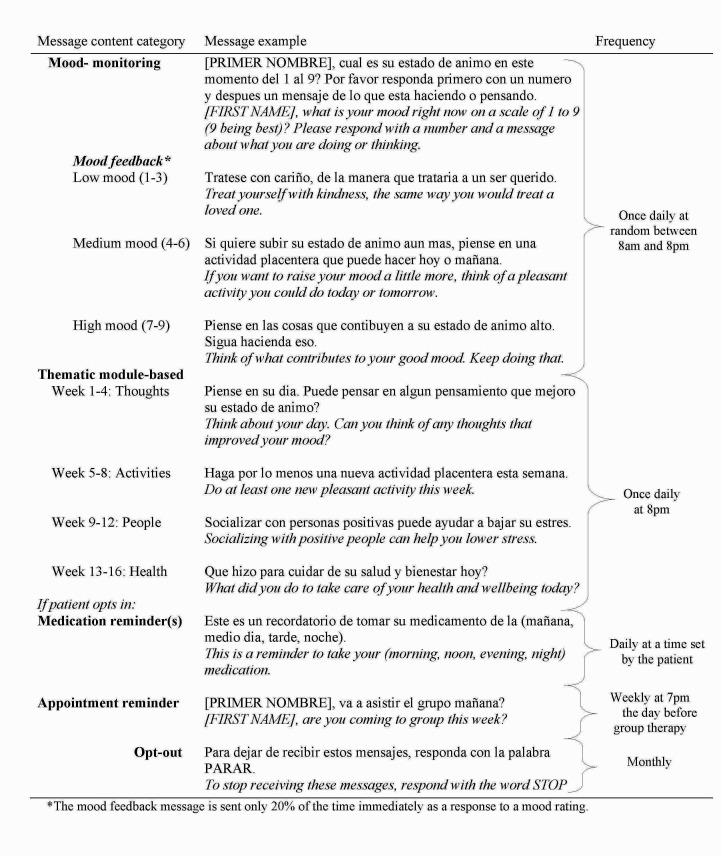
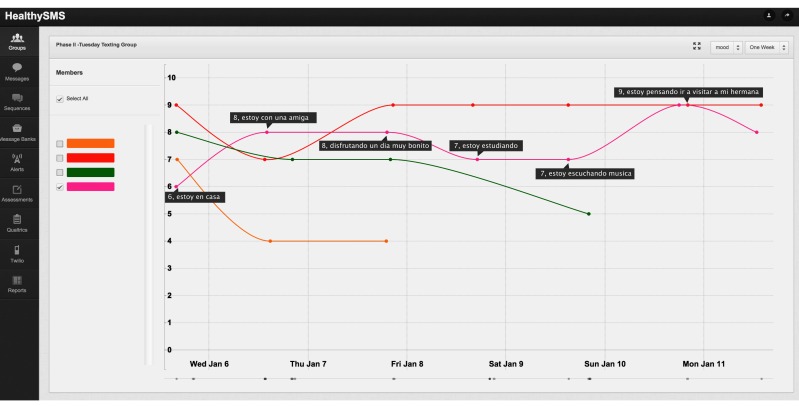
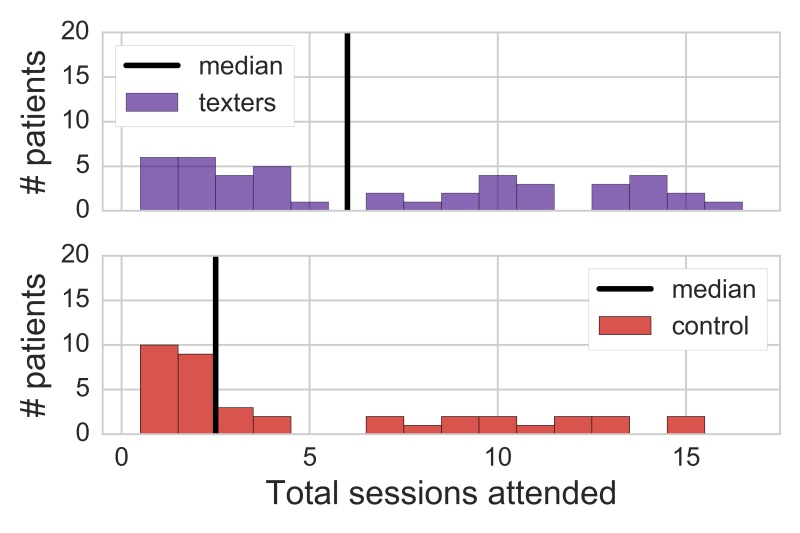
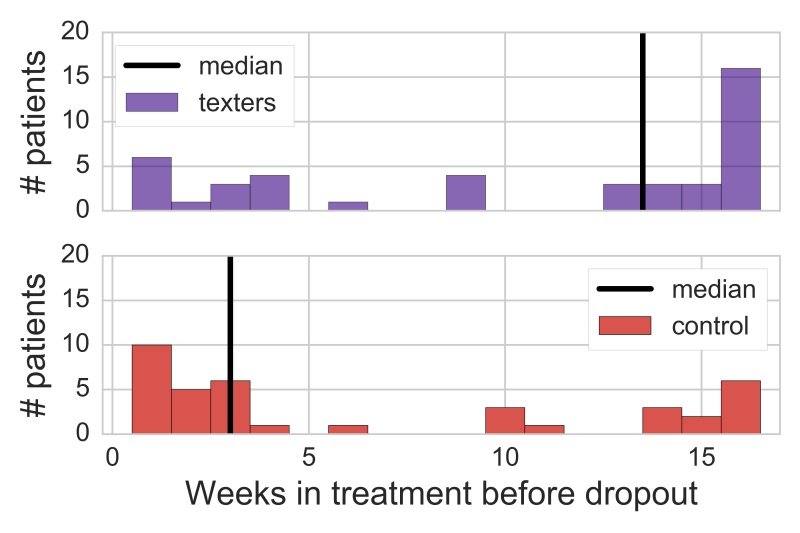
BACKGROUND: Cognitive Behavioral Therapy (CBT) for depression is efficacious, but effectiveness is limited when implemented in low-income settings due to engagement difficulties including nonadherence with skill-building homework and early discontinuation of treatment. Automated messaging can be used in clinical settings to increase dosage of depression treatment and encourage sustained engagement with psychotherapy. OBJECTIVES: The aim of this study was to test whether a text messaging adjunct (mood monitoring text messages, treatment-related text messages, and a clinician dashboard to display patient data) increases engagement and improves clinical outcomes in a group CBT treatment for depression. Specifically, we aim to assess whether the text messaging adjunct led to an increase in group therapy sessions attended, an increase in duration of therapy attended, and reductions in Patient Health Questionnaire-9 item (PHQ-9) symptoms compared with the control condition of standard group CBT in a sample of low-income Spanish speaking Latino patients. METHODS: Patients in an outpatient behavioral health clinic were assigned to standard group CBT for depression (control condition; n=40) or the same treatment with the addition of a text messaging adjunct (n=45). The adjunct consisted of a daily mood monitoring message, a daily message reiterating the theme of that week's content, and medication and appointment reminders. Mood data and qualitative responses were sent to a Web-based platform (HealthySMS) for review by the therapist and displayed in session as a tool for teaching CBT skills. RESULTS: Intent-to-treat analyses on therapy attendance during 16 sessions of weekly therapy found that patients assigned to the text messaging adjunct stayed in therapy significantly longer (median of 13.5 weeks before dropping out) than patients assigned to the control condition (median of 3 weeks before dropping out; Wilcoxon-Mann-Whitney z=-2.21, P=.03). Patients assigned to the text messaging adjunct also generally attended more sessions (median=6 sessions) during this period than patients assigned to the control condition (median =2.5 sessions), but the effect was not significant (Wilcoxon-Mann-Whitney z=-1.65, P=.10). Both patients assigned to the text messaging adjunct (B=-.29, 95% CI -0.38 to -0.19, z=-5.80, P<.001) and patients assigned to the control conditions (B=-.20, 95% CI -0.32 to -0.07, z=-3.12, P=.002) experienced significant decreases in depressive symptom severity over the course of treatment; however, the conditions did not significantly differ in their degree of symptom reduction. CONCLUSIONS: This study provides support for automated text messaging as a tool to sustain engagement in CBT for depression over time. There were no differences in depression outcomes between conditions, but this may be influenced by low follow-up rates of patients who dropped out of treatment.
Overview
The claims and statistics of this paper haven’t been checked yet.
Run the check — free, no account needed. It reads the open-access text and checks the sources it cites.
Integrity signals
Registry
Cites
Statistics
Figures
Verification
Claims the paper makes
The claims and statistics of this paper haven’t been checked yet.
Run the check — free, no account needed. It reads the open-access text and checks the sources it cites.
Claims other papers make about this one
Each is checked against this paper’s own text: does it say what the citing paper says it does?
The source backs part of the claim, not all of it — or backs it for a different population, condition or comparison.
In the citing paper
“The feasibility of this approach is supported by previous studies showing that receiving simple text messaging reminders increases attendance to face-to-face treatment sessions among POC [54,55].”
From App-Based Mindfulness Meditation for People of Color Who Experience Race-Related Stress: Protocol for a Randomized Controlled Trial (2022) · cites this paper as [54]
Experimental — accuracy not yet measuredThe source backs part of the claim, not all of it — or backs it for a different population, condition or comparison.
In the citing paper
“Text messaging reminders have proven effective in increasing treatment adherence among POC community samples [54-56,63], including those in app-based mindfulness meditation studies [49].”
From App-Based Mindfulness Meditation for People of Color Who Experience Race-Related Stress: Protocol for a Randomized Controlled Trial (2022) · cites this paper as [54]
Experimental — accuracy not yet measured
Self-check
Percentages, sums and reported differences re-computed from the paper’s own numbers.
The self-check needs the paper’s full text.
Citations
Cites
The PHQ-9: A New Depression Diagnostic and Severity Measure
Kroenke, K., & Spitzer, R. L. (2002) · Psychiatric Annals · doi:10.3928/0048-5713-20020901-06 · Cited by 5,898 · cited 14×
“5 | e148 | p.8http://www.jmir.org/2017/5/e148/ (page number not for citation purposes) XSL•FO RenderX ePHQ-9: Patient Health Questionnaire-9 item. fPreferred method of contact refers to the question “In general, if someone needs to reach you, do you prefer that they call or that they text you?” gQuestion asked only to…”
MethodInfluentialNonparametrics: Statistical Methods Based on Ranks.
Beaver, R. J., & Lehmann, E. L. (1976) · Biometrics · doi:10.2307/2529529 · Cited by 2,067
Monitoring Depression Treatment Outcomes With the Patient Health Questionnaire-9
L??we, B., Un??tzer, J., Callahan, C. M., Perkins, A. J., & Kroenke, K. (2004) · Medical Care · doi:10.1097/00005650-200412000-00006 · Cited by 1,354
Mohr, D. C., Cuijpers, P., & Lehman, K. (2011) · Journal of Medical Internet Research · doi:10.2196/jmir.1602 · Cited by 1,097
Cuijpers, P., Berking, M., Andersson, G., Quigley, L., Kleiboer, A., & Dobson, K. S. (2013) · The Canadian Journal of Psychiatry · doi:10.1177/070674371305800702 · Cited by 1,066
Disparity in Depression Treatment Among Racial and Ethnic Minority Populations in the United States
Alegría, M., Chatterji, P., Wells, K., Cao, Z., Chen, C.-N., Takeuchi, D., Jackson, J., & Meng, X.-L. (2008) · Psychiatric Services · doi:10.1176/ps.2008.59.11.1264 · Cited by 993
Healthcare via Cell Phones: A Systematic Review
Krishna, S., Boren, S. A., & Balas, E. A. (2009) · Telemedicine and e-Health · doi:10.1089/tmj.2008.0099 · Cited by 882
Saeb, S., Zhang, M., Karr, C. J., Schueller, S. M., Corden, M. E., Kording, K. P., & Mohr, D. C. (2015) · Journal of Medical Internet Research · doi:10.2196/jmir.4273 · Cited by 782
Huang, F. Y., Chung, H., Kroenke, K., Delucchi, K., & Spitzer, R. L. (2006) · Journal of General Internal Medicine · doi:10.1111/j.1525-1497.2006.00409.x · Cited by 688
Efficacy of text messaging-based interventions for health promotion: A meta-analysis
Head, K. J., Noar, S. M., Iannarino, N. T., & Harrington, N. G. (2013) · Social Science & Medicine · doi:10.1016/j.socscimed.2013.08.003 · Cited by 647
Research works printed but not linked: 3
- 10.1176/appi.ps.59.11.1264 · DOI · Paper page
- Beck, AT, 1979, Cognitive Therapy of Depression: A Personal Reflection
- Akter, S, 2010, Yearb Med Inform, 94
Cited by
Sorted by citations
Use of Digital Mental Health for Marginalized and Underserved Populations
Schueller, S. M., Hunter, J. F., Figueroa, C., & Aguilera, A. (2019) · Current Treatment Options in Psychiatry · doi:10.1007/s40501-019-00181-z · Cited by 268
Self-citationUsing text message reminders in health care services: A narrative literature review
Schwebel, F. J., & Larimer, M. E. (2018) · Internet Interventions · doi:10.1016/j.invent.2018.06.002 · Cited by 238
Pocket Skills: A Conversational Mobile Web App To Support Dialectical Behavioral Therapy
Schroeder, J., Wilkes, C., Rowan, K., Toledo, A., Paradiso, A., Czerwinski, M., Mark, G., & Linehan, M. M. (2018) · Proceedings of the 2018 CHI Conference on Human Factors in Computing Systems · doi:10.1145/3173574.3173972 · Cited by 175
“For example, automated text messages helped people enrolled in CBT stay in therapy for longer than those that did not get messages [3].”
BackgroundDigital privacy in mental healthcare: current issues and recommendations for technology use
Lustgarten, S. D., Garrison, Y. L., Sinnard, M. T., & Flynn, A. W. P. (2020) · Current Opinion in Psychology · doi:10.1016/j.copsyc.2020.03.012 · Cited by 198
“Mental health providers should inform clients about the potential limits of confidentiality in email use [12], along with the risks, benefits, and people who may have access to them. supplementation [15], and delivering interventions [16,17].”
Ramos, G., & Chavira, D. A. (2022) · Cognitive and Behavioral Practice · doi:10.1016/j.cbpra.2019.10.004 · Cited by 143
EMMA: an emotion-aware wellbeing chatbot
Ghandeharioun, A., McDuff, D., Czerwinski, M., & Rowan, K. (2019) · 2019 8th International Conference on Affective Computing and Intelligent Interaction (ACII) · doi:10.1109/acii.2019.8925455 · Cited by 126
“Automated text-messaging, used as an adjunct to therapy, has helped users stay in therapy for longer, and attend more sessions [25].”
BackgroundNouri, S. S., Avila-Garcia, P., Cemballi, A. G., Sarkar, U., Aguilera, A., & Lyles, C. R. (2019) · JMIR mhealth and uhealth · doi:10.2196/14250 · Cited by 107
“A total of 10 transcripts are from patients who had completed a previous trial evaluating automated text messages as an adjunct to cognitive behavioral therapy for depression (MoodText trial, NCT01083628) [19], and 10 are from a separate group of patients participating in early design sessions to develop a text messag…”
Self-citationOspina‐Pinillos, L., Davenport, T. A., Diaz, A. M., Navarro-Mancilla, Á. A., Scott, E. M., & Hickie, I. B. (2019) · Journal of Medical Internet Research · doi:10.2196/14127 · Cited by 112
“Initial reports have demonstrated their potential utility in the screening of mental health problems [40], as well as in the treatment of depression [31,41,42], anxiety [43], and substance use disorders [44].”
Hildebrandt, T., Michaelides, A. P., Mackinnon, D., Greif, R., DeBar, L., & Sysko, R. (2017) · International Journal of Eating Disorders · doi:10.1002/eat.22781 · Cited by 77
Ralston, A. L., Andrews, A. R., & Hope, D. A. (2019) · Clinical Psychology: Science and Practice · doi:10.1111/cpsp.12277 · Cited by 76
“…based between‐session assessments and reminders have been demonstrated to improve homework compliance and session attendance with low‐income Latinxs (Aguilera et al., 2017), racially diverse samples (Bruehlman‐Senecal, Aguilera, & Schueller, 2017), and predominantly Black people samples (Kobak,…”
BackgroundInfluentialZhang, R., Ringland, K. E., Paan, M., Mohr, D. C., & Reddy, M. C. (2021) · CHI Conference on Human Factors in Computing Systems · doi:10.1145/3411764.3445771 · Cited by 81
“Existing mental health technologies largely employ smartphone apps or short message service (SMS) to deliver psychoeducation materials to help users improve coping skills [1, 32].”
BackgroundGkintoni, E., Vassilopoulos, S. P., & Νικολάου, Γ. (2025) · Medicina · doi:10.3390/medicina61030431 · Cited by 77
González, C., Early, J. O., Gordon-Dseagu, V., Mata, T., & Nieto, C. (2021) · Journal of Immigrant and Minority Health · doi:10.1007/s10903-021-01209-4 · Cited by 63
“Interventions limited to text message reminders and information sharing can be successful in improving medication adherence and care access [30, 34, 47].”
BackgroundHernandez-Ramos, R., Aguilera, A., Garcia, F., Miramontes-Gomez, J., Pathak, L. E., Figueroa, C. A., & Lyles, C. R. (2021) · JMIR Formative Research · doi:10.2196/25299 · Cited by 53
“Furthermore, we started data collection to evaluate whether patients of lower SES and limited digital literacy were still able to participate in mHealth research in the midst of direct economic and health consequences of the COVID-19 pandemic.”
BackgroundInfluentialSelf-citationMeasuring Psychiatric Symptoms Remotely: a Systematic Review of Remote Measurement-Based Care
Goldberg, S. B., Buck, B., Raphaely, S., & Fortney, J. C. (2018) · Current Psychiatry Reports · doi:10.1007/s11920-018-0958-z · Cited by 51
Addressing anhedonia to increase depression treatment engagement
Khazanov, G. K., Forbes, C. N., Dunn, B. D., & Thase, M. E. (2021) · British Journal of Clinical Psychology · doi:10.1111/bjc.12335 · Cited by 48
Marcelle, E. T., Nolting, L., Hinshaw, S. P., & Aguilera, A. (2018) · JMIR mhealth and uhealth · doi:10.2196/10948 · Cited by 49
“A multitude of studies have examined and demonstrated the efficacy and effectiveness of single- or even dual-modality digital psychotherapy platforms [22,30-34], but we know of no existing work investigating the effectiveness of a multimodal platform.”
BackgroundSelf-citationUpdated taxonomy of digital mental health interventions: a conceptual framework
Pineda, B. S., Mejia, R., Qin, Y., Martinez, J., Delgadillo, L. G., & Muñoz, R. F. (2023) · mHealth · doi:10.21037/mhealth-23-6 · Cited by 41
Gual-Montolio, P., Martínez-Borba, V., Bretón-López, J. M., Osma, J., & Suso-Ribera, C. (2020) · International Journal of Environmental Research and Public Health · doi:10.3390/ijerph17093170 · Cited by 38
“The format of the intervention was mainly individual (n = 15), but some studies included group treatments (n = 3 [30,33,40]).”
BackgroundMethodInfluentialDeceptively Simple yet Profoundly Impactful: Text Messaging Interventions to Support Health
Suffoletto, B. P. (2024) · Journal of Medical Internet Research · doi:10.2196/58726 · Cited by 39
“Aguilera et al [59] evaluated a hybrid SMS intervention for depression that used an automated system to send daily mood-tracking prompts and self-management tips while also allowing participants to request additional support from a mental health coach via an text message.”
Tokgöz, P., Hrynyschyn, R., Hafner, J., Schönfeld, S., & Dockweiler, C. (2021) · JMIR Mental Health · doi:10.2196/26268 · Cited by 36
“%) were offered as guided interventions in which a therapist supported t h e p a r t i c i p a n t s [21,25,26,28,29,31-39, 42-44 42-44,”
InfluentialSong, T., Yu, P., Bliokas, V. V., Probst, Y., Peoples, G. E., Qian, S., Houston, L., Perez, P., Amirghasemi, M., Cui, T., et al. (2021) · JMIR mhealth and uhealth · doi:10.2196/20650 · Cited by 38
Aguilera, A., Avalos, M. R. A., Xu, J., Chakraborty, B., Figueroa, C. A., Garcia, F., Rosales, K., Hernandez-Ramos, R., Karr, C. J., Williams, J. J., et al. (2024) · Journal of Medical Internet Research · doi:10.2196/60834 · Cited by 39
Self-citationLeong, Q. Y., Sridhar, S., Blasiak, A., Tadeo, X., Yeo, G., Remus, A., & Ho, D. (2021) · Journal of Medical Internet Research · doi:10.2196/27388 · Cited by 39
“7% (145/8362) of articles (Multimedia Appendix 2 [22-166]).”
Schuster, R., Kalthoff, I., Walther, A., Köhldorfer, L., Partinger, E., Berger, T., & Laireiter, A.-R. (2019) · Journal of Medical Internet Research · doi:10.2196/11860 · Cited by 25
“In another study, Aguilera et al found beneficial effects of group therapy augmented with monitoring and text messaging [39].”
Schuster, R., Sigl, S., Berger, T., & Laireiter, A.-R. (2018) · JMIR Mental Health · doi:10.2196/mental.9613 · Cited by 28
“This is the first qualitative study that supports prior findings on bGT for depression [6,15,38,40] and opens new questions to be addressed in future.”
BackgroundResultAvila-Garcia, P., Hernandez-Ramos, R., Nouri, S. S., Cemballi, A. G., Sarkar, U., Lyles, C. R., & Aguilera, A. (2019) · JAMIA Open · doi:10.1093/jamiaopen/ooz049 · Cited by 28
Self-citationGumport, N. B., Dolsen, E. A., & Harvey, A. G. (2019) · Behaviour Research and Therapy · doi:10.1016/j.brat.2019.103504 · Cited by 27
Aguilera, A., Hernandez-Ramos, R., Haro‐Ramos, A. Y., Boone, C. E., Luo, T. C., Xu, J., Chakraborty, B., Karr, C. J., Darrow, S. M., & Figueroa, C. A. (2021) · JMIR Mental Health · doi:10.2196/25298 · Cited by 27
“Participants were enrolled in the StayWell trial using the HealthySMS platform—an automated text messaging platform developed by the authors [20,24].”
Self-citationEustis, E. H., Graham-LoPresti, J. R., Aguilera, A., & Schueller, S. M. (2023) · Journal of Medical Internet Research · doi:10.2196/45409 · Cited by 27
“However, more recently, studies have attempted to realize this hope by adapting, tailoring, or co-designing TESs for specific populations or identities [15-22].”
Self-citationMessage-Based vs Video-Based Psychotherapy for Depression
Pullmann, M. D., Rouvere, J., Raue, P. J., Fillipo, I. G., Mosser, B. A., Heagerty, P. J., Fridling, N., Padmanabhan, A., Hull, T. D., & Areán, P. A. (2025) · JAMA Network Open · doi:10.1001/jamanetworkopen.2025.40065 · Cited by 27
García, Y., Ferrás, C., Rocha, Á., & Aguilera, A. (2019) · Journal of Medical Systems · doi:10.1007/s10916-019-1393-3 · Cited by 24
Self-citationA preliminary study on the acceptability of a brief SMS program for perinatal women
Barrera, A. Z., Aguilera, A., Inlow, N., & Servin, J. (2019) · Health Informatics Journal · doi:10.1177/1460458219866560 · Cited by 22
Self-citationTian, L., Oviatt, S. L., Muszyński, M., Chamberlain, B. C., Healey, J., & Sano, A. (2022) · ACM eBooks · doi:10.1145/3502398 · Cited by 25
Mobile Phone–Based Mood Ratings Prospectively Predict Psychotherapy Attendance
Bruehlman-Senecal, E., Aguilera, A., & Schueller, S. M. (2017) · Behavior Therapy · doi:10.1016/j.beth.2017.01.002 · Cited by 20
Self-citationUse of Telehealth to Address Depression and Anxiety in Low-income US Populations: A Narrative Review
Sultana, S., & Pagán, J. A. (2023) · Journal of Primary Care & Community Health · doi:10.1177/21501319231168036 · Cited by 20
Machine-Learning-Based Prediction of Client Distress From Session Recordings
Kuo, P. B., Tanana, M., Goldberg, S. B., Caperton, D. D., Narayanan, S. S., Atkins, D. C., & Imel, Z. E. (2023) · Clinical Psychological Science · doi:10.1177/21677026231172694 · Cited by 23
“Although text-based therapy can be effective in reducing client distress (Aguilera et al., 2017; Marcelle et al., 2019), interventions provided via text may unfold differently compared with traditional spoken interventions.”
BackgroundToward Impactful Collaborations on Computing and Mental Health
Calvo, R. A., Dinakar, K., Picard, R. W., Christensen, H. M., & Torous, J. B. (2018) · Journal of Medical Internet Research · doi:10.2196/jmir.9021 · Cited by 19
“Mandryk and Birk [30], Aguilera and colleagues [31], and Hoermann and colleagues [32] focused on direct interactions with patients.”
Chard, I., Zalk, N. V., & Picinali, L. (2023) · Frontiers in Digital Health · doi:10.3389/fdgth.2023.1061323 · Cited by 20
Tools of Engagement: Practical Considerations for Utilizing Technology-Based Tools in CBT Practice
Muroff, J. R., & Robinson, W. (2020) · Cognitive and Behavioral Practice · doi:10.1016/j.cbpra.2020.01.004 · Cited by 18
Duan, S., Wang, H., Wilson, A. D., Qiu, J., Chen, G., He, Y., Wang, Y. Y., Ou, J., & Chen, R. (2020) · JMIR mhealth and uhealth · doi:10.2196/16963 · Cited by 17
“On the other hand, SMS text messaging interventions have had a significant effect on the likelihood or severity of current suicidal ideation [5] but has been found ineffective in improving depressive symptoms in another study [7].”
Schuster, R., Fischer, E., Jansen, C., Napravnik, N., Rockinger, S., Steger, N., & Laireiter, A.-R. (2022) · Internet Interventions · doi:10.1016/j.invent.2022.100551 · Cited by 15
“, 2018), and depression (Aguilera et al., 2017), with most interventions exhibiting a comparably short treatment duration of less than ten weeks.”
BackgroundDinesh, D., Rao, M. N., & Sinha, C. (2024) · Digital Health · doi:10.1177/20552076241255616 · Cited by 15
“21 However, despite the openness to DMHIs, it has been found that many digital health apps have poor retention rates.”
BackgroundFigueroa, C. A., Hernandez-Ramos, R., Boone, C. E., Pathak, L. E., Yip, V., Luo, T. C., de la Sierra, V. Q., Xu, J., Chakraborty, B., Darrow, S. M., et al. (2020) · JMIR Research Protocols · doi:10.2196/23592 · Cited by 15
“HealthySMS has been successfully used with various low-income, adult populations in English and Spanish [11-13].”
Self-citationRamos, G., Aguilera, A., Montoya, A., Lau, A., Wen, C. Y., Cruz Torres, V., & Chavira, D. (2022) · JMIR Research Protocols · doi:10.2196/35196 · Cited by 12
“Text messaging reminders have proven effective in increasing treatment adherence among POC community samples [54-56,63], including those in app-based mindfulness meditation studies [49].”
BackgroundResultSelf-citationExamining the Effectiveness of the Fathers and Babies Intervention: A Pilot Study
Tandon, S. D., Hamil, J. L., Gier, E. E., & Garfield, C. F. (2021) · Frontiers in Psychology · doi:10.3389/fpsyg.2021.668284 · Cited by 15
Schwebel, F. J., & Larimer, M. E. (2020) · Digital Health · doi:10.1177/2055207620965052 · Cited by 13
“One pilot study investigated the use of text message reminders as an adjunct to cognitive-behavioral therapy (CBT) for depression among an outpatient, adult Latino population.(50) All participants received a 16-week manualized CBT treatment for depression.”
MethodHamil, J. L., Gier, E. E., Garfield, C. F., & Tandon, S. D. (2021) · American Journal of Men s Health · doi:10.1177/15579883211044306 · Cited by 13
“HealthySMS (www.healthysms.org) (Aguilera et al., 2017) is a web-based platform designed to deliver healthrelated text messages.”
BackgroundHaro‐Ramos, A. Y., Rodríguez, H. P., & Aguilera, A. (2023) · Behaviour Research and Therapy · doi:10.1016/j.brat.2023.104318 · Cited by 12
Self-citationEffect of Mobile Health on In-person Service Use Among People With Serious Mental Illness
Ben‐Zeev, D., Buck, B., Hallgren, K. A., & Drake, R. E. (2019) · Psychiatric Services · doi:10.1176/appi.ps.201800542 · Cited by 12
Marthick, M., Janssen, A. L., Cheema, B. S., Alison, J. A., Shaw, T. J., & Dhillon, H. M. (2019) · JMIR Cancer · doi:10.2196/15539 · Cited by 12
“There has been a recent interest, and promising results, in the use of automated messaging, such as those sent through SMS, to drive health behavior change within certain populations, such as for people with diabetes and depression [21,22].”
BackgroundBarrera, A. Z., Hamil, J. L., & Tandon, S. D. (2021) · JMIR Formative Research · doi:10.2196/30995 · Cited by 11
“HealthySMS [39] is a web-based platform designed to send health-related SMS text messages.”
BackgroundExpanding, improving, and understanding behaviour research and therapy through digital mental health
Cohen, Z. D., & Schueller, S. M. (2023) · Behaviour Research and Therapy · doi:10.1016/j.brat.2023.104358 · Cited by 10
Malgaroli, M., Hull, T. D., & Schultebraucks, K. (2021) · Psychiatric Annals · doi:10.3928/00485713-20201203-01 · Cited by 12
Biswal, B., Gandhi, Y., Singla, D. R., Velleman, R. D. B., Zhou, B., Fernandes, L., Patel, V., Prina, M. A., Sequeira, M., Garg, A., et al. (2024) · Cambridge Prisms Global Mental Health · doi:10.1017/gmh.2024.94 · Cited by 13
“These messages were tailored in collaboration with patients (Furber et al., 2014; Aguilera et al., 2017; Alfonsson etal., 2019) or were interactive (Furber et al., 2014).”
BackgroundMethodInfluentialOpen trial of an adaptation of cognitive processing therapy for message-based delivery.
Stirman, S., Song, J., Hull, T. D., & Resick, P. (2021) · Technology, Mind, and Behavior · doi:10.1037/tmb0000016 · Cited by 10
“Studies have shown that as an adjunct to face-to-face cognitive behavioral therapy, messaging is associated with greater retention in psychotherapy (Aguilera et al., 2017).”
BackgroundAreán, P. A., Hull, D., Pullmann, M. D., & Heagerty, P. J. (2021) · BMJ Open · doi:10.1136/bmjopen-2020-046958 · Cited by 13
Kravitz, R. L., Aguilera, A., Chen, E. J., Choi, Y. K., Hekler, E. B., Karr, C. J., Kim, K. K., Phatak, S. S., Sarkar, S., Schueller, S. M., et al. (2020) · Frontiers in Public Health · doi:10.3389/fpubh.2020.00260 · Cited by 11
Self-citationVázquez, Y. G., Sexto, C. F., & Villamayor, M. J. G. (2020) · Social Sciences · doi:10.3390/socsci9050063 · Cited by 10
“Secondly, we decided to use the final questionnaire that measures the degree of satisfaction with text messages (FQTM), which is an instrument validated by Aguilera et al. (2017).”
BackgroundMethodInfluentialHernandez-Ramos, R., Altszyler, E., Figueroa, C. A., Avila-Garcia, P., & Aguilera, A. (2021) · Behaviour Research and Therapy · doi:10.1016/j.brat.2021.104027 · Cited by 11
Self-citationVázquez, Y. G., Sexto, C. F., Rocha, Á., & Aguilera, A. (2018) · Health Informatics Journal · doi:10.1177/1460458218792688 · Cited by 10
“Journal Health informatics journal, 25(4)”
Self-citationFigueroa, C. A., DeMasi, O., Hernandez-Ramos, R., & Aguilera, A. (2020) · Telemedicine Journal and e-Health · doi:10.1089/tmj.2019.0248 · Cited by 9
“11 The texting was programmed to start during the first week of GCBT.”
Self-citationVázquez, Y. G., Sexto, C. F., Aguilera, A., & Avila-Garcia, P. (2017) · Journal of Technology in Human Services · doi:10.1080/15228835.2017.1345672 · Cited by 8
“The entire process was in accordance with the guidelines of the Bioethics Committees of the University of Santiago de Compostela and the University of California, Berkeley.”
BackgroundMethodInfluentialSelf-citationLeng, L., Avalos, M. R. A., Aguilera, A., & Lyles, C. R. (2025) · JMIR mhealth and uhealth · doi:10.2196/64296 · Cited by 5
“The advent of cost-effective mHealth apps has been effective in helping patients engage in healthy behaviors, such as increased physical activity and lowered HbA 1c levels [10].”
Self-citationAreán, P. A., Pullmann, M. D., Fillipo, I. G., Wu, J., Mosser, B. A., Chen, S., Heagerty, P. J., & Hull, T. D. (2024) · Psychiatric Services · doi:10.1176/appi.ps.20230176 · Cited by 6
Cottrell‐Daniels, C., Jones, D. M., Bell, S. A., Bandlamudi, M., & Spears, C. A. (2021) · American Journal of Qualitative Research · doi:10.29333/ajqr/11427 · Cited by 6
“supports the use of text messaging for improving engagement with depression treatment (Aguilera et al., 2017) and obesity treatment (Woolford et al.”
BackgroundMartindale-Adams, J. L., Clark, C. D., Martin, J. R., Henderson, C. R., & Nichols, L. O. (2022) · Journal of Participatory Medicine · doi:10.2196/35318 · Cited by 6
“SMS text messaging improves patient engagement in treatment and outcomes [15,16] and adherence to treatment regimens and medications [17-20].”
BackgroundHaack, L. M., Armstrong, C. C., Travis, K., Aguilera, A., & Darrow, S. M. (2024) · JMIR Mental Health · doi:10.2196/49317 · Cited by 5
“The addition of HealthySMS to CBT for adults with depression in a public sector treatment setting was associated with an increased number of sessions attended and a longer duration of treatment [48].”
Self-citationWright, L. A., Majid, M., Shajan, G., Momoh, G., Patil, R., Rawsthorne, M., Purewal, D., Patel, S., & Morriss, R. K. (2025) · npj Digital Medicine · doi:10.1038/s41746-025-02118-8 · Cited by 5
“Thesewide-rangingprotocolsofteninclude additionalfeaturestoambulatoryassessment 18,19 and there is uncertainty about whether these components are valued by people with depression.”
İnce, B. Ü., Gökçay, D., Riper, H. M., & Cuijpers, P. J. (2019) · JMIR Research Protocols · doi:10.2196/13239 · Cited by 5
“The rationale behind using notifications in the mobile app is to avoid dropouts as indicated [30,31].”
EMMA: An Emotionally Intelligent Personal Assistant for Improving Wellbeing.Preprint
Ghandeharioun, A., McDuff, D., Czerwinski, M. P., & Rowan, K. (2018) · arXiv (Cornell University) · Cited by 5
Emotion-aware Human–Robot Interaction and Social Robots
Tian, L., Oviatt, S. L., Muszyński, M., Chamberlain, B. C., Healey, J., & Sano, A. (2022) · ACM eBooks · doi:10.1145/3502398.3502407 · Cited by 4
Blended Therapies and Mobile Phones for Improving the Health of Female Victims of Gender Violence
Vázquez, Y. G., & Sexto, C. F. (2022) · Healthcare · doi:10.3390/healthcare10030445 · Cited by 4
“In addition, we used the validated instrument named Final Questionnaire on Text Messaging (FQTM) for each woman to evaluate her experience [12]; we asked questions about the positive, the negative, and the effectiveness of the intervention, their opinion on the number of messages received, changes in their daily lives…”
MethodChang, D., Carlo, A. D., Khor, S., Drake, L., Lee, E. S., Avery, M., Unützer, J., & Flum, D. R. (2020) · Journal of General Internal Medicine · doi:10.1007/s11606-020-06136-y · Cited by 4
Wright, L. A., Roe, J., Guo, B., & Morriss, R. K. (2026) · JMIR Mental Health · doi:10.2196/83765 · Cited by 3
Ospina‐Pinillos, L., Krausz, R. M., & Hickie, I. B. (2021) · Springer eBooks · doi:10.1007/978-3-030-57296-9_128 · Cited by 3
Platt, R. E., Polk, S., Barrera, A. Z., Lara-Cinisomo, S., Hirschhorn, L. R., Graham, A. K., Musci, R. J., Hamil, J. L., Echavarria, D. M., Cooper, L., et al. (2024) · Trials · doi:10.1186/s13063-024-08423-z · Cited by 3
“We will send text messages 24–72 h apart via the HealthySMS system, a web-based platform used to deploy text messages in previous MB studies [45] and other studies of mental health interventions [46, 47].”
MethodGhods, N., Barney, M., & Kirschner, J. (2019) · Cambridge University Press eBooks · doi:10.1017/9781108649636.014 · Cited by 3
Wright, L. A., Monk-Cunliffe, J., Guo, B., & Morriss, R. K. (2025) · JMIR Mental Health · doi:10.2196/79500 · Cited by 3
“%) of the 77 studies [61,82] explicitly reported an absence of adverse events.”
Meyer, K., Dorai, C., Perales‐Puchalt, J., Puga, F., Zauszniewski, J., Rodriguez, R. A., Rodriguez, M. G., Cola, P., & Benton, D. (2025) · The Gerontologist · doi:10.1093/geront/gnaf305 · Cited by 2
Simmonds‐Buckley, M., Kellett, S., Hague, J., & Waller, G. (2025) · The Cognitive Behaviour Therapist · doi:10.1017/s1754470x24000412 · Cited by 2
Text-based psychotherapy: analyzing opportunities and challenges beyond the session
Flaherty, H. B., & Beckerman, N. L. (2025) · Social Work in Mental Health · doi:10.1080/15332985.2025.2468277 · Cited by 3
“Another study of outpatient psychiatric patients was conducted to learn the potential for texting as a psychological support in between CBT sessions ( n = 40) who did not receive texting and those ( n = 45) who received text messaging adjunct to in-person psychotherapy (Aguilera et al., 2017).”
Carcamo, A., Kemper, F., & Mauricio, D. (2021) · IEEE Sciences and Humanities International Research Conference (SHIRCON) · doi:10.1109/shircon53068.2021.9652293 · Cited by 3
Walters, C., Gratzer, D., Dang, K., Laposa, J. M., Knyahnytska, Y., Ortiz, A., Gonzalez‐Torres, C., Moore, L. P., Chen, S., Ma, C., et al. (2024) · JMIR Formative Research · doi:10.2196/40275 · Cited by 2
“Aguilera et al [18], for example, found that adjunctive text messaging to ICBT for depression was associated with increased attendance and adherence, and reduced depressive symptoms during a 16-week group intervention.”
BackgroundInfluentialIntroduction to Applied Affective Computing
Tian, L., Oviatt, S. L., Muszyński, M., Chamberlain, B. C., Healey, J., & Sano, A. (2022) · ACM eBooks · doi:10.1145/3502398.3502400 · Cited by 1
Emotion Recognition in the Wild
Tian, L., Oviatt, S. L., Muszyński, M., Chamberlain, B. C., Healey, J., & Sano, A. (2022) · ACM eBooks · doi:10.1145/3502398.3502404 · Cited by 2
Jamora, C. W., Brie, M. S., Bracci, P. M., Smith, E. M., Luks, T. L., Phan, S., Braunstein, S. E., Oberheim-Bush, N. A., Butowski, N. A., Clarke, J. L., et al. (2025) · Neuro-Oncology Practice · doi:10.1093/nop/npaf073 · Cited by 1
“26,27 We hypothesized that individuals with LrGG would (1) be interested in one-on-one, app-based, or psychoeducational text messages; (2) recruitment, enrollment, and adherence would be adequate; and (4) participants would report satisfaction with the intervention.”
Self-citationDondanville, K. A., Calloway, A. L., Stade, E. C., Hull, T. D., Jo, B., Huang, S., Hall‐Clark, B. N., LoSavio, S. T., Schuhmann, B. B., Elhusseini, S. A., et al. (2025) · Contemporary Clinical Trials · doi:10.1016/j.cct.2025.108149 · Cited by 2
Ospina‐Pinillos, L., Krausz, R. M., Gorban, C., & Hickie, I. B. (2026) · Springer eBooks · doi:10.1007/978-3-319-70134-9_128-2 · Cited by 1
Reinforcement Learning and Affective Computing
Tian, L., Oviatt, S. L., Muszyński, M., Chamberlain, B. C., Healey, J., & Sano, A. (2022) · ACM eBooks · doi:10.1145/3502398.3502405 · Cited by 1
Darrow, S. M., Ironside, M. L., Armstrong, C. C., Travis, K., Aguilera, A., & Haack, L. M. (2023) · Evidence-Based Practice in Child and Adolescent Mental Health · doi:10.1080/23794925.2023.2224112 · Cited by 1
Self-citationObuobi-Donkor, G., Shalaby, R., Agyapong, B., Nkrumah, S. O., Adu, M. K., Eboreime, E., Wozney, L., & Agyapong, V. I. O. (2025) · Digital Health · doi:10.1177/20552076251361236 · Cited by 2
“37 This improvement may be due to the unique way text-based interventions offer coping strategies that help reinforce healthy sleep habits by increasing self-assurance in addressing mental health challenges effectively.”
Interactive rank testing by bettingPreprint
Duan, B., Ramdas, A., & Wasserman, L. (2020) · arXiv (Cornell University) · doi:10.48550/arxiv.2009.05892 · Cited by 1
“The problem of testing whether a treatment has any effect in a randomized experiment without parametric assumptions is frequently encountered in biology, medical research, and social sciences (see, for example, Aguilera et al. [2017]; Olive et al.”
BackgroundInfluentialExploring User Perspectives on Brief Reflective Questioning Activities for Stress ManagementPreprint
Bhattacharjee, A., Chen, P., Mandal, A., Zhou, L., Aggarwal, J., Hsu, A., O'Leary, K., Mariakakis, A. T., & Williams, J. J. (2022) · SSRN Electronic Journal · doi:10.2139/ssrn.4057942 · Cited by 1
Ospina‐Pinillos, L., Davenport, T. A., Diaz, A. M., Navarro-Mancilla, Á. A., Scott, E. M., & Hickie, I. B. (2019) · doi:10.2196/preprints.14127 · Cited by 1
Schwebel, F. J. (2019) · ResearchWorks at the University of Washington (University of Washington)
Ospina-Pinillos, L., Krausz, R. M., & Hickie, I. (2020) · Innovations in Global Mental Health · doi:10.1007/978-3-319-70134-9_128-1 · Cited by 2
Text Messaging Platforms in Mental Health Computerised-based Therapy: A Review
Rahman, T. F. A., & Nayan, N. M. (2021) · Pertanika journal of science & technology · doi:10.47836/pjst.29.3.41
“As shown in Table 5, depression was the highest (n = 12) to be the variable measured (Aguilera et al., 2017; Agyapong et al., 2017; Almeida et al., 2018; Anstiss & Davies, 2015; Arean et al., 2016; Islam et al., 2019; García et al., 2019; Kraft et al., 2017; Menezes et al., 2019; Renfrew et al., 2020; Wolf et al., 201…”
BackgroundResultInfluentialFuture of Affective Computing and Applied Affective Computing
Tian, L., Oviatt, S. L., Muszyński, M., Chamberlain, B. C., Healey, J., & Sano, A. (2022) · ACM eBooks · doi:10.1145/3502398.3502411 · Cited by 1
Multimodal Data Collection and Processing for Applied Affective Computing
Tian, L., Oviatt, S. L., Muszyński, M., Chamberlain, B. C., Healey, J., & Sano, A. (2022) · ACM eBooks · doi:10.1145/3502398.3502403
Metadata
- Authors
- Aguilera, A., Bruehlman-Senecal, E., Demasi, O., & Avila, P.
- Affiliations
- University of California, Berkeley (US)
- Venue
- Journal of Medical Internet Research
- Publisher
- JMIR Publications Inc.
- Published
- 2017-05-08
- Volume
- 19
- Issue
- 5
- Pages
- e148
- ISSN
- 1438-8871 (ISSN-L)
- PMC
- PMC5440738
- OpenAlex
- W2612408532
- Cited by
- 122
- References
- 40
- Citations by year
- 2026: 5 · 2025: 14 · 2024: 12 · 2023: 9 · 2022: 22 · 2021: 20 · 2020: 12 · 2019: 16 · 2018: 9 · 2017: 3
- FWCI
- 12.52
- Type
- journal article
- Language
- en
- Open access
- gold
- doi.org
- Licence
- cc-by
- Locations
- Journal of Medical Internet Research (publishedVersion, cc-by)
- Europe PMC (PubMed Central) (publishedVersion, cc-by)
- PubMed Central (publishedVersion, cc-by)
- PubMed (publishedVersion)
- eScholarship (California Digital Library) (submittedVersion)
- Funders
- National Institute of Mental Health (K23MH094442)
- Topics
- Social Sciences › Psychology › Applied Psychology › Digital Mental Health Interventions
- Health Sciences › Health Professions › General Health Professions › Mobile Health and mHealth Applications
- Social Sciences › Psychology › Clinical Psychology › Psychotherapy Techniques and Applications
- Keywords
- depression, cognitive behavioral therapy, text messaging, mobile health, mood tracking, treatment engagement, medication adherence, group therapy, low-income patients, clinician dashboard, PHQ-9, school dropout prevention, homework adherence
- MeSH terms
- Depression, Female, Humans, Male, Middle Aged, Cognitive Behavioral Therapy, Telemedicine, Text Messaging
About these checks
Registry, retraction, Cites and statistics results are computed, not judged, with one exception: a printed reference that no index lists is read once by a model before it counts as a citation error. Claims are extracted by a model and kept only when their quote appears verbatim in the text; each cited source is then checked, with a model’s help, for whether it says what the claim relies on. Those verdicts can be wrong — read the claim’s quote and the cited source before relying on one.
Statistics and arithmetic are recomputed, not judged.
Confidence bands are shown only for fields calibrated on our annotated test set. None is calibrated yet, so no band is shown.
What counts as a claim ›How we measure confidence ›How we check this ›
Are you an author, or do you see a problem with this page? Request a review
