

The DOI matches its Crossref record; 30 of the 30 references it cites were found in a registry or an index.
Obesity Is a Fibroblast Growth Factor 21 (FGF21)-Resistant State
Open accessAbstract
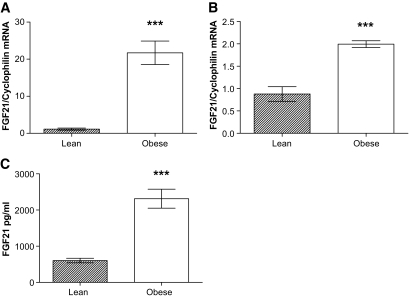
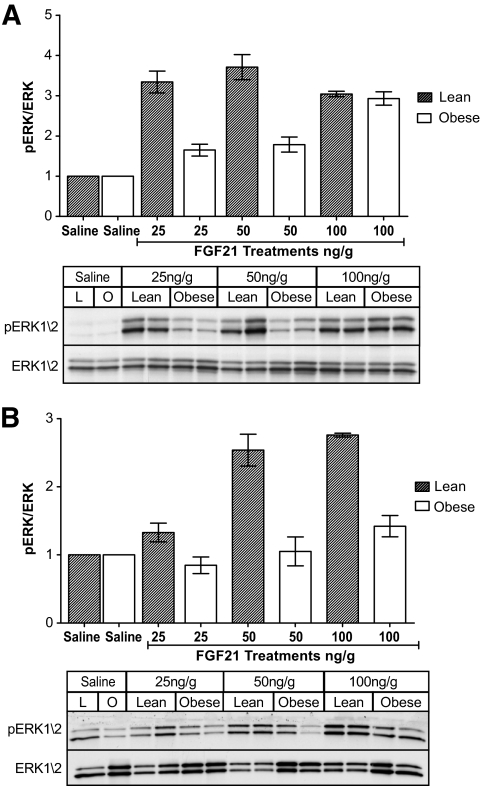
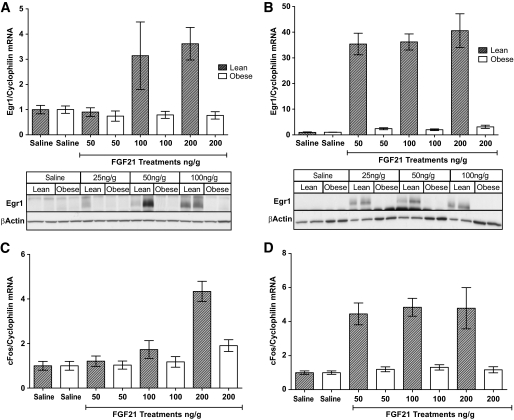
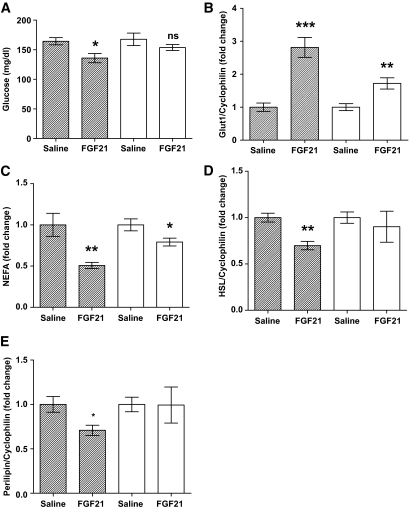
OBJECTIVE: Fibroblast growth factor 21 (FGF21) is a key mediator of fatty acid oxidation and lipid metabolism. Pharmacological doses of FGF21 improve glucose tolerance, lower serum free fatty acids, and lead to weight loss in obese mice. Surprisingly, however, FGF21 levels are elevated in obese ob/ob and db/db mice and correlate positively with BMI in humans. However, the expected beneficial effects of endogenous FGF21 to increase glucose tolerance and reduce circulating triglycerides are absent in obesity. RESEARCH DESIGN AND METHODS: To test the hypothesis that obesity is a state of FGF21 resistance, we evaluated the response of obese mice to exogenous FGF21 administration. In doing this, we assessed the impact of diet-induced obesity on FGF21 signaling and resultant transcriptional events in the liver and white adipose tissue. We also analyzed the physiologic impact of FGF21 resistance by assessing serum parameters that are acutely regulated by FGF21. RESULTS: When obese mice are treated with FGF21, they display both a significantly attenuated signaling response as assessed by extracellular mitogen-activated protein kinase 1 and 2 (ERK1/2) phosphorylation as well as an impaired induction of FGF21 target genes, including cFos and EGR1. These effects were seen in both liver and fat. Similarly, changes in serum parameters such as the decline in glucose and free fatty acids are attenuated in FGF21-treated DIO mice. CONCLUSIONS: These data demonstrate that DIO mice have increased endogenous levels of FGF21 and respond poorly to exogenous FGF21. We therefore propose that obesity is an FGF21-resistant state.
Overview
The claims and statistics of this paper haven’t been checked yet.
Run the check — free, no account needed. It reads the open-access text and checks the sources it cites.
Integrity signals
Registry
Cites
Statistics
Figures
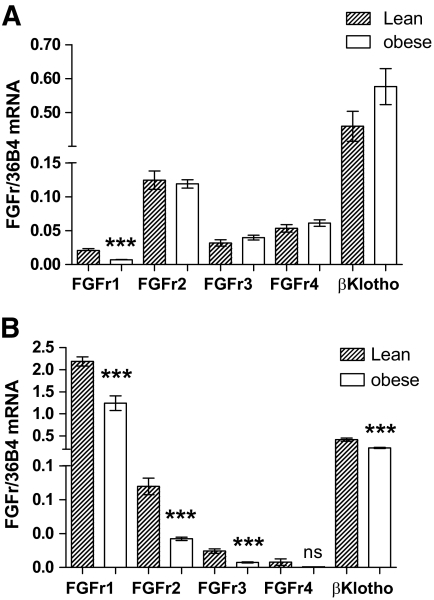
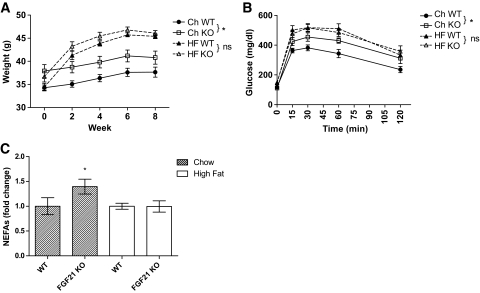
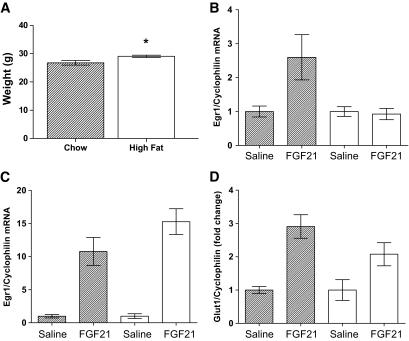
Verification
Claims the paper makes
The claims and statistics of this paper haven’t been checked yet.
Run the check — free, no account needed. It reads the open-access text and checks the sources it cites.
Claims other papers make about this one
Each is checked against this paper’s own text: does it say what the citing paper says it does?
In the citing paper
“Moreover, despite evidence showing improved metabolic fitness in FGF21 treatment or overexpression studies, clinical studies in humans have revealed high FGF21 circulating concentrations in obese and insulin‐resistant subjects, as well as the onset of a so called “FGF21 resistance” 134.”
From Inter‐organ communication: a gatekeeper for metabolic health (2019) · cites this paper as [134]
Self-check
Percentages, sums and reported differences re-computed from the paper’s own numbers.
The self-check needs the paper’s full text.
Citations
Cites
FGF-21 as a novel metabolic regulator
Kharitonenkov, A., Shiyanova, T. L., Koester, A., Ford, A. M., Micanovic, R., Galbreath, E. J., Sandusky, G. E., Hammond, L. J., Moyers, J. S., Owens, R. A., et al. (2005) · Journal of Clinical Investigation · doi:10.1172/jci23606 · Cited by 2,125
Self-citationFrederich, R. C., Hamann, A., Anderson, S., Löllmann, B., Lowell, B. B., & Flier, J. S. (1995) · Nature Medicine · doi:10.1038/nm1295-1311 · Cited by 1,660
Self-citationInagaki, T., Dutchak, P., Zhao, G., Ding, X., Gautron, L., Parameswara, V., Li, Y., Goetz, R., Mohammadi, M., Esser, V., et al. (2007) · Cell Metabolism · doi:10.1016/j.cmet.2007.05.003 · Cited by 1,504
Badman, M. K., Pissios, P., Kennedy, A. R., Koukos, G., Flier, J. S., & Maratos-Flier, E. (2007) · Cell Metabolism · doi:10.1016/j.cmet.2007.05.002 · Cited by 1,495
Self-citationXu, J., Lloyd, D. J., Hale, C., Stanislaus, S., Chen, M., Sivits, G., Vonderfecht, S., Hecht, R., Li, Y.-S., Lindberg, R. A., et al. (2009) · Diabetes · doi:10.2337/db08-0392 · Cited by 1,151
Fibroblast Growth Factor 21 Corrects Obesity in Mice
Coskun, T., Bina, H. A., Schneider, M. A., Dunbar, J. D., Hu, C. C., Chen, Y., Moller, D. E., & Kharitonenkov, A. (2008) · Endocrinology · doi:10.1210/en.2008-0816 · Cited by 1,031
Self-citationZhang, X., Yeung, D. C. Y., Karpisek, M., Stejskal, D., Zhou, Z.-G., Liu, F., Wong, R. L. C., Chow, W.-S., Tso, A. W. K., Lam, K. S. L., et al. (2008) · Diabetes · doi:10.2337/db07-1476 · Cited by 908
Kurosu, H., Choi, M., Ogawa, Y., Dickson, A. S., Goetz, R., Eliseenkova, A. V., Mohammadi, M., Rosenblatt, K. P., Kliewer, S. A., & Kuro-o, M. (2007) · Journal of Biological Chemistry · doi:10.1074/jbc.m704165200 · Cited by 748
The metabolic state of diabetic monkeys is regulated by fibroblast growth factor-21
Kharitonenkov, A., Wroblewski, V. J., Koester, A., Chen, Y.-F., Clutinger, C. K., Tigno, X. T., Hansen, B. C., Shanafelt, A. B., & Etgen, G. J. (2007) · Endocrinology · doi:10.1210/en.2006-1168 · Cited by 738
Self-citationThe role of SOCS-3 in leptin signaling and leptin resistance
Bjørbæk, C., El-Haschimi, K., Frantz, J. D., & Flier, J. S. (1999) · Journal of Biological Chemistry · doi:10.1074/jbc.274.42.30059 · Cited by 639
Self-citation
Cited by
Sorted by citations
Items 301–400 of 826
Khan, F. H., Shaw, L., Zhang, W., Gonzalez, R. M. S., Mowery, S., Oehrle, M., Zhao, X., Jenkins, T. M., Setchell, K. D. R., Inge, T. H., et al. (2016) · Obesity · doi:10.1002/oby.21658 · Cited by 37
Izaguirre, M., Gil, M. J., Monreal, I., Montecucco, F., Frühbeck, G., & Catalán, V. (2017) · Current Diabetes Reports · doi:10.1007/s11892-017-0866-3 · Cited by 41
Hua, L., Zhuo, Y., Jiang, D., Li, J., Huang, X., Yingguo, Z., Li, Z., Yan, L., Jin, C., Jiang, X., et al. (2018) · The FASEB Journal · doi:10.1096/fj.201800240r · Cited by 37
Metformin Therapy Aggravates Neurodegenerative Processes in ApoE –/– Mice
Kuhla, A., Brichmann, E., Rühlmann, C., Thiele, R., Meuth, L., & Vollmar, B. (2019) · Journal of Alzheimer s Disease · doi:10.3233/jad-181017 · Cited by 37
Kim, C.-S., Joe, Y., Choi, H., Back, S. H., Park, J. W., Chung, H., Roh, E., Kim, M., Ha, T. Y., & Yu, R. (2019) · Journal of Inflammation · doi:10.1186/s12950-019-0221-3 · Cited by 36
Huang, S., Wu, B., He, Y., Qiu, R., Yang, T., Wang, S., Lei, Y., Li, H., & Zheng, F. (2023) · Hepatology Communications · doi:10.1097/hc9.0000000000000045 · Cited by 37
The potential effect of metformin on fibroblast growth factor 21 in type 2 diabetes mellitus (T2DM)
Al-Kuraishy, H. M., Al-Gareeb, A. I., Saad, H. M., & Batiha, G. E. (2023) · Inflammopharmacology · doi:10.1007/s10787-023-01255-4 · Cited by 39
Li, S., Zou, T., Chen, J., Li, J., & You, J. (2023) · Genes & Diseases · doi:10.1016/j.gendis.2023.06.033 · Cited by 37
Heilbronn, L. K., Campbell, L. V., Xu, A., & Samocha‐Bonet, D. (2013) · PLoS ONE · doi:10.1371/journal.pone.0078864 · Cited by 36
Transcriptional Regulation of Fibroblast Growth Factor 21 Expression
Bae, K.-H., Kim, J., & Park, K. (2014) · Endocrinology and Metabolism · doi:10.3803/enm.2014.29.2.105 · Cited by 37
Nutrition, metabolism, and targeting aging in nonhuman primates
Balasubramanian, P., Mattison, J. A., & Anderson, R. M. (2017) · Ageing Research Reviews · doi:10.1016/j.arr.2017.02.002 · Cited by 36
Nrf2 prevents Notch-induced insulin resistance and tumorigenesis in mice
Chartoumpekis, D. V., Yagishita, Y., Fazzari, M., Palliyaguru, D. L., Rao, U. N. M., Zaravinos, A., Khoo, N. K. H., Schopfer, F. J., Weiss, K. R., Michalopoulos, G. K., et al. (2018) · JCI Insight · doi:10.1172/jci.insight.97735 · Cited by 36
Leptin as a Potential Regulator of FGF21
Asrih, M., Veyrat‐Durebex, C., Poher, A.-L., Lyautey, J., Rohner‐Jeanrenaud, F., & Jornayvaz, F. R. (2016) · Cellular Physiology and Biochemistry · doi:10.1159/000443070 · Cited by 35
Wu, H., Liu, Y., Chen, X., Zhu, D., Ma, J., Yan, Y., Si, M., Li, X., Sun, C., Yang, B., et al. (2017) · Pharmacology · doi:10.1159/000452492 · Cited by 35
Le, C. T., Nguyen, G., Park, S. Y., Choi, D. H., & Cho, E.-H. (2018) · PLoS ONE · doi:10.1371/journal.pone.0192146 · Cited by 35
Hong, E. S., Lim, C., Choi, H. Y., Lee, Y. K., Ku, E. J., Moon, J. H., Park, K. S., Jang, H. C., & Choi, S. H. (2019) · BMJ Open Diabetes Research & Care · doi:10.1136/bmjdrc-2019-000776 · Cited by 35
Metabolic actions of FGF21: molecular mechanisms and therapeutic implications
Ge, X., Wang, Y., Lam, K. S., & Xu, A. (2012) · Acta Pharmaceutica Sinica B · doi:10.1016/j.apsb.2012.06.011 · Cited by 35
Mechanisms of bariatric surgery for weight loss and diabetes remission
Yin, M., Wang, Y., Han, M., Liang, R., Li, S., Wang, G., & Gang, X. (2023) · Journal of Diabetes · doi:10.1111/1753-0407.13443 · Cited by 36
Akyol, M., Alacacıoğlu, A., Demir, L., Küçükzeybek, Y., Yıldız, Y., Gumus, Z., Kara, M., Salman, T., Varol, U., Taşkaynatan, H., et al. (2017) · Cancer Biomarkers · doi:10.3233/cbm-161507 · Cited by 34
Rosenstock, M., Tseng, L., Pierce, A. A., Offman, E., Chen, C.-Y., Charlton, R., Margalit, M., & Mansbach, H. (2023) · Journal of Pharmacology and Experimental Therapeutics · doi:10.1124/jpet.123.001618 · Cited by 31
Morrice, N., Mcilroy, G. D., Tammireddy, S. R., Reekie, J., Shearer, K., Doherty, M. K., Delibegović, M., Whitfield, P. D., & Mody, N. (2017) · Scientific Reports · doi:10.1038/srep43782 · Cited by 33
Hepatic tristetraprolin promotes insulin resistance through RNA destabilization of FGF21
Sawicki, K. T., Chang, H., Shapiro, J. S., Bayeva, M., Jesus, A. D., Finck, B. N., Wertheim, J. A., Blackshear, P. J., & Ardehali, H. (2018) · JCI Insight · doi:10.1172/jci.insight.95948 · Cited by 33
Wang, C., Dai, J., Yang, M., Deng, G., Xu, S., Jia, Y., Boden, G. H., Ma, Z. A., Yang, G., & Li, L. (2014) · FEBS Journal · doi:10.1111/febs.12767 · Cited by 32
Pathogenesis and remission of type 2 diabetes: what has the twin cycle hypothesis taught us?
Al-Mrabeh, A. H. (2020) · Cardiovascular Endocrinology & Metabolism · doi:10.1097/xce.0000000000000201 · Cited by 35
Fibroblast growth factor 21: a promising therapeutic target in obesity-related diseases
Cheung, B. M. Y., & Deng, H. (2014) · Expert Review of Cardiovascular Therapy · doi:10.1586/14779072.2014.904745 · Cited by 32
McCarty, M. F. (2014) · Medical Hypotheses · doi:10.1016/j.mehy.2014.06.014 · Cited by 32
Fujii, N., Uta, S., Kobayashi, M., Sato, T., Okita, N., & Higami, Y. (2019) · Experimental Gerontology · doi:10.1016/j.exger.2019.01.001 · Cited by 32
FGF21 controls hepatic lipid metabolism via sex-dependent interorgan crosstalk
CHAFFIN, A. T. B., Larson, K. R., Huang, K.-P., Wu, C.-T., Nadejda, G., Fang, Y., Jayakrishnan, D., Sauza, K. A. S., Sims, L. C., Mohajerani, N., et al. (2022) · JCI Insight · doi:10.1172/jci.insight.155848 · Cited by 31
Post, A., Dam, W., Sokooti, S., Groothof, D., Gloerich, J., van Gool, A. J., Kremer, D., Gansevoort, R. T., van den Born, J., Kema, I. P., et al. (2022) · The Journal of Clinical Endocrinology & Metabolism · doi:10.1210/clinem/dgac729 · Cited by 30
The Ablation of Mitochondrial Protein Phosphatase Pgam5 Confers Resistance Against Metabolic Stress
Sekine, S., Akari, Y., Hattori, K., Sugawara, S., Naguro, I., Koike, M., Uchiyama, Y., Takeda, K., & Ichijo, H. (2016) · EBioMedicine · doi:10.1016/j.ebiom.2016.01.031 · Cited by 31
Cheng, S. T. W., Li, S. Y. T., & Leung, P. S. (2019) · International Journal of Molecular Sciences · doi:10.3390/ijms20102517 · Cited by 31
Ji, F., Liu, Y., Hao, J., Wang, L., Dai, M.-J., Shen, G.-F., & Yan, X. (2019) · Aging · doi:10.18632/aging.102293 · Cited by 31
Panera, N., Meroni, M., Longo, M., Crudele, A., Valenti, L. V. C., Bellacchio, E., Miele, L., Doria, V., Paolini, E., Maggioni, M., et al. (2021) · EBioMedicine · doi:10.1016/j.ebiom.2021.103249 · Cited by 31
Fibroblast growth factor 21 as a potential master regulator in metabolic disorders
Velingkar, A., Vuree, S., Prabhakar, P. K., Kalashikam, R. R., Banerjee, A., & Kondeti, S. (2023) · American Journal of Physiology-Endocrinology and Metabolism · doi:10.1152/ajpendo.00244.2022 · Cited by 32
on behalf of the FIELD study investigators, Ong, K. L., Januszewski, A. S., O'Connell, R. L., Buizen, L., Jenkins, A. J., Xu, A., SULLIVAN, D. R., Barter, P. J., Scott, R. S., et al. (2015) · Diabetologia · doi:10.1007/s00125-015-3652-2 · Cited by 31
Mechanistic insights into the liver–brain axis during chronic liver disease
Siddle, M. R., Durán, R. G., Goel, D., Renquist, B. J., Holt, M. K., & Hadjihambi, A. (2025) · Nature Reviews Gastroenterology & Hepatology · doi:10.1038/s41575-025-01142-z · Cited by 36
The role of FGF21 in type 1 diabetes and its complications
Zhang, J., Weng, W., Wang, K., Lu, X., Cai, L., & Sun, J. (2018) · International Journal of Biological Sciences · doi:10.7150/ijbs.25026 · Cited by 30
Ahuja, P., Bi, X., Ng, C. F., Tse, M. C. L., Hang, M., Pang, B. P. S., Iu, E. C. Y., Chan, W. S., Ooi, X. C., Sun, A., et al. (2022) · Hepatology · doi:10.1002/hep.32501 · Cited by 30
Yang, M., Dong, J., Liu, H., Li, L., & Yang, G. (2011) · PLoS ONE · doi:10.1371/journal.pone.0026359 · Cited by 30
Downing, L. E., Edgar, D., Ellison, P. A., & Ricketts, M. (2017) · Cell Biochemistry and Function · doi:10.1002/cbf.3247 · Cited by 30
Dong, H., Qin, M., Wang, P., Li, S., & Wang, X. (2023) · Adipocyte · doi:10.1080/21623945.2023.2266147 · Cited by 33
Hua, L., Li, J., Feng, B., Jiang, D., Jiang, X., Luo, T., Che, L., Xu, S., Lin, Y., Fang, Z., et al. (2020) · Endocrinology · doi:10.1210/endocr/bqaa244 · Cited by 30
Murphy, M., Samms, R. J., Warner, A., Bolborea, M., Barrett, P., Fowler, M. J., Brameld, J. M., Tsintzas, K., Kharitonenkov, A., Adams, A. C., et al. (2012) · Journal of Neuroendocrinology · doi:10.1111/j.1365-2826.2012.02383.x · Cited by 29
Self-citationKomori, T., Tanaka, M., Furuta, H., Akamizu, T., Miyajima, A., & Morikawa, Y. (2015) · Diabetologia · doi:10.1007/s00125-015-3613-9 · Cited by 29
Yan, B., Mei, Z., Tang, Y., Song, H., Wu, H., Jing, Q., Zhang, X., Yan, C., & Han, Y. (2023) · Cell Death and Disease · doi:10.1038/s41419-023-05842-9 · Cited by 29
Longhitano, L., Distefano, A., Musso, N., Bonacci, P. G., Orlando, L., Giallongo, S., Tibullo, D., Denaro, S., Lazzarino, G., Ferrigno, J., et al. (2024) · Journal of Translational Medicine · doi:10.1186/s12967-024-04880-x · Cited by 33
Gulej, R., Patai, R., Ungvari, A., Kállai, A., Tarantini, S., Yabluchanskiy, A., Huffman, D. M., Conboy, M. J., Conboy, I. M., Mika Kivimaki, B., et al. (2025) · GeroScience · doi:10.1007/s11357-025-01657-y · Cited by 29
Fjeldborg, K., Pedersen, S. B., Møller, H. J., & Richelsen, B. (2017) · Surgery for Obesity and Related Diseases · doi:10.1016/j.soard.2017.03.033 · Cited by 28
Moure, R., Cairó, M., Morón‐Ros, S., Quesada‐López, T., Campderrós, L., Cereijo, R., Hernáez, Á., Villarroya, F., & Giralt, M. (2021) · American Journal of Physiology-Endocrinology and Metabolism · doi:10.1152/ajpendo.00270.2020 · Cited by 28
Min, A.-K., Bae, K.-H., Jung, Y., Choi, Y., Kim, M., Kim, J., Jeon, J., Kim, J., Lee, I., & Park, K. (2014) · Endocrinology · doi:10.1210/en.2013-1758 · Cited by 28
ter Horst, K. W., Gilijamse, P. W., Demirkıran, A., van Wagensveld, B. A., Ackermans, M. T., Verheij, J., Romijn, J. A., Nieuwdorp, M., Maratos–Flier, E., Herman, M. A., et al. (2017) · Molecular Metabolism · doi:10.1016/j.molmet.2017.08.014 · Cited by 28
Self-citationKunz, H., Dasari, S., & Lanza, I. R. (2019) · American Journal of Physiology-Endocrinology and Metabolism · doi:10.1152/ajpendo.00083.2019 · Cited by 28
Socha‐Banasiak, A., Michalak, A., Pacześ, K., Gaj, Z., Fendler, W. M., Socha, A., Głowacka, E., Kapka, K., Gołąbek, V., & Czkwianianc, E. (2020) · BMC Pediatrics · doi:10.1186/s12887-020-02199-2 · Cited by 27
Hepatic Phospholipid Remodeling Modulates Insulin Sensitivity and Systemic Metabolism
Tian, Y., Mehta, K., Jellinek, M. J., Sun, H., Lu, W., Shi, R., Ingram, K., Friedline, R. H., Kim, J. K., Kemper, J. K., et al. (2023) · Advanced Science · doi:10.1002/advs.202300416 · Cited by 26
Fibroblast Growth Factor 21: A Novel Metabolic Regulator
Seo, J. A., & Kim, N. H. (2012) · Diabetes & Metabolism Journal · doi:10.4093/dmj.2012.36.1.26 · Cited by 27
Chen, X., Kunda, L. S. M., Li, X., Wang, N., Huang, Y., Hao, Y., He, Q. Z., Liao, W., & Chen, J. (2025) · Journal of Agricultural and Food Chemistry · doi:10.1021/acs.jafc.4c10375 · Cited by 26
Liu, W., Huang, S., Shi, K., Zhao, C., Chen, L.-L., Braddock, M., Chen, Y., Feng, W., & Zheng, M. (2014) · Expert Opinion on Therapeutic Targets · doi:10.1517/14728222.2014.944898 · Cited by 26
Tanajak, P., Pongkan, W., Chattipakorn, S. C., & Chattipakorn, N. (2018) · Diabetes and Vascular Disease Research · doi:10.1177/1479164118757152 · Cited by 26
Fibroblast Growth Factor Binding Protein 3 (FGFBP3) impacts carbohydrate and lipid metabolism
Tassi, E., Garman, K. A., Schmidt, M. O., Ma, X., Kabbara, K. W., Üren, A., Tomita, Y. A., Goetz, R. M., Mohammadi, M., Wilcox, C. S., et al. (2018) · Scientific Reports · doi:10.1038/s41598-018-34238-5 · Cited by 28
Liu, Q., Wang, S., Wei, M., Huang, X., Cheng, Y., Shao, Y., Xia, P., Zhong, M., Liu, S., Zhang, G., et al. (2019) · Frontiers in Endocrinology · doi:10.3389/fendo.2019.00566 · Cited by 27
Maresin 1 Regulates Hepatic FGF21 in Diet‐Induced Obese Mice and in Cultured Hepatocytes
Martínez‐Fernández, L., González‐Muniesa, P., Sáinź, N., Laiglesia, L. M., Escoté, X., Martínez, J. A., & Moreno-Aliaga, M. J. (2019) · Molecular Nutrition & Food Research · doi:10.1002/mnfr.201900358 · Cited by 26
GRAHAM, D. S., Liu, G., Arasteh, A., Yin, X., & Yan, S. (2023) · PLoS ONE · doi:10.1371/journal.pone.0286726 · Cited by 26
Jeon, J. Y., Choi, S., Ha, E. S., Kim, T. H., Jung, J. G., Han, S. J., Kim, H. J., Kim, D. J., KANG, Y. Y., & Lee, K. W. (2016) · Endocrine · doi:10.1007/s12020-015-0845-x · Cited by 26
HFpEF and MASLD: converging mechanisms and clinical implications
Capone, F., Häseli, S. P., Liu, L., Strocchi, S., Langenberg, C., Lusis, A. J., Pietzner, M., Muoio, D. M., Rider, O. J., Raman, B., et al. (2026) · Nature Reviews Cardiology · doi:10.1038/s41569-026-01257-z · Cited by 35
Almendáriz-Palacios, C., Mousseau, D. D., Eskiw, C. H., & Gillespie, Z. E. (2020) · International Journal of Molecular Sciences · doi:10.3390/ijms21239220 · Cited by 30
Liu, Z., Luo, Y., Fang, A., Wusiman, M., He, T., Liu, X., Yishake, D., Chen, S. X., Lu, X., Zhang, Y., et al. (2021) · Liver International · doi:10.1111/liv.15100 · Cited by 25
Rebollo‐Hernanz, M., Aguilera, Y., Martin-Cabrejas, M. A., & de Mejı́a, E. G. (2022) · Frontiers in Nutrition · doi:10.3389/fnut.2022.866233 · Cited by 28
Fibroblast Growth Factor‐21 and the Beneficial Effects of Long‐Chain n‐3 Polyunsaturated Fatty Acids
Villarroya, J., Flachs, P., Redondo‐Angulo, I., Giralt, M., Medříková, D., Villarroya, F., Kopecký, J., & Planavila, A. (2014) · Lipids · doi:10.1007/s11745-014-3948-x · Cited by 25
Strączkowski, M., Karczewska‐Kupczewska, M., Adamska, A., Otziomek, E., Kowalska, I., & Nikołajuk, A. (2013) · International Journal of Obesity · doi:10.1038/ijo.2013.10 · Cited by 25
Role of fibroblast growth factor 21 in gestational diabetes mellitus: A mini‐review
Yuan, D., Wu, B. J., Henry, A., Rye, K., & Ong, K. L. (2018) · Clinical Endocrinology · doi:10.1111/cen.13881 · Cited by 26
Hepatic p38 Activation Modulates Systemic Metabolism Through FGF21-Mediated Interorgan Communication
Liu, W., Sun, C., Yan, Y., Cao, H., Niu, Z., Shen, S., Liu, S., Wu, Y., Yan, L., Hui, L., et al. (2021) · Diabetes · doi:10.2337/db21-0240 · Cited by 24
Larion, S., Padgett, C. A., Butcher, J. T., MINTZ, J. D., Fulton, D. J., & Stepp, D. W. (2022) · American Journal of Physiology-Gastrointestinal and Liver Physiology · doi:10.1152/ajpgi.00130.2022 · Cited by 25
Role of liver FGF21-KLB signaling in ketogenic diet-induced amelioration of hepatic steatosis
Guo, W., Cao, H., Shen, Y., Li, W., Wang, W. J., Cheng, L., Cai, M., & Xu, F. L. (2024) · Nutrition and Diabetes · doi:10.1038/s41387-024-00277-3 · Cited by 24
Hormone resistance in diabetes and obesity: insulin, leptin, and FGF21.
Flier, J. S. (2012) · Europe PMC (PubMed Central) · Cited by 24
Self-citationOlszanecka‐Glinianowicz, M., Madej, P., Wdowczyk, M., Owczarek, A. J., & Chudek, J. T. (2014) · European Journal of Endocrinology · doi:10.1530/eje-14-0539 · Cited by 25
MicroRNA-34a and Impaired FGF19/21 Signaling in Obesity
Fu, T., & Kemper, J. K. (2016) · Vitamins and hormones · doi:10.1016/bs.vh.2016.02.002 · Cited by 24
Pérez‐Martí, A., Sandoval, V., Marrero, P. F., Haro, D., & Relat, J. (2016) · Hormone Molecular Biology and Clinical Investigation · doi:10.1515/hmbci-2016-0034 · Cited by 24
Chang, H. H., Chen, P. S., Cheng, Y. W., Wang, T., Yang, Y. K., & Lu, R. (2017) · The International Journal of Neuropsychopharmacology · doi:10.1093/ijnp/pyx093 · Cited by 24
Nygaard, E. B., Ørskov, C., Almdal, T., Vestergaard, H., & Andersen, B. (2018) · Journal of Endocrinology · doi:10.1530/joe-18-0002 · Cited by 24
The Suitability of FGF21 and FGF23 as New Biomarkers in Endometrial Cancer Patients
Cymbaluk‐Płoska, A., Gargulińska, P., Chudecka-Glaz, A. M., Kwiatkowski, S., Pius‐Sadowska, E., & Machaliński, B. (2020) · Diagnostics · doi:10.3390/diagnostics10060414 · Cited by 23
Kim, Y. J., Kim, H. J., Lee, S. G., Kim, D. H., Jang, S., Go, H. S., Lee, W. J., & Seong, J. K. (2022) · Metabolism · doi:10.1016/j.metabol.2022.155178 · Cited by 23
Zhang, Y., Yin, R., Lang, J., Fu, Y., Yang, L., & Zhao, D. (2022) · Diabetology & Metabolic Syndrome · doi:10.1186/s13098-022-00823-y · Cited by 23
Dong, K., Li, H., Zhang, M., Jiang, S., Chen, S., Zhou, J., Dai, Z., Fang, Q., & Jia, W. (2015) · Biochemical and Biophysical Research Communications · doi:10.1016/j.bbrc.2015.02.104 · Cited by 23
Jung, J. G., Yi, S., Choi, S., KANG, Y. Y., Kim, T. H., Jeon, J. Y., Bae, M. A., Ahn, J. H., Jeong, H., Hwang, E. S., et al. (2015) · Molecules and Cells · doi:10.14348/molcells.2015.0100 · Cited by 23
Non-sympathetic control of brown adipose tissue
Cereijo, R., Villarroya, J., & Villarroya, F. (2015) · International Journal of Obesity Supplements · doi:10.1038/ijosup.2015.10 · Cited by 23
Yang, W., Chen, X., Liu, Y., Chen, M., Jiang, X., Shen, T., Li, Q., Yang, Y., & Ling, W. (2017) · Molecular Nutrition & Food Research · doi:10.1002/mnfr.201601075 · Cited by 25
Haberka, M., Machnik, G., Kowalówka, A. R., Biedroń, M., Skudrzyk, E., Regulska−Ilow, B., Gajos, G., Manka, R., Deja, M. A., Okopień, B., et al. (2019) · Polskie Archiwum Medycyny Wewnętrznej · doi:10.20452/pamw.14961 · Cited by 23
Gavrieli, A., & Mantzoros, C. S. (2016) · Endocrinology and Metabolism · doi:10.3803/enm.2016.31.3.361 · Cited by 21
A novel role of CRTC2 in promoting nonalcoholic fatty liver disease
Han, H.-S., Kim, S. G., Kim, Y. S., Jang, S., Kwon, Y., Choi, D., Huh, T., Moon, E., Ahn, E., Seong, J. K., et al. (2021) · Molecular Metabolism · doi:10.1016/j.molmet.2021.101402 · Cited by 22
Geißler, C., Krause, C., Neumann, A., Britsemmer, J. H., Taege, N., Grohs, M., Kaehler, M., Cascorbi, I., Lewis, A. G., Seeley, R. J., et al. (2021) · The Journal of Nutritional Biochemistry · doi:10.1016/j.jnutbio.2021.108907 · Cited by 22
Fibroblast growth factor 21: A “rheostat” for metabolic regulation?
She, Q.-Y., Bao, J., Wang, H.-Z., Liang, H., Huang, W., Wu, J., Zhong, Y.-W., Ling, H., Li, A., & Qin, S.-L. (2022) · Metabolism · doi:10.1016/j.metabol.2022.155166 · Cited by 22
Gallego-Escuredo, J. M., Domingo, P., Gutiérrez, M. D. M., Mateo, G. M., Cabeza, M. C., Fontanet, À., Vidal, F., Domingo, J. C., Giralt, M., & Villarroya, F. (2012) · JAIDS Journal of Acquired Immune Deficiency Syndromes · doi:10.1097/qai.0b013e318271c2c7 · Cited by 22
Hu, Y., Liu, J., Zhang, H., Xu, Y., Hong, T., & Wang, G. (2016) · Diabetes & Metabolism · doi:10.1016/j.diabet.2016.04.005 · Cited by 22
The impact of type 2 diabetes on bone metabolism and growth after spinal fusion
Bhamb, N., Kanim, L. E. A., Maldonado, R. C., Nelson, T. J., Salehi, K., Glaeser, J. D., & Metzger, M. F. (2018) · The Spine Journal · doi:10.1016/j.spinee.2018.12.003 · Cited by 22
FGF21 regulates melanogenesis in alpaca melanocytes via ERK1/2-mediated MITF downregulation
Wang, R., Chen, T., Zhao, B., Fan, R., Ji, K., Yu, X., Wang, X., & Dong, C. (2017) · Biochemical and Biophysical Research Communications · doi:10.1016/j.bbrc.2017.06.064 · Cited by 22
Inflammation—Insulin Resistance Crosstalk and the Central Role of Myokines
Dobre, M.-Z., Vîrgolici, B., Stefan, D. C. A., Doicin, I.-C., & Stănescu-Spînu, I.-I. (2025) · International Journal of Molecular Sciences · doi:10.3390/ijms27010060 · Cited by 23
Kalafut, K. C., Mitchell, S. J., MacArthur, M. R., & Mitchell, J. R. (2022) · Frontiers in Nutrition · doi:10.3389/fnut.2022.839341 · Cited by 22
Wang, Yu, Zhang, Floyd, Z. E., Lian, Cefalu, & Boudreau (2012) · International Journal of Nanomedicine · doi:10.2147/ijn.s30887 · Cited by 21
Foo, J., Aronis, K. N., Chamberland, J. P., Paruthi, J., Moon, H., & Mantzoros, C. S. (2012) · Diabetes Care · doi:10.2337/dc12-0497 · Cited by 21
Relationship between FGF21 and drug or nondrug therapy of type 2 diabetes mellitus
Guo, C. Y., Zhao, L., Li, Y., Deng, X., & Yuan, G. (2020) · Journal of Cellular Physiology · doi:10.1002/jcp.29879 · Cited by 21
Metadata
- Authors
- Fisher, F. M., Chui, P. C., Antonellis, P. J., Bina, H. A., Kharitonenkov, A., Flier, J. S., & Maratos-Flier, E.
- Affiliations
- Beth Israel Deaconess Medical Center (US)
- Eli Lilly (United States) (US)
- Department of Medicine, Beth Israel Deaconess Medical Center, Harvard Medical School, Boston, Massachusetts;
- Venue
- Diabetes
- Publisher
- American Diabetes Association
- Published
- 2010-08-03
- Volume
- 59
- Issue
- 11
- Pages
- 2781-2789
- ISSN
- 0012-1797 (ISSN-L)
- 1939-327X
- PMC
- PMC2963536
- OpenAlex
- W2134944069
- Cited by
- 830
- References
- 30
- Citations by year
- 2026: 31 · 2025: 61 · 2024: 62 · 2023: 54 · 2022: 66 · 2021: 59 · 2020: 50 · 2019: 56 · 2018: 58 · 2017: 74 · 2016: 60 · 2015: 51 · 2014: 45 · 2013: 29 · 2012: 47
- FWCI
- 13.19
- Type
- journal article
- Language
- en
- Open access
- hybrid
- doi.org
- Licence
- Locations
- Diabetes (publishedVersion, cc-by-nc-nd)
- PubMed Central (publishedVersion, cc-by-nc-nd)
- PubMed (publishedVersion)
- Funders
- National Institute of Diabetes and Digestive and Kidney Diseases (R37DK028082)
- Topics
- Life Sciences › Biochemistry, Genetics and Molecular Biology › Molecular Biology › Fibroblast Growth Factor Research
- Health Sciences › Medicine › Endocrinology, Diabetes and Metabolism › Adipokines, Inflammation, and Metabolic Diseases
- Life Sciences › Biochemistry, Genetics and Molecular Biology › Molecular Biology › Peroxisome Proliferator-Activated Receptors
- Keywords
- FGF21, FGF21 resistance, obesity, diet-induced obesity, ERK1/2 phosphorylation, c-fos, EGR1, liver, white adipose tissue, glucose tolerance, free fatty acids, lipid metabolism, ob/ob mice, db/db mice
- MeSH terms
- Adipose Tissue, Animals, Drug Resistance, Fibroblast Growth Factors, Humans, Injections, Intravenous, Liver, Mice, Inbred C57BL, Mice, Obese, Obesity, Recombinant Proteins, RNA, Messenger, Signal Transduction, Reverse Transcriptase Polymerase Chain Reaction, Mitogen-Activated Protein Kinase 3, Mice
About these checks
Registry, retraction, Cites and statistics results are computed, not judged, with one exception: a printed reference that no index lists is read once by a model before it counts as a citation error. Claims are extracted by a model and kept only when their quote appears verbatim in the text; each cited source is then checked, with a model’s help, for whether it says what the claim relies on. Those verdicts can be wrong — read the claim’s quote and the cited source before relying on one.
Statistics and arithmetic are recomputed, not judged.
Confidence bands are shown only for fields calibrated on our annotated test set. None is calibrated yet, so no band is shown.
What counts as a claim ›How we measure confidence ›How we check this ›
Are you an author, or do you see a problem with this page? Request a review
