

The DOI matches its Crossref record; 50 of the 52 references it cites were found in a registry or an index.
Differential Adaptation of Human Gut Microbiota to Bariatric Surgery–Induced Weight Loss
Open accessAbstract
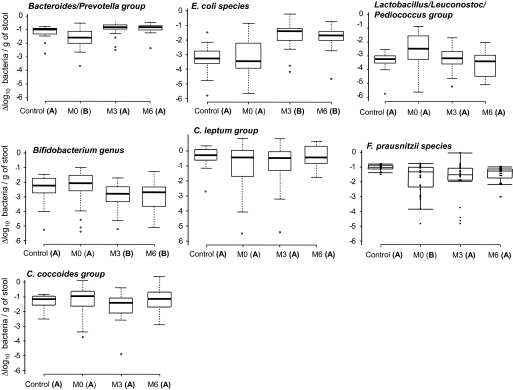
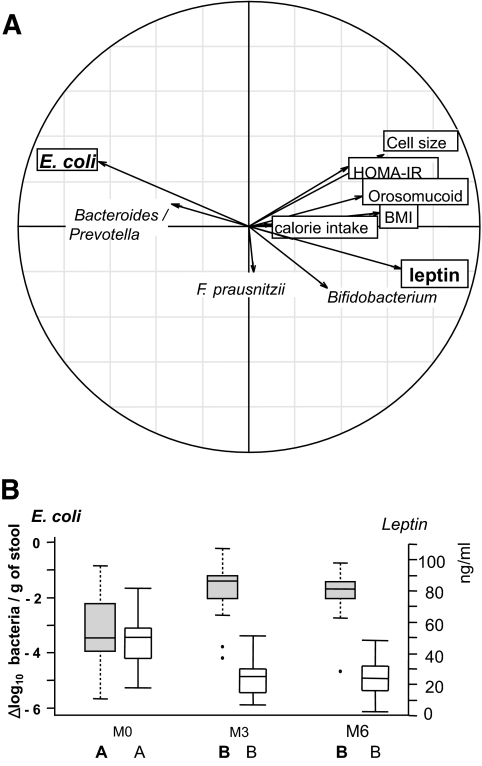
OBJECTIVE: Obesity alters gut microbiota ecology and associates with low-grade inflammation in humans. Roux-en-Y gastric bypass (RYGB) surgery is one of the most efficient procedures for the treatment of morbid obesity resulting in drastic weight loss and improvement of metabolic and inflammatory status. We analyzed the impact of RYGB on the modifications of gut microbiota and examined links with adaptations associated with this procedure. RESEARCH DESIGN AND METHODS: Gut microbiota was profiled from fecal samples by real-time quantitative PCR in 13 lean control subjects and in 30 obese individuals (with seven type 2 diabetics) explored before (M0), 3 months (M3), and 6 months (M6) after RYGB. RESULTS: Four major findings are highlighted: 1) Bacteroides/Prevotella group was lower in obese subjects than in control subjects at M0 and increased at M3. It was negatively correlated with corpulence, but the correlation depended highly on caloric intake; 2) Escherichia coli species increased at M3 and inversely correlated with fat mass and leptin levels independently of changes in food intake; 3) lactic acid bacteria including Lactobacillus/Leuconostoc/Pediococcus group and Bifidobacterium genus decreased at M3; and 4) Faecalibacterium prausnitzii species was lower in subjects with diabetes and associated negatively with inflammatory markers at M0 and throughout the follow-up after surgery independently of changes in food intake. CONCLUSIONS: These results suggest that components of the dominant gut microbiota rapidly adapt in a starvation-like situation induced by RYGB while the F. prausnitzii species is directly linked to the reduction in low-grade inflammation state in obesity and diabetes independently of calorie intake.
Overview
The claims and statistics of this paper haven’t been checked yet.
Run the check — free, no account needed. It reads the open-access text and checks the sources it cites.
Integrity signals
Registry
Cites
Statistics
Figures
Verification
Claims the paper makes
The claims and statistics of this paper haven’t been checked yet.
Run the check — free, no account needed. It reads the open-access text and checks the sources it cites.
Claims other papers make about this one
Each is checked against this paper’s own text: does it say what the citing paper says it does?
In the citing paper
“Moreover, our results are in agreement with previous findings showing an expansion of Proteobacteria shortly after RYGB, both in humans (Furet et al., 2010; Graessler et al., 2013; Kong et al., 2013; Zhang et al., 2009) and mice (Liou et al., 2013).”
From Roux-en-Y Gastric Bypass and Vertical Banded Gastroplasty Induce Long-Term Changes on the Human Gut Microbiome Contributing to Fat Mass Regulation (2015) · cites this paper as Furet et al., 2010
In the citing paper
“Recent work has also indicated that the gut microbiota may mediate some of the beneficial effects of bariatric surgery, and changes in the composition and diversity of the gut microbiota have been observed in the short term after RYGB in humans (Furet et al., 2010; Graessler et al., 2013; Kong et al., 2013; Zhang et al., 2009), as well as after vertical sleeve gastrectomy and RYGB in mice (Liou et”
From Roux-en-Y Gastric Bypass and Vertical Banded Gastroplasty Induce Long-Term Changes on the Human Gut Microbiome Contributing to Fat Mass Regulation (2015) · cites this paper as Furet et al., 2010
In the citing paper
“The reduced fat mass gain in GF mice transplanted with RYGB and VBG microbiota is in agreement with our results on the composition of the gut microbiome and with a short-term human study showing an inverse correlation between E. coli abundance and fat mass after RYGB (Furet et al., 2010).”
From Roux-en-Y Gastric Bypass and Vertical Banded Gastroplasty Induce Long-Term Changes on the Human Gut Microbiome Contributing to Fat Mass Regulation (2015) · cites this paper as Furet et al., 2010
In the citing paper
“While this ratio was negatively correlated with body weight, BMI, and body fat mass, the correlation was highly dependent on total calorie intake.”
From The athletic gut microbiota (2020) · cites this paper as [163]
In the citing paper
“Furet and colleagues [163] reported that the Bacteroides/Prevotella ratio increased within 3 months after surgery and remained stable thereafter.”
From The athletic gut microbiota (2020) · cites this paper as [163]
In the citing paper
“Other alterations, such as the reduction of lactic acid forming bacteria, indicate a complex effect of severe calorie restriction.”
From The athletic gut microbiota (2020) · cites this paper as [163]
Self-check
Percentages, sums and reported differences re-computed from the paper’s own numbers.
The self-check needs the paper’s full text.
Citations
Cites
An obesity-associated gut microbiome with increased capacity for energy harvest
Turnbaugh, P. J., Ley, R. E., Mahowald, M. A., Magrini, V., Mardis, E. R., & Gordon, J. I. (2006) · Nature · doi:10.1038/nature05414 · Cited by 12,444 · cited 1×
“A role for the intestinal microbiota in harvesting energy from food (4) and regulating body fat storage (5) was proposed in rodents.”
Backgroundnlme : Linear and nonlinear mixed effects models
DebRoy, S. (2006) · Medical Entomology and Zoology · Cited by 10,009
Human gut microbes associated with obesity
Ley, R. E., Turnbaugh, P. J., Klein, S., & Gordon, J. I. (2006) · Nature · doi:10.1038/4441022a · Cited by 8,785 · cited 2×
“However, the lower proportion of Bacteroides/Prevotella in obese subjects before RYGB and their increase after weight loss are in agreement with landmark studies in less obese populations (11,20).”
BackgroundResultA core gut microbiome in obese and lean twins
Turnbaugh, P. J., Hamady, M., Yatsunenko, T., Cantarel, B. L., Duncan, A., Ley, R. E., Sogin, M. L., Jones, W. J., Roe, B. A., Affourtit, J. P., et al. (2009) · Nature · doi:10.1038/nature07540 · Cited by 7,823 · cited 1×
“However, the lower proportion of Bacteroides/Prevotella in obese subjects before RYGB and their increase after weight loss are in agreement with landmark studies in less obese populations (11,20).”
ResultAdipose Expression of Tumor Necrosis Factor-α: Direct Role in Obesity-Linked Insulin Resistance
Hotamisligil, G. S., Shargill, N. S., & Spiegelman, B. M. (1993) · Science · doi:10.1126/science.7678183 · Cited by 7,518 · cited 1×
“10 inflammation pathologies like obesity and diabetes (35-37).”
BackgroundBariatric Surgery: A Systematic Review and Meta-analysis
Buchwald, H., Avidor, Y., Braunwald, E., Jensen, M. D., Pories, W., Fahrbach, K., & Schoelles, K. (2004) · JAMA · doi:10.1001/jama.292.14.1724 · Cited by 6,800 · cited 1×
“Unraveling the immediate and long-term adaptations associated with gastric bypass surgery has proved challenging predominantly because the consequences of this procedure include caloric restriction, diminished nutrient absorption, reduced adipose mass, modified gut hormone signaling, and changes in whole-body glucose…”
BackgroundThe gut microbiota as an environmental factor that regulates fat storage
Bäckhed, F., Ding, H., Wang, T., Hooper, L. V., Koh, G. Y., Nagy, A., Semenkovich, C. F., & Gordon, J. I. (2004) · Proceedings of the National Academy of Sciences · doi:10.1073/pnas.0407076101 · Cited by 6,245 · cited 1×
“A role for the intestinal microbiota in harvesting energy from food (4) and regulating body fat storage (5) was proposed in rodents.”
BackgroundObesity alters gut microbial ecology
Ley, R. E., Bäckhed, F., Turnbaugh, P., Lozupone, C. A., Knight, R. D., & Gordon, J. I. (2005) · Proceedings of the National Academy of Sciences · doi:10.1073/pnas.0504978102 · Cited by 6,176 · cited 1×
“These changes were associated with a dysbiosis in obese mice: an increased representation of the Firmicutes phylum and a reduced representation of the Bacteroidetes phylum (6).”
BackgroundCani, P. D., Bibiloni, R., Knauf, C., Waget, A., Neyrinck, A. M., Delzenne, N. M., & Burcelin, R. (2008) · Diabetes · doi:10.2337/db07-1403 · Cited by 4,819
Sokol, H., Pigneur, B., Watterlot, L., Lakhdari, O., Bermúdez-Humarán, L. G., Gratadoux, J.-J., Blugeon, S., Bridonneau, C., Furet, J.-P., Corthier, G., et al. (2008) · Proceedings of the National Academy of Sciences · doi:10.1073/pnas.0804812105 · Cited by 4,413
Self-citation
Research works printed but not linked: 1
- Chessel, 2010, Analysis of Ecological Data: Exploratory and Euclidean Methods in Environmental Sciences. Version 1.4–14, 1, 4
Cited by
Sorted by citations
Items 701–800 of 998
Coptidis Rhizoma-Contained Traditional Formulae for Insomnia: A Potential to Prevent Diabetes?
Huang, W., & Dong, H. (2018) · Chinese Journal of Integrative Medicine · doi:10.1007/s11655-018-3012-4 · Cited by 19
Björkqvist, O., Rangel, I., Serrander, L., Magnusson, C., Halfvarson, J., Norén, T., & Jungeström, M. B. (2021) · PLoS ONE · doi:10.1371/journal.pone.0249861 · Cited by 20
Bonaventura, M. V. M. D., Coman, M. M., Tomassoni, D., Bonaventura, E. M. D., Botticelli, L., Gabrielli, M. G., Rossolini, G. M., Pilato, V. D., Cecchini, C., Amedei, A., et al. (2021) · International Journal of Molecular Sciences · doi:10.3390/ijms222011171 · Cited by 19
The Impact of Dietary Fiber as a Prebiotic on Inflammation in Children with Obesity
Visuthranukul, C., Kwanbunbumpen, T., Chongpison, Y., Chamni, S., Panichsillaphakit, E., Uaariyapanichkul, J., Maholarnkij, S., & Chomtho, S. (2022) · Foods · doi:10.3390/foods11182856 · Cited by 19
The Role of the Gut Microbiome in Pediatric Obesity and Bariatric Surgery
Akagbosu, C., Nadler, E. P., Levy, S., & Hourigan, S. K. (2022) · International Journal of Molecular Sciences · doi:10.3390/ijms232315421 · Cited by 22
Prudêncio, A. P. A., Fonseca, D. C., Machado, N. M., Alves, J. T. M., Sala, P., Fernandes, G. D. R., Torrinhas, R. S., & Waitzberg, D. L. (2023) · Nutrients · doi:10.3390/nu15051185 · Cited by 19
Chiu, C.-M., Lin, F.-M., Chang, T., Huang, W.-C., Liang, C., Yang, T., Wu, W.-Y., Yang, T.-L., Weng, S.-L., & Huang, H. (2014) · Journal of Clinical Bioinformatics · doi:10.1186/2043-9113-4-1 · Cited by 19
“In addition, the proposed platform allows researchers to determine whether the intake of probiotics impacts the human body [25-29].”
BackgroundLaferrère, B. (2012) · Endocrinología y Nutrición · doi:10.1016/j.endonu.2012.01.010 · Cited by 18
“Obesity is associated with changes in the relative abundance of the two dominant bacterial divisions, the bacteroidetes and the firmicutes, and possibly change in the gut microbial--host metabolic cross-talk.(35,70) The effect of GBP surgery on the host metabolic--microbial cross-talk augments our understanding of the…”
Campos, J. M., RAMOS, A. C., SZEGO, T., Zilberstein, B., Neto, H. F. E. C., & COHEN, R. V. (2016) · ABCD Arquivos Brasileiros de Cirurgia Digestiva (São Paulo) · doi:10.1590/0102-6720201600s10025 · Cited by 21
Hankir, M. K., Patt, M., Patt, J. T., Becker, G., Rullmann, M., Kranz, M., Deuther‐Conrad, W., Schischke, K., Seyfried, F., Brust, P., et al. (2017) · Frontiers in Neuroscience · doi:10.3389/fnins.2016.00620 · Cited by 19
Changes of gut microbiota between different weight reduction programs
Lin, B. Y., Lin, W., Huang, C., Hsin, M.-C., Lin, W., & Pryor, A. D. (2019) · Surgery for Obesity and Related Diseases · doi:10.1016/j.soard.2019.01.026 · Cited by 20
Sun, Z., Wang, T., Aschalew, N. D., Zhao, W., Chen, X., Zhang, X., Zhen, Y., & Qin, G. (2019) · Journal of Animal Physiology and Animal Nutrition · doi:10.1111/jpn.13241 · Cited by 19
Cook, J., Lehne, C., Weiland, A., Archid, R., Ritze, Y., Bauer, K., Zipfel, S., Penders, J., Enck, P., & Mack, I. (2020) · Nutrients · doi:10.3390/nu12082396 · Cited by 20
Dang, J. T., Mocanu, V., Park, H., Laffin, M., Tran, C., Hotte, N., Karmali, S., Birch, D. W., & Madsen, K. L. (2021) · Scientific Reports · doi:10.1038/s41598-021-03396-4 · Cited by 19
Diabetes Mellitus: New Challenges and Innovative Therapies
Sena, C. M., Bento, C. F., Pereira, P., Marquês, F., & Seiça, R. M. F. (2013) · Advances in predictive, preventive and personalised medicine · doi:10.1007/978-94-007-5971-8_3 · Cited by 20
Effect of High-Fat Diet on the Intestinal Flora in Letrozole-Induced Polycystic Ovary Syndrome Rats
Zheng, Y., Xu, Y., Ma, H., Liang, C., & Yang, T. (2021) · Evidence-based Complementary and Alternative Medicine · doi:10.1155/2021/6674965 · Cited by 21
Kim, Y., Son, D., Kim, B. K., Kim, K. H., Kim, K. H., Seo, K. W., Jung, K., Park, S. J., & Kim, J. H. (2022) · Endocrinology and Metabolism · doi:10.3803/enm.2022.1481 · Cited by 20
“The anatomic rearrangements of bariatric surgery mainly affect the proximal intestine, and bariatric surgery could impact the composition and activity of the resident gut microbiota [18].”
Human Microbiome Mixture Analysis Using Weighted Quantile Sum Regression
Eggers, S. I., Bixby, M., Renzetti, S., Curtin, P. C. P., & Gennings, C. (2022) · International Journal of Environmental Research and Public Health · doi:10.3390/ijerph20010094 · Cited by 18
Mao, T., Zhang, Y., Kaushik, R., & Mohan, M. S. (2024) · Critical Reviews in Food Science and Nutrition · doi:10.1080/10408398.2024.2436644 · Cited by 25
Modulating the Human Gut Microbiome as an Emerging Therapeutic Paradigm
Rajpal, D. K., & Brown, J. R. (2013) · Science Progress · doi:10.3184/003685013x13691404141587 · Cited by 18
Busetto, L., Sbraccia, P., Frittitta, L., & Pontiroli, A. E. (2011) · Obesity Surgery · doi:10.1007/s11695-011-0471-5 · Cited by 18
Dietary lipid emulsions and endotoxemia
Michalski, M., Vors, C., Lecomte, M., & Laugerette, F. (2016) · OCL · doi:10.1051/ocl/2016009 · Cited by 19
Duodenal endoluminal barrier sleeve alters gut microbiota of ZDF rats
Kim, T., Holleman, C. L., Ptacek, T., Morrow, C. D., & Habegger, K. M. (2016) · International Journal of Obesity · doi:10.1038/ijo.2016.224 · Cited by 17
“Taken together, these data suggest that like RYGB(6, 9, 10) and Verticle Sleeve Gastrectomy (VSG) (24, 25), DES alters the distal gut microbiota.”
BackgroundMethodZhan, J., Huang, L., Ma, H., Chen, H., Yang, Y. H., Tan, S., Song, W., Zhao, W., & Dai, X. (2017) · Clinical and Experimental Pharmacology and Physiology · doi:10.1111/1440-1681.12740 · Cited by 18
Gut microbiota: a perspective of precision medicine in endocrine disorders
Shirvani-Rad, S., Nikkhah, A., Orvatinia, M. M., Ejtahed, H., Sarhangi, N., Jamaldini, S. H., Khodayari, N., Meybodi, H. R. A., & Hasanzad, M. (2020) · Journal of Diabetes & Metabolic Disorders · doi:10.1007/s40200-020-00593-2 · Cited by 20
Proffitt, C., Bidkhori, G., Moyes, D. L., & Shoaie, S. (2020) · Microorganisms · doi:10.3390/microorganisms8091381 · Cited by 21
Obesity Causes Abrupt Changes in the Testicular Microbiota and Sperm Motility of Zebrafish
Su, Y., He, L., Hu, Z., Li, Y., Zhang, Y., Fan, Z., Zhao, K., Zhang, H., & Liu, C. (2021) · Frontiers in Immunology · doi:10.3389/fimmu.2021.639239 · Cited by 17
Modulated Gut Microbiota for Potential COVID-19 Prevention and Treatment
Zhao, S., Feng, P., Meng, W., Jin, W., Li, X., & Li, X. (2022) · Frontiers in Medicine · doi:10.3389/fmed.2022.811176 · Cited by 18
Hippe, B., Remely, M., Bartosiewicz, N., Riedel, M., Nichterl, C., Schatz, L., Pummer, S., & Haslberger, A. G. (2014) · Endocrine Metabolic & Immune Disorders - Drug Targets · doi:10.2174/1871530314666140207103335 · Cited by 18
“The groups of Faecalibacterium prausnitzii, Akkermansia and Lactobacilli are associated with inflammatory immune regulation and the gut barrier [31-35].”
BackgroundÇalıkoğlu, F., Barbaros, U., Üzüm, A. K., Tütüncü, Y., & Satman, İ. (2020) · Obesity Surgery · doi:10.1007/s11695-020-04894-6 · Cited by 17
Nutrition, the digestive system and immunity in COVID-19 infection.
Bold, J., Harris, M. D., Fellows, L., & Chouchane, M. (2020) · Gastroenterology and hepatology from bed to bench. · Cited by 17
Kitaghenda, F. K., Hong, J., Shao, Y., Yao, L., & Zhu, X. (2023) · Obesity Surgery · doi:10.1007/s11695-023-06974-9 · Cited by 17
“There is limited data exploring the role of SIBO in this increase in digestive symptoms, yet SIBO by itself might be a contributing factor, increasing vitamin deficiencies and affecting weight loss after BS [2, 12–15].”
Genomic and functional diversity of the human-derived isolates of Faecalibacterium
Li, W., Lin, X., Liang, H., Wu, Z., Wang, M., Sun, J., Li, X., He, W., Gao, X., Hu, T., et al. (2024) · Frontiers in Microbiology · doi:10.3389/fmicb.2024.1379500 · Cited by 17
Immunity-Based Evolutionary Interpretation of Diet-Induced Thermogenesis
Liao, W.-H., Henneberg, M., & Langhans, W. (2016) · Cell Metabolism · doi:10.1016/j.cmet.2016.05.002 · Cited by 18
Effects of Bariatric Surgery on Energy Homeostasis
Li, W., & Richard, D. (2017) · Canadian Journal of Diabetes · doi:10.1016/j.jcjd.2017.05.002 · Cited by 17
Li, Q., & Pan, Y. (2020) · Frontiers in Microbiology · doi:10.3389/fmicb.2020.591462 · Cited by 21
Peripheral Signals Mediate the Beneficial Effects of Gastric Surgery in Obesity
Barja-Fernández, S., Folgueira, C., Castelao, C., Leis, R., Casanueva, F. F., & Seoane, L. M. (2015) · Gastroenterology Research and Practice · doi:10.1155/2015/560938 · Cited by 16
de Freitas, P. L., Barros, M. V. C., Fróes, R. B. L., França, L. M., & Paes, A. M. D. A. (2022) · Critical Reviews in Food Science and Nutrition · doi:10.1080/10408398.2022.2100315 · Cited by 18
“In humans, controversial data have been obtained that show the same pattern found in animals (Furet et al. 2010; Ley et al. 2006) or the opposite pattern (Armougom et al. 2009; Schwiertz et al. 2010).”
BackgroundManaging the manager: Gut microbes, stem cells and metabolism
Sérino, M., Blasco‐Baqué, V., Nicolas, S., & Burcelin, R. (2014) · Diabetes & Metabolism · doi:10.1016/j.diabet.2013.12.004 · Cited by 16
Management of vitamin K deficiency after biliopancreatic diversion with or without duodenal switch
Homan, J., Ruinemans‐Koerts, J., Aarts, E. O., Janssen, I. M. C., Berends, F. J., & de Boer, H. (2015) · Surgery for Obesity and Related Diseases · doi:10.1016/j.soard.2015.09.021 · Cited by 16
Samples and techniques highlighting the links between obesity and microbiota
Angelakis, E., & Lagier, J. (2016) · Microbial Pathogenesis · doi:10.1016/j.micpath.2016.01.024 · Cited by 16
How does ‘metabolic surgery’ work its magic? New evidence for gut microbiota
Peck, B. C. E., & Seeley, R. J. (2018) · Current Opinion in Endocrinology Diabetes and Obesity · doi:10.1097/med.0000000000000392 · Cited by 16
Homeostatic, reward and executive brain functions after gastric bypass surgery
Hankir, M. K., Al-Bas, S., Rullmann, M., Chakaroun, R., Seyfried, F., & Pleger, B. (2019) · Appetite · doi:10.1016/j.appet.2019.104419 · Cited by 16
Hong, J., Bo, T., Xi, L., Xu, X., He, N., Zhan, Y., Li, W., Liang, P., Chen, Y. A., Shi, J., et al. (2021) · The Journal of Clinical Endocrinology & Metabolism · doi:10.1210/clinem/dgab297 · Cited by 17
Proceedings of the 2017 ASPEN Research Workshop—Gastric Bypass: Role of the Gut
Jain, A. K., le Roux, C. W., Puri, P., Tavakkoli, A., Gletsu-Miller, N. A., Laferrère, B., Kellermayer, R., DiBaise, J. K., Martindale, R. G., & Wolfe, B. M. (2018) · Journal of Parenteral and Enteral Nutrition · doi:10.1002/jpen.1121 · Cited by 17
Chen, L., Reynolds, C. A., David, R. M., & Brewer, A. P. (2019) · Digestive Diseases and Sciences · doi:10.1007/s10620-019-05828-8 · Cited by 16
Bariatric Surgery and Restoration of Insulin Sensitivity — It’s Weight Loss
Rosen, C. J., & Ingelfinger, J. R. (2020) · New England Journal of Medicine · doi:10.1056/nejme2024212 · Cited by 16
Yoon, H., Kim, H., Lee, S. H., Kim, S. J., Chang, Y., Ryu, S., Shin, H., Kim, H., & Lee, J. H. (2019) · Journal of Clinical Medicine · doi:10.3390/jcm8020230 · Cited by 15
“prausnitzii is lower compared with non-diabetic patients and inversely correlated with inflammatory markers such as interleukin-6 (IL-6) and hs-CRP [52].”
Martínez‐Montoro, J. I., Kuchay, M. S., Román, A. B., Martínez‐Sánchez, M. A., Frutos, M. D., Fernández‐García, J. C., & Ramos‐Molina, B. (2021) · Obesity Reviews · doi:10.1111/obr.13367 · Cited by 16
Faecalibacterium prausnitzii in Differentiated Thyroid Cancer Patients Treated with Radioiodine
Fernandes, A. R., Oliveira, A. B. F. D., Carvalho, A. L., Soares, R. A., & Barata, P. (2023) · Nutrients · doi:10.3390/nu15122680 · Cited by 15
Lin, Z., Zhang, X., Wu, M., Ming, Y., Wang, X., Li, H., Huang, F., Gao, F., & Zhu, Y. (2023) · Food Research International · doi:10.1016/j.foodres.2023.113421 · Cited by 17
Wang, Y., Shen, X., & Wang, P. (2023) · International Journal of Colorectal Disease · doi:10.1007/s00384-023-04520-8 · Cited by 15
Effects of gastric bypass bariatric surgery on gut microbiota in patients with morbid obesity
Amin, U., Huang, D. C., Dhir, A., Shindler, A. E., Franks, A. E., & Thomas, C. J. (2024) · Gut Microbes · doi:10.1080/19490976.2024.2427312 · Cited by 17
“159 As a result of gastric bypass surgery, it is theorized that since the number of calories and macronutrients consumed in food is considerably reduced, nutrient absorption is reduced since the duodenum and part of the jejunum is bypassed.”
The role of nutrient sensing in the metabolic changes after gastric bypass surgery
Steensels, S., Lannoo, M., Avau, B., Laermans, J., Vancleef, L., Farré, R., Verbeke, K., & Depoortere, I. (2016) · Journal of Endocrinology · doi:10.1530/joe-16-0541 · Cited by 15
Xia, M., Chang, X., Zhu, X.-P., Yan, H., Shi, C., Wu, W., Zhong, M., Zeng, H., Bian, H., Wu, H., et al. (2019) · Obesity Surgery · doi:10.1007/s11695-019-03910-8 · Cited by 15
Camargo, A., Vals‐Delgado, C., Alcala-Diaz, J. F., Villasanta‐Gonzalez, A., Gómez-Delgado, F., Haro, C., Leon‐Acuña, A., Cardelo, M. P., Torres-Peña, J. D., Guler, I., et al. (2020) · Molecular Nutrition & Food Research · doi:10.1002/mnfr.202000730 · Cited by 16
Gut microbiota is a factor of risk for obesity and type 2 diabetes
Demidova, T. Y., Геннадьевна, Л. К., & Ойноткинова, О. Ш. (2020) · Terapevticheskii arkhiv · doi:10.26442/00403660.2020.10.000778 · Cited by 16
Joseph, J., & Loscalzo, J. (2015) · Current Atherosclerosis Reports · doi:10.1007/s11883-015-0505-x · Cited by 14
Prioritizing disease-causing microbes based on random walking on the heterogeneous network
Shen, X., Chen, Y., Jiang, X., Hu, X. T., He, T., & Yang, J. (2017) · Methods · doi:10.1016/j.ymeth.2017.06.014 · Cited by 15
Wu, C.-C., Lee, C.-H., Hsu, T., Yeh, C.-C., Lin, M.-C., Chang, C.-M., & Tsai, J.-H. (2021) · Journal of Clinical Medicine · doi:10.3390/jcm10225313 · Cited by 9
“For example, the butyrate-producing bacteria Bifidobacterium [46] and Faecalibacterium prausnitzii [47,48] appear to decrease in patients who are overweight and have obesity or type 2 diabetes.”
BackgroundSechovcová, H., Mahayri, T. M., Mrázek, J., Jarošíková, R., Husáková, J., Wosková, V., & Fejfarová, V. (2023) · Folia Microbiologica · doi:10.1007/s12223-023-01119-y · Cited by 14
The impacts of obesity in rheumatoid arthritis and insights into therapeutic purinergic modulation
Braga, G. D. C., Simões, J. L. B., dos Santos, Y. J. T., Filho, J. C. M., & Bagatini, M. D. (2024) · International Immunopharmacology · doi:10.1016/j.intimp.2024.112357 · Cited by 14
Regulation of Energy Homeostasis After Gastric Bypass Surgery
Yarmush, M. L., D'Alessandro, M. R., & Saeidi, N. (2017) · Annual Review of Biomedical Engineering · doi:10.1146/annurev-bioeng-071813-105140 · Cited by 14
Assessing the evidence for weight loss strategies in people with and without type 2 diabetes
Clifton, P. M. (2017) · World Journal of Diabetes · doi:10.4239/wjd.v8.i10.440 · Cited by 15
Baumgartner, M., Pfrunder‐Cardozo, K. R., & Hall, A. R. (2021) · Proceedings of the Royal Society B Biological Sciences · doi:10.1098/rspb.2020.3106 · Cited by 16
“Summary metrics, such as species diversity as we analysed above, may help, and have been correlated with microbiota-related properties such as risk of obesity [35], diabetes [36] and recurrent Clostridium difficile infection [37].”
BackgroundAnwar, F., Alhayyani, S., Al-Abbasi, F. A., Nadeem, M. S., & Kumar, V. (2022) · Journal of Biochemical and Molecular Toxicology · doi:10.1002/jbt.22986 · Cited by 14
Bariatric Surgery as Treatment Strategy of Obesity in Saudi People: Effects of Gut Microbiota
Alqahtani, S. M., Alfawaz, H., Moubayed, N., Hassan, W. M., Almnaizel, A. T., Alshiban, N. M., Abuhaimed, J. M., Alahmed, M. F., Al-Dagal, M. M., & El-Ansary, A. K. (2023) · Nutrients · doi:10.3390/nu15020361 · Cited by 16
Interaction Between Konjac Glucomannan and Gut Microbiota and Its Impact on Health
Yu, Y., Jin, S., Yang, Y., Han, X., Guan, R., & Zhong, H. (2025) · Biology · doi:10.3390/biology14080923 · Cited by 14
“…beneficial bacteria, such as Bifidobacterium and Faecalibacterium prausnitzii , is markedly reduced in T2DM patients compared to healthy individuals [93,94], whereas the abundance of opportunistic pathogens, like Bacteroides , Escherichia coli , and Desulfovibrio , is significantly increased [95].”
The impact of bariatric surgery on colorectal cancer risk
D’Amato, S., Sofia, M., Agosta, M., Litrico, G., Sarvà, I., Greca, G. L., & Latteri, S. (2022) · Surgery for Obesity and Related Diseases · doi:10.1016/j.soard.2022.10.016 · Cited by 15
Diet-Induced Microbiome’s Impact on Heart Failure: A Double-Edged Sword
Rodrigues, A. A., Gonçalves, A., Morais, J., Araújo, R., & Falcão‐Pires, I. (2023) · Nutrients · doi:10.3390/nu15051223 · Cited by 13
Yupingfeng polysaccharide promote the growth of chickens via regulating gut microbiota
Guan, Y., Zheng, W., Bai, Y., & Wu, B. (2024) · Frontiers in Veterinary Science · doi:10.3389/fvets.2024.1337698 · Cited by 13
Unraveling the Health Benefits and Mechanisms of Time-Restricted Feeding: Beyond Caloric Restriction
Wang, R., Liao, Y., Deng, Y., & Rong, S. (2024) · Nutrition Reviews · doi:10.1093/nutrit/nuae074 · Cited by 15
Advances in the study of the relationship between gut microbiota and erectile dysfunction
Su, Q., Tang, Q., Ma, C., & Wang, K. (2024) · Sexual Medicine Reviews · doi:10.1093/sxmrev/qeae049 · Cited by 13
Zhang, S., Tang, S., Liu, Y., Xue, B., Xie, Q., Zhao, L., & Yuan, H. (2025) · Frontiers in Endocrinology · doi:10.3389/fendo.2025.1500336 · Cited by 14
Dennison, C. A., Eslinger, A. J., & Reimer, R. A. (2017) · Frontiers in Endocrinology · doi:10.3389/fendo.2017.00301 · Cited by 13
“Bacteroides/Prevotella has been shown to be lower in subjects with obesity compared with healthy weight subjects and it is negatively associated with BMI and body fat mass (56).”
BackgroundImmunomodulatory role of Faecalibacterium prausnitzii in obesity and metabolic disorders
Yousefi, B., Mohammadlou, M., Bahar, A., Falalyeyeva, T. M., Kobyliak, N. M., & Eslami, M. (2021) · Minerva Biotechnology and Biomolecular Research · doi:10.23736/s2724-542x.21.02759-2 · Cited by 13
When specific gut microbes reveal a possible link between hepatic steatosis and adipose tissue
Cani, P. D. (2014) · Journal of Hepatology · doi:10.1016/j.jhep.2014.04.006 · Cited by 14
“prausnitzii was associated with an improved inflammatory status in obese patients [16].”
BackgroundBenefits of bariatric surgery: an issue of microbial–host metabolism interactions?
Cani, P. D., & Delzenne, N. M. (2011) · Gut · doi:10.1136/gut.2011.242503 · Cited by 13
“Over the last years, bariatric surgical approaches (eg, Roux-en-Y gastric bypass (RYGB) surgery) have provided interesting results, not only in achieving and maintaining appropriate weight loss, but most importantly by the resolution of type 2 diabetes independently of weight changes.(4) Although the modulation of gut…”
BackgroundRyan, P. M., & Delzenne, N. M. (2016) · Elsevier eBooks · doi:10.1016/b978-0-12-802304-4.00018-9 · Cited by 12
Lifestyle-Induced Microbial Gradients: An Indian Perspective
Singh, R., Haque, M. M., & Mande, S. S. (2019) · Frontiers in Microbiology · doi:10.3389/fmicb.2019.02874 · Cited by 14
Development of minimally invasive techniques for management of medically-complicated obesity
Rashti, F. (2014) · World Journal of Gastroenterology · doi:10.3748/wjg.v20.i37.13424 · Cited by 13
Özdemir, A., Yozgat, A., Işgın‐Atıcı, K., Avcı, E., Yıldız, B. D., Gündoğdu, A., Nalbantoğlu, U., Turhan, T., Al, F. D., & Büyüktuncer, Z. (2022) · Journal of Human Nutrition and Dietetics · doi:10.1111/jhn.13087 · Cited by 12
Response of the gut microbiota to changes in the nutritional status of red deer during winter
Guo, J., Li, Z., Liu, X., Jin, Y., Sun, Y., Yuan, Z., Weiqi, Z., Wang, J., & Zhang, M. (2024) · Scientific Reports · doi:10.1038/s41598-024-76142-1 · Cited by 13
Prebiotics to manage the microbial control of energy homeostasis
Grootaert, C., Marzorati, M., den Abbeele, P. V., de Wiele, T. V., & Possemiers, S. (2011) · Beneficial Microbes · doi:10.3920/bm2011.0020 · Cited by 12
“, 2010) or the abundance of Faecalibacterium prausnitzii (Furet et al., 2010) in microbiota from diabetic individuals and a lower presence of microbiota-related metabolites in the blood and urine of diabetic individuals (Lucio et al.”
Backgroundvan der Wielen, N., Paulus, G. F., van Avesaat, M. H. P., Masclee, A., Meijerink, J., & Bouvy, N. D. (2016) · Obesity Surgery · doi:10.1007/s11695-016-2356-0 · Cited by 12
Changes in Weight Status and the Intestinal Microbiota Among College Freshman, Aged 18 Years
Journey, E., Ortega‐Santos, C. P., Bruening, M. M., & Whisner, C. M. (2019) · Journal of Adolescent Health · doi:10.1016/j.jadohealth.2019.06.005 · Cited by 12
Changes in the Gut Microbiota of Morbidly Obese Patients After Laparoscopic Sleeve Gastrectomy
Kural, A., Khan, I., Seyit, H., Çağlar, T. R., Toklu, P., & Vural, M. (2021) · Future Microbiology · doi:10.2217/fmb-2021-0043 · Cited by 12
Brown, H. N., Barber, T. M., Renshaw, D. W., Farnaud, S., Oduro‐Donkor, D., & Turner, M. C. (2023) · Obesity Reviews · doi:10.1111/obr.13600 · Cited by 13
Harnessing the beneficial properties of adipogenic microbes for improving human health
Dhurandhar, N. V., Geurts, L., Atkinson, R. L., Casteilla, L., Clément, K., Gérard, P., Vijay‐Kumar, M., Nam, J. H., Nieuwdorp, M., Trovato, G. M., et al. (2013) · Obesity Reviews · doi:10.1111/obr.12045 · Cited by 13
Self-citationEffect of the Gut Microbiota on Obesity and Its Underlying Mechanisms: an Update
Ling Ling, Q. I. A. N., Li, H. T., Zhang, L., Qi Chen, F. A. N. G., & Jia, W. (2015) · Biomedical and Environmental Sciences · doi:10.1016/s0895-3988(15)30116-1 · Cited by 16
Intestinal and Gastric Origins for Diabetes Resolution After Bariatric Surgery
Andrew, C. A., Umashanker, D., Aronne, L. J., & Shukla, A. P. (2018) · Current Obesity Reports · doi:10.1007/s13679-018-0302-2 · Cited by 12
Kumar, R., Grams, J. M., Chu, D. I., Crossman, D. K., Stahl, R. D., Eipers, P. G., Goldsmith, K., Crowley, M., Lefkowitz, E. J., & Morrow, C. D. (2018) · Human Microbiome Journal · doi:10.1016/j.humic.2018.10.002 · Cited by 12
Targeting Islets: Metabolic Surgery Is More than a Bariatric Surgery
Chen, X., Zhang, J., & Zhou, Z. (2019) · Obesity Surgery · doi:10.1007/s11695-019-03979-1 · Cited by 13
Akkermansia muciniphila bacteria: a new perspective on the management of obesity: an updated review
Payahoo, L., Khajebishak, Y., & Ostadrahimi, A. (2018) · Reviews in Medical Microbiology · doi:10.1097/mrm.0000000000000161 · Cited by 12
“Dietary modifications and surgical manipulations result in weight loss, which can inverse this ratio [43].”
BackgroundTorres, N., Ávila-Nava, A., Vera, I., & Tovar, A. R. (2020) · Food engineering series · doi:10.1007/978-3-030-38654-2_9 · Cited by 14
Insulin Resistance in Type 2 Diabetes
Roden, M., Petersen, K. F., & Shulman, G. I. (2024) · Wiley eBooks · doi:10.1002/9781119697473.ch17 · Cited by 14
Remission of type 2 diabetes: A critical appraisal
Ricci, M., Mancebo-Sevilla, J. J., Cobos-Palacios, L., Sanz‐Cánovas, J., Sampalo, A. L., Hernández-Negrín, H., Velasco, M. Á. P., Perez-Belmonte, L. M., Bernal-López, M. R., & Gómez‐Huelgas, R. (2023) · Frontiers in Endocrinology · doi:10.3389/fendo.2023.1125961 · Cited by 12
Identifying Gut Microbiota associated with Gastrointestinal Symptoms upon Roux-en-Y Gastric Bypass
Wijdeveld, M., van Olst, N., van der Vossen, E. W. J., de Brauw, M., Acherman, Y. I. Z., de Goffau, M. C., Gerdes, V. E. A., & Nieuwdorp, M. (2023) · Obesity Surgery · doi:10.1007/s11695-023-06610-6 · Cited by 11
“It has been suggested that the altered intestinal microbiota after RYGB could be a cause for these GI complaints as it undergoes significant changes after surgery [5, 6].”
BackgroundProbiotics, gut microbiome, and cardiovascular diseases: An update
Dosh, L., Ghazi, M., Haddad, K., Masri, J. E., Hawi, J. S., Leone, A., Basset, C. A., Geagea, A. G., Jurjus, R. A., & Jurjus, A. R. (2024) · Transplant Immunology · doi:10.1016/j.trim.2024.102000 · Cited by 11
Gastric Bypass vs Diet and Cardiovascular Risk Factors
Karlsson, C., Johnson, L. K., Greasley, P. J., Retterstøl, K., Hedberg, J., Hall, M., Hawker, N., Robertsen, I., Havsol, J., Hertel, J. K., et al. (2024) · JAMA Surgery · doi:10.1001/jamasurg.2024.2162 · Cited by 11
Metadata
- Authors
- Furet, J.-P., Kong, L.-C., Tap, J., Poitou, C., Basdevant, A., Bouillot, J.-L., Mariat, D., Corthier, G., Doré, J., Henegar, C., Rizkalla, S., & Clément, K.
- Affiliations
- Institut National de Recherche pour l'Agriculture, l'Alimentation et l'Environnement (FR)
- Assistance Publique-Hôpitaux de Paris, Hôpital Pitié-Salpêtrière, Département de Nutrition et d'Endocrinologie, Paris, France, and the Centre de Recherche Nutrition Humaine, Ile de France, Paris, France;
- Inserm (FR)
- Assistance Publique – Hôpitaux de Paris (FR)
- French National Institute for Agricultural Research, U910, Unité d'Ecologie et de Physiologie du Système Digestif, Jouy-en-Josas, France;
- Corresponding author
- Clément, Karine
- Venue
- Diabetes
- Publisher
- American Diabetes Association
- Published
- 2010-09-28
- Volume
- 59
- Issue
- 12
- Pages
- 3049-3057
- ISSN
- 0012-1797 (ISSN-L)
- 1939-327X
- PMC
- PMC2992765
- OpenAlex
- W2154660883
- Cited by
- 1,173
- References
- 52
- Citations by year
- 2026: 21 · 2025: 40 · 2024: 50 · 2023: 69 · 2022: 81 · 2021: 92 · 2020: 121 · 2019: 98 · 2018: 78 · 2017: 94 · 2016: 96 · 2015: 98 · 2014: 84 · 2013: 76 · 2012: 42
- FWCI
- 19.69
- Type
- journal article
- Language
- en
- Open access
- hybrid
- doi.org
- Licence
- Locations
- Diabetes (publishedVersion, cc-by-nc-nd)
- PubMed Central (publishedVersion, cc-by-nc-nd)
- PubMed (publishedVersion)
- HAL (submittedVersion)
- Funders
- American Diabetes Association
- Sanofi
- Danone
- Agence Nationale de la Recherche
- Institut National de la Recherche Agronomique
- NIH Clinical Center
- CHIST-ERA
- Topics
- Life Sciences › Biochemistry, Genetics and Molecular Biology › Molecular Biology › Gut microbiota and health
- Health Sciences › Medicine › Surgery › Bariatric Surgery and Outcomes
- Health Sciences › Dentistry › Periodontics › Oral microbiology and periodontitis research
- Keywords
- gut microbiota, bariatric surgery, Roux-en-Y gastric bypass, morbid obesity, weight loss, Faecalibacterium prausnitzii, Bacteroides-Prevotella, Escherichia coli, lactic acid bacteria, Bifidobacterium, low-grade inflammation, type 2 diabetes, leptin, caloric restriction, starvation adaptation
- MeSH terms
- Adaptation, Physiological, Bacteroides, Bifidobacterium, Blood Glucose, Clostridium, Escherichia coli, Feces, Female, Humans, Inflammation, Lactobacillus, Leuconostoc, Male, Obesity, Pediococcus, Starvation, Thinness, Weight Loss, Polymerase Chain Reaction, DNA Primers, Bariatric Surgery
About these checks
Registry, retraction, Cites and statistics results are computed, not judged, with one exception: a printed reference that no index lists is read once by a model before it counts as a citation error. Claims are extracted by a model and kept only when their quote appears verbatim in the text; each cited source is then checked, with a model’s help, for whether it says what the claim relies on. Those verdicts can be wrong — read the claim’s quote and the cited source before relying on one.
Statistics and arithmetic are recomputed, not judged.
Confidence bands are shown only for fields calibrated on our annotated test set. None is calibrated yet, so no band is shown.
What counts as a claim ›How we measure confidence ›How we check this ›
Are you an author, or do you see a problem with this page? Request a review
