

Clinical applications of neuropsychological assessment.
Open accessThe DOI matches its Crossref record; 31 of the 31 references it cites were found in a registry or an index.
Abstract
Neuropsychological assessment is a performance-based method to assess cognitive functioning. This method is used to examine the cognitive consequences of brain damage, brain disease, and severe mental illness. There are several specific uses of neuropsychological assessment, including collection of diagnostic information, differential diagnostic information, assessment of treatment response, and prediction of functional potential and functional recovery. We anticipate that clinical neuropsychological assessment will continue to be used, even in the face of advances in imaging technology, because it is already well known that the presence of significant brain changes can be associated with nearly normal cognitive functioning, while individuals with no lesions detectable on imaging can have substantial cognitive and functional limitations.
Overview
The claims and statistics of this paper haven’t been checked yet.
Free: it reads the open-access text and checks the first 5 claims that cite a source we can check. Create a free account to check every claim.
Integrity signals
Registry
Cites
Statistics
Figures
Verification
Claims the paper makes
The claims and statistics of this paper haven’t been checked yet.
Free: it reads the open-access text and checks the first 5 claims that cite a source we can check. Create a free account to check every claim.
Claims other papers make about this one
Each is checked against this paper’s own text: does it say what the citing paper says it does?
The cited source says what the claim attributes to it.
In the citing paper
“Harvey (2012) asserted that performance-based tests are the core of neuropsychological assessment.”
From Assessment of executive functions in school-aged children: A narrative review (2022) · cites this paper as Harvey (2012)
Self-check
Percentages, sums and reported differences re-computed from the paper’s own numbers.
The self-check needs the paper’s full text.
Citations
Cites
Norman, G. R., Sloan, J. A., & Wyrwich, K. W. (2003) · Medical Care · doi:10.1097/01.mlr.0000062554.74615.4c · Cited by 4,700 · cited 1×
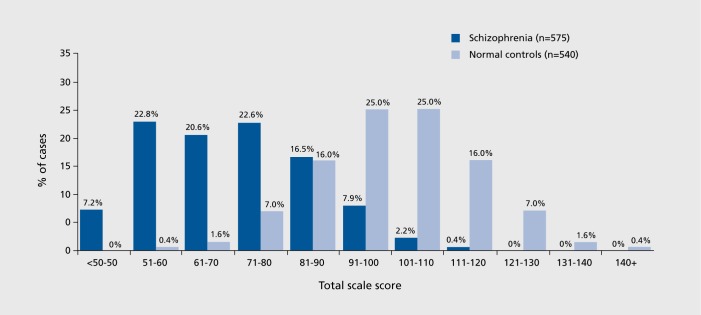
“In terms of interpretation of meaningful differences between abilities in neuropsychiatric conditions, a widely accepted rule of for a clinically meaningful difference between two ability areas is about one-half of a standard deviation.(11) This translates into about 7 IQ points and this level of difference has been s…”
BackgroundGreen, M. F., Kern, R. S., Braff, D. L., & Mintz, J. (2000) · Schizophrenia Bulletin · doi:10.1093/oxfordjournals.schbul.a033430 · Cited by 2,999
Neurocognitive deficit in schizophrenia: A quantitative review of the evidence.
Heinrichs, R. W., & Zakzanis, K. K. (1998) · Neuropsychology · doi:10.1037/0894-4105.12.3.426 · Cited by 2,798
The MATRICS Consensus Cognitive Battery, part 1: test selection, reliability, and validity
Nuechterlein, K. H., Green, M. F., Kern, R. S., Baade, L. E., Barch, D. M., Cohen, J. D., Essock, S., Fenton, W. S., Frese, F. J., Gold, J. M., et al. (2008) · American Journal of Psychiatry · doi:10.1176/appi.ajp.2007.07010042 · Cited by 2,342 · cited 1×
“These global scores are the indices most commonly used to predict real-world functional milestones and to make judgments about functioning in conditions where multiple ability domains are affected (eg, serious mental illness or traumatic brain injury).(6) However, it is also important to be able to make judgments abou…”
BackgroundA Meta-Analysis of Cognitive Remediation for Schizophrenia: Methodology and Effect Sizes
Wykes, T., Huddy, V., Cellard, C., McGurk, S. R., & Czobor, P. (2011) · American Journal of Psychiatry · doi:10.1176/appi.ajp.2010.10060855 · Cited by 1,693
The MATRICS Consensus Cognitive Battery, part 2: co-norming and standardization
Kern, R. S., Nuechterlein, K. H., Green, M. F., Baade, L. E., Fenton, W. S., Gold, J. M., Keefe, R. S. E., Mesholam-Gately, R., Mintz, J., Seidman, L. J., et al. (2008) · American Journal of Psychiatry · doi:10.1176/appi.ajp.2007.07010043 · Cited by 744 · cited 1×
“The discrepancies between ability areas that can be interpreted as truly different from each other also depend on whether the normative standards for the tests were developed in a single sample (ie, co-normed) or separately.(8) For example, meaningful differences between individual subtests on intelligence tests such…”
BackgroundThe impact of HIV-associated neuropsychological impairment on everyday functioning
HEATON, R. K., MARCOTTE, T. D., MINDT, M. R., SADEK, J., MOORE, D. J., BENTLEY, H., MCCUTCHAN, J. A., REICKS, C., GRANT, I., & THE HNRC GROUP (2004) · Journal of the International Neuropsychological Society · doi:10.1017/s1355617704102130 · Cited by 726
Welsh, K., Butters, N., Hughes, J., Mohs, R., & Heyman, A. (1991) · Archives of Neurology · doi:10.1001/archneur.1991.00530150046016 · Cited by 724 · cited 1×
“0 SD below that of demographically similar healthy controls.(12) Further, differential deficits between abilities at the time of diagnosis are also substantial.”
BackgroundNeuropsychological Function and Dysfunction in Schizophrenia and Psychotic Affective Disorders
Reichenberg, A., Harvey, P. D., Bowie, C. R., Mojtabai, R., Rabinowitz, J., Heaton, R. K., & Bromet, E. (2009) · Schizophrenia Bulletin · doi:10.1093/schbul/sbn044 · Cited by 518
Self-citationWelsh, K. A. (1992) · Archives of Neurology · doi:10.1001/archneur.1992.00530290030008 · Cited by 475 · cited 1×
“tion naming at the time of diagnosis.(13) Although subtle differences can be detected by observers as described above, many of the differences between abilities in neuropsychiatric conditions are not subtle.”
Background
Research works printed but not linked: 12
- 2. Goldstein K. The Organism (reprinted from 1939 ed). Cambridge, MA: MIT Press-Zone Books; 1995
- 3. Adams KM. Grant I. Neuropsychological Assessment of Neuropsychiatric and Neuromedical Disorders. 3rd ed. New York, NY: Oxford University Press, 2009
- 5. Anastasi A. Urbina S. Psychological testing (7th ed). Upper Saddle River, NJ: Prentice-Hall; 1997
- 9. Wechsler D. The Wechsler Adult Intelligence Scales. 4th ed. (WAIS-IV). San Antonio, Pearson Assessment: 2009
- 10. Heaton RK. Grant IS. Matthews CG. Comprehensive Norms for an Expanded Halstead-Reitan Battery: Demographic Corrections, Research Findings, and Clinical Applications. Odessa, FL: Psychological Assessment Resources; 1991
- 14. American Psychiatric Association Diagnostic and Statistical Manual of Mental Disorders. 4th ed, Text Revision. Washington, DC: American Psychiatric Association; 1997
- 19. Zakzanis K. Leach L. Kaplan E. Neuropsychological Differential Diagnosis. Lisse, the Netherlands: Swets and Zeitlinger; 1999
- 21. Randolph CR. The repeatable battery for neuropsychological screening. San Antonio, TX: Pearson Assessment; 1998
- 23. Heaton RK. Chellune CJ. Talley JL. Kay GG. Curtiss G. Wisconsin card sorting test manual-revised and expanded. Odessa, FL: Psychological Assessment Resources; 1993
- 25. Parente FJ. Anderson JK. Use of the Wechsler Memory Scale for predicting success in cognitive rehabilitation. Cogn Rehab. 1984 2 12 15
- 32. Lucas JA. Traumatic brain injury and postconcussive syndrome. In: Snyder PJ, Nussbaum PD, eds. Clinical Neuropsychology. Washington DC: American Psychological Association; 1998
- 33. Lezak MD. Howieson DB. Loring DW. Neuropsychological Assessment. 4th ed. New York, NY: Oxford University Press; 2004
Cited by
Items 101–200 of 264
Cognitive aspects of schizophrenia
Harvey, P. D. (2013) · Wiley Interdisciplinary Reviews Cognitive Science · doi:10.1002/wcs.1253 · Cited by 8
Self-citationDelagneau, G., Bowden, S. C., Bryce, S., van‐der‐EL, K., Hamilton, M. P., Adams, S., Burgat, L., Killackey, E. J., Rickwood, D., & Allott, K. (2019) · Early Intervention in Psychiatry · doi:10.1111/eip.12876 · Cited by 8
Khan, Z., Saif, A., Chaudhry, N., & Parveen, A. (2022) · Aging Medicine · doi:10.1002/agm2.12225 · Cited by 7
Sperling, S. A., Dong, J., Lapin, B. R., & Li, Y. (2025) · The Clinical Neuropsychologist · doi:10.1080/13854046.2025.2503374 · Cited by 9
“…of cognitive decline, and the influx of commercially available self-administered computer or app-based cognitive assessments, neuropsychological evaluations remain the gold standard for diagnosing MCI and dementia (Albert et al., 2011; Harvey, 2012; Litvan et al., 2012; Weinstein et al., 2022).”
Neuropsychological Impairments in Patients With Post-traumatic Epilepsy: A Scoping Review
Kuo, J., & Su, B.-Y. (2023) · World Neurosurgery · doi:10.1016/j.wneu.2023.04.101 · Cited by 6
Spreij, L. A., Gosselt, I. K., Visser‐Meily, J. M. A., Hoogerbrugge, A. J., Kootstra, T., & Nijboer, T. C. W. (2021) · PLoS ONE · doi:10.1371/journal.pone.0249886 · Cited by 8
Establishing cognitive baseline in three generations: Framingham Heart Study
Yang, J., Ang, T. F. A., Lu, S., Liu, X., Devine, S., Au, R., & Liu, C. (2023) · Alzheimer s & Dementia Diagnosis Assessment & Disease Monitoring · doi:10.1002/dad2.12416 · Cited by 6
Assessment of cognitive function in patients with metastatic cancer: Are we using the right tools?
Kurita, G. P., Sandvad, M., Lundorff, L. E., Pimenta, C. A. D. M., Højsted, J., & Sjøgren, P. (2017) · Palliative & Supportive Care · doi:10.1017/s1478951517000694 · Cited by 6
“those with cognitive impairment from those without this disease/condition (a “normal population”) (Harvey, 2012).”
BackgroundDevelopment and content validity of the cognition in daily life scale (CDL)
Domensino, A.-F., Aarts, E., Visser‐Meily, J. M. A., Spikman, J. M., & Heugten, C. M. V. (2024) · Neuropsychological Rehabilitation · doi:10.1080/09602011.2024.2343149 · Cited by 8
Neuropsychological profiles of two patients with differing SCN8A-pathogenic variants
Medlin, L. C., Bello‐Espinosa, L. E., & MacAllister, W. S. (2020) · Applied Neuropsychology Child · doi:10.1080/21622965.2020.1807983 · Cited by 5
“…include other aspects of cognition including attention, executive functioning, fine motor skills, visual spatial skills, memory and language functioning that are not typically captured in a psychoeducational evaluation or with a simple measure of intelligence (Andrews et al., 2001; Harvey, 2012).”
BackgroundBlekić, W., Wauthia, É., Arachchige, K. K., Lefèbvre, L., & Rossignol, M. (2022) · Canadian Psychology/Psychologie canadienne · doi:10.1037/cap0000257 · Cited by 8
Foundations of Neuropsychology: Collaborative Care in Neurosurgery
Cornwell, M. A., Kohn, A., Spat‐Lemus, J., Bender, H. A., Koay, J. M., McLean, E. A., Mandelbaum, S., Wing, H. M., & Sacks-Zimmerman, A. L. (2023) · World Neurosurgery · doi:10.1016/j.wneu.2022.09.106 · Cited by 6
Vuorio, A. F., Suhonen-Malm, A.-S., Budowle, B., & Bor, R. J. (2024) · Aviation Psychology and Applied Human Factors · doi:10.1027/2192-0923/a000271 · Cited by 5
Methods for Delivering and Evaluating the Efficacy of Cognitive Enhancement
Harvey, P. D., & Keefe, R. S. E. (2015) · Handbook of experimental pharmacology · doi:10.1007/978-3-319-16522-6_1 · Cited by 5
Self-citationWhite, M. H., & Spooner, D. (2016) · Australian Psychologist · doi:10.1111/ap.12206 · Cited by 6
Marder, M. A., Kent, G. W., Abalos, S. A., Springer, J. C., Kukla, T. J., Sharp, D. W., Cerny, B. M., Phillips, M. S., Webber, T. A., & Soble, J. R. (2025) · The Clinical Neuropsychologist · doi:10.1080/13854046.2025.2537903 · Cited by 4
“…memory, attention, processing speed, and executive functions, in addition to psychological/ emotional functioning, is useful in characterizing neuropsychological status and tailoring treatment recommendations to the individual patient (Casaletto & Heaton, 2017; Harvey, 2012; Nikolas et al., 2019).”
Milgrom, J., Hirshler, Y., Holt, C., Skouteris, H., Galbally, M., East, C. E., Glover, V. A. S., Reece, J., O’Donnell, K. J., Walker, S. P., et al. (2023) · BMC Psychology · doi:10.1186/s40359-023-01244-w · Cited by 5
“3 points is considered the MCID as it equates to 1⁄2 SD difference [58, 59].”
BackgroundThe Assessment of Intelligence: What is Behind Us, Before Us and Ahead of Us
Grimes, K. M., Mullin, S. I., & Zakzanis, K. K. (2021) · Elsevier eBooks · doi:10.1016/b978-0-12-818697-8.00203-x · Cited by 4
Neuropsychological test using machine learning for cognitive impairment screening
Simfukwe, C., Kim, S., An, S. S. A., Youn, Y. C., & Clinical Research Center for Dementia of South Korea (CREDOS) Study (2022) · Applied Neuropsychology Adult · doi:10.1080/23279095.2022.2078210 · Cited by 4
“They are widely used to evaluate cognitive functioning by clinicians and researchers (Harvey, 2012).”
Haugen, I., Ueland, T., Stubberud, J., Brunborg, C., Wykes, T., Øie, M. G., & Haug, E. (2022) · Schizophrenia Research Cognition · doi:10.1016/j.scog.2022.100275 · Cited by 6
“A limitation of self-report measures of cognition is that they may be influenced by emotional states and challenges with self-awareness in serious mental illness (Harvey, 2012; Shwartz et al., 2020; Toplak et al., 2013).”
BackgroundBorgnis, F., Borghesi, F., Rossetto, F., Pedroli, E., Lavorgna, L., Riva, G., Baglio, F., & Cipresso, P. (2023) · Journal of Clinical Medicine · doi:10.3390/jcm12041645 · Cited by 4
“Neuropsychological assessment is historically considered an integral part of the neurological examination and consists of the normatively informed application of performancebased assessments of various cognitive skills [1].”
BackgroundEPICOG-SCH: A brief battery to screen cognitive impact of schizophrenia in stable outpatients
Domingo, S. Z., Bobes, J., García‐Portilla, M. P., & Morralla, C. (2017) · Schizophrenia Research Cognition · doi:10.1016/j.scog.2017.03.001 · Cited by 4
“cognitive performance with healthy population (Harvey, 2012).”
BackgroundInfluentialYe, S., Ko, B., Phi, H. Q., Eagleman, D. M., Flores, B., Katz, Y., Huang, B., & Ghomi, R. H. (2020) · medRxiv · doi:10.1101/2020.05.12.20099507 · Cited by 5
“Neuropsychological tests (NPT) are standardized performance-based methods to assess cognitive functioning, and are effective in diagnosing disorders of cognition such as dementia, mild cognitive impairment, and traumatic brain injury [3].”
MethodCha, S., Park, J., Choi, H., Ryu, H., & Seo, K. (2025) · Proceedings of the Extended Abstracts of the CHI Conference on Human Factors in Computing Systems · doi:10.1145/3706599.3720111 · Cited by 3
“Among these, neuropsychological tests are particularly valuable in the initial diagnostic stage due to their non-invasive nature and lower cost compared to other methods [11].”
Overview of the Woodcock-Johnson V Tests of Cognitive Abilities and Virtual Test Library
Flanagan, D. P., Sotelo‐Dynega, M., & Alfonso, V. C. (2025) · Journal of Psychoeducational Assessment · doi:10.1177/07342829251382279 · Cited by 4
“…are helpful for in-depth diagnostic assessments designed to identify neurodevelopmental disorders, such as speci fi c learning disabilities (SLD) and attention-de fi cit/hyperactivity disorder (ADHD) (e.g., Decker et al., 2017; Flanagan, 2025; Harvey, 2012; Hoelzle et al., 2023; Miller et al., 2016).”
Using visual scene memory accuracy as a predictor of spatial navigation performance
Lovegrove, R. A., & Baumann, O. (2021) · Applied Cognitive Psychology · doi:10.1002/acp.3876 · Cited by 3
Nejati, V., Estaji, R., Balanzá‐Martínez, V., Balota, D. A., Barker-Collo, S. L., Bell, M. D., Berry, J. H., Borhani, K., Cullum, C. M., Feinstein, A., et al. (2025) · Scientific Reports · doi:10.1038/s41598-025-87380-2 · Cited by 4
Univariate comparisons given aggregated normative data
Zadelaar, J. N., van Rentergem, J. A. A., & Huizenga, H. M. (2017) · The Clinical Neuropsychologist · doi:10.1080/13854046.2017.1348542 · Cited by 4
Assessment of Functional Status After Neurosurgical Intervention
Parsons, M. W., & Vogel, S. J. (2018) · Elsevier eBooks · doi:10.1016/b978-0-12-809961-2.00015-1 · Cited by 3
Verstraeten, S., Berkhoff, A., Mark, R. E., & Sitskoorn, M. M. (2022) · Aging Neuropsychology and Cognition · doi:10.1080/13825585.2022.2048786 · Cited by 3
Leese, M. I., Mattek, N., Bernstein, J. P. K., Dorociak, K. E., Gothard, S., Kaye, J. A., & Hughes, A. M. (2022) · The Clinical Neuropsychologist · doi:10.1080/13854046.2022.2103033 · Cited by 3
“Such results are promising given efforts in the field to design tests of an optimum level of difficulty (neither too hard nor too easy) so that they can provide meaningful information and discriminate among test-takers with and without cognitive impairment (Harvey, 2012).”
BackgroundProgramming an n-Back task in Qualtrics using HTML and JavaScript
Bradley-Garcia, M., & Bolton, V. (2023) · The Quantitative Methods for Psychology · doi:10.20982/tqmp.19.2.p136 · Cited by 6
“Neurocognitive assessments include a wide range of tasks that assess various cognitive domains such as attention, memory, executive functioning, processing speed, and language (Harvey, 2012).”
BackgroundA systematic review of the status of neuropsychological research and dementia in South Asia
Ahmed, T., Kumar, K., & Zhang, P. (2023) · Discover Psychology · doi:10.1007/s44202-023-00078-2 · Cited by 3
“Neuropsychological assessment is a performance-based method to evaluate cognitive functioning where neuropsychologists assess a series of disorders which include neurodegenerative illnesses, acquired and developmental neurological conditions, and also metabolic and psychiatric disorders [6].”
MethodJantz, P. B., & Bigler, E. D. (2024) · Journal of Pediatric Neuropsychology · doi:10.1007/s40817-023-00155-3 · Cited by 3
“The individualized assessment process in clinical neuropsy-chology, combined with how interpretive conclusions are made, reflects a single case study approach in the evaluation of brain-behavior relations (Harvey, 2012).”
Heirene, R. M., Roderique‐Davies, G., Roberts, P., & John, B. (2016) · Cogent Psychology · doi:10.1080/23311908.2016.1229841 · Cited by 3
“Types of assessments Neuropsychological tools are defined as normatively-informed performance-based methods of measuring cognitive function (Harvey, 2012).”
BackgroundAdelsky, S. J., Ducharme, S., Wilner, E. K., Yudkoff, B., & Lejeune, S. (2017) · Harvard Review of Psychiatry · doi:10.1097/hrp.0000000000000147 · Cited by 3
“A patient’s pattern of performance on neuropsychological tests can shed light on a variety of clinical questions, including determination of cognitive strengths and weaknesses, the nature and extent of brain dysfunction, differential diagnosis, and etiological clarification, as well as functional status, treatment rec…”
BackgroundGiakoumaki, S. G., Karamaouna, P., Karagiannopoulou, L., & Zouraraki, C. (2020) · Scandinavian Journal of Psychology · doi:10.1111/sjop.12704 · Cited by 4
Parada, H., Pichardo, M. S., Gallo, L. C., Talavera, G. A., McDaniels-Davidson, C. R., Penedo, F. J., Lee, D. J., Tarraf, W., Garcia, T. P., Daviglus, M. L., et al. (2023) · Cancer Medicine · doi:10.1002/cam4.5863 · Cited by 2
Torres, C. A., Medina-Kirchner, C., O’Malley, K. Y., & Hart, C. L. (2020) · Frontiers in Psychology · doi:10.3389/fpsyg.2020.583516 · Cited by 3
“The words “safe” or “safety” do not appear anywhere in our article, but they appear at least six times in the critique by Chaput et al. Relatedly, the critique takes exception to our manuscript’s title—Totality of the Evidence Suggests Prenatal Cannabis Exposure Does Not Lead to Cognitive Impairments: A Systematic and…”
BackgroundInfluentialA Novel Approach to Dementia Prediction Leveraging Recursive Feature Elimination and Decision TreePreprint
Akbarifar, A., Maghsoudpour, A., Mohammadian, F., Mohammadzaheri, M., & Ghaemi, O. (2024) · Research Square · doi:10.21203/rs.3.rs-4114596/v1 · Cited by 3
Characterization of cancer survivors clustered by subjective and objective cognitive function scores
Goto, T., Saligan, L. N., Juneau, P. L., Gonsalves, S. G., Rio, C. J., Graves, L. Y., & Ah, D. M. V. (2024) · Cancer Medicine · doi:10.1002/cam4.7255 · Cited by 2
“11,12 Nonetheless, there exists a discrepancy in correlating subjective self-reports and outcomes from objective cognitive function assessments.”
BackgroundNeuroscientific Evidence in Legal Proceedings
Reddy, K. J. (2025) · Springer eBooks · doi:10.1007/978-3-031-83771-5_9 · Cited by 2
Why clinical neuropsychology matters in schizophrenia care
Øie, M. G., Barbosa, F., Lettner, S., Baker, G. A., Duarte, C., Hessen, E., & Ueland, T. (2025) · Frontiers in Psychology · doi:10.3389/fpsyg.2025.1713751 · Cited by 4
“Feedback should be tailored to the individual’s level of insight and incorporate both objective test results and the patient’s subjective experience, as both substantially influence functional outcomes in schizophrenia (Harvey, 2012).”
Joyner, C., Fang, A., Paulino, M. T., Vargas, S. T., Sakayan, M., Sajjadi, S. A., Lopez, M., Nguyen, D. V., Boden-Albala, B. M., Mapstone, M. E., et al. (2026) · Applied Neuropsychology Adult · doi:10.1080/23279095.2026.2650808 · Cited by 3
Schaeffer, M. J., Weerawardhena, H., Becker, S., & Callahan, B. L. (2022) · Applied Neuropsychology Adult · doi:10.1080/23279095.2022.2109970 · Cited by 3
“In contrast, neuropsychological tests are per-formance-based assessment tools (Harvey, 2012) that quantify participants ’ cognitive abilities in a standardized, measurable way that is largely independent of the participants ’ perspective.”
Park, S. (2022) · Brain Impairment · doi:10.1017/brimp.2022.22 · Cited by 4
“The cognitive domains that neuropsychological assessments usually evaluate are memory, attention, processing speed, reasoning, judgment, problem-solving, and spatial and language functions (Harvey, 2012).”
BackgroundSimfukwe, C., Youn, Y. C., & Jeong, H. T. (2023) · Applied Neuropsychology Adult · doi:10.1080/23279095.2022.2164198 · Cited by 4
“These tests play a core role in assessing patients with Alzheimer ’ s disease and other types of dementia (Harvey, 2012).”
What do private practice referrers value about neuropsychology assessment?
Allahham, R., Wong, D. K., & Pike, K. E. (2023) · Australian Psychologist · doi:10.1080/00050067.2023.2239436 · Cited by 2
“…psychological, degenerative, and neurodevelopmental conditions, and serve a range of purposes, including clarifying diagnoses, characterising baseline cognitive functioning, guiding management, determining capacity for specific roles, and predicting prognosis (Gruters et al., 2021; Harvey, 2012).”
BackgroundKOVACS, M. V., Lages, Y., Sanvicente‐Vieira, B., Charchat‐Fichman, H., Landeira-Fernández, J., & Krahe, T. E. (2023) · Applied Neuropsychology Child · doi:10.1080/21622965.2023.2279202 · Cited by 2
“…obtain normatively informed and performance-based understanding of various cognitive skills, such as attention, memory, and language of individuals living with different cognitive disorders, including individuals with FASD (Donders, 2020; Georgiou et al., 2022; Harvey, 2012; Mikadze et al., 2019).”
Probst, Y., & Kinnane, E. (2024) · Brain and Behavior · doi:10.1002/brb3.3635 · Cited by 1
Simfukwe, C., An, S. S. A., & Youn, Y. C. (2024) · Applied Neuropsychology Adult · doi:10.1080/23279095.2024.2392282 · Cited by 4
“They are commonly used by clinicians and researchers to evaluate the cognitive functioning of patients across a broad spectrum of populations (Grant & Adams, 2009; Harvey, 2012).”
Chin, Y., Choo, C. C., & Doshi, K. (2019) · Springer eBooks · doi:10.1007/978-981-13-7631-3_9 · Cited by 2
Role of Neuropsychology in Neurodegeneration
Elamin, M., Bak, T. H., Doherty, C. P., Pender, N. P., & Abrahams, S. (2016) · Springer eBooks · doi:10.1007/978-3-319-23309-3_3 · Cited by 2
Jakob, L., Bojanić, L., Tsvetanova, D. D., Buabang, E. K., de Bles, N. J., Sarafoglou, A., Dijkzeul, A., & Pino, R. D. (2016) · Frontiers in Psychology · doi:10.3389/fpsyg.2016.01658 · Cited by 2
“These batteries are used for several different purposes, including the acquisition of differential diagnostic information, assessment of treatment response, prediction of functional potential, and functional recovery (Harvey, 2012; Lezak et al., 2012).”
BackgroundMethodEvaluation of Neuropsychological Tests in Classification of Alzheimer’s Disease
Vinutha, N., Jayasudha, R., Inchara, K. S., Khan, H., Sharma, S., Shenoy, P. D., & Venugopal, K. R. (2018) · Advances in intelligent systems and computing · doi:10.1007/978-981-13-0224-4_14 · Cited by 2
Avaliação neuropsicológica: aspectos estatísticos da relação entre percentil e classificação
Anunciação, L., Portugal, A. C. D. A., & Landeira-Fernández, J. (2021) · Interação em Psicologia · doi:10.5380/riep.v25i3.71375 · Cited by 2
“Quando uma série de testes neuropsicológicos é utilizado em conjunto para finalida - des clínicas, essa coleção de atividades e instrumentos recebe o nome de bateria (Harvey, 2012; Russell, 2012).”
Butler, L. (2016) · UEL Research Repository (University of East London) · doi:10.15123/pub.5407 · Cited by 2
“It is used to examine the observable cognitive consequences of brain damage and disease, and has several specific uses including collection of differential diagnostic information, assessment of treatment response, prediction of functional potential, and identification of rehabilitation and recovery treatment plans (Ha…”
BackgroundRamos, S. D. S., & Jamieson, M. (2018) · Elsevier eBooks · doi:10.1016/b978-0-12-812487-1.00002-8 · Cited by 2
Exergames and Neuropsychological Functions in Older Adults: An Experimental Approach
Pasqualotti, A., Amaro, F., & Neves, B. B. (2019) · Springer eBooks · doi:10.1007/978-981-13-3693-5_15 · Cited by 3
PLATAFORMA DE AVALIAÇÃO DE FUNÇÕES EXECUTIVAS COM TESTES NEUROPSICOLÓGICOS COMPUTADORIZADOS
Garcia, A., Fleury, F., Silva, G., Honda, H., & Tavares, M. C. H. (2019) · Conferência Ibero-Americana WWW/Internet (CIAWI) · doi:10.33965/ciaca2019_201914l018 · Cited by 2
The challenges for research on deep brain stimulation and memory
van den Noort, M., Bosch, P., Yeo, S., & Lim, S. (2015) · Brain · doi:10.1093/brain/awv294 · Cited by 2
“Note that a critical concept in neuropsychological testing is the use of norm scores (Harvey, 2012).”
BackgroundMethodCognitive Dysfunction in Older Breast Cancer Survivors
Crouch, A. (2020) · Purdue University Indianapolis (Indiana University) · doi:10.7912/c2/1317 · Cited by 2
Cognitive impairment in ketamine abusers
Medina-Kirchner, C., & Evans, V. D. (2020) · Psychiatry Research · doi:10.1016/j.psychres.2020.113589 · Cited by 2
Assessment of Cognition and Capacity
Whyte, M., & Summers, F. (2020) · Cambridge University Press eBooks · doi:10.1017/9781108355247.024 · Cited by 1
Blais, A. Z., Holahan, A.-L. V., Helleman, A., PAJER, K. A., Honeywell, C. R., Salehi, R., Anderson, P., & Vasserman, M. (2024) · Archives of Clinical Neuropsychology · doi:10.1093/arclin/acae087 · Cited by 1
Neurocognitive Evaluation of Patients With DiGeorge Syndrome
Karalı, Z., Karalı, Y., Cekic, S., Altinok, B., Bodur, M., Bostanci, M., & Kılıç, S. Ş. (2024) · Pediatric Neurology · doi:10.1016/j.pediatrneurol.2024.10.012 · Cited by 2
The Role of Neuropsychology in Legal Contexts
Reddy, K. J. (2025) · Springer eBooks · doi:10.1007/978-3-031-83771-5_3 · Cited by 1
Ethical and Professional Considerations in Forensic Neuropsychology
Reddy, K. J. (2025) · Springer eBooks · doi:10.1007/978-3-031-83771-5_8 · Cited by 1
18 Diagnosis and Differential Diagnosis of Acquired Motor Speech Disorders (Dysarthria, Dyspraxia)
Aiello, E. N., Alfonsi, E., Balaguer, M., Biondi, S. M., Cappa, S., Cosentino, G., Fresia, M., Kasprian, G. J., Maassen, B., Mecca, D., et al. (2025) · European manual of medicine · doi:10.1007/978-3-031-48091-1_3 · Cited by 3
Kang, J. M., Manjavong, M., Diaz, A., Ashford, M. T., Aaronson, A., Eichenbaum, J., Mackin, R. S., Tank, R., Miller, M. J., Landavazo, B., et al. (2025) · Journal of Medical Internet Research · doi:10.2196/69689 · Cited by 1
“However, these tests are time-consuming, require trained professionals, and may not effectively capture fluctuations or progressive changes in cognitive function [4].”
Christou, A. I., Kalfadeli, G. D., & Tsermentseli, S. K. (2025) · IGI Global eBooks · doi:10.4018/979-8-3693-9689-6.ch015 · Cited by 1
Bai, Y., Luo, Y., Goh, C. C. W., Rui, C., Gao, R., Wu, Y., Jiang, Z., Lu, L., Rizzo, A., & Bi, B. (2025) · Journal of Medical Internet Research · doi:10.2196/76673 · Cited by 1
“Assessments based on parent and teacher reports are susceptible to rater bias, and although many of these scales demonstrate strong psychometric properties, their predictive validity for treatment outcomes remains limited [7].”
Gaudet, I., Gagnon, S.-P., Hamel, S., Gilbert, N., Doulou, F., Gagnon, C., & Angeard, N. (2025) · Neuromuscular Disorders · doi:10.1016/j.nmd.2025.106263 · Cited by 1
Hutnyan, M., Wilkey, J., & Rosenstein, L. D. (2025) · The Clinical Neuropsychologist · doi:10.1080/13854046.2025.2596799 · Cited by 1
Majewska, K. A., Stanisławska–Kubiak, M., Wais, P., Budzulak, J., Mojs, E. H., & Kędzia, A. W. (2025) · Journal of Clinical Medicine · doi:10.3390/jcm14248656 · Cited by 1
“Using tests allows for quantitative recognition of the competences examined using parameters such as reaction time, the number of correct answers, or the proportion of correct and incorrect answers [18].”
Granato, G., Mattera, A., Cartoni, E., & Baldassarre, G. (2026) · Scientific Reports · doi:10.1038/s41598-026-37612-w · Cited by 4
“Rapid neuropsychological assessment is a key stage of early clinical screening 102 , however AI-based analyses are still rarely used in clinical practice.”
Rengel, K. F., Archer, K. R., Jackson, J. C., Chandrasekhar, R., Orun, O. M., Ellison, T., Vanston, S. W., Ervin, H., Lauck, A., Provin, M., et al. (2026) · BMJ Open · doi:10.1136/bmjopen-2025-110435 · Cited by 1
Tallapragada, B., Markovic, S. J., Marston, K. J., Brown, B. M., Galna, B., Shishegar, R., Gross, A. L., Lim, Y. Y., Fripp, J., Doecke, J. D., et al. (2026) · Journal of Alzheimer s Disease · doi:10.1177/13872877261433044 · Cited by 1
“54 For example, the CVLT is a neuropsychological test to assess episodic memory, while the Delis-Kaplan Executive Functioning System (D-KEFS) is a neuropsychological battery comprising nine individual tests to assess executive functioning.”
İnce, E., Hoşgelen, E. I., & Bora, E. (2026) · Archives of Clinical Neuropsychology · doi:10.1093/arclin/acag046 · Cited by 1
Cognitive correlates of Antisaccade Task performance in bipolar disorder
Dyer, R. K., Rossell, S. L., Phillipou, A., Cropley, V., Karantonis, J. A., Furlong, L. S., Ringin, E., Caruana, G. F., Thomas, E. H. X., Gurvich, C., et al. (2026) · Psychiatry Research · doi:10.1016/j.psychres.2026.117309 · Cited by 1
Hooi, L. L., Idris, Z., Mar, W., & Mohamad, W. N. A. W. (2016) · Journal of Biomedical Science and Engineering · doi:10.4236/jbise.2016.913052 · Cited by 1
“The attention test used was Comprehensive Trail Making Test (CTMT) and for the language assessments, the batteries of tests were for visual naming, sentence repetition, controlled oral word association, oral spelling, written spelling, block spelling, token test, aural and reading comprehension [17] [18].”
MethodWalters, E. R., & Khan, A. A. (2018) · Cognitie, Creier, Comportament · doi:10.24193/cbb.2018.22.14 · Cited by 1
The Current Trends of Neuropsychological Assessment Implementation in Educational Environment
Stepashkina, V. A., & Akhmetshina, A. (2022) · ARPHA proceedings · doi:10.3897/ap.5.e1655 · Cited by 1
Sistla, K. T., Shastry, A. G., Kumarpillai, G., Umashankar, R., Shobha, N., & Gadre, G. (2018) · International Journal of Indian Psychology · doi:10.25215/0603.018 · Cited by 1
Chen, I., Zheng, Y.-Q., Zhao, H.-X., Lin, L., Chen, Y., Chang, M.-H., & Ko, L. (2024) · Archives of Clinical Neuropsychology · doi:10.1093/arclin/acae055 · Cited by 1
Patil, R., Kumar, S., Acharya, S., Karwa, V., Shaikh, S. M., & Kothari, M. (2024) · Cureus · doi:10.7759/cureus.64901 · Cited by 3
Neuropsychological Assessment of Substance Use Disorders
Reichert, R. A., Boos, F. Z., Legal, E. J., de Mello, C. B., de MICHELI, D., & Lopes, F. M. (2025) · Springer eBooks · doi:10.1007/978-3-031-82614-6_7 · Cited by 1
Neuropsychology of Criminal Responsibility
Reddy, K. J. (2025) · Springer eBooks · doi:10.1007/978-3-031-83771-5_5 · Cited by 2
Hohl, R., de Oliveira, R. M., Gonçalves, S. S., Sá, P. M. K., & Shigaeff, N. (2025) · Perceptual and Motor Skills · doi:10.1177/00315125251338644 · Cited by 2
“To fi ll this gap, clinical neuropsychological assessment employs widely adopted tasks that assess various cognitive domains, including memory, attention, reasoning, processing speed, mental fl exibility, and problem-solving (Harvey, 2012).”
Lwi, S. J., Chok, J. M., Curran, B. C., Schendel, K. L., Spinelli, M., Santavicca, I., Herron, T. J., & Baldo, J. V. (2025) · The Clinical Neuropsychologist · doi:10.1080/13854046.2025.2482084 · Cited by 1
“This rise will increase the demand for neuropsychological assessments, which are essential tools for assessing cognitive functioning and diagnosing neurodegenerative conditions (Casaletto & Heaton, 2017; Harvey, 2012).”
Relación entre medidas neuropsicológicas de ejecución y autoinforme de las funciones ejecutivas
Morales-Millán, K. L., Arroyo, Y., González-Viruet, M., & Sánchez‐Cardona, I. (2021) · Revista Evaluar · doi:10.35670/1667-4545.v21.n1.32832 · Cited by 10
Campbell, D. E., Snyder, J. L., & Austin, T. A. (2020) · Springer eBooks · doi:10.1007/978-3-030-39582-7_6 · Cited by 1
Hu, M., Muhlert, N., Robertson, N. P., & Winter, M. (2018) · bioRxiv (Cold Spring Harbor Laboratory) · doi:10.1101/414011 · Cited by 1
Torres, C. A., Medina-Kirchner, C., O’Malley, K. Y., & Hart, C. L. (2021) · Frontiers in Psychology · doi:10.3389/fpsyg.2021.685328 · Cited by 1
Anemone, E., & Lauridsen, K. (2013)
Nguyen, R. H. (2014) · Carolina Digital Repository (University of North Carolina at Chapel Hill) · doi:10.17615/4fvb-6v35
Memory, Processing Speed, and the Effects of Cognitive Exercise on the Aging Brain
Yero, A. D. (2016) · FIU - Digital Commons (Florida International University) · doi:10.25148/etd.fidc001172 · Cited by 1
“These batteries, known to possess high reliability and validity ratings, typically evaluate cognitive skills related to memory, attention, processing speed, reasoning, judgment, problem solving, spatial relations, and language function (Harvey, 2012).”
BackgroundInfluentialNeuropsychological Assessment from Traditional to ICT-Based Instruments
Almeida, I., Dores, A. R., Pinto, P., Guerreiro, S., & Barbosa, F. (2016) · IGI Global eBooks · doi:10.4018/978-1-4666-9978-6.ch054
“Neuropsychological assessment can be defined as a performance-based method used to examine the cognitive, behavioral and emotional consequences of damage to brain structures (Harvey, 2012).”
MethodHeatley, M. H. (2020) · UCL Discovery (University College London)
Qualitative Research-Based Interventions for Clinical Neuropsychology Practice
Chittooran, M. M., & van Schalkwyk, G. J. (2021) · Springer eBooks · doi:10.1007/978-3-030-59162-5_7
Metadata
- Authors
- Harvey, P. D.
- Affiliations
- University of Miami (US)
- Corresponding author
- Harvey, Philip D.
- ORCID
- Harvey, Philip D.
- Venue
- Dialogues in Clinical Neuroscience
- Publisher
- Informa UK Limited
- Published
- 2012-03-31
- Volume
- 14
- Issue
- 1
- Pages
- 91-99
- ISSN
- 1294-8322 (ISSN-L)
- 1958-5969
- PMC
- PMC3341654
- OpenAlex
- W4297851085
- Cited by
- 265
- References
- 31
- Citations by year
- 2026: 18 · 2025: 35 · 2024: 32 · 2023: 30 · 2022: 22 · 2021: 28 · 2020: 27 · 2019: 10 · 2018: 14 · 2017: 15 · 2016: 21 · 2015: 6 · 2014: 3 · 2013: 2 · 2012: 1
- FWCI
- 5.40
- Type
- journal article
- Language
- en
- Open access
- diamond
- doi.org
- Licence
- Locations
- Dialogues in Clinical Neuroscience (publishedVersion, cc-by-nc-nd)
- Europe PMC (PubMed Central) (publishedVersion, cc-by-nc-nd)
- PubMed Central (publishedVersion, cc-by-nc-nd)
- PubMed (publishedVersion)
- PubMed
- Topics
- Social Sciences › Psychology › Applied Psychology › Psychological Testing and Assessment
- Social Sciences › Psychology › Clinical Psychology › Historical and Modern Theater Studies
- Health Sciences › Medicine › Psychiatry and Mental health › Dementia and Cognitive Impairment Research
- Keywords
- neuropsychological assessment, cognitive function, brain damage, brain disorders, severe mental illness, differential diagnosis, treatment response assessment, functional recovery prediction, functional potential
- MeSH terms
- Mental Disorders, Brain, Diagnosis, Differential, Diagnostic Errors, Diagnostic Imaging, Humans, Neuropsychological Tests, Predictive Value of Tests, Neuropsychiatry
About these checks
Registry, retraction, Cites and statistics results are computed, not judged, with one exception: a printed reference that no index lists is read once by a model before it counts as a citation error. Claims are extracted by a model and kept only when their quote appears verbatim in the text; each cited source is then checked, with a model’s help, for whether it says what the claim relies on. Those verdicts can be wrong — read the claim’s quote and the cited source before relying on one.
Statistics and arithmetic are recomputed, not judged.
Confidence bands are shown only for fields calibrated on our annotated test set. None is calibrated yet, so no band is shown.
What counts as a claim ›How we measure confidence ›How we check this ›
Are you an author, or do you see a problem with this page? Request a review
Data sources
Bibliographic data: Semantic Scholar, OpenAlex, Crossref.
Contains information from the Semantic Scholar Academic Graph Datasets, made available under the ODC Attribution License (ODC-BY 1.0).
Semantic Scholar’s data is described in: Kinney, R., et al. (2023). The Semantic Scholar Open Data Platform. arXiv:2301.10140.
