

Huntington disease: a single-gene degenerative disorder of the striatum
Open accessThe DOI matches its Crossref record; 62 of the 62 references it cites were found in a registry or an index.
Abstract
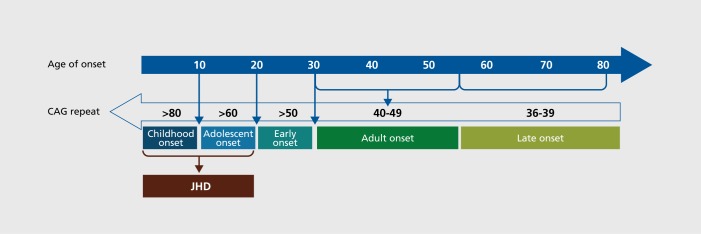
Huntington disease (HD) is an autosomal dominant, neurodegenerative disorder with a primary etiology of striatal pathology. The Huntingtin gene (HTT) has a unique feature of a DNA trinucleotide (triplet) repeat, with repeat length ranging from 10 to 35 in the normal population. Repeat lengths between 36 and 39 cause HD at reduced penetrance (some will get the disease, others won't) and when expanded to 40 or more repeats (mHTT), causes HD at full penetrance (every person with this length or beyond will definitely develop the disease). The symptoms of HD may be motor, cognitive, and psychiatric, and are consistent with the pathophysiology of frontostriatal circuitry malfunction. Expressed ubiquitously and throughout the entire life cycle (development through adulthood), mHTT causes initial dysfunction and eventual death of a specific cell population within the striatum. Although all areas of the brain are eventually affected, the primary pathology of the disease is regionally specific. As a single-gene disorder, HD has the distinction of having the potential of treatment that is aimed directly at the known pathogenic mechanism by gene silencing, providing hope for neuroprotection and ultimately, prevention.
Overview
The claims and statistics of this paper haven’t been checked yet.
Free: it reads the open-access text and checks the first 5 claims that cite a source we can check. Create a free account to check every claim.
Integrity signals
Registry
Cites
Statistics
Figures
Verification
Claims the paper makes
The claims and statistics of this paper haven’t been checked yet.
Free: it reads the open-access text and checks the first 5 claims that cite a source we can check. Create a free account to check every claim.
Claims other papers make about this one
Each is checked against this paper’s own text: does it say what the citing paper says it does?
The cited source says what the claim attributes to it.
In the citing paper
“Unlike AD and PD, HD follows an autosomal dominant inheritance pattern and presents earlier in life, typically between 30 and 50 years [49,50].”
From The Impact of Neurotoxin Proteins Trafficked by Primary Cilia and Extracellular Vesicles in Neurodegenerative Diseases (2025) · cites this paper as [49]
Self-check
Percentages, sums and reported differences re-computed from the paper’s own numbers.
The self-check needs the paper’s full text.
Citations
Cites
Tabrizi, S. J., Langbehn, D. R., Leavitt, B. R., Roos, R. A., Durr, A., Craufurd, D., Kennard, C., Hicks, S. L., Fox, N. C., Scahill, R. I., et al. (2009) · The Lancet Neurology · doi:10.1016/s1474-4422(09)70170-x · Cited by 984
Browne, S. E., Bowling, A. C., Macgarvey, U., Baik, M. J., Berger, S. C., Muquit, M. M. K., Bird, E. D., & Beal, M. F. (1997) · Annals of Neurology · doi:10.1002/ana.410410514 · Cited by 885
Nasir, J., Floresco, S. B., O'Kusky, J. R., Diewert, V. M., Richman, J. M., Zeisler, J., Borowski, A., Marth, J. D., Phillips, A. G., & Hayden, M. R. (1995) · Cell · doi:10.1016/0092-8674(95)90542-1 · Cited by 872
Langbehn, D., Brinkman, R., Falush, D., Paulsen, J., Hayden, M., & on behalf of an International Huntington's Disease Collaborative Group (2004) · Clinical Genetics · doi:10.1111/j.1399-0004.2004.00241.x · Cited by 817
Zeitlin, S., Liu, J.-P., Chapman, D. L., Papaioannou, V. E., & Efstratiadis, A. (1995) · Nature Genetics · doi:10.1038/ng1095-155 · Cited by 802
Huntington disease: Clinical care and evaluation
Shoulson, I., & Fahn, S. (1979) · Neurology · doi:10.1212/wnl.29.1.1 · Cited by 746
Normal huntingtin function: an alternative approach to Huntington's disease
Cattaneo, E., Zuccato, C., & Tartari, M. (2005) · Nature Reviews Neuroscience · doi:10.1038/nrn1806 · Cited by 657
Role of brain-derived neurotrophic factor in Huntington's disease
ZUCCATO, C., & CATTANEO, E. (2007) · Progress in Neurobiology · doi:10.1016/j.pneurobio.2007.01.003 · Cited by 552
The hunt for huntingtin function: interaction partners tell many different stories
Harjes, P., & Wanker, E. E. (2003) · Trends in Biochemical Sciences · doi:10.1016/s0968-0004(03)00168-3 · Cited by 539
Onset and rate of striatal atrophy in preclinical Huntington disease
Aylward, E. H., Sparks, B. F., Field, K. M., Yallapragada, V., Shpritz, B. D., Rosenblatt, A., Brandt, J., Gourley, L. M., Liang, K., Zhou, H., et al. (2004) · Neurology · doi:10.1212/01.wnl.0000132965.14653.d1 · Cited by 408
Research works printed but not linked: 1
- Aylward EH. Sparks BF. Feild KM. et al Onset and rate of striatal atrophy in preclinical Huntington's disease. Neurology. 2004 63 1 66 72 15249612 · DOI · Paper page
Cited by
Ferroptosis Mechanisms Involved in Neurodegenerative Diseases
Reichert, C. O., de Freitas, F. A., Sampaio-Silva, J., Rokita-Rosa, L., Barros, P. D. L., Levy, D., & Bydlowski, S. P. (2020) · International Journal of Molecular Sciences · doi:10.3390/ijms21228765 · Cited by 422
Jackson, M., Marks, L., May, G. H. W., & Wilson, J. B. (2018) · Essays in Biochemistry · doi:10.1042/ebc20170053 · Cited by 295
Fibroblast senescence in the pathology of idiopathic pulmonary fibrosis
Waters, D. W., Blokland, K. E. C., Pathinayake, P. S., Burgess, J. K., Mutsaers, S. E., Prele, C. M., Schuliga, M., Grainge, C. L., & Knight, D. A. (2018) · American Journal of Physiology-Lung Cellular and Molecular Physiology · doi:10.1152/ajplung.00037.2018 · Cited by 163
The fate of the brain cholinergic neurons in neurodegenerative diseases
Pepeu, G., & Giovannini, M. G. (2017) · Brain Research · doi:10.1016/j.brainres.2017.06.023 · Cited by 160
“HD is a rare disease caused by a CAG-repeat expansion in the huntingtin gene leading to a mutated protein (Nopoulos, 2016).”
Roles of Neuropeptide Y in Neurodegenerative and Neuroimmune Diseases
Li, C., Wu, X., Liu, S., Zhao, Y., Zhu, J., & Liu, K. (2019) · Frontiers in Neuroscience · doi:10.3389/fnins.2019.00869 · Cited by 123
“The pathological process of HD can lead to encephalatrophy, especially causing damage in the striatum (Nopoulos, 2016).”
BackgroundNeurodegenerative disorders and gut-brain interactions
Singh, A., Dawson, T. M., & Kulkarni, S. (2021) · Journal of Clinical Investigation · doi:10.1172/jci143775 · Cited by 109
“Huntington’s disease Huntington’s disease (HD) is an inherited ND caused by mutation of the Huntingtin (HTT) gene (122, 123).”
BackgroundCurrent Status of microRNA-Based Therapeutic Approaches in Neurodegenerative Disorders
Paul, S., Bravo-Vázquez, L. A., Uribe, S. P., Reyes‐Pérez, P., & Sharma, A. K. (2020) · Cells · doi:10.3390/cells9071698 · Cited by 111
Mitochondrial Dysfunction: A Key Player in Brain Aging and Diseases
Bartman, S., Coppotelli, G., & Ross, J. M. (2024) · Current Issues in Molecular Biology · doi:10.3390/cimb46030130 · Cited by 116
“Mutant HTT selectively affects medium-sized spiny striatal projection neurons and results in the depletion of their neurochemical components, with cerebral cortex affected later within disease progression [175,190].”
BackgroundAbnormal brain development in child and adolescent carriers of mutant huntingtin
van der Plas, E. A. A., Langbehn, D. R., Conrad, A. L., Koscik, T. R., Tereshchenko, A., Epping, E. A., Magnotta, V. A., & Nopoulos, P. (2019) · Neurology · doi:10.1212/wnl.0000000000008066 · Cited by 103
Self-citationSmall molecule splicing modifiers with systemic HTT-lowering activity
Bhattacharyya, A., Trotta, C. R., Narasimhan, J., Wiedinger, K., Li, W., Effenberger, K. A., Woll, M. G., Jani, M., Risher, N., Yeh, S., et al. (2021) · Nature Communications · doi:10.1038/s41467-021-27157-z · Cited by 85
Intrinsic Disorder in Proteins with Pathogenic Repeat Expansions
Darling, A., & Uversky, V. (2017) · Molecules · doi:10.3390/molecules22122027 · Cited by 73
“The major pathological involvement of huntingtin is its defining role in the Huntington’s disease development, which is therefore considered as a single gene degenerative disorder [284].”
BackgroundDimethyl fumarate: A review of preclinical efficacy in models of neurodegenerative diseases
Majkutewicz, I. (2022) · European Journal of Pharmacology · doi:10.1016/j.ejphar.2022.175025 · Cited by 69
Leavitt, B. R., Kordasiewicz, H. B., & Schobel, S. A. (2020) · JAMA Neurology · doi:10.1001/jamaneurol.2020.0299 · Cited by 71
The Emerging Roles of Autophagy in Human Diseases
Lei, Y., & Klionsky, D. J. (2021) · Biomedicines · doi:10.3390/biomedicines9111651 · Cited by 71
“Huntington disease (HD) is characterized by cognitive dysfunction, uncontrolled movement, and alternation in mood [262].”
BackgroundAbnormal development of cerebellar-striatal circuitry in Huntington disease
Tereshchenko, A., Schultz, J. L., Bruss, J., Magnotta, V. A., Epping, E. A., & Nopoulos, P. (2020) · Neurology · doi:10.1212/wnl.0000000000009364 · Cited by 69
Self-citationTau or neurofilament light—Which is the more suitable biomarker for Huntington’s disease?
Niemelä, V., Landtblom, A.-M., Blennow, K., & Sundblom, J. (2017) · PLOS ONE · doi:10.1371/journal.pone.0172762 · Cited by 63
Liu, Y., Guttman, L. C., Dawson, V. L., & Dawson, T. M. (2024) · Biochemical Pharmacology · doi:10.1016/j.bcp.2024.116174 · Cited by 73
Jha, N. K., Jha, S. K., Sharma, R., Kumar, D., Ambasta, R. K., & Kumar, P. (2018) · Journal of Alzheimer’s Disease · doi:10.3233/jad-170589 · Cited by 61
“HD is a fatal, progressive, and genetic neurodegenerative disorder manifested by emotional imbalance, cognitive decline and loss of movement co-ordination caused due to an autosomal dominant mutation in huntingtin gene (HTT) [137].”
Kelly, R. L., Joers, V. L., Tansey, M. G., McKernan, D. P., & Dowd, E. (2020) · Molecules · doi:10.3390/molecules25030453 · Cited by 62
Inflammasome Signaling in the Aging Brain and Age-Related Neurodegenerative Diseases
Brahadeeswaran, S., Sivagurunathan, N., & Latchoumycandane, C. (2022) · Molecular Neurobiology · doi:10.1007/s12035-021-02683-5 · Cited by 66
Brain structure in juvenile-onset Huntington disease
Tereshchenko, A., Magnotta, V. A., Epping, E. A., Mathews, K. D., Espe‐Pfeifer, P., Martin, E., Dawson, J., Duan, W., & Nopoulos, P. (2019) · Neurology · doi:10.1212/wnl.0000000000007355 · Cited by 66
Self-citationRole and therapeutic implications of protein glycosylation in neuroinflammation
Rebelo, A. L., Chevalier, M. T., Russo, L., & Pandit, A. (2022) · Trends in Molecular Medicine · doi:10.1016/j.molmed.2022.01.004 · Cited by 50
Ferroptosis and Neurodegenerative Diseases: Insights into the Regulatory Roles of SLC7A11
Wang, C., Liu, H., Xu, S., Deng, Y. L., Xu, B., Yang, T., & Liu, W. (2023) · Cellular and Molecular Neurobiology · doi:10.1007/s10571-023-01343-7 · Cited by 63
“The main clinical symptom of the disease is dance-like movements, followed by movement disorders, loss of ability to speak and swallow, cognitive and mental disorders, and eventually death (Nopoulos 2016).”
BackgroundEffect of Trinucleotide Repeats in the Huntington's Gene on Intelligence
Lee, J. K., Conrad, A. L., Epping, E. A., Mathews, K. D., Magnotta, V. A., Dawson, J. D., & Nopoulos, P. (2018) · EBioMedicine · doi:10.1016/j.ebiom.2018.03.031 · Cited by 63
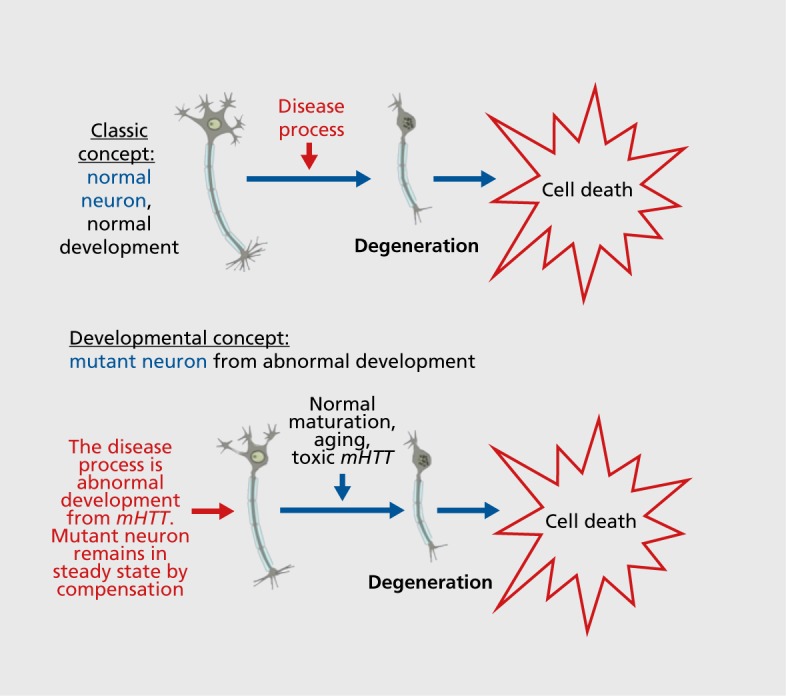
“This is an open access article Although the current concept of the pathoetiology of HD is that of a neurodegenerative disease, mounting evidence suggests that abnormal development may play a vital role in the pathology (Nopoulos, 2016).”
BackgroundInfluentialSelf-citationNeuropeptides: Roles and Activities as Metal Chelators in Neurodegenerative Diseases
Ben-Shushan, S., & Miller, Y. (2021) · The Journal of Physical Chemistry B · doi:10.1021/acs.jpcb.0c11151 · Cited by 54
Therapeutic and Mechanistic Effects of Curcumin in Huntington’s Disease
Labanca, F., Ullah, H., Khan, H. Z., Milella, L., Xiao, J., Stevanović, Z. D., & Jeandet, P. (2020) · Current Neuropharmacology · doi:10.2174/1570159x18666200522201123 · Cited by 48
“Probably, the first ones represent the distinctive features of the HD, to have made it known as the ‘Chorea of Huntington’ because of the involuntary dancelike movements that characterize the patients [18].”
BackgroundInfluentialA review on neuropharmacological role of erucic acid: an omega-9 fatty acid from edible oils
Kumar, J. B. S., & Sharma, B. (2020) · Nutritional Neuroscience · doi:10.1080/1028415x.2020.1831262 · Cited by 54
“AD, PD, and ALS exist in both idiopathic and familial disease forms while HD is a familial disease [7].”
BackgroundAnanbeh, H., Novak, J., Juhas, S., Juhasova, J., Klempir, J., Doleckova, K., Rysankova, I., Turnovcova, K., Hanus, J., Hansikova, H., et al. (2022) · International Journal of Molecular Sciences · doi:10.3390/ijms23105598 · Cited by 46
Liu, D., Zhang, Q., Luo, P., Gu, L., Shen, S., Tang, H., Zhang, Y., Lyu, M., Shi, Q., Yang, C., et al. (2022) · Aging and Disease · doi:10.14336/ad.2021.1115 · Cited by 47
“HD is an inherited autosomal dominant neurodegenerative illness of the striatum, which is mainly triggered by excessive expanded polyglutamine segment near the amino terminus of huntingtin to form toxic aggregates [59].”
BackgroundMovahedpour, A., Vakili, O., Khalifeh, M., Mousavi, P., Mahmoodzadeh, A., Taheri‐Anganeh, M., Razmeh, S., Shabaninejad, Z., Yousefi, F., Behrouj, H., et al. (2022) · Cell Biochemistry and Function · doi:10.1002/cbf.3692 · Cited by 45
“HD is a rare autosomal neurodegenerative disease, caused by a single mutation in the Huntingtin gene (HTT).(73) HD sufferers are usually detected with motor, cognitive, and psychiatric symptoms.”
BackgroundNoureldeen, M. E., Shahin, N. N., Amin, H. A. A., El‐Sawalhi, M. M., & Ghaiad, H. R. (2024) · Molecular Medicine · doi:10.1186/s10020-024-00917-5 · Cited by 38
“The striatum is by far the most affected brain region in HD patients (Nopoulos 2016; Yang et al. 2021).”
BackgroundSerwach, K., & Gruszczynska‐Biegala, J. (2019) · International Journal of Molecular Sciences · doi:10.3390/ijms20092289 · Cited by 37
“However, in later stages of the disease, it extends to various brain regions [107,108].”
BackgroundLum, P. T., Sekar, M., Seow, L.-J., Shaikh, M. F., Arulsamy, A., Retinasamy, T., Gan, S. H., Gnanaraj, C., Esa, N. M., Ramachawolran, G., et al. (2023) · Frontiers in Pharmacology · doi:10.3389/fphar.2023.1189957 · Cited by 40
“The cognitive disturbances in HD are said to be subcortical dementia due to the nature of brain pathology involving striatal−subcortical pathways (Nopoulos, 2022).”
BackgroundReview of Huntington’s Disease: From Basics to Advances in Diagnosis and Treatment
Rojas, N. G., Cesarini, M., Peker, G., Prat, G. A. D., Etcheverry, J. L., & Gatto, E. M. (2022) · Journal of Neurology Research · doi:10.14740/jnr721 · Cited by 41
Boraschi, D., Italiani, P., Migliorini, P., & Bossù, P. (2023) · Frontiers in Immunology · doi:10.3389/fimmu.2023.1128190 · Cited by 47
Tobore, T. O. (2019) · Journal of Neuroscience Research · doi:10.1002/jnr.24492 · Cited by 32
“Huntingtin gene (HTTg) has a special feature of a DNA trinucleotide (triplet) repeat, with repeat length usually ranging from 10 to 35 in the normal population (Nopoulos, 2016).”
BackgroundBrain Structural Features of Myotonic Dystrophy Type 1 and their Relationship with CTG Repeats
van der Plas, E. A. A., Hamilton, M., Miller, J. N., Koscik, T. R., Long, J. D., Cumming, S. A., Povilaikaite, J., Farrugia, M. E., McLean, J., Jampana, R., et al. (2019) · Journal of Neuromuscular Diseases · doi:10.3233/jnd-190397 · Cited by 36
“It could be hypothesised to result from a variety of mechanisms, including abnormal development, differences in cell volume, reduced proliferation, or early loss of neurons [41, 42].”
Self-citationHartmann, J., Henschel, N., Bartmann, K., Dönmez, A., Brockerhoff, G., Koch, K., & Fritsche, E. (2023) · Cells · doi:10.3390/cells12091270 · Cited by 31
“However, this is of particular importance regarding disease modeling and drug screening, especially for diseases that only affect certain cell types, such as Parkinson’s disease (PD, dopaminergic neurons), or brain regions, such as Huntington’s disease (striatum) [38,39].”
BackgroundRé, D. B., Hilpert, M., Saglimbeni, B., Strait, M. D., Ilievski, V., Coady, M., Talayero, M. J., Wilmsen, K., Chesnais, H., Balac, O., et al. (2021) · Environmental Research · doi:10.1016/j.envres.2021.111557 · Cited by 34
Mannan, A., Singh, T. G., Singh, V., Garg, N., Kaur, A., & Singh, M. (2021) · Current Drug Targets · doi:10.2174/1389450122666210707120256 · Cited by 30
Insights into White Matter Defect in Huntington’s Disease
Sun, Y., Tong, H., Yang, T., Liu, L., Li, X., & Li, S. (2022) · Cells · doi:10.3390/cells11213381 · Cited by 32
“white matter in both HD patient and transgenic monkey brains could be linked with the patient’s early mental symptoms such as poor attention, irritability, impulsivity, and poor mood regulation [92].”
BackgroundEpidemiology of Huntington’s Disease in the United States Medicare and Medicaid Populations
Exuzides, A., Reddy, S. R., Chang, E. Y., Ta, J. T., Patel, A. M., Paydar, C., & Yohrling, G. J. (2022) · Neuroepidemiology · doi:10.1159/000524732 · Cited by 29
Sirtuins, a key regulator of ageing and age-related neurodegenerative diseases
Bhatt, V., & Tiwari, A. K. (2023) · International Journal of Neuroscience · doi:10.1080/00207454.2022.2057849 · Cited by 28
“HD can achieve a full level penetration by the age of 65 in many cases [180, 183] and is characterized by trinucleotide (CAG) repeat mutation and results in an increased glutamine residue in the N terminus of Huntingtin protein (Htt) [180, 184].”
BackgroundPrinciples and correction of 5’-splice site selection
Malard, F., Mackereth, C. D., & Campagne, S. (2022) · RNA Biology · doi:10.1080/15476286.2022.2100971 · Cited by 30
“As described previously, HD is caused by cytosine–adenine–guanine (CAG) repeat expansions in the huntingtin (HTT) gene, which produces a pathogenic mutant HTT (mHTT) protein [119,158].”
BackgroundBasavarajappa, B. S., & Subbanna, S. (2024) · Epigenomics · doi:10.2217/epi-2023-0428 · Cited by 26
FOXOs and their roles in acute and chronic neurological disorders
Asadi, Y., Moundounga, R. K., Chakroborty, A., Potokiri, A., & Wang, H. (2025) · Frontiers in Molecular Biosciences · doi:10.3389/fmolb.2025.1538472 · Cited by 30
“HD is a neurodegenerative disorder caused by an extension of CAG trinucleotide repeats within the Huntingtin gene (Nopoulos, 2016).”
Jellinger, K. A. (2019) · Journal of Neural Transmission · doi:10.1007/s00702-019-02030-y · Cited by 23
“…lengths of less than 27 and in the range of 27–35 are not associated with development of HD, while those between 36 and 39 cause HD at incomplete penetrance with variable manifestations, and when expanded to 40 or more repeats (mutant huntingtin/mHTT) cause HD at full penetrance (Nopoulos 2016).”
BackgroundMural Cells: Potential Therapeutic Targets to Bridge Cardiovascular Disease and Neurodegeneration
Lin, A., Peiris, N. J., Dhaliwal, H., Hakim, M., Li, W., Ganesh, S., Ramaswamy, Y., Patel, S., & Misra, A. (2021) · Cells · doi:10.3390/cells10030593 · Cited by 26
Cortical morphometry and neural dysfunction in Huntington’s disease: a review
Tan, B., Shishegar, R., Poudel, G. R., Fornito, A., & Georgiou‐Karistianis, N. (2020) · European Journal of Neurology · doi:10.1111/ene.14648 · Cited by 23
“Quantitative measures of cortical morphometry, such as surface area, cortical thickness, and sulcal and gyral curvature, have received limited attention in HD yet offer important new avenues to study normal and pathological processes [46,102,103].”
BackgroundO'Sullivan, J., Muñoz-Muñoz, J., Turnbull, G., Sim, N., Penny, S., & Moschos, S. A. (2022) · RSC Advances · doi:10.1039/d2ra01999j · Cited by 22
Sethiya, N. K., Ghiloria, N., Srivastav, A., Bisht, D., Chaudhary, S. K., Walia, V., & Alam, M. S. (2023) · CNS & Neurological Disorders - Drug Targets · doi:10.2174/1871527322666230718105358 · Cited by 25
When repetita no-longer iuvant: somatic instability of the CAG triplet in Huntington’s disease
Cattaneo, E. F., Scalzo, D., Zobel, M., Iennaco, R., Maffezzini, C., Besusso, D., & Maestri, S. (2024) · Nucleic Acids Research · doi:10.1093/nar/gkae1204 · Cited by 22
Biochemistry, Primary Protein Structure
Sanvictores, T., & Farci, F. (2020) · StatPearls · Cited by 40
Sorek, M., Oweis, W., Nissim‐Rafinia, M., Maman, M., Simon, S., Hession, C. C., Adiconis, X., Simmons, S., Sanjana, N. E., Shi, X., et al. (2021) · Genome biology · doi:10.1186/s13059-021-02301-6 · Cited by 17
“21 toxic effects leading to cell death [46].”
BackgroundMahdi, W. A., AlGhamdi, S. A., Alghamdi, A. M., Imam, S. S., Alshehri, S., Almaniea, M. A., Hajjar, B. M., Al-Abbasi, F. A., Sayyed, N., & Kazmi, I. A. (2023) · Molecules · doi:10.3390/molecules28031402 · Cited by 19
“Whenever the doubling becomes little than 40, it became assumed that there were no or few indications of HD, but a larger amount suggested the existence of HD [8].”
BackgroundVitis vinifera: An Alternative for the Prevention of Neurodegenerative Diseases
Pazos-Tomas, C. C., Cruz-Venegas, A., Pérez-Santiago, A. D., Sánchez-Medina, M. A., Matías-Pérez, D., & García-Montalvo, I. A. (2020) · Journal of Oleo Science · doi:10.5650/jos.ess20109 · Cited by 23
Cavallo, M., Sergi, A., & Pagani, M. (2021) · British Journal of Clinical Psychology · doi:10.1111/bjc.12337 · Cited by 16
Longitudinal Clinical and Biological Characteristics in Juvenile‐Onset Huntington's Disease
Schultz, J. L., Langbehn, D. R., Al‐Kaylani, H. M., van der Plas, E. A. A., Koscik, T. R., Epping, E. A., Espe‐Pfeifer, P., Martin, E., Moser, D. J., Magnotta, V. A., et al. (2022) · Movement Disorders · doi:10.1002/mds.29251 · Cited by 16
“Typically, patients do not present with symptoms until the age of 40 or older(2) and are referred to as adult-onset HD (AOHD).(3) A smaller percentage of”
BackgroundSelf-citationCasella, C., Kleban, E., Rosser, A., Coulthard, E. J., Rickards, H. E., Fasano, F., Metzler‐Baddeley, C., & Jones, D. K. (2021) · NeuroImage Clinical · doi:10.1016/j.nicl.2021.102658 · Cited by 16
Shing, K., Sapp, E., Boudi, A., Liu, S., Seeley, C., Marchionini, D. M., DiFiglia, M., & Kegel-Gleason, K. B. (2023) · Neurobiology of Disease · doi:10.1016/j.nbd.2023.106313 · Cited by 14
“…and has plei-omorphic effects that contribute to HD pathology ranging from mitochondrial dysfunction, transcriptional defects, cholesterol mishandling, altered palmitoylation, and metabolic changes from altered signaling in the hypothalamus (Nopoulos, 2016; Petersen and Bjorkqvist, 2006).”
Genistein: A promising ally in combating neurodegenerative disorders
Sharma, D., Singh, V., Kumar, A., & Singh, T. G. (2025) · European Journal of Pharmacology · doi:10.1016/j.ejphar.2025.177273 · Cited by 17
The effects of antidepressants on depressive symptoms in manifest Huntington's disease
Ogilvie, A. C., Carnahan, R. M., Chrischilles, E. A., & Schultz, J. L. (2022) · Journal of Psychosomatic Research · doi:10.1016/j.jpsychores.2022.111023 · Cited by 14
Drosophila melanogaster as a Tool for Amyotrophic Lateral Sclerosis Research
Hegde, K., & Srivastava, A. K. (2022) · Journal of Developmental Biology · doi:10.3390/jdb10030036 · Cited by 17
“Huntington’s Disease Motor and cognitive dysfunction, psychiatric symptoms Used as a model to express toxic repeat expansion of Htt (Huntingtin) gene [7]”
BackgroundBasavarajappa, B. S., & Subbanna, S. (2024) · Biomolecules · doi:10.3390/biom14101296 · Cited by 14
Anestis, E., Eccles, F. J. R., Fletcher, I. J., Triliva, S., & Simpson, J. (2021) · Disability and Rehabilitation · doi:10.1080/09638288.2021.2002436 · Cited by 17
What Can RNA-Based Therapy Do for Monogenic Diseases?
Clarke, L. A., & Amaral, M. D. (2023) · Pharmaceutics · doi:10.3390/pharmaceutics15010260 · Cited by 14
“They may be inherited with an autosomal dominant pattern, as is the case for Huntington’s disease (HD) [1], Marfan syndrome [2], and neurofibromatosis (NF1 and II) [3], or they may be autosomal recessive, with examples including Cystic Fibrosis (CF) [4], β-thalassemia [5], and spinal muscular atrophy (SMA) [6].”
BackgroundMRI findings in juvenile Huntington's disease
Arraj, P., Robbins, K., Dengle, L., Veltkamp, D. L., & Pfeifer, C. M. (2020) · Radiology Case Reports · doi:10.1016/j.radcr.2020.10.041 · Cited by 12
The Microbiome–Neurodegeneration Interface: Mechanisms, Evidence, and Future Directions
Böckels, L., Alexa, D., Antal, D. C., Gațcan, C., Alecu, C., Kacani, K., Cretu, R. A., Piseru, E.-A., Bîlcu, R. V., & Cuciureanu, D. I. (2026) · Cells · doi:10.3390/cells15020135 · Cited by 13
Al-Wardat, M. S., Schirinzi, T., Hadoush, H., Kassab, M. I., Yabroudi, M. A., Opara, J. A., Nawrat–Szołtysik, A., Khalil, H. W., & Etoom, M. (2022) · International Journal of Environmental Research and Public Health · doi:10.3390/ijerph192214915 · Cited by 13
“Huntington’s disease (HD) is an autosomal dominant inherited degenerative disease of the basal ganglia that has a detrimental effect on physical, cognitive, and psychological status [1].”
BackgroundMaloney, M. T., Wang, W., Bhowmick, S., Millán, I., Kapur, M., Herrera, N., Frost, E., Zhang, E. Y., Song, S., Wang, M., et al. (2023) · Biology · doi:10.3390/biology12020157 · Cited by 13
“HD occurs spontaneously and is subsequently transmitted through generations with a concomitant increase in CAG/polyglutamine repeat number, a process described as genetic anticipation [2].”
Gene Expression Profiling in Huntington’s Disease: Does Comorbidity with Depressive Symptoms Matter?
Colpo, G. D., Rocha, N. P., Furr-Stimming, E. E., & Teixeira, A. L. (2020) · International Journal of Molecular Sciences · doi:10.3390/ijms21228474 · Cited by 12
“Importantly, prior to neuronal death, mHTT may cause subclinical neurodevelopmental abnormalities [40,41].”
BackgroundSun, H., Li, M., Li, Y., Na, Z., Li, J., Li, X., Liu, Y., Ji, Q., Zhou, L., Su, J., et al. (2024) · International Journal of Molecular Sciences · doi:10.3390/ijms25147709 · Cited by 14
“When the CAG repeat number is more than forty (mutant huntingtin, mHtt), HD occurs at full penetrance and patients develop HD symptoms [4].”
BackgroundLuteolin as potential treatment for Huntington's disease: Insights from a transgenic mouse model
Mohammed, A., Ramadan, A., Elnour, A. A., Saeed, A. A., Mazrouei, N. A., Alsulami, F. T., Alqarni, Y. S., Menon, V. B., Amoodi, A. A., & Abdalla, S. F. (2024) · CNS Neuroscience & Therapeutics · doi:10.1111/cns.70025 · Cited by 12
Neuroinflammation to neurodegeneration: Boulevard of broken nerves
Attiq, A., Afzal, S., Raman, H., & Ahmad, W. (2025) · International Immunopharmacology · doi:10.1016/j.intimp.2025.115015 · Cited by 13
Arancibia-Opazo, S., Contreras-Riquelme, S., Sánchez, M., Cisternas-Olmedo, M., Vidal, R. L., Martín, A. J. M., & Sáez, M. (2023) · International Journal of Molecular Sciences · doi:10.3390/ijms241310848 · Cited by 13
Neurodevelopmental disorders: 2021 update
Zamora‐Moratalla, A., de Lagrán, M. M., & Dierssen, M. (2021) · Free Neuropathology · doi:10.17879/freeneuropathology-2021-3268 · Cited by 19
Microfluidics for brain endothelial cell-astrocyte interactions
Sanapathi, J., Vipparthi, P., Mishra, S., Sosnik, A., & Kumarasamy, M. (2023) · Organs-on-a-Chip · doi:10.1016/j.ooc.2023.100033 · Cited by 11
Christodoulou, C. C., & Papanicolaou, E. Z. (2023) · International Journal of Molecular Sciences · doi:10.3390/ijms24054873 · Cited by 12
Subcortical T1-Rho MRI Abnormalities in Juvenile-Onset Huntington’s Disease
Tereshchenko, A. V., Schultz, J. L., Kunnath, A. J., Bruss, J., Epping, E. A., Magnotta, V. A., & Nopoulos, P. (2020) · Brain Sciences · doi:10.3390/brainsci10080533 · Cited by 9
“Adult-onset HD (AOHD) is characterized by involuntary movements (chorea), whereas JOHD often causes bradykinesia [1].”
BackgroundSelf-citationLongitudinal mapping of cortical surface changes in Huntington’s Disease
Tan, B., Shishegar, R., Fornito, A., Poudel, G. R., & Georgiou‐Karistianis, N. (2022) · Brain Imaging and Behavior · doi:10.1007/s11682-021-00625-2 · Cited by 8
“…earliest and most sensitive marker of disease progression in Huntington’s Disease (HD) Domínguez et al., 2013, 2016; Georgiou-Karistianis et al., 2013; Nopoulos, 2016; Ross et al., 2014; Wijeratne et al., 2020), there is evidence that a trans-neuronal spread of the mutant huntingtin protein (mHTT)…”
BackgroundPresentation and care of a family with Huntington disease in a resource-limited community
Charles, J., Lessey, L., Rooney, J. A., Prokop, I., Yearwood, K. R., Breo, H. D., Rooney, P., Walker, R. H., & Sobering, A. K. (2017) · Journal of Clinical Movement Disorders · doi:10.1186/s40734-017-0050-6 · Cited by 10
“Many reviews describing HD exist, see [10, 11] for recent summaries.”
BackgroundAlzheimer's Disease and Other Neurodegenerative Diseases
Fuller, S. J., Sohrabi, H. R., Goozee, K. G., Sankaranarayanan, A., & Martins, R. N. (2019) · Wiley eBooks · doi:10.1002/9781119356752.ch2 · Cited by 8
Kuijper, E. C., Overzier, M., Suidgeest, E., Dzyubachyk, O., Maguin, C., Pérot, J., Flament, J., Ariyürek, Y., Mei, H., Buijsen, R. A. M., et al. (2023) · Neurobiology of Disease · doi:10.1016/j.nbd.2023.106368 · Cited by 7
“The mutation leads to neurodegeneration starting in the striatum, but extending to the whole brain eventually, causing motor, cognitive and psychiatric symptoms (Nopoulos, 2016; Tabrizi et al., 2022).”
BackgroundRisk Factors and Interventions for Suicide in Huntington’s Disease—A Systematic Review
Grimaldi, A., Veneziani, I., Culicetto, L., Quartarone, A., & Buono, V. L. (2024) · Journal of Clinical Medicine · doi:10.3390/jcm13123437 · Cited by 19
“HD is a complex condition that typically manifests in adulthood, most commonly between the ages of 30 and 50, although onset can occur at any age [16].”
BackgroundMonteiro, C. J., Heery, D. M., & Whitchurch, J. B. (2023) · Advances in experimental medicine and biology · doi:10.1007/978-3-031-33325-5_2 · Cited by 6
Update of Rehabilitation in Huntington’s Disease: Narrative Review
Kim, K.-H., & Song, M. (2023) · Brain & Neurorehabilitation · doi:10.12786/bn.2023.16.e28 · Cited by 10
Fernius, J., Starkenberg, A., & Thor, S. (2017) · Disease Models & Mechanisms · doi:10.1242/dmm.029637 · Cited by 10
“ALS was modeled by expressing the UAS-SOD1G85R mutant (Watson et al., 2008).”
BackgroundInfluentialMortezaei, Z., Cazier, J., Mehrabi, A. A., Cheng, C., & Masoudi‐Nejad, A. (2018) · Journal of Cellular Biochemistry · doi:10.1002/jcb.27825 · Cited by 8
“Huntington disease is a monogenic disease in which the Huntingtin gene (HTT) contains an abnormal repeat length.(8) Similarities between the pathological features of Huntington and Parkinson diseases along with the fact that Huntington disease is a kind of ND motivated us to consider Huntington disease in this study t…”
BackgroundAndré, E. M., Daviaud, N., Sindji, L., Cayon, J., Perrot, R., & Montero‐Menei, C. N. (2018) · PLoS ONE · doi:10.1371/journal.pone.0193409 · Cited by 7
In vivo CRISPR base editing for treatment of Huntington’s disease
Shirguppe, S., Gapinske, M., Swami, D., Shenouda, K., Miskalis, A., Gosstola, N. C., Siller, D. D. B., Guerra, I., Acharya, P., Joulani, D., et al. (2026) · Nature Biomedical Engineering · doi:10.1038/s41551-026-01747-y · Cited by 11
Mohan, M., Mannan, A., & Singh, T. G. (2025) · Current Pharmacology Reports · doi:10.1007/s40495-025-00399-x · Cited by 6
“This expansion involves 40 or more repeats of the CAG sequence [175].”
Kasl, Z., Póczoš, P., Herzig, R., Jirásková, N., Matuska, M., & Cesak, T. (2024) · Springer eBooks · doi:10.1007/978-3-031-58592-0_10 · Cited by 5
Khair, A. M., Kabrt, J., & Falchek, S. J. (2020) · Qatar medical journal · doi:10.5339/qmj.2020.18 · Cited by 5
“symptoms.(3) JHD is characterized by bradykinesia, rigidity, dystonia, tremors, myoclonus, slurred speech, swallowing problems, and epilepsy.”
BackgroundUBL3 Interacts with PolyQ-Expanded Huntingtin Fragments and Modifies Their Intracellular Sorting
Oyama, S., Zhang, H., Ferdous, R., Tomochika, Y., Chen, B., Jiang, S., Islam, M. S., Hasan, M. M., Zhai, Q., Waliullah, A. S. M., et al. (2024) · Neurology International · doi:10.3390/neurolint16060089 · Cited by 5
Zebrafish: A Potential Preclinical Model for Neurological Research in Modern Biology
Saleem, S., & Kannan, R. R. (2022) · Springer eBooks · doi:10.1007/978-981-16-5217-2_14 · Cited by 6
Brace, G. N., Tillack, K., Johnson, P. D., Ritzefeld, M., Schaertl, S., Frush, E. H., Warfield, B. M., Ballantyne, G., Lee, J., Thieulin‐Pardo, G., et al. (2025) · Bioorganic & Medicinal Chemistry Letters · doi:10.1016/j.bmcl.2025.130326 · Cited by 6
Hubčíková, K., Rakús, T., Mühlbäck, A., Benetin, J., Bruncvik, L., Petrášová, Z., Bušková, J., & Brunovský, M. (2022) · Journal of Personalized Medicine · doi:10.3390/jpm12121941 · Cited by 5
Pinto, J. R. D., Neto, B. F., Munhoz, L., Kerkis, I., & Araldi, R. P. (2025) · Cells · doi:10.3390/cells14130976 · Cited by 4
“As expected, the majority of these 391 are expressed in brain regions most vulnerable to HD pathology, such as the striatum [70,71], cingulate [72,73], and prefrontal cortex [74–76] (Figure A6, File S4).”
Suppressive effect of the swallowing reflex by stimulation of the pedunculopontine tegmental nucleus
Satoh, Y., & Tsuji, K. (2020) · Neuroscience Research · doi:10.1016/j.neures.2020.07.001 · Cited by 4
Neurodegenerative Diseases and Cell Reprogramming
Sallam, A., & Mousa, S. A. (2020) · Molecular Neurobiology · doi:10.1007/s12035-020-02039-5 · Cited by 4
Metadata
- Authors
- Nopoulos, P. C.
- Affiliations
- Department of Psychiatry, University of Iowa, Iowa City, Iowa, USA
- Venue
- Dialogues in Clinical Neuroscience
- Publisher
- Informa UK Limited
- Published
- 2016-03-31
- Volume
- 18
- Issue
- 1
- Pages
- 91-98
- ISSN
- 1294-8322 (ISSN-L)
- 1958-5969
- PMC
- PMC4826775
- OpenAlex
- W2335810313
- Cited by
- 161
- References
- 61
- Citations by year
- 2026: 12 · 2025: 14 · 2024: 22 · 2023: 21 · 2022: 23 · 2021: 22 · 2020: 21 · 2019: 12 · 2018: 8 · 2017: 6
- FWCI
- 4.86
- Type
- journal article
- Language
- en
- Open access
- diamond
- doi.org
- Licence
- Locations
- Dialogues in Clinical Neuroscience (publishedVersion, cc-by-nc-nd)
- Europe PMC (PubMed Central) (publishedVersion, cc-by-nc-nd)
- PubMed Central (publishedVersion, cc-by-nc-nd)
- PubMed (publishedVersion)
- Topics
- Life Sciences › Neuroscience › Cellular and Molecular Neuroscience › Genetic Neurodegenerative Diseases
- Health Sciences › Medicine › Clinical Neurology › Deep Brain Stimulation and Movement Disorders
- Life Sciences › Neuroscience › Neurology › Neurological diseases and metabolism
- Keywords
- Huntington's disease, huntingtin gene, trinucleotide repeat expansion, striatal degeneration, incomplete penetrance, frontostriatal circuits, neurodegeneration, gene silencing therapy, neuroprotection
- MeSH terms
- Huntingtin Protein, Animals, Corpus Striatum, Humans, Huntington Disease, Genetic Therapy, Neurodegenerative Diseases
About these checks
Registry, retraction, Cites and statistics results are computed, not judged, with one exception: a printed reference that no index lists is read once by a model before it counts as a citation error. Claims are extracted by a model and kept only when their quote appears verbatim in the text; each cited source is then checked, with a model’s help, for whether it says what the claim relies on. Those verdicts can be wrong — read the claim’s quote and the cited source before relying on one.
Statistics and arithmetic are recomputed, not judged.
Confidence bands are shown only for fields calibrated on our annotated test set. None is calibrated yet, so no band is shown.
What counts as a claim ›How we measure confidence ›How we check this ›
Are you an author, or do you see a problem with this page? Request a review
Data sources
Bibliographic data: Semantic Scholar, OpenAlex, Crossref.
Contains information from the Semantic Scholar Academic Graph Datasets, made available under the ODC Attribution License (ODC-BY 1.0).
Semantic Scholar’s data is described in: Kinney, R., et al. (2023). The Semantic Scholar Open Data Platform. arXiv:2301.10140.
