

The DOI matches its Crossref record; 100 of the 100 references it cites were found in a registry or an index.
Behavioral methods to study anxiety in rodents
Open accessAbstract
Stress is a precipitating factor for anxiety-related disorders, which are among the leading forms of psychiatric illness and impairment in the modern world. Rodent-based behavioral tests and models are widely used to understand the mechanisms by which stress triggers anxiety-related behaviors and to identify new treatments for anxiety-related disorders. Although substantial progress has been made and many of the key neural circuits and molecular pathways mediating stress responsiveness have been characterized, these advances have thus far failed to translate into fundamentally new treatments that are safer and more efficacious in humans. The purpose of this article is to describe methods that have been historically used for this type of research and to highlight new approaches that align with recent conceptualizations of disease symptomatology and that may ultimately prove to be more fruitful in facilitating the development of improved therapeutics.
Overview
The claims and statistics of this paper haven’t been checked yet.
Run the check — free, no account needed. It reads the open-access text and checks the sources it cites.
Integrity signals
Registry
Cites
Statistics
Figures
Verification
Claims the paper makes
The claims and statistics of this paper haven’t been checked yet.
Run the check — free, no account needed. It reads the open-access text and checks the sources it cites.
Claims other papers make about this one
Each is checked against this paper’s own text: does it say what the citing paper says it does?
The cited source says what the claim attributes to it.
In the citing paper
“Symptoms of mental illnesses are accompanied by emotional, cognitive, and motivational aspects that are not attributable to the lower mammal species being studied (Lezak et al., 2017).”
From The Epigenetics of Anxiety Pathophysiology: A DNA Methylation and Histone Modification Focused Review (2023) · cites this paper as Lezak et al., 2017
The cited source says what the claim attributes to it.
In the citing paper
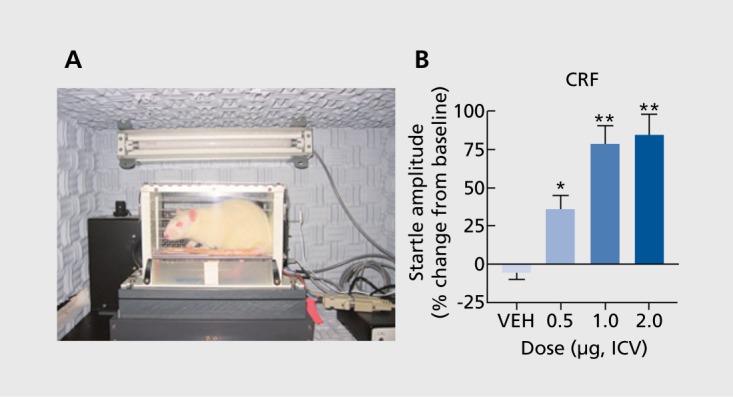
“Acoustic startle is a measurable “flinch” to a delivered white noise, that has an amplitude that can be quantified in units of force, and is hypothesized to reflect the state of alertness associated with increased anxiety (Lezak et al., 2017).”
From The Epigenetics of Anxiety Pathophysiology: A DNA Methylation and Histone Modification Focused Review (2023) · cites this paper as Lezak et al., 2017
The cited source says what the claim attributes to it.
In the citing paper
“For example, pairing an aversive unconditioned stimuli, such as a footshock, with a tone/sound, light, or a context/environment (neutral conditioned stimuli) can elicit fear responses to the conditioned stimuli in the absence of the footshock on re-exposure to the conditioned stimulus (Lezak et al., 2017).”
From The Epigenetics of Anxiety Pathophysiology: A DNA Methylation and Histone Modification Focused Review (2023) · cites this paper as Lezak et al., 2017
Self-check
Percentages, sums and reported differences re-computed from the paper’s own numbers.
The self-check needs the paper’s full text.
Citations
Cites
Diagnostic and Statistical Manual of Mental Disorders
American Psychiatric Association (2013) · doi:10.1176/appi.books.9780890425596 · Cited by 116,369
Effects of stress throughout the lifespan on the brain, behaviour and cognition
Lupien, S. J., McEwen, B. S., Gunnar, M. R., & Heim, C. (2009) · Nature Reviews Neuroscience · doi:10.1038/nrn2639 · Cited by 6,256
Toward the future of psychiatric diagnosis: the seven pillars of RDoC
Cuthbert, B. N., & Insel, T. R. (2013) · BMC Medicine · doi:10.1186/1741-7015-11-126 · Cited by 3,053
Essential role of BDNF in the mesolimbic dopamine pathway in social defeat stress
Berton, O., McClung, C. A., DiLeone, R. J., Krishnan, V., Renthal, W., Russo, S. J., Graham, D., Tsankova, N. M., Bolanos, C. A., Rios, M., et al. (2006) · Science · doi:10.1126/science.1120972 · Cited by 2,129
Willner, P. (1997) · Psychopharmacology · doi:10.1007/s002130050456 · Cited by 1,832
Willner, P. (2005) · Neuropsychobiology · doi:10.1159/000087097 · Cited by 1,605
A standardized protocol for repeated social defeat stress in mice
Golden, S. A., Covington, H. E., Berton, O., & Russo, S. J. (2011) · Nature Protocols · doi:10.1038/nprot.2011.361 · Cited by 1,581
Pellow, S., & File, S. E. (1986) · Pharmacology Biochemistry and Behavior · doi:10.1016/0091-3057(86)90552-6 · Cited by 1,534
Phasic vs Sustained Fear in Rats and Humans: Role of the Extended Amygdala in Fear vs Anxiety
Davis, M., Walker, D. L., Miles, L., & Grillon, C. (2010) · Neuropsychopharmacology · doi:10.1038/npp.2009.109 · Cited by 1,513
Bourin, M., & Hascoët, M. (2003) · European Journal of Pharmacology · doi:10.1016/s0014-2999(03)01274-3 · Cited by 1,440
Research works printed but not linked: 6
- Walker DL., 2008, Brain Struct Funct., 213, 29, 10.1007/s00429-008-0183-3 · DOI · Paper page
- Deacon RM., 2011, J Vis Exp., doi:10.3791
- Nemeroff CB., 2004, J Clin Psychiatry., 65, 18
- Pryce CR., 2002, News Physiol Sci., 17, 150
- Hamm AO., 2014, Restor Neurol Neurosci., 32, 79
- Davis M., 2008, Rev Neurosci., 19, 171
Cited by
Sorted by citations
Items 101–200 of 288
Carvajal-González, A., Jacobson, L. W., Clover, L. M., Wickremaratchi, M. M., Shields, S. A., Lang, B., & Vincent, A. C. (2020) · Neuropathology and Applied Neurobiology · doi:10.1111/nan.12666 · Cited by 15
Olavarría‐Ramírez, L., Cooney-Quane, J., Murphy, G., McCafferty, C. P., Cryan, J. F., & Dockray, S. (2022) · Neuroscience & Biobehavioral Reviews · doi:10.1016/j.neubiorev.2022.105013 · Cited by 17
Escelsior, A., Sterlini, B., Murri, M. B., Serafini, G., Aguglia, A., da Silva, B. P., Corradi, A. M., Valente, P., & Amore, M. (2020) · Behavioural Brain Research · doi:10.1016/j.bbr.2020.112734 · Cited by 16
Behavioural anxiety predisposes rabbits to intra-operative apnoea and cardiorespiratory instability
Krall, C., Glass, S., Dancourt, G., Adams, M., Koenig, K., & Hutchinson, E. K. (2019) · Applied Animal Behaviour Science · doi:10.1016/j.applanim.2019.104875 · Cited by 14
Kandeda, A. K., Lewale, S., Djeuzong, E., Kouamouo, J., & Dimo, T. (2022) · Heliyon · doi:10.1016/j.heliyon.2022.e09549 · Cited by 14
Spared nerve injury decreases motivation in long-access homecage-based operant tasks in mice
Norris, M. R., Becker, L. J., Bilbily, J., Chang, Y. A., Borges, G., Dunn, S. S., Madasu, M. K., Vazquez, C. R., Cariello, S. A., Al‐Hasani, R., et al. (2023) · Pain · doi:10.1097/j.pain.0000000000003123 · Cited by 15
Oatess, T. L., Harrison, F. E., Himmel, L. E., & Jones, C. P. (2020) · Journal of the American Association for Laboratory Animal Science · doi:10.30802/aalas-jaalas-19-000159 · Cited by 14
Early Reciprocal Effects in a Murine Model of Traumatic Brain Injury and Femoral Fracture
Ritter, K., Jung, K., Dolderer, C., Appel, D., Oswald, C. C., Ritz, U., & Schäfer, M. K. E. (2021) · Mediators of Inflammation · doi:10.1155/2021/8835730 · Cited by 14
Prvulović, M., Todorovic, S. T., Milanović, D., Jović, M., Vujovic, P. Z., Kanazir, S., & Mladenović, A. (2022) · Mechanisms of Ageing and Development · doi:10.1016/j.mad.2022.111666 · Cited by 14
Sadeghi, M. A., Hemmati, S., Yousefi‐Manesh, H., Foroutani, L., Nassireslami, E., Zoshk, M. Y., Hosseini, Y., Abbasian, K., Dehpour, A. R., & Chamanara, M. (2023) · Naunyn-Schmiedeberg s Archives of Pharmacology · doi:10.1007/s00210-023-02578-3 · Cited by 14
Faraji, J., Singh, S., Soltanpour, N., Sutherland, R. J., & Metz, G. A. S. (2019) · Behavioural Brain Research · doi:10.1016/j.bbr.2019.112332 · Cited by 14
Souza, M. F., Medeiros, K. A. A. L., Lins, L. C. R. F., Bispo, J. M. M., de Gois, A. M., Santos, E. R., Almeida-Souza, T. H., Melo, J. E. C., Franco, H. S., Silva, R. S., et al. (2022) · Brain Research Bulletin · doi:10.1016/j.brainresbull.2022.01.004 · Cited by 13
Baram, T. Z., & Birnie, M. T. (2024) · Neurobiology of Stress · doi:10.1016/j.ynstr.2024.100669 · Cited by 17
SUMO E3 ligase PIAS1 is a potential biomarker indicating stress susceptibility
Lin, H., Liu, Y.-S., Huang, C., Cathomas, F., Liu, K., Wang, J., Cheng, H., Lai, S., Liu, Y., Chen, C., et al. (2020) · Psychoneuroendocrinology · doi:10.1016/j.psyneuen.2020.104800 · Cited by 14
Zelli, S., Brancato, A., Mattioli, F., Pepe, M., Alleva, E., Carbone, C., Cannizzaro, C., & Adriani, W. (2020) · Genes Brain & Behavior · doi:10.1111/gbb.12709 · Cited by 13
Adult and regenerating planarians respond differentially to chronic drug exposure
Bayingana, K., Ireland, D., Rosenthal, E., Rabeler, C., & Collins, E. S. (2022) · Neurotoxicology and Teratology · doi:10.1016/j.ntt.2022.107148 · Cited by 13
Yavuz, Y., Yeşilay, G., Tuna, B. G., Maharramov, A., Çulha, M., Erdogan, C. S., İnhan-Garip, G. A., & Yılmaz, B. (2022) · Molecular and Cellular Biochemistry · doi:10.1007/s11010-022-04632-9 · Cited by 12
Multiple prenatal stresses increase sexual dimorphism in adult offspring behavior
Verstraeten, B. S. E., McCreary, J. K., Falkenberg, E. A., Fang, X., Weyers, S., Metz, G. A. S., & Olson, D. M. (2019) · Psychoneuroendocrinology · doi:10.1016/j.psyneuen.2019.05.003 · Cited by 12
Wagner, N. R., & MacDonald, J. L. (2020) · Neuroscience · doi:10.1016/j.neuroscience.2020.12.009 · Cited by 12
Holvoet, H., Long, D. M., Yang, L., Choi, J., Marney, L. C., Poeck, B., Maier, C. S., Soumyanath, A., Kretzschmar, D., & Strauß, R. (2023) · Nutrients · doi:10.3390/nu15184016 · Cited by 11
Perinatal exposure to bisphenol A or S: Effects on anxiety-related behaviors and serotonergic system
Bonaldo, B., Casile, A., Ostuni, M. T., Bettarelli, M., Nasini, S., Marraudino, M., Panzica, G., & Gotti, S. (2023) · Chemosphere · doi:10.1016/j.chemosphere.2023.140827 · Cited by 11
Serrano, M., Saumell-Esnaola, M., Ocerin, G., del Caño, G. G., Puente, N., Sallés, J., de Fonseca, F. R., Rodríguez-Arias, M., Gerrikagoitia, I., & Grandes, P. (2024) · Nutrients · doi:10.3390/nu16244344 · Cited by 11
Dagher, M., Cahill, C. M., & Andrews, A. M. (2025) · Pharmacological Reviews · doi:10.1016/j.pharmr.2025.100046 · Cited by 14
Jacobs, D. S., Allen, M. C., Park, J., & Moghaddam, B. (2022) · eLife · doi:10.7554/elife.78912 · Cited by 11
Xie, J., Li, Y., Liang, Y., Kui, H., Wang, C., & Huang, J. (2023) · Journal of Ethnopharmacology · doi:10.1016/j.jep.2023.116571 · Cited by 11
Mantanona, C. P., Alsiö, J., Elson, J. L., Fisher, B. M., Dalley, J. W., Bussey, T. J., & Pienaar, I. S. (2019) · Brain Structure and Function · doi:10.1007/s00429-019-01957-y · Cited by 13
Groenink, L., Verdouw, P. M., Zhao, Y., ter Heegde, F., Wever, K. E., & Bijlsma, E. Y. (2023) · Psychopharmacology · doi:10.1007/s00213-022-06307-1 · Cited by 13
Ribeiro, M. C., & MacDonald, J. L. (2022) · Neurobiology of Disease · doi:10.1016/j.nbd.2022.105636 · Cited by 10
Shehata, S. A., Kolieb, E., Ali, D. A., Maher, S. A., Korayem, H. E., Ibrahim, M. A., Nafie, M. S., & Ameen, S. H. (2023) · Environmental Science and Pollution Research · doi:10.1007/s11356-023-31093-4 · Cited by 10
P2X7 receptor inhibition alleviates mania-like behavior independently of interleukin-1β
Gölöncsér, F., Baranyi, M., Tod, P., Maácz, F., & Sperlágh, B. (2024) · iScience · doi:10.1016/j.isci.2024.109284 · Cited by 10
Threat-dependent scaling of prelimbic dynamics to enhance fear representation
Casanova, J. P., Pouget, C., Treiber, N., Agarwal, I., Brimble, M. A., & Vetere, G. (2024) · Neuron · doi:10.1016/j.neuron.2024.04.029 · Cited by 12
Boustani, A., Rashidy‐Pour, A., Bozorgi, H., Vafaei, A. A., & Raise‐Abdullahi, P. (2024) · Brain and Behavior · doi:10.1002/brb3.3614 · Cited by 10
Bocarsly, M. E., Shaw, M., Ventriglia, E. N., Anderson, L. G., Goldbach, H. C., Teresi, C. E., Bravo, M., Bock, R., Hong, P., Kwon, H. B., et al. (2024) · Nature Communications · doi:10.1038/s41467-024-53414-y · Cited by 10
Hu, W., Jiang, L., Wang, Q., Hu, Q., Zhong, T., Wu, J., Chen, X., & Liu, T. (2024) · Behavioural Brain Research · doi:10.1016/j.bbr.2024.115314 · Cited by 10
A Neural Circuit For Bergamot Essential Oil‐Induced Anxiolytic Effects
Zhu, M., Dong, W., Guo, J., Huang, J., Cheng, P., Yang, Y., Liu, A., Yang, X., Zhu, X., Zhang, Z., et al. (2024) · Advanced Science · doi:10.1002/advs.202406766 · Cited by 10
BAHD1 haploinsufficiency results in anxiety-like phenotypes in male mice
Pourpre, R., Naudon, L., Méziane, H., Lakisic, G., Jouneau, L., Varet, H., Legendre, R., Wendling, O., Selloum, M., Proux, C., et al. (2020) · PLoS ONE · doi:10.1371/journal.pone.0232789 · Cited by 11
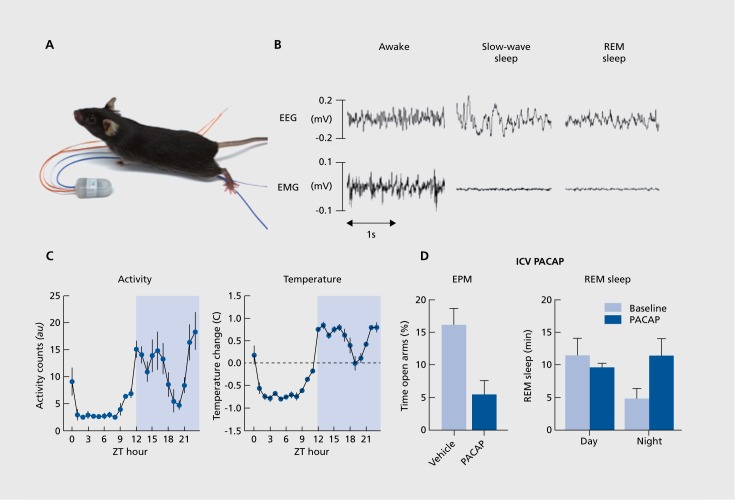
Differential effects of the stress peptides PACAP and CRF on sleep architecture in mice
Foilb, A. R., Taylor-Yeremeeva, E. M., Fritsch, E. L., Ravichandran, C. T., Lezak, K. R., Missig, G., McCullough, K. M., & Carlezon, W. A. (2024) · NPP—Digital Psychiatry and Neuroscience · doi:10.1038/s44277-024-00003-y · Cited by 8
Self-citationGeneral anesthesia activates a central anxiolytic center in the BNST
Lu, D., Lavergne, C. G. U., Choi, S., Park, J. H., Kim, J., Zhao, S., Desimone, Q., Lendaro, E., Chen, B., Han, B.-X., et al. (2024) · Cell Reports · doi:10.1016/j.celrep.2024.114909 · Cited by 8
Piechota, M., Skupio, U., Borczyk, M., Ziółkowska, B., Gołda, S., Szumiec, Ł., Szklarczyk-Smolana, K., Bilecki, W., Parkitna, J. M. R., & Korostyński, M. (2022) · International Journal of Molecular Sciences · doi:10.3390/ijms232012328 · Cited by 9
Adolescent food insecurity in female rodents and susceptibility to diet-induced obesity
Spaulding, M. O., Hoffman, J. R., Madu, G. C., Lord, M. N., Iizuka, C. S., Myers, K. P., & Noble, E. E. (2023) · Physiology & Behavior · doi:10.1016/j.physbeh.2023.114416 · Cited by 9
Animal models to study cognitive impairment of chronic kidney disease
Silva, P. H. I., Pépin, M., Figurek, A., Gutiérrez‐Jiménez, E., Bobot, M., Iervolino, A., Mattace-Raso, F. U. S., Hoorn, E. J., Bailey, M. A., Hénaut, L., et al. (2024) · American Journal of Physiology-Renal Physiology · doi:10.1152/ajprenal.00338.2023 · Cited by 9
Daniels, S., Horman, T., Lapointe, T., Melanson, B. A., Storace, A., Kennedy, S. H., Frey, B. N., Rizvi, S. J., Hassel, S., Müller, D. J., et al. (2019) · Journal of Affective Disorders · doi:10.1016/j.jad.2019.11.108 · Cited by 11
Hiew, L. F., Khairuddin, S., Aquili, L., Koh, J., Fung, M., Lim, W. L., & Lim, L. W. (2020) · Behavioural Brain Research · doi:10.1016/j.bbr.2020.112559 · Cited by 10
Hamdan, D. I., Hafez, S. S., Hassan, W. H. B., Morsi, M., Khalil, H. M. A., Ahmed, Y. H., Ahmed-Farid, O. A.-H., & El‐Shiekh, R. A. (2022) · RSC Advances · doi:10.1039/d1ra08320a · Cited by 9
Comparative Behavioral Correlation of High and Low-Performing Mice in the Forced Swim Test
Valencia, S. T., Gonzales, E. L., Adil, K. J., Jeon, S. J., Kwon, K. J., Cho, K. S., & Shin, C. Y. (2019) · Biomolecules & Therapeutics · doi:10.4062/biomolther.2018.210 · Cited by 9
Suk, F., Hsu, F.-Y., Hsu, M.-H., Chiu, W., Fang, C.-C., Chen, T.-L., & Liao, Y. (2023) · Life Sciences · doi:10.1016/j.lfs.2023.122327 · Cited by 7
The Role of Chronic Stress in the Pathogenesis of Ischemic Heart Disease in Women
Cairns, M., Marais, E., Joseph, D. E., & Essop, M. F. (2025) · Comprehensive physiology · doi:10.1002/cph4.70000 · Cited by 8
Hippocampal NLRP1 inflammasome mediates anxiety-like behavior in mice with hypothyroidism
Cheng, Y., Zou, Z.-H., Lou, C.-L., Tong, M.-R., Li, J.-K., Zhu, W.-H., Lu, Y., Zhu, D.-F., Xu, Q., & Xu, Y. (2025) · Scientific Reports · doi:10.1038/s41598-025-00979-3 · Cited by 8
Tendilla‐Beltrán, H., Garcés‐Ramírez, L., Martínez-Vásquez, E., Bernal, A. N., Gómez-Villalobos, M. D. J., & Flores, G. (2023) · Neurochemical Research · doi:10.1007/s11064-023-04074-9 · Cited by 8
Torres-Pérez, J. V., Martínez-Rodríguez, E., Forte, A., Blanco-Gómez, C., Stork, O., Lanuza, E., Santos, M., & Agustín‐Pavón, C. (2022) · Frontiers in Behavioral Neuroscience · doi:10.3389/fnbeh.2022.974692 · Cited by 8
Deep Instance Segmentation of Laboratory Animals in Thermal Images
Mazur-Milecka, M., Kocejko, T., & Rumiński, J. (2020) · Applied Sciences · doi:10.3390/app10175979 · Cited by 8
Antidepressant and Anxiolytic Effects of Fermented Huauzontle, a Prehispanic Mexican Pseudocereal
Santiago‐López, L., Almada-Corral, A., Garcia, H. S., Mata‐Haro, V., González-Córdova, A. F., Vallejo‐Córdoba, B., & Hernández‐Mendoza, A. (2022) · Foods · doi:10.3390/foods12010053 · Cited by 7
Onofre-Campos, D., González-Trujano, M. E., Moreno-Pérez, G. F., Narváez-González, H. F., González-Gómez, J. D., Villasana‐Salazar, B., & Martı́nez-Vargas, D. (2023) · Molecules · doi:10.3390/molecules28093680 · Cited by 7
PINK1 knockout rats show premotor cognitive deficits measured through a complex maze
Soto, I., Nejtek, V. A., Siderovski, D. P., & Salvatore, M. F. (2024) · Frontiers in Neuroscience · doi:10.3389/fnins.2024.1390215 · Cited by 7
Kardash, E. V., Ertuzun, I. А., Khakimova, G. R., Kolyadin, A. N., Тарасов, С. А., Wagner, S., Andriambeloson, E., Ivashkin, V. T., & Epstein, O. I. (2018) · Dose-Response · doi:10.1177/1559325818779752 · Cited by 7
Sympathetic and Vagal Responses Elicited by Acute Stress in Rats
Mouchtouri, E.-T., Lekkas, P., Delis, F., Pantelakis, E., Mourouzis, I. S., Pantos, C. I., & Kolettis, T. M. (2020) · Cureus · doi:10.7759/cureus.11602 · Cited by 7
Narcisse, D., Mustafi, S. M., Carlson, M. E., Batabyal, S., Kim, S. H., Wright, W. W., & Mohanty, S. K. (2021) · Frontiers in Cellular Neuroscience · doi:10.3389/fncel.2021.750663 · Cited by 7
Delaney, S., Hidalgo, A. P. C., White, T. J. H., Haneuse, S., Ressler, K. J., Tiemeier, H. W., & Kubzansky, L. D. (2021) · Developmental Cognitive Neuroscience · doi:10.1016/j.dcn.2021.101033 · Cited by 10
Shchipanov, N. A., & Demidova, T. B. (2022) · Behavioural Processes · doi:10.1016/j.beproc.2022.104625 · Cited by 7
Emotional vocalizations alter behaviors and neurochemical release into the amygdala
Ghasemahmad, Z., Mrvelj, A., Panditi, R., Sharma, B. K., Perumal, K. D., & Wenstrup, J. J. (2023) · eLife · doi:10.7554/elife.88838 · Cited by 11
Jacobs, D. S., Bogachuk, A. P., & Moghaddam, B. (2023) · Biological Psychiatry · doi:10.1016/j.biopsych.2024.02.1015 · Cited by 7
Mice can recognise water depths and will avoid entering deep water
Ueno, H., Takahashi, Y., Suemitsu, S., Murakami, S., Kitamura, N., Wani, K., Matsumoto, Y., Okamoto, M., & Ishihara, T. (2022) · Translational Neuroscience · doi:10.1515/tnsci-2020-0208 · Cited by 6
Júnior, R. E. M., Pedersen, A. S. B., Ferreira, R. M., de Asevedo, G. H., Mendes, G. L., Ribeiro, K. F., Maioli, T. U., Faria, A. M. C., & Godard, A. L. B. (2024) · The Journal of Nutritional Biochemistry · doi:10.1016/j.jnutbio.2024.109784 · Cited by 6
Ireland, D., Rabeler, C., Rao, S., Richardson, R. J., & Collins, E. S. (2025) · PLoS ONE · doi:10.1371/journal.pone.0315394 · Cited by 8
Brown, M. N., Walters, D. C., Schmidt, M. A., Hill, J. O., McConnell, A., Jansen, E. E. W., Salomons, G. S., Arning, E., Bottiglieri, T., Gibson, K. M., et al. (2019) · Journal of Inherited Metabolic Disease · doi:10.1002/jimd.12107 · Cited by 6
Morová, M., & Kršková, L. (2021) · Physiological Research · doi:10.33549/physiolres.934570 · Cited by 6
Chen, S., Chuang, C.-Y., Chao, C.-C., Yang, Y.-H., Chu, C.-Y., Yao, C.-Y., Su, Y., Huang, Y.-H., & Liao, R. (2019) · Frontiers in Behavioral Neuroscience · doi:10.3389/fnbeh.2019.00015 · Cited by 6
Light-Dark Open Field (LDOF): A novel task for sensitive assessment of anxiety
Shanazz, K., Dixon-Melvin, R., Bunting, K. M., Nalloor, R. I., & Vazdarjanova, A. I. (2021) · Journal of Neuroscience Methods · doi:10.1016/j.jneumeth.2021.109325 · Cited by 6
An Understated Comorbidity: The Impact of Homelessness on Traumatic Brain Injury
Monsour, M., Lee, J.-Y., & Borlongan, C. V. (2023) · Neurotherapeutics · doi:10.1007/s13311-023-01419-8 · Cited by 5
Penrod, R. D., Taniguchi, M., Kearns, A. M., Hopkins, J. L., & Reichel, C. M. (2023) · The International Journal of Neuropsychopharmacology · doi:10.1093/ijnp/pyad059 · Cited by 5
Johnston, M. P., & Wanat, M. J. (2022) · Frontiers in Behavioral Neuroscience · doi:10.3389/fnbeh.2022.1038236 · Cited by 7
Myles, E. M., Hamm, S. I., Allden, S. N., Romkey, I. D., O’Leary, M. E., & Perrot, T. S. (2022) · Behavioural Brain Research · doi:10.1016/j.bbr.2022.114184 · Cited by 5
Moazzam, S., Noorjahan, N., Jin, Y., Nagy, J. I., Kardami, E., & Cattini, P. A. (2023) · Journal of Neuroendocrinology · doi:10.1111/jne.13258 · Cited by 7
Rauch, E., Ari, C., & Kovács, Z. (2023) · Nutrients · doi:10.3390/nu15204412 · Cited by 5
Cavalcanti, C. C. L., Manhães‐de‐Castro, R., Chaves, W. F., Cadena-Burbano, E. V., Antônio-Santos, J., & Aragão, R. D. S. (2024) · Behavioural Brain Research · doi:10.1016/j.bbr.2024.114869 · Cited by 5
A test for studying sociability of the common shrew, Sorex araneus
Shchipanov, N. A., & Demidova, T. B. (2020) · Russian Journal of Theriology · doi:10.15298/rusjtheriol.19.2.01 · Cited by 5
Goldman, A. J., Smalley, J. L., Mistry, M., Krenzlin, H., Zhang, H., Dhawan, A., Caldarone, B. J., Moss, S. J., Silbersweig, D., Lawler, S. E., et al. (2019) · Translational Psychiatry · doi:10.1038/s41398-019-0677-1 · Cited by 5
Astrocytes in Rodent Anxiety-Related Behavior: Role of Calcium and Beyond
Gómez‐Gonzalo, M. (2025) · International Journal of Molecular Sciences · doi:10.3390/ijms26062774 · Cited by 4
Behavioral and transcriptomic effects of a novel cannabinoid on a rat valproic acid model of autism
Loomis, S., Silva, D. G., Savopoulos, R., Cilia, J., Li, J. S. Y., Davis, M. D., Virley, D. J., Foley, A., Loro, E., & McCreary, A. C. (2025) · Neuropharmacology · doi:10.1016/j.neuropharm.2025.110450 · Cited by 5
The role of TNFα/p53 pathway in endometrial cancer mouse model administered with apple seed extract
Kim, S. (2022) · Hispana · doi:10.14670/hh-18-393 · Cited by 4
Rahman, M. F., Yuksel, C. B., & McGowan, P. O. (2022) · Brain Behavior and Immunity · doi:10.1016/j.bbi.2022.03.003 · Cited by 5
Mujtaba, S., Patro, I. K., & Patro, N. (2023) · Brain Sciences · doi:10.3390/brainsci13101360 · Cited by 4
A conserved role for frizzled in sleep architecture
Gessner, N. R., Peiravi, M., Zhang, F., Yimam, S., Springer, D., & Harbison, S. T. (2023) · SLEEP Advances · doi:10.1093/sleepadvances/zpad045 · Cited by 4
Li, K., Liao, G. Y., Keely, A., Yu, S., Pettan-Brewer, C., & Ladiges, W. (2024) · Aging Pathobiology and Therapeutics · doi:10.31491/apt.2024.03.133 · Cited by 4
Age-associated increase in anxiety-like behavior in Lpaatδ/Agpat4 knockout mice
Chan, J. Z., Fernandes, M. F., Hashemi, A., Grewal, R. S., Mardian, E. B., Bradley, R. M., & Duncan, R. E. (2021) · Current Research in Behavioral Sciences · doi:10.1016/j.crbeha.2021.100042 · Cited by 4
Omolaso, B. O., Ogunmiluyi, O. E., Adeniran, A. G., Adesanwo, J. K., & Akinlaja, D. O. (2024) · Nutrire · doi:10.1186/s41110-024-00286-3 · Cited by 4
Wang, J., Bley, V., Jiang, J., Zhang, Y., Qin, Y., Feng, H., Liu, Y., Li, R., Wang, C., He, S., et al. (2025) · Journal of Neuroscience Methods · doi:10.1016/j.jneumeth.2025.110569 · Cited by 3
Wnuk, H. K., Orden, K. A. V., & Wang, K. H. (2025) · Neuroscience & Biobehavioral Reviews · doi:10.1016/j.neubiorev.2025.106451 · Cited by 5
Mograbi, K. D. M., Okeowo, O. M., Sumarán, P., Dale, C. S., de Carvalho, M. C., Covolan, L., Hamani, C., & Suchecki, D. (2025) · Molecular Neurobiology · doi:10.1007/s12035-025-05375-6 · Cited by 3
Anderson, L. G., Tischer, A. E., Bock, R., Michaelides, M., & Alvarez, V. A. (2026) · Translational Psychiatry · doi:10.1038/s41398-026-04033-2 · Cited by 3
Nádeníček, J., Voslářová, E., Vojtkovská, V., Todorović, Z., & Večerek, V. (2022) · Acta Veterinaria Brno · doi:10.2754/avb202291040391 · Cited by 3
Azizi, P., Najafi, A., Samizadeh, M., Mohamadian, M., Jabbari, A., Rezaie, M., & Vaseghi, S. (2025) · European Journal of Neuroscience · doi:10.1111/ejn.70216 · Cited by 4
Vaughan, G. J., Lehr, M., Magardino, G., Kelley, A. M., Chan, M. A., Heitkamp, M. C., Yorgason, J. T., & Karkhanis, A. N. (2025) · Addiction Neuroscience · doi:10.1016/j.addicn.2025.100231 · Cited by 3
Sex Differences in the Ventral Subiculum's Microcircuitry and Function
Miller, C. N., & Aoto, J. N. (2025) · Hippocampus · doi:10.1002/hipo.70054 · Cited by 6
de Assis, P. M., Ferrarini, E. G., Baldasso, G. M., Paes, R. S., Gouvêa, M. C., Segundo, C. E. N., Borrelli, F., Brandão, M. A. F., Capasso, R., Dutra, R. C., et al. (2021) · Pharmaceutical Sciences · doi:10.34172/ps.2021.59 · Cited by 3
García, J. C. P., Li, R., Kikura‐Hanajiri, R., Tanaka, Y., & Ishii, Y. (2024) · International Journal of Molecular Sciences · doi:10.3390/ijms25063083 · Cited by 3
Wang, C. Y., Sun, Y., Xing, Y., Liu, K., & Xu, K. (2024) · Brain Research · doi:10.1016/j.brainres.2024.148914 · Cited by 4
Genomic contributions to anxiety disorders
Dalvie, S., Koen, N., & Stein, D. J. (2019) · Elsevier eBooks · doi:10.1016/b978-0-12-813176-3.00024-9 · Cited by 3
George, B., Gokhale, S. D., Yaswanth, P. M., Vijayan, A., Devika, S., & Vasu, S. T. (2021) · Neuroscience Letters · doi:10.1016/j.neulet.2021.136357 · Cited by 3
The bed nucleus of the stria terminalis in threat detection: task choice and rodent experience
Sherman, E. R., Thomas, J. J., & Cahill, E. (2022) · Emerging Topics in Life Sciences · doi:10.1042/etls20220002 · Cited by 4
Metadata
- Authors
- Lezak, K. R., Missig, G., & Carlezon Jr, W. A.
- Affiliations
- Harvard University (US)
- Behavioral Genetics Laboratory, Department of Psychiatry, McLean Hospital, Harvard Medical School, Belmont, Massachusetts, USA
- Venue
- Dialogues in Clinical Neuroscience
- Publisher
- Informa UK Limited
- Published
- 2017-06-30
- Volume
- 19
- Issue
- 2
- Pages
- 181-191
- ISSN
- 1294-8322 (ISSN-L)
- 1958-5969
- PMC
- PMC5573562
- OpenAlex
- W2984369896
- Cited by
- 290
- References
- 100
- Citations by year
- 2026: 16 · 2025: 39 · 2024: 35 · 2023: 45 · 2022: 47 · 2021: 39 · 2020: 36 · 2019: 25 · 2018: 7 · 2017: 1
- FWCI
- 10.27
- Type
- journal article
- Language
- en
- Open access
- diamond
- doi.org
- Licence
- Locations
- Dialogues in Clinical Neuroscience (publishedVersion, cc-by-nc-nd)
- PubMed Central (publishedVersion, cc-by-nc-nd)
- PubMed (publishedVersion)
- Funders
- National Institutes of Health (5r01mh063266-25)
- National Institute of Mental Health (R01-MH063266)
- Topics
- Life Sciences › Neuroscience › Behavioral Neuroscience › Stress Responses and Cortisol
- Life Sciences › Neuroscience › Cellular and Molecular Neuroscience › Neurotransmitter Receptor Influence on Behavior
- Life Sciences › Neuroscience › Cognitive Neuroscience › Memory and Neural Mechanisms
- Keywords
- anxiety, stress, anxiety-related disorders, stress responsiveness, translational research, behavioral tests
- MeSH terms
- Animals, Anxiety Disorders, Behavior, Animal, Disease Models, Animal, Biomedical Research, Mice, Rats, Translational Research, Biomedical
About these checks
Registry, retraction, Cites and statistics results are computed, not judged, with one exception: a printed reference that no index lists is read once by a model before it counts as a citation error. Claims are extracted by a model and kept only when their quote appears verbatim in the text; each cited source is then checked, with a model’s help, for whether it says what the claim relies on. Those verdicts can be wrong — read the claim’s quote and the cited source before relying on one.
Statistics and arithmetic are recomputed, not judged.
Confidence bands are shown only for fields calibrated on our annotated test set. None is calibrated yet, so no band is shown.
What counts as a claim ›How we measure confidence ›How we check this ›
Are you an author, or do you see a problem with this page? Request a review
