

High-fiber diet ameliorates gut microbiota, serum metabolism and emotional mood in type 2 diabetes patients
Open accessThe DOI matches its Crossref record; 37 of the 37 references it cites were found in a registry or an index.
Abstract
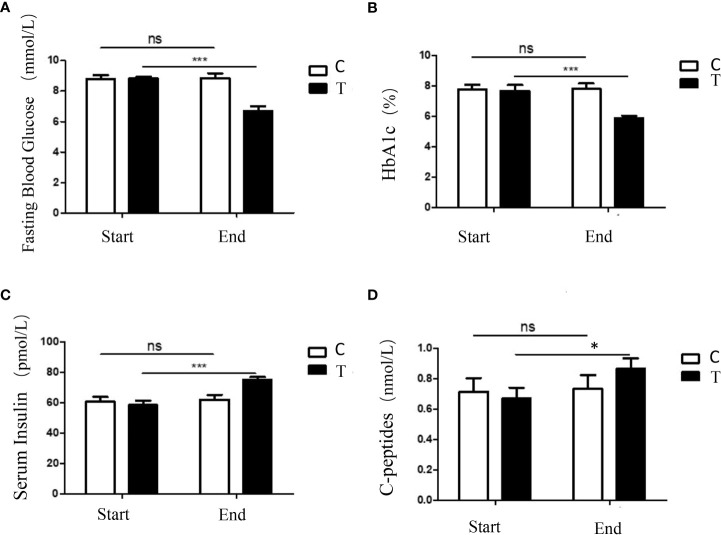
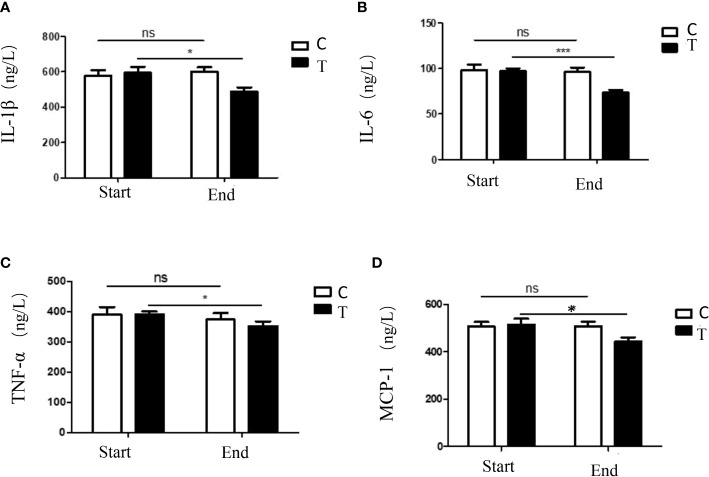
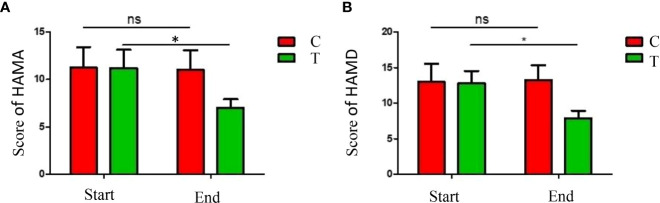
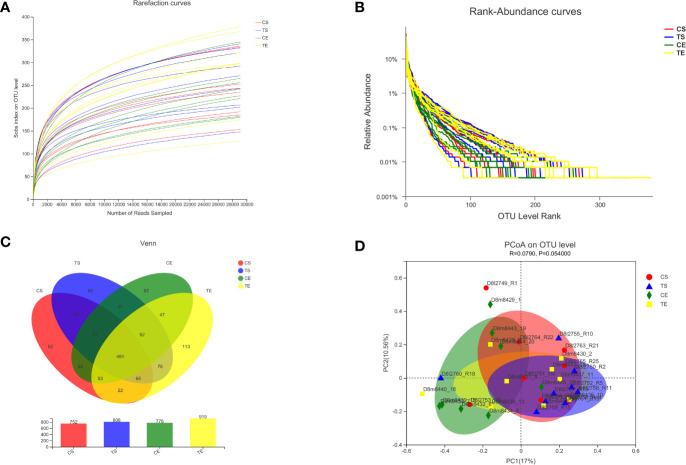
Previous studies have demonstrated that patients with type 2 diabetes mellitus (T2DM) often had the problems of fecal microbiota dysbiosis, and were usually accompanied with psychiatric comorbidities (such as depression and anxiety). Here, we conducted a randomized clinical study to analyze the changes in gut microbiota, serum metabolism and emotional mood of patients with T2DM after consumption of a high-fiber diet. The glucose homeostasis of participants with T2DM was improved by the high-fiber diet, and the serum metabolome, systemic inflammation and psychiatric comorbidities were also altered. The increased abundances of Lactobacillus , Bifidobacterium and Akkermansias revealed that the proportions of beneficial gut microbes were enriched by the high-fiber diet, while the abundances of Desulfovibrio , Klebsiella and other opportunistic pathogens were decreased. Therefore, the current study demonstrated that the intestinal microbiota alterations which were influenced by the high-fiber diet could improve the serum metabolism and emotional mood of patients with T2DM.
Overview
The claims and statistics of this paper haven’t been checked yet.
Free: it reads the open-access text and checks the first 5 claims that cite a source we can check. Create a free account to check every claim.
Integrity signals
Registry
Cites
Statistics
Figures
Verification
Claims the paper makes
The claims and statistics of this paper haven’t been checked yet.
Free: it reads the open-access text and checks the first 5 claims that cite a source we can check. Create a free account to check every claim.
Claims other papers make about this one
Each is checked against this paper’s own text: does it say what the citing paper says it does?
In the citing paper
“A meta-analysis of 16 randomized controlled trials in hospitalized patients on enteral nutrition demonstrated that fiber supplementation reduced diarrhea incidence by 36% compared with fiber-free formulas, with moderate certainty [131]”
From Nutritional Approaches to Enhance GLP-1 Analogue Therapy in Obesity: A Narrative Review (2025) · cites this paper as [131]
In the citing paper
“Benefit was fiber-type specific: mixed soluble/insoluble fibers and partially hydrolyzed guar gum significantly reduced risk by 46% and 53%, respectively, whereas psyllium and soy polysaccharides showed no effect”
From Nutritional Approaches to Enhance GLP-1 Analogue Therapy in Obesity: A Narrative Review (2025) · cites this paper as [131]
Self-check
Percentages, sums and reported differences re-computed from the paper’s own numbers.
The self-check needs the paper’s full text.
Citations
Cites
The role of short-chain fatty acids in microbiota–gut–brain communication
Dalile, B., Van Oudenhove, L., Vervliet, B., & Verbeke, K. (2019) · Nature Reviews Gastroenterology & Hepatology · doi:10.1038/s41575-019-0157-3 · Cited by 3,357
Cani, P. D., Possemiers, S., Van de Wiele, T., Guiot, Y., Everard, A., Rottier, O., Geurts, L., Naslain, D., Neyrinck, A., Lambert, D. M., et al. (2009) · Gut · doi:10.1136/gut.2008.165886 · Cited by 2,518 · cited 1×
“demonstrated that prebiotic-treated ob/ob mice exhibited a lower level of plasma lipopolysaccharide (LPS) and inflammatory cytokines, and the decreased inflammatory tone was proved to be associated with a lower intestinal permeability and an improved tight-junction integrity when compared to controls (Cani et al., 200…”
BackgroundGut bacteria selectively promoted by dietary fibers alleviate type 2 diabetes
Zhao, L., Zhang, F., Ding, X., Wu, G., Lam, Y. Y., Wang, X., Fu, H., Xue, X., Lu, C., Ma, J., et al. (2018) · Science · doi:10.1126/science.aao5774 · Cited by 2,304 · cited 2×
“By modulating the structure of gut microbiota, a specially designed high-fiber diet was proved to be able to provide obvious beneficial effects for patients with T2DM (Zhao et al., 2018).”
BackgroundThe neuroactive potential of the human gut microbiota in quality of life and depression
Valles-Colomer, M., Falony, G., Darzi, Y., Tigchelaar, E. F., Wang, J., Tito, R. Y., Schiweck, C., Kurilshikov, A., Joossens, M., Wijmenga, C., et al. (2019) · Nature Microbiology · doi:10.1038/s41564-018-0337-x · Cited by 1,963 · cited 1×
“In particular, administration of SCFAs were proved to be able to alleviate the stress-induced responsiveness as well as the intestinal permeability, and could also influence the brain immune homeostasis, energy metabolism, and physiological states (Wouw et al., 2018; Valles-Colomer et al., 2019).”
BackgroundThe central nervous system and the gut microbiome
Sharon, G., Sampson, T. R., Geschwind, D. H., & Mazmanian, S. K. (2016) · Cell · doi:10.1016/j.cell.2016.10.027 · Cited by 1,513 · cited 1×
“Recent studies had also proved that the symbiotic bacteria could influence the development and function of the nervous system, which were related to anxiety, depression, and other mental diseases (Sharon et al., 2016).”
BackgroundGut microbiome and serum metabolome alterations in obesity and after weight-loss intervention
Liu, R., Hong, J., Xu, X., Feng, Q., Zhang, D., Gu, Y., Shi, J., Zhao, S., Liu, W., Wang, X., et al. (2017) · Nature Medicine · doi:10.1038/nm.4358 · Cited by 1,501 · cited 2×
“Metagenomewide association study in a cohort of young Chinese individuals identified an obesity-associated gut microbial species (Bacteroides thetaiotaomicron), which could alleviate diet-induced body-weight gain and adiposity by reducing plasma glutamate concentrations (Liu et al., 2017).”
BackgroundThe microbiome-gut-brain axis in health and disease
Dinan, T. G., & Cryan, J. F. (2017) · Gastroenterology Clinics of North America · doi:10.1016/j.gtc.2016.09.007 · Cited by 1,111 · cited 1×
“In fact, most of the neurotransmitters in the brain (such as 5-hydroxytryptamine and gaminobutyric acid) were produced by the gut microbes, therefore the microbiome-gut-grain axis had a critical impact on stress responses, depression and anxiety (Dinan and Cryan, 2017).”
BackgroundEverard, A., Lazarevic, V., Derrien, M., Girard, M., Muccioli, G. G., Neyrinck, A. M., Possemiers, S., Van Holle, A., François, P., de Vos, W. M., et al. (2011) · Diabetes · doi:10.2337/db11-0227 · Cited by 1,076
Zhang, C., Zhang, M., Wang, S., Han, R., Cao, Y., Hua, W., Mao, Y., Zhang, X., Pang, X., Wei, C., et al. (2010) · The ISME Journal · doi:10.1038/ismej.2009.112 · Cited by 1,024
van de Wouw, M., Boehme, M., Lyte, J. M., Wiley, N., Strain, C., O'Sullivan, O., Clarke, G., Stanton, C., Dinan, T. G., & Cryan, J. F. (2018) · The Journal of Physiology · doi:10.1113/jp276431 · Cited by 789 · cited 1×
“In particular, administration of SCFAs were proved to be able to alleviate the stress-induced responsiveness as well as the intestinal permeability, and could also influence the brain immune homeostasis, energy metabolism, and physiological states (Wouw et al., 2018; Valles-Colomer et al., 2019).”
Background
Cited by
Items 101–196 of 196
Li, X., Xia, X., Cai, Z., Pang, X., Sun, J. Y., & Lu, Y. (2025) · Foods · doi:10.3390/foods14122093 · Cited by 5
“The intestinal microbiota significantly influences host metabolism, and its imbalance is closely linked to T2D [10–12].”
Mahmudur Rahman, A. H. M., Ibrahim, F. S., Amom, Z., & Amran, A. A. (2023) · Journal of Health and Translational Medicine · doi:10.22452/jummec.sp2023no2.45 · Cited by 4
Second brain: reviewing the gut microbiome’s role in lifestyle diseases
Ray, H., Khatum, J., Haldar, S., & Bhowmik, P. (2025) · Biotechnologia · doi:10.5114/bta/195495 · Cited by 3
Chen, S., Ji, C., Ji, X., Wang, C., Zhang, R., Lu, D., Yang, X. Y., Jiang, J., Dai, H., & Xia, Y. (2025) · Molecular Nutrition & Food Research · doi:10.1002/mnfr.70188 · Cited by 3
“A growing body of research suggests that gut microbiota plays a critical role in CMD prevention [15–17].”
Self-citationHuman Milk Oligosaccharides and Gut Microbes in Host Brain Development and Health
Biagioli, V., & Striano, P. (2025) · Oxford University Press eBooks · doi:10.1093/oxfordhb/9780190931544.013.0018 · Cited by 3
Tseyslyer, Y. V., Malyi, V., Saifullina, M., Tsyryuk, O., Shvets, Y. V., Penchuk, Y., Kovalchuk, I., Kovalchuk, O. I., Korotkyi, O., Bulda, V., et al. (2025) · Frontiers in Endocrinology · doi:10.3389/fendo.2025.1699954 · Cited by 3
Hu, J., Hu, M., Wu, Y. S., Mu, S. M., Huang, D., Wang, B., Gao, Y., Gu, S., & Zhu, J. (2025) · BMC Bioinformatics · doi:10.1186/s12859-025-06283-1 · Cited by 3
“Furthermore, Bifidobacterium has been closely associated with diabetes mellitus [45, 46] (the 1st candidate disease), where it improves type 2 diabetes mellitus by enhancing host metabolism and regulating immune-inflammatory responses through short-chain fatty acid production.”
Wang, R., Wang, M., Wang, J., Wang, P., Ou, J., Tang, W., Sun, G., Wang, Q., Cheng, X. J., Huang, Y., et al. (2025) · BMC Microbiology · doi:10.1186/s12866-025-04464-9 · Cited by 3
“Further studies revealed that the dynamics of gut microbes could have an impact on host metabolism [12].”
Wu, Z., Yang, Z., Lyu, C., Sun, B., Zhang, R., Li, H., & Chen, J. (2026) · Therapeutic Advances in Medical Oncology · doi:10.1177/17588359251413948 · Cited by 3
“…bacteria including Lactobacillus , Bifidobacterium , and Akkermansia , potentially enhancing immune function and improving the response to nCRT. 72,73 Diets rich in fiber from fruits, vegetables, and whole grains may not only improve microbiota composition but also reduce the side effects of…”
Self-citationSaikia, L., Kalita, P., Das, B. K., Law, D., Talukdar, N. C., & Dutta, P. P. (2026) · Food and Humanity · doi:10.1016/j.foohum.2026.101138 · Cited by 4
Freschi, M. L., Künstner, A., Huber, G., Stölting, I., Busch, H. S., Hirose, M., & Raasch, W. (2024) · Frontiers in Pharmacology · doi:10.3389/fphar.2024.1453989 · Cited by 3
The role of functional foods in diabetes management
Mirzaei, M., Alahyaribeik, S., Mirdamadi, N., Fang, Y., & Hazaveh, M. N. (2025) · Elsevier eBooks · doi:10.1016/b978-0-443-28862-3.00020-0 · Cited by 3
Gut Microbiota Modulation in Type 2 Diabetes and Cardiometabolic Risk: A Systematic Review
Qureshi, U., Bajwa, A., Aslam, Z., Aggrey, A., Nawaz, U. H., & Ain, Q. U. (2025) · Cureus · doi:10.7759/cureus.92020 · Cited by 3
“Chen et al. (2023) further found that SCFA production impacts the interactions between the gut and brain, which lowers diabetes-related depression [24].”
InfluentialYin, R., Sargsyan, D., Wu, R., Hudlikar, R. R., Li, S. N., Kuo, H. D., Sarwar, M. S., Zhou, Y., Gao, Z., Howell, A. B., et al. (2025) · Molecular Nutrition & Food Research · doi:10.1002/mnfr.70283 · Cited by 3
Paneth Cell, Gut Microbiota Dysbiosis and Diabetes Mellitus
Luvhengo, T. E., Mabasa, S., Molepo, E., Taunyane, I., & Palweni, S. T. (2023) · Applied Sciences · doi:10.3390/app13116605 · Cited by 3
Si, K., Shi, C., Huang, Y., Liu, C., Chi, J., Xu, L., Chen, Y., & Wang, Y. (2025) · Nutrition Journal · doi:10.1186/s12937-025-01162-0 · Cited by 3
“Fiber, defined beneficial component in DI-GM, has been reported to increase the proportion of beneficial gut microbes, and improve blood glucose homeostasis, serum metabolomics and systemic inflammation in patients with diabetes [38].”
UNDERSTANDING THE RELATIONSHIP BETWEEN ARTIFICIAL SWEETENERS AND GUT MICROBIOTA - LITERATURE REVIEW
Plizga, J. I., Głuszczyk, A., Surma, A., Cecot, J., Parfianowicz, A., Grajnert, F., Zarzecki, K., Mandryk, M., Holdun, N., & Jaworski, A. (2024) · Archiv Euromedica · doi:10.35630/2024/14/4.411 · Cited by 2
Li, F., Zhou, H. J., Zhu, J., Wei, X., & Wang, Y. (2025) · Journal of Medicinal Food · doi:10.1089/jmf.2024.k.0251 · Cited by 2
Geravand, F., Nasli‐Esfahani, E., Montazer, M., Jalalzadeh, M., & Azadbakht, L. (2025) · PLoS ONE · doi:10.1371/journal.pone.0323537 · Cited by 2
Oyeleye-Adegbite, O. C., Ozojide, K. O., Akinade, O. N., Oguntuase, F. O., Okeji, I. E., Odedele, J. A., Adepeko, O. M., Egege, S. E., & Okobi, O. E. (2025) · Cureus · doi:10.7759/cureus.87442 · Cited by 2
“Depression worsens glycemic control in diabetics [3], and stress is linked to diabetes in both men [4, 5] and women [6, 7].”
Soares, R. D. C. S., Cândido, F. G., Fraiz, G. M., Alfenas, R. D. C. G., & Bressan, J. (2025) · Nutrition Reviews · doi:10.1093/nutrit/nuaf270 · Cited by 2
García-Gutiérrez, E., Arbulu, S., Oliver, C., Kumar, S., Dam, S. A., Jakobi, B., Pennone, V., Sardá, F. A. H., Mukherjee, A., & Cotter, P. D. (2026) · Frontiers in Microbiology · doi:10.3389/fmicb.2025.1643257 · Cited by 2
“…metabolic disorders (Rinninella et al., 2023), while eating a wide variety of foods, especially fermented foods and fiber-rich and an exercise lifestyle supports a healthy gut microbiota (O’Sullivan et al., 2015; Boytar et al., 2023; Chen et al., 2023; Mukherjee et al., 2024; Ross et al., 2024).”
Shivram Karthik, S., Jadhav, P., Paul, A., Kumar, R., Paul, D., & Bose, S. (2026) · Microbial Pathogenesis · doi:10.1016/j.micpath.2026.108466 · Cited by 2
Swain, M. P., Mehta, C. H., Padya, B. S., Sharma, S., Velagacherla, V., Mitra, A., Mohanty, S., & Mukherjee, T. (2026) · Inflammopharmacology · doi:10.1007/s10787-026-02187-5 · Cited by 2
Diet and Childhood Obesity: The Mediating Role of the Gut Microbiota
Zhang, S., Wang, B., Chen, Z., Lyu, J., Fan, F., & Han, F. (2026) · International Journal for Vitamin and Nutrition Research · doi:10.31083/ijvnr41881 · Cited by 2
Dietary and Supplementation Strategies for Modulating Gut Microbiota: A Narrative Review
Ekstedt, N., Jamioł-Milc, D., Melkis, K., & Pieczyńska, J. M. (2026) · Foods · doi:10.3390/foods15142561 · Cited by 2
“Saccharides that stimulate the growth of gut bacteria may contribute to reducing the risk of lifestyle diseases [123–125].”
Exploring the Gut Microbiota as a Promising Target for Breast Cancer Treatment
Dari, M. A. G., Ghaedrahmati, F., Moalemnia, A., Dezfouli, M. A., Savari, F., Zamani, A. M., Ahmadi, B., Nazarbeigi, M., Farzaneh, M., & Zehtabi, M. (2025) · Current Molecular Medicine · doi:10.2174/0115665240351595250213103451 · Cited by 2
Eixo intestino-cérebro: relação entre a microbiota intestinal e a saúde mental
Lopes, L. D. F. M. L. (2024) · Portuguese National Funding Agency for Science, Research and Technology (RCAAP Project by FCT) · Cited by 2
Liu, K., Jin, Z., Zhang, P., Zhang, B., Bai, Y., Liu, W., Meng, X.-K., Tang, J., & Yu, X. (2025) · Nutrition Reviews · doi:10.1093/nutrit/nuaf067 · Cited by 1
Wu, Q., Pan, H., Zeng, X., Xiong, F., Lv, Y., Jiang, Z., Li, J., Wang, L., & Wang, X. (2025) · Frontiers in Cellular and Infection Microbiology · doi:10.3389/fcimb.2025.1456794 · Cited by 1
Implications of the gut microbiome in spinal cord injuries
Jeyaraman, N., Jeyaraman, M., Dhanabal, P., Ramasubramanian, S., Ambrosio, L., Vadalà, G., & Muthu, S. (2025) · Frontiers in Surgery · doi:10.3389/fsurg.2025.1668225 · Cited by 1
Effect Of Ketogenic Diet Plus Dulaglutide On Glucose And Lipid Metabolism In Diabetes Mellitus
Gao, R., Lü, Y., Du, X., He, S., Xue, L., Li, T., Wei, M., & Gu, Y. (2025) · Pakistan Journal of Pharmaceutical Sciences · doi:10.36721/pjps.2025.38.6.reg.13419.1 · Cited by 1
Wu, D., Chen, Y., Izumoji, G., Qu, S., Wang, Y., He, X., Zhou, S., Jiang, Y., Sun, H., & Li, X. J. (2026) · Frontiers in Medicine · doi:10.3389/fmed.2026.1785271 · Cited by 1
Tryptophan metabolism: A hidden regulator of female reproductive health beyond fertility
Wu, Q., Zeng, F., Qiao, J., & Qi, X. (2026) · Chinese Medical Journal · doi:10.1097/cm9.0000000000004145 · Cited by 1
“[38,39] The same indole metabolites can be produced by different enzymes in different bacteria.”
The role of high-fiber diets in modulating the gut–lung axis and asthmatic inflammation
Hua, K., Hao, F., Jin, X., & Li, X. (2026) · Frontiers in Immunology · doi:10.3389/fimmu.2026.1825261 · Cited by 1
Research progress on the microbiota-gut-brain axis in autism spectrum disorder: a narrative review
Qin, S., Lin, Y., Chen, Y., Yao, S., Zhou, D., Zhang, C., Yan, J., He, Y., & Zhou, Y. (2026) · Frontiers in Microbiology · doi:10.3389/fmicb.2026.1824546
Pu, W., Pan, Y., Yang, K., Gao, J., Tian, F., Song, J., Huang, Y., & Li, Y. (2025) · Frontiers in Pharmacology · doi:10.3389/fphar.2025.1575450 · Cited by 1
Wang, H., Yan, M., Wang, H., He, L., & Zhang, Y. (2025) · Frontiers in Medicine · doi:10.3389/fmed.2025.1631466 · Cited by 1
Yufan, Z., Aihua, X., Yulong, H., Wei, F., Yang, X., Changhao, L., Shengran, W., & Li, J. (2025) · The Journal of Steroid Biochemistry and Molecular Biology · doi:10.1016/j.jsbmb.2025.106883 · Cited by 1
Tang, X., Cao, J., Lin, S., Wu, S., Li, H., & Ling, T. (2025) · HORMONES · doi:10.1007/s42000-025-00744-1 · Cited by 1
Wang, J., Wei, Y., Chen, D., Li, X., Zhang, H., Feng, S., Lu, S., Yang, J., Zeng, Q., He, X., et al. (2025) · Microbial Biotechnology · doi:10.1111/1751-7915.70283 · Cited by 1
“Studies have indicated that dysbiosis of gut microbiota is associated with T2DM (Chen, Liu, et al. 2023).”
Baroudi, D., Shahbik, L., Mannai, R. A., Khan, A. S., Alladaboina, S., Lasta, S., Bendriss, R., & Bendriss, G. (2025) · QScience Connect · doi:10.5339/connect.2025.10 · Cited by 1
Morrissey, P. I., Clarke, E. D., Loh, X. T., Collins, C. E., Burrows, T. L., & Stanford, J. (2026) · Diabetes Obesity and Metabolism · doi:10.1111/dom.70444 · Cited by 1
“The ROB-2 quality appraisal tool revealed only one study had low risk of bias, 47 with nine studies having moderate risk of bias 29,30,33,34,36,41,43,46,49 and 20 studies 28,31,32,35,37 – 40,”
InfluentialWang, J., Chen, Z., & Wang, M. (2026) · Journal of Affective Disorders · doi:10.1016/j.jad.2026.121637 · Cited by 1
Zhong, S. S., Qi, L., Huo, J., Sun, Y., Feng, J., Jin, Y., Chen, H., Hu, Q., & Li, Y. (2026) · Materials Today Bio · doi:10.1016/j.mtbio.2026.103080 · Cited by 1
“S15C) [45], were notably enriched in this group.”
Neuronutrition in ASD: Involvement of gut microbiota, oxidative stress and inflammatory markers
Avolio, E., Olivito, I., Minervini, D., Soda, T., Bartolo, A. D., Rocca, C., Alò, R., & Facciolo, R. M. (2026) · Neuroscience & Biobehavioral Reviews · doi:10.1016/j.neubiorev.2026.106775 · Cited by 1
Zou, H., Zhou, S., Li, J., Xie, L., Wang, Y., Shi, H., Zhang, L., & Hong, L. (2026) · Health and Quality of Life Outcomes · doi:10.1186/s12955-026-02562-4 · Cited by 1
Ugwu, U. C., & Ene, O. C. (2026) · Discover Medicine · doi:10.1007/s44337-026-00643-3 · Cited by 1
“The co-occurrence of these chronic conditions significantly increases morbidity and mortality, while also complicating clinical management due to overlapping therapeutic needs and age-related vulnerabilities [1, 2].”
Elos entre Diabetes Mellitus, Disbiose intestinal e Depressão: Revisão integrativa
Ribeiro, E. A., Gomes, M. J. F., & Brito, L. M. S. (2023) · Amazônia Science & Health · doi:10.18606/2318-1419/amazonia.sci.health.v11n3p105-117 · Cited by 4
Wang, M., Wang, T., Yang, L., Zhou, L., Yin, Y., & Gu, F. (2025) · Journal of Molecular Histology · doi:10.1007/s10735-025-10353-2 · Cited by 1
“Evidence suggests that T2DM patients frequently exhibit clinical manifestations of anxiety and depression, and the reason may be that diabetic nutritional restrictions and gut microbiota dysbiosis affect the patient’s emotional state (Chen et al. 2023).”
Gut microbiota modulating therapy for diabetes mellitus should be individualized
Wang, J., Wei, H., Mao, R., & Chang, X. (2024) · World Journal of Diabetes · doi:10.4239/wjd.v15.i10.2152 · Cited by 1
Ramires, E. H. D. S., Messias, M. V. M., Santos, W. D. C. S., da Cruz, A. B. G., & Moreira, H. N. S. (2024) · Brazilian Journal of Health Review · doi:10.34119/bjhrv7n3-217
correlation between diabetes mellitus and depression
Madera, M., Mazur, S., Mazur, A., Bizan, A., Nagórska, E., Marcinkowski, K., Strus, K., Kublińska, A., Zdunek, R., & Dąbrowska, N. (2024) · Journal of Education Health and Sport · doi:10.12775/jehs.2024.74.52086
Gut Microbiota as Therapeutic Targets in Diabetes Management: Opportunities and Challenges
Hinduja, A., Pandya, A., & Chheda, N. (2024) · International Journal of Diabetes Management · doi:10.61797/ijdm.v3i1.318
A Current Review on Diabetes Mellitus Induced Gut Microbiota and Histological Changes
Rağbetli, M. Ç., & Keskin, S. (2023) · doi:10.69860/nobel.9786053359104.2
Dietary fibre: a key constituent in the prevention and management of type 2 diabetes
Pérez‐Jiménez, J. (2025) · ANALES RANM · doi:10.32440/ar.2025.142.01.rev03
Wang, Y., Gao, X., Yu, H., Zhang, J., Zhang, X.-H., Liu, L., Wang, X., Wang, L., Liu, G., & Liu, S.-L. (2025) · Research Square · doi:10.21203/rs.3.rs-6819058/v1
Manipulating Beneficial Gut Bacteria in Obesity-Related Emotional and Cognitive Dysfunction
Jefry Winner, G. (2025) · Oxford University Press eBooks · doi:10.1093/oxfordhb/9780190931544.013.16
Srivastava, M., Ampeti, S., Sonam Shashikala, B., V, Sheikh, R. B., Kirankumar, P. N., & Sali, S. R. (2025) · medtigo Journal of Medicine · doi:10.63096/medtigo3061235
Demirci, A., & Bilgin, G. D. (2025) · Gümüşhane Üniversitesi Sağlık Bilimleri Dergisi · doi:10.37989/gumussagbil.1731997
Beneficios de la alimentación saludable en el bienestar emocional
López, V. A. Q. (2025) · Ediciones Comunicación Científica eBooks · doi:10.52501/cc.321.02
Zhang, R., & Ye, S. (2025) · BMC Nutrition · doi:10.1186/s40795-025-01177-0
“Dietary fiber, as an important food component, was acknowledged to play a key role in maintaining gastrointestinal homeostasis [20].”
Self-citationTALLYHO/JngJ as a model for type 2 diabetes-induced bone disease
Emini, L. (2023) · Qucosa (Saxon State and University Library Dresden)
Marino, V. A., & Marino, V. A. (2025) · UA Campus Repository (The University of Arizona)
Gillespie, K. M., Kemps, E., White, M. J., & Bartlett, S. E. (2025) · Journal of Computational Biology and Medicine · doi:10.71070/jcbm.v5i1.142
Probiotics and diet quality: modulation of gut microbiota on intestinal infection and inflammation
Bostan, Z. Z., Aygun, B. B., & Cergel, E. (2025) · Precision Nutrition · doi:10.1097/pn9.0000000000000128
Lifestyle Interventions for the Management of Type 2 Diabetes Mellitus: A Narrative ReviewPreprint
Timsina, Y. P. (2025) · Preprints.org · doi:10.20944/preprints202512.1879.v1
Lerhzouli, H., Ibrahmi, B. A., Khal-Layoun, S., & Bour, A. (2026) · La Tunisie Médicale · doi:10.62438/tunismed.v103i11.6101
“…ecosystem by enriching the intestinal microbiota with beneficial bacteria (Bifidobacteria ; Akkermansia ,lactobacilli) and a reduction in pathogenic bacteria, with an improvement in glucose homeostasis (fasting glycemia and HBA1C), systemic inflammation and psychiatric comorbidities (37).”
Ding, L., Xi, Z., Zou, Y., Li, S., Chen, D., Liu, Y., & Zhao, J. (2026) · Current Diabetes Reviews · doi:10.2174/0115733998411102251127094217
Impact of gut microbiota on health status: the influence of diet and exercise
del Pozo, C. R. (2024) · UCrea (University of Cantabria)
Feng, R., Zhu, Y., & Ge, Q. (2026) · Antonie van Leeuwenhoek · doi:10.1007/s10482-026-02267-0
“Although numerous clinical studies have demonstrated that dietary fiber can help reduce blood sugar levels, most of these studies have included the concurrent use of acarbose for blood sugar control (Zhao et al. 2018; Chen et al. 2023).”
Intestinal Flora and Depression: Interaction Mechanisms and Therapeutic Prospects
Zhang, H.-R., & Yang, Y.-T. (2026) · Pharmacopsychiatry · doi:10.1055/a-2784-3589
Unraveling the Associations Between Diet and Mental Health
(2026) · Frontiers research topics · doi:10.3389/978-2-8325-7806-3
Sui, H., Sun, Y., Yu, H., Han, S., Li, J., Wan, L., & Chi, Y. (2026) · Frontiers in Medicine · doi:10.3389/fmed.2026.1777797
“This activates the NF-κ B inflammatory pathway, triggering neuroinflammation and exacerbating psychological disorders including depression and anxiety (64, 65).”
Easy Travel-Friendly Snack Recipes for College Students to Support Mental Well-Being
Vides, L. (2026) · CSUSB ScholarWorks (California State University, San Bernardino)
Gut microbiome in type 2 diabetes mellitus: A literature review
Wojakowicz, K., Pielech, A., Kowalińska, J. E., Stypka, R., & Rabczyński, M. (2026) · Advances in Clinical and Experimental Medicine · doi:10.17219/acem/218917
Sınır, B., Ortan, P., Sayin, S. S., & Uzel, A. (2026) · Respiratory Medicine · doi:10.1016/j.rmed.2026.108986
Gut microbiota analysis in diabetic mice with periodontitis
Pan, Q., Gu, Y., Zhang, M., Jin, M., Shi, C., Zhang, Q., Wei, B., Hu, N., & Gu, M. J. (2026) · Frontiers in Microbiology · doi:10.3389/fmicb.2026.1777180
“…lower pro-inflammatory cytokine levels, and simultaneously change the composition of the intestinal microbiota, increase the diversity of the community, increase the proportion of beneficial bacteria, protect the intestinal barrier function, and provide protection to the host (Chen et al., 2023).”
Wan, R., Nong, S., Zhang, C., Wang, Z., Wang, K., & Zou, Z. (2026) · Frontiers in Veterinary Science · doi:10.3389/fvets.2026.1874983
Pennella, J. L., & Fuglestad, P. T. (2026) · Frontiers in Psychology · doi:10.3389/fpsyg.2026.1815958
“High dietary fiber, which mainly comes from low-starch vegetables and fruits, has been shown to enrich beneficial gut microbes and decrease gut pathogens (Chen et al., 2023).”
Pîrșcoveanu, D. F. V., Pluta, I. D., Dîrnu, R., Vlădulescu, C., Trașcă, D.-M., Văruț, R. M., Kamal, A. M., Stoica, M., Pura, G., Popa, R., et al. (2026) · Molecules · doi:10.3390/molecules31142415
Mendes, L. K. F., Lopes, A. P., Oliveira, B. G. S., Guimarães, M. S., de Sousa, M. M., de Oliveira, V. A., & de Brito, A. N. M. (2026) · RECIMA21 - Revista Científica Multidisciplinar · doi:10.47820/recima21.v7i7.8530
The Gut–Brain Axis in Ganoderma lucidum’s Antidepressant Effects in Cancer Comorbidity: A Review
Du, X.-Y., Bu, F., & Ling, Z. (2026) · Journal of Nutrition · doi:10.1016/j.tjnut.2026.101731
Chen, Y., Shi, Y., Zhang, X., Zhang, J.-Y., Zhang, S., Zhao, H., & Liu, D. (2026) · Journal of Diabetes Investigation · doi:10.1111/jdi.70386
“For instance, reduced levels of bene fi cial bacteria such as Lactobacillus and Bi fi dobacterium, along with increased levels of harmful bacteria like Bacteroidota and Clostridium, are associated with higher type 2 diabetes risk 29 .”
Yang, C. (2026) · Frontiers in Cellular and Infection Microbiology · doi:10.3389/fcimb.2026.1873700
Recent Advances in the Brain–Gut Axis in the Development and Progression of Depression
Chen, M., & Xu, Y. (2026) · Actas Españolas de Psiquiatría · doi:10.62641/aep.v54i4.2252
“Dietary intervention significantly increased the abundance of commensal beneficial bacteria such as lactobacil-lus and bifidobacteria in patients and simultaneously improved serum metabolism and reduced systemic inflammation [53].”
Asimakopoulou, S., Pipelias, P., Kassi, E. N., Oikonomou, E. K., Siasos, G., & Darviri, C. (2026) · Nutrients · doi:10.3390/nu18172909
Peramo, M. A. (2025) · MLS Health & Nutrition Research · doi:10.60134/049g6157
Applications of artificial intelligence in personalized nutrition interventions
Zhang, Y., Feng, M., Xue, Q., Ma, R., & Liu, F. (2026) · Frontiers in Nutrition · doi:10.3389/fnut.2026.1974199
Guzmán, C. S. A. (2024) · Rovira & Virgili repository
Anugrah, R. M., Muntamah, U., Isnawati, S. I., Puspitasari, A., & Sabrinasari, N. N. (2025) · JURNAL GIZI DAN KESEHATAN
Tan, Y., Wang, W., 彭翮翔, Guo, H., Zheng, Y., Zhang, H., Li, Y., Zhang, H., Wu, T., Huang, J., et al. (2026) · Endocrine · doi:10.1007/s12020-026-04798-y
“Also, part of the reason may be fecal microbiota dysbiosis [27 ], and a high-fiber diet might improve the emotional mood of diabetes patients by regulating the gut microbiota and serum metabolism.”
La microbiota como barrera de defensa en las enfermedades crónicas: una revisión de la literatura.
Daza, B. X. D., Granados, L. M. B., Nunura, C. J. C., Muñiz, B. S. S., Chávez, J. G. P., & Mendoza, A. J. D. (2026) · Green World Journal · doi:10.53313/gwj93349
Innovative Personalized Medicine Strategies for Managing Multi-Morbidity
(2026) · Frontiers research topics · doi:10.3389/978-2-8325-8004-2
Marano, G., Conci, L., Farsakh, L., Traversi, G., Mazza, O., Ricozzi, V., Rotondaro, S., Migliore, A., Capristo, E., Franceschini, G., et al. (2026) · ALPHA PSYCHIATRY · doi:10.31083/ap54121
Xu, X., Zhang, F., Ren, J., Zhang, H., Jing, C., Wei, M., Jiang, Y., & Xie, H. (2024) · doi:10.3389/fnut.2023.1243095.s001
Metadata
- Authors
- Chen, L., Liu, B., Ren, L., Du, H., Fei, C., Qian, C., Li, B., Zhang, R., Liu, H., Li, Z., & Ma, Z.
- Affiliations
- Shanghai Institute of Technology (CN)
- Shanghai Mental Health Center (CN)
- Shanghai Jiao Tong University (CN)
- Shanghai Veterinary Research Institute (CN)
- Corresponding author
- Li, Zongjie
- Ma, Zhiyong
- Venue
- Frontiers in Cellular and Infection Microbiology
- Publisher
- Frontiers Media SA
- Published
- 2023-01-30
- Volume
- 13
- Pages
- 1069954-1069954
- ISSN
- 2235-2988 (ISSN-L)
- PMC
- PMC9922700
- OpenAlex
- W4318590499
- Cited by
- 155
- References
- 37
- Citations by year
- 2026: 31 · 2025: 67 · 2024: 41 · 2023: 16
- FWCI
- 13.77
- Type
- journal article
- Language
- en
- Open access
- gold
- doi.org
- Licence
- Locations
- Frontiers in Cellular and Infection Microbiology (publishedVersion, cc-by)
- PubMed Central (publishedVersion, cc-by)
- PubMed (publishedVersion)
- DOAJ (DOAJ: Directory of Open Access Journals) (submittedVersion, cc-by-sa)
- Topics
- Life Sciences › Biochemistry, Genetics and Molecular Biology › Molecular Biology › Gut microbiota and health
- Health Sciences › Medicine › Gastroenterology › Gastrointestinal motility and disorders
- Health Sciences › Nursing › Nutrition and Dietetics › Food composition and properties
- Keywords
- type 2 diabetes, high-fiber diet, gut microbiota, dysbiosis, serum metabolome, mood, depression, anxiety, glucose homeostasis, systemic inflammation, Lactobacillus, Bifidobacterium, Akkermansia, Desulfovibrio, Klebsiella, psychiatric comorbidity
- MeSH terms
- Gastrointestinal Microbiome, Diabetes Mellitus, Type 2, Diet, Humans, Inflammation, Microbiota
About these checks
Registry, retraction, Cites and statistics results are computed, not judged, with one exception: a printed reference that no index lists is read once by a model before it counts as a citation error. Claims are extracted by a model and kept only when their quote appears verbatim in the text; each cited source is then checked, with a model’s help, for whether it says what the claim relies on. Those verdicts can be wrong — read the claim’s quote and the cited source before relying on one.
Statistics and arithmetic are recomputed, not judged.
Confidence bands are shown only for fields calibrated on our annotated test set. None is calibrated yet, so no band is shown.
What counts as a claim ›How we measure confidence ›How we check this ›
Are you an author, or do you see a problem with this page? Request a review
Data sources
Bibliographic data: Semantic Scholar, OpenAlex, Crossref.
Contains information from the Semantic Scholar Academic Graph Datasets, made available under the ODC Attribution License (ODC-BY 1.0).
Semantic Scholar’s data is described in: Kinney, R., et al. (2023). The Semantic Scholar Open Data Platform. arXiv:2301.10140.
