

High-fiber diet ameliorates gut microbiota, serum metabolism and emotional mood in type 2 diabetes patients
Open accessThe DOI matches its Crossref record; 37 of the 37 references it cites were found in a registry or an index.
Abstract
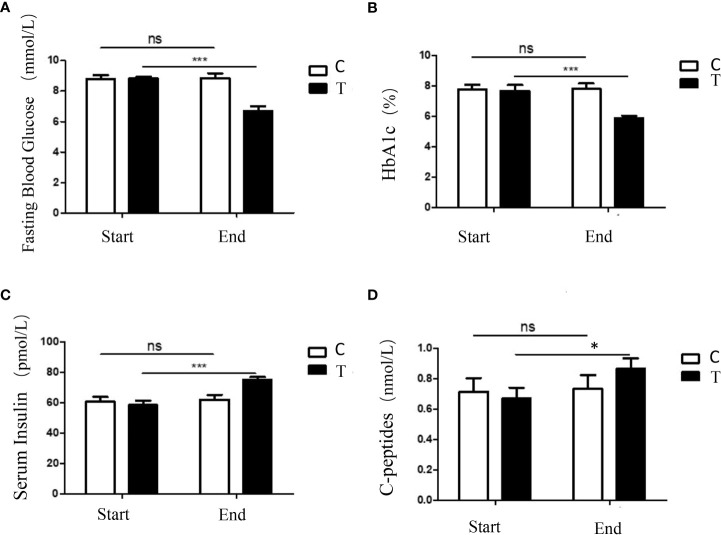
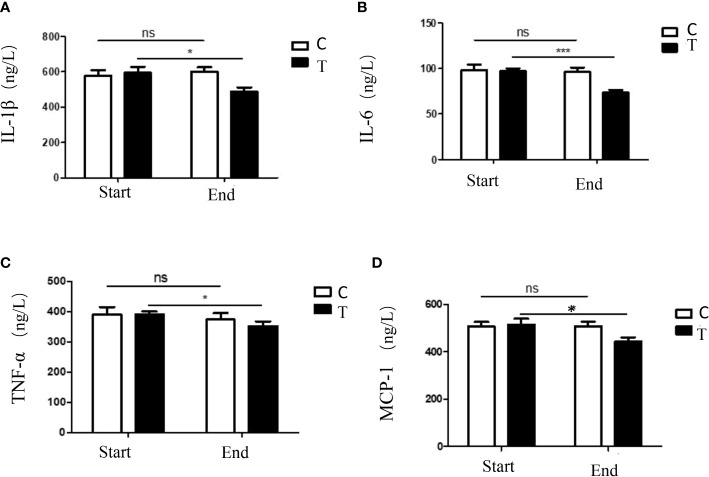
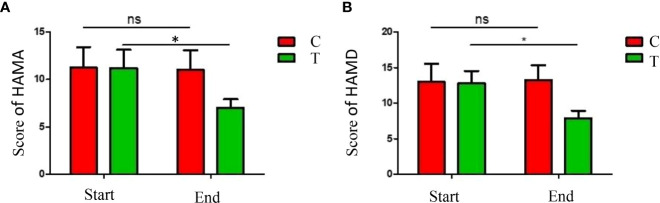
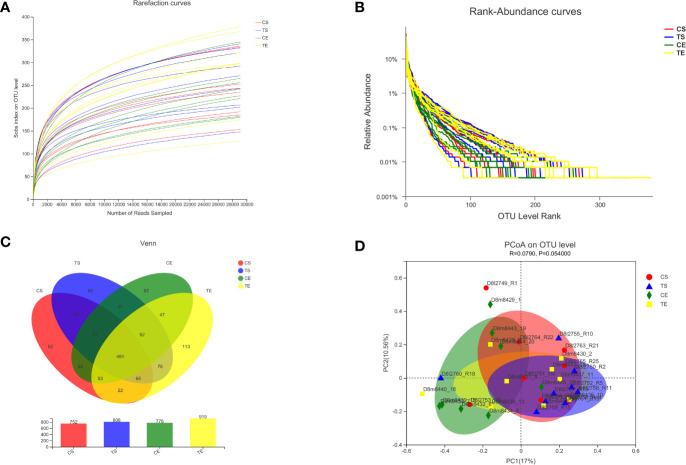
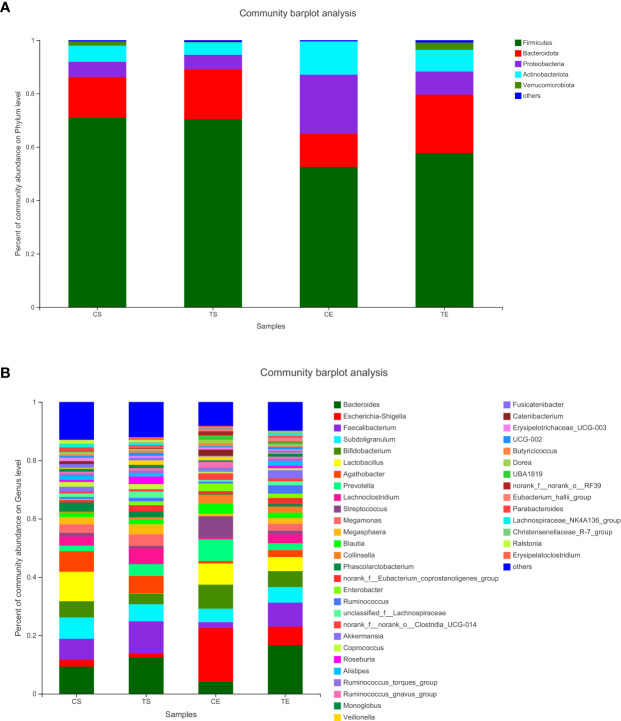
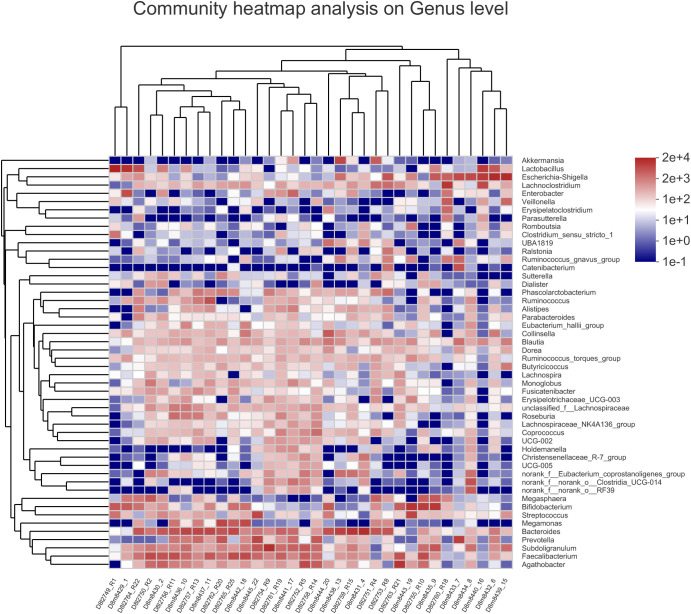
Previous studies have demonstrated that patients with type 2 diabetes mellitus (T2DM) often had the problems of fecal microbiota dysbiosis, and were usually accompanied with psychiatric comorbidities (such as depression and anxiety). Here, we conducted a randomized clinical study to analyze the changes in gut microbiota, serum metabolism and emotional mood of patients with T2DM after consumption of a high-fiber diet. The glucose homeostasis of participants with T2DM was improved by the high-fiber diet, and the serum metabolome, systemic inflammation and psychiatric comorbidities were also altered. The increased abundances of Lactobacillus , Bifidobacterium and Akkermansias revealed that the proportions of beneficial gut microbes were enriched by the high-fiber diet, while the abundances of Desulfovibrio , Klebsiella and other opportunistic pathogens were decreased. Therefore, the current study demonstrated that the intestinal microbiota alterations which were influenced by the high-fiber diet could improve the serum metabolism and emotional mood of patients with T2DM.
Overview
The claims and statistics of this paper haven’t been checked yet.
Free: it reads the open-access text and checks the first 5 claims that cite a source we can check. Create a free account to check every claim.
Integrity signals
Registry
Cites
Statistics
Figures
Verification
Claims the paper makes
The claims and statistics of this paper haven’t been checked yet.
Free: it reads the open-access text and checks the first 5 claims that cite a source we can check. Create a free account to check every claim.
Claims other papers make about this one
Each is checked against this paper’s own text: does it say what the citing paper says it does?
In the citing paper
“A meta-analysis of 16 randomized controlled trials in hospitalized patients on enteral nutrition demonstrated that fiber supplementation reduced diarrhea incidence by 36% compared with fiber-free formulas, with moderate certainty [131]”
From Nutritional Approaches to Enhance GLP-1 Analogue Therapy in Obesity: A Narrative Review (2025) · cites this paper as [131]
In the citing paper
“Benefit was fiber-type specific: mixed soluble/insoluble fibers and partially hydrolyzed guar gum significantly reduced risk by 46% and 53%, respectively, whereas psyllium and soy polysaccharides showed no effect”
From Nutritional Approaches to Enhance GLP-1 Analogue Therapy in Obesity: A Narrative Review (2025) · cites this paper as [131]
Self-check
Percentages, sums and reported differences re-computed from the paper’s own numbers.
The self-check needs the paper’s full text.
Citations
Cites
The role of short-chain fatty acids in microbiota–gut–brain communication
Dalile, B., Van Oudenhove, L., Vervliet, B., & Verbeke, K. (2019) · Nature Reviews Gastroenterology & Hepatology · doi:10.1038/s41575-019-0157-3 · Cited by 3,357
Cani, P. D., Possemiers, S., Van de Wiele, T., Guiot, Y., Everard, A., Rottier, O., Geurts, L., Naslain, D., Neyrinck, A., Lambert, D. M., et al. (2009) · Gut · doi:10.1136/gut.2008.165886 · Cited by 2,518 · cited 1×
“demonstrated that prebiotic-treated ob/ob mice exhibited a lower level of plasma lipopolysaccharide (LPS) and inflammatory cytokines, and the decreased inflammatory tone was proved to be associated with a lower intestinal permeability and an improved tight-junction integrity when compared to controls (Cani et al., 200…”
BackgroundGut bacteria selectively promoted by dietary fibers alleviate type 2 diabetes
Zhao, L., Zhang, F., Ding, X., Wu, G., Lam, Y. Y., Wang, X., Fu, H., Xue, X., Lu, C., Ma, J., et al. (2018) · Science · doi:10.1126/science.aao5774 · Cited by 2,304 · cited 2×
“By modulating the structure of gut microbiota, a specially designed high-fiber diet was proved to be able to provide obvious beneficial effects for patients with T2DM (Zhao et al., 2018).”
BackgroundThe neuroactive potential of the human gut microbiota in quality of life and depression
Valles-Colomer, M., Falony, G., Darzi, Y., Tigchelaar, E. F., Wang, J., Tito, R. Y., Schiweck, C., Kurilshikov, A., Joossens, M., Wijmenga, C., et al. (2019) · Nature Microbiology · doi:10.1038/s41564-018-0337-x · Cited by 1,963 · cited 1×
“In particular, administration of SCFAs were proved to be able to alleviate the stress-induced responsiveness as well as the intestinal permeability, and could also influence the brain immune homeostasis, energy metabolism, and physiological states (Wouw et al., 2018; Valles-Colomer et al., 2019).”
BackgroundThe central nervous system and the gut microbiome
Sharon, G., Sampson, T. R., Geschwind, D. H., & Mazmanian, S. K. (2016) · Cell · doi:10.1016/j.cell.2016.10.027 · Cited by 1,513 · cited 1×
“Recent studies had also proved that the symbiotic bacteria could influence the development and function of the nervous system, which were related to anxiety, depression, and other mental diseases (Sharon et al., 2016).”
BackgroundGut microbiome and serum metabolome alterations in obesity and after weight-loss intervention
Liu, R., Hong, J., Xu, X., Feng, Q., Zhang, D., Gu, Y., Shi, J., Zhao, S., Liu, W., Wang, X., et al. (2017) · Nature Medicine · doi:10.1038/nm.4358 · Cited by 1,501 · cited 2×
“Metagenomewide association study in a cohort of young Chinese individuals identified an obesity-associated gut microbial species (Bacteroides thetaiotaomicron), which could alleviate diet-induced body-weight gain and adiposity by reducing plasma glutamate concentrations (Liu et al., 2017).”
BackgroundThe microbiome-gut-brain axis in health and disease
Dinan, T. G., & Cryan, J. F. (2017) · Gastroenterology Clinics of North America · doi:10.1016/j.gtc.2016.09.007 · Cited by 1,111 · cited 1×
“In fact, most of the neurotransmitters in the brain (such as 5-hydroxytryptamine and gaminobutyric acid) were produced by the gut microbes, therefore the microbiome-gut-grain axis had a critical impact on stress responses, depression and anxiety (Dinan and Cryan, 2017).”
BackgroundEverard, A., Lazarevic, V., Derrien, M., Girard, M., Muccioli, G. G., Neyrinck, A. M., Possemiers, S., Van Holle, A., François, P., de Vos, W. M., et al. (2011) · Diabetes · doi:10.2337/db11-0227 · Cited by 1,076
Zhang, C., Zhang, M., Wang, S., Han, R., Cao, Y., Hua, W., Mao, Y., Zhang, X., Pang, X., Wei, C., et al. (2010) · The ISME Journal · doi:10.1038/ismej.2009.112 · Cited by 1,024
van de Wouw, M., Boehme, M., Lyte, J. M., Wiley, N., Strain, C., O'Sullivan, O., Clarke, G., Stanton, C., Dinan, T. G., & Cryan, J. F. (2018) · The Journal of Physiology · doi:10.1113/jp276431 · Cited by 789 · cited 1×
“In particular, administration of SCFAs were proved to be able to alleviate the stress-induced responsiveness as well as the intestinal permeability, and could also influence the brain immune homeostasis, energy metabolism, and physiological states (Wouw et al., 2018; Valles-Colomer et al., 2019).”
Background
Cited by
Type 2 diabetes mellitus in adults: pathogenesis, prevention and therapy
Lu, X., Xie, Q., Pan, X., Zhang, R., Zhang, X., Peng, G., Zhang, Y., Shen, S., & Tong, N. (2024) · Signal Transduction and Targeted Therapy · doi:10.1038/s41392-024-01951-9 · Cited by 665
Self-citationDesulfovibrio in the Gut: The Enemy within?
Singh, S. B., Carroll-Portillo, A., & Lin, H. C. (2023) · Microorganisms · doi:10.3390/microorganisms11071772 · Cited by 256
Hou, Y., Li, J., & Ying, S. (2023) · Metabolites · doi:10.3390/metabo13111166 · Cited by 213
Basiri, R., Seidu, B., & Rudich, M. (2023) · Nutrients · doi:10.3390/nu15194226 · Cited by 114
“In contrast, it has been shown that a high-fiber diet improves glucose homeostasis, serum lipid profiles, inflammatory chemokines, and depression and anxiety symptoms in patients with T2DM [95].”
BackgroundAntioxidant and Anti-Inflammatory Effects of Carotenoids in Mood Disorders: An Overview
Rasmus, P., & Kozłowska, E. (2023) · Antioxidants · doi:10.3390/antiox12030676 · Cited by 112
Zhou, H., Huang, D., Sun, Z., & Chen, X. (2024) · Microbiological Research · doi:10.1016/j.micres.2024.127725 · Cited by 111
Maiuolo, J., Bulotta, R. M., Ruga, S., Nucera, S., Macrì, R., Scarano, F., Oppedisano, F., Carresi, C., Gliozzi, M., Musolino, V., et al. (2024) · International Journal of Molecular Sciences · doi:10.3390/ijms25136971 · Cited by 102
The oral-gut microbiota axis: a link in cardiometabolic diseases
Xu, Q., Wang, W., Li, Y., Cui, J., Zhu, M., Liu, Y., & Liu, Y. (2025) · npj Biofilms and Microbiomes · doi:10.1038/s41522-025-00646-5 · Cited by 93
Understanding how pre- and probiotics affect the gut microbiome and metabolic health
Bock, P. M., Martins, A. F., & Schaan, B. D. (2024) · American Journal of Physiology-Endocrinology and Metabolism · doi:10.1152/ajpendo.00054.2024 · Cited by 90
An Overview of Chronic Kidney Disease Pathophysiology: The Impact of Gut Dysbiosis and Oral Disease
Altamura, S., Pietropaoli, D., Lombardi, F., Pinto, R. D., & Ferri, C. (2023) · Biomedicines · doi:10.3390/biomedicines11113033 · Cited by 74
Increasing dietary fiber intake for type 2 diabetes mellitus management: A systematic review
Nitzke, D. L. D. S., Czermainski, J. G. E. S., Rosa, C. B., Coghetto, C. C., Fernandes, S. A., & Carteri, R. B. (2024) · World Journal of Diabetes · doi:10.4239/wjd.v15.i5.1001 · Cited by 59
Chen, C.-Y., Wang, Y., Lei, L., & Zhang, Y. (2024) · Life Sciences · doi:10.1016/j.lfs.2024.122815 · Cited by 60
Gut microbiota: a promising new target in immune tolerance
Almansour, N., Al‐Rashed, F., Choudhry, K., Alqaderi, H. E., Sindhu, S. T. A. K., Al‐Mulla, F., & Ahmad, R. (2025) · Frontiers in Immunology · doi:10.3389/fimmu.2025.1607388 · Cited by 59
Luo, Z., Liu, Y., Wang, X., Fan, F., Yang, Z., & Luo, D. (2024) · Biochemical Pharmacology · doi:10.1016/j.bcp.2024.116554 · Cited by 56
Menafra, D., Proganò, M., Tecce, N., Pivonello, R., & Colao, A. A. L. (2024) · Human Nutrition & Metabolism · doi:10.1016/j.hnm.2024.200286 · Cited by 52
Keshet, A., & Segal, E. (2024) · Nature Communications · doi:10.1038/s41467-024-53832-y · Cited by 51
Jiménez-González, C., Alonso‐Peña, M., Vélez, P. A., Crespo, J., & Iruzubieta, P. (2025) · Nutrients · doi:10.3390/nu17091580 · Cited by 46
“Furthermore, clinical studies have demonstrated that high-fiber diets in patients with metabolic syndrome or T2DM improve glycemic control and modulate the gut microbiota toward an SCFA-producing profile, likely contributing to the amelioration of hepatic fat content [127–129].”
Jiang, H., Wang, X., Zhou, W., Huang, Z., & Zhang, W. (2025) · Frontiers in Endocrinology · doi:10.3389/fendo.2025.1661037 · Cited by 45
Liu, J., Li, F., Yang, L., Luo, S., & Deng, Y. (2025) · Frontiers in Microbiology · doi:10.3389/fmicb.2025.1554189 · Cited by 40
“The pathogenesis of IR in T2DM involves multiple factors, with genetics, age, gender, diet, environment, and occupation being significant risk factors (Kautzky-Willer et al., 2016; Cole and Florez, 2020; Liu et al., 2023).”
Murugesan, R., Kumar, J. S., Leela, K. V., Meenakshi, S., Srivijayan, A., Thiruselvam, S., Satheesan, A., & Chaithanya, V. (2025) · Physiology & Behavior · doi:10.1016/j.physbeh.2025.114838 · Cited by 35
Moreno-Altamirano, L., Robles-Rivera, K., Castelán-Sánchez, H. G., Vaca‐Paniagua, F., Pérez, M. D. C. I., Hernández-Valencia, S. E., Cruz‐Casarrubias, C., García-García, J., la Cruz, M. R.-D., Martínez-Gregorio, H., et al. (2024) · Nutrients · doi:10.3390/nu16234241 · Cited by 33
“For instance, a randomized clinical trial found a decrease in Erysipelatoclostridium among patients with type 2 diabetes on a high-fiber diet [36].”
Huang, Y., Wu, Y., Zhang, Y., Bai, H., Peng, R., Ruan, W., Zhang, Q., Cai, E., Ma, M., Zhao, Y., et al. (2024) · Nutrients · doi:10.3390/nu16111711 · Cited by 28
“For example, a randomized controlled trial revealed that high-fiber diets resulted in increased levels of Firmicutes and Bacteroidota, resulting in better insulin control [35].”
BackgroundAdvances in Gut Microbiota-Targeted Therapeutics for Metabolic Syndrome
Gao, Y., Li, W., Huang, X., Lyu, Y., & Yue, C. (2024) · Microorganisms · doi:10.3390/microorganisms12050851 · Cited by 28
“These results further support the hypothesis that dysbiosis of the gut microbiota might be implicated in the pathogenesis of hypertension [44].”
BackgroundResultXu, X., Zhang, F., Ren, J., Zhang, H., Jing, C., Wei, M., Jiang, Y., & Xie, H. (2024) · Frontiers in Nutrition · doi:10.3389/fnut.2023.1243095 · Cited by 28
Beyond digestion: Exploring how the gut microbiota modulates human social behaviors
Abavisani, M., Faraji, N., Ebadpour, N., Kesharwani, P., & Sahebkar, A. (2024) · Neuroscience · doi:10.1016/j.neuroscience.2024.11.068 · Cited by 27
Gut Feelings: How Microbes, Diet, and Host Immunity Shape Disease
Theis, B. F., Park, J. S., Kim, J. S., Zeydabadinejad, S., Vijay–Kumar, M., Yeoh, B. S., & Saha, P. (2025) · Biomedicines · doi:10.3390/biomedicines13061357 · Cited by 25
Tian, Y., Zhou, Y., Liao, W., Xia, J., Hu, Q., Zhao, Q. S., Zhang, R., Sun, G., Yang, L., & Li, L. (2025) · Food & Function · doi:10.1039/d4fo05847j · Cited by 25
Self-citationGodos, J., Micek, A., Carota, G., Venuta, C. D., Mauro, A. D., Furnari, F., Balzano, R., Giorgio, J. D., Leonardi, A., Caruso, G., et al. (2025) · Mediterranean Journal of Nutrition and Metabolism · doi:10.1177/1973798x251360765 · Cited by 24
Targeting the Gut Microbiome to Treat Cardiometabolic Disease
Theofilis, P., Vlachakis, P. K., Oikonomou, E. K., Tsioufis, K. P., & Tousoulis, D. (2024) · Current Atherosclerosis Reports · doi:10.1007/s11883-023-01183-2 · Cited by 22
“These findings were accompanied by an increased abundance of Lactobacillus, Akkermansia, Bifidobacterium , and Bacteroides , among others [63].”
Mechanism of actions of probiotics on type 2 diabetes: Development and complications
Ağagündüz, D., Çelik, E., Cemali, Ö., Yeşildemir, Ö., Demirci, K. Ş., Akkuş, G., Esatbeyoglu, T., & Özoğul, F. (2025) · Biomedicine & Pharmacotherapy · doi:10.1016/j.biopha.2025.118421 · Cited by 21
Fuentes-Barría, H., Aguilera-Eguía, R. A., Flores-Fernández, C., Angarita, L., & Alarcón-Rivera, M. (2026) · Biomedicines · doi:10.3390/biomedicines14040752 · Cited by 22
Pan, R., Yuan, J., Bai, J., Zhang, J., Zhang, J. Y., Gu, Y., Xia, S., Qu, M., Liu, Q., Dong, Y., et al. (2023) · Journal of Food Biochemistry · doi:10.1155/2023/5521789 · Cited by 21
Chen, Y., Ma, S., Zhou, M., Yao, Y., Gao, X., Fan, X., & Wu, G. (2024) · The Analyst · doi:10.1039/d4an00501e · Cited by 21
Unraveling the complexities of diet induced obesity and glucolipid dysfunction in metabolic syndrome
Dutta, B., Tripathy, A., Archana, P. R., & Kamath, S. U. (2025) · Diabetology & Metabolic Syndrome · doi:10.1186/s13098-025-01837-y · Cited by 21
Rohmann, N., Geese, T., Nestel, S., Schlicht, K., Geisler, C., Türk, K., Brix, F., Jensen‐Kroll, J., Demetrowitsch, T. J., Bang, C., et al. (2024) · BMC Medicine · doi:10.1186/s12916-024-03709-0 · Cited by 20
“…another study demonstrated clinical improvement through altered gut microbiota under a fiber-rich diet, with increased abundance of genera such as Lactobacillus , Akkermansia , and Ruminococcus , and a decreased abundance of opportunistic genera like Klebsiella , Megamonas , and Prevotella [77].”
BackgroundLotus fiber-derived scaffolds for enhanced cultured meat production: Quality and sustainability
Wu, Y., Li, Y., Yang, Q., He, C., Tang, J., Shi, L., Dai, J., & Zhang, C. (2025) · Bioactive Materials · doi:10.1016/j.bioactmat.2025.06.048 · Cited by 18
Dietary Fiber as Prebiotics: A Mitigation Strategy for Metabolic Diseases
Gao, X., Hu, S., Liu, Y., Alwis, S. A. S. S. D., Yu, Y., Li, Z., Wang, Z., & Liu, J. (2025) · Foods · doi:10.3390/foods14152670 · Cited by 18
“In addition to controlling the rise of blood glucose, DF improves serum metabolism in diabetic patients by affecting gut microbiota [36].”
Self-citationFarahbod, K., Slouha, E., Gerts, A., Rezazadah, A., Clunes, L. A., & Kollias, T. F. (2024) · Cureus · doi:10.7759/cureus.56737 · Cited by 19
“Specific microbial genera, including Bifidobacterium , Faecalibacterium , Akkermansia , and Lactobacillus , were implicated in positive metabolic outcomes across studies [10, 21].”
BackgroundInfluentialMantri, A., Klümpen, L., Seel, W., Krawitz, P. M., Stehle, P., Weber, B., Koban, L., Plaßmann, H., & Simon, M. (2024) · Nutrients · doi:10.3390/nu16132082 · Cited by 18
“In line with this, a decrease in several opportunistic pathogens, such as Erysipelatoclostridium [43,50] and microbes associated with Crohn’s disease, such as Ruminococcus gnavus [51,52] has been detected, highlighting the potential synbiotic effect against diseases.”
BackgroundMindarwati, E., Sedayu, B. B., Suryaningrum, T. D., Mardiyana, I., Setiawati, N. P., Supriyanto, A., Suwarti, S., Raharjo, S., Nuridha, A., Trisnoharjono, D. B., et al. (2024) · International Journal of Food Science & Technology · doi:10.1111/ijfs.17345 · Cited by 18
Research progress of diabetic retinopathy and gut microecology
Wang, R., Wang, Q., Bai, Y., Bi, Y.-G., & Cai, S.-J. (2023) · Frontiers in Microbiology · doi:10.3389/fmicb.2023.1256878 · Cited by 17
“For example, a high-fiber diet may enhance the serum metabolic level of T2DM patients by altering the GM flora (Chen et al., 2023).”
BackgroundRishabh, R., Bansal, S., Goel, A., Gupta, S., Malik, D., & Bansal, N. (2024) · Current Diabetes Reviews · doi:10.2174/0115733998275953231129094057 · Cited by 16
Evidence for proton-pump inhibitor (PPI)-associated dysbiosis in metabolically unhealthy obesity
Burmeister, M. A., Smith, T. E., Fincher, T. K., & Weldon, A. J. (2023) · Frontiers in Endocrinology · doi:10.3389/fendo.2023.1205490 · Cited by 16
“High fiber diet improves metabolic health and mood in T2DM patients (96).”
BackgroundLiu, T., Zhu, C., Duan, Z., Ma, P., Ma, X., & Fan, D. (2024) · Journal of Agricultural and Food Chemistry · doi:10.1021/acs.jafc.4c04949 · Cited by 15
Han, Y., Quan, H., Ji, W., Tian, Q., Liu, X., & Liu, W. (2024) · Biochemical and Biophysical Research Communications · doi:10.1016/j.bbrc.2024.150831 · Cited by 15
Qu, H., Yang, Y., Xie, Q., Liu, Y., & Shao, Y. (2025) · Frontiers in Nutrition · doi:10.3389/fnut.2025.1557280 · Cited by 15
“For instance, high-fiber diets were demonstrated to be related to improvements in gut microbiota diversity and the enrichment of beneficial bacteria, which can enhance glucose metabolism and reduce systemic inflammation in T2DM patients (35).”
Wang, T., Gao, C., Dong, X., & Li, L. (2025) · International Journal of Biological Macromolecules · doi:10.1016/j.ijbiomac.2025.146160 · Cited by 14
Chen, Y., Jin, D., Han, X., Liu, X., Liu, Y., & Wang, L. (2026) · Frontiers in Endocrinology · doi:10.3389/fendo.2026.1856667 · Cited by 14
Dynamic human gut microbiome and immune shifts during an immersive psychosocial intervention program
Zhou, X., Ganz, A. B., Rayner, A., Cheng, T. Y., Oba, H., Rolnik, B. M., Lancaster, S. M., Lu, X., Li, Y., Johnson, J. S., et al. (2024) · Brain Behavior and Immunity · doi:10.1016/j.bbi.2024.12.027 · Cited by 13
Zhang, Q., Cheng, J., Jiang, X., Tang, J., Zhu, C., Chen, H., & Laghi, L. (2023) · Foods · doi:10.3390/foods12071403 · Cited by 12
“The obesity-regulating mechanisms of fibers have been studied fro several ers ectives, such as plasma metabolome [33], urinary metabolome [34], and serum metabolome [35].”
BackgroundXu, J., Zou, Z., Li, X., Sun, X., Wang, X., Qin, F., Abulizi, A., Chen, Q., Pan, Z., Shen, H., et al. (2024) · Frontiers in Microbiology · doi:10.3389/fmicb.2024.1429360 · Cited by 12
“T2DM can disrupt homeostasis in patients, affecting the metabolism and gut microbiota (van Doorn et al., 2007; Liu L. et al., 2022; Chen et al., 2023).”
BackgroundLi, X., Shi, Y., Wei, D., Ni, W., Zhu, N., & Yan, X. (2023) · Frontiers in Endocrinology · doi:10.3389/fendo.2023.1283626 · Cited by 12
Dong, W., Li, Y., Man, Q., Zhang, Y., Yu, L., Zhao, R., Zhang, J., Song, P., & Ding, G. (2023) · Nutrients · doi:10.3390/nu16010107 · Cited by 11
“…proliferation of beneficial microbiota, including lactobacilli, bifidobacteria, and Akkermansia, thereby improving gut barrier function and lowering systemic inflammation level, including interleukin-1 β , interleukin-6, monocyte chemoattractant protein-1, and tumor necrosis factor-alpha [32,33].”
BackgroundWang, J., Wu, Y., Yang, J., Ying, S., Luo, H., Zha, L., & Li, Q. (2024) · Food Research International · doi:10.1016/j.foodres.2024.115634 · Cited by 11
Lai, S., Zeng, Y., Li, T., Li, Y., An, Y., & Ouyang, X. (2025) · Food Science & Nutrition · doi:10.1002/fsn3.70605 · Cited by 11
Yao, X., Nie, W., Chen, X., Zhang, J., Wei, J., Qiu, Y., Liu, K., Shao, D., Liu, H., Ma, Z., et al. (2024) · International Journal of Molecular Sciences · doi:10.3390/ijms25105405 · Cited by 11
“The amplicons were used to construct DNA libraries and were sequenced using an Illumina NovaSeq PE250 platform (Illumina, San Diego, CA, USA) which was performed by Majorbio Bio-Pharm Technology Co., Ltd. (Shanghai, China) [53].”
MethodSelf-citationWang, N., Pei, Z., Wang, H., Zhao, J., Fang, Z., & Lu, W. (2025) · Food Bioscience · doi:10.1016/j.fbio.2025.106083 · Cited by 11
Shrivastav, K., Nasser, H., Ikeda, T., & Nema, V. (2025) · Viruses · doi:10.3390/v17070990 · Cited by 10
“They also showed increased abundances of Lactobacillus , Bifidobacterium , and Akkermansia , while Desulfovibrio , Klebsiella , and other opportunistic pathogens were decreased [42].”
Mntambo, N., Arumugam, T., Pramchand, A., Pillay, K., & Ramsuran, V. (2025) · Microorganisms · doi:10.3390/microorganisms13122831 · Cited by 10
“Studies have reported compositional overlaps linked to age [82,83], dietary profiles [28,84,85], ethnicity [86,87], geographic location [88–90] and even genetic background [8,91].”
The gut-bone axis: impact of diet on gut microbiome and osteoporosis
Wang, Y., Xu, M., Dong, Q., Lin, X., Zhang, Q., Shi, H., Lin, X., Liu, H., Yu, M., & Shen, J. (2026) · Bone Research · doi:10.1038/s41413-026-00550-4 · Cited by 12
Self-citationNourishing the gut: the impact of diet on host–gut microbiota interaction
Masi, D., Roy, T. L., Adriouch, S., & Clément, K. (2024) · Current Opinion in Clinical Nutrition & Metabolic Care · doi:10.1097/mco.0000000000001009 · Cited by 10
Jiang, R., Cong, Z., Zheng, L., Zhang, L., Guan, Q., Wang, S., Fang, J., Chen, J., & Liu, M. (2024) · Frontiers in Endocrinology · doi:10.3389/fendo.2024.1401070 · Cited by 10
The alleviation by wheat and oat dietary fiber alone or combined of T2DM symptoms in db / db mice
Liu, X., Pang, S., Song, G., Wang, Y., Fang, W. Y., & Qi, W. (2025) · Food & Function · doi:10.1039/d4fo04037f · Cited by 11
Bidirectional Mendelian randomization links gut microbiota to primary biliary cholangitis
Zhou, Z., Li, W., Wu, Y., Wang, T., Zhang, J., You, L., Li, H., Zheng, C., Gao, Y., & Sun, X. (2024) · Scientific Reports · doi:10.1038/s41598-024-79227-z · Cited by 9
Chehadi, A. C., Pereira de Lima, E., Detregiachi, C. R. P., Santos de Argollo Haber, R., Catharin, V. M. C. S., Fornari Laurindo, L., Engracia Valenti, V., Machado Galhardi, C., Tanaka, M., & Maria Barbalho, S. (2026) · International Journal of Molecular Sciences · doi:10.3390/ijms27010465 · Cited by 8
“Impor-tantly, precision nutrition also considers comorbidities: in patients with obesity or diabetes, individualized nutritional plans have demonstrated benefits not only for metabolic regulation but also for mood stabilization [265,428,430].”
Nutritional Approaches to Enhance GLP-1 Analogue Therapy in Obesity: A Narrative Review
Dias, D. D., Vasconcelos, A. R., Souza, A. C. R., Menezes, C. D., Silva, I. S. T. E., & Name, J. J. (2025) · Obesities · doi:10.3390/obesities5040088 · Cited by 8
“In more recent trials with T2DM and prediabetic patients, fiber consumption was associated with reduced HbA1c and fasting glucose, increased microbiota diversity, and elevated insulin and C-peptide levels [127,128].”
Rahaman, M. M., Wangchuk, P., & Sarker, S. (2025) · Scientifica · doi:10.1155/sci5/3367875 · Cited by 7
“…i a l b a c t e r i a T 2 D I m p r o v e s m e t a b o l i s m a n d e m o t i o n a l h e a l t h v i a m i c r o b i o m e m o d u l a t i o n [ 193 ] P o l y p h e n o l - r i c h d i e t ↓ B l oo d g l u c o s e ; ↑ i n s u l i n s e c r e t i o n a n d s e n s i t i v i t y T 2 D , C V D E…”
O'Connor, J. B., Fouquier, J., Neff, C. P., Sterrett, J. D., Marden, T. J., Fiorillo, S. P., Siebert, J., Schneider, J. A., Nusbacher, N. M., Noe, A. T., et al. (2025) · mSystems · doi:10.1128/msystems.01185-25 · Cited by 7
Determinants of the healthy gut microbiome: core features, modifying factors and normal functions
Kyrochristou, I. D., Kyrochristou, G. D., Fousekis, F. S., Katsanos, K. H., Schizas, D., Vlachos, K., & Lianos, G. D. (2026) · Annals of Gastroenterology · doi:10.20524/aog.2026.1034 · Cited by 7
“Research shows that microbiome composition changes throughout life, with distinct microbial communities linked to industrialized vs. non-Western diets and further influenced by factors like long-term diet quality or living in a long-term care facility [20,21].”
Liu, C., Xiang, G., Liang, D., Zhao, X., Xiao, K., & Xie, L. (2025) · Scientific Reports · doi:10.1038/s41598-025-88132-y · Cited by 7
“These probiotics play a key role in releasing factors that help manage inflammation 24 .”
Rai, A. K., Yadav, M., Duary, R. K., & Shukla, P. (2025) · Molecular Nutrition & Food Research · doi:10.1002/mnfr.70033 · Cited by 7
“Alteration of gut microbiota due to change in dietary habit has shown to reduce the risk of diabetes [137].”
Gillespie, K. M., Kemps, E., White, M. J., & Bartlett, S. E. (2025) · Frontiers in Nutrition · doi:10.3389/fnut.2025.1546564 · Cited by 7
“Increased dietary fibre intake has further been shown to restore healthy gut microbiota, and reduce symptoms of depression and anxiety (20).”
Cui, X., Yi, C., Liu, J., Qi, J., Deng, W., Yuan, X., Zhou, R., Chen, M., Xiang, Q., & Xu, H. (2025) · Investigative Ophthalmology & Visual Science · doi:10.1167/iovs.66.9.6 · Cited by 7
Wei, Y., Huo, S., Liang, R., Cui, Y., Wang, L., Zhao, Y., Zhao, C., & Shao, C. (2025) · Brain and Behavior · doi:10.1002/brb3.70933 · Cited by 8
“Chen et al. conducted a randomized controlled trial with an 8-week interventioninthehigh-fiberdietgroup,whichshowedthathigh-fiber dietary intake reduced systemic inflammation, increased the number of beneficial bacteria and reduced the number of harmful bacteria (Chen et al. 2023).”
The Role of Microbiota Pattern in Anxiety and Stress Disorders—A Review of the State of Knowledge
Krupa-Kotara, K. H., Gwioździk, W., Nandzik, S., & Grajek, M. K. (2023) · Psych · doi:10.3390/psych5030038 · Cited by 8
“As a result of the dietary intervention of increasing fiber intake, an increase in Lactobacillus, Bifidobacterium, and Akkermansia and a decrease in Desulfovibrio, Klebsiella, and other opportunistic microorganisms have been noted [72].”
BackgroundBi, T., Feng, R., Ren, W., Hang, T., Zhao, T., & Zhan, L. (2024) · Journal of Ethnopharmacology · doi:10.1016/j.jep.2024.118808 · Cited by 6
Jia, M., Hu, X., Ning, F., Geng, K., Yuan, T., & Liu, Z. (2025) · Journal of Agricultural and Food Chemistry · doi:10.1021/acs.jafc.5c12112 · Cited by 6
Trends in Sugar From Packaged Foods and Beverages Purchased by US Households Between 2002 and 2020
Vatavuk‐Serrati, G., Frank, S. M., Ng, S. W., & Taillie, L. S. (2023) · Journal of the Academy of Nutrition and Dietetics · doi:10.1016/j.jand.2023.10.011 · Cited by 6
Gut dysbiosis, low-grade inflammation, and renal impairment severity in elderly diabetic nephropathy
Shi, Y., Pan, Z., Zhang, J., Xue, L., & Li, M. (2025) · World Journal of Diabetes · doi:10.4239/wjd.v16.i8.108245 · Cited by 6
Maiuolo, J., Liuzzi, F., Oppedisano, F., Spagnoletta, A., Caminiti, R., Mazza, V., Nucera, S., Ragusa, S., Tucci, L., Trunfio, G., et al. (2025) · International Journal of Molecular Sciences · doi:10.3390/ijms26199807 · Cited by 6
“Once in this intestinal portion, they are fermented by the intestinal bacterial flora, acting as prebiotics that promote the growth of beneficial bacteria in the intestine, limit the development of dangerous bacteria, and produce bioactive metabolites such as short-chain fatty acids (SCFAs) [48].”
From Fork to Feelings: How Foods Shape Mental Health via the Microbiota–Gut–Brain Axis
Ferri, A., Paes, L. T., Schneider, E., Clarke, G. A., & Cryan, J. F. (2026) · Annual Review of Food Science and Technology · doi:10.1146/annurev-food-053124-110137 · Cited by 7
Finta, H., Ruţă, F. D., Călin, A., Simona, T. F., & Georgescu, I. M. (2026) · Nutrients · doi:10.3390/nu18040691 · Cited by 7
Tu, W., Nie, W., Yao, X., Zhang, J., Zhang, H., Di, D., & Li, Z. (2024) · Molecular Genetics and Genomics · doi:10.1007/s00438-024-02103-y · Cited by 6
“According to the conclusion of previous study, the expansion of Proteobacteria might have intimate relation to the colonic epithelial oxygenation and the intestinal inflammation (Chen et al 2023).”
Self-citationYang, R., Han, W., Zheng, W., Xu, D., He, J., Yuan, X., Zhang, L., Tian, Z., & Li, G. (2024) · Clinical Nutrition · doi:10.1016/j.clnu.2024.11.001 · Cited by 5
Zhou, X., Zheng, W., Kong, W., & Zeng, T. (2025) · Diabetology & Metabolic Syndrome · doi:10.1186/s13098-025-01792-8 · Cited by 5
Wei, R., Long, J., Xia, H., Sun, Y., Zhang, L., Li, X., Zhang, H., Wang, R., Gao, S., Chen, Y., et al. (2025) · Science China Life Sciences · doi:10.1007/s11427-024-2934-8 · Cited by 5
“In addition, prolonged exposure of the foetus to elevated glucose levels can predispose the offspring to long-term metabolic disorders such as obesity, cardiovascular disease, and T2D (Fujimura et al., 2016; Kim et al., 2017).”
Physical Activity and Metabolic Disorders—What Does Gut Microbiota Have to Do with It?
Sokal-Dembowska, A., Polak-Szczybyło, E., Helma, K., Musz, P., Setlik, M., Fic, W., Wachowiak, D., & Jarmakiewicz-Czaja, S. (2025) · Current Issues in Molecular Biology · doi:10.3390/cimb47080630 · Cited by 5
“Through, among other things, inappropriate lifestyles, including inadequate eating habits and a lack or low levels of physical activity, intestinal dysbiosis often coexists, which also contributes to the development of psychological disorders [83,84].”
Abavisani, M., Khoshroo, N., Tafti, P., Foroushan, S. K., Ebadpour, N., Karav, S., Kesharwani, P., & Sahebkar, A. (2025) · Probiotics and Antimicrobial Proteins · doi:10.1007/s12602-025-10755-4 · Cited by 5
Qin, R., Yu, P., Wang, H., Zhou, J., Gong, R., Duan, Y., Jia, H., Xie, M., Zhou, Y., & Hu, J. (2026) · Journal of Orthopaedic Translation · doi:10.1016/j.jot.2026.101126 · Cited by 5
“High-fiber diets significantly increase microbial diversity and abundance, promoting beneficial bacteria (e.g., Bifido-bacterium and Lactobacillus) and suppressing potential pathobionts, thereby improving gut microecology [156,157].”
Yang, F.-S., Cai, Y., Niu, X., Wang, S., Wang, Y.-Q., Esmie, S. E., Chen, R., Dai, S., Kong, H., Sun, H., et al. (2024) · Food Bioscience · doi:10.1016/j.fbio.2024.103962 · Cited by 5
Chen, H., Yuan, J., Zhou, H., Zhan, X., Gao, Y., Chen, B., Aihemaiti, N., Xu, X., Dong, Y., Liu, S., et al. (2025) · Frontiers in Cellular and Infection Microbiology · doi:10.3389/fcimb.2025.1417403 · Cited by 5
Wang, Q., Yang, M., Fang, Z., Pan, Y., Wu, Y., Yuan, Z., Xu, M., Chen, Y., & Gong, A. (2025) · Food Bioscience · doi:10.1016/j.fbio.2025.107207 · Cited by 5
Unveiling the gut-kidney dialogue in diabetic kidney disease
Gembillo, G., Soraci, L., & Visconti, L. (2025) · World Journal of Diabetes · doi:10.4239/wjd.v16.i11.112440 · Cited by 5
Huang, J., Zhou, B., Zhu, F., Li, Y., Li, Y., Zhang, R., Zhang, J., & Wang, L. (2025) · BMC Pediatrics · doi:10.1186/s12887-025-05692-8 · Cited by 4
“The discrepancies from the previously reported results can be attributed to several factors, including variations in disease classification, geographical location, and dietary patterns [23–25].”
Self-citationGut microbiota and late-life depression: from mechanistic insights to clinical rehabilitation
Wang, J., Luo, Y., Wang, S., Zhou, Y., Gan, G., Xie, J., & Cheng, A. S. K. (2025) · Life Sciences · doi:10.1016/j.lfs.2025.124041 · Cited by 4
Importancia de una alimentación saludable en mexicanos
Díaz-López, K. D. J., López, V. A. Q., Díaz, C. I. B., & Mejía-León, M. E. (2025) · Ediciones Comunicación Científica eBooks · doi:10.52501/cc.321 · Cited by 4
Barros, H. D. D. F. Q., Casagrande, B. P., Araújo, D. D., Mutran, T. A. J., Telles, M. M., Estadella, D., & Pisani, L. P. (2026) · Reviews in Endocrine and Metabolic Disorders · doi:10.1007/s11154-026-10038-5 · Cited by 4
“Simultaneously, reductions were noted in opportunistic pathogens Erysipelatoclostridium, Megamo-nas, Prevotella, Klebsiella, and Desulfovibrio, which support that restoration of microbial fermentative capacity may mitigate obesity-associated metabolic disturbances [63]. bacteria.”
Liu, X., Pang, S., Li, A., Wang, Y., Fang, W., & Qi, W. (2024) · Food and Agricultural Immunology · doi:10.1080/09540105.2024.2420110 · Cited by 4
“The glucose homeostasis of T2DM participants was found improved by the high-fibre diet, and the serum metabolome and systemic inflammation were also altered towards a healthy direction (Chen et al., 2023).”
Xin, H., Feng, J. B., Zhou, B., Ouyang, F., Shao, H., Xia, C., & Chen, M. (2024) · American Journal of Translational Research · doi:10.62347/nbkn4311 · Cited by 4
Han, J., Zhang, H., Li, X., Tang, Y., Du, Y., Zhang, H., & Liao, D. (2025) · Journal of Nephrology · doi:10.1007/s40620-025-02212-w · Cited by 4
Metadata
- Authors
- Chen, L., Liu, B., Ren, L., Du, H., Fei, C., Qian, C., Li, B., Zhang, R., Liu, H., Li, Z., & Ma, Z.
- Affiliations
- Shanghai Institute of Technology (CN)
- Shanghai Mental Health Center (CN)
- Shanghai Jiao Tong University (CN)
- Shanghai Veterinary Research Institute (CN)
- Corresponding author
- Li, Zongjie
- Ma, Zhiyong
- Venue
- Frontiers in Cellular and Infection Microbiology
- Publisher
- Frontiers Media SA
- Published
- 2023-01-30
- Volume
- 13
- Pages
- 1069954-1069954
- ISSN
- 2235-2988 (ISSN-L)
- PMC
- PMC9922700
- OpenAlex
- W4318590499
- Cited by
- 155
- References
- 37
- Citations by year
- 2026: 31 · 2025: 67 · 2024: 41 · 2023: 16
- FWCI
- 13.77
- Type
- journal article
- Language
- en
- Open access
- gold
- doi.org
- Licence
- Locations
- Frontiers in Cellular and Infection Microbiology (publishedVersion, cc-by)
- PubMed Central (publishedVersion, cc-by)
- PubMed (publishedVersion)
- DOAJ (DOAJ: Directory of Open Access Journals) (submittedVersion, cc-by-sa)
- Topics
- Life Sciences › Biochemistry, Genetics and Molecular Biology › Molecular Biology › Gut microbiota and health
- Health Sciences › Medicine › Gastroenterology › Gastrointestinal motility and disorders
- Health Sciences › Nursing › Nutrition and Dietetics › Food composition and properties
- Keywords
- type 2 diabetes, high-fiber diet, gut microbiota, dysbiosis, serum metabolome, mood, depression, anxiety, glucose homeostasis, systemic inflammation, Lactobacillus, Bifidobacterium, Akkermansia, Desulfovibrio, Klebsiella, psychiatric comorbidity
- MeSH terms
- Gastrointestinal Microbiome, Diabetes Mellitus, Type 2, Diet, Humans, Inflammation, Microbiota
About these checks
Registry, retraction, Cites and statistics results are computed, not judged, with one exception: a printed reference that no index lists is read once by a model before it counts as a citation error. Claims are extracted by a model and kept only when their quote appears verbatim in the text; each cited source is then checked, with a model’s help, for whether it says what the claim relies on. Those verdicts can be wrong — read the claim’s quote and the cited source before relying on one.
Statistics and arithmetic are recomputed, not judged.
Confidence bands are shown only for fields calibrated on our annotated test set. None is calibrated yet, so no band is shown.
What counts as a claim ›How we measure confidence ›How we check this ›
Are you an author, or do you see a problem with this page? Request a review
Data sources
Bibliographic data: Semantic Scholar, OpenAlex, Crossref.
Contains information from the Semantic Scholar Academic Graph Datasets, made available under the ODC Attribution License (ODC-BY 1.0).
Semantic Scholar’s data is described in: Kinney, R., et al. (2023). The Semantic Scholar Open Data Platform. arXiv:2301.10140.
