

Zinc homeostasis and redox alterations in obesity
Open accessThe DOI matches its Crossref record; 284 of the 286 references it cites were found in a registry or an index.
Abstract
Impairment of both cellular zinc and redox homeostasis is a feature of several chronic diseases, including obesity. A significant two-way interaction exists between redox metabolism and the relatively redox-inert zinc ion. Redox metabolism critically influences zinc homeostasis and controls its cellular availability for various cellular functions by regulating zinc exchange from/to zinc-binding proteins. Zinc can regulate redox metabolism and exhibits multiple pro-antioxidant properties. On the other hand, even minor disturbances in zinc status and zinc homeostasis affect systemic and cellular redox homeostasis. At the cellular level, zinc homeostasis is regulated by a multi-layered machinery consisting of zinc-binding molecules, zinc sensors, and two selective families of zinc transporters, the Zinc Transporter (ZnT) and Zrt, Irt-like protein (ZIP). In the present review, we summarize the current state of knowledge on the role of the mutual interaction between zinc and redox homeostasis in physiology and pathophysiology, pointing to the role of zinc in the alterations responsible for redox stress in obesity. Since zinc transporters primarily control zinc homeostasis, we describe how changes in the expression and activity of these zinc-regulating proteins are associated with obesity.
Overview
The claims and statistics of this paper haven’t been checked yet.
Free: it reads the open-access text and checks the first 5 claims that cite a source we can check. Create a free account to check every claim.
Integrity signals
Registry
Cites
Statistics
Figures
Verification
Claims the paper makes
The claims and statistics of this paper haven’t been checked yet.
Free: it reads the open-access text and checks the first 5 claims that cite a source we can check. Create a free account to check every claim.
Claims other papers make about this one
Each is checked against this paper’s own text: does it say what the citing paper says it does?
In the citing paper
“Zinc has anti-oxidative stress and anti-inflammatory functions, and a lack of zinc is related to insulin resistance, hyperleptinemia, and chronic low-grade inflammation [95].”
From Nutrition and Physical Activity in Optimizing Weight Loss and Lean Mass Preservation in the Incretin-Based Medications Era: A Narrative Review (2025) · cites this paper as [95]
Self-check
Percentages, sums and reported differences re-computed from the paper’s own numbers.
The self-check needs the paper’s full text.
Citations
Cites
Items 201–284 of 284
Tuncay, E., Bitirim, C. V., Durak, A. T., Carrat, G., Taylor, K. M., Rutter, G. A., & Turan, B. (2017) · Diabetes · doi:10.2337/db16-1099 · Cited by 86
Zinc regulates iNOS-derived nitric oxide formation in endothelial cells
Cortese-Krott, M. M., Kulakov, L., Opländer, C., Kolb-Bachofen, V., Kröncke, K.-D., & Suschek, C. V. (2014) · Redox Biology · doi:10.1016/j.redox.2014.06.011 · Cited by 83 · cited 2×
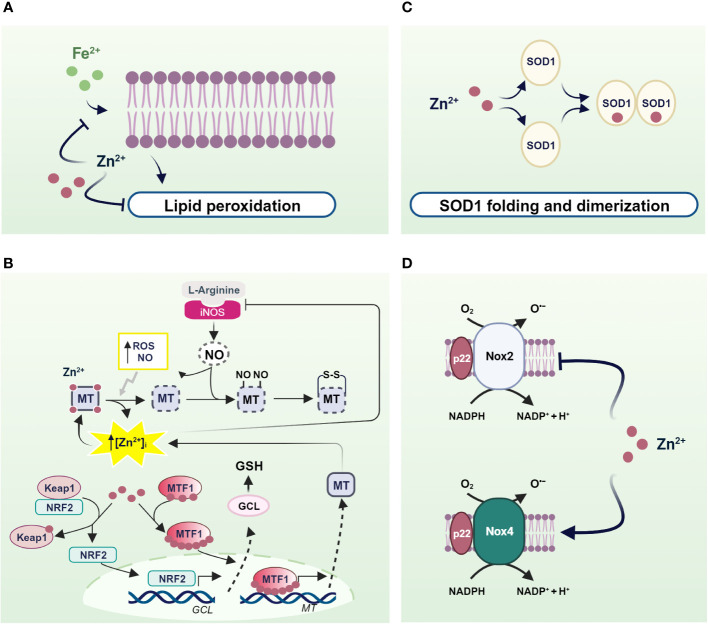
“Indeed, under the in fl uence of NO, zinc released from MTs suppresses the expression of iNOS, through inhibition of NF-k B transactivation (222, 224), whereas it promotes the expression of MTs, which, in turn, can scavenge NO through covalent binding to form S-nitrothiols (223) (Figure 2B).”
BackgroundZinc transporter Slc39a14 regulates inflammatory signaling associated with hypertrophic adiposity
Troche, C., Beker Aydemir, T., & Cousins, R. J. (2016) · American Journal of Physiology-Endocrinology and Metabolism · doi:10.1152/ajpendo.00421.2015 · Cited by 80 · cited 1×
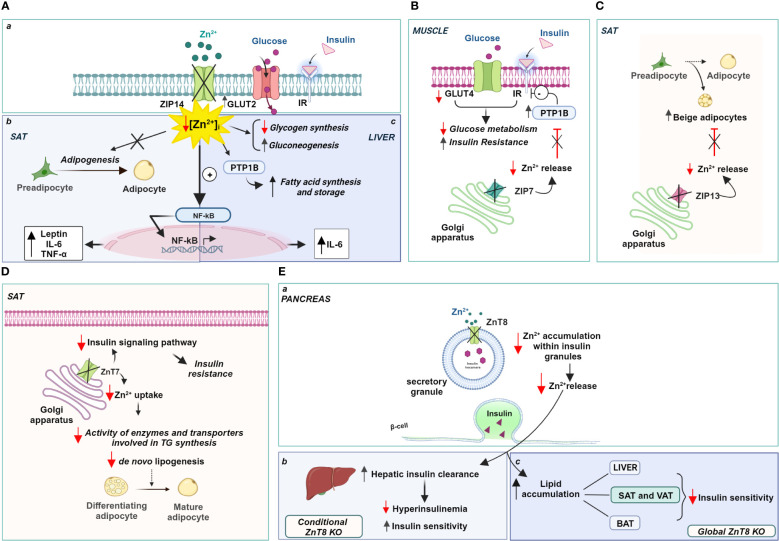
“Notably, Troche and coworkers (258) elegantly demonstrated that deletion of ZIP14 alters the metabolism of white adipose tissue (WAT), rendering it insulin insensitive and increases the expression of cytokines such as leptin and IL-6 by disinhibiting NK-kB and JAK2/STAT3 signaling pathways (Figure…”
BackgroundThe association between serum zinc level and overweight/obesity: a meta-analysis
Gu, K., Xiang, W., Zhang, Y., Sun, K., & Jiang, X. (2018) · European Journal of Nutrition · doi:10.1007/s00394-018-1876-x · Cited by 79
Effect of Chromium and Zinc on Insulin Signaling in Skeletal Muscle Cells
Miranda, E. R., & Dey, C. S. (2004) · Biological Trace Element Research · doi:10.1385/bter:101:1:19 · Cited by 78
Metallothionein, Nitric Oxide and Zinc Homeostasis in Vascular Endothelial Cells
Pearce, L. L., Wasserloos, K., Croix, C. M. S., Gandley, R. E., Levitan, E. S., & Pitt, B. R. (2000) · Journal of Nutrition · doi:10.1093/jn/130.5.1467s · Cited by 77 · cited 1×
“This zinc effect is based on the central role of MTs in affecting NO-mediated changes in labile zinc (203, 220).”
BackgroundThe pharmacology of the insulinomimetic effect of zinc complexes
Sakurai, H., & Adachi, Y. (2005) · BioMetals · doi:10.1007/s10534-005-3688-8 · Cited by 76
The Zinc Transporter, Slc39a7 (Zip7) Is Implicated in Glycaemic Control in Skeletal Muscle Cells
Myers, S. A., Nield, A., Chew, G.-S., & Myers, M. A. (2013) · PLoS ONE · doi:10.1371/journal.pone.0079316 · Cited by 75
Krężel, A., & Bal, W. (2004) · Bioinorganic Chemistry and Applications · doi:10.1155/s1565363304000172 · Cited by 74 · cited 5×
“Furthermore, zinc/GSH interaction confers to the cell the capability to counteract redox changes, controlling zinc release from MTs.”
BackgroundInfluentialEffect of Zinc Supplementation on Inflammatory Markers and Adipokines in Young Obese Women
Kim, J., & Ahn, J. (2014) · Biological Trace Element Research · doi:10.1007/s12011-013-9885-3 · Cited by 74 · cited 3×
“As in mice, an inverse association between dietary zinc intake and leptinemia has also been observed in young obese women (151).”
BackgroundInfluentialLee, R. G., Rains, T. M., Tovar‐Palacio, C., Beverly, J. L., & Shay, N. F. (1998) · Journal of Nutrition · doi:10.1093/jn/128.7.1218 · Cited by 73
Znt7-null Mice Are More Susceptible to Diet-induced Glucose Intolerance and Insulin Resistance
Huang, L., Kirschke, C. P., Lay, Y.-A. E., Levy, L. B., Lamirande, D. E., & Zhang, P. H. (2012) · Journal of Biological Chemistry · doi:10.1074/jbc.m111.309666 · Cited by 73
Abdollahi, S., Toupchian, O., Jayedi, A., Meyre, D., Tam, V., & Soltani, S. (2019) · Advances in Nutrition · doi:10.1093/advances/nmz084 · Cited by 73
Lichten, L. A., Liuzzi, J. P., & Cousins, R. J. (2009) · American Journal of Physiology-Gastrointestinal and Liver Physiology · doi:10.1152/ajpgi.90676.2008 · Cited by 72
Kim, J., & Lee, S. (2012) · Nutrition Research and Practice · doi:10.4162/nrp.2012.6.3.221 · Cited by 72
Chen, L., Wang, Z., Wang, P., Yu, X., Ding, H., Wang, Z., & Feng, J. (2021) · Microbiology Spectrum · doi:10.1128/spectrum.00483-21 · Cited by 71
NADPH oxidase-2 mediates zinc deficiency-induced oxidative stress and kidney damage
Li, M. S., Adesina, S. E., Ellis, C. L., Gooch, J. L., Hoover, R. S., & Williams, C. R. (2017) · American Journal of Physiology-Cell Physiology · doi:10.1152/ajpcell.00208.2016 · Cited by 69
Zinc is both an intracellular and extracellular regulator of KATP channel function
Prost, A., Bloc, A., Hussy, N., Derand, R., & Vivaudou, M. (2004) · The Journal of Physiology · doi:10.1113/jphysiol.2004.065094 · Cited by 68
Hardy, A. B., Wijesekara, N., Genkin, I., Prentice, K. J., Bhattacharjee, A., Kong, D., Chimienti, F., & Wheeler, M. B. (2012) · American Journal of Physiology-Endocrinology and Metabolism · doi:10.1152/ajpendo.00448.2011 · Cited by 68
Payahoo, L., Ostadrahimi, A., Mobasseri, M., Khajebishak, Y., Farrin, N., Jafarabadi, M. A., & Mahluji, S. (2013) · PubMed · doi:10.5681/apb.2013.027 · Cited by 67
Dietary Sources of Zinc and Factors Affecting its Bioavailability
Solomons, N. W. (2001) · Food and Nutrition Bulletin · doi:10.1177/156482650102200204 · Cited by 67
Aydemir, T. B., Troche, C., Kim, M., & Cousins, R. J. (2016) · Journal of Biological Chemistry · doi:10.1074/jbc.m116.748632 · Cited by 67
EFFECTS ON THE ENDOCRINE PANCREAS IN CHINESE HAMSTERS FED ZINC DEFICIENT DIETS
Boquist, L., & Lernmark, Å. (1969) · Acta Pathologica Microbiologica Scandinavica · doi:10.1111/j.1699-0463.1969.tb03252.x · Cited by 66 · cited 1×
“Zinc de fi ciency has been shown to decrease the total number of insulin granules in pancreatic b -cells and to impair insulin sensitivity and glucose tolerance in obese rats and mice (128, 129).”
BackgroundFukunaka, A., Fukada, T., Bhin, J., Suzuki, L., Tsuzuki, T., Takamine, Y., Bin, B.-H., Yoshihara, T., Ichinoseki-Sekine, N., Naito, H., et al. (2017) · PLOS Genetics · doi:10.1371/journal.pgen.1006950 · Cited by 65
Micronutrient status in obese patients: A narrative review
Lapik, I. A., Galchenko, A. V., & Gapparova, K. M. (2020) · Obesity Medicine · doi:10.1016/j.obmed.2020.100224 · Cited by 65
Konukoğlu, D., Turhan, M. S., Ercan, M., & Serin, O. (2004) · The Journal of Nutritional Biochemistry · doi:10.1016/j.jnutbio.2004.07.007 · Cited by 64 · cited 1×
“Mechanistically, chronic hyperinsulinemia resulting from decreased responsiveness to insulin promotes excessive synthesis and release of leptin from adipose tissue (91, 154).”
BackgroundChukwuma, C. I., Mashele, S. S., Eze, K. C., Matowane, G. R., Islam, S. M., Bonnet, S. L., Noreljaleel, A. E. M., & Ramorobi, L. M. (2020) · Pharmacological Research · doi:10.1016/j.phrs.2020.104744 · Cited by 64
Zinc in hair and serum of obese individuals in Taiwan
Chen, M., Lin, P. Y., Wh, L., & Cheng, V. (1988) · American Journal of Clinical Nutrition · doi:10.1093/ajcn/48.5.1307 · Cited by 62
Wu, Y., Lu, H., Yang, H., Li, C., Sang, Q., Liu, X., Liu, Y., Wang, Y., & Sun, Z. S. (2016) · The Journal of Nutritional Biochemistry · doi:10.1016/j.jnutbio.2016.05.008 · Cited by 62
Zinc networks: the cell-specific compartmentalization of zinc for specialized functions
Hennigar, S. R., & Kelleher, S. L. (2012) · bchm · doi:10.1515/hsz-2012-0128 · Cited by 60
The Effect of Zinc Supplementation on Insulin Resistance in Obese Subjects: a Systematic Review
Cruz, K. J. C., Morais, J. B. S., de Oliveira, A. R. S., Severo, J. S., & Marreiro, D. D. N. (2016) · Biological Trace Element Research · doi:10.1007/s12011-016-0835-8 · Cited by 60
THOMAS, R. C., Coles, J. A., & DEITMER, J. W. (1991) · Nature · doi:10.1038/350564b0 · Cited by 59
Zinc Deficiency Suppresses Plasma Leptin Concentrations in Rats
Mangian, H. F., Lee, R. G., Paul, G. L., Emmert, J. L., & Shay, N. F. (1998) · The Journal of Nutritional Biochemistry · doi:10.1016/s0955-2863(97)00165-4 · Cited by 58 · cited 3×
“It is now apparent that, among other biological functions, zinc regulates appetite, modulating leptin production (55, 104, 142, 143).”
BackgroundDysregulation of hepatic zinc transporters in a mouse model of alcoholic liver disease
Sun, Q., Li, Q., Zhong, W., Zhang, J., Sun, X., Tan, X., Yin, X., Sun, X., Zhang, X., & Zhou, Z. (2014) · American Journal of Physiology-Gastrointestinal and Liver Physiology · doi:10.1152/ajpgi.00081.2014 · Cited by 56
SLC39A14, a LZT protein, is induced in adipogenesis and transports zinc
Tominaga, K., Kagata, T., Johmura, Y., Hishida, T., Nishizuka, M., & Imagawa, M. (2005) · The FEBS Journal · doi:10.1111/j.1742-4658.2005.04580.x · Cited by 55 · cited 1×
“Interestingly, ZIP14 expression increased sharply during the early differentiation of preadipocytes into mature adipocytes, suggesting a role for this transporter in adipogenesis and not during lipogenesis (257).”
BackgroundInhibitory Effect of High Dietary Zinc on Copper Absorption in Rats
Ogiso, T., MORIYAMA, K., SASAKI, S., ISHIMURA, Y., & Minato, A. (1974) · Chemical and Pharmaceutical Bulletin · doi:10.1248/cpb.22.55 · Cited by 55
Stitt, M. S., Wasserloos, K., Tang, X., Liu, X., Pitt, B. R., & Croix, C. M. S. (2006) · Vascular Pharmacology · doi:10.1016/j.vph.2005.10.004 · Cited by 54
Effect of Modest Caloric Restriction on Oxidative Stress in Women, a Randomized Trial
Buchowski, M. S., Hongu, N., Acra, S., Wang, L., Warolin, J., & Roberts, L. J. (2012) · PLoS ONE · doi:10.1371/journal.pone.0047079 · Cited by 53
The Zinc Transporter SLC39A7 (ZIP7) Is Essential for Regulation of Cytosolic Zinc Levels
Woodruff, G., Bouwkamp, C. G., de Vrij, F. M. S., Lovenberg, T. W., Bonaventure, P., Kushner, S. A., & Harrington, A. (2018) · Molecular Pharmacology · doi:10.1124/mol.118.112557 · Cited by 53
Zinc status in plasma of obese individuals during glucose administration
Chen, M.-D., Lin, P., & Sheu, W. H. (1997) · Biological Trace Element Research · doi:10.1007/bf02783315 · Cited by 52
Abou-Mohamed, G., Papapetropoulos, A., Catravas, J. D., & Caldwell, R. W. (1998) · European Journal of Pharmacology · doi:10.1016/s0014-2999(97)01416-7 · Cited by 51
Yet Again, Serum Zinc Concentrations Are Unrelated to Zinc Intakes
King, J. C. (2018) · Journal of Nutrition · doi:10.1093/jn/nxy190 · Cited by 51 · cited 1×
“EZP turnover increases markedly (~35) when zinc intake is de fi cient (85) and immediately decreases when zinc intake is restored (85).”
BackgroundZinc Transporters and Zinc Signaling: New Insights into Their Role in Type 2 Diabetes
Myers, S. A. (2015) · International Journal of Endocrinology · doi:10.1155/2015/167503 · Cited by 50 · cited 1×
“The mechanisms underlying these effects include the inhibition of protein tyrosine phosphatase 1B (PTP1B), which is physiologically responsible for insulin receptor inhibition through dephosphorylation and attenuates insulin signal transduction (123, 124).”
BackgroundIntracellular Zn2+ transients modulate global gene expression in dissociated rat hippocampal neurons
Sanford, L., Carpenter, M. C., & Palmer, A. E. (2019) · Scientific Reports · doi:10.1038/s41598-019-45844-2 · Cited by 49
Chen, M., & Lin, P. (2000) · Obesity Research · doi:10.1038/oby.2000.65 · Cited by 48
Islam, T., Albracht-Schulte, K., Ramalingam, L., Schlabritz-Lutsevich, N., Park, O.-H., Zabet-Moghaddam, M., Kalupahana, N. S., & Moustaid-Moussa, N. (2023) · The Journal of Nutritional Biochemistry · doi:10.1016/j.jnutbio.2022.109242 · Cited by 48
Omata, Y., Salvador, G. A., Supasai, S., Keenan, A. H., & Oteiza, P. I. (2013) · Toxicological Sciences · doi:10.1093/toxsci/kft022 · Cited by 47
Zinc Regulation of Food Intake: New Insights on the Role of Neuropeptide Y
Levenson, C. W. (2003) · Nutrition Reviews · doi:10.1301/nr.2003.jul.247-249 · Cited by 47 · cited 1×
“Thus, in healthy individuals, zinc de fi ciency caused a general reduction of NPY, which may ultimately lead to weight loss and anorexia (146, 147).”
BackgroundDoherty, K., Connor, M., & Cruickshank, R. (2011) · BDJ · doi:10.1038/sj.bdj.2011.428 · Cited by 45
Zinc supplementation reduces diet-induced obesity and improves insulin sensitivity in rats
Thoen, R. U., Barther, N. N., Schemitt, E., Bona, S., Fernandes, S., Coral, G., Marroni, N. P., Tovo, C., Guedes, R. P., & Porawski, M. (2019) · Applied Physiology, Nutrition, and Metabolism · doi:10.1139/apnm-2018-0519 · Cited by 43
Podany, A., Rauchut, J., Wu, T., Kawasawa, Y. I., Wright, J., Lamendella, R., Soybel, D. I., & Kelleher, S. L. (2019) · Molecular Nutrition & Food Research · doi:10.1002/mnfr.201800947 · Cited by 43 · cited 2×
“Therefore, it is not surprising that both zinc de fi ciency and excess can signi fi cantly affect the gut microbiota by altering microbial diversity and changing susceptibility to bacterial infections (68, 75 – 77).”
BackgroundTepaamorndech, S., Kirschke, C. P., Pedersen, T. L., Keyes, W. R., Newman, J. W., & Huang, L. (2016) · The FEBS Journal · doi:10.1111/febs.13582 · Cited by 42
Intestinal microflora, morphology and enzyme activity in zinc-deficient and Zn-supplemented rats
Southon, S., Gee, J. M., Bayliss, C. E., Wyatt, G. M., Horn, N., & Johnson, I. T. (1986) · British Journal Of Nutrition · doi:10.1079/bjn19860065 · Cited by 42 · cited 1×
“In addition, zinc status in humans and other organisms is of particular importance for the optimal maintenance of a normal gut microbiota composition (72).”
BackgroundOGISO, T., OGAWA, N., & MIURA, T. (1979) · Chemical and Pharmaceutical Bulletin · doi:10.1248/cpb.27.515 · Cited by 42 · cited 1×
“It is also known that intake of very high doses of zinc supplements can impair the HDL: LDL ratio and copper absorption, resulting in decreased serum levels of HDL and copper, respectively (69 – 71).”
BackgroundGaetke, L. M., Frederich, R. C., Oz, H. S., & McClain, C. J. (2002) · The Journal of Nutritional Biochemistry · doi:10.1016/s0955-2863(01)00220-0 · Cited by 41
Jung, S., Kim, M. K., & Choi, B. Y. (2015) · PLoS ONE · doi:10.1371/journal.pone.0130016 · Cited by 40
Alteration in Gut Microbiota Associated with Zinc Deficiency in School-Age Children
Chen, X., Jiang, Y. L., Wang, Z., Chen, Y., Tang, S., Wang, S., Li, S., Huang, X., Long, D., Wang, L., et al. (2022) · Nutrients · doi:10.3390/nu14142895 · Cited by 40
Partial oxidation and oxidative polymerization of metallothionein
Haase, H., & Maret, W. (2008) · Electrophoresis · doi:10.1002/elps.200700922 · Cited by 39 · cited 1×
“The partial saturation of the zinc-binding sites of MTs in the resting state allows them to bind additional zinc ions in the event of an increased concentration offree zinc (178, 234).”
BackgroundZinc, copper, and iron in obese children and adolescents
Perrone, L., Gialanella, G., Moro, R., Feng, S. L., Boccia, E., Palombo, G., Carbone, M. T., & Toro, R. (1998) · Nutrition Research · doi:10.1016/s0271-5317(98)00011-6 · Cited by 38
Zhou, Z., & Kang, Y. J. (2000) · American Journal Of Pathology · doi:10.1016/s0002-9440(10)65036-5 · Cited by 38 · cited 1×
“Indeed, in addition to the cytosol, MTs have been found in various cellular compartments such as the nucleus and the intermembrane space of mitochondria (238 – 240).”
BackgroundEffects of Zinc Deficiency and Supplementation on Plasma Leptin Levels in Rats
Baltacı, A. K., Moğulkoç, R., & Halifeoğlu, İ. (2005) · Biological Trace Element Research · doi:10.1385/bter:104:1:041 · Cited by 36
Maxel, T., Smidt, K., Larsen, A., Bennetzen, M., Cullberg, K. B., Fjeldborg, K., Lund, S. A., Pedersen, S. B., & Rungby, J. (2015) · BMC Obesity · doi:10.1186/s40608-015-0076-y · Cited by 35
Plasma concentration of IL-6 and TNF-α and its relationship with zincemia in obese women
Feitosa, M. C. P., Lima, V. B. D. S., Neto, J. M. M., & Marreiro, D. D. N. (2013) · Revista da Associação Médica Brasileira (English Edition) · doi:10.1016/j.ramb.2013.03.003 · Cited by 34
Mao, Z., Lin, H., Su, W., Li, J., Zhou, M., Li, Z., Zhou, B., Yang, Q., Zhou, M., Pan, K., et al. (2019) · Diabetes · doi:10.2337/db18-1321 · Cited by 31
Carantoni, M., Abbasi, F., Azhar, S., Chen, Y. I., Klebanov, M., Wang, P., Warmerdam, F. A. R. M., & Reaven, G. M. (1998) · Diabetes · doi:10.2337/diab.47.2.244 · Cited by 30 · cited 1×
“Speci fi cally, higher blood leptin levels re fl ect higher insulin resistance (153).”
BackgroundZinc inhibits calcium-mediated and nitric oxide-mediated ion secretion in human enterocytes
Canani, R. B., Secondo, A., Passariello, A., Buccigrossi, V., Canzoniero, L. M. T., Ruotolo, S., Puzone, C., Porcaro, F., Pensa, M., Braucci, A., et al. (2009) · European Journal of Pharmacology · doi:10.1016/j.ejphar.2009.09.042 · Cited by 29
Self-citationChronic Dietary Zinc Deficiency Alters Gut Microbiota Composition and Function
Koren, O., & Tako, E. (2020) · International Electronic Conference on Nutrients (IECN) · doi:10.3390/iecn2020-06993 · Cited by 29
Zinc Status Affects Neurotransmitter Activity in the Paraventricular Nucleus of Rats
Huntington, C. E., Shay, N. F., Grouzmann, E., Arseneau, L. M., & Beverly, J. L. (2002) · Journal of Nutrition · doi:10.1093/jn/132.2.270 · Cited by 27 · cited 1×
“Thus, in healthy individuals, zinc de fi ciency caused a general reduction of NPY, which may ultimately lead to weight loss and anorexia (146, 147).”
BackgroundToro, A. D., Marotta, A., Todisco, N., Ponticiello, E., Collini, R., Lascio, R. D., & Perrone, L. (1997) · Biological Trace Element Research · doi:10.1007/bf02778192 · Cited by 27 · cited 2×
“In contrast, even modest weight loss in obese individuals following a hypocaloric diet increased circulating zinc to normal levels (89, 101, 109).”
BackgroundMocchegiani, E., Giacconi, R., Cipriano, C., Muti, E., Gasparini, N., & Malavolta, M. (2004) · Immunity & Ageing · doi:10.1186/1742-4933-1-5 · Cited by 26
Voruganti, V. S., Cai, G., Klohe-Lehman, D. M., Jordan, K. C., Lane, M. A., & FREELAND-GRAVES, J. H. (2010) · Journal of Trace Elements in Medicine and Biology · doi:10.1016/j.jtemb.2010.05.001 · Cited by 24
Goode, H. F., Robertson, D. A., Kelleher, J., & WALKER, B. E. (1991) · Annals of Clinical Biochemistry International Journal of Laboratory Medicine · doi:10.1177/000456329102800503 · Cited by 24 · cited 4×
“Interestingly, intake of glucose and fat results in a signi fi cant decrease in plasma zinc, albeit slowest with fat meals, likely due to the slower absorption rate (81).”
BackgroundInfluentialNoh, H., Paik, H. Y., Kim, J., & Chung, J. (2014) · Biological Trace Element Research · doi:10.1007/s12011-014-0128-z · Cited by 21
Expression of the Zinc Transporters Genes and Metallothionein in Obese Women
Rocha, P. B. K. D. S., Amorim, A. D. C., de Sousa, A. F., do Monte, S. J. H., Sousa, L. C. D. D. M., Nogueira, N. D. N., Neto, J. M. M., & Marreiro, D. D. N. (2010) · Biological Trace Element Research · doi:10.1007/s12011-010-8887-7 · Cited by 21
Norouzi, S., Adulcikas, J., Henstridge, D. C., Sonda, S., Sohal, S. S., & Myers, S. (2019) · Cells · doi:10.3390/cells8070663 · Cited by 21 · cited 2×
“Similarly, studies recapitulating high-fat diets indicate the involvement of the zinc transporter ZIP7 in insulin signaling and glucose metabolism in skeletal muscle cells (266).”
BackgroundImplications of a Plant-Based Diet on Zinc Requirements and Nutritional Status
Foster, M. J., & Samman, S. (2017) · Elsevier eBooks · doi:10.1016/b978-0-12-803968-7.00038-1 · Cited by 19 · cited 1×
“The major dietary sources of zinc are shell fi sh (oysters, crabs, lobsters), red meat, poultry, pork, eggs, dairy products, legumes, nuts, seeds, whole grains, and vegetables (44, 45).”
BackgroundCraig, G. M., Evans, S. J., Brayshaw, B. J., & Raina, S. K. (1990) · Postgraduate Medical Journal · doi:10.1136/pgmj.66.773.205 · Cited by 17 · cited 1×
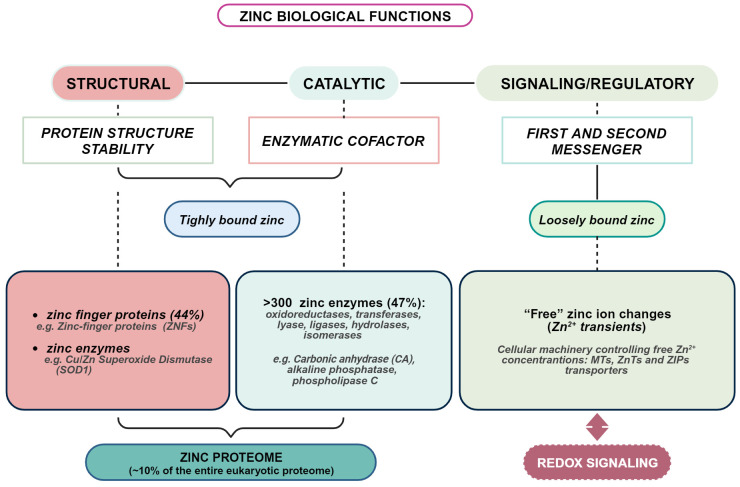
“In plasma, zinc is mainly bound to albumin, a -macroglobulin, and transferrin (31 – 33), while only a very small fraction, less than 2%, is present as free zinc (33).”
BackgroundNitric Oxide Interferes with Islet Cell Zinc Homeostasis
Tartler, U., Kröncke, K., Meyer, K. L., Suschek, C. V., & Kolb-Bachofen, V. (2000) · Nitric Oxide · doi:10.1006/niox.2000.0314 · Cited by 15 · cited 2×
“Prolonged exposure to NO disrupts zinc homeostasis in pancreatic islet cells and reduces the pool of labile zinc (226).”
BackgroundThe effects of transformation and ZnT-1 silencing on zinc homeostasis in cultured cells
Sankavaram, K., & Freake, H. C. (2011) · The Journal of Nutritional Biochemistry · doi:10.1016/j.jnutbio.2011.03.006 · Cited by 14 · cited 1×
“While most ZIPs are localized at the plasma membrane, most ZnTs are localized in the intracellular compartments, except ZnT1, which is on the cell surface, where it functions as the major pathway of zinc ef fl ux and provides control of metal ion levels (242 – 244).”
BackgroundMaret, W. (2014) · Metallomics · doi:10.1039/c4mt90021a · Cited by 14
Chen, C., Chen, L.-K., Huang, T.-Y., Yang, D., Liu, S.-Y., Tsai, P.-J., Chen, T.-H., Lin, H., & Juan, C. (2022) · International Journal of Molecular Sciences · doi:10.3390/ijms23105488 · Cited by 14
THE EFFECT OF FOOD COMPOSITION ON SERUM ZINC
Sweeney, M., Dinsmore, W., McKee, C., & Love, A. H. G. (1986) · Acta Pharmacologica et Toxicologica · doi:10.1111/j.1600-0773.1986.tb02735.x · Cited by 12 · cited 1×
“Most importantly, the extent of the decline in plasma zinc induced by glucose and fat depends on the energy intake rather than the meal composition (81, 86).”
BackgroundLong, J. M., Khandaker, A. M., Sthity, R. A., Westcott, J., Matveev, A., Black, R. E., King, J. C., Islam, K. M., Arifeen, S. E., Ahmed, T., et al. (2022) · Nutrients · doi:10.3390/nu14030481 · Cited by 7 · cited 1×
“The metal ion that makes up this pool is readily mobilized and exchanged with tissues, making zinc available for all functions that require this metal (84).”
BackgroundNishida, K., & Yamasaki, S. (2014) · Springer eBooks · doi:10.1007/978-4-431-55114-0_5 · Cited by 6
Research works printed but not linked: 1
- Institute of Medicine (US) Panel on Micronutrients. Dietary reference intakes for vitamin A, vitamin K, arsenic, boron, chromium, copper, iodine, iron, manganese, molybdenum, nickel, silicon, vanadium, and zinc Vol. 12.. Washington (DC: National Academies Press (US (2001). Available at: https://www.ncbi.nlm.nih.gov/books/NBK222317/. 25057538
Cited by
Zinc and Diabetes: A Connection between Micronutrient and Metabolism
Ahmad, R., Shaju, R., Atfi, A., & Razzaque, M. S. (2024) · Cells · doi:10.3390/cells13161359 · Cited by 77
Zhang, Q., Zhang, Y., Chen, H., Sun, L., Zhang, B., Yue, D., Wang, C., & Zhang, Z.-F. (2024) · Scientific Reports · doi:10.1038/s41598-024-57664-0 · Cited by 56
“They form stable complexes with thiols (sulfur-containing molecules) and proteins, thereby affecting the cellular redox balance 35 .”
BackgroundBarana, L., De Fano, M., Cavallo, M., Manco, M., Prete, D., Fanelli, C. G., Porcellati, F., & Pippi, R. (2025) · Nutrients · doi:10.3390/nu18010131 · Cited by 13
The role of zinc in the premature brain: functions, outcomes and future research perspectives
Chamakioti, M., Brion, L. P., Viswanathan, P., Lair, C. S., & Angelis, D. (2024) · Frontiers in Pediatrics · doi:10.3389/fped.2024.1496846 · Cited by 14
Relationship of SOD-1 Activity in Metabolic Syndrome and/or Frailty in Elderly Individuals
Dzięgielewska-Gęsiak, S., Wysocka, E., Fatyga, E., & Muc‐Wierzgoń, M. (2024) · Metabolites · doi:10.3390/metabo14090514 · Cited by 10
“It was observed that there was reduced SOD-1 activity and zinc concentration in obese men compared to a group of healthy, normal BMI persons [47].”
Result
Metadata
- Authors
- Franco, C., & Canzoniero, L. M. T.
- Affiliations
- University of Sannio (IT)
- Corresponding author
- Canzoniero, Lorella Maria Teresa
- Venue
- Frontiers in Endocrinology
- Publisher
- Frontiers Media SA
- Published
- 2024-01-08
- Volume
- 14
- Pages
- 1273177-1273177
- ISSN
- 1664-2392 (ISSN-L)
- PMC
- PMC10800374
- OpenAlex
- W4390664988
- Cited by
- 31
- References
- 286
- Citations by year
- 2026: 15 · 2025: 7 · 2024: 8
- FWCI
- 1.76
- Type
- journal article
- Language
- en
- Open access
- gold
- doi.org
- Licence
- Locations
- Frontiers in Endocrinology (publishedVersion, cc-by)
- PubMed Central (publishedVersion, cc-by)
- PubMed (publishedVersion)
- DOAJ (DOAJ: Directory of Open Access Journals) (submittedVersion, cc-by-sa)
- Topics
- Health Sciences › Nursing › Nutrition and Dietetics › Trace Elements in Health
- Physical Sciences › Environmental Science › Health, Toxicology and Mutagenesis › Heavy Metal Exposure and Toxicity
- Health Sciences › Medicine › Hematology › Iron Metabolism and Disorders
- Keywords
- zinc homeostasis, redox homeostasis, obesity, zinc transporters, ZIP family, zinc-binding proteins, redox stress
- MeSH terms
- Antioxidants, Homeostasis, Humans, Obesity, Oxidation-Reduction, Zinc
About these checks
Registry, retraction, Cites and statistics results are computed, not judged, with one exception: a printed reference that no index lists is read once by a model before it counts as a citation error. Claims are extracted by a model and kept only when their quote appears verbatim in the text; each cited source is then checked, with a model’s help, for whether it says what the claim relies on. Those verdicts can be wrong — read the claim’s quote and the cited source before relying on one.
Statistics and arithmetic are recomputed, not judged.
Confidence bands are shown only for fields calibrated on our annotated test set. None is calibrated yet, so no band is shown.
What counts as a claim ›How we measure confidence ›How we check this ›
Are you an author, or do you see a problem with this page? Request a review
Data sources
Bibliographic data: Semantic Scholar, OpenAlex, Crossref.
Contains information from the Semantic Scholar Academic Graph Datasets, made available under the ODC Attribution License (ODC-BY 1.0).
Semantic Scholar’s data is described in: Kinney, R., et al. (2023). The Semantic Scholar Open Data Platform. arXiv:2301.10140.
