

Zinc homeostasis and redox alterations in obesity
Open accessThe DOI matches its Crossref record; 284 of the 286 references it cites were found in a registry or an index.
Abstract
Impairment of both cellular zinc and redox homeostasis is a feature of several chronic diseases, including obesity. A significant two-way interaction exists between redox metabolism and the relatively redox-inert zinc ion. Redox metabolism critically influences zinc homeostasis and controls its cellular availability for various cellular functions by regulating zinc exchange from/to zinc-binding proteins. Zinc can regulate redox metabolism and exhibits multiple pro-antioxidant properties. On the other hand, even minor disturbances in zinc status and zinc homeostasis affect systemic and cellular redox homeostasis. At the cellular level, zinc homeostasis is regulated by a multi-layered machinery consisting of zinc-binding molecules, zinc sensors, and two selective families of zinc transporters, the Zinc Transporter (ZnT) and Zrt, Irt-like protein (ZIP). In the present review, we summarize the current state of knowledge on the role of the mutual interaction between zinc and redox homeostasis in physiology and pathophysiology, pointing to the role of zinc in the alterations responsible for redox stress in obesity. Since zinc transporters primarily control zinc homeostasis, we describe how changes in the expression and activity of these zinc-regulating proteins are associated with obesity.
Overview
The claims and statistics of this paper haven’t been checked yet.
Free: it reads the open-access text and checks the first 5 claims that cite a source we can check. Create a free account to check every claim.
Integrity signals
Registry
Cites
Statistics
Figures
Verification
Claims the paper makes
The claims and statistics of this paper haven’t been checked yet.
Free: it reads the open-access text and checks the first 5 claims that cite a source we can check. Create a free account to check every claim.
Claims other papers make about this one
Each is checked against this paper’s own text: does it say what the citing paper says it does?
In the citing paper
“Zinc has anti-oxidative stress and anti-inflammatory functions, and a lack of zinc is related to insulin resistance, hyperleptinemia, and chronic low-grade inflammation [95].”
From Nutrition and Physical Activity in Optimizing Weight Loss and Lean Mass Preservation in the Incretin-Based Medications Era: A Narrative Review (2025) · cites this paper as [95]
Self-check
Percentages, sums and reported differences re-computed from the paper’s own numbers.
The self-check needs the paper’s full text.
Citations
Cites
Free radicals and antioxidants in normal physiological functions and human disease
Valko, M., Leibfritz, D., Moncol, J., Cronin, M. T. D., Mazur, M., & Telser, J. (2007) · The International Journal of Biochemistry & Cell Biology · doi:10.1016/j.biocel.2006.07.001 · Cited by 14,269
Role of Insulin Resistance in Human Disease
Reaven, G. M. (1988) · Diabetes · doi:10.2337/diab.37.12.1595 · Cited by 12,154 · cited 1×
“Resistance to the cellular effects of insulin is a signi fi cant contributor to obesity (125) and gradually leads to a failure of pancreatic b -cell function, which inevitably results in impaired insulin secretion due to a progressive loss of insulin sensitivity of peripheral target tissues.”
BackgroundObesity is associated with macrophage accumulation in adipose tissue
Weisberg, S. P., McCann, D., Desai, M., Rosenbaum, M., Leibel, R. L., & Ferrante, A. W. (2003) · Journal of Clinical Investigation · doi:10.1172/jci200319246 · Cited by 10,041 · cited 2×
“…secretes huge amounts of cytokines and chemokines, collectively de fi ned adipochemokines or adipokines, such as leptin, that promote in fi ltration of adipose tissue by macrophages with subsequent overproduction of RO(N)S and in fl ammatory cytokines, leading to adipose tissue in fl ammation (21, 22).”
BackgroundInflammation and metabolic disorders
Hotamisligil, G. S. (2006) · Nature · doi:10.1038/nature05485 · Cited by 9,199
Biochemistry and molecular cell biology of diabetic complications
Brownlee, M. (2001) · Nature · doi:10.1038/414813a · Cited by 9,107
Serum Immunoreactive-Leptin Concentrations in Normal-Weight and Obese Humans
Considine, R. V., Sinha, M. K., Heiman, M. L., Kriauciunas, A., Stephens, T. W., Nyce, M. R., Ohannesian, J. P., Marco, C. C., McKee, L. J., Bauer, T. L., et al. (1996) · New England Journal of Medicine · doi:10.1056/nejm199602013340503 · Cited by 6,326
Increased oxidative stress in obesity and its impact on metabolic syndrome
Furukawa, S., Fujita, T., Shimabukuro, M., Iwaki, M., Yamada, Y., Nakajima, Y., Nakayama, O., Makishima, M., Matsuda, M., & Shimomura, I. (2004) · Journal of Clinical Investigation · doi:10.1172/jci21625 · Cited by 5,508 · cited 2×
“Similarly, accumulated lipids are themselves targets of oxidation, causing an increase in lipid peroxidation (19).”
BackgroundMechanisms linking obesity to insulin resistance and type 2 diabetes
Kahn, S. E., Hull, R. L., & Utzschneider, K. M. (2006) · Nature · doi:10.1038/nature05482 · Cited by 5,448 · cited 1×
“…attempt to compensate for decreased sensitivity to insulin action by increasing the rate of insulin synthesis and release through hypertrophic and hyperplastic processes in pancreatic b -islets to improve glucose sensing until the compensatory potential of the pancreas is exhausted (126, 127).”
BackgroundReactive oxygen species (ROS) as pleiotropic physiological signalling agents
Sies, H., & Jones, D. P. (2020) · Nature Reviews Molecular Cell Biology · doi:10.1038/s41580-020-0230-3 · Cited by 5,335 · cited 2×
“This is particularly interesting as there is growing evidence that redox signaling is critical for various cellular functions (6, 193).”
BackgroundRole of nrf2 in oxidative stress and toxicity
Ma, Q. (2013) · Annual Review of Pharmacology and Toxicology · doi:10.1146/annurev-pharmtox-011112-140320 · Cited by 4,903
Obesity induces a phenotypic switch in adipose tissue macrophage polarization
Lumeng, C. N., Bodzin, J. L., & Saltiel, A. R. (2007) · Journal of Clinical Investigation · doi:10.1172/jci29881 · Cited by 4,664 · cited 1×
“…secretes huge amounts of cytokines and chemokines, collectively de fi ned adipochemokines or adipokines, such as leptin, that promote in fi ltration of adipose tissue by macrophages with subsequent overproduction of RO(N)S and in fl ammatory cytokines, leading to adipose tissue in fl ammation (21, 22).”
BackgroundKim, H. J., Park, S. Y., Choi, Y. J., Han, S. J., Lee, K. W., & Kim, D. J. (2013) · Hormone Research in Paediatrics · doi:10.1159/000348848 · Cited by 3,048
Hotamisligil, G. S., Peraldi, P., Budavari, A., Ellis, R., White, M. F., & Spiegelman, B. M. (1996) · Science · doi:10.1126/science.271.5249.665 · Cited by 2,630
New genetic loci implicated in fasting glucose homeostasis and their impact on type 2 diabetes risk
DIAGRAM Consortium, Dupuis, J., GIANT Consortium, Global BPgen Consortium, Anders Hamsten on behalf of Procardis Consortium, the MAGIC investigators, Langenberg, C., Prokopenko, I., Saxena, R., Soranzo, N., et al. (2010) · Nature Genetics · doi:10.1038/ng.520 · Cited by 2,166
Sies, H. (2017) · Redox Biology · doi:10.1016/j.redox.2016.12.035 · Cited by 2,148
The neurobiology of zinc in health and disease
Frederickson, C. J., Koh, J.-Y., & Bush, A. I. (2005) · Nature Reviews Neuroscience · doi:10.1038/nrn1671 · Cited by 1,850 · cited 1×
“Well known examples are the zinc released with glutamate at the synaptic level in the central nervous system (180) and zinc delivered with insulin to secretory vesicles released by pancreatic b -cells in response to stimulation with glucose (181).”
BackgroundObesity, Inflammation, and Insulin Resistance
Shoelson, S. E., Herrero, L., & Naaz, A. (2007) · Gastroenterology · doi:10.1053/j.gastro.2007.03.059 · Cited by 1,806
The Essential Toxin: Impact of Zinc on Human Health
Plum, L. M., Rink, L., & Haase, H. (2010) · International Journal of Environmental Research and Public Health · doi:10.3390/ijerph7041342 · Cited by 1,577 · cited 2×
“Adverse effects of high zinc intake include nausea, dizziness, headache, upset stomach, vomiting, loss of appetite, and lower immunity (65).”
BackgroundGut microbiome and serum metabolome alterations in obesity and after weight-loss intervention
Liu, R., Hong, J., Xu, X., Feng, Q., Zhang, D., Gu, Y., Shi, J., Zhao, S., Liu, W., Wang, X., et al. (2017) · Nature Medicine · doi:10.1038/nm.4358 · Cited by 1,501 · cited 1×
“This aspect is of great interest considering that dysbiosis of the gut microbiome is causally associated with obesity in humans (78 – 80).”
BackgroundZinc and its importance for human health: An integrative review.
Roohani, N., Hurrell, R. F., Kelishadi, R., & Schulin, R. (2013) · PubMed Central · Cited by 1,424
Leptin regulates proinflammatory immune responses
Loffreda, S., Yang, S. Q., Lin, H. Z., Karp, C. L., Brengman, M. L., Wang, D. J., Klein, A. S., Bulkley, G. B., Bao, C., Noble, P. W., et al. (1998) · The FASEB Journal · doi:10.1096/fasebj.12.1.57 · Cited by 1,251
Kambe, T., Tsuji, T., Hashimoto, A., & Itsumura, N. (2015) · Physiological Reviews · doi:10.1152/physrev.00035.2014 · Cited by 1,158 · cited 3×
“The cooperative regulation of MTs and ZnT transporters, whose expression is tissue-and cell-speci fi c, is essential for zinc homeostasis (35).”
BackgroundZinc requirements and the risks and benefits of zinc supplementation
Maret, W., & Sandstead, H. H. (2006) · Journal of Trace Elements in Medicine and Biology · doi:10.1016/j.jtemb.2006.01.006 · Cited by 1,119 · cited 2×
“However, slightly inadequate zinc intake is also observed in young children and the elderly over 69 years of age in developed countries (42, 52), suggesting that many factors interact to cause zinc de fi ciency (53).”
BackgroundCounting the Zinc-Proteins Encoded in the Human Genome
Andreini, C., Banci, L., Bertini, I., & Rosato, A. (2006) · Journal of Proteome Research · doi:10.1021/pr050361j · Cited by 1,109 · cited 1×
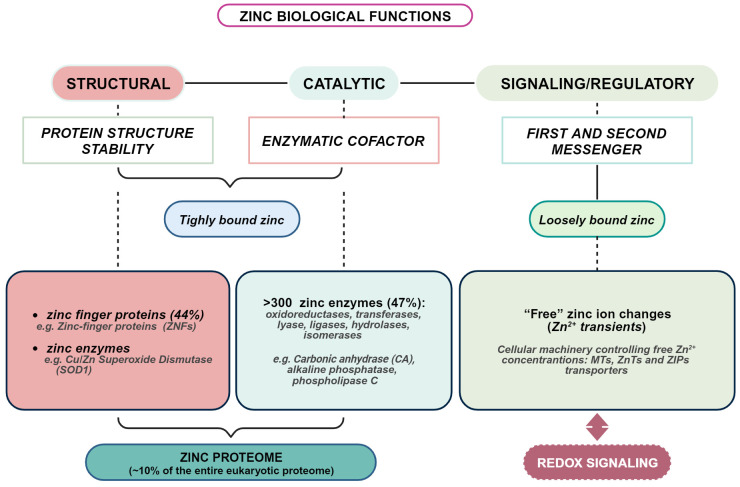
“Such high intracellular concentration is substantiated by the fact that a huge number of proteins requires zinc: about 1 in 10 proteins (~3000 proteins) contains a zinc-binding motif (39).”
BackgroundReversible oxidation and inactivation of protein tyrosine phosphatases in vivo
Meng, T.-C., Fukada, T., & Tonks, N. K. (2002) · Molecular Cell · doi:10.1016/s1097-2765(02)00445-8 · Cited by 1,040 · cited 1×
“Namely, H 2 O 2 can trigger biochemical modi fi cations through oxidation of the reduced cysteine thiol side chains of protein tyrosine phosphatases (PTPs) that negatively regulate insulin signal transduction, leading to their inactivation (14, 16).”
BackgroundDietary Factors Influencing Zinc Absorption
Lönnerdal, B. (2000) · The Journal of Nutrition · doi:10.1093/jn/130.5.1378s · Cited by 1,034
The Role of Zinc in Growth and Cell Proliferation
MacDonald, R. S. (2000) · The Journal of Nutrition · doi:10.1093/jn/130.5.1500s · Cited by 954 · cited 1×
“Maintaining cellular zinc levels within an appropriate range is critical, as even a slight de fi ciency or excess can signi fi cantly affect human growth, health, and well-being (40, 41) (Figure 1).”
BackgroundZinc in Human Health: Effect of Zinc on Immune Cells
Prasad, A. S. (2008) · Molecular Medicine · doi:10.2119/2008-00033.prasad · Cited by 922 · cited 1×
“Indeed, zinc availability supports and in fl uences both humoral and cell-mediated immune responses, affects many aspects of the immune system, and contributes to the maintenance of immune system functions, including the in fl ammatory response (165 – 168).”
BackgroundDiscovery of Human Zinc Deficiency: Its Impact on Human Health and Disease
Prasad, A. S. (2013) · Advances in Nutrition · doi:10.3945/an.112.003210 · Cited by 919 · cited 2×
“It is now apparent that, among other biological functions, zinc regulates appetite, modulating leptin production (55, 104, 142, 143).”
BackgroundHydrogen peroxide sensing, signaling and regulation of transcription factors
Marinho, H. S., Real, C., Cyrne, L., Soares, H., & Antunes, F. (2014) · Redox Biology · doi:10.1016/j.redox.2014.02.006 · Cited by 850
ROS-dependent signal transduction
Reczek, C. R., & Chandel, N. S. (2015) · Current Opinion in Cell Biology · doi:10.1016/j.ceb.2014.09.010 · Cited by 849 · cited 1×
“Hence, as with other signaling molecules, the generation of RO(N)S is regulated to avoid RO(N) S concentrations higher than those tolerated by cells (8).”
Background[69] Overview of metallothionein
Kägi, J. H. R. (1991) · Methods in Enzymology · doi:10.1016/0076-6879(91)05145-l · Cited by 811 · cited 1×
“Although important, either the binding af fi nity or even cellular expression of MTs alone is suf fi cient to account for total cellular zinc buffering while ensuring maintenance of zinc concentration at a critical level and subsequent return to baseline (235).”
BackgroundLinking Gut Microbiota and Inflammation to Obesity and Insulin Resistance
Saad, M. J. A., Santos, A., & Prada, P. O. (2016) · Physiology · doi:10.1152/physiol.00041.2015 · Cited by 810 · cited 1×
“This aspect is of great interest considering that dysbiosis of the gut microbiome is causally associated with obesity in humans (78 – 80).”
BackgroundZinc and its role in immunity and inflammation
Bonaventura, P., Benedetti, G., Albarède, F., & Miossec, P. (2015) · Autoimmunity Reviews · doi:10.1016/j.autrev.2014.11.008 · Cited by 798 · cited 1×
“Indeed, zinc availability supports and in fl uences both humoral and cell-mediated immune responses, affects many aspects of the immune system, and contributes to the maintenance of immune system functions, including the in fl ammatory response (165 – 168).”
BackgroundFunctional analysis of Nox4 reveals unique characteristics compared to other NADPH oxidases
Martyn, K. D., Frederick, L. M., von Loehneysen, K., Dinauer, M. C., & Knaus, U. G. (2006) · Cellular Signalling · doi:10.1016/j.cellsig.2005.03.023 · Cited by 783 · cited 1×
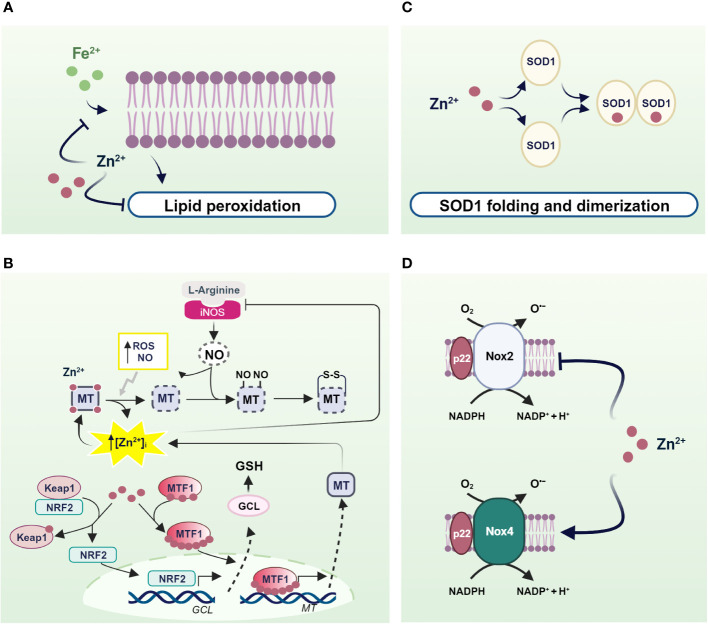
“Moreover, unlike other members of the Nox family, Nox4 is constitutively activated, suggesting that it is actively involved in generating ROS, which plays a second messenger role in numerous physiological and biochemical processes (215).”
BackgroundZinc in the physiology and pathology of the CNS
Sensi, S. L., Paoletti, P., Bush, A. I., & Sekler, I. (2009) · Nature Reviews Neuroscience · doi:10.1038/nrn2734 · Cited by 759 · cited 1×
“Zinc is critically involved in cell proliferation, differentiation, survival, apoptosis, and neurotransmission (36, 37).”
BackgroundZinc as a Gatekeeper of Immune Function
Wessels, I., Maywald, M., & Rink, L. (2017) · Nutrients · doi:10.3390/nu9121286 · Cited by 747 · cited 3×
“Accordingly, both severe and mild zinc de fi ciency can weaken the immune system (61).”
BackgroundChausmer, A. B. (1998) · Journal of the American College of Nutrition · doi:10.1080/07315724.1998.10718735 · Cited by 734 · cited 1×
“In addition, chronic diseases such as diabetes, gastrointestinal, liver, and kidney diseases, or infections are considered important risk factors for zinc de fi ciency (54 – 56).”
BackgroundRecent aspects of the effects of zinc on human health
Chasapis, C. T., Ntoupa, P.-S. A., Spiliopoulou, C. A., & Stefanidou, M. E. (2020) · Archives of Toxicology · doi:10.1007/s00204-020-02702-9 · Cited by 702
Kalra, S. P., Dube, M. G., Sahu, A., Phelps, C. P., & Kalra, P. S. (1991) · Proceedings of the National Academy of Sciences · doi:10.1073/pnas.88.23.10931 · Cited by 668 · cited 1×
“…acting on the hypothalamus to diminish food intake and increase energy expenditure to maintain constant adipose tissue mass. Brain leptin controls the hypothalamic production of a central appetite-regulating neuropeptide called neuropeptide Y (NPY), which, in turn, stimulates appetite (140, 141).”
BackgroundDiabetes mellitus and free radicals
Wolff, S. P. (1993) · British Medical Bulletin · doi:10.1093/oxfordjournals.bmb.a072637 · Cited by 660 · cited 1×
“Impaired glucose utilization favors the occurrence of hyperglycemia, which enhances OS by oxidative degradation of glucose through autoxidation processes (18).”
BackgroundBioavailability of iron, zinc, and other trace minerals from vegetarian diets
Hunt, J. R. (2003) · The American Journal of Clinical Nutrition · doi:10.1093/ajcn/78.3.633s · Cited by 637
Functions of zinc in signaling, proliferation and differentiation of mammalian cells
Beyersmann, D., & Haase, H. (2001) · Biometals · doi:10.1023/a:1012905406548 · Cited by 635
A critical physiological role of zinc in the structure and function of biomembranes
Bettger, W. J., & O'Dell, B. L. (1981) · Life Sciences · doi:10.1016/0024-3205(81)90374-x · Cited by 634
From Blood Monocytes to Adipose Tissue-Resident Macrophages
Curat, C. A., Miranville, A., Sengenès, C., Diehl, M., Tonus, C., Busse, R., & Bouloumié, A. (2004) · Diabetes · doi:10.2337/diabetes.53.5.1285 · Cited by 600
Liuzzi, J. P., Lichten, L. A., Rivera, S., Blanchard, R. K., Aydemir, T. B., Knutson, M. D., Ganz, T., & Cousins, R. J. (2005) · Proceedings of the National Academy of Sciences · doi:10.1073/pnas.0502257102 · Cited by 594
Zinc is a novel intracellular second messenger
Yamasaki, S., Sakata-Sogawa, K., Hasegawa, A., Suzuki, T., Kabu, K., Sato, E., Kurosaki, T., Yamashita, S., Tokunaga, M., Nishida, K., et al. (2007) · The Journal of Cell Biology · doi:10.1083/jcb.200702081 · Cited by 592
Prasad, A. S., Miale, A., FARID, Z., Sandstead, H. H., & Schulert, A. R. (1963) · PubMed · Cited by 586
Reactive oxygen species enhance insulin sensitivity
Loh, K., Deng, H., Fukushima, A., Cai, X., Boivin, B., Galic, S., Bruce, C., Shields, B. J., Skiba, B., Ooms, L. M., et al. (2009) · Cell Metabolism · doi:10.1016/j.cmet.2009.08.009 · Cited by 581
Zinc status is associated with inflammation, oxidative stress, lipid, and glucose metabolism
Olechnowicz, J., Tinkov, A., Skalny, A., & Suliburska, J. (2018) · The Journal of Physiological Sciences · doi:10.1007/s12576-017-0571-7 · Cited by 557
The Common and Distinct Features of Brown and Beige Adipocytes
Ikeda, K., Maretich, P., & Kajimura, S. (2018) · Trends in Endocrinology & Metabolism · doi:10.1016/j.tem.2018.01.001 · Cited by 543 · cited 1×
“They derive from the browning of white adipose cells in visceral tissue and display functional properties intermediate between brown (BAT) and white adipocytes (270).”
BackgroundKang, M.-I., Kobayashi, A., Wakabayashi, N., Kim, S.-G., & Yamamoto, M. (2004) · Proceedings of the National Academy of Sciences · doi:10.1073/pnas.0308347100 · Cited by 534
The role of assembly in insulin's biosynthesis
Dodson, G., & Steiner, D. (1998) · Current Opinion in Structural Biology · doi:10.1016/s0959-440x(98)80037-7 · Cited by 524 · cited 1×
“In particular, zinc is stoichiometrically associated with insulin molecules in the secretory granules of pancreatic b -cells to maintain the crystalline structure of insulin and prevent its degradation by the action of proteolytic enzymes (113, 114).”
BackgroundMahadev, K., Motoshima, H., Wu, X., Ruddy, J. M., Arnold, R. S., Cheng, G., Lambeth, J. D., & Goldstein, B. J. (2004) · Molecular and Cellular Biology · doi:10.1128/mcb.24.5.1844-1854.2004 · Cited by 513
Mahadev, K., Zilbering, A., Zhu, L., & Goldstein, B. J. (2001) · Journal of Biological Chemistry · doi:10.1074/jbc.c100109200 · Cited by 509 · cited 2×
“Namely, H 2 O 2 can trigger biochemical modi fi cations through oxidation of the reduced cysteine thiol side chains of protein tyrosine phosphatases (PTPs) that negatively regulate insulin signal transduction, leading to their inactivation (14, 16).”
BackgroundInfluentialSahu, A., Kalra, P. S., & Kalra, S. P. (1988) · Peptides · doi:10.1016/0196-9781(88)90013-7 · Cited by 503 · cited 1×
“…acting on the hypothalamus to diminish food intake and increase energy expenditure to maintain constant adipose tissue mass. Brain leptin controls the hypothalamic production of a central appetite-regulating neuropeptide called neuropeptide Y (NPY), which, in turn, stimulates appetite (140, 141).”
BackgroundObesity-Associated Oxidative Stress: Strategies Finalized to Improve Redox State
Savini, I., Catani, M., Evangelista, D., Gasperi, V., & Avigliano, L. (2013) · International Journal of Molecular Sciences · doi:10.3390/ijms140510497 · Cited by 503
Zinc is an Antioxidant and Anti-Inflammatory Agent: Its Role in Human Health
Prasad, A. S. (2014) · Frontiers in Nutrition · doi:10.3389/fnut.2014.00014 · Cited by 489 · cited 1×
“More interesting is the fact that zinc is an anti-in fl ammatory agent that is able to reduce cytokine production (169) and zinc de fi ciency is not only associated with immune de fi ciencies but can also cause systemic in fl ammation (97).”
BackgroundAbdominal Subcutaneous Adipose Tissue: A Protective Fat Depot?
Porter, S. A., Massaro, J. M., Hoffmann, U., Vasan, R. S., O'Donnel, C. J., & Fox, C. S. (2009) · Diabetes Care · doi:10.2337/dc08-2280 · Cited by 487 · cited 1×
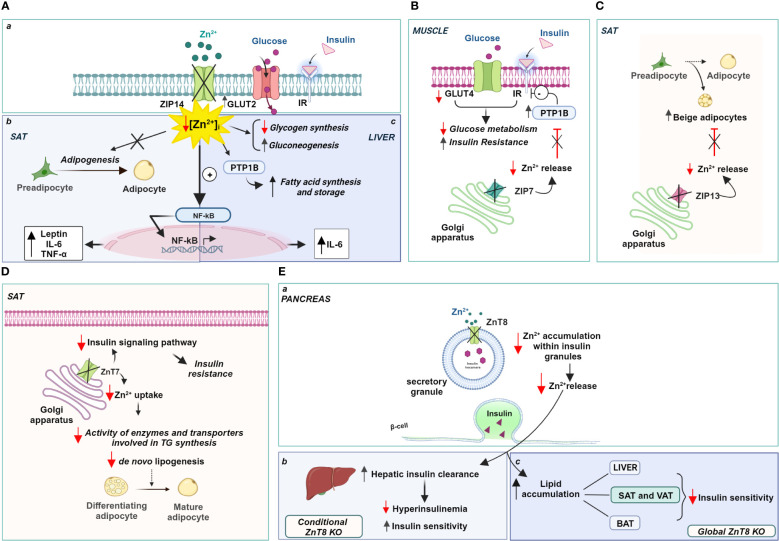
“In light of these fi ndings, it can be argued that the higher expression of ZnT7 in SAT appears to confer unique properties to this fat depot that predispose it to the accumulation of excess fat, reducing the risk of developing metabolic abnormalities associated with obesity (277).”
BackgroundControl of zinc transfer between thionein, metallothionein, and zinc proteins
Jacob, C., Maret, W., & Vallee, B. L. (1998) · Proceedings of the National Academy of Sciences · doi:10.1073/pnas.95.7.3489 · Cited by 466 · cited 1×
“Because of the coupling of zinc binding/release with the ionization state of thiol groups of MTs display two major functions, namely zinc acceptor and zinc donor (190, 191).”
BackgroundCritical Role of Zinc as Either an Antioxidant or a Prooxidant in Cellular Systems
Lee, S. R. (2018) · Oxidative Medicine and Cellular Longevity · doi:10.1155/2018/9156285 · Cited by 458 · cited 1×
“Although zinc is relatively redox-inert in living organisms, it can regulate redox metabolism and exhibits several pro-antioxidant properties (26).”
BackgroundCastell, J. V., Gómez-Lechón, M. J., David, M., Hirano, T., Kishimoto, T., & Heinrich, P. C. (1988) · FEBS Letters · doi:10.1016/0014-5793(88)80766-x · Cited by 452
Zinc in Cellular Regulation: The Nature and Significance of “Zinc Signals”
Maret, W. (2017) · International Journal of Molecular Sciences · doi:10.3390/ijms18112285 · Cited by 449 · cited 4×
“Remarkably, extracellular and intracellular zinc signals trigger a zinc burst, but the time scale of zinc release from intracellular stores is slightly slower than that of extracellular zinc fl ux (116, 187).”
BackgroundInfluentialMcMahon, M., Lamont, D. J., Beattie, K. A., & Hayes, J. D. (2010) · Proceedings of the National Academy of Sciences · doi:10.1073/pnas.1007387107 · Cited by 443 · cited 1×
“As a result of various stimuli, the Nrf2/Keap1 complex can be dissociated and Nrf2 is free to migrate to the nucleus (207).”
BackgroundOxidative stress and potential interventions to reduce oxidative stress in overweight and obesity
Vincent, H. K., Innes, K. E., & Vincent, K. R. (2007) · Diabetes, Obesity and Metabolism · doi:10.1111/j.1463-1326.2007.00692.x · Cited by 432
Cytosolic zinc buffering and muffling: Their role in intracellular zinc homeostasis
Colvin, R. A., Holmes, W. R., Fontaine, C. P., & Maret, W. (2010) · Metallomics · doi:10.1039/b926662c · Cited by 428 · cited 2×
“In addition to the plasma membrane, zinc-transporting proteins have been found on ER membranes, in mitochondria, in the Golgi apparatus, intracellular vesicles, and lysosomes; in contrast, the nuclear membrane appears to be devoid of speci fi c zinc transporters (237).”
BackgroundRoles of Mitochondria in Health and Disease
Duchen, M. R. (2004) · Diabetes · doi:10.2337/diabetes.53.2007.s96 · Cited by 425
The Function of Zinc Metallothionein: A Link between Cellular Zinc and Redox State
Maret, W. (2000) · The Journal of Nutrition · doi:10.1093/jn/130.5.1455s · Cited by 416
Insulin resistance and pancreatic cell failure
Kasuga, M. (2006) · Journal of Clinical Investigation · doi:10.1172/jci29189 · Cited by 412 · cited 1×
“…attempt to compensate for decreased sensitivity to insulin action by increasing the rate of insulin synthesis and release through hypertrophic and hyperplastic processes in pancreatic b -islets to improve glucose sensing until the compensatory potential of the pancreas is exhausted (126, 127).”
BackgroundObesity, Fat Mass and Immune System: Role for Leptin
Francisco, V., Pino, J., Campos-Cabaleiro, V., Ruiz-Fernández, C., Mera, A., Gonzalez-Gay, M. A., Gómez, R., & Gualillo, O. (2018) · Frontiers in Physiology · doi:10.3389/fphys.2018.00640 · Cited by 411 · cited 1×
“Leptin acts as a modulator of the innate and adaptive immune response and has immunological activity functioning as cytokine (158 – 160).”
BackgroundThe Functions of Metallothionein and ZIP and ZnT Transporters: An Overview and Perspective
Kimura, T., & Kambe, T. (2016) · International Journal of Molecular Sciences · doi:10.3390/ijms17030336 · Cited by 409
The Transcription Factor MTF-1 Mediates Metal Regulation of the Mouse ZnT1 Gene
Langmade, S. J., Ravindra, R., Daniels, P. J., & Andrews, G. K. (2000) · Journal of Biological Chemistry · doi:10.1074/jbc.m007339200 · Cited by 405
Interactions between mitochondrial reactive oxygen species and cellular glucose metabolism
Liemburg-Apers, D. C., Willems, P. H. G. M., Koopman, W. J. H., & Grefte, S. (2015) · Archives of Toxicology · doi:10.1007/s00204-015-1520-y · Cited by 391
Islet β-cell secretion determines glucagon release from neighbouring α-cells
Ishihara, H., Maechler, P., Gjinovci, A., Herrera, P.-L., & Wollheim, C. B. (2003) · Nature Cell Biology · doi:10.1038/ncb951 · Cited by 383 · cited 2×
“Similar to calcium, eukaryotic cells store zinc ions in some cellular compartments where they perform important functions, and they can be released in response to various stimuli (181 – 186).”
BackgroundNicolson, T. J., Bellomo, E. A., Wijesekara, N., Loder, M. K., Baldwin, J. M., Gyulkhandanyan, A. V., Koshkin, V., Tarasov, A. I., Carzaniga, R., Kronenberger, K., et al. (2009) · Diabetes · doi:10.2337/db09-0551 · Cited by 375
Impact of micronutrient deficiencies on obesity
García, O. P., Long, K. Z., & Rosado, J. L. (2009) · Nutrition Reviews · doi:10.1111/j.1753-4887.2009.00228.x · Cited by 373
The antioxidant properties of zinc: interactions with iron and antioxidants
Zago, M. P., & Oteiza, P. I. (2001) · Free Radical Biology and Medicine · doi:10.1016/s0891-5849(01)00583-4 · Cited by 371 · cited 1×
“In particular, it competes with redox-active metals such as iron and copper, preventing the formation of highly oxidant lipid peroxides (198 – 200) (Figure 2A).”
BackgroundLeptin in inflammation and autoimmunity
La Cava, A. (2017) · Cytokine · doi:10.1016/j.cyto.2016.10.011 · Cited by 342
Functional Significance of Zinc-Related Signaling Pathways in Immune Cells
Haase, H., & Rink, L. (2009) · Annual Review of Nutrition · doi:10.1146/annurev-nutr-080508-141119 · Cited by 326
Cellular zinc sensors: MTF-1 regulation of gene expression
Andrews, G. K. (2001) · Biometals · doi:10.1023/a:1012932712483 · Cited by 325 · cited 1×
“In contrast, cysteine-sulfur reduction leads to binding of zinc to MTs. Zinc released by MTs promotes further expression of MTs via the transcription factor Metal Regulatory Transcription Factor 1 (MTF1), which acts as a sensor of labile zinc levels (194, 195), to reduce zinc availability.”
BackgroundNutritional Deficiencies in Morbidly Obese Patients: A New Form of Malnutrition?: Part A: Vitamins
Kaidar-Person, O., Person, B., Szomstein, S., & Rosenthal, R. J. (2008) · Obesity Surgery · doi:10.1007/s11695-007-9349-y · Cited by 325
Increased oxidative stress and hypozincemia in male obesity
Ozata, M., Mergen, M., Oktenli, C., Aydin, A., Yavuz Sanisoglu, S., Bolu, E., Yilmaz, M. I., Sayal, A., Isimer, A., & Ozdemir, I. C. (2002) · Clinical Biochemistry · doi:10.1016/s0009-9120(02)00363-6 · Cited by 320
Vitamin status in morbidly obese patients: a cross-sectional study
Aasheim, E. T., Hofsø, D., Hjelmesæth, J., Birkeland, K. I., & Bøhmer, T. (2008) · The American Journal of Clinical Nutrition · doi:10.1093/ajcn/87.2.362 · Cited by 316 · cited 1×
“In fact, obese individuals frequently experience low levels of carotenoids, vitamins A, B6, C, D, and E (3, 4), as well as de fi ciency in selenium, magnesium, iron, and zinc microelements (4, 5).”
BackgroundRegulation of the zinc transporter ZnT-1 by dietary zinc
McMahon, R. J., & Cousins, R. J. (1998) · Proceedings of the National Academy of Sciences · doi:10.1073/pnas.95.9.4841 · Cited by 316
Maywald, M., Wessels, I., & Rink, L. (2017) · International Journal of Molecular Sciences · doi:10.3390/ijms18102222 · Cited by 309
Zinc Coordination Environments in Proteins as Redox Sensors and Signal Transducers
Maret, W. (2006) · Antioxidants & Redox Signaling · doi:10.1089/ars.2006.8.1419 · Cited by 307
Leptin resistance: underlying mechanisms and diagnosis
Gruzdeva, O., Borodkina, D., Uchasova, E., Dyleva, Y., & Barbarash, O. (2019) · Diabetes, Metabolic Syndrome and Obesity: Targets and Therapy · doi:10.2147/dmso.s182406 · Cited by 299
Jiang, L.-J., Maret, W., & Vallee, B. L. (1998) · Proceedings of the National Academy of Sciences · doi:10.1073/pnas.95.7.3483 · Cited by 294 · cited 1×
“In fact, GSH binding to MTs provokes an increase in labile zinc levels affecting MT conformation and displacing zinc from its binding sites (210).”
BackgroundCAULFIELD, L. E., RICHARD, S. A., & BLACK, R. E. (2004) · The American Journal of Tropical Medicine and Hygiene · doi:10.4269/ajtmh.2004.71.55 · Cited by 292
Rink, L., & Haase, H. (2007) · Trends in Immunology · doi:10.1016/j.it.2006.11.005 · Cited by 291
Tang, X.-H., & Shay, N. F. (2001) · The Journal of Nutrition · doi:10.1093/jn/131.5.1414 · Cited by 288 · cited 1×
“Moreover, zinc promotes the action of insulin (116, 117) by lowering blood glucose levels and sensitizing target cells in muscle, liver, and adipose tissue to insulin signaling and exerting a regulatory function on various signaling cascades (118 – 122).”
BackgroundDual Nanomolar and Picomolar Zn(II) Binding Properties of Metallothionein
Krȩżel, A., & Maret, W. (2007) · Journal of the American Chemical Society · doi:10.1021/ja071979s · Cited by 283
Delibegovic, M., Zimmer, D., Kauffman, C., Rak, K., Hong, E.-G., Cho, Y.-R., Kim, J. K., Kahn, B. B., Neel, B. G., & Bence, K. K. (2009) · Diabetes · doi:10.2337/db08-0913 · Cited by 280
Kroncke, K. D., Fehsel, K., Schmidt, T., Zenke, F. T., Dasting, I., Wesener, J. R., Bettermann, H., Breunig, K. D., & Kolbbachofen, V. (1994) · Biochemical and Biophysical Research Communications · doi:10.1006/bbrc.1994.1564 · Cited by 278
Cell death and inflammation during obesity: “Know my methods, WAT(son)”
Hildebrandt, X., Ibrahim, M., & Peltzer, N. (2023) · Cell Death & Differentiation · doi:10.1038/s41418-022-01062-4 · Cited by 277
Role of leptin as a link between metabolism and the immune system
Pérez-Pérez, A., Vilariño-García, T., Fernández-Riejos, P., Martín-González, J., Segura-Egea, J. J., & Sánchez-Margalet, V. (2017) · Cytokine & Growth Factor Reviews · doi:10.1016/j.cytogfr.2017.03.001 · Cited by 273
Zinc-Altered Immune Function and Cytokine Production
Rink, L., & Kirchner, H. (2000) · The Journal of Nutrition · doi:10.1093/jn/130.5.1407s · Cited by 271
ZnT7, a Novel Mammalian Zinc Transporter, Accumulates Zinc in the Golgi Apparatus
Kirschke, C. P., & Huang, L. (2003) · Journal of Biological Chemistry · doi:10.1074/jbc.m207644200 · Cited by 271
Haase, H., & Maret, W. (2003) · Experimental Cell Research · doi:10.1016/s0014-4827(03)00406-3 · Cited by 270
Laity, J. H., & Andrews, G. K. (2007) · Archives of Biochemistry and Biophysics · doi:10.1016/j.abb.2007.03.019 · Cited by 267 · cited 1×
“The expression and cellular distribution of several physiological mediators regulating MTs and speci fi c ZnT and ZIP proteins are strictly regulated by zinc availability (248, 249).”
BackgroundTaylor, K. M., Hiscox, S., Nicholson, R. I., Hogstrand, C., & Kille, P. (2012) · Science Signaling · doi:10.1126/scisignal.2002585 · Cited by 266
Beyond repression of Nrf2: An update on Keap1
Kopacz, A., Kloska, D., Forman, H. J., Jozkowicz, A., & Grochot-Przeczek, A. (2020) · Free Radical Biology and Medicine · doi:10.1016/j.freeradbiomed.2020.03.023 · Cited by 265
Clinical Manifestations of Zinc Deficiency
Prasad, A. S. (1985) · Annual Review of Nutrition · doi:10.1146/annurev.nu.05.070185.002013 · Cited by 264 · cited 4×
“As a result, severe zinc de fi ciency leads to serious complications such as immune system dysfunction with recurrent infections, growth retardation, weight loss, alopecia, diarrhea, dermatitis, hypogonadism, hematologic abnormalities, mental disorders, and increased oxidative stress (55, 59 – 61).”
BackgroundInfluentialEmdin, S. O., Dodson, G. G., Cutfield, J. M., & Cutfield, S. M. (1980) · Diabetologia · doi:10.1007/bf00275265 · Cited by 257
Kambe, T., Narita, H., Yamaguchi-Iwai, Y., Hirose, J., Amano, T., Sugiura, N., Sasaki, R., Mori, K., Iwanaga, T., & Nagao, M. (2002) · Journal of Biological Chemistry · doi:10.1074/jbc.m200910200 · Cited by 254
Zinc metallothionein imported into liver mitochondria modulates respiration
Ye, B., Maret, W., & Vallee, B. L. (2001) · Proceedings of the National Academy of Sciences · doi:10.1073/pnas.041619198 · Cited by 254
Analyzing free zinc(ii) ion concentrations in cell biology with fluorescent chelating molecules
Maret, W. (2015) · Metallomics · doi:10.1039/c4mt00230j · Cited by 247 · cited 1×
“Estimates place overall intracellular zinc concentration between 200-300 m M, depending on cell type (38).”
BackgroundWeight Gain Induced by High‐Fat Feeding Involves Increased Liver Oxidative Stress
Milagro, F. I., Campión, J., & Martínez, J. A. (2006) · Obesity · doi:10.1038/oby.2006.128 · Cited by 244
Wu, Y., Li, H., Loos, R. J. F., Yu, Z., Ye, X., Chen, L., Pan, A., Hu, F. B., & Lin, X. (2008) · Diabetes · doi:10.2337/db08-0047 · Cited by 240
Crystal Structures of Zinc-free and -bound Heme Domain of Human Inducible Nitric-oxide Synthase
Li, H., Raman, C. S., Glaser, C. B., Blasko, E., Young, T. A., Parkinson, J. F., Whitlow, M., & Poulos, T. L. (1999) · Journal of Biological Chemistry · doi:10.1074/jbc.274.30.21276 · Cited by 240 · cited 1×
“Moreover, zinc is not only a critical structural component of all isoforms of nitric oxide synthase (NOS) (217, 218) but also a key player in regulating both their expression and activity.”
BackgroundZinc Lowers High-Density Lipoprotein-Cholesterol Levels
Hooper, P. L. (1980) · JAMA: The Journal of the American Medical Association · doi:10.1001/jama.1980.03310170058030 · Cited by 238 · cited 1×
“It is also known that intake of very high doses of zinc supplements can impair the HDL: LDL ratio and copper absorption, resulting in decreased serum levels of HDL and copper, respectively (69 – 71).”
BackgroundThe diabetes-susceptible gene SLC30A8/ZnT8 regulates hepatic insulin clearance
Tamaki, M., Fujitani, Y., Hara, A., Uchida, T., Tamura, Y., Takeno, K., Kawaguchi, M., Watanabe, T., Ogihara, T., Fukunaka, A., et al. (2013) · Journal of Clinical Investigation · doi:10.1172/jci68807 · Cited by 238
Multiple impacts of zinc on immune function
Haase, H., & Rink, L. (2014) · Metallomics · doi:10.1039/c3mt00353a · Cited by 237 · cited 1×
“Indeed, of all total 2-3 g of body zinc, only 0.1% is present in the plasma, most of which is bound to proteins, whereas the remaining 99.9% is con fi ned within cells (30).”
BackgroundInfluentialTaylor, K. M., Vichova, P., Jordan, N., Hiscox, S., Hendley, R., & Nicholson, R. I. (2008) · Endocrinology · doi:10.1210/en.2008-0351 · Cited by 236
The redox biology of redox-inert zinc ions
Maret, W. (2019) · Free Radical Biology and Medicine · doi:10.1016/j.freeradbiomed.2019.01.006 · Cited by 236 · cited 1×
“This two-way interaction between redox metabolism and zinc ion entails that even small perturbations in zinc status and zinc homeostasis can affect cellular and systemic redox homeostasis (27).”
BackgroundZinc transporters and their functional integration in mammalian cells
Kambe, T., Taylor, K. M., & Fu, D. (2021) · Journal of Biological Chemistry · doi:10.1016/j.jbc.2021.100320 · Cited by 235 · cited 1×
“They belong to two complementary protein families: the Zinc Transporter (ZnT) and the Zrt, Irt-like Protein (ZIP), which in humans are encoded by the Slc30a1-10 and Slc39a1-14 genes, respectively (241).”
BackgroundInsulin-stimulated intracellular hydrogen peroxide production in rat epididymal fat cells
May, J. M., & de Haën, C. (1979) · Journal of Biological Chemistry · doi:10.1016/s0021-9258(17)30209-0 · Cited by 234
Oxidative Stress in Pancreatic Beta Cell Regeneration
Wang, J., & Wang, H. (2017) · Oxidative Medicine and Cellular Longevity · doi:10.1155/2017/1930261 · Cited by 233 · cited 1×
“On the other hand, NO as well as other free radicals have been shown to play a key role in the dysfunction and damage of pancreatic b -cells in diabetes, in part due to the intrinsic susceptibility of b -cells to OS (227).”
BackgroundKroder, G., Bossenmaier, B., Kellerer, M., Capp, E., Stoyanov, B., Mühlhöfer, A., Berti, L., Horikoshi, H., Ullrich, A., & Häring, H. (1996) · Journal of Clinical Investigation · doi:10.1172/jci118569 · Cited by 222
Maret, W. (2011) · BioMetals · doi:10.1007/s10534-010-9406-1 · Cited by 218 · cited 1×
“It is based on the ability of MT to attenuate the increase in cytosolic zinc by translocating into cells and supplying zinc to their speci fi c transporters located at the plasma membrane or the membrane of subcellular compartments when the concentration of free zinc is elevated (236, 237).”
BackgroundRegulation by cytokines of the inducible nitric oxide synthase promoter in insulin-producing cells
Darville, M. I., & Eizirik, D. L. (1998) · Diabetologia · doi:10.1007/s001250051036 · Cited by 218 · cited 1×
“In contrast, cytokines induce iNOS expression in islet b -cells in response to in fl ammatory stimuli, resulting in the production of an excessive amount of NO (228), which is directly involved in cytokine-mediated inhibition of insulin secretion and islet degeneration (229).”
BackgroundThe Metallothionein/Thionein System: An Oxidoreductive Metabolic Zinc Link
Bell, S. G., & Vallee, B. L. (2009) · ChemBioChem · doi:10.1002/cbic.200800511 · Cited by 217 · cited 2×
“Once oxidized or reduced, the thiol groups release or bind zinc (188).”
BackgroundChronic Zinc Deficiency Alters Chick Gut Microbiota Composition and Function
Reed, S., Neuman, H., Moscovich, S., Glahn, R., Koren, O., & Tako, E. (2015) · Nutrients · doi:10.3390/nu7125497 · Cited by 213
St. Croix, C. M., Wasserloos, K. J., Dineley, K. E., Reynolds, I. J., Levitan, E. S., & Pitt, B. R. (2002) · American Journal of Physiology-Lung Cellular and Molecular Physiology · doi:10.1152/ajplung.00267.2001 · Cited by 212
Binding of zinc to amino acids and serum proteins in vitro.
Prasad, A. S., & Oberleas, D. (1970) · PubMed · Cited by 209
Kinetic analysis of zinc metabolism and its regulation in normal humans
Wastney, M. E., Aamodt, R. L., Rumble, W. F., & Henkin, R. I. (1986) · American Journal of Physiology-Regulatory, Integrative and Comparative Physiology · doi:10.1152/ajpregu.1986.251.2.r398 · Cited by 201
Protection against zinc toxicity by metallothionein and zinc transporter 1
Palmiter, R. D. (2004) · Proceedings of the National Academy of Sciences · doi:10.1073/pnas.0401022101 · Cited by 194
Haase, H., Overbeck, S., & Rink, L. (2008) · Experimental Gerontology · doi:10.1016/j.exger.2007.12.002 · Cited by 192 · cited 1×
“Although in healthy individuals the risk of zinc accumulation is much lower than that of zinc de fi ciency and is a relatively rare event, long-term exposure to elevated zinc concentrations well above the UL results in clinical manifestations of zinc toxicity (65, 66).”
BackgroundThe Impact of Dietary Transition Metals on Host-Bacterial Interactions
Lopez, C. A., & Skaar, E. P. (2018) · Cell Host & Microbe · doi:10.1016/j.chom.2018.05.008 · Cited by 190 · cited 2×
“In addition, zinc contributes to maintaining the integrity of the intestinal barrier (73) by regulating the activity of alkaline phosphatase (74).”
BackgroundCorona, C., Masciopinto, F., Silvestri, E., Viscovo, A. D., Lattanzio, R., Sorda, R. L., Ciavardelli, D., Goglia, F., Piantelli, M., Canzoniero, L. M. T., et al. (2010) · Cell Death & Disease · doi:10.1038/cddis.2010.73 · Cited by 189
Self-citationBeker Aydemir, T., Chang, S.-M., Guthrie, G. J., Maki, A. B., Ryu, M.-S., Karabiyik, A., & Cousins, R. J. (2012) · PLoS ONE · doi:10.1371/journal.pone.0048679 · Cited by 182
Interactions of zinc- and redox-signaling pathways
Hübner, C., & Haase, H. (2021) · Redox Biology · doi:10.1016/j.redox.2021.101916 · Cited by 181 · cited 1×
“Certainly, such coupling links cellular zinc to the cellular redox state, as a shift to more oxidizing conditions results in the release of zinc, whereas a shift to more reducing conditions results in its binding (192).”
BackgroundYu, Z., Shao, W., Chiang, Y., Foltz, W., Zhang, Z., Ling, W., Fantus, I. G., & Jin, T. (2011) · Diabetologia · doi:10.1007/s00125-010-2001-8 · Cited by 173
Gruen, M. L., Hao, M., Piston, D. W., & Hasty, A. H. (2007) · American Journal of Physiology-Cell Physiology · doi:10.1152/ajpcell.00062.2007 · Cited by 171
Biochemical Characterization of Human ZIP13 Protein
Bin, B.-H., Fukada, T., Hosaka, T., Yamasaki, S., Ohashi, W., Hojyo, S., Miyai, T., Nishida, K., Yokoyama, S., & Hirano, T. (2011) · Journal of Biological Chemistry · doi:10.1074/jbc.m111.256784 · Cited by 171
Obesity and hyperleptinemia in metallothionein (-I and -II) null mice
Beattie, J. H., Wood, A. M., Newman, A. M., Bremner, I., Choo, K. H. A., Michalska, A. E., Duncan, J. S., & Trayhurn, P. (1998) · Proceedings of the National Academy of Sciences · doi:10.1073/pnas.95.1.358 · Cited by 168 · cited 2×
“The association between zinc and obesity has been underscored in genetically obese (ob/ob) mice that exhibited hypozincemia and hyperzincuria (95) and in null mice for zinc-binding proteins metallothioneins (MTs) that spontaneously develop obesity (105).”
BackgroundChen, M.-D., Liou, S.-J., Lin, P.-Y., Yang, V. C., Alexander, P. S., & Lin, W.-H. (1998) · Biological Trace Element Research · doi:10.1007/bf02789090 · Cited by 166 · cited 1×
“The association between zinc and obesity has been underscored in genetically obese (ob/ob) mice that exhibited hypozincemia and hyperzincuria (95) and in null mice for zinc-binding proteins metallothioneins (MTs) that spontaneously develop obesity (105).”
BackgroundZinc May Regulate Serum Leptin Concentrations in Humans
Mantzoros, C. S., Prasad, A. S., Beck, F. W. J., Grabowski, S., Kaplan, J., Adair, C., & Brewer, G. J. (1998) · Journal of the American College of Nutrition · doi:10.1080/07315724.1998.10718758 · Cited by 165 · cited 3×
“In addition, hypozincemia in obese individuals is negatively associated with anthropometric parameters such as body mass index (BMI) and waist circumference, as well as with biochemical parameters such as fasting blood glucose, insulin and leptin (88, 96, 98, 103, 104).”
BackgroundFischer, S., Hanefeld, M., Haffner, S. M., Fusch, C., Schwanebeck, U., Köhler, C., Fücker, K., & Julius, U. (2002) · Acta Diabetologica · doi:10.1007/s005920200027 · Cited by 164
Suzuki, T., Ishihara, K., Migaki, H., Matsuura, W., Kohda, A., Okumura, K., Nagao, M., Yamaguchi-Iwai, Y., & Kambe, T. (2005) · Journal of Biological Chemistry · doi:10.1074/jbc.m411247200 · Cited by 163
Nitric oxide mediates intracytoplasmic and intranuclear zinc release
Berendji, D., Kolb-Bachofen, V., Meyer, K. L., Grapenthin, O., Weber, H., Wahn, V., & Kröncke, K.-D. (1997) · FEBS Letters · doi:10.1016/s0014-5793(97)00150-6 · Cited by 163
The mechanism of the insulin-like effects of ionic zinc.
May, J. M., & Contoreggi, C. S. (1982) · Journal of Biological Chemistry · doi:10.1016/s0021-9258(18)34730-6 · Cited by 161
Adipose tissue macrophage in obesity-associated metabolic diseases
Yao, J., Wu, D., & Qiu, Y. (2022) · Frontiers in Immunology · doi:10.3389/fimmu.2022.977485 · Cited by 159
Spahl, D. U., Berendji-Grün, D., Suschek, C. V., Kolb-Bachofen, V., & Kröncke, K. (2003) · Proceedings of the National Academy of Sciences · doi:10.1073/pnas.2335190100 · Cited by 156
Sansbury, B. E., Cummins, T. D., Tang, Y., Hellmann, J., Holden, C. R., Harbeson, M. A., Chen, Y., Patel, R. P., Spite, M., Bhatnagar, A., et al. (2012) · Circulation Research · doi:10.1161/circresaha.112.266395 · Cited by 156
Ha, K.-N., Chen, Y., Cai, J., & Sternberg, P. (2006) · Investigative Opthalmology & Visual Science · doi:10.1167/iovs.05-1322 · Cited by 155
Lelie, H., Liba, A., Bourassa, M. W., Chattopadhyay, M., Chan, P. K., Gralla, E. B., Miller, L. M., Borchelt, D., Valentine, J. S., & Whitelegge, J. P. (2010) · Journal of Biological Chemistry · doi:10.1074/jbc.m110.186999 · Cited by 150
Effect of Zinc Supplementation on Serum Leptin Levels and Insulin Resistance of Obese Women
Marreiro, D. D. N., Geloneze, B., Tambascia, M. A., Lerário, A. C., Halpern, A., & Cozzolino, S. M. F. (2006) · Biological Trace Element Research · doi:10.1385/bter:112:2:109 · Cited by 150
Miller, L. V., Hambidge, K. M., Naake, V. L., Zhaoyi, H., Westcott, J., & Fennessey, P. V. (1994) · Journal of Nutrition · doi:10.1093/jn/124.2.268 · Cited by 147
Measurement of Intracellular Free Zinc Concentrations Accompanying Zinc-Induced Neuronal Death
Canzoniero, L. M. T., Turetsky, D. M., & Choi, D. W. (1999) · The Journal of Neuroscience · doi:10.1523/jneurosci.19-19-j0005.1999 · Cited by 147
Self-citationDirect Reaction of H2O2with Sulfhydryl Groups in HL-60 Cells: Zinc-Metallothionein and Other Sites
Quesada, A. R., Byrnes, R. W., Krezoski, S. O., & Petering, D. H. (1996) · Archives of Biochemistry and Biophysics · doi:10.1006/abbi.1996.0452 · Cited by 141
Albumin bound and alpha 2-macroglobulin bound zinc concentrations in the sera of healthy adults.
Foote, J. W., & Delves, H. T. (1984) · Journal of Clinical Pathology · doi:10.1136/jcp.37.9.1050 · Cited by 140
Cauchi, S., Nead, K. T., Choquet, H., Horber, F., Potoczna, N., Balkau, B., Marre, M., Charpentier, G., Froguel, P., & Meyre, D. (2008) · BMC Medical Genetics · doi:10.1186/1471-2350-9-45 · Cited by 140
Zinc transport in mammalian cells
Reyes, J. G. (1996) · American Journal of Physiology-Cell Physiology · doi:10.1152/ajpcell.1996.270.2.c401 · Cited by 140
Zinc deficiency-induced cell death
Clegg, M., Hanna, L., Niles, B., Momma, T., & Keen, C. (2005) · IUBMB Life (International Union of Biochemistry and Molecular Biology: Life) · doi:10.1080/15216540500264554 · Cited by 138
Aravindakumar, C. T., Ceulemans, J., & LEY, M. D. (1999) · Biochemical Journal · doi:10.1042/0264-6021:3440253 · Cited by 134
Effects of endotoxin on zinc metabolism in human volunteers
Gaetke, L. M., McClain, C. J., Talwalkar, R. T., & Shedlofsky, S. I. (1997) · American Journal of Physiology-Endocrinology and Metabolism · doi:10.1152/ajpendo.1997.272.6.e952 · Cited by 134
Effect of acute zinc depletion on zinc homeostasis and plasma zinc kinetics in men
King, J. C., Shames, D. M., Lowe, N. M., Woodhouse, L. R., Sutherland, B., Abrams, S. A., Turnlund, J. R., & Jackson, M. J. (2001) · American Journal of Clinical Nutrition · doi:10.1093/ajcn/74.1.116 · Cited by 133
Insulino-mimetic and anti-diabetic effects of zinc
Vardatsikos, G., Pandey, N. R., & Srivastava, A. K. (2012) · Journal of Inorganic Biochemistry · doi:10.1016/j.jinorgbio.2012.11.006 · Cited by 131
Kelishadi, R., Hashemipour, M., Adeli, K., Tavakoli, N., Movahedian-Attar, A., Shapouri, J., Poursafa, P., & Rouzbahani, A. (2010) · Metabolic Syndrome and Related Disorders · doi:10.1089/met.2010.0020 · Cited by 130
The pleiotropic roles of leptin in metabolism, immunity, and cancer
de Candia, P., Prattichizzo, F., Garavelli, S., Alviggi, C., La Cava, A., & Matarese, G. (2021) · Journal of Experimental Medicine · doi:10.1084/jem.20191593 · Cited by 129
Inhibitory effect of zinc(II) on free radical lipid peroxidation in erythrocyte membranes
Girotti, A. W., Thomas, J. P., & Jordan, J. E. (1985) · Journal of Free Radicals in Biology & Medicine · doi:10.1016/0748-5514(85)90152-7 · Cited by 127
Hashemipour, M., Kelishadi, R., Shapouri, J., Sarrafzadegan, N., Amini, M., Tavakoli, N., Movahedian-Attar, A., Mirmoghtadaee, P., & Poursafa, P. (2009) · HORMONES · doi:10.14310/horm.2002.1244 · Cited by 126
Zinc, pancreatic islet cell function and diabetes: new insights into an old story
Chimienti, F. (2013) · Nutrition Research Reviews · doi:10.1017/s0954422412000212 · Cited by 125 · cited 1×
“Zinc has insulin-mimetic activity and is involved in the synthesis, storage, and release of insulin in pancreatic b -cells (112).”
BackgroundShumilla, J. A., Wetterhahn, K. E., & Barchowsky, A. (1998) · Archives of Biochemistry and Biophysics · doi:10.1006/abbi.1997.0470 · Cited by 124
Regulation of the nitric oxide system in human adipose tissue
Engeli, S., Janke, J., Gorzelniak, K., Böhnke, J., Ghose, N., Lindschau, C., Luft, F. C., & Sharma, A. M. (2004) · Journal of Lipid Research · doi:10.1194/jlr.m300322-jlr200 · Cited by 122
Update on Zinc Deficiency and Excess in Clinical Pediatric Practice
Krebs, N. F. (2013) · Annals of Nutrition and Metabolism · doi:10.1159/000348261 · Cited by 117 · cited 1×
“However, slightly inadequate zinc intake is also observed in young children and the elderly over 69 years of age in developed countries (42, 52), suggesting that many factors interact to cause zinc de fi ciency (53).”
BackgroundNishito, Y., & Kambe, T. (2019) · Journal of Biological Chemistry · doi:10.1074/jbc.ra119.010227 · Cited by 117
Zinc and low osmolarity ORS for diarrhoea: a renewed call to action
Walker, C. L. F., Fontaine, O., Young, M. W., & Black, R. E. (2009) · Bulletin of the World Health Organization · doi:10.2471/blt.08.058990 · Cited by 116
Zinc: Multidimensional Effects on Living Organisms
Cuajungco, M. P., Ramirez, M. S., & Tolmasky, M. E. (2021) · Biomedicines · doi:10.3390/biomedicines9020208 · Cited by 116 · cited 3×
“Albeit zinc is considered a dietary microelement, intracellularly, it reaches very high concentrations (29).”
BackgroundFoster, M., Chu, A., Petocz, P., & Samman, S. (2013) · Journal of the Science of Food and Agriculture · doi:10.1002/jsfa.6179 · Cited by 112
Tallman, D. L., & Taylor, C. G. (2003) · The Journal of Nutritional Biochemistry · doi:10.1016/s0955-2863(02)00228-0 · Cited by 112 · cited 2×
“…and clinical data consistently indicate that long-term zinc supplementation directly improves in fl ammatory markers (100), clinical studies showed con fl icting results on the effects of zinc on anthropometric measurements (e.g., weight, BMI, waist and hip circumference) (143, 150, 174, 175).”
BackgroundZnt7 (Slc30a7)-deficient Mice Display Reduced Body Zinc Status and Body Fat Accumulation
Huang, L., Yu, Y. Y., Kirschke, C. P., Gertz, E. R., & Lloyd, K. K. C. (2007) · Journal of Biological Chemistry · doi:10.1074/jbc.m706631200 · Cited by 111
Role of Bound Zinc in Dimer Stabilization but Not Enzyme Activity of Neuronal Nitric-oxide Synthase
Hemmens, B., Goessler, W., Schmidt, K., & Mayer, B. (2000) · Journal of Biological Chemistry · doi:10.1074/jbc.m005976200 · Cited by 108
Effect of Zinc Deficiency in Rats on Insulin Release from the Pancreas
Huber, A. M., & Gershoff, S. N. (1973) · Journal of Nutrition · doi:10.1093/jn/103.12.1739 · Cited by 108
Zinc Supplementation Attenuates Insulin Secretory Activity in Pancreatic Islets of the ob/ob Mouse
Bēgin-Heick, N., Dalpē-Scott, M., Rowe, J., & Heick, H. M. C. (1985) · Diabetes · doi:10.2337/diab.34.2.179 · Cited by 107
Loweth, A. C., Williams, G. T., Scarpello, J. H. B., & Morgan, N. G. (1997) · FEBS Letters · doi:10.1016/s0014-5793(96)01392-0 · Cited by 105
Recent Advances in the Role of SLC39A/ZIP Zinc Transporters In Vivo
Takagishi, T., Hara, T., & Fukada, T. (2017) · International Journal of Molecular Sciences · doi:10.3390/ijms18122708 · Cited by 105 · cited 1×
“The remaining fraction is distributed among the other tissues and organs, including prostate, pancreas, heart, kidney, and brain (34, 35).”
BackgroundPalmiter, R. D. (1995) · Toxicology and Applied Pharmacology · doi:10.1006/taap.1995.1216 · Cited by 103
Zinc and selenium, site-specific versus general antioxidation
Bettger, W. J. (1993) · Canadian Journal of Physiology and Pharmacology · doi:10.1139/y93-108 · Cited by 103 · cited 1×
“Zinc acts as a pro-antioxidant with multiple actions integrated into the cellular system to defend against oxidants (197).”
BackgroundIntracellular zinc distribution in mitochondria, ER and the Golgi apparatus.
Lu, Q., Haragopal, H., Slepchenko, K. G., Stork, C. J., & Li, Y. V. (2016) · PubMed · Cited by 103
Skalny, A. V., Aschner, M., Lei, X. G., Гриценко, В. А., Santamaría, A., Alekseenko, S. I., Prakash, N. T., Chang, J., Sizova, E. A., Chao, J. C.-J., et al. (2021) · International Journal of Molecular Sciences · doi:10.3390/ijms222313074 · Cited by 102
Marreiro, D. D. N., Fisberg, M., & Cozzolino, S. M. F. (2004) · Biological Trace Element Research · doi:10.1385/bter:100:2:137 · Cited by 101
Hardyman, J. E. J., Tyson, J., Jackson, K. A., Aldridge, C., Cockell, S. J., Wakeling, L. A., Valentine, R. A., & Ford, D. (2016) · Metallomics · doi:10.1039/c5mt00305a · Cited by 99
Association of Serum Zinc Levels in Overweight and Obesity
Ríos-Lugo, M. J., Madrigal, C., Gaytán-Hernández, D., Hernández‐Mendoza, H., & Romero-Guzmán, E. T. (2020) · Biological Trace Element Research · doi:10.1007/s12011-020-02060-8 · Cited by 98 · cited 2×
“In addition, hypozincemia in obese individuals is negatively associated with anthropometric parameters such as body mass index (BMI) and waist circumference, as well as with biochemical parameters such as fasting blood glucose, insulin and leptin (88, 96, 98, 103, 104).”
BackgroundHabib, S. A., Saad, E. A., Elsharkawy, A. A., & Attia, Z. R. (2015) · Advances in Medical Sciences · doi:10.1016/j.advms.2015.02.002 · Cited by 97
Zinc nutritional status in obese children and adolescents
Cozzolino, S. M. F., Marreiro, D. D. N., & Fisberg, M. (2002) · Biological Trace Element Research · doi:10.1385/bter:86:2:107 · Cited by 96
Costarelli, L., Muti, E., Malavolta, M., Cipriano, C., Giacconi, R., Tesei, S., Piacenza, F., Pierpaoli, S., Gasparini, N., Faloia, E., et al. (2009) · The Journal of Nutritional Biochemistry · doi:10.1016/j.jnutbio.2009.02.001 · Cited by 96
Zinc-transporter genes in human visceral and subcutaneous adipocytes: Lean versus obese
Smidt, K., Pedersen, S. B., Brock, B., Schmitz, O., Fisker, S., Bendix, J., Wogensen, L., & Rungby, J. (2006) · Molecular and Cellular Endocrinology · doi:10.1016/j.mce.2006.10.010 · Cited by 95
Infants and elderlies are susceptible to zinc deficiency
Yasuda, H., & Tsutsui, T. (2016) · Scientific Reports · doi:10.1038/srep21850 · Cited by 95 · cited 1×
“However, slightly inadequate zinc intake is also observed in young children and the elderly over 69 years of age in developed countries (42, 52), suggesting that many factors interact to cause zinc de fi ciency (53).”
BackgroundNorouzi, S., Adulcikas, J., Sohal, S. S., & Myers, S. (2018) · PLOS ONE · doi:10.1371/journal.pone.0191727 · Cited by 93
Weßels, I., Rolles, B., Slusarenko, A. J., & Rink, L. (2021) · British Journal Of Nutrition · doi:10.1017/s0007114521000738 · Cited by 93
Protein Tyrosine Phosphatase 1B
Cook, W. S., & Unger, R. H. (2002) · Developmental Cell · doi:10.1016/s1534-5807(02)00158-2 · Cited by 91
Relationship between zinc and obesity.
Martino, G. D., Matera, M. G., Martino, B., Vacca, C., Martino, S. D., & Rossi, F. (1993) · PubMed · Cited by 90
Zinc deficiency and toxicity in pediatric practice
Willoughby, J. L., & Bowen, C. N. (2014) · Current Opinion in Pediatrics · doi:10.1097/mop.0000000000000132 · Cited by 90 · cited 1×
“In this regard, zinc supplementation is potentially bene fi cial and may serve to correct intercurrent de fi ciency, such as in preterm infants (63), or as adjunct therapy for various acute and chronic diseases (59, 64).”
BackgroundLessons Learned from Experimental Human Model of Zinc Deficiency
Prasad, A. S. (2020) · Journal of Immunology Research · doi:10.1155/2020/9207279 · Cited by 90
Liu, M.-J., Bao, S., Bolin, E. R., Burris, D. L., Xu, X., Sun, Q., Killilea, D. W., Shen, Q., Ziouzenkova, O., Belury, M. A., et al. (2013) · Journal of Nutrition · doi:10.3945/jn.113.175158 · Cited by 88
Khorsandi, H., Nikpayam, O., Yousefi, R., Parandoosh, M., Hosseinzadeh, N., Saidpour, A., & Ghorbani, A. (2019) · Diabetology & Metabolic Syndrome · doi:10.1186/s13098-019-0497-8 · Cited by 88
Hepatic ZIP14-mediated zinc transport is required for adaptation to endoplasmic reticulum stress
Kim, M.-H., Aydemir, T. B., Kim, J., & Cousins, R. J. (2017) · Proceedings of the National Academy of Sciences · doi:10.1073/pnas.1704012114 · Cited by 87
Adachi, Y., Yoshida, J., Kodera, Y., Kato, A., Yoshikawa, Y., Kojima, Y., & Sakurai, H. (2004) · JBIC Journal of Biological Inorganic Chemistry · doi:10.1007/s00775-004-0590-8 · Cited by 86 · cited 1×
“These results are also supported by the blood glucose-lowering effects of zinc compounds observed in several preclinical studies (135 – 138).”
Result
Research works printed but not linked: 1
- Institute of Medicine (US) Panel on Micronutrients. Dietary reference intakes for vitamin A, vitamin K, arsenic, boron, chromium, copper, iodine, iron, manganese, molybdenum, nickel, silicon, vanadium, and zinc Vol. 12.. Washington (DC: National Academies Press (US (2001). Available at: https://www.ncbi.nlm.nih.gov/books/NBK222317/. 25057538
Cited by
Zinc and Diabetes: A Connection between Micronutrient and Metabolism
Ahmad, R., Shaju, R., Atfi, A., & Razzaque, M. S. (2024) · Cells · doi:10.3390/cells13161359 · Cited by 77
Zhang, Q., Zhang, Y., Chen, H., Sun, L., Zhang, B., Yue, D., Wang, C., & Zhang, Z.-F. (2024) · Scientific Reports · doi:10.1038/s41598-024-57664-0 · Cited by 56
“They form stable complexes with thiols (sulfur-containing molecules) and proteins, thereby affecting the cellular redox balance 35 .”
BackgroundBarana, L., De Fano, M., Cavallo, M., Manco, M., Prete, D., Fanelli, C. G., Porcellati, F., & Pippi, R. (2025) · Nutrients · doi:10.3390/nu18010131 · Cited by 13
The role of zinc in the premature brain: functions, outcomes and future research perspectives
Chamakioti, M., Brion, L. P., Viswanathan, P., Lair, C. S., & Angelis, D. (2024) · Frontiers in Pediatrics · doi:10.3389/fped.2024.1496846 · Cited by 14
Relationship of SOD-1 Activity in Metabolic Syndrome and/or Frailty in Elderly Individuals
Dzięgielewska-Gęsiak, S., Wysocka, E., Fatyga, E., & Muc‐Wierzgoń, M. (2024) · Metabolites · doi:10.3390/metabo14090514 · Cited by 10
“It was observed that there was reduced SOD-1 activity and zinc concentration in obese men compared to a group of healthy, normal BMI persons [47].”
Result
Metadata
- Authors
- Franco, C., & Canzoniero, L. M. T.
- Affiliations
- University of Sannio (IT)
- Corresponding author
- Canzoniero, Lorella Maria Teresa
- Venue
- Frontiers in Endocrinology
- Publisher
- Frontiers Media SA
- Published
- 2024-01-08
- Volume
- 14
- Pages
- 1273177-1273177
- ISSN
- 1664-2392 (ISSN-L)
- PMC
- PMC10800374
- OpenAlex
- W4390664988
- Cited by
- 31
- References
- 286
- Citations by year
- 2026: 15 · 2025: 7 · 2024: 8
- FWCI
- 1.76
- Type
- journal article
- Language
- en
- Open access
- gold
- doi.org
- Licence
- Locations
- Frontiers in Endocrinology (publishedVersion, cc-by)
- PubMed Central (publishedVersion, cc-by)
- PubMed (publishedVersion)
- DOAJ (DOAJ: Directory of Open Access Journals) (submittedVersion, cc-by-sa)
- Topics
- Health Sciences › Nursing › Nutrition and Dietetics › Trace Elements in Health
- Physical Sciences › Environmental Science › Health, Toxicology and Mutagenesis › Heavy Metal Exposure and Toxicity
- Health Sciences › Medicine › Hematology › Iron Metabolism and Disorders
- Keywords
- zinc homeostasis, redox homeostasis, obesity, zinc transporters, ZIP family, zinc-binding proteins, redox stress
- MeSH terms
- Antioxidants, Homeostasis, Humans, Obesity, Oxidation-Reduction, Zinc
About these checks
Registry, retraction, Cites and statistics results are computed, not judged, with one exception: a printed reference that no index lists is read once by a model before it counts as a citation error. Claims are extracted by a model and kept only when their quote appears verbatim in the text; each cited source is then checked, with a model’s help, for whether it says what the claim relies on. Those verdicts can be wrong — read the claim’s quote and the cited source before relying on one.
Statistics and arithmetic are recomputed, not judged.
Confidence bands are shown only for fields calibrated on our annotated test set. None is calibrated yet, so no band is shown.
What counts as a claim ›How we measure confidence ›How we check this ›
Are you an author, or do you see a problem with this page? Request a review
Data sources
Bibliographic data: Semantic Scholar, OpenAlex, Crossref.
Contains information from the Semantic Scholar Academic Graph Datasets, made available under the ODC Attribution License (ODC-BY 1.0).
Semantic Scholar’s data is described in: Kinney, R., et al. (2023). The Semantic Scholar Open Data Platform. arXiv:2301.10140.
