

The DOI matches its Crossref record; 153 of the 154 references it cites were found in a registry or an index, and 1 are not checked yet.
T cell Allorecognition Pathways in Solid Organ Transplantation
Open accessAbstract
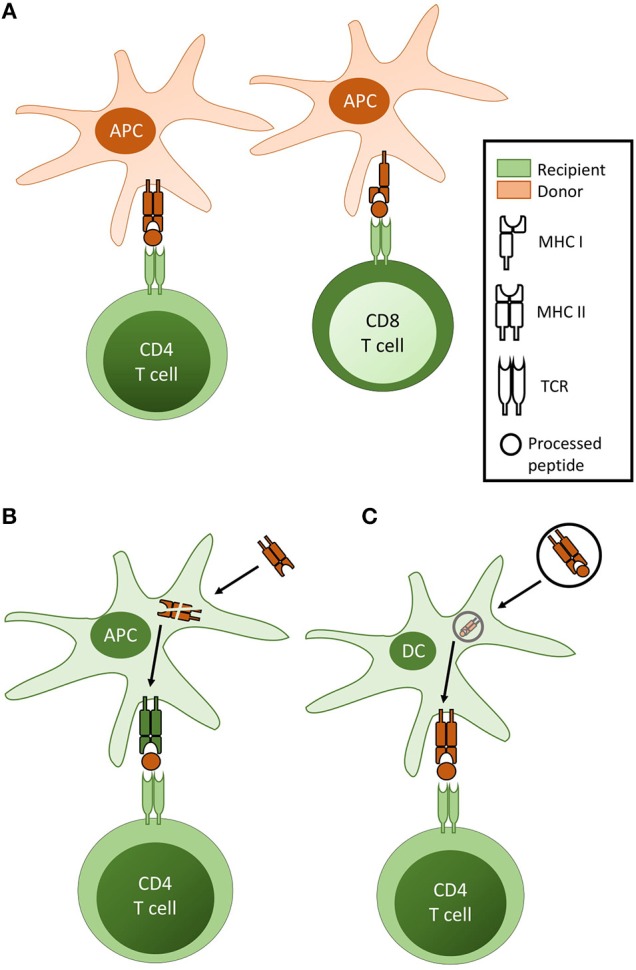
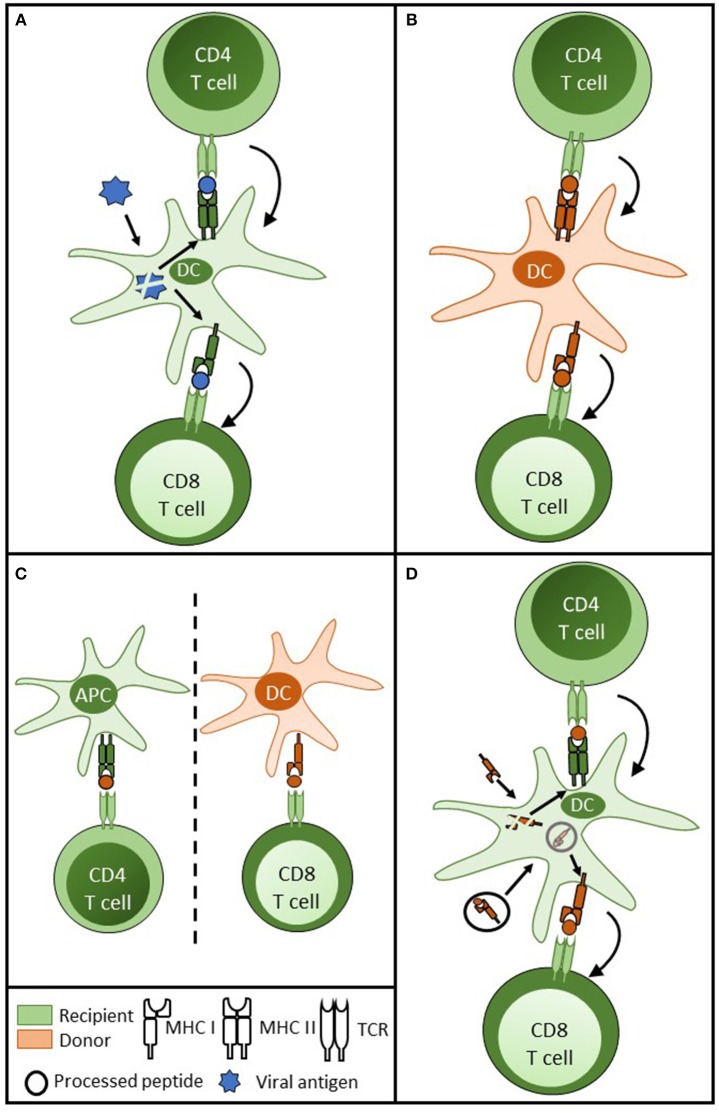
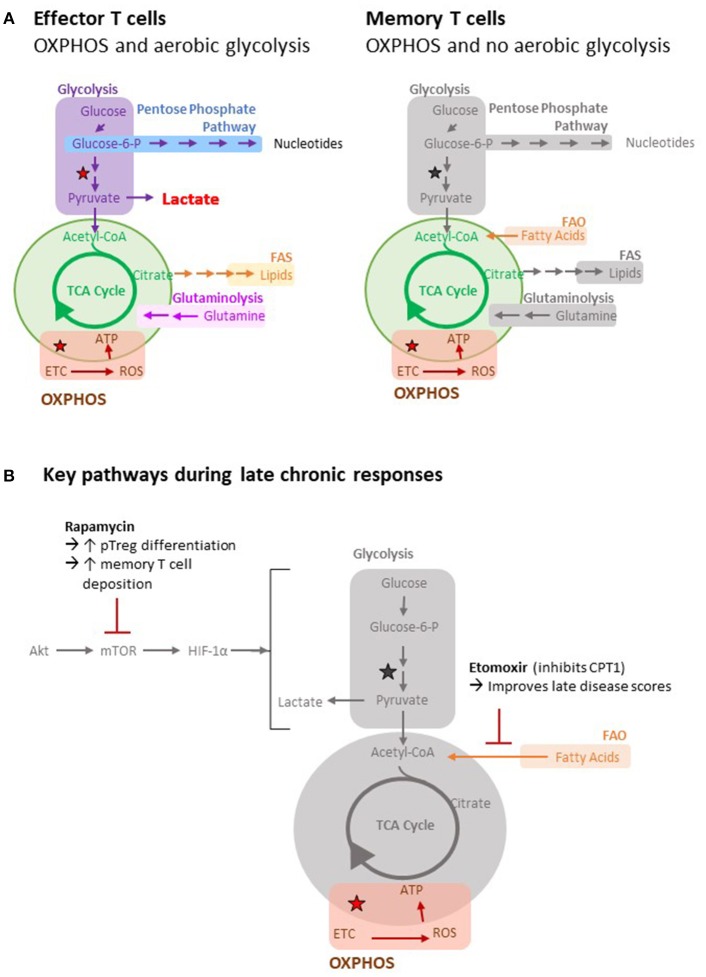
Transplantation is unusual in that T cells can recognize alloantigen by at least two distinct pathways: as intact MHC alloantigen on the surface of donor cells via the direct pathway; and as self-restricted processed alloantigen via the indirect pathway. Direct pathway responses are viewed as strong but short-lived and hence responsible for acute rejection, whereas indirect pathway responses are typically thought to be much longer lasting and mediate the progression of chronic rejection. However, this is based on surprisingly scant experimental evidence, and the recent demonstration that MHC alloantigen can be re-presented intact on recipient dendritic cells – the semi-direct pathway – suggests that the conventional view may be an oversimplification. We review recent advances in our understanding of how the different T cell allorecognition pathways are triggered, consider how this generates effector alloantibody and cytotoxic CD8 T cell alloresponses and assess how these responses contribute to early and late allograft rejection. We further discuss how this knowledge may inform development of cellular and pharmacological therapies that aim to improve transplant outcomes, with focus on the use of induced regulatory T cells with indirect allospecificity and on the development of immunometabolic strategies.
Overview
The claims and statistics of this paper haven’t been checked yet.
Run the check — free, no account needed. It reads the open-access text and checks the sources it cites.
Integrity signals
Registry
Cites
Statistics
Figures
Verification
Claims the paper makes
The claims and statistics of this paper haven’t been checked yet.
Run the check — free, no account needed. It reads the open-access text and checks the sources it cites.
Claims other papers make about this one
Each is checked against this paper’s own text: does it say what the citing paper says it does?
The source backs part of the claim, not all of it — or backs it for a different population, condition or comparison.
In the citing paper
“The direct pathway provokes the most vigorous immune response by directly representing MHC I and MHC II molecules of the donor’s APCs to recipient CD8 and CD4 T cells, respectively.”
From Immunogenicity of decellularized extracellular matrix scaffolds: a bottleneck in tissue engineering and regenerative medicine (2023) · cites this paper as [10]
Experimental — accuracy not yet measuredThe source backs part of the claim, not all of it — or backs it for a different population, condition or comparison.
In the citing paper
“Activated recipient T cells migrate to the graft site, directly recognize foreign antigens, and participate in acute rejection.”
From Immunogenicity of decellularized extracellular matrix scaffolds: a bottleneck in tissue engineering and regenerative medicine (2023) · cites this paper as [10]
Experimental — accuracy not yet measuredThe source backs part of the claim, not all of it — or backs it for a different population, condition or comparison.
In the citing paper
“Although this pathway invokes a less vigorous response, it lasts longer due to the available supply of host APCs and foreign antigens within the grafts.”
From Immunogenicity of decellularized extracellular matrix scaffolds: a bottleneck in tissue engineering and regenerative medicine (2023) · cites this paper as [10]
Experimental — accuracy not yet measuredThe source backs part of the claim, not all of it — or backs it for a different population, condition or comparison.
In the citing paper
“This response vanishes within a few weeks because of a limited number of donor APCs and their depletion over time [10].”
From Immunogenicity of decellularized extracellular matrix scaffolds: a bottleneck in tissue engineering and regenerative medicine (2023) · cites this paper as [10]
Experimental — accuracy not yet measuredThe cited source says what the claim attributes to it.
In the citing paper
“Moreover, CD4 T cells have a substantial role in regulating both humoral and cytotoxic T cell responses as the main elements of chronic rejection.”
From Immunogenicity of decellularized extracellular matrix scaffolds: a bottleneck in tissue engineering and regenerative medicine (2023) · cites this paper as [10]
The cited source says what the claim attributes to it.
In the citing paper
“Accordingly, indirect pathway activity is crucial to graft fate [10].”
From Immunogenicity of decellularized extracellular matrix scaffolds: a bottleneck in tissue engineering and regenerative medicine (2023) · cites this paper as [10]
Self-check
Percentages, sums and reported differences re-computed from the paper’s own numbers.
The self-check needs the paper’s full text.
Citations
Cites
Foxp3 programs the development and function of CD4+CD25+ regulatory T cells
Fontenot, J. D., Gavin, M. A., & Rudensky, A. Y. (2003) · Nature Immunology · doi:10.1038/ni904 · Cited by 7,745
mTOR Signaling in Growth, Metabolism, and Disease
Saxton, R. A., & Sabatini, D. M. (2017) · Cell · doi:10.1016/j.cell.2017.02.004 · Cited by 7,555
Park, J., Adoro, S., Guinter, T. I., Erman, B., Alag, A., Catálfamo, M., Kimura, M. Y., Cui, Y., Lucas, P. J., Gress, R. E., et al. (2010) · Nature Immunology · doi:10.1038/ni.1840 · Cited by 5,835
Sakaguchi, S., Sakaguchi, N., Asano, M., Itoh, M., & Toda, M. (1995) · The Journal of Immunology · doi:10.4049/jimmunol.155.3.1151 · Cited by 5,608 · cited 1×
“Here we focus on the classical CD25pos CD4T regulatory cell (T-reg) (98, 99).”
Molecular and cellular insights into T cell exhaustion
Wherry, E. J., & Kurachi, M. (2015) · Nature Reviews Immunology · doi:10.1038/nri3862 · Cited by 4,652
An essential role for Scurfin in CD4+CD25+ T regulatory cells
Khattri, R., Cox, T., Yasayko, S.-A., & Ramsdell, F. (2003) · Nature Immunology · doi:10.1038/ni909 · Cited by 2,860
T-cell help for cytotoxic T lymphocytes is mediated by CD40–CD40L interactions
Schoenberger, S. P., Toes, R. E. M., van der Voort, E. I. H., Offringa, R., & Melief, C. J. M. (1998) · Nature · doi:10.1038/31002 · Cited by 2,615
A conditioned dendritic cell can be a temporal bridge between a CD4+ T-helper and a T-killer cell
Ridge, J. P., Rosa, F. D., & Matzinger, P. (1998) · Nature · doi:10.1038/30989 · Cited by 2,360
Help for cytotoxic-T-cell responses is mediated by CD40 signalling
Bennett, S. R. M., Carbone, F., Karamalis, F., Flavell, R. A., Miller, J. F. A. P., & Heath, W. R. (1998) · Nature · doi:10.1038/30996 · Cited by 2,091
Michalek, R. D., Gerriets, V. A., Jacobs, S. R., Macintyre, A. N., MacIver, N. J., Mason, E. F., Sullivan, S. A., Nichols, A. G., & Rathmell, J. C. (2011) · The Journal of Immunology · doi:10.4049/jimmunol.1003613 · Cited by 2,091
Shi, L. Z., Wang, R., Huang, G., Vogel, P., Neale, G., Green, D. R., & Chi, H. (2011) · Journal of Experimental Medicine · doi:10.1084/jem.20110278 · Cited by 1,803
Control of TH17/Treg Balance by Hypoxia-Inducible Factor 1
Dang, E. V., Barbi, J., Yang, H.-Y., Jinasena, D., Yu, H., Zheng, Y., Bordman, Z., Fu, J., Kim, Y., Yen, H.-R., et al. (2011) · Cell · doi:10.1016/j.cell.2011.07.033 · Cited by 1,595
mTOR regulates memory CD8 T-cell differentiation
Araki, K., Turner, A. P., Shaffer, V. O., Gangappa, S., Keller, S. A., Bachmann, M. F., Larsen, C. P., & Ahmed, R. (2009) · Nature · doi:10.1038/nature08155 · Cited by 1,575
Enhancing CD8 T-cell memory by modulating fatty acid metabolism
Pearce, E. L., Walsh, M. C., Cejas, P. J., Harms, G. M., Shen, H., Wang, L.-S., Jones, R. G., & Choi, Y. (2009) · Nature · doi:10.1038/nature08097 · Cited by 1,559
Mitochondrial respiratory capacity is a critical regulator of CD8+ T cell memory development
van der Windt, G. J. W., Everts, B., Chang, C.-H., Curtis, J. D., Freitas, T. C., Amiel, E., Pearce, E. J., & Pearce, E. L. (2012) · Immunity · doi:10.1016/j.immuni.2011.12.007 · Cited by 1,540
Sena, L. A., Li, S., Jairaman, A., Prakriya, M., Ezponda, T., Hildeman, D. A., Wang, C.-R., Schumacker, P. T., Licht, J. D., Perlman, H., et al. (2013) · Immunity · doi:10.1016/j.immuni.2012.10.020 · Cited by 1,338
mTOR differentially regulates effector and regulatory T cell lineage commitment
Delgoffe, G. M., Kole, T., Zheng, Y., Zarek, P. E., Matthews, K., Xiao, B., Worley, P., Kozma, S., & Powell, J. (2009) · Immunity · doi:10.1016/j.immuni.2009.04.014 · Cited by 1,293
Patsoukis, N., Bardhan, K., Chatterjee, P., Sari, D., Liu, B., Bell, L. N., Karoly, E. D., Freeman, G. J., Petkova, V., Seth, P., et al. (2015) · Nature Communications · doi:10.1038/ncomms7692 · Cited by 1,249
T cell metabolism drives immunity
Buck, M. D., O’Sullivan, D., & Pearce, E. L. (2015) · The Journal of Experimental Medicine · doi:10.1084/jem.20151159 · Cited by 1,238
Rapamycin selectively expands CD4+CD25+FoxP3+ regulatory T cells.
Battaglia, M., Stabilini, A., & Roncarolo, M. (2005) · Blood · doi:10.1182/blood-2004-10-3932 · Cited by 1,203
Vinuesa, C. G., Linterman, M. A., Yu, D., & MacLennan, I. C. M. (2016) · Annual Review of Immunology · doi:10.1146/annurev-immunol-041015-055605 · Cited by 1,141
Granzyme B and Perforin Are Important for Regulatory T Cell-Mediated Suppression of Tumor Clearance
Cao, X., Cai, S. F., Fehniger, T. A., Song, J., Collins, L. I., Piwnica-Worms, D. R., & Ley, T. J. (2007) · Immunity · doi:10.1016/j.immuni.2007.08.014 · Cited by 1,117
Tregs prevent GVHD and promote immune reconstitution in HLA-haploidentical transplantation
Ianni, M. D., Falzetti, F., Carotti, A., Terenzi, A., Castellino, F., Bonifacio, E., Papa, B. D., Zei, T., Ostini, R. I., Cecchini, D., et al. (2011) · Blood · doi:10.1182/blood-2010-10-311894 · Cited by 1,065
Brunstein, C. G., Miller, J. S., Cao, Q., McKenna, D. H., Hippen, K. L., Curtsinger, J., DeFor, T. E., Levine, B. L., June, C. H., Rubinstein, P., et al. (2010) · Blood · doi:10.1182/blood-2010-07-293795 · Cited by 1,052
Inhibiting glycolytic metabolism enhances CD8+ T cell memory and antitumor function
Sukumar, M., Liu, J., Ji, Y., Subramanian, M., Crompton, J. G., Yu, Z., Roychoudhuri, R., Palmer, D. C., Muranski, P., Karoly, E. D., et al. (2013) · Journal of Clinical Investigation · doi:10.1172/jci69589 · Cited by 952
"Infectious" Transplantation Tolerance
Qin, S., Cobbold, S. P., Pope, H., Elliott, J. I., Kioussis, D., Davies, J. D., & Waldmann, H. (1993) · Science · doi:10.1126/science.8094901 · Cited by 872
Bengsch, B., Johnson, A. L., Kurachi, M., Odorizzi, P. M., Pauken, K. E., Attanasio, J., Stelekati, E., McLane, L. M., Paley, M. A., Delgoffe, G. M., et al. (2016) · Immunity · doi:10.1016/j.immuni.2016.07.008 · Cited by 868 · cited 1×
“Finally, although exhausted T cells exhibit typical aerobic glycolysis at initiation of the response, continued antigen binding to the TCR results in downregulation of the PI3K–AKT1–mTOR signaling pathway (139) and NFATC-mediated expression of PD-1 and other inhibitory ligands (140, 141).”
BackgroundThe Transcription Factor NFAT Promotes Exhaustion of Activated CD8 + T Cells
Martinez, G. J., Pereira, R. M., Äijö, T., Kim, E. Y., Marangoni, F., Pipkin, M. E., Togher, S., Heissmeyer, V., Zhang, Y. C., Crotty, S., et al. (2015) · Immunity · doi:10.1016/j.immuni.2015.01.006 · Cited by 857 · cited 1×
“Finally, although exhausted T cells exhibit typical aerobic glycolysis at initiation of the response, continued antigen binding to the TCR results in downregulation of the PI3K–AKT1–mTOR signaling pathway (139) and NFATC-mediated expression of PD-1 and other inhibitory ligands (140, 141).”
BackgroundDominance and Crypticity of T Cell Antigenic Determinants
Sercarz, E. E., Lehmann, P. V., Ametani, A., Bénichou, G., Miller, A., & Moudgil, K. D. (1993) · Annual Review of Immunology · doi:10.1146/annurev.iy.11.040193.003501 · Cited by 856
Zotos, D., Coquet, J. M., Zhang, Y., Light, A., D’Costa, K., Kallies, A., Corcoran, L. M., Godfrey, D. I., Toellner, K., Smyth, M. J., et al. (2010) · The Journal of Experimental Medicine · doi:10.1084/jem.20091777 · Cited by 815
Lechler, R. I., & Batchelor, J. R. (1982) · The Journal of Experimental Medicine · doi:10.1084/jem.155.1.31 · Cited by 806
O’Sullivan, D., van der Windt, G. J. W., Huang, S. C.-C., Curtis, J. D., Chang, C.-H., Buck, M. D., Qiu, J., Smith, A. M., Lam, W. Y., DiPlato, L. M., et al. (2014) · Immunity · doi:10.1016/j.immuni.2014.06.005 · Cited by 790
Belatacept and Long-Term Outcomes in Kidney Transplantation
Vincenti, F. G., Rostaing, L. P. E., Grinyo, J. M. B., Rice, K. M., Steinberg, S., Gaite, L., Moal, M., Mondragón-Ramírez, G., Kothari, J., Polinsky, M. S., et al. (2016) · New England Journal of Medicine · doi:10.1056/nejmoa1506027 · Cited by 789
T-cell exhaustion, co-stimulation and clinical outcome in autoimmunity and infection
McKinney, E. F., Lee, J. C., Jayne, D. R. W., Lyons, P. A., & Smith, K. G. C. (2015) · Nature · doi:10.1038/nature14468 · Cited by 685 · cited 1×
“It has garnered much attention recently, because it is perhaps not the propensity to trigger self-reactive responses, but the ability, or otherwise, to counter their progression through development of an exhaustive state that may ultimately determine outcomes for autoimmune disease (71, 78).”
BackgroundTrzonkowski, P., Bieniaszewska, M., Juścińska, J., Dobyszuk, A., Krzystyniak, A., Marek-Trzonkowska, N. M., Myśliwska, J. M., & Hellmann, A. R. (2009) · Clinical Immunology · doi:10.1016/j.clim.2009.06.001 · Cited by 683
The Energy Sensor AMPK Regulates T Cell Metabolic Adaptation and Effector Responses In Vivo
Blagih, J., Coulombe, F., Vincent, E. E., Dupuy, F., Galicia-Vázquez, G., Yurchenko, E., Raissi, T. C., van der Windt, G. J. W., Viollet, B., Pearce, E. L., et al. (2015) · Immunity · doi:10.1016/j.immuni.2014.12.030 · Cited by 679
Heterologous immunity provides a potent barrier to transplantation tolerance
Adams, A. B., Williams, M. A., Jones, T. R., Shirasugi, N., Durham, M. M., Kaech, S. M., Wherry, E. J., Onami, T. M., Lanier, J. G., Kokko, K. E., et al. (2003) · Journal of Clinical Investigation · doi:10.1172/jci17477 · Cited by 621
Normalization of CD4 + T cell metabolism reverses lupus
Yin, Y., Choi, S., Xu, Z., Perry, D. J., Seay, H. R., Croker, B. P., Sobel, E. S., Brusko, T. M., & Morel, L. M. (2015) · Science Translational Medicine · doi:10.1126/scitranslmed.aaa0835 · Cited by 620
Heterologous immunity provides a potent barrier to transplantation tolerance
Adams, A. B., Williams, M. A., Jones, T. R., Shirasugi, N., Durham, M. M., Kaech, S. M., Wherry, E. J., Onami, T., Lanier, J. G., Kokko, K. E., et al. (2003) · Journal of Clinical Investigation · doi:10.1172/jci200317477 · Cited by 616
Induced CD4+Foxp3+Regulatory T Cells in Immune Tolerance
Bilate, A. M., & Lafaille, J. J. (2012) · Annual Review of Immunology · doi:10.1146/annurev-immunol-020711-075043 · Cited by 569
IL-21 Is Required to Control Chronic Viral Infection
Elsaesser, H. J., Sauer, K., & Brooks, D. G. (2009) · Science · doi:10.1126/science.1174182 · Cited by 557
Larsen, C. P., Morris, P. J., & Austyn, J. M. (1990) · The Journal of Experimental Medicine · doi:10.1084/jem.171.1.307 · Cited by 552
What is trogocytosis and what is its purpose?
Joly, E., & Hudrisier, D. (2003) · Nature Immunology · doi:10.1038/ni0903-815 · Cited by 543
The Development of Large Immature Mononuclear Cells in Mixed Leukocyte Cultures
Bain, B. J., VAS, M. R., & Lowenstein, L. (1964) · Blood · doi:10.1182/blood.v23.1.108.108 · Cited by 529
Prevention of acute and chronic allograft rejection with CD4+CD25+Foxp3+ regulatory T lymphocytes
Joffre, O. P., Santolaria, T., Calise, D., Saati, T. A., Hudrisier, D., Romagnoli, P., & van Meerwijk, J. P. M. (2007) · Nature Medicine · doi:10.1038/nm1688 · Cited by 514
A Vital Role for Interleukin-21 in the Control of a Chronic Viral Infection
Yi, J. S., Du, M., & Zajac, A. J. (2009) · Science · doi:10.1126/science.1175194 · Cited by 513
Induced Regulatory T Cells: Their Development, Stability, and Applications
Kanamori, M., Nakatsukasa, H., Okada, M., Lu, Q., & Yoshimura, A. (2016) · Trends in Immunology · doi:10.1016/j.it.2016.08.012 · Cited by 465
Wykes, M., Pombo, A., Jenkins, C., & MacPherson, G. G. (1998) · The Journal of Immunology · doi:10.4049/jimmunol.161.3.1313 · Cited by 461
IL-21R on T Cells Is Critical for Sustained Functionality and Control of Chronic Viral Infection
Fröhlich, A., Kisielow, J., Schmitz, I., Freigang, S., Shamshiev, A. T., Weber, J., Marsland, B. J., Oxenius, A., & Köpf, M. (2009) · Science · doi:10.1126/science.1172815 · Cited by 450
Lakkis, F. G., Arakelov, A., Konieczny, B. T., & Inoue, Y. (2000) · Nature Medicine · doi:10.1038/76267 · Cited by 446
Regulatory immune cells in transplantation
Wood, K. J., Bushell, A., & Hester, J. (2012) · Nature reviews. Immunology · doi:10.1038/nri3227 · Cited by 442
NFATc1 Regulates PD-1 Expression upon T Cell Activation
Oestreich, K. J., Yoon, H., Ahmed, R., & Boss, J. M. (2008) · The Journal of Immunology · doi:10.4049/jimmunol.181.7.4832 · Cited by 416
Control of PI(3) kinase in Treg cells maintains homeostasis and lineage stability
Huynh, A., DuPage, M. J. P., Priyadharshini, B., Sage, P. T., Quiros, J., Borges, C. M., Townamchai, N., Gerriets, V. A., Rathmell, J. C., Sharpe, A. H., et al. (2015) · Nature Immunology · doi:10.1038/ni.3077 · Cited by 412
ATP-citrate lyase controls a glucose-to-acetate metabolic switch
Zhao, S., Torres, A., Henry, R. A., Trefely, S., Wallace, M., Lee, J. V., Carrer, A., Sengupta, A., Campbell, S. L., Kuo, Y.-M., et al. (2016) · Cell Reports · doi:10.1016/j.celrep.2016.09.069 · Cited by 394
Sagoo, P., Ali, N., Garg, G., Nestle, F. O., Lechler, R. I., & Lombardi, G. (2011) · Science Translational Medicine · doi:10.1126/scitranslmed.3002076 · Cited by 384
Direct control of mitochondrial function by mTOR
Ramanathan, A., & Schreiber, S. L. (2009) · Proceedings of the National Academy of Sciences · doi:10.1073/pnas.0912074106 · Cited by 367
Treg cells require the phosphatase PTEN to restrain TH1 and TFH cell responses
Shrestha, S., Yang, K., Guy, C. S., Vogel, P., Neale, G. A. M., & Chi, H. (2015) · Nature Immunology · doi:10.1038/ni.3076 · Cited by 362
A Novel Pathway of Alloantigen Presentation by Dendritic Cells
Herrera, O. B., Golshayan, D., Tibbott, R., Salcido-Ochoa, F., James, M. J., Marelli‐Berg, F. M., & Lechler, R. I. (2004) · The Journal of Immunology · doi:10.4049/jimmunol.173.8.4828 · Cited by 361
Direct and indirect recognition: the role of MHC antigens in graft rejection
Gould, D. S., & Auchincloss, H. (1999) · Immunology Today · doi:10.1016/s0167-5699(98)01394-2 · Cited by 350
T cell exhaustion during persistent viral infections
Kahan, S. M., Wherry, E. J., & Zajac, A. J. (2015) · Virology · doi:10.1016/j.virol.2014.12.033 · Cited by 327
Viral persistence redirects CD4 T cell differentiation toward T follicular helper cells
Fahey, L. M., Wilson, E. B., Elsaesser, H. J., Fistonich, C., McGavern, D. B., & Brooks, D. G. (2011) · The Journal of Experimental Medicine · doi:10.1084/jem.20101773 · Cited by 325
Dendritic Cells Acquire Antigens from Live Cells for Cross-Presentation to CTL
Harshyne, L. A., Watkins, S. C., Gambotto, A. A., & Barratt‐Boyes, S. M. (2001) · The Journal of Immunology · doi:10.4049/jimmunol.166.6.3717 · Cited by 321
Persistent allopeptide reactivity and epitope spreading in chronic rejection of organ allografts.
Ciubotariu, R., Liu, Z., Colovai, A. I., Ho, E. K., Itescu, S., Stefano Ravalli, A., Hardy, M. A., Cortesini, R., Rose, E. A., & Suciu‐Foca, N. (1998) · Journal of Clinical Investigation · doi:10.1172/jci1117 · Cited by 319
Ray, J. P., Staron, M. M., Shyer, J. A., Ho, P.-C., Marshall, H. D., Gray, S. M., Laidlaw, B. J., Araki, K., Ahmed, R., Kaech, S. M., et al. (2015) · Immunity · doi:10.1016/j.immuni.2015.08.017 · Cited by 315
Donor dendritic cell–derived exosomes promote allograft-targeting immune response
Liu, Q., Rojas-Canales, D. M., Divito, S. J., Shufesky, W. J., Stolz, D. B., Erdos, G., Sullivan, M. L. G., Gibson, G. A., Watkins, S. C., Larregina, A. T., et al. (2016) · Journal of Clinical Investigation · doi:10.1172/jci84577 · Cited by 302
Cellular Basis of Skin Allograft Rejection: An In Vivo Model of Immune-Mediated Tissue Destruction
Rosenberg, A. S., & Singer, A. (1992) · Annual Review of Immunology · doi:10.1146/annurev.iy.10.040192.002001 · Cited by 293
Vella, J. P., Ferreira, M. S., Murphy, B. T., Alexander, S. I., Harmon, W., Carpenter, C. B., & Sayegh, M. H. (1997) · Transplantation · doi:10.1097/00007890-199709270-00001 · Cited by 292
Tsang, J. Y. S., Tanriver, Y., Jiang, S., Xue, S., Ratnasothy, K., Chen, D., Stauss, H. J., Bucy, R. P., Lombardi, G., & Lechler, R. I. (2008) · Journal of Clinical Investigation · doi:10.1172/jci33185 · Cited by 272
Antigen persistence is required throughout the expansion phase of a CD4+ T cell response
Obst, R., van Santen, H. M., Mathis, D. J., & Benoist, C. O. (2005) · The Journal of Experimental Medicine · doi:10.1084/jem.20042521 · Cited by 269
Indirect recognition of donor HLA-DR peptides in organ allograft rejection.
Liu, Z., Colovai, A. I., Tugulea, S., Reed, E. F., Fisher, P. E., MANCINI, D. M., Rose, E. A., Cortesini, R., Michler, R. E., & Suciu‐Foca, N. (1996) · Journal of Clinical Investigation · doi:10.1172/jci118898 · Cited by 244
Cross-primed CD8+ T cells mediate graft rejection via a distinct effector pathway
Valujskikh, A., Lantz, O., Celli, S., Matzinger, P., & Heeger, P. (2002) · Nature Immunology · doi:10.1038/ni831 · Cited by 234
Non-self recognition by monocytes initiates allograft rejection
Oberbarnscheidt, M. H., Zeng, Q., Li, Q., Dai, H., Williams, A. L., Shlomchik, W. D., Rothstein, D. M., & Lakkis, F. G. (2014) · Journal of Clinical Investigation · doi:10.1172/jci74370 · Cited by 227
Indirect recognition by helper cells can induce donor-specific cytotoxic T lymphocytes in vivo.
Lee, R. S., Grusby, M. J., Glimcher, L. H., Winn, H. J., & Auchincloss, H. (1994) · The Journal of Experimental Medicine · doi:10.1084/jem.179.3.865 · Cited by 221
Two levels of help for B cell alloantibody production.
Steele, D., Laufer, T. M., Smiley, S. T., Ando, Y., Grusby, M. J., Glimcher, L. H., & Auchincloss, H. (1996) · The Journal of Experimental Medicine · doi:10.1084/jem.183.2.699 · Cited by 218
Heterologous immunity: an overlooked barrier to tolerance
Adams, A. B., Pearson, T. C., & Larsen, C. P. (2003) · Immunological Reviews · doi:10.1046/j.1600-065x.2003.00082.x · Cited by 217
Fangmann, J., Dalchau, R., & Fabre, J. W. (1992) · The Journal of Experimental Medicine · doi:10.1084/jem.175.6.1521 · Cited by 214
Baker, R. J., Hernández-Fuentes, M. P., Brookes, P., Chaudhry, A., Cook, H. T., & Lechler, R. I. (2001) · The Journal of Immunology · doi:10.4049/jimmunol.167.12.7199 · Cited by 211
CD4 T cell-mediated cardiac allograft rejection requires donor but not host MHC class II.
Pietra, B., Wiseman, A., Bolwerk, A., Rizeq, M., & Gill, R. G. (2000) · Journal of Clinical Investigation · doi:10.1172/jci10467 · Cited by 203
Marino, J., Babiker-Mohamed, M. H., Crosby-Bertorini, P., Paster, J. T., LeGuern, C., Germana, S. K., Abdi, R., Uehara, M., Kim, J. I., Markmann, J. F., et al. (2016) · Science Immunology · doi:10.1126/sciimmunol.aaf8759 · Cited by 203
Antigen-specific CD4 T-cell help rescues exhausted CD8 T cells during chronic viral infection
Aubert, R. D., Kamphorst, A. O., Sarkar, S., Vezys, V., Ha, S., Barber, D. L., Ye, L., Sharpe, A. H., Freeman, G. J., & Ahmed, R. (2011) · Proceedings of the National Academy of Sciences · doi:10.1073/pnas.1118450109 · Cited by 199
Donor-specific HLA-DQ antibodies may contribute to poor graft outcome after renal transplantation
DeVos, J., Gaber, A. O., Knight, R. J., Land, G. A., Suki, W. N., Gaber, L. W., & Patel, S. J. (2012) · Kidney International · doi:10.1038/ki.2012.190 · Cited by 196
Bcl-6 directly represses the gene program of the glycolysis pathway
Oestreich, K. J., Read, K. A., Gilbertson, S. E., Hough, K. P., McDonald, P. W., Krishnamoorthy, V., & Weinmann, A. S. (2014) · Nature Immunology · doi:10.1038/ni.2985 · Cited by 192
Preventing Allograft Rejection by Targeting Immune Metabolism
Lee, C.-F., Lo, Y.-C., Cheng, C.-H., Furtmüller, G. J., Oh, B. C., Andrade‐Oliveira, V., Thomas, A. G., Bowman, C. E., Slusher, B. S., Wolfgang, M. J., et al. (2015) · Cell Reports · doi:10.1016/j.celrep.2015.09.036 · Cited by 185
Infectious tolerance and the long-term acceptance of transplanted tissue
Waldmann, H., Adams, E., Fairchild, P., & Cobbold, S. (2006) · Immunological Reviews · doi:10.1111/j.0105-2896.2006.00406.x · Cited by 177
Linked suppression of skin graft rejection can operate through indirect recognition.
Wise, M. P., Bemelman, F. J., Cobbold, S. P., & Waldmann, H. (1998) · PubMed · Cited by 169
Interleukin‐6 functions in autoimmune encephalomyelitis: a study in gene‐targeted mice
Mendel, I., Katz, A., Kozak, N., Ben‐Nun, A., & Revel, M. (1998) · European Journal of Immunology · doi:10.1002/(sici)1521-4141(199805)28:05 · Cited by 161
Activation of Transplant Immunity: Effect of Donor Leukocytes on Thyroid Allograft Rejection
Talmage, D. W., Dart, G., Radovich, J., & Lafferty, K. J. (1976) · Science · doi:10.1126/science.1082167 · Cited by 157
Transplant trials with Tregs: perils and promises
Tang, Q., & Vincenti, F. G. (2017) · Journal of Clinical Investigation · doi:10.1172/jci90598 · Cited by 151
Lechler, R. I., & Batchelor, J. R. (1982) · The Journal of Experimental Medicine · doi:10.1084/jem.156.6.1835 · Cited by 147
Cutting Edge: Linked Suppression of Skin Graft Rejection Can Operate Through Indirect Recognition
Wise, M. P., Bemelman, F. J., Cobbold, S. P., & Waldmann, H. (1998) · The Journal of Immunology · doi:10.4049/jimmunol.161.11.5813 · Cited by 146
Fedoseyeva, E. V., Zhang, F., Orr, P. L., Levin, D., Buncke, H. J., & Bénichou, G. (1999) · The Journal of Immunology · doi:10.4049/jimmunol.162.11.6836 · Cited by 146
Hornick, P. I., Mason, P. D., Baker, R. J., Hernández-Fuentes, M. P., Frasca, L., Lombardi, G., Taylor, K. M., Weng, L., Rose, M. L., Yacoub, M. H., et al. (2000) · Circulation · doi:10.1161/01.cir.101.20.2405 · Cited by 143
Effector T cells require fatty acid metabolism during murine graft-versus-host disease
Byersdorfer, C. A., Tkachev, V., Opipari, A. W., Goodell, S., Swanson, J. B., Sandquist, S., Glick, G. D., & Ferrara, J. L. M. (2013) · Blood · doi:10.1182/blood-2013-04-495515 · Cited by 141
Treg therapy in transplantation: a general overview
Romano, M., Tung, S. L., Smyth, L. A., & Lombardi, G. (2016) · Transplant International · doi:10.1111/tri.12909 · Cited by 137
Indirect recognition of allopeptides promotes the development of cardiac allograft vasculopathy
Lee, R. S., Yamada, K., Houser, S. L., Womer, K. L., Maloney, M. E., Rose, H., Sayegh, M. H., & Madsen, J. C. (2001) · Proceedings of the National Academy of Sciences · doi:10.1073/pnas.051584498 · Cited by 135
Bestard, O., Nickel, P., Cruzado, J. M., Schoenemann, C., Boenisch, O., Sefrin, A., Grinyo, J. M., Volk, H., & Reinke, P. (2008) · Journal of the American Society of Nephrology · doi:10.1681/asn.2007050539 · Cited by 132
Synchronizing transcriptional control of T cell metabolism and function
Man, K., & Kallies, A. (2015) · Nature reviews. Immunology · doi:10.1038/nri3874 · Cited by 128
Lee, K., Nguyen, V. Q., Lee, K.-M., Kang, S., & Tang, Q. (2013) · American Journal of Transplantation · doi:10.1111/ajt.12509 · Cited by 125
Conlon, T. M., Saeb‐Parsy, K., Cole, J. L., Motallebzadeh, R., Qureshi, M. S., Rehakova, S., Negus, M. C., Callaghan, C. J., Bolton, E. M., Bradley, J. A., et al. (2012) · The Journal of Immunology · doi:10.4049/jimmunol.1102830 · Cited by 125
Self-citationPost-Transplant Anti-HLA Class II Antibodies as Risk Factor for Late Kidney Allograft Failure
Campos, É. F., Junior, H. T. S., Machado, P. G. P., Franco, M. S., Pestana, J. O. M., & Gerbase‐DeLima, M. (2006) · American Journal of Transplantation · doi:10.1111/j.1600-6143.2006.01503.x · Cited by 124
An Innate Response to Allogeneic Nonself Mediated by Monocytes
Zecher, D., van Rooijen, N., Rothstein, D. M., Shlomchik, W. D., & Lakkis, F. G. (2009) · The Journal of Immunology · doi:10.4049/jimmunol.0902194 · Cited by 122
Yamada, A., Chandraker, A. K., Laufer, T. M., Gerth, A., Sayegh, M. H., & Auchincloss, H. (2001) · The Journal of Immunology · doi:10.4049/jimmunol.167.10.5522 · Cited by 121
The Role of the PI3K Signaling Pathway in CD4+ T Cell Differentiation and Function
Han, J. M., Patterson, S. J., & Levings, M. K. (2012) · Frontiers in Immunology · doi:10.3389/fimmu.2012.00245 · Cited by 120
Allorecognition Pathways in Transplant Rejection and Tolerance
Ali, J. M., Bolton, E. M., Bradley, J. A., & Pettigrew, G. J. (2013) · Transplantation · doi:10.1097/tp.0b013e31829853ce · Cited by 120
Self-citationRole of Memory T Cells in Allograft Rejection and Tolerance
Bénichou, G., Gonzalez, B., Marino, J., Ayasoufi, K., & Valujskikh, A. (2017) · Frontiers in Immunology · doi:10.3389/fimmu.2017.00170 · Cited by 119
CD8 T-cell recognition of acquired alloantigen promotes acute allograft rejection
Harper, S., Ali, J. M., Wlodek, E., Negus, M. C., Harper, I. G., Chhabra, M., Qureshi, M. S., Hoff, M., Bolton, E. M., Bradley, J. A., et al. (2015) · Proceedings of the National Academy of Sciences · doi:10.1073/pnas.1513533112 · Cited by 108
Self-citationPathogenesis of a Local Graft versus Host Reaction: Immunogenicity of Circulating Host Leukocytes
Elkins, W. L., & Guttmann, R. D. (1968) · Science · doi:10.1126/science.159.3820.1250 · Cited by 103
Acquisition of intact allogeneic human leukocyte antigen molecules by human dendritic cells
Russo, V. E. A., Zhou, D., Sartirana, C., Rovere, P. Q., Villa, A., Rossini, S., Traversari, C., & Bordignon, C. (2000) · Blood · doi:10.1182/blood.v95.11.3473 · Cited by 102
Game, D. S., Rogersl, N. J., & Lechler, R. I. (2005) · American Journal of Transplantation · doi:10.1111/j.1600-6143.2005.00916.x · Cited by 99
Valujskikh, A., Matešić, D., Gilliam, A., Anthony, D. D., Haqqi, T. M., & Heeger, P. S. (1998) · Journal of Clinical Investigation · doi:10.1172/jci893 · Cited by 96
Bénichou, G., Fedoseyeva, E. V., Lehmann, P. V., Olson, C. A., Geysen, H. M., McMillan, M., & Sercarz, E. E. (1994) · The Journal of Immunology · doi:10.4049/jimmunol.153.3.938 · Cited by 92
Spontaneous germinal centers and autoimmunity
Domeier, P. P., Schell, S. L., & Rahman, Z. S. M. (2017) · Autoimmunity · doi:10.1080/08916934.2017.1280671 · Cited by 92
T cell exhaustion and immune-mediated disease — the potential for therapeutic exhaustion
McKinney, E. F., & Smith, K. G. C. (2016) · Current Opinion in Immunology · doi:10.1016/j.coi.2016.09.005 · Cited by 91
Alloreactivity in Renal Transplant Recipients with and without Chronic Allograft Nephropathy
Poggio, E. D., Clemente, M. J., Riley, J., Roddy, M., Greenspan, N. S., Dejelo, C., Najafian, N., Sayegh, M. H., Hricik, D. E., & Heeger, P. S. (2004) · Journal of the American Society of Nephrology · doi:10.1097/01.asn.0000129980.83334.79 · Cited by 90
Reznik, S. I., Jaramillo, A., SivaSai, K. S. R., Womer, K. L., Sayegh, M. H., Trulock, E. P., Patterson, G. A., & Mohanakumar, T. (2001) · American Journal of Transplantation · doi:10.1034/j.1600-6143.2001.001003228.x · Cited by 88
Yap, M., Boeffard, F., Clave, E., Pallier, A., Danger, R., Giral, M., Dantal, J., Foucher, Y., Guillot-Gueguen, C., Toubert, A., et al. (2014) · Journal of the American Society of Nephrology · doi:10.1681/asn.2013080848 · Cited by 87
Feeding an army: The metabolism of T cells in activation, anergy, and exhaustion
Delgoffe, G. M., & Powell, J. D. (2015) · Molecular Immunology · doi:10.1016/j.molimm.2015.07.026 · Cited by 86
Bestard, O., Cruzado, J. M., Lúcia, M., Crespo, E., Casis, L., Sawitzki, B., Vogt, K., Cantarell, C., Torrás, J., Melilli, E., et al. (2013) · Kidney International · doi:10.1038/ki.2013.236 · Cited by 76
THE INDIRECT PATHWAY OF ALLORECOGNITION
Gallon, L. G., Watschinger, B., Murphy, B., Akalin, E., Sayegh, M. H., & Carpenter, C. B. (1995) · Transplantation · doi:10.1097/00007890-199502270-00029 · Cited by 75
The imperfect control of self-reactive germinal center B cells
Brink, R. A. (2014) · Current Opinion in Immunology · doi:10.1016/j.coi.2014.03.001 · Cited by 69
Limited usage of T cell receptor V beta genes by allopeptide-specific T cells
Liu, Z., Sun, Y., Xi, Y., Hong, B., Harris, P. E., Reed, E. F., & Suciu‐Foca, N. (1993) · The Journal of Immunology · doi:10.4049/jimmunol.150.8.3180 · Cited by 67
Innate allorecognition by monocytic cells and its role in graft rejection
Lakkis, F. G., & Li, X. C. (2017) · American Journal of Transplantation · doi:10.1111/ajt.14436 · Cited by 64
CD4+ T Cell Differentiation in Chronic Viral Infections: The Tfh Perspective
Vella, L. A., Herati, R. S., & Wherry, E. J. (2017) · Trends in Molecular Medicine · doi:10.1016/j.molmed.2017.10.001 · Cited by 60
Signals and pathways controlling regulatory T cells
Huynh, A., Zhang, R., & Turka, L. A. (2014) · Immunological Reviews · doi:10.1111/imr.12148 · Cited by 59
Subramanian, V., Ramachandran, S., Banan, B., Bharat, A., Wang, X., Benshoff, N. D., Kreisel, D., Gelman, A. E., & Mohanakumar, T. (2014) · American Journal of Transplantation · doi:10.1111/ajt.12908 · Cited by 58
Vascular Endothelium Does Not Activate CD4+ Direct Allorecognition in Graft Rejection
Kreisel, D., Krasinskas, A. M., Krupnick, A. S., Gelman, A. E., Balsara, K. R., Popma, S. H., Riha, M., Rosengard, A. M., Turka, L. A., & Rosengard, B. R. (2004) · The Journal of Immunology · doi:10.4049/jimmunol.173.5.3027 · Cited by 58
Haynes, L. D., Jankowska−Gan, E., Sheka, A. C., Keller, M. R., Hernández-Fuentes, M. P., Lechler, R. I., Seyfert‐Margolis, V., Turka, L. A., Newell, K. A., & Burlingham, W. J. (2011) · American Journal of Transplantation · doi:10.1111/j.1600-6143.2011.03869.x · Cited by 55
Sivaganesh, S., Harper, S., Conlon, T. M., Callaghan, C. J., Saeb‐Parsy, K., Negus, M. C., Motallebzadeh, R., Bolton, E. M., Bradley, J. A., & Pettigrew, G. J. (2013) · The Journal of Immunology · doi:10.4049/jimmunol.1300458 · Cited by 55
Self-citationImmune Exhaustion and Transplantation
Fueyo, A. S., & Markmann, J. F. (2016) · American Journal of Transplantation · doi:10.1111/ajt.13702 · Cited by 54
Smyth, L. A., Lechler, R. I., & Lombardi, G. (2016) · American Journal of Transplantation · doi:10.1111/ajt.13996 · Cited by 54
Pathways of Helper CD4 T Cell Allorecognition in Generating Alloantibody and CD8 T Cell Alloimmunity
Taylor, A. L., Negus, S., Negus, M. C., Bolton, E. M., Bradley, J. A., & Pettigrew, G. J. (2007) · Transplantation · doi:10.1097/01.tp.0000257960.07783.e3 · Cited by 54
Self-citationAugmentation of Recipient Adaptive Alloimmunity by Donor Passenger Lymphocytes within the Transplant
Harper, I. G., Ali, J. M., Harper, S., Wlodek, E., Alsughayyir, J., Negus, M. C., Qureshi, M. S., Motallebzadeh, R., Saeb‐Parsy, K., Bolton, E. M., et al. (2016) · Cell Reports · doi:10.1016/j.celrep.2016.04.009 · Cited by 54
Self-citationRichards, D. M., Dalheimer, S. L., Ehst, B. D., Vanasek, T. L., Jenkins, M. K., Hertz, M. I., & Mueller, D. L. (2004) · The Journal of Immunology · doi:10.4049/jimmunol.172.6.3469 · Cited by 54
Pettigrew, G. J., Lovegrove, E., Bradley, J. A., Maclean, J., & Bolton, E. M. (1998) · The Journal of Immunology · doi:10.4049/jimmunol.161.3.1292 · Cited by 54
Self-citationBrown, K., Sacks, S. H., & Wong, W. (2008) · The FASEB Journal · doi:10.1096/fj.08-107441 · Cited by 51
Honjo, K., Xu, X., & Bucy, R. P. (2004) · Transplantation · doi:10.1097/01.tp.0000112937.12491.42 · Cited by 51
Brown, K., Sacks, S. H., & Wong, W. (2011) · American Journal of Transplantation · doi:10.1111/j.1600-6143.2011.03437.x · Cited by 47
Diversity of the CD4 T Cell Alloresponse: The Short and the Long of It
Ali, J. M., Negus, M. C., Conlon, T. M., Harper, I. G., Qureshi, M. S., Motallebzadeh, R., Willis, R. A., Saeb‐Parsy, K., Bolton, E. M., Bradley, J. A., et al. (2016) · Cell Reports · doi:10.1016/j.celrep.2015.12.099 · Cited by 46
Self-citationDominant transplantation tolerance
Graça, L., Moine, A. L., Cobbold, S. P., & Waldmann, H. (2003) · Current Opinion in Immunology · doi:10.1016/s0952-7915(03)00098-0 · Cited by 45
Sarraj, B., Ye, J., Akl, A. I., Chen, G., Wang, J.-J., Zhang, Z., Abadja, F., Abecassis, M. M., Miller, S. D., Kansas, G. S., et al. (2014) · Proceedings of the National Academy of Sciences · doi:10.1073/pnas.1303676111 · Cited by 41
A Two-Step Model of Acute CD4 T-Cell Mediated Cardiac Allograft Rejection
Grazia, T. J., Pietra, B. A., Johnson, Z. A., Kelly, B. P., Plenter, R. J., & Gill, R. G. (2004) · The Journal of Immunology · doi:10.4049/jimmunol.172.12.7451 · Cited by 38
Crespo, E., Cravedi, P., Martorell, J., Luque, S., Melilli, E., Cruzado, J. M., Jarque, M., Meneghini, M., Manonelles, A., Donadei, C., et al. (2017) · Kidney International · doi:10.1016/j.kint.2016.12.024 · Cited by 36
Honjo, K., Xu, X., & Bucy, R. P. (2000) · Transplantation · doi:10.1097/00007890-200011270-00020 · Cited by 35
Honjo, K., Xu, X., Kapp, J. A., & Bucy, R. P. (2004) · American Journal of Transplantation · doi:10.1046/j.1600-6143.2004.00596.x · Cited by 32
A Role for Indirect Allorecognition in Lung Transplant Recipients with Obliterative Bronchiolitis
Stanford, R. E., Ahmed, S., Hodson, M. E., Banner, N. R., & Rose, M. L. (2003) · American Journal of Transplantation · doi:10.1034/j.1600-6143.2003.00142.x · Cited by 32
IL-15 Harnesses Pro-inflammatory Function of TEMRA CD8 in Kidney-Transplant Recipients
Tilly, G., Doan-Ngoc, T.-M., Yap, M., Caristan, A., Jacquemont, L., Danger, R., Cadoux, M., Bruneau, S., Giral, M., Guérif, P., et al. (2017) · Frontiers in Immunology · doi:10.3389/fimmu.2017.00778 · Cited by 29
The presentation of self and allogeneic MHC peptides to T lymphocytes
Bénichou, G., Malloy, K. M., Tam, R. C., Heeger, P. S., & Fedoseyeva, E. V. (1998) · Human Immunology · doi:10.1016/s0198-8859(98)00059-7 · Cited by 28
Regulatory cells and cell signatures in clinical transplantation tolerance
Newell, K. A., Phippard, D., & Turka, L. A. (2011) · Current Opinion in Immunology · doi:10.1016/j.coi.2011.07.008 · Cited by 26
Lovegrove, E., Pettigrew, G. J., Bolton, E. M., & Bradley, J. A. (2001) · The Journal of Immunology · doi:10.4049/jimmunol.167.8.4338 · Cited by 26
Self-citationValujskikh, A., Hartig, C., & Heeger, P. S. (2001) · Transplantation · doi:10.1097/00007890-200102150-00014 · Cited by 24
Valujskikh, A., Zhang, Q., & Heeger, P. S. (2006) · The Journal of Immunology · doi:10.4049/jimmunol.176.4.2190 · Cited by 23
Indirect allorecognition in solid organ transplantation.
Harris, P. E., Cortesini, R., & Suciu-Foca, N. (1999) · PubMed · Cited by 23
Unlinked Memory Helper Responses Promote Long-Lasting Humoral Alloimmunity
Conlon, T. M., Cole, J. L., Motallebzadeh, R., Harper, I. G., Callaghan, C. J., Bolton, E. M., Bradley, J. A., Saeb‐Parsy, K., & Pettigrew, G. J. (2012) · The Journal of Immunology · doi:10.4049/jimmunol.1202257 · Cited by 21
Self-citationRegulatory T-Cell Counter-Regulation by Innate Immunity Is a Barrier to Transplantation Tolerance
Kim, J. I., LeeIV, M. K., Moore, D. J., Sonawane, S. B., Duff, P. E., O’Connor, M. R., Yeh, H., Lian, M., Deng, S., Caton, A. J., et al. (2009) · American Journal of Transplantation · doi:10.1111/j.1600-6143.2009.02847.x · Cited by 19
Cited by
Sorted by citations
Kasravi, M., Ahmadi, A., Babajani, A., Mazloomnejad, R., Hatamnejad, M. R., Shariatzadeh, S., Bahrami, S., & Niknejad, H. (2023) · Biomaterials Research · doi:10.1186/s40824-023-00348-z · Cited by 316
“Accordingly, indirect pathway activity is crucial to graft fate [10].”
BackgroundAllorecognition and the spectrum of kidney transplant rejection
Callemeyn, J., Lamarthée, B., Koenig, A., Koshy, P., Thaunat, O., & Naesens, M. (2022) · Kidney International · doi:10.1016/j.kint.2021.11.029 · Cited by 189
Kidney dendritic cells: fundamental biology and functional roles in health and disease
Kurts, C., Ginhoux, F., & Panzer, U. (2020) · Nature Reviews Nephrology · doi:10.1038/s41581-020-0272-y · Cited by 121
Graft IL-33 regulates infiltrating macrophages to protect against chronic rejection
Li, T., Zhang, Z., Bartolacci, J. G., Dwyer, G. K., Liu, Q., Mathews, L. R., Velayutham, M., Roessing, A., Lee, Y. C., Dai, H., et al. (2020) · Journal of Clinical Investigation · doi:10.1172/jci133008 · Cited by 73
Current status and future perspectives of HLA-edited induced pluripotent stem cells
Koga, K., Wang, B., & Kaneko, S. (2020) · Inflammation and Regeneration · doi:10.1186/s41232-020-00132-9 · Cited by 70
Metadata
- Authors
- Siu, J. H. Y., Surendrakumar, V., Richards, J. A., & Pettigrew, G. J.
- Affiliations
- University of Cambridge (GB)
- Corresponding author
- Pettigrew, Gavin J.
- Venue
- Frontiers in Immunology
- Publisher
- Frontiers Media SA
- Published
- 2018-11-05
- Volume
- 9
- Pages
- 2548-2548
- ISSN
- 1664-3224 (ISSN-L)
- PMC
- PMC6230624
- OpenAlex
- W2900406950
- Cited by
- 223
- References
- 153
- Citations by year
- 2026: 9 · 2025: 29 · 2024: 34 · 2023: 48 · 2022: 34 · 2021: 42 · 2020: 25 · 2019: 2
- FWCI
- 1.76
- Type
- journal article
- Language
- en
- Open access
- gold
- doi.org
- Locations
- Frontiers in Immunology (publishedVersion, cc-by)
- Europe PMC (PubMed Central) (publishedVersion, cc-by)
- PubMed Central (publishedVersion, cc-by)
- PubMed (publishedVersion)
- Apollo (University of Cambridge) (submittedVersion, cc-by)
- DOAJ (DOAJ: Directory of Open Access Journals) (submittedVersion, cc-by-sa)
- Apollo (cc-by)
- Funders
- National Institute for Health and Care Research (CL-2015-14-002)
- British Heart Foundation (FS/12/87/29899)
- Cambridge Trust
- Evelyn Trust
- Gates Cambridge Trust
- Mason Medical Research Trust
- NIHR Cambridge Biomedical Research Centre
- Topics
- Life Sciences › Immunology and Microbiology › Immunology › T-cell and B-cell Immunology
- Health Sciences › Medicine › Surgery › Transplantation: Methods and Outcomes
- Health Sciences › Medicine › Transplantation › Renal Transplantation Outcomes and Treatments
- Keywords
- solid organ transplantation, dendritic cell antigen presentation, acute rejection, chronic rejection, alloantibodies, CD8+ cytotoxic T lymphocytes, regulatory T cells, allograft rejection
- MeSH terms
- Histocompatibility Antigens Class II, Dendritic Cells, Graft Rejection, T-Lymphocytes, Helper-Inducer, Humans, Isoantibodies, Isoantigens, T-Lymphocytes, Cytotoxic, Transplantation, Homologous, Organ Transplantation, T-Lymphocytes, Regulatory
About these checks
Registry, retraction, Cites and statistics results are computed, not judged, with one exception: a printed reference that no index lists is read once by a model before it counts as a citation error. Claims are extracted by a model and kept only when their quote appears verbatim in the text; each cited source is then checked, with a model’s help, for whether it says what the claim relies on. Those verdicts can be wrong — read the claim’s quote and the cited source before relying on one.
Statistics and arithmetic are recomputed, not judged.
Confidence bands are shown only for fields calibrated on our annotated test set. None is calibrated yet, so no band is shown.
What counts as a claim ›How we measure confidence ›How we check this ›
Are you an author, or do you see a problem with this page? Request a review
