

The DOI matches its Crossref record; 150 of the 150 references it cites were found in a registry or an index.
Interactions Between the Gut Microbiota and the Host Innate Immune Response Against Pathogens
Open accessAbstract
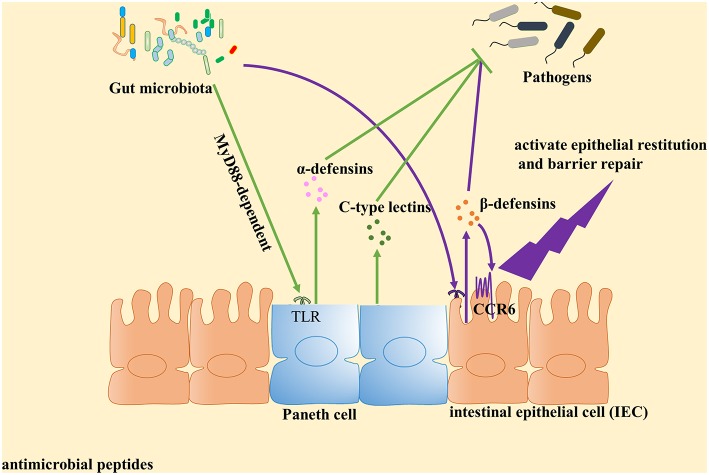
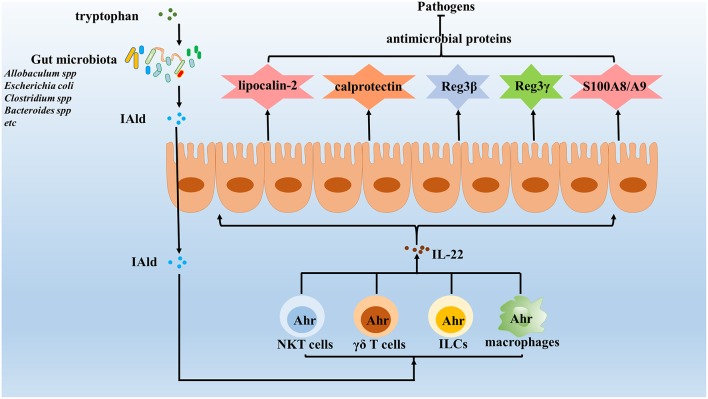
The mammalian intestine is colonized by over a trillion microbes that comprise the "gut microbiota," a microbial community which has co-evolved with the host to form a mutually beneficial relationship. Accumulating evidence indicates that the gut microbiota participates in immune system maturation and also plays a central role in host defense against pathogens. Here we review some of the mechanisms employed by the gut microbiota to boost the innate immune response against pathogens present on epithelial mucosal surfaces. Antimicrobial peptide secretion, inflammasome activation and induction of host IL-22, IL-17, and IL-10 production are the most commonly observed strategies employed by the gut microbiota for host anti-pathogen defense. Taken together, the body of evidence suggests that the host gut microbiota can elicit innate immunity against pathogens.
Overview
The claims and statistics of this paper haven’t been checked yet.
Run the check — free, no account needed. It reads the open-access text and checks the sources it cites.
Integrity signals
Registry
Cites
Statistics
Figures
Verification
Claims the paper makes
The claims and statistics of this paper haven’t been checked yet.
Run the check — free, no account needed. It reads the open-access text and checks the sources it cites.
Claims other papers make about this one
Each is checked against this paper’s own text: does it say what the citing paper says it does?
The source backs part of the claim, not all of it — or backs it for a different population, condition or comparison.
In the citing paper
“Therefore, host-microbe interactions in the brain, similar to those in the gut could influence crucial traits, such as brain metabolic status, pathogen resistance and education of the brain’s immune system [141,142].”
From What would it take to prove that a chronic infection is a causal agent in Alzheimer’s disease? (2025) · cites this paper as [141]
Experimental — accuracy not yet measured
Self-check
Percentages, sums and reported differences re-computed from the paper’s own numbers.
The self-check needs the paper’s full text.
Citations
Cites
Role of the microbiota in immunity and inflammation.
Belkaid, Y., & Hand, T. W. (2014) · Cell · doi:10.1016/j.cell.2014.03.011 · Cited by 5,385
den Besten, G., van Eunen, K., Groen, A. K., Venema, K., Reijngoud, D.-J., & Bakker, B. M. (2013) · Journal of Lipid Research · doi:10.1194/jlr.r036012 · Cited by 5,048
Interactions Between the Microbiota and the Immune System
Hooper, L. V., Littman, D. R., & Macpherson, A. J. (2012) · Science · doi:10.1126/science.1223490 · Cited by 4,173
Inflammasomes: mechanism of action, role in disease, and therapeutics
Guo, H., Callaway, J. B., & Ting, J. P.-Y. (2015) · Nature Medicine · doi:10.1038/nm.3893 · Cited by 3,340
Role of the normal gut microbiota
Jandhyala, S. M. (2015) · World Journal of Gastroenterology · doi:10.3748/wjg.v21.i29.8787 · Cited by 3,001
An Immunomodulatory Molecule of Symbiotic Bacteria Directs Maturation of the Host Immune System
Mazmanian, S. K., Liu, C. H., Tzianabos, A. O., & Kasper, D. L. (2005) · Cell · doi:10.1016/j.cell.2005.05.007 · Cited by 2,910
Mechanism and Regulation of NLRP3 Inflammasome Activation
He, Y., Hara, H., & Núñez, G. (2016) · Trends in Biochemical Sciences · doi:10.1016/j.tibs.2016.09.002 · Cited by 2,759
Zelante, T., Iannitti, R. G., Cunha, C., De Luca, A., Giovannini, G., Pieraccini, G., Zecchi, R., D’Angelo, C., Massi-Benedetti, C., Fallarino, F., et al. (2013) · Immunity · doi:10.1016/j.immuni.2013.08.003 · Cited by 2,614
IL-10: The Master Regulator of Immunity to Infection
Couper, K. N., Blount, D. G., & Riley, E. M. (2008) · The Journal of Immunology · doi:10.4049/jimmunol.180.9.5771 · Cited by 2,288
Microbial tryptophan catabolites in health and disease
Roager, H. M., & Licht, T. R. (2018) · Nature Communications · doi:10.1038/s41467-018-05470-4 · Cited by 2,236
Cited by
Sorted by citations
Gut microbiota-derived metabolites as central regulators in metabolic disorders
Agus, A., Clément, K., & Sokol, H. (2021) · Gut · doi:10.1136/gutjnl-2020-323071 · Cited by 1,347
Proal, A. D., & VanElzakker, M. B. (2021) · Frontiers in Microbiology · doi:10.3389/fmicb.2021.698169 · Cited by 921
Gastric cancer: a comprehensive review of current and future treatment strategies
Sexton, R. E., Hallak, M. N. A., Diab, M., & Azmi, A. S. (2020) · Cancer and Metastasis Reviews · doi:10.1007/s10555-020-09925-3 · Cited by 813
Surface components and metabolites of probiotics for regulation of intestinal epithelial barrier
Liu, Q., Yu, Z., Tian, F., Zhao, J., Zhang, H., Zhai, Q., & Chen, W. (2020) · Microbial Cell Factories · doi:10.1186/s12934-020-1289-4 · Cited by 456
The links between gut microbiota and obesity and obesity related diseases
Geng, J., Ni, Q., Sun, W., Li, L., & Feng, X. (2022) · Biomedicine & Pharmacotherapy · doi:10.1016/j.biopha.2022.112678 · Cited by 422
Intestinal mucus and their glycans: A habitat for thriving microbiota
Luis, A. S., & Hansson, G. C. (2023) · Cell Host & Microbe · doi:10.1016/j.chom.2023.05.026 · Cited by 305
Ronan, V., Yeasin, R., & Claud, E. C. (2020) · Gastroenterology · doi:10.1053/j.gastro.2020.08.065 · Cited by 278
The Mechanism of Secretion and Metabolism of Gut-Derived 5-Hydroxytryptamine
Liu, N., Sun, S., Wang, P., Sun, Y., Hu, Q., & Wang, X. (2021) · International Journal of Molecular Sciences · doi:10.3390/ijms22157931 · Cited by 228
Vitamin D and intestinal homeostasis: Barrier, microbiota, and immune modulation
Fakhoury, H. M. A., Kvietys, P. R., Al-Kattan, W., Anouti, F. A., Elahi, M. A., Karras, S. Ν., & Grant, W. B. (2020) · The Journal of Steroid Biochemistry and Molecular Biology · doi:10.1016/j.jsbmb.2020.105663 · Cited by 212
Xu, Y., Yu, Y., Shen, Y., Li, Q., Lan, J., Wu, Y., Zhang, R., Cao, G., & Yang, C. (2021) · Poultry Science · doi:10.1016/j.psj.2021.101358 · Cited by 184
Oral nanomedicine for modulating immunity, intestinal barrier functions, and gut microbiome
Lee, Y., Kamada, N., & Moon, J. J. (2021) · Advanced Drug Delivery Reviews · doi:10.1016/j.addr.2021.114021 · Cited by 169
Gut Microbiota, Probiotics and Physical Performance in Athletes and Physically Active Individuals
Marttinen, M., Ala‐Jaakkola, R., Laitila, A., & Lehtinen, M. J. (2020) · Nutrients · doi:10.3390/nu12102936 · Cited by 187
Impact of Microbial Metabolites on Microbiota–Gut–Brain Axis in Inflammatory Bowel Disease
Banfi, D., Moro, E., Bosi, A., Bistoletti, M., Cerantola, S., Crema, F., Maggi, F., Giron, M. C., Giaroni, C., & Baj, A. (2021) · International Journal of Molecular Sciences · doi:10.3390/ijms22041623 · Cited by 160
Structural diversity, functional aspects and future therapeutic applications of human gut microbiome
Ghosh, S., & Pramanik, S. (2021) · Archives of Microbiology · doi:10.1007/s00203-021-02516-y · Cited by 158
A review of heat stress in chickens. Part I: Insights into physiology and gut health
Brugaletta, G., Teyssier, J.-R., Rochell, S. J., Dridi, S., & Sirri, F. (2022) · Frontiers in Physiology · doi:10.3389/fphys.2022.934381 · Cited by 150
Role of Microbiota-Derived Extracellular Vesicles in Gut-Brain Communication
Cuesta, C. M., Guerri, C., Ureña, J., & Pascual, M. (2021) · International Journal of Molecular Sciences · doi:10.3390/ijms22084235 · Cited by 142
Zhou, Y., Wang, Y., Quan, M., Zhao, H., & Jia, J. (2021) · Journal of Alzheimer s Disease · doi:10.3233/jad-201497 · Cited by 125
Verma, A., Bhagchandani, T., Rai, A., Nikita, N., Sardarni, U. K., Bhavesh, N. S., Gulati, S., Malik, R., & Tandon, R. (2024) · ACS Omega · doi:10.1021/acsomega.3c05846 · Cited by 127
The Intestinal Microbiota: Impacts of Antibiotics Therapy, Colonization Resistance, and Diseases
Shah, T., Baloch, Z., Shah, Z., Cui, X., & Xia, X. (2021) · International Journal of Molecular Sciences · doi:10.3390/ijms22126597 · Cited by 124
Zhang, C., Fang, R., Lu, X., Zhang, Y., Yang, M., Su, Y., Jiang, Y., & Man, C. (2022) · Food & Function · doi:10.1039/d1fo04387k · Cited by 108
Epidemiology, clinical presentation, pathophysiology, and management of long COVID: an update
Su, S., Zhao, Y., Zeng, N., Liu, X., Zheng, Y., Sun, J., Zhong, Y., Wu, S., Ni, S., Gong, Y.-M., et al. (2023) · Molecular Psychiatry · doi:10.1038/s41380-023-02171-3 · Cited by 107
The central role of the gut microbiota in the pathophysiology and management of type 2 diabetes
Baars, D. P., Fondevila, M. F., Meijnikman, A. S., & Nieuwdorp, M. (2024) · Cell Host & Microbe · doi:10.1016/j.chom.2024.07.017 · Cited by 111
Mishima, Y., & Sartor, R. B. (2019) · Journal of Gastroenterology · doi:10.1007/s00535-019-01618-1 · Cited by 91
Qiao, L., Zhang, X., Pi, S., Chang, J., Dou, X., Yan, S., Song, X., Chen, Y., Zeng, X., Zhu, L., et al. (2022) · npj Science of Food · doi:10.1038/s41538-022-00145-3 · Cited by 87
Fang, H., Fang, M., Wang, Y., Zhang, H., Li, J., Chen, J., Wu, Q., He, L., Xu, J., Deng, J. H., et al. (2022) · Microbiology Spectrum · doi:10.1128/spectrum.00125-22 · Cited by 76
Mitsou, E. K., Saxami, G., Stamoulou, E., Kerezoudi, E. N., Terzi, E., Koutrotsios, G., Bekiaris, G., Zervakis, G. I., Mountzouris, K. C., Pletsa, V., et al. (2020) · Molecules · doi:10.3390/molecules25122806 · Cited by 75
Bacterial acetate metabolism and its influence on human epithelia.
Hosmer, J., McEwan, A. G., & Kappler, U. (2024) · PubMed Central · doi:10.1042/etls20220092 · Cited by 78
The human gut microbiota during the initial stages of life: insights from bifidobacteria
Turroni, F., Milani, C., Ventura, M., & van Sinderen, D. (2021) · Current Opinion in Biotechnology · doi:10.1016/j.copbio.2021.07.012 · Cited by 74
Liu, T., Sun, Z., Yang, Z., & Qiao, X. (2023) · Biomedicine & Pharmacotherapy · doi:10.1016/j.biopha.2023.114586 · Cited by 69
The role of microbiota in respiratory health and diseases, particularly in tuberculosis
Shah, T., Shah, Z., Baloch, Z., & Cui, X. (2021) · Biomedicine & Pharmacotherapy · doi:10.1016/j.biopha.2021.112108 · Cited by 73
Emerging Evidence on the Effects of Dietary Factors on the Gut Microbiome in Colorectal Cancer
Appunni, S., Rubens, M., Ramamoorthy, V., Saxena, A., Tonse, R., McGranaghan, P., Kaiser, A., & Kotecha, R. R. (2021) · Frontiers in Nutrition · doi:10.3389/fnut.2021.718389 · Cited by 62
Faecal Microbiota Transplantation and Chronic Kidney Disease
Bian, J., Liebert, A. D., Bicknell, B. T., Chen, X., Huang, C., & Pollock, C. A. (2022) · Nutrients · doi:10.3390/nu14122528 · Cited by 58
Liao, X., Lan, Y., Wang, W., Zhang, J., Shao, R., Yin, Z., Gudmundsson, G. H., Bergman, P., Mai, K., Ai, Q., et al. (2023) · Gut Microbes · doi:10.1080/19490976.2023.2187575 · Cited by 60
Li, H., Cui, X., Lin, Y., Huang, F., Tian, A., & Zhang, R. (2024) · Frontiers in Aging Neuroscience · doi:10.3389/fnagi.2024.1422350 · Cited by 65
Gu, Z., Zhu, Y., Jiang, S., Xia, G., Li, C., Zhang, X., Zhang, J., & Shen, X. (2020) · Food & Function · doi:10.1039/d0fo00116c · Cited by 55
Gut microbiota is a potential goalkeeper of dyslipidemia
Lei, L., Zhao, N., Zhang, L., Chen, J., Liu, X., & Piao, S. (2022) · Frontiers in Endocrinology · doi:10.3389/fendo.2022.950826 · Cited by 62
Zhang, Q., Deng, P., Chen, S., Xu, H., Zhang, Y., Chen, H., Zhang, J., & Sun, H. (2023) · Frontiers in Immunology · doi:10.3389/fimmu.2023.1107559 · Cited by 54
The Intriguing Connection Between the Gut and Lung Microbiomes
Druszczyńska, M., Sadowska, B., Kulesza, J., Gąsienica-Gliwa, N., Kulesza, E., & Fol, M. (2024) · Pathogens · doi:10.3390/pathogens13111005 · Cited by 62
Yarahmadi, A., Afkhami, H., Javadi, A., & Kashfi, M. (2024) · Diabetology & Metabolic Syndrome · doi:10.1186/s13098-024-01561-z · Cited by 61
Faecal cytokine profiling as a marker of intestinal inflammation in acutely decompensated cirrhosis
Riva, A., Gray, E. H., Azarian, S., Zamalloa, A., McPhail, M. J. W., Vincent, R. P., Williams, R. L., Chokshi, S., Patel, V., & Edwards, L. A. (2020) · JHEP Reports · doi:10.1016/j.jhepr.2020.100151 · Cited by 53
Did Climate Change Influence the Emergence, Transmission, and Expression of the COVID-19 Pandemic?
Gupta, S., Rouse, B. T., & Sarangi, P. P. (2021) · Frontiers in Medicine · doi:10.3389/fmed.2021.769208 · Cited by 58
Colonization resistance: metabolic warfare as a strategy against pathogenic Enterobacteriaceae
Shealy, N. G., Yoo, W., & Byndloss, M. X. (2021) · Current Opinion in Microbiology · doi:10.1016/j.mib.2021.09.014 · Cited by 53
Gut-on-a-Chip Models: Current and Future Perspectives for Host–Microbial Interactions Research
Morelli, M., Kurek, D., Ng, C. P., & Queiroz, K. C. S. (2023) · Biomedicines · doi:10.3390/biomedicines11020619 · Cited by 58
Cross-talk between immune system and microbiota in COVID-19
Ghavami, S. B., Pourhamzeh, M., Farmani, M., Raftar, S. K. A., Shahrokh, S., Shpichka, A. I., Aghdaei, H. A., Hakemi-Vala, M., Hossein‐Khannazer, N., Timashev, P. S., et al. (2021) · Expert Review of Gastroenterology & Hepatology · doi:10.1080/17474124.2021.1991311 · Cited by 51
Microbiota of the gastrointestinal tract: Friend or foe?
Senchukova, M. A. (2023) · World Journal of Gastroenterology · doi:10.3748/wjg.v29.i1.19 · Cited by 56
Sulfated glycan recognition by carbohydrate sulfatases of the human gut microbiota
Luis, A. S., Baslé, A., Byrne, D. P., Wright, G. S. A., London, J. A., Jin, C., Karlsson, N. G., Hansson, G. C., Eyers, P. A., Czjzek, M., et al. (2022) · Nature Chemical Biology · doi:10.1038/s41589-022-01039-x · Cited by 49
An insight into the commercial piglet’s microbial gut colonization: from birth towards weaning
Saladrigas-García, M., Durán, M., D’Angelo, M., Coma, J., Pérez, J. F., & Martín-Orúe, S. M. (2022) · Animal Microbiome · doi:10.1186/s42523-022-00221-9 · Cited by 54
Armored probiotics for oral delivery
Yang, X., Wang, C., Wang, Q., Zhang, Z., Nie, W., & Shang, L. (2023) · Smart Medicine · doi:10.1002/smmd.20230019 · Cited by 48
Bacterial extracellular vesicles – brain invaders? A systematic review
Kaisanlahti, A., Salmi, S., Kumpula, S., Amatya, S. B., Turunen, J., Tejesvi, M. V., Byts, N., Tapiainen, T., & Reunanen, J. (2023) · Frontiers in Molecular Neuroscience · doi:10.3389/fnmol.2023.1227655 · Cited by 50
Give them vasculature and immune cells – how to fill the gap of organoids
Yip, S., Wang, N., & Sugimura, R. (2023) · Cells Tissues Organs · doi:10.1159/000529431 · Cited by 48
Amin, N., Schwarzkopf, S., Tröscher-Mußotter, J., Camarinha‐Silva, A., Dänicke, S., Huber, K., Frahm, J., & Seifert, J. (2023) · Animal Microbiome · doi:10.1186/s42523-023-00233-z · Cited by 48
Boeri, L., Izzo, L., Sardelli, L., Tunesi, M., Albani, D., & Giordano, C. (2019) · Bioengineering · doi:10.3390/bioengineering6040091 · Cited by 47
The Bridge Between Ischemic Stroke and Gut Microbes: Short-Chain Fatty Acids
Fang, Z., Chen, M., Qian, J., Wang, C., & Zhang, J. (2022) · Cellular and Molecular Neurobiology · doi:10.1007/s10571-022-01209-4 · Cited by 41
NLRP3 and Gut Microbiota Homeostasis: Progress in Research
Pan, H., Jian, Y., Wang, F., Yu, S., Guo, J., Kan, J., & Guo, W. (2022) · Cells · doi:10.3390/cells11233758 · Cited by 40
Tian, S., Kim, M. S., Zhao, J., Heber, K., Hao, F., Koslicki, D., Tian, S., Singh, V., Patterson, A. D., & Bisanz, J. E. (2025) · Cell Host & Microbe · doi:10.1016/j.chom.2025.02.007 · Cited by 44
Host Microbe Interactions in the Lactating Mammary Gland
Sakwińska, O., & Bosco, N. (2019) · Frontiers in Microbiology · doi:10.3389/fmicb.2019.01863 · Cited by 43
Influence of immunomodulatory drugs on the gut microbiota
Cohen, I., Ruff, W. E., & Longbrake, E. E. (2021) · Translational research · doi:10.1016/j.trsl.2021.01.009 · Cited by 39
Sex-Dependent Effects of Intestinal Microbiome Manipulation in a Mouse Model of Alzheimer’s Disease
Kaur, H., Nookala, S., Singh, S., Mukundan, S., Nagamoto‐Combs, K., & Combs, C. K. (2021) · Cells · doi:10.3390/cells10092370 · Cited by 35
AI in microbiome‐related healthcare
Probul, N., Huang, Z., Saak, C. C., Baumbach, J., & List, M. (2024) · Microbial Biotechnology · doi:10.1111/1751-7915.70027 · Cited by 36
Banchi, P., Colitti, B., OPSOMER, G., Rota, A., & Soom, A. V. (2023) · Reproduction · doi:10.1530/rep-23-0078 · Cited by 38
Bravo-Santano, N., Boll, E. J., Capern, L. C., Cieplak, T., Keleszade, E., Letek, M., & Costabile, A. (2020) · Antibiotics · doi:10.3390/antibiotics9120849 · Cited by 37
Cuesta, C. M., Pascual, M., Pérez-Moraga, R., Rodríguez-Navarro, I., Garcia‐García, F., Ureña‐Peralta, J. R., & Guerri, C. (2021) · International Journal of Molecular Sciences · doi:10.3390/ijms222312830 · Cited by 34
Wong, G. C., Montgomery, J. M., & Taylor, M. W. (2021) · Exon Publications eBooks · doi:10.36255/exonpublications.autismspectrumdisorders.2021 · Cited by 41
Djekkoun, N., Lalau, J., Bach, V., Dépeint, F., & Khorsi‐Cauet, H. (2021) · European Journal of Nutrition · doi:10.1007/s00394-021-02548-6 · Cited by 34
Huang, R., Ju, Z., & Zhou, P. (2020) · The Science of The Total Environment · doi:10.1016/j.scitotenv.2020.141030 · Cited by 32
Microbiota-Derived Extracellular Vesicle as Emerging Actors in Host Interactions
Margutti, P., D’Ambrosio, A., & Zamboni, S. (2024) · International Journal of Molecular Sciences · doi:10.3390/ijms25168722 · Cited by 37
Dietary Strategies to Improve Exercise Performance by Modulating the Gut Microbiota
Zhang, L., Li, H., Song, Z., Liu, Y., & Zhang, X. (2024) · Foods · doi:10.3390/foods13111680 · Cited by 34
Acupuncture influences multiple diseases by regulating gut microbiota
Xu, H., Luo, Y., Li, Q., & Zhu, H. (2024) · Frontiers in Cellular and Infection Microbiology · doi:10.3389/fcimb.2024.1371543 · Cited by 33
The Microbiome and Its Implications in Cancer Immunotherapy
Choudhry, H. (2021) · Molecules · doi:10.3390/molecules26010206 · Cited by 31
Srivastava, P., & Kim, K.-S. (2022) · Pharmaceutics · doi:10.3390/pharmaceutics14112370 · Cited by 32
The effect of gut microbiota dysbiosis on patients with preeclampsia
Zhao, Y., Wang, B., Zhao, X., Cui, D., Hou, S., & Zhang, H. (2023) · Frontiers in Cellular and Infection Microbiology · doi:10.3389/fcimb.2022.1022857 · Cited by 30
Morimoto, N., Okamura, Y., Maekawa, S., Wang, H., Aoki, T., Kono, T., Sakai, M., & Hikima, J.-I. (2020) · Fish & Shellfish Immunology · doi:10.1016/j.fsi.2020.07.027 · Cited by 27
Significance of African Diets in Biotherapeutic Modulation of the Gut Microbiome
Isibor, P. O., Akinduti, P. A., Aworunse, O. S., Oyewale, J., Oshamika, O. O., Ugboko, H. U., Taiwo, O., Ahuekwe, E. F., Obafemi, Y. D., Onibokun, E. A., et al. (2021) · Bioinformatics and Biology Insights · doi:10.1177/11779322211012697 · Cited by 30
Michaud, E., Waeckel, L., Gayet, R., Goguyer‐Deschaumes, R., Chanut, B., Jospin, F., Bathany, K., Monnoye, M., Genet, C., Prier, A., et al. (2022) · EMBO Molecular Medicine · doi:10.15252/emmm.202115386 · Cited by 30
Deng, J., Liu, Y., Wei, W.-T., Huang, Q.-X., Zhao, L., Luo, L.-Y., Zhu, Q., Zhang, L., Chen, Y., Ren, Y.-L., et al. (2023) · Genome Research · doi:10.1101/gr.278239.123 · Cited by 28
Chen, W., Dong, M., Wang, L., Wu, J., Cong, M., Yang, R. J., Yu, N., Zhou, A., & Liang, J. B. (2024) · LWT · doi:10.1016/j.lwt.2024.116346 · Cited by 25
Jiang, X., Wang, X., Kah, M., & Li, M. (2024) · Journal of Hazardous Materials · doi:10.1016/j.jhazmat.2024.135158 · Cited by 25
Luan, F., Zhou, Y., Ma, X., Li, Y., Peng, Y., Jia, X., Li, N., Wang, X., Luo, Y., Man, M., et al. (2024) · BMC Microbiology · doi:10.1186/s12866-024-03188-6 · Cited by 24
Biological Functions and Applications of Antimicrobial Peptides
Jin, L., Dong, H., Sun, D., Wang, L., Qu, L., Lin, S., Yang, Q., & Zhang, X. (2022) · Current Protein and Peptide Science · doi:10.2174/1389203723666220519155942 · Cited by 24
Recent insights and advances in gut microbiota's influence on host antiviral immunity
Liu, Y., Yan, D., Chen, R., Zhang, Y., Wang, C., & Qian, G. (2025) · Frontiers in Microbiology · doi:10.3389/fmicb.2025.1536778 · Cited by 25
Tang, L., Xie, P., Wang, H., Hong, X., Gong, Z., Zhao, G., & Yue, M. (2025) · Clinical Microbiology Reviews · doi:10.1128/cmr.00236-25 · Cited by 30
Zhao, R., He, Q., Sha, S., Song, J., Qin, J., Liu, P., Sun, Y., Sun, L., Hou, X., & Chen, L. (2020) · Frontiers in Immunology · doi:10.3389/fimmu.2020.01644 · Cited by 23
Brandon-Mong, G.-J., Shaw, G. T.-W., Chen, W., Chen, C., & Wang, D. (2020) · BMC Microbiology · doi:10.1186/s12866-020-01981-7 · Cited by 24
Wang, X., Yu, M., Ye, J., Liu, T., Jian, L., Zheng, X., Wang, Y., Song, W., Luo, Y., & Yue, T. (2024) · Food Science and Human Wellness · doi:10.26599/fshw.2022.9250246 · Cited by 24
Cellular Immune Signal Exchange From Ischemic Stroke to Intestinal Lesions Through Brain-Gut Axis
Yang, Z., Wei, F., Zhang, B., Luo, Y., Xing, X., Wang, M., Chen, R., Sun, G., & Sun, X. (2022) · Frontiers in Immunology · doi:10.3389/fimmu.2022.688619 · Cited by 26
Jensen, N., Weiland‐Bräuer, N., Joel, S., Chibani, C. M., & Schmitz, R. A. (2023) · Microbiology Spectrum · doi:10.1128/spectrum.00262-23 · Cited by 26
Zhang, Y., Xue, G., Wang, F., Zhang, J., Xu, L., & Yu, C. (2024) · Frontiers in Microbiology · doi:10.3389/fmicb.2024.1382332 · Cited by 28
Strategies for Enhancement of Live-Attenuated Salmonella-Based Carrier Vaccine Immunogenicity
Galen, J. E., Wahid, R., & Buskirk, A. D. (2021) · Vaccines · doi:10.3390/vaccines9020162 · Cited by 22
Dunn, K. A., MacDonald, T., Rodrigues, G. J., Forbrigger, Z., Bielawski, J. P., Langille, M. G. I., Limbergen, J. V., & Kulkarni, K. P. (2022) · Frontiers in Cellular and Infection Microbiology · doi:10.3389/fcimb.2022.924707 · Cited by 21
Hawkins, B., Montgomery, M., Bokota, G., Santoyo, M., Giron, E., & Eltokhi, A. (2025) · Gut Microbes · doi:10.1080/19490976.2025.2574934 · Cited by 24
The Gut-Microbiota-Brain Axis in Autism Spectrum Disorder
Wong, G. C., Montgomery, J. M., & Taylor, M. W. (2021) · Exon Publications eBooks · doi:10.36255/exonpublications.autismspectrumdisorders.2021.gutmicrobiota · Cited by 22
Hyaluronan: A Neuroimmune Modulator in the Microbiota-Gut Axis
Bosi, A., Banfi, D., Bistoletti, M., Moretto, P., Moro, E., Crema, F., Maggi, F., Karousou, E. G., Viola, M., Passi, A. G., et al. (2021) · Cells · doi:10.3390/cells11010126 · Cited by 19
Gut microbiota and tuberculosis infection: interaction and therapeutic potential
Chai, Y., Li, M., Deng, X., Ma, C., Zhou, N., Chen, Y., Yao, Y., Li, K. C., Gong, W., & Lei, H. (2025) · Gut Microbes · doi:10.1080/19490976.2025.2531201 · Cited by 25
Han, L., Azad, M. A. K., Huang, P., Wang, W., Zhang, W., Blachier, F., & Kong, X. (2022) · Frontiers in Veterinary Science · doi:10.3389/fvets.2022.726276 · Cited by 22
Lee, K.-Y., Tsai, Y.-C., Wang, S., Chen, Y., & Chen, M. (2021) · Foods · doi:10.3390/foods10102337 · Cited by 19
Yamazaki, K., Sato, K., Tsuzuno, T., Sulijaya, B., Mashima, I., Kawamura, Y., & Yamazaki, K. (2020) · Microbial Pathogenesis · doi:10.1016/j.micpath.2020.103962 · Cited by 18
Kaistha, S. D., & Deshpande, N. M. (2021) · Springer eBooks · doi:10.1007/978-981-16-2677-7_8 · Cited by 19
Functions and specificity of bacterial carbohydrate sulfatases targeting host glycans
Luis, A. S., Yates, E. A., & Cartmell, A. (2022) · Essays in Biochemistry · doi:10.1042/ebc20220120 · Cited by 17
IEC-intrinsic IL-1R signaling holds dual roles in regulating intestinal homeostasis and inflammation
Overcast, G. R., Meibers, H. E., Eshleman, E. M., Saha, I., Waggoner, L., Patel, K. N., Jain, V. G., Haslam, D. B., Alenghat, T., VanDussen, K. L., et al. (2023) · The Journal of Experimental Medicine · doi:10.1084/jem.20212523 · Cited by 16
Sexual Dimorphic Interplays Between Gut Microbiota and Antihypertensive Drugs
Bardhan, P., & Yang, T. (2023) · Current Hypertension Reports · doi:10.1007/s11906-023-01244-6 · Cited by 18
Metadata
- Authors
- Cheng, H.-Y., Ning, M.-X., Chen, D.-K., & Ma, W.-T.
- Affiliations
- Northwest A&F University (CN)
- Venue
- Frontiers in Immunology
- Publisher
- Frontiers Media SA
- Published
- 2019-03-29
- Volume
- 10
- Pages
- 607-607
- ISSN
- 1664-3224 (ISSN-L)
- PMC
- PMC6449424
- OpenAlex
- W2926238016
- Cited by
- 244
- References
- 150
- Citations by year
- 2026: 16 · 2025: 39 · 2024: 51 · 2023: 35 · 2022: 38 · 2021: 38 · 2020: 22 · 2019: 4
- FWCI
- 2.25
- Type
- journal article
- Language
- en
- Open access
- gold
- doi.org
- Licence
- Locations
- Frontiers in Immunology (publishedVersion, cc-by)
- Europe PMC (PubMed Central) (publishedVersion, cc-by)
- PubMed Central (publishedVersion, cc-by)
- PubMed (publishedVersion)
- DOAJ (DOAJ: Directory of Open Access Journals) (submittedVersion, cc-by-sa)
- Funders
- Northwest Agriculture and Forestry University (00500/Z109021716)
- Topics
- Life Sciences › Biochemistry, Genetics and Molecular Biology › Molecular Biology › Gut microbiota and health
- Life Sciences › Immunology and Microbiology › Immunology › Immune Response and Inflammation
- Life Sciences › Agricultural and Biological Sciences › Food Science › Probiotics and Fermented Foods
- Keywords
- gut microbiota, innate immunity, host-pathogen interaction, intestinal epithelium, antimicrobial peptides, inflammasome activation, IL-22, IL-17, IL-10, mucosal immunity, immune system maturation
- MeSH terms
- Gastrointestinal Microbiome, Animals, Humans, Immunity, Innate, Intestinal Mucosa, Cytokines, Antimicrobial Cationic Peptides, Inflammasomes
About these checks
Registry, retraction, Cites and statistics results are computed, not judged, with one exception: a printed reference that no index lists is read once by a model before it counts as a citation error. Claims are extracted by a model and kept only when their quote appears verbatim in the text; each cited source is then checked, with a model’s help, for whether it says what the claim relies on. Those verdicts can be wrong — read the claim’s quote and the cited source before relying on one.
Statistics and arithmetic are recomputed, not judged.
Confidence bands are shown only for fields calibrated on our annotated test set. None is calibrated yet, so no band is shown.
What counts as a claim ›How we measure confidence ›How we check this ›
Are you an author, or do you see a problem with this page? Request a review
