

Glucagon-like peptide-1: a multi-faceted anti-inflammatory agent
Open accessThe DOI matches its Crossref record; 208 of the 208 references it cites were found in a registry or an index.
Abstract
Inflammation contributes to many chronic conditions. It is often associated with circulating pro-inflammatory cytokines and immune cells. GLP-1 levels correlate with disease severity. They are often elevated and can serve as markers of inflammation. Previous studies have shown that oxytocin, hCG, ghrelin, alpha-MSH and ACTH have receptor-mediated anti-inflammatory properties that can rescue cells from damage and death. These peptides have been studied well in the past century. In contrast, GLP-1 and its anti-inflammatory properties have been recognized only recently. GLP-1 has been proven to be a useful adjuvant therapy in type-2 diabetes mellitus, metabolic syndrome, and hyperglycemia. It also lowers HbA1C and protects cells of the cardiovascular and nervous systems by reducing inflammation and apoptosis. In this review we have explored the link between GLP-1, inflammation, and sepsis.
Overview
The claims and statistics of this paper haven’t been checked yet.
Free: it reads the open-access text and checks the first 5 claims that cite a source we can check. Create a free account to check every claim.
Integrity signals
Registry
Cites
Statistics
Figures
Verification
Claims the paper makes
The claims and statistics of this paper haven’t been checked yet.
Free: it reads the open-access text and checks the first 5 claims that cite a source we can check. Create a free account to check every claim.
Claims other papers make about this one
Each is checked against this paper’s own text: does it say what the citing paper says it does?
The source backs part of the claim, not all of it — or backs it for a different population, condition or comparison.
In the citing paper
“Additionally, GLP-1 mitigates liver inflammation and fibrosis by inhibiting the NF-κB pathway, reducing the release of pro-inflammatory cytokines such as TNF-α and IL-6, and thus suppressing inflammatory pathways.307,413”
From Glucagon-like peptide-1 receptor: mechanisms and advances in therapy (2024) · cites this paper as [413]
Experimental — accuracy not yet measuredThe cited source says what the claim attributes to it.
In the citing paper
“By modulating inflammatory responses, GLP-1RAs can help prevent the degeneration of dopamine-producing cells.413”
From Glucagon-like peptide-1 receptor: mechanisms and advances in therapy (2024) · cites this paper as [413]
The cited source says what the claim attributes to it.
In the citing paper
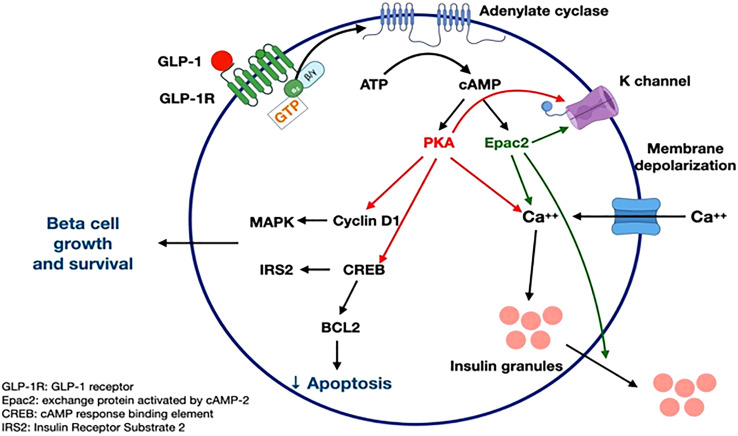
“Treatment with liraglutide reduced NADPH oxidase activity, increased cAMP-PKA activity, and reduced mesangial expansion in mouse models.69,70”
From Anti-inflammatory role of glucagon-like peptide 1 receptor agonists and its clinical implications (2024) · cites this paper as [69]
Self-check
Percentages, sums and reported differences re-computed from the paper’s own numbers.
The self-check needs the paper’s full text.
Citations
Cites
The third international consensus definitions for sepsis and septic shock (Sepsis-3).
Singer, M., Deutschman, C. S., Seymour, C. W., Shankar-Hari, M., Annane, D., Bauer, M., Bellomo, R., Bernard, G. R., Chiche, J.-D., Coopersmith, C. M., et al. (2016) · JAMA · doi:10.1001/jama.2016.0287 · Cited by 28,250
A synaptic model of memory: long-term potentiation in the hippocampus
Bliss, T. V. P., & Collingridge, G. L. (1993) · Nature · doi:10.1038/361031a0 · Cited by 11,566
Kalia, L. V., & Lang, A. E. (2015) · The Lancet · doi:10.1016/s0140-6736(14)61393-3 · Cited by 6,184
Inflammation, stress, and diabetes
Wellen, K. E., & Hotamisligil, G. S. (2005) · Journal of Clinical Investigation · doi:10.1172/jci25102 · Cited by 4,143
Biology of Incretins: GLP-1 and GIP
Baggio, L. L., & Drucker, D. J. (2007) · Gastroenterology · doi:10.1053/j.gastro.2007.03.054 · Cited by 3,639
The Physiology of Glucagon-like Peptide 1
Holst, J. J. (2007) · Physiological Reviews · doi:10.1152/physrev.00034.2006 · Cited by 3,371 · cited 1×
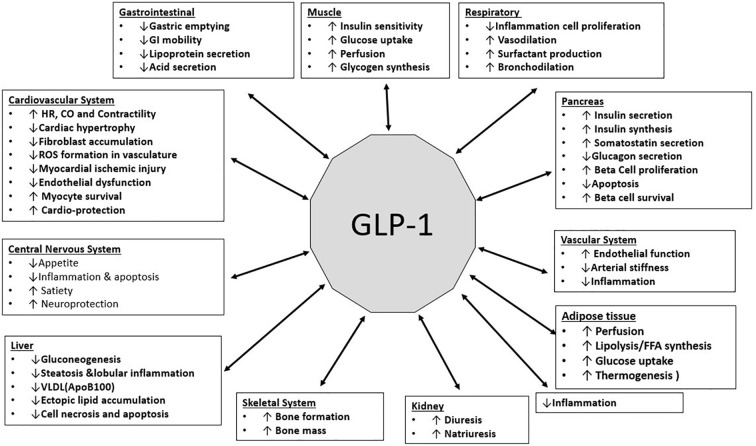
“GLP-1 is also involved in multiple other physiological processes including appetite, cardiovascular function, and inflammation (1).”
Background(2020) · PubMed · Cited by 2,642
2022 Alzheimer's disease facts and figures
(2022) · Alzheimer's & Dementia · doi:10.1002/alz.12638 · Cited by 2,341
The prevalence of Parkinson's disease: a systematic review and meta-analysis
Pringsheim, T., Jette, N., Frolkis, A., & Steeves, T. D. L. (2014) · Movement Disorders · doi:10.1002/mds.25945 · Cited by 2,188
Tirzepatide versus Semaglutide Once Weekly in Patients with Type 2 Diabetes
Frías, J. P., Davies, M. J., Rosenstock, J., Pérez Manghi, F. C., Fernández Landó, L., Bergman, B. K., Liu, B., Cui, X., & Brown, K. (2021) · New England Journal of Medicine · doi:10.1056/nejmoa2107519 · Cited by 2,096
Research works printed but not linked: 1
- 44. Dungan K, DeSantis A. Glucagon-like peptide 1-based therapies for the treatment of type 2 diabetes mellitus. in: Uptodate. Post DN, (Ed.), UpToDate. Waltham, MA: UpToDateInc. Available at: https://www.uptodate.com/contents/glucagon-like-peptide- 1-based-therapies-for-the-treatment-of-type-2-diabetes-mellitus.
Cited by
Glucagon-like peptide-1 receptor: mechanisms and advances in therapy
Zheng, Z., Zong, Y., Ma, Y., Tian, Y., Pang, Y., Zhang, C., & Gao, J. (2024) · Signal Transduction and Targeted Therapy · doi:10.1038/s41392-024-01931-z · Cited by 1,036
Mechanisms of long COVID and the path toward therapeutics
Peluso, M. J., & Deeks, S. G. (2024) · Cell · doi:10.1016/j.cell.2024.07.054 · Cited by 341
Anti-inflammatory role of glucagon-like peptide 1 receptor agonists and its clinical implications
Alharbi, S. H. (2024) · Therapeutic Advances in Endocrinology and Metabolism · doi:10.1177/20420188231222367 · Cited by 358
“69,70 Liraglutide has been shown to modulate immune responses in individuals with diabetes.”
BackgroundBrain-wide cell-type-specific transcriptomic signatures of healthy ageing in mice
Jin, K., Yao, Z., van Velthoven, C. T. J., Kaplan, E. S., Glattfelder, K. J., Barlow, S. T., Boyer, G., Carey, D., Casper, T., Chakka, A. B., et al. (2025) · Nature · doi:10.1038/s41586-024-08350-8 · Cited by 189
Unveiling Gestational Diabetes: An Overview of Pathophysiology and Management
Mittal, R., Prasad, K., Lemos, J. R. N., Arevalo, G., & Hirani, K. (2025) · International Journal of Molecular Sciences · doi:10.3390/ijms26052320 · Cited by 189
“Beyond their metabolic effects, emerging evidence suggests that GLP-1R agonists may exert anti-inflammatory properties [345–347].”
Wang, L., Berger, N. A., Kaelber, D. C., & Xu, R. (2024) · Gastroenterology · doi:10.1053/j.gastro.2024.04.029 · Cited by 130
Glucagon-Like Peptide-1: New Regulator in Lipid Metabolism
Bu, T., Sun, Z., Pan, Y., Deng, X., & Yuan, G. (2024) · Diabetes & Metabolism Journal · doi:10.4093/dmj.2023.0277 · Cited by 131
Min, J. S., Jo, S. J., Lee, S., Kim, D. Y., Kim, D. H., Lee, C. B., & Bae, S. K. (2025) · Drug Design Development and Therapy · doi:10.2147/dddt.s506957 · Cited by 133
“100,101 100–102 In addition, inflammatory cytokines are reportedly involved in CYP gene expression, with the reduced cytokine levels-mediated by GLP-1 RA administration may alter CYP gene expression, potentially leading to changes in the pharmacokinetics of co-administered drugs (Figure 3).”
Karakasis, P., Theofilis, P., Vlachakis, P. K., Korantzopoulos, P. G., Patoulias, D., Antoniadis, A. P., & Fragakis, N. (2024) · International Journal of Molecular Sciences · doi:10.3390/ijms26010209 · Cited by 112
Arillotta, D., Floresta, G., Guirguis, A., Corkery, J. M., Catalani, V., Martinotti, G., Sensi, S. L., & Schifano, F. (2023) · Brain Sciences · doi:10.3390/brainsci13111503 · Cited by 104
Molecular mechanisms of semaglutide and liraglutide as a therapeutic option for obesity
Tamayo‐Trujillo, R., Ruiz‐Pozo, V. A., Cadena-Ullauri, S., Guevara‐Ramírez, P., Paz‐Cruz, E., Zambrano-Villacres, R., Simancas‐Racines, D., & Zambrano, A. K. (2024) · Frontiers in Nutrition · doi:10.3389/fnut.2024.1398059 · Cited by 100
Krajewski, P. K., Złotowska, A., & Szepietowski, J. C. (2024) · Journal of Clinical Medicine · doi:10.3390/jcm13216292 · Cited by 84
“They also contribute to the reduction in elevated C-reactive protein (CRP) levels, a common feature in inflammatory diseases [60].”
BackgroundThe Effect of Semaglutide and GLP-1 RAs on Risk of Nonarteritic Anterior Ischemic Optic Neuropathy
Abbass, N. J., Nahlawi, R., Shaia, J. K., Allan, K. C., Kaelber, D. C., Talcott, K. E., & Singh, R. P. (2025) · American Journal of Ophthalmology · doi:10.1016/j.ajo.2025.02.025 · Cited by 78
“27 30 However, one study demonstrated an increased risk of NAION in patients with type 2 diabetes mellitus (T2DM) or those who were overweight or obese (high BMI) taking semaglutide vs patients on non-GLP-1RAs antidiabetic medications.”
Thornton, P., Reader, V., Digby, Z., Smolak, P. J., Lindsay, N. A., Harrison, D., Clarke, N., & Watt, A. P. (2024) · Journal of Pharmacology and Experimental Therapeutics · doi:10.1124/jpet.123.002013 · Cited by 85
Khan, M. T., Zohair, M., Khan, A., Kashif, A. W., Mumtaz, S., & Muskan, F. (2025) · Molecular and Cellular Endocrinology · doi:10.1016/j.mce.2025.112599 · Cited by 78
Qassab, M. A., Mneimneh, M., Jradi, A., Derbas, B., Dabboussi, D., Baini, J. K., Katrib, N., Chaarani, N., Attieh, P., Kanaan, A., et al. (2025) · Current Issues in Molecular Biology · doi:10.3390/cimb47040285 · Cited by 64
“Moreover, GLP1-RAs have been shown to downregulate the hyperglycemia-induced expression of nuclear factor kappa B (NF-κ B) that is a major mediator of renal inflammation [71].”
Halabitska, I., Бабинец, Л. С., Oksenych, V., & Kamyshnyi, O. (2024) · Biomedicines · doi:10.3390/biomedicines12081630 · Cited by 61
“GLP-1 receptors are abundant in various tissues, including the pancreas, intestine, and central nervous system [201–203].”
BackgroundTargher, G., Mantovani, A., Byrne, C. D., & Tilg, H. (2025) · Gut · doi:10.1136/gutjnl-2024-334023 · Cited by 48
Allan, K. C., Joo, J. H., Kim, S., Shaia, J., Kaelber, D. C., Singh, R., Talcott, K. E., & Rachitskaya, A. V. (2025) · Ophthalmology · doi:10.1016/j.ophtha.2025.01.016 · Cited by 54
Atrial Cardiomyopathy in Atrial Fibrillation: Mechanistic Pathways and Emerging Treatment Concepts
Karakasis, P., Theofilis, P., Vlachakis, P. K., Ktenopoulos, N., Patoulias, D., Antoniadis, A. P., & Fragakis, N. (2025) · Journal of Clinical Medicine · doi:10.3390/jcm14093250 · Cited by 58
“…GLP-1RAs reduce atrial inflammation via attenuation of macrophage infiltration and cytokine expression, enhance myocardial metabolic efficiency through improved glucose and lipid handling, and bolster antioxidant defenses—all of which contribute to reduced fibrotic remodeling [192,193,197–199].”
Interaction between diabetes and osteoporosis: imbalance between inflammation and bone remodeling
Zhang, X. L., Xu, D., Zhang, R., Wang, H., & Yang, G. (2025) · Osteoporosis International · doi:10.1007/s00198-025-07636-5 · Cited by 50
Neuroprotective effects of GLP-1 class drugs in Parkinson’s disease
Lv, D., Feng, P., Guan, X., Liu, Z., Li, D., Xue, C., Bai, B., & Hölscher, C. (2024) · Frontiers in Neurology · doi:10.3389/fneur.2024.1462240 · Cited by 49
Theodorakis, N., & Nikolaou, M. (2025) · Biomedicines · doi:10.3390/biomedicines13010135 · Cited by 50
Advances in GLP-1 receptor agonists for pain treatment and their future potential
He, Y., Xu, B., Zhang, M., Chen, D., Wu, S., Gao, J., Liu, Y., Zhang, Z., Kuang, J., & Fang, Q. (2025) · The Journal of Headache and Pain · doi:10.1186/s10194-025-01979-4 · Cited by 48
Zhou, Y., Suo, W., Zhang, X., Liang, J., Zhao, W., Wang, Y., Li, H., & Ni, Q. (2023) · Biomedicine & Pharmacotherapy · doi:10.1016/j.biopha.2023.115669 · Cited by 44
Semaglutide Ameliorates Diabetic Neuropathic Pain by Inhibiting Neuroinflammation in the Spinal Cord
Lee, S.-O., Kuthati, Y., Huang, W.-H., & Wong, C. (2024) · Cells · doi:10.3390/cells13221857 · Cited by 46
Gorelik, Y., Ghersin, I., Lujan, R., Shlon, D., Loewenberg Weisband, Y., Ben-Tov, A., Matz, E., Zacay, G., Dotan, I., Turner, D., et al. (2025) · Journal of Crohn's and Colitis · doi:10.1093/ecco-jcc/jjae160 · Cited by 41
Practice Patterns and Perspectives of the Off-Label Use of GLP-1 Agonists for Cosmetic Weight Loss
Han, S. H., Ockerman, K., Furnas, H., Mars, P., Klenke, A., Ching, J., Momeni, A., & Sorice-Virk, S. (2024) · Aesthetic Surgery Journal · doi:10.1093/asj/sjad364 · Cited by 40
Type 2 Diabetes and the Multifaceted Gut-X Axes
Guo, H., Pan, L.-T., Wu, Q., Wang, L., Huang, Z., Wang, J., Wang, L., Fang, X., Dong, S., Zhu, Y., et al. (2025) · Nutrients · doi:10.3390/nu17162708 · Cited by 44
Chen, N., Chan, C. K., Khan, F. U., Makhijani, P., Valentino, T. R., Winer, S., Luk, C. T., & Winer, D. A. (2026) · Ageing Research Reviews · doi:10.1016/j.arr.2026.103036 · Cited by 42
Bailey, C. J., Flatt, P. R., & Conlon, J. M. (2025) · Peptides · doi:10.1016/j.peptides.2025.171380 · Cited by 42
“GLP-1RAs also reduce chronic inflammation (see Section 6.1) and appear to impede various steps in the atherogenic process while acting directly on myocardial cells to enhance nutrient metabolism and reduce oxidative stress [48,49].”
InfluentialNgabea, M. A., & Dimeji, I. Y. (2025) · Biochemical and Biophysical Research Communications · doi:10.1016/j.bbrc.2025.152822 · Cited by 35
Safety profile of semaglutide versus placebo in the SELECT study: a randomized controlled trial
Kushner, R. F., Ryan, D. H., Deanfield, J., Kokkinos, A., Cercato, C., Wilding, J., Burguera, B., Wu, C., Craciun, A., Pall, D., et al. (2025) · Obesity · doi:10.1002/oby.24222 · Cited by 35
“The lower proportions of SAEs and deaths in the semaglutide group versus the placebo group deserve further inquiry and may relate to greater weight loss and anti-inflammatory properties of GLP-1RAs [16].”
Chauhan, A., Dubey, S., & Jain, S. (2024) · Cell Biochemistry and Function · doi:10.1002/cbf.4111 · Cited by 37
Nassar, M., Nassar, O., Abosheaishaa, H. M., & Misra, A. (2024) · Journal of Endocrinological Investigation · doi:10.1007/s40618-024-02466-4 · Cited by 35
Lewis, J. E., Omenge, D. K., Patterson, A., Anwaegbu, O. S., Tabukum, N. N., Lewis, J. E., & Lee, W. (2025) · Diabetes and Vascular Disease Research · doi:10.1177/14791641251322909 · Cited by 34
Rinella, M. E., & Sookoian, S. C. (2026) · Nature Reviews Gastroenterology & Hepatology · doi:10.1038/s41575-026-01187-8 · Cited by 34
“…and mouse models, suggest that GLP1-RAs exert both indirect and extra-hepatic direct anti-inflammatory and antifibrotic effects, including attenuation of endoplasmic reticulum stress, oxidative injury and macrophage-mediated inflammatory signalling (for example, via NF-κB inhibition) 63,64 .”
Ros-Madrid, I., Cano-Mármol, R. P., Ferrer-Gomez, M., & Ramos-Molina, B. (2025) · Canadian Journal of Physiology and Pharmacology · doi:10.1139/cjpp-2025-0148 · Cited by 31
Ghebrehiwet-Kuflom, J., Mehta, A., Lim, P., Dahle, S. E., & Isseroff, R. R. (2025) · Journal of Investigative Dermatology · doi:10.1016/j.jid.2025.08.045 · Cited by 34
He, W., Wei, J., Liu, X., Zhang, Z., Huang, R., & Jiang, Z. (2024) · Scientific Reports · doi:10.1038/s41598-024-62465-6 · Cited by 30
Scheen, A. J. (2025) · Diabetes & Metabolism · doi:10.1016/j.diabet.2025.101681 · Cited by 30
Kuthati, Y., Davuluri, V. N. G., & Wong, C. (2025) · Biomolecules · doi:10.3390/biom15050622 · Cited by 32
Nowak, K. L., & Chonchol, M. (2025) · American Journal of Kidney Diseases · doi:10.1053/j.ajkd.2025.06.019 · Cited by 30
Romagnani, P., Tang, S. C. W., Weins, A., Huber, T. B., Osafo, C., & Anders, H. (2025) · Nature Reviews Disease Primers · doi:10.1038/s41572-025-00671-w · Cited by 30
Gut microbiota and type 2 diabetes mellitus: a focus on the gut-brain axis
Pan, Y., Bu, T., Deng, X., Jia, J., & Yuan, G. (2024) · Endocrine · doi:10.1007/s12020-023-03640-z · Cited by 32
Heo, K. Y., Goel, R. K., Woltemath, A., Fuqua, A. A., Hrudka, B. T., Syed, O. Z., Arellano, E., Premkumar, A., & Wilson, J. M. (2024) · The Journal of Arthroplasty · doi:10.1016/j.arth.2024.10.099 · Cited by 30
Rroji, M., & Spasovski, G. B. (2024) · Biomedicines · doi:10.3390/biomedicines12030657 · Cited by 34
“against kidney and cardiovascular diseases [5,15,86,87,101,102].”
BackgroundNieto, L. M., Martinez, J. P., Narvaez, S. I., Ko, D., Kim, D. H., Vega, K. J., & Chawla, S. (2025) · The American Journal of Gastroenterology · doi:10.14309/ajg.0000000000003525 · Cited by 29
Verhey, J. T., Austin, R. P., Tarabichi, S., Paul, B., Deckey, D. G., Christopher, Z. K., Spangehl, M. J., & Bingham, J. S. (2025) · The Journal of Arthroplasty · doi:10.1016/j.arth.2025.03.012 · Cited by 28
Wu, J., Tseng, K., Kao, C., Hung, K.-C., Yu, T., & Lin, Y. (2025) · Diabetes Research and Clinical Practice · doi:10.1016/j.diabres.2025.112279 · Cited by 26
Pantazopoulos, D., Gouveri, E., Papi, M., Papazoglou, D., & Παπάνας, Ν. (2025) · Advances in Therapy · doi:10.1007/s12325-025-03257-w · Cited by 27
“In animal studies, GLP-1 and its analogues reduced macrophage infiltration in blood vessels and production of interleukin-6 (IL-6), interleukin -1 β (IL-1 β ), tumour necrosis factor-alpha (TNF α ) and C-reactive protein (CRP) [13].”
Perivascular Adipose Tissue Oxidative Stress in Obesity
Man, A. W. C., Zhou, Y., Xia, N., & Li, H. (2023) · Antioxidants · doi:10.3390/antiox12081595 · Cited by 28
“Glucagon-like petide-1 (GLP-1) is a peptide that is mainly produced by the intestinal cells and is known to improve cardiovascular health [137], improve endothelial function in obesity [138], and stimulate fatty acid oxidation and insulin signalling pathways, thus enhancing the antioxidant capacity [139].”
BackgroundBrown, S., Tadros, A. B., Montagna, G., Bell, T., Crowley, F., Gallagher, E. J., & Dayan, J. H. (2024) · Frontiers in Pharmacology · doi:10.3389/fphar.2024.1457363 · Cited by 24
Zwitterionic Peptides: From Mechanism, Design Strategies to Applications
Cui, Z., Wang, Y., Zhang, L., & Qi, H. (2024) · ACS Applied Materials & Interfaces · doi:10.1021/acsami.4c08891 · Cited by 23
Zhang, Y., Yang, D., Jia, Q., Yan, J., & An, F. (2024) · Diabetes, Obesity and Metabolism · doi:10.1111/dom.15557 · Cited by 22
“45 GLP-1 receptor is extensively distributed in various tissues throughout the body, including the lungs, kidneys, central nervous system, cardiovascular system, and the gastrointestinal tract.”
BackgroundCarlucci, P. M., Cohen, B., Saxena, A., Belmont, M. H., Masson, M., Gold, H. T., Buyon, J. P., & Izmirly, P. (2024) · Rheumatology · doi:10.1093/rheumatology/keae547 · Cited by 23
Obesity in Hidradenitis Suppurativa: Are GLP-1 Receptor Agonists the New Frontier?
Strong, J., & Driscoll, M. S. (2024) · American Journal of Clinical Dermatology · doi:10.1007/s40257-024-00911-x · Cited by 22
“GLP-1 may improve wound healing as well through a reduction of matrix metalloproteinases which degrade extracellular matrix proteins [54].”
Barrea, L., Annunziata, G., Verde, L., Galasso, M., Savastano, S., Colao, A. A. L., & Muscogiuri, G. (2025) · Current Obesity Reports · doi:10.1007/s13679-025-00667-3 · Cited by 26
Spezani, R., & Mandarim‐de‐Lacerda, C. A. (2025) · Diabetes Obesity and Metabolism · doi:10.1111/dom.70400 · Cited by 25
“9,80 Central GLP-1R activation also suppresses TLR-driven cytokine induction (e.g., TNF-α ) via neuronal GLP-1Rs, indicating a direct central mechanism beyond peripheral metabolic effects.”
Rojas-Solé, C., Pinilla-González, V., Lillo‐Moya, J., González-Fernández, T., Saso, L., & Rodrigo, R. (2023) · Redox Report · doi:10.1080/13510002.2023.2289740 · Cited by 24
Krentz, A. J., Jacob, S., Heiß, C., Sattar, N. A., Lim, S. K., Khunti, K., & Eckel, R. H. (2024) · Atherosclerosis · doi:10.1016/j.atherosclerosis.2024.118528 · Cited by 23
Lymperopoulos, A., Borges, J. I., & Stoicovy, R. A. (2024) · Pharmaceutics · doi:10.3390/pharmaceutics16060693 · Cited by 23
Catalfamo, L. M., Ponte, F. S. D., & Rinaldis, D. D. (2025) · Journal of Clinical Medicine · doi:10.3390/jcm14155269 · Cited by 25
“Furthermore, GLP-1 displays notable anti-inflammatory and immunomodulatory activities, which may further contribute to its systemic therapeutic potential beyond glycemic control [7].”
A Review on the Protective Effects of Probiotics against Alzheimer’s Disease
Mishra, V., Yadav, D., Solanki, K. S., Koul, B., & Song, M. (2023) · Biology · doi:10.3390/biology13010008 · Cited by 22
“GLP-1 functions as a neuroprotective agent by preventing cell death and neuronal apoptosis [136,137].”
BackgroundImpact of DPP-4 Inhibitors in Patients with Diabetes Mellitus and Heart Failure: An In-Depth Review
Epelde, F. (2024) · Medicina · doi:10.3390/medicina60121986 · Cited by 22
Dermawan, D., & Alotaiq, N. (2025) · Scientific Reports · doi:10.1038/s41598-025-93683-1 · Cited by 19
“Based on these criteria, a set of 30 AMPs was chosen (Table 9), including Exendin-4, an AMP with similarities to GLP-1, and has been investigated for its potential to influence ACE2 activity 120 .”
Proglucagon-derived peptides: human physiology and therapeutic potential
Gasbjerg, L. S., Nielsen, C. K., Suppli, M. P., Grøndahl, M. F. G., Holst, J. J., Knop, F. K., Jeppesen, P. B., & Lund, A. (2025) · Physiological Reviews · doi:10.1152/physrev.00057.2024 · Cited by 22
Jorge, A. M., Patel, A. V., Zhou, B., Zhang, L., & Choi, H. K. (2025) · Arthritis & Rheumatology · doi:10.1002/art.43403 · Cited by 20
Raut, S., & Cucullo, L. (2025) · Antioxidants · doi:10.3390/antiox14121490 · Cited by 22
“Microglia express GLP-1R, and liraglutide treatment significantly lowers microglial secretion of IFN-γ , TNF-α , and IL-6 [101].”
Incretin Receptor Agonism, Fat-free Mass, and Cardiorespiratory Fitness: A Narrative Review
Liu, Z., Weeldreyer, N. R., & Angadi, S. S. (2025) · The Journal of Clinical Endocrinology & Metabolism · doi:10.1210/clinem/dgaf335 · Cited by 21
The current landscape for diabetes treatment: Preventing diabetes-associated CV risk
Dardano, A., Bianchi, C., Garofolo, M., & Prato, S. D. (2024) · Atherosclerosis · doi:10.1016/j.atherosclerosis.2024.117560 · Cited by 18
Johnson, S., Abedian, S., Stürmer, T., Huling, J. D., Lewis, C., V, Buse, J. B., Brosnahan, S. B., Mudumbi, P. C., Erlandson, K. M., McComsey, G. A., et al. (2024) · Diabetes Care · doi:10.2337/dca24-0032 · Cited by 20
Decoding the Significance of Alpha Cell Function in the Pathophysiology of Type 1 Diabetes
Carroll, J., Chen, J. Z.-J., Mittal, R., Lemos, J. R. N., Mittal, M., Juneja, S., Assayed, A., & Hirani, K. (2024) · Cells · doi:10.3390/cells13221914 · Cited by 22
“GLP-1 exhibits hypoglycemic activity that works in conjunction with glucose-dependent insulin secretion, inhibition of glucagon production, and regulation of islet cell life course [62].”
Atrial Fibrillation in Diabetes: Pathogenesis and Targeted Rhythm Control Strategies
Grigoriou, K., Karakasis, P., Pamporis, K., Theofilis, P., Patoulias, D., Karagiannidis, E., Fyntanidou, B., Antoniadis, A. P., & Fragakis, N. (2025) · Current Issues in Molecular Biology · doi:10.3390/cimb47070559 · Cited by 18
“In addition, GLP-1 RAs significantly reduce systemic and local inflammation by attenuating macrophage infiltration and pro-inflammatory cytokine levels, such as TNF-α and IL-1 β [203,204].”
Lu, Y., Dai, H., Tang, H., Donahoo, W. T., George, T. J., Sun, R. C., Jiang, S., Tan, A. C., Guo, Y. M., Licht, J. D., et al. (2025) · Obesity · doi:10.1002/oby.24366 · Cited by 21
“Baseline characteristics before and after 1:1 PS matching are detailed in Table 1 and Tables S3”
Gruzmark, F. S., Beraja, G. E., Jozic, I., & Lev‐Tov, H. A. (2025) · Wound Repair and Regeneration · doi:10.1111/wrr.70085 · Cited by 18
“GLP-1RAs act as an incretin hormone, inhibiting glucagon secretion, promoting weight loss, and reducing inflammation [46].”
Zhang, R., Tan, S. F., Wang, Y., Wu, J., & Zhang, C. (2025) · Frontiers in Cell and Developmental Biology · doi:10.3389/fcell.2025.1666646 · Cited by 22
GLP-1 Receptor Agonists in Heart Failure
Rahmani, A. R., Dhaliwal, S., Pastena, P., Kazakov, E., Jayaseelan, K., & Kalogeropoulos, A. P. (2025) · Biomolecules · doi:10.3390/biom15101403 · Cited by 20
“Beyond cellular energetics, GLP-1 RAs exert significant anti-inflammatory and anti-fibrotic effects [52,82,83,98] that target the chronic pathological remodeling central to heart failure progression [57,58,71,84].”
InfluentialSGLT2 Inhibitors in the Management of Cardio-Renal-Metabolic Syndrome: A New Therapeutic Era
Grigoriou, K., Karakasis, P., Nasoufidou, A., Stachteas, P., Klisic, A. N., Karagiannidis, E., Fyntanidou, B., Popovic, D. S., Patoulias, D., Antoniadis, A. P., et al. (2025) · Medicina · doi:10.3390/medicina61111903 · Cited by 23
Kim, C. H. (2026) · Cellular and Molecular Immunology · doi:10.1038/s41423-026-01412-z · Cited by 18
The Role of Peptides in Asthma–Obesity Phenotype
Russjan, E. (2024) · International Journal of Molecular Sciences · doi:10.3390/ijms25063213 · Cited by 22
“GLP-1, in addition to participating in glycemic control, has anti-inflammatory properties under many different conditions [195].”
BackgroundMechanisms coupling the mTOR pathway to chronic obstructive pulmonary disease (COPD) pathogenesis
Goyal, A., Chopra, V., Garg, K., & Sharma, S. (2025) · Cytokine & Growth Factor Reviews · doi:10.1016/j.cytogfr.2024.12.005 · Cited by 19
Fan, W., Zhang, Q., Wang, C., Sun, J., Zhang, J., & Yin, Y. (2025) · International Immunopharmacology · doi:10.1016/j.intimp.2025.114390 · Cited by 17
Yang, M., Jia, M., Cai, M., Feng, X., Huang, L., & Yang, J. (2025) · Psychopharmacology · doi:10.1007/s00213-025-06840-9 · Cited by 18
“In AD models,, the GLP-1R agonist liraglutide reduces activated microglia and cortical inflammation, alleviating AD symptoms (Mehdi et al. 2023).”
Moussa, M. R., Fan, N., Birk, J. W., Provatas, A. A., Mehta, P., Hatano, Y., Chun, O. K., Mofrad, M. D., Lotfi, A., Aksenov, A. A., et al. (2025) · Cancer Prevention Research · doi:10.1158/1940-6207.capr-24-0383 · Cited by 15
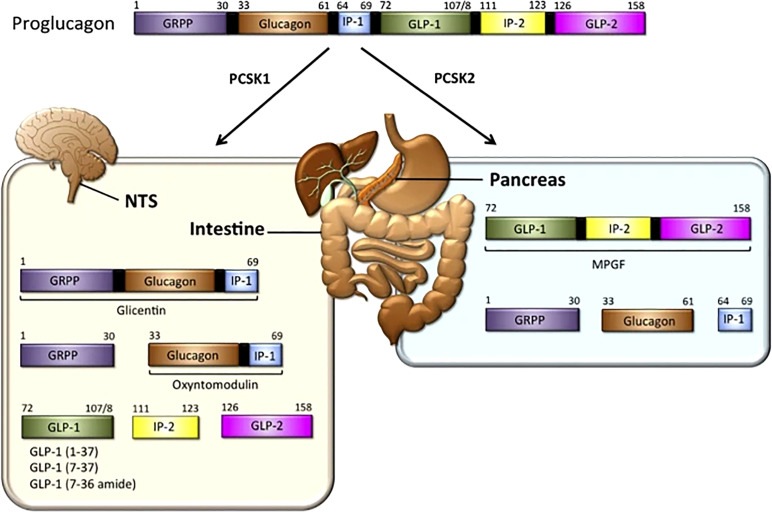
“GLP-1, produced by posttranslational processing of proglucagon, has anti-inflammatory properties and contributes to overall gut health (39).”
Abu-Nejim, H., & Becker, R. C. (2025) · Current Atherosclerosis Reports · doi:10.1007/s11883-025-01350-7 · Cited by 16
“In addition, by minimizing inflammation and preventing apoptosis they have a cellular protective role in the nervous and cardiovascular systems [49].”
Lorenc, Z. P., Somenek, M. T., Nguyen, T. Q., Garimella, S., Hicks, J. L., Le, J. H. T. D., & Meckfessel, M. (2025) · Aesthetic Surgery Journal · doi:10.1093/asj/sjaf240 · Cited by 15
Tirzepatide reduces alcohol drinking and relapse-like behaviours in rodents
Edvardsson, C. E., Adermark, L., Gottlieb, S., Alfreji, S., Emous, T. A., Gouda, Y., Thorsell, A., Vujičić, M., Aranäs, C., Benrick, A., et al. (2026) · EBioMedicine · doi:10.1016/j.ebiom.2025.106119 · Cited by 16
“…a custom-ordered Bio-Plex Pro™ rat Cytokine Assay kit (10014905, Bio-Rad, Hercules, CA, USA) to quantify five cytokines, based on the literature 50,51 : interleukin (IL)-1 β , IL-6, IL-10, tumour necrosis factor alpha (TNF α ), and monocyte chemoattractant protein-1 (MCP-1) using the Bio-Plex…”
Visceral adiposity, metabolic health and aging
Maeyens, L. T., Nelson, J. F., & Zhao, S. (2026) · Nature Aging · doi:10.1038/s43587-026-01076-4 · Cited by 17
Ku, S., & Chang, H. (2024) · JDDG Journal der Deutschen Dermatologischen Gesellschaft · doi:10.1111/ddg.15431 · Cited by 15
Effect of GLP1 Agonists on Reproduction
Couldwell, M., Tidwell, A. J., & Taylor, A. E. (2025) · The Journal of Clinical Endocrinology & Metabolism · doi:10.1210/clinem/dgaf401 · Cited by 16
Exploring the Role of Metabolic Hormones in Amyotrophic Lateral Sclerosis
Moțățăianu, A., Mănescu, I. B., Şerban, G. M., Bărcuţean, L., Ion, V., Bălașa, R., & Andone, S. R. (2024) · International Journal of Molecular Sciences · doi:10.3390/ijms25105059 · Cited by 15
“GLP-1R signaling pathways exhibit neuroprotective effects, supporting neurogenesis and synaptic plasticity, reducing inflammation and oxidative stress, and inhibiting apoptosis [13,67–70].”
BackgroundObesity and Asthma: Implementing a Treatable Trait Care Model
Mendes, F. C., García-Larsen, V., & Moreira, A. M. (2024) · Clinical & Experimental Allergy · doi:10.1111/cea.14520 · Cited by 15
Glucagon‐Like Peptide‐1 Links Ingestion, Homeostasis, and the Heart
Krieger, J., Daniels, D., Lee, S. J., Mastitskaya, S., & Langhans, W. (2024) · Comprehensive physiology · doi:10.1002/cph4.7 · Cited by 15
“…secretion and cardiovascular protective effects to inhibitions of food and water intake as well as gastric emptying and effects on energy expenditure EE, learning and memory, adipocyte formation and differentiation (Challa et al. 2012), and even an anti-inflammatory effect (Mehdi et al. 2023).”
Karakasis, P., Theofilis, P., Lefkou, E. E., Antoniadis, A. P., Patoulias, D., Korantzopoulos, P. G., & Fragakis, N. (2025) · International Journal of Molecular Sciences · doi:10.3390/ijms26062739 · Cited by 14
Fan, Y.-C., Peng, S.-Y., Chang, C., Lee, C., Huang, J., Hsieh, M., & Yang, S. (2023) · Healthcare · doi:10.3390/healthcare11202749 · Cited by 15
Su, Y., Hsieh, P.-C., Lai, E. C., Lin, Y.-C., & Lin, Y.-C. (2024) · Diabetes & Metabolism · doi:10.1016/j.diabet.2024.101545 · Cited by 13
Liraglutide Pretreatment Does Not Improve Acute Doxorubicin-Induced Cardiotoxicity in Rats
Tonon, C. R., Monte, M. G., Balin, P. D. S., Fujimori, A. S. S., Ribeiro, A. P. D., Ferreira, N. F., Vieira, N. M., Cabral, R. P., Okoshi, M. P., Okoshi, K., et al. (2024) · International Journal of Molecular Sciences · doi:10.3390/ijms25115833 · Cited by 16
Riemma, M. A., Mele, E., Donniacuo, M., Telesca, M., Bellocchio, G., Castaldo, G., Rossi, F., Angelis, A. D., Cappetta, D., Urbanek, K., et al. (2024) · Frontiers in Pharmacology · doi:10.3389/fphar.2024.1422740 · Cited by 15
GLP-1, GIP, and Glucagon Agonists for Obesity Treatment: A Hunger Perspective
d’Ávila, M., Hall, S., & Horváth, T. L. (2024) · Endocrinology · doi:10.1210/endocr/bqae128 · Cited by 14
Metadata
- Authors
- Mehdi, S. F., Pusapati, S., Anwar, M. S., Lohana, D., Kumar, P., Nandula, S. A., Nawaz, F. K., Tracey, K., Yang, H., LeRoith, D., Brownstein, M. J., & Roth, J.
- Affiliations
- Northwell Health (US)
- Icahn School of Medicine at Mount Sinai (US)
- Azevan Pharmaceuticals (United States) (US)
- Corresponding author
- Roth, Jesse
- Venue
- Frontiers in Immunology
- Publisher
- Frontiers Media SA
- Published
- 2023-05-17
- Volume
- 14
- Pages
- 1148209-1148209
- ISSN
- 1664-3224 (ISSN-L)
- PMC
- PMC10230051
- OpenAlex
- W4377041419
- Cited by
- 317
- References
- 208
- Citations by year
- 2026: 107 · 2025: 138 · 2024: 61 · 2023: 10
- FWCI
- 11.40
- Type
- journal article
- Language
- en
- Open access
- gold
- doi.org
- Licence
- Locations
- Frontiers in Immunology (publishedVersion, cc-by)
- PubMed Central (publishedVersion, cc-by)
- PubMed (publishedVersion)
- DOAJ (DOAJ: Directory of Open Access Journals) (submittedVersion, cc-by-sa)
- Funders
- Feinstein Institutes for Medical Research
- Topics
- Health Sciences › Medicine › Endocrinology, Diabetes and Metabolism › Diabetes Treatment and Management
- Life Sciences › Neuroscience › Cellular and Molecular Neuroscience › Neuropeptides and Animal Physiology
- Health Sciences › Medicine › Endocrinology, Diabetes and Metabolism › Adipokines, Inflammation, and Metabolic Diseases
- Keywords
- glucagon-like peptide-1, anti-inflammatory peptides, inflammation, sepsis, inflammatory cytokines, type 2 diabetes, metabolic syndrome, hyperglycemia, HbA1c, apoptosis, cardioprotection, neuroprotection, adjuvant therapy
- MeSH terms
- Anti-Inflammatory Agents, Diabetes Mellitus, Type 2, Humans, Inflammation, Peptides, Glucagon-Like Peptide 1
About these checks
Registry, retraction, Cites and statistics results are computed, not judged, with one exception: a printed reference that no index lists is read once by a model before it counts as a citation error. Claims are extracted by a model and kept only when their quote appears verbatim in the text; each cited source is then checked, with a model’s help, for whether it says what the claim relies on. Those verdicts can be wrong — read the claim’s quote and the cited source before relying on one.
Statistics and arithmetic are recomputed, not judged.
Confidence bands are shown only for fields calibrated on our annotated test set. None is calibrated yet, so no band is shown.
What counts as a claim ›How we measure confidence ›How we check this ›
Are you an author, or do you see a problem with this page? Request a review
Data sources
Bibliographic data: Semantic Scholar, OpenAlex, Crossref.
Contains information from the Semantic Scholar Academic Graph Datasets, made available under the ODC Attribution License (ODC-BY 1.0).
Semantic Scholar’s data is described in: Kinney, R., et al. (2023). The Semantic Scholar Open Data Platform. arXiv:2301.10140.
