

The DOI matches its Crossref record; 2 of the 2 references it cites were found in a registry or an index.
Tick bite-induced alpha-gal syndrome and immunologic responses in an alpha-gal deficient murine model
Published version of a preprint
Abstract
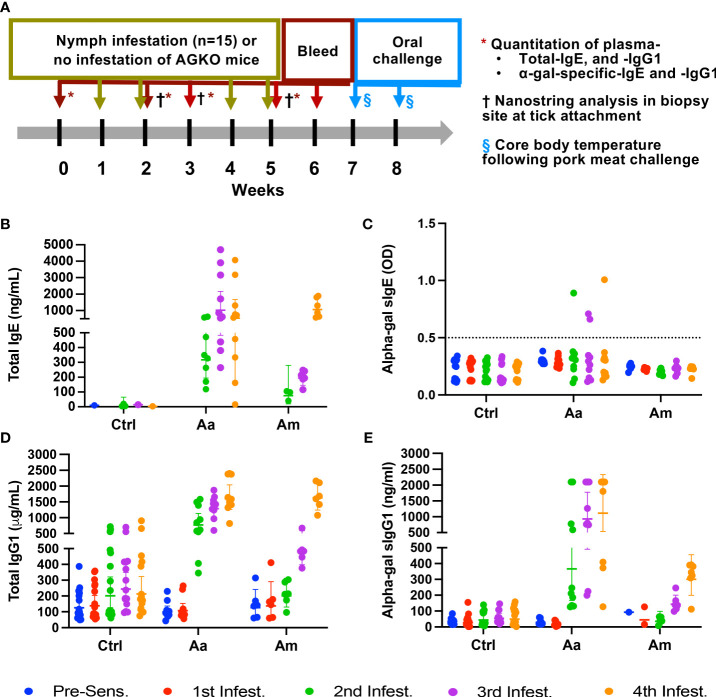
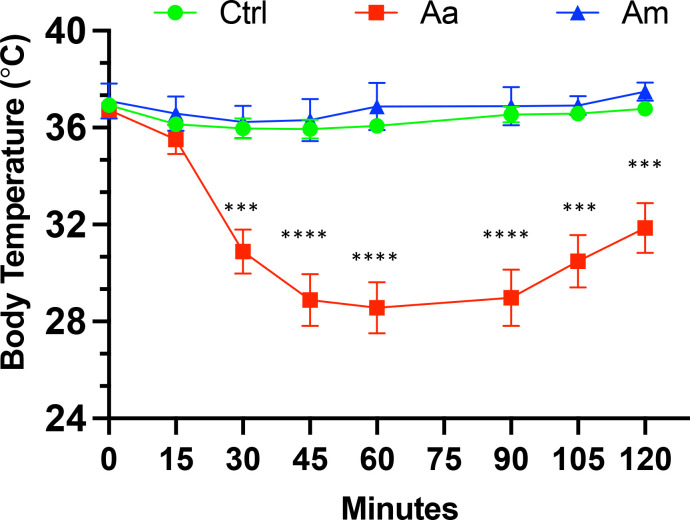
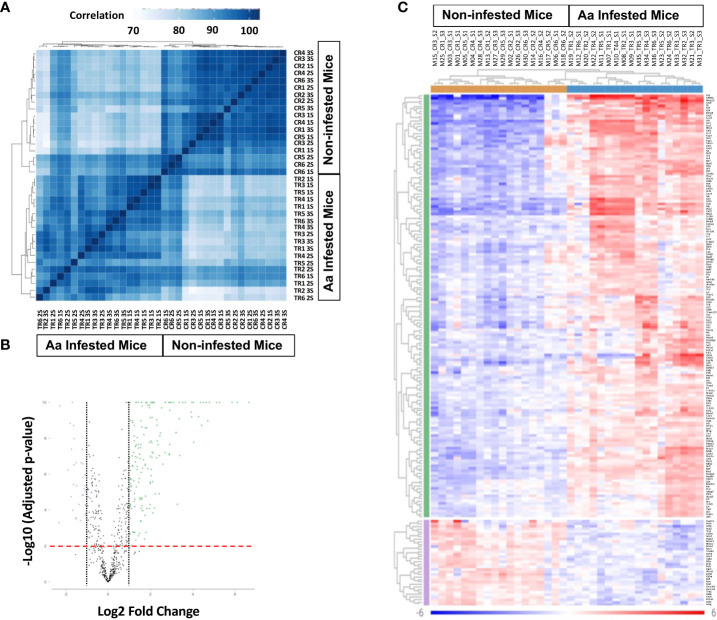
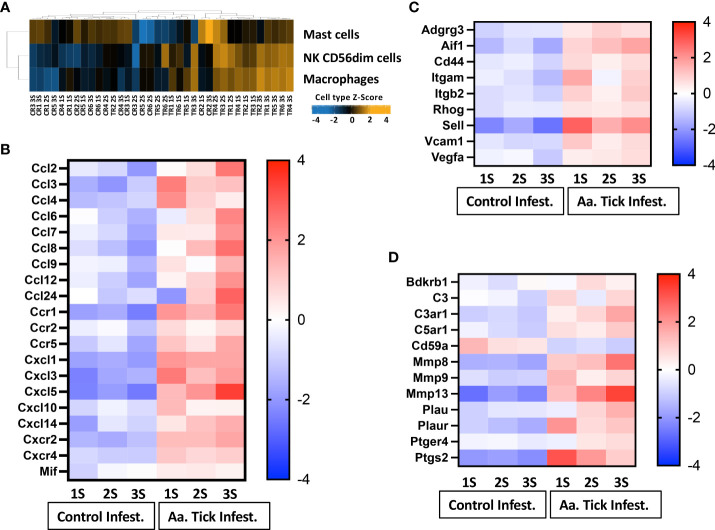
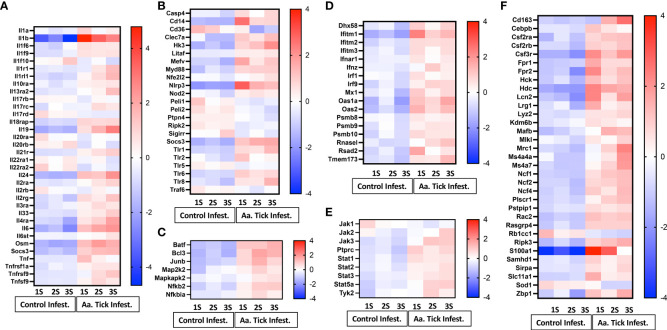
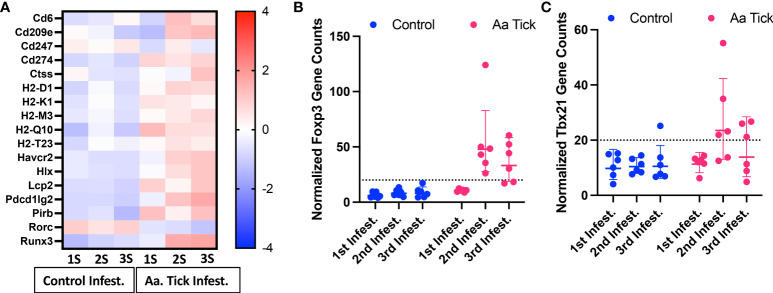
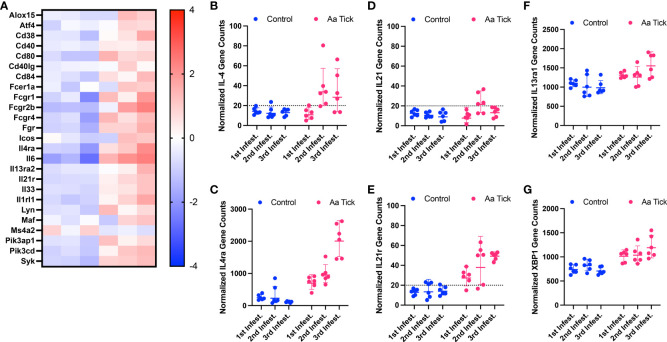
Introduction: Alpha-Gal Syndrome (AGS) is a delayed allergic reaction due to specific IgE antibodies targeting galactose-α-1,3-galactose (α-gal), a carbohydrate found in red meat. This condition has gained significant attention globally due to its increasing prevalence, with more than 450,000 cases estimated just in the United States alone. Previous research has established a connection between AGS and tick bites, which sensitize individuals to α-gal antigens and elevate the levels of specific IgE. However, the precise mechanism by which tick bites influence the host’s immune system and contribute to the development of AGS remains poorly understood. This study investigates various factors related to ticks and the host associated with the development of AGS following a tick bite, using mice with a targeted disruption of alpha-1,3-galactosyltransferase (AGKO) as a model organism. Methods: Lone-star tick ( Amblyomma americanum ) and gulf-coast tick ( Amblyomma maculatum ) nymphs were used to sensitize AGKO mice, followed by pork meat challenge. Tick bite site biopsies from sensitized and non-sensitized mice were subjected to mRNA gene expression analysis to assess the host immune response. Antibody responses in sensitized mice were also determined. Results: Our results showed a significant increase in the total IgE, IgG1, and α-gal IgG1 antibodies titers in the lone-star tick-sensitized AGKO mice compared to the gulf-coast tick-sensitized mice. Pork challenge in Am. americanum -sensitized mice led to a decline in body temperature after the meat challenge. Gene expression analysis revealed that Am. americanum bites direct mouse immunity toward Th2 and facilitate host sensitization to the α-gal antigen. Conclusion: This study supports the hypothesis that specific tick species may increase the risk of developing α-gal-specific IgE and hypersensitivity reactions or AGS, thereby providing opportunities for future research on the mechanistic role of tick and host-related factors in AGS development.
Overview
The claims and statistics of this paper haven’t been checked yet.
Run the check — free, no account needed. It reads the open-access text and checks the sources it cites.
Integrity signals
Registry
Cites
Statistics
Figures
Verification
Claims the paper makes
The claims and statistics of this paper haven’t been checked yet.
Run the check — free, no account needed. It reads the open-access text and checks the sources it cites.
Claims other papers make about this one
Each is checked against this paper’s own text: does it say what the citing paper says it does?
In the citing paper
“In contrast, anti-α-gal IgE antibodies are most strongly associated with tick bites.”
From Parasites and allergies: a complex bidirectional relationship from evolutionary origins to modern therapeutics (2026) · cites this paper as Sharma et al. 2023
In the citing paper
“This association may be explained by the introduction of α-gal-containing molecules and tick salivary components into the skin, together with local activation of innate and allergic inflammatory pathways at the bite site”
From Parasites and allergies: a complex bidirectional relationship from evolutionary origins to modern therapeutics (2026) · cites this paper as Sharma et al. 2023
In the citing paper
“Several tick species, including Ixodes ricinus, Amblyomma americanum, Amblyomma hebraeum, and Rhipicephalus evertsi, have been shown to contain α-gal epitopes”
From Parasites and allergies: a complex bidirectional relationship from evolutionary origins to modern therapeutics (2026) · cites this paper as Sharma et al. 2023
In the citing paper
“and tick bites are recognized as a major trigger of α-gal sensitization and subsequent mammalian meat allergy”
From Parasites and allergies: a complex bidirectional relationship from evolutionary origins to modern therapeutics (2026) · cites this paper as Sharma et al. 2023
Self-check
Percentages, sums and reported differences re-computed from the paper’s own numbers.
The self-check needs the paper’s full text.
Citations
Cites
Molecular mechanisms regulating NLRP3 inflammasome activation
Jo, E.-K., Kim, J. K., Shin, D.-M., & Sasakawa, C. (2016) · Cellular & Molecular Immunology · doi:10.1038/cmi.2015.95 · Cited by 1,378
Recent insights into targeting the IL-6 cytokine family in inflammatory diseases and cancer
Jones, S. A., & Jenkins, B. J. (2018) · Nature Reviews Immunology · doi:10.1038/s41577-018-0066-7 · Cited by 1,102
Research works printed but not linked: 92
- Macher, 2008, The Galalpha1,3Galbeta1,4GlcNAc-R (alpha-Gal) epitope: a carbohydrate of unique evolution and clinical relevance, Biochim Biophys Acta, 1780, 75, 10.1016/j.bbagen.2007.11.003 · DOI · Paper page
- Commins, 2009, Delayed anaphylaxis, angioedema, or urticaria after consumption of red meat in patients with IgE antibodies specific for galactose-alpha-1,3-galactose, J Allergy Clin Immunol, 123, 10.1016/j.jaci.2008.10.052 · DOI
- Galili, 1999, α-gal and anti-gal, α1,3-galactosyltransferase, α-gal epitopes, and the natural anti-gal antibody subcellular biochemistry, 10.1007/978-1-4615-4771-6 · DOI
- Apostolovic, 2014, Immunoproteomics of processed beef proteins reveal novel galactose-α-1,3-galactose-containing allergens, Allergy, 69, 10.1111/all.12462 · DOI
- Takahashi, 2014, Laminin γ-1 and collagen α-1 (VI) chain are galactose-α-1,3-galactose-bound allergens in beef, Allergy, 69, 199, 10.1111/all.12302 · DOI
- Iweala, 2020, Glycolipid-mediated basophil activation in alpha-gal allergy, J Allergy Clin Immunol, 146, 10.1016/j.jaci.2020.02.006 · DOI
- Hilger, 2016, Two galactose-α-1,3-galactose carrying peptidases from pork kidney mediate anaphylactogenic responses in delayed meat allergy, Allergy, 71, 10.1111/all.12835 · DOI
- Commins, 2014, Delayed clinical and ex vivo response to mammalian meat in patients with IgE to galactose-alpha-1,3-galactose, J Allergy Clin Immunol, 134, 10.1016/j.jaci.2014.01.024 · DOI
- Sharma, 2021, Tick saliva and the alpha-gal syndrome: finding a needle in a haystack, Front Cell infection Microbiol, 11, 10.3389/fcimb.2021.680264 · DOI
- Galili, 1999, Evolution of alpha 1,3galactosyltransferase and of the alpha-Gal epitope, Sub-cellular Biochem, 32, 1, 10.1007/978-1-4615-4771-6_1 · DOI
- Galili, 2005, The alpha-gal epitope and the anti-Gal antibody in xenotransplantation and in cancer immunotherapy, Immunol Cell Biol, 83, 10.1111/j.1440-1711.2005.01366.x · DOI
- Galili, 1993, One percent of human circulating B lymphocytes are capable of producing the natural anti-Gal antibody, Blood, 82, 10.1182/blood.V82.8.2485.2485 · DOI
- Fischer, 2014, Galactose-alpha-1,3-galactose sensitization is a prerequisite for pork-kidney allergy and cofactor-related mammalian meat anaphylaxis, J Allergy Clin Immunol, 134, 755, 10.1016/j.jaci.2014.05.051 · DOI
- Hamanova, 2015, Anti-Gal IgM, IgA and IgG natural antibodies in childhood, Immunol Lett, 164, 10.1016/j.imlet.2015.02.001 · DOI
- Hilger, 2019, Role and mechanism of galactose-alpha-1,3-galactose in the elicitation of delayed anaphylactic reactions to red meat, Curr Allergy Asthma Rep, 19, 10.1007/s11882-019-0835-9 · DOI
- Berg, 2014, Drug allergens and food–the cetuximab and galactose-α-1,3-galactose story, Ann Allergy Asthma Immunol, 112, 97, 10.1016/j.anai.2013.11.014 · DOI
- Roseman, 2001, Reflections on glycobiology, J Biol Chem, 276, 10.1074/jbc.R100053200 · DOI
- Chmelař, 2016, All for one and one for all on the tick-host battlefield, Trends Parasitol, 32, 10.1016/j.pt.2016.01.004 · DOI
- Bullard, 2019, Repurposing of glycine-rich proteins in abiotic and biotic stresses in the lone-star tick (Amblyomma americanum), Front Physiol, 10, 10.3389/fphys.2019.00744 · DOI
- Adegoke, 2020, Tick-borne pathogens shape the native microbiome within tick vectors, Microorganisms, 8, 10.3390/microorganisms8091299 · DOI
- Commins, 2011, The relevance of tick bites to the production of IgE antibodies to the mammalian oligosaccharide galactose-α-1,3-galactose, J Allergy Clin Immunol, 127, 1286, 10.1016/j.jaci.2011.02.019 · DOI · Paper page
- Hamsten, 2013, Identification of galactose-α-1,3-galactose in the gastrointestinal tract of the tick Ixodes ricinus; possible relationship with red meat allergy, Allergy, 68, 10.1111/all.12128 · DOI
- Araujo, 2016, Amblyomma sculptum tick saliva: α-Gal identification, antibody response and possible association with red meat allergy in Brazil, Int J Parasitol, 46, 10.1016/j.ijpara.2015.12.005 · DOI
- van Nunen, 2015, Tick-induced allergies: mammalian meat allergy, tick anaphylaxis and their significance, Asia Pac Allergy, 5, 3, 10.5415/apallergy.2015.5.1.3 · DOI
- Thompson, 2023, Geographic distribution of suspected alpha-gal syndrome cases - United States, january 2017-december 2022, MMWR. Morbidity mortality weekly Rep, 72, 10.15585/mmwr.mm7230a2 · DOI
- Binder, 2021, Diagnostic testing for galactose-alpha-1,3-galactose, United States 2010 to 2018, Ann allergy Asthma immunology: Off Publ Am Coll Allergy Asthma Immunol, 126, 411, 10.1016/j.anai.2020.12.019 · DOI
- Monzón, 2016, Population and evolutionary genomics of amblyomma americanum, an expanding arthropod disease vector, Genome Biol Evol, 8, 10.1093/gbe/evw080 · DOI
- Raghavan, 2019, Current and future distribution of the lone star tick, amblyomma americanum (L.) (Acari: ixodidae) in North America, PloS One, 14, 10.1371/journal.pone.0209082 · DOI
- Crispell, 2019, Discovery of alpha-gal-containing antigens in north american tick species believed to induce red meat allergy, Front Immunol, 10, 10.3389/fimmu.2019.01056 · DOI
- Choudhary, 2021, Tick salivary gland extract induces alpha-gal syndrome in alpha-gal deficient mice, Immun. Inflamm Dis, 9, 10.1002/iid3.457 · DOI
- Commins, 2013, Delayed anaphylaxis to red meat in patients with IgE specific for galactose alpha-1,3-galactose (alpha-gal), Curr Allergy Asthma Rep, 13, 10.1007/s11882-012-0315-y · DOI
- Hashizume, 2018, Repeated Amblyomma testudinarium tick bites are associated with increased galactose-α-1,3-galactose carbohydrate IgE antibody levels: A retrospective cohort study in a single institution, J Am Acad Dermatol, 78, 1135, 10.1016/j.jaad.2017.12.028 · DOI
- Kim, 2020, IgE to galactose-α-1,3-galactose wanes over time in patients who avoid tick bites, J Allergy Clin Immunol In Pract, 8, 364, 10.1016/j.jaip.2019.08.045 · DOI
- Kersh, 2023, Tick bite as a risk factor for alpha-gal-specific immunoglobulin E antibodies and development of alpha-gal syndrome, Ann allergy Asthma immunology: Off Publ Am Coll Allergy Asthma Immunol, 130, 10.1016/j.anai.2022.11.021 · DOI
- Patrick, 1975, Laboratory rearing procedures and equipment for multi-host ticks (Acarina: Ixodidae), J Med Entomol, 12, 10.1093/jmedent/12.3.389 · DOI
- Tearle, 1996, The alpha-1,3-galactosyltransferase knockout mouse. Implications for xenotransplantation, Transplantation, 61, 10.1097/00007890-199601150-00004 · DOI
- Wilson, 2021, A dynamic relationship between two regional causes of IgE-mediated anaphylaxis: α-Gal syndrome and imported fire ant, J Allergy Clin Immunol, 147, 643, 10.1016/j.jaci.2020.05.034 · DOI
- Snapper, 1987, Interferon-gamma and B cell stimulatory factor-1 reciprocally regulate Ig isotype production, Sci (New York N.Y.), 236, 10.1126/science.3107127 · DOI
- Finkelman, 2007, Anaphylaxis: lessons from mouse models, J Allergy Clin Immunol, 120, 10.1016/j.jaci.2007.07.033 · DOI · Paper page
- Orgel, 2019, Genetic diversity between mouse strains allows identification of the CC027/GeniUnc strain as an orally reactive model of peanut allergy, J Allergy Clin Immunol, 143, 1027, 10.1016/j.jaci.2018.10.009 · DOI
- Wright, 1990, CD14, a receptor for complexes of lipopolysaccharide (LPS) and LPS binding protein, Sci (New York N.Y.), 249, 10.1126/science.1698311 · DOI
- Kawasaki, 2014, Toll-like receptor signaling pathways, Front Immunol, 5, 10.3389/fimmu.2014.00461 · DOI
- Rühl, 2015, Caspase-11 activates a canonical NLRP3 inflammasome by promoting K(+) efflux, Eur J Immunol, 45, 10.1002/eji.201545772 · DOI
- Wagner, 2009, Evaluation of Nod-like receptor (NLR) effector domain interactions, PloS One, 4, e4931, 10.1371/journal.pone.0004931 · DOI
- Rutz, 2014, The IL-20 subfamily of cytokines–from host defence to tissue homeostasis, Nat Rev Immunol, 14, 10.1038/nri3766 · DOI
- Yánez, 2020, The IFITM protein family in adaptive immunity, Immunology, 159, 10.1111/imm.13163 · DOI
- Tangye, 2023, Cytokine-mediated STAT-dependent pathways underpinning human B-cell differentiation and function, Curr Opin Immunol, 81, 10.1016/j.coi.2023.102286 · DOI
- Boulay, 1990, The human N-formylpeptide receptor. Characterization of two cDNA isolates and evidence for a new subfamily of G-protein-coupled receptors, Biochemistry, 29, 10.1021/bi00502a016 · DOI
- Sarrias, 2007, CD6 binds to pathogen-associated molecular patterns and protects from LPS-induced septic shock, Proc Natl Acad Sci United States America, 104, 10.1073/pnas.0702815104 · DOI
- He, 1998, RORgamma t, a novel isoform of an orphan receptor, negatively regulates Fas ligand expression and IL-2 production in T cells, Immunity, 9, 797, 10.1016/s1074-7613(00)80645-7 · DOI
- Ono, 2007, Foxp3 controls regulatory T-cell function by interacting with AML1/Runx1, Nature, 446, 10.1038/nature05673 · DOI
- Szabo, 2000, A novel transcription factor, T-bet, directs Th1 lineage commitment, Cell, 100, 10.1016/s0092-8674(00)80702-3 · DOI · Paper page
- Angel, 2009, Distinctive localization of antigen-presenting cells in human lymph nodes, Blood, 113, 10.1182/blood-2008-06-165266 · DOI
- Baranov, 2019, The phosphoinositide kinase PIKfyve promotes cathepsin-S-mediated major histocompatibility complex class II antigen presentation, iScience, 11, 10.1016/j.isci.2018.12.015 · DOI
- Cannons, 2010, Optimal germinal center responses require a multistage t cell:B cell adhesion process involving integrins, SLAM-associated protein, and CD84, Immunity, 32, 10.1016/j.immuni.2010.01.010 · DOI
- Eto, 2011, IL-21 and IL-6 are critical for different aspects of B cell immunity and redundantly induce optimal follicular helper CD4 T cell (Tfh) differentiation, PloS One, 6, 10.1371/journal.pone.0017739 · DOI
- Dienz, 2009, The induction of antibody production by IL-6 is indirectly mediated by IL-21 produced by CD4+ t cells, J Exp Med, 206, 69, 10.1084/jem.20081571 · DOI
- Coffman, 1986, B cell stimulatory factor-1 enhances the IgE response of lipopolysaccharide-activated B cells, J Immunol (Baltimore Md.: 1950), 136, 10.4049/jimmunol.136.12.4538 · DOI
- DeFrance, 1994, Interleukin 13 is a B cell stimulating factor, J Exp Med, 179, 10.1084/jem.179.1.135 · DOI
- Schmitz, 2005, IL-33, an interleukin-1-like cytokine that signals via the IL-1 receptor-related protein ST2 and induces T helper type 2-associated cytokines, Immunity, 23, 10.1016/j.immuni.2005.09.015 · DOI
- Ho, 1998, c-maf promotes T helper cell type 2 (Th2) and attenuates Th1 differentiation by both interleukin 4-dependent and -independent mechanisms, J Exp Med, 188, 10.1084/jem.188.10.1859 · DOI
- Troutman, 2012, Role for B-cell adapter for PI3K (BCAP) as a signaling adapter linking Toll-like receptors (TLRs) to serine/threonine kinases PI3K/Akt, Proc Natl Acad Sci United States America, 109, 10.1073/pnas.1118579109 · DOI
- Avery, 2018, Germline-activating mutations in PIK3CD compromise B cell development and function, J Exp Med, 215, 10.1084/jem.20180010 · DOI
- So, 2018, Roles of endoplasmic reticulum stress in immune responses, Molecules Cells, 41, 10.14348/molcells.2018.0241 · DOI
- Commins, 2020, Diagnosis & Management of alpha-gal syndrome: lessons from 2,500 patients. Expert rev, Clin Immunol, 16, 10.1080/1744666X.2020.1782745 · DOI
- Van Nunen, 2009, An association between tick bite reactions and red meat allergy in humans, Med J Aust, 190, 10.5694/j.1326-5377.2009.tb02533.x · DOI
- Chandrasekhar, 2019, Cutaneous exposure to clinically relevant lone star ticks promotes igE production and hypersensitivity through CD4+ T cell- and myD88-dependent pathways in mice, J Immunol (Baltimore Md.: 1950), 203, 10.4049/jimmunol.1801156 · DOI
- Park, 2020, Alpha-gal and cross-reactive carbohydrate determinants in the n-glycans of salivary glands in the lone star tick, amblyomma americanum, Vaccines, 8, 10.3390/vaccines8010018 · DOI
- Joral, 2022, The quantification of igG specific to α-gal could be used as a risk marker for suffering mammalian meat allergy, Foods, 11, 10.3390/foods11030466 · DOI
- Kotál, 2015, Modulation of host immunity by tick saliva, J Proteomics, 128, 58, 10.1016/j.jprot.2015.07.005 · DOI
- Cabezas-Cruz, 2017, Salivary prostaglandin E2: role in tick-induced allergy to red meat, Trends Parasitol, 33, 10.1016/j.pt.2017.03.004 · DOI
- Carvalho-Costa, 2015, Immunosuppressive effects of amblyomma cajennense tick saliva on murine bone marrow-derived dendritic cells, Parasit Vectors, 8, 22, 10.1186/s13071-015-0634-7 · DOI
- Van Kaer, 2018, Therapeutic potential of invariant natural killer T cells in autoimmunity, Front Immunol, 9, 10.3389/fimmu.2018.00519 · DOI
- Karim, 2011, A deep insight into the sialotranscriptome of the gulf coast tick, amblyomma maculatum, PloS One, 6, 10.1371/journal.pone.0028 · DOI
- Wolf, 2016, Hexokinase is an innate immune receptor for the detection of bacterial peptidoglycan, Cell, 166, 10.1016/j.cell.2016.05.076 · DOI
- Tanaka, 2014, IL-6 in inflammation, immunity, and disease, Cold Spring Harbor Perspect Biol, 6, 10.1101/cshperspect.a016295 · DOI · Paper page
- Heinze, 2012, Transcriptional profiling of the murine cutaneous response during initial and subsequent infestations with Ixodes scapularis nymphs, Parasites Vectors, 5, 10.1186/1756-3305-5-26 · DOI
- Malandain, 2005, IgE-reactive carbohydrate epitopes–classification, cross-reactivity, and clinical impact, Eur Ann Allergy Clin Immunol, 37
- Sánchez-Fueyo, 2003, Tim-3 inhibits T helper type 1-mediated auto- and alloimmune responses and promotes immunological tolerance, Nat Immunol, 4, 10.1038/ni987 · DOI
- Gautron, 2014, Enhanced suppressor function of TIM-3+ FoxP3+ regulatory T cells, Eur J Immunol, 44, 10.1002/eji.201344392 · DOI
- Kosaka, 1994, Characterization of the human gene (PTGS2) encoding prostaglandin-endoperoxide synthase 2, Eur J Biochem, 221, 10.1111/j.1432-1033.1994.tb18804.x · DOI
- Jose, 1981, Bradykinin-stimulated prostaglandin E2 production by endothelial cells and its modulation by antiinflammatory compounds, Inflammation, 5, 10.1007/BF00911100 · DOI
- Qian, 1997, A specific prostaglandin E2 receptor and its role in modulating salivary secretion in the female tick, Amblyomma americanum (L.), Insect Biochem Mol Biol, 27, 10.1016/s0965-1748(97)00010-6 · DOI
- Poole, 2013, Prostaglandin E(2) in tick saliva regulates macrophage cell migration and cytokine profile, Parasites Vectors, 6, 10.1186/1756-3305-6-261 · DOI
- Li, 2013, Regulation of T helper cell subsets by cyclooxygenases and their metabolites, Prostaglandins Other Lipid Mediat, 74, 10.1016/j.prostaglandins.2012.11.002 · DOI
- Ouyang, 2011, Regulation and functions of the IL-10 family of cytokines in inflammation and disease, Annu Rev Immunol, 29, 71, 10.1146/annurev-immunol-031210-101312 · DOI
- Wang, 2019, Lipocalin 2 protects against escherichia coli infection by modulating neutrophil and macrophage function, Front Immunol, 10, 10.3389/fimmu.2019.02594 · DOI
- Behnsen, 2014, The cytokine IL-22 promotes pathogen colonization by suppressing related commensal bacteria, Immunity, 40, 10.1016/j.immuni.2014.01.003 · DOI
- Myles, 2013, Signaling via the IL-20 receptor inhibits cutaneous production of IL-1β and IL-17A to promote infection with methicillin-resistant Staphylococcus aureus, Nat Immunol, 14, 10.1038/ni.2637 · DOI
- Kitsou, 2021, Tick host immunity: vector immunomodulation and acquired tick resistance, Trends Immunol, 42, 10.1016/j.it.2021.05.005 · DOI
- Allen, 1979, The location of tick salivary antigens, complement and immunoglobulin in the skin of Guinea-pigs infested with Dermacentor andersoni larvae, Immunology, 38
- Yoshikawa, 2021, The role of basophils in acquired protective immunity to tick infestation, Parasite Immunol, 43, 10.1111/pim.12804 · DOI
Cited by
Sorted by citations
Packi, K., Świerczewski, D., Klimczak, S., Ochab, D., Gałęziewska, J., Gromek, P., Kruczkowska, W., Płuciennik, E., Kałuzińska-Kołat, Ż., & Kołat, D. (2026) · Antonie van Leeuwenhoek · doi:10.1007/s10482-026-02425-4
Metadata
- Authors
- Sharma, S. R., Choudhary, S. K., Vorobiov, J., Commins, S. P., & Karim, S.
- Venue
- Frontiers in Immunology
- Publisher
- Frontiers Media SA
- Published
- 2024-02-08
- Volume
- 14
- ISSN
- 1664-3224
- PMC
- PMC10882631
- Cited by
- 23
- References
- 2
About these checks
Registry, retraction, Cites and statistics results are computed, not judged, with one exception: a printed reference that no index lists is read once by a model before it counts as a citation error. Claims are extracted by a model and kept only when their quote appears verbatim in the text; each cited source is then checked, with a model’s help, for whether it says what the claim relies on. Those verdicts can be wrong — read the claim’s quote and the cited source before relying on one.
Statistics and arithmetic are recomputed, not judged.
Confidence bands are shown only for fields calibrated on our annotated test set. None is calibrated yet, so no band is shown.
What counts as a claim ›How we measure confidence ›How we check this ›
Are you an author, or do you see a problem with this page? Request a review
