

The DOI matches its Crossref record; 177 of the 181 references it cites were found in a registry or an index.
The Terrestrial Isopod Microbiome: An All-in-One Toolbox for Animal–Microbe Interactions of Ecological Relevance
Open accessAbstract
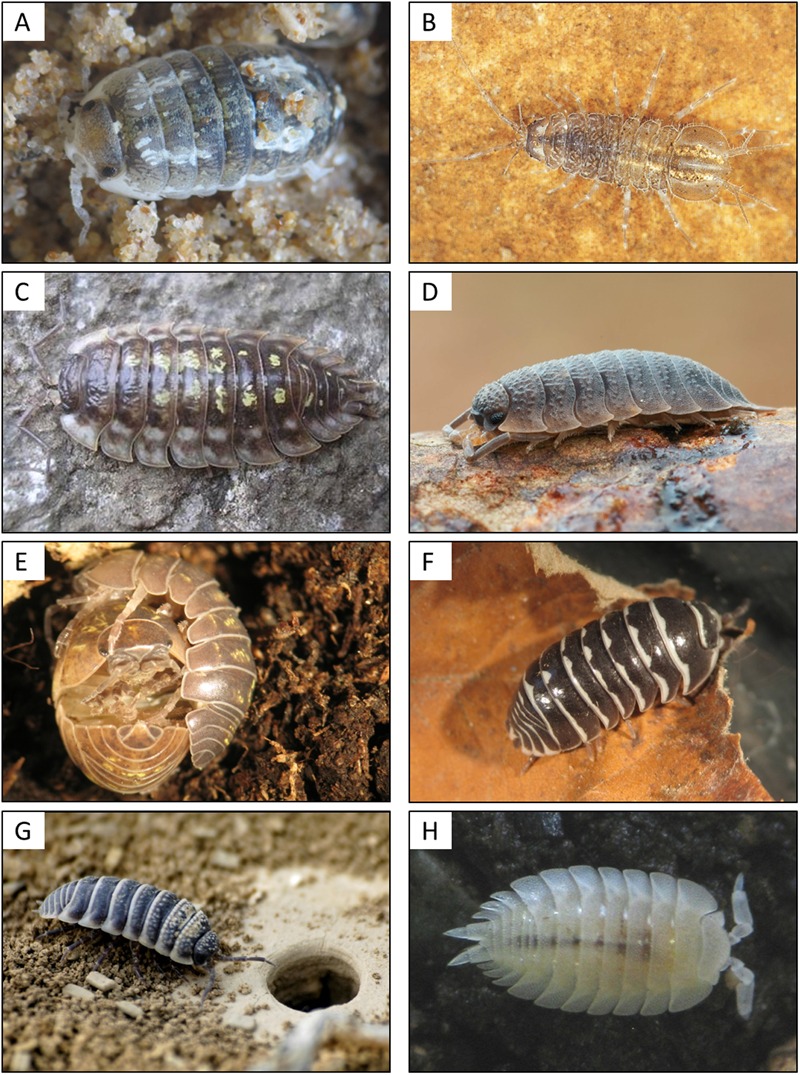
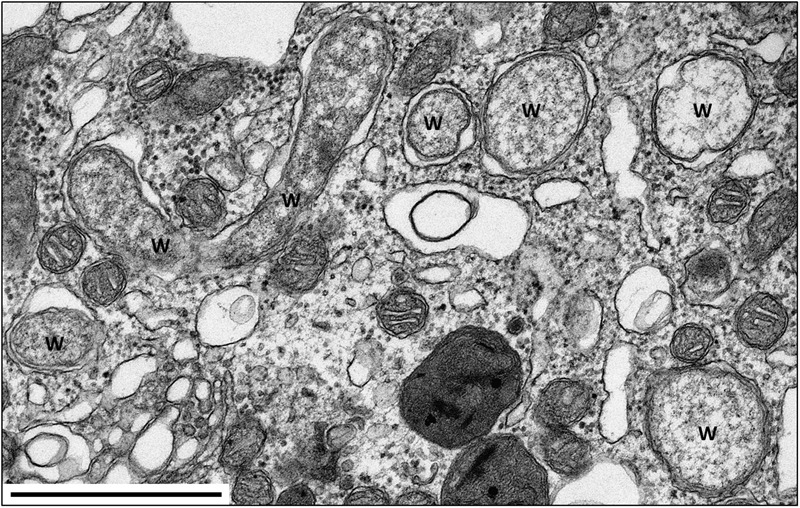
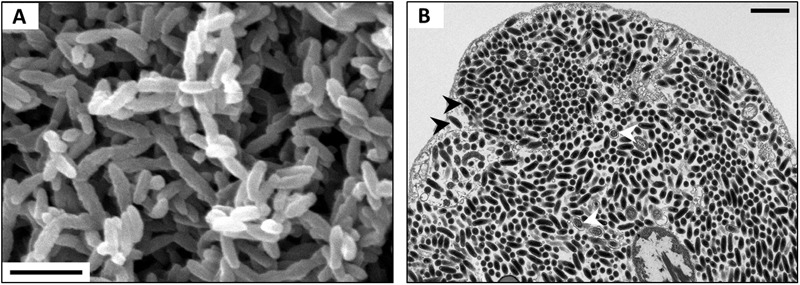
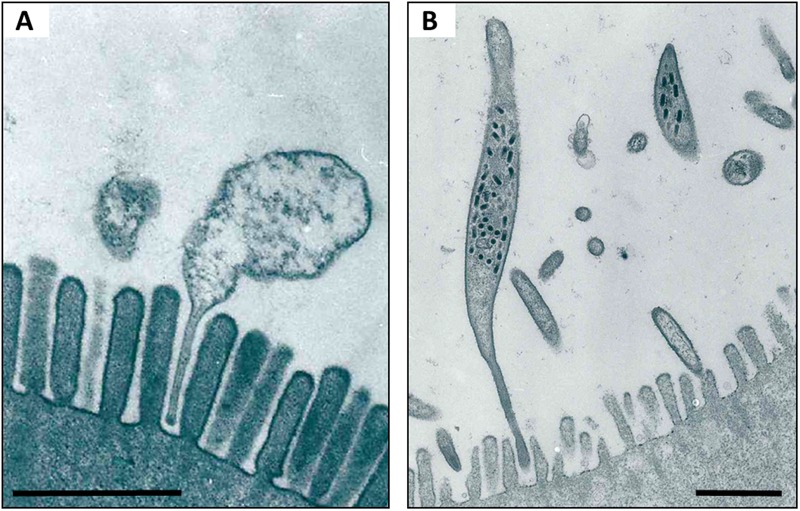
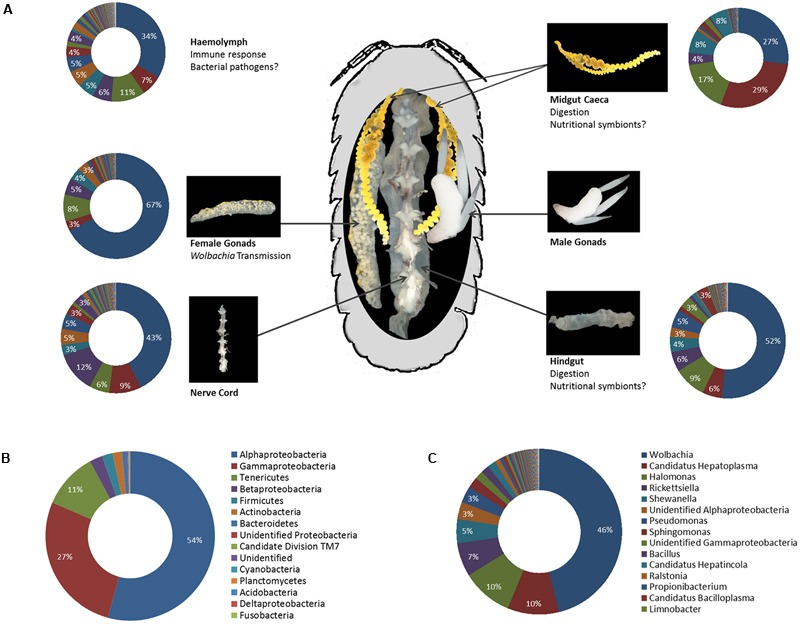
Bacterial symbionts represent essential drivers of arthropod ecology and evolution, influencing host traits such as nutrition, reproduction, immunity and speciation. However, the majority of work on arthropod microbiota has been conducted in insects and more studies in non-model species across different ecological niches will be needed to complete our understanding of host-microbiota interactions. In this review, we present terrestrial isopod crustaceans as an emerging model organism to investigate symbiotic associations with potential relevance to ecosystem functioning. Terrestrial isopods comprise a group of crustaceans that have evolved a terrestrial lifestyle and represent keystone species in terrestrial ecosystems, contributing to the decomposition of organic matter and regulating the microbial food web. Since their nutrition is based on plant detritus, it has long been suspected that bacterial symbionts located in the digestive tissues might play an important role in host nutrition via the provisioning of digestive enzymes, thereby enabling the utilization of recalcitrant food compounds (e.g. cellulose or lignins). If this were the case, then (i) the acquisition of these bacteria might have been an important evolutionary prerequisite for the colonization of land by isopods, and (ii) these bacterial symbionts would directly mediate the role of their hosts in ecosystem functioning. Several bacterial symbionts have indeed been discovered in the midgut caeca of terrestrial isopods and some of them might be specific to this group of animals (i.e. Candidatus Hepatoplasma crinochetorum, Candidatus Hepatincola porcellionum and Rhabdochlamydia porcellionis), while others are well-known intracellular pathogens (Rickettsiella spp.) or reproductive parasites (Wolbachia sp.). Moreover, a recent investigation of the microbiota in Armadillidium vulgare has revealed that this species harbors a highly diverse bacterial community which varies between host populations, suggesting an important share of environmental microbes in the host-associated microbiota. In this review, we synthesize our current knowledge on the terrestrial isopod microbiome and identify future directions to (i) fully understand the functional roles of particular bacteria (both intracellular or intestinal symbionts and environmental gut passengers), and (ii) whether and how the host-associated microbiota could influence the performance of terrestrial isopods as keystone species in soil ecosystems.
Overview
The claims and statistics of this paper haven’t been checked yet.
Run the check — free, no account needed. It reads the open-access text and checks the sources it cites.
Integrity signals
Registry
Cites
Statistics
Figures
Verification
Claims the paper makes
The claims and statistics of this paper haven’t been checked yet.
Run the check — free, no account needed. It reads the open-access text and checks the sources it cites.
Self-check
Percentages, sums and reported differences re-computed from the paper’s own numbers.
The self-check needs the paper’s full text.
Citations
Cites
The carbohydrate-active enzymes database (CAZy) in 2013
Lombard, V., Ramulu, H. G., Drula, É., Coutinho, P. M., & Henrissat, B. (2013) · Nucleic Acids Research · doi:10.1093/nar/gkt1178 · Cited by 6,452
The Carbohydrate-Active EnZymes database (CAZy): an expert resource for Glycogenomics
Cantarel, B. L., Coutinho, P. M., Rancurel, C., Bernard, T., Lombard, V., & Henrissat, B. (2008) · Nucleic Acids Research · doi:10.1093/nar/gkn663 · Cited by 6,108
Evolution of mammals and their gut microbes
Ley, R. E., Hamady, M., Lozupone, C., Turnbaugh, P. J., Ramey, R. R., Bircher, J. S., Schlegel, M. L., Tucker, T. A., Schrenzel, M. D., Knight, R., et al. (2008) · Science · doi:10.1126/science.1155725 · Cited by 3,747
Animals in a bacterial world, a new imperative for the life sciences
McFall‐Ngai, M., Hadfield, M. G., Bosch, T. C. G., Carey, H. V., Domazet‐Lošo, T., Douglas, A. E., Dubilier, N., Eberl, G., Fukami, T., Gilbert, S. F., et al. (2013) · Proceedings of the National Academy of Sciences · doi:10.1073/pnas.1218525110 · Cited by 2,879
Wolbachia: master manipulators of invertebrate biology
Werren, J. H., Baldo, L., & Clark, M. E. (2008) · Nature Reviews Microbiology · doi:10.1038/nrmicro1969 · Cited by 2,830
A Wolbachia Symbiont in Aedes aegypti Limits Infection with Dengue, Chikungunya, and Plasmodium
Moreira, L. A., Iturbe‐Ormaetxe, I., Jeffery, J. A. L., Lu, G., Pyke, A. T., Hedges, L. M., Rocha, B. C., Hall‐Mendelin, S., Day, A., Riegler, M., et al. (2009) · Cell · doi:10.1016/j.cell.2009.11.042 · Cited by 1,734
How many species are infected with Wolbachia? – a statistical analysis of current data
Hilgenboecker, K., Hammerstein, P., Schlattmann, P., Telschow, A., & Werren, J. H. (2008) · FEMS Microbiology Letters · doi:10.1111/j.1574-6968.2008.01110.x · Cited by 1,337
Facultative bacterial symbionts in aphids confer resistance to parasitic wasps
Oliver, K. M., Russell, J. A., Moran, N. A., & Hunter, M. S. (2003) · Proceedings of the National Academy of Sciences · doi:10.1073/pnas.0335320100 · Cited by 1,262
Teixeira, L., Ferreira, Á., & Ashburner, M. (2008) · PLoS Biology · doi:10.1371/journal.pbio.1000002 · Cited by 1,220
Wolbachia and Virus Protection in Insects
Hedges, L. M., Jeremy, B., O’Neill, S. L., & Johnson, K. N. (2008) · Science · doi:10.1126/science.1162418 · Cited by 1,111
Research works printed but not linked: 9
- Brandstädter, 2008, “Infection of terrestrial isopods with environmentally transmitted bacterial symbionts,” in, Proceedings of the International Symposium on Terrestrial Isopod Biology: ISTIB-07
- de Bary, 1879, Die Erscheinung der Symbiose [The phenomenon of symbiosis]., Vortrag gehalten auf der Versammlung der Deutschen Naturforscher und Ärzte zu Cassel., 1
- Donadey, 1972, Étude histologique ultrastructurale et expérimentale des caecums digestifs de Porcellio dilatatus et Ligia oceanica (Crustacea, Isopoda)., Téthys, 4, 145
- Federici, 1984, Diseases of terrestrial isopods., Symp. Zool. Soc. Lond., 53, 233
- Legrand, 1978, Corrélation entre la présence d’un symbionte bactérien dans les ovocytes de Porcellio dilatatus petiti, et la stérilité du croisement P. d. petiti mâle x P. d. dilatatus femelle., Arch. Inst. Pasteur Tunis, 55, 507
- Martin, 1973, Mise en évidence d’un micro-organisme intracytoplasmique symbiote de l’oniscoïde Armadillidium vulgare Latr. dont la présence accompagne l’intersexualité ou la féminisation totale des mâles génétiques de la lignée thélygène., C. R. Acad. Sci. Paris, 276, 2313
- Rigaud, 1991, Feminizing endocytobiosis in the terrestrial crustacean Armadillidium vulgare Latr. (Isopoda): recent acquisitions., Endocyt. Cell Res., 7, 259
- Weiss, 1984, “Genus VIII. Rickettsiella Philip 1956, 267AL,” in, Bergey’s Manual of Systematic Bacteriology, 713
- Yousfi, 1976, Recherches sur la Pathologie des Crustacés Isopodes Oniscoïdes.
Cited by
Sorted by citations
Potapov, A., Beaulieu, F., Birkhofer, K., Bluhm, S. L., Degtyarev, M. I., Devetter, M., Goncharov, A. A., Gongalsky, K. B., Klarner, B., Korobushkin, D. I., et al. (2022) · Biological reviews/Biological reviews of the Cambridge Philosophical Society · doi:10.1111/brv.12832 · Cited by 444
Lignocellulose degradation at the holobiont level: teamwork in a keystone soil invertebrate
Bredon, M., Dittmer, J., Noël, C., Moumen, B., & Bouchon, D. (2018) · Microbiome · doi:10.1186/s40168-018-0536-y · Cited by 137
Self-citationSymbiosis-inspired approaches to antibiotic discovery
Adnani, N., Rajski, S. R., & Bugni, T. S. (2017) · Natural Product Reports · doi:10.1039/c7np00009j · Cited by 139
Agamennone, V., Le, N. G., van Straalen, N. M., Brouwer, A., & Roelofs, D. (2019) · Scientific Reports · doi:10.1038/s41598-019-43828-w · Cited by 103
The functional microbiome of arthropods
Esposti, M. D., & Martínez‐Romero, E. (2017) · PLoS ONE · doi:10.1371/journal.pone.0176573 · Cited by 100
Recruitment and establishment of the gut microbiome in arctic shorebirds
Grond, K., Lanctot, R. B., Jumpponen, A., & Sandercock, B. K. (2017) · FEMS Microbiology Ecology · doi:10.1093/femsec/fix142 · Cited by 86
Štrus, J., Žnidaršič, N., Mrak, P., Bogataj, U., & Vogt, G. (2019) · Cell and Tissue Research · doi:10.1007/s00441-019-03056-0 · Cited by 74
Evolutionary Insights into the Tick Hologenome
Sanchez, S. D., Estrada‐Peña, A., Cabezas‐Cruz, A., & de la Fuente, J. (2019) · Trends in Parasitology · doi:10.1016/j.pt.2019.06.014 · Cited by 68
Gut microbiomes of mobile predators vary with landscape context and species identity
Tiede, J., Scherber, C., Mutschler, J. P., McMahon, K. D., & Gratton, C. (2017) · Ecology and Evolution · doi:10.1002/ece3.3390 · Cited by 54
Behind Taxonomic Variability: The Functional Redundancy in the Tick Microbiome
Estrada‐Peña, A., Cabezas‐Cruz, A., & Obregón, D. (2020) · Microorganisms · doi:10.3390/microorganisms8111829 · Cited by 52
Dittmer, J., & Bouchon, D. (2018) · Scientific Reports · doi:10.1038/s41598-018-25450-4 · Cited by 50
Self-citationFaure, D., Simon, J., & Heulin, T. (2018) · New Phytologist · doi:10.1111/nph.15199 · Cited by 45
Lafuente, E., Lürig, M., Rövekamp, M., Matthews, B., Buser, C. C., Vorburger, C., & Räsänen, K. (2021) · Frontiers in Ecology and Evolution · doi:10.3389/fevo.2021.748212 · Cited by 48
Lignocellulose degradation in isopods: new insights into the adaptation to terrestrial life
Bredon, M., Herran, B., Lheraud, B., Bertaux, J., Grève, P., Moumen, B., & Bouchon, D. (2019) · BMC Genomics · doi:10.1186/s12864-019-5825-8 · Cited by 36
Self-citationMarin, I. N., & Tiunov, A. V. (2023) · ZooKeys · doi:10.3897/zookeys.1169.97812 · Cited by 33
Isopod holobionts as promising models for lignocellulose degradation
Bredon, M., Herran, B., Bertaux, J., Grève, P., Moumen, B., & Bouchon, D. (2020) · Biotechnology for Biofuels · doi:10.1186/s13068-020-01683-2 · Cited by 32
Self-citationHink, L., Holzinger, A., Sandfeld, T., Weig, A. R., Schramm, A., Feldhaar, H., & Horn, M. A. (2023) · Environmental Microbiology · doi:10.1111/1462-2920.16386 · Cited by 33
The Keystone‐Pathogen Hypothesis Updated: The Role of Porphyromonas gingivalis in Periodontitis
Curtis, M. A., Garnett, J. A., & Darveau, R. P. (2025) · Journal of Periodontal Research · doi:10.1111/jre.70050 · Cited by 33
Nweze, J. E., Šustr, V., Brune, A., & Angel, R. (2024) · Microbiome · doi:10.1186/s40168-023-01731-7 · Cited by 25
Vanishing benefits - The loss of actinobacterial symbionts at elevated temperatures
Horváthová, T., Babik, W., Kozłowski, J., & Bauchinger, U. (2019) · Journal of Thermal Biology · doi:10.1016/j.jtherbio.2019.04.015 · Cited by 25
Pinsino, A., Bastús, N. G., Busquets‐Fité, M., Canesi, L., Cesaroni, P., Drobne, D., Duschl, A., Ewart, M., Gispert, I., Horejs‐Hoeck, J., et al. (2020) · Environmental Science Nano · doi:10.1039/d0en00732c · Cited by 25
The impact of silver sulfide nanoparticles and silver ions in soil microbiome
Peixoto, S., Loureiro, S., & Henriques, I. S. (2021) · Journal of Hazardous Materials · doi:10.1016/j.jhazmat.2021.126793 · Cited by 22
Phenotypic shift inWolbachiavirulence towards its native host across serial horizontal passages
Clecʼh, W. L., Dittmer, J., Raimond, M., Bouchon, D., & Sicard, M. (2017) · Proceedings of the Royal Society B Biological Sciences · doi:10.1098/rspb.2017.1076 · Cited by 22
Self-citationThe gut microbiota structure of the terrestrial isopod Porcellionides pruinosus (Isopoda: Oniscidea)
Delhoumi, M., Catania, V., Zaabar, W., Tolone, M., Quatrini, P., & Achouri, M. S. (2020) · The European Zoological Journal · doi:10.1080/24750263.2020.1781269 · Cited by 21
Zhao, Q., Zhang, M., Wu, Z., Li, Y., Jiang, J., & Qiu, J. (2023) · Bioresource Technology · doi:10.1016/j.biortech.2023.128777 · Cited by 21
Shen, Z., Kumar, D., Liu, X., Yan, B., Fang, P., Gu, Y., Li, M., Xie, M., Yuan, R., Feng, Y., et al. (2021) · Biology · doi:10.3390/biology10060462 · Cited by 19
Bredon, M., Depuydt, E., Brisson, L., Moulin, L., Charles, C. M., Haenn, S., Moumen, B., & Bouchon, D. (2021) · Microorganisms · doi:10.3390/microorganisms9010148 · Cited by 20
Self-citationGuckes, K. R., Cecere, A. G., Williams, A. L., McNeil, A. E., & Miyashiro, T. (2020) · Journal of Bacteriology · doi:10.1128/jb.00777-19 · Cited by 18
Hines, I. S., Madanick, J. M., Smith, S. A., Kuhn, D. D., & Stevens, A. M. (2023) · PLoS ONE · doi:10.1371/journal.pone.0281747 · Cited by 17
Friel, A. D., Neiswenter, S. A., Seymour, C. O., Bali, L. R., McNamara, G., Leija, F., Jewell, J., & Hedlund, B. P. (2020) · Frontiers in Microbiology · doi:10.3389/fmicb.2020.01398 · Cited by 17
Microbial diversity associated to the intestinal tract of soil invertebrates
Correia, D. D. S., Passos, S. R., Proença, D. N., Morais, P. V., Xavier, G. R., & Correia, M. E. F. (2018) · Applied Soil Ecology · doi:10.1016/j.apsoil.2018.07.009 · Cited by 16
Aubé, J., Cambon‐Bonavita, M., Velo‐Suárez, L., Cueff‐Gauchard, V., Lesongeur, F., Guéganton, M., Durand, L., & Réveillaud, J. (2022) · Microbiome · doi:10.1186/s40168-022-01380-2 · Cited by 16
MinYS: mine your symbiont by targeted genome assembly in symbiotic communities
Guyomar, C., Delage, W., Legeai, F., Mougel, C., Simon, J., & Lemaitre, C. (2020) · NAR Genomics and Bioinformatics · doi:10.1093/nargab/lqaa047 · Cited by 14
Lafuente, E., Carles, L., Walser, J., Giulio, M., Wullschleger, S., Stamm, C., & Räsänen, K. (2023) · Evolutionary Applications · doi:10.1111/eva.13540 · Cited by 13
Peixoto, S., Morgado, R. G., Prodana, M., Cardoso, D. N., Malheiro, C., Neves, J., Santos, C. S. A., Khodaparast, Z., Pavlaki, M. D., Rodrigues, S., et al. (2024) · NanoImpact · doi:10.1016/j.impact.2024.100506 · Cited by 13
Bontemps, Z., Paranjape, K., & Guy, L. (2024) · FEMS Microbiology Reviews · doi:10.1093/femsre/fuae021 · Cited by 15
Dittmer, J., Bredon, M., Moumen, B., Raimond, M., Grève, P., & Bouchon, D. (2023) · ISME Communications · doi:10.1038/s43705-023-00224-w · Cited by 13
Self-citationBecking, T., Delaunay, C., Cordaux, R., Berjeaud, J., Braquart‐Varnier, C., & Verdon, J. (2020) · Genes · doi:10.3390/genes11010093 · Cited by 13
Liu, Y., Yang, Z., Zhang, L., Wan, H., Deng, F., Zhao, Z., & Wang, J. (2024) · Microorganisms · doi:10.3390/microorganisms12091886 · Cited by 12
Štrus, J., Tušek‐Žnidarič, M., Repnik, U., Blejec, A., & Summers, A. P. (2018) · Journal of the Marine Biological Association of the United Kingdom · doi:10.1017/s0025315418001017 · Cited by 12
Mohan, A., Matthews, B., & Räsänen, K. (2024) · Ecotoxicology and Environmental Safety · doi:10.1016/j.ecoenv.2024.117017 · Cited by 11
Masasa, M., Kushmaro, A., Nguyen, D., Chernova, H., Shashar, N., & Guttman, L. (2023) · Microbiology Spectrum · doi:10.1128/spectrum.00514-23 · Cited by 10
Guéganton, M., Rouxel, O., Durand, L., Cueff‐Gauchard, V., Gayet, N., Pradillon, F., & Cambon‐Bonavita, M. (2022) · Frontiers in Marine Science · doi:10.3389/fmars.2022.903748 · Cited by 10
Shimwell, C., Atkinson, L., Graham, M. R., & Murdoch, B. (2023) · PLoS ONE · doi:10.1371/journal.pone.0277303 · Cited by 9
Biofilm Improves Isopod Growth Independent of the Dietary Cellulose Content
Horváthová, T., & Bauchinger, U. (2019) · Physiological and Biochemical Zoology · doi:10.1086/705441 · Cited by 9
Lucas, J. M., Gora, E. M., Salzberg, A., & Kaspari, M. E. (2019) · Proceedings of the Royal Society B Biological Sciences · doi:10.1098/rspb.2019.1536 · Cited by 9
Coelho, C., Tiago, I., & Veríssimo, A. (2022) · Microorganisms · doi:10.3390/microorganisms10112230 · Cited by 8
Floriano, A. M., Filali, A. E., Amoros, J., Buysse, M., Jourdan‐Pineau, H., Sprong, H., Kohl, R., Dirks, R. P., Schaap, P. J., Koehorst, J. J., et al. (2025) · Peer Community Journal · doi:10.24072/pcjournal.633 · Cited by 8
Self-citationMethou, P., Cueff‐Gauchard, V., Michel, L. N., Gayet, N., Pradillon, F., & Cambon‐Bonavita, M. (2023) · Environmental Microbiology Reports · doi:10.1111/1758-2229.13201 · Cited by 8
Hernández, E. G., Berg, M. P., Oosten, A. R. V., Smit, C., & Salles, J. F. (2021) · Microbial Ecology · doi:10.1007/s00248-020-01656-w · Cited by 8
Brinker, P., Chen, F., Chehida, Y. B., Beukeboom, L. W., Fontaine, M. C., & Salles, J. F. (2022) · Molecular Ecology · doi:10.1111/mec.16699 · Cited by 8
Liao, A., Hartikainen, H., & Buser, C. C. (2023) · Environmental Microbiology Reports · doi:10.1111/1758-2229.13142 · Cited by 7
Kawato, S., Nozaki, R., Kondo, H., & Hırono, I. (2024) · Access Microbiology · doi:10.1099/acmi.0.000592.v3 · Cited by 7
A deep-sea isopod that consumes Sargassum sinking from the ocean’s surface
Peoples, L. M., Gerringer, M. E., Weston, J. N. J., León‐Zayas, R., Sekarore, A., Sheehan, G., Church, M. J., Michel, A. P. M., Soule, S. A., & Shank, T. M. (2024) · Proceedings of the Royal Society B Biological Sciences · doi:10.1098/rspb.2024.0823 · Cited by 7
Nweze, J. E., Gupta, S., Salcher, M. M., Šustr, V., Horváthová, T., & Angel, R. (2024) · Communications Biology · doi:10.1038/s42003-024-06821-2 · Cited by 6
Guéganton, M., Methou, P., Aubé, J., Noël, C., Rouxel, O., Cueff‐Gauchard, V., Gayet, N., Durand, L., Pradillon, F., & Cambon‐Bonavita, M. (2024) · Ecology and Evolution · doi:10.1002/ece3.70369 · Cited by 6
An, H.-E., Malik, A., Lee, J., Mun, M.-H., Lee, K. H., Yoo, H. Y., & Kim, C.-B. (2024) · Fishes · doi:10.3390/fishes9040144 · Cited by 6
Towards Study of UV-C Radiation Effect on Earthworms and Isopods Via Electron Microscopy
El‐Aziz, F. E. A. A., & Ali, M. F. B. (2021) · Egyptian Academic Journal of Biological Sciences. B, Zoology · doi:10.21608/eajbsz.2021.189084 · Cited by 6
Conserved organ-specific microbial assemblages in different populations of a terrestrial crab
Bacci, G., Fratini, S., Meriggi, N., Cheng, C. L. Y., Ng, K. H., Pindo, M., Iannucci, A., Mengoni, A., Cavalieri, D., & Stefano Cannicci, A. (2023) · Frontiers in Microbiology · doi:10.3389/fmicb.2023.1113617 · Cited by 6
Oliveira, J. M. M., Henriques, I., Read, D. S., Gweon, H. S., Morgado, R. G., Peixoto, S., Correia, A., Soares, A. M. V. M., & Loureiro, S. (2021) · Ecotoxicology · doi:10.1007/s10646-021-02477-4 · Cited by 5
‘Dust you shall eat’: The complex nutritional and functional considerations underlying a simple diet
Zaguri, M., Mogilevsky, I., Raubenheimer, D., & Hawlena, D. (2024) · Ecology Letters · doi:10.1111/ele.14414 · Cited by 5
Horváth, G., Herczeg, D., Kovács, B., Péntek, Á., Kaczur, B., & Herczeg, G. (2025) · Environmental Pollution · doi:10.1016/j.envpol.2025.126220 · Cited by 5
Delhoumi, M., Zaabar, W., Bouslama, M. F., & Achouri, M. (2018) · Open Journal of Ecology · doi:10.4236/oje.2018.89030 · Cited by 5
A bibliometric analysis of research on terrestrial isopods
Vittori, M., & Dominko, M. (2022) · ZooKeys · doi:10.3897/zookeys.1101.81016 · Cited by 5
Swanson, M. T., Henson, M. W., Handika, H., Achmadi, A. S., Anita, S., Rowe, K. C., & Esselstyn, J. A. (2022) · Journal of Mammalogy · doi:10.1093/jmammal/gyac098 · Cited by 4
A comparison of microbiota in the ladybird Harmonia axyridis between native and invaded ranges
Li, H., Shu, X., Zhou, J., Ling, M., Zhou, X. J., Obrycki, J. J., & Li, B. (2022) · Entomologia Experimentalis et Applicata · doi:10.1111/eea.13230 · Cited by 4
Kostanjšek, R., Vittori, M., Šrot, V., van Aken, P. A., & Štrus, J. (2017) · FEMS Microbiology Ecology · doi:10.1093/femsec/fix053 · Cited by 4
Taxonomic survey of Anadenobolus monilicornis gut microbiota via shotgun nanopore sequencingPreprint
Geli-Cruz, O. J., Cafaro, M. J., Santos-Flores, C. J., Ropelewski, A. J., & Dam, A. R. V. (2019) · bioRxiv (Cold Spring Harbor Laboratory) · doi:10.1101/560755 · Cited by 4
Gomes, N. C. M., Cleary, D. F. R., Silva, D., Oliveira, V., Castro, C., & Louvado, A. (2024) · Aquaculture · doi:10.1016/j.aquaculture.2024.742074 · Cited by 3
Castelli, M., Gammuto, L., Podushkina, D., Vecchi, M., Altiero, T., Clementi, E., Guidetti, R., Rebecchi, L., & Sassera, D. (2025) · Environmental Microbiology · doi:10.1111/1462-2920.70028 · Cited by 3
Macrofaunal consumption as a mineralization pathway
Lee, S. Y., & Lee, C. Y. (2022) · Elsevier eBooks · doi:10.1016/b978-0-12-819220-7.00008-x · Cited by 3
Yang, J., Cha, Y., & Oh, S. (2025) · Microbiology Spectrum · doi:10.1128/spectrum.02172-24 · Cited by 3
Stuij, T. M., Cleary, D. F. R., Rocha, R. J. M., Polónia, A. R. M., Silva, D., Frommlet, J. C., Louvado, A., Huang, Y. M., de Voogd, N. J., Voogd, N. J. D., et al. (2024) · Scientific Reports · doi:10.1038/s41598-024-69514-0 · Cited by 3
Malik, A., Afshan, K., Okla, M. K., Saleh, I. A. S., Razzaq, A., Hussain, M., Firasat, S., Lika, E., & Fuentes, M. V. (2024) · Microscopy Research and Technique · doi:10.1002/jemt.24620 · Cited by 2
Noh, Y., Cha, Y., & Oh, S. (2025) · Mycobiology · doi:10.1080/12298093.2025.2524925 · Cited by 2
Brinker, P., Salles, J. F., Beukeboom, L. W., & Fontaine, M. C. (2026) · Environmental Microbiology · doi:10.1111/1462-2920.70265 · Cited by 2
Dutton, C. L., Goeckner, A. H., Goldwire, T., Grupstra, C. G. B., Houghtaling, D., Nonnamaker, L., & Subalusky, A. L. (2026) · Environmental Microbiology · doi:10.1111/1462-2920.70291 · Cited by 2
Robla, J., Orihuela‐Rivero, R., SMEDT, P. D., Matarredona, M., & García, L. (2024) · Insect Conservation and Diversity · doi:10.1111/icad.12792 · Cited by 2
Isolation of Serratia marcescens involved in chitin degradation in the bulb mite Rhizoglyphus robini
Zindel, R., Ofek‐Lalzar, M., & Aebi, A. (2017) · Symbiosis · doi:10.1007/s13199-017-0483-6 · Cited by 2
Zimmermann, B. L., Palaoro, A. V., Bouchon, D., Almerão, M. P., & Araujo, P. B. (2018) · Canadian Journal of Zoology · doi:10.1139/cjz-2018-0086 · Cited by 2
Self-citationAhluwalia, S., Holmes, I. A., von May, R., Rabosky, D. L., & Rabosky, A. R. D. (2022) · PeerJ · doi:10.7717/peerj.13958 · Cited by 1
Patón, D., & García-Gómez, J. C. (2024) · Journal of Marine Science and Engineering · doi:10.3390/jmse13010012 · Cited by 1
Wang, S., Li, W., Yan, Y., Li, E., Wang, X., Qin, J. G., & Chen, L. (2025) · Aquaculture Nutrition · doi:10.1155/anu/8633112 · Cited by 1
Coccia, C., Quadrado, C., & Rebelo, R. (2026) · Wetlands · doi:10.1007/s13157-026-02072-5 · Cited by 1
Male Feminization of the Common Pillbug Armadillidium vulgare by Wolbachia bacteria
Ramanan, L., Lothe, J., Prasad, S., & Kuhn, R. (2024) · Journal of Emerging Investigators · doi:10.59720/23-299 · Cited by 1
DIVERSIDAD DE ARTRÓPODOS TERRESTRES EN LAS LOMAS DE ASIA, LIMA, PERÚ
Burgos, A. J. M., & Fiorella, H. C. C. (2021) · The Biologist · doi:10.24039/rtb20211921022 · Cited by 1
Patón, D., & José Carlos, G.-G. (2024) · doi:10.20944/preprints202402.1678.v1 · Cited by 1
(2017) · Elsevier eBooks · doi:10.1016/b978-0-12-805251-8.00022-3
PRELIMINARY EXAMINATION OF THE EXOSKELETAL MICROBIOTA OF ARMADILLIDIUM VULGARE (THE COMMON PILL BUG)
Alhajouj, S. A., & Starkey, D. E. (2023) · The Southwestern Naturalist · doi:10.1894/0038-4909-67.1.10
Chen, Y., & Chen, J. (2025) · Frontiers in Microbiology · doi:10.3389/fmicb.2025.1512653
Abd El-Aziz, F. E.-Z. A., Abdel-Malek, A. R., Mohammed, M. K., Eldeen, M. A., & Ebrahem, N. E. (2025) · Egyptian Journal of Forensic Sciences · doi:10.1186/s41935-025-00439-z
The Ecological Importance of Crustacean Diversity
Best, R. J., & Lürig, M. (2025) · Oxford University Press eBooks · doi:10.1093/oso/9780197768242.003.0007
Guedán, M. L., Smykala, M., Käfer, S., Mueller, J. S., Lõhmus, K., Pieck, D., Engelen, B., & Gerlach, G. (2025) · Scientific Reports · doi:10.1038/s41598-025-25737-3
Lee, S., Miyamoto, H., Takai, Y., Suda, W., Ohno, H., Shimasaki, Y., & Oshima, Y. (2026) · Marine Pollution Bulletin · doi:10.1016/j.marpolbul.2026.120200
Aubé, J., Cambon‐Bonavita, M., Velo‐Suárez, L., Cueff‐Gauchard, V., Lesongeur, F., Guéganton, M., Durand, L., & Réveillaud, J. (2022) · Figshare · doi:10.6084/m9.figshare.21507881
Aubé, J., Cambon‐Bonavita, M., Velo‐Suárez, L., Cueff‐Gauchard, V., Lesongeur, F., Guéganton, M., Durand, L., & Réveillaud, J. (2022) · Figshare · doi:10.6084/m9.figshare.21507875
Aubé, J., Cambon‐Bonavita, M., Velo‐Suárez, L., Cueff‐Gauchard, V., Lesongeur, F., Guéganton, M., Durand, L., & Réveillaud, J. (2022) · Figshare · doi:10.6084/m9.figshare.21507878
Metadata
- Authors
- Bouchon, D., Zimmer, M., & Dittmer, J.
- Affiliations
- Centre National de la Recherche Scientifique (FR)
- Leibniz Centre for Tropical Marine Research (DE)
- Harvard University (US)
- Corresponding author
- Bouchon, Didier
- Venue
- Frontiers in Microbiology
- Publisher
- Frontiers Media SA
- Published
- 2016-09-23
- Volume
- 7
- Issue
- 1472
- Pages
- 1472-1472
- ISSN
- 1664-302X (ISSN-L)
- PMC
- PMC5033963
- OpenAlex
- W2520819341
- Cited by
- 110
- References
- 181
- Citations by year
- 2026: 8 · 2025: 12 · 2024: 18 · 2023: 13 · 2022: 17 · 2021: 9 · 2020: 8 · 2019: 9 · 2018: 8 · 2017: 8
- FWCI
- 0.92
- Type
- journal article
- Language
- en
- Open access
- gold
- doi.org
- Licence
- cc-by
- Locations
- Frontiers in Microbiology (publishedVersion, cc-by)
- PubMed Central (publishedVersion, cc-by)
- PubMed (publishedVersion)
- Digital Access to Scholarship at Harvard (DASH) (Harvard University) (submittedVersion, cc-by)
- HAL (submittedVersion, other-oa)
- DOAJ (DOAJ: Directory of Open Access Journals) (submittedVersion, cc-by-sa)
- Informationszentrum Lebenswissenschaften (ZB MED) (submittedVersion, cc-by)
- Funders
- Agence Nationale de la Recherche (ANR-10-BLAN-1701, ANR-10)
- Centre National de la Recherche Scientifique
- Université de Poitiers
- Topics
- Life Sciences › Agricultural and Biological Sciences › Insect Science › Insect symbiosis and bacterial influences
- Physical Sciences › Environmental Science › Ecology › Crustacean biology and ecology
- Physical Sciences › Environmental Science › Ecology › Microbial Community Ecology and Physiology
- Keywords
- terrestrial isopods, symbiotic bacteria, host-microbe interactions, Armadillidium vulgare, Rickettsiella, Wolbachia, gut microbiota, detritivory, keystone species, soil ecosystems, microbial food web
About these checks
Registry, retraction, Cites and statistics results are computed, not judged, with one exception: a printed reference that no index lists is read once by a model before it counts as a citation error. Claims are extracted by a model and kept only when their quote appears verbatim in the text; each cited source is then checked, with a model’s help, for whether it says what the claim relies on. Those verdicts can be wrong — read the claim’s quote and the cited source before relying on one.
Statistics and arithmetic are recomputed, not judged.
Confidence bands are shown only for fields calibrated on our annotated test set. None is calibrated yet, so no band is shown.
What counts as a claim ›How we measure confidence ›How we check this ›
Are you an author, or do you see a problem with this page? Request a review
