

The DOI matches its Crossref record; 177 of the 181 references it cites were found in a registry or an index.
The Terrestrial Isopod Microbiome: An All-in-One Toolbox for Animal–Microbe Interactions of Ecological Relevance
Open accessAbstract
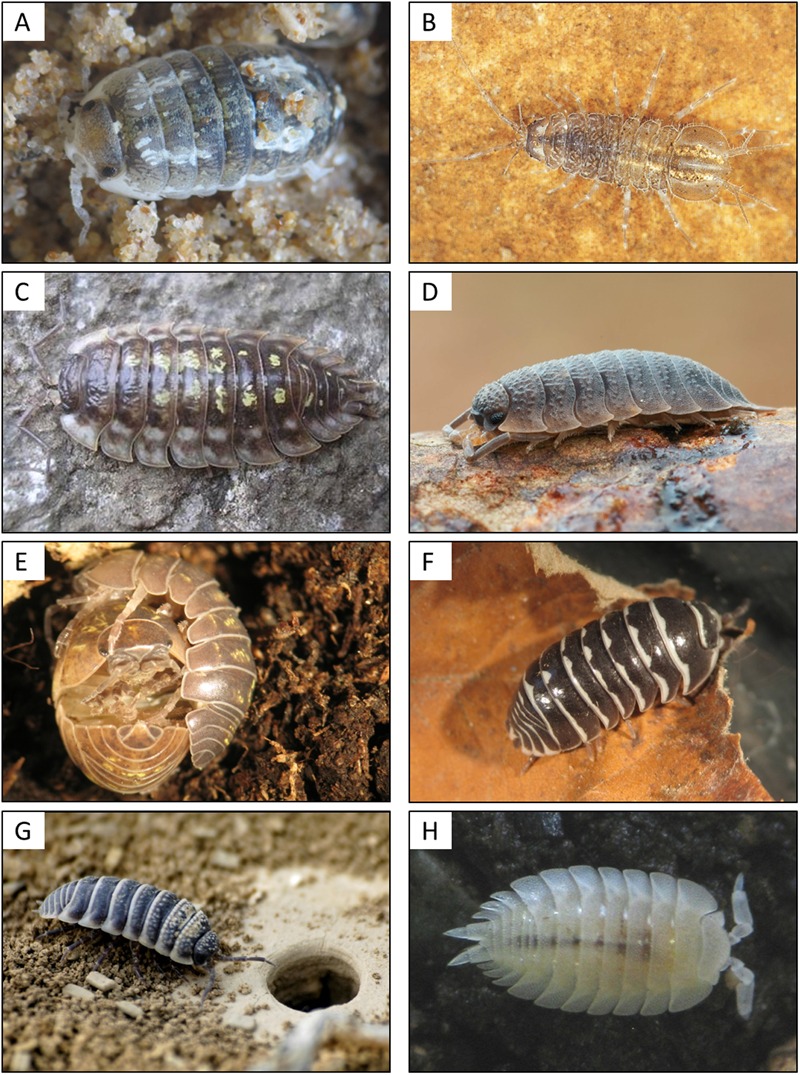
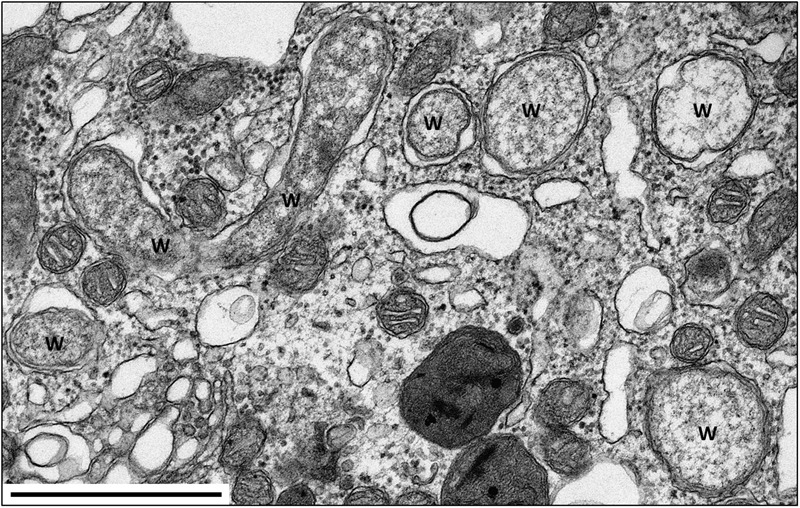
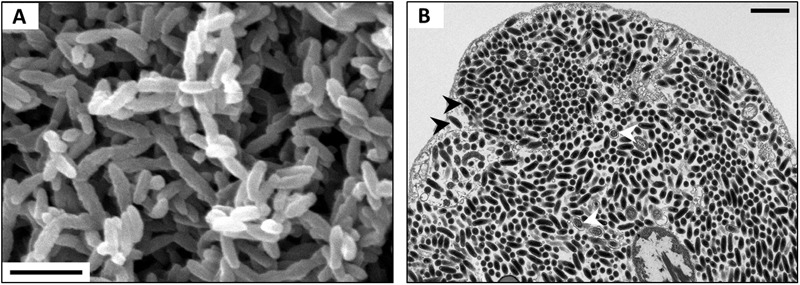
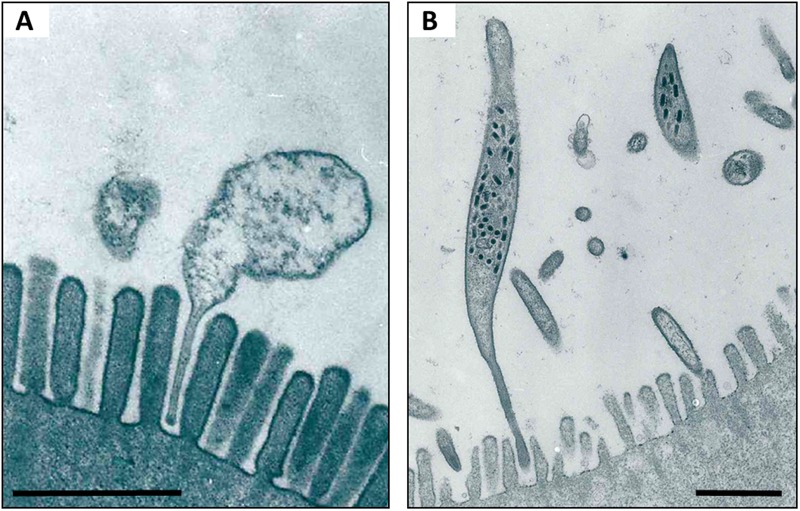
Bacterial symbionts represent essential drivers of arthropod ecology and evolution, influencing host traits such as nutrition, reproduction, immunity and speciation. However, the majority of work on arthropod microbiota has been conducted in insects and more studies in non-model species across different ecological niches will be needed to complete our understanding of host-microbiota interactions. In this review, we present terrestrial isopod crustaceans as an emerging model organism to investigate symbiotic associations with potential relevance to ecosystem functioning. Terrestrial isopods comprise a group of crustaceans that have evolved a terrestrial lifestyle and represent keystone species in terrestrial ecosystems, contributing to the decomposition of organic matter and regulating the microbial food web. Since their nutrition is based on plant detritus, it has long been suspected that bacterial symbionts located in the digestive tissues might play an important role in host nutrition via the provisioning of digestive enzymes, thereby enabling the utilization of recalcitrant food compounds (e.g. cellulose or lignins). If this were the case, then (i) the acquisition of these bacteria might have been an important evolutionary prerequisite for the colonization of land by isopods, and (ii) these bacterial symbionts would directly mediate the role of their hosts in ecosystem functioning. Several bacterial symbionts have indeed been discovered in the midgut caeca of terrestrial isopods and some of them might be specific to this group of animals (i.e. Candidatus Hepatoplasma crinochetorum, Candidatus Hepatincola porcellionum and Rhabdochlamydia porcellionis), while others are well-known intracellular pathogens (Rickettsiella spp.) or reproductive parasites (Wolbachia sp.). Moreover, a recent investigation of the microbiota in Armadillidium vulgare has revealed that this species harbors a highly diverse bacterial community which varies between host populations, suggesting an important share of environmental microbes in the host-associated microbiota. In this review, we synthesize our current knowledge on the terrestrial isopod microbiome and identify future directions to (i) fully understand the functional roles of particular bacteria (both intracellular or intestinal symbionts and environmental gut passengers), and (ii) whether and how the host-associated microbiota could influence the performance of terrestrial isopods as keystone species in soil ecosystems.
Overview
The claims and statistics of this paper haven’t been checked yet.
Run the check — free, no account needed. It reads the open-access text and checks the sources it cites.
Integrity signals
Registry
Cites
Statistics
Figures
Verification
Claims the paper makes
The claims and statistics of this paper haven’t been checked yet.
Run the check — free, no account needed. It reads the open-access text and checks the sources it cites.
Self-check
Percentages, sums and reported differences re-computed from the paper’s own numbers.
The self-check needs the paper’s full text.
Citations
Cites
The carbohydrate-active enzymes database (CAZy) in 2013
Lombard, V., Ramulu, H. G., Drula, É., Coutinho, P. M., & Henrissat, B. (2013) · Nucleic Acids Research · doi:10.1093/nar/gkt1178 · Cited by 6,452
The Carbohydrate-Active EnZymes database (CAZy): an expert resource for Glycogenomics
Cantarel, B. L., Coutinho, P. M., Rancurel, C., Bernard, T., Lombard, V., & Henrissat, B. (2008) · Nucleic Acids Research · doi:10.1093/nar/gkn663 · Cited by 6,108
Evolution of mammals and their gut microbes
Ley, R. E., Hamady, M., Lozupone, C., Turnbaugh, P. J., Ramey, R. R., Bircher, J. S., Schlegel, M. L., Tucker, T. A., Schrenzel, M. D., Knight, R., et al. (2008) · Science · doi:10.1126/science.1155725 · Cited by 3,747
Animals in a bacterial world, a new imperative for the life sciences
McFall‐Ngai, M., Hadfield, M. G., Bosch, T. C. G., Carey, H. V., Domazet‐Lošo, T., Douglas, A. E., Dubilier, N., Eberl, G., Fukami, T., Gilbert, S. F., et al. (2013) · Proceedings of the National Academy of Sciences · doi:10.1073/pnas.1218525110 · Cited by 2,879
Wolbachia: master manipulators of invertebrate biology
Werren, J. H., Baldo, L., & Clark, M. E. (2008) · Nature Reviews Microbiology · doi:10.1038/nrmicro1969 · Cited by 2,830
A Wolbachia Symbiont in Aedes aegypti Limits Infection with Dengue, Chikungunya, and Plasmodium
Moreira, L. A., Iturbe‐Ormaetxe, I., Jeffery, J. A. L., Lu, G., Pyke, A. T., Hedges, L. M., Rocha, B. C., Hall‐Mendelin, S., Day, A., Riegler, M., et al. (2009) · Cell · doi:10.1016/j.cell.2009.11.042 · Cited by 1,734
How many species are infected with Wolbachia? – a statistical analysis of current data
Hilgenboecker, K., Hammerstein, P., Schlattmann, P., Telschow, A., & Werren, J. H. (2008) · FEMS Microbiology Letters · doi:10.1111/j.1574-6968.2008.01110.x · Cited by 1,337
Facultative bacterial symbionts in aphids confer resistance to parasitic wasps
Oliver, K. M., Russell, J. A., Moran, N. A., & Hunter, M. S. (2003) · Proceedings of the National Academy of Sciences · doi:10.1073/pnas.0335320100 · Cited by 1,262
Teixeira, L., Ferreira, Á., & Ashburner, M. (2008) · PLoS Biology · doi:10.1371/journal.pbio.1000002 · Cited by 1,220
Wolbachia and Virus Protection in Insects
Hedges, L. M., Jeremy, B., O’Neill, S. L., & Johnson, K. N. (2008) · Science · doi:10.1126/science.1162418 · Cited by 1,111
Drosophila Microbiome Modulates Host Developmental and Metabolic Homeostasis via Insulin Signaling
Shin, S. C., Kim, S., You, H., Kim, B., Kim, A. C., Lee, K., Yoon, J., Ryu, J.-H., & Lee, W. (2011) · Science · doi:10.1126/science.1212782 · Cited by 956
Implication of the Mosquito Midgut Microbiota in the Defense against Malaria Parasites
Dong, Y., Manfredini, F., & Dimopoulos, G. (2009) · PLoS Pathogens · doi:10.1371/journal.ppat.1000423 · Cited by 806
Chandler, J., Lang, J., Bhatnagar, S., Eisen, J. A., & Kopp, A. (2011) · PLoS Genetics · doi:10.1371/journal.pgen.1002272 · Cited by 788
Aphid Protected from Pathogen by Endosymbiont
Scarborough, C. L., Ferrari, J., & Godfray, H. C. J. (2005) · Science · doi:10.1126/science.1120180 · Cited by 782
The diversity of reproductive parasites among arthropods: Wolbachiado not walk alone
Duron, O., Bouchon, D., Boutin, S., Bellamy, L., Zhou, L., Engelstädter, J., & Hurst, G. D. D. (2008) · BMC Biology · doi:10.1186/1741-7007-6-27 · Cited by 727
Self-citationFacultative bacterial endosymbionts benefit pea aphids Acyrthosiphon pisum under heat stress
Montllor, C. B., Maxmen, A., & Purcell, A. H. (2002) · Ecological Entomology · doi:10.1046/j.1365-2311.2002.00393.x · Cited by 711
Lignocellulose degradation mechanisms across the Tree of Life
Cragg, S. M., Beckham, G. T., Bruce, N. C., Bugg, T. D. H., Distel, D. L., Dupree, P., Etxabe, A. G., Goodell, B. S., Jellison, J., McGeehan, J. E., et al. (2015) · Current Opinion in Chemical Biology · doi:10.1016/j.cbpa.2015.10.018 · Cited by 689
Self-citationInnate immune recognition of the microbiota promotes host-microbial symbiosis
Chu, H., & Mazmanian, S. K. (2013) · Nature Immunology · doi:10.1038/ni.2635 · Cited by 630
Variation in resistance to parasitism in aphids is due to symbionts not host genotype
Oliver, K. M., Moran, N. A., & Hunter, M. S. (2005) · Proceedings of the National Academy of Sciences · doi:10.1073/pnas.0506131102 · Cited by 612
A simple and distinctive microbiota associated with honey bees and bumble bees
Martinson, V. G., Danforth, B. N., Minckley, R. L., Rueppell, O., Tingek, S., & Moran, N. A. (2010) · Molecular Ecology · doi:10.1111/j.1365-294x.2010.04959.x · Cited by 601
Do diet and taxonomy influence insect gut bacterial communities?
Colman, D. R., Toolson, E. C., & Takacs‐Vesbach, C. D. (2012) · Molecular Ecology · doi:10.1111/j.1365-294x.2012.05752.x · Cited by 581
Host Plant Specialization Governed by Facultative Symbiont
Tsuchida, T., Koga, R., & Fukatsu, T. (2004) · Science · doi:10.1126/science.1094611 · Cited by 541
Molecular identification of microorganisms associated with parthenogenesis
Stouthamer, R., Breeuwer, J. A. J., Luck, R. F., & Werren, J. H. (1993) · Nature · doi:10.1038/361066a0 · Cited by 504
Adaptation via Symbiosis: Recent Spread of a Drosophila Defensive Symbiont
JAENIKE, J. R., Unckless, R. L., Cockburn, S. N., Boelio, L. M., & Perlman, S. J. (2010) · Science · doi:10.1126/science.1188235 · Cited by 504
Symbiotic Bacterium Modifies Aphid Body Color
Tsuchida, T., Koga, R., Horikawa, M., Tsunoda, T., Maoka, T., Matsumoto, S., Simon, J., & Fukatsu, T. (2010) · Science · doi:10.1126/science.1195463 · Cited by 495
Wolbachia Invades Anopheles stephensi Populations and Induces Refractoriness to Plasmodium Infection
Bian, G., Joshi, D., Dong, Y., Lü, P., Zhou, G., Pan, X., Xu, Y., Dimopoulos, G., & Xi, Z. (2013) · Science · doi:10.1126/science.1236192 · Cited by 477
Wolbachiaendosymbionts responsible for various alterations of sexuality in arthropods
Rousset, F., Bouchon, D., Pintureau, B., Juchault, P., & Solignac, M. (1992) · Proceedings of the Royal Society B Biological Sciences · doi:10.1098/rspb.1992.0135 · Cited by 477
Self-citationLow‐diversity bacterial community in the gut of the fruitfly Drosophila melanogaster
Wong, C. N. A., Ng, P., & Douglas, A. E. (2011) · Environmental Microbiology · doi:10.1111/j.1462-2920.2011.02511.x · Cited by 464
Wolbachia-induced incompatibility precedes other hybrid incompatibilities in Nasonia
Bordenstein, S. R., O’Hara, F. P., & Werren, J. H. (2001) · Nature · doi:10.1038/35055543 · Cited by 453
The Hologenomic Basis of Speciation: Gut Bacteria Cause Hybrid Lethality in the Genus Nasonia
Brucker, R. M., & Bordenstein, S. R. (2013) · Science · doi:10.1126/science.1240659 · Cited by 429
Hughes, G. L., Koga, R., Xue, P., Fukatsu, T., & Rasgon, J. L. (2011) · PLoS Pathogens · doi:10.1371/journal.ppat.1002043 · Cited by 425
The Genetics and Cell Biology of Wolbachia-Host Interactions
Serbus, L. R., Casper-Lindley, C., Landmann, F., & Sullivan, W. (2008) · Annual Review of Genetics · doi:10.1146/annurev.genet.41.110306.130354 · Cited by 415
Bouchon, D., Rigaud, T., & Juchault, P. (1998) · Proceedings of the Royal Society B Biological Sciences · doi:10.1098/rspb.1998.0402 · Cited by 397
Self-citationConvergent evolution of metabolic roles in bacterial co-symbionts of insects
McCutcheon, J. P., McDonald, B. R., & Moran, N. A. (2009) · Proceedings of the National Academy of Sciences · doi:10.1073/pnas.0906424106 · Cited by 384
A cellulase gene of termite origin
Watanabe, H., Noda, H., Tokuda, G., & Lo, N. C. (1998) · Nature · doi:10.1038/28527 · Cited by 377
Variation in Antiviral Protection Mediated by Different Wolbachia Strains in Drosophila simulans
Osborne, S. E., Leong, Y. S., O’Neill, S. L., & Johnson, K. N. (2009) · PLoS Pathogens · doi:10.1371/journal.ppat.1000656 · Cited by 377
Brucker, R. M., & Bordenstein, S. R. (2012) · Trends in Ecology & Evolution · doi:10.1016/j.tree.2012.03.011 · Cited by 374
Functional Convergence in Reduced Genomes of Bacterial Symbionts Spanning 200 My of Evolution
McCutcheon, J. P., & Moran, N. A. (2010) · Genome Biology and Evolution · doi:10.1093/gbe/evq055 · Cited by 359
Unrelated facultative endosymbionts protect aphids against a fungal pathogen
Łukasik, P., van Asch, M., Guo, H., Ferrari, J., & Godfray, H. C. J. (2012) · Ecology Letters · doi:10.1111/ele.12031 · Cited by 334
World catalog of terrestrial isopods (Isopoda: Oniscidea)
Schmalfuß, H. (2003) · Cited by 333
Blagrove, M. S. C., Arias-Goeta, C., Failloux, A., & Sinkins, S. P. (2011) · Proceedings of the National Academy of Sciences · doi:10.1073/pnas.1112021108 · Cited by 327
Why bacteria matter in animal development and evolution
Fraune, S., & Bosch, T. C. G. (2010) · BioEssays · doi:10.1002/bies.200900192 · Cited by 321
Gut microbiota dictates the metabolic response ofDrosophilato diet
Wong, A. C.-N., Dobson, A. J., & Douglas, A. E. (2014) · Journal of Experimental Biology · doi:10.1242/jeb.101725 · Cited by 311
Blaser, M. J. (2014) · Journal of Clinical Investigation · doi:10.1172/jci78366 · Cited by 303
Linking the bacterial community in pea aphids with host‐plant use and natural enemy resistance
Ferrari, J., Darby, A. C., Daniell, T. J., Godfray, H. C. J., & Douglas, A. E. (2004) · Ecological Entomology · doi:10.1111/j.1365-2311.2004.00574.x · Cited by 294
Chlamydiaeas Symbionts in Eukaryotes
Horn, M. (2008) · Annual Review of Microbiology · doi:10.1146/annurev.micro.62.081307.162818 · Cited by 284
The impact of endosymbionts on the evolution of host sex-determination mechanisms
Cordaux, R., Bouchon, D., & Grève, P. (2011) · Trends in Genetics · doi:10.1016/j.tig.2011.05.002 · Cited by 271
Self-citationNutrition in terrestrial isopods (Isopoda: Oniscidea): an evolutionary‐ecological approach
Zimmer, M. (2002) · Biological reviews/Biological reviews of the Cambridge Philosophical Society · doi:10.1017/s1464793102005912 · Cited by 271
Self-citationBiotic interactions mediate soil microbial feedbacks to climate change
Crowther, T. W., Thomas, S. M., Maynard, D. S., Baldrián, P., Covey, K., Frey, S. D., van Diepen, L. T. A., & Bradford, M. A. (2015) · Proceedings of the National Academy of Sciences · doi:10.1073/pnas.1502956112 · Cited by 262
Evolutionary Relationships of Primary Prokaryotic Endosymbionts of Whiteflies and Their Hosts
Thao, M. L., & Baumann, P. (2004) · Applied and Environmental Microbiology · doi:10.1128/aem.70.6.3401-3406.2004 · Cited by 259
Pais, R., Lohs, C., Wu, Y., Wang, J., & Aksoy, S. (2008) · Applied and Environmental Microbiology · doi:10.1128/aem.00741-08 · Cited by 253
Tram, U., & Sullivan, W. (2002) · Science · doi:10.1126/science.1070536 · Cited by 249
Zhang, M., Sun, Y., Chen, K., Yu, N., Zhou, Z., Chen, L., Du, Z., & Li, E. (2014) · Aquaculture · doi:10.1016/j.aquaculture.2014.09.008 · Cited by 230
Hornung, E. (2011) · Terrestrial Arthropod Reviews · doi:10.1163/187498311x576262 · Cited by 218
Kowarzyk, H. (1964) · PubMed · Cited by 211
Ancient Origin of Glycosyl Hydrolase Family 9 Cellulase Genes
Davison, A., & Blaxter, M. (2005) · Molecular Biology and Evolution · doi:10.1093/molbev/msi107 · Cited by 208
He, S., Ivanova, N., Kirton, E., Allgaier, M., Bergin, C., Scheffrahn, R. H., Kyrpides, N. C., Warnecke, F., Tringe, S. G., & Hugenholtz, P. (2013) · PLoS ONE · doi:10.1371/journal.pone.0061126 · Cited by 201
Koch, H., & Schmid‐Hempel, P. (2012) · Ecology Letters · doi:10.1111/j.1461-0248.2012.01831.x · Cited by 199
Did an ancient chlamydial endosymbiosis facilitate the establishment of primary plastids?
Huang, J., & Gogarten, J. P. (2007) · Genome biology · doi:10.1186/gb-2007-8-6-r99 · Cited by 189
Wolbachia infection in crustaceans: novel hosts and potential routes for horizontal transmission
Cordaux, R., Michel‐Salzat, A., & Bouchon, D. (2001) · Journal of Evolutionary Biology · doi:10.1046/j.1420-9101.2001.00279.x · Cited by 188
Self-citationResponses of an Avian Predator and Its Isopod Prey to an Acanthocephalan Parasite
Moore, J. (1983) · Ecology · doi:10.2307/1937807 · Cited by 183
Diversity and Genomes of Uncultured Microbial Symbionts in the Termite Gut
Hongoh, Y. (2010) · Bioscience Biotechnology and Biochemistry · doi:10.1271/bbb.100094 · Cited by 177
Everett, K. D. E., Thao, M. L., Horn, M., Dyszynski, G. E., & Baumann, P. (2005) · INTERNATIONAL JOURNAL OF SYSTEMATIC AND EVOLUTIONARY MICROBIOLOGY · doi:10.1099/ijs.0.63454-0 · Cited by 161
Bacterial Communities in Central European Bumblebees: Low Diversity and High Specificity
Koch, H., & Schmid‐Hempel, P. (2011) · Microbial Ecology · doi:10.1007/s00248-011-9854-3 · Cited by 160
Reproductive Parasitism: Maternally Inherited Symbionts in a Biparental WorldPreprint
Hurst, G. D. D., & Frost, C. L. (2015) · Cold Spring Harbor Perspectives in Biology · doi:10.1101/cshperspect.a017699 · Cited by 155
Narita, S., Kageyama, D., Nomura, M., & Fukatsu, T. (2007) · Applied and Environmental Microbiology · doi:10.1128/aem.00145-07 · Cited by 151
Hiroki, M., Kato, Y., Kamito, T., & Miura, K. (2002) · Die Naturwissenschaften · doi:10.1007/s00114-002-0303-5 · Cited by 150
Molecular insight into lignocellulose digestion by a marine isopod in the absence of gut microbes
King, A. J., Cragg, S. M., Li, Y., Dymond, J., Guille, M., Bowles, D. J., Bruce, N. C., Graham, I. A., & McQueen‐Mason, S. J. (2010) · Proceedings of the National Academy of Sciences · doi:10.1073/pnas.0914228107 · Cited by 150
SEX DETERMINATION IN CRUSTACEA
Legrand, J. J., Legrand-Hamelin, E., & Juchault, P. (1987) · Biological reviews/Biological reviews of the Cambridge Philosophical Society · doi:10.1111/j.1469-185x.1987.tb01637.x · Cited by 143
Host‐specificity of environmentally transmitted Mycoplasma ‐like isopod symbionts
Fraune, S., & Zimmer, M. (2008) · Environmental Microbiology · doi:10.1111/j.1462-2920.2008.01672.x · Cited by 141
Self-citationCannibalism and Predation as Paths for Horizontal Passage of Wolbachia between Terrestrial Isopods
Clecʼh, W. L., Chevalier, F. D., Genty, L.-M., Bertaux, J., Bouchon, D., & Sicard, M. (2013) · PLoS ONE · doi:10.1371/journal.pone.0060232 · Cited by 141
Self-citationMoran, N. A., Dunbar, H. E., & Wilcox, J. L. (2005) · Journal of Bacteriology · doi:10.1128/jb.187.12.4229-4237.2005 · Cited by 139
Negri, I., Pellecchia, M., Mazzoglio, P. J., Patetta, A., & Alma, A. (2006) · Proceedings of the Royal Society B Biological Sciences · doi:10.1098/rspb.2006.3592 · Cited by 130
Success and failure of horizontal transfers of feminizing Wolbachia endosymbionts in woodlice
Rigaud, T., & Juchault, P. (1995) · Journal of Evolutionary Biology · doi:10.1046/j.1420-9101.1995.8020249.x · Cited by 130
Cordaux, R., Michel‐Salzat, A., Raimond, M., Rigaud, T., & Bouchon, D. (2004) · Heredity · doi:10.1038/sj.hdy.6800482 · Cited by 122
Self-citationFeminizing Wolbachiaand the evolution of sex determination in isopods*
Bouchon, D., Cordaux, R., & Gr√®ve, P. (2008) · Contemporary topics in entomology series · doi:10.1201/9781420064117.ch12 · Cited by 120
Self-citationThe evolution of sex determination in isopod crustaceans
Rigaud, T., Juchault, P., & Mocquard, J. (1997) · BioEssays · doi:10.1002/bies.950190508 · Cited by 119
Tsuchida, T., Koga, R., Fujiwara, A., & Fukatsu, T. (2013) · Applied and Environmental Microbiology · doi:10.1128/aem.03049-13 · Cited by 115
Kostanjšek, R., Štrus, J., Drobne, D., & Avguštin, G. (2004) · INTERNATIONAL JOURNAL OF SYSTEMATIC AND EVOLUTIONARY MICROBIOLOGY · doi:10.1099/ijs.0.02802-0 · Cited by 112
The structure and function of the digestive system of terrestrial isopods
Hames, C. A. C., & Hopkin, S. P. (1989) · Journal of Zoology · doi:10.1111/j.1469-7998.1989.tb02513.x · Cited by 108
Widespread Wolbachia infection in terrestrial isopods and other crustaceans
Cordaux, R., Pichon, S., Hatira, H. B. A., Doublet, V., Grève, P., Marcadé, I., Braquart‐Varnier, C., Souty‐Grosset, C., Charfi‐Cheikhrouha, F., & Bouchon, D. (2012) · ZooKeys · doi:10.3897/zookeys.176.2284 · Cited by 105
Self-citationKern, M., McGeehan, J. E., Streeter, S. D., Martin, R. N. A., Beßer, K., Elias, L., Eborall, W., Malyon, G. P., Payne, C. M., Himmel, M. E., et al. (2013) · Proceedings of the National Academy of Sciences · doi:10.1073/pnas.1301502110 · Cited by 103
Microorganisms and Cellulose Digestion in the Gut of the Woodlouse Porcellio scaber
Zimmer, M., & Topp, W. (1998) · Journal of Chemical Ecology · doi:10.1023/a:1021235001949 · Cited by 103
Self-citationZhang, M., Sun, Y., Chen, L., Cai, C., Qiao, F., Du, Z., & Li, E. (2016) · PLoS ONE · doi:10.1371/journal.pone.0148135 · Cited by 102
Corsaro, D., Thomas, V., Goy, G., Venditti, D., Radek, R., & Greub, G. (2006) · Systematic and Applied Microbiology · doi:10.1016/j.syapm.2006.06.001 · Cited by 102
Reassessment of the Taxonomic Position of Rickettsiella grylli
Roux, V., Bergoin, M., Lamaze, N., & Raoult, D. (1997) · International Journal of Systematic Bacteriology · doi:10.1099/00207713-47-4-1255 · Cited by 101
Durand, L., Zbinden, M., Cueff-Gauchard, V., Duperron, S., Roussel, E. G., Shillito, B., & Cambon-Bonavita, M.-A. (2010) · FEMS Microbiology Ecology · doi:10.1111/j.1574-6941.2009.00806.x · Cited by 100
Kostanjšek, R., Štrus, J., & Avguštin, G. (2007) · Applied and Environmental Microbiology · doi:10.1128/aem.02468-06 · Cited by 98
Natural invertebrate hosts of iridoviruses (Iridoviridae)
Williams, T. (2008) · Neotropical Entomology · doi:10.1590/s1519-566x2008000600001 · Cited by 97
Wolbachia Mediate Variation of Host Immunocompetence
Braquart‐Varnier, C., Lachat, M., Herbinière, J., Johnson, M., Caubet, Y., Bouchon, D., & Sicard, M. (2008) · PLoS ONE · doi:10.1371/journal.pone.0003286 · Cited by 96
Self-citationChen, X., Di, P., Wang, H., Li, B., Pan, Y., Yan, S., & Wang, Y. (2015) · PLoS ONE · doi:10.1371/journal.pone.0123990 · Cited by 95
Digestive Associations Between Marine Detritivores And Bacteria
Plante, C. J., Jumars, P. A., & Baross, J. A. (1990) · Annual Review of Ecology and Systematics · doi:10.1146/annurev.ecolsys.21.1.93 · Cited by 94
Sugimoto, T., & Ishikawa, Y. (2012) · Biology Letters · doi:10.1098/rsbl.2011.1114 · Cited by 93
Hassall, M., & Jennings, J. B. (1975) · Biological Bulletin · doi:10.2307/1540531 · Cited by 89
Chevalier, F. D., Herbinière, J., Charif, D., Mitta, G., Gavory, F., Wincker, P., Grève, P., Braquart‐Varnier, C., & Bouchon, D. (2012) · BMC Microbiology · doi:10.1186/1471-2180-12-s1-s1 · Cited by 88
Self-citationWang, Y., Stingl, U., Anton‐Erxleben, F., Geisler, S., Brune, A., & Zimmer, M. (2004) · Applied and Environmental Microbiology · doi:10.1128/aem.70.10.6166-6172.2004 · Cited by 83
Self-citationGunnarsson, T., & Tunlid, A. (1986) · Soil Biology and Biochemistry · doi:10.1016/0038-0717(86)90081-7 · Cited by 81
Phylogenetic Evidence for Two New Insect-Associated Chlamydia of the Family Simkaniaceae
Thao, M. L., Baumann, L. C., Hess, J. M., Falk, B. W., Ng, J. C. K., Gullan, P. J., & Baumann, P. (2003) · Current Microbiology · doi:10.1007/s00284-002-3953-9 · Cited by 81
Unravelling the Wolbachia evolutionary role: the reprogramming of the host genomic imprinting
Negri, I., Franchini, A., Gonella, E., Daffonchio, D. G., Mazzoglio, P. J., Mandrioli, M., & Alma, A. (2009) · Proceedings of the Royal Society B Biological Sciences · doi:10.1098/rspb.2009.0324 · Cited by 80
Bacterial symbionts in the hepatopancreas of isopods: diversity and environmental transmission
Wang, Y., Brune, A., & Zimmer, M. (2007) · FEMS Microbiology Ecology · doi:10.1111/j.1574-6941.2007.00329.x · Cited by 79
Self-citationMolecular Characterization and Evolution of Arthropod-Pathogenic Rickettsiella Bacteria
Cordaux, R., Paces-Fessy, M., Raimond, M., Michel‐Salzat, A., Zimmer, M., & Bouchon, D. (2007) · Applied and Environmental Microbiology · doi:10.1128/aem.00378-07 · Cited by 78
Self-citationZimmer, M., Danko, J. P., Pennings, S. C., Danford, A., Ziegler, A., Uglow, R. F., & Carefoot, T. H. (2001) · Marine Biology · doi:10.1007/s002270000519 · Cited by 77
Self-citationZimmer, M., & Topp, W. (1997) · Biology and Fertility of Soils · doi:10.1007/s003740050269 · Cited by 75
Self-citationZimmer, M., Kautz, G., & Topp, W. (2003) · European Journal of Soil Biology · doi:10.1016/j.ejsobi.2003.07.001 · Cited by 72
Self-citationMediannikov, O., Sekeyová, Z., Birg, M., & Raoult, D. (2010) · PLoS ONE · doi:10.1371/journal.pone.0011478 · Cited by 71
Zimmer, M., & Bartholmé, S. (2003) · Limnology and Oceanography · doi:10.4319/lo.2003.48.6.2208 · Cited by 71
Self-citationCellulose digestion and phenol oxidation in coastal isopods (Crustacea: Isopoda)
Zimmer, M., Danko, J., Pennings, S. C., Danford, A., Carefoot, T. H., Ziegler, A., & Uglow, R. F. (2002) · Marine Biology · doi:10.1007/s00227-002-0800-2 · Cited by 70
Self-citationMoret, Y., Juchault, P., & Rigaud, T. (2001) · Heredity · doi:10.1046/j.1365-2540.2001.00831.x · Cited by 69
Anton‐Erxleben, F., Zimmer, M., Brune, A., Wang, Y., & Stingl, U. (2004) · Archives of Microbiology · doi:10.1007/s00203-004-0655-7 · Cited by 67
Self-citationThe Fate and Effects of Ingested Hydrolyzable Tannins in Porcellio scaber
Zimmer, M. (1999) · Journal of Chemical Ecology · doi:10.1023/a:1020962105931 · Cited by 66
Self-citationRamírez-Puebla, S. T., Servín-Garcidueñas, L. E., Ormeño‐Orrillo, E., de León, A. V., Rosenblueth, M., Delaye, L., Martínez, J., & Martínez‐Romero, E. (2015) · Systematic and Applied Microbiology · doi:10.1016/j.syapm.2015.05.005 · Cited by 65
High Virulence of Wolbachia after Host Switching: When Autophagy Hurts
Clecʼh, W. L., Braquart‐Varnier, C., Raimond, M., Ferdy, J., Bouchon, D., & Sicard, M. (2012) · PLoS Pathogens · doi:10.1371/journal.ppat.1002844 · Cited by 64
Self-citationRelationships between woodlice (Isopoda: Oniscidea) and microbial density and activity in the field
Zimmer, M., & Topp, W. (1999) · Biology and Fertility of Soils · doi:10.1007/s003740050597 · Cited by 60
Self-citationRemarkable Diversity of Endogenous Viruses in a Crustacean Genome
Thézé, J., Leclercq, S., Moumen, B., Cordaux, R., & Gilbert, C. (2014) · Genome Biology and Evolution · doi:10.1093/gbe/evu163 · Cited by 60
Inherited Microorganisms That Selectively Kill Male Hosts
Hurst, G. D. D., Jiggins, F. M., & Majerus, M. E. N. (2003) · Contemporary topics in entomology series · doi:10.1201/9780203009918.ch12 · Cited by 60
Selective consumption and digestion of litter microbes by Porcellio scaber (Isopoda: Oniscidea)
Ihnen, K., & Zimmer, M. (2008) · Pedobiologia · doi:10.1016/j.pedobi.2007.06.001 · Cited by 59
Self-citationSpecies‐specific utilization of food sources by sympatric woodlice (Isopoda: Oniscidea)
Zimmer, M., & Topp, W. (2000) · Journal of Animal Ecology · doi:10.1111/j.1365-2656.2000.00463.x · Cited by 58
Self-citationEvidence for recombination between feminizing Wolbachia in the isopod genus Armadillidium
Verne, S., Johnson, M., Bouchon, D., & Grandjean, F. (2007) · Gene · doi:10.1016/j.gene.2007.04.006 · Cited by 56
Self-citationChevalier, F. D., Herbinière, J., Bertaux, J., Raimond, M., Morel, F., Bouchon, D., Grève, P., & Braquart‐Varnier, C. (2011) · PLoS ONE · doi:10.1371/journal.pone.0018531 · Cited by 55
Self-citationA host as an ecosystem: W olbachia coping with environmental constraints
Sicard, M., Dittmer, J., Grève, P., Bouchon, D., & Braquart‐Varnier, C. (2014) · Environmental Microbiology · doi:10.1111/1462-2920.12573 · Cited by 52
Self-citationDouble trouble: combined action of meiotic drive and Wolbachia feminization in Eurema butterflies
Kern, P., Cook, J. M., Kageyama, D., & Riegler, M. (2015) · Biology Letters · doi:10.1098/rsbl.2015.0095 · Cited by 52
Lapanje, A., Zrimec, A., Drobne, D., & Rupnik, M. (2010) · Environmental Pollution · doi:10.1016/j.envpol.2010.07.001 · Cited by 52
Dittmer, J., Lesobre, J., Moumen, B., & Bouchon, D. (2016) · FEMS Microbiology Ecology · doi:10.1093/femsec/fiw063 · Cited by 52
Self-citationSchmidt, G. D., & OLSEN, O. W. (1964) · Journal of Parasitology · doi:10.2307/3276191 · Cited by 49
Peterson, B. F., Stewart, H. L., & Scharf, M. E. (2015) · Insect Biochemistry and Molecular Biology · doi:10.1016/j.ibmb.2015.02.009 · Cited by 47
Federici, B. A. (1980) · Journal of Invertebrate Pathology · doi:10.1016/0022-2011(80)90041-5 · Cited by 47
Leclercq, S., Dittmer, J., Bouchon, D., & Cordaux, R. (2014) · Genome Biology and Evolution · doi:10.1093/gbe/evu020 · Cited by 47
Self-citationDoes Porcellio scaber (Isopoda: Oniscidea) gain from coprophagy?
Kautz, G., Zimmer, M., & Topp, W. (2002) · Soil Biology and Biochemistry · doi:10.1016/s0038-0717(02)00065-2 · Cited by 46
Self-citationKostanjÅ¡ek, R., trus, J., & AvguÅ¡tin, G. (2002) · FEMS Microbiology Ecology · doi:10.1111/j.1574-6941.2002.tb00950.x · Cited by 45
NUTRITIONAL BIOLOGY OF TERRESTRIAL ISOPODS (ISOPODA: ONISCIDEA): COPPER REVISITED
Zimmer, M., & Topp, W. (2013) · Israel Journal of Zoology · doi:10.1080/00212210.1998.10688968 · Cited by 45
Self-citationMale-killing Wolbachia do not protect Drosophila bifasciata against viral infection
Longdon, B., Fabian, D. K., Hurst, G. D. D., & Jiggins, F. M. (2012) · BMC Microbiology · doi:10.1186/1471-2180-12-s1-s8 · Cited by 44
Nechitaylo, T. Y., Timmis, K. N., & Golyshin, P. N. (2009) · Environmental Microbiology · doi:10.1111/j.1462-2920.2008.01837.x · Cited by 43
COXIELLA POPILLIAE, N. SP., A RICKETTSIA CAUSING BLUE DISEASE OF JAPANESE BEETLE LARVAE
Dutky, S. R., & Gooden, E. L. (1952) · Journal of Bacteriology · doi:10.1128/jb.63.6.743-750.1952 · Cited by 42
Duron, O., Cremaschi, J., & McCoy, K. D. (2015) · Microbial Ecology · doi:10.1007/s00248-015-0702-8 · Cited by 42
Variations of immune parameters in terrestrial isopods: a matter of gender, aging and Wolbachia
Sicard, M., Chevalier, F. D., Vlechouver, M. D., Bouchon, D., Grève, P., & Braquart‐Varnier, C. (2010) · Die Naturwissenschaften · doi:10.1007/s00114-010-0699-2 · Cited by 41
Self-citationLeclerque, A., & Kleespies, R. (2012) · PLoS ONE · doi:10.1371/journal.pone.0038062 · Cited by 40
Leclerque, A. (2008) · FEMS Microbiology Letters · doi:10.1111/j.1574-6968.2008.01158.x · Cited by 38
Dittmer, J., Beltran‐Bech, S., Lesobre, J., Raimond, M., Johnson, M., & Bouchon, D. (2014) · Molecular Ecology · doi:10.1111/mec.12760 · Cited by 37
Self-citationA New Iridovirus of Two Species of Terrestrial Isopods, Armadillidium vulgare and Porcellioscaber
Cole, A., & Morris, J. (1980) · Intervirology · doi:10.1159/000149158 · Cited by 37
Braquart‐Varnier, C., Altinli, M., Pigeault, R., Chevalier, F. D., Grève, P., Bouchon, D., & Sicard, M. (2015) · Frontiers in Microbiology · doi:10.3389/fmicb.2015.01388 · Cited by 36
Self-citationDrobne, D., Štrus, J., Žnidaršič, N., & Zidar, P. (1999) · Journal of Invertebrate Pathology · doi:10.1006/jipa.1998.4818 · Cited by 35
Biofilm feeding: Microbial colonization of food promotes the growth of a detritivorous arthropod
Horvathova, T., Babik, W., & Bauchinger, U. (2016) · ZooKeys · doi:10.3897/zookeys.577.6149 · Cited by 33
Diplorickettsia massiliensis as a human pathogen
Subramanian, G., Mediannikov, O., Angelakis, E., Socolovschi, C., Kaplanski, G., Martzolff, L., & Raoult, D. (2011) · European Journal of Clinical Microbiology & Infectious Diseases · doi:10.1007/s10096-011-1318-7 · Cited by 32
Wolbachia in Neotropical terrestrial isopods
Zimmermann, B. L., Bouchon, D., Almerão, M. P., & Araujo, P. B. (2015) · FEMS Microbiology Ecology · doi:10.1093/femsec/fiv025 · Cited by 31
Self-citationGenty, L.-M., Bouchon, D., Raimond, M., & Bertaux, J. (2014) · PLoS ONE · doi:10.1371/journal.pone.0094577 · Cited by 30
Self-citationWood, S., & Griffiths, B. S. (1988) · Pedobiologia · doi:10.1016/s0031-4056(23)02251-5 · Cited by 30
Novel Rickettsiella Bacterium in the Leafhopper Orosius albicinctus (Hemiptera: Cicadellidae)
Iasur‐Kruh, L., Weintraub, P. G., Mozes‐Daube, N., Robinson, W. E., Perlman, S. J., & Zchori‐Fein, E. (2013) · Applied and Environmental Microbiology · doi:10.1128/aem.00721-13 · Cited by 29
Endogenous origin of endo-β-1,4-glucanase in common woodlouse Porcellio scaber (Crustacea, Isopoda)
Kostanjšek, R., Milatovič, M., & Štrus, J. (2010) · Journal of Comparative Physiology B · doi:10.1007/s00360-010-0485-7 · Cited by 27
Federici, B. A. (1980) · Journal of Bacteriology · doi:10.1128/jb.143.2.995-1002.1980 · Cited by 27
Sicard, M., Bouchon, D., Ceyrac, L., Raimond, R., Thierry, M., Le Clec’h, W., Marcadé, I., Caubet, Y., & Grève, P. (2014) · Journal of Invertebrate Pathology · doi:10.1016/j.jip.2014.06.007 · Cited by 26
Self-citationRickettsiella, Intracellular Pathogens of Arthropods
Zchori-Fein, E., & Bourtzis, K. (2011) · CRC Press eBooks · doi:10.1201/b11008-12 · Cited by 25
Growth rate and survival of terrestrial isopods is related to possibility to acquire symbionts
Horváthová, T., Kozłowski, J., & Bauchinger, U. (2015) · European Journal of Soil Biology · doi:10.1016/j.ejsobi.2015.05.003 · Cited by 23
Nickol, B. B., & Dappen, G. E. (1982) · Journal of Parasitology · doi:10.2307/3280912 · Cited by 23
Bacteria adherent to the hindgut of terrestrial isopods.
Drobne, D. (1995) · PubMed · Cited by 23
Kleespies, R., Federici, B. A., & Leclerque, A. (2014) · Systematic and Applied Microbiology · doi:10.1016/j.syapm.2014.04.001 · Cited by 22
Anaerobic bacteria in the gut of terrestrial isopod crustaceanPorcellio scaber
Kostanjšek, R., Lapanje, A., Rupnik, M., Štrus, J., Drobne, D., & Avguštin, G. (2004) · Folia Microbiologica · doi:10.1007/bf02931397 · Cited by 22
Habitat-specific gut microbiota of the marine herbivore Idotea balthica (Isopoda)
Mattila, J. M., Zimmer, M., Vesakoski, O., & Jormalainen, V. (2014) · Journal of Experimental Marine Biology and Ecology · doi:10.1016/j.jembe.2014.02.010 · Cited by 20
Self-citationClecʼh, W. L., Raimond, M., Guillot, S., Bouchon, D., & Sicard, M. (2013) · Environmental Microbiology · doi:10.1111/1462-2920.12172 · Cited by 18
Self-citationIridovirus infection in terrestrial isopods from Sicily (Italy)
Lupetti, P., Montesanto, G., Ciolfi, S., Marri, L., Gentile, M., Paccagnini, E., & Lombardo, B. M. (2013) · Tissue and Cell · doi:10.1016/j.tice.2013.05.001 · Cited by 18
Molecular evolution of the androgenic hormone in terrestrial isopods
Cerveau, N., Bouchon, D., Bergès, T., & Grève, P. (2014) · Gene · doi:10.1016/j.gene.2014.02.024 · Cited by 16
Self-citationSixt, B. S., Kostanjšek, R., Mustedanagic, A., Toenshoff, E. R., & Horn, M. (2013) · Environmental Microbiology · doi:10.1111/1462-2920.12252 · Cited by 15
Modulation of host immunity and reproduction by horizontally acquired Wolbachia
Pigeault, R., Braquart‐Varnier, C., Marcadé, I., Mappa, G., Mottin, E., & Sicard, M. (2014) · Journal of Insect Physiology · doi:10.1016/j.jinsphys.2014.07.005 · Cited by 15
Reichard, M. V., Caudell, D. L., & Kocan, A. A. (2004) · Comparative Parasitology · doi:10.1654/4086 · Cited by 15
Chlamydia isopodii sp. n., an Obligate Intracellular Parasite of Porcellio scaber
Shay, M. T., Bettica, A., Vernon, G. M., & Witkus, E. R. (2008) · Experimental Cell Biology · doi:10.1159/000163303 · Cited by 14
The Hematopoietic Organ: A Cornerstone for Wolbachia Propagation Between and Within Hosts
Braquart‐Varnier, C., Raimond, M., Mappa, G., Chevalier, F. D., Clecʼh, W. L., & Sicard, M. (2015) · Frontiers in Microbiology · doi:10.3389/fmicb.2015.01424 · Cited by 14
The glycosylated androgenic hormone of the terrestrial isopod Porcellio scaber (Crustacea)
Grève, P., Braquart‐Varnier, C., Strub, J., Félix, C., DORSSELAER, A. V., & Martin, G. (2004) · General and Comparative Endocrinology · doi:10.1016/j.ygcen.2004.01.015 · Cited by 13
El-Aal, M. A., & Holdich, D. M. (1987) · Journal of Invertebrate Pathology · doi:10.1016/0022-2011(87)90056-5 · Cited by 12
The role of animal-microbe interactions in isopod ecology and evolution
Zimmer, M. (2006) · Cited by 12
Self-citationDappen, G. E., & Nickol, B. B. (1981) · Journal of Invertebrate Pathology · doi:10.1016/0022-2011(81)90124-5 · Cited by 11
Berg, M. P., & Wijnhoven (1999) · Crustaceana · doi:10.1163/156854099503249 · Cited by 10
Jj, L., Martin, G., & Artault, J.-C. (1978) · PubMed · Cited by 10
[A rickettsial disease of isopod crustaceans].
Vago, C., Meynadier, G., Juchault, P., Jj, L., Amargier, A., & Duthoit, J. L. (1970) · PubMed · Cited by 10
Karasawa, S., Takatsuka, J., & Kato, J. (2012) · Crustaceana · doi:10.1163/15685403-00003116 · Cited by 9
Hurpin, B., & Robert, P. H. (1976) · BioControl · doi:10.1007/bf02372017 · Cited by 6
Dimitrova, Z. M. (2009) · Acta Parasitologica · doi:10.2478/s11686-009-0003-9 · Cited by 5
Levri, E. P., & Coppola, B. P. (2004) · Comparative Parasitology · doi:10.1654/4085 · Cited by 4
Research works printed but not linked: 9
- Brandstädter, 2008, “Infection of terrestrial isopods with environmentally transmitted bacterial symbionts,” in, Proceedings of the International Symposium on Terrestrial Isopod Biology: ISTIB-07
- de Bary, 1879, Die Erscheinung der Symbiose [The phenomenon of symbiosis]., Vortrag gehalten auf der Versammlung der Deutschen Naturforscher und Ärzte zu Cassel., 1
- Donadey, 1972, Étude histologique ultrastructurale et expérimentale des caecums digestifs de Porcellio dilatatus et Ligia oceanica (Crustacea, Isopoda)., Téthys, 4, 145
- Federici, 1984, Diseases of terrestrial isopods., Symp. Zool. Soc. Lond., 53, 233
- Legrand, 1978, Corrélation entre la présence d’un symbionte bactérien dans les ovocytes de Porcellio dilatatus petiti, et la stérilité du croisement P. d. petiti mâle x P. d. dilatatus femelle., Arch. Inst. Pasteur Tunis, 55, 507
- Martin, 1973, Mise en évidence d’un micro-organisme intracytoplasmique symbiote de l’oniscoïde Armadillidium vulgare Latr. dont la présence accompagne l’intersexualité ou la féminisation totale des mâles génétiques de la lignée thélygène., C. R. Acad. Sci. Paris, 276, 2313
- Rigaud, 1991, Feminizing endocytobiosis in the terrestrial crustacean Armadillidium vulgare Latr. (Isopoda): recent acquisitions., Endocyt. Cell Res., 7, 259
- Weiss, 1984, “Genus VIII. Rickettsiella Philip 1956, 267AL,” in, Bergey’s Manual of Systematic Bacteriology, 713
- Yousfi, 1976, Recherches sur la Pathologie des Crustacés Isopodes Oniscoïdes.
Cited by
Sorted by citations
Potapov, A., Beaulieu, F., Birkhofer, K., Bluhm, S. L., Degtyarev, M. I., Devetter, M., Goncharov, A. A., Gongalsky, K. B., Klarner, B., Korobushkin, D. I., et al. (2022) · Biological reviews/Biological reviews of the Cambridge Philosophical Society · doi:10.1111/brv.12832 · Cited by 444
Lignocellulose degradation at the holobiont level: teamwork in a keystone soil invertebrate
Bredon, M., Dittmer, J., Noël, C., Moumen, B., & Bouchon, D. (2018) · Microbiome · doi:10.1186/s40168-018-0536-y · Cited by 137
Self-citationSymbiosis-inspired approaches to antibiotic discovery
Adnani, N., Rajski, S. R., & Bugni, T. S. (2017) · Natural Product Reports · doi:10.1039/c7np00009j · Cited by 139
Agamennone, V., Le, N. G., van Straalen, N. M., Brouwer, A., & Roelofs, D. (2019) · Scientific Reports · doi:10.1038/s41598-019-43828-w · Cited by 103
The functional microbiome of arthropods
Esposti, M. D., & Martínez‐Romero, E. (2017) · PLoS ONE · doi:10.1371/journal.pone.0176573 · Cited by 100
Metadata
- Authors
- Bouchon, D., Zimmer, M., & Dittmer, J.
- Affiliations
- Centre National de la Recherche Scientifique (FR)
- Leibniz Centre for Tropical Marine Research (DE)
- Harvard University (US)
- Corresponding author
- Bouchon, Didier
- Venue
- Frontiers in Microbiology
- Publisher
- Frontiers Media SA
- Published
- 2016-09-23
- Volume
- 7
- Issue
- 1472
- Pages
- 1472-1472
- ISSN
- 1664-302X (ISSN-L)
- PMC
- PMC5033963
- OpenAlex
- W2520819341
- Cited by
- 110
- References
- 181
- Citations by year
- 2026: 8 · 2025: 12 · 2024: 18 · 2023: 13 · 2022: 17 · 2021: 9 · 2020: 8 · 2019: 9 · 2018: 8 · 2017: 8
- FWCI
- 0.92
- Type
- journal article
- Language
- en
- Open access
- gold
- doi.org
- Licence
- cc-by
- Locations
- Frontiers in Microbiology (publishedVersion, cc-by)
- PubMed Central (publishedVersion, cc-by)
- PubMed (publishedVersion)
- Digital Access to Scholarship at Harvard (DASH) (Harvard University) (submittedVersion, cc-by)
- HAL (submittedVersion, other-oa)
- DOAJ (DOAJ: Directory of Open Access Journals) (submittedVersion, cc-by-sa)
- Informationszentrum Lebenswissenschaften (ZB MED) (submittedVersion, cc-by)
- Funders
- Agence Nationale de la Recherche (ANR-10-BLAN-1701, ANR-10)
- Centre National de la Recherche Scientifique
- Université de Poitiers
- Topics
- Life Sciences › Agricultural and Biological Sciences › Insect Science › Insect symbiosis and bacterial influences
- Physical Sciences › Environmental Science › Ecology › Crustacean biology and ecology
- Physical Sciences › Environmental Science › Ecology › Microbial Community Ecology and Physiology
- Keywords
- terrestrial isopods, symbiotic bacteria, host-microbe interactions, Armadillidium vulgare, Rickettsiella, Wolbachia, gut microbiota, detritivory, keystone species, soil ecosystems, microbial food web
About these checks
Registry, retraction, Cites and statistics results are computed, not judged, with one exception: a printed reference that no index lists is read once by a model before it counts as a citation error. Claims are extracted by a model and kept only when their quote appears verbatim in the text; each cited source is then checked, with a model’s help, for whether it says what the claim relies on. Those verdicts can be wrong — read the claim’s quote and the cited source before relying on one.
Statistics and arithmetic are recomputed, not judged.
Confidence bands are shown only for fields calibrated on our annotated test set. None is calibrated yet, so no band is shown.
What counts as a claim ›How we measure confidence ›How we check this ›
Are you an author, or do you see a problem with this page? Request a review
