

The DOI matches its Crossref record; 1 of the 1 references it cites were found in a registry or an index.
The Effect of Xylooligosaccharide, Xylan, and Whole Wheat Bran on the Human Gut Bacteria
Abstract
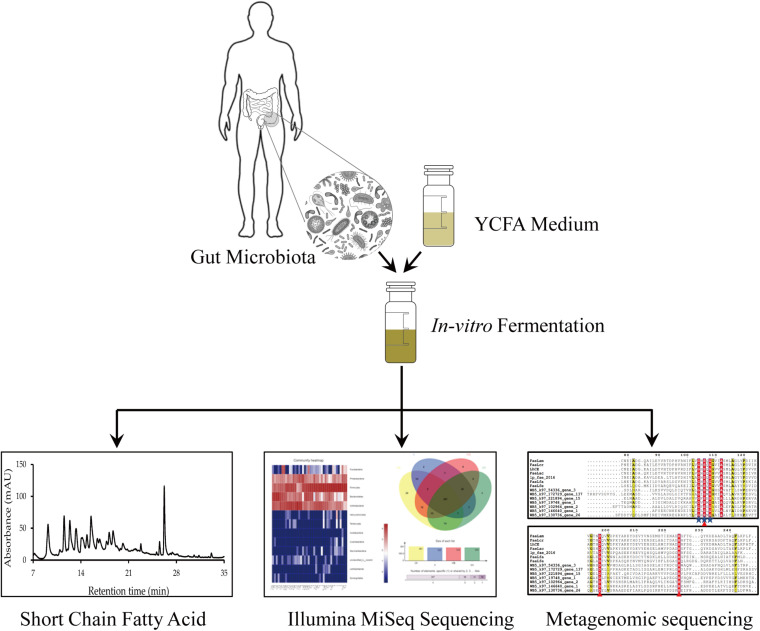
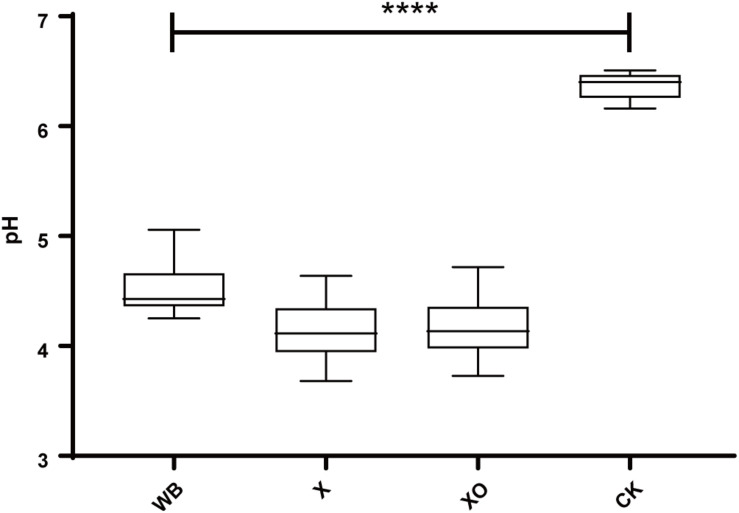
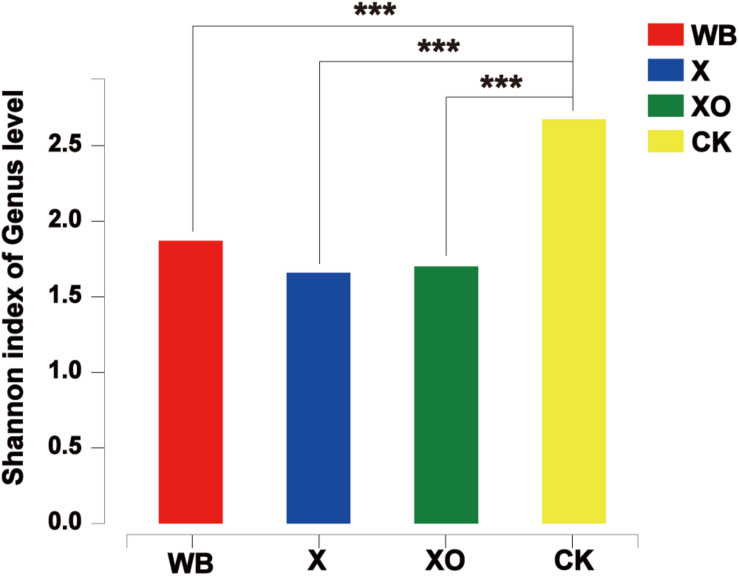
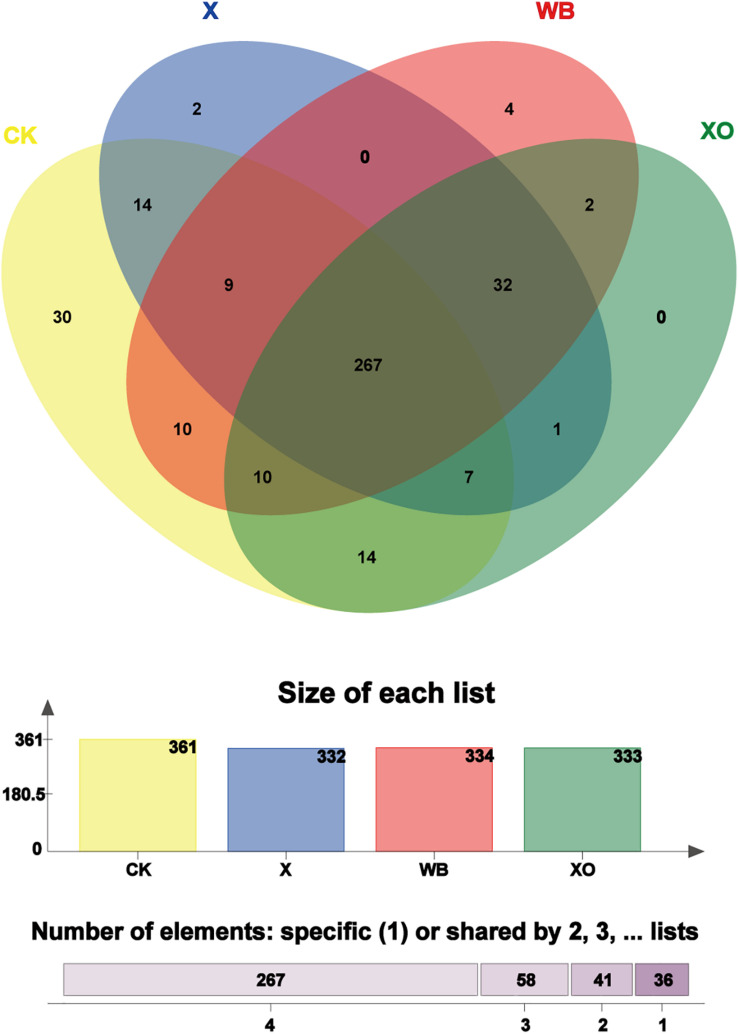
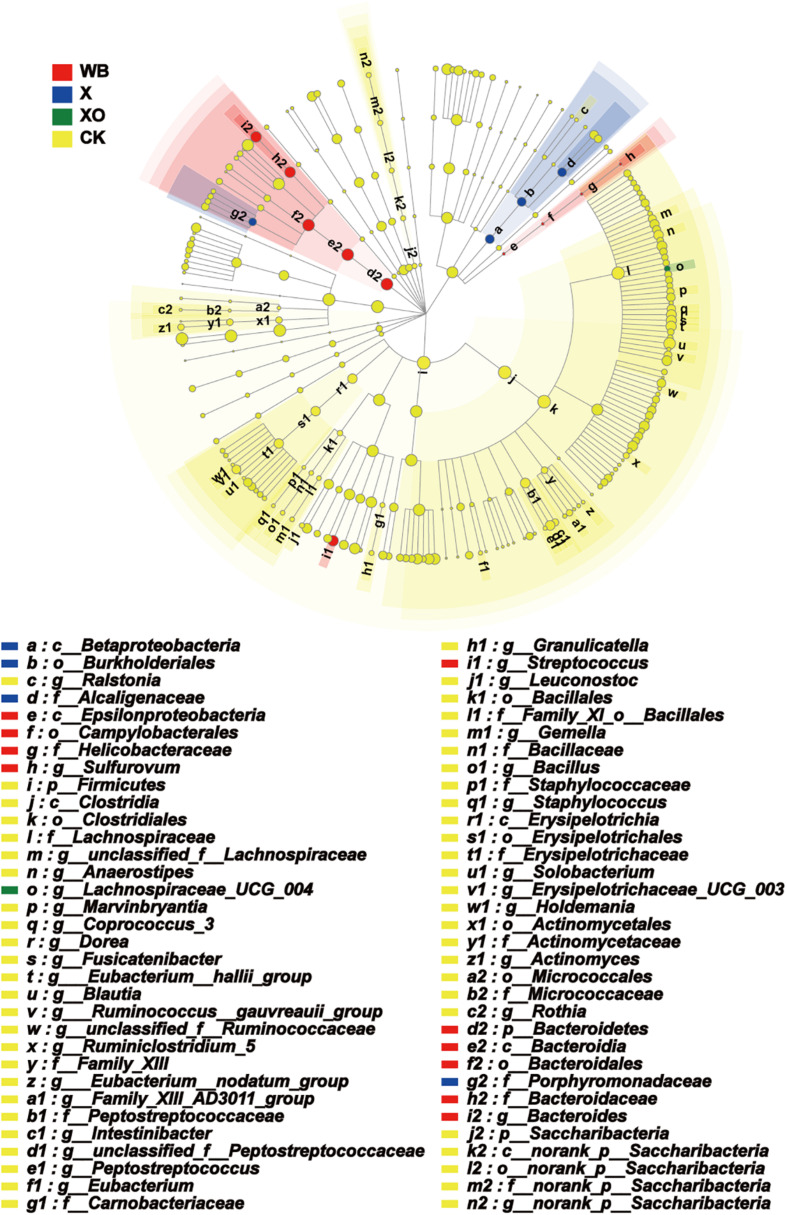
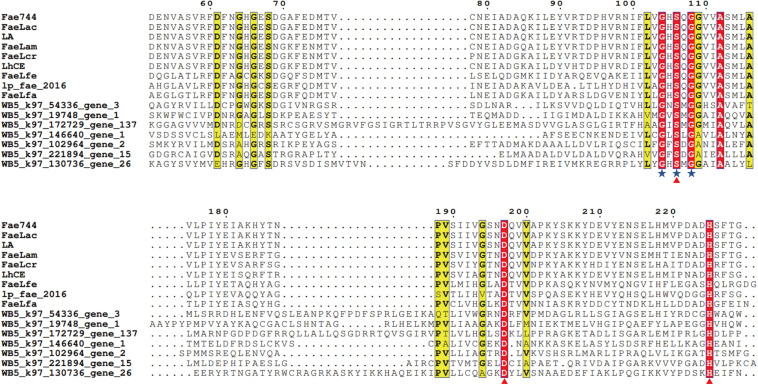
Wheat bran is a cereal rich in dietary fibers that have high levels of ferulic acid, which has prebiotic effects on the intestinal microbiota and the host. Herein we explored the effect of xylooligosaccharide, xylan, and whole wheat bran on the human gut bacteria and screened for potential ferulic acid esterase genes. Using in vitro fermentation, we analyzed the air pressure, pH-value, and short-chain fatty acid levels. We also performed 16S rRNA gene and metagenomic sequencing. A Venn diagram analysis revealed that 80% of the core operational taxonomic units (OTUs) were shared among the samples, and most of the xylooligosaccharide treatment core OTUs (319/333 OTUs) were shared with the other two treatments’ core OTUs. A significant difference analysis revealed that the relative abundance of Dorea, Bilophila, and Sulfurovum in wheat bran treatment was higher than that in xylan and xylooligosaccharide treatments. The clusters of orthologous groups of proteins functional composition of all samples was similar to the microbiota composition of the control. Using metagenomic sequencing, we revealed seven genes containing the conserved residues, Gly-X-Ser-X-Gly, and the catalytic triad, Ser-His-Asp, which are thus potential ferulic acid esterase genes. All the results indicate that xylan and/or xylooligosaccharide, the main dietary fibers in wheat bran, plays a major role in in vitro fermentation by the human gut microbiota.
Overview
The claims and statistics of this paper haven’t been checked yet.
Run the check — free, no account needed. It reads the open-access text and checks the sources it cites.
Integrity signals
Registry
Cites
Statistics
Figures
Verification
Claims the paper makes
The claims and statistics of this paper haven’t been checked yet.
Run the check — free, no account needed. It reads the open-access text and checks the sources it cites.
Claims other papers make about this one
Each is checked against this paper’s own text: does it say what the citing paper says it does?
In the citing paper
“The blooming of Bifidobacterium caused by SCXN was associated with its prebiotic constituent, xylan, which has been widely known to promote Bifidobacterium growth41,42.”
From Combining gut microbiota modulation and chemotherapy by capecitabine-loaded prebiotic nanoparticle improves colorectal cancer therapy (2023) · cites this paper as [42]
Self-check
Percentages, sums and reported differences re-computed from the paper’s own numbers.
The self-check needs the paper’s full text.
Citations
Cites
Yoshida, N., Emoto, T., Yamashita, T., Watanabe, H., Hayashi, T., Tabata, T., Hoshi, N., Hatano, N., Ozawa, G., Sasaki, N., et al. (2018) · Circulation · doi:10.1161/circulationaha.118.033714 · Cited by 619 · cited 1×
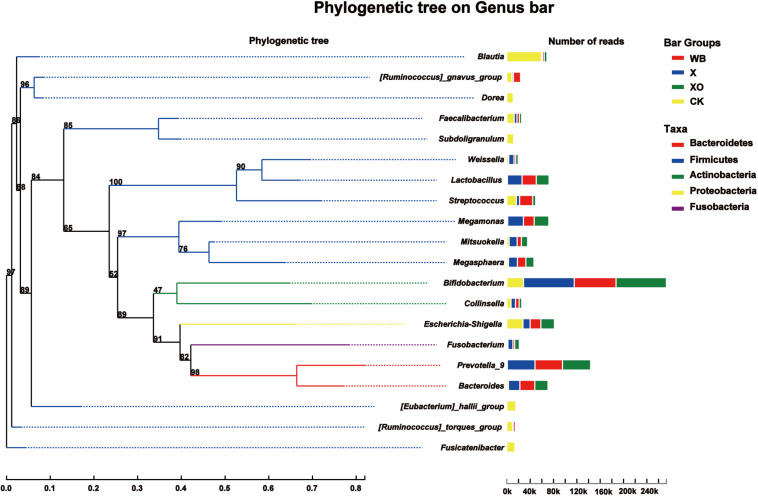
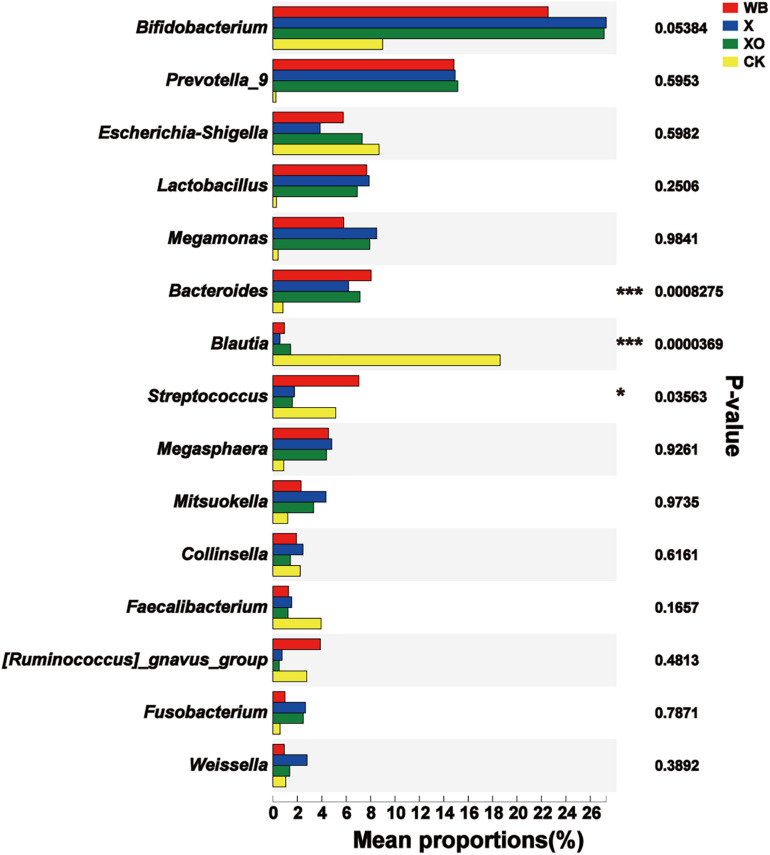
“Additionally, compared with the CK group (Figure 6), the relative abundance of probiotics (Burnet and Cowen, 2013; Yoshida et al., 2018; Vuillermin et al., 2020), such as Bifidobacterium, Prevotella_9, Lactobacillus, and Bacteroides, was increased by WB, X, and XO treatments.”
Result
Research works printed but not linked: 46
- Broekaert, 2011, Prebiotic and other health-related effects of cereal-derived arabinoxylans, arabinoxylan-oligosaccharides, and xylooligosaccharides., Crit. Rev. Food Sci. Nutr., 51, 178, 10.1080/10408390903044768 · DOI
- Burnet, 2013, Psychobiotics highlight the pathways to happiness., Biol. Psychiatry, 74, 708, 10.1016/j.biopsych.2013.08.002 · DOI
- Cani, 2007, Selective increases of bifidobacteria in gut microflora improve high-fat-diet-induced diabetes in mice through a mechanism associated with endotoxaemia., Diabetologia, 50, 2374, 10.1007/s00125-007-0791-790 · DOI
- Chen, 2020, The in vitro effect of fibers with different degrees of polymerization on human gut bacteria., Front. Microbiol., 11, 10.3389/fmicb.2020.00819 · DOI
- De Filippo, 2010, Impact of diet in shaping gut microbiota revealed by a comparative study in children from Europe and rural Africa., Proc. Natl. Acad. Sci. U.S.A., 107, 14691, 10.1073/pnas.1005963107 · DOI · Paper page
- De Paepe, 2018, Introducing insoluble wheat bran as a gut microbiota niche in an in vitro dynamic gut model stimulates propionate and butyrate production and induces colon region specific shifts in the luminal and mucosal microbial community., Environ. Microbiol., 20, 3406, 10.1111/1462-2920.14381 · DOI
- D’Hoe, 2018, Prebiotic wheat bran fractions induce specific microbiota changes., Front. Microbiol., 9, 10.3389/fmicb.2018.00031 · DOI
- Duncan, 2016, Wheat bran promotes enrichment within the human colonic microbiota of butyrate-producing bacteria that release ferulic acid., Environ. Microbiol., 18, 2214, 10.1111/1462-2920.13158 · DOI
- Fang, 2019, Effects of polysaccharides on glycometabolism based on gut microbiota alteration., Trends Food Sci. Technol., 92, 65, 10.1016/j.tifs.2019.08.015 · DOI
- Fava, 2013, New advances in the integrated management of food processing by-products in Europe: sustainable exploitation of fruit and cereal processing by-products with the production of new food products (NAMASTE EU)., New Biotechnol., 30, 647, 10.1016/j.nbt.2013.05.001 · DOI
- Fehlbaum, 2018, In vitro fermentation of selected prebiotics and their effects on the composition and activity of the adult gut microbiota., Int. J. Mol. Sci., 19, 10.3390/ijms19103097 · DOI
- Ferri, 2019, Advances in combined enzymatic extraction of ferulic acid from wheat bran., New Biotechnol., 56, 38, 10.1016/j.nbt.2019.10.010 · DOI
- Fu, 2012, CD-HIT: accelerated for clustering the next-generation sequencing data., Bioinformatics, 28, 3150, 10.1093/bioinformatics/bts565 · DOI · Paper page
- Hansen, 2019, Targeting gut microbiota and barrier function with prebiotics to alleviate autoimmune manifestations in NOD mice., Diabetologia, 62, 1689, 10.1007/s00125-019-4910-4915 · DOI
- Kelly, 2018, Characterisation of a hydroxycinnamic acid esterase from the Bifidobacterium longum subsp. longum Taxon., Front. Microbiol., 9, 10.3389/fmicb.2018.02690 · DOI
- Kumar, 2014, Potential applications of ferulic acid from natural sources., Biotechnol. Rep., 4, 86, 10.1016/j.btre.2014.09.002 · DOI
- Li, 2015, MEGAHIT: an ultra-fast single-node solution for large and complex metagenomics assembly via succinct de Bruijn graph., Bioinformatics, 31, 1674, 10.1093/bioinformatics/btv033 · DOI
- Li, 2008, SOAP: short oligonucleotide alignment program., Bioinformatics, 24, 713, 10.1093/bioinformatics/btn025 · DOI · Paper page
- Makki, 2018, The impact of dietary fiber on gut microbiota in host health and disease., Cell Host Microb., 23, 705, 10.1016/j.chom.2018.05.012 · DOI · Paper page
- Manisseri, 2010, Bioactive xylo-oligosaccharides from wheat bran soluble polysaccharides., LWT Food Sci. Technol., 43, 421, 10.1016/j.lwt.2009.09.004 · DOI
- Miguez, 2018, Potential of Fructooligosaccharides and xylooligosaccharides as substrates to counteract the undesirable effects of several antibiotics on elder fecal microbiota: a first in vitro approach., J. Agric. Food Chem., 66, 9426, 10.1021/acs.jafc.8b02940 · DOI
- Mori, 2018, Sulfurovum denitrificans sp. nov., an obligately chemolithoautotrophic sulfur-oxidizing Epsilonproteobacterium isolated from a hydrothermal field., Int. J. Syst. Evol. Microbiol., 68, 2183, 10.1099/ijsem.0.002803 · DOI
- Morrison, 2016, Formation of short chain fatty acids by the gut microbiota and their impact on human metabolism., Gut Microb., 7, 189, 10.1080/19490976.2015.1134082 · DOI · Paper page
- Noguchi, 2006, MetaGene: prokaryotic gene finding from environmental genome shotgun sequences., Nucleic Acids Res., 34, 5623, 10.1093/nar/gkl723 · DOI
- Oh, 2019, Different dietary fibre sources and risks of colorectal cancer and adenoma: a dose-response meta-analysis of prospective studies., Br. J. Nutr., 122, 605, 10.1017/S0007114519001454 · DOI
- Quast, 2013, The SILVA ribosomal RNA gene database project: improved data processing and web-based tools., Nucleic Acids Res., 41, D590, 10.1093/nar/gks1219 · DOI · Paper page
- Robert, 2014, Deciphering key features in protein structures with the new ENDscript server., Nucleic Acids Res., 42, W320, 10.1093/nar/gku316 · DOI · Paper page
- Sasaki, 2018, Low amounts of dietary fibre increase in vitro production of short-chain fatty acids without changing human colonic microbiota structure., Sci. Rep., 8, 10.1038/s41598-017-18877-18878 · DOI
- Schwab, 2017, Trophic interactions of infant bifidobacteria and Eubacterium hallii during L-Fucose and fucosyllactose degradation., Front. Microbiol., 8, 10.3389/fmicb.2017.00095 · DOI
- Song, 2019, Protective effects of exopolysaccharide of a medicinal fungus on probiotic bacteria during cold storage and simulated gastrointestinal conditions., Int. J. Biol. Macromol., 133, 957, 10.1016/j.ijbiomac.2019.04.108 · DOI
- Suriano, 2017, Fat binding capacity and modulation of the gut microbiota both determine the effect of wheat bran fractions on adiposity., Sci. Rep., 7, 10.1038/s41598-017-05698-y · DOI
- Tang, 2020, Dietary fiber-based colon-targeted delivery systems for polyphenols., Trends Food Sci. Technol., 100, 333, 10.1016/j.tifs.2020.04.028 · DOI
- Tierney, 2019, The landscape of genetic content in the gut and oral human microbiome., Cell Host Microb., 26, 283, 10.1016/j.chom.2019.07.008 · DOI
- Toe, 2020, A prebiotic-enhanced lipid-based nutrient supplement (LNSp) increases Bifidobacterium relative abundance and enhances short-chain fatty acid production in simulated colonic microbiota from undernourished infants., FEMS Microbiol. Ecol., 96, 10.1093/femsec/fiaa105 · DOI
- Tremaroli, 2012, Functional interactions between the gut microbiota and host metabolism., Nature, 489, 242, 10.1038/nature11552 · DOI · Paper page
- Tuncil, 2018, Divergent short-chain fatty acid production and succession of colonic microbiota arise in fermentation of variously-sized wheat bran fractions., Sci. Rep., 8, 10.1038/s41598-018-34912-34918 · DOI
- Vuillermin, 2020, Maternal carriage of Prevotella during pregnancy associates with protection against food allergy in the offspring., Nat. Commun., 11, 10.1038/s41467-020-14552-14551 · DOI
- Waite, 2017, Comparative genomic analysis of the class Epsilonproteobacteria and proposed reclassification to Epsilonbacteraeota (phyl. nov.)., Front. Microbiol., 8, 10.3389/fmicb.2017.00682 · DOI
- Wang, 2019, In vitro colonic fermentation of dietary fibers: fermentation rate, short-chain fatty acid production and changes in microbiota., Trends Food Sci. Technol, 88, 1, 10.1016/j.tifs.2019.03.005 · DOI
- Wang, 2020, Efficient ferulic acid and xylo-oligosaccharides production by a novel multi-modular bifunctional xylanase/feruloyl esterase using agricultural residues as substrates., Bioresour. Technol., 297, 10.1016/j.biortech.2019.122487 · DOI
- Woting, 2016, The intestinal microbiota in metabolic disease., Nutrients, 8, 10.3390/nu8040202 · DOI · Paper page
- Yang, 2014, Production and in vitro fermentation of soluble, non-digestible, feruloylated oligo- and polysaccharides from maize and wheat brans., J. Agric. Food Chem., 62, 159, 10.1021/jf404305y · DOI
- Yao, 2020, Site-directed mutagenesis of coenzyme-independent carotenoid oxygenase CSO2 to enhance the enzymatic synthesis of vanillin., Appl. Microbiol. Biotechnol., 104, 3897, 10.1007/s00253-020-10433-10431 · DOI
- Yu, 2020, Single-anastomosis duodenal jejunal bypass improve glucose metabolism by regulating gut microbiota and short-chain fatty acids in goto-kakisaki rats., Front. Microbiol., 11, 10.3389/fmicb.2020.00273 · DOI
- Zheng, 2020, The gut microbiome modulates gut-brain axis glycerophospholipid metabolism in a region-specific manner in a nonhuman primate model of depression., Mol. Psychiatry., 10.1038/s41380-020-0744-2 · DOI
- Zhou, 2020, Distinct microbiota dysbiosis in patients with non-erosive reflux disease and esophageal adenocarcinoma., J. Clin. Med., 9, 10.3390/jcm9072162 · DOI
Cited by
Sorted by citations
Lang, T., Zhu, R., Zhu, X., Yan, W., Li, Y., Zhai, Y., Wu, T., Huang, X., Yin, Q., & Li, Y. (2023) · Nature Communications · doi:10.1038/s41467-023-40439-y · Cited by 133
Metadata
- Authors
- Chen, M., Liu, S., Imam, K. M. S. U., Sun, L., Wang, Y., Gu, T., Wen, B., & Xin, F.
- Venue
- Frontiers in Microbiology
- Publisher
- Frontiers Media SA
- Published
- 2020-12-03
- Volume
- 11
- ISSN
- 1664-302X
- PMC
- PMC7794011
- Cited by
- 18
- References
- 1
About these checks
Registry, retraction, Cites and statistics results are computed, not judged, with one exception: a printed reference that no index lists is read once by a model before it counts as a citation error. Claims are extracted by a model and kept only when their quote appears verbatim in the text; each cited source is then checked, with a model’s help, for whether it says what the claim relies on. Those verdicts can be wrong — read the claim’s quote and the cited source before relying on one.
Statistics and arithmetic are recomputed, not judged.
Confidence bands are shown only for fields calibrated on our annotated test set. None is calibrated yet, so no band is shown.
What counts as a claim ›How we measure confidence ›How we check this ›
Are you an author, or do you see a problem with this page? Request a review
